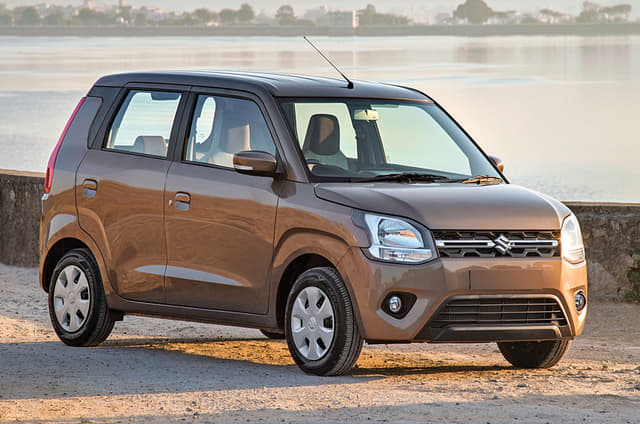
Petrol cars in India (163)
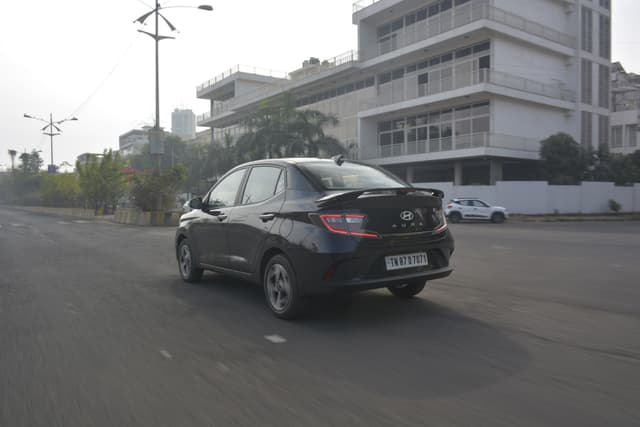
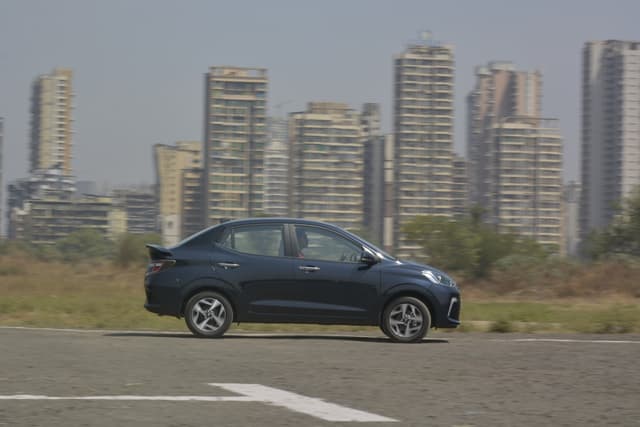
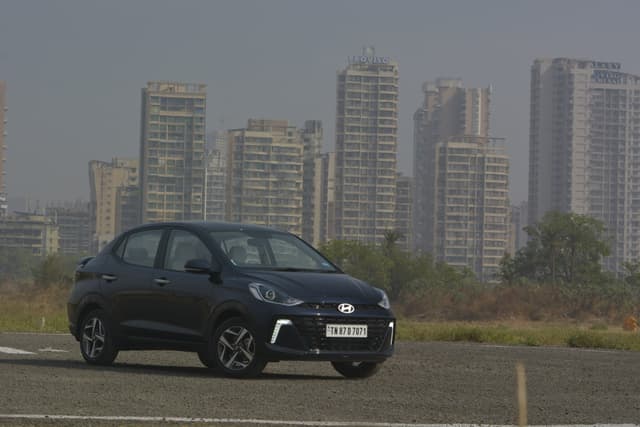
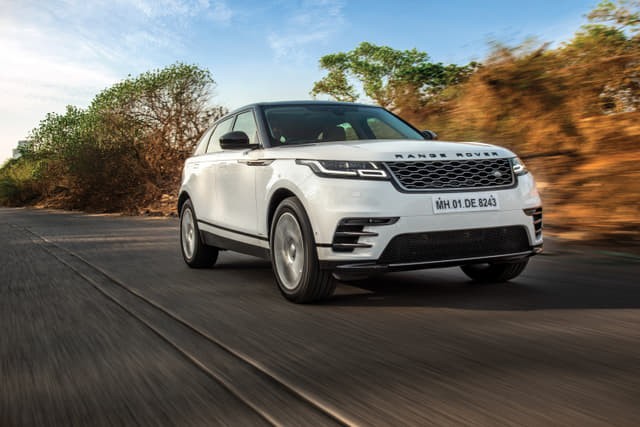
Petrol powers almost every car type in India, from hatchbacks and sedans to MPVs and SUVs, and it remains the country's most popular fuel type by far. In June 2026, petrol cars accounted for 43.63% of retail sales, ahead of CNG (24.33%), diesel (16.02%), hybrid (8.27%) and EVs (7.75%), according to FADA data.

Petrol cars fall into two main types: those powered by naturally aspirated engines and those powered by turbocharged engines. Petrol cars sold after April 2025 are E20 compliant, while those sold prior were E5 or E10 compliant. Compared with similar diesel cars, petrol cars are generally more refined and smoother to drive, while also producing more horsepower with the same cubic capacity. Here are other factors that help keep petrol cars in demand and at the top:
- Lower upfront cost: A petrol car costs less than an equivalent EV and does not depend on access to a charger.
- Model choice: Petrol cars are offered across every body style, whether hatchback, sedan, SUV, MPV, convertible, etc. But that’s not the case with CNG or EV.
- Availability: Petrol pumps are available in nearly every part of the country. But that's not the case with CNG pumps (and even where they are available, you might have to wait in long queues) or EV charging stations.
- Fewer diesel-specific issues: A petrol car does not come with the extra upkeep that diesel engines need, such as periodic DPF cleaning or turbo-related servicing.
- Compatibility tested: Maruti Suzuki's data from 2.84 crore serviced vehicles found no E20-related corrosion, including in cars that were not originally certified for E20.
- Future-proofing: Locally made ethanol conversion kits, expected to cost around Rs 15,000 according to ISMA, could allow existing petrol cars to run on higher ethanol blends without an ECU change.
Petrol Cars in India: Quick Highlights
Benchmark | Car | Detail |
Cheapest petrol car | Maruti Suzuki S-Presso | Starts at Rs 3.50 lakh - (ex-showroom) |
Most expensive petrol car | Rolls-Royce Phantom | Starts at Rs 12.87 crore (ex-showroom) |
Most fuel-efficient petrol car | Maruti Suzuki Celerio | 26.68 kpl (ARAI, petrol automatic) |
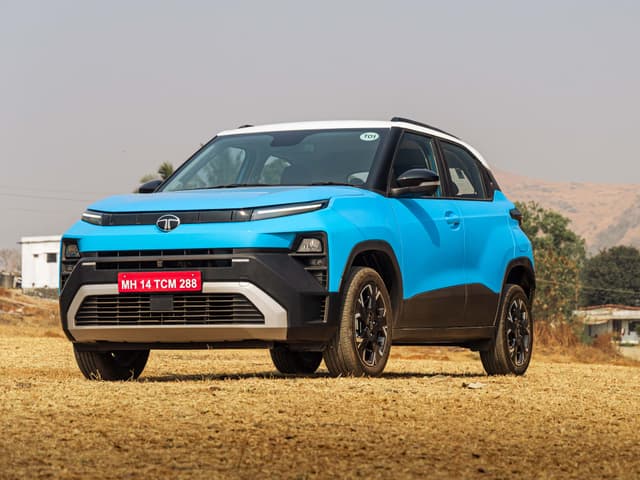
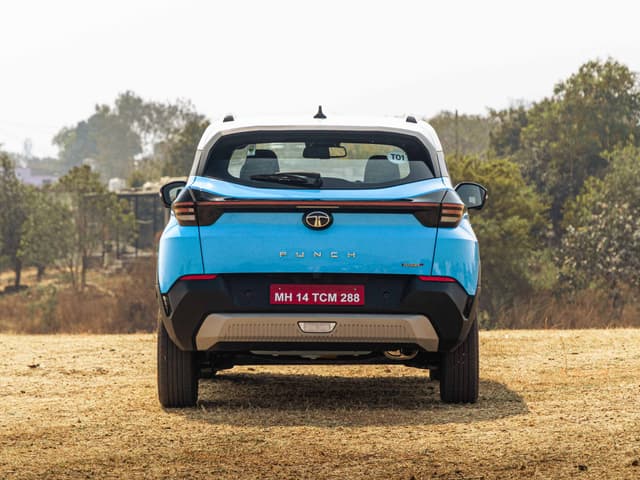
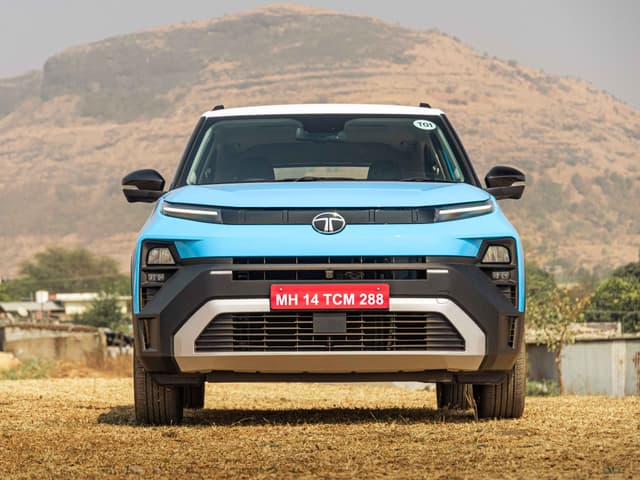
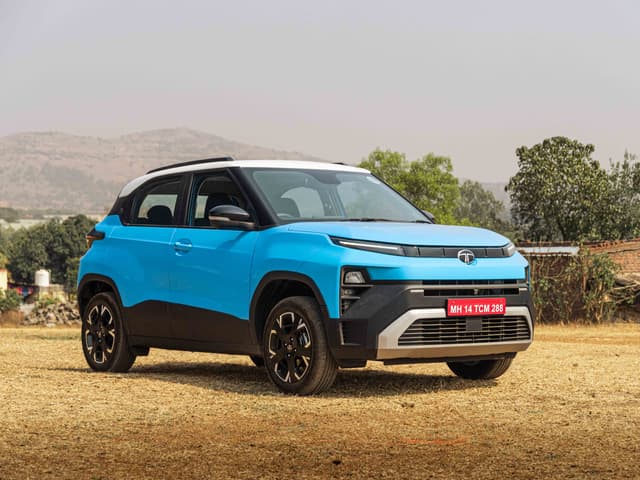
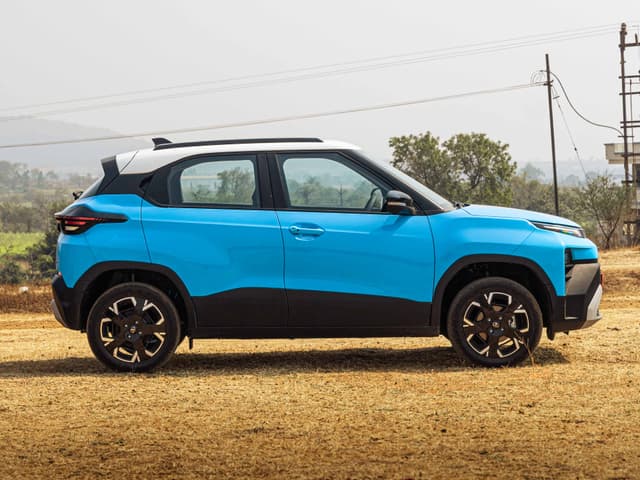
Best-selling petrol model as of Aug 2026 in India | Tata Punch | Topped the monthly sales chart |
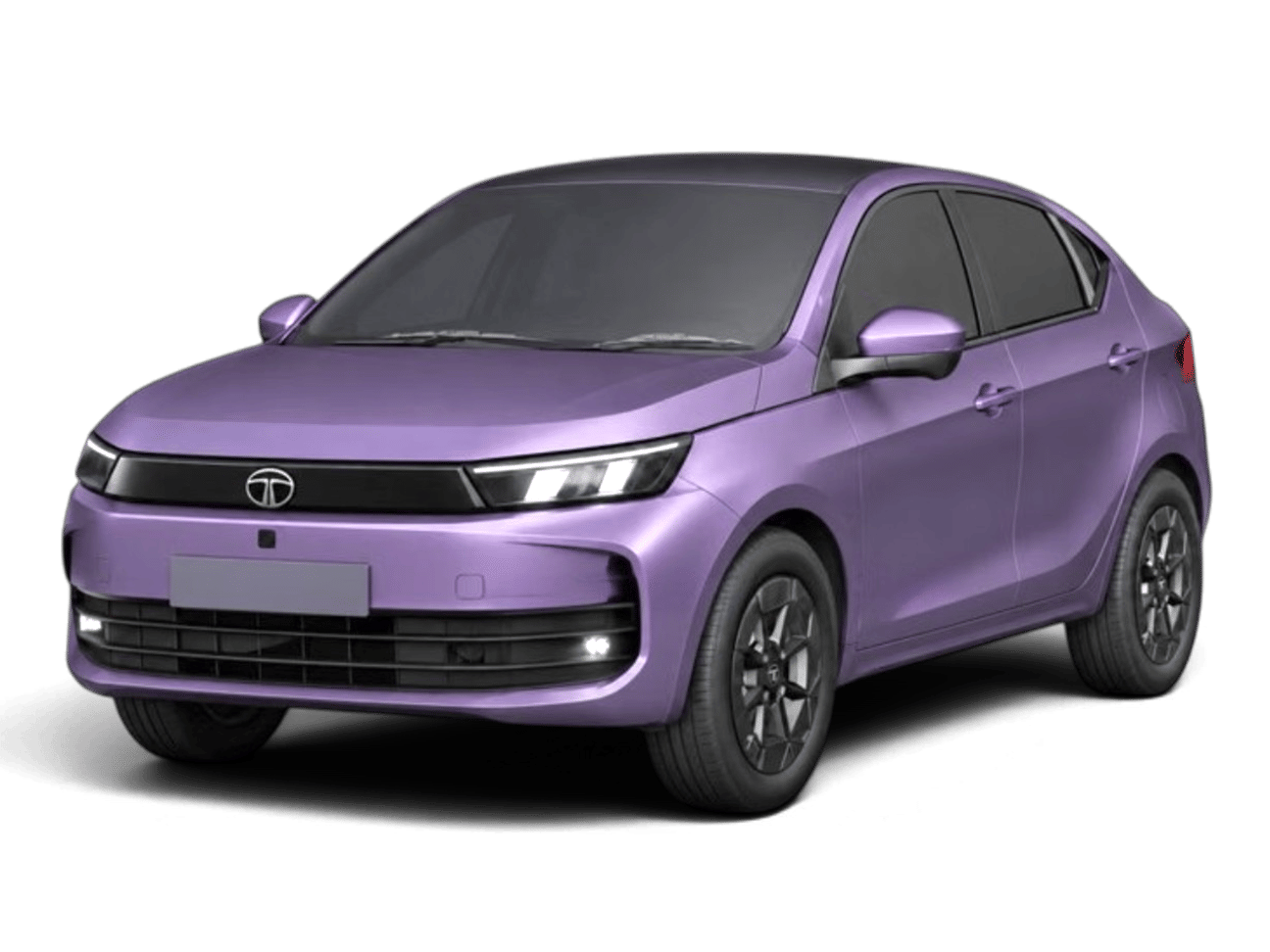
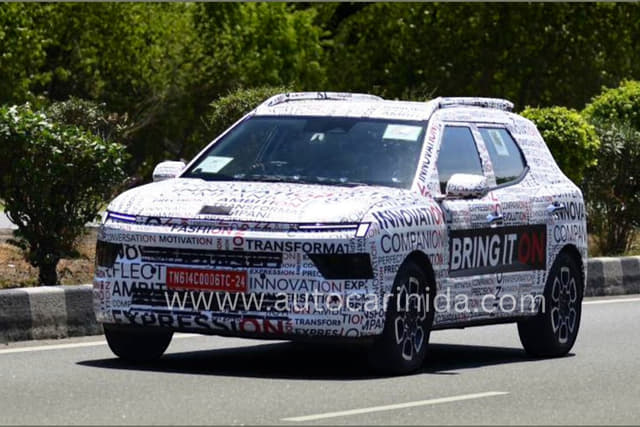
Upcoming petrol cars in India | Tata Tigor facelift, Renault Bigster, Audi New Q3, Hyundai Bayon, etc. | 29 models |
New Petrol Cars Launched in 2026
If you are looking for new petrol cars in 2026, here are some of the most awaited models launched this year:
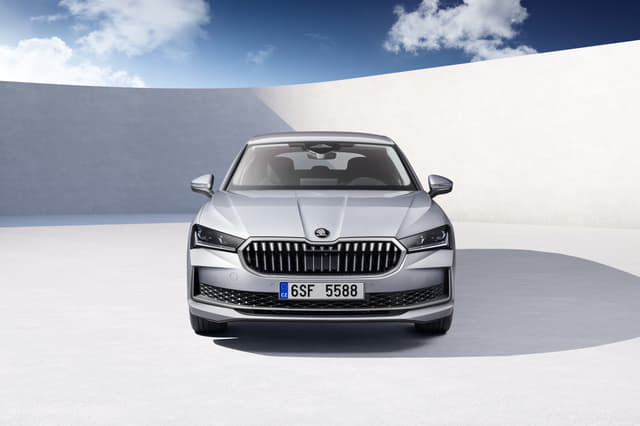
- Skoda Octavia RS: A second, 100-unit batch went on sale in September 2026 at Rs 56.69 lakh ex-showroom. Petrol-only, with a 2.0-litre turbo (265hp, 370Nm) and 7-speed DCT, 0-100 kph in 6.4 seconds. Won Performance Car of the Year at the Autocar India Awards 2026.
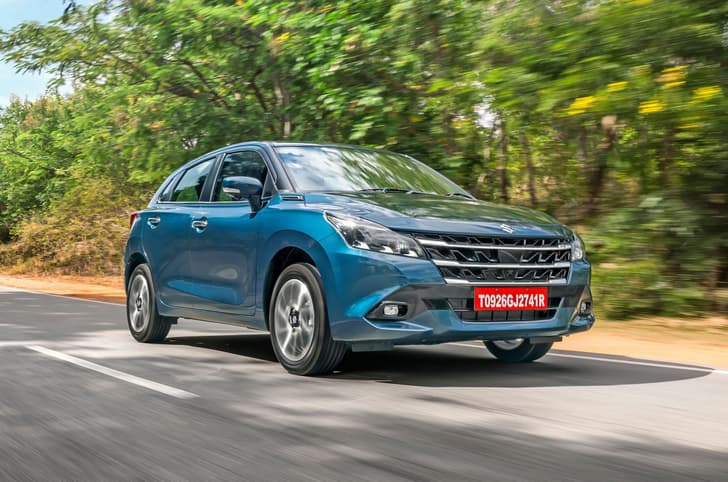
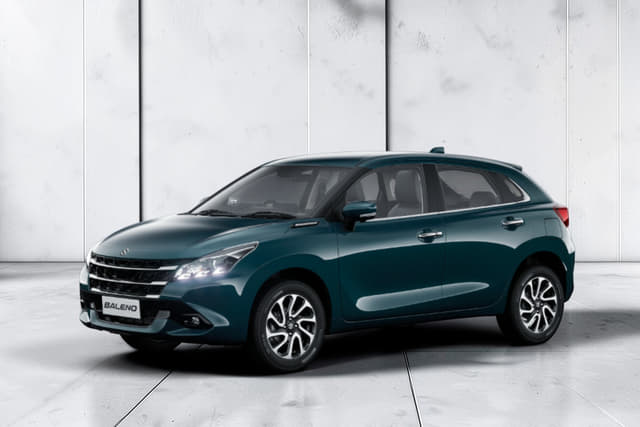
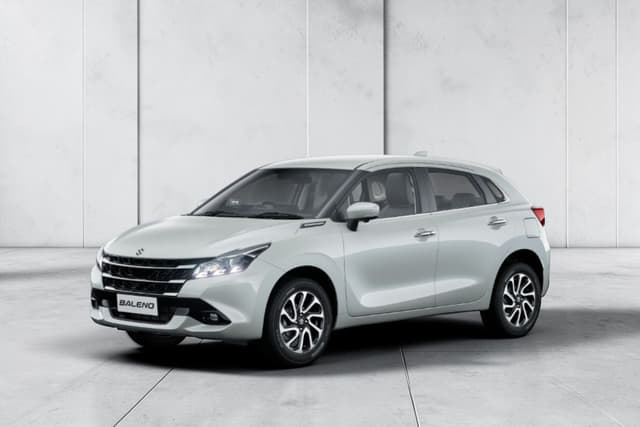
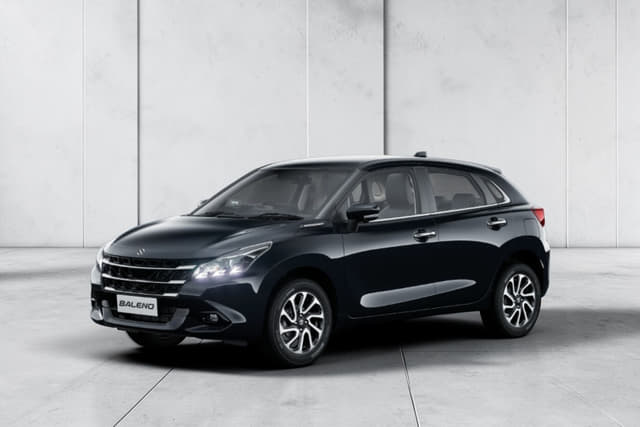
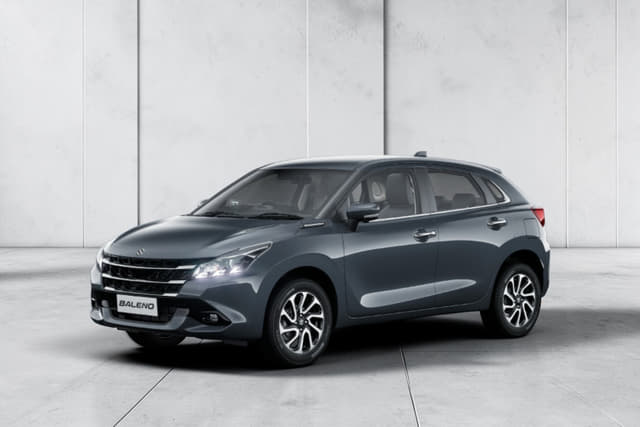
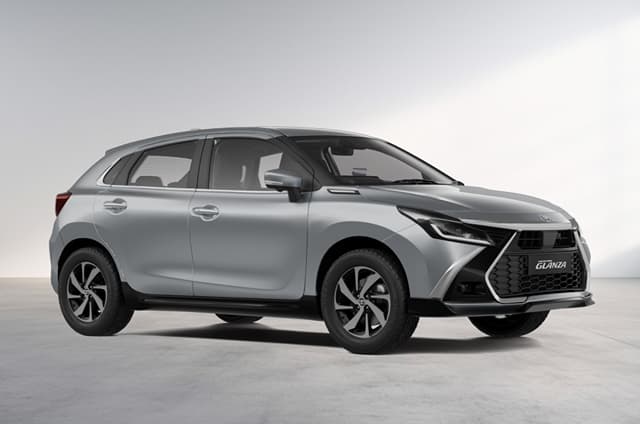
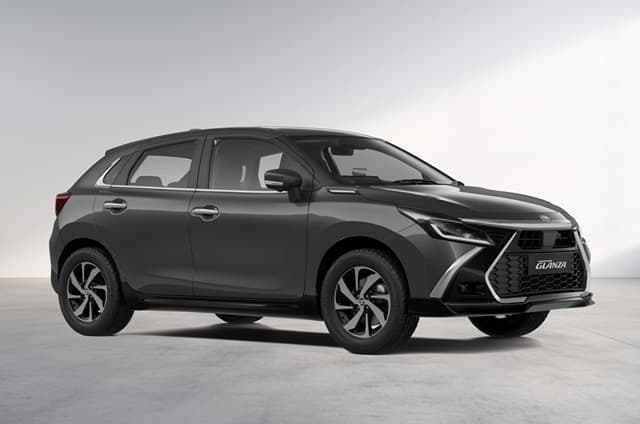
- Maruti Suzuki Baleno facelift: Launched September 5, 2026, from Rs 6.10 lakh. New grille and front bumper, and the old four-cylinder K-series engine is replaced by a 1.2-litre three-cylinder Z-series petrol (83hp, 112Nm). Adds Level 2 ADAS, ventilated seats and a 360-degree camera.
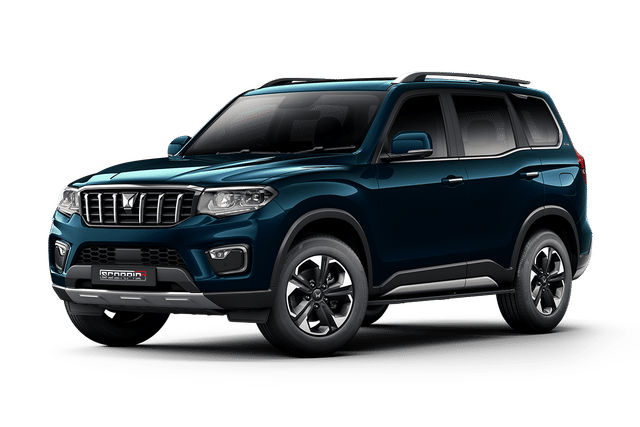
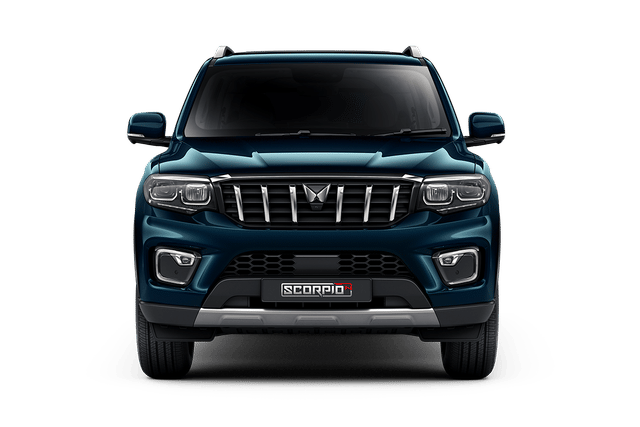
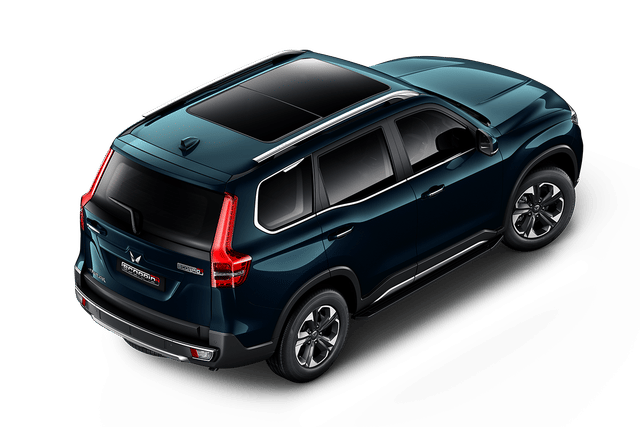
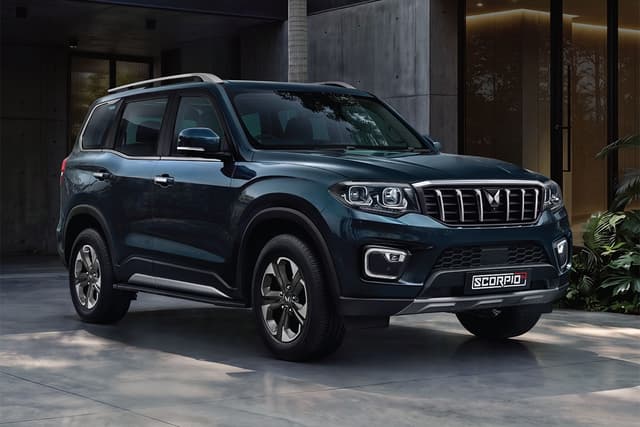
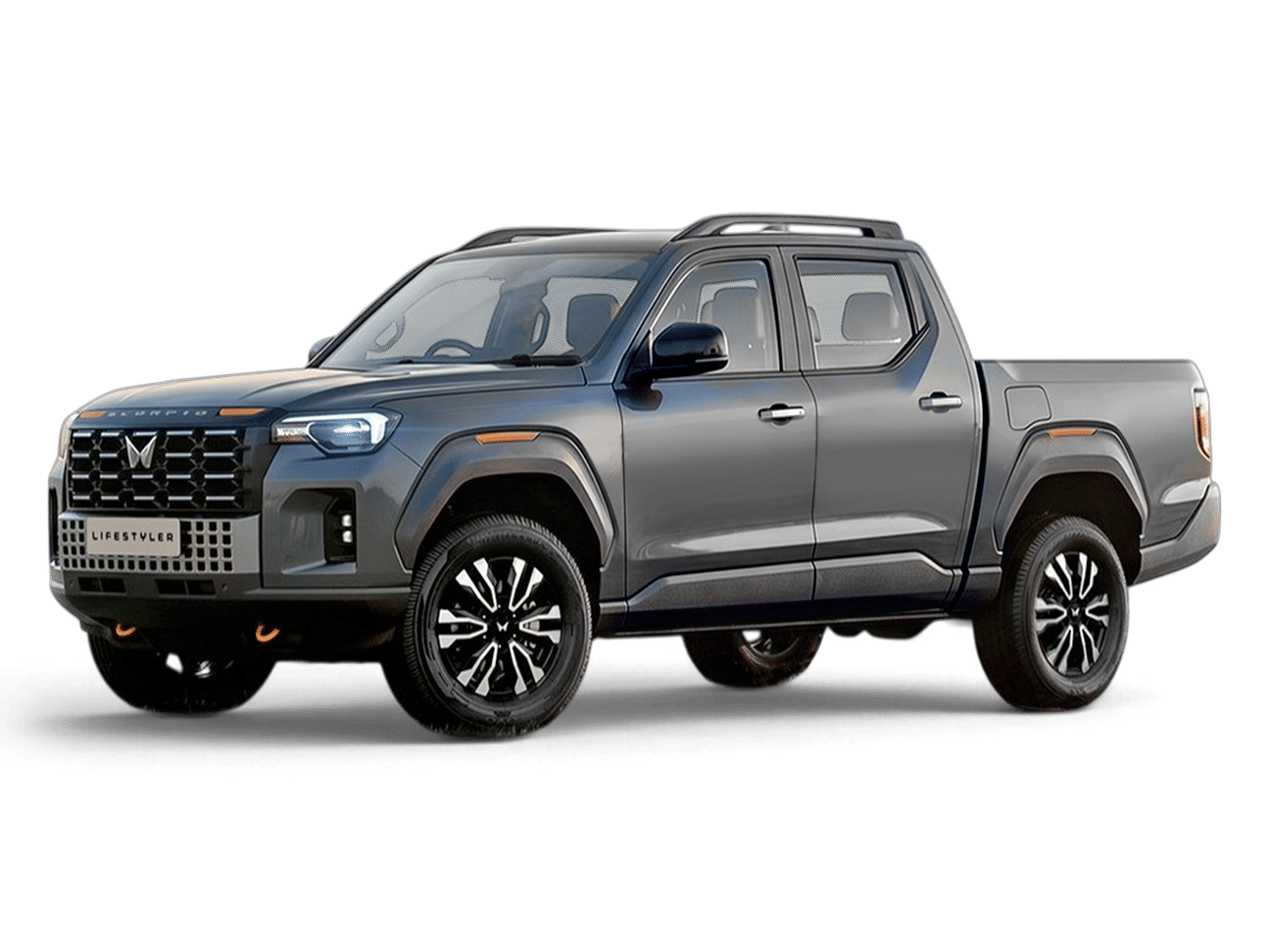
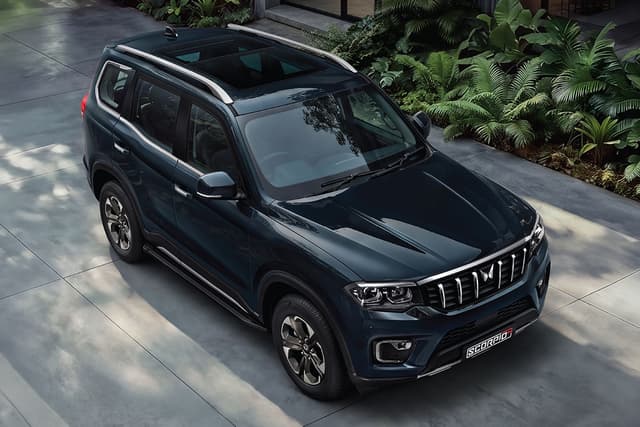
- Mahindra Scorpio N facelift: Launched August 5, 2026, from Rs 13.69 lakh. Gets a panoramic sunroof, a 540-degree camera setup and a Thar Roxx-style cabin, but carries over the existing 2.0-litre turbo-petrol engine unchanged.
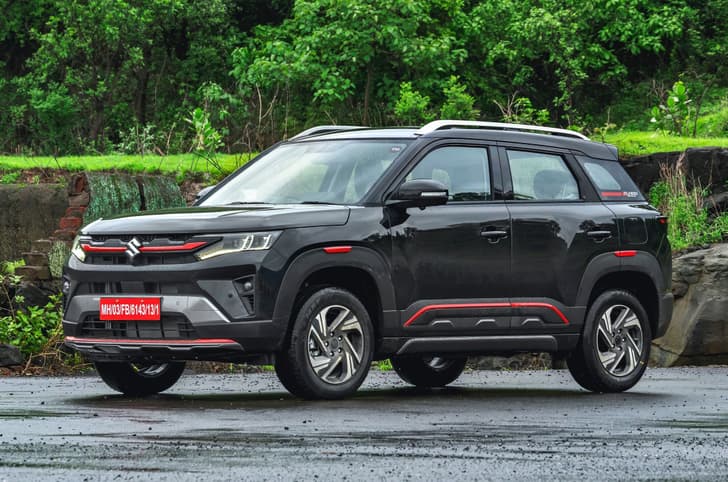
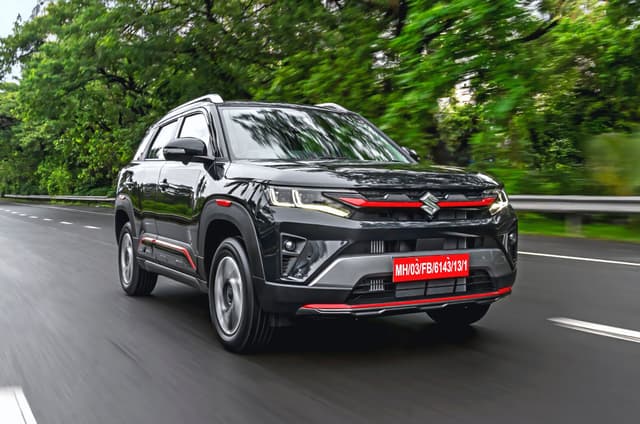
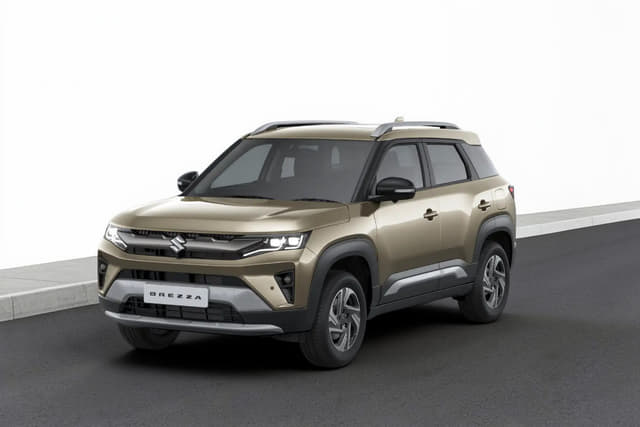
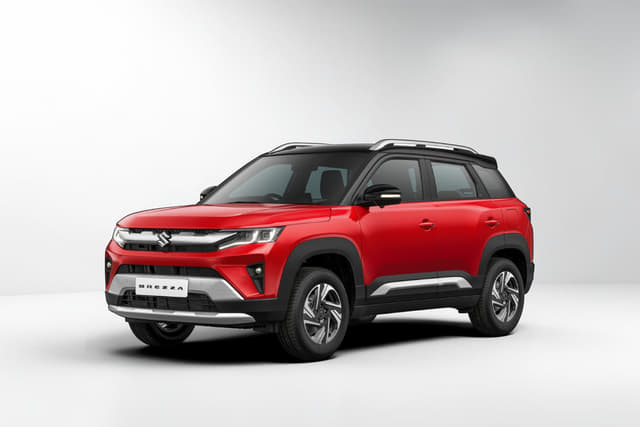
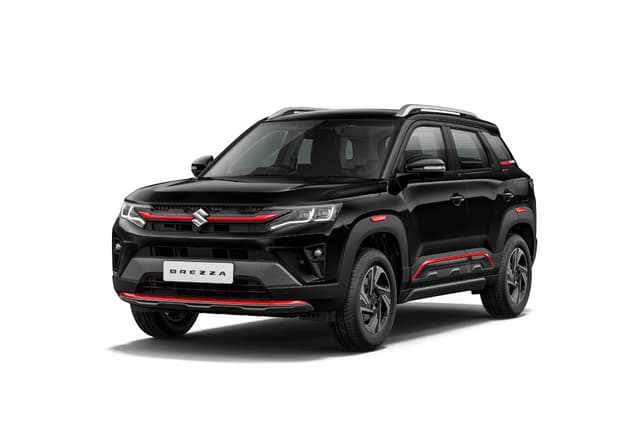
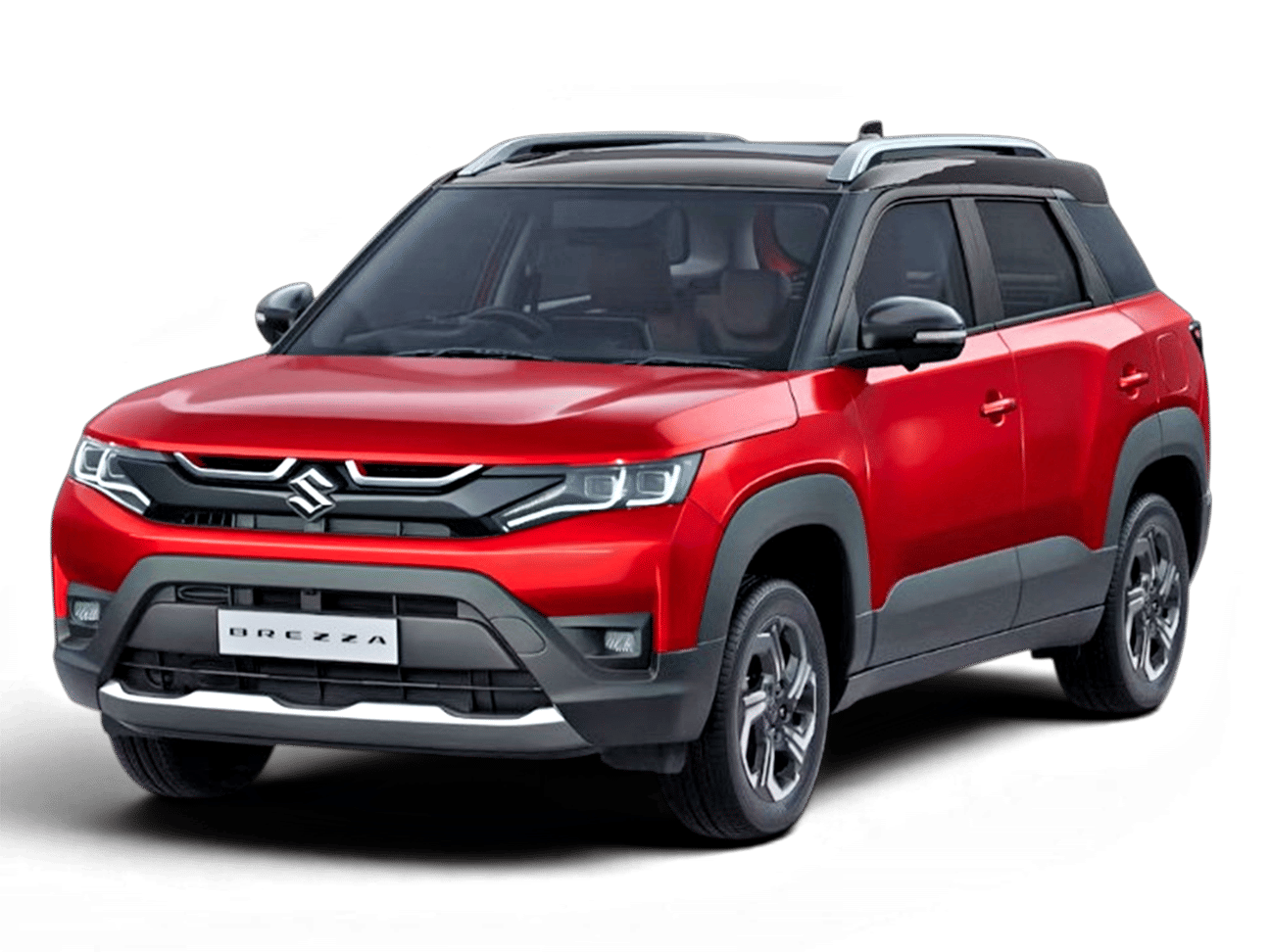
- Maruti Suzuki Brezza facelift: Launched July 24, 2026, from Rs 7.40 lakh. Adds a new 1.0-litre Boosterjet turbo-petrol (110hp, 170Nm) alongside the existing 1.5-litre petrol and CNG options; over 40% of bookings have gone to the new turbo.
- New-generation Renault Duster: Launched March 17, 2026, from Rs 10.49 lakh. A full redesign with Google built-in infotainment and Level 2 ADAS; diesel has been dropped, leaving two turbo-petrol engines (1.0-litre and 1.3-litre), with a strong-hybrid version expected by Diwali 2026.
Which Petrol Car in India Suit Your Usage?
Requirement | Autocar India Recommendation | Why |
First car, tight budget | Maruti Suzuki Celerio | At Rs 4.70 lakh ex-showroom, it's the lowest-priced petrol car on sale, ideal for a first-time buyer's budget. |
Daily city commute, lowest running cost | Maruti Suzuki Celerio | Celerio’s AMT returns 26.68 kpl (ARAI), the highest of any petrol car in India, ideal for stop-start traffic. |
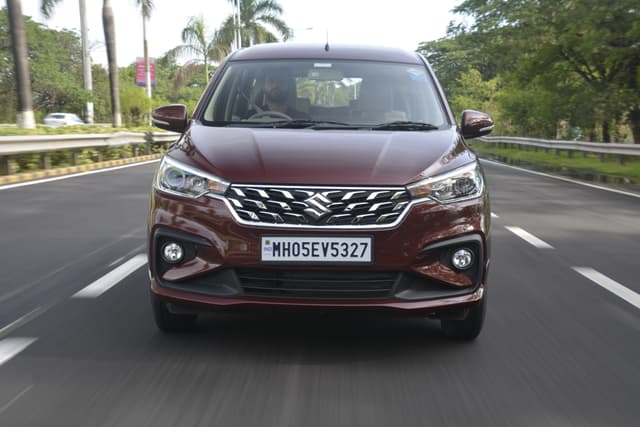
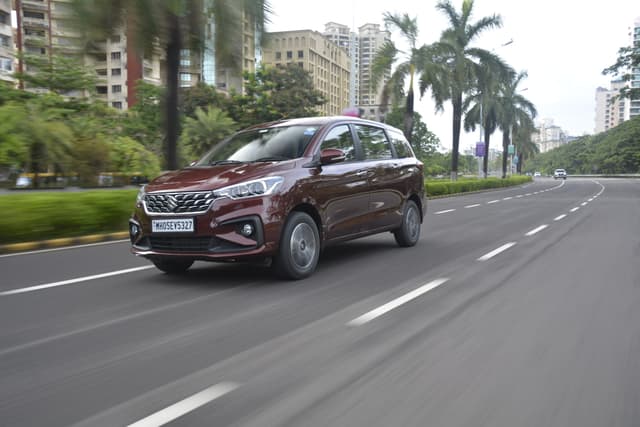
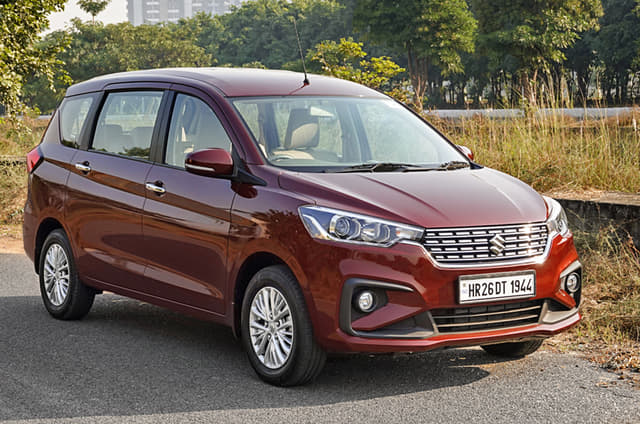
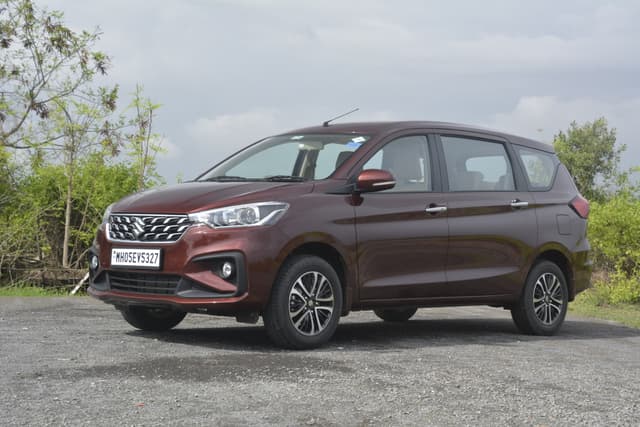
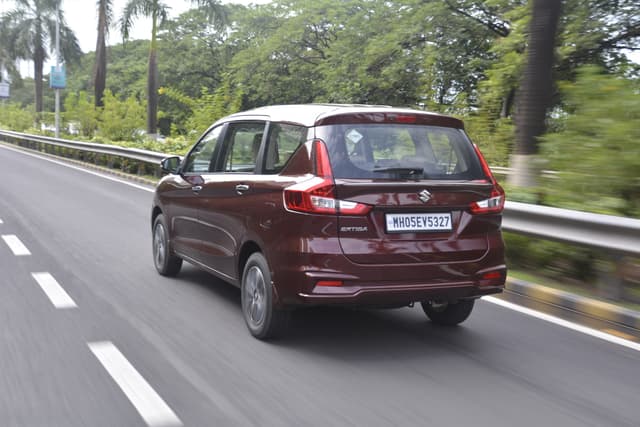
Family car on a budget | Maruti Suzuki Ertiga | Seats seven, with a sliding, reclining middle row that trades legroom for boot space as needed. The price starts at Rs 9.93 lakh on-road, Delhi. |
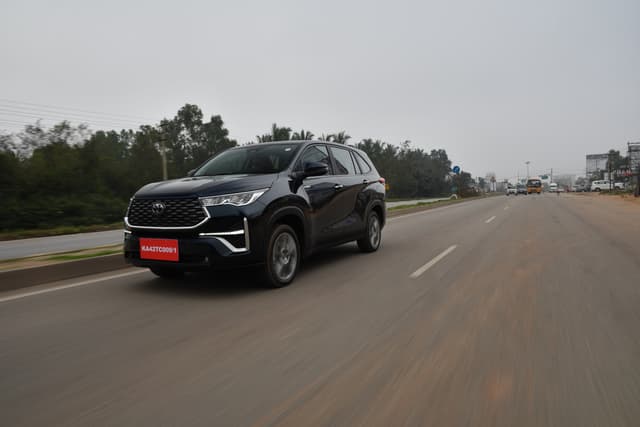
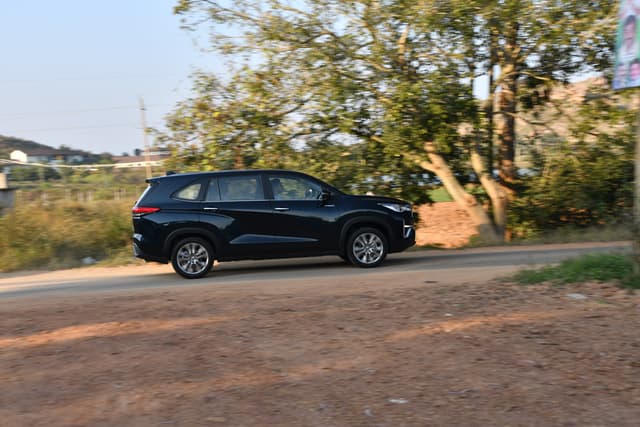
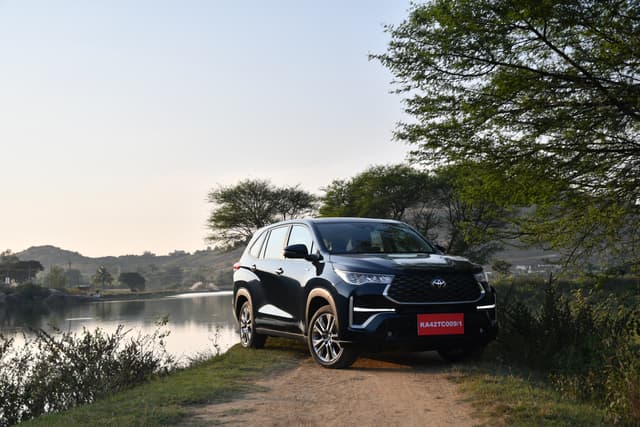
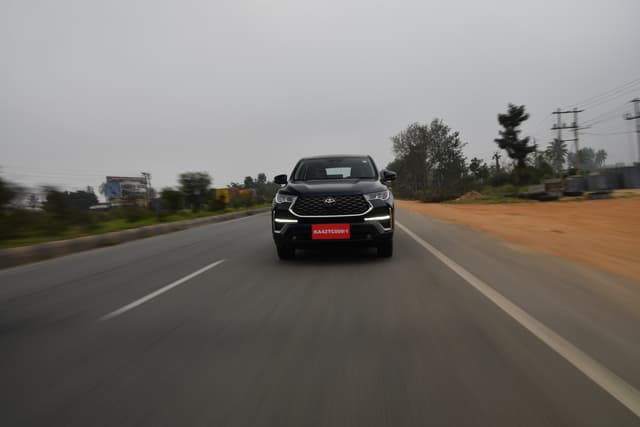
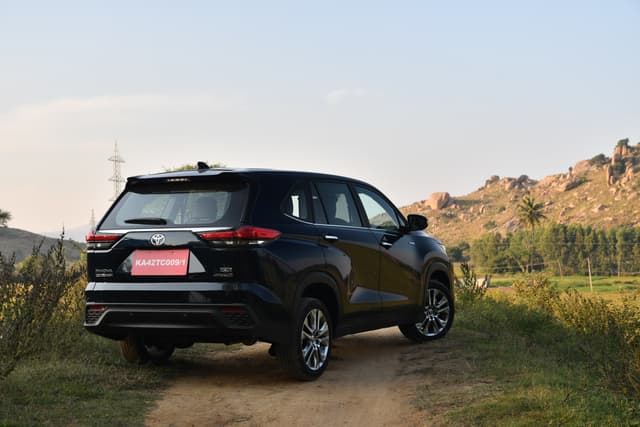
Family car with maximum space | Toyota Innova HyCross | At 4,755mm long, it's larger than the Ertiga, seats up to 8, and turns cavernous once the third row folds flat. |
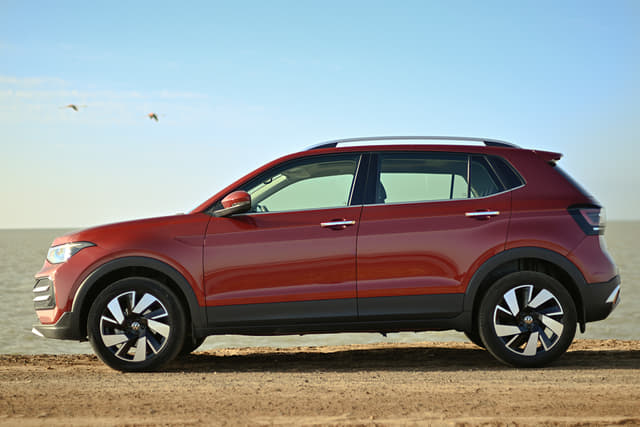
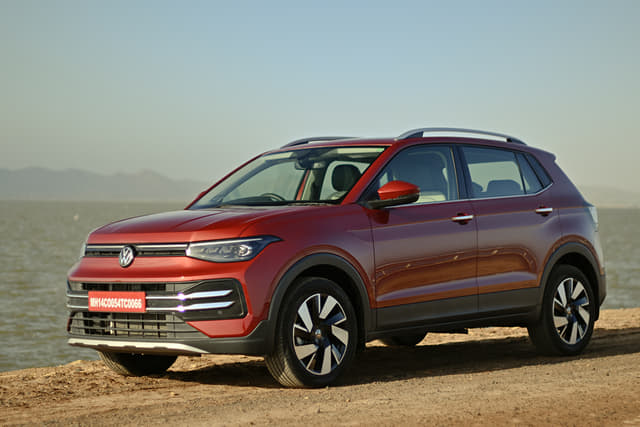
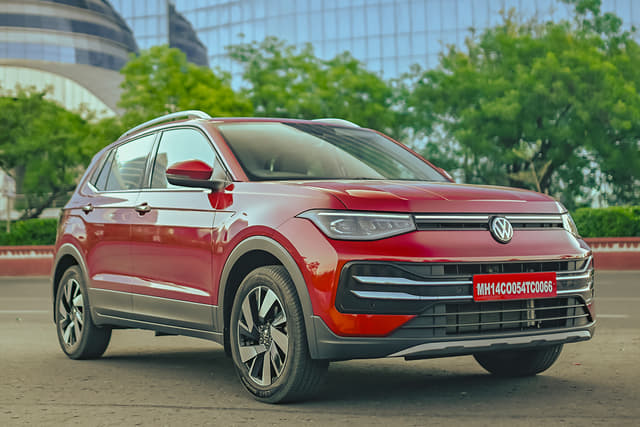
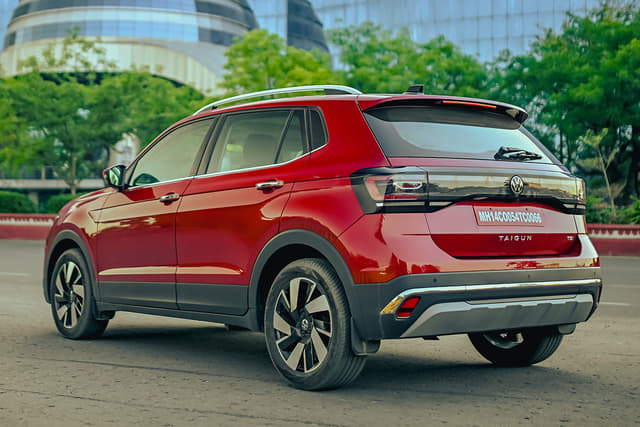
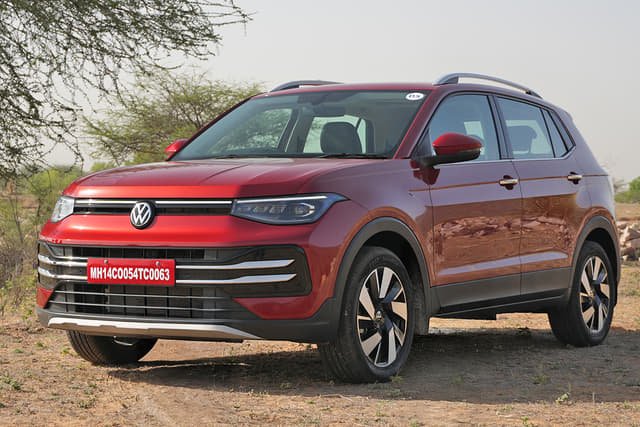
Frequent highway driving | Volkswagen Taigun / Skoda Kushaq | The 1.0 TSI turbo-petrol engine doesn't feel underpowered on the highway, while still topping the mileage charts among turbo-petrol midsize SUVs. |
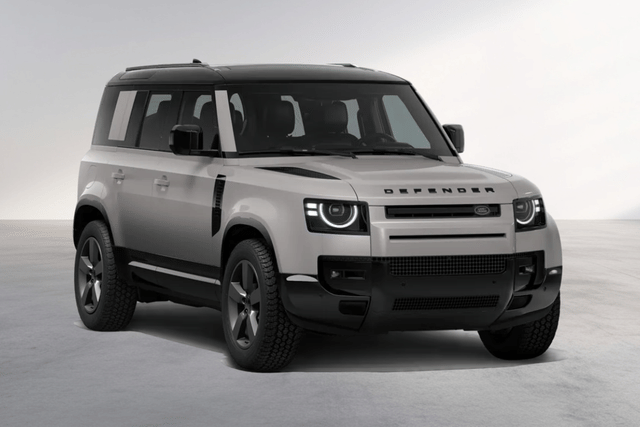
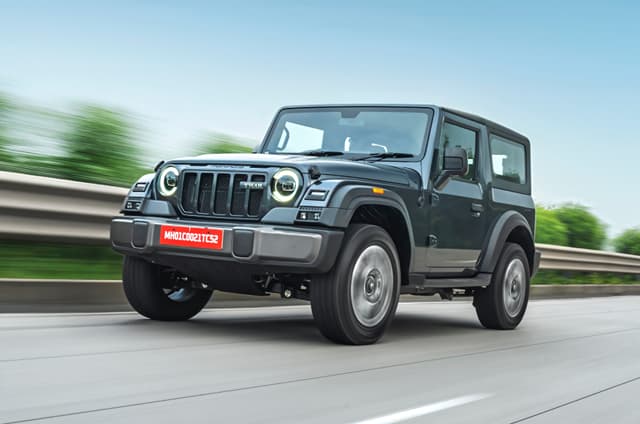
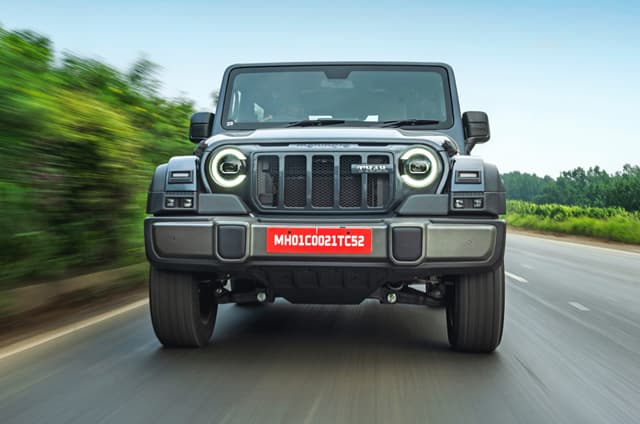
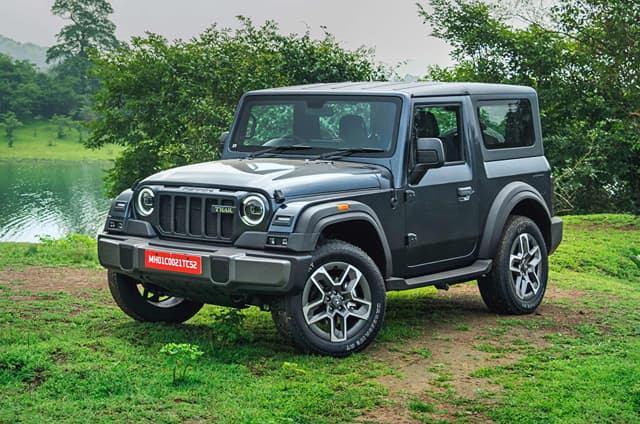
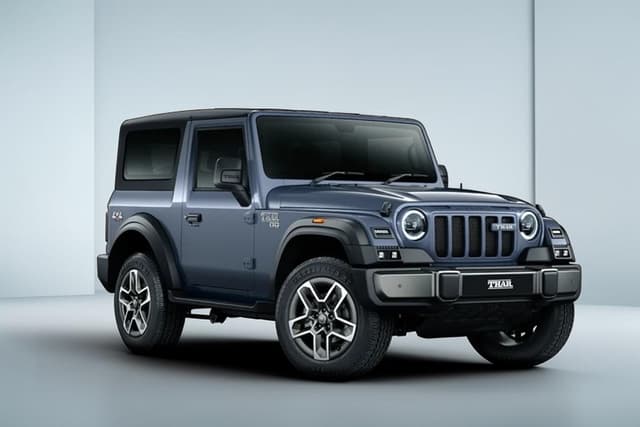
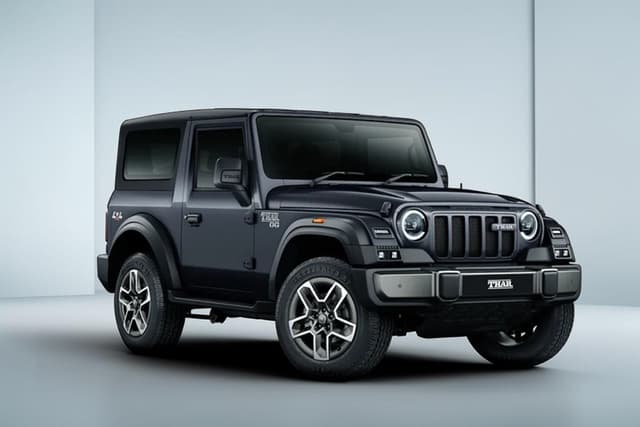
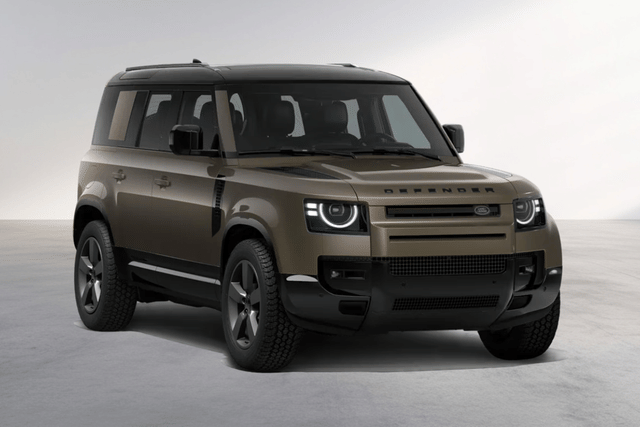
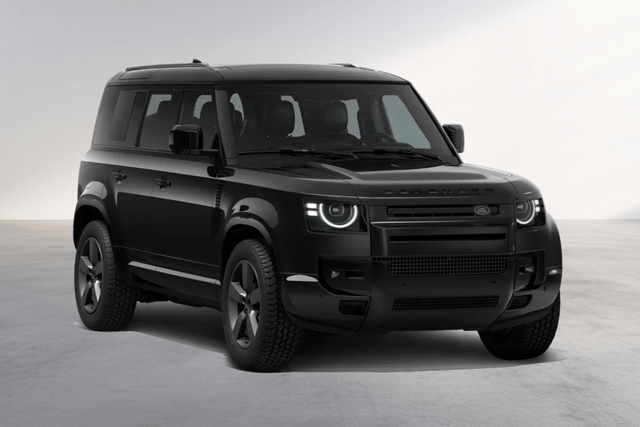
Off roading or rugged use | Maruti Jimny/Mahindra Thar | Both offer genuine 4WD hardware in petrol form. The Jimny gets a low-range transfer case and a brake-limited-slip differential as standard, with 36°/47° approach/departure angles, while the Thar's 2.0-litre turbo-petrol is available with proper 4x4, not just rear-wheel drive. |
Sporty petrol-powered car for daily use | Skoda Slavia 1.5 TSI | We find the 150hp turbo-petrol agile and confidence-inspiring through corners, with a taut, composed chassis, and a proper DCT automatic that keeps it easy to drive daily. |
Outright performance | Ferrari 12Cilindri, McLaren 750S, Aston Martin Vanquish | All three pack 750-835hp V8/V12 petrol engines, sub-3-second 0-100kmph times, and top speeds past 330kmph, the closest thing to unfiltered performance sold in India. |
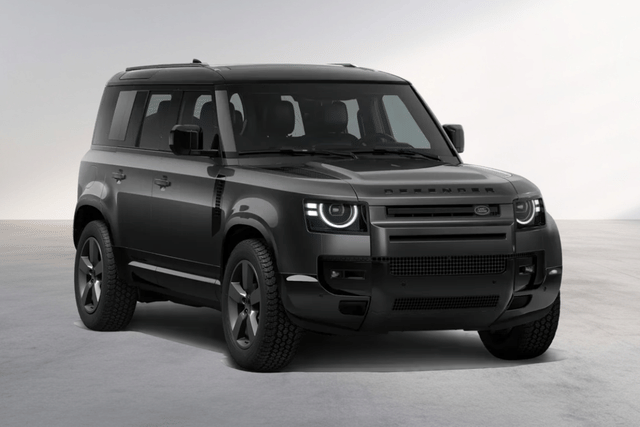
Ultimate luxury petrol car | Rolls-Royce Phantom, Cullinan, Ghost | All three share a 6.75-litre twin-turbo V12 and bespoke, near-limitlessly personalised interiors. |


Petrol Cars - FAQs
Diesel engines are costly to manufacture as they have to endure the extremely high compression pressures that are required to combust the fuel. A catalytic converter aside, petrol cars usually don't need any additional hardware to keep tailpipe emissions in check, further reducing costs.
Petrol engines in high-performance cars use high-precision direct injectors to spray fuel as and when required, combining variable valve technology and modern turbochargers to extract as much power as possible throughout the combustion sequence and engine RPM.
Almost all modern diesel engines in passenger cars feature a turbocharger to optimise performance and reduce emissions. Similarly, many modern petrol cars are offered with turbocharged engines with either direct injection or multi-point fuel injection. While the latter is cheaper, direct-injection technology often delivers more power and superior fuel economy when comparing similarly sized petrol engines. It also allows a more precise quantity of fuel to be introduced into the engine at the exact moment it is needed for optimal combustion, preventing fuel wastage and boosting efficiency. However, since diesel engines rely on compression ignition, a similarly sized diesel engine will usually deliver higher fuel efficiency.
Trending Questions on Cars - Answered by Autocar Experts
Dear Autocar team, I am planning to buy a petrol automatic SUV priced under Rs 20 lakh. I have been considering the Tata Sierra petrol automatic but am concerned about Tata's after-sales service. My key requirements are comfortable seating for four to five adults, a spacious midsize SUV rather than a compact SUV, strong safety standards and build quality, and modern features such as a 360-degree camera. Which options should I consider?
Based on your requirements, the Tata Sierra turbo-petrol automatic is a good fit. It is a genuinely spacious midsize SUV with a wide cabin that comfortably accommodates five adults. Plus, it offers a premium interior with a good feature set, including a 360-degree camera. Safety and build quality are also among its key strengths.Your concern about Tata's after-sales service is understandable, and the experience continues to vary depending on the dealership.If you are looking for alternatives, the Kia Seltos petrol IVT is an excellent option. The petrol engine isn't as powerful, but Kia's ownership experience is generally more consistent compared to Tata's. The Hyundai Creta is due for a full generation change in 2027, so it is not the best time to buy one.Overall, the Sierra turbo-petrol automatic remains the best fit for your requirements. If you are still concerned about after-sales, the Seltos is the safer ownership choice, but you will be compromising on cabin and boot space.
I'm planning to buy a new car with an on-road budget of up to Rs. 30 lakh in India. I want a car that offers excellent comfort, low running costs, and a relaxed driving experience for my daily commute. 1. My Driving Profile -Average monthly driving: 2,500 km -Driving conditions: 60% suburban roads and Highway and 40% city traffic -Long-distance trips: One or two trips per month -Current car: 2017 Maruti Suzuki Baleno, manual transmission 2. Comfort and Ergonomics I'm approximately 6 feet tall and currently experience fatigue and leg pain during my daily commute in my manual Baleno. My top priority is to find a car with: -An automatic transmission for easier driving, especially in traffic. -Excellent front-seat comfort and adequate legroom. -Good driving posture, lumbar support, and adjustable seating. -A comfortable suspension setup for daily commuting and long journeys. -Low cabin noise and minimal driver fatigue. 3. Running Costs and Powertrain -Low running costs and excellent overall energy efficiency are important. -I have charging facilities available at home, so I'm open to considering an electric vehicle (EV). -I'm also willing to consider petrol, diesel, or hybrid vehicles if they offer better overall value. -I want to compare energy or fuel costs, maintenance, insurance, and long-term ownership costs. 4. Family Requirements -The car will primarily be used for my daily commute. My family occasionally travels with me, so rear-seat comfort is also important. -I'm open to both 5-seater and 7-seater options, provided the car meets my comfort and cost requirements. 5. Budget and Ownership -Maximum on-road budget: Rs. 30 lakh -I want a reliable car that offers good value for money over long-term ownership. -I plan to use the car for several years, so durability, battery longevity (for EVs), resale value, and total cost of ownership matter. Please suggest a car.
Based on your requirements, the Hyundai Creta Electric is a solid choice. With a 2,500 km monthly running and home charging available, an EV makes strong financial sense, and the Creta Electric stands out for its comfort, refinement and ease of ownership. The front seats are well-cushioned with good lumbar support, the driving position is comfortable for taller drivers, and the suspension is well-tuned for both city and highway use. The cabin is quiet, the ride is comfortable, and the overall driving experience is relaxed and effortless, which will significantly reduce fatigue compared to your Baleno. Running costs are low, maintenance is minimal, and Hyundai's service network is strong. The Creta also offers a spacious rear seat and a practical boot, making it suitable for occasional family trips. If you prefer a petrol option, the Kia Seltos 1.5 IVT automatic is the best alternative. It offers excellent seat comfort, an efficient engine, and a comfortable ride, but the Creta Electric is the better long-term ownership proposition given your usage pattern.
Hi Autocar, For naturally aspirated (NA) petrol manual cars, which models offer the best real-world mileage, especially for city driving in the NCR? Also, could you provide the price range of these cars?
For mostly city driving in NCR with a naturally aspirated petrol manual, the Maruti Suzuki Baleno 1.2 and the Maruti Swift 1.2 are the best options for real-world fuel efficiency. Both use the same 1.2-litre naturally aspirated petrol engine and are known for their excellent city mileage, typically delivering around 14-16kpl in real-world conditions. The Maruti Suzuki Brezza 1.5 is also a strong contender, offering a larger and more relaxed engine that can return around 12-14kpl in the city.If you are looking for a sedan, the Maruti Dzire 1.2 is a good option, delivering around 13-15kpl in the city. Overall, the Baleno and Swift are the most efficient choices for city driving.
Hi Autocar Team, I own a Maruti Suzuki Grand Vitara AT (non-hybrid) and spend around Rs. 12,000-14,000 per month on petrol. Its city mileage has dropped from around 13 kmpl to 10 kmpl. I also have solar panels at home, so EV charging would be almost free or cost a maximum of Rs. 3-4 per unit. I am confused about whether I should replace the Grand Vitara with an EV or keep it and buy a Tata Tiago EV for daily city use. Am I thinking too much about fuel savings? Should I simply keep the Grand Vitara and avoid buying a second car altogether? I would like to hear from people who have been in a similar situation. What makes more financial sense in the long run?
You are not overthinking it. With solar at home and a monthly fuel spend of Rs 12-14k, switching to an EV makes strong financial sense. The question is whether to replace the Grand Vitara or add a Tiago EV as a second car.If your usage is predominantly city-based, replacing the Grand Vitara with an EV is the better solution. You eliminate fuel costs almost entirely, simplify ownership and make full use of your solar setup. If you have the budget for it, EVs like the Kia Syros EV, Hyundai Creta Electric or Kia Carens Clavis EV are a good mix of price to range. Or if you can budget for it, move a step up to the Mahindra XEV 9S, Tata Sierra EV or MG Tomahawk EV.Adding a Tiago EV as a second car only makes sense if you have a genuine need for two cars. The Tiago EV is a great city runabout, but keeping the Grand Vitara just for occasional use while continuing to pay insurance, maintenance and depreciation does not make financial sense unless you regularly need a second car.If you are happy with the Grand Vitara and do not want to change cars, that is also a perfectly valid decision. But from a purely financial perspective, with your fuel spend and solar setup, switching to an electric car is the smarter long-term move.
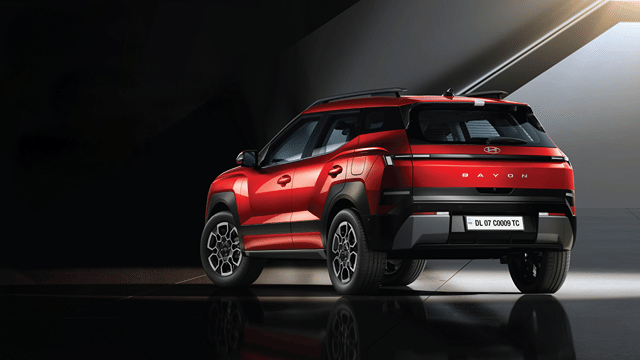
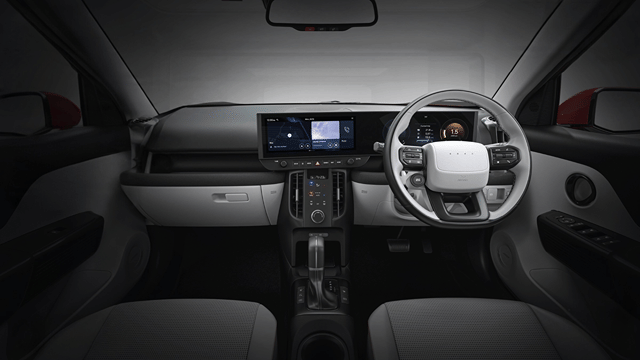
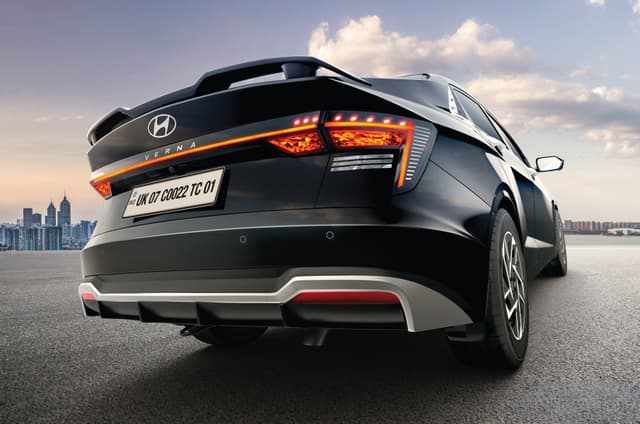
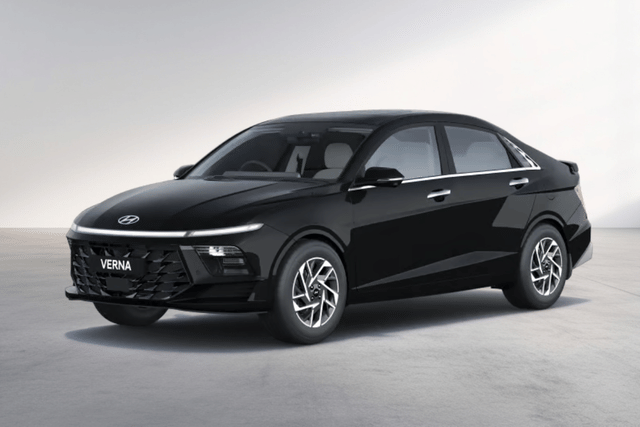
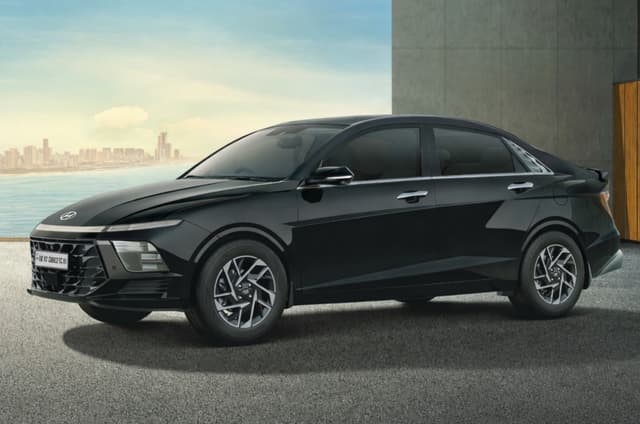
Hi Autocar Team, I am currently driving a Hyundai Elite i20 Asta petrol manual. So far, I feel it is the best-designed car in its segment, offering great comfort and mileage that varies depending on traffic conditions. I was wondering if I could give it a facelift by replacing the front section with that of the new-generation i20. My second thought is whether I should wait for the new Hyundai Bayon or if a facelifted Hyundai i20 or Hyundai Verna is expected. I find the rear design of the new-generation i20 disappointing, and I still feel that the Elite i20 I currently own is the best-looking version. What are your thoughts?
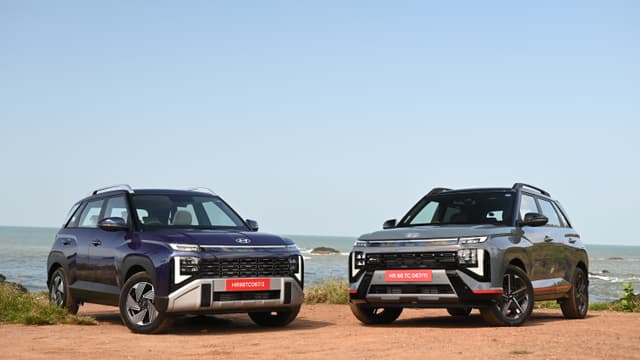
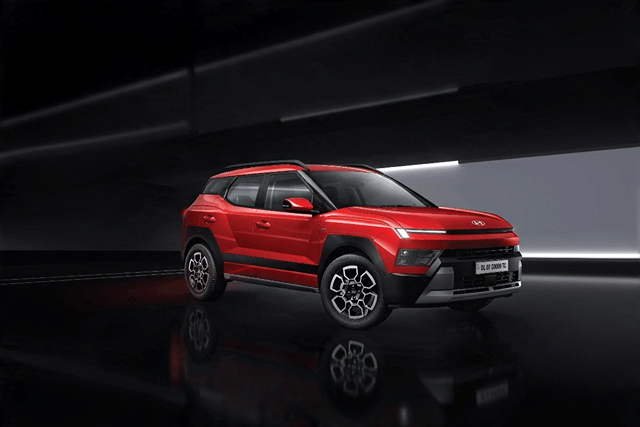
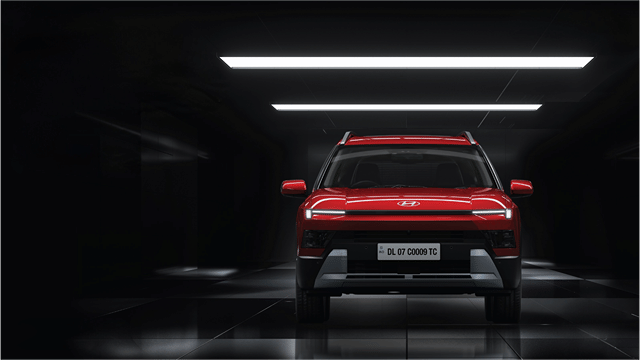
The best option is to hold on to your Elite i20 for now rather than modify its front end or replace it purely in anticipation of a new model. Since you value its design, comfort and fuel efficiency, a newer car needs to offer a meaningful improvement in those areas to justify the expense. A facelift using the next-generation i20's front end would also be a custom modification rather than a straightforward factory upgrade, with potential issues around body panels, lighting, fitment and insurance.The Hyundai Bayon is worth waiting for, particularly if you want something newer without giving up Hyundai's everyday usability. Its India launch is confirmed for 26 October 2026, with a 1.5-litre petrol engine and manual or IVT automatic options. However, Autocar India has not tested it yet, so its ride comfort, real-world mileage and driving experience remain to be assessed.There is no confirmed India launch date for the next-generation i20, while the Verna has already received a facelift in 2026. Since the Elite i20's design matters so much to you, replacing its front end with newer i20 components is unlikely to be a straightforward or cost effective modification.
Last Updated on: 20 Oct 2026