Hyundai cars in India (14)
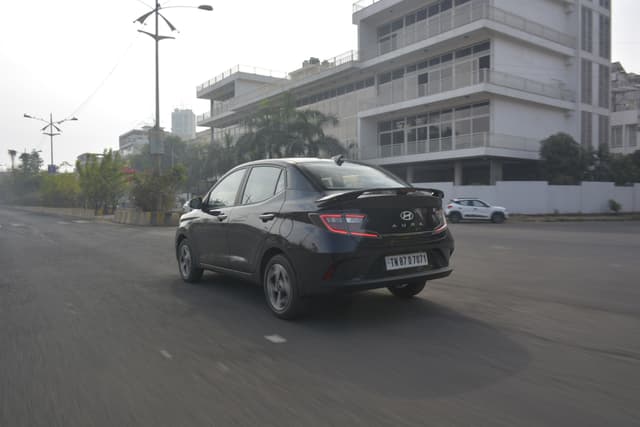
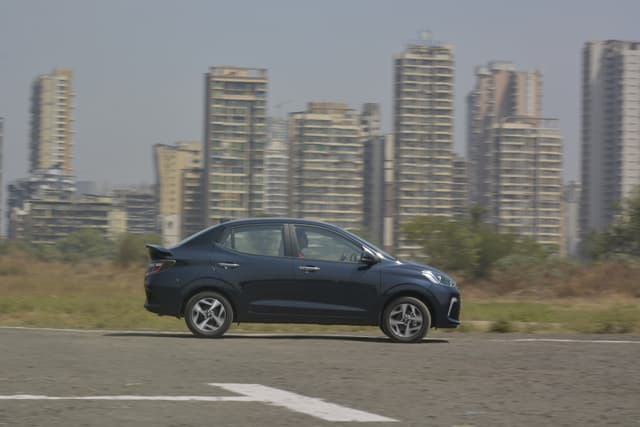
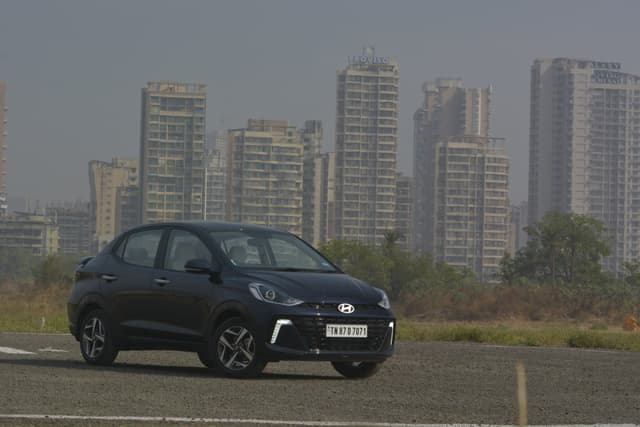
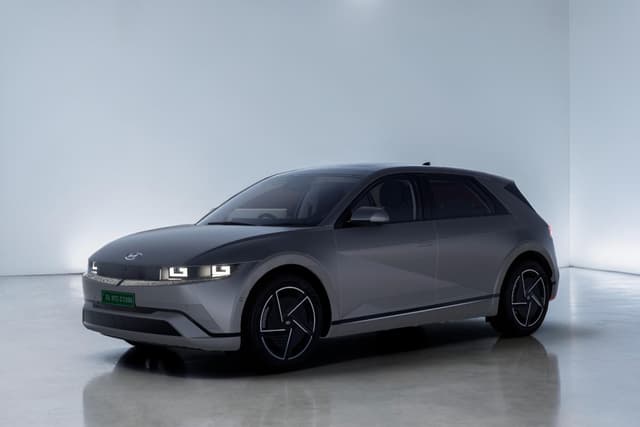
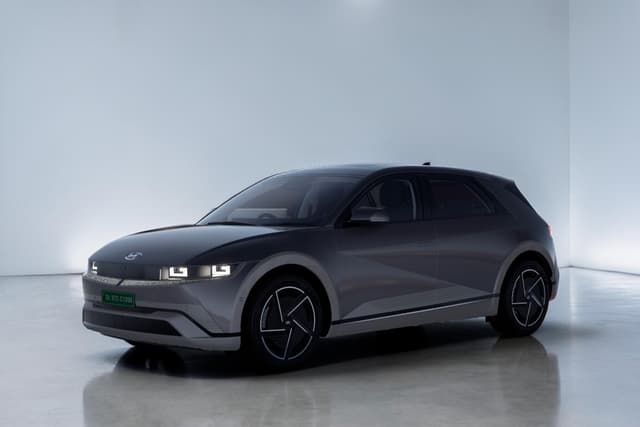
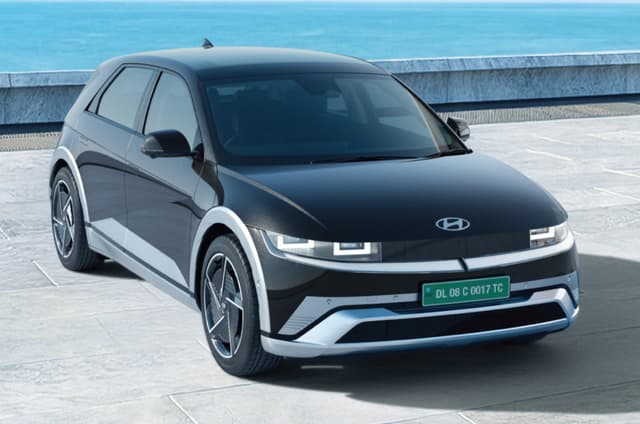
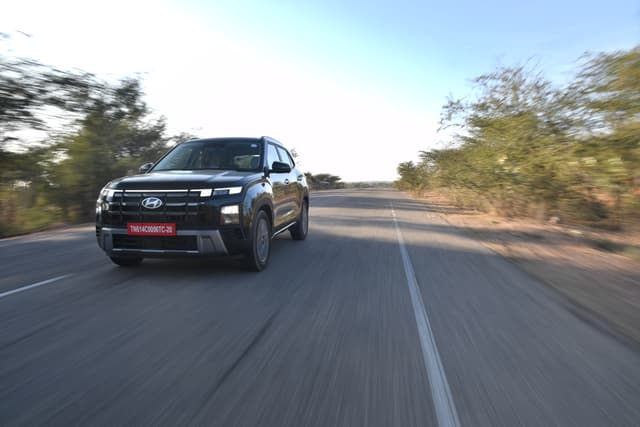
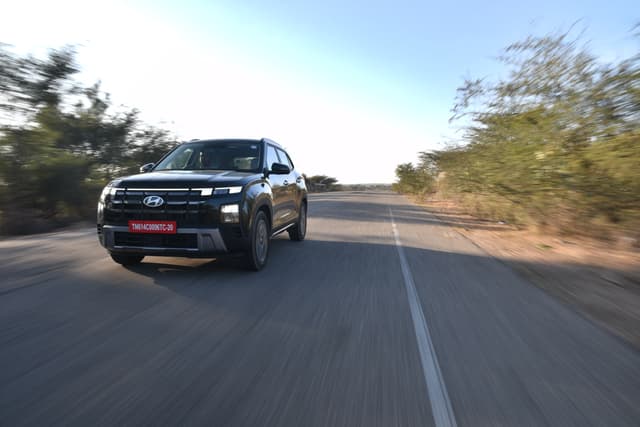
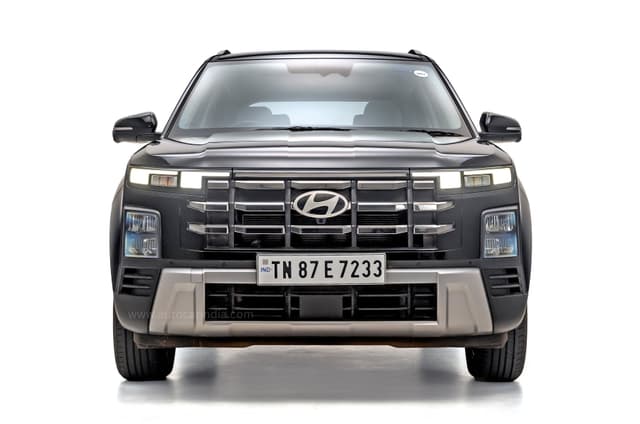
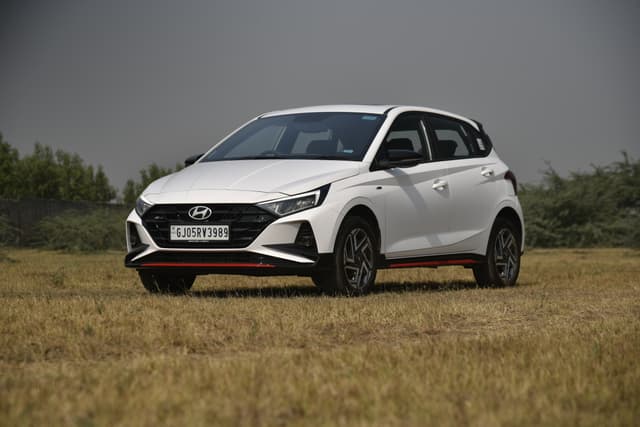
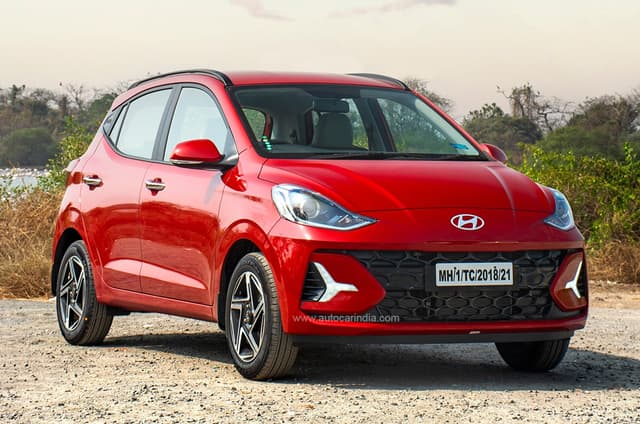
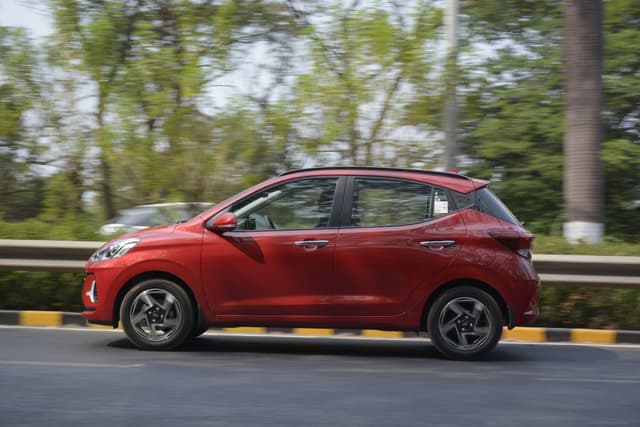
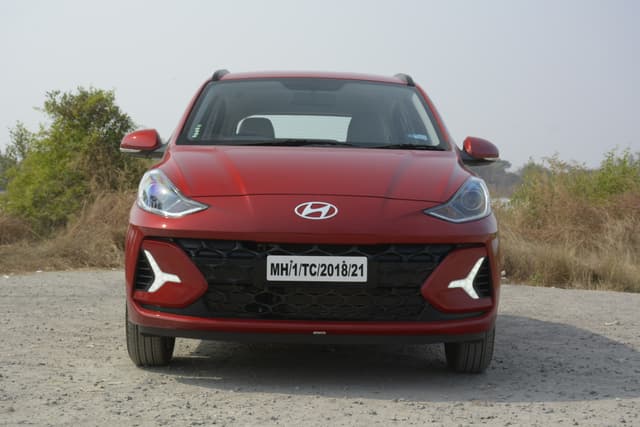
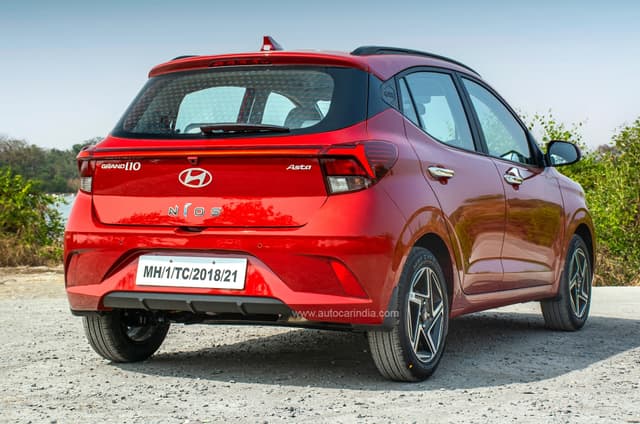
In February 2026, there are currently 14 Hyundai cars in India, out of which 10 are available for sale, and 4 are upcoming. The Hyundai India lineup includes 10 SUVs, 2 Hatchbacks, and 2 Sedans. The Hyundai car price in India starts at ₹5.55 lakh for the Grand i10 Nios, which is also the most affordable Hyundai model in India. The most expensive Hyundai car in India is the Hyundai Ioniq 5, priced from ₹46.30 lakh (ex-showroom).
Hyundai has been one of the most popular car brands in India since its entry in late 1998 with the Santro. Hyundai India has two manufacturing plants, both located near Chennai, with a third plant in Talegaon opening shortly. Most of the Hyundai cars are made in India. Hyundai currently has close to 1,400 showrooms and 1,200 service centres across India.
Hyundai Car Price List in India in 2026
Here are the latest Hyundai car prices in India as of February 2026:
Hyundai Car Model | Price (ex-showroom) |
Hyundai Grand i10 Nios | ₹5.55 lakh - ₹7.92 lakh |
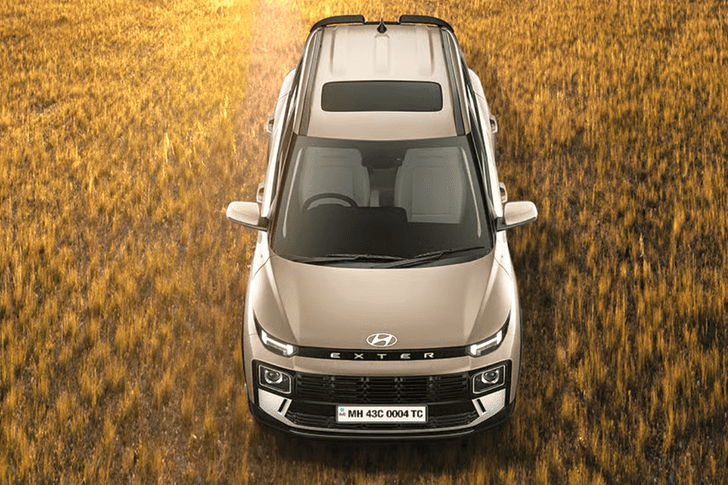
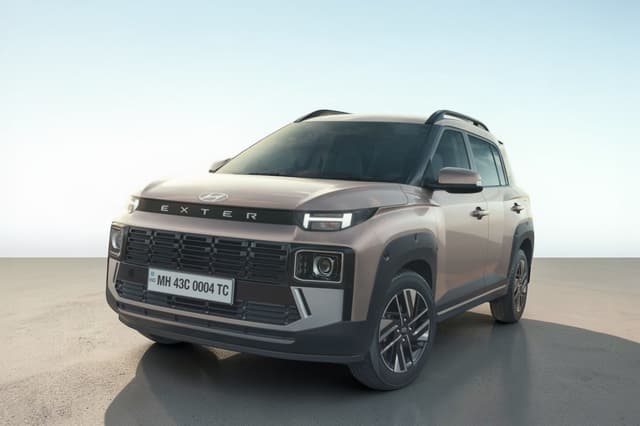
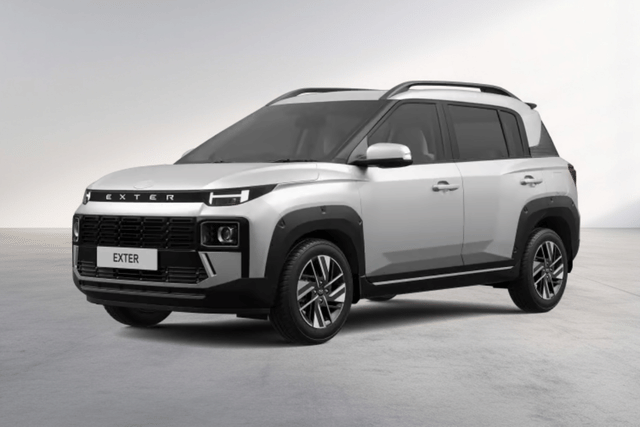
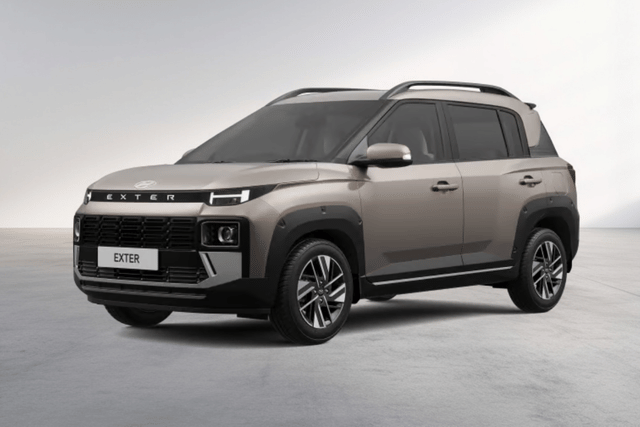
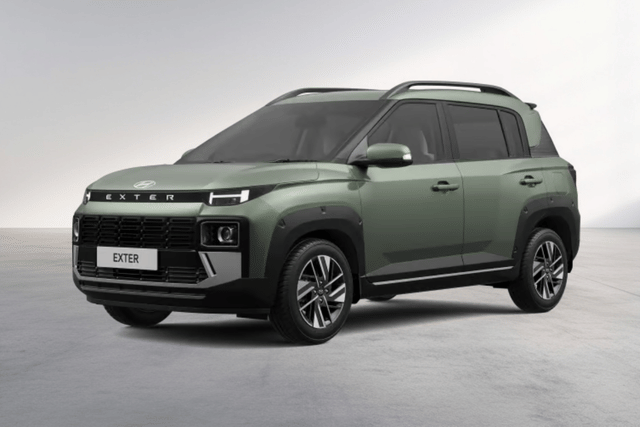
Hyundai Exter | ₹5.64 lakh - ₹9.38 lakh |
Hyundai Aura | ₹6.00 lakh - ₹8.54 lakh |
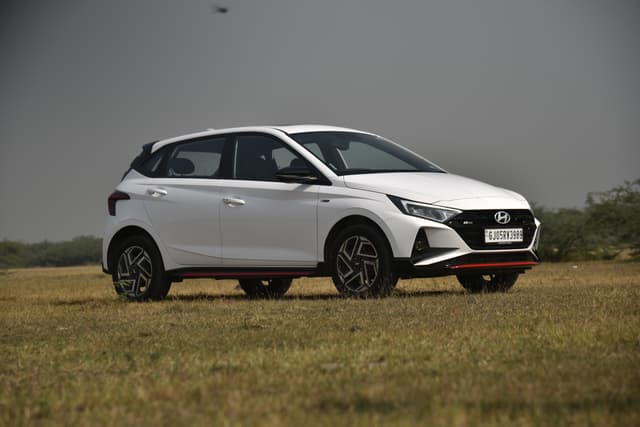
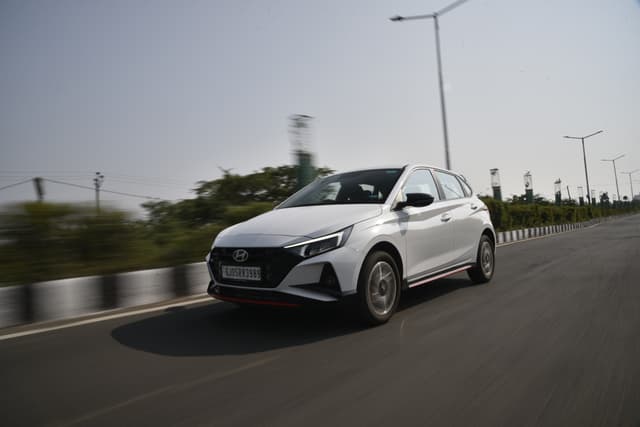
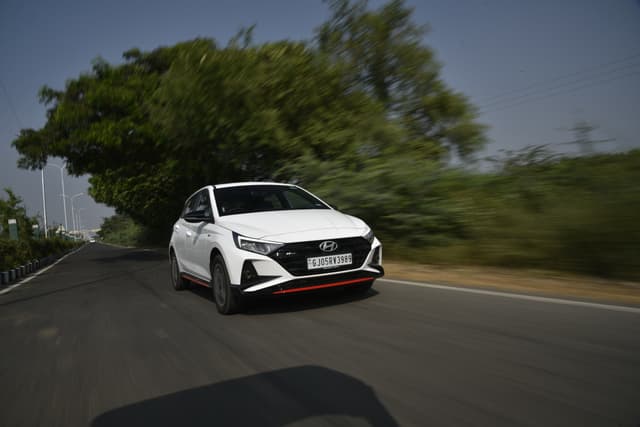
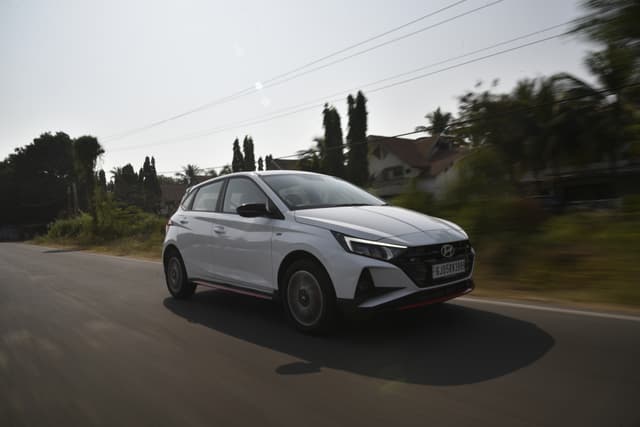
Hyundai i20 | ₹6.87 lakh - ₹11.53 lakh |
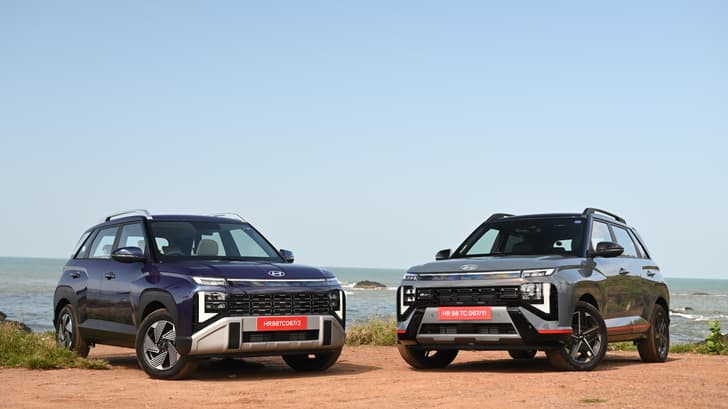
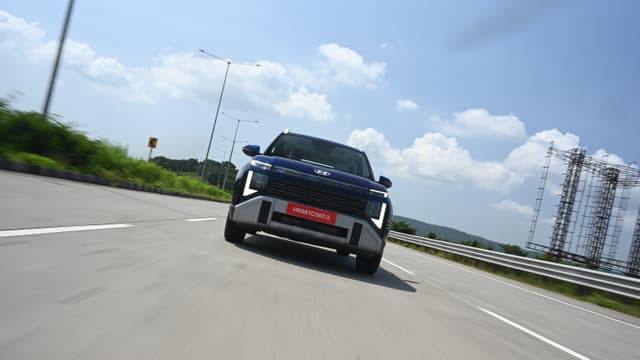
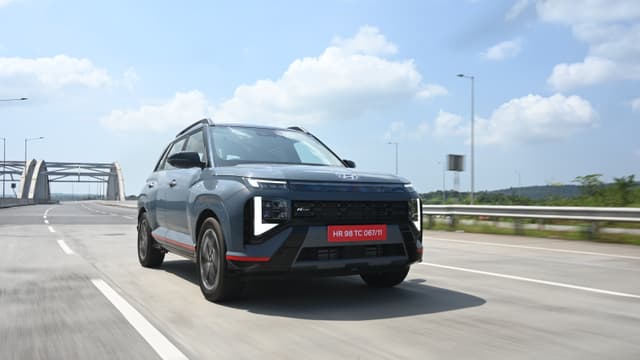
Hyundai Venue | ₹8.00 lakh - ₹15.51 lakh |
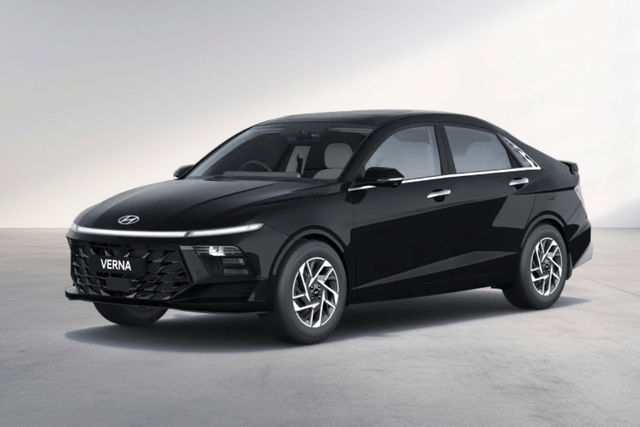
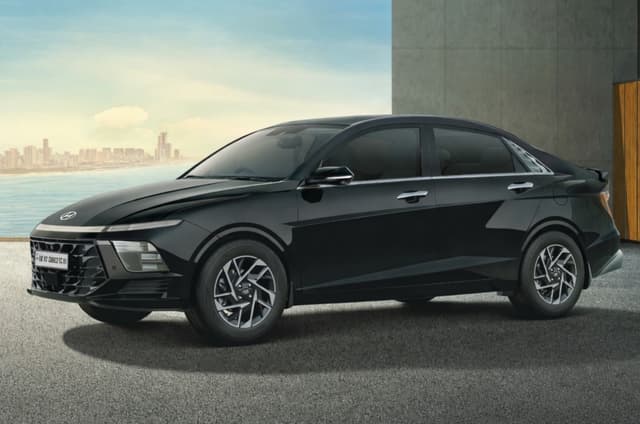
Hyundai Verna | ₹10.79 lakh - ₹17.13 lakh |
Hyundai Creta | ₹10.79 lakh - ₹20.05 lakh |
Hyundai Alcazar | ₹14.50 lakh - ₹21.06 lakh |
Hyundai Creta Electric | ₹18.02 lakh - ₹23.82 lakh |
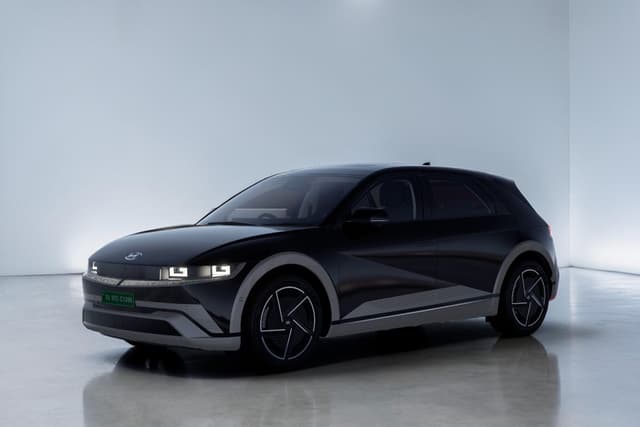
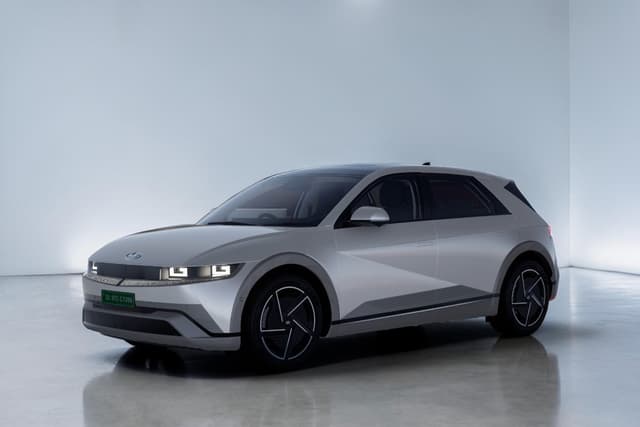
Hyundai Ioniq 5 | ₹46.30 lakh |
Hyundai Electric Cars in India
Hyundai electric cars in India include the Creta Electric and the Ioniq 5. The brand has plans to launch more electric cars in India, which could include an entry-level electric hatchback and also the Hyundai Ioniq 6 in the future.
Upcoming Hyundai Cars
Explore the list of upcoming Hyundai cars set to launch in India:
- Hyundai Exter Facelift
- Expected Launch: Mid 2026
- Estimated Price: ₹6.00 lakh - ₹9.00 lakh
- Hyundai Verna facelift
- Expected Launch: Mid 2026
- Estimated Price: ₹11.00 lakh - ₹18.00 lakh
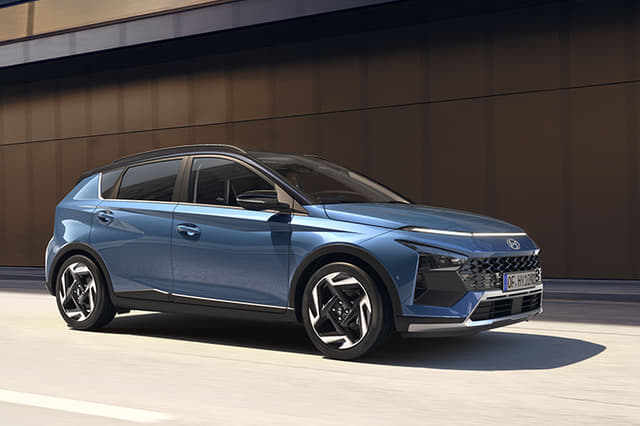
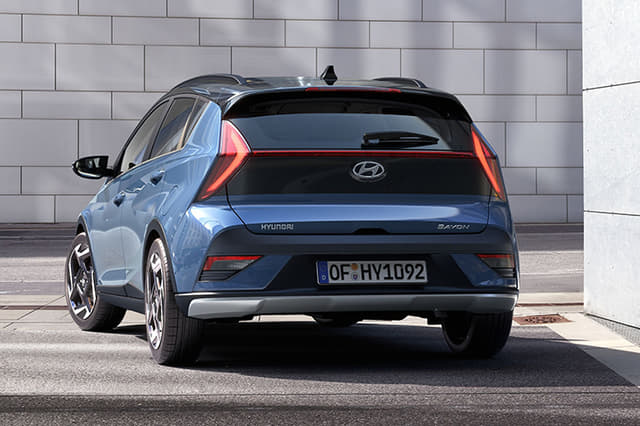
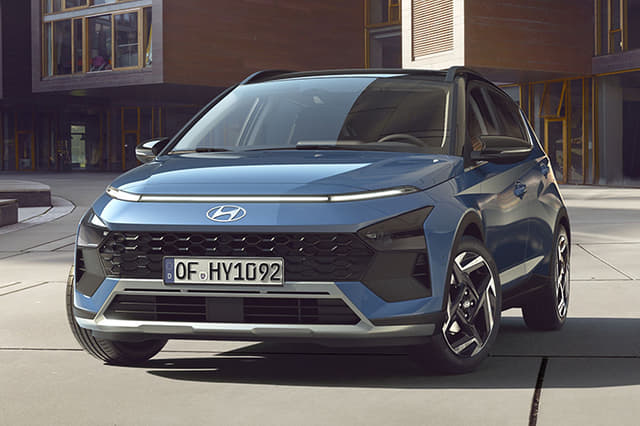
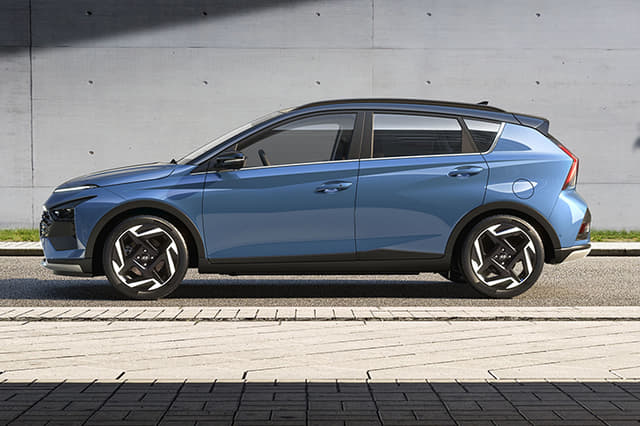
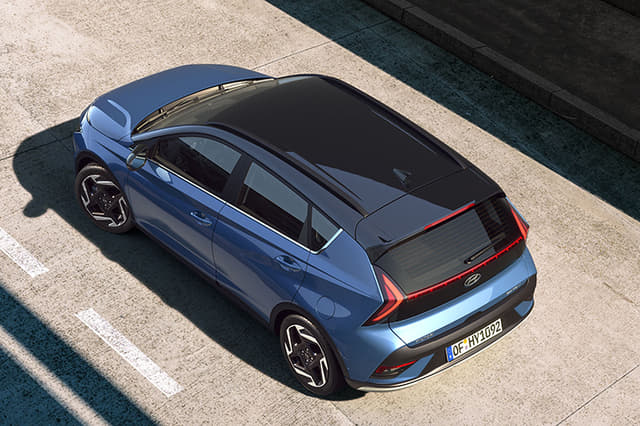
- Hyundai Bayon
- Expected Launch: Late 2026
- Estimated Price: ₹8.00 lakh - ₹15.00 lakh
- Hyundai New Creta
- Expected Launch: 2027
- Estimated Price: ₹11.30 lakh - ₹20.50 lakh
Hyundai India Latest Updates
- January 12, 2026: Hyundai has unveiled the Staria Electric, its largest EV yet, with a claimed range of up to 400 km, a nine-seat layout, and 800V fast-charging capability.
- December 15, 2025: Hyundai’s 2026 India roadmap includes facelifts for the Verna, Exter and Ioniq 5, along with the launch of the new Bayon crossover.
- November 11, 2025: Hyundai discontinues the Tucson SUV in India.
- November 4, 2025: New Hyundai Venue launched at ₹7.89 lakh.
- September 2025: Hyundai Creta King launched at ₹17.89 lakh
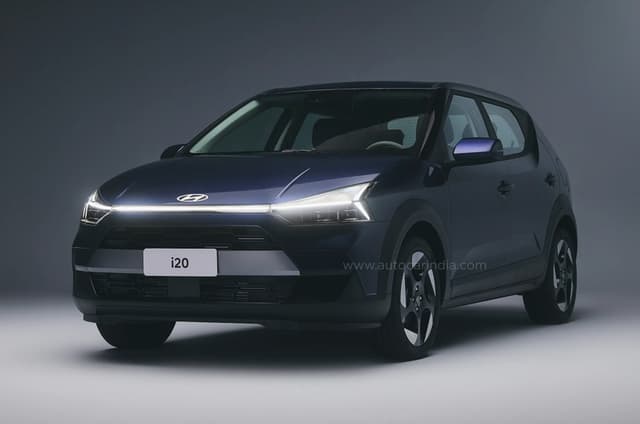
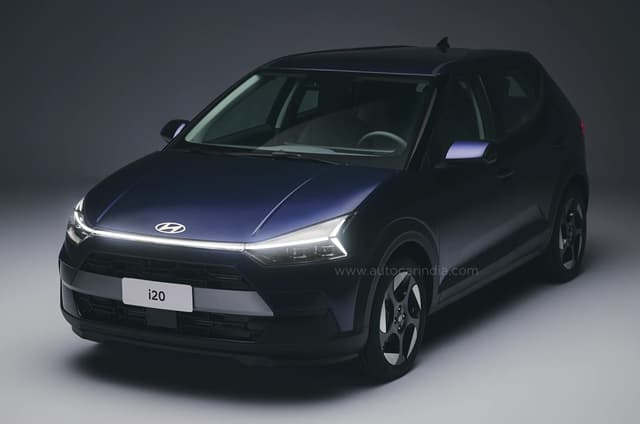
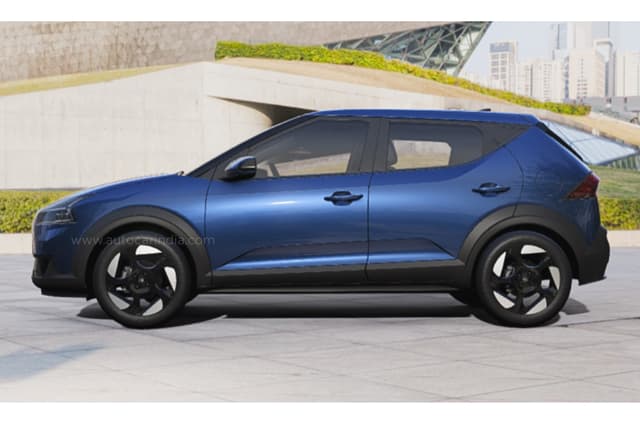
- August 2025: Hyundai has teased an upcoming small Ioniq concept ahead of its official reveal at the Munich Motor Show. This new model is anticipated to be a Bayon-sized crossover and will serve as a sibling to the Kia EV2
Hyundai Car Models in India
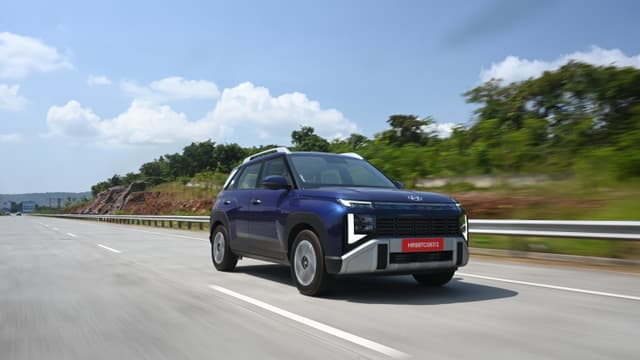
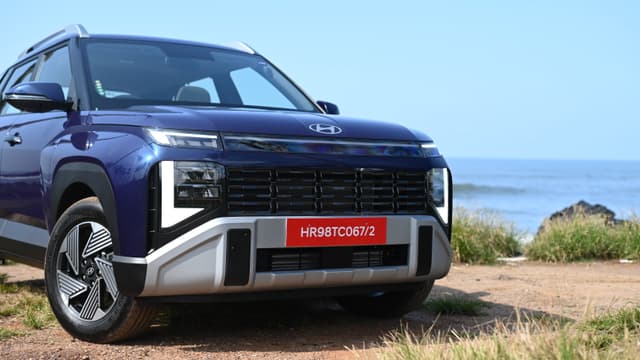
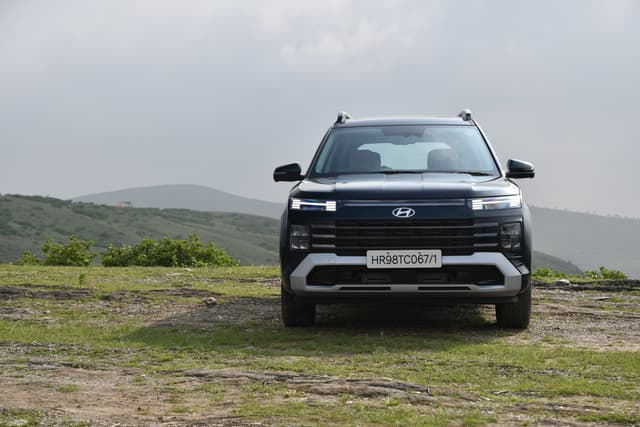
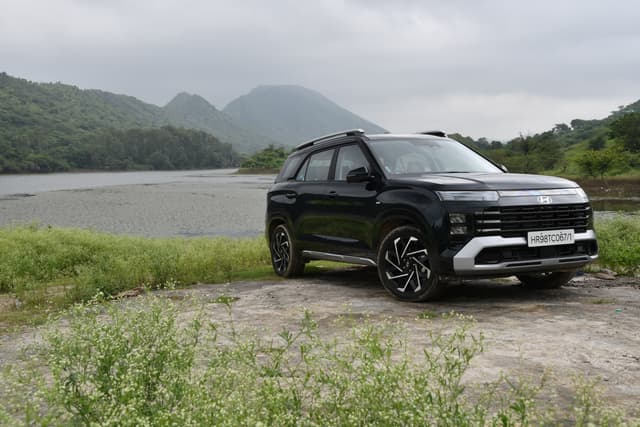
Hyundai cars in India are available with petrol, petrol-CNG, diesel and electric powertrains. Hyundai does not have an MPV in its line-up, unlike sister-brand Kia, which sells the Carens and the Carens Clavis. Hyundai India’s SUV line-up consists of the Exter, Venue, Creta, Ioniq 5, Creta Electric, and the Alcazar. Models like the Hyundai i20, Creta, and the Verna are some of the popular Hyundai cars sold in India.
Hyundai Exter price starts at ₹5.68 lakh, making it the most affordable Hyundai SUV in India. The Exter rivals the likes of the Tata Punch and the Citroen C3. The Venue compact SUV takes on the Mahindra XUV 3XO, Tata Nexon, Kia Syros and Sonet, and the Maruti Brezza.
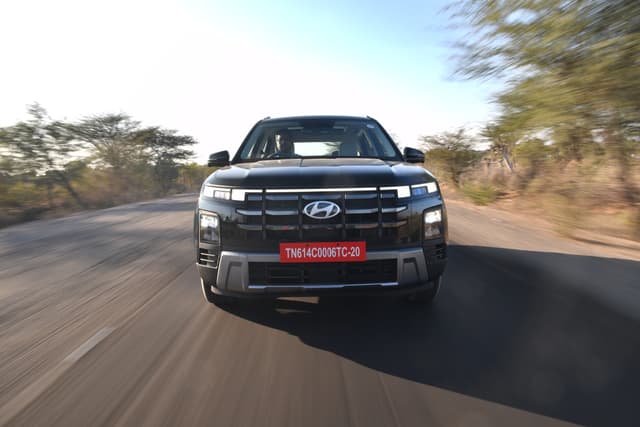
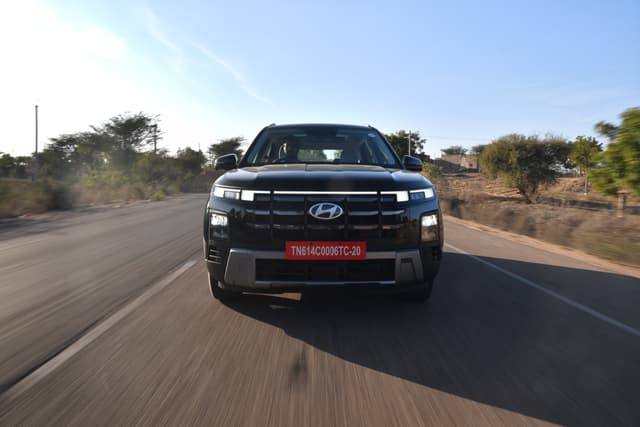
The most popular SUV in India, the Hyundai Creta, is the segment leader that rivals SUVs like the Kia Seltos, Maruti Grand Vitara, Toyota Hyryder and the Mahindra XUV700. The Alcazar is Hyundai’s three-row SUV based on the Creta that rivals the Hector Plus and the Mahindra Scorpio N in our market.
FAQs
Trending Questions on Hyundai Cars - Answered by Autocar Experts
I have a 2015 manual diesel Creta SX(O) model for the past 10 years. Planning to buy an automatic car. Family of two, and I am 65. Only Bangalore city driving, averaging 100 km per month. What car similar to the Creta do you suggest? I do not mind waiting for six months.
I am planning to buy an automatic car. My 90% running is on the highway. I am confused between the Hyundai Venue DCT and the Maruti Brezza AT.
Being a first-time buyer, I have a budget of around 10 lakh and am confused between the Hyundai Exter and the new Tata Punch. Can you recommend a good buy for mostly city rides with occasional (2-3 times a month) highway cruises? I am a new driver.
I am planning to buy a sub-4-metre SUV and have shortlisted two options: the Mahindra XUV 3XO AX7 and the new Hyundai Venue HX8. Both variants are priced around ₹15 lakhs (on-road, manual). What attracts me to each: I love the premium interiors and overall cabin feel of the new Venue. I really want the peppy, responsive performance of the 1.2L TGDi petrol engine in the XUV 3XO. My priorities: I want Hyundai’s hassle-free ownership experience (service, reliability, low maintenance stress). At the same time, I want Mahindra’s strong value-for-money (VFM) proposition. Usage pattern: The car will be used mostly on weekends and for long highway trips/getaways. No daily office commuting. We strongly prefer the manual transmission. Help me decide: Between the XUV 3XO AX7 and the new Venue HX8, which one should I go for, considering my mix of priorities (performance + interiors + ownership experience + VFM), and given the light usage?
Your understanding is spot on. The Mahindra XUV 3XO is the sportier car to drive, thanks to its larger and punchier 1.2 litre turbo petrol engine. It feels more eager, more responsive and from a pure performance and value for money point of view, the 3XO AX7 makes a very strong case.
That said, ownership experience is where the Hyundai Venue still has a clear edge. Hyundai’s mechanicals are proven, the service network is wide and consistent, and the brand has built a strong reputation for fuss free and reliable ownership. The 1.0 litre turbo petrol may not feel as explosive as the Mahindra’s engine, but it still offers good performance. Add to that the Venue’s premium feeling interiors, comfortable ride and space that works well for four adults along with a usable boot, and it comes across as a very well rounded package.
I have been driving a Maruti Dzire VDI for the last 14 years and usually don’t change cars often. I want to upgrade. I use my car daily for about 10 km for office-to-home travel. Over the weekend, I do about 400 km (to and fro, primarily on expressways), and once in three months I do a 700 km trip to my village through forests and small ghat sections (average speed may not exceed 60 km/h). I want a car with a budget of ₹20-22 lakh on road. I will be the primary driver, and I travel with my dog and my elderly mother who occasionally accompanies me. I’m looking for comfort, reliability, and ease of ownership. I’m not too focused on looks or sunroof etc., just driving comfort for me and comfort for my dog and mother.
The Kia Carens Clavis fits your requirements extremely well. Even if you do not need a seven-seater, folding the third row gives you a massive, flat boot area, which is ideal for carrying luggage along with your dog. The cabin is genuinely spacious and airy, with large windows and a relaxed seating position, which will keep your mother comfortable on longer journeys and your dog calmer and happier as well. Ride quality is one of its biggest strengths, making it a very stress-free car to drive over long distances.
A slightly smaller alternative is the Hyundai Alcazar. Think of it as a Creta Pro Max, which means it feels easier to place on the road and more compact to drive than the Carens Clavis. With the third row folded, it does offer a large and usable boot, but it is not as generous as the Carens when it comes to overall cabin room and luggage space.
The ride quality is comfortable, though a bit stiffer compared to the Carens, especially on rougher surfaces.
Hi, I am looking to upgrade to an automatic car from my current Elite i20. Budget: ₹15-17 lakh Usage: 500-1000 km monthly Driving conditions: Regular Mumbai city traffic with occasional long trips I prefer petrol due to its low running costs. My current preference is the Hyundai Venue HX (O) Petrol DCT, but I am also considering the new Kia Seltos HTX CVT. My key concerns are the low single-digit mileage of the DCT in heavy Mumbai traffic and potential heating and reliability issues. I don’t have much use for additional boot space except on long trips, which seems manageable with the Venue as well. Also, 90 % of the usage is just the two of us, with occasional family use of the rear space. Is it worth spending the additional ₹4 lakh to upgrade to the Seltos from the Venue? Would the Venue be reliable over the long run without the potential DCT issues?
The dual-clutch automatic on the Hyundai Venue has been in service for a long time now and is a well-proven gearbox. While overheating warnings can appear in extreme stop-and-go traffic, Hyundai has steadily improved calibration and reliability over the years, and the current version is quite mature. In regular use, reliability should not be a concern, and long-term ownership should be hassle-free if driven sensibly.
Your concern about low single-digit fuel efficiency in heavy traffic is valid, but that is more a reality of any turbo petrol automatic in dense city conditions rather than a specific Venue issue. Given that 90 percent of your usage is with just two occupants, and rear seat and boot space are only occasionally needed, the Venue fits your needs well.
On the other hand, spending around four lakh more on the Kia Seltos does bring tangible benefits. It sits a segment above and feels like it, especially in terms of interior fit, finish and overall cabin quality, which are a notch better than the Venue.
The 1.5 litre naturally aspirated petrol engine is smoother and quieter than the Venue’s 1.0 litre three cylinder turbo. The CVT gearbox makes the Seltos a very relaxed and soothing city companion. It is also larger in size, offers more space and feels more comfortable overall.
If you want better interior quality, smoother performance and a more premium feel and are comfortable spending the extra amount, the Seltos will feel like a clear step up. The choice ultimately comes down to whether those additional benefits are worth the additional cost for you.
I need an automatic sedan with a limited budget and essential features. I am confused between the Maruti Dzire and the Hyundai Aura for 90% city use.
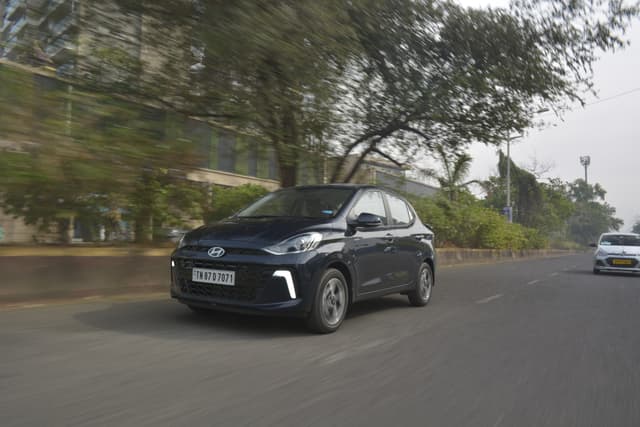
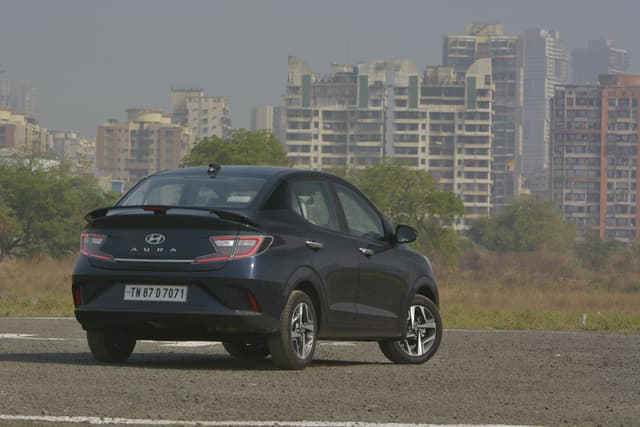
The Maruti Suzuki Dzire is a better option than the Hyundai Aura. The Dzire is more spacious and comfortable, and its 1.2-litre petrol engine is a lot more efficient than the Aura's 1.2-litre petrol unit.
Both compact sedans get an AMT gearbox, but the Dzire's unit is a bit nicer in the city. Feature-wise, both compact sedans offer a decent equipment list. But the Dzire has the advantage with wireless connectivity and a sunroof for a more premium experience.
Moreover, the Dzire will hold its value a lot better, and it is the most economical car to own, especially for the city. The ride comfort is very good, the steering is light, and the efficiency is segment-best.
Hi. I am looking for a car within ₹15 lakh. My running is mainly in Bangalore city. I would prefer an SUV. Can you suggest a good car?
The compact SUV segment offers the most choice in this price bracket, so it could get quite confusing picking one. Our recommendation would be the new Hyundai Venue. While there are other SUVs in this price band that offer individual strengths, the Venue does everything in a balanced manner.
It has multiple powertrain options, a very good set of features, a wide array of variants that fit a flexible budget and peace of mind thanks to the Hyundai brand. The updated version is also the most modern option in the segment and gets a comfier rear seat and suspension than before.
Hi Autocar India team, I’m planning to buy the Hyundai Venue (HX(O) top variant) but I’m confused between the 1.0 turbo petrol DCT and the 1.5 diesel automatic. My monthly running is around 600-700 km, mostly city driving with some highway use. I’ve come across mixed reviews about the petrol DCT - especially regarding DCT overheating issues in traffic and lower real-world mileage from the 3-cylinder turbo petrol. On the other hand, the diesel automatic seems more reliable, but I’m unsure if it makes sense for my relatively low monthly usage. Considering reliability, maintenance, mileage, and long-term ownership in Indian conditions, which variant would you recommend - petrol DCT or diesel automatic? I’d really appreciate your expert opinion. Thanks!
Between the two options, you can be reasonably relaxed about the reliability of the petrol DCT. Hyundai’s dual clutch gearbox has been in service for many years now and is a well-proven unit.
While overheating warnings can show up in very slow-moving traffic, the system is designed to protect itself, and over time. Hyundai has continuously improved both performance and reliability. In its current, more mature form, it is unlikely to give you trouble in normal ownership.
Considering your usage of around 600 to 700 km a month, mostly in the city, the petrol automatic makes far more sense than the diesel. The 1.5 litre diesel engine is refined, and the torque converter automatic is smooth. But with such limited running, there is a high chance of DPF-related issues cropping up over long-term ownership.
Also, with stricter emission norms, modern diesels are not as fuel-efficient as they were once, especially when paired with a torque converter. So the traditional mileage advantage is no longer a strong enough reason to choose diesel in your case.
I am in Bangalore and planning to buy my first automatic car as a new driver, with a budget of ₹10-12 lakh. I am confused between the Baleno AMT, i20 iVT and Sonet. Earlier, I was thinking of buying the Punch, but due to service issues, I am not considering it. The Exter AMT also seems like a good option.
Last Updated on: 19 Jan 2026