

5-seater cars in India (161)












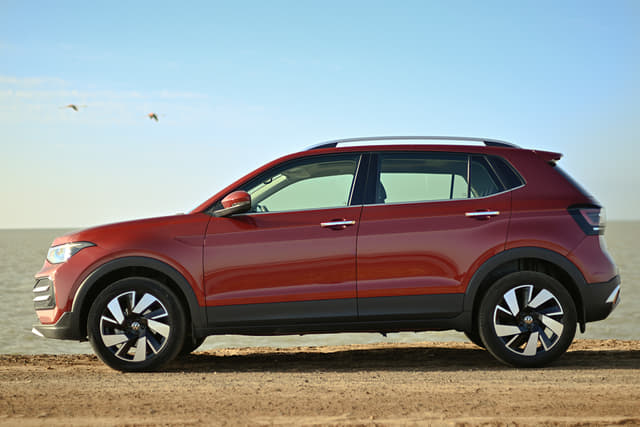
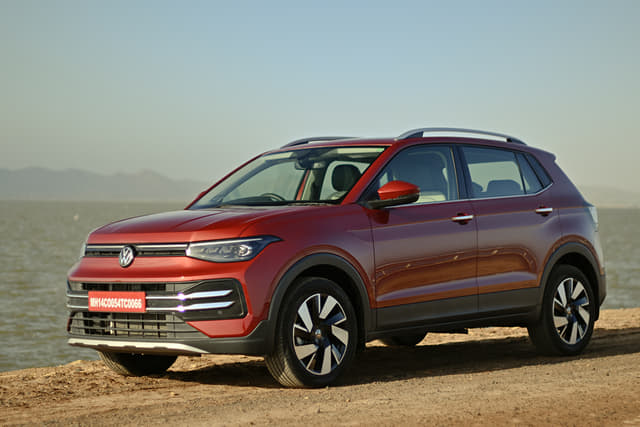
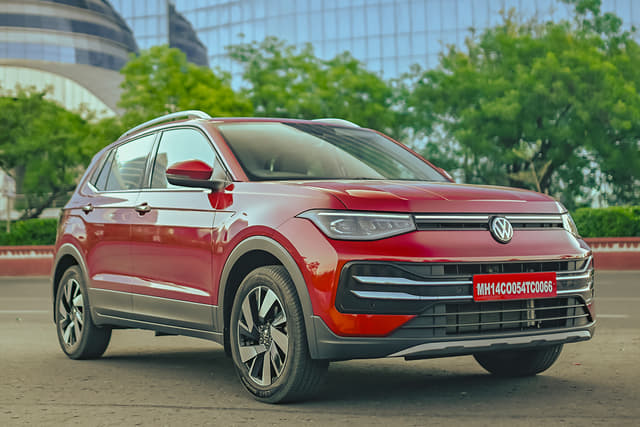
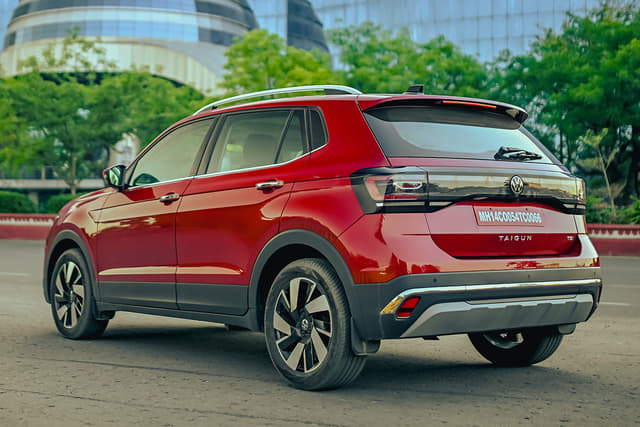
Find cars by budget
Find cars by budget
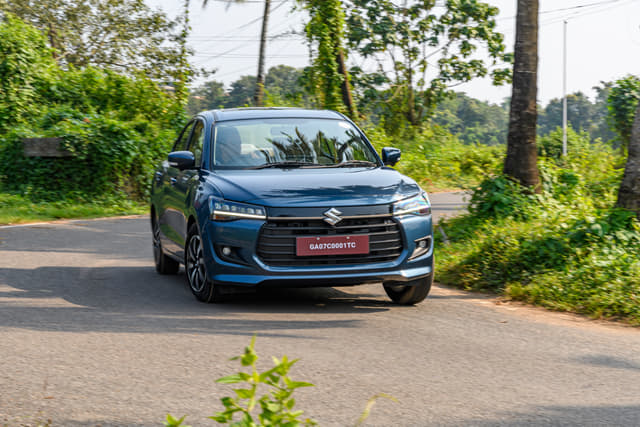
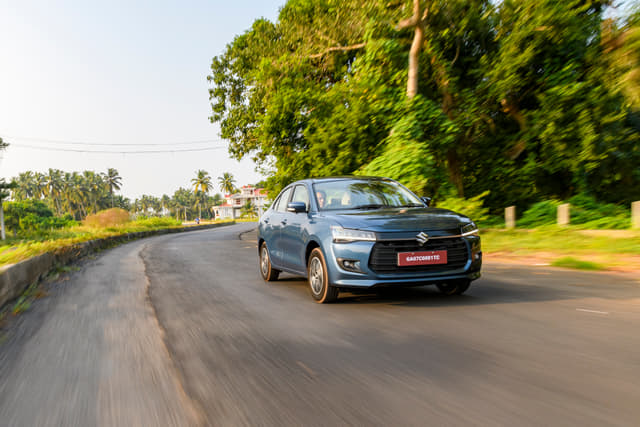
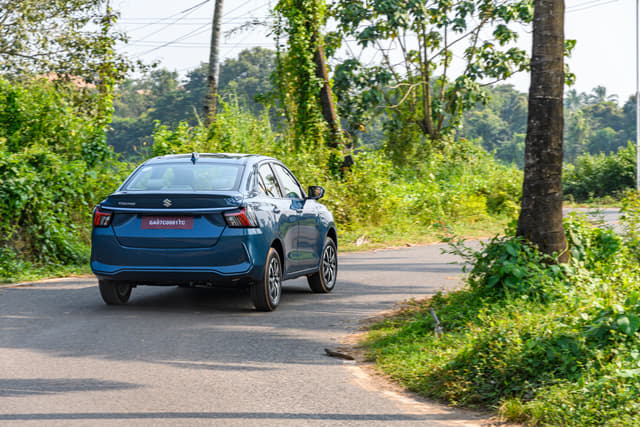
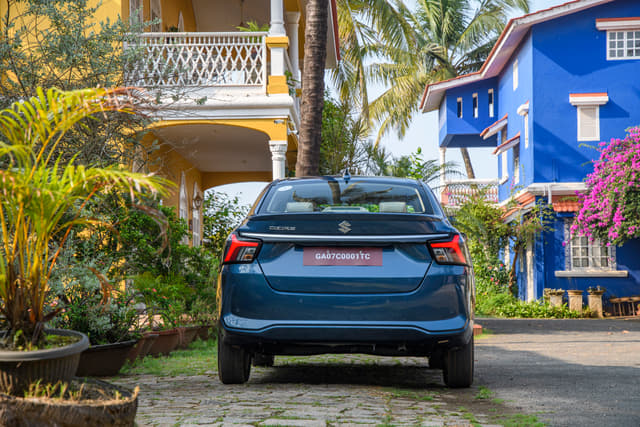
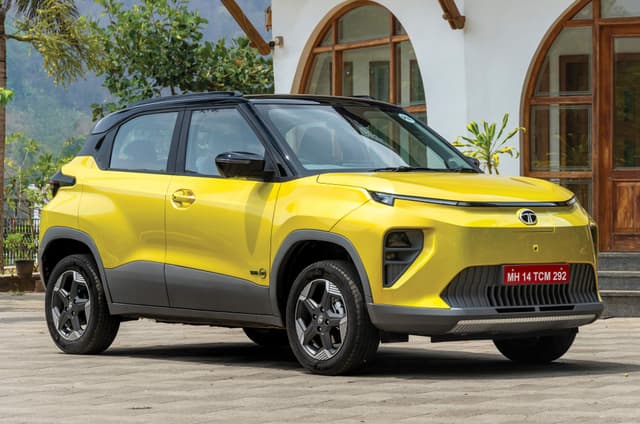
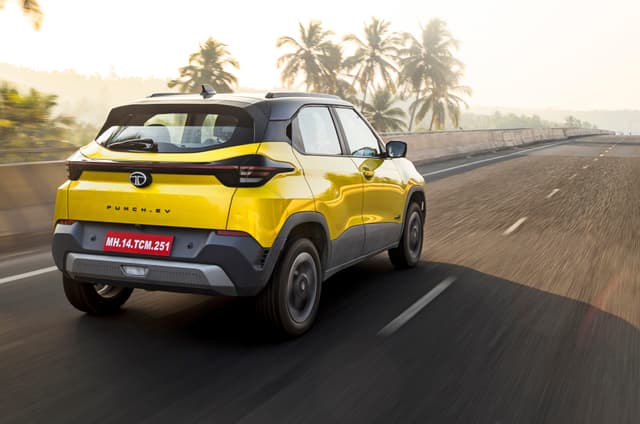
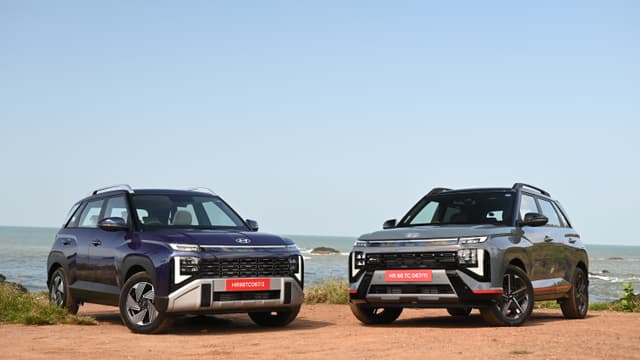
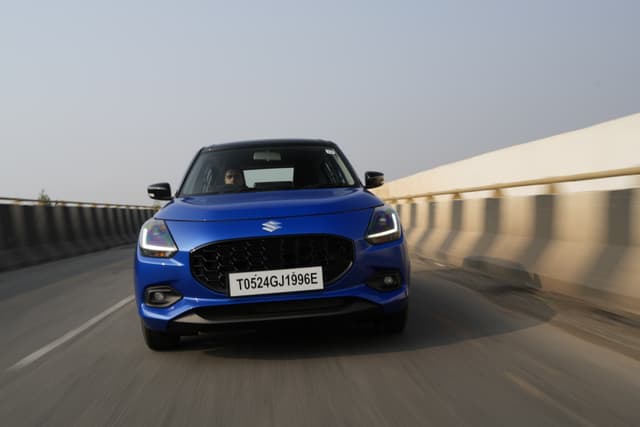
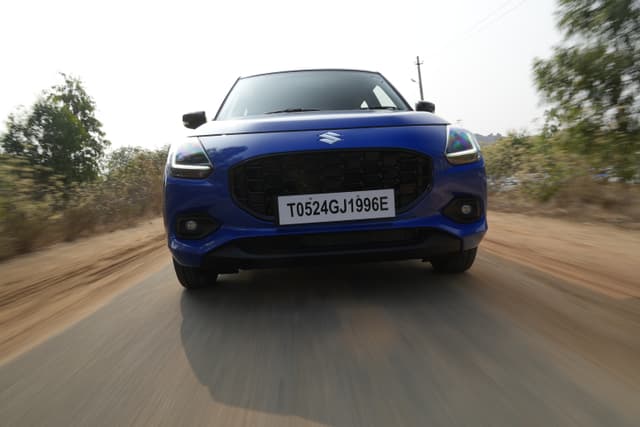
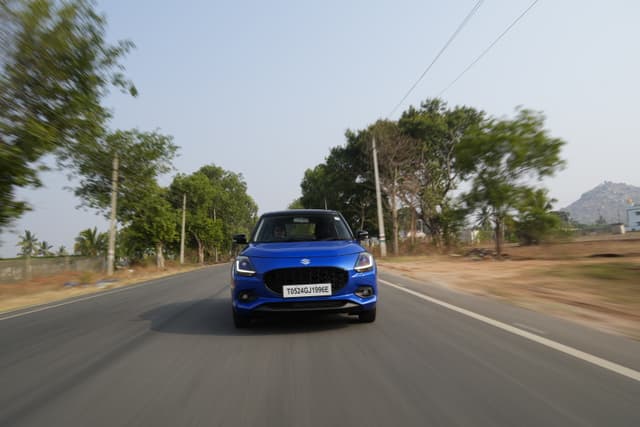
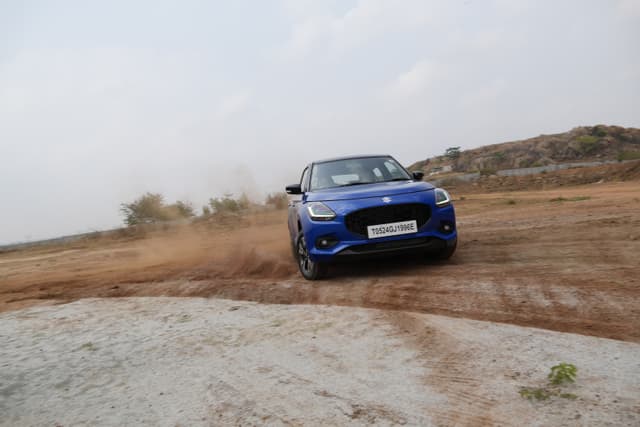
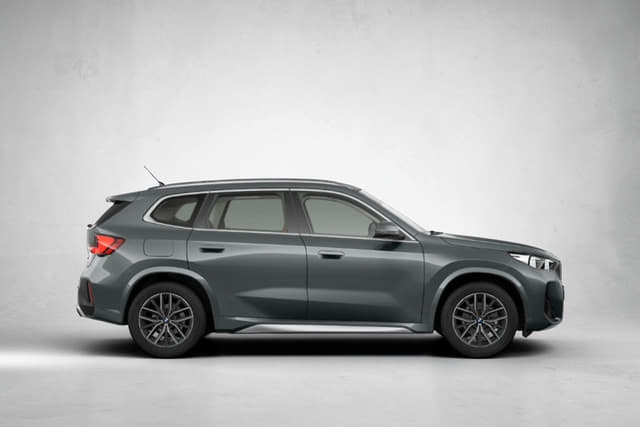
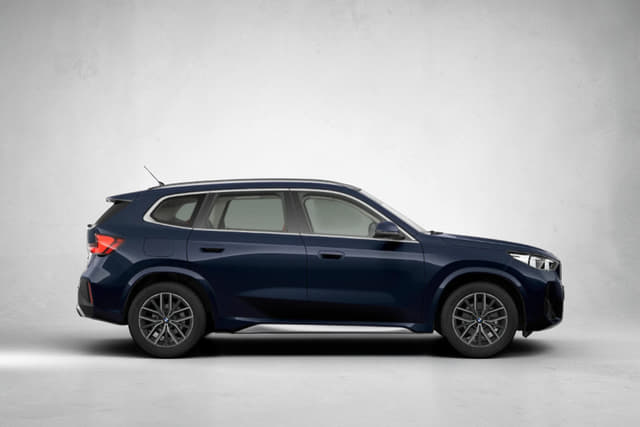
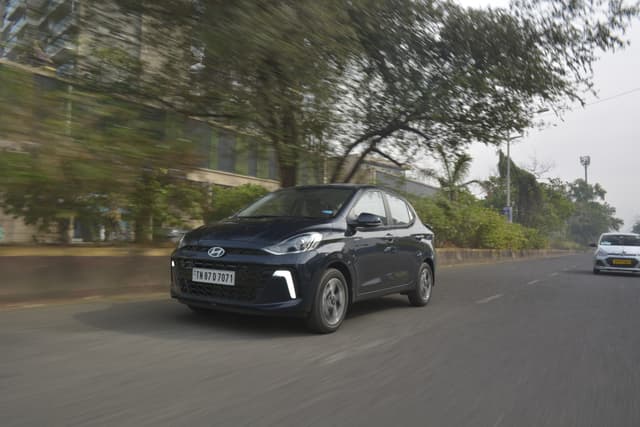
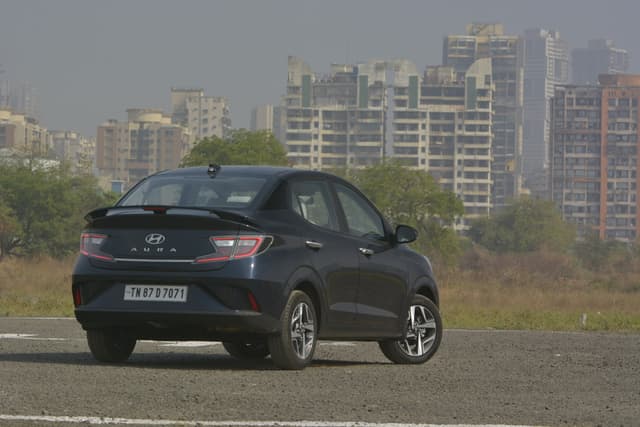
5-seater Cars - FAQs
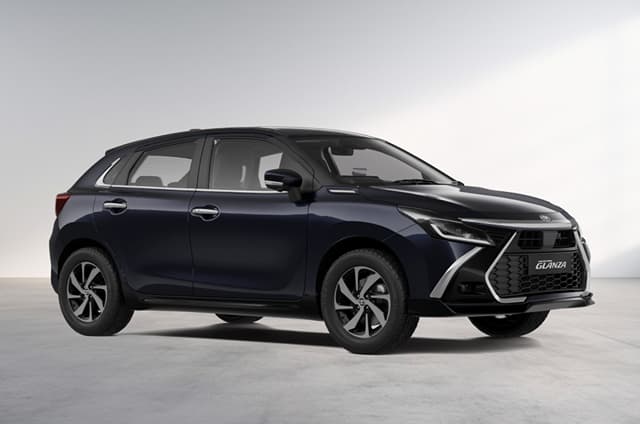
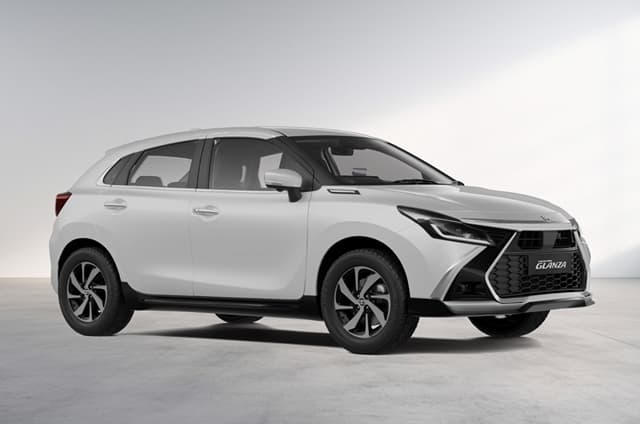
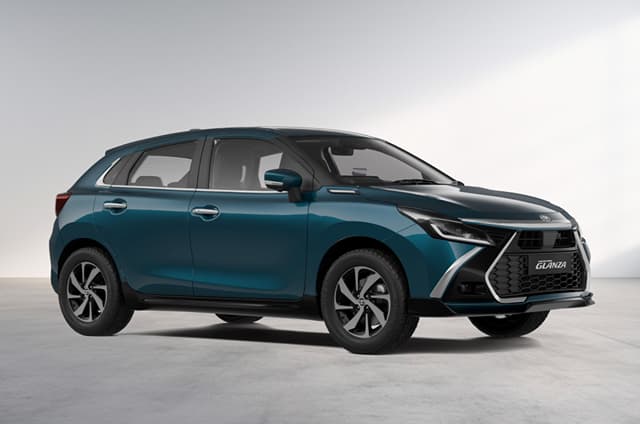
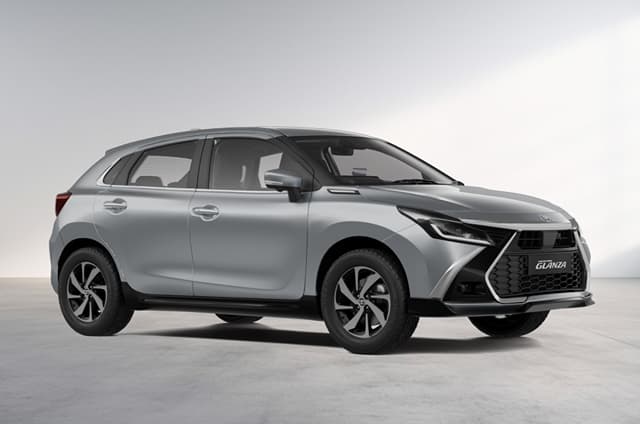
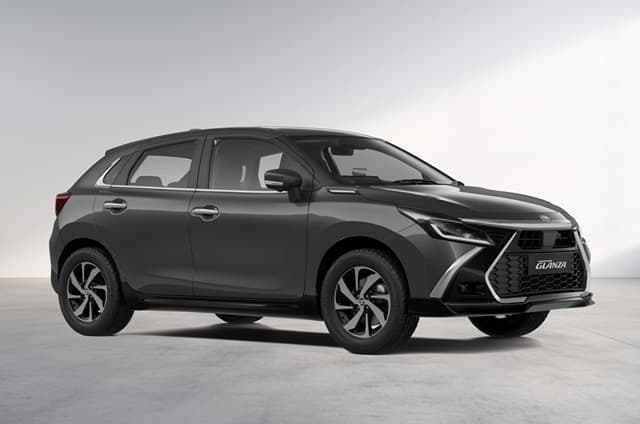
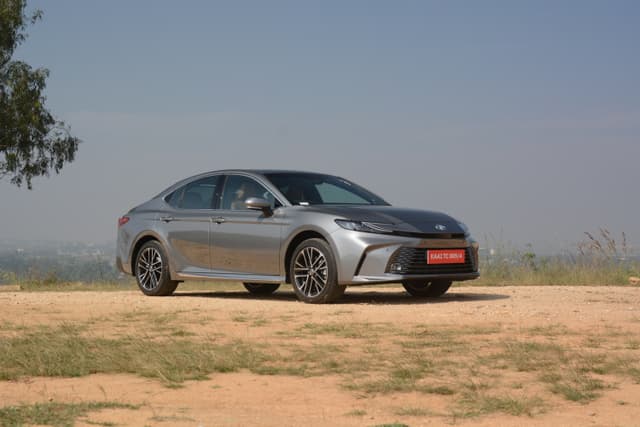
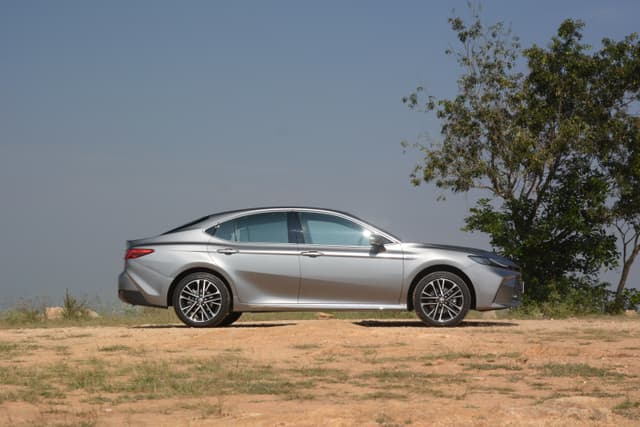
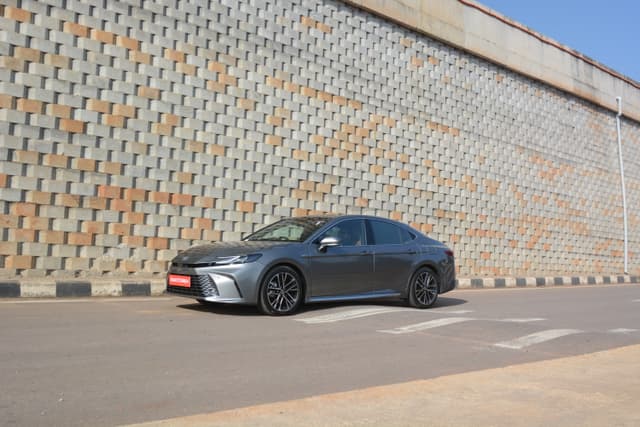
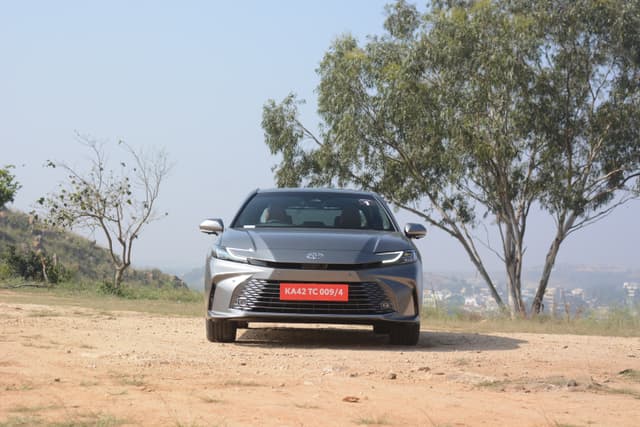
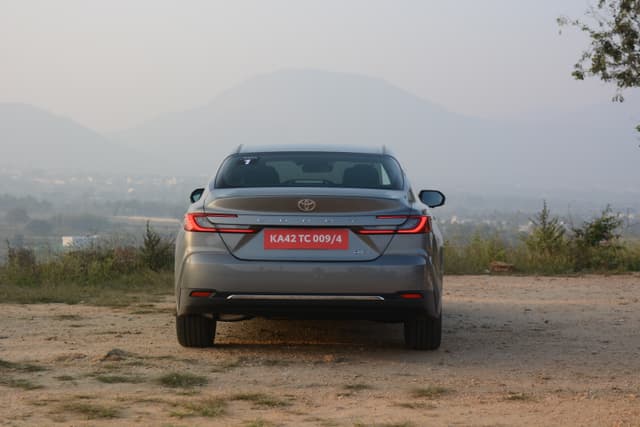
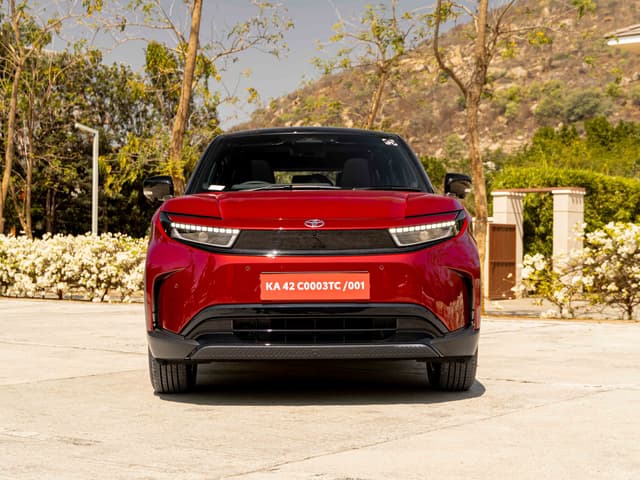
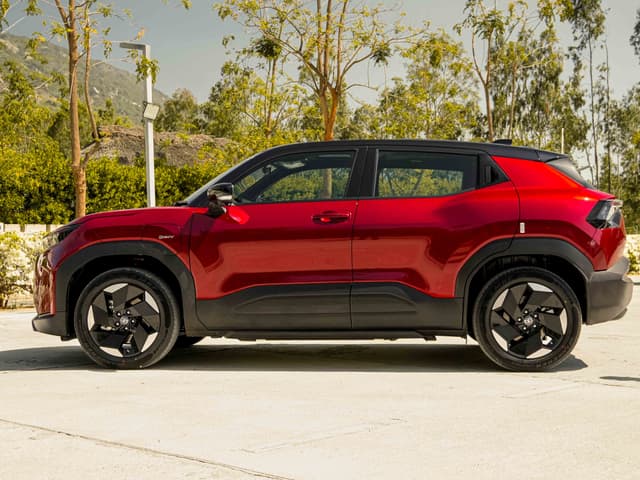
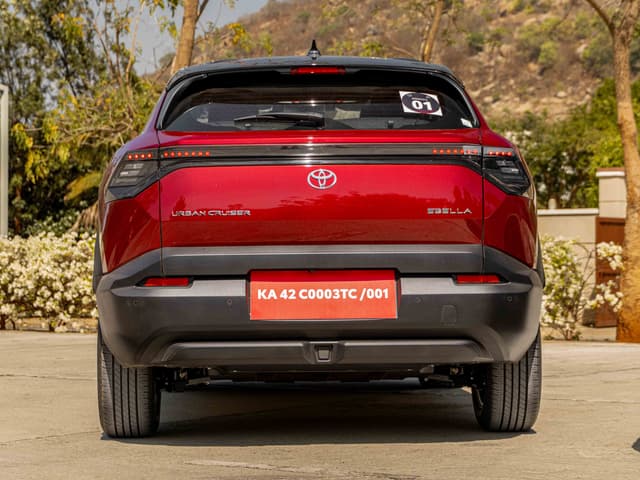
Some of the popular Toyota 5-seater cars include the Toyota Camry, Toyota Glanza and Toyota Urban Cruiser Hyryder.
The lowest-priced 5-seater car in India is the Maruti Suzuki S-Presso, starting with a price of ₹3.50 lakh.
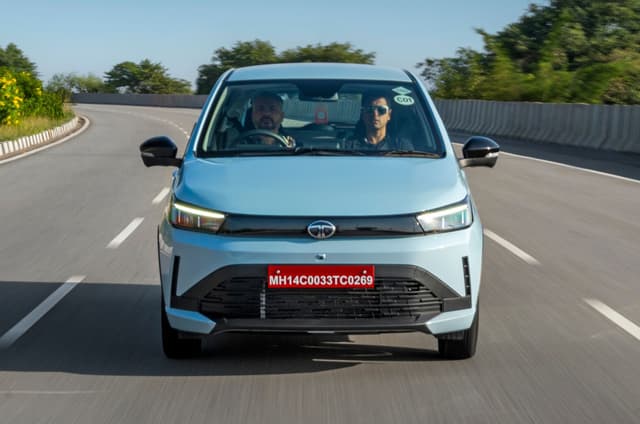
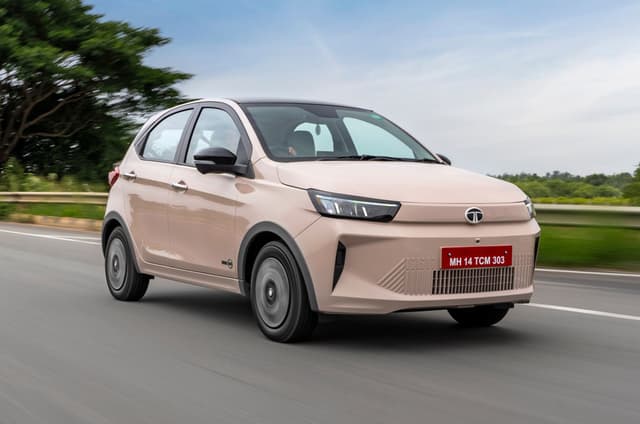
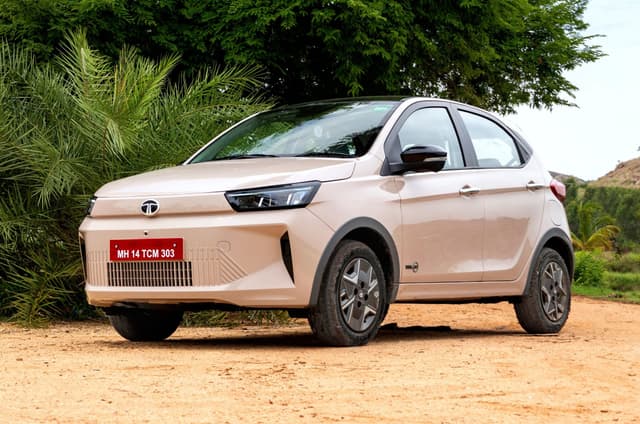
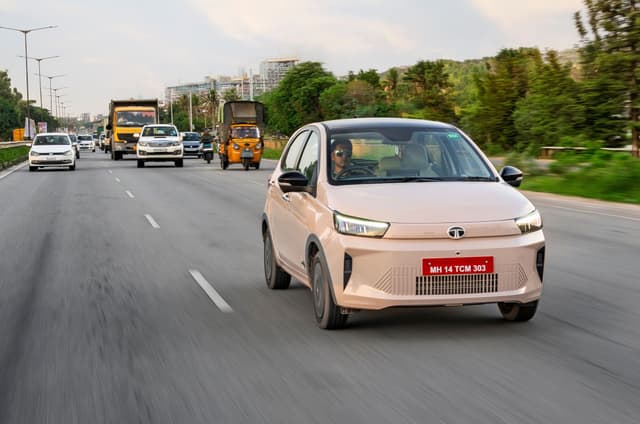
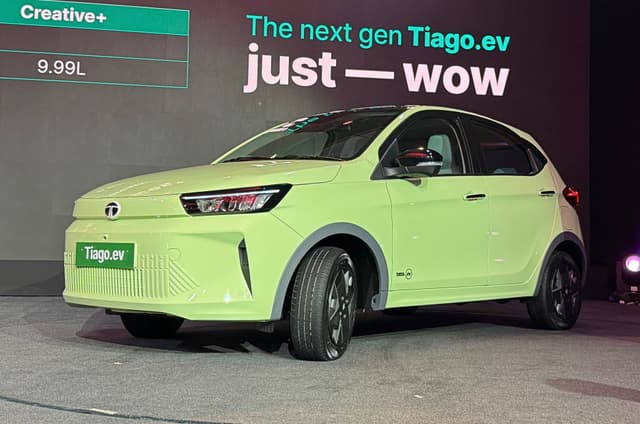
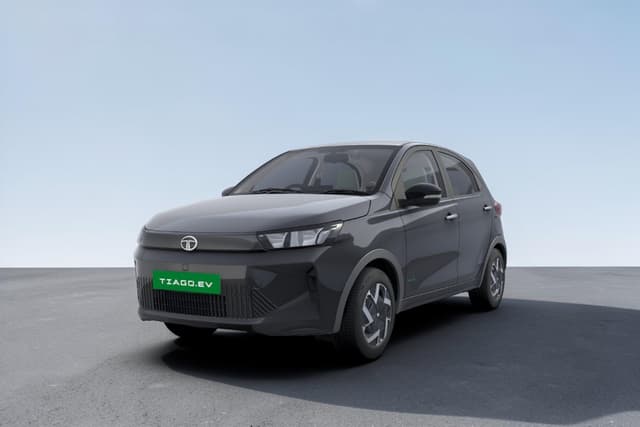
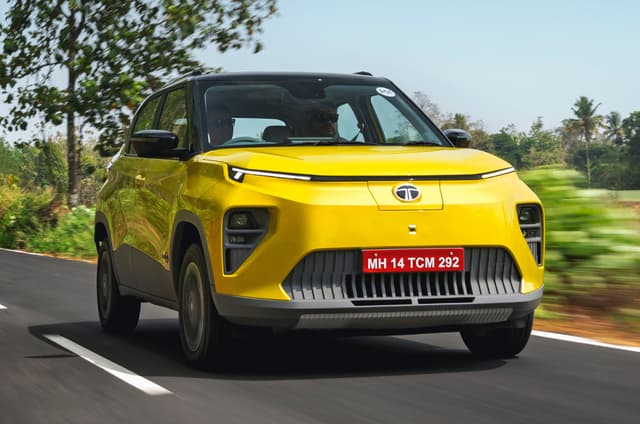
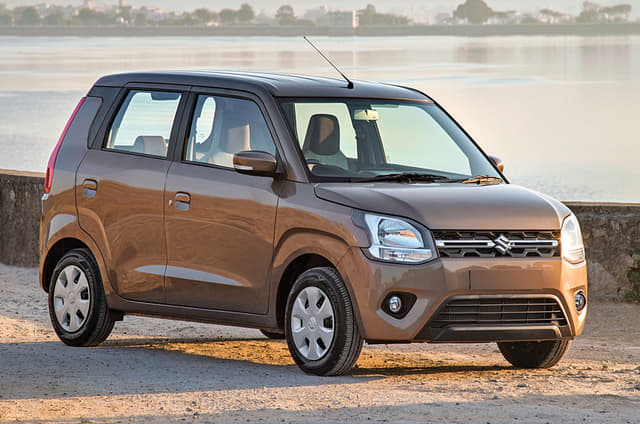
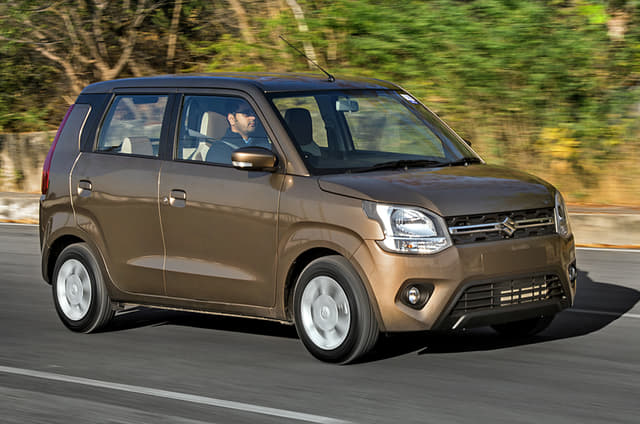
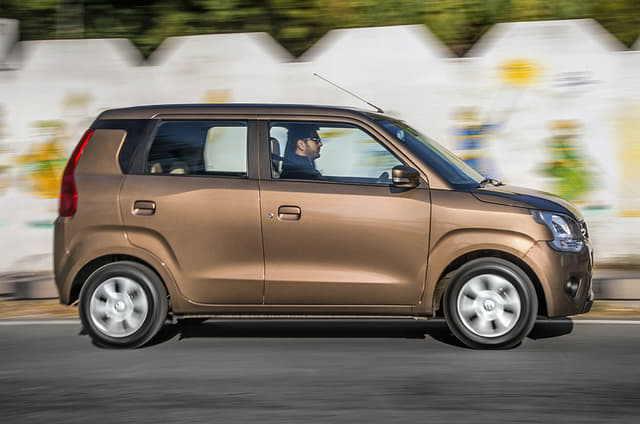
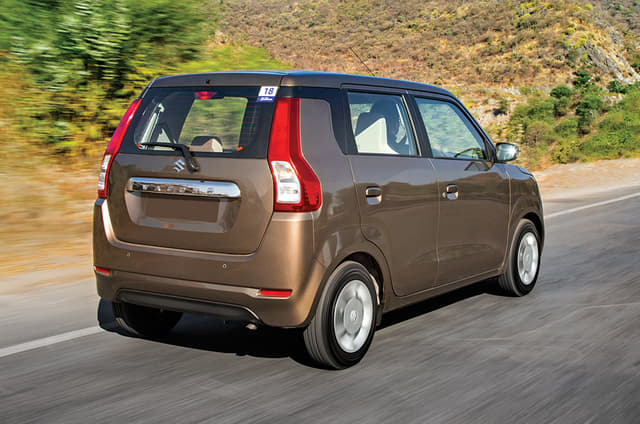
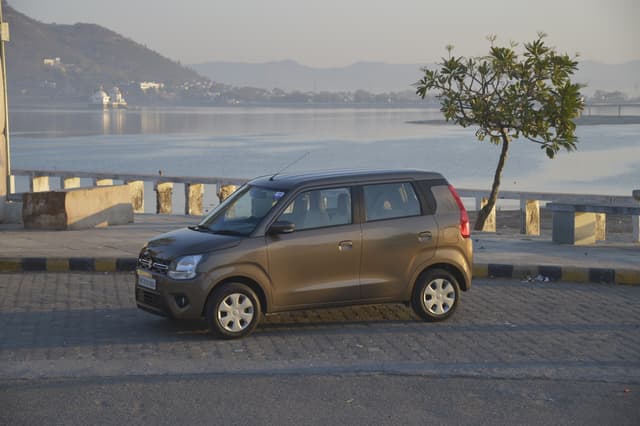
Some of the good 5-seater cars under ₹10 lakh include the Maruti Suzuki Dzire, Tata Tiago EV and Maruti Suzuki Wagon R.
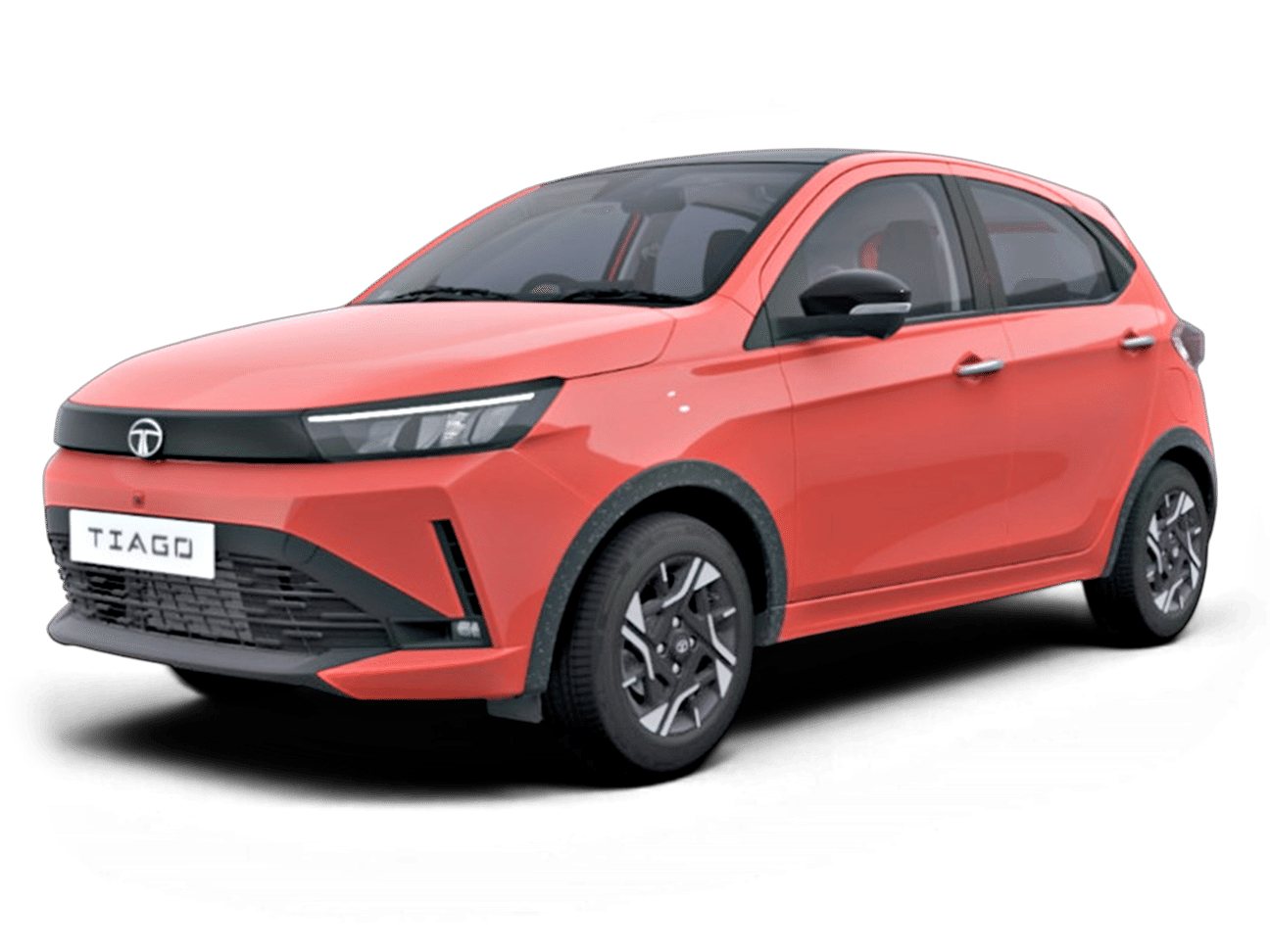
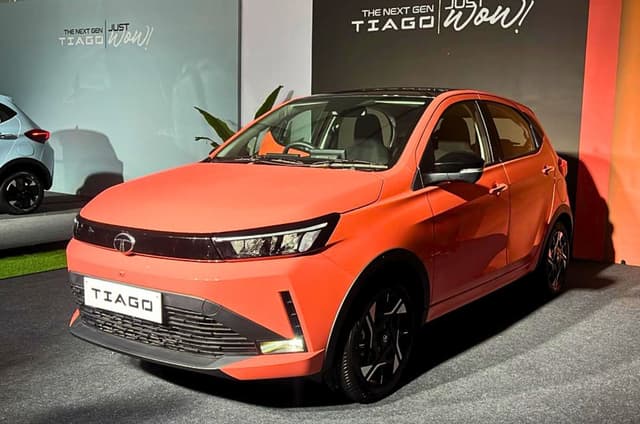
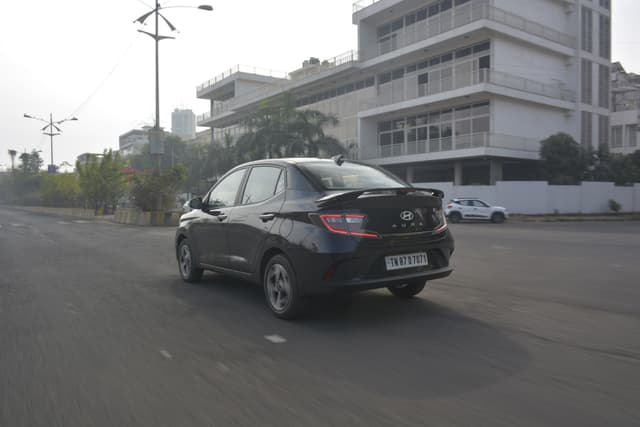
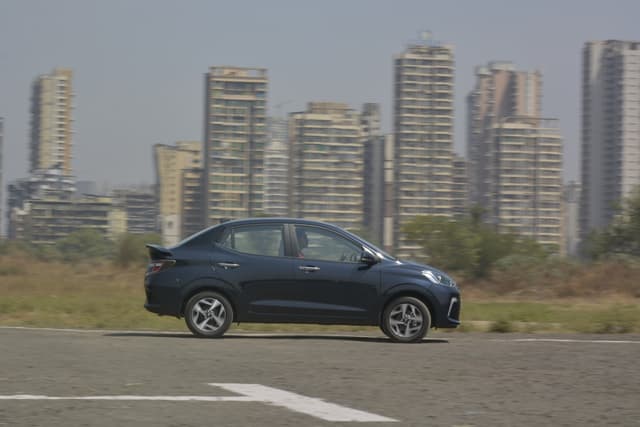
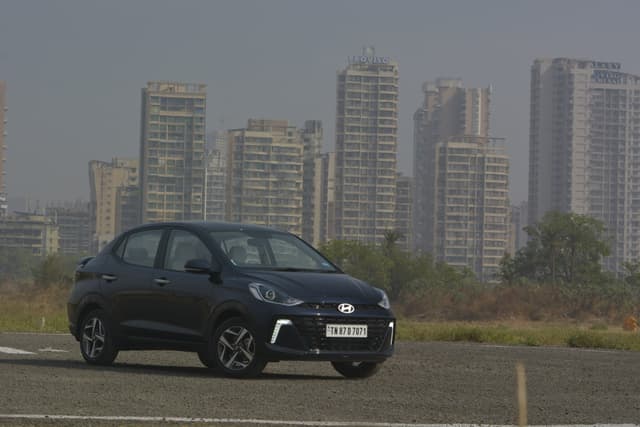
Some of the 5 seater CNG cars include models such as Maruti Suzuki Victoris, Tata Tiago and Hyundai Aura.
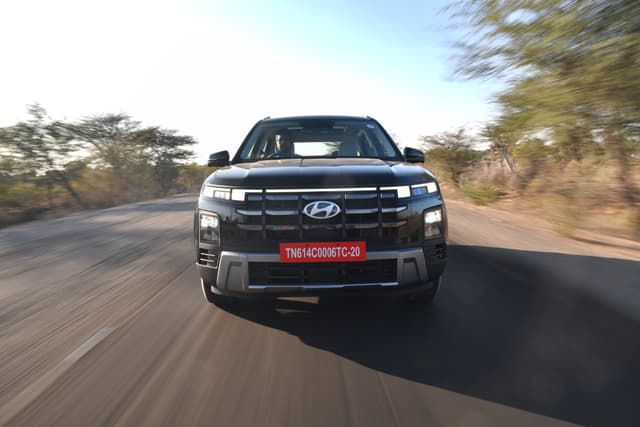
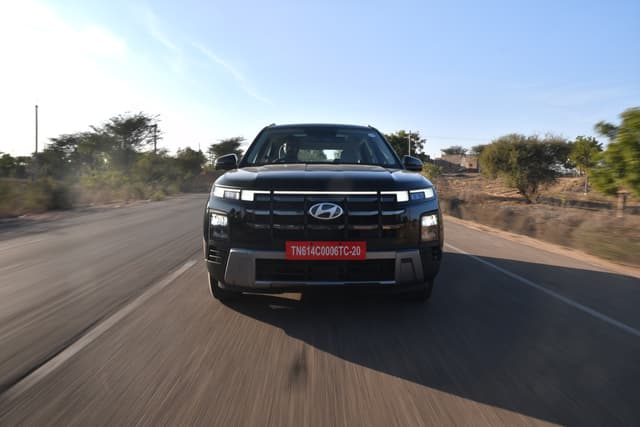
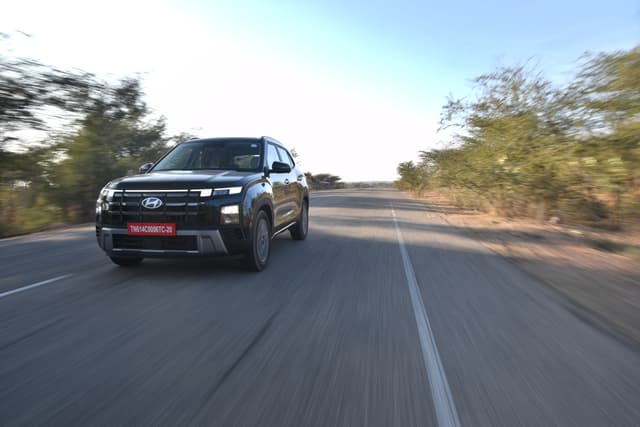
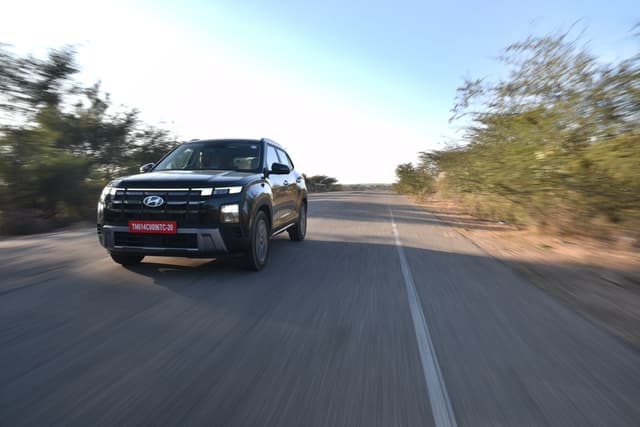
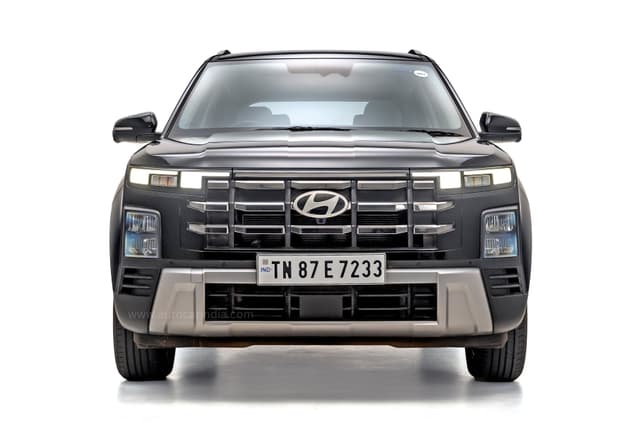
Popular Hyundai 5-seater options include the Hyundai Creta, Hyundai Aura and Hyundai Grand i10 Nios.
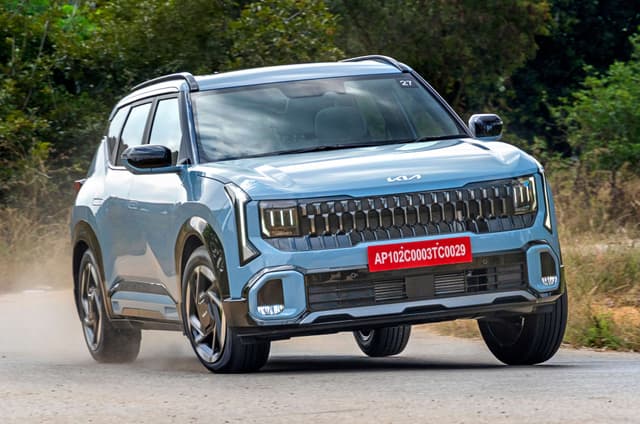
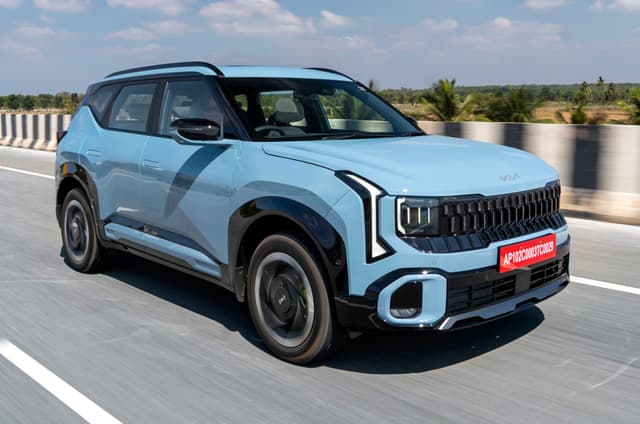
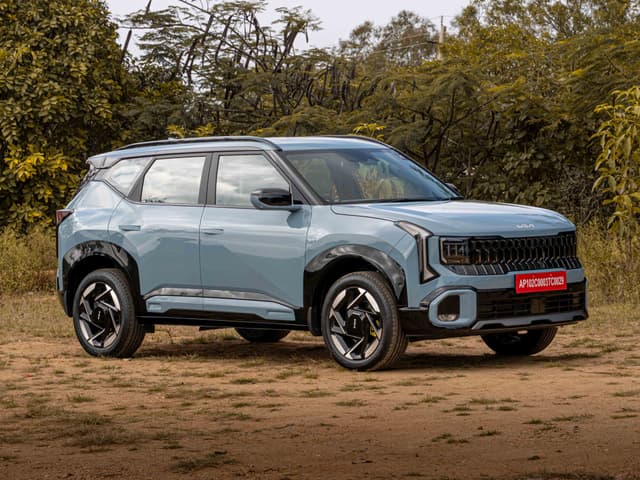
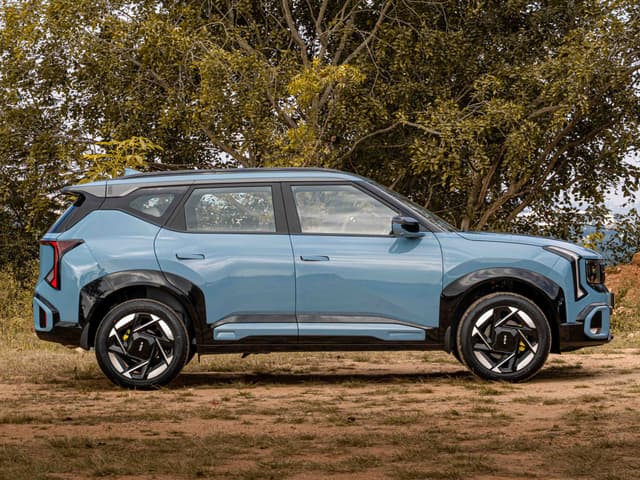
Some of the notable Kia 5-seater cars include the Kia Seltos, Kia Syros and Kia Sonet, catering to different budgets and segments.
A few 5-seater cars under ₹5 lakh include the Renault Kwid, Tata Tiago and Maruti Suzuki Alto K10.
Among Mahindra’s 5-seater cars, options include the Mahindra XUV 3XO, Mahindra Thar Roxx and Mahindra XEV 9e.
Trending Questions on Cars - Answered by Autocar Experts
Dear Autocar team, I am planning to buy a petrol automatic SUV priced under Rs 20 lakh. I have been considering the Tata Sierra petrol automatic but am concerned about Tata's after-sales service. My key requirements are comfortable seating for four to five adults, a spacious midsize SUV rather than a compact SUV, strong safety standards and build quality, and modern features such as a 360-degree camera. Which options should I consider?

 Tata SierraKia SeltosHyundai Creta
I own a 2018 Hyundai Creta 1.6 diesel manual and have been very happy with it. It suits my family of three for city use as well as long road trips, including journeys from Kashmir to Kerala and Jaisalmer. However, I now want to upgrade to something bigger. I don't like the looks of the Toyota Innova HyCross, Mahindra XUV 7XO or Tata Safari. I also have reservations about ladder-frame SUVs I test-drove the Mahindra Scorpio N briefly in traffic and found it moved around more over bad roads than my monocoque Creta. I want something imposing, like the Toyota Fortuner, but am unsure about moving to a ladder-frame SUV. Should I wait for the JSW Combat, which will have monocoque construction, or would that be a risk in terms of reliability? Please advise.
Kia SorentoJSW Motors CombatToyota FortunerI'm planning to buy a new car with an on-road budget of up to Rs. 30 lakh in India. I want a car that offers excellent comfort, low running costs, and a relaxed driving experience for my daily commute. 1. My Driving Profile -Average monthly driving: 2,500 km -Driving conditions: 60% suburban roads and Highway and 40% city traffic -Long-distance trips: One or two trips per month -Current car: 2017 Maruti Suzuki Baleno, manual transmission 2. Comfort and Ergonomics I'm approximately 6 feet tall and currently experience fatigue and leg pain during my daily commute in my manual Baleno. My top priority is to find a car with: -An automatic transmission for easier driving, especially in traffic. -Excellent front-seat comfort and adequate legroom. -Good driving posture, lumbar support, and adjustable seating. -A comfortable suspension setup for daily commuting and long journeys. -Low cabin noise and minimal driver fatigue. 3. Running Costs and Powertrain -Low running costs and excellent overall energy efficiency are important. -I have charging facilities available at home, so I'm open to considering an electric vehicle (EV). -I'm also willing to consider petrol, diesel, or hybrid vehicles if they offer better overall value. -I want to compare energy or fuel costs, maintenance, insurance, and long-term ownership costs. 4. Family Requirements -The car will primarily be used for my daily commute. My family occasionally travels with me, so rear-seat comfort is also important. -I'm open to both 5-seater and 7-seater options, provided the car meets my comfort and cost requirements. 5. Budget and Ownership -Maximum on-road budget: Rs. 30 lakh -I want a reliable car that offers good value for money over long-term ownership. -I plan to use the car for several years, so durability, battery longevity (for EVs), resale value, and total cost of ownership matter. Please suggest a car.
Hyundai Creta ElectricMaruti Suzuki BalenoKia SeltosI am planning to buy a car in December 2026, and my budget is around Rs 11 lakhs. There are five members in my family. Please suggest the best family car.
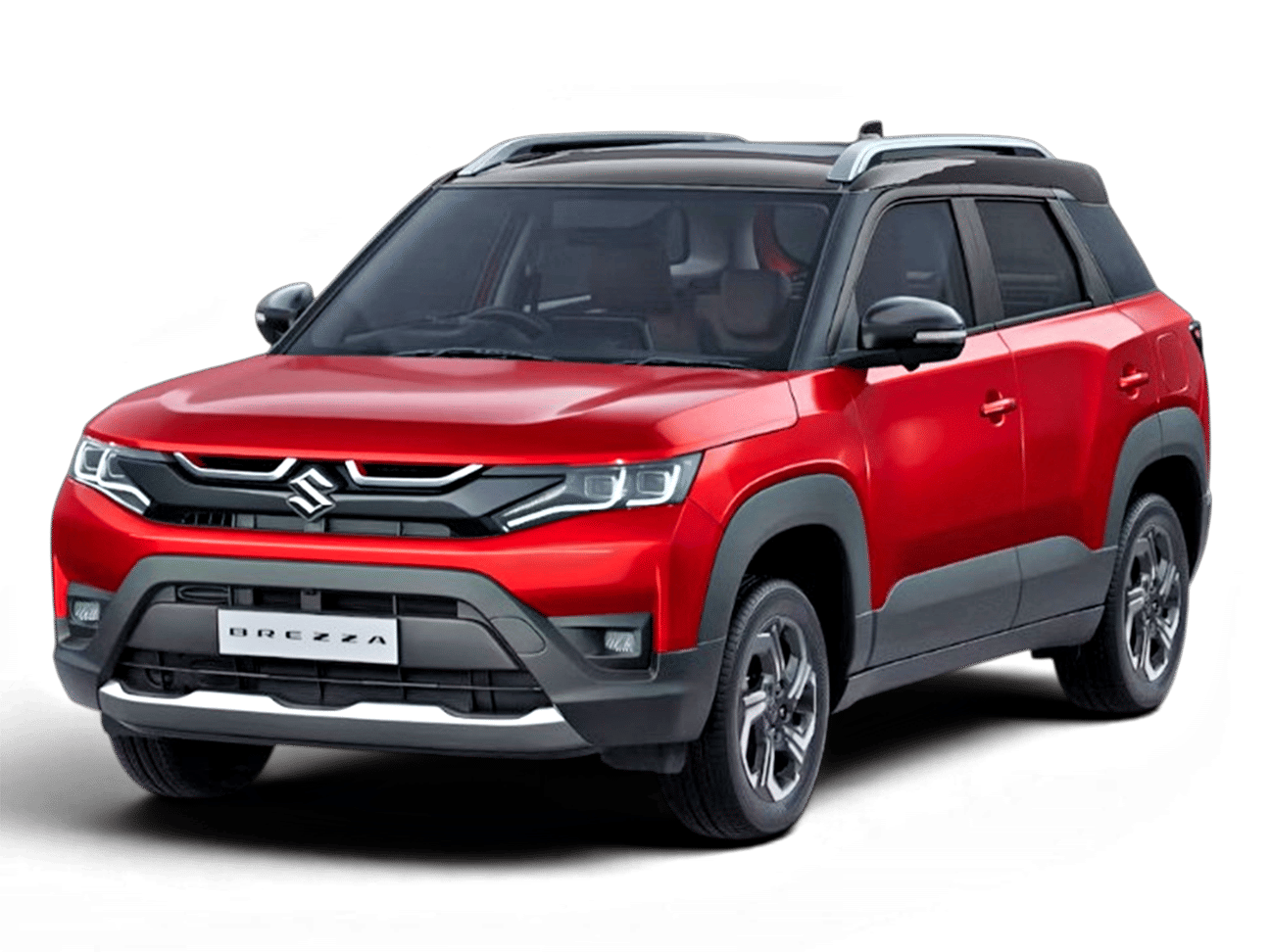
Mahindra XUV 3XOMaruti Suzuki BrezzaNamaste Autocar Team, I am from Kolkata and am considering two cars within a budget of Rs. 15 lakh on-road: the Hyundai Venue HX7 diesel manual and the Kia Syros HTK+ (O) diesel manual. My monthly running is around 1,500-1,750 km, with a 90:10 split between city and highway driving. I mostly drive in the city, and my 2017 petrol Hyundai i20 is becoming expensive to run. Hence, I am considering a diesel car, although I am not interested in an EV at the moment. Which of these two cars would be a more practical and reliable choice for long-term ownership, considering a 10-year ownership period, service costs, comfort and mileage? I am tempted by the new Venue, but the Syros offers slightly more rear-seat and boot space, which is important for my family of four. I would appreciate your honest opinion and observations.
Kia SyrosHyundai VenueLast Updated on: 20 Oct 2026