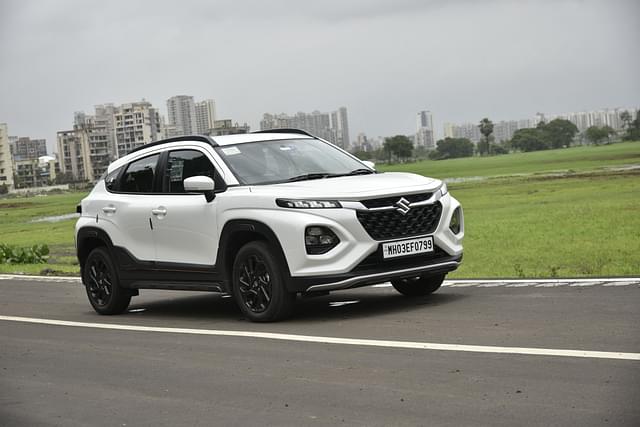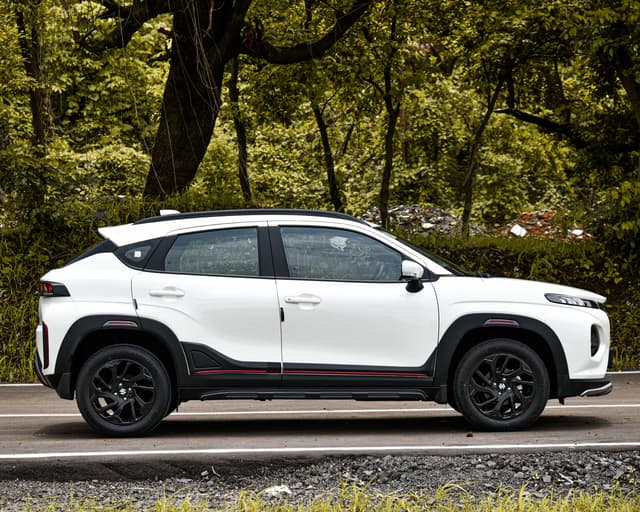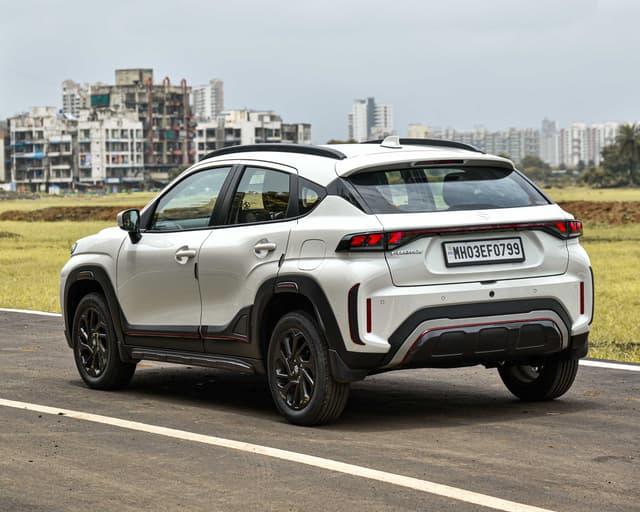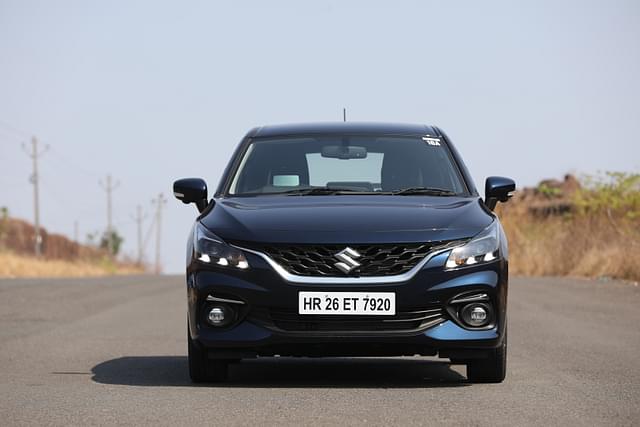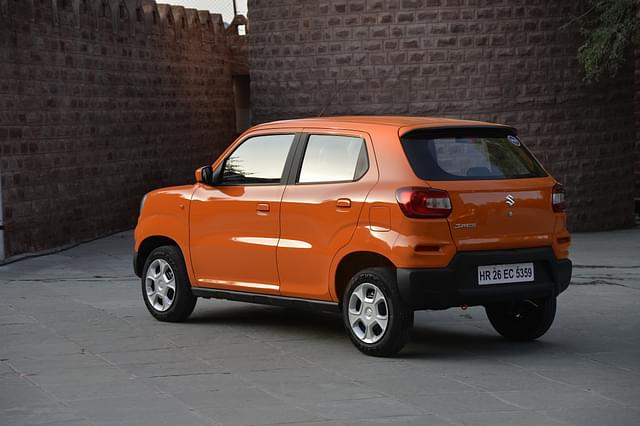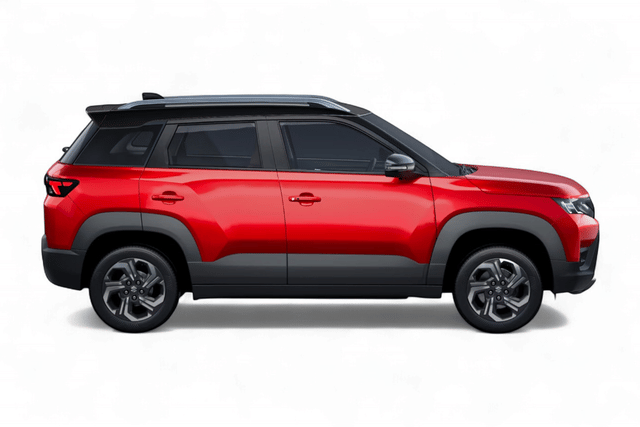

Maruti Suzuki cars in India (20)
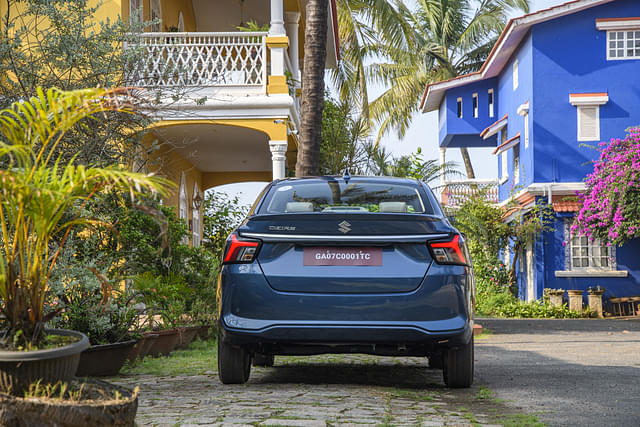
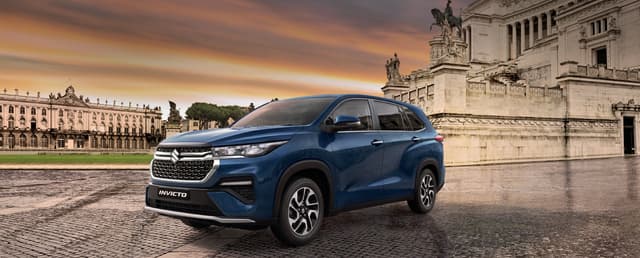
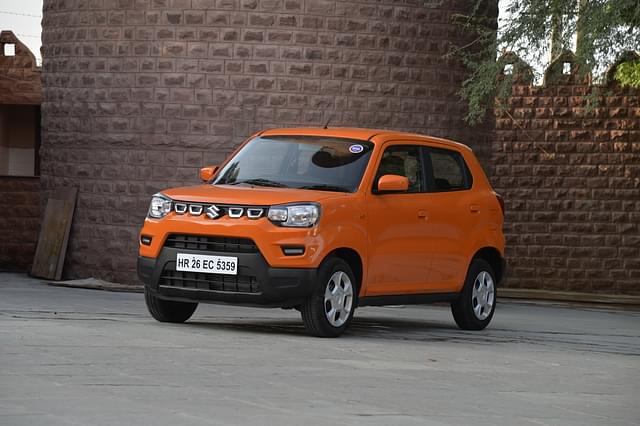
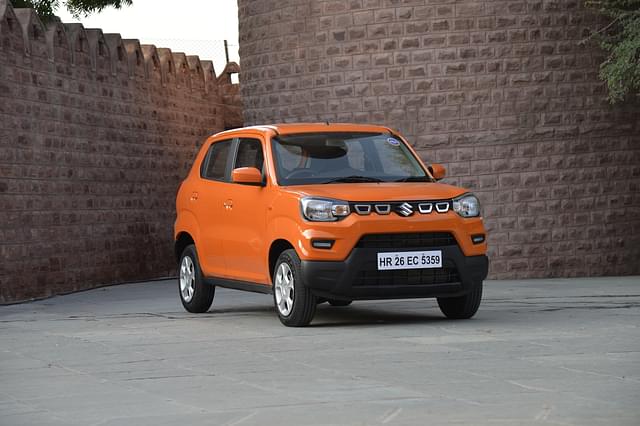
The Maruti car price starts at โน3.50 lakh and goes up to โน28.61 lakh in India (ex-showroom). The cheapest Maruti Suzuki car in India is the S-Presso (after GST reduction; earlier it was Alto K10), while the most expensive is the Invicto. As of May 2026, there are 18 Maruti models available for sale in India, while 2 are upcoming (facelifts of Baleno and Brezza). The current lineup consists of: 8 hatchbacks, 4 MPVs, 7 SUVs, and 1 sedan.
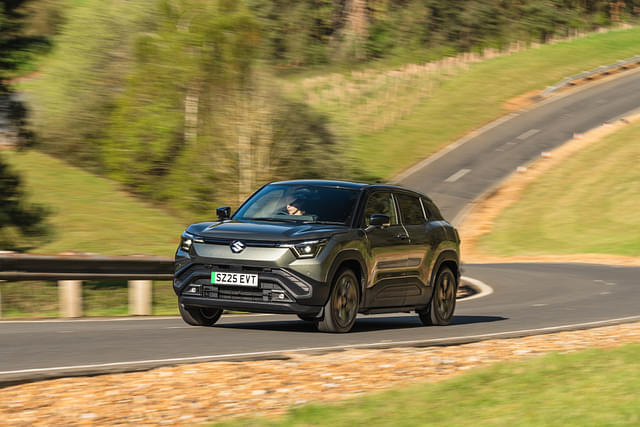
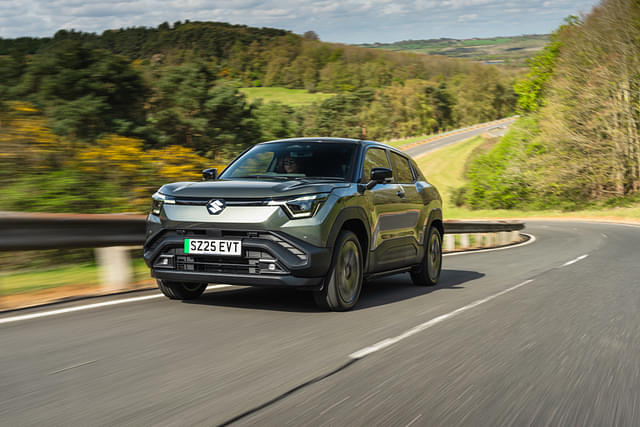
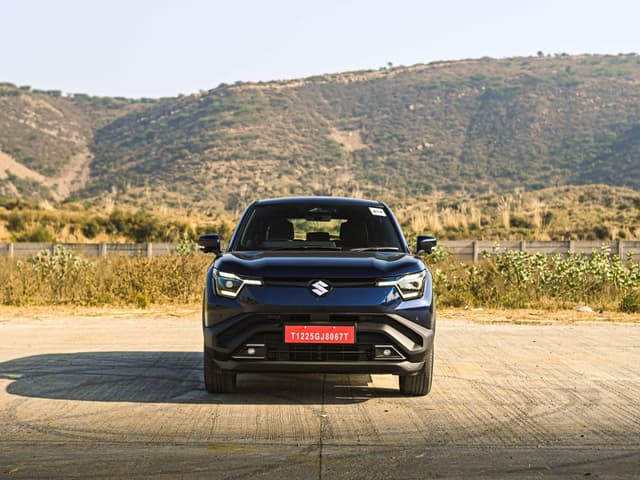
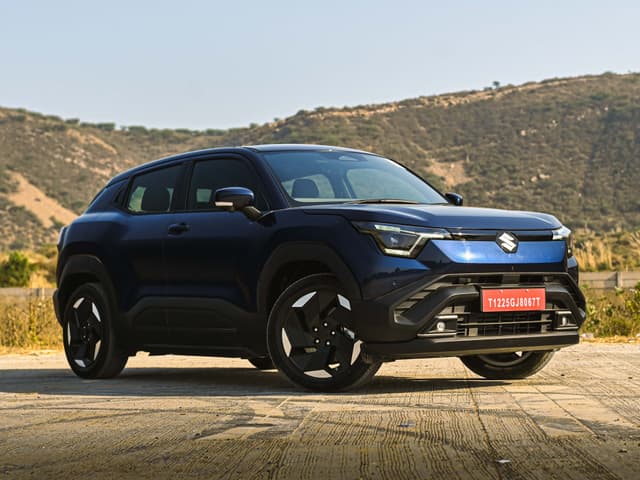
The latest Maruti Suzuki model launched in 2026 is the e Vitara. It is the first Maruti electric car and will rival models like the Hyundai Creta Electric, MG ZS EV, Mahindra BE 6, etc. The cheapest Maruti CNG model is the Alto K10 CNG, priced from โน4.81 lakh (ex-showroom). Popular Maruti cars in India include the Alto K10, Swift, Brezza, and Ertiga. Some Maruti Suzuki models are co-developed with Toyota, like the Grand Vitara SUV and Invicto.
The brand Maruti Suzuki needs no introduction in India, thanks to its budget-friendly, dependable, and reliable cars. The brand offers something for every budget. The Maruti Suzuki cars in India in 2026 include sedans, MPVs, SUVs, etc., powered by petrol, petrol-hybrid, and petrol-CNG engines across various price points.
Maruti Cars in India (May 2026)
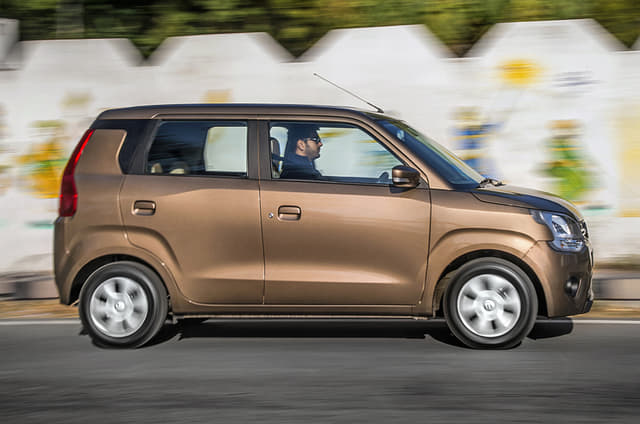
Maruti Suzuki currently offers various models in India across its two retail networks:
- Maruti Suzuki Arena (caters to the budget end of the market)
- Maruti Suzuki Nexa (caters to the premium end of the market)
Here is a complete list of all Maruti cars, along with their latest ex-showroom prices in India:
Maruti Car | Price (Ex-showroom) |
Maruti S-Presso | โน3.50 lakh - โน5.25 lakh |
Maruti Alto K 10 | โน3.70 lakh - โน5.45 lakh |
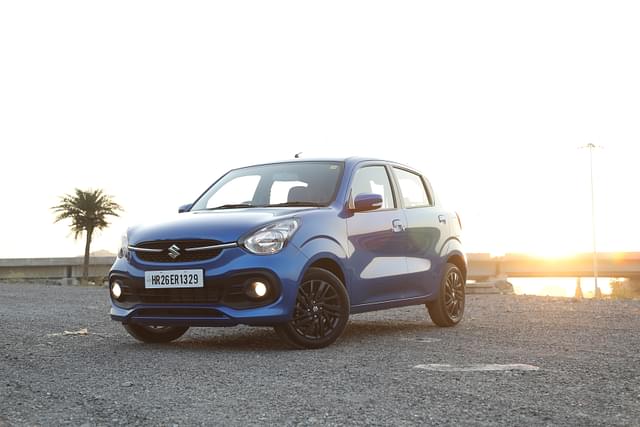
Maruti Celerio | โน4.70 lakh - โน6.73 lakh |
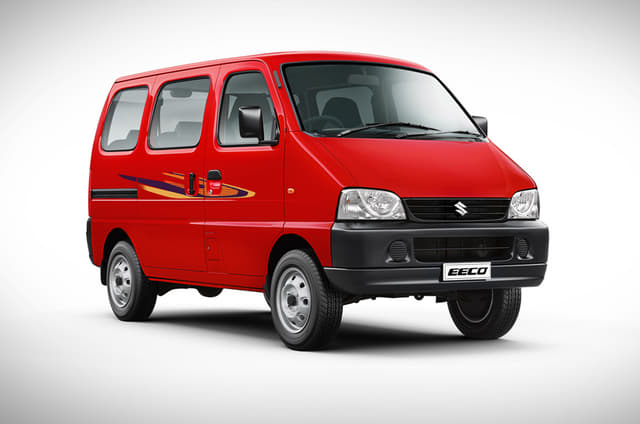
Maruti Eeco | โน5.21 lakh - โน6.36 lakh |
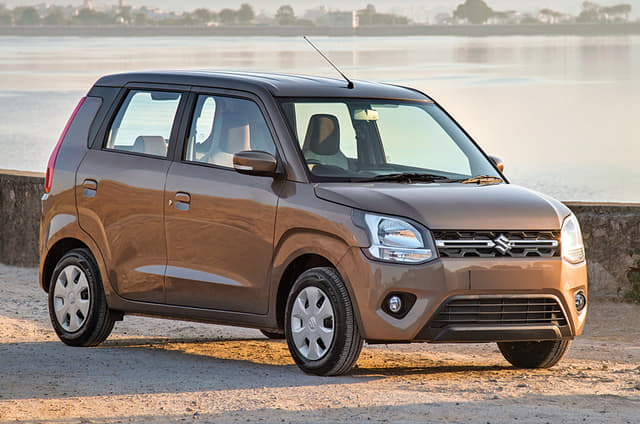
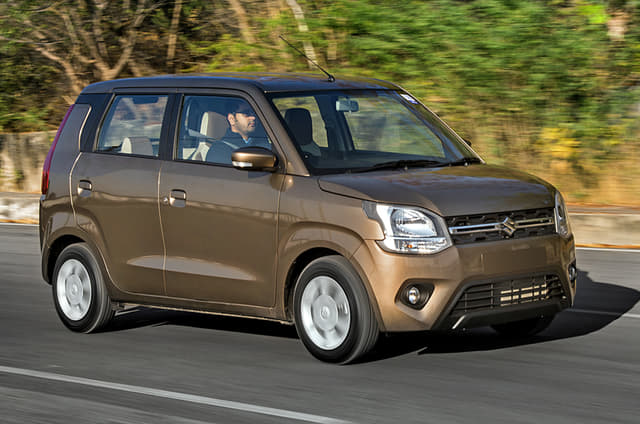
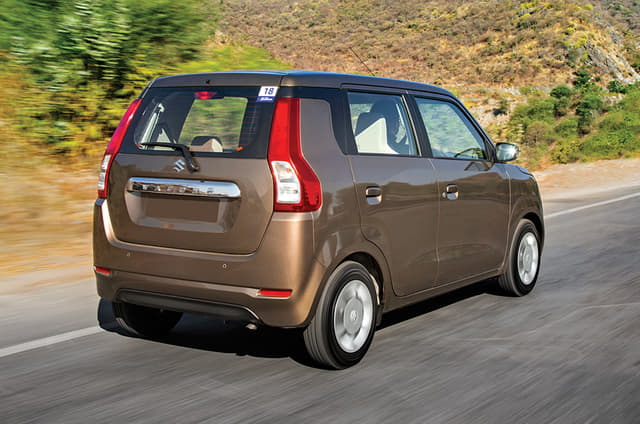
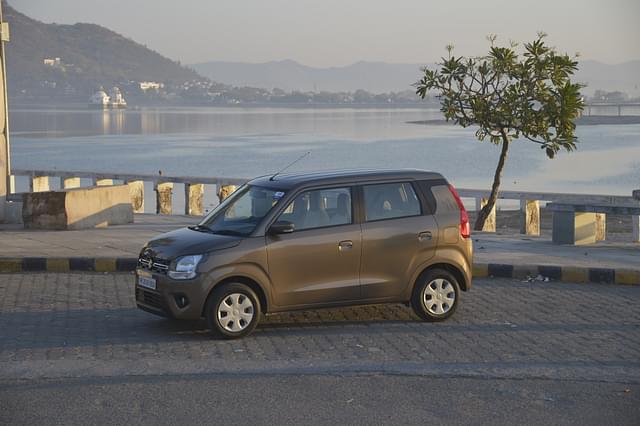
Maruti Wagon R | โน4.99 lakh - โน6.84 lakh |
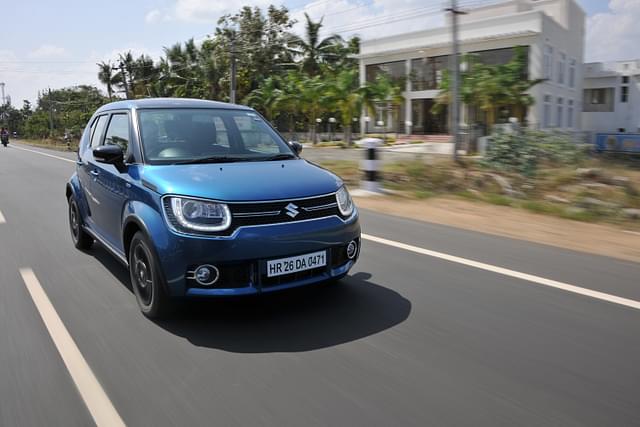
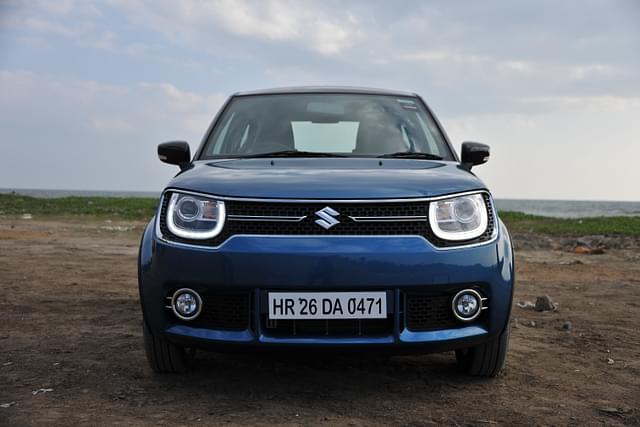
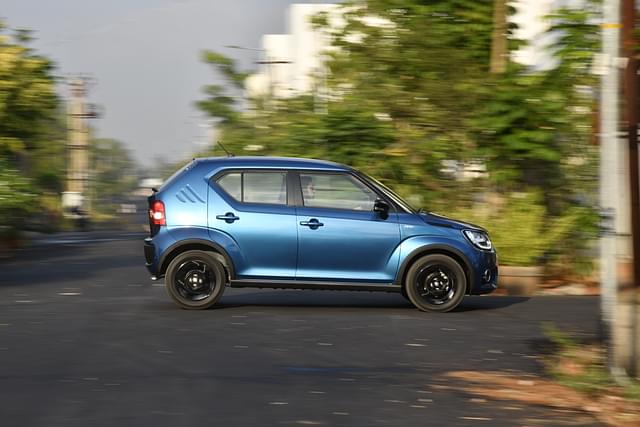
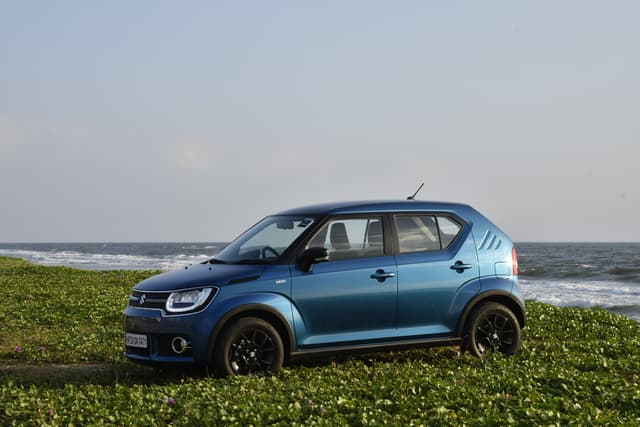
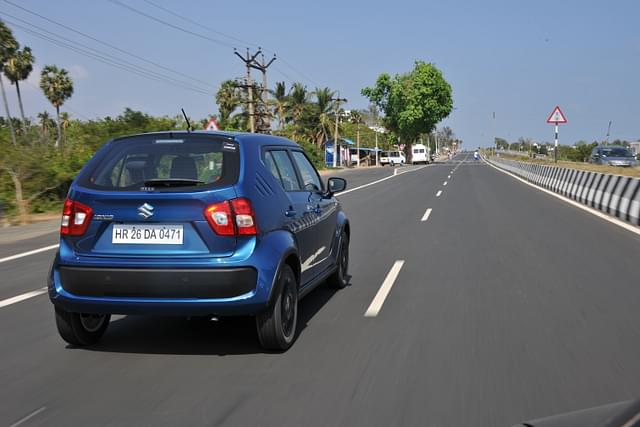
Maruti Ignis | โน5.35 lakh - โน7.42 lakh |
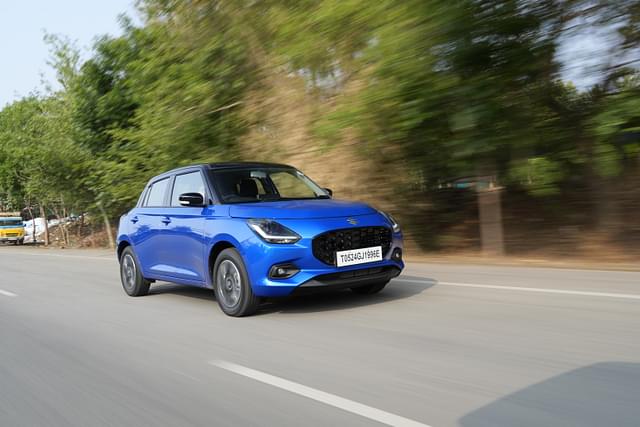
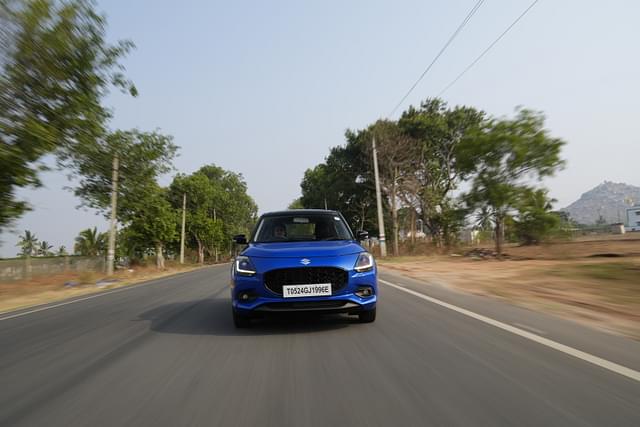
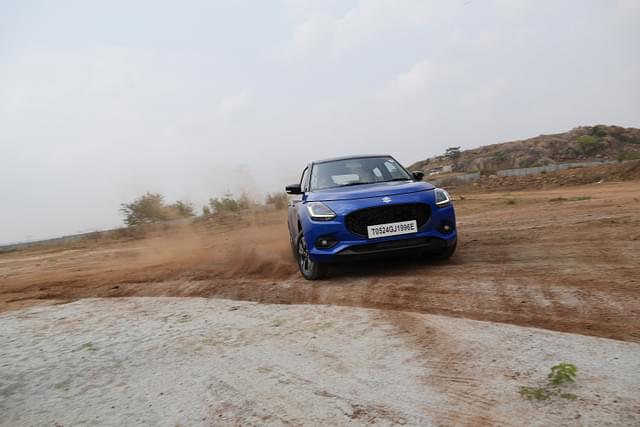
Maruti Swift | โน5.79 lakh - โน8.65 lakh |
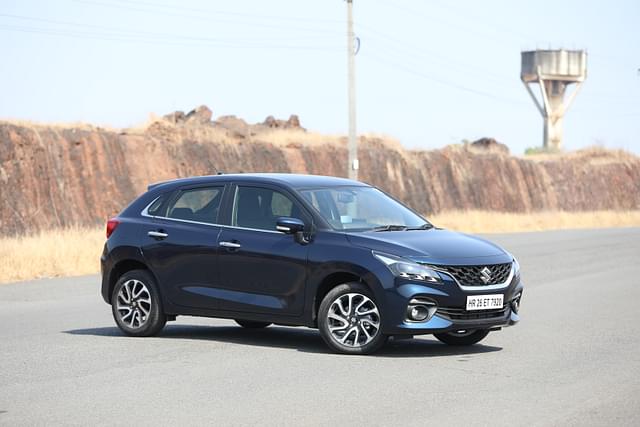
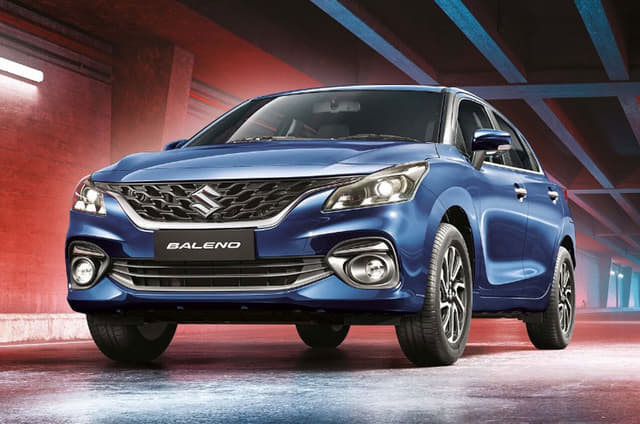
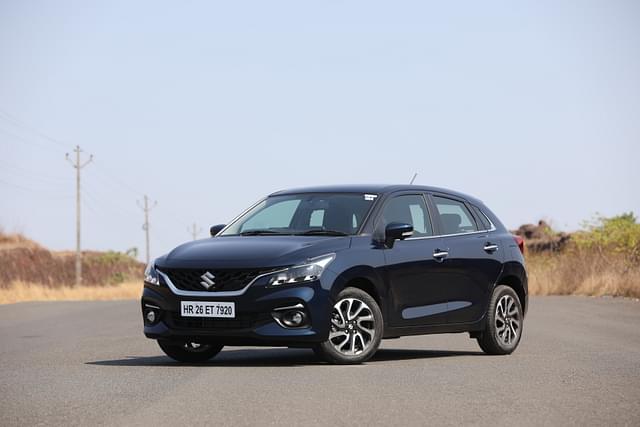
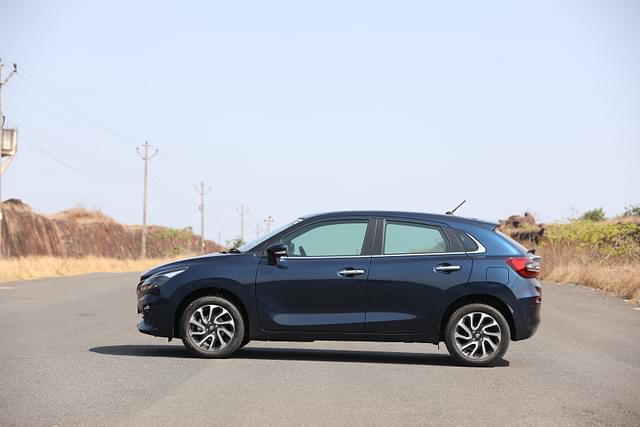
Maruti Baleno | โน5.99 lakh - โน9.10 lakh |
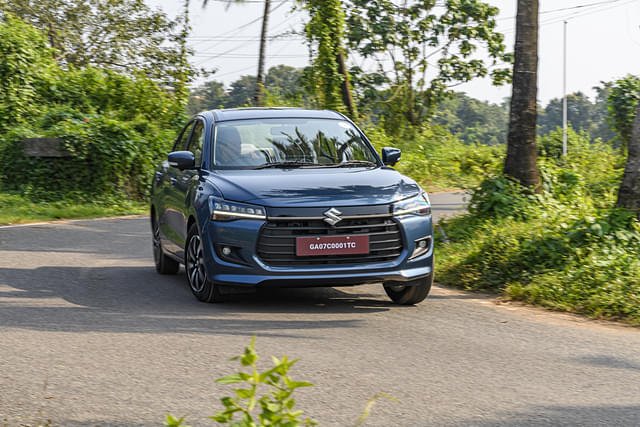
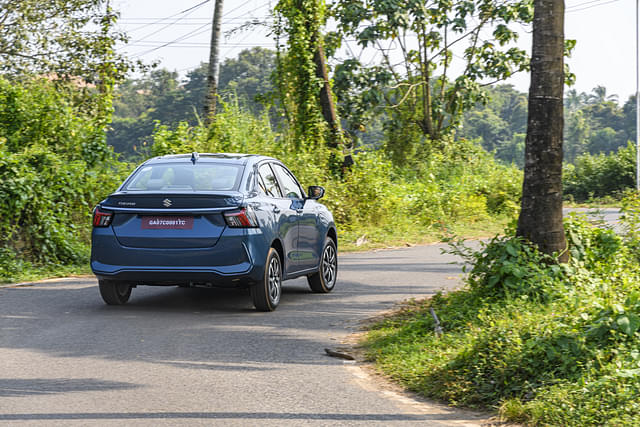
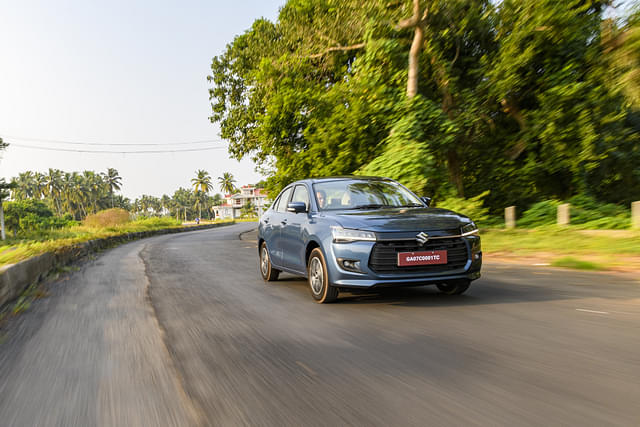
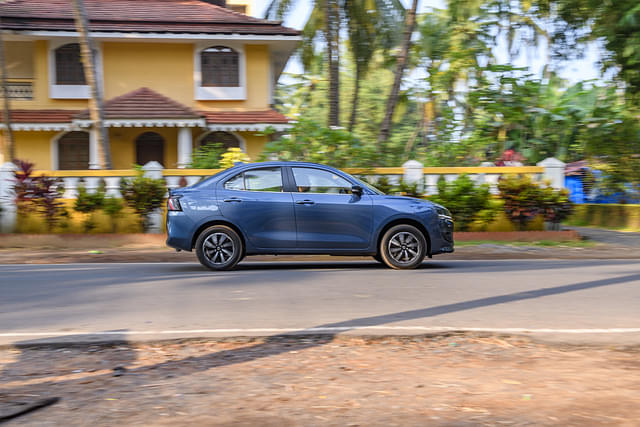
Maruti Dzire | โน6.26 lakh - โน9.31 lakh |
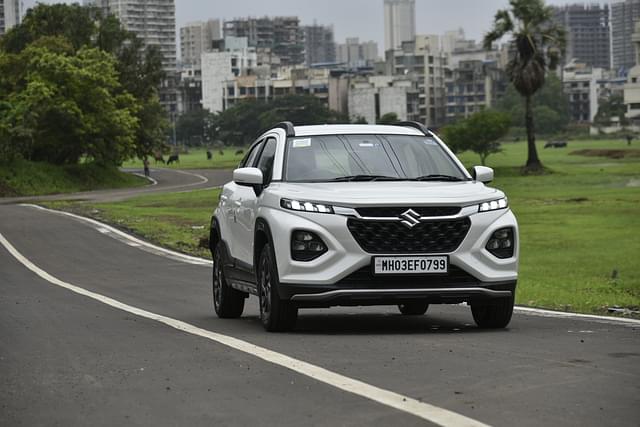
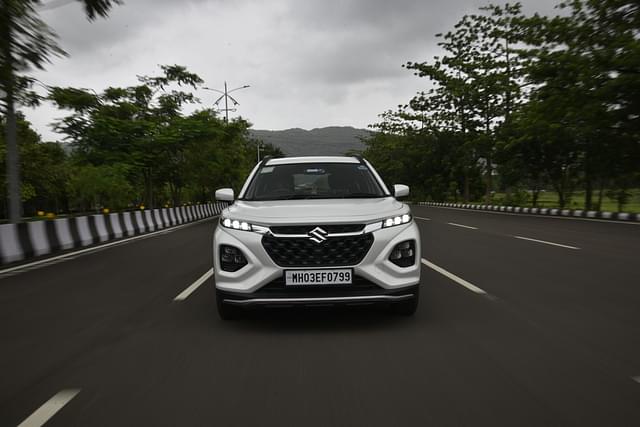
Maruti Fronx | โน6.85 lakh - โน11.84 lakh |
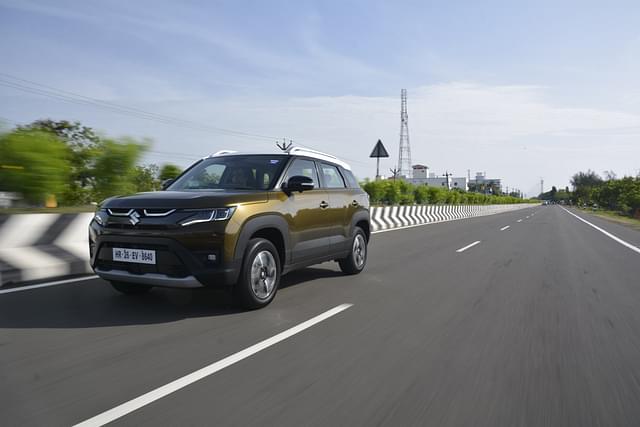
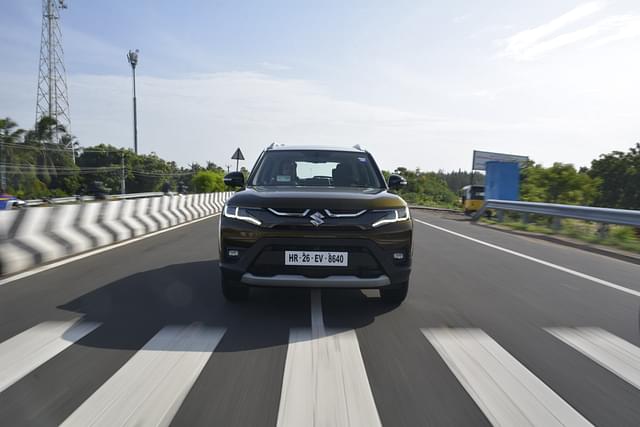
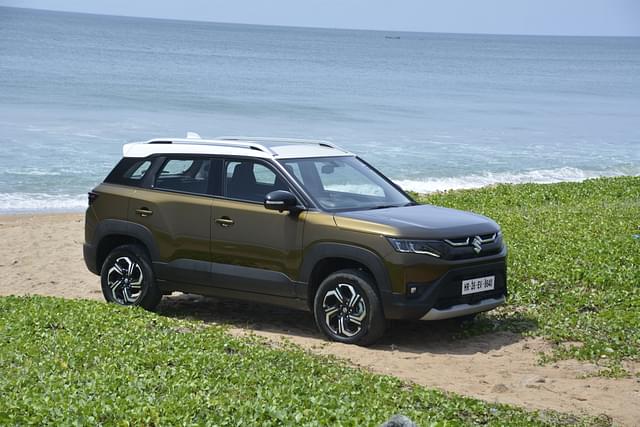
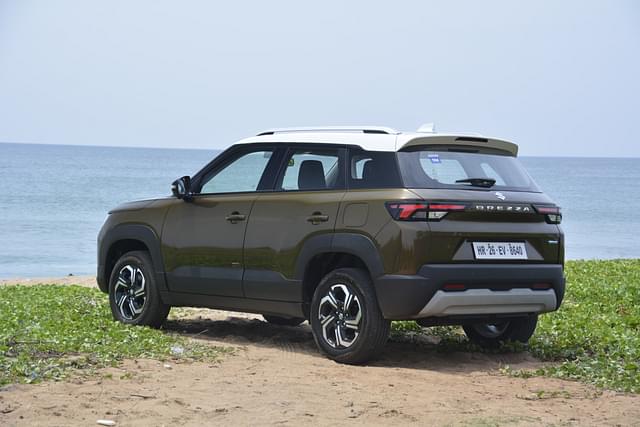
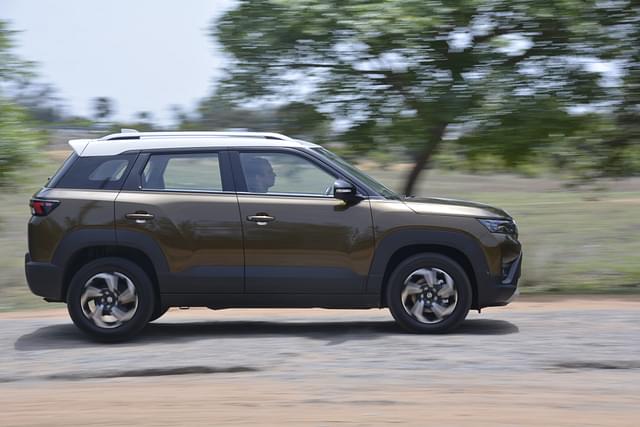
Maruti Brezza | โน8.26 lakh - โน12.86 lakh |
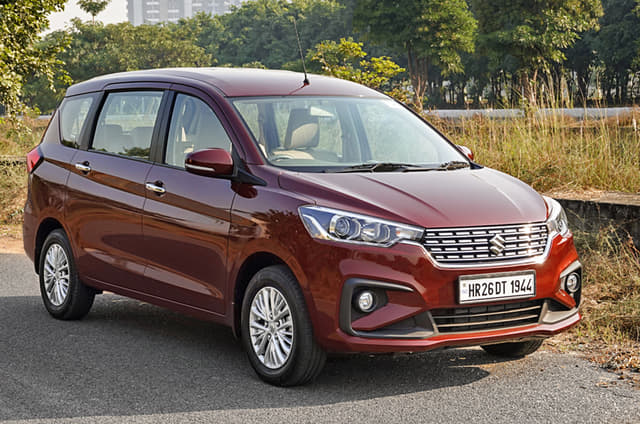
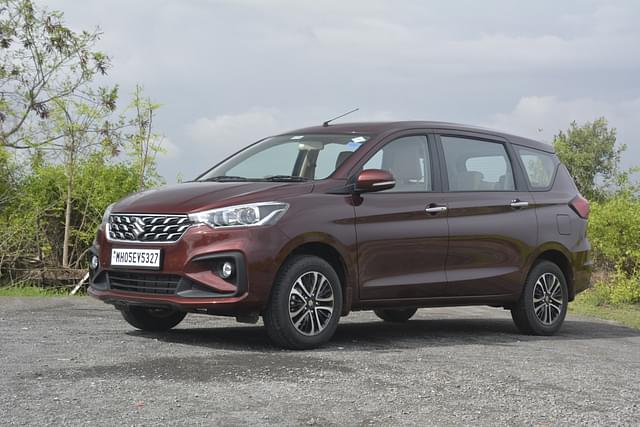
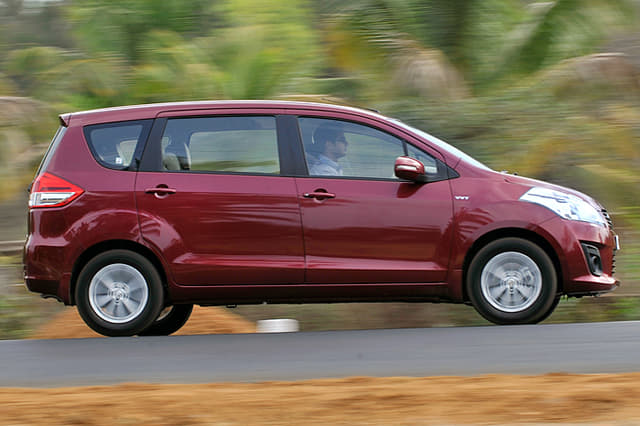
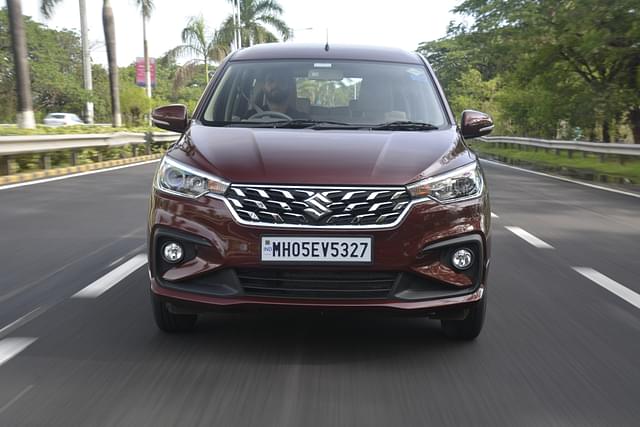
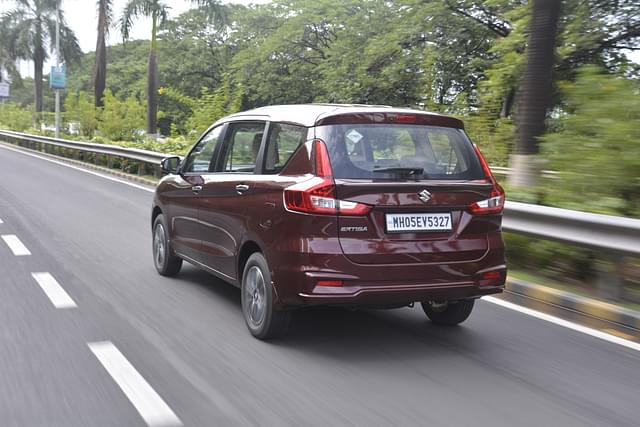
Maruti Ertiga | โน8.80 lakh - โน12.94 lakh |
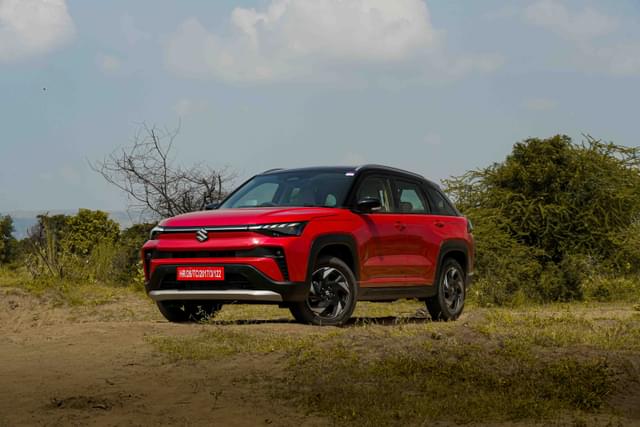
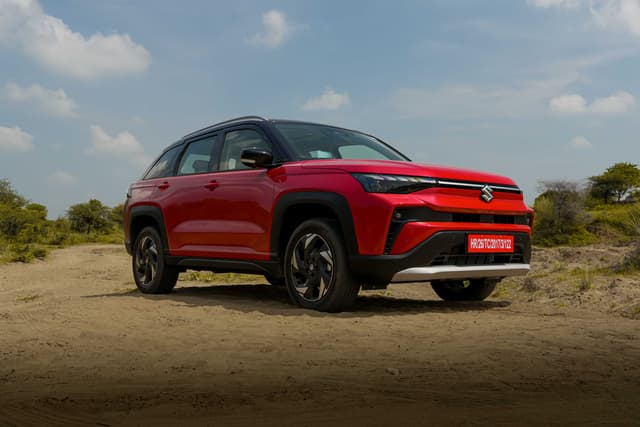
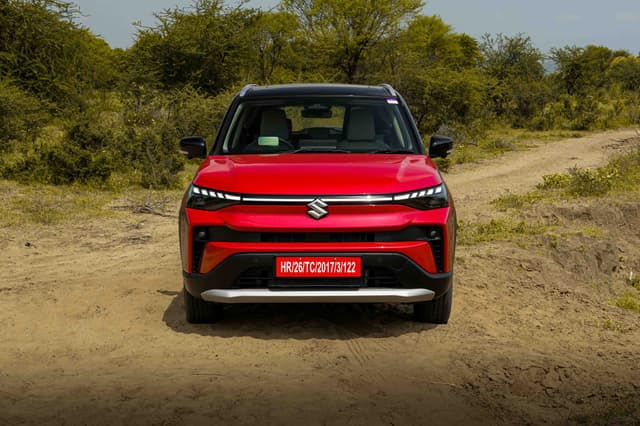
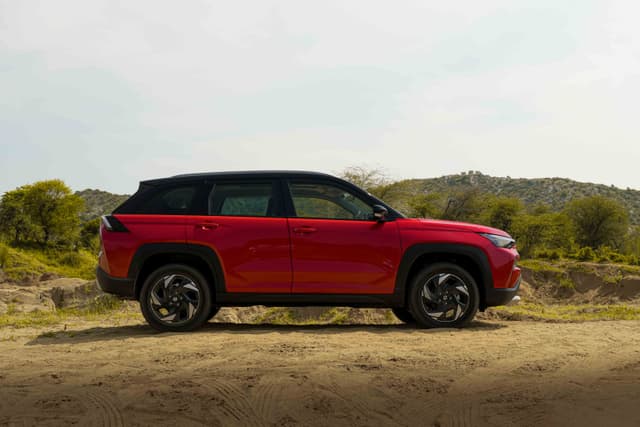
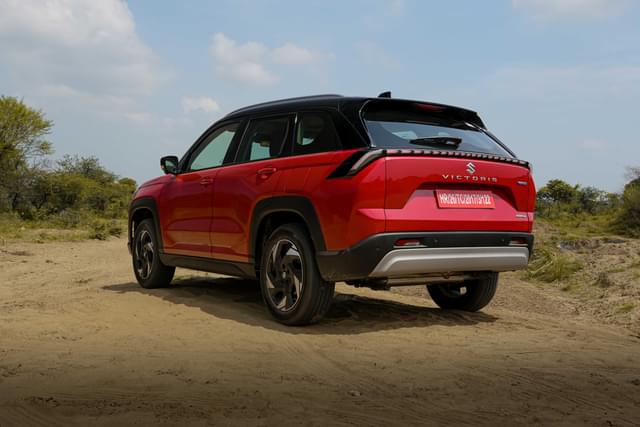
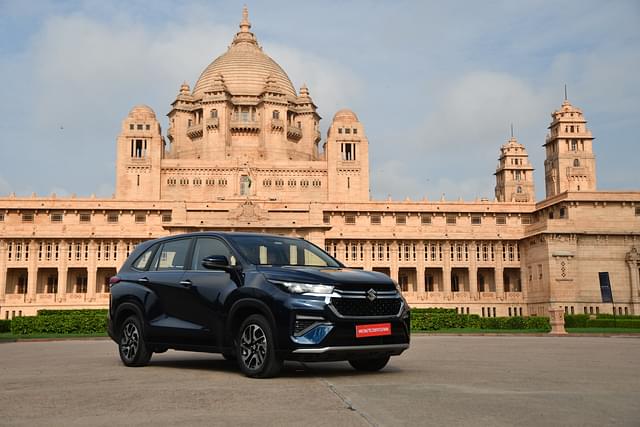
Maruti Victoris | โน10.50 lakh - โน19.99 lakh |
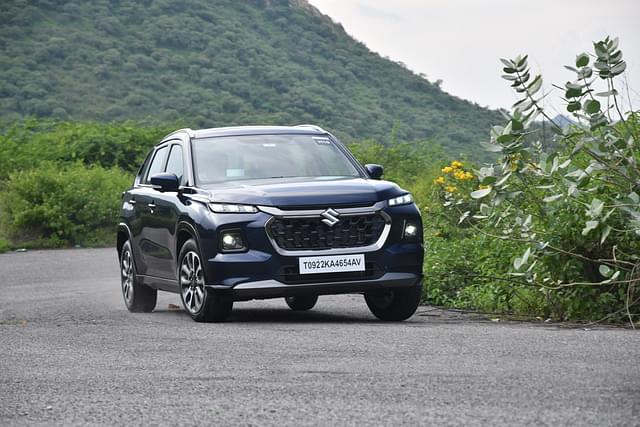
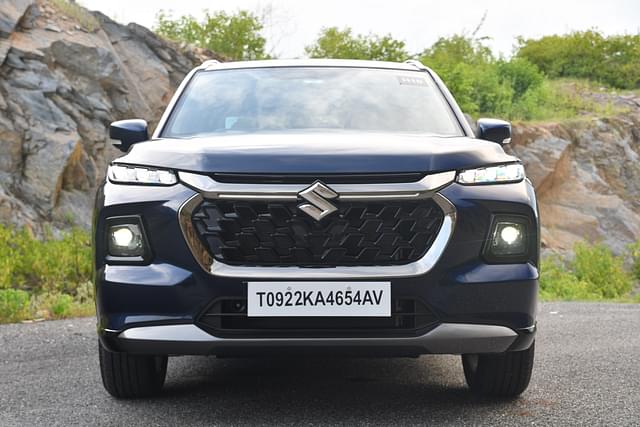
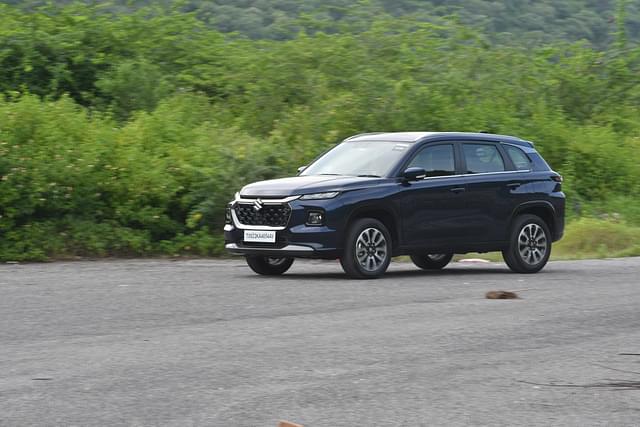
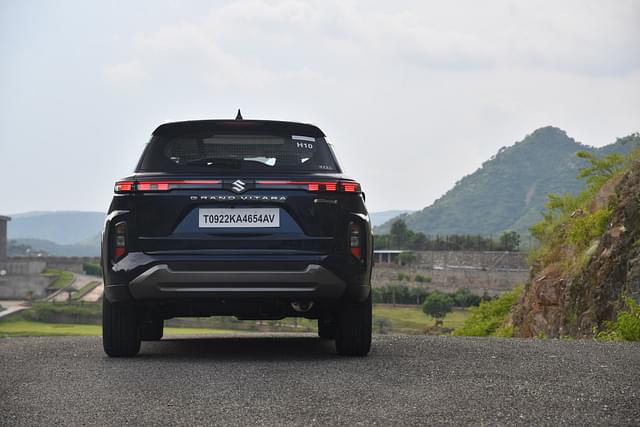
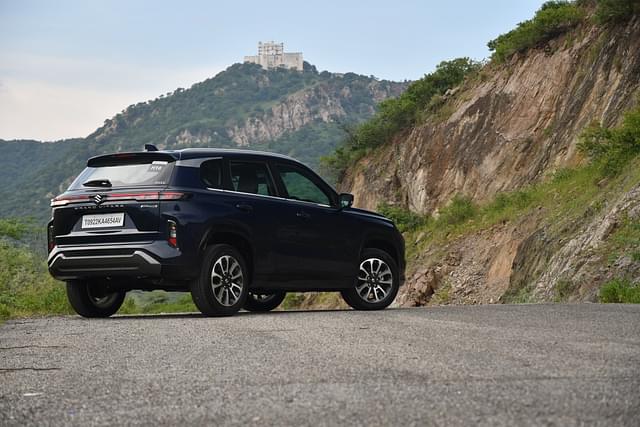
Maruti Grand Vitara | โน10.77 lakh - โน19.64 lakh |
Maruti E Vitara | โน10.99 lakh |
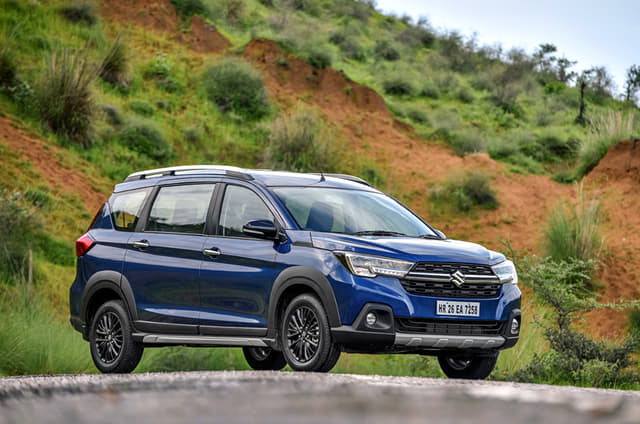
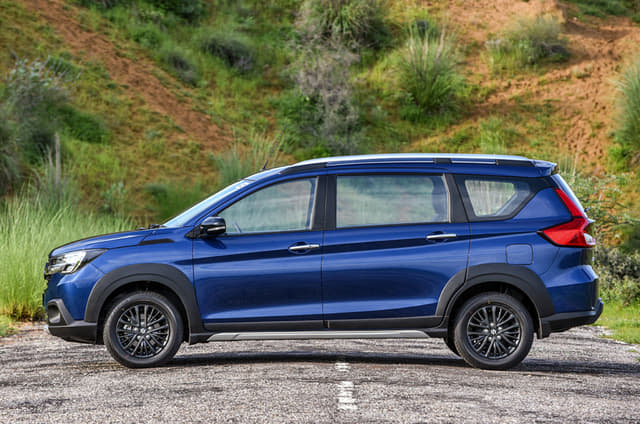
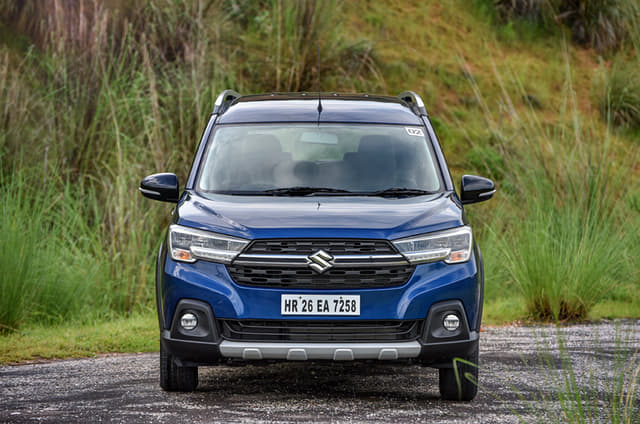
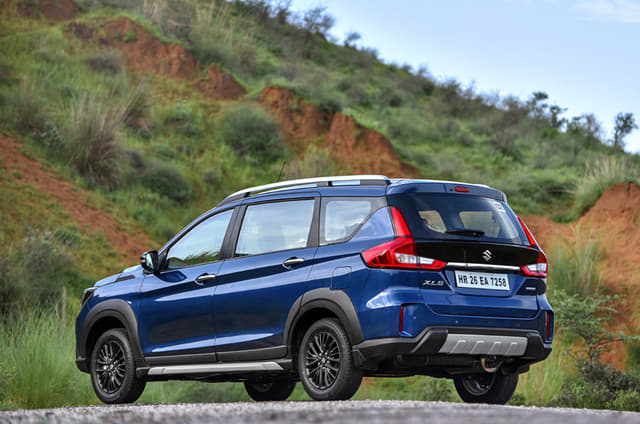
Maruti XL6 | โน11.52 lakh - โน14.32 lakh |
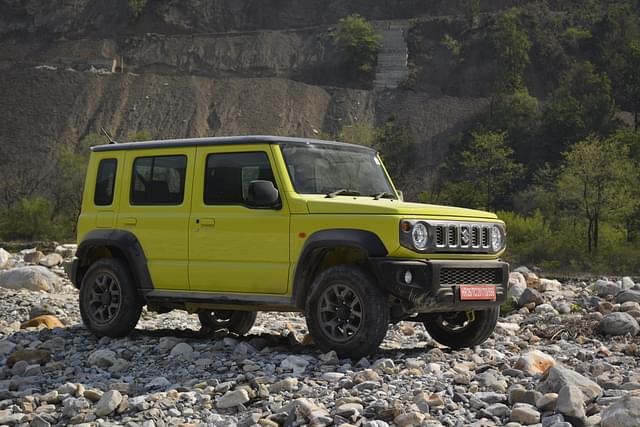
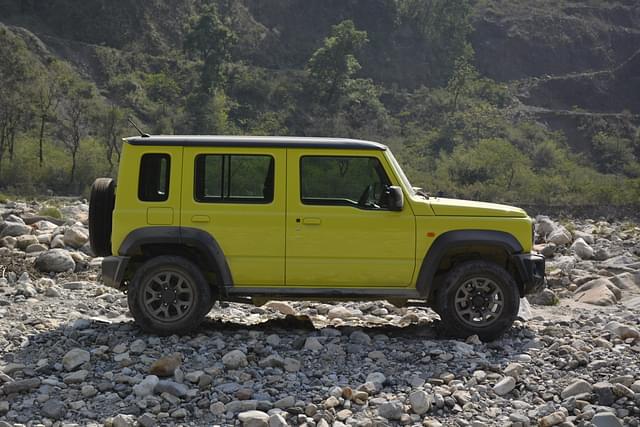
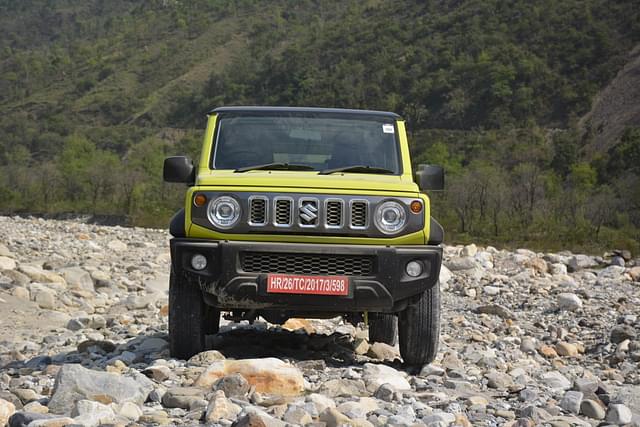
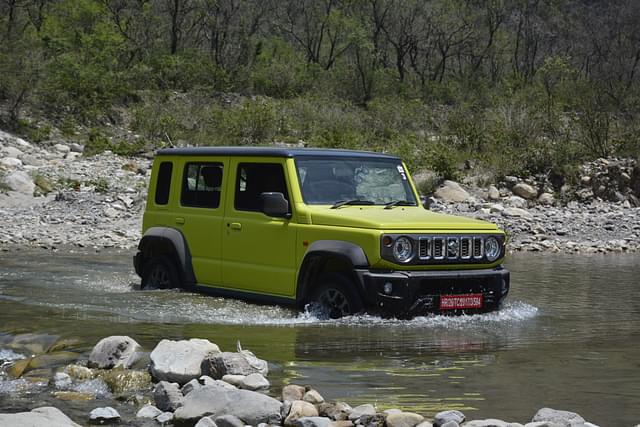
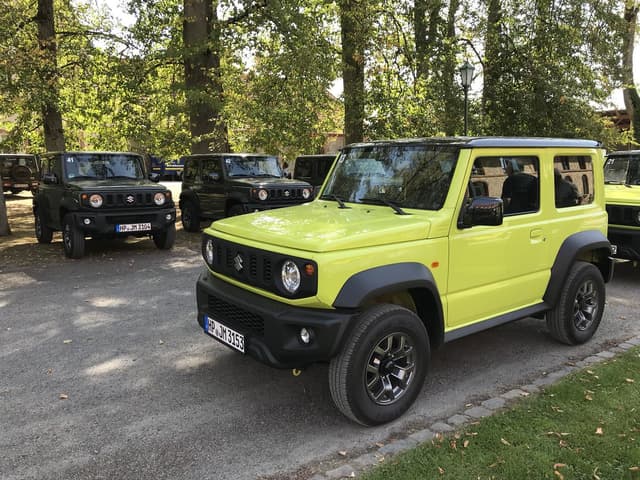
Maruti Jimny | โน12.31 lakh - โน14.29 lakh |
Maruti Invicto | โน24.97 lakh - โน28.61 lakh |
Maruti Suzuki Arena Cars in India
Maruti Suzuki offers 10 models via its Arena outlets (as of May 2026), catering largely to budget-conscious buyers. The Maruti Suzuki Arena line up includes Alto K10, S-Presso, Wagon R, Celerio, Swift, Dzire, Brezza, Eeco, Ertiga, and Victoris. The new Maruti Victoris SUV will take on the Hyundai Creta.
From May 12, 2025, all Maruti Suzuki Arena cars come equipped with 6 airbags as standard, enhancing safety across the range. Vehicles from Arena are commonly known for being budget-friendly and well-suited for city commutes. In India, Arena outlets are present in over 2,500 towns and cities, with more than 3,000 showrooms.
Here are all Maruti Suzuki Arena models, along with their on road prices (after GST cut) in major Indian cities:
Maruti Suzuki Arena Car | Mumbai (on-road) | Delhi (on-road) | Bangalore (on-road) | Chennai (on-road) |
Alto K10 | โน4.43 lakh - โน6.45 lakh | โน4.17 lakh - โน6.07 lakh | โน4.50 lakh - โน6.61 lakh | โน4.39 lakh - โน6.40 lakh |
S-Presso | โน4.20 lakh - โน6.22 lakh | โน3.95 lakh - โน5.85 lakh | โน4.27 lakh - โน6.38 lakh | โน4.16 lakh - โน6.17 lakh |
Wagon R | โน5.92 lakh - โน8.06 lakh | โน5.57 lakh - โน7.78 lakh | โน6.02 lakh - โน8.26 lakh | โน5.87 lakh - โน7.99 lakh |
Celerio | โน5.58 lakh - โน7.93 lakh | โน5.25 lakh - โน7.66 lakh | โน5.68 lakh - โน8.13 lakh | โน5.54 lakh - โน7.86 lakh |
Swift | โน6.84 lakh - โน10.15 lakh | โน6.44 lakh - โน9.80 lakh | โน7.02 lakh - โน10.41 lakh | โน6.78 lakh - โน10.06 lakh |
Dzire | โน7.38 lakh - โน10.91 lakh | โน7.13 lakh - โน10.54 lakh | โน7.57 lakh - โน11.19 lakh | โน7.32 lakh - โน10.82 lakh |
Breeza | โน9.70 lakh - โน15.27 lakh | โน9.36 lakh - โน15.01 lakh | โน9.94 lakh - โน15.91 lakh | โน9.61 lakh - โน15.61 lakh |
Eeco | โน6.17 lakh - โน7.50 lakh | โน5.81 lakh - โน7.25 lakh | โน6.33 lakh - โน7.69 lakh | โน6.12 lakh - โน7.44 lakh |
Ertiga | โน10.32 lakh - โน15.36 lakh | โน9.97 lakh - โน15.10 lakh | โน10.58 lakh - โน16.01 lakh | โน10.23 lakh - โน15.75 lakh |
Victoris | โน11.23 lakh - โน23.64 lakh | โน11.23 lakh - โน23.24 lakh | โน11.23 lakh - โน24.64 lakh | โน11.23 lakh - โน24.24 lakh |
Maruti Suzuki Nexa Cars in India
Maruti offers 7 models through Nexa outlets (as of May 2026) that cater to premium buyers by offering more feature-rich and stylish models. The Nexa lineup from Maruti includes Ignis, Baleno, Fronx, XL6, Jimny, Grand Vitara, and Invicto. Marutiโs first electric SUV, the eVitara, will also be launched via Nexa.
In India, Nexa outlets are currently present in around 500 cities, and are expected to grow to 650 by the end of 2025.
Here are all Maruti Suzuki Nexa models, along with their on-road prices (after GST cut) in major Indian cities:
Maruti Suzuki Nexa Cars | Mumbai (on-road) | Delhi (on-road) | Bangalore (on-road) | Chennai (on-road) |
Ignis | โน6.34 lakh - โน8.74 lakh | โน5.96 lakh - โน8.43 lakh | โน6.50 lakh - โน8.95 lakh | โน6.28 lakh - โน8.65 lakh |
Baleno | โน7.07 lakh - โน10.67 lakh | โน6.65 lakh - โน10.30 lakh | โน7.25 lakh - โน10.94 lakh | โน7.01 lakh - โน10.57 lakh |
Fronx | โน8.07 lakh - โน14.07 lakh | โน7.79 lakh - โน13.83 lakh | โน8.27 lakh - โน14.66 lakh | โน8.00 lakh - โน14.42 lakh |
XL6 | โน13.70 lakh - โน16.98 lakh | โน13.47 lakh - โน16.70 lakh | โน14.27 lakh - โน17.70 lakh | โน14.04 lakh - โน17.41 lakh |
Jimny | โน14.63 lakh - โน16.95 | โน14.38 lakh - โน16.66 lakh | โน15.24 lakh - โน17.66 lakh | โน15.00 lakh - โน17.38 lakh |
Grand Vitara | โน12.80 lakh - โน23.23 lakh | โน12.59 lakh - โน22.84 lakh | โน13.34 lakh - โน24.22 lakh | โน13.13 lakh - โน23.82 lakh |
Invicto | โน29.75 lakh - โน34.05 lakh | โน29.00 lakh - โน33.19 lakh | โน31.00 lakh - โน35.48 lakh | โน30.25 lakh - โน34.63 lakh |
Maruti Upcoming Cars
Currently, there are 2 upcoming Maruti cars that are expected to launch in India in 2026:
1. Maruti Suzuki Baleno facelift
- Estimated price: โน6.00 lakh - โน10 lakh
- Expected launch: 2026
- Fuel type: Petrol
2. Maruti Suzuki Brezza facelift
- Estimated price: โน8.50 lakh - โน13.10 lakh
- Expected launch: 2026
- Fuel type: Petrol
Maruti Cars - Latest Updates (May 2026)
Here are the latest updates related to the Maruti Suzuki cars as of 2026:
- 29 April 2026: RC Bhargava says a revival of Indiaโs small-car segment is โinevitableโ in the coming years, even as buyers continue to shift towards SUVs.
- 28 April 2026: Maruti Suzuki achieves its highest-ever exports, shipping 4.48 lakh units in FY2026.
- 17 February 2026: The e Vitara, the first Maruti electric car launched at โน10.99 lakh. The battery cost is extra.
- December 2025: The Maruti e-Vitara comes with an estimated driving range of up to 543 km on a full charge.
- November 2025: Maruti Suzuki e-Vitara scheduled to launch in early 2026, in India.
- September 2025: The Maruti Victoris price starts at โน10.50 lakh and goes up to โน19.99 lakh, depending on the variant.
FAQs
The most expensive Maruti car is the Invicto. It is a premium MUV and is priced between โน24.97 lakh and โน28.61 lakh (ex-showroom).
The Maruti Suzuki e Vitara, an all-electric SUV, is currently the only electric car from the brand. The e Vitara price starts at โน10.99 lakh and was launched on 17 Feb, 2026.
The cheapest Maruti Suzuki car in India is the Maruti S-Presso, priced from โน3.50 lakh after the GST reduction.
Maruti is expected to launch the facelifts of Brezza and Baleno in 2026.
Currently, the newest Maruti Suzuki car in India is the Victoris, which debuted on September 15, 2025.
Trending Questions on Maruti Suzuki Cars - Answered by Autocar Experts
ronak Lalwani
โข5hWhich car should I buy with an Rs 8-9.5 lakh budget and 15,000km annual running? My highway-to-city usage is 70:30. I am posted in Maharashtra, and my hometown is approximately 1,100km away. I need good boot space and mileage, and the car will be registered under the BH series. Should I go for petrol, diesel or EV? I have looked at the Tata Altroz diesel, Tata Nexon diesel and Maruti Dzire petrol.

Autocar India
The entry-level Tata Altroz diesel-manual fits your budget. It is spacious, fuel-efficient, and has a decent-sized boot by hatchback standards, too. The Tata's highway stability is excellent, refinement isn't one of its strengths, and it does get quite noisy.Alternatively, you could consider the mid-spec Maruti Suzuki Dzire. Even though it is only petrol-powered, its 3-cylinder engine is extremely fuel-efficient. The clutch, gearbox and steering are light, the car is very spacious, and its boot is large. While the Dzire is a very comfortable car, engine performance on the highway is a bit dull. However, if you are a sedate driver, this is the one to go for.
Gowtham M
โข7hHi, I am planning to buy an electric car under a 10 lakh budget. Unable to decide on the car. Mostly for city (Hyderabad) purposes, with daily usage of 10-20 km. Did test drive Punch, Curvv, e-Vitara, Windsor - I thought Punch better, some people are saying Tata service is not good. Kindly help me select an EV car.

Autocar India
For your daily running of 10-20 km in Hyderabad and with a budget of Rs. 10 lakh, you should consider the base Tata Punch EV Smart variant. It suits short city use best because it is small and easy to park, feels smooth at low speeds, and has enough range to do your commute multiple times on one charge. The tall seat gives you a good view out, and the good ground clearance makes dealing with speed breakers and broken patches easy.Meanwhile, the Tata Curvv EV, Maruti Suzuki e-Vitara and MG Windsor are larger and pricier, and will go well past your budget. As for your concerns, Tata's service quality varies by outlet. In Hyderabad, the EV network is among the widest, but pick a dealer with strong Google reviews, choose their bigger workshop, and take an extended warranty to keep peace of mind.Alternatively, you could even consider the MG Comet EV as an urban runabout.
Saran s
โข16hI currently own a 2019 Maruti Suzuki Dzire ZXi Plus, which has covered 85,000 km. I have received an exchange valuation of Rs 4.85 lakh against a new Hyundai Venue or Maruti Brezza. Considering my monthly usage has now decreased to just 600 km, would it be financially prudent to proceed with the exchange, or would it be wiser to retain my current car for another few years?

Autocar India
Since your usage has reduced, it makes sense to retain your Maruti Suzuki Dzire if it is serving you without any issues. Even if you have a major service coming up which involves changing its suspension, tyres, brakes, clutch, etc., the total cost to keep your car in top shape will only be a fraction of what you'll otherwise have to spend to purchase an all-new car.And being a Maruti car, it is likely to hold its value, and even if you decide to sell a few years down the line, its resale price is not likely to drop too sharply.
Aditya Singh
โข1dHello Autocar Team, I'm looking to buy my first car with a budget of 10-11 lakh on-road price. My monthly drive would be around 750 kms with mostly city rides and rare highway trips. I am looking for a premium cabin, petrol manual with safety ratings and smooth comfortable ride.

Autocar India
Go for the new Maruti Suzuki Dzire. It is the most well-rounded choice in this budget with a 5-star Bharat NCAP safety rating, a comfortable ride, spacious cabin, genuinely usable boot and very easy city manners thanks to its light clutch and effortless controls. It also feels premium enough inside for the price.The one trade-off is the new 3-cylinder petrol engine. It is impressively efficient, but if refinement and outright performance matter to you, it is not as smooth or punchy as a good 4-cylinder petrol.If that matters, the Honda Amaze is the alternative worth considering. Its 4-cylinder petrol engine feels smoother and more refined, though the Dzire is the more comfortable and better-rounded package overall.
Jay
โข1dI have a 2007 Swift. This is only the third car Iโve owned in my life, and Iโm no longer a young man, so my next car will probably be the last one I buy. I also intend to take occasional road trips, roughly once every two months. My next car definitely has to be either an EV or a strong hybrid. However, Iโm getting all kinds of confusion: 1. If I buy an EV, it will mainly be for city driving, where I average about 80 km a week, along with occasional well-planned road trips. Otherwise, my road trips may become anxiety-ridden, especially when traveling with my two dogs. 2. If I buy a strong hybrid, the road trip concern is addressed. But since I already own an Ather 450X, I really want to use only an EV for my city driving. 3. I also know that a few plug-in hybrids are expected to arrive in India soon. This is where Iโm getting confused: 1. Isnโt a plug-in hybrid essentially two cars in one; an EV and a strong hybrid? While that sounds like an advantage, wonโt it also mean more complex technology and potentially higher maintenance costs? 2. Which plug-in hybrids are being planned for launch in India, what price points are they likely to be launched at, and when can they be expected? 3. Should I simply buy an EV and retain my Swift for road trips? 4. Or should I just buy a strong hybrid and not feel guilty about using it for my city driving? Please help!!

Autocar India
We think you are overcomplicating this slightly, so let us simplify it. Your usage pattern is actually very clear: very low city running, occasional long road trips, and you want this to likely be your last car. That changes the answer completely.A pure EV can absolutely handle your weekly 80 km city usage with ease, but if you already know that your occasional road trips with two dogs will create charging anxiety or force overly rigid planning, then that emotional friction matters. A โlast carโ should make life easier, not add a layer of planning every time you head out.A plug in hybrid sounds perfect on paper because yes, it is effectively both an EV and a hybrid. But the trade off is exactly what you suspect: more complexity, higher cost and right now, very little real choice in India. Mainstream plug in hybrids are still some distance away, and even when they arrive, expect them to be expensive. Unless you are happy waiting a few years, we would not base your decision around future promises.Which brings us to the practical answer: buy a strong hybrid and stop feeling guilty about using it in the city. A good strong hybrid will do a surprising amount of low speed urban driving in EV mode anyway, so you are not โwastingโ fuel in the way a conventional petrol would. More importantly, it completely solves the road trip question without asking you to retain an ageing 2007 Swift purely as backup.Keeping the Swift only for occasional road trips while buying an EV for 80 km a week feels like an inefficient two car solution unless you have a sentimental reason to keep it.If we were in your shoes, we would buy something like a Toyota Hyryder or Innova Hycross hybrid and enjoy the simplicity.
Udit
โข1dI currently drive a petrol Baleno that is about 8 years old. My monthly running has increased to around 2,500-3,000km. Should I install a CNG kit or look for a used BS6 diesel car? My maximum budget is Rs 6 lakh.

Autocar India
At your kind of running, moving away from petrol does make financial sense, but we would first look at how that 2,500 to 3,000 km a month is split between city and highway use.If a large chunk of it is on a highway, a well-maintained used BS6 diesel can make sense because the fuel savings will be meaningful, and the usage pattern suits modern diesel engines far better. If, however, this mileage is mostly city traffic, we would avoid a BS6 diesel because DPF-related issues can become a headache with repeated stop-and-go use.Installing an authorised aftermarket CNG kit on your Maruti Baleno is absolutely legal, provided it is a government-approved kit, fitted by an authorised installer and the RC and insurance are updated accordingly. Financially, this is the lower-risk route if your Baleno is otherwise mechanically healthy, because you will recover the conversion cost relatively quickly with your kind of running. The trade-off is some loss of boot space and a drop in performance.
sahil kshirsagar
โข1dI am planning to buy the Maruti Fronx 1.2 NA, which is costing me around โน8.5 lakh on-road, including accessories. Since this will be my first car, I wanted to know whether it is a good option for long-term ownership.

Autocar India
The Maruti Suzuki Fronx 1.2 petrol manual is a sensible buy. It is easy to drive, has light controls, and the higher seat and ground clearance help over speed breakers and rough patches. Space for four is good, the boot is useful for weekly shopping, and Marutiโs wide service network will keep ownership simple.You could also check out the Toyota Taisor 1.2, which is a badge-engineered version of the Fronx, so it is as practical as the Maruti. You could opt for it if the Toyota dealer is giving you a better deal.
Anurag jalan
โข1dI currently own a Toyota Fortuner, two Mahindra Thar Roxx models, and an XUV700. I also previously owned a Scorpio N. I am now planning to sell one of my Thar Roxx vehicles, as it is an early production model and has been giving me several issues. My usage involves daily driving in rough terrain and mountainous conditions, so having a capable 4x4 is essential for me. Before the Roxx, I owned a 3-door Thar, and honestly, given my current usage, the 3-door version seems to suit my needs better. I am now confused about what to buy next. Should I go back to a 3-door Thar, continue with the Roxx, or consider another capable 4x4 option better suited for rough and mountain use?

Autocar India
Since you've already owned a Mahindra Thar 3-door, and you believe that it is the best for you, we would recommend you go ahead with it. You already know what the vehicle is capable of, and as an owner, you're aware of all its pros and cons too. There are no other options in the market that can deliver what the Thar can.The Maruti Jimny is smaller, very tough, and surprisingly capable, although its engine performance is no match for the Mahindra. The Force Gurkha is capable off-road, but lacks the Thar's sophistication, and feels too crude in comparison. Other monocoque AWD options include the Toyota Hyryder, Maruti Grand Vitara, and Victoris, Mahindra XUV 7XO, and dual-motor EV options like the Vinfast VF7 and Tata Harrier EV. Do note that while all these models will get you through sticky situations and handle mild trails easily, none are as good off-road as the Thar. All things considered, go for the Thar; it seems to be the best fit for you.
Mousumi Bhattacharya
โข2dI wish to upgrade from the Wagon R VXI to something better. I was advised to go for the Swift Dzire, but its driving seat is low, and I may have trouble getting in and out. Is there a similar car with a higher seating position and easy ingress and egress?

Autocar India
For your requirement, check out the Tata Punch. It sits higher than the Dzire, the doors open wide, and the seat base is set at a nice hip height, so you donโt drop down into it or climb up too much. It also feels tougher over bad roads than your Wagon R, yet is still short and easy to park, which helps in tight city spots. The best part is that the Punch is available in a wide variety of flavours, and since you haven't specified a budget, there's bound to be something for you. There are many variants to choose from, as well as petrol, turbo petrol, CNG, manual gearbox, AMT and even an electric version, in case that suits you.Two things to note: the base petrol engine (or its CNG counterpart) isnโt very quick for fast highway runs, and the automatic can feel a little jerky when moving slowly; the manual is smoother in traffic. If you want the same easy cabin access but a smoother engine and gearbox, look at the Hyundai Exter mid trim. It also has a tall seat and the city-friendly size, but there isn't as much choice or variety as in the Tata car.Overall, for your โhigh seat, easy entryโ need, the Punch fits best without jumping to a much bigger, costlier car.
Sandeep
โข2dMy current vehicle is a Hyundai Xcent, and I want to sell it and buy a 6 or 7-seater car. My budget is Rs 10-15 lakh. Which car would you suggest?

Autocar India
Within Rs 10-15 lakh, the Maruti Suzuki Ertiga is the best all rounder. It gives the most usable third row at this price, so adults can sit there for short to medium drives, and the ride stays comfortable over broken roads. The light steering and good all-round visibility make it easy to handle in traffic, and when you fold the last row you get a big boot for airport runs or luggage-heavy trips. Its got excellent fuel economy, and in your budget, you should be able to get a top spec version and even an automatic gearbox if you like. You could also try Toyota's version of the Ertiga - the Rumion - or if you want captain's chairs in the middle row, there is the Maruti Suzuki XL6.Some things to note: with seven on board the petrol will need a few more gear changes on hills, and you only get the option of a single petrol engine or a CNG version. Another great option is the Kia Carens Clavis, which is big on space, practicality, comfort and quality. However, at your budget, you will only get lower variants and the basic 1.5-litre petrol engine, and will have to spend more to get the turbo petrol or diesel versions. If you're able to up your budget by a few lakhs, it is definitely worth considering.
Last Updated on: 19 May 2026