

Maruti Suzuki Cng Cars in India (14)







Find cars by budget

Find cars by transmission
Find cars by transmission

Trending Questions on Maruti Suzuki Cars - Answered by Autocar Experts
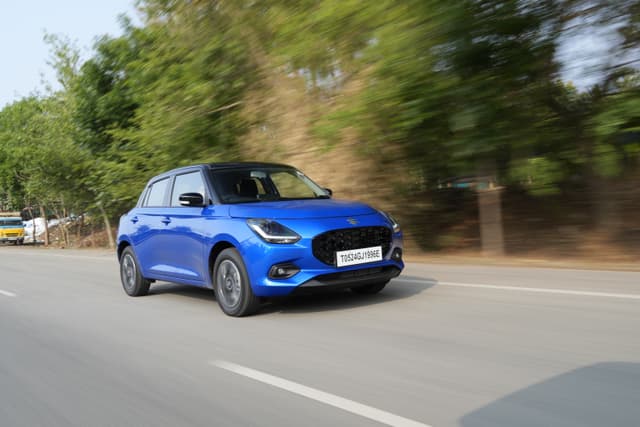
Hi, I am planning to buy a car but am confused between the Tata Tiago CNG and the Swift CNG.

 Tata TiagoMaruti Suzuki Swift
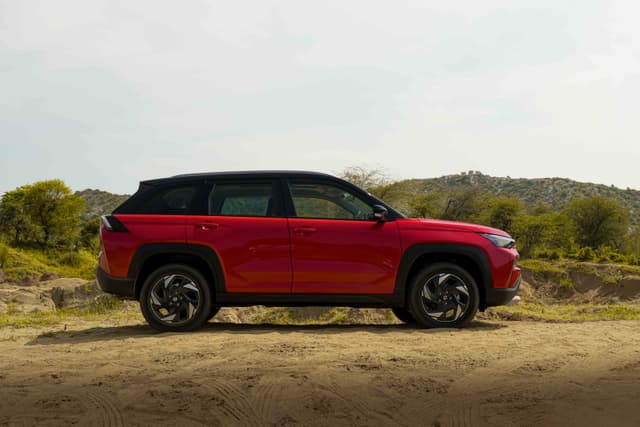
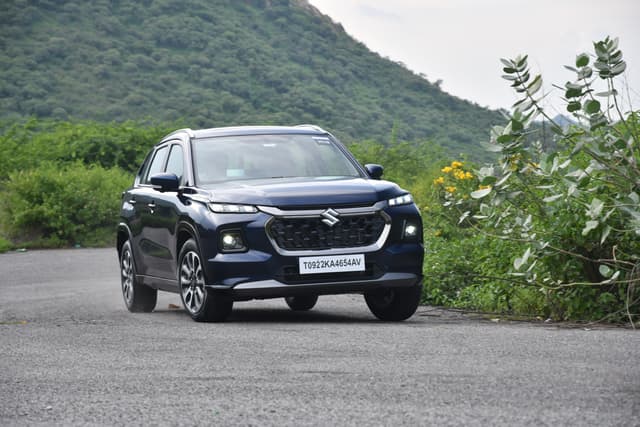
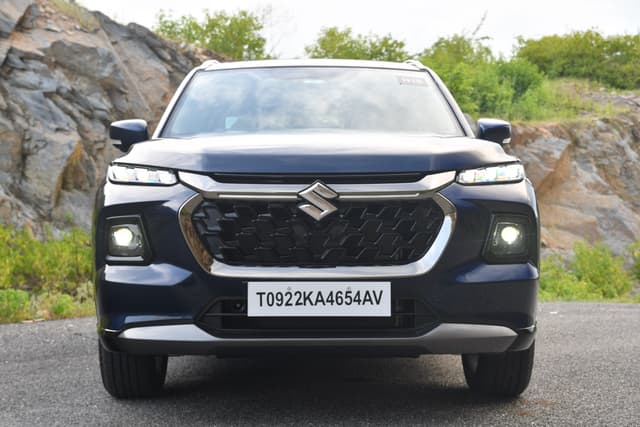
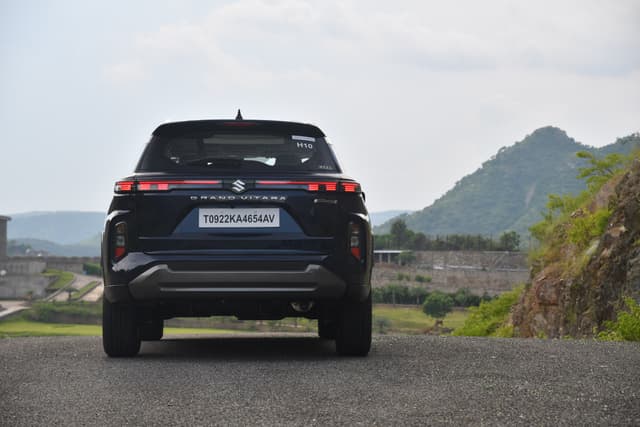
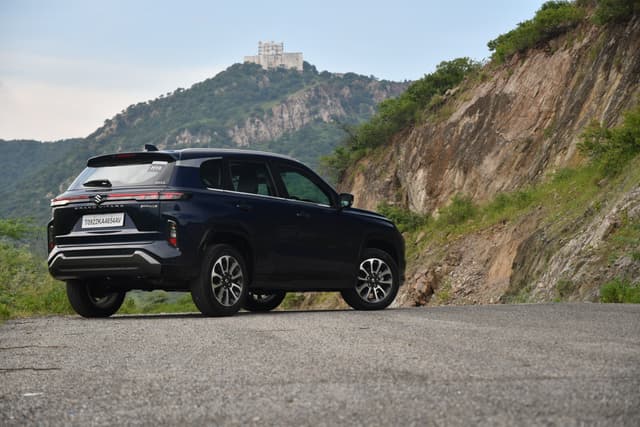
Switched to Grand Vitara CNG recently and the running cost difference is already noticeable. The only thing taking some getting used to is planning refuelling around CNG stations.
Help me choose the right car for my usage. Please be practical and challenge my assumptions. My situation: I am 31 and work as a software developer. I currently work from home in Balsane, Dhule, but I am moving to Mumbai around March. My wife and I are expecting a baby in February. My parents live in a village where local transport is poor. My Mumbai office is near Powai, but parking is difficult. I prefer a manual car. Usage: My current running is around 10,000 km per year, but it may increase. I travel between Mumbai and Balsane, which is around 400 km one way, around 5-7 times a year, along with Dhule/Sakri and local trips. I also drive around Mumbai on weekends. The AC is usually on, and on long trips, the car will have my wife, baby, and luggage. Budget: Rs. 6-9 lakh on-road. I am willing to spend more only if it is genuinely worth it. Shortlist: - Tiago XE Petrol - Punch Pure+/Smart Petrol - Punch Pure+/Smart CNG - Brezza LXi turbo-petrol Please tell me: 1. Which one should I buy and why? 2. Petrol vs CNG for my usage? The CNG premium is around Rs. 1 lakh, and the nearby village pump may open around Diwali, but this is not guaranteed. 3. What real-world mileage can I expect with the AC on? 4. Please consider loan interest, fuel costs, maintenance, depreciation, and resale value. 5. Is the Brezza worth the extra money? 6. Give me one final choice and tell me what I should avoid.
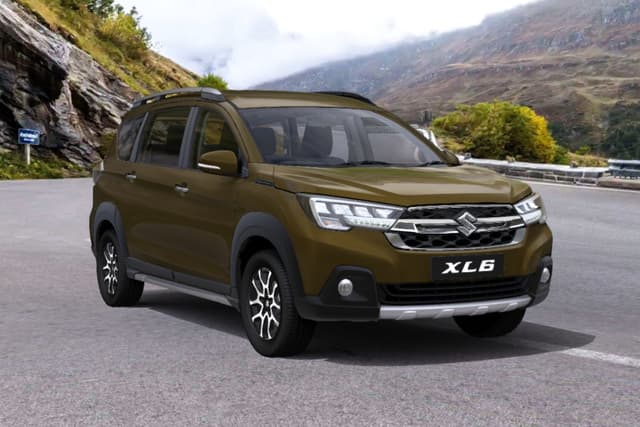
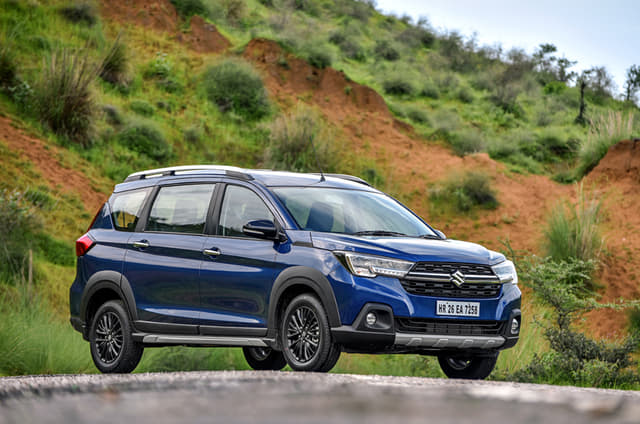
Maruti Suzuki BrezzaTata PunchTata TiagoMaruti Suzuki DzireI am thinking of buying a new seven-seater car, and my running will be around 2,500-2,700 km per month, mostly on highways. I am considering CNG options such as the Maruti Suzuki Ertiga VXi CNG and Kia Carens Clavis HTE CNG. EVs are currently out of my radar due to depreciation concerns and the infrastructure changes required. However, I want to keep my running costs reasonably low, which is why I am considering CNG. I would also like to upgrade the car later with aftermarket accessories, as long as they do not affect the manufacturer's warranty. Kindly suggest which of the Ertiga VXi CNG and Carens Clavis HTE CNG would be the better choice considering running costs, initial investment and resale value. Thank you.
Maruti Suzuki ErtigaKia Carens ClavisHi, I am looking for a new car for my father (54 years old, 6 feet tall), who is currently using a second-hand Maruti 800. He works as a Police Inspector in Mathura, UP, and needs a comfortable and reliable upgrade for long-term use. Here are our exact requirements: Usage: Diverse daily duties, including jurisdiction commutes, court visits, police line visits and VIP duties Monthly running: 1,800-2,000 km, although this can vary slightly depending on his duties Driving mix: 50% city / 50% highway Key requirements: High comfort (essential given his height and daily travel), good mileage and reliability Transmission: Manual (MT) only Fuel dilemma: Given the high monthly running, we are confused between choosing a diesel or a petrol + CNG option Budget: Strictly capped at ₹16 lakh on-road in Mathura Could you please suggest the best long-term options that would suit his requirements and usage?
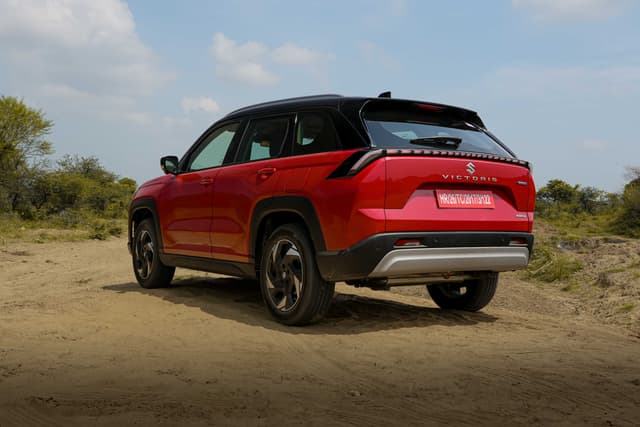
Maruti Suzuki VictorisLast Updated on: 29 Sept 2026