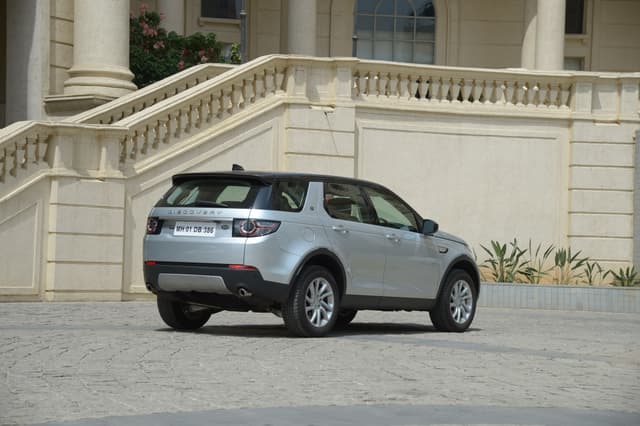
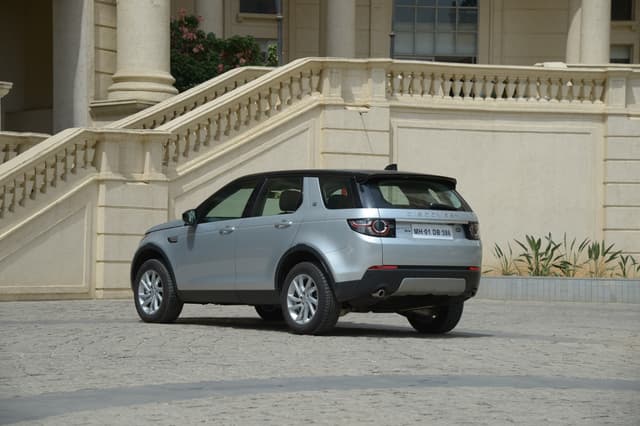
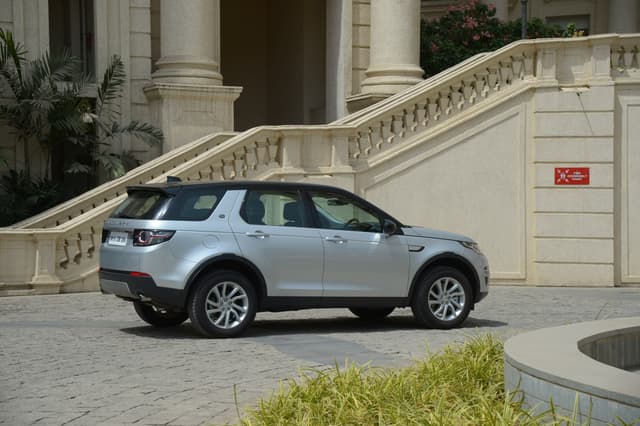
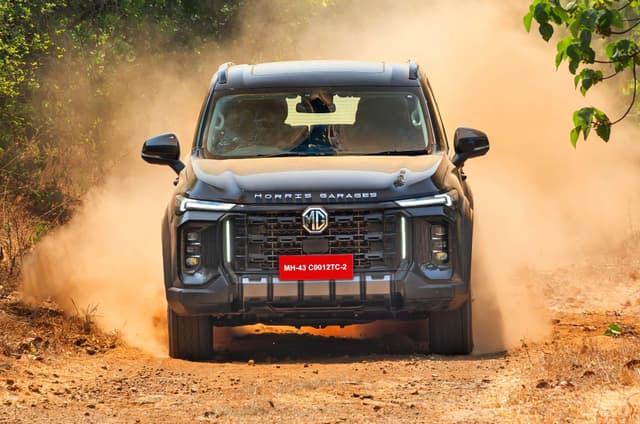
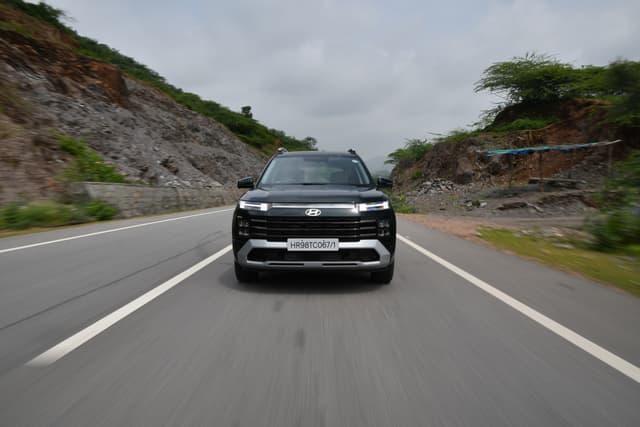
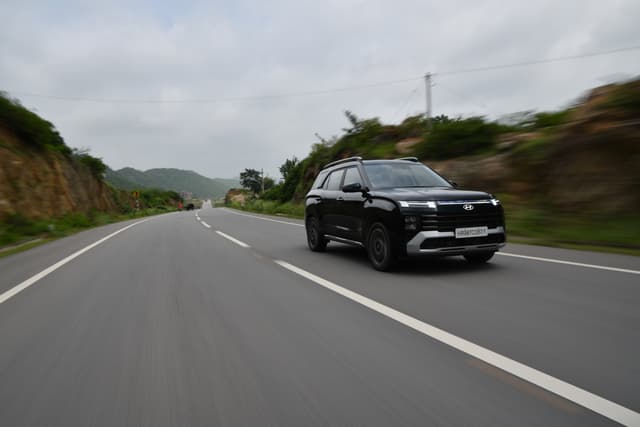
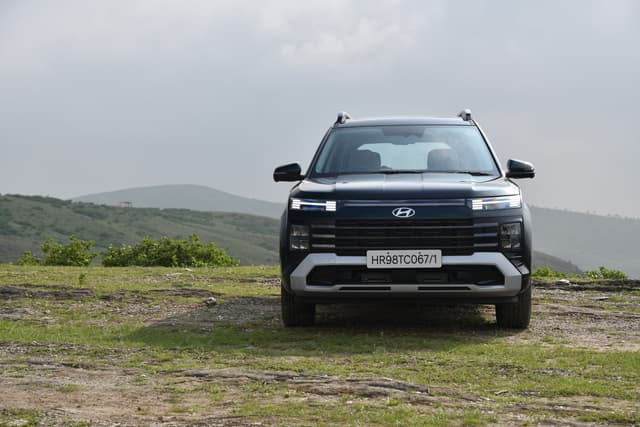
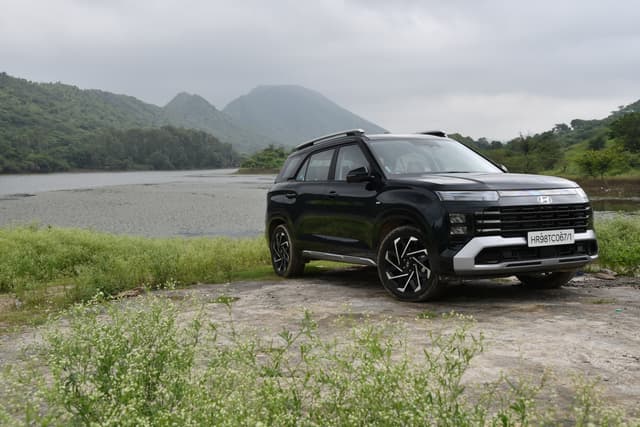
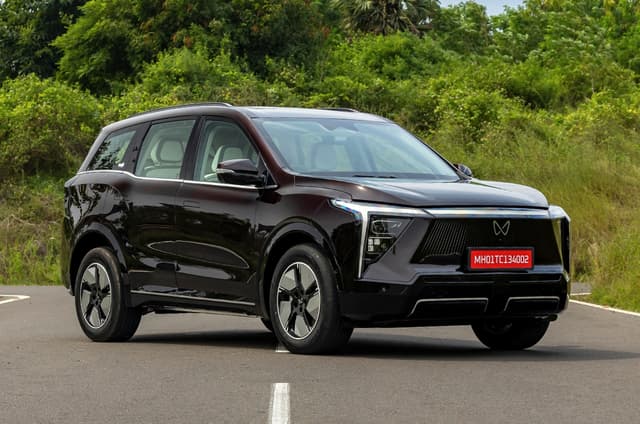
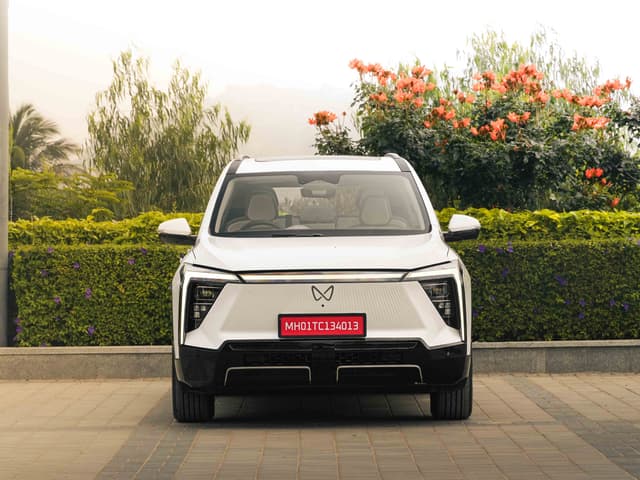
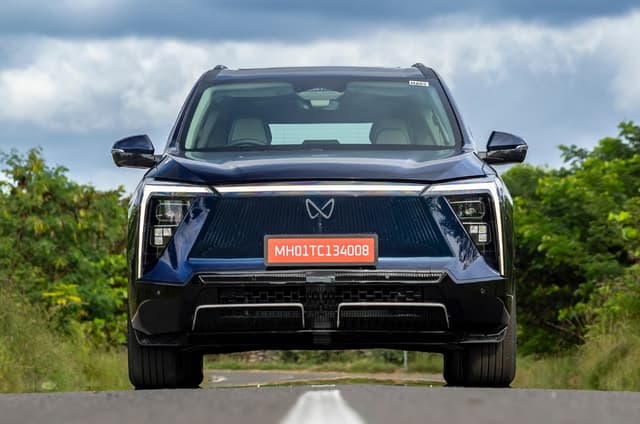
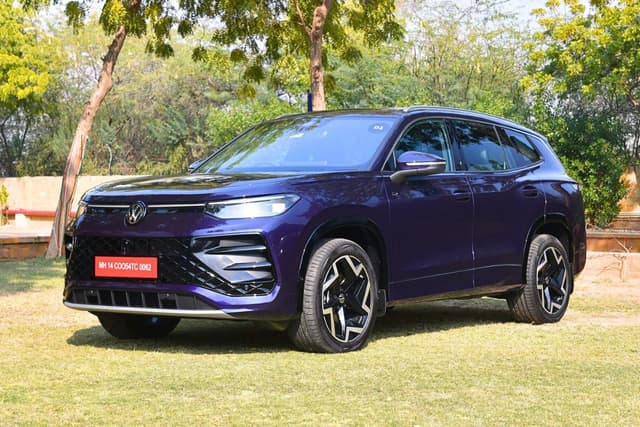
7 Seater Cars in India (44)
Many buyers choose 7 seater cars due to their spacious interiors, making them suitable for large families and trips. Currently, approximately 41 options are available in the category of 7 seater cars in India.
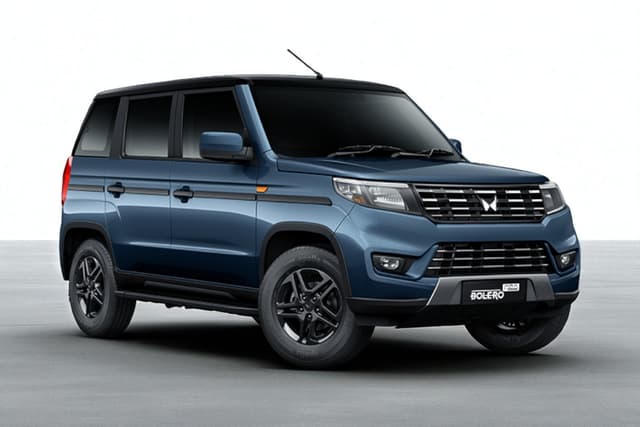
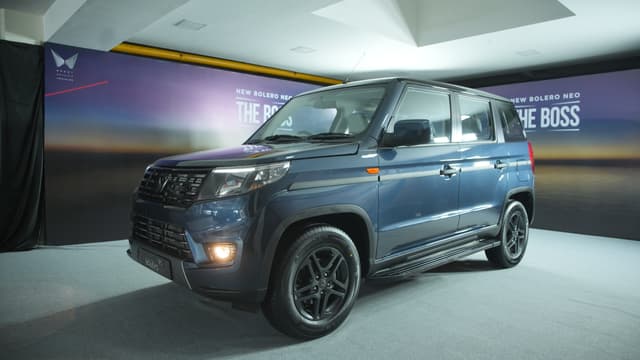
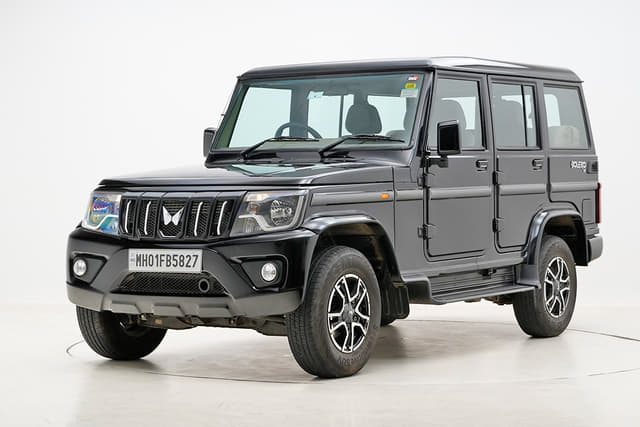
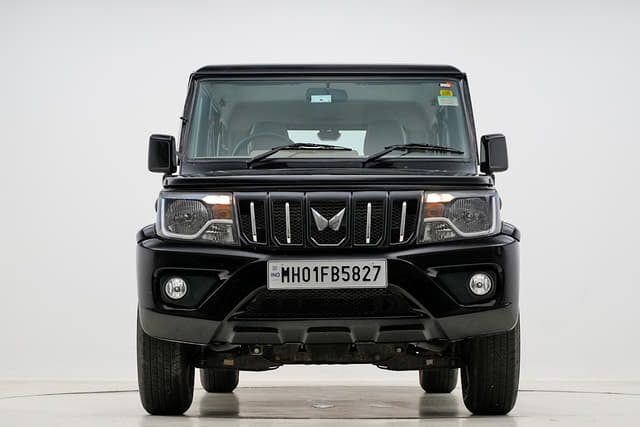
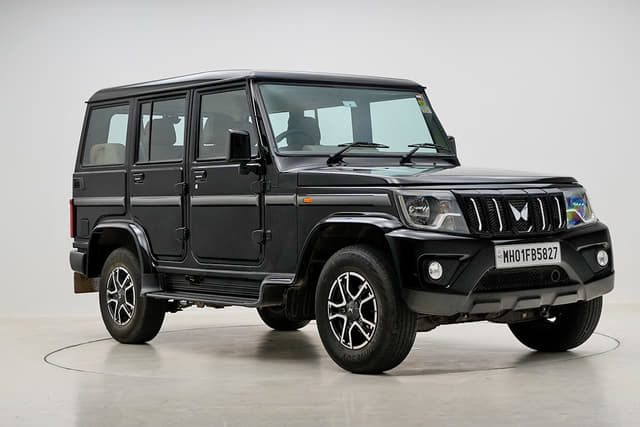
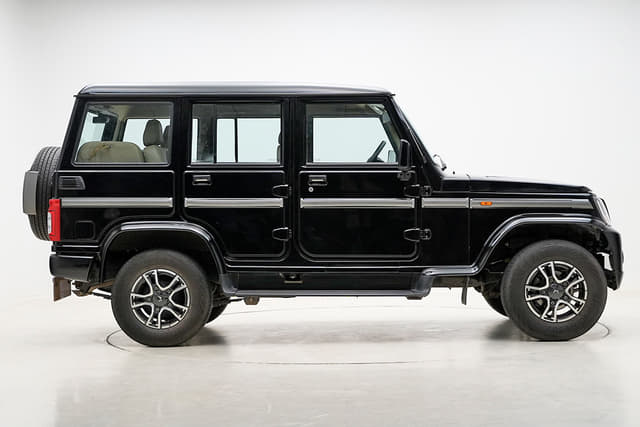
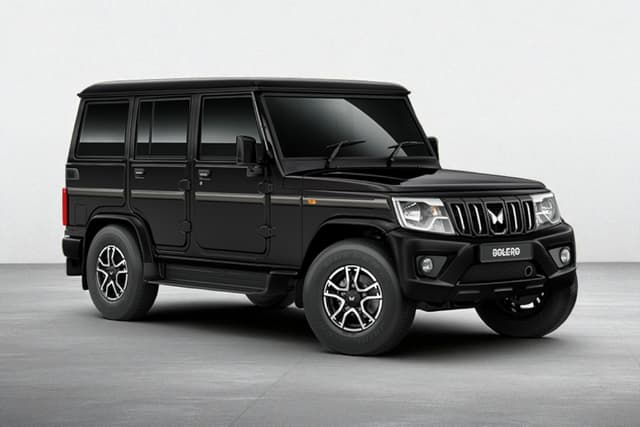
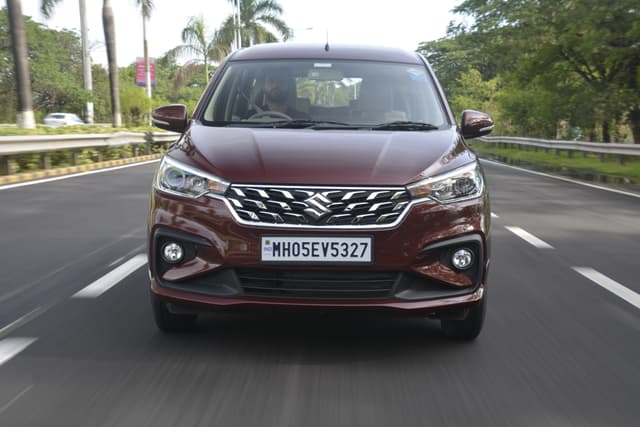
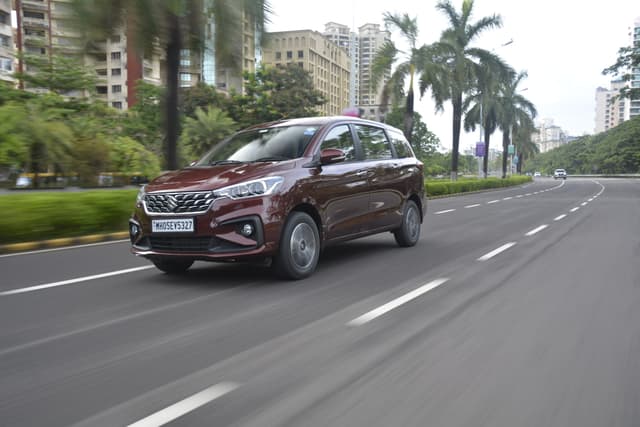
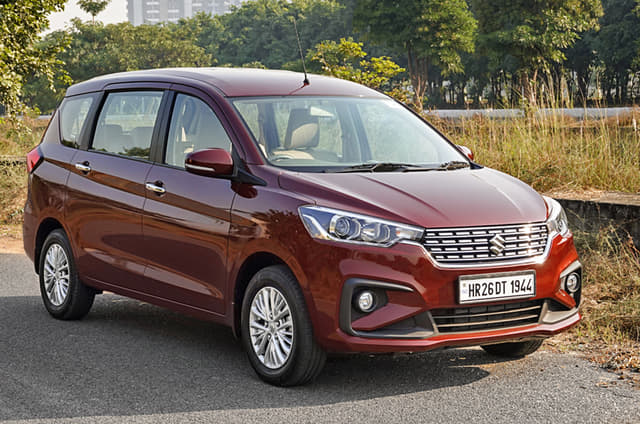
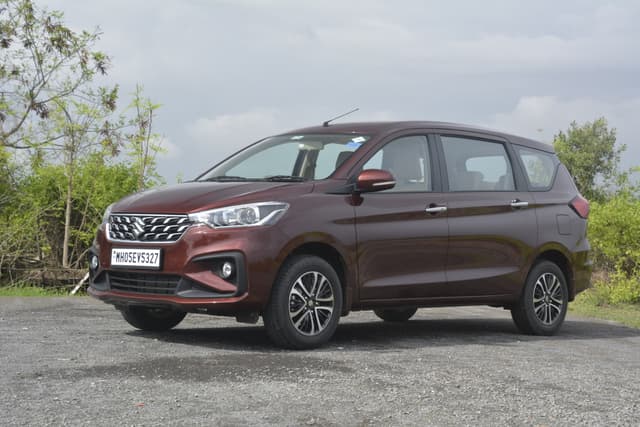
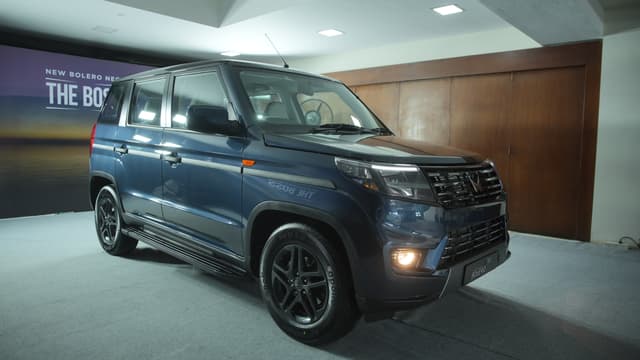
If you are searching for a budget-friendly 7 seater car under 10 lakh, then Maruti Suzuki Ertiga, Mahindra Bolero, and Mahindra Bolero Neo are popular choices. These cars provide enough seating space and features such as flexible seating arrangements and sufficient boot space.
7 Seater Cars - Key Highlights
Benchmark | Detail |
Most Expensive | Lexus LM (₹2.10 - ₹2.62 Cr) |

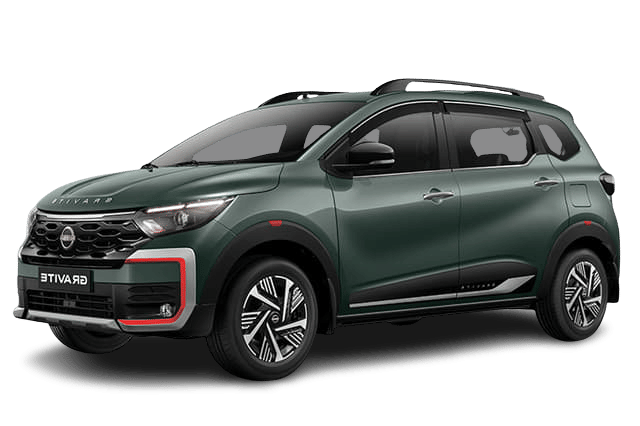
Cheapest 7 Seater | Renault Triber (₹5.76 - ₹8.39 Lakh) |
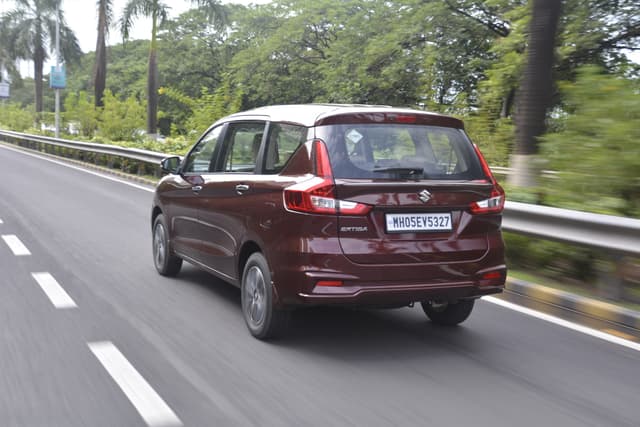
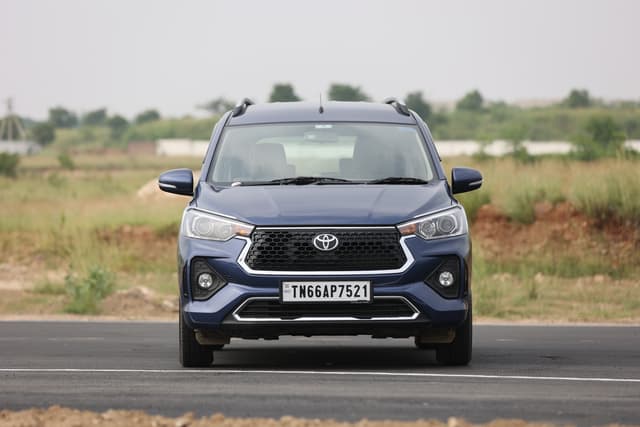
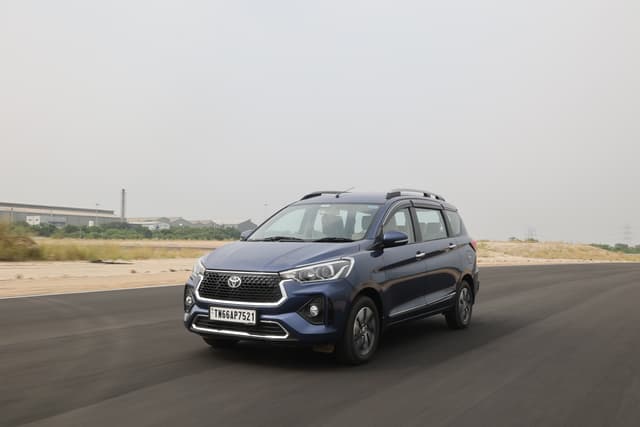
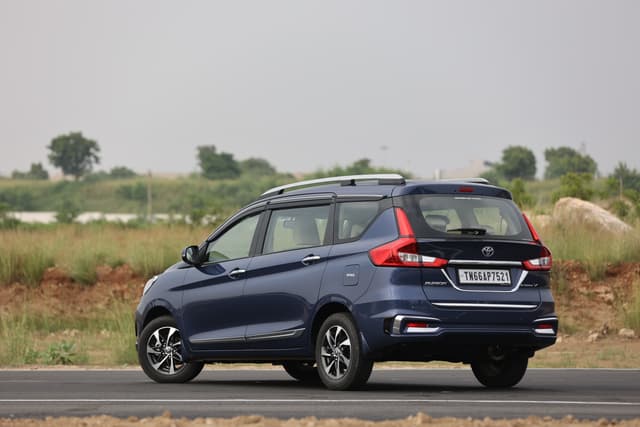
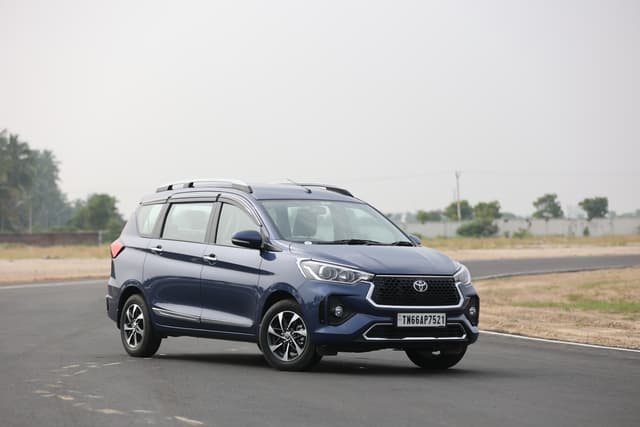
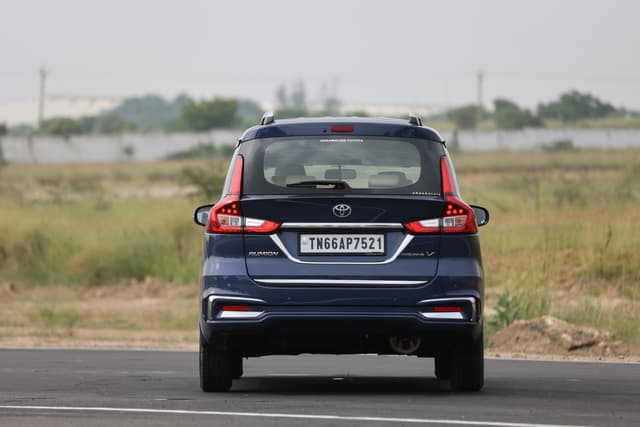
Highest Mileage | Maruti Suzuki Ertiga, Toyota Rumion (up to 26.1) |
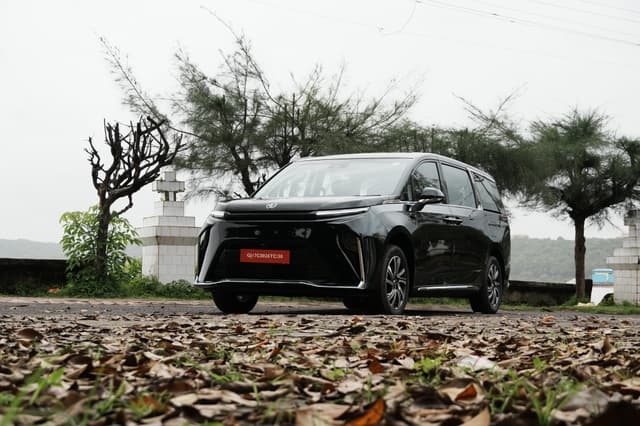
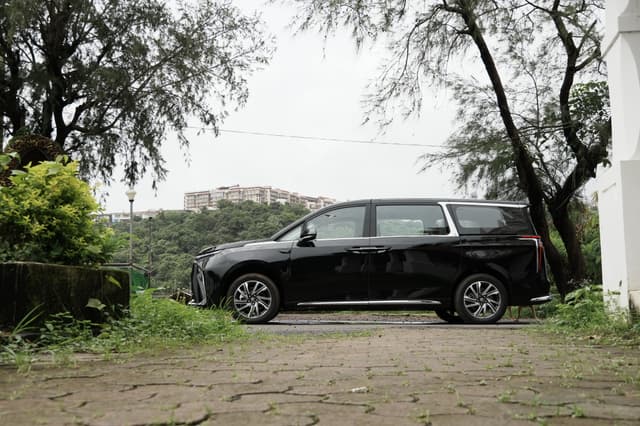
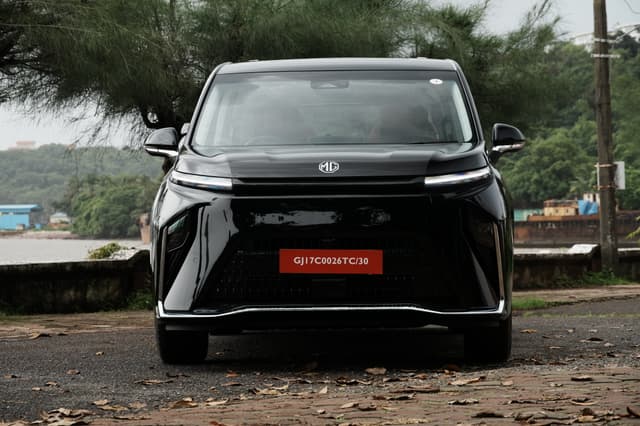
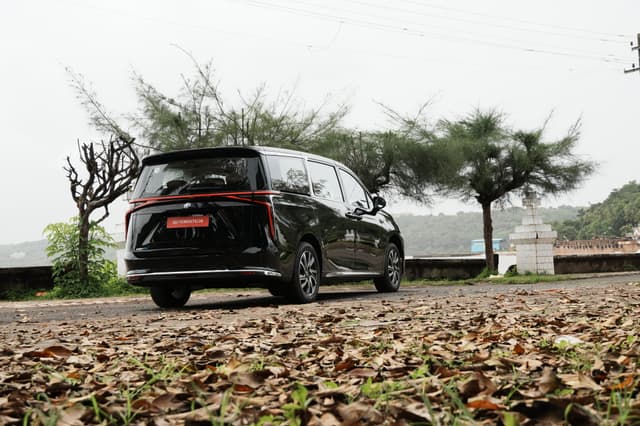
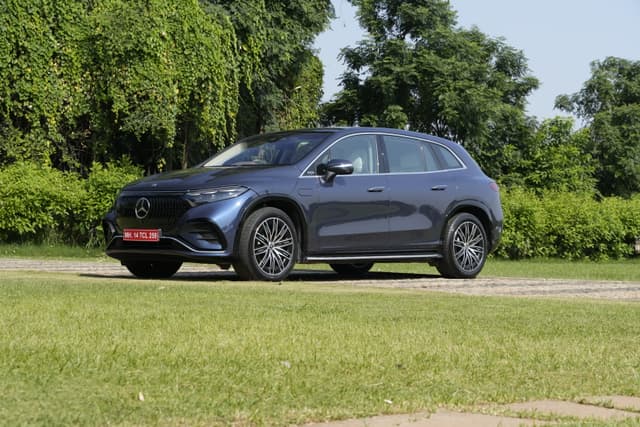
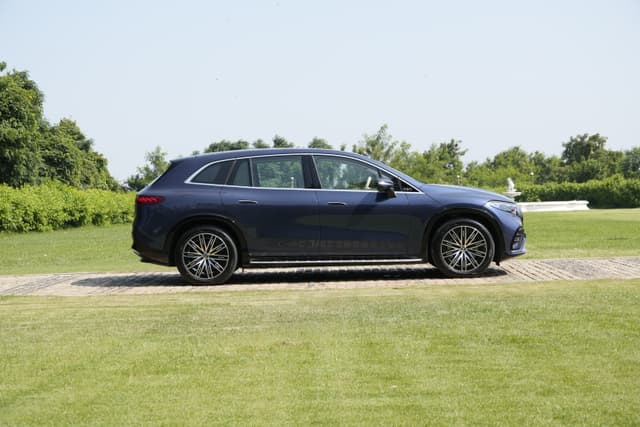
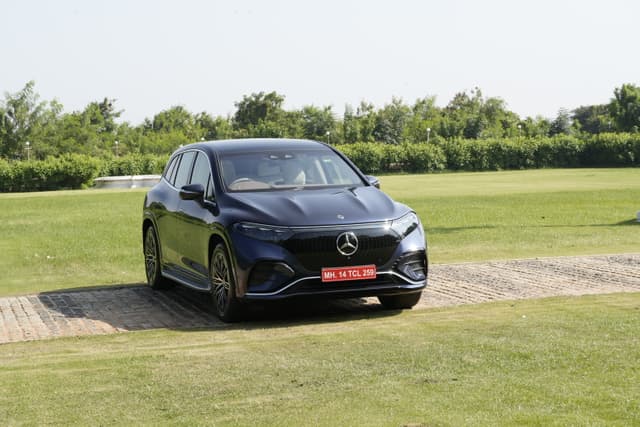
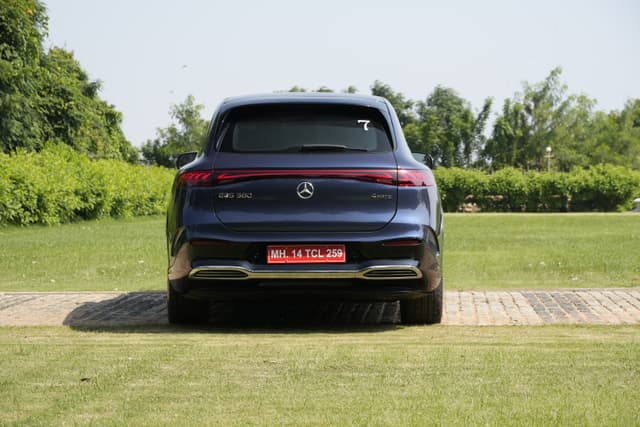
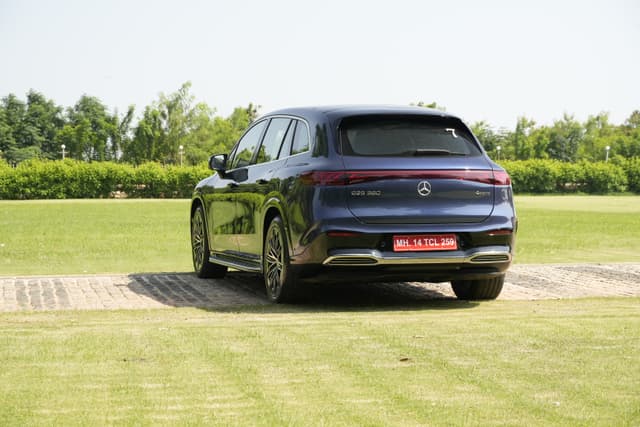
Electric | Kia Carens Clavis EV, Mercedes-Benz EQS SUV, MG M9 |
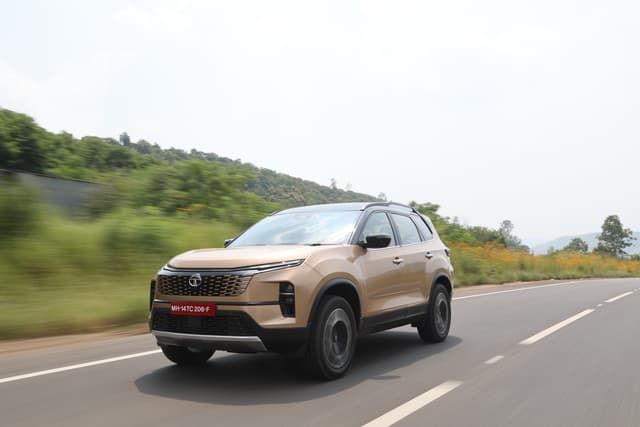
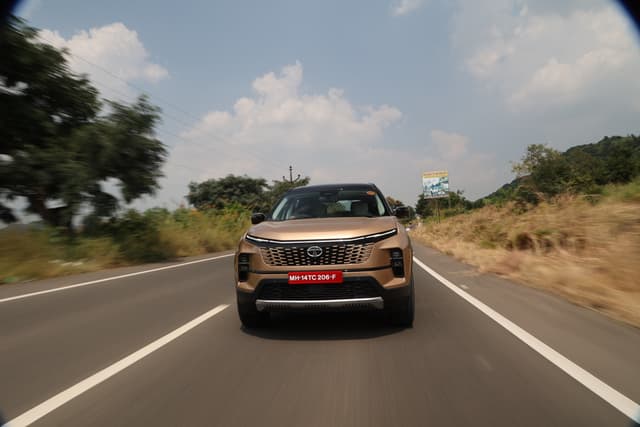
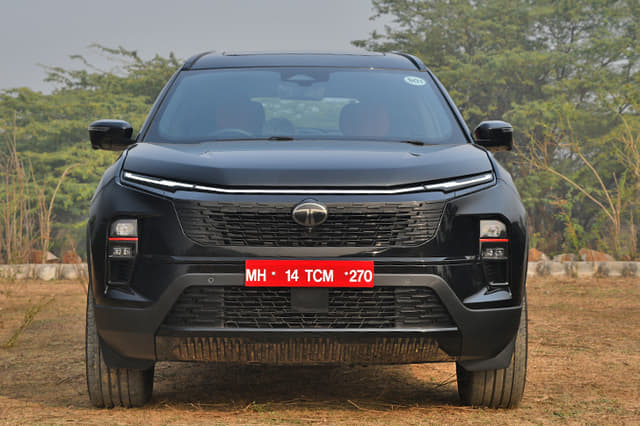
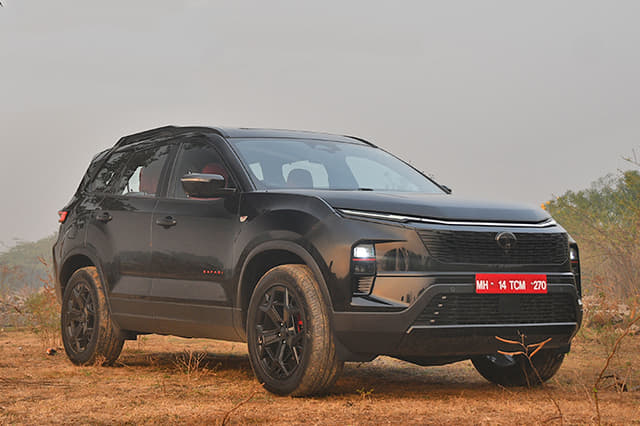
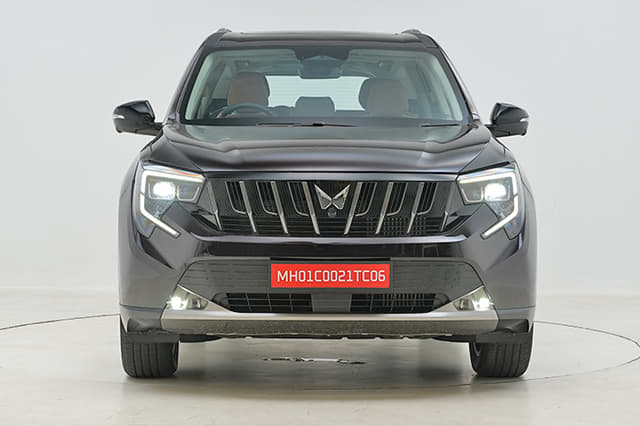
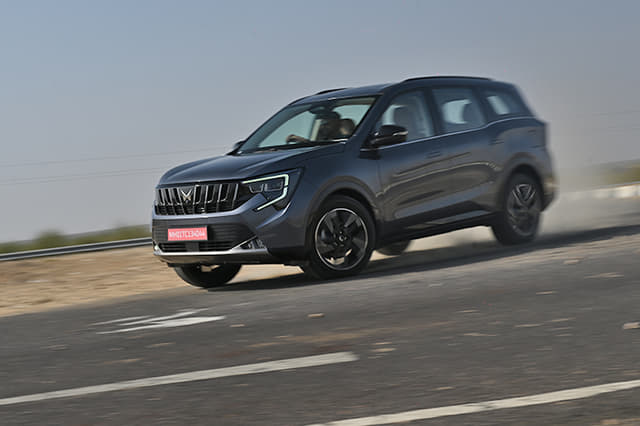
5-star Safety Rating | Mahindra XUV700, Tata Safari, Mahindra Scorpio N |


Find cars by fuel type


Find cars by fuel type


7 Seater Cars - FAQs
Currently, there are around 37 options available in the 7 seater cars segment.
Some of the best 7 seater cars for families in India include Maruti Suzuki Ertiga, Toyota Rumion, Mahindra XUV700, Tata Safari, and Hyundai Alcazar.
Affordable 7 seater cars under 10 lakh include Mahindra Bolero, Maruti Suzuki Ertiga, and Renault Triber.
The best 7 seater cars under 15 lakh include options such as the Toyota Rumion, Kia Carens, and Mahindra Scorpio Classic.
Popular 7 seater cars under 20 lakhs include Kia Carens Clavis EV, Mahindra XUV700, and Tata Safari.
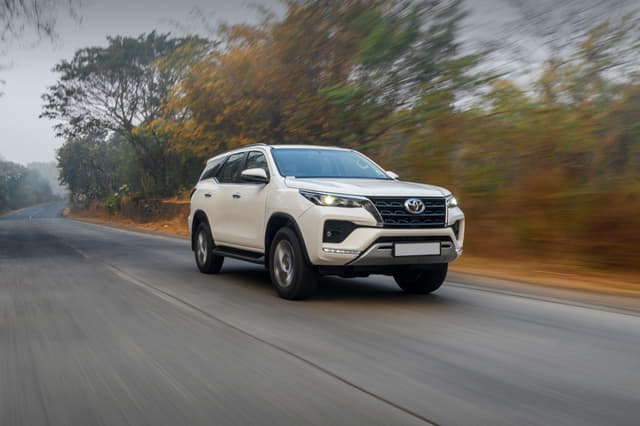
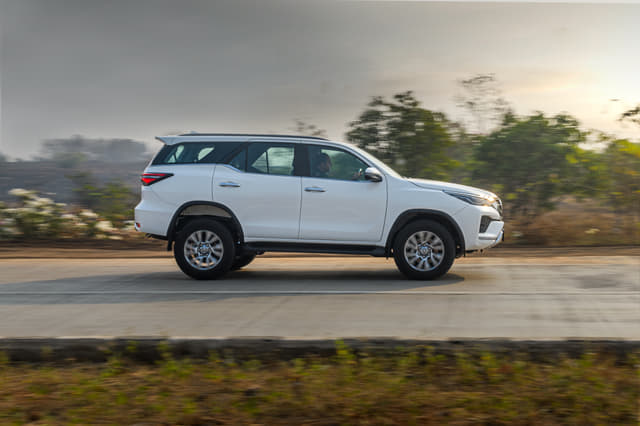
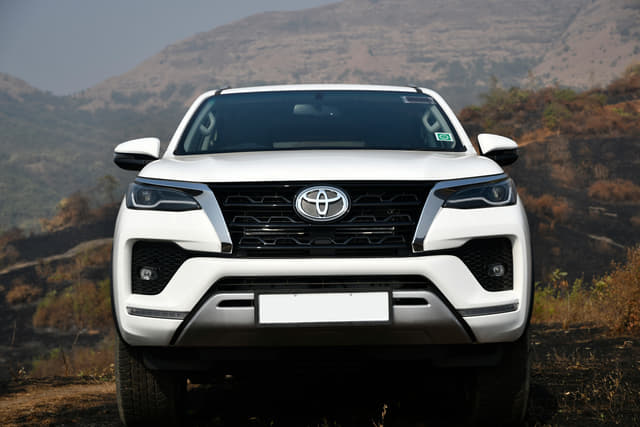
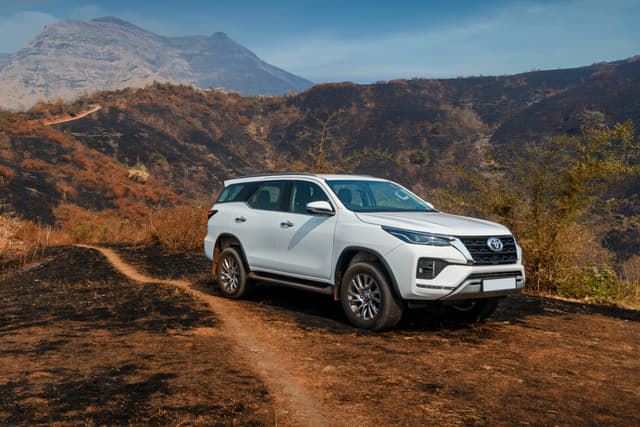
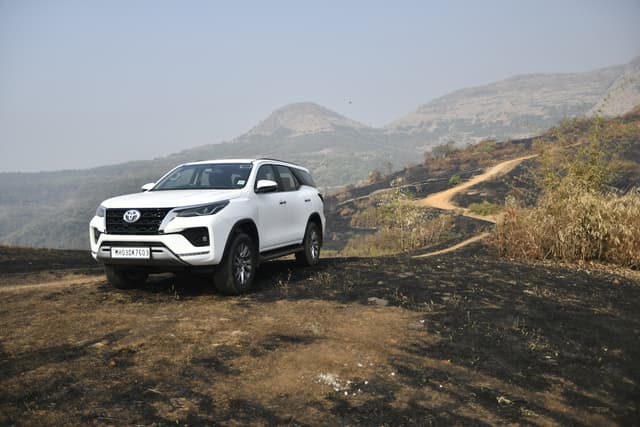
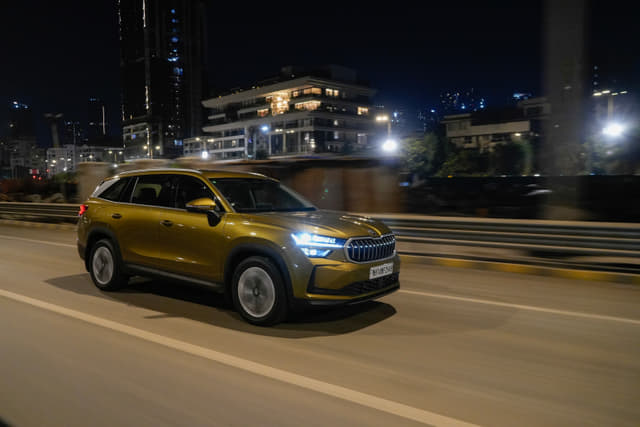
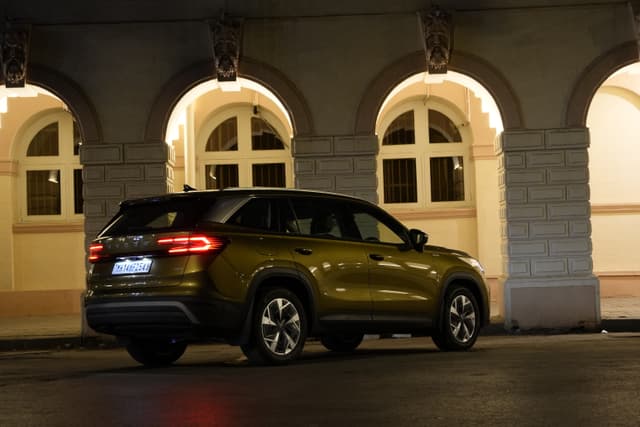
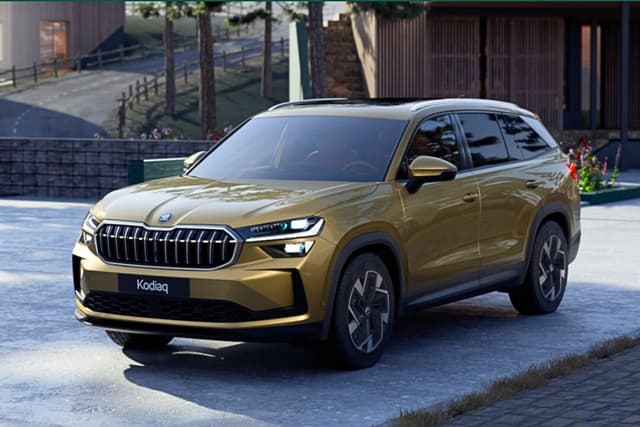
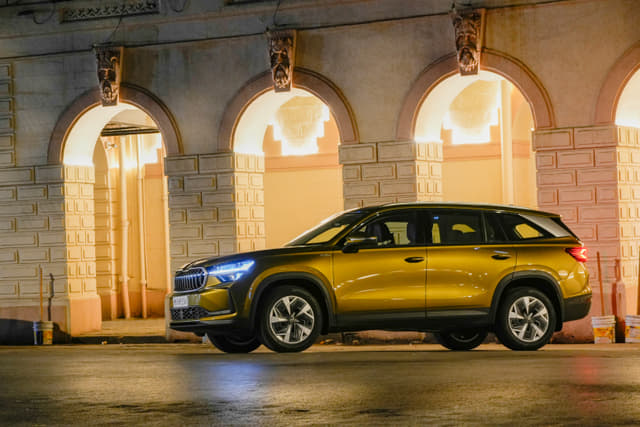
Tata Safari, Skoda Kodiaq, and Toyota Fortuner are some of the top seven seater SUVs cars in India.
Yes, Maruti Suzuki Ertiga and Toyota Rumion are 7 seater CNG cars in India.
Popular 7 seater electric cars include BYD eMax 7, Mercedes-Benz EQB, and Kia Carens Clavis EV.
Cheapest 7 seater cars includes options such as Renault Triber (₹5.76 - ₹8.39 Lakh) and Mahindra Bolero (₹7.99 - ₹9.69 Lakh).
Maruti Suzuki Ertiga and Toyota Rumion offer the highest mileage, up to 26.1 km/l.
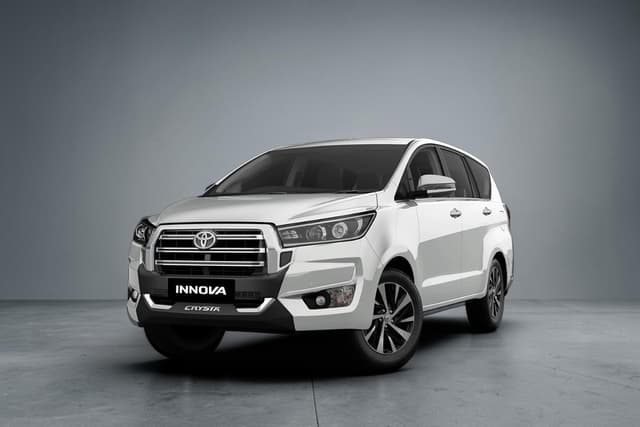
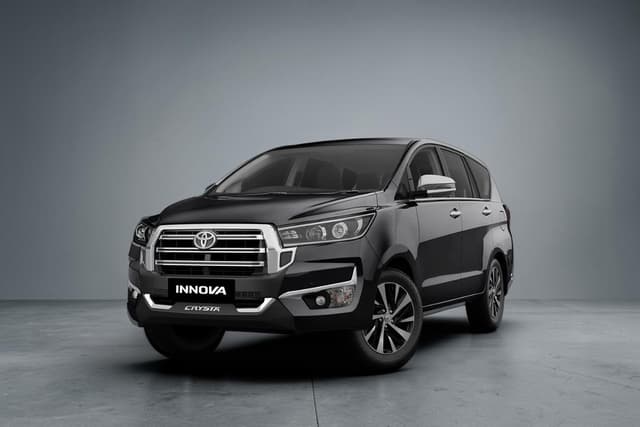
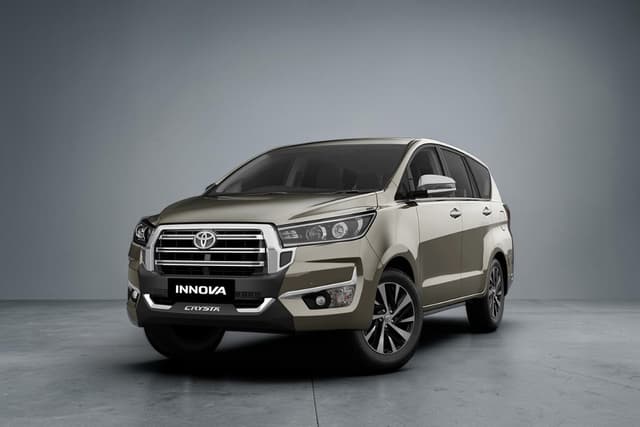
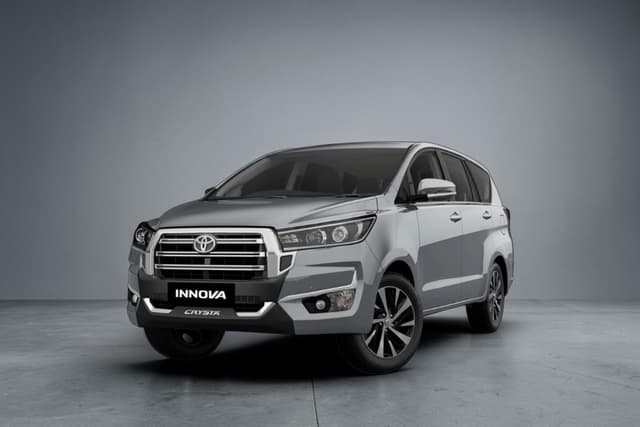
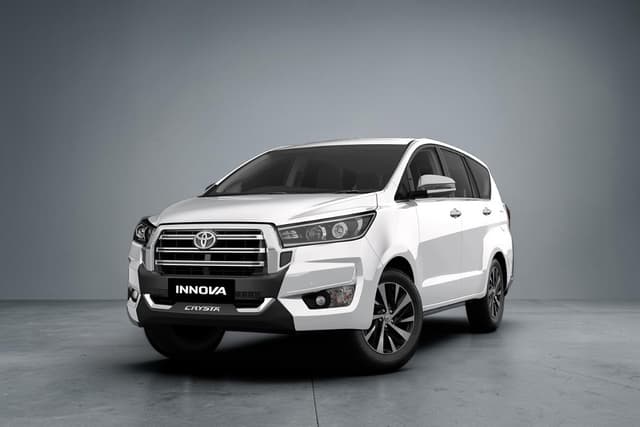
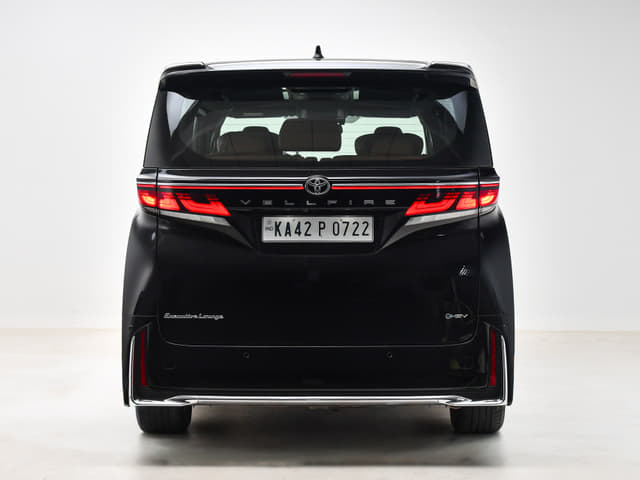
Innova HyCross, Innova Crysta, Rumion, Vellfire and Fortuner are 7 seater cars offered by Toyota in 2025.
Mahindra XUV700, Tata Safari, and Mahindra Scorpio N are some of the 7 seater cars which have received a 5-star safety rating.
The best family seven seater cars include options as Maruti Suzuki Ertiga, Toyota Innova HyCross, and Hyundai Alcazar.
The Lexus LM is the most expensive seven seater car, priced between ₹2.10 - ₹2.62 Cr (ex-showroom).
The price of 7 seater cars in India ranges from ₹5.76 Lakh for Renault Triber to ₹2.62 Cr for the Lexus LM.
Mahindra Bolero is the cheapest 7 seater SUV car priced between ₹7.99 - ₹9.69 Lakhs (ex-showroom).
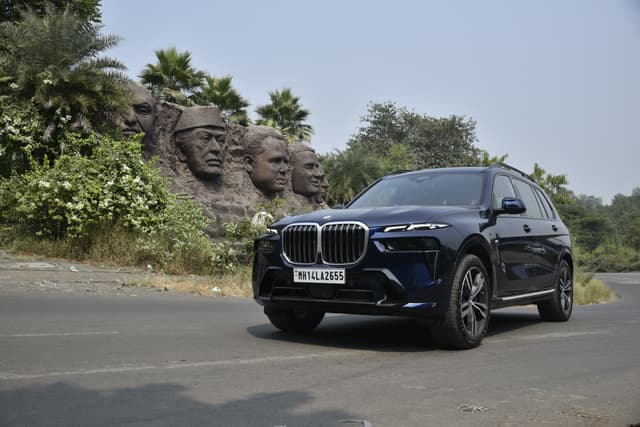
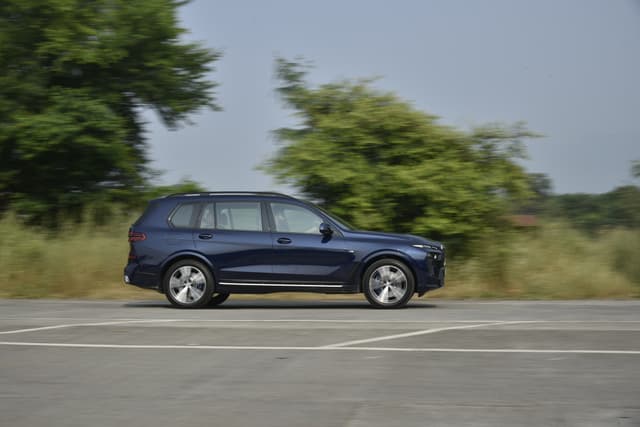
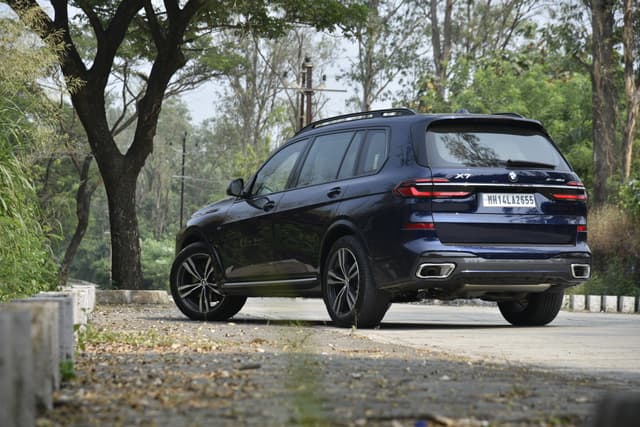
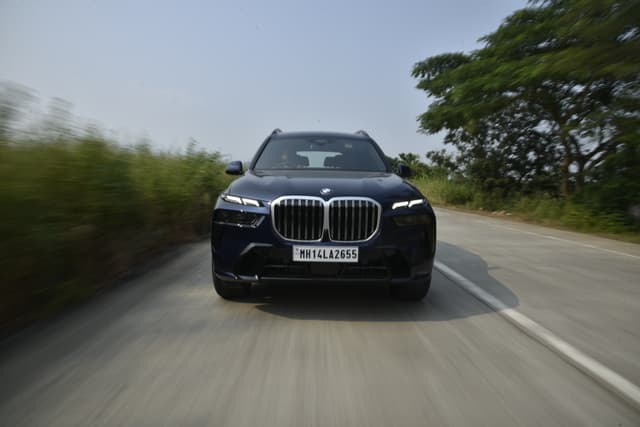
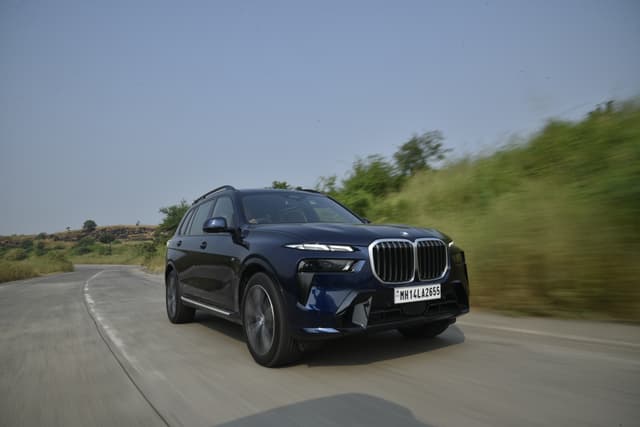
Luxury 7 seater cars include models like BMW X7 (₹1.25 - ₹1.29 Cr) and Mercedes-Benz EQS SUV (₹1.33 - ₹2.40 Cr).
Trending Questions on Cars - Answered by Autocar Experts
I have to buy a new SUV under a budget of Rs. 25 lakh. My running is 2500 km per month in Delhi - NCR with occasional long drive. My family wants XUV 7XO diesel. However, I do like new Kia Seltos diesel. Please guide.
Go for the Mahindra XUV 7XO diesel. With 2,500 km a month and regular long drives, the diesel engine makes strong financial sense, and the 7XO is the better fit for your usage. It is a larger, more comfortable SUV with a stronger diesel engine, better highway stability and more space for family trips. The Seltos diesel is a very good car, but it is a smaller SUV and does not offer the same level of space or long-distance comfort. The 7XO also gives you the flexibility of a larger boot and occasional third-row use, which is useful for family outings. The only thing to keep in mind is that the 7XO is a bigger car to drive in the city, but overall it is the more complete package for your usage.
I am looking for a 7-seater vehicle for my family. My main criterion is that the vehicle should be safe and sturdy. I live in Trichy, Tamil Nadu, and drive around 15,000 km a year. Kindly guide me in choosing the right vehicle.
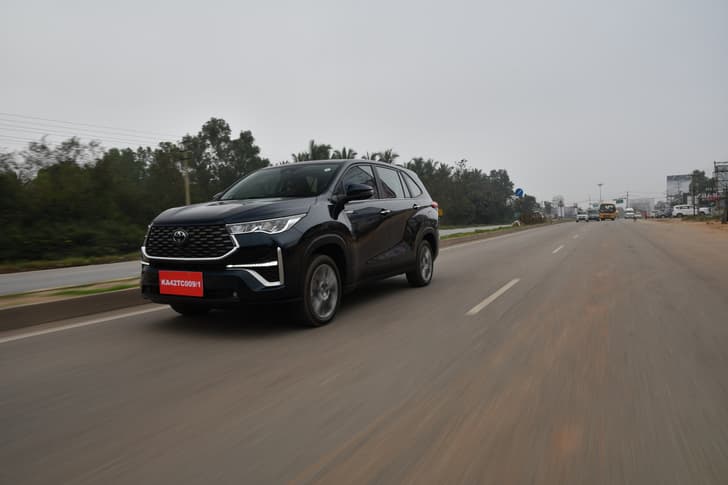
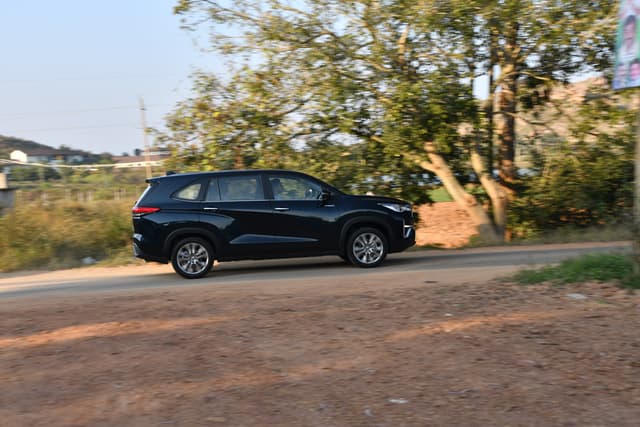
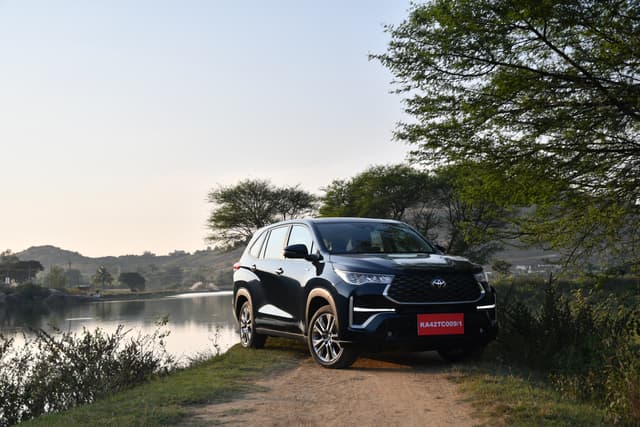
Go for the Toyota Innova HyCross petrol. At 15,000 km a year, a diesel does not make strong financial sense, and the HyCross petrol is a proven, reliable, and comfortable family MPV. It is built on a modern monocoque platform, which makes this Toyota car feel sturdy and safe, and Toyota’s long-term reliability and service support are among the best in the country. The HyCross also offers genuinely usable third-row space, a comfortable ride and a strong ownership track record, which is exactly what you want in a family car you plan to keep for many years. If you want something more SUV-like, the Mahindra XUV 7XO diesel is the alternative. It is a robust, well-built SUV with a strong diesel engine and good safety credentials, but the HyCross is the more sensible long-term family choice.
I keep fixating on achieving a 5-star safety rating for both adult and child occupants. My family consists of four adults and one child. I currently drive a Tata Altroz MT and want to upgrade to an automatic car. My requirements are as follows: I cannot buy an SUV because an elderly family member finds it difficult to get in and out. I cannot buy another Tata or Mahindra. My budget is a maximum of Rs 20 lakh, which I plan to pay off over three years. I need a 7-seater. I need good ground clearance, but the car must also be easy for elderly people to get in and out of. A 5-star safety rating for both adult and child occupants is non-negotiable. Given these requirements, does a 5-star safety rating actually mean anything in real-world conditions, or is it just a marketing gimmick? Thanks!
Given your requirements, of an automatic seven-seater with a solid crash safety rating that's not a Tata or Mahindra under Rs 20 lakh, and with good ground clearance, you're only option is the Citroen Aircross. But do keep in mind that only its 5-seater version has been crash tested with a 5-star score for adult protection and 4-star score for child protection. While the three-row version of the Citroen is largely mechanically identical, this score is only applicable to the two-row version.With the Citroen Aircross, you get a very premium interior, a strong turbo-petrol engine, smooth 6-speed automatic and excellent ride comfort. It has ample ground clearance, and is the only SUV of its kind to have a three-row seating configuration, however its third row is best left for kids. Also, given Citroen's limited dealer network, servicing could be a challenge. If you need a genuinely practical and spacious seven-seater with all the safety features, consider the Kia Carens Clavis Turbo-petrol automatic. It will be easy for your family members to get in and out. The only catch being, it hasn't been crash tested. The 5-star safety rating is not a marketing gimmick, it is a meaningful indicator of a car's crashworthiness and the effectiveness of its safety systems. However, it is important to understand that a 5-star rating is not an absolute guarantee of safety. It means the car has performed very well in standardised crash tests and meets high safety standards, but real-world outcomes can still vary depending on the nature of an accident.
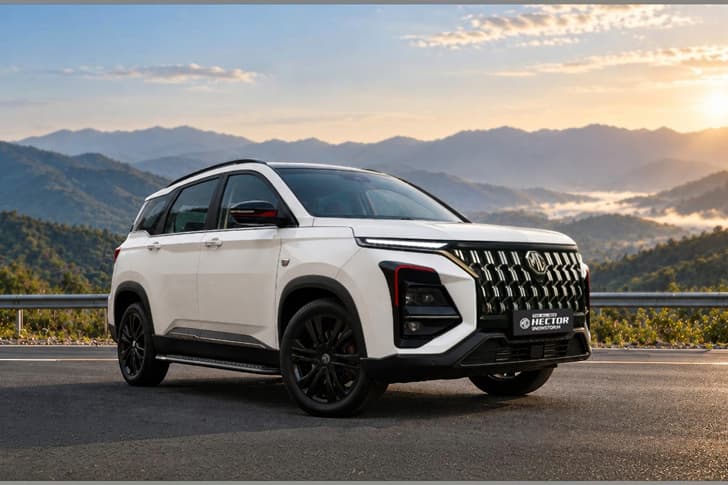
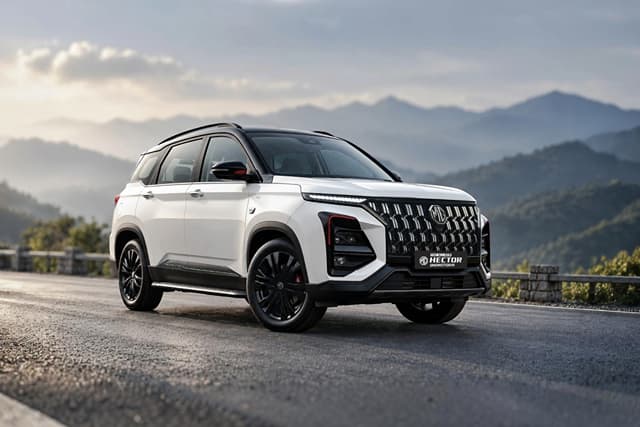
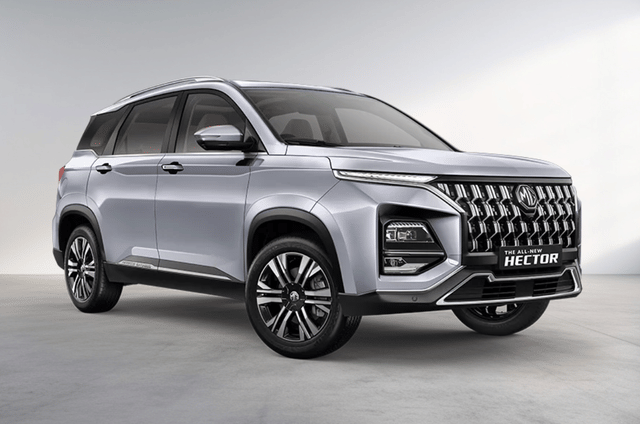
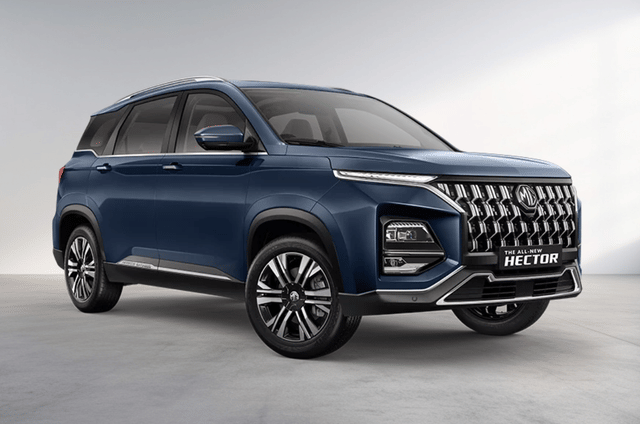
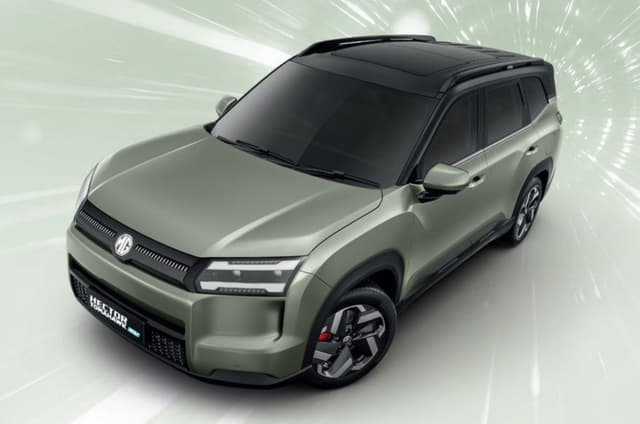
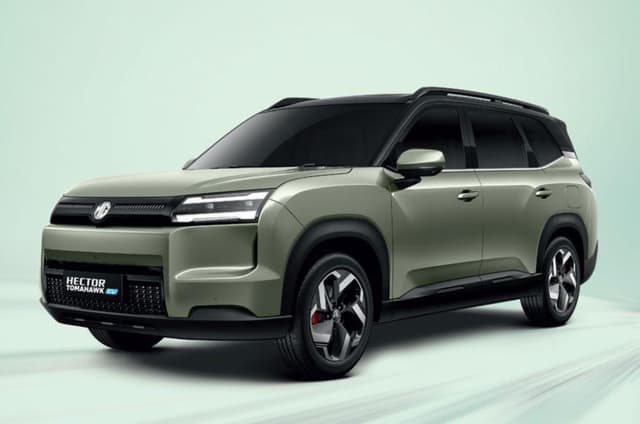
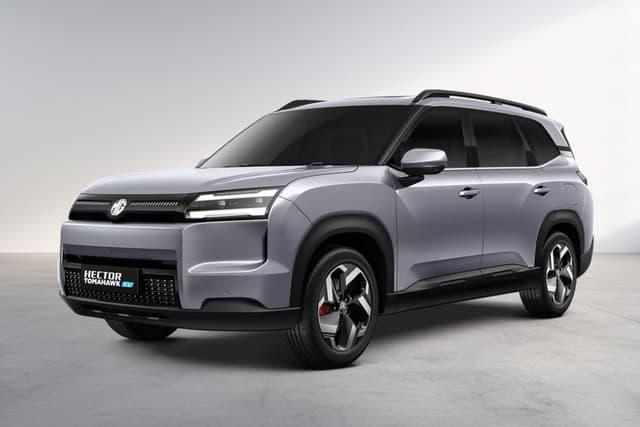
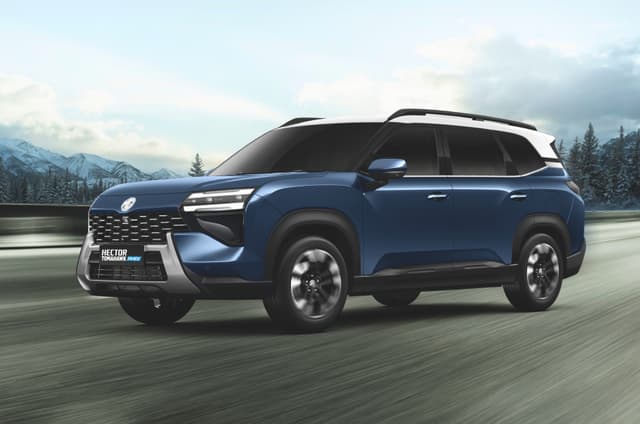
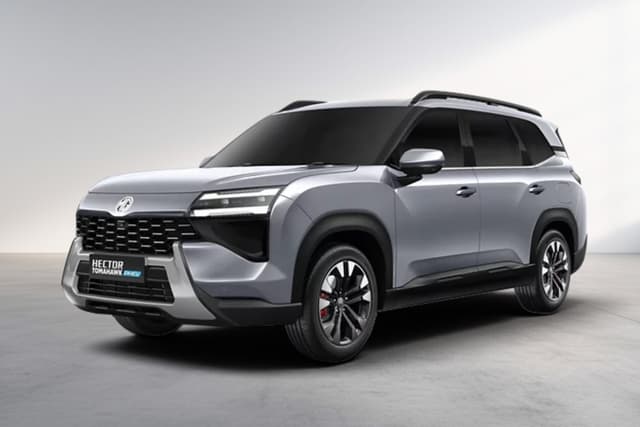
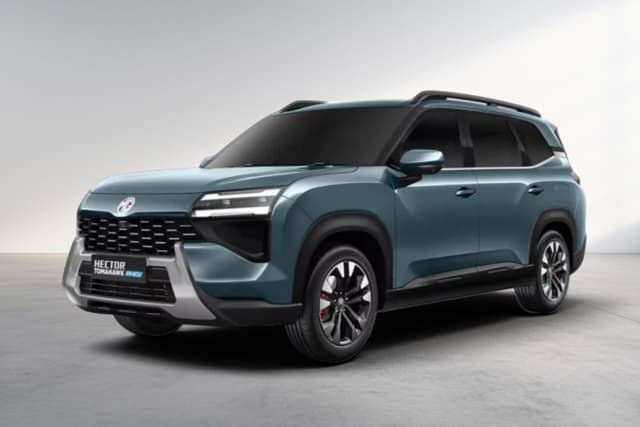
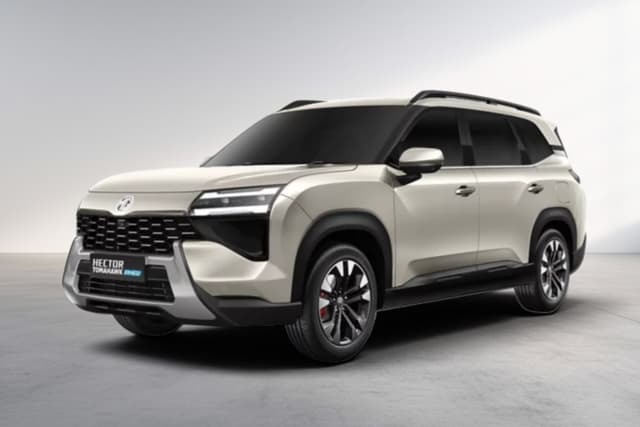
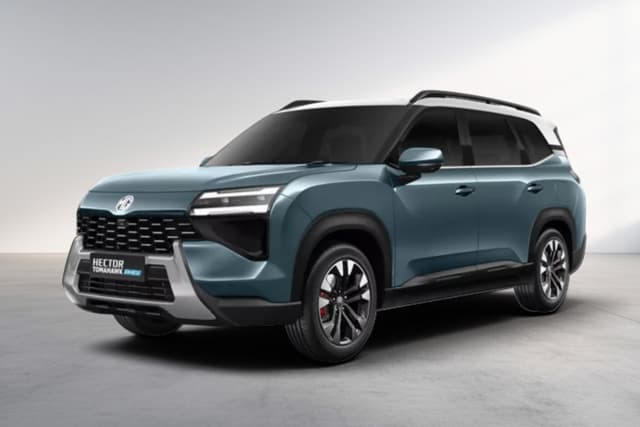
I am buying a new seven-seater EV and have shortlisted the MG Hector Tomahawk Exclusive and Kia Clavis SR HTX. I am confused about which one to choose. The Clavis has better build and ride quality, but it uses a smaller NMC battery and does not come with a 7.5kW charger. The MG Tomahawk is slightly larger and offers better range, although I have some concerns about its build and ride quality. I expect to drive around 2,000km a month, mainly in semi-urban Goa, with a mix of short highway and city driving. I am not planning many outstation trips. Which one would suit my usage better?
Goa, 2,000 km a month, semi-urban mix, mostly short highway and city runs, not many outstation trips, that’s a very clear brief. The MG Hector Tomahawk EV Exclusive is the better fit here. The bigger battery and better range are exactly what you want at this usage level, and the fact that you’re not doing long outstation runs means you’re not going to be pushing the car into situations where charging infrastructure becomes a headache. The Clavis SR HTX is the more polished product, but the smaller NMC battery and the lack of a 7.5kW charger are real drawbacks at 2,000 km a month.The MG’s size is also an advantage, but the Kia Carens Clavis EV actually has a better third row. The Tomahawk's ride and build quality are not as tight as the Clavis, but they’re not deal-breakers either. Overall, the MG Hector Tomahawk Exclusive offers better value for money for your usage.
I have a budget of Rs 6 lakh. My family previously used a Tata Manza and had a great experience with it. We currently have a 2007 Honda Civic, but our family has grown, and I now need a seven-seater. I am considering a used Tata Hexa, around a 2017-2018 model, with one owner and about 80,000km on the odometer, which I can get within my budget. Should I consider buying it? Can I expect it to be reliable up to 150,000-160,000 km?
The Tata Hexa is a genuinely good family car. It has a comfortable cabin, excellent ride quality, a powerful 2.2-litre diesel and plenty of space for seven. However, a 2017 or 2018 car with 80,000km has already done a significant portion of its life, and you are looking at another 70,000 to 80,000km of ownership. This is where we would be cautious. The Hexa has been discontinued for several years, and parts availability might become an issue.At Rs 6 lakh, the car can make sense only if it is exceptionally well maintained and you are prepared for occasional large repair bills. Before buying, get an independent inspection covering the turbo, clutch or automatic gearbox, injectors, suspension, steering, cooling system, AC, electricals and underbody. Insist on complete service records and check whether major wear items have already been replaced.If reliability until 150,000 to 160,000km is the primary objective, we would rather look for a newer and simpler seven-seater like a used Maruti Suzuki Ertiga, even if that means giving up some of the Hexa's size and performance.
Last Updated on: 13 Oct 2026