TC cars in India (94)

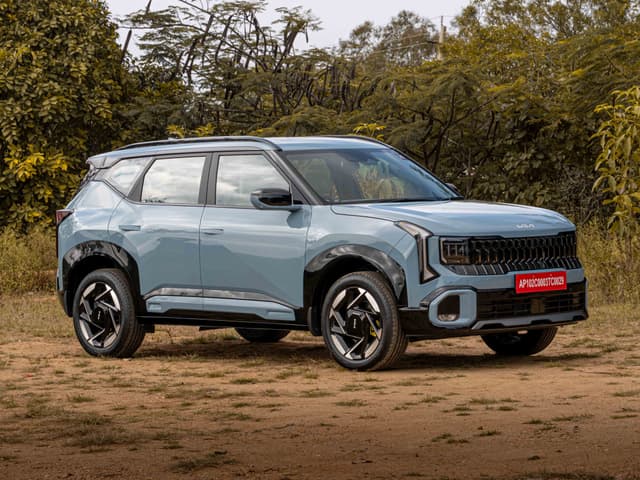
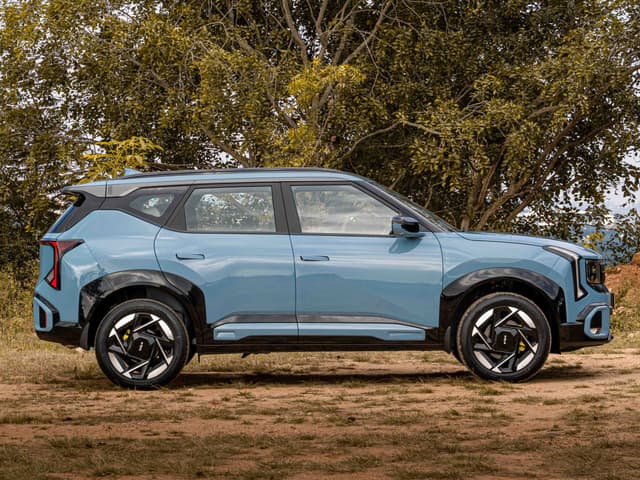
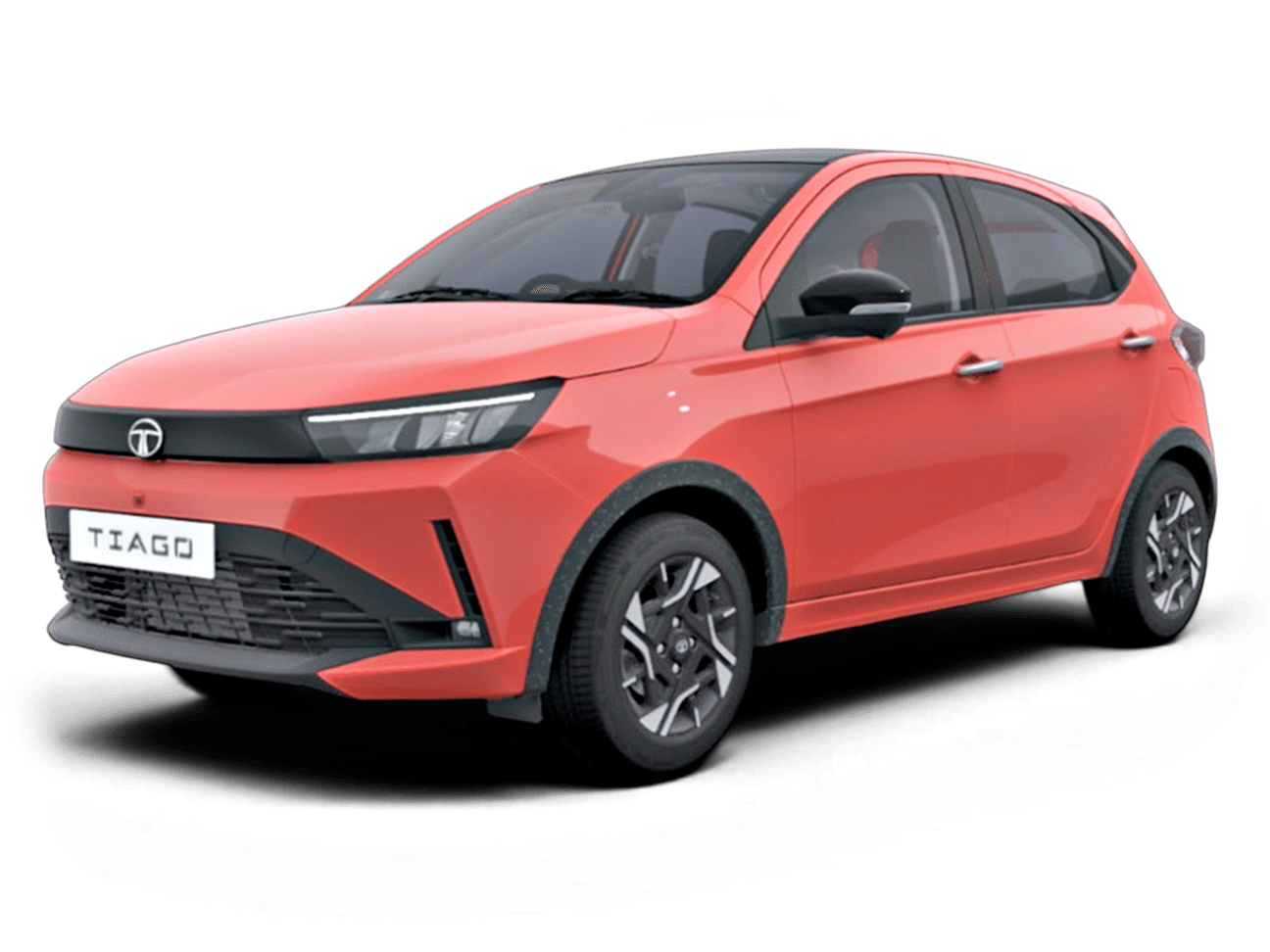
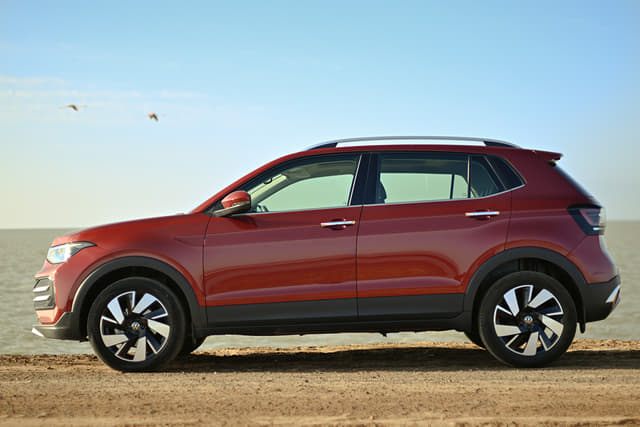
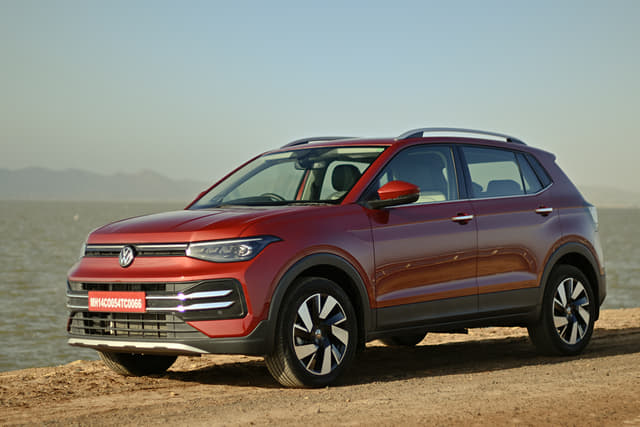
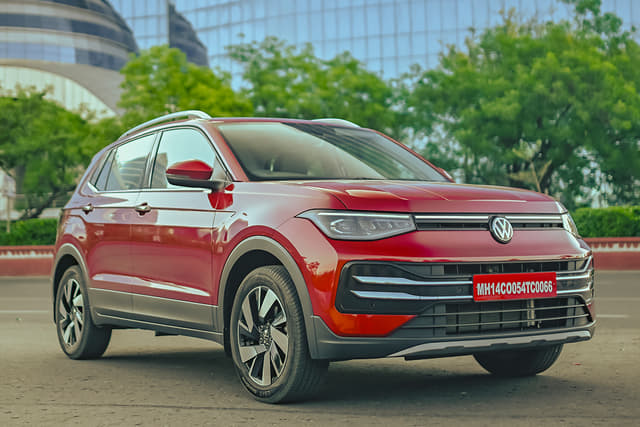
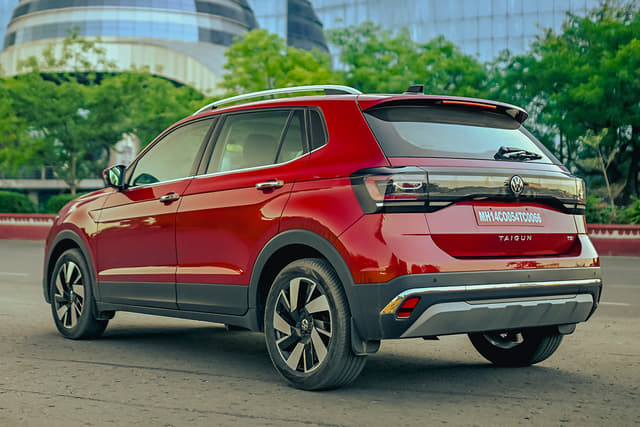
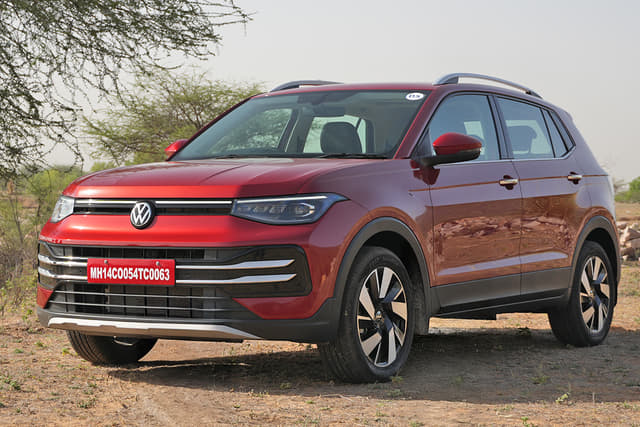
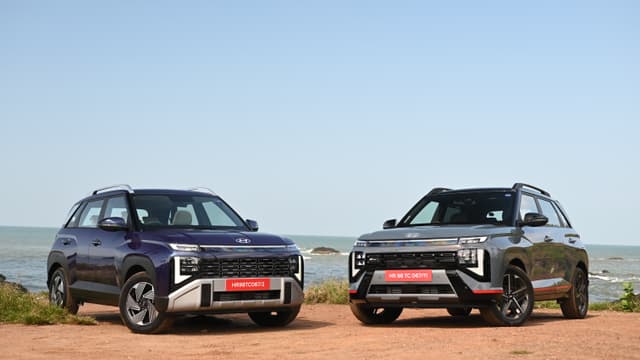
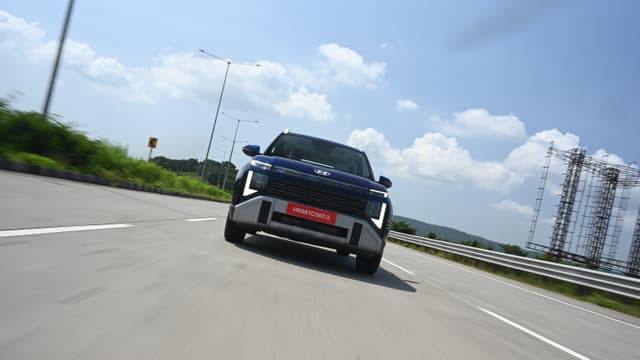
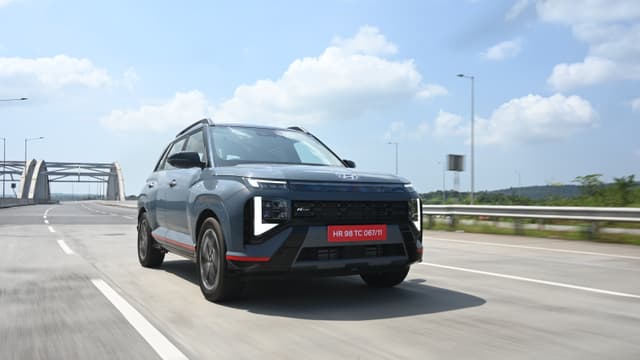
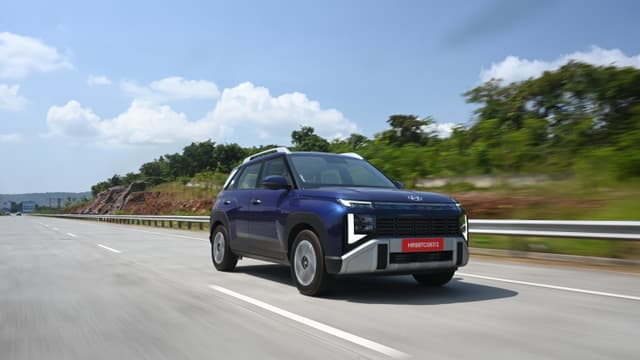
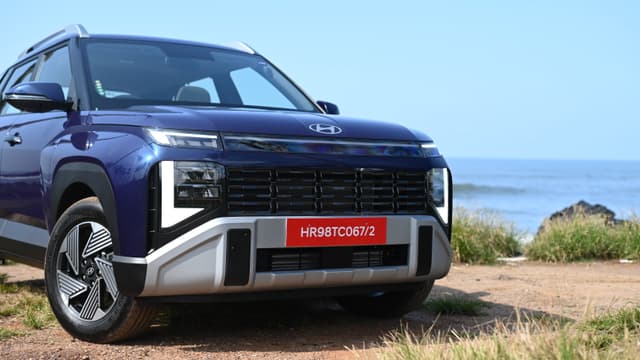
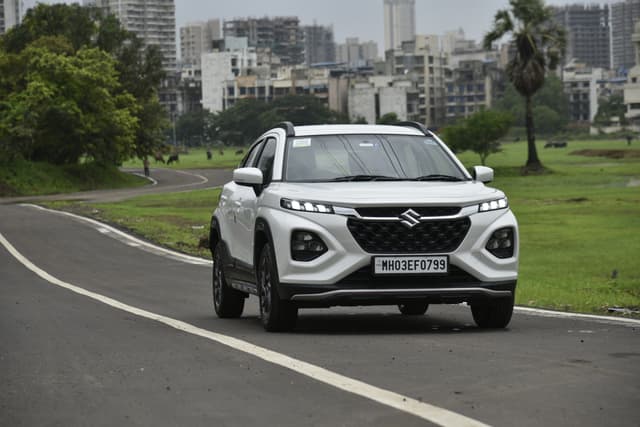
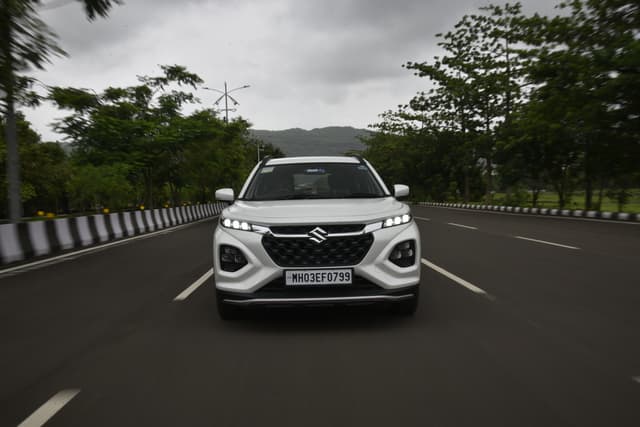
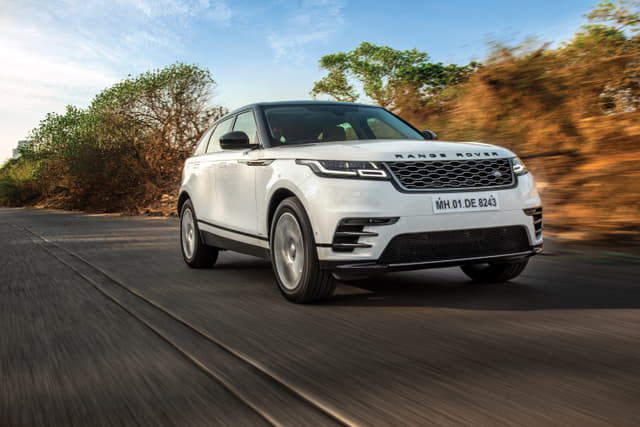
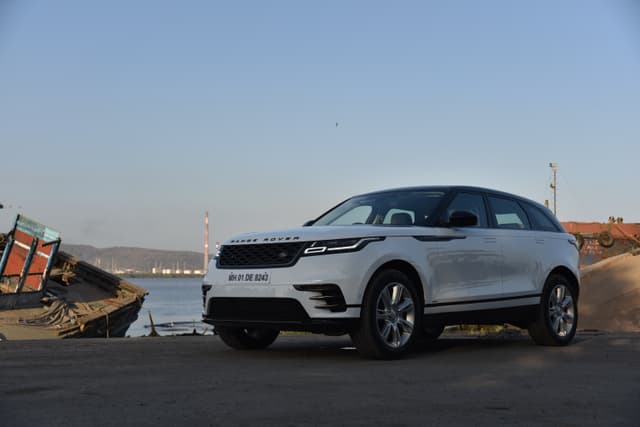
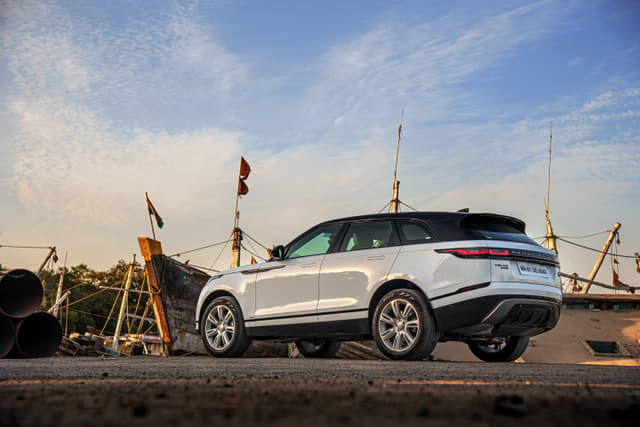
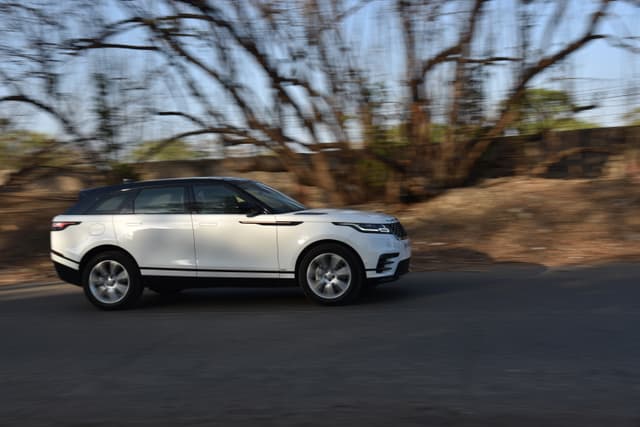
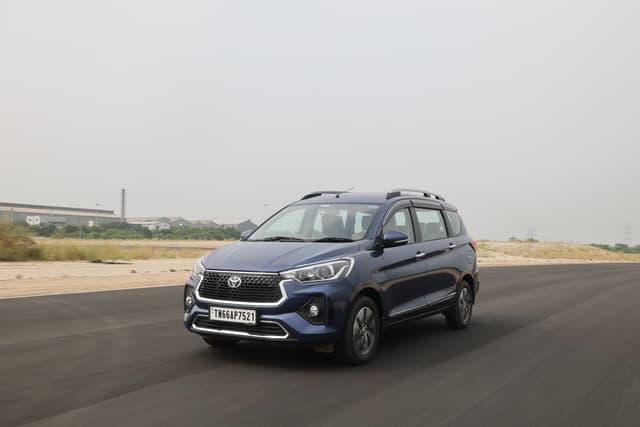
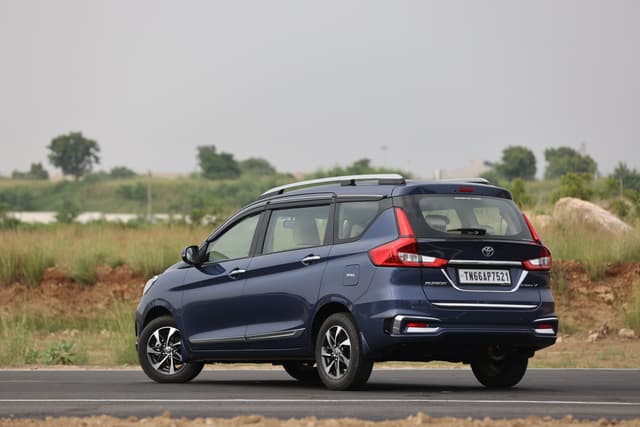
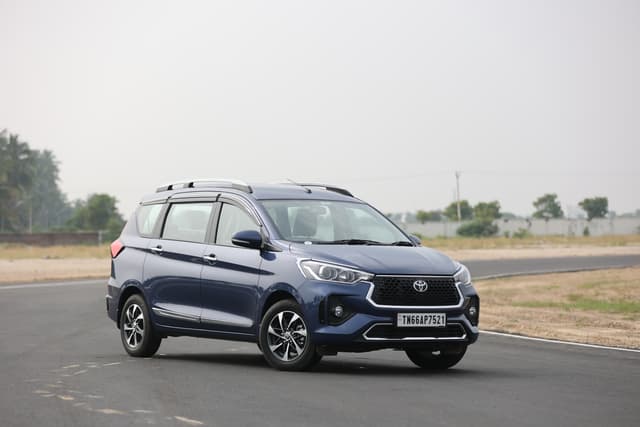
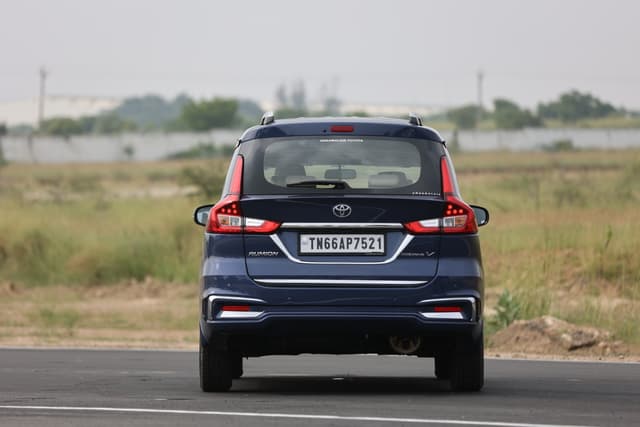
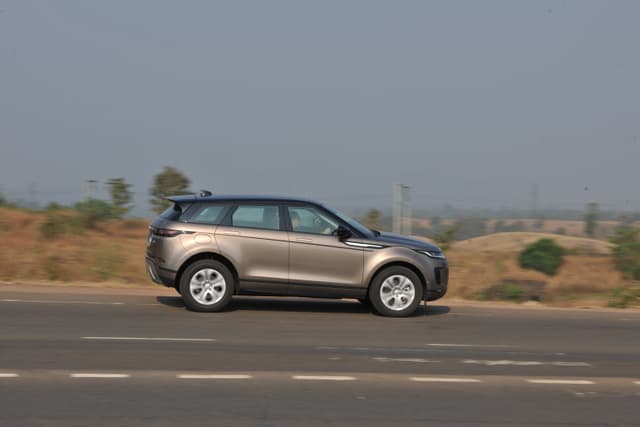
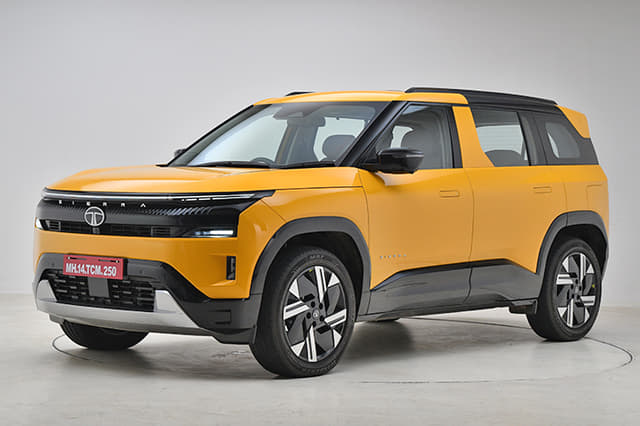
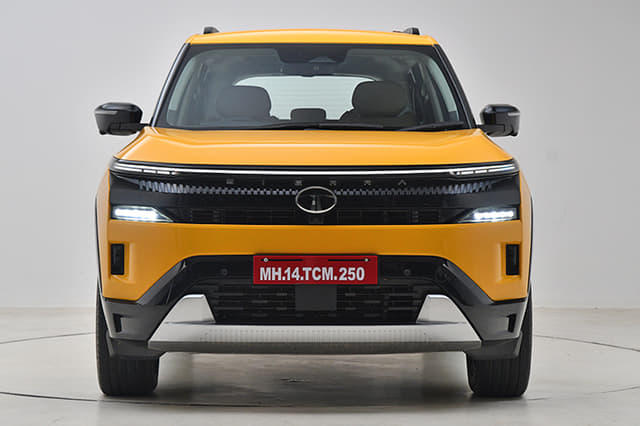
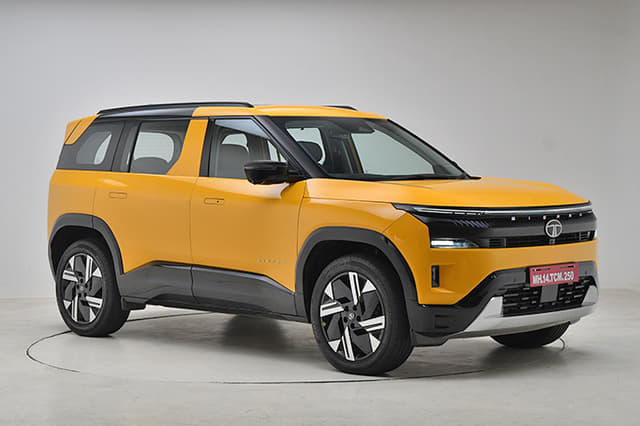
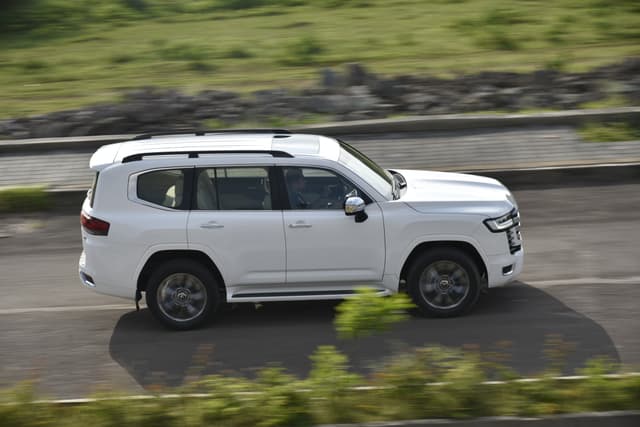
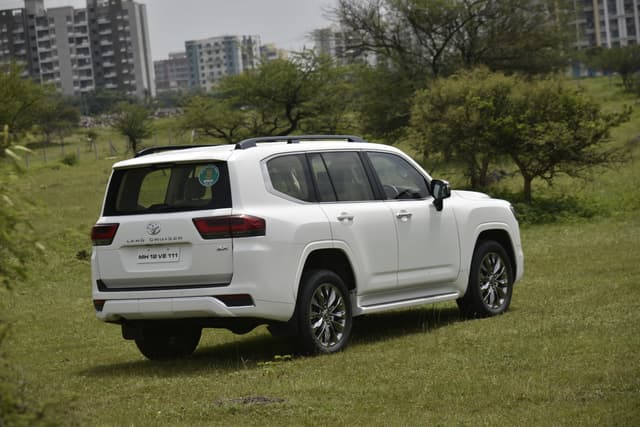
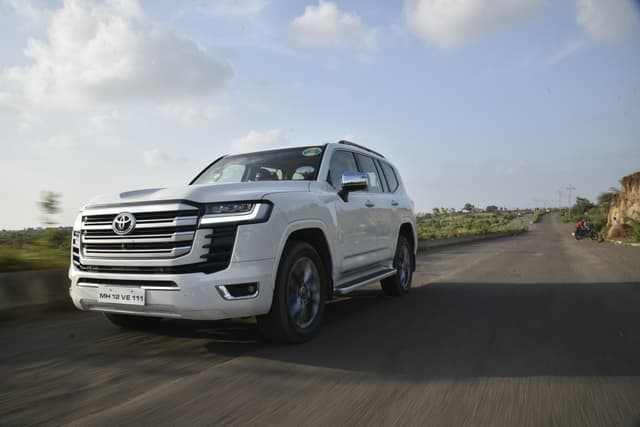
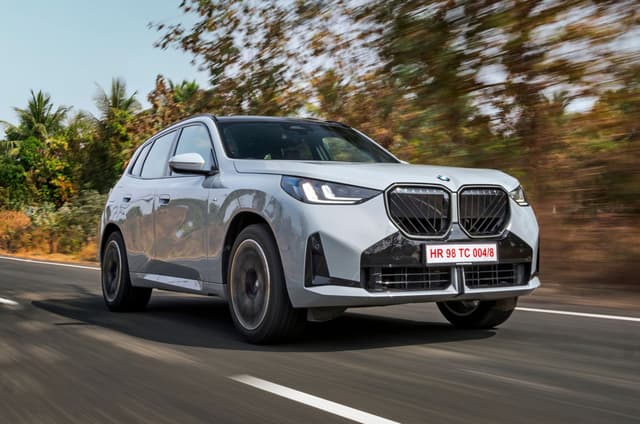
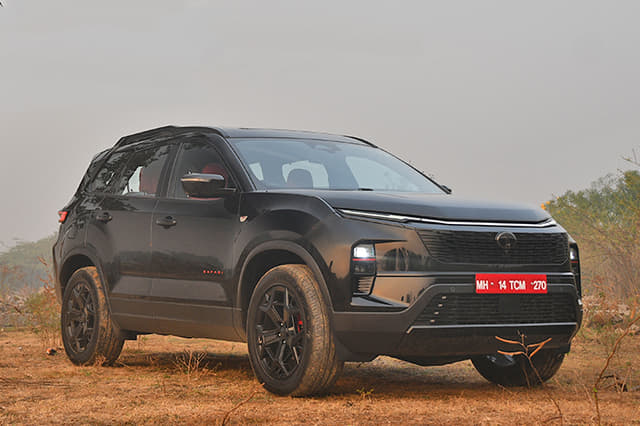
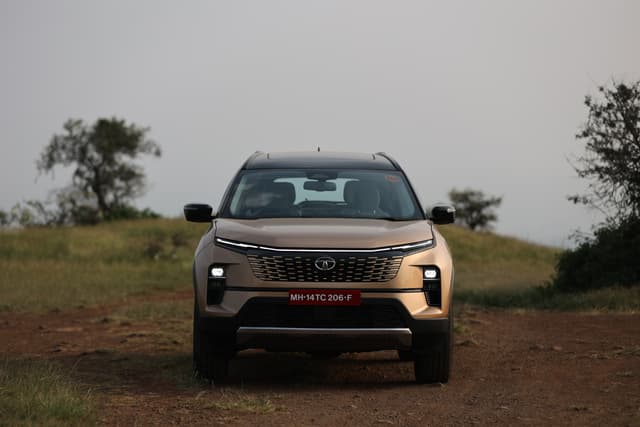
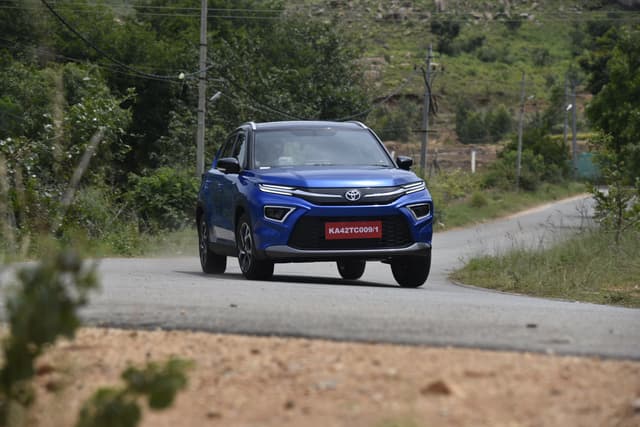
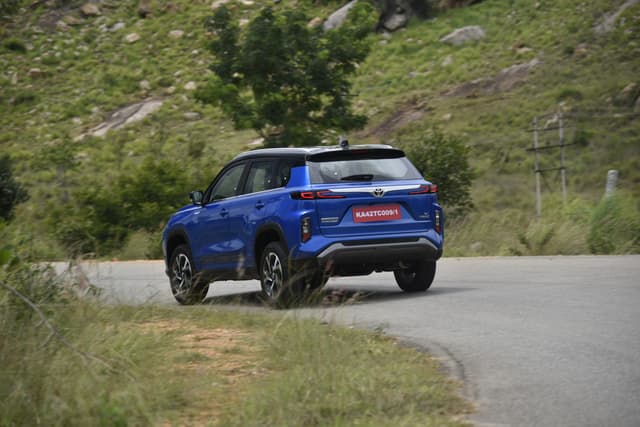
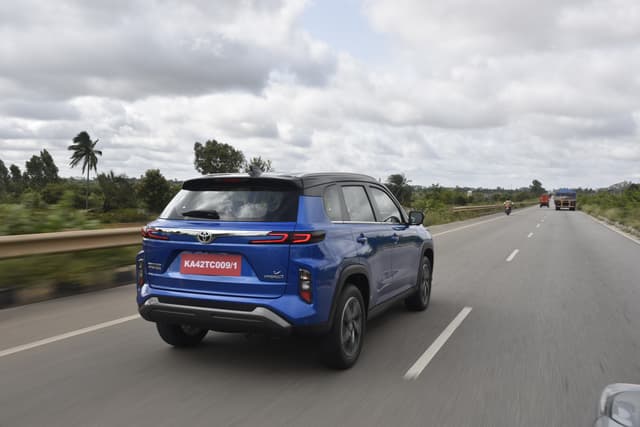
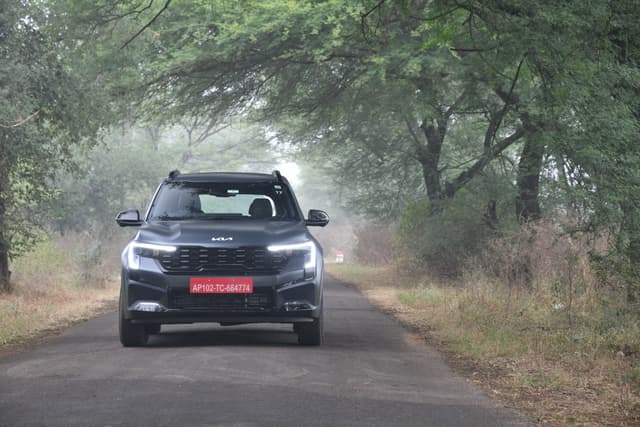
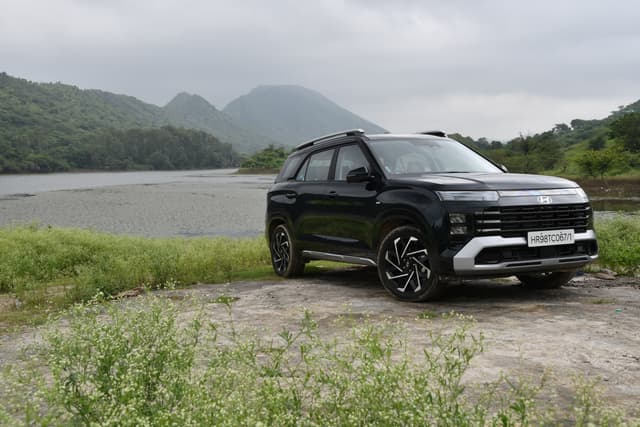
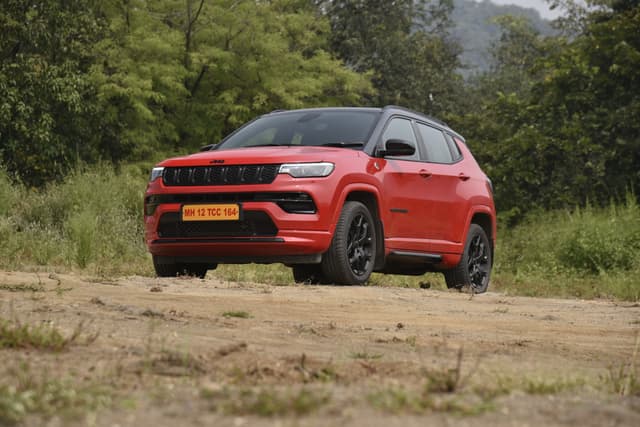
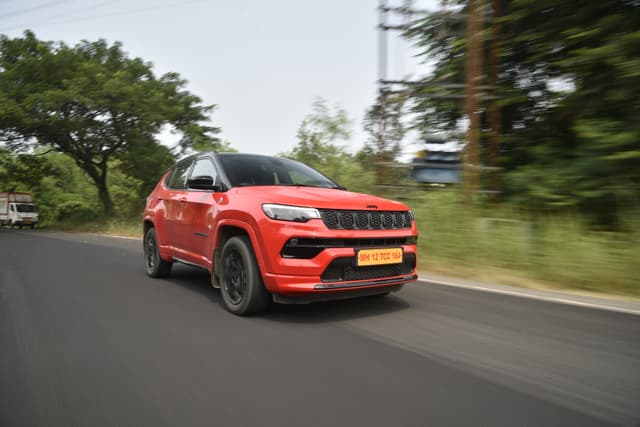
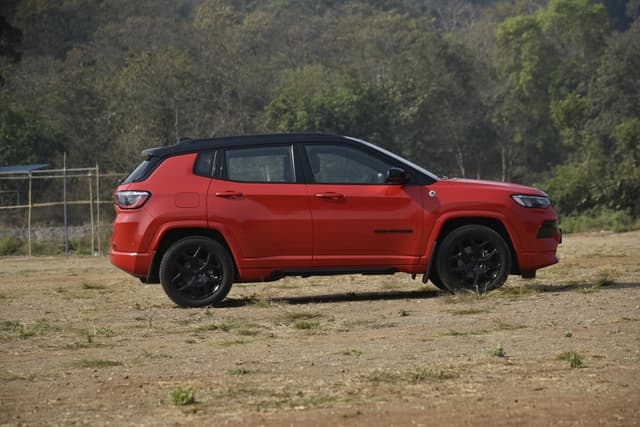
Torque Converter cars are among the oldest automatic technologies, still widely used in India. They use a fluid coupling to transmit power, offering smooth gear shifts. TC cars are durable and reliable, suitable for city and highway use. While less fuel-efficient than CVT or AMT, they handle higher engine torque better. Many mid-size sedans and SUVs rely on torque converters for proven performance.


Trending Questions on Cars - Answered by Autocar Experts
I am looking for a replacement for my Ford EcoSport petrol automatic Titanium+ and am planning to upgrade to a higher segment. This would be my last car purchase, as I am approaching 70, so reliability is my foremost concern. The car will be self-driven and should be petrol and automatic, as I am based in NCR. I prefer a torque-converter (TC) automatic and would also consider a CVT, but I do not want a DSG, DCT, DCA, or AMT. The car should also be reliable and capable on the hills of Uttarakhand and Himachal Pradesh, where I drive 3-4 times a year. My budget is Rs. 18-19 lakh, and stretching beyond this would not be possible. I would really appreciate your informed opinion and advice on which car would best suit my requirements. Thank you.
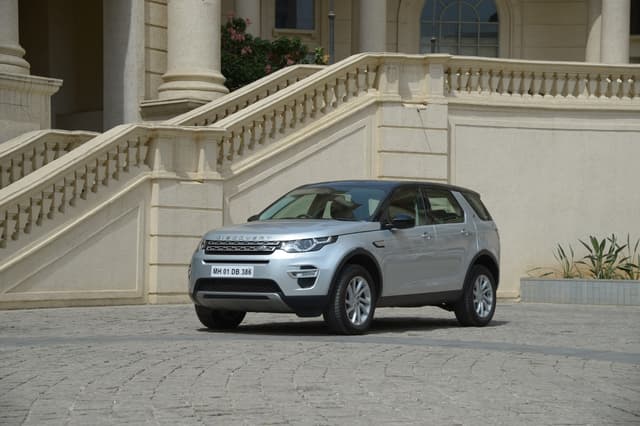
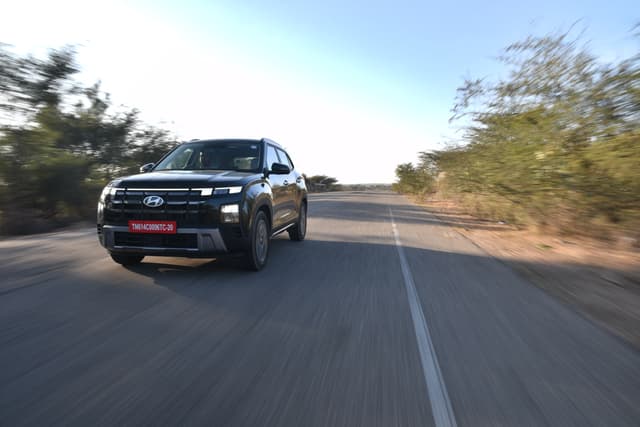
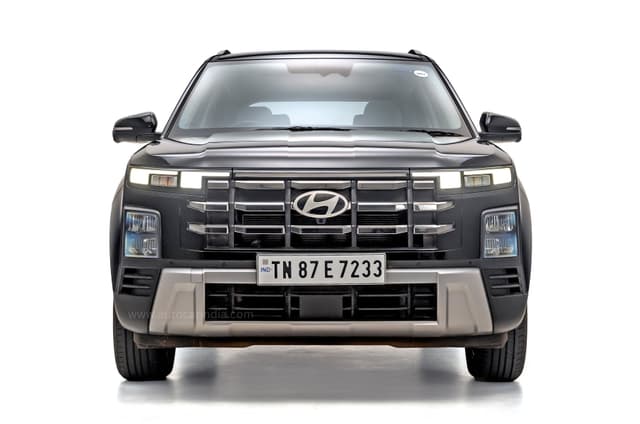
You should consider the Honda Elevate ZX CVT. As far as reliable, no-nonsense midsize SUVs go, this Honda car is among the best. Honda's 1.5-litre i-VTEC is a great mix of smoothness, reliability and efficiency, and with 120hp on tap, it has enough punch to handle the hills of Uttarakhand and Himachal when you need it to. It's a fuss-free SUV that will serve you well over a long period of time; Honda's service is known to be of high quality, and you get quite a few features within your budget of Rs 18-19 lakh.Other options you could look at are the Maruti Suzuki Victoris/Grand Vitara, which use a similarly reliable 1.5-litre petrol engine with a torque-converter automatic, but it isn't quite as punchy as the Honda engine and may feel lethargic in the hills if the car is loaded up. In a similar vein are the Hyundai Creta/Kia Seltos, which also use a 1.5 petrol engine and CVT, though these aren't quite as efficient, and in your budget you'll only get the base models of these cars. Overall, we feel the Honda Elevate is the best bet for you.
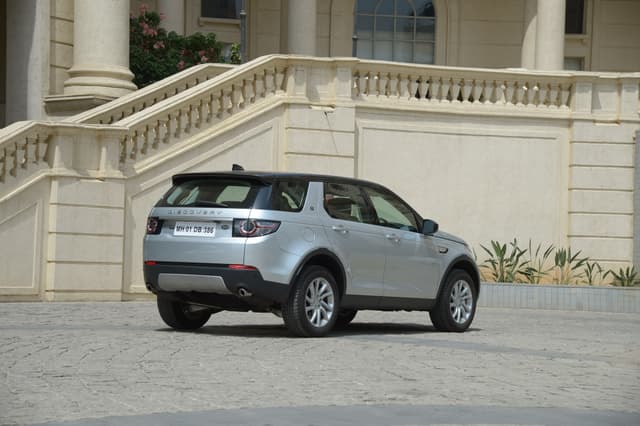
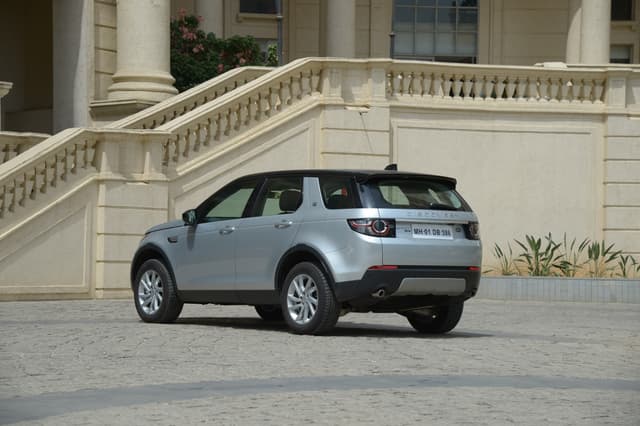
I want to buy a petrol compact SUV with a torque-converter automatic transmission, mainly for city driving and long-term ownership of at least 15 years. I am willing to spend between Rs 12-15 lakh, and I do not want to compromise on safety. Kindly suggest.
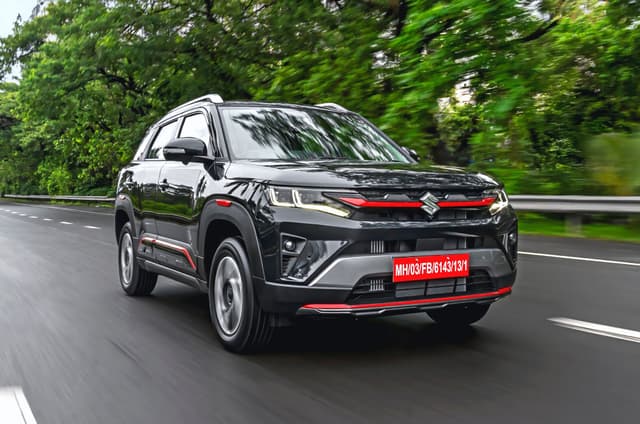
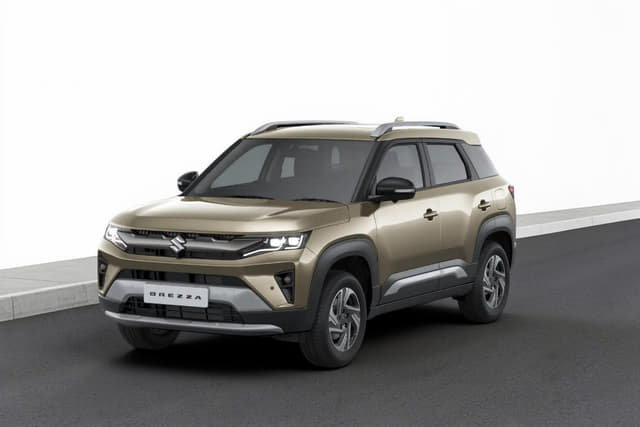
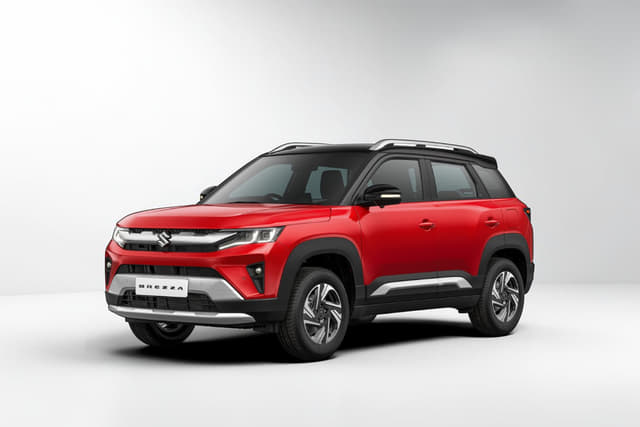
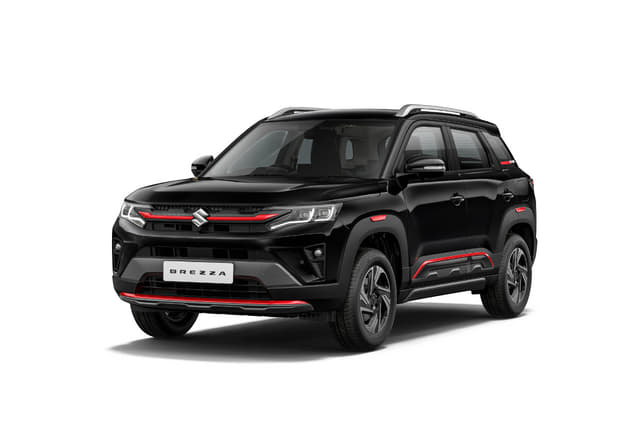
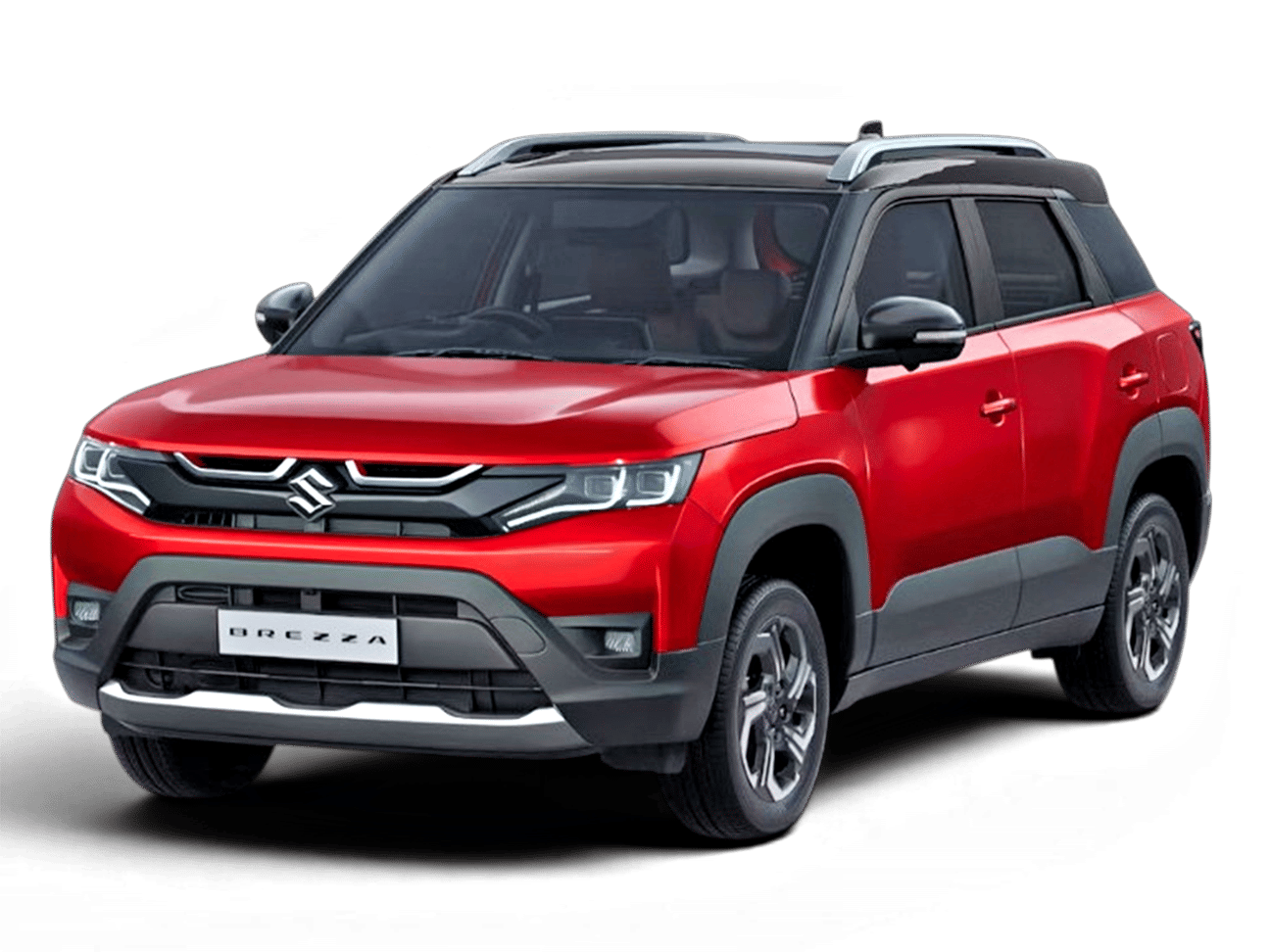
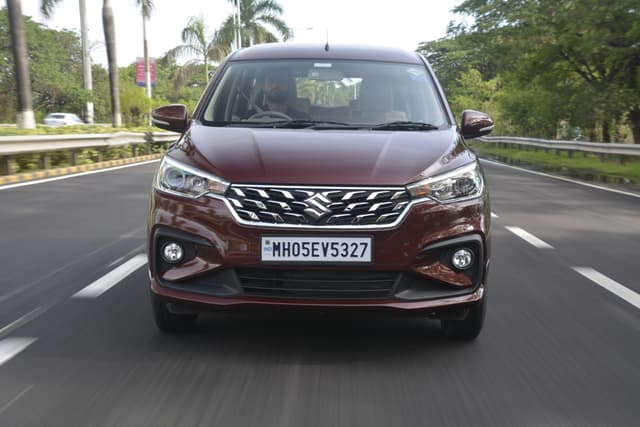
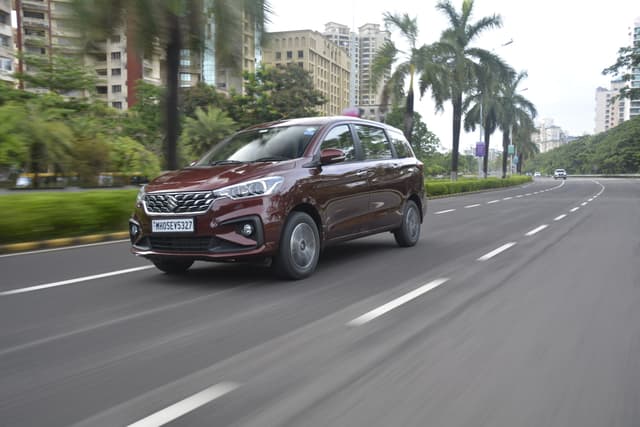
Go for the Maruti Suzuki Brezza 1.5 petrol AT. Since you plan to keep the car for at least 15 years, there's nothing quite like Maruti's reputation for reliability, low maintenance costs and wide service reach to give you peace of mind. What's more, the Maruti Brezza is good value, and you can get a petrol auto with a good features list well within your budget. The 1.5-litre naturally aspirated petrol engine is unique in the segment for its large displacement, which means it has the advantage of being smooth and effortless at both low and high speeds, without suffering from turbo lag, and also being very fuel-efficient.The 6-speed torque converter auto is one of the best around and pairs well with this engine. The recently updated Brezza has also received a 5-star Bharat NCAP crash test rating, so safety should not be a concern either.
Being a Maruti Suzuki customer for 15 years now and I am very much used to hassle free ownership considering Brezza ZXI+ Petrol AT NA engine compared to TCMPFI AT in 3XO or Nexon DCA (dropped due to DCA). However, considering upfront extra cost for Brezza coupled with smart hybrid replacement possibility and no spare wheel, I am simply unable to convince myself to go for Brezza top variant as I like 360 camera feature. With my congested traffic city driving around 500-800 km per month, will it be still worth to pay additional 2.30 lakh rupees compared to any car in segment, only for Maruti Suzuki brand especially when competition is offering so much more for such a lesser price than Brezza top variant. Lesser mileage costs also gets compensated for any turbo engine with lesser purchase cost than Brezza.
You should definitely go for the Brezza ZXi+ AT if you are used to Maruti's hassle-free ownership experience and running costs as no other car in the segment comes close on that front. It is not more expensive than top variants of the Nexon or XUV 3XO, which in fact cost around Rs. 1 lakh more, on road, and instead it is one of the more reasonably priced cars in the segment, despite not qualifying for small-car tax benefits with the 1.5-litre engine. With the latest version, you get a few more features too, like ventilated seats and some driver assist features, but overall, it is not as well equipped as others in the segment. Despite having a larger engine and a torque-converter automatic gearbox, the Brezza AT is more fuel efficient than most other cars in the segment, especially the turbo-petrols, which drink a lot when you drive them eagerly. We would recommend checking the prices again on our website or with your local dealers, as all things considered, the Brezza does seem like the best deal for you.
Dear Autocar, I’m looking for some advice on a dilemma that I haven’t been able to resolve. I’m replacing my 2015 Audi Q3 Diesel, which has been an excellent long-distance tourer for us. I haven’t test-driven the Alcazar yet, but I plan to do so shortly. My annual running is relatively low, so this isn’t a petrol vs diesel question from a fuel-cost perspective. Our typical usage is very long road trips (Mumbai-Goa and similar), often 8-10 hours at a stretch, with two adults (my wife and me), our Beagle, and lots of luggage. We also drive through highways, ghats, villages and city traffic, so the car needs to feel effortless and confidence-inspiring in every situation, especially while climbing steep ghats with a full load. I’m considering the Hyundai Alcazar, but I’m confused between: 1. 1.5 Turbo Petrol DCT 2. 1.5 Diesel AT (Torque Converter) If the petrol had a conventional torque-converter automatic, I would probably choose it without a second thought. My dilemma exists only because the petrol comes with a DCT, whereas the diesel gets a torque-converter automatic, which is generally considered smoother and more refined at low speeds. My priorities are, in order: - Overall refinement and cabin quietness - Smoothness of the transmission in city traffic - Effortless performance while climbing ghats with a full load - Long-distance comfort and relaxed cruising - Long-term ownership experience and reliability I am not looking for maximum fuel economy or the lowest running costs. I also have another dilemma regarding the seating configuration. Should I choose the 6-seater with captain seats or the 7-seater with the bench seat? My wife almost always travels in the second row during our road trips. She normally likes sitting in the middle seat because she enjoys the forward view. However, from the videos I’ve watched, the captain seats in the 6-seater appear significantly more comfortable and supportive for long journeys. Based on my usage, which powertrain and seating configuration would you recommend, and why? Thank you.
Between the 1.5 turbo petrol and 1.5 diesel Hyundai Alcazar, the diesel is the better fit for your usage. It offers strong low-end torque and a more relaxed, effortless character on long drives. Just as importantly, the 6-speed torque converter automatic is smoother and more intuitive in city traffic. In contrast, Hyundai-Kia DCTs tend to have a sharper engagement, which can feel slightly jerky at low speeds and in stop-go conditions.Do note that while the 1.5 diesel pulls well from low revs, its top-end performance is not particularly strong. With a full load, highway overtakes will require a bit more planning compared to the turbo petrol. That said, for your kind of driving, which prioritises ease, consistency and long-distance comfort, the diesel’s overall delivery and gearbox pairing work better.On seating, the 6-seater with captain seats is the more comfortable choice. The individual seats are better contoured, offer superior support, and the addition of armrests makes a noticeable difference on long journeys. Your wife will likely appreciate the enhanced comfort over extended hours on the road. The trade-off, of course, is the loss of the exact central seating position she prefers, but in the Alcazar, the front seats are not overly bulky, so forward visibility remains reasonably good.One alternative worth considering is the Mahindra XUV 7X0 diesel. It offers stronger performance, better refinement, and feels more effortless on highways, especially when fully loaded. The ride quality is also well suited to mixed road conditions. However, it is a larger vehicle than the Alcazar and can feel more cumbersome in tight urban environments.Overall, for your priorities, the Alcazar diesel with captain seats strikes the best balance of comfort, smoothness and ease of driving
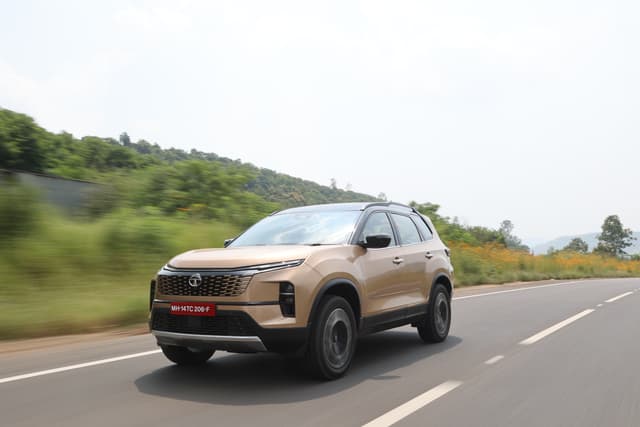
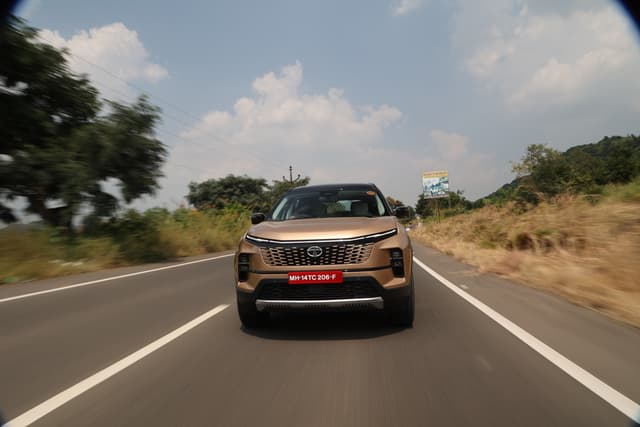
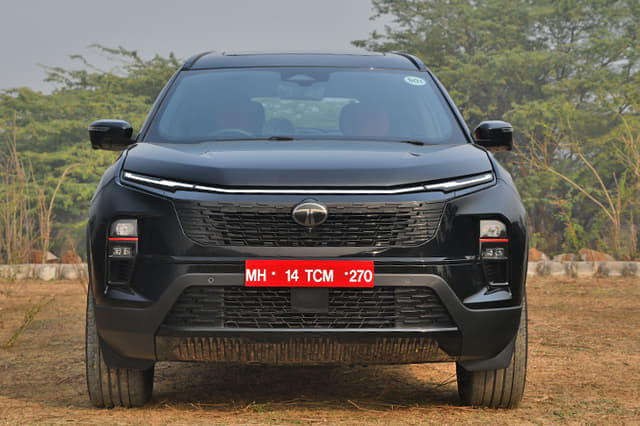
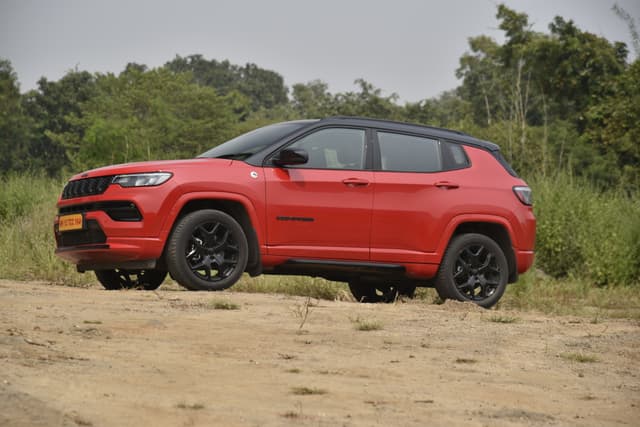
I am planning to buy a new car. My budget is around Rs 30 lakh. My final two choices are: 1. XUV 7XO AX7T 2. Tata Harrier Fearless Ultra / Ultra Dark Red. Key considerations: petrol only, automatic transmission, TC is fine; not specifically looking for a DCT, good power and pickup, safety, fun to drive / good driving dynamics, average driving: 7,000- 10,000 km per year. I have driven the Jeep Compass Petrol for 4 years and love its driving dynamics and solid feel. That is the benchmark for me. I am not going for the Compass again because it is an older model and no longer available with a petrol engine.
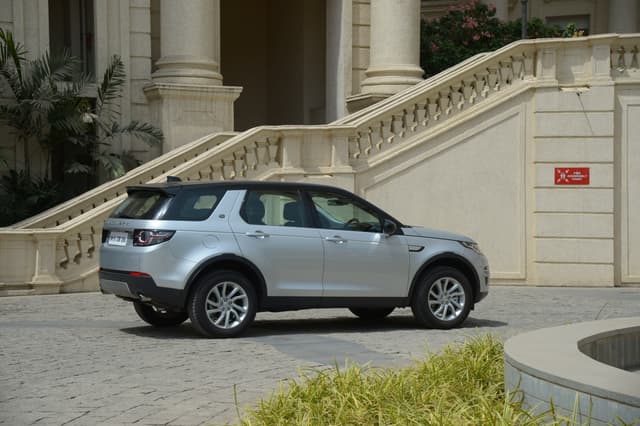
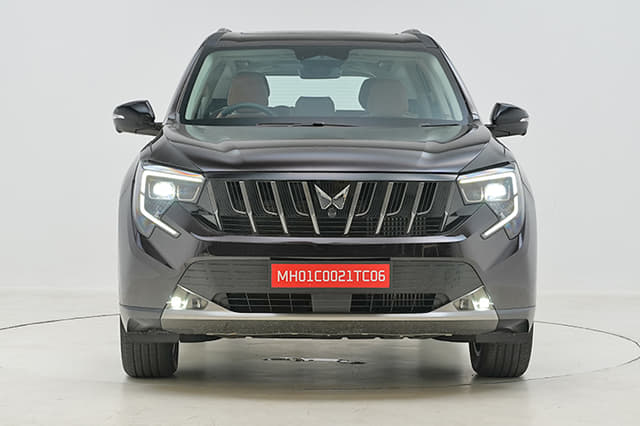
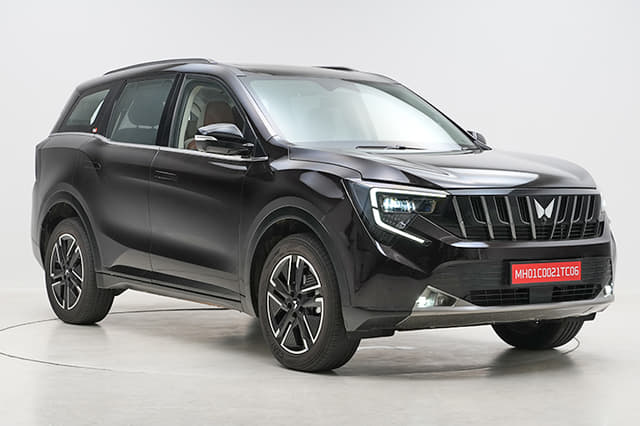
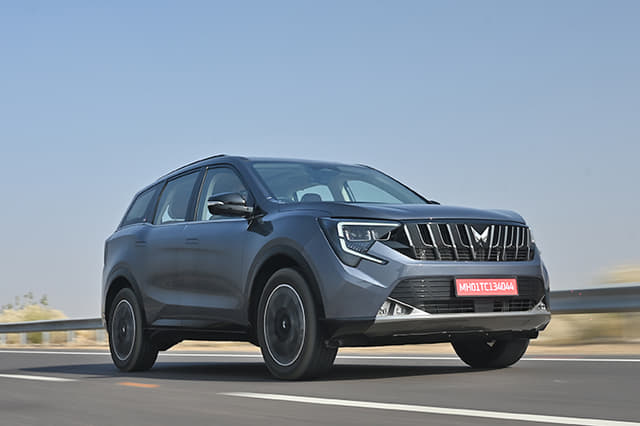
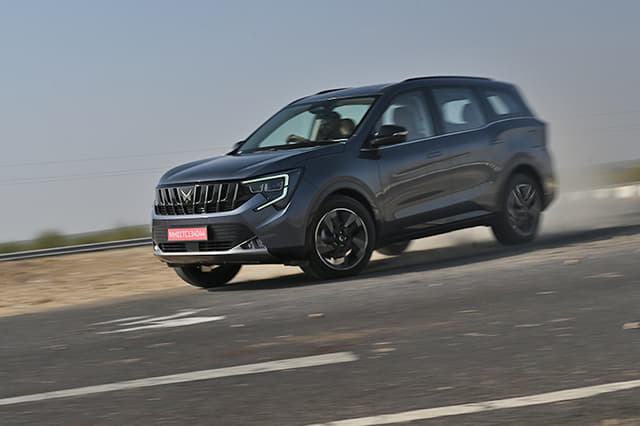
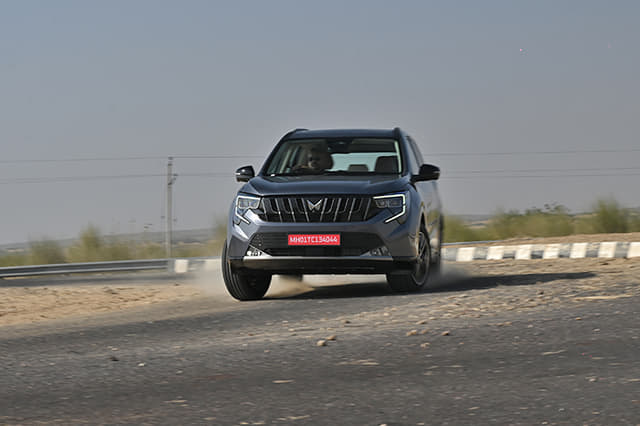
Go for the Mahindra XUV 7XO AX7T petrol automatic. It is the better fit for your requirements. The 2.0 turbo petrol is a strong engine with good power and pickup, and the 8-speed torque converter automatic is smooth and well-suited to both city and highway driving. This Mahindra car also has a solid, planted feel on the road and good high-speed stability, which is something you will appreciate coming from the Compass. It is also a more modern package overall, with a richer feature set and a more premium cabin experience.The Tata Harrier petrol is a good car, but the 1.5-litre turbo petrol is not as powerful as the Mahindra engine. The Harrier's strength used to be its ride comfort, but with the update, the 7XO matches that too.Between the two, the 7XO is the more complete car.
Last Updated on: 16 Aug 2026