Maruti Suzuki cars in India (18)
Maruti Suzuki has led India's passenger-car market since the Maruti 800 launched in 1983, sold today through its separate Arena and Nexa retail channels. As of August 2026, Maruti Suzuki's India line-up spans 18 models, with ex-showroom prices running from the S-Presso at Rs 3.50 lakh to the seven-seat Invicto at Rs 28.61 lakh, giving the brand the widest price spread of any manufacturer in the market.
Body styles and segments
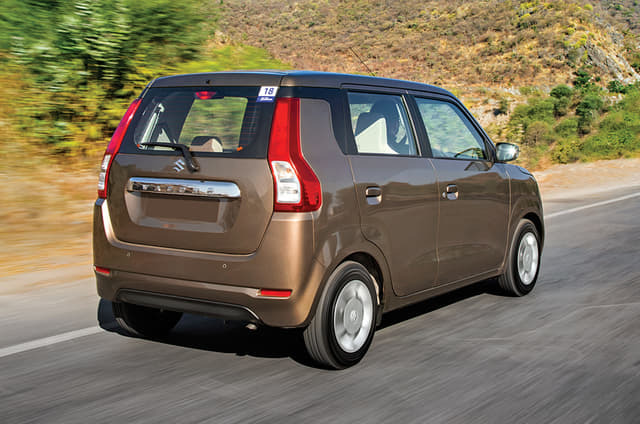
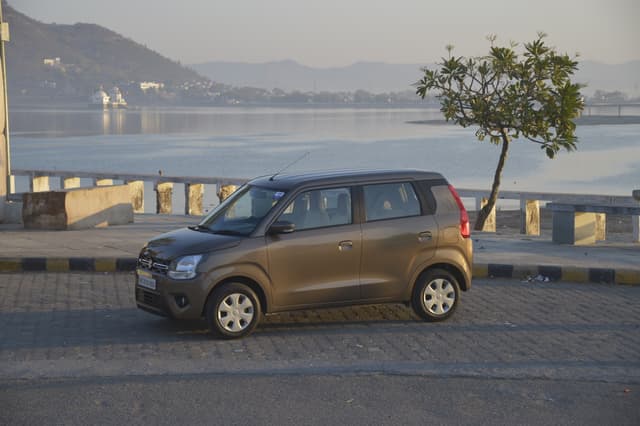
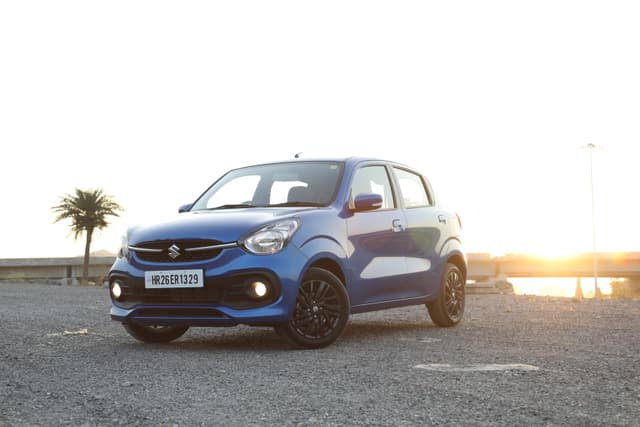
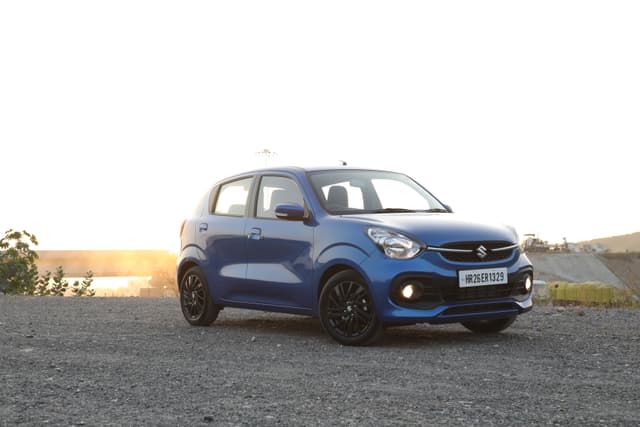
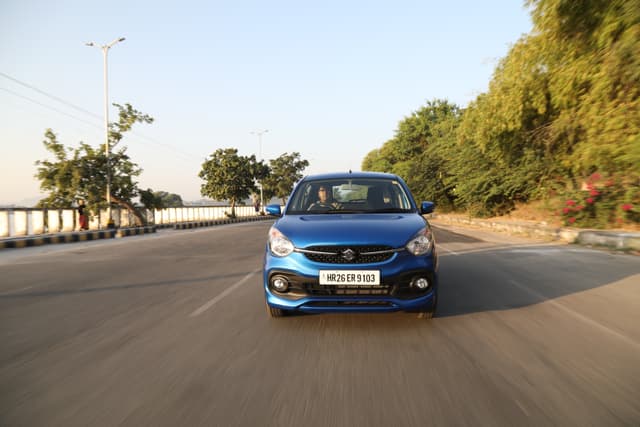
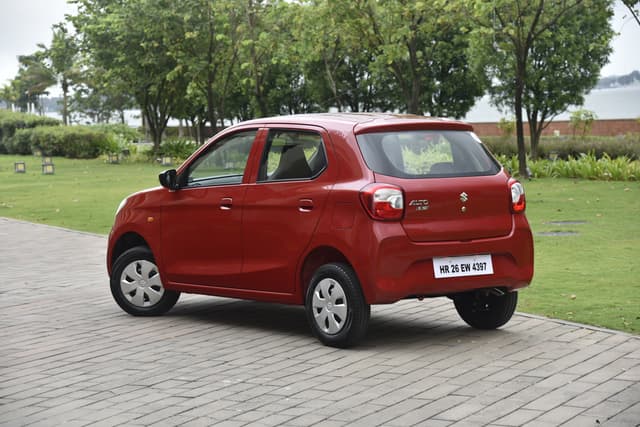
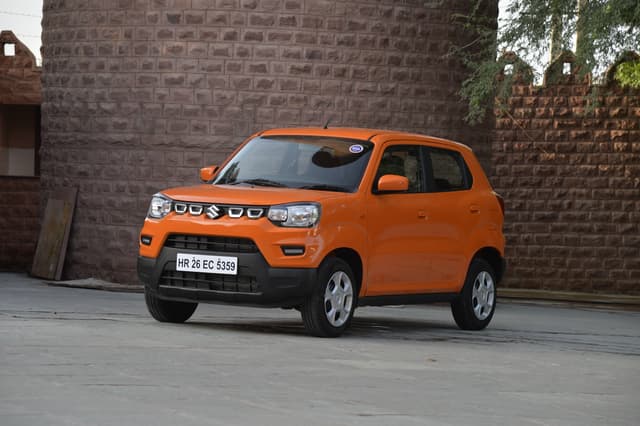
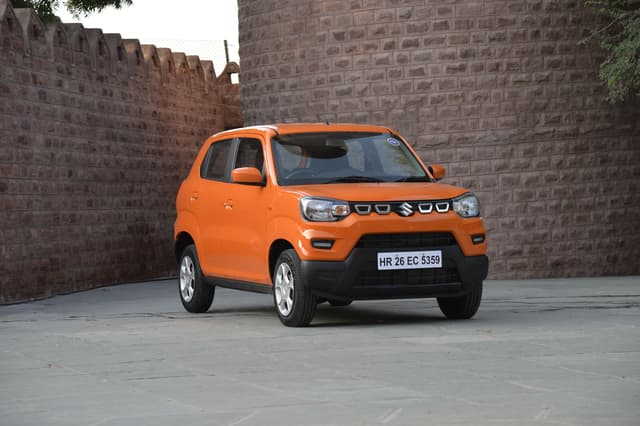
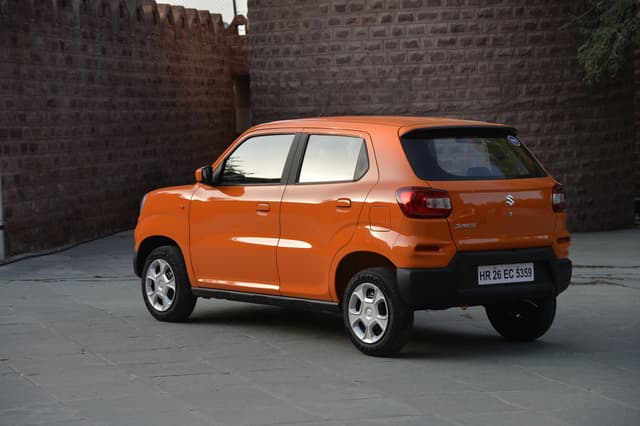
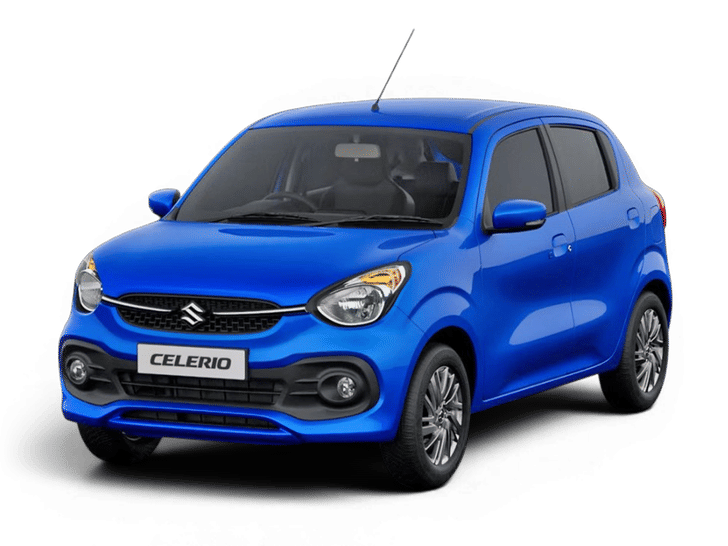
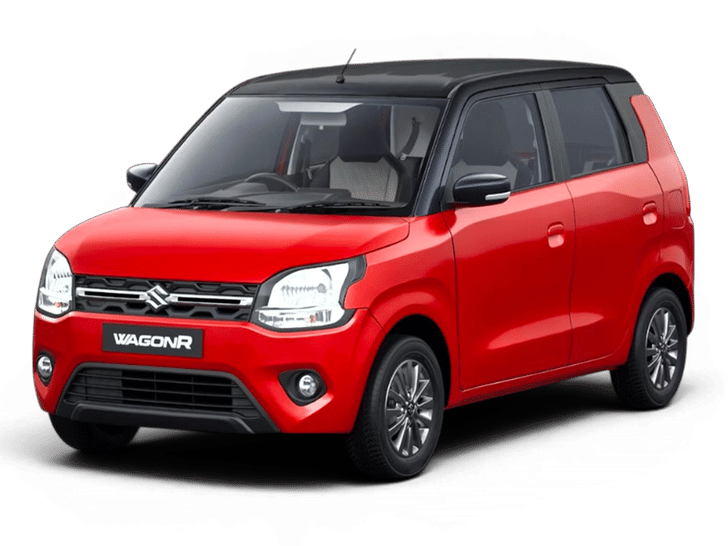
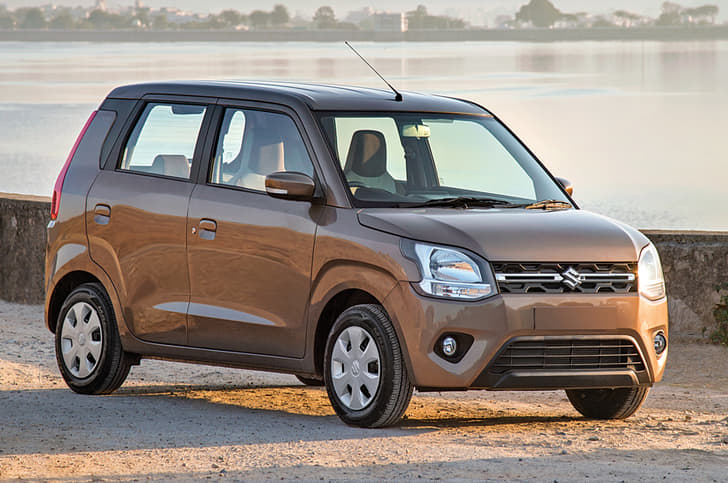
Compact hatchbacks: Alto K10, S-Presso, Wagon R and Celerio, built around affordability and city-friendly dimensions
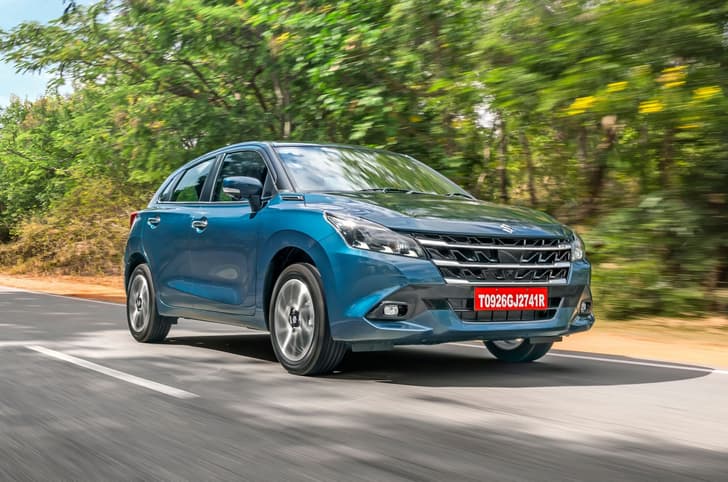
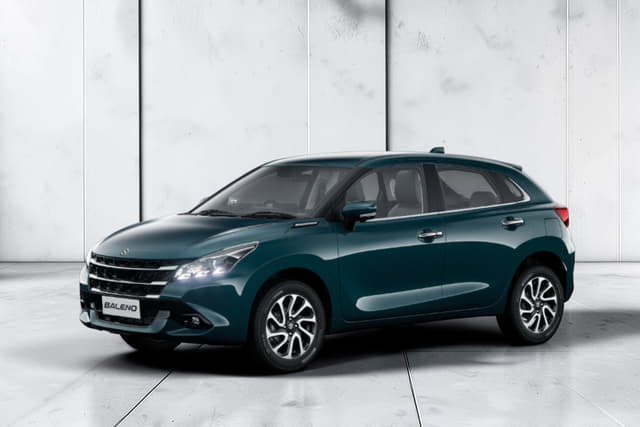
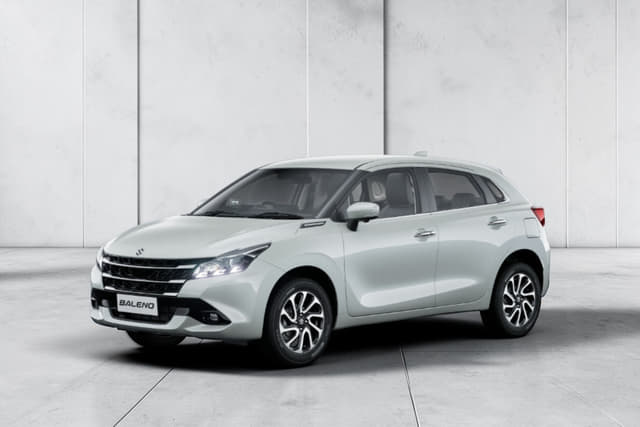
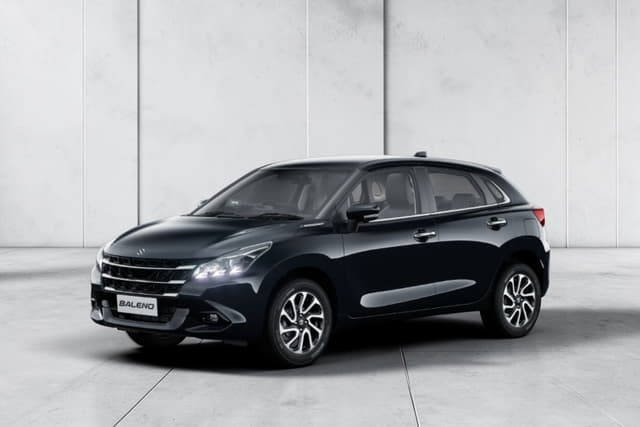
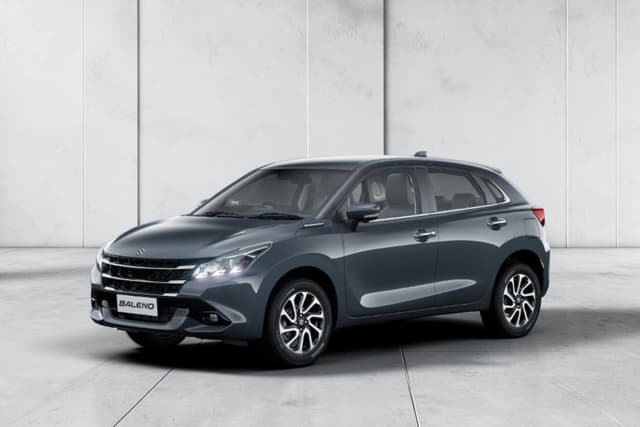
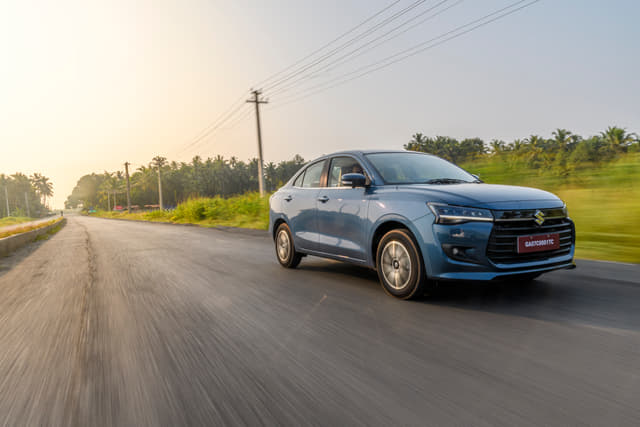
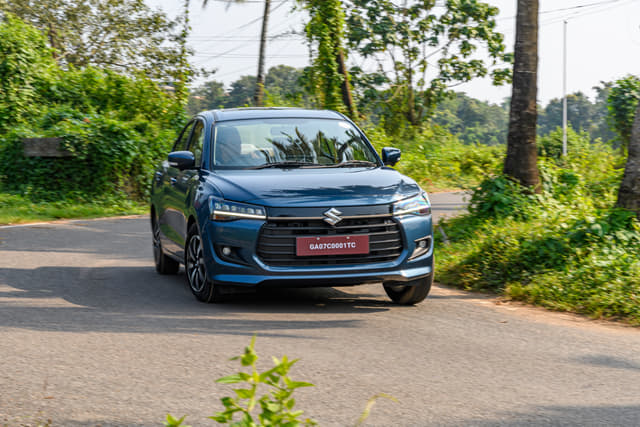
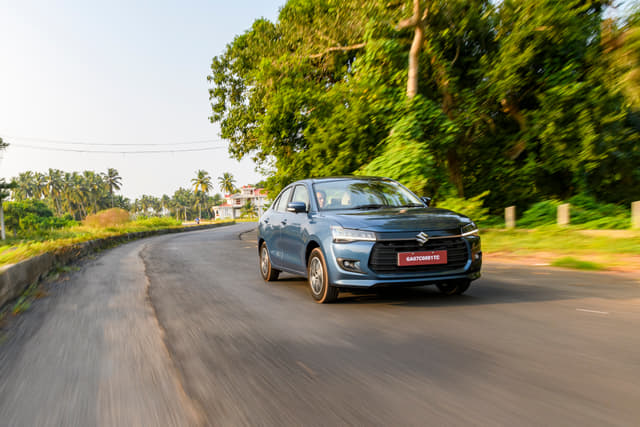
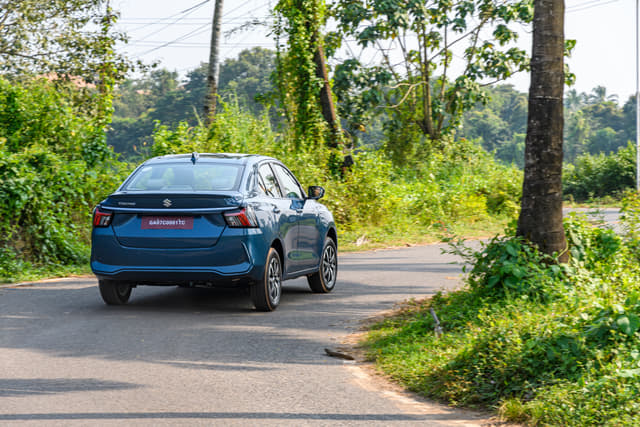
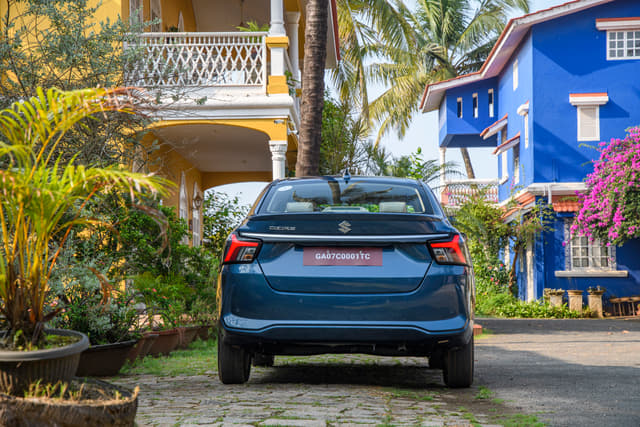
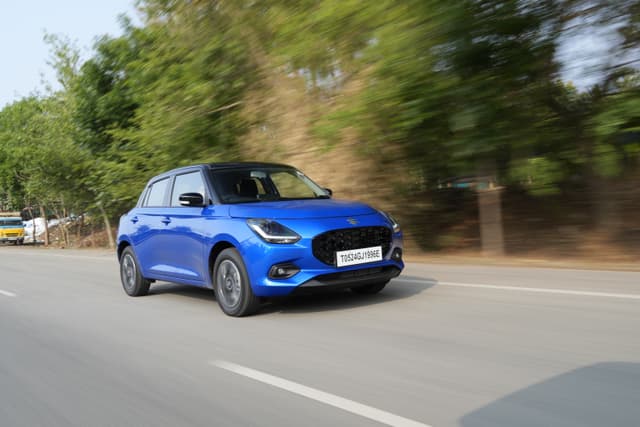
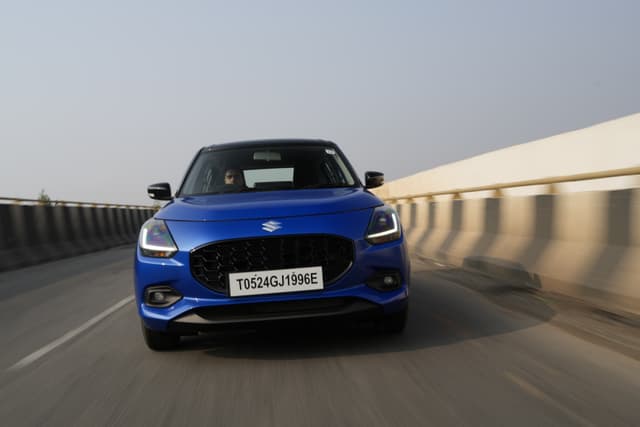
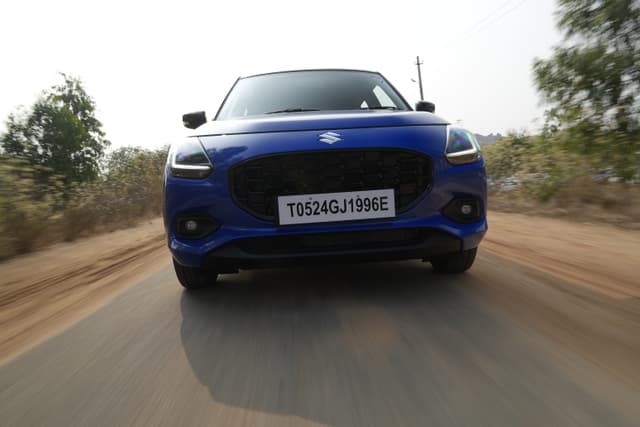
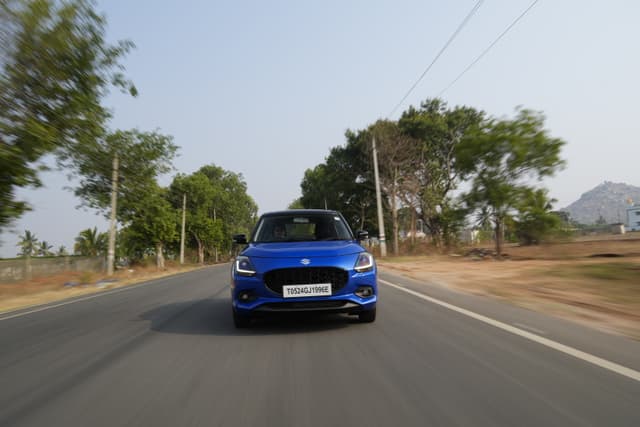
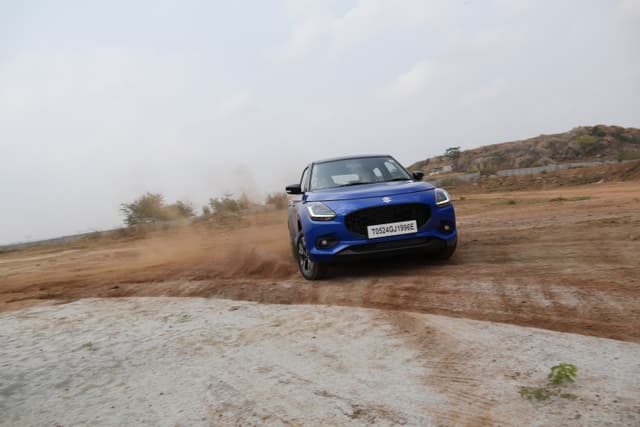
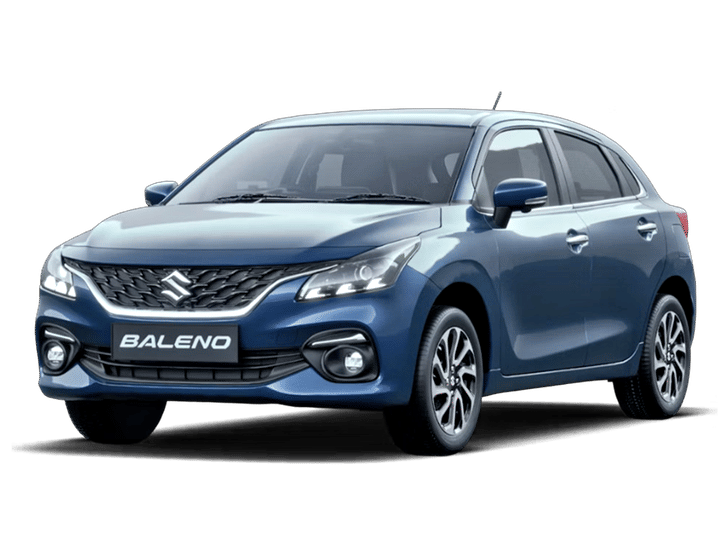
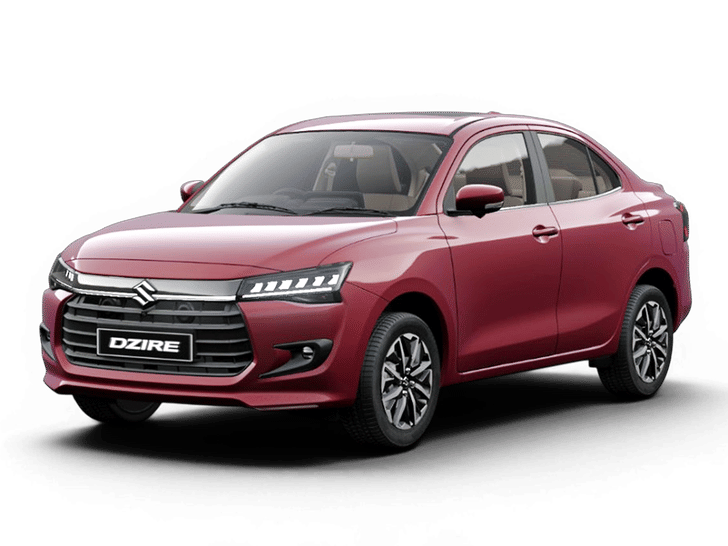
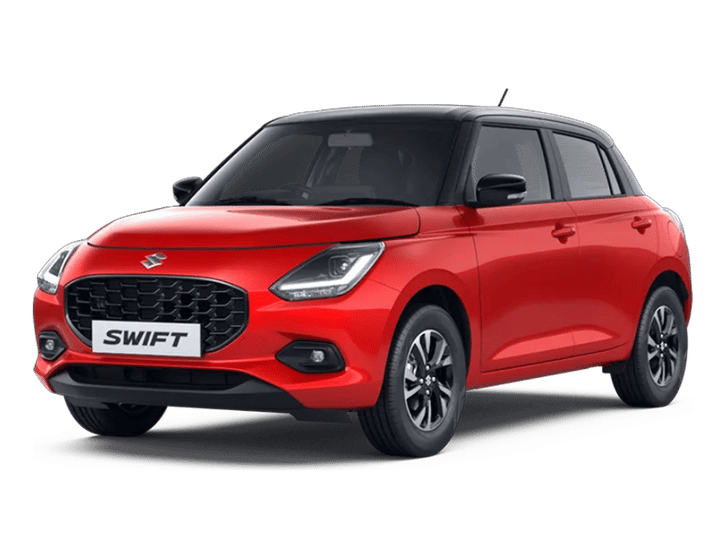
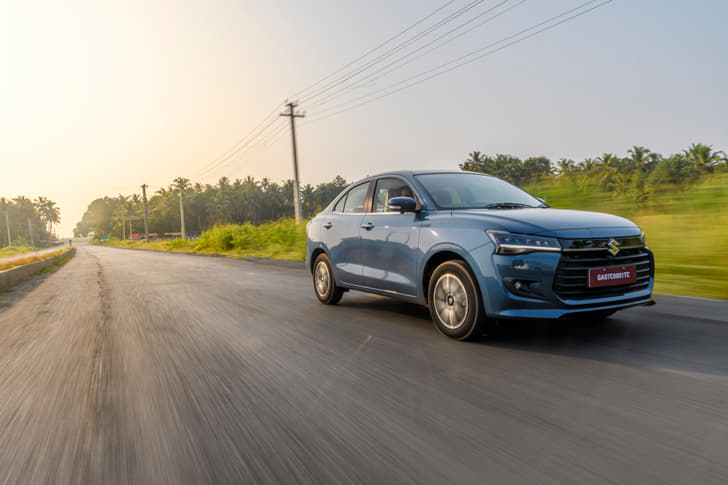
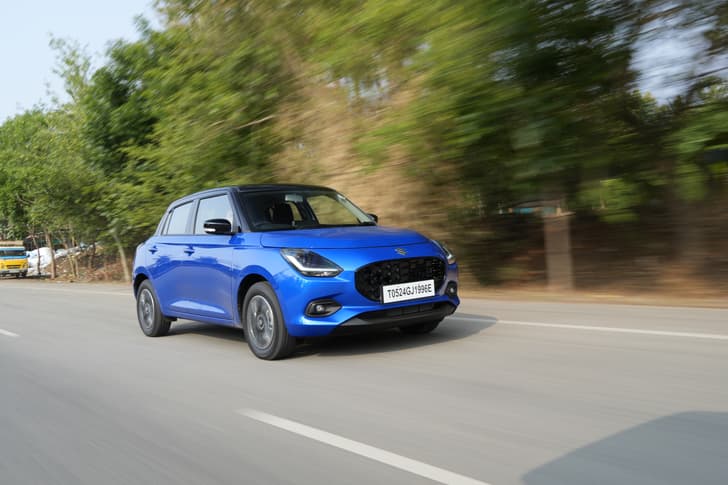
Premium hatchbacks and sedan: Swift, Baleno and Dzire, adding better interiors and features over the entry range
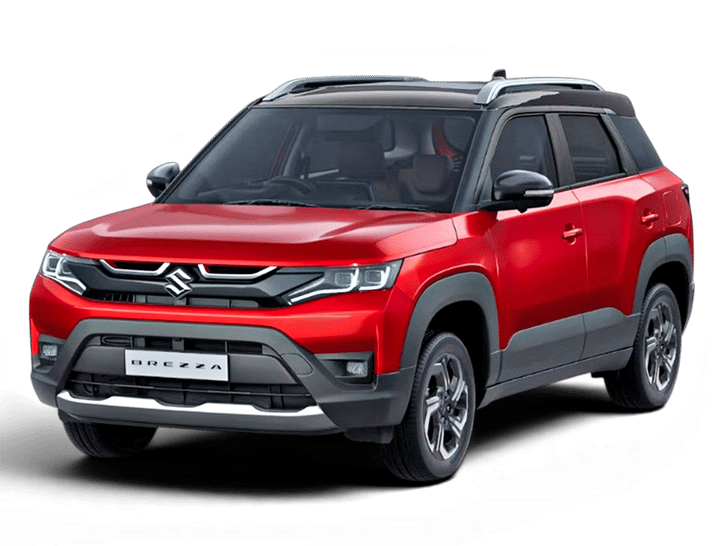
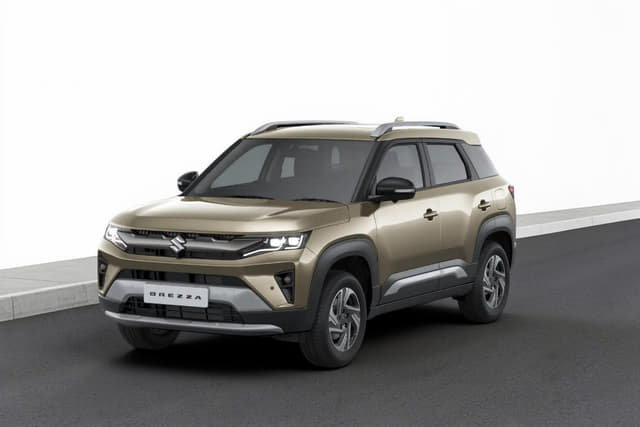
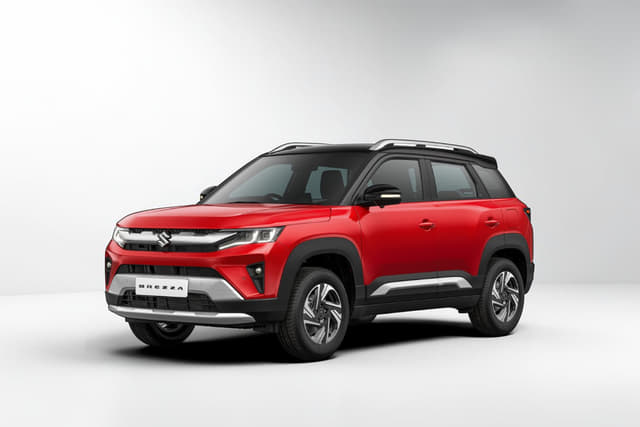
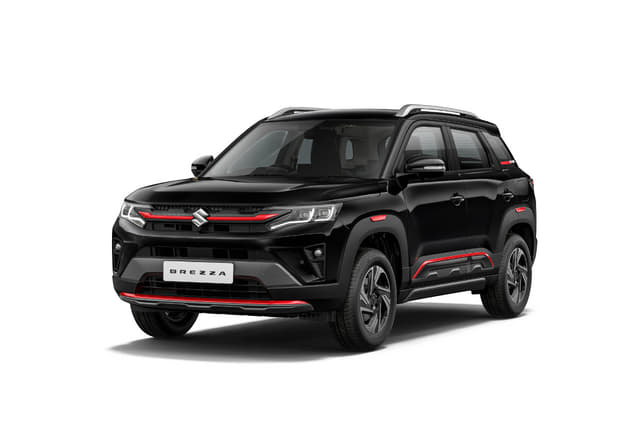
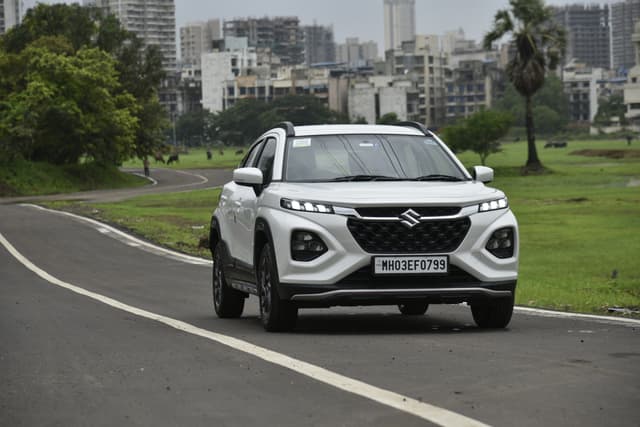
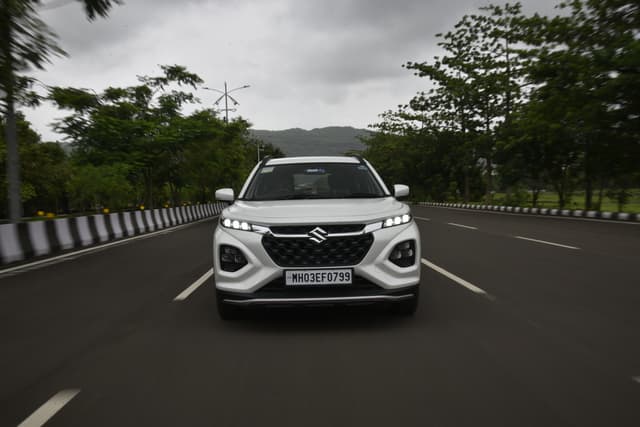
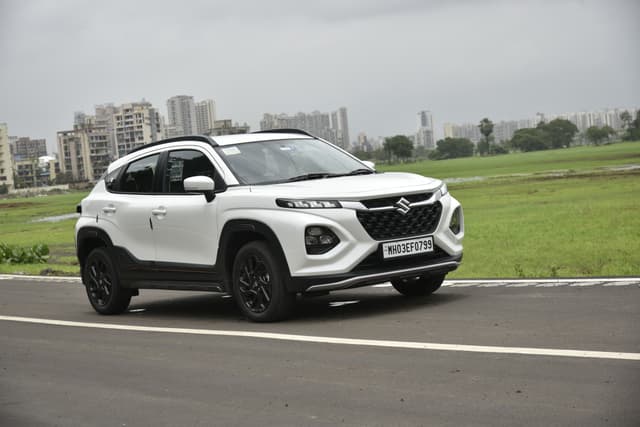
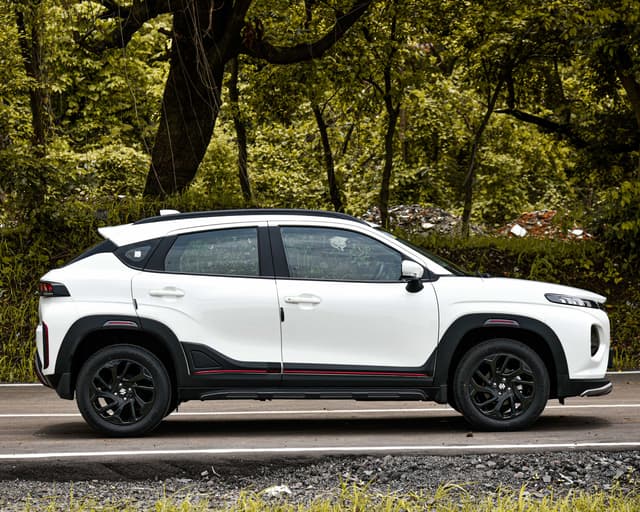
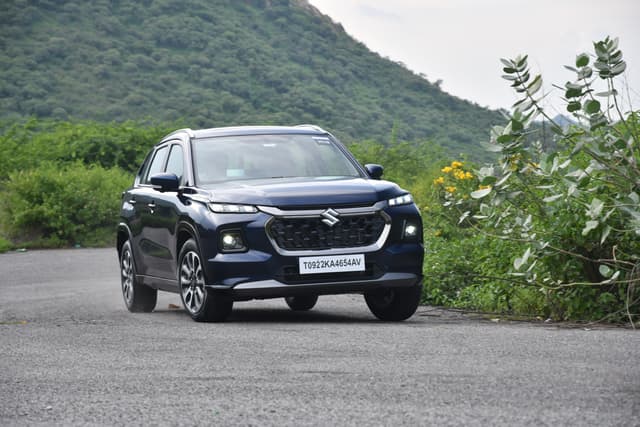
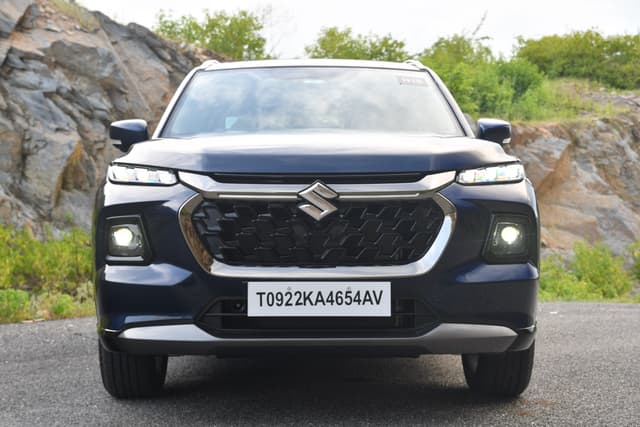
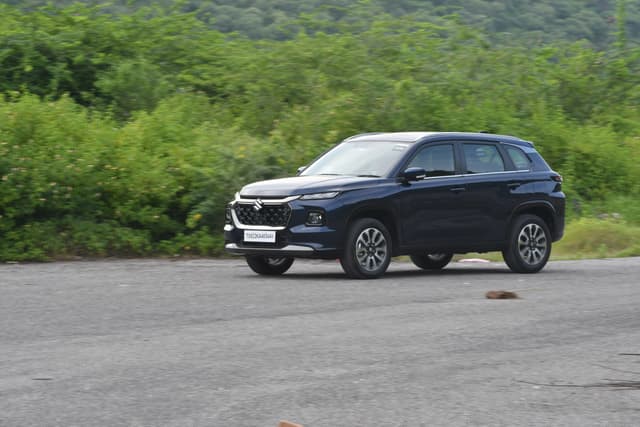
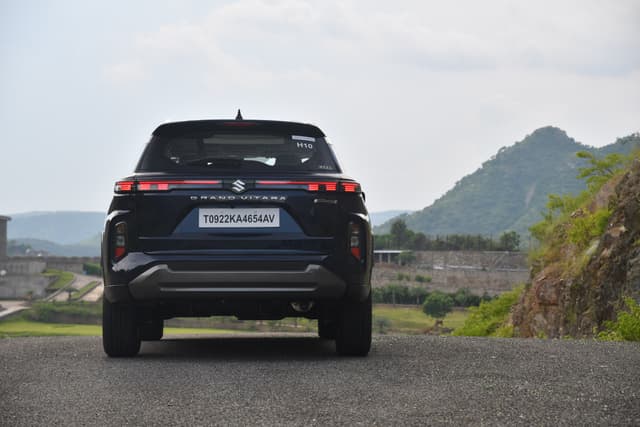
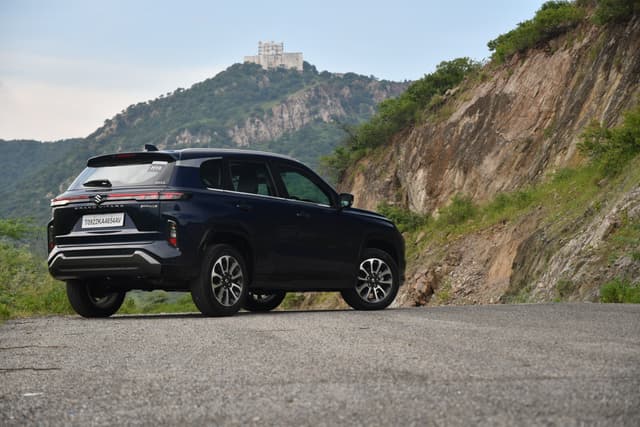
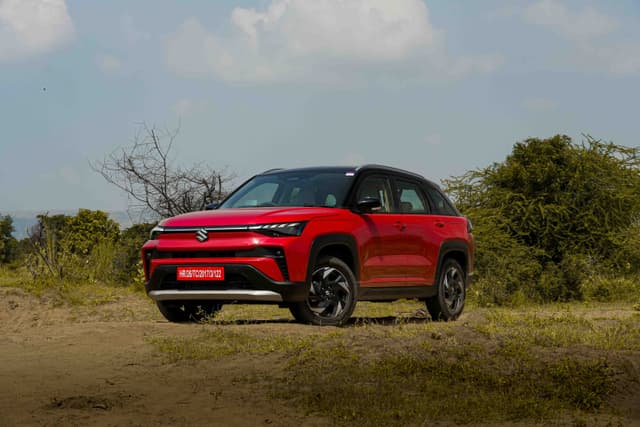
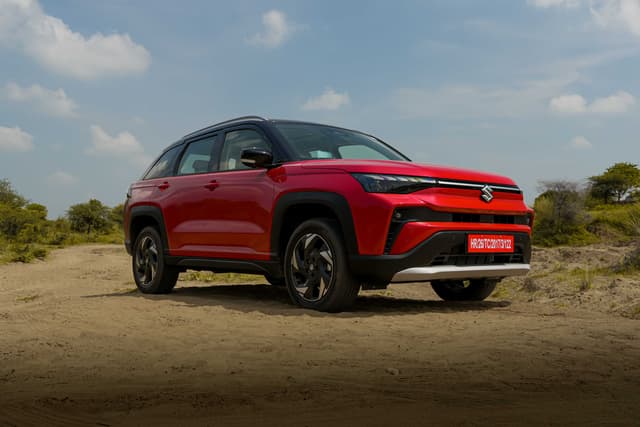
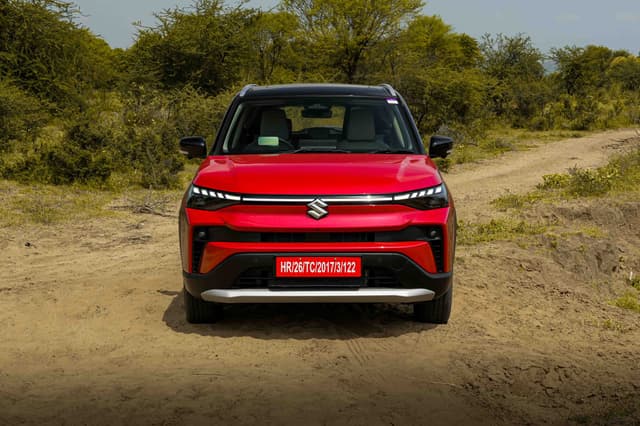
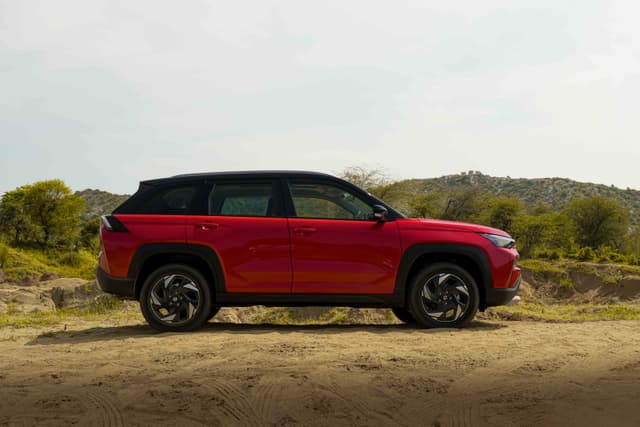
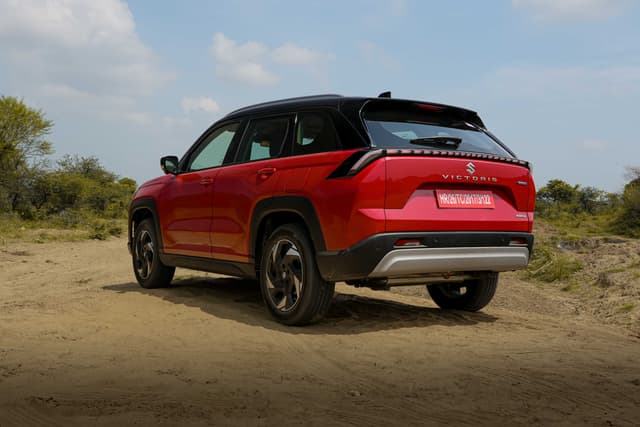
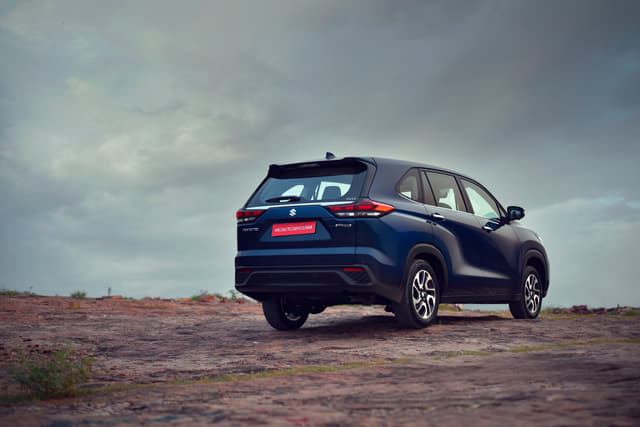
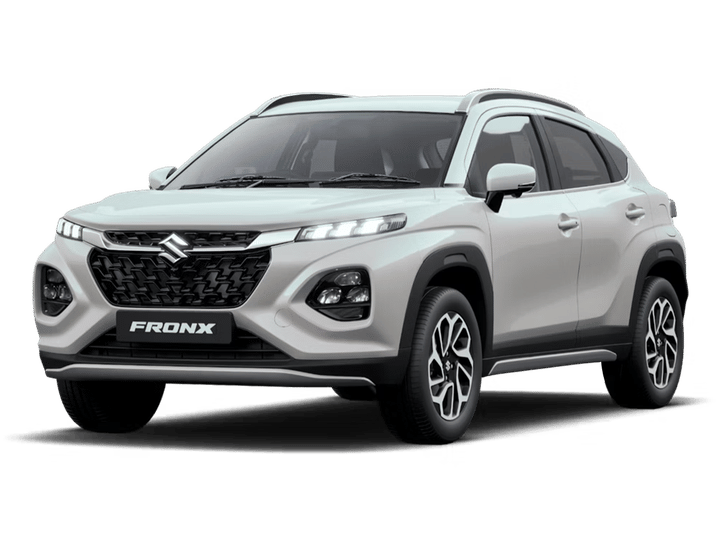
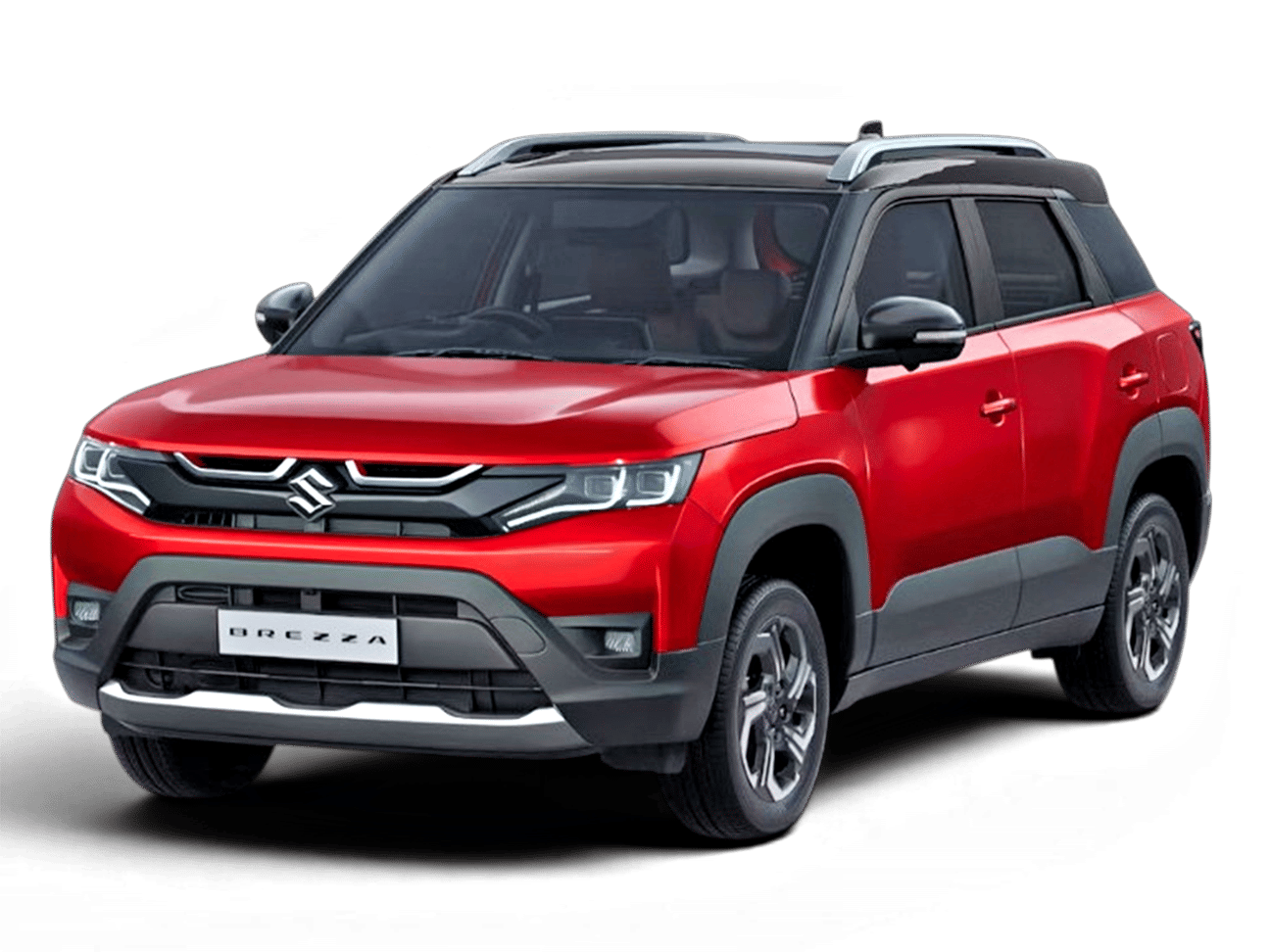
SUVs and crossovers: Brezza, Fronx, Grand Vitara and Victoris, the fastest-growing part of the line-up
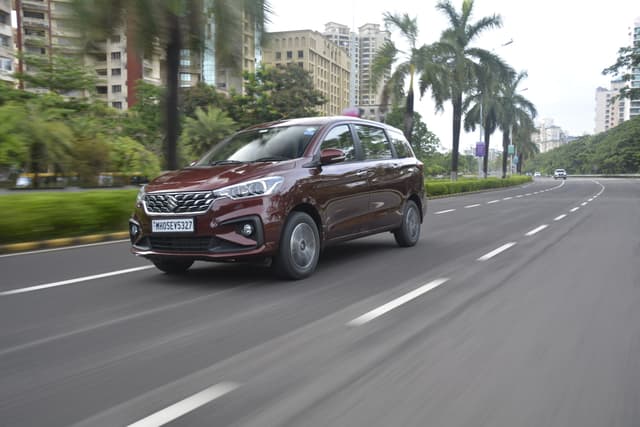
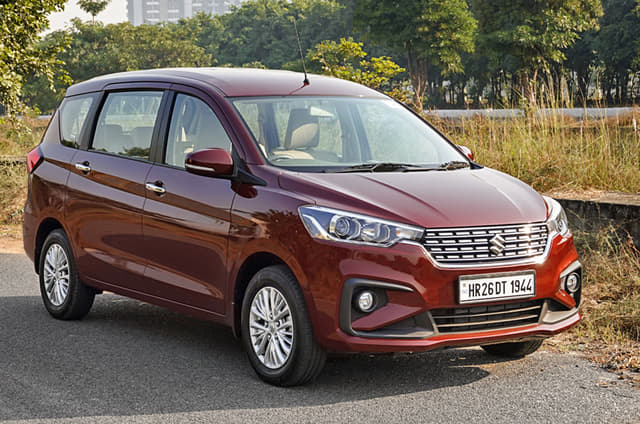
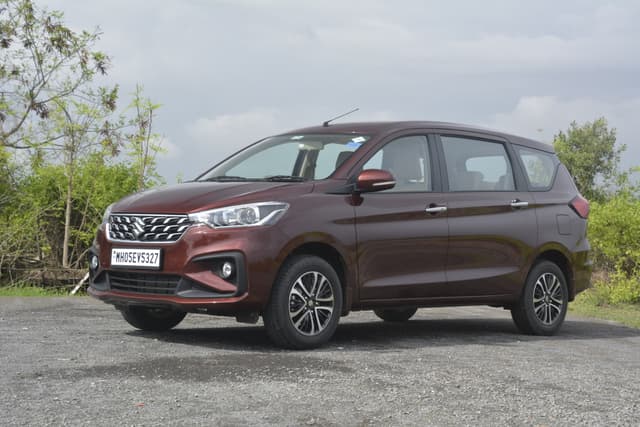
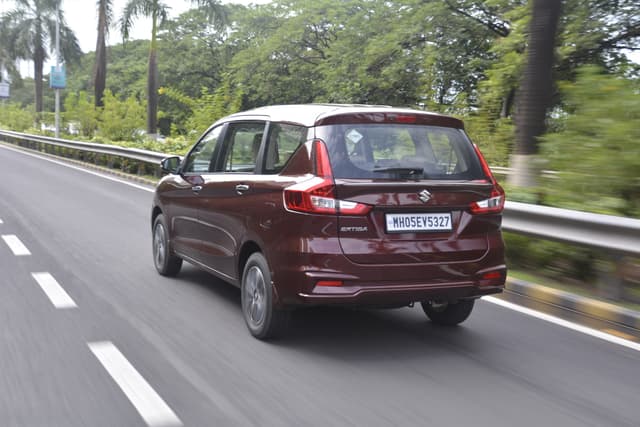
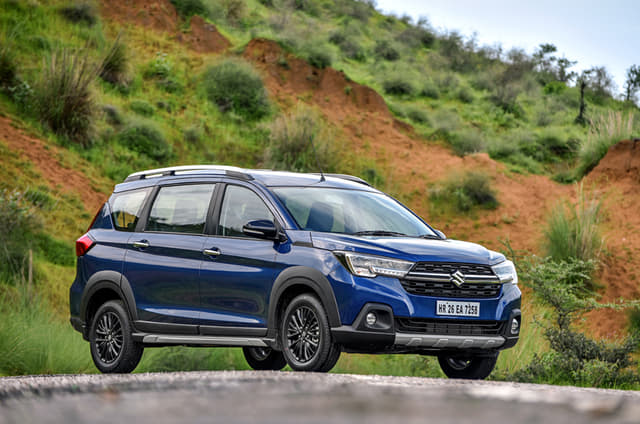
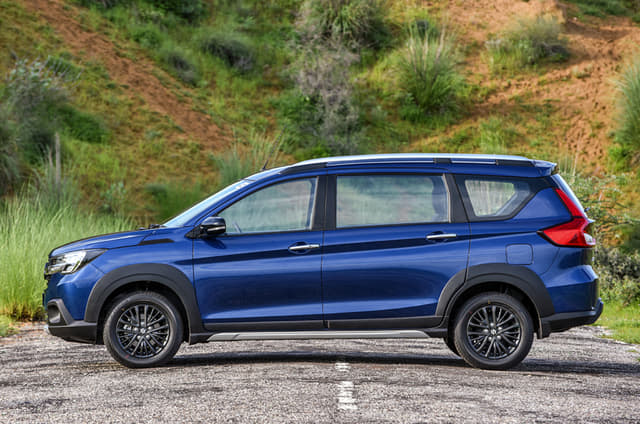
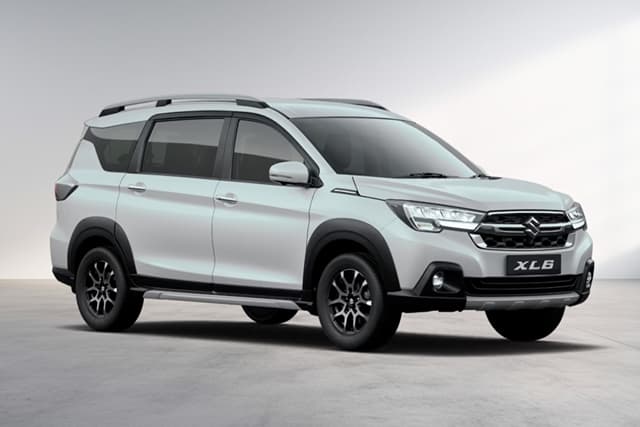
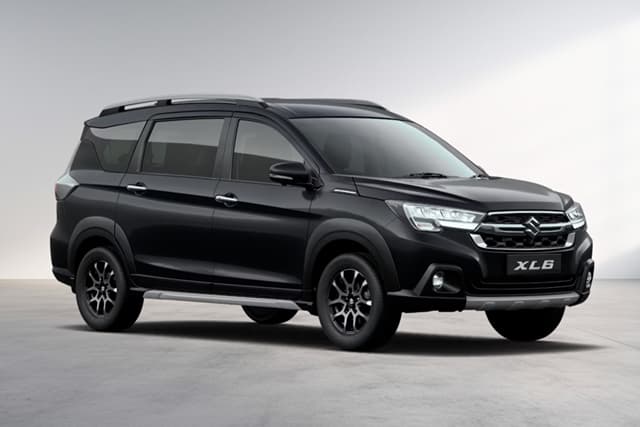
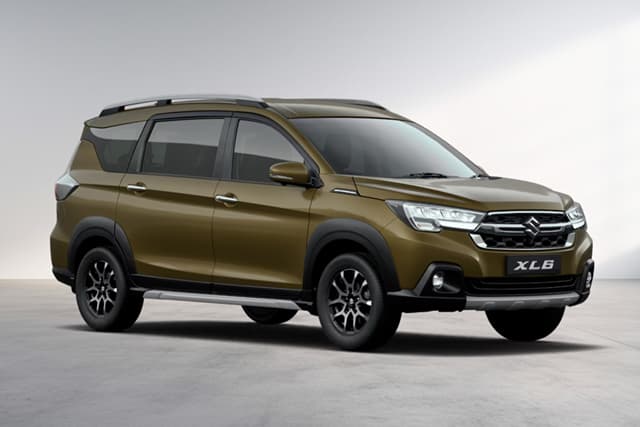
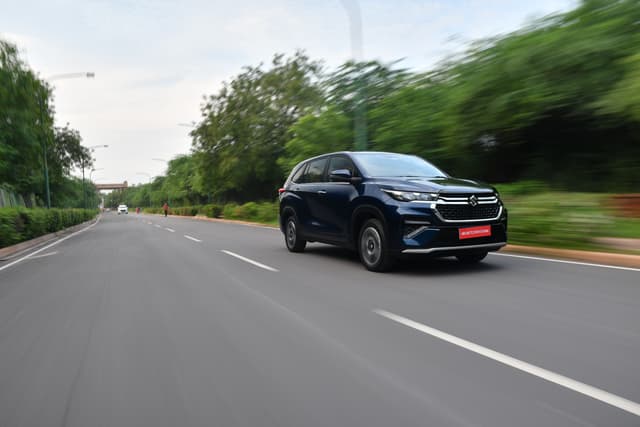
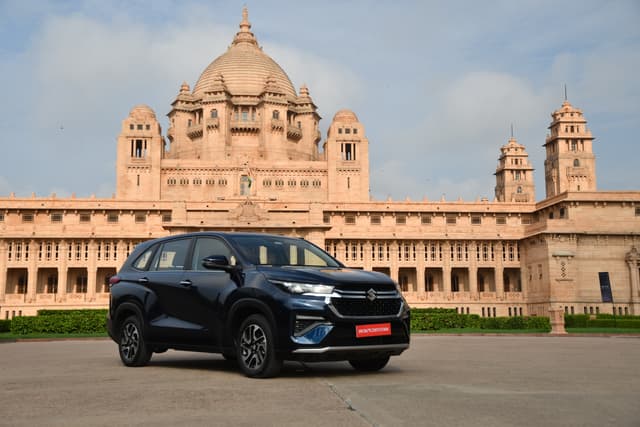
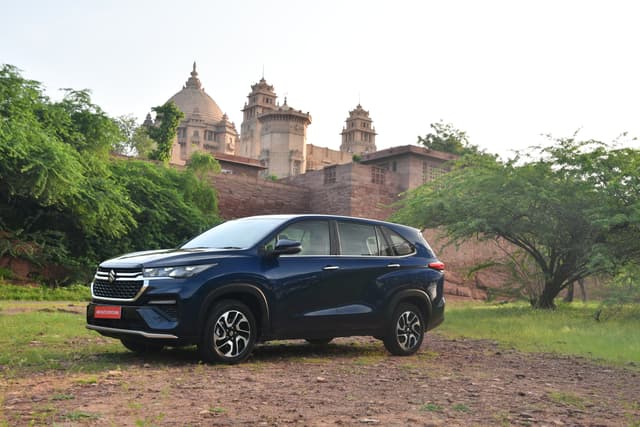
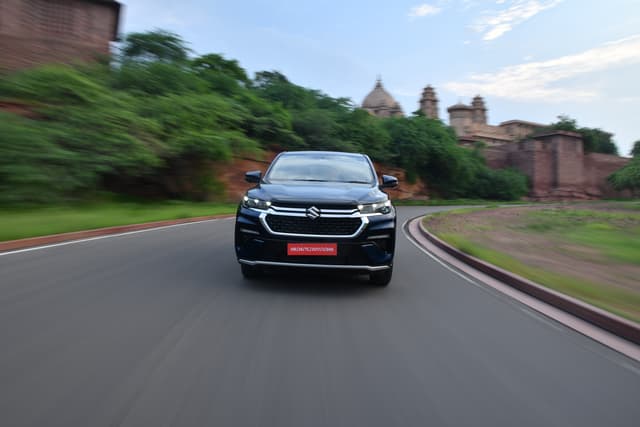
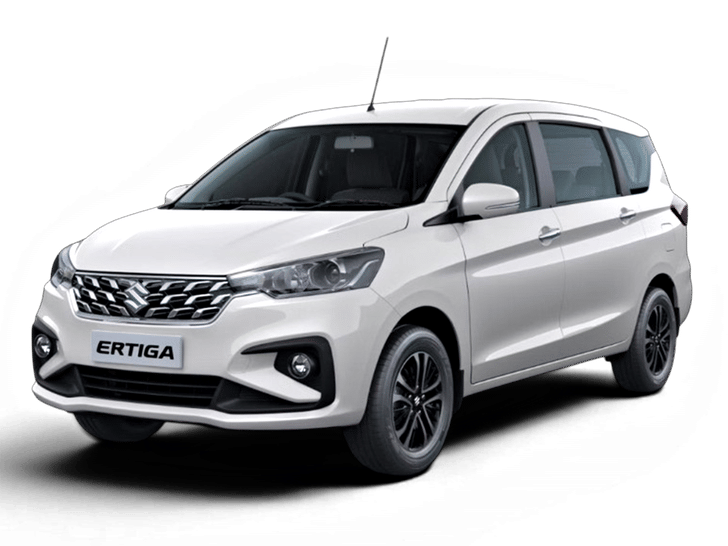
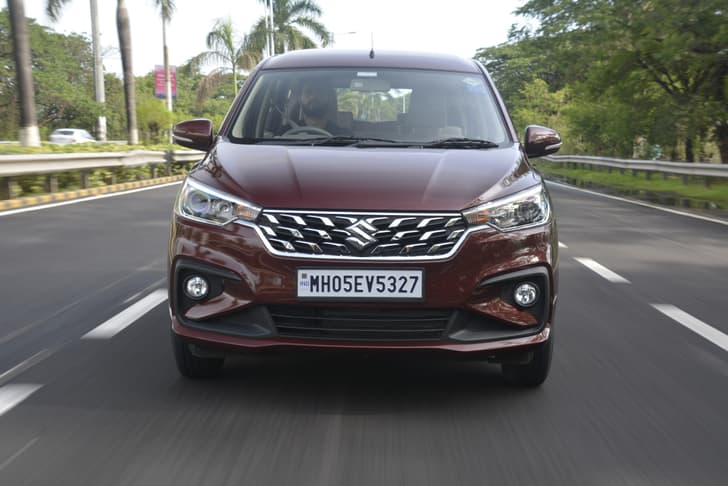
MPVs: Ertiga, XL6 and the flagship Invicto, built for families and fleet use where space matters more than styling
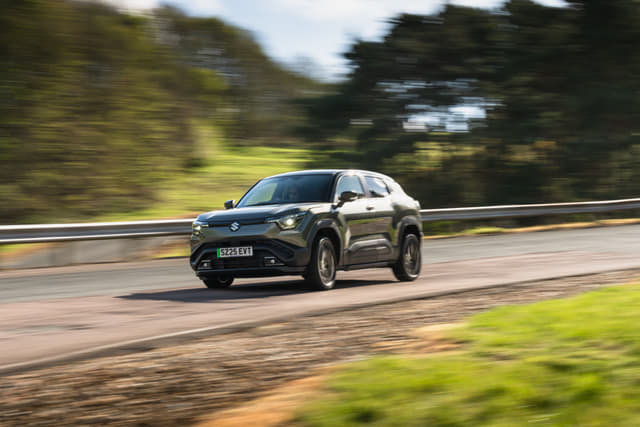
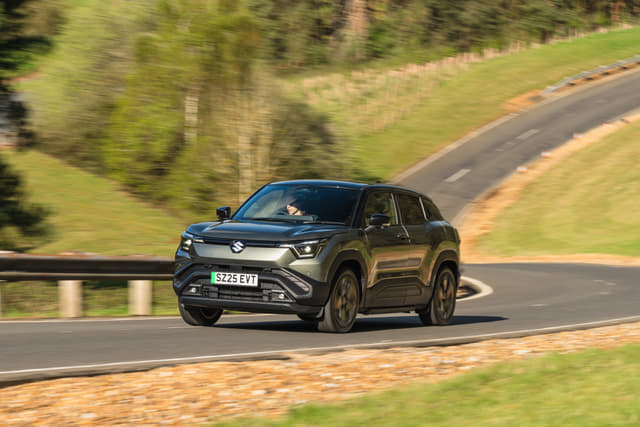
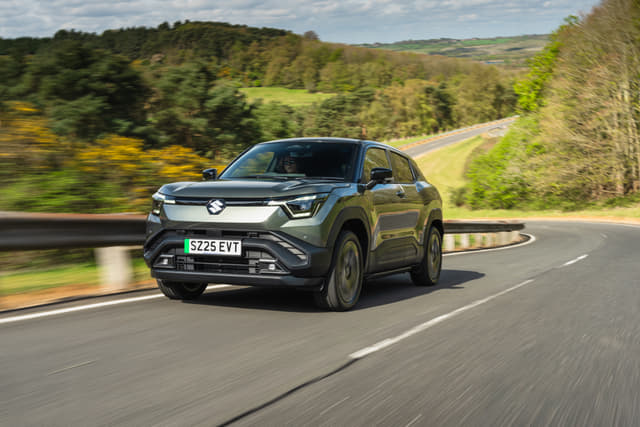
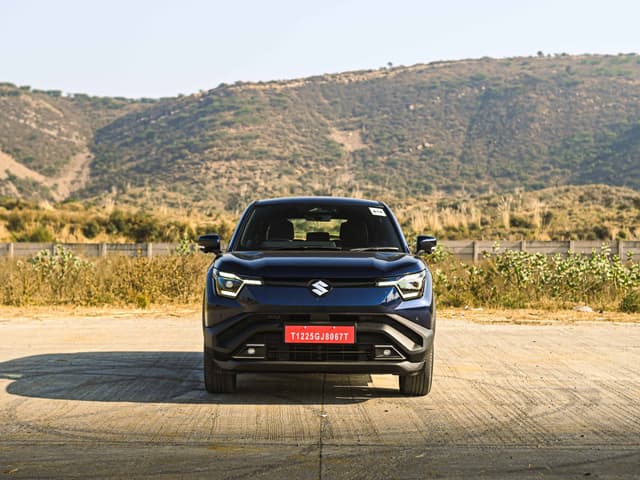
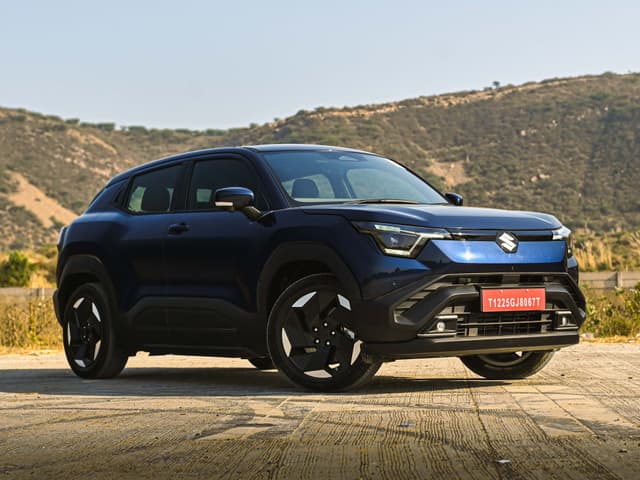
Electric: the e Vitara, currently Maruti Suzuki's only EV, with a claimed range of 440-543km depending on variant
Engine and powertrain line-up
Maruti Suzuki's own engineering strength has always been engine breadth rather than a single flagship unit. The table below sets out what powers each segment.
Engine family | Displacement | Found in |
K-series naturally aspirated petrol | 1.0-litre | Alto K10, S-Presso, Wagon R, Celerio |
Z-series petrol (NA and turbo) | 1.2-litre | Swift, Dzire, Baleno, Fronx |
K-series petrol with mild-hybrid support | 1.5-litre | Ertiga, XL6, Brezza |
Strong-hybrid petrol, developed with Toyota | 1.5-litre | Grand Vitara, Victoris |
Strong-hybrid petrol, developed with Toyota | 2.0-litre | Invicto |
Single-motor electric | 48.8-61.1kWh battery | e Vitara |
Factory-fitted CNG is available across more of this range than any other Indian brand, a real advantage for buyers prioritising running costs. Diesel does not currently feature anywhere in Maruti Suzuki's own line-up.
Transmission choices
Manual: standard across most of the range, the cheapest and most fuel-efficient option
AMT (Maruti's AGS): the affordable automatic on hatchbacks and the Dzire, suited to city driving
Torque-converter automatic: fitted to SUVs and MPVs including the Brezza, Ertiga and XL6, for smoother low-speed driving
e-CVT: exclusive to the strong-hybrid models, tuned for efficiency over outright response
Safety and ownership
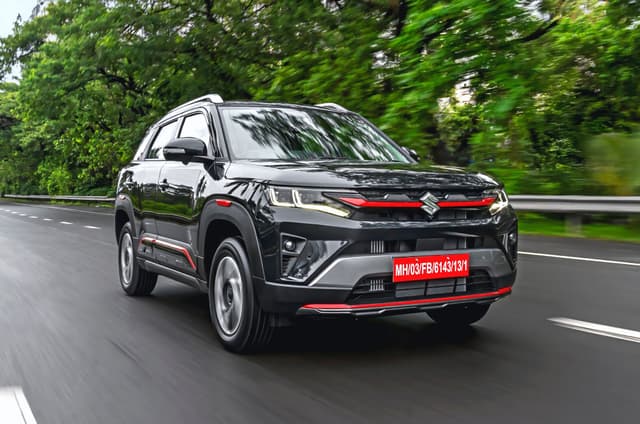
Safety credentials are a newer story for Maruti Suzuki than for some rivals. The latest-generation Dzire and Victoris are currently the models Autocar India rates as the safest in the range, both carrying a full five-star rating, and this is worth weighing against the brand's other strengths. Those strengths remain real: Autocar India's own review of the 2026 Brezza facelift rated its new turbo-petrol engine a genuine improvement while flagging the car's continuing efficiency edge over rivals, and ownership feedback through Ask Autocar Anything consistently favours Maruti Suzuki for lower running costs, easy parts availability and India's widest service network.
Who should buy a Maruti Suzuki
Buyer type | Where to look | Why |
Budget / first-time buyer | Alto K10, S-Presso | The two most affordable models in the range, both easy to maintain |
Mileage buyer | Swift, Celerio, Dzire | Efficient petrol engines with factory CNG on all three |
Family / MPV buyer | Ertiga, XL6, Invicto | Genuine three-row space across three budgets |
Safety-conscious buyer | Dzire, Victoris | The two models currently rated safest in the range |
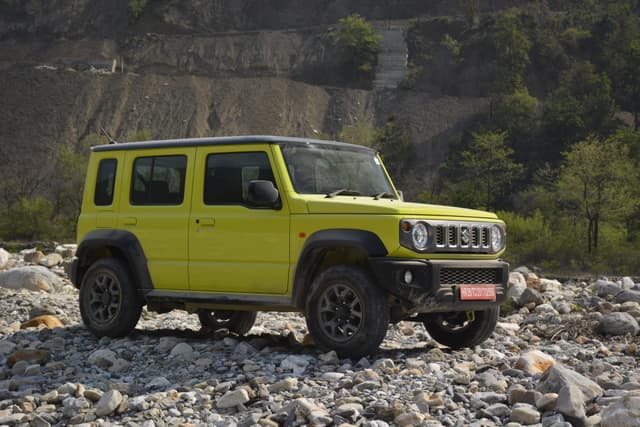
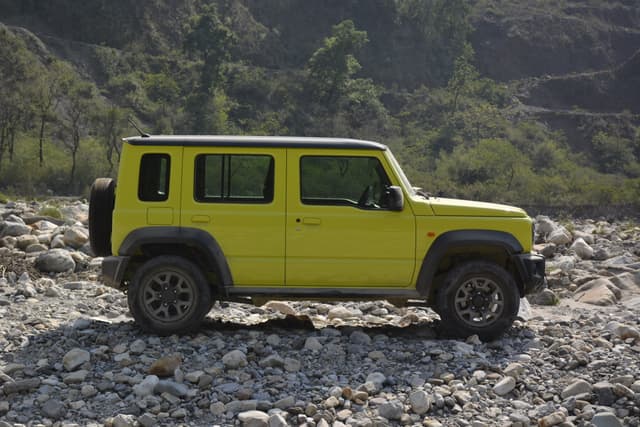
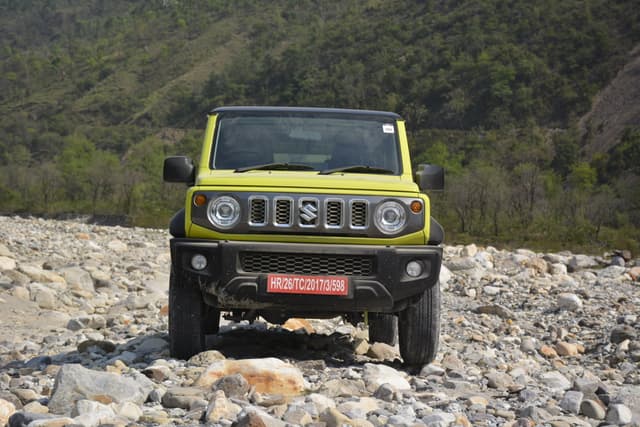
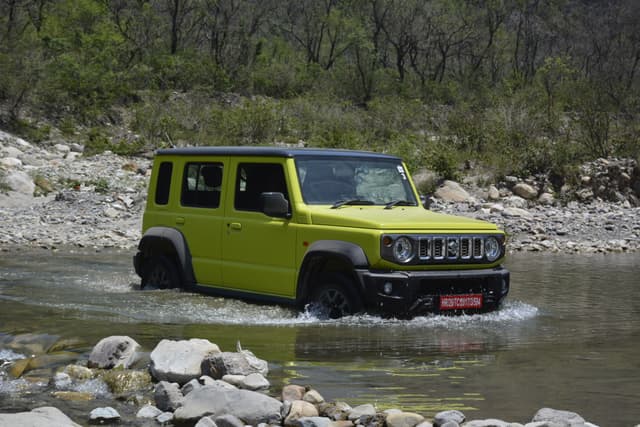
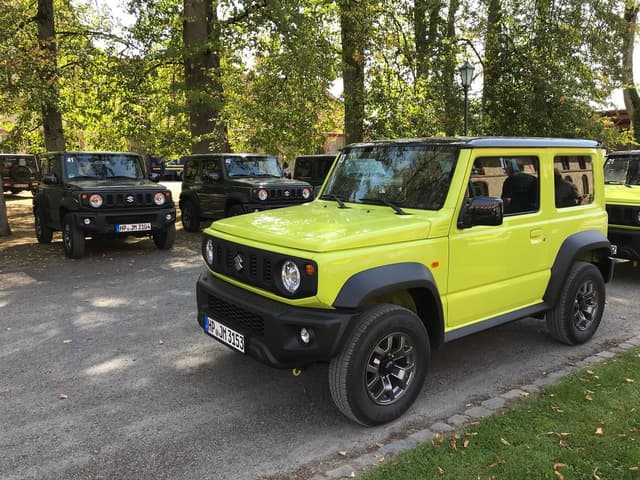
Off-road / lifestyle buyer | Jimny | The only Maruti Suzuki with proper 4x4 hardware |
EV-curious buyer | e Vitara | The brand's sole electric model to date |
This range suits the performance-focused buyer least. Maruti Suzuki's own engineering priority remains efficiency, reliability and low running costs rather than outright pace, so buyers chasing power or driving excitement are better served elsewhere.


Filter your search
Filter your search
Find cars by fuel type
Maruti Suzuki Cars - FAQs
The most expensive Maruti car is the Invicto. It is a premium MUV and is priced between Rs 24.97 lakh and Rs 28.61 lakh (ex-showroom, Delhi).
The Maruti Suzuki e Vitara, an all-electric SUV, is currently the only electric car from the brand. The e Vitara price starts at Rs 15.99 lakh and was launched on 17 Feb, 2026.
The safest Maruti Suzuki cars, based on Bharat NCAP and Global NCAP crash tests, are the latest-gen Dzire and Victoris. Both have achieved a 5-star safety rating.
The cheapest Maruti Suzuki car in India is the Maruti S-Presso, priced from ₹3.50 lakh after the GST reduction.
Trending Questions on Maruti Suzuki Cars - Answered by Autocar Experts
Hi, I am a first-time car buyer and earn around Rs 1 lakh per month. I am planning to buy a car this year and have shortlisted the Maruti Brezza facelift, Hyundai Venue and Kia Seltos. My usage will be roughly 50% in the city and 50% on the highway. Which of these would be the better choice for a first-time buyer? In the Brezza facelift, the 1.5-litre engine costs around Rs 1 lakh more than the 1.0-litre turbo. Would it be worth spending the extra amount on the 1.5-litre naturally aspirated engine, or is the 1.0-litre turbo a better choice? What are the key differences between these two engines, especially in terms of performance, comfort and ease of driving? My main priorities are comfort and an easy, relaxed driving experience.
The Maruti Suzuki Brezza 1.5 petrol automatic would be the best fit for you. As a first-time buyer with a 50:50 city-highway usage pattern and comfort and ease of driving as priorities, the Brezza's smooth, predictable power delivery, light controls and comfortable ride make it the easiest car here to live with. The 1.5-litre naturally aspirated engine is also the better choice if you want an automatic. At the same time, the 1.0-litre turbo makes sense mainly if you prefer a manual and want stronger mid-range performance. The extra Rs 1 lakh for the 1.5 is worth spending if the automatic is the preference.The new Hyundai Venue is more feature-rich and feels more modern inside, while its 1.0-litre turbo offers stronger performance than the Brezza 1.5. However, its DCT is not as effortless as a torque converter in slow city traffic, so it isn't the first choice if easy driving is the priority. The new Kia Seltos is the most premium and spacious of the three and would be the better choice if the budget comfortably allows it, but it is a significant step up in price and may not be the wisest choice on a Rs 1 lakh monthly income.
I am a new driver working in the banking sector, where frequent transfers are common. I am looking for a family car with good power and strong hill-driving ability, as I may be posted in hilly areas. My budget is around Rs 12 lakh, and my running will be moderate. I am open to petrol, diesel and electric cars and would like to know which option would be most suitable for my requirements at present.
Given your banking job with frequent transfers, moderate running and a budget of Rs 12 lakh, the Maruti Suzuki Brezza petrol is the most sensible choice. It is a reliable, low-maintenance car with a strong service network across India, which is crucial when you are moving between cities. It now gets a turbo petrol engine, so it has the performance you need in the hills. Its compact SUV form factor gives you enough ground clearance and practicality for hilly terrain without being difficult to drive as a new driver.Diesel does not make sense at your running level, and EVs in this price range either compromise too much on space or practicality. The Brezza strikes the right balance between ownership experience, reliability and ease of use, making it a car you will be happy with for years regardless of where your job takes you. If you want a slightly more premium feel and an automatic option, the Mahindra XUV 3XO petrol is also worth considering, but the Brezza remains the more rounded package.
I have owned an Ignis since 2022 and have had no issues with it so far. However, I find the suspension a little too firm for my comfort. Is it possible to replace it with a softer suspension setup, similar to that of the Wagon R? Also, would such a modification affect my insurance coverage or create any issues with future insurance claims?
You can change the suspension to a softer setup, but it is not as simple as swapping in Maruti Suzuki Wagon R parts. The Ignis and Wagon R have different suspension geometries, weights and chassis setups, so directly fitting Wagon R components is not recommended. The better approach is to look for aftermarket suspension options specifically designed for the Ignis; however, most kits are engineered for sportier handling rather than comfort.From an insurance perspective, changing the suspension will not automatically void your insurance or cause claim issues. The bigger question is whether the change is worth it. The Ignis is tuned for a slightly firmer, more planted feel, and while a softer suspension will improve comfort, it may also introduce more body roll and reduce the car's nimble character. If ride comfort is your top priority, it is worth considering whether a car change to a more comfort-oriented offering might be a better long-term solution.
I am looking for an automatic car under Rs 15 lakh, although the budget can be somewhat flexible. My monthly running is no more than 500km, largely within the NCR, with only occasional weekend trips to Haryana, Uttarakhand and Himachal Pradesh. I am open to petrol, EV and hybrid options, but given my low usage, a petrol car would probably make the most sense. However, the uncertainty around fuel-blending policies is what has made me consider an EV. With such low running, I am also concerned that a DCT gearbox may not be ideal, so I would prefer a car with a torque-converter automatic. A Hyundai dealer mentioned that Hyundai’s DCT and torque-converter automatics are essentially the same, but I am not convinced that is correct. I would appreciate some recommendations based on these requirements.
Go for a petrol automatic with a torque converter gearbox. Your usage is low, mostly city with occasional highway trips, so petrol is the right choice and a torque converter automatic is the most reliable and stress-free option for city driving. The Hyundai dealer is incorrect – Hyundai cars use DCT gearboxes on turbo petrol engines and torque converter automatics on naturally aspirated petrol engines, and they are both completely different. DCTs can feel jerky in stop-start traffic and can throw up some issues, while torque converters are smoother and more reliable in the long run.The Maruti Suzuki Brezza automatic is the most sensible recommendation here. It uses a 6-speed torque converter automatic, is reliable, easy to drive in the city and has Maruti’s strong service network; the ride too is geared for plush low-speed city comfort, on highways though there is some float at higher speeds. On the EV side, your low running does not justify the higher upfront cost, and you do not have a clear financial case for it. On the fuel blending concern, modern petrol engines are engineered to handle E20, and there is no official roadmap beyond that, so it should not be a reason to avoid petrol. Furthermore, Maruti has said that they have built in a higher margin for material compliance to slightly higher ethanol blends, so on the material front you should be fine; mileage, though, would likely drop with higher ethanol blends, but this would be true across models. Thus, go for the Brezza automatic and you will have a hassle-free ownership experience.
I’m 52 years old and have been driving a Maruti Ciaz ZXI for the last 10 years. It has covered only around 83,000km. I’m now looking for a 5 to 7-seater SUV with a budget of around Rs 20 lakh, with a 10 percent flexibility. I’m confused about whether to choose an automatic or manual, and whether petrol, diesel or a strong-hybrid powertrain would be more suitable. My priorities are good ground clearance, comfortable ride quality, well-finished interiors, a good infotainment system, strong safety features and reasonable maintenance costs. Please suggest a suitable vehicle based on these requirements.
Given your usage pattern of 83,000 km over 10 years, your annual running is relatively low, so a petrol car or hybrid car makes the most sense. Diesel is best avoided as the cost premium and potential DPF-related issues are not justified at your running. Between automatic and manual, we would strongly recommend an automatic since it makes city driving far easier and modern automatics are reliable and refined.For your requirements, the Maruti Suzuki Victoris Hybrid is the most sensible recommendation. It offers good ground clearance, a comfortable ride, a spacious and practical cabin, and a strong focus on reliability and low maintenance costs. The hybrid powertrain delivers excellent fuel efficiency in city driving, and the car is easy to live with over the long term. The infotainment system is modern and user-friendly, and safety features are well covered, including a 5-star Bharat NCAP rating.If you want a 7-seater, the Kia Carens is worth considering. It offers a more flexible seating arrangement and a comfortable ride, but the Victoris Hybrid remains the more efficient and lower-maintenance option.
Last Updated on: 23 Aug 2026