Autocar India
Introducing Badges

Every helpful action can earn a badge.

•9h

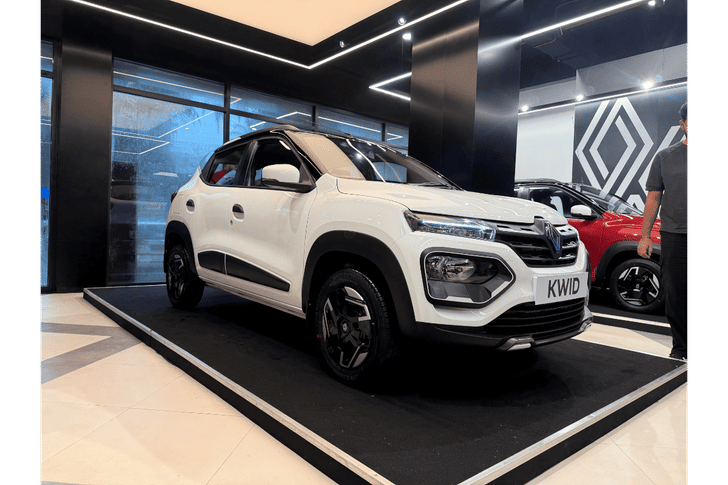
I am planning to buy a second hand Renault Kwid (about 5-6 years old). Currently, I own Zen Estilo. Please advise if it is advisable to buy this brand?

Verified
•5m

The Renault Kwid's compact size, high ground clearance, light steering, large boot, and its 1.0-litre engine's drivability are its strengths. But since you're coming from a Zen Estilo, the Renault's gearbox and clutch don't feel as smooth, and its engine isn't nearly as refined as the Maruti's.

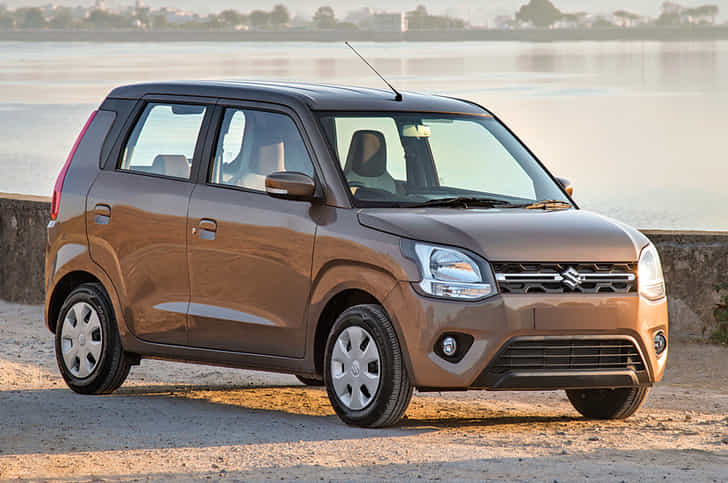
An ideal replacement to your Zen Estilo would be the Wagon R, which has the same boxy, spacious cabin, smooth and efficient petrol engine, and overall, the Wagon R is known for its stellar reliability. You might not get a Wagon R of the same vintage as a Kwid for the same price since the Maruti commands an exceptionally high resale, so you might have to settle for a slightly older model. 

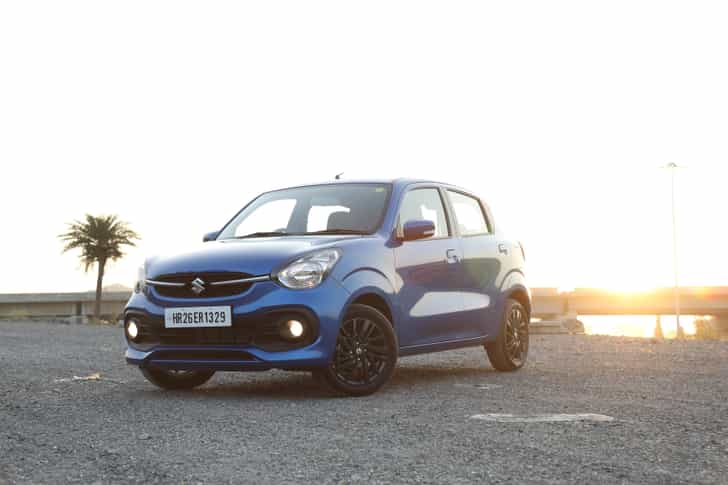
Alternatively, you could look at the Maruti Celerio or Hyundai Santro, both of which have most of the strengths of a Wagon R, and you'll be able to source newer models at a lower price than a similarly-aged Wagon R.

Maruti Suzuki Wagon R

Maruti Suzuki Wagon R

More posts on similar cars

•1d

I own a 2018 Hyundai Creta 1.6 diesel manual and have been very happy with it. It suits my family of three for city use as well as long road trips, including journeys from Kashmir to Kerala and Jaisalmer. However, I now want to upgrade to something bigger. I don't like the looks of the Toyota Innova HyCross, Mahindra XUV 7XO or Tata Safari. I also have reservations about ladder-frame SUVs I test-drove the Mahindra Scorpio N briefly in traffic and found it moved around more over bad roads than my monocoque Creta. I want something imposing, like the Toyota Fortuner, but am unsure about moving to a ladder-frame SUV. Should I wait for the JSW Combat, which will have monocoque construction, or would that be a risk in terms of reliability? Please advise.

Verified
•7h

The Kia Sorento seems to be an ideal fit for you. It is a feature-loaded offering with hybrid and diesel engine options, and it comes with the flexibility of three rows of seats. Being a monocoque, ride quality is good, the engines are smooth and refined, and its cabin feels richly appointed.The JSW Combat is set to make its debut in India in December. It is a butch-looking plug-in hybrid, five-seater SUV, and is likely to be stuffed with features. You will have to wait to find out how it drives and performs, but on first impressions at least, it seems like a promising option.The Toyota Fortuner is the obvious choice if you want a butch, imposing SUV with proven reliability and a strong ownership track record. It is a proper ladder-frame SUV with excellent road presence, and Toyota's reliability is a major advantage for long-term ownership. The downside is that it is expensive for what it offers, and the ride is not as composed as a monocoque SUV.

VehicleKia Sorento
VehicleJSW Motors Combat
VehicleToyota Fortuner
•2d

I'm planning to buy a new car with an on-road budget of up to Rs. 30 lakh in India. I want a car that offers excellent comfort, low running costs, and a relaxed driving experience for my daily commute. 1. My Driving Profile -Average monthly driving: 2,500 km -Driving conditions: 60% suburban roads and Highway and 40% city traffic -Long-distance trips: One or two trips per month -Current car: 2017 Maruti Suzuki Baleno, manual transmission 2. Comfort and Ergonomics I'm approximately 6 feet tall and currently experience fatigue and leg pain during my daily commute in my manual Baleno. My top priority is to find a car with: -An automatic transmission for easier driving, especially in traffic. -Excellent front-seat comfort and adequate legroom. -Good driving posture, lumbar support, and adjustable seating. -A comfortable suspension setup for daily commuting and long journeys. -Low cabin noise and minimal driver fatigue. 3. Running Costs and Powertrain -Low running costs and excellent overall energy efficiency are important. -I have charging facilities available at home, so I'm open to considering an electric vehicle (EV). -I'm also willing to consider petrol, diesel, or hybrid vehicles if they offer better overall value. -I want to compare energy or fuel costs, maintenance, insurance, and long-term ownership costs. 4. Family Requirements -The car will primarily be used for my daily commute. My family occasionally travels with me, so rear-seat comfort is also important. -I'm open to both 5-seater and 7-seater options, provided the car meets my comfort and cost requirements. 5. Budget and Ownership -Maximum on-road budget: Rs. 30 lakh -I want a reliable car that offers good value for money over long-term ownership. -I plan to use the car for several years, so durability, battery longevity (for EVs), resale value, and total cost of ownership matter. Please suggest a car.

Verified
•17h

Based on your requirements, the Hyundai Creta Electric is a solid choice. With a 2,500 km monthly running and home charging available, an EV makes strong financial sense, and the Creta Electric stands out for its comfort, refinement and ease of ownership. The front seats are well-cushioned with good lumbar support, the driving position is comfortable for taller drivers, and the suspension is well-tuned for both city and highway use. The cabin is quiet, the ride is comfortable, and the overall driving experience is relaxed and effortless, which will significantly reduce fatigue compared to your Baleno. Running costs are low, maintenance is minimal, and Hyundai's service network is strong. The Creta also offers a spacious rear seat and a practical boot, making it suitable for occasional family trips. If you prefer a petrol option, the Kia Seltos 1.5 IVT automatic is the best alternative. It offers excellent seat comfort, an efficient engine, and a comfortable ride, but the Creta Electric is the better long-term ownership proposition given your usage pattern.

VehicleHyundai Creta Electric
VehicleMaruti Suzuki Baleno
VehicleKia Seltos
•1d

Hi Autocar, My name is Vikky. I'm in Mumbai, and I have driven my Tata Nexon EV XZ+ 30kwh for 4 years & 40k km and have absolutely loved the experience, but the depreciation is super high on the Nexon EV: The invoice price was INR 16 lacs in 2022, and now the dealers are offering me only INR 4 lacs for a trade-in, thus depreciating my car by 75% in 4 years. What would be your advice for other EV owners or me? Why are Tata and Mahindra not offering buyback programs for their EVs like VinFast is doing? If they have so much confidence in their product, they should offer a buyback scheme. Vikky, Mumbai

Verified
•19h

The depreciation you are seeing is unfortunately a reflection of the current EV market. The EV landscape has moved very quickly in the last four years, with newer models offering significantly more range, faster charging and better technology at similar or even lower prices (than what you paid for the Nexon EV in 2022). That rapidly evolving tech landscape alone has impacted used EV values across the board.The best advice for you and other EV owners is to think of EVs as long-term ownership propositions. The real savings come from low running costs over time, not from resale value after a few years. If you have loved the Nexon EV and it is still serving your needs well, the most financially sensible option is often to keep it for as long as possible and maximise the cost savings. The lack of a formal buyback programme from Tata or Mahindra is not necessarily a sign of a lack of confidence in their products. On the other hand, Vinfast’s buyback scheme is a marketing tool to build confidence and gain acceptance in a new market. Of course the buyback will come with several terms and conditions in order to receive the promised residual value, often only be applicable in exchange for a new vehicle from the same brand. So do go through the fine print before proceeding.

VehicleTata Nexon EV

Has E20 fuel affected your mileage?

Is ADAS worth paying extra for in a car?

Popular discussions right now

•5d

Hi Autocar Team, I am planning to buy a seven-seater car. I have test-driven the Renault Triber Turbo and Citroen Aircross X and was impressed by what both offer at their price points. However, the Aircross put a wide smile on my face. As a current Maruti Suzuki user, I did not consider the Ertiga because it feels similar to our Swift. I liked the Aircross X but am sceptical about Citroen's service network and spare parts availability. However, there are three Citroen showrooms within 45 km of my place. Please suggest which car I should choose. My budget: Rs. 15 lakh Current vehicle: Second-generation Maruti Suzuki Swift petrol (2017) Annual usage: Around 10,000 km, with a 50:30:20 split between town, highway and city driving Requirement: A seven-seater car

Verified
•4d

The Citroen's interiors feel more special, its engine is more powerful, and its ride-handling balance is outstanding; however, for seven adults, it won't be as comfortable as the Triber.In fact, the Triber's superb packaging makes it genuinely comfortable for passengers in all three rows, despite its compact sub-4-meter dimensions. The new turbo-petrol engine makes it an effortless performer, and its ride quality feels very mature too. Moreover, the Triber Turbo is also much more affordable in comparison, making it outstanding value for money. Yes, the Aircross X will appeal to your heart, but given Citroen's limited service network and cramped third row, the Triber Turbo is the more sensible choice.

VehicleRenault Triber
VehicleCitroen Aircross

Upcoming launch buzz

Community discussions on upcoming launches
Want to sell your car?

Sell your car at the right price, without the stress.

Add a photo of your Kwid

First sightings, real road conditions, delivery buzz

Posted on: 20 Oct 2026