Diesel cars in India (59)
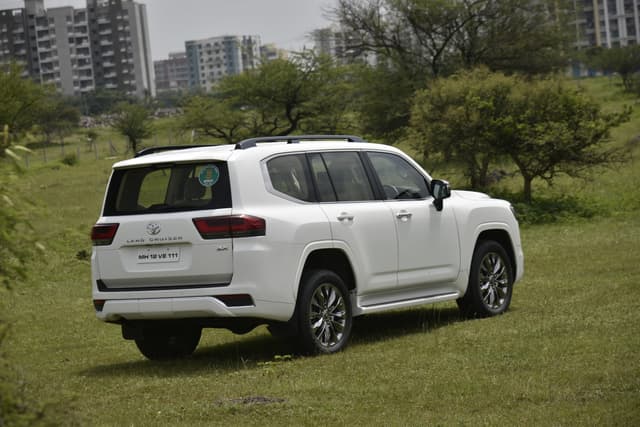
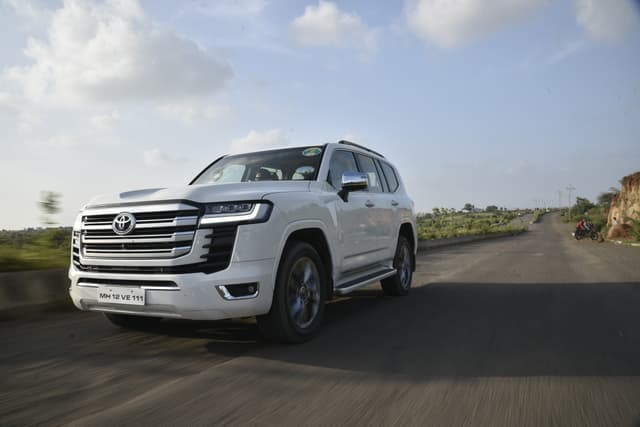
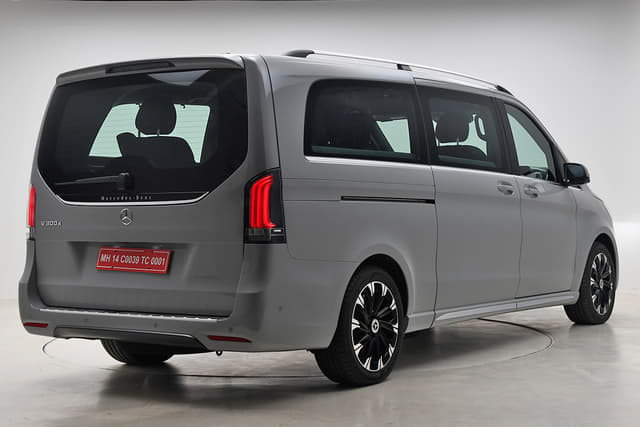
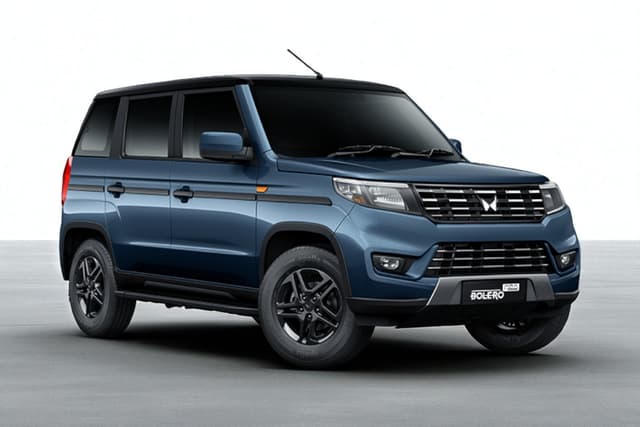
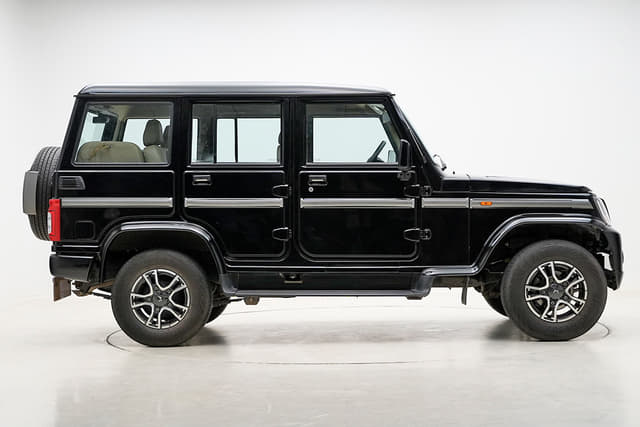
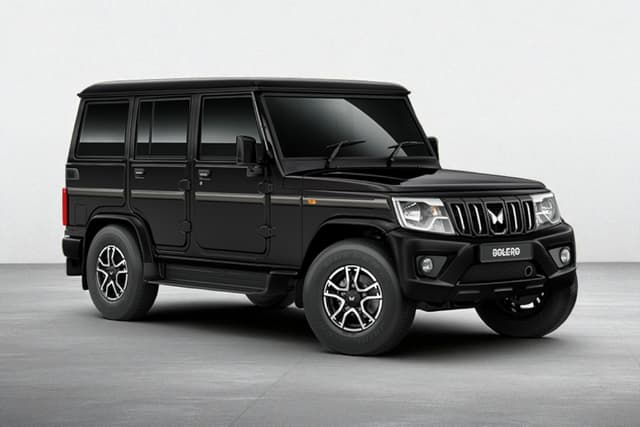
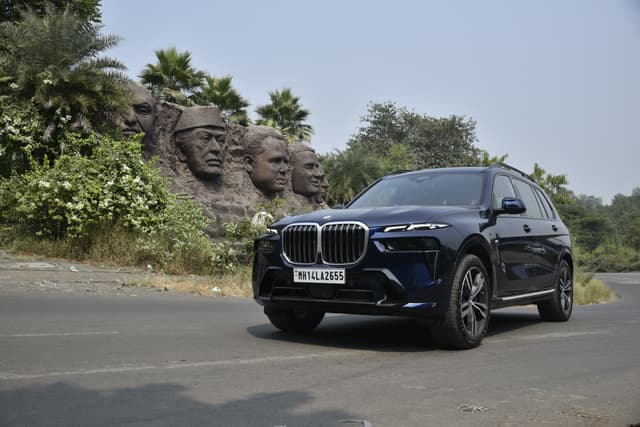
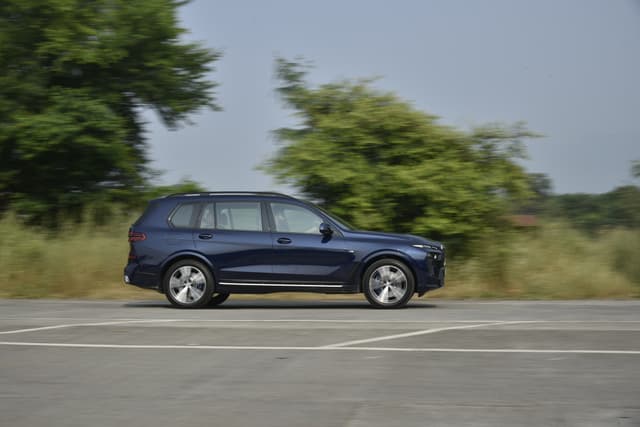
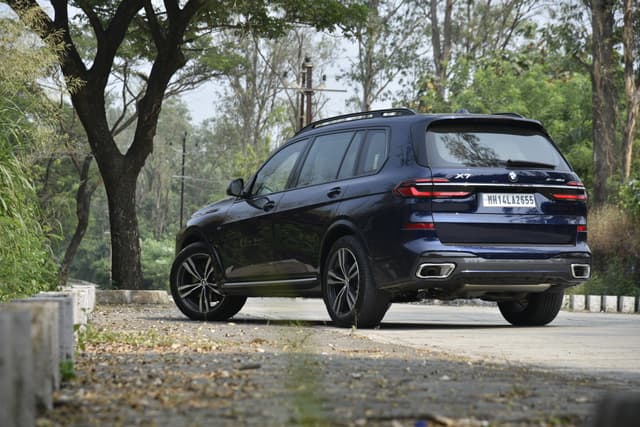
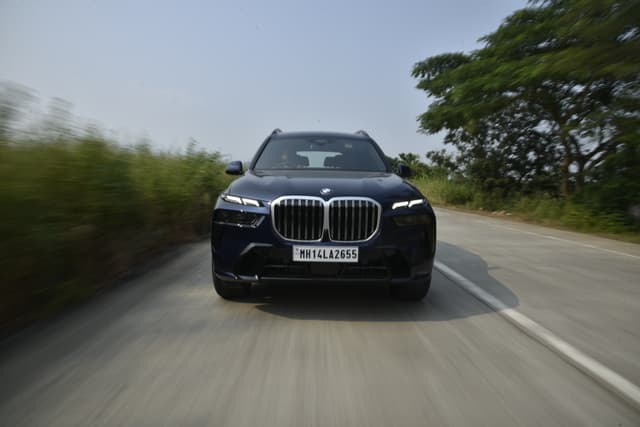
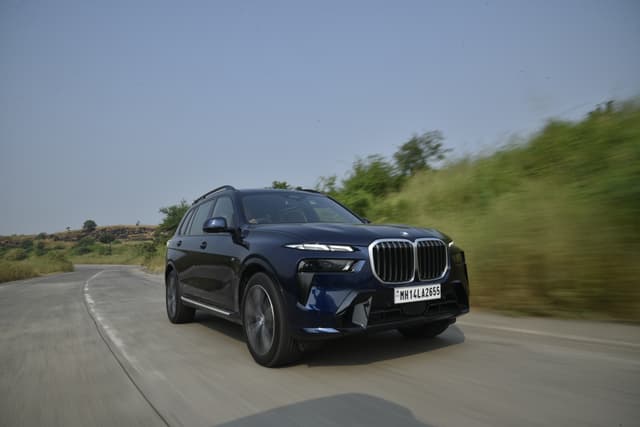
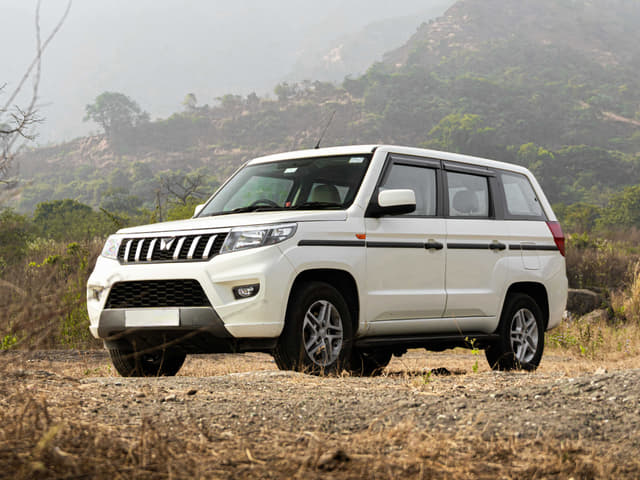
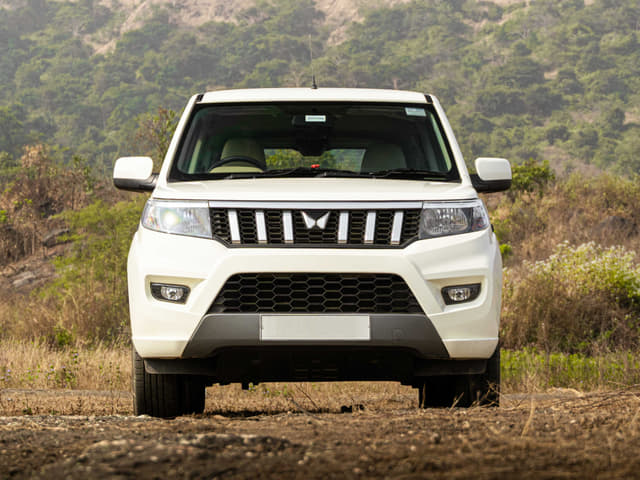
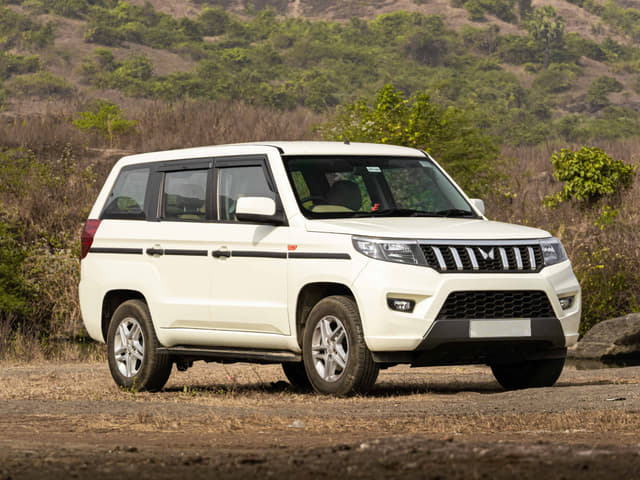
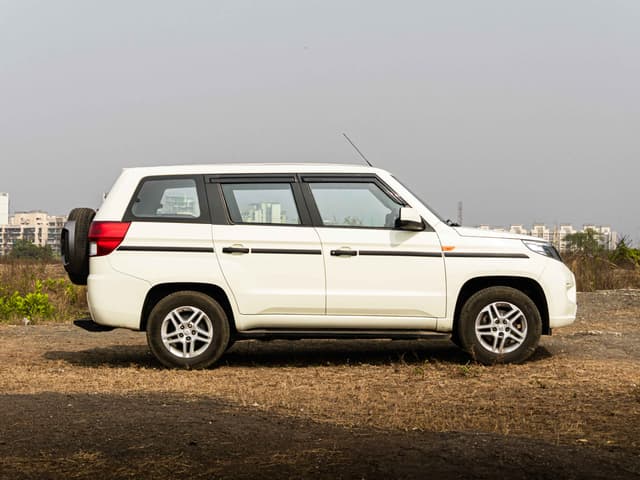
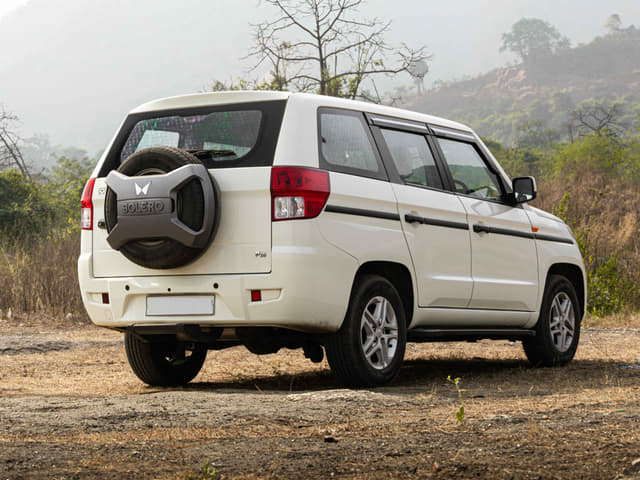
Diesel cars are no longer as common as they once were, but the fuel still has a strong presence in India, particularly among SUVs and larger family cars. Currently, 57 diesel cars are on sale in India, with three more upcoming, ranging from the Mahindra Bolero and Tata Altroz to the Toyota Fortuner, Land Rover Defender and BMW X7.
Diesel engines continue to appeal to those who want strong low-end performance and efficient long-distance running. However, the higher upfront cost, more complex emissions hardware, and restrictions on older diesel vehicles in Delhi-NCR are factors that need to be considered.
Diesel SUVs In India
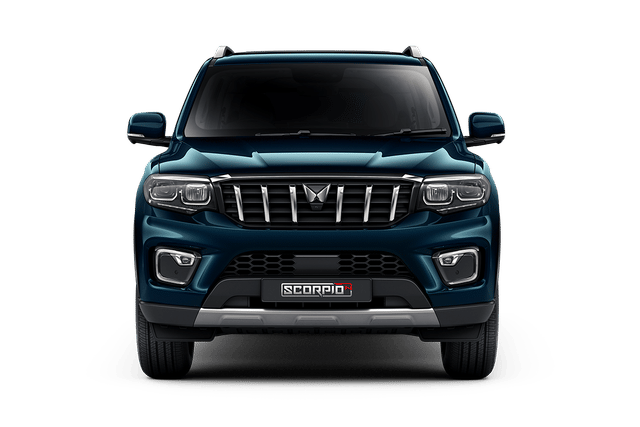
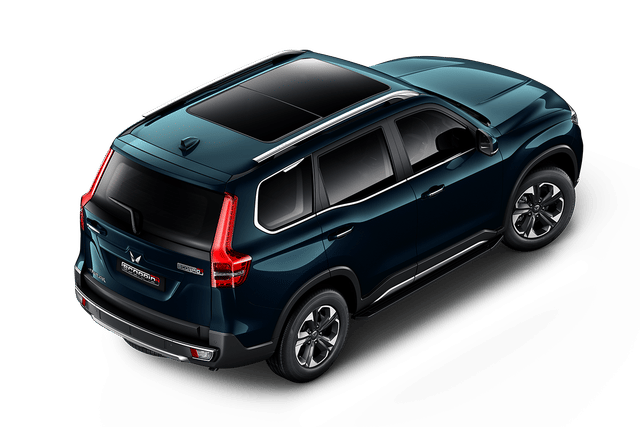
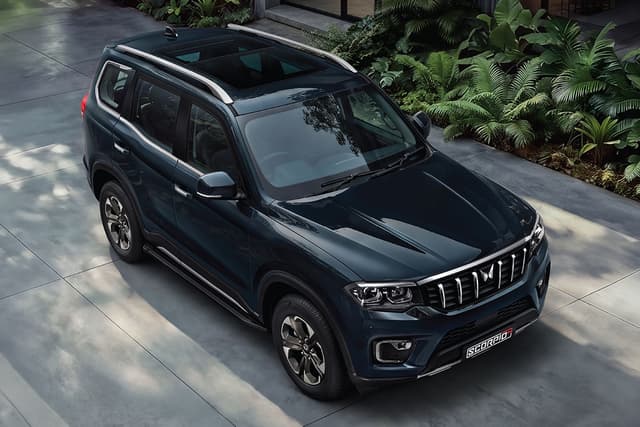
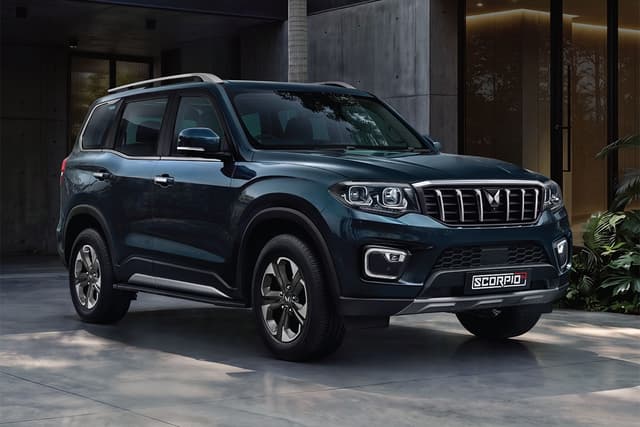
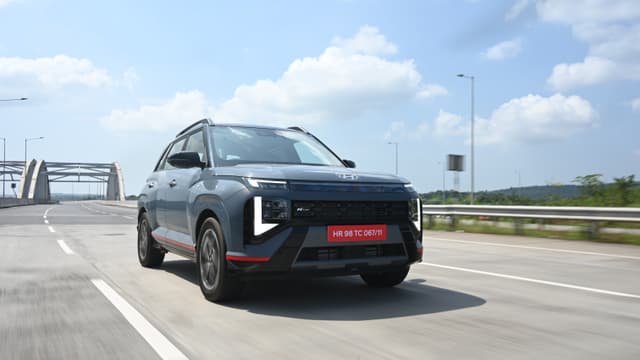
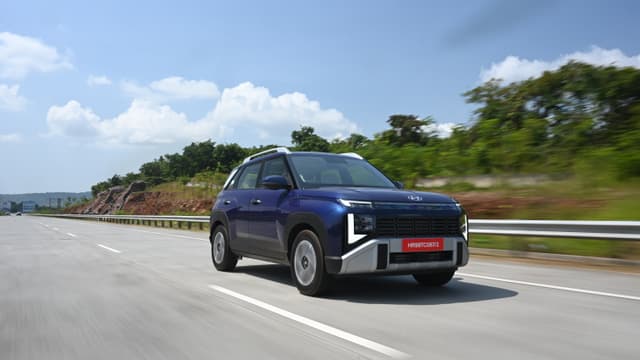
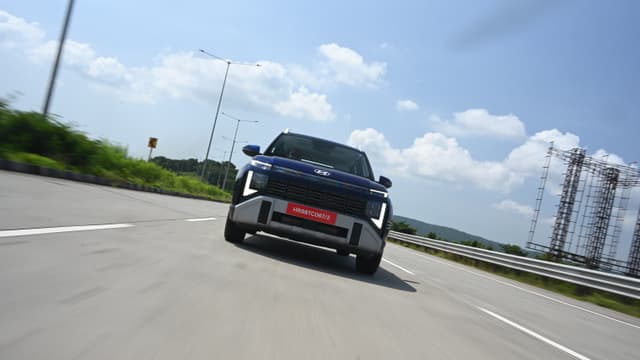
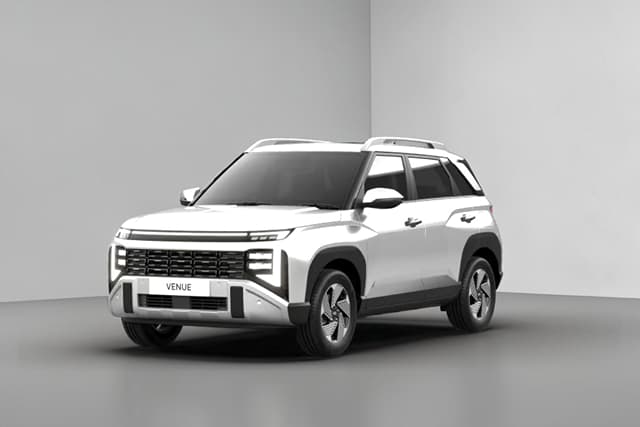
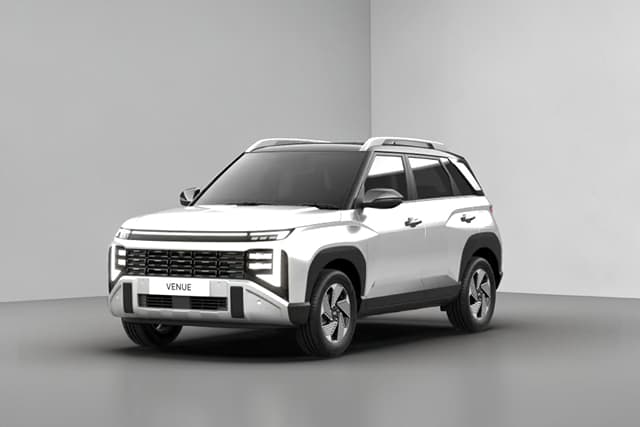
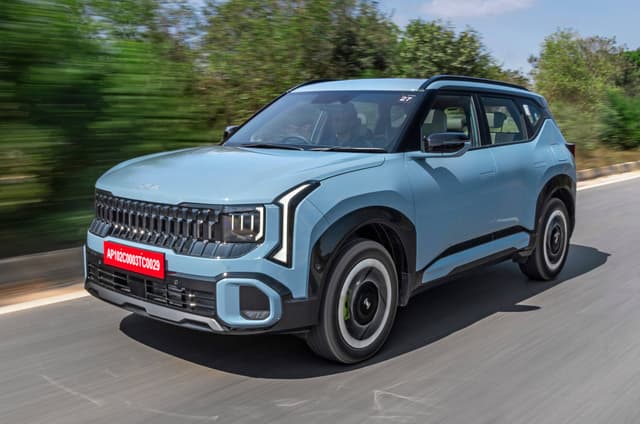
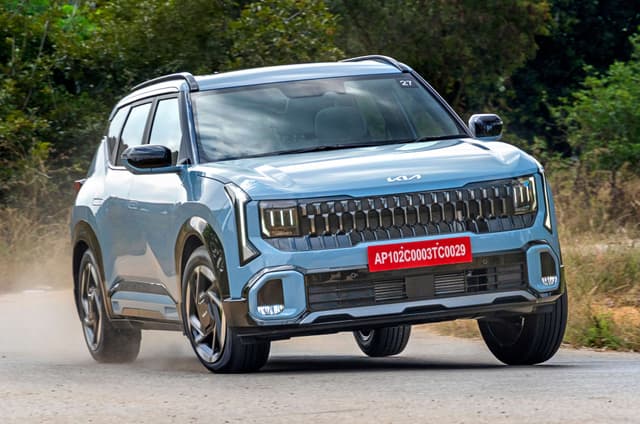
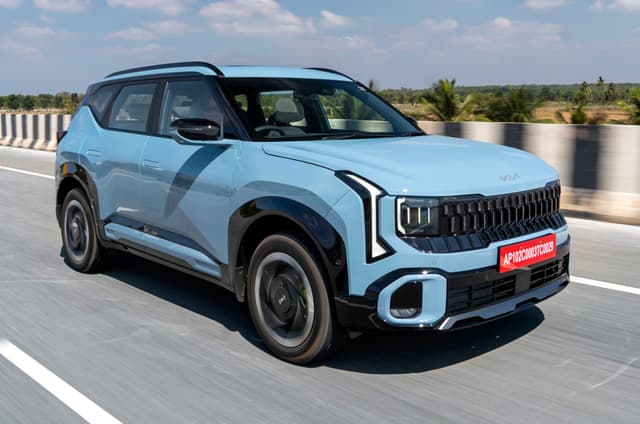
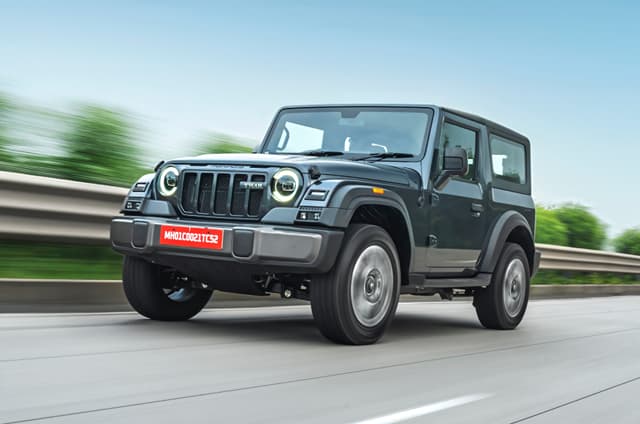
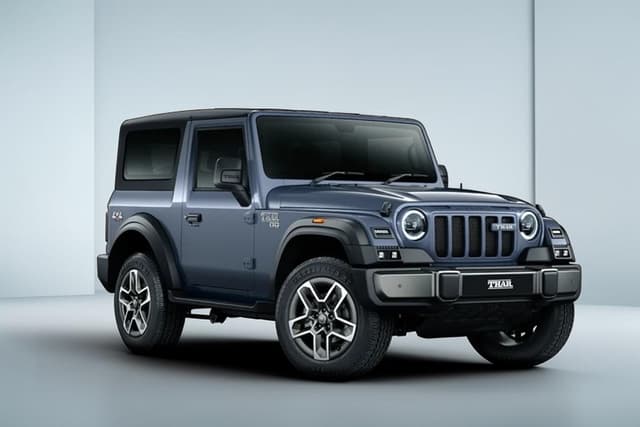
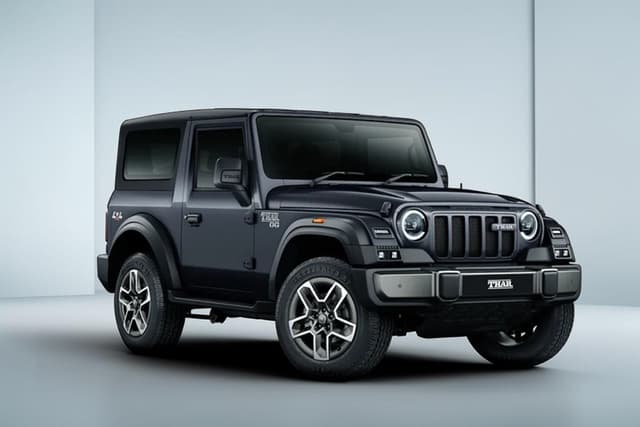
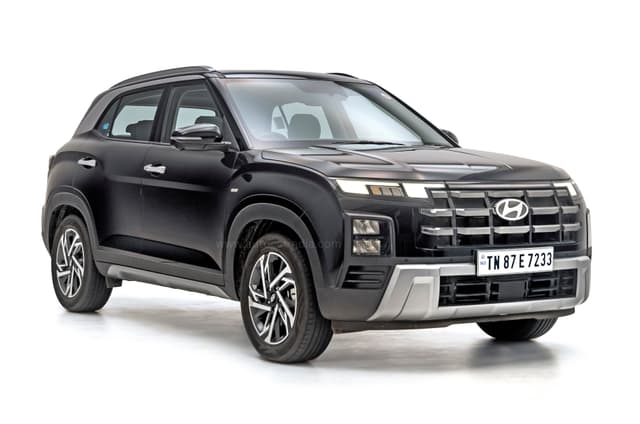
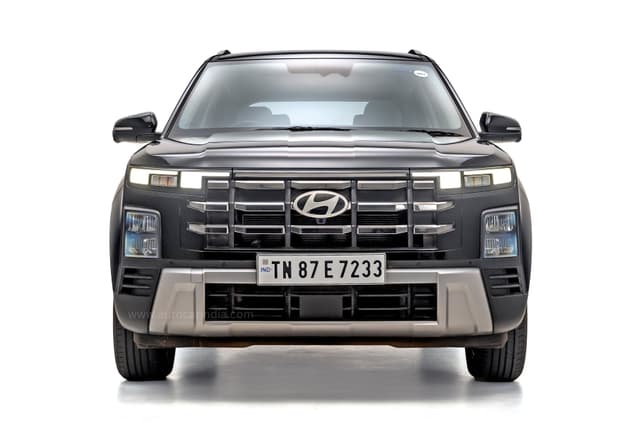
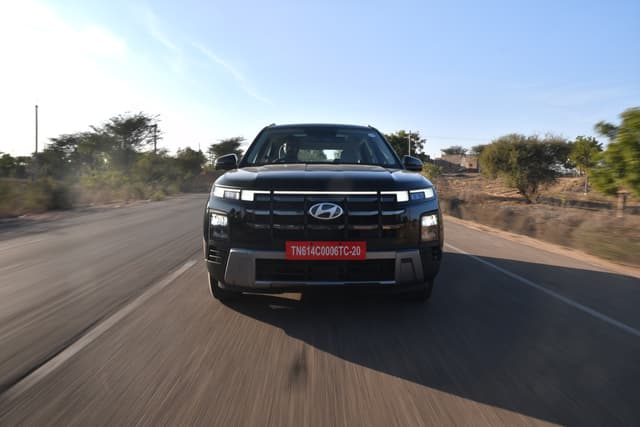
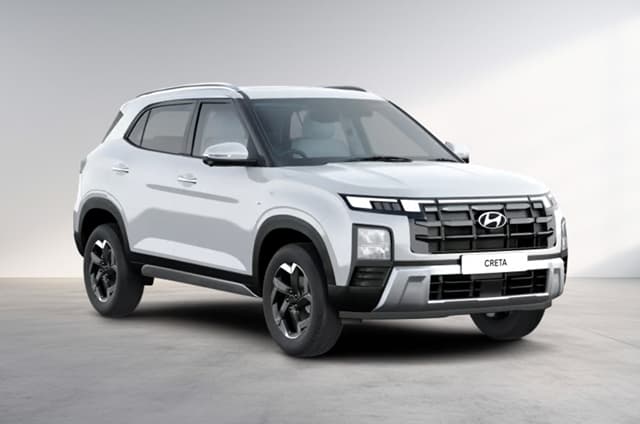
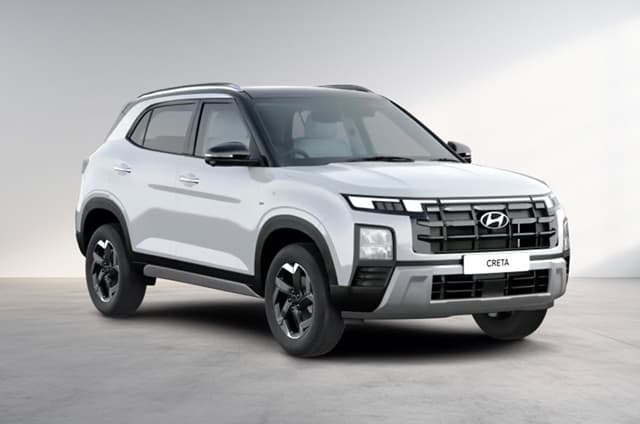
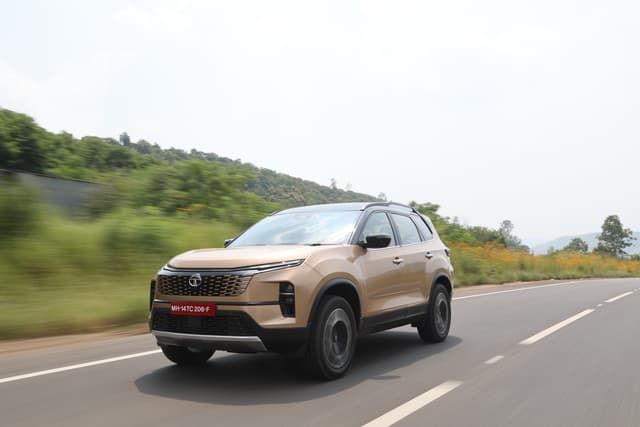
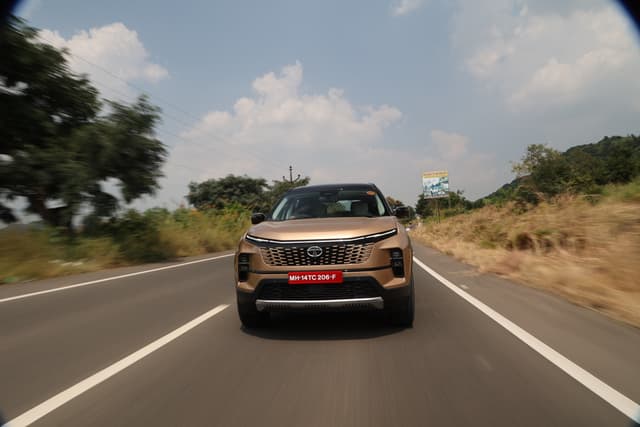
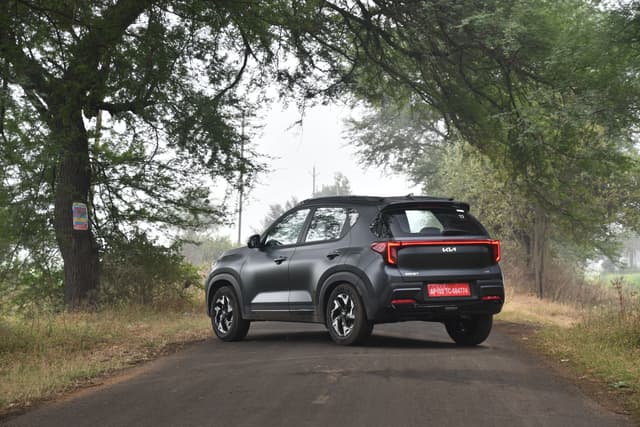
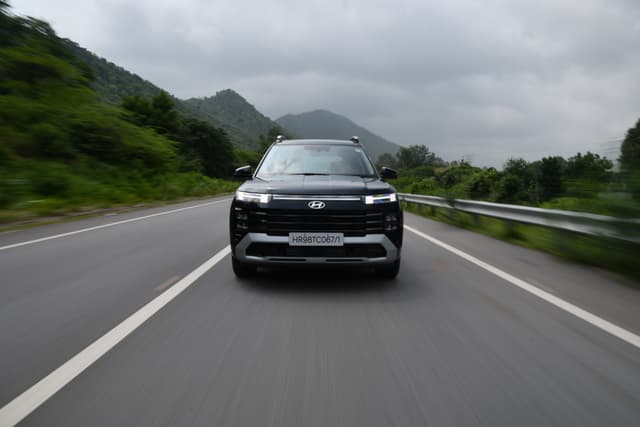
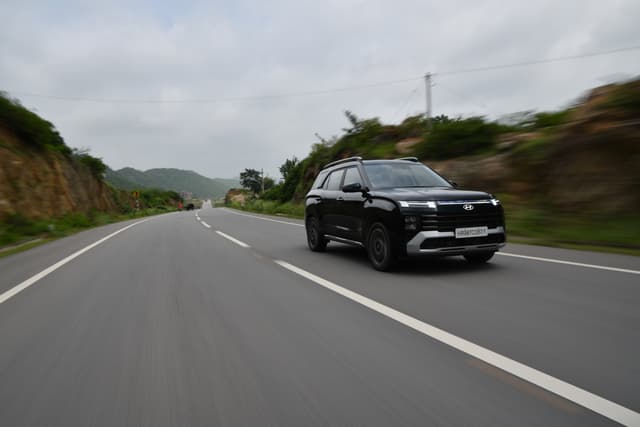
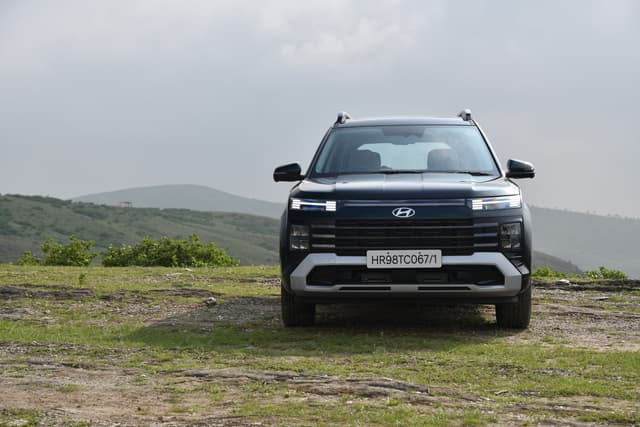
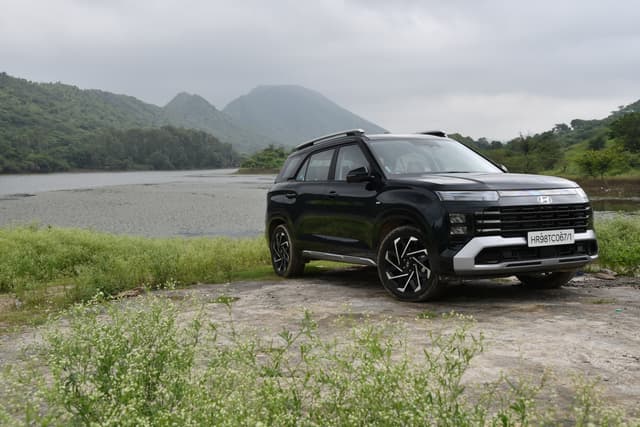
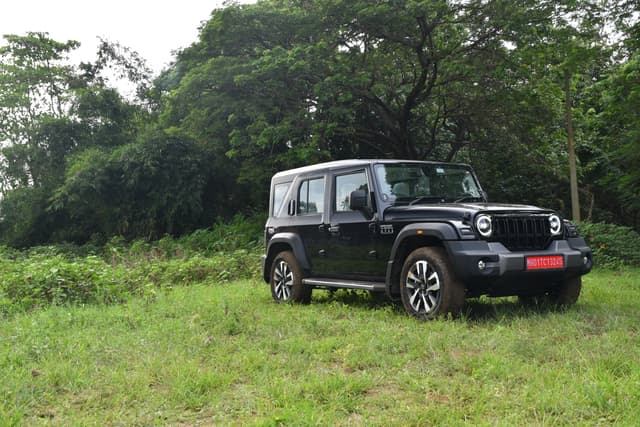
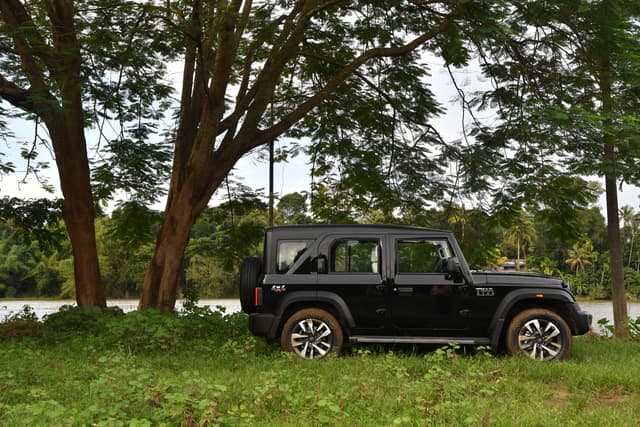
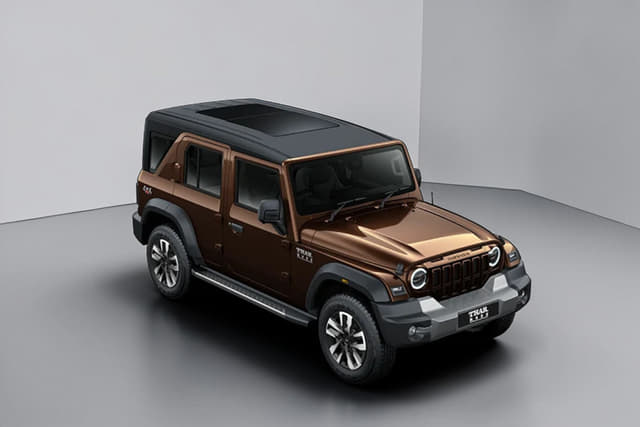
SUVs account for a large share of India’s diesel market, with the powertrain available across several segments. The range starts with compact SUVs such as the Mahindra XUV 3XO, Hyundai Venue, Kia Sonet and Kia Syros, and extends to larger models including the Hyundai Creta, Kia Seltos, Tata Curvv, Tata Harrier, Mahindra Scorpio-N, Mahindra Thar, Thar Roxx and Tata Safari.
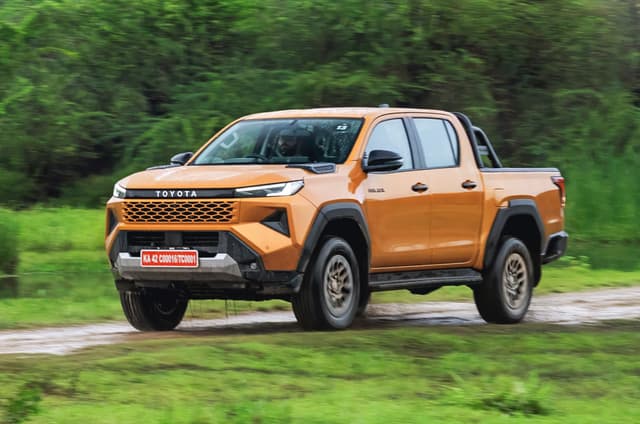
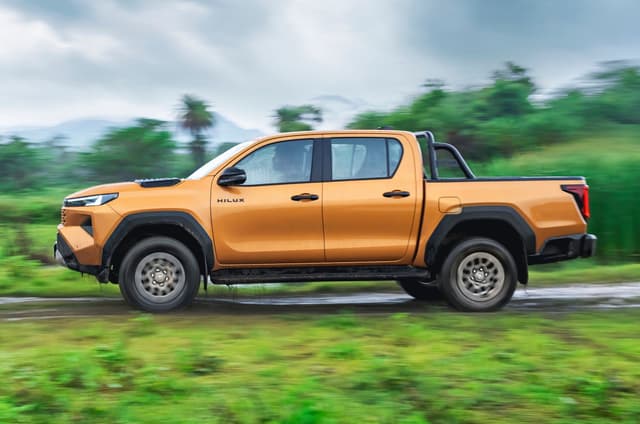
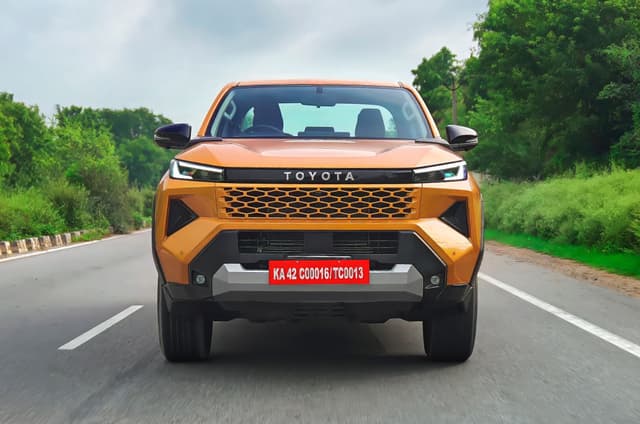
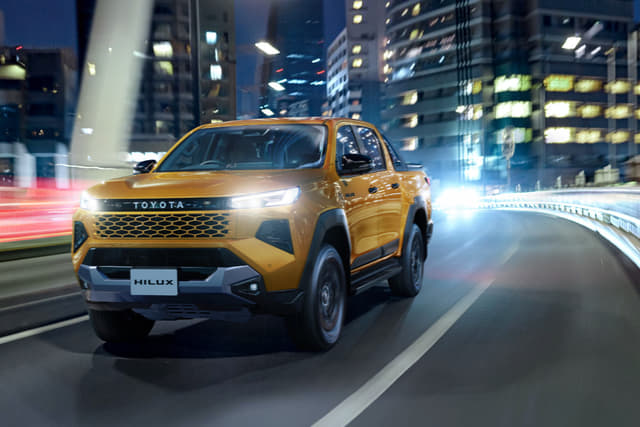
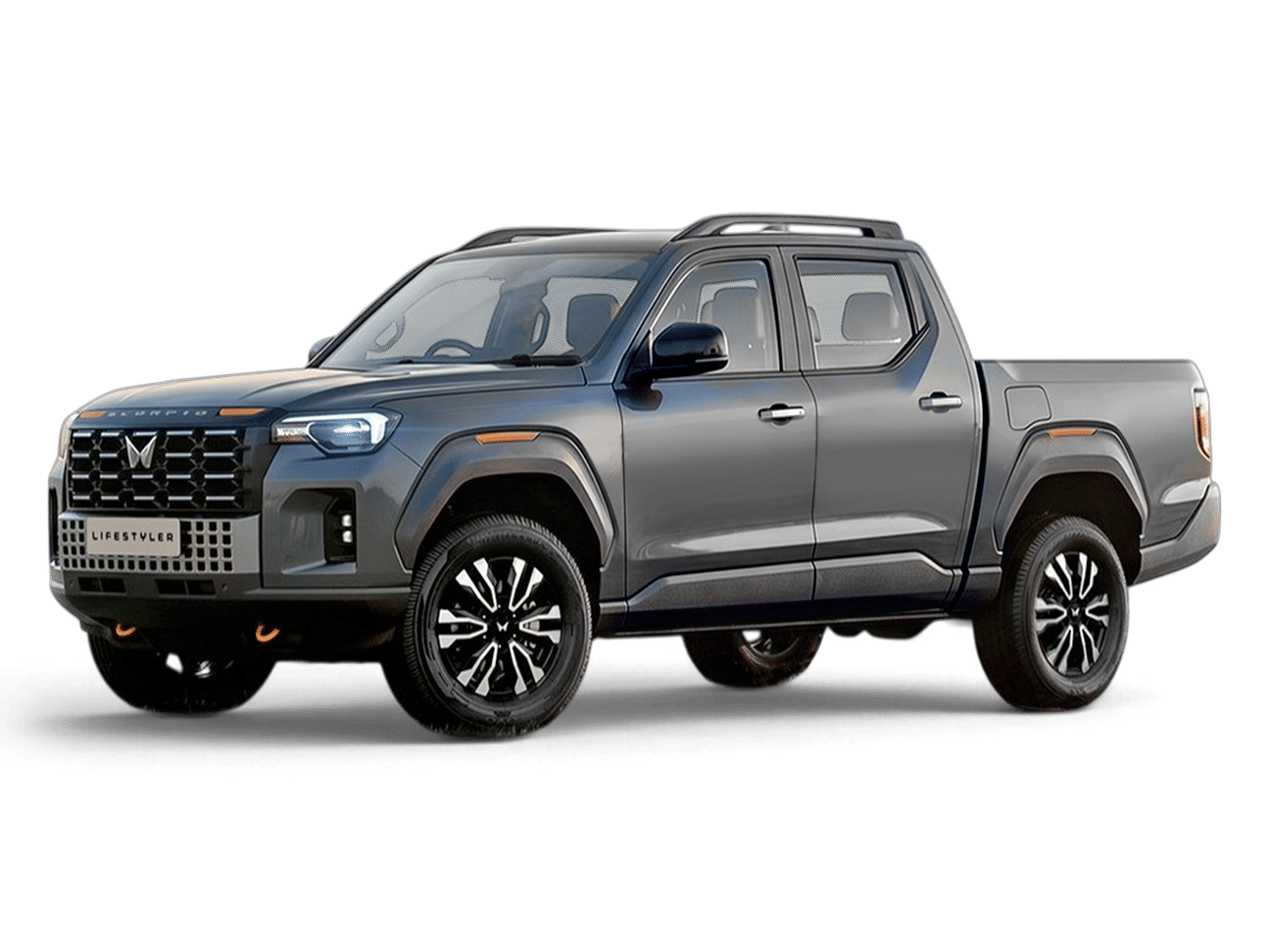
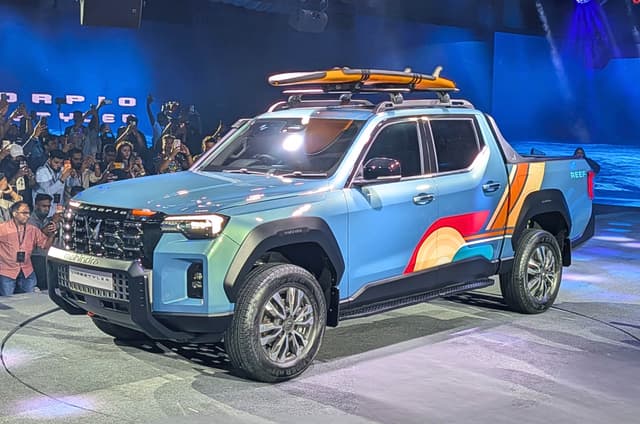
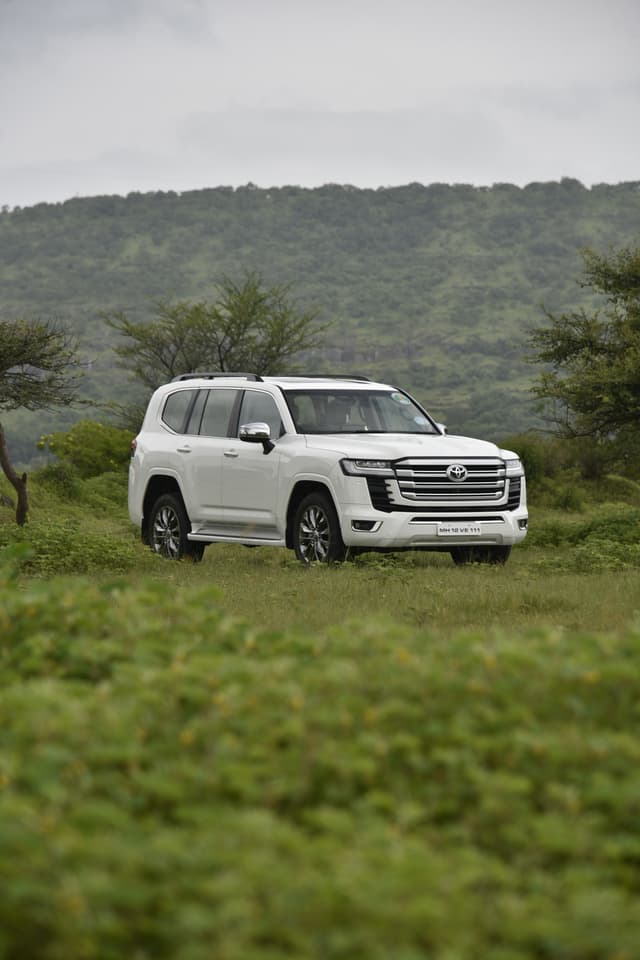
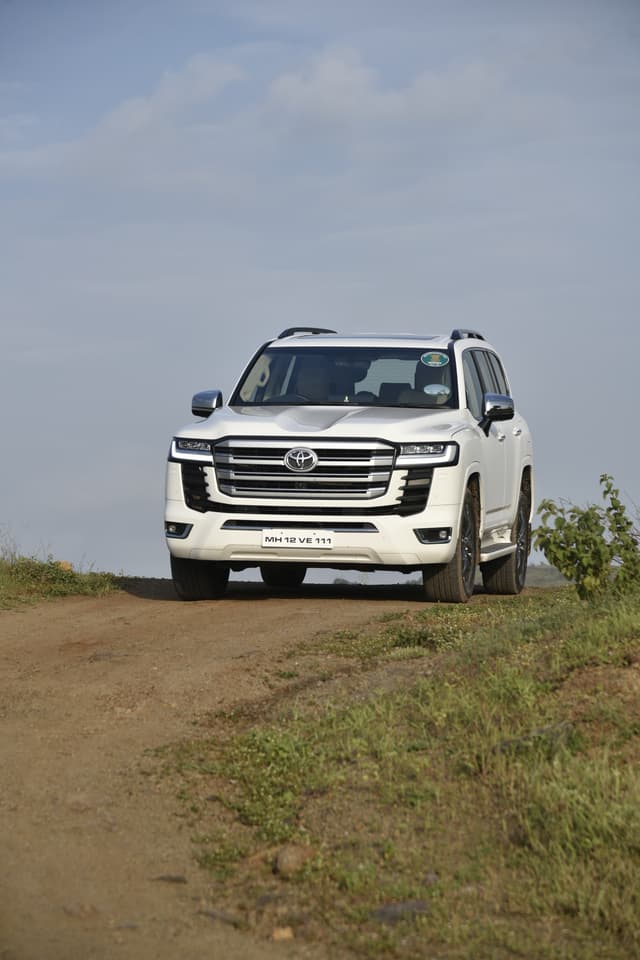
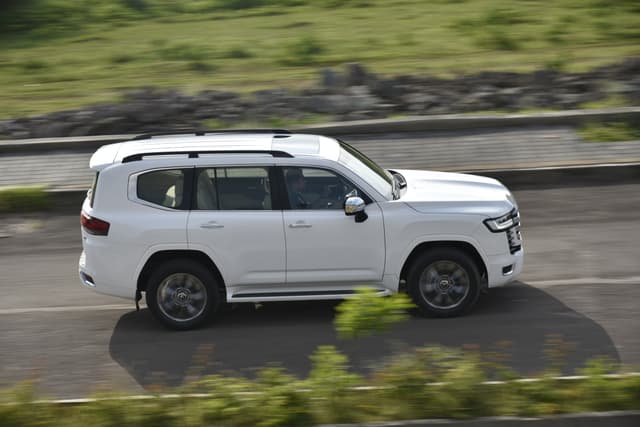
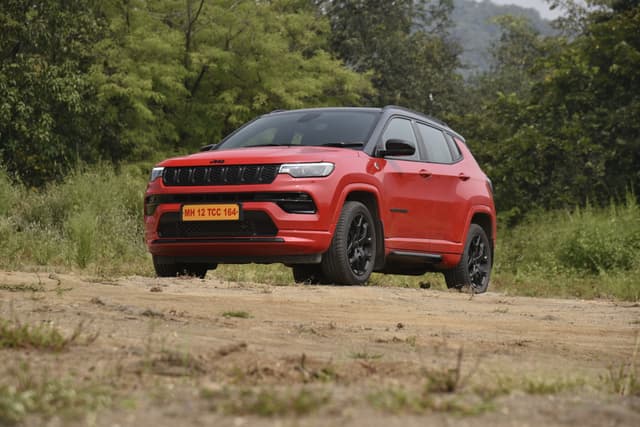
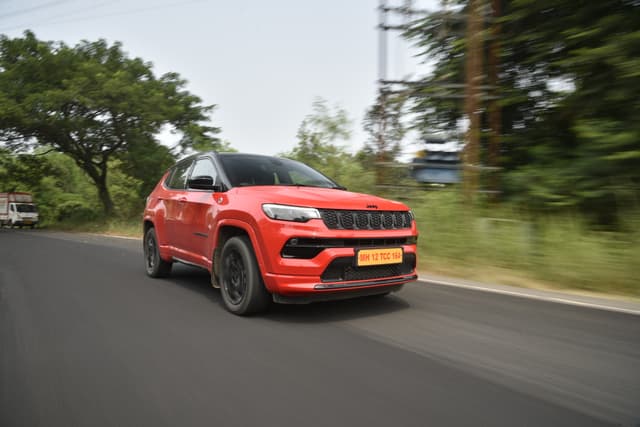
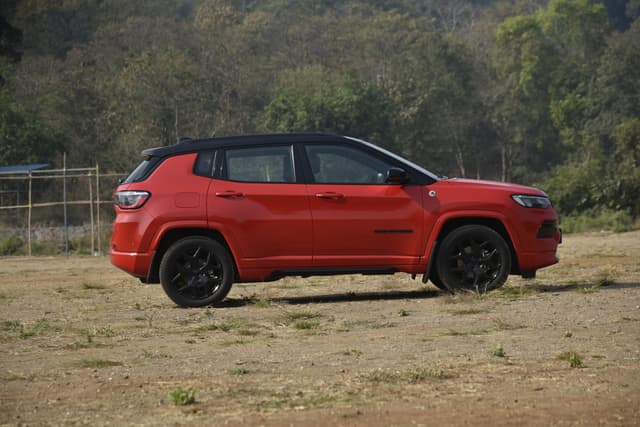
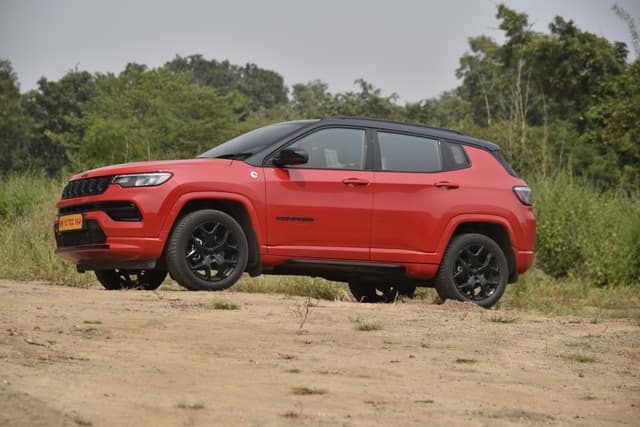
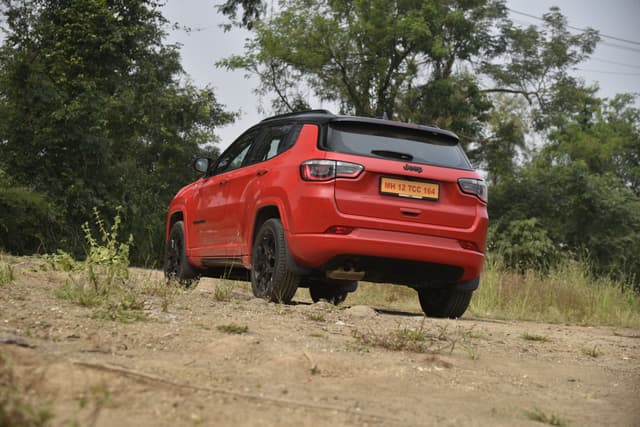
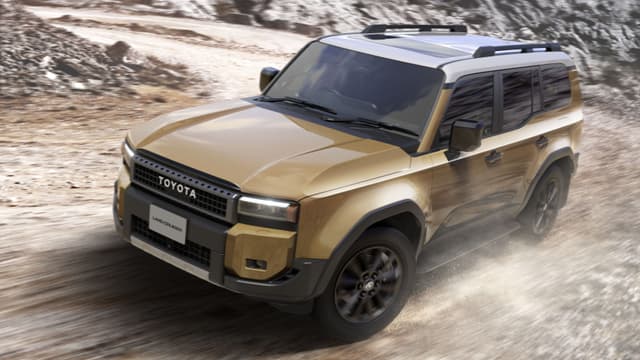
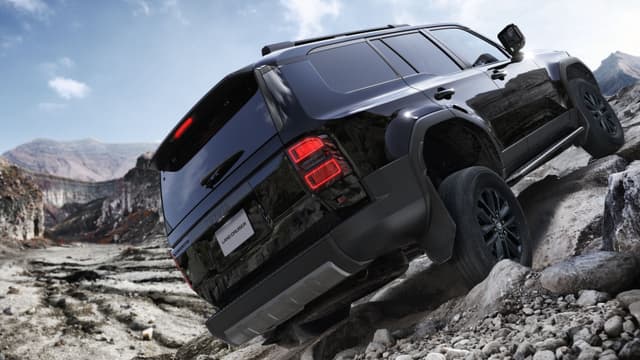
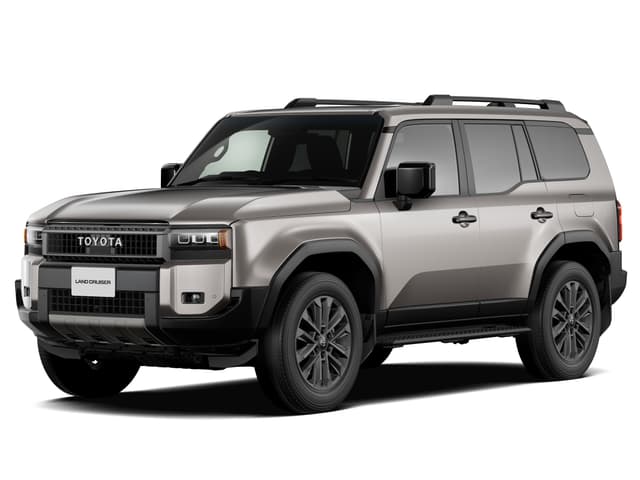
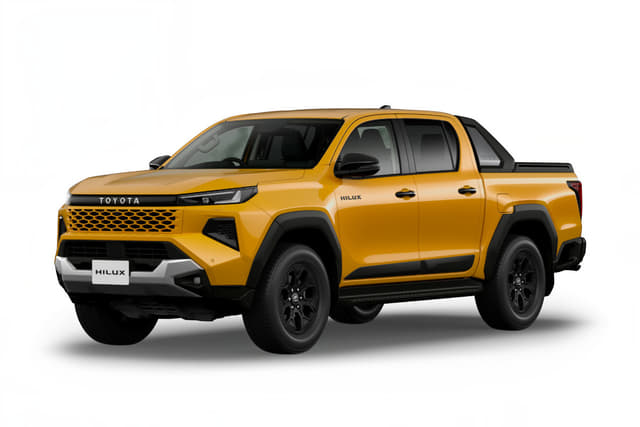
At the upper end, you can also opt for diesel-powered SUVs such as the Toyota Fortuner, Jeep Compass and Toyota Hilux. Mahindra, Tata, Hyundai, Kia and Toyota continue to offer diesel engines across multiple SUV segments, although their portfolios are increasingly adding hybrid and electric powertrains.
Diesel Vs Petrol Cars
The choice between diesel and petrol depends largely on how the car will be used, along with its purchase price and running costs.
Factor | Diesel | Petrol |
Purchase price | Usually Rs 1–3 lakh higher | Lower upfront cost |
Fuel efficiency | Higher | Lower |
Torque delivery | Stronger low-rpm torque | Generally lower low-rpm torque |
Long-distance driving | Better suited to frequent highway use | Better suited to mixed or occasional highway use |
Short urban trips | DPF-equipped cars need suitable running for regeneration | More convenient for short trips |
Emissions system | More complex, with DPF, EGR and, in some cars, AdBlue | Generally simpler |
Heavy loads | Stronger pulling ability | Depends on engine and gearing |
For buyers covering high annual distances, the lower fuel consumption of a diesel can help recover its higher initial cost over time. Buyers with lower annual running may find the lower purchase price of a petrol car more relevant.
Emissions-control systems add complexity compared with petrol engines, making usage pattern an important part of the ownership decision.
Diesel Cars And DPF: What You Need To Know
Modern diesel cars use a diesel particulate filter (DPF) to trap soot from the exhaust. The accumulated soot is periodically burnt off through a process called regeneration, which can happen automatically during sustained driving or be initiated by the engine when required.

This makes the usage pattern important. Frequent short, stop-start trips may not allow the DPF to reach the temperature needed for regeneration, increasing the risk of soot buildup and warning lights. Regular longer drives, particularly on the highway, help the system regenerate effectively.
Diesel cars can still work well in the city, but if you mainly make short trips, consider whether a petrol, hybrid, or EV would suit your usage better.
Future Of Diesel Cars In India
Diesel is expected to remain a more concentrated part of the passenger-vehicle market, with demand continuing in segments where the powertrain remains well suited to the vehicle and its usage.
Toyota, for instance, has said its 2.8-litre diesel engine will continue beyond 2027 in the Fortuner and Hilux, even as the company expands its hybrid and other powertrain technologies.
Diesel's share of India's passenger-vehicle sales increased marginally from 17.93% in 2024 to 18.33% in 2025. The growth was attributed mainly to demand for mid-size and premium SUVs.
The current market therefore points to a more focused role for diesel rather than its complete disappearance. SUVs and larger vehicles remain the key segments where diesel continues to have a presence.


Find cars by transmission


Find cars by transmission
Still have more question?
Get answers from Autocar experts and owners
- 9,000+discussions
- 20,000+users online
- 10,000+members
Diesel Cars - FAQs
If you travel long distances often, consider buying a diesel car. These offer a good mix of fuel efficiency and performance. Some options that you can consider are the Kia Sonet, Hyundai Venue and Mahindra XUV 3XO.
To prevent DPF clogging in diesel cars, do a dedicated DPF‑friendly run by holding a steady 60-70kph speed at roughly 1,800-2,500rpm for 20-30 minutes about once every 2-3 weeks. The key is consistency and temperature, so don’t cut such a drive short if you suspect a regen is happening, and avoid lots of very short trips immediately after a cold start, which only accelerate soot build‑up.
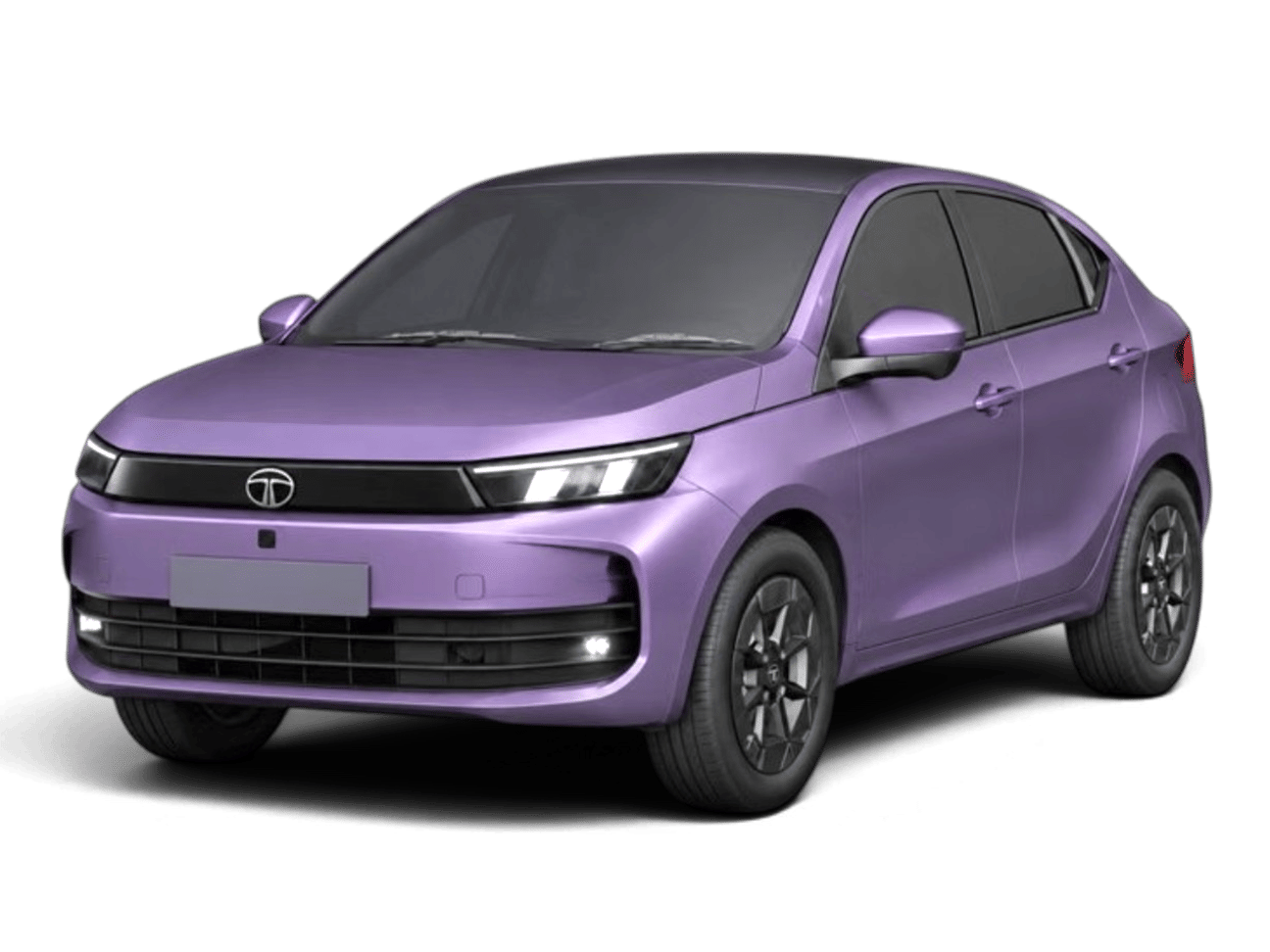
The Tata Altroz is the only hatchback to offer a diesel powertrain option.
Maruti Suzuki, Volkswagen, Skoda, Renault, Nissan and Audi are some of the brands that have stopped selling diesel cars in India.
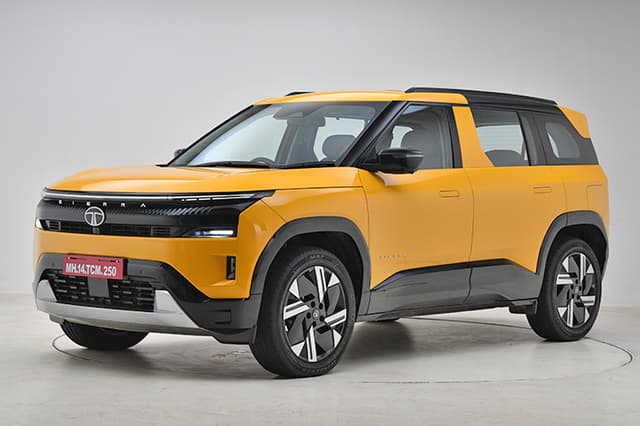
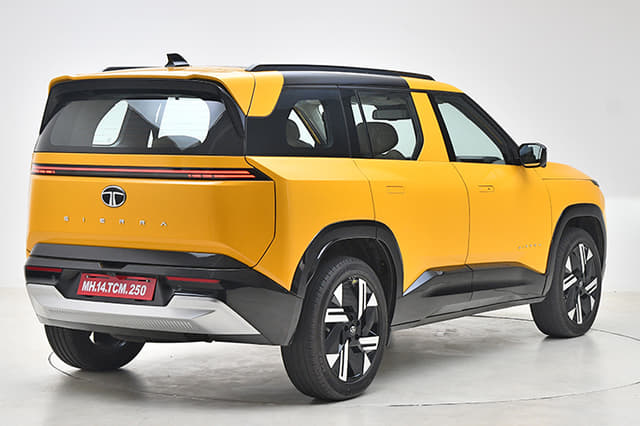
The Hyundai Creta, Tata Sierra, and Kia Seltos are among the most fuel-efficient diesel mid-size SUVs in India. The Creta offers a claimed fuel efficiency of up to 21.80kpl, the Sierra returns up to 21.26kpl, while the Seltos delivers a claimed fuel efficiency of up to 19.40kpl.
Yes, 7 seater diesel cars in India include Kia Carens Clavis, Mahindra XUV 7XO, Toyota Fortuner, BMW X7 and more.
Modern diesel cars come with a lot of tech onboard to drastically reduce tailpipe emissions. Diesel cars are usually known to be more fuel efficient than petrol cars, and thus, they still make sense for those who do long distance travel. However, those residing in areas such as Delhi-NCR, the 10-year rule for diesel cars could be an issue.
Diesel engines are known to offer high torque outputs, making them suitable for SUVs and rugged pickup trucks.
Trending Questions on Cars - Answered by Autocar Experts
Hello Autocar community, I'm planning to buy a Kia Sonet HTX variant diesel torque convertor automatic. My only concerns are the car's safety and the possibility of a next-generation model launching next year. The current HTX variant is sufficient enough for me but since there is no crash rating and safety rating, I am not that confident about purchasing it. What is the owner's review of the safety of Kia Sonet diesel automatic?
The Kia Sonet diesel automatic is one of our favourite compact SUVs. The combination of the smooth and refined 1.5-litre diesel engine and the six-speed torque converter automatic delivers a polished and very upmarket drive experience that you don't expect in this segment. As a long-distance car, it works brilliantly. While the Sonet doesn't have a crash test rating, it does comply with India's latest crash safety standards, which are a good baseline to begin with. Yes, a global NCAP or Bharat NCAP crash test rating would have added more assurance but it's not a reason to avoid the Sonet. The second-generation Kia Sonet is due to arrive in 2027 and will offer the same engine and gearbox. Going by its cousin - Hyundai Venue - the next-gen Sonet promises a slightly roomier cabin and more tech. At the same time, the current Sonet still feels up to date in its tech and features, and is still a very tempting package.
Cars like Creta, Harrier, Scorpio N are still offering diesel options. With CNG and EVs getting more attention, do you people think that buying a diesel SUV makes sense for 1000-1200 km monthly driving?
I'm planning to buy my first car, and my family prefers a diesel vehicle. I've shortlisted the Mahindra XUV 3XO MX2 Diesel and the Hyundai Venue HX2, but I'm confused about which one would be the better choice. My driving will be approximately 60% in the city and 40% on highways. Considering maintenance costs, real-world mileage, engine performance, long-term reliability, and ease of driving in city traffic, which car would you recommend? I'd appreciate your suggestions and ownership experiences to help me make the right decision.
Your requirements of maintenance, reliability and ease of driving would be better served in the Hyundai Venue, which also sports a nicer interior. However, if your requirement for engine performance is more important, then the Mahindra 3XO would be better here, with a peppier feel at the throttle and good NVH characteristics too. If the roads around your area are in bad shape, then the 3XO would also be better, as it has slightly better ride quality and handles sharp and large potholes better. In terms of mileage, the claimed figure on the Mahindra is higher; however, in real-world conditions, both are pretty close.
Hello, I own a Nissan Terrano diesel (2014 model). Now, I want to upgrade my car. My budget is flexible. Which car should I buy among Kia Sorento HTE(O) or XUV 7XO AX7 diesel or should I go with any other option? I am confused because of government policies related to diesel. Is it a smart decision to buy Sorento hybrid over XUV 7XO diesel AX7 automatic by paying extra Rs. 10 lakh?
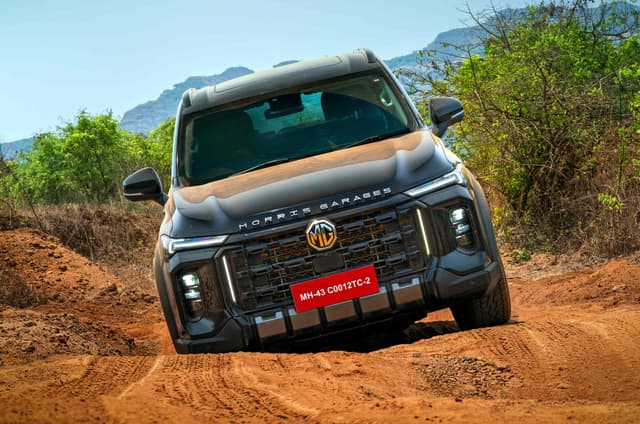
We would recommend the Kia Sorento Hybrid over the Mahindra XUV 7XO diesel AX7 automatic if the budget is flexible and you are looking for a more premium upgrade from your 2014 Nissan Terrano. The Sorento is a more upmarket product, with a stronger focus on cabin comfort, refinement and overall sophistication. Its hybrid powertrain should also deliver better fuel efficiency in city driving, while remaining efficient on the highway.There is also no need to rule out the XUV 7XO diesel purely because of government restrictions. Since you are based in Kurukshetra, the 10 year diesel vehicle restriction applicable in Delhi NCR does not apply to you. The XUV 7XO diesel automatic therefore remains a perfectly sensible option, particularly if you do substantial highway running.
Hi, Which would be the better option among the Tata Nexon Pure Plus Diesel Manual, Nexon Creative Petrol Manual and Nexon Pure Plus Petrol Automatic? All three are available to me at around Rs 11.5 lakh. I would appreciate your suggestions on which one would make the most sense.
The choice to buy the Tata Nexon entirely depends on your usage and preferences. If your usage is primarily in the city, the Tata Nexon Pure Plus petrol AMT makes sense because it does away with the need to modulate a clutch and change gears yourself. However, the Nexon's AMT gearbox is not the slickest. Shifts can feel jerky at times, particularly when you are starting on an incline or when you press down hard on the accelerator. If you're okay with using a gearbox and modulating a clutch, the Tata Nexon Creative petrol manual is a good choice. The Creative trim gets you additional goodies and creature comforts such as alloy wheels, auto climate control, cruise control and a 360-degree camera with a blind-spot view monitor. The frills add greatly to comfort and enhance the experience with the car. The Tata Nexon Pure Plus diesel manual is the one to buy if you have a lot of running and travel long distances regularly. The diesel engine is very fuel-efficient, and the punch comes in handy on highway drives to make overtakes easier. You will need to drive long distances often to allow the diesel particulate filter to regenerate effectively, which is a critical part of owning a BS6 emission norms-compliant diesel vehicle. In other aspects, all versions of the Tata Nexon offer the same solid build, good ride comfort, and roomy cabin experience.
Last Updated on: 18 Nov 2026