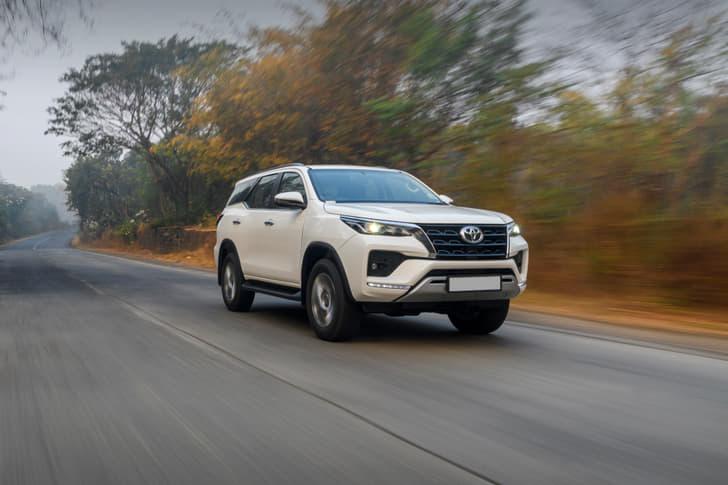
Cars between ₹30–₹40 lakh in India (14)



Find cars by body type


Find cars by body type


Find cars by fuel type
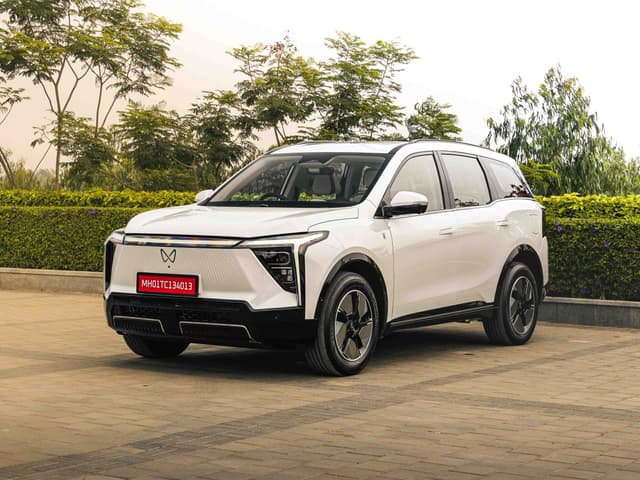


Find cars by fuel type
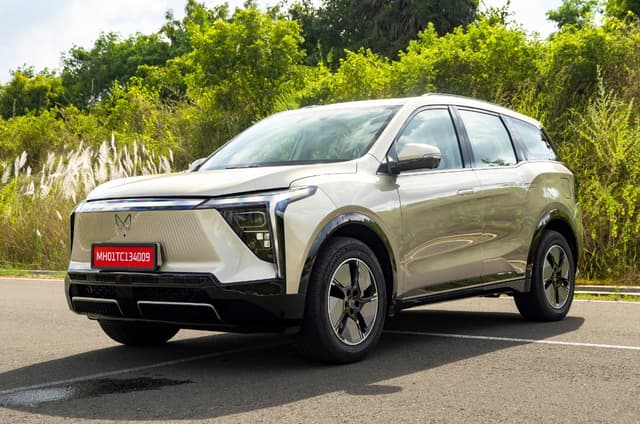
Trending Questions on Cars - Answered by Autocar Experts
I do a lot of highway driving and need a balance of power and comfort. I am unable to decide within a budget range of Rs. 30-35 lakh. However, I am tempted to pick up a second-hand Toyota Fortuner. What are the available options?
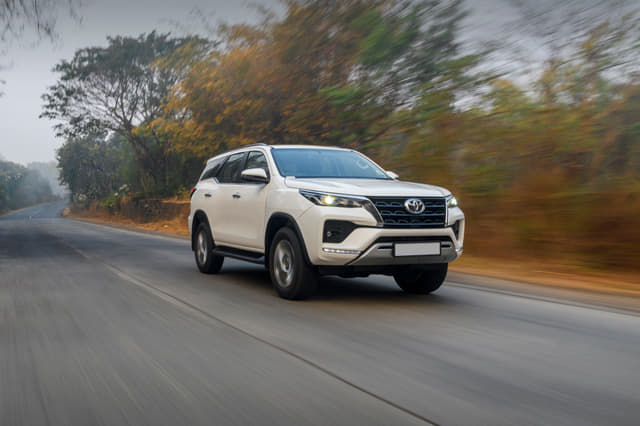
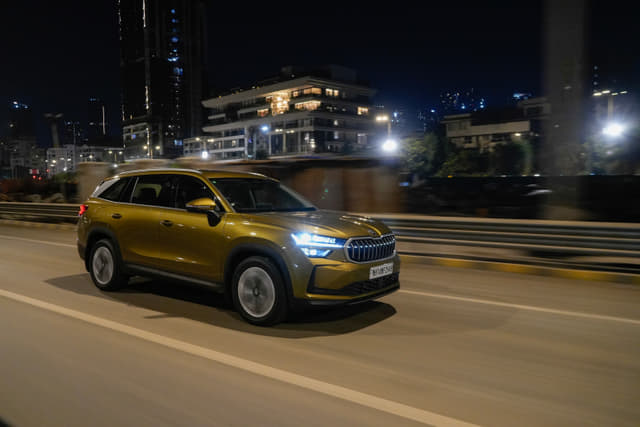
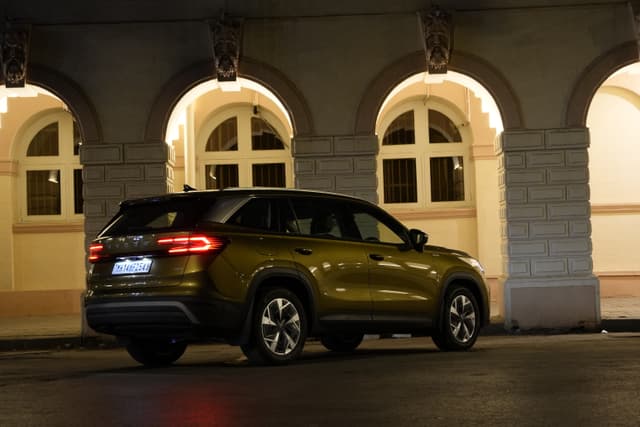
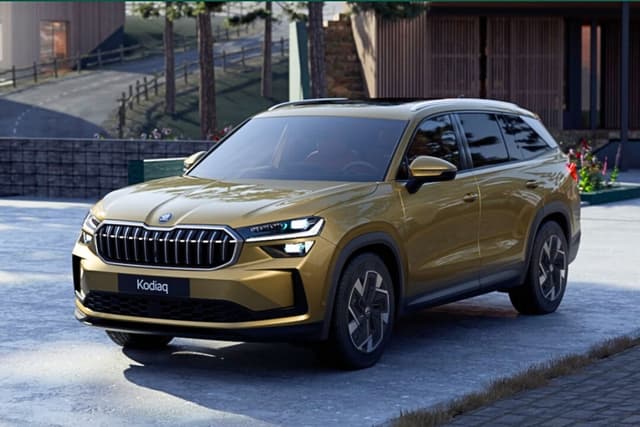
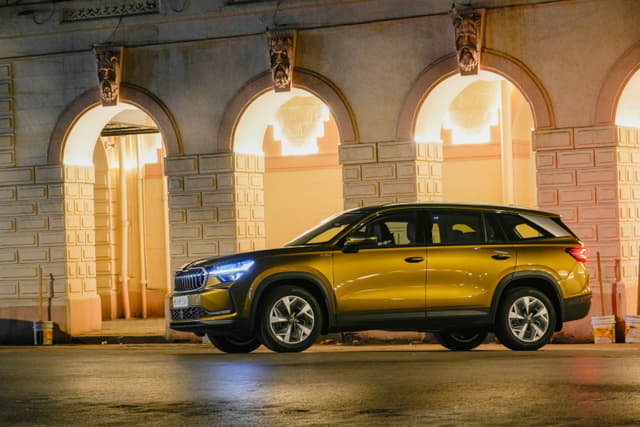
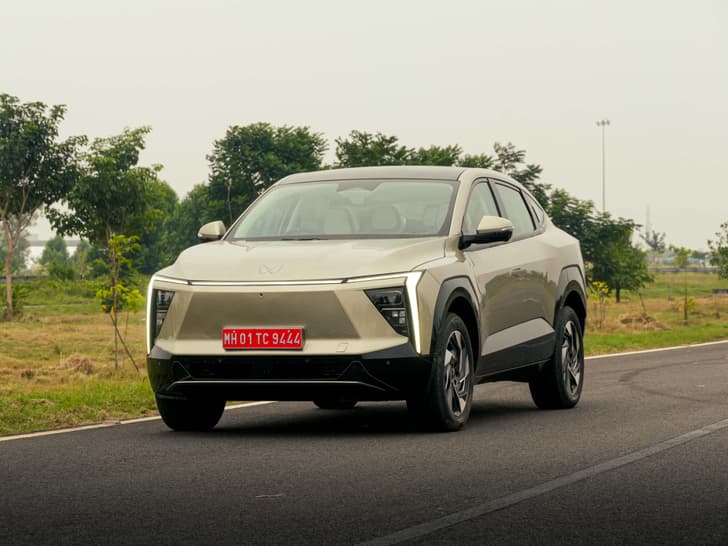
For heavy highway use with a budget of Rs 30-35 lakh, the Mahindra XUV 7XO diesel is the best fit. It offers strong performance, excellent ride comfort and a very stable high-speed touring experience, which is exactly what you need for long highway runs. The diesel engine is powerful and efficient, and the car feels planted and confidence-inspiring at speed. It also offers a good balance of features and safety for the price.The Toyota Fortuner is a great car, but at Rs 30-35 lakh you are looking at a used car that is already a few years old. The Fortuner’s biggest strength is its reliability and ruggedness, but it is not as refined or as comfortable as the XUV 7XO on long highway drives. The ride is firm, the cabin is not as modern, and you are paying a premium for the Toyota badge and reliability rather than getting the best ownership experience for your money.If you want something more premium, the Skoda Kodiaq is worth considering. It is a very comfortable and refined highway car with a strong petrol engine and a premium cabin, but it exceeds budget and does not offer the same diesel efficiency as the XUV 7XO.Overall, the XUV 7XO diesel is the best balance of power, comfort and value for your budget. It is a new car with a full warranty, excellent highway manners and a very strong ownership proposition.
Following my previous question about replacing my Tata Hexa, which has covered 1.25 lakh km, with a new SUV or MPV within a budget of Rs. 35 lakh and for a daily commute of around 85 km, I test-drove both the Tata Safari and the Toyota Hycross. However, I found both to be lacking in power. Could you suggest some other suitable options? I am also open to considering 5-seater SUVs, although a diesel remains my preference. Additionally, would the Mahindra XUV 7XO Diesel be a good choice for my requirements? If so, which variant would you recommend?
Given your daily 85 km commute and the fact that you're coming from a Tata Hexa, a diesel car still makes the most sense. The Toyota Innova Hycross is a petrol-hybrid MPV, so it was never going to feel as powerful as a diesel. The Tata Safari, while offering good torque, isn't the most responsive diesel SUV in its segment.The Mahindra XUV 7XO Diesel is the option we would recommend. It is one of the most powerful diesel SUVs in its segment, with strong mid-range performance and a genuinely engaging driving experience. It also strikes a good balance between comfort, space, and features, making it a well-rounded replacement for the Hexa. As for the XUV 7XO variants, the AX7 is the sweet spot, offering most of the key features without pushing the price too close to your Rs. 35 lakh budget.
My current car is a Toyota Etios Petrol, and I am planning to upgrade to a D-segment SUV. My on-road budget is Rs. 30 lakh. My usage is very low, as I do not drive daily. I drive occasionally during the week, with a total running of around 20-30 km per month, along with a few long trips each year. Considering the current E20 petrol scenario, should I buy an EV or continue with a petrol SUV? I also have the facility for home charging.
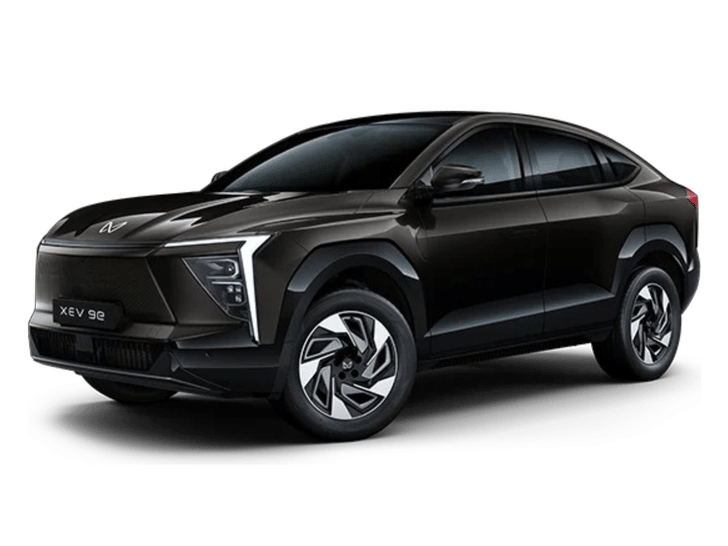
With your usage of just 20-30 km a month plus a few long trips a year, an EV is actually a very sensible choice. You have home charging, which is the biggest hurdle for most buyers, and your low monthly running means you will not be burning fuel idling in the garage. The occasional long trips are manageable with planning, and modern EVs like the Sierra EV or XEV 9s offer enough range for most intercity runs with a single charging stop. The key advantage here is that you avoid the E20 question altogether. Modern petrol engines are E20 compliant, but higher ethanol blends do reduce fuel efficiency slightly, and with your low usage, the fuel savings of a petrol car are negligible anyway.If you are set on a D-segment SUV, the Mahindra XEV 9s is the most practical choice. It offers a spacious cabin, good performance and despite its size is easy to drive in the city as well.
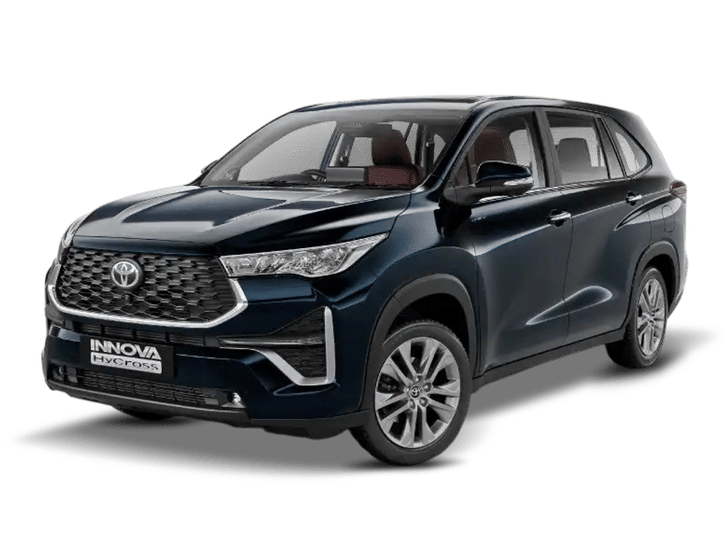
Hi Autocar Team, I am planning to buy the Innova Hycross GX (O) variant with an on-road budget of Rs. 30 lakh in Hyderabad. The reasons for choosing this car are the reliability of Toyota's petrol engines, long-term ownership assurance, good service support, and minimal maintenance requirements. I know it is not loaded with all the latest features, but it seems like a good overall package to me. However, I would like your expert opinion. Please let me know if my thinking is in the right direction or if I am missing anything important that I might regret later.
Your thinking is absolutely in the right direction. The Toyota Innova Hycross GX (O) is a sensible choice for a budget car under Rs .30 lakh budget, especially given your priorities of reliability, long-term ownership and low maintenance. The naturally aspirated petrol engine is proven, Toyota’s service network is excellent and the Hycross is one of the most dependable family cars on the market. The GX (O) may not be feature-rich, but it covers all the essentials and the focus on mechanical robustness and practicality is exactly what makes the Hycross such a strong ownership proposition.
My current car is a Toyota Etios Petrol, and I am planning to upgrade to a D-segment SUV. My on-road budget is Rs. 30 lakh. My usage is very low, with around 20 km per month, along with a few long trips each year. Considering the current E20 petrol scenario, should I buy an EV or continue with a petrol SUV? I also have the facility for home charging.
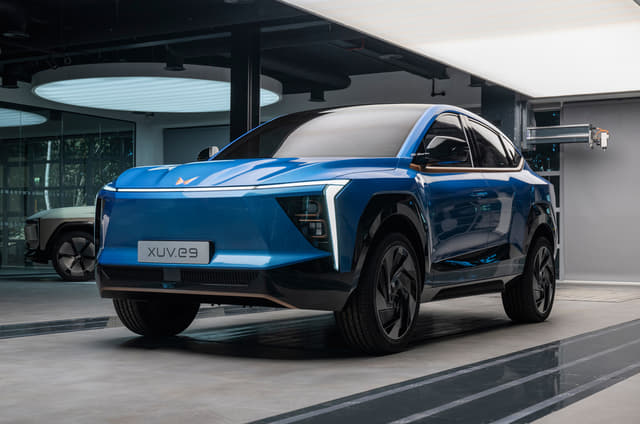
With a car under 30 Lakhs on-road budget, 20 km daily usage and only occasional long trips, you are actually in a very comfortable position to go electric. The key factor here is your home charging facility, which makes EV ownership far more convenient and cost-effective. With your usage pattern, the lower running costs of an EV will add up over time, and you will not be affected by E20 fuel concerns at all. For your budget, the Mahindra XEV 9S or 9e is the most sensible choice. Both cars have good real-world range, a comfortable cabin and a mature ownership experience. The only caveat is your occasional long trips. As long as you are comfortable planning charging stops on those journeys, an EV is the right choice. If you are not, then a petrol car like the Mahindra XUV 7XO is still the safer option. But given your usage and home charging, we would recommend going electric.
Last Updated on: 16 Aug 2026