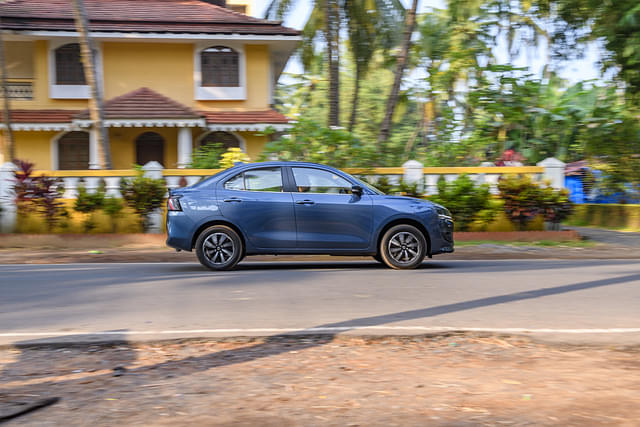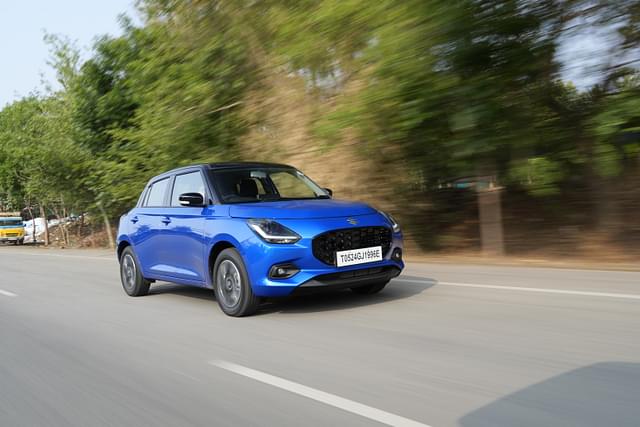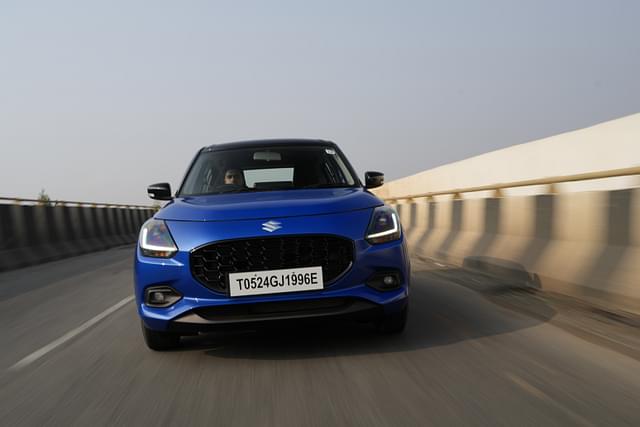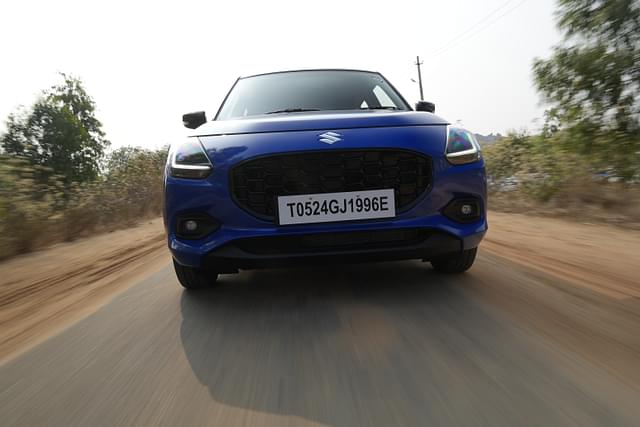

Maruti Suzuki cars in India (21)
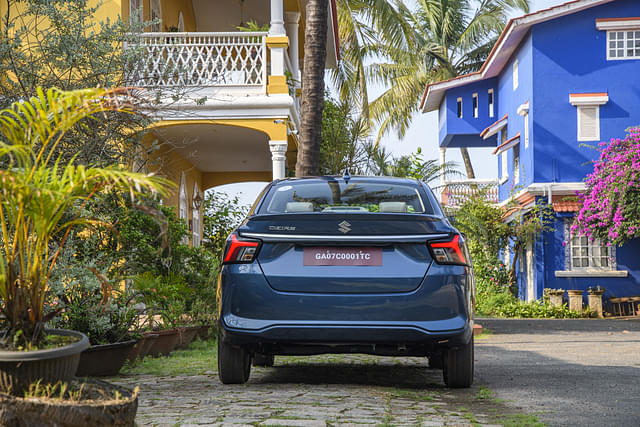
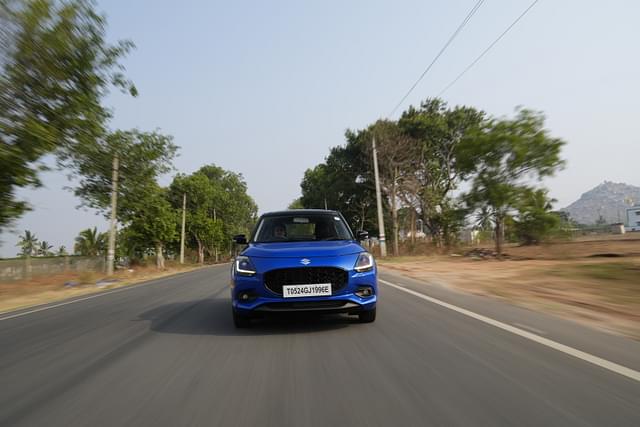
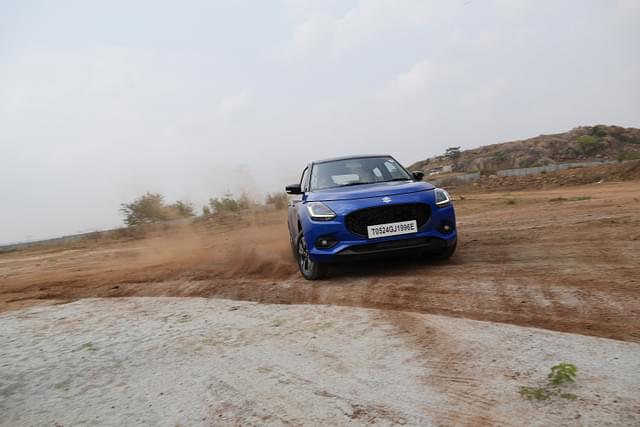
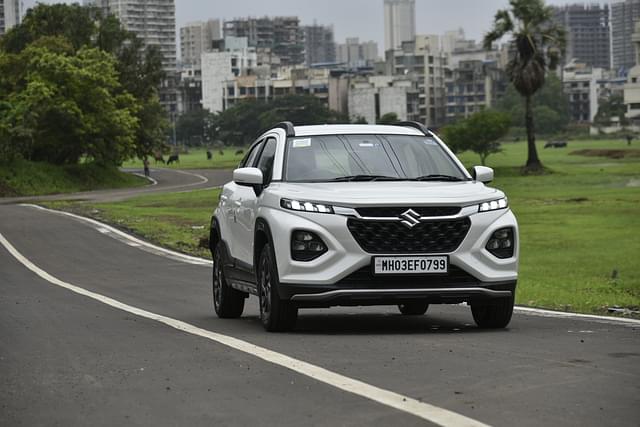
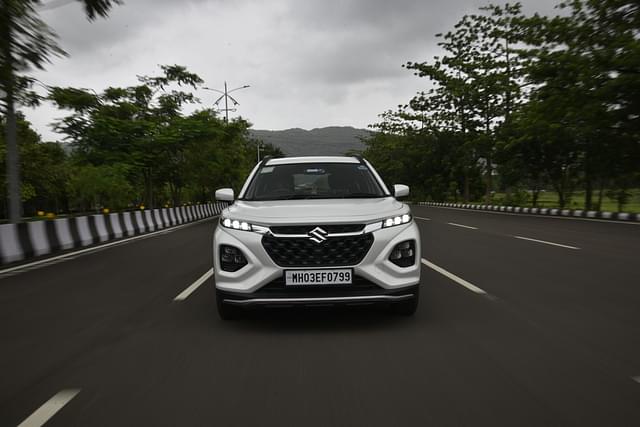
The Maruti car price starts at โน3.50 lakh and goes up to โน28.61 lakh in India (ex-showroom). The cheapest Maruti Suzuki car in India is the S-Presso (after GST reduction; earlier it was Alto K10), while the most expensive is the Invicto. As of June 2026, there are 18 Maruti models available for sale in India, while 2 are upcoming (facelifts of Baleno and Brezza). The current lineup consists of: 8 hatchbacks, 4 MPVs, 7 SUVs, and 1 sedan.
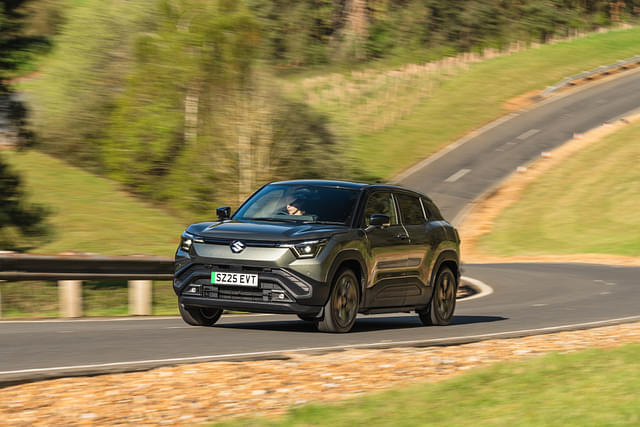
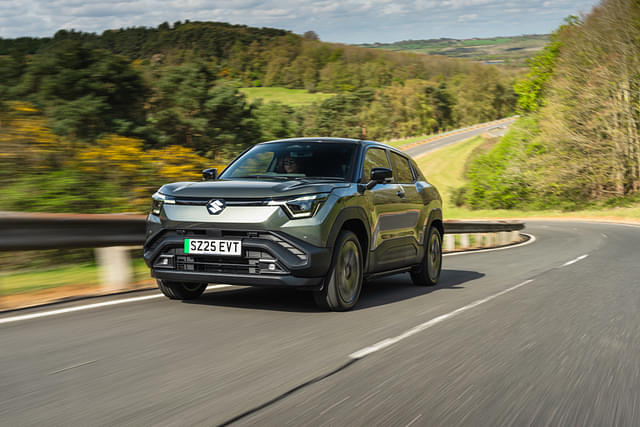
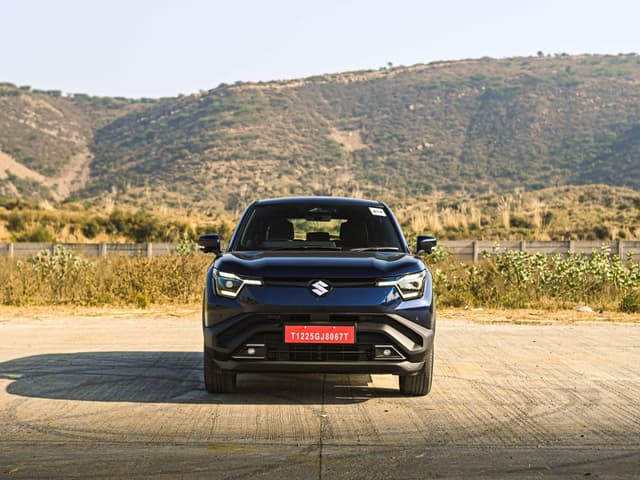
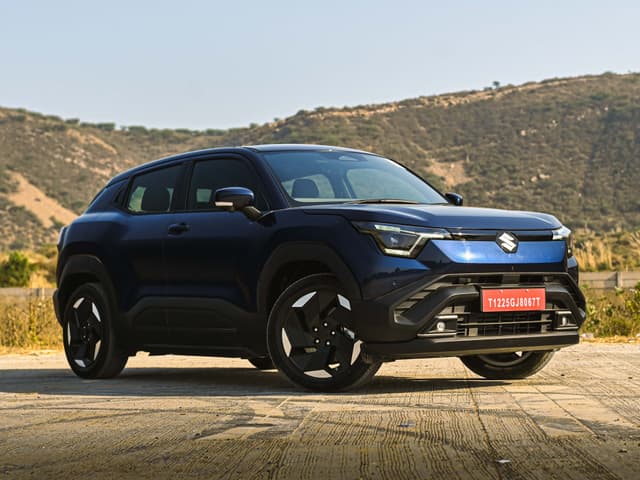
The latest Maruti Suzuki model launched in 2026 is the e Vitara. It is the first Maruti electric car and will rival models like the Hyundai Creta Electric, MG ZS EV, Mahindra BE 6, etc. The cheapest Maruti CNG model is the Alto K10 CNG, priced from โน4.81 lakh (ex-showroom). Popular Maruti cars in India include the Alto K10, Swift, Brezza, and Ertiga. Some Maruti Suzuki models are co-developed with Toyota, like the Grand Vitara SUV and Invicto.
The brand Maruti Suzuki needs no introduction in India, thanks to its budget-friendly, dependable, and reliable cars. The brand offers something for every budget. The Maruti Suzuki cars in India in 2026 include sedans, MPVs, SUVs, etc., powered by petrol, petrol-hybrid, and petrol-CNG engines across various price points.
Maruti Cars in India (June 2026)
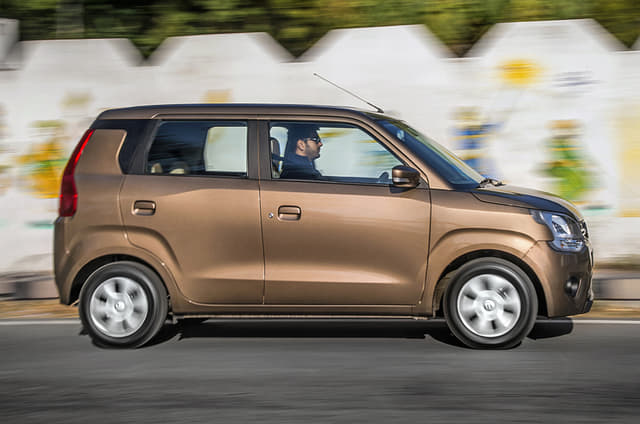
Maruti Suzuki currently offers various models in India across its two retail networks:
- Maruti Suzuki Arena (caters to the budget end of the market)
- Maruti Suzuki Nexa (caters to the premium end of the market)
Here is a complete list of all Maruti cars, along with their latest ex-showroom prices in India:
Maruti Car | Price (Ex-showroom) |
Maruti S-Presso | โน3.50 lakh - โน5.25 lakh |
Maruti Alto K 10 | โน3.70 lakh - โน5.45 lakh |
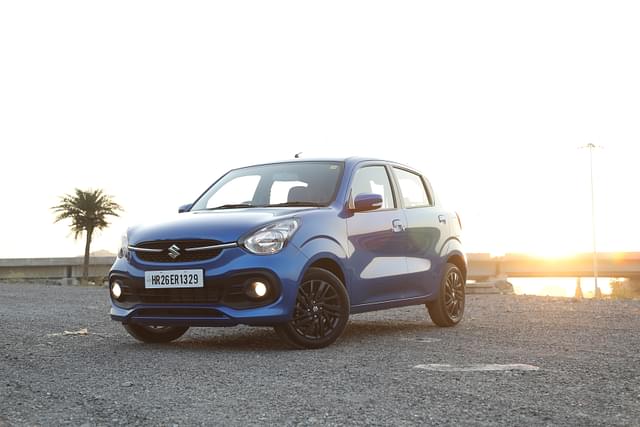
Maruti Celerio | โน4.70 lakh - โน6.73 lakh |
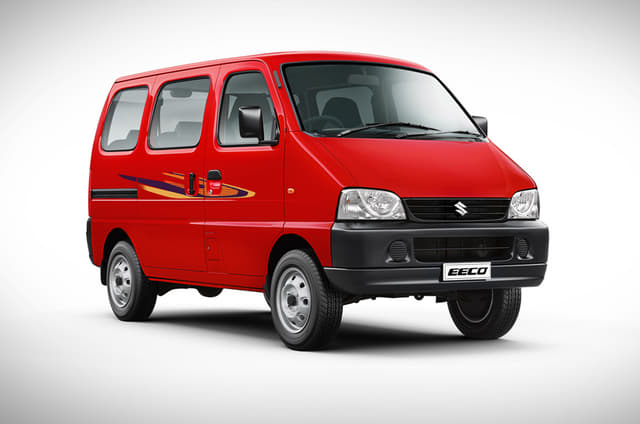
Maruti Eeco | โน5.21 lakh - โน6.36 lakh |
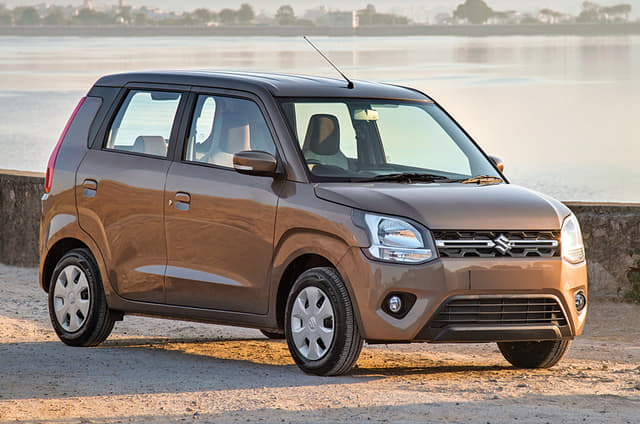
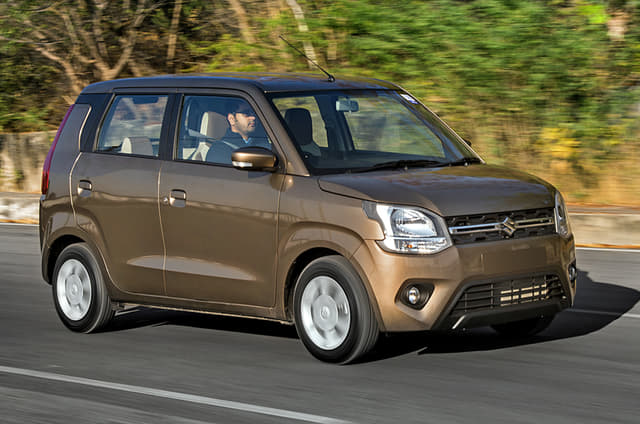
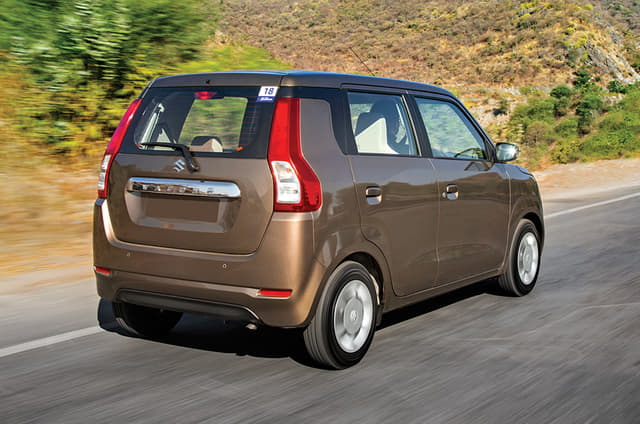
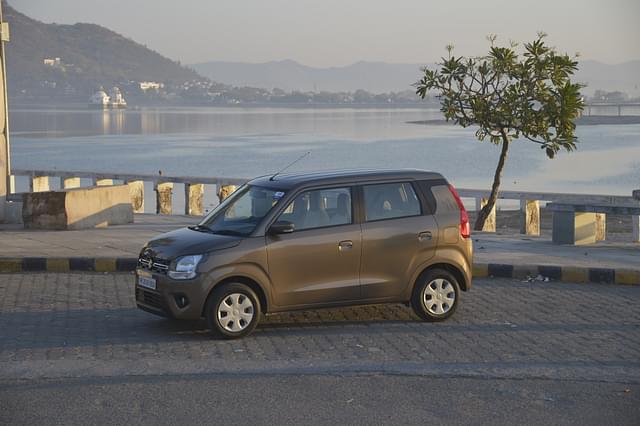
Maruti Wagon R | โน4.99 lakh - โน6.84 lakh |
Maruti Ignis | โน5.35 lakh - โน7.42 lakh |
Maruti Swift | โน5.79 lakh - โน8.65 lakh |
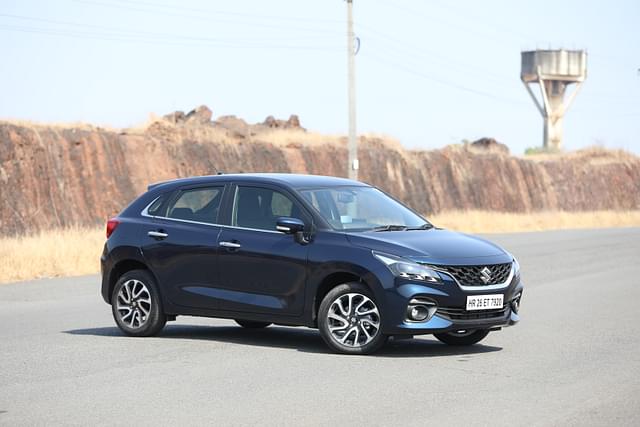
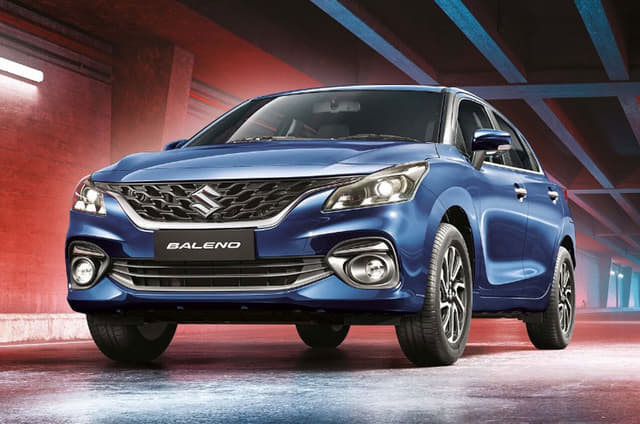
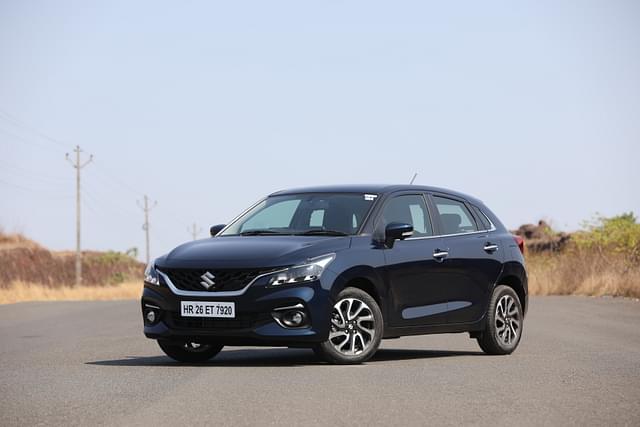
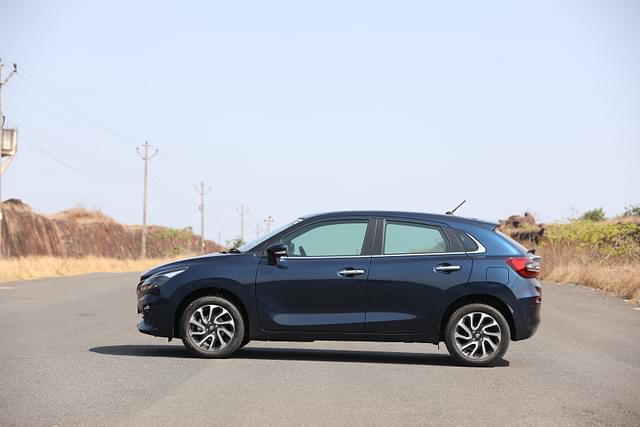
Maruti Baleno | โน5.99 lakh - โน9.10 lakh |
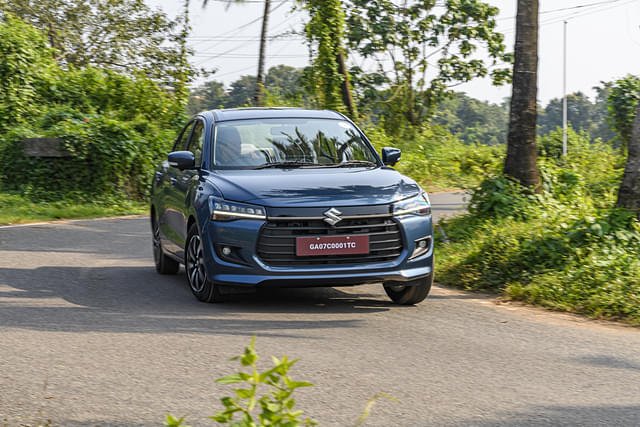
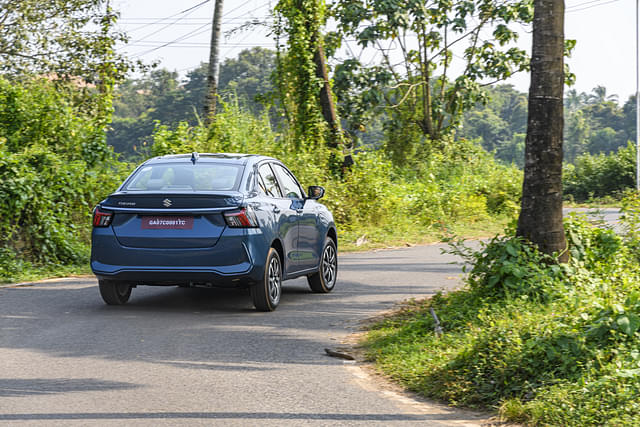
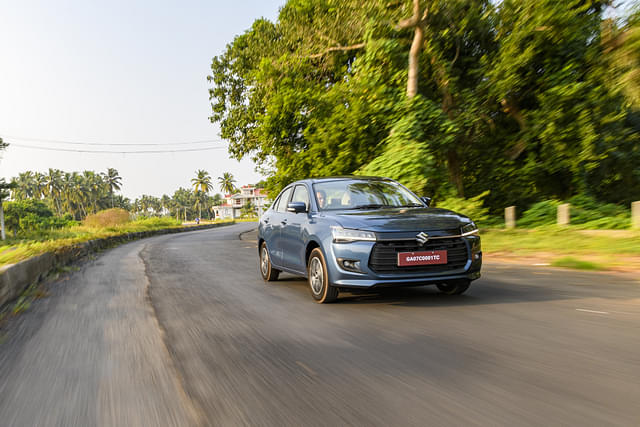
Maruti Dzire | โน6.26 lakh - โน9.31 lakh |
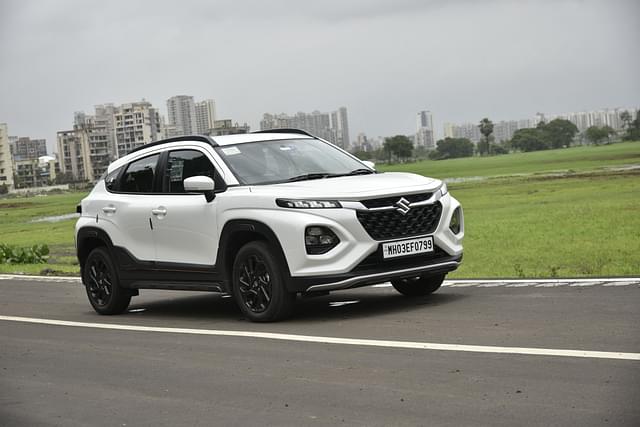
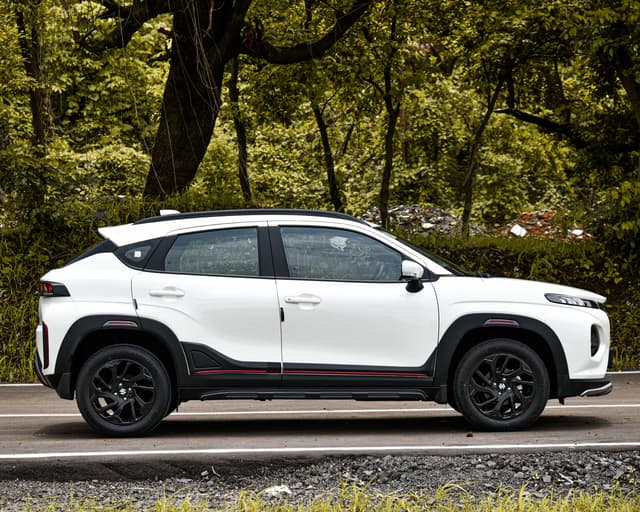
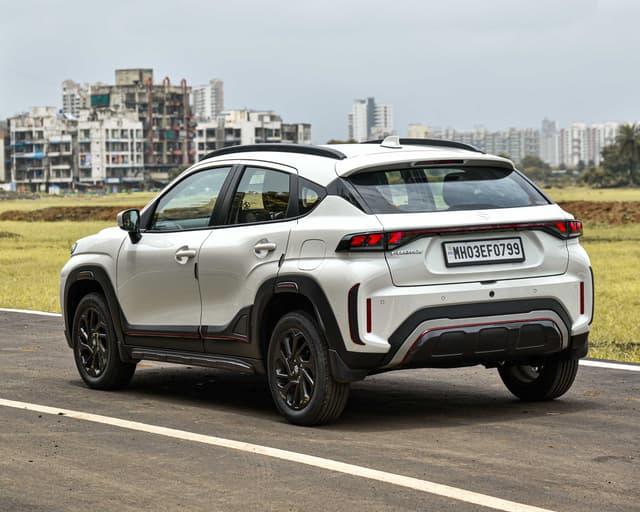
Maruti Fronx | โน6.85 lakh - โน11.84 lakh |
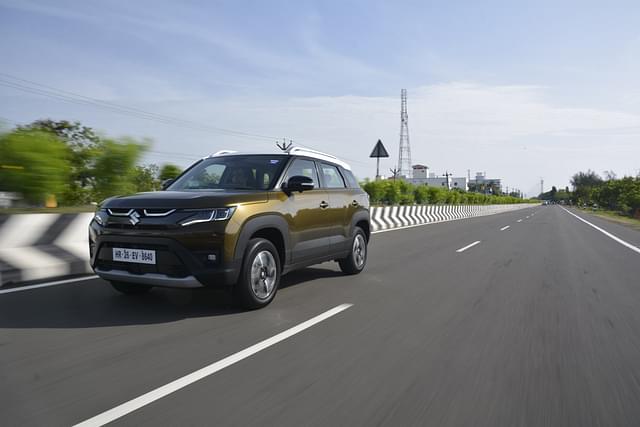
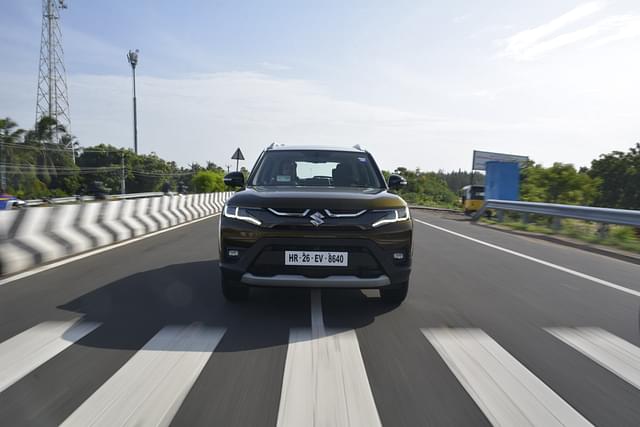
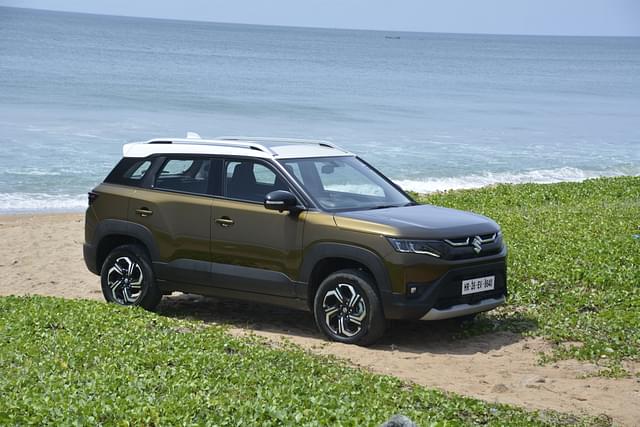
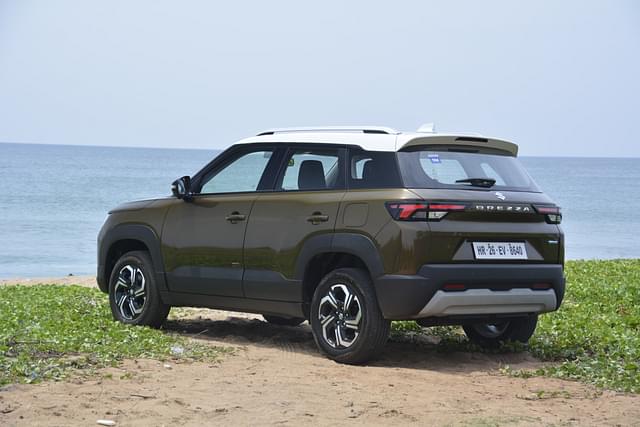
Maruti Brezza | โน8.26 lakh - โน12.86 lakh |
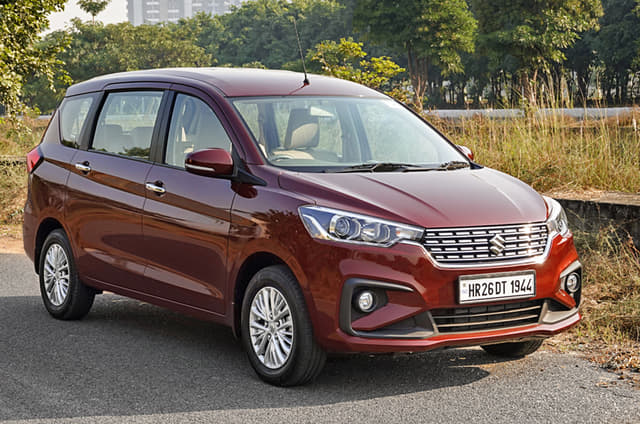
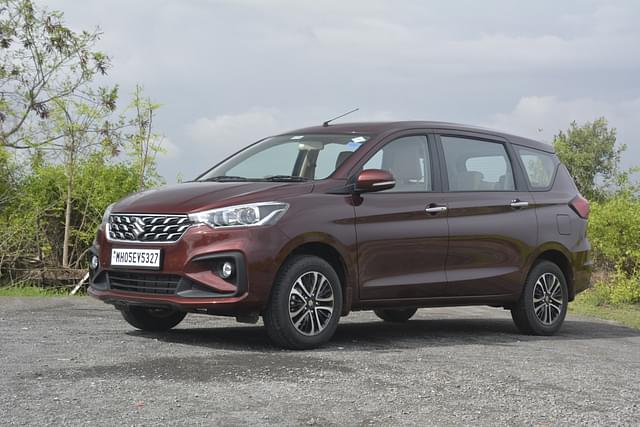
Maruti Ertiga | โน8.80 lakh - โน12.94 lakh |
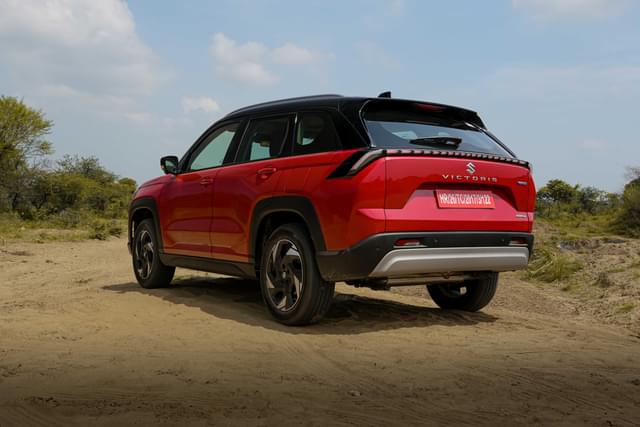
Maruti Victoris | โน10.50 lakh - โน19.99 lakh |
Maruti Grand Vitara | โน10.77 lakh - โน19.64 lakh |
Maruti E Vitara | โน10.99 lakh |
Maruti XL6 | โน11.52 lakh - โน14.32 lakh |
Maruti Jimny | โน12.31 lakh - โน14.29 lakh |
Maruti Invicto | โน24.97 lakh - โน28.61 lakh |
Maruti Suzuki Arena Cars in India
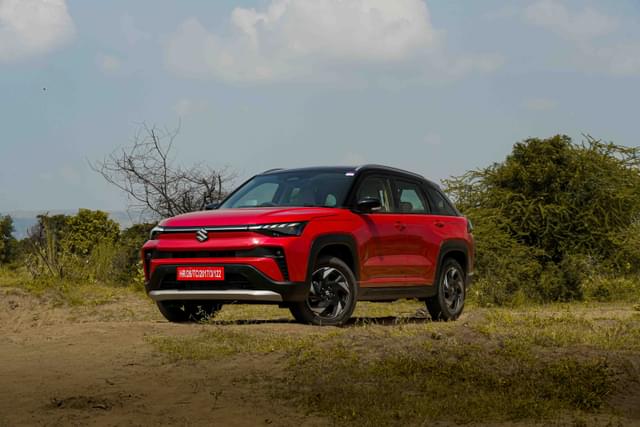
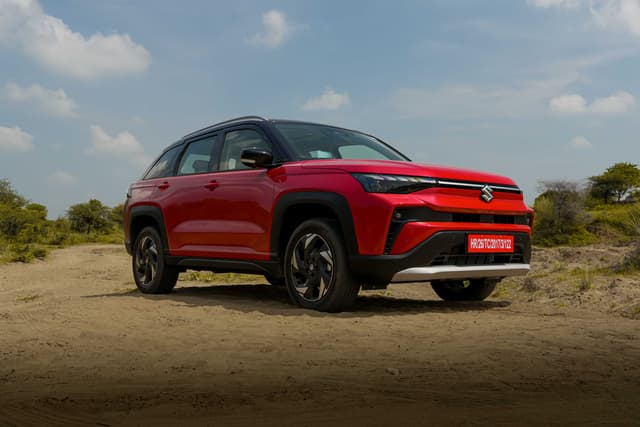
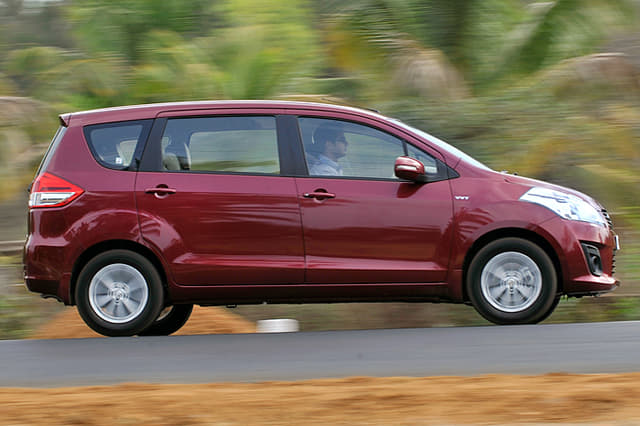
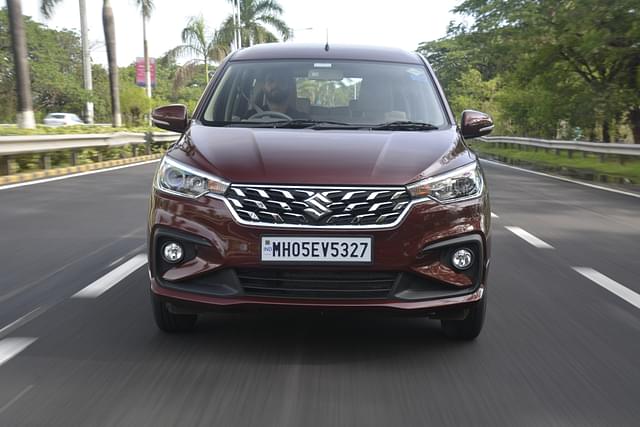
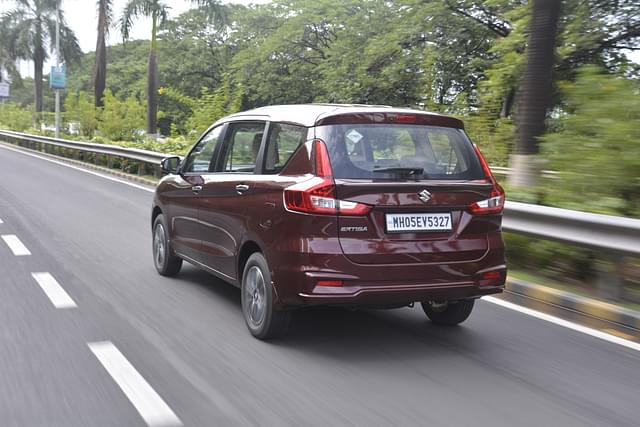
Maruti Suzuki offers 10 models via its Arena outlets (as of June 2026), catering largely to budget-conscious buyers. The Maruti Suzuki Arena line up includes Alto K10, S-Presso, Wagon R, Celerio, Swift, Dzire, Brezza, Eeco, Ertiga, and Victoris. The new Maruti Victoris SUV will take on the Hyundai Creta.
From May 12, 2025, all Maruti Suzuki Arena cars come equipped with 6 airbags as standard, enhancing safety across the range. Vehicles from Arena are commonly known for being budget-friendly and well-suited for city commutes. In India, Arena outlets are present in over 2,500 towns and cities, with more than 3,000 showrooms.
Here are all Maruti Suzuki Arena models, along with their on road prices (after GST cut) in major Indian cities:
Maruti Suzuki Arena Car | Mumbai (on-road) | Delhi (on-road) | Bangalore (on-road) | Chennai (on-road) |
Alto K10 | โน4.43 lakh - โน6.45 lakh | โน4.17 lakh - โน6.07 lakh | โน4.50 lakh - โน6.61 lakh | โน4.39 lakh - โน6.40 lakh |
S-Presso | โน4.20 lakh - โน6.22 lakh | โน3.95 lakh - โน5.85 lakh | โน4.27 lakh - โน6.38 lakh | โน4.16 lakh - โน6.17 lakh |
Wagon R | โน5.92 lakh - โน8.06 lakh | โน5.57 lakh - โน7.78 lakh | โน6.02 lakh - โน8.26 lakh | โน5.87 lakh - โน7.99 lakh |
Celerio | โน5.58 lakh - โน7.93 lakh | โน5.25 lakh - โน7.66 lakh | โน5.68 lakh - โน8.13 lakh | โน5.54 lakh - โน7.86 lakh |
Swift | โน6.84 lakh - โน10.15 lakh | โน6.44 lakh - โน9.80 lakh | โน7.02 lakh - โน10.41 lakh | โน6.78 lakh - โน10.06 lakh |
Dzire | โน7.38 lakh - โน10.91 lakh | โน7.13 lakh - โน10.54 lakh | โน7.57 lakh - โน11.19 lakh | โน7.32 lakh - โน10.82 lakh |
Breeza | โน9.70 lakh - โน15.27 lakh | โน9.36 lakh - โน15.01 lakh | โน9.94 lakh - โน15.91 lakh | โน9.61 lakh - โน15.61 lakh |
Eeco | โน6.17 lakh - โน7.50 lakh | โน5.81 lakh - โน7.25 lakh | โน6.33 lakh - โน7.69 lakh | โน6.12 lakh - โน7.44 lakh |
Ertiga | โน10.32 lakh - โน15.36 lakh | โน9.97 lakh - โน15.10 lakh | โน10.58 lakh - โน16.01 lakh | โน10.23 lakh - โน15.75 lakh |
Victoris | โน11.23 lakh - โน23.64 lakh | โน11.23 lakh - โน23.24 lakh | โน11.23 lakh - โน24.64 lakh | โน11.23 lakh - โน24.24 lakh |
Maruti Suzuki Nexa Cars in India
Maruti offers 7 models through Nexa outlets (as of June 2026) that cater to premium buyers by offering more feature-rich and stylish models. The Nexa lineup from Maruti includes Ignis, Baleno, Fronx, XL6, Jimny, Grand Vitara, and Invicto. Marutiโs first electric SUV, the eVitara, will also be launched via Nexa.
In India, Nexa outlets are currently present in around 500 cities, and are expected to grow to 650 by the end of 2025.
Here are all Maruti Suzuki Nexa models, along with their on-road prices (after GST cut) in major Indian cities:
Maruti Suzuki Nexa Cars | Mumbai (on-road) | Delhi (on-road) | Bangalore (on-road) | Chennai (on-road) |
Ignis | โน6.34 lakh - โน8.74 lakh | โน5.96 lakh - โน8.43 lakh | โน6.50 lakh - โน8.95 lakh | โน6.28 lakh - โน8.65 lakh |
Baleno | โน7.07 lakh - โน10.67 lakh | โน6.65 lakh - โน10.30 lakh | โน7.25 lakh - โน10.94 lakh | โน7.01 lakh - โน10.57 lakh |
Fronx | โน8.07 lakh - โน14.07 lakh | โน7.79 lakh - โน13.83 lakh | โน8.27 lakh - โน14.66 lakh | โน8.00 lakh - โน14.42 lakh |
XL6 | โน13.70 lakh - โน16.98 lakh | โน13.47 lakh - โน16.70 lakh | โน14.27 lakh - โน17.70 lakh | โน14.04 lakh - โน17.41 lakh |
Jimny | โน14.63 lakh - โน16.95 | โน14.38 lakh - โน16.66 lakh | โน15.24 lakh - โน17.66 lakh | โน15.00 lakh - โน17.38 lakh |
Grand Vitara | โน12.80 lakh - โน23.23 lakh | โน12.59 lakh - โน22.84 lakh | โน13.34 lakh - โน24.22 lakh | โน13.13 lakh - โน23.82 lakh |
Invicto | โน29.75 lakh - โน34.05 lakh | โน29.00 lakh - โน33.19 lakh | โน31.00 lakh - โน35.48 lakh | โน30.25 lakh - โน34.63 lakh |
Maruti Upcoming Cars
Currently, there are 2 upcoming Maruti cars that are expected to launch in India in 2026:
1. Maruti Suzuki Baleno facelift
- Estimated price: โน6.00 lakh - โน10 lakh
- Expected launch: 2026
- Fuel type: Petrol
2. Maruti Suzuki Brezza facelift
- Estimated price: โน8.50 lakh - โน13.10 lakh
- Expected launch: 2026
- Fuel type: Petrol
Maruti Cars - Latest Updates (June 2026)
Here are the latest updates related to the Maruti Suzuki cars as of 2026:
- 29 April 2026: RC Bhargava says a revival of Indiaโs small-car segment is โinevitableโ in the coming years, even as buyers continue to shift towards SUVs.
- 28 April 2026: Maruti Suzuki achieves its highest-ever exports, shipping 4.48 lakh units in FY2026.
- 17 February 2026: The e Vitara, the first Maruti electric car launched at โน10.99 lakh. The battery cost is extra.
- December 2025: The Maruti e-Vitara comes with an estimated driving range of up to 543 km on a full charge.
- November 2025: Maruti Suzuki e-Vitara scheduled to launch in early 2026, in India.
- September 2025: The Maruti Victoris price starts at โน10.50 lakh and goes up to โน19.99 lakh, depending on the variant.
FAQs
The most expensive Maruti car is the Invicto. It is a premium MUV and is priced between โน24.97 lakh and โน28.61 lakh (ex-showroom).
The Maruti Suzuki e Vitara, an all-electric SUV, is currently the only electric car from the brand. The e Vitara price starts at โน10.99 lakh and was launched on 17 Feb, 2026.
The cheapest Maruti Suzuki car in India is the Maruti S-Presso, priced from โน3.50 lakh after the GST reduction.
Maruti is expected to launch the facelifts of Brezza and Baleno in 2026.
Currently, the newest Maruti Suzuki car in India is the Victoris, which debuted on September 15, 2025.
Trending Questions on Maruti Suzuki Cars - Answered by Autocar Experts
Antony Albert
โข16hWhich hybrid vehicle would be a better choice for long-term ownership: the Toyota Hyryder, the Maruti Suzuki Grand Vitara or Maruti Suzuki Victoris?

Autocar India
The Toyota Urban Cruiser Hyryder and the Maruti Suzuki Grand Vitara as well as the Victoris all share the same Toyota hybrid system and battery and are thus essentially the same when it comes to long term use. Both brands are also very well established with a service network - Maruti even more so. Thus, among these cars, pick the one that you prefer or are getting a better value deal. In terms of long term, we would lean towards Maruti cars. Thanks to the brand's better network and brand strength across the country, Maruti tends to hold its value very well and is a bit of an easier sell too, which helps when its time to sell your car.
Amit gandhi
โข1dI want to buy either an electric car or a hybrid car, depending on which one would be more economical to maintain. My weekly running is around 1,250 km, with approximately 85% of that being on highways or expressways. I have not shortlisted any specific models yet, as I often end up confused after reading user reviews, watching videos, and comparing the various pros and cons of different cars. Considering my usage pattern and focus on lower maintenance costs, which type of vehicle and which models would you recommend?

Autocar India
Buy the Toyota Urban Cruiser Hyryder Hybrid or its sister car the Maruti Suzuki Grand Vitara. With 85% highway and 1,250 km a week, you need range and minimal downtime; this hybrid will do around 20 kpl at steady speeds, refuels in minutes, and Toyotaโs hybrid system is proven and low on upkeep. Over big mileages, the petrol you save, versus normal petrol and the time you save versus hunting for public chargers, make a bigger difference than the savings with an EV.Hereโs the catch you should know: the hybridโs boot is smaller than the pure petrolโs and maintenance costs would be more than an EV, but not prohibitively so. If you have dedicated parking and can plug in every night, an EV would be cheaper to run and maintain. In that case, skip small batteries. Pick the MG ZS EV for its highway range, or the Tata Nexon EV Long Range if you want a lower price. On home power youโll spend roughly Rs. 1.5-2 per km. Relying on highway fast chargers pushes costs close to petrol per km and eats time, which is why the Hyryder Hybrid fits your weekly grind best unless home charging is easy.
Arunraj
โข1dMy budget is around Rs. 15 lakh, and my usage will be approximately 80% city driving and 20% highway driving. I expect to drive less than 1,000 km per month. Given this usage pattern, would choosing a DCT be a good or bad option in the long run? Alternatively, is Tata's wet-clutch DCA a better choice? Torque converter options seem quite limited within my budget. I have considered the following options, but each comes with certain concerns: Skoda Kylaq - I am unsure about its long-term reliability and maintenance. Maruti Suzuki Brezza - Feels somewhat outdated. Maruti Suzuki Fronx - Does not seem to offer enough value for the price. Mahindra XUV 3XO - Concerned about dealer and service support. Hyundai Venue and Tata Nexon - Both seem like good options, but I am concerned about long-term gearbox wear and tear. Based on my usage and priorities, which vehicle would you recommend?

Autocar India
Pick the Mahindra XUV 3XO MPFi petrol automatic. Its torque-converter automatic gearbox is the most robust for your mostly city use with smooth crawling and far lower risk of costly clutch wear than a dual-clutch. While efficiency will not be as high as others like the Nexon or Brezza, your low 1,000 km a month should not make this too much of a worry and on the whole it stays well within your budget. Mahindra service can vary from dealer to dealer, so do check your local dealer options.If your Mahindra dealer is really weak, between the others, you could wait a for just about two months when the new updated Maruti Brezza is due to arrive. It too has a torque convertor autobox and its low ride is very plush and really a boon to have over bad city roads.
Shourya
โข1dI want to buy an SUV and have a daily commute of around 40 km, along with occasional highway trips of up to 1,000 km. However, I am confused about whether I should choose an EV or a diesel variant. I am currently based in Indore, and given the current oil situation, I am inclined towards an EV. However, I am concerned about the limited availability of charging infrastructure in Tier 3 and Tier 4 cities such as Damoh and Sagar. My main worries are the availability of charging stations during long highway journeys, as well as the time required to recharge the vehicle. Could you please advise whether an EV or a diesel SUV would be the better choice?

Autocar India
Pick a diesel SUV for now, because your 1000 km highway runs will be far less stressful. Owning a diesel means 5 minute refuels almost anywhere, no hunting for chargers or waiting for the battery to be topped up. With todayโs patchy fast-charging in tier 3-4 towns, an EV road trip still needs careful planning, backup options, and usually 2-3 long stops. Your 40 km daily run does suit an EV, but only if you have reliable home charging and if those long trips are rare.For diesel, a Hyundai Creta or Kia Seltos is the easy, efficient, and comfortable choice. If you want lower city running cost without charging worries, pick a strong-hybrid like the Toyota Urban Cruiser Hyryder or Maruti Suzuki Victoris instead.
Subramanian S
โข2dI currently own a 16 years old Honda City SV MT and am planning to upgrade to a hybrid SUV with a budget of around Rs. 20 lakh. Could you suggest the best options currently available in the market? Also, would it make sense to wait until Diwali 2026 for any upcoming hybrid SUV launches?

Autocar India
Buy the Maruti Suzuki Victoris VXI strong-hybrid, because it is the only true hybrid SUV you can get within about Rs. 20 lakh on-road today and its smooth, quiet drive will feel natural coming from a Honda City. You will see big fuel savings in traffic, and Victoris also comes with a comfy cabin and a stable ride quality.The Toyota Urban Cruiser Hyryder and the Maruti Suzuki Grand Vitara strong-hybrid are the same underneath, so if you prefer their styling or cabin look, that works too. I would still pick the Victoris as its the newest of the lot.One honest caveat: the hybridโs boot is smaller than the regular petrol variant and performance is calm rather than quick. Also, top trims cross Rs. 20 lakh on-road, so stick to the base hybrid for your budget.If you can wait till Diwali 2026, Renault will launch the Duster strong hybrid and you may also see facelifts of the Hyryder and Grand Vitara, but that is yet unknown.
achanta ragarao
โข2dI want to visit Spiti Valley during winter, when there is likely to be light to moderate snowfall. Which vehicle would be a better choice for this trip: the Mahindra Thar or the Maruti Suzuki Jimny?

Autocar India
Pick the Maruti Suzuki Jimny. For Spitiโs narrow, broken mountain roads with light to moderate snow, the Jimnyโs small size and low weight make life easier. It is simpler to place on those cliff-edge tracks, its narrow tyres bite better on packed snow, and visibility is excellent. The 4x4 with low range works cleanly, and Marutiโs service reach in Himachal is wider if you do need help.Be ready for one compromise. The 1.5 petrol loses power at high altitude, so climbs will be slow and you will use lower gears more often. Cabin and boot are smaller too.If you regularly travel with four adults plus big luggage, or you expect fresh, deeper snow, the Tharโs extra torque and higher clearance give you more headroom. But for a typical winter, Spiti run in light to moderate snow where control and confidence matter more than brute force, the Jimny is the better tool.
s v rajan
โข2dI want to buy a mid-size SUV with a petrol automatic powertrain. My priorities are good fuel efficiency and strong resale value. The vehicle will be used mostly for city driving.

Autocar India
Go for the Maruti Suzuki Victoris hybrid automatic for city use and the lowest fuel bills. In stop-go traffic, it runs on electric power a lot of the time, so you will see around 20-plus kpl in town, far better than regular petrol automatics. It feels calm and smooth at low speeds, and the steering is light and easy enough to twirl in traffic and also reassuring at higher speeds. Resale should be strong too as with most Maruti Suzuki models, plus with hybrids increasing in demand, your resale should be healthy.
Gopikrishna
โข2dWhy does the Maruti Eeco 6-seater version not come with AC? Doesn't Maruti offer the option of installing an air conditioner? Can AC be fitted through the aftermarket after purchase?

Autocar India
The reason the Maruti Eeco 6-seater Standard variant is not offered with factory-fitted AC is largely a cost and positioning decision by Maruti. It is worth noting that this restriction is specific to the 6-seater Standard variant. The 5-seater versions of the Eeco are available with factory-fitted AC, so Maruti is not avoiding AC altogether on the model.As for adding AC later, yes, it is technically possible to fit an aftermarket AC, and many owners have done so. However, we would generally not recommend it. Factory-fitted AC systems are integrated with the engine calibration, wiring, dashboard layout and cooling system. An aftermarket setup may not cool as effectively, can affect reliability and could create issues with electrical components over the long term if not installed properly.If AC is important to you, the better solution is to buy an Eeco variant that comes with factory fitted AC from the outset or go for alternatives like the Renault Triber or the Nissan Gravite.
Ab
โข2dI am looking for an SUV under Rs. 30 lakh for a monthly running of around 2,500 km, mostly in city conditions. The vehicle will be chauffeur-driven most of the time, with a few long self-driven trips each year. I intend to keep the vehicle for around 5-7 years.

Autocar India
Pick the Toyota Urban Cruiser Hyryder strong-hybrid or its sister model the Maruti Suzuki Grand Vitara; with 2,500 km a month in city and a chauffeur, it will slash fuel costs and stay smooth and quiet in traffic. In real city use, you can see around 20kpl, the automatic is seamless, and the hybrid system is proven for long, low-hassle ownership over 5-7 years. The back seat is comfy enough for daily commutes, ride quality is calm, and for your few self-driven highway trips it cruises easily and has the range of a petrol without the diesel DPF worries.One point to note: the hybridโs boot is smaller than some rivals, so two big suitcases plus soft bags is about it. Also, it isnโt the quickest for fast hill overtakes, though itโs perfectly fine at normal speeds. If you need a bigger rear seat and huge boot above all else, MG Hector is roomier, but its city fuel costs will sting. For your use, the Maruti or Toyota Hybrid is the sweet spot under Rs. 30 lakh.
S Kumar
โข3dMy friend is looking for an automatic car in the price range of Rs. 6-7 lakh . A key requirement is that it should be spacious and easy for his elderly parents to get in and out of comfortably. It should also offer decent boot space for occasional long-distance travel. An EV is not being considered due to some specific constraints. Could you please suggest some good options?

Autocar India
Pick the Maruti Wagon R AMT. For elderly parents itโs the easiest to get in and out of, thanks to the tall seat and wide doors, and its boot is the biggest in your Rs. 6-7 lakh band, so weekend luggage is no fuss. The automatic is an AMT or automated manual transmission, which is not as smooth and seamless as other types of automatics but as as far as AMT's go it does the job quite well, plus it delivers a very good mileage. Just know it feels light and a bit bouncy at higher highway speeds, so keep cruising sensible. If he wants something that feels tougher on the highway, the Tata Tiago AMT is the next best fit. It rides better and feels more solid, but the seat is a bit lower and the boot is smaller than the Wagon R.
Last Updated on: 4 Jun 2026