
Autocar India
Fallback ad for desktopHero

Last Updated on: 18 Aug 2026

Tata Sierra EV
Autocar score
8
₹19.92 - ₹27.69 Lakh
On road price, Mumbai
Mumbai
Starting₹28,799 /month
EMI calculator

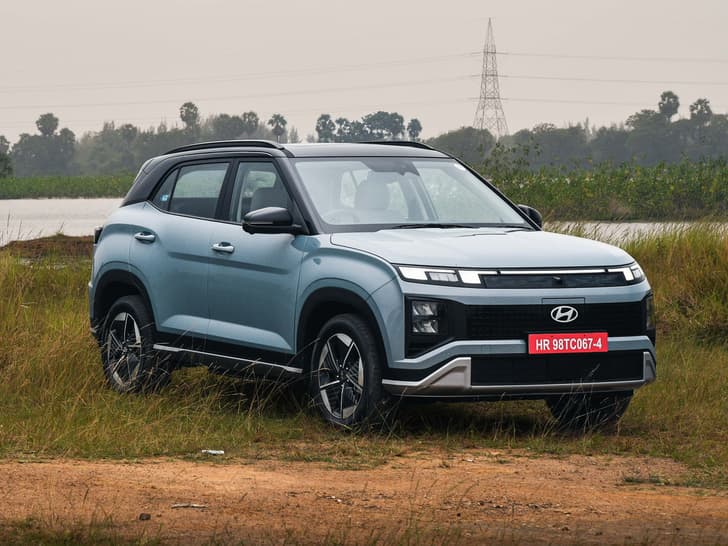
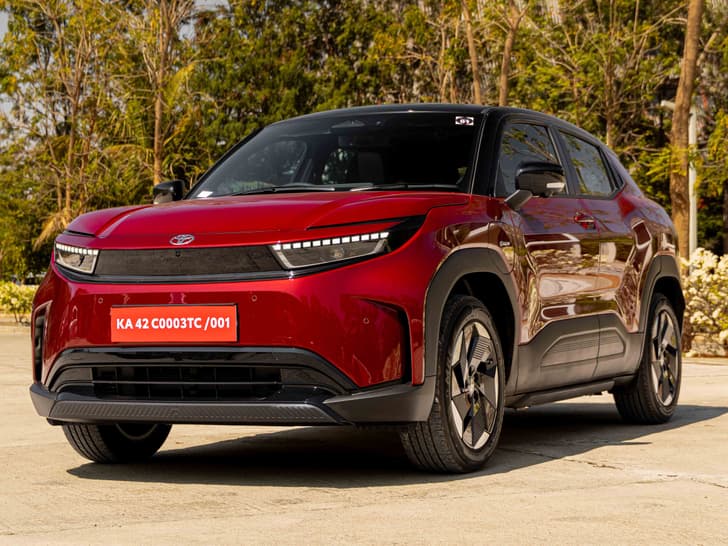
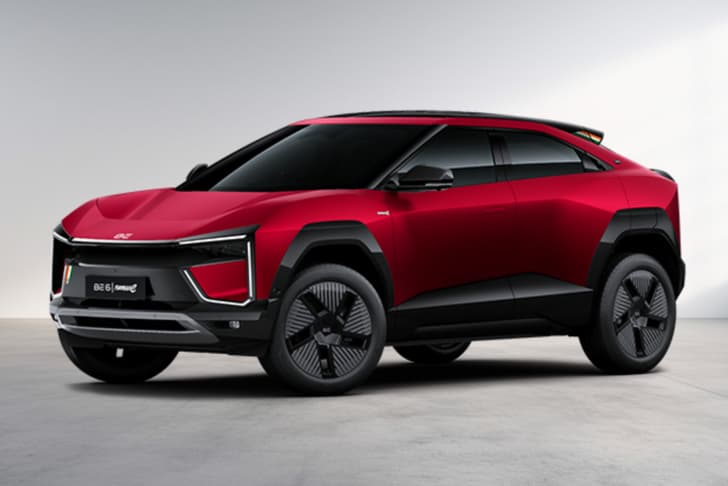
The Tata Sierra EV price in India starts at Rs 18.79 lakh and goes up to Rs 25.99 lakh (both ex-showroom). The Tata Sierra EV is Tata Motors' newest electric SUV, positioned above the Curvv EV in the brand's EV lineup. Built on Tata's Acti.EV+ architecture, it is available with rear-wheel-drive and quad-wheel-drive powertrain options, and competes with the Mahindra BE 6Hyundai Creta ElectricVinfast VF6Maruti e VitaraMG ZS EV and Tata Curvv EV.
 

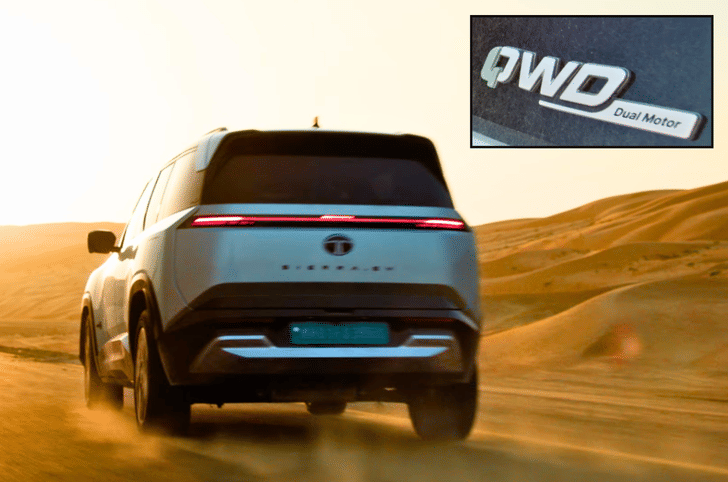
The Sierra EV is offered with 35kWh and 75kWh battery packs. Rear-wheel drive is standard across the range, while the larger battery is also available with a dual-motor, quad-wheel-drive system that produces 504Nm Nm. Tata claims a maximum driving range of 665km (MIDC) for the 75kWh version and 535km (MIDC) for 63kWh version, while DC fast charging can add 263km of range in 15 minutes.


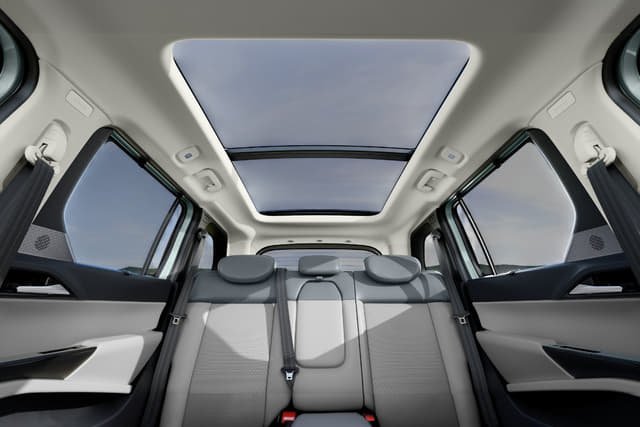
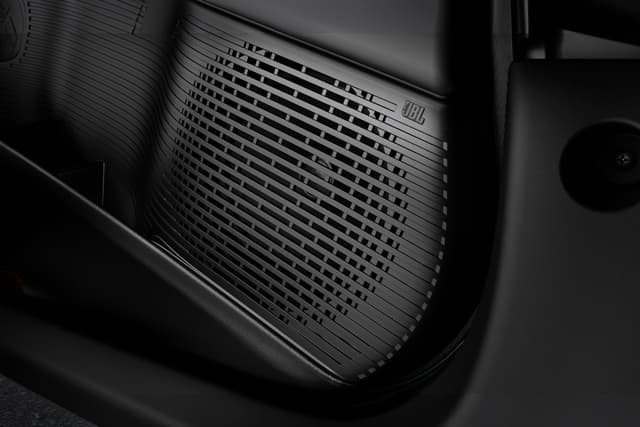
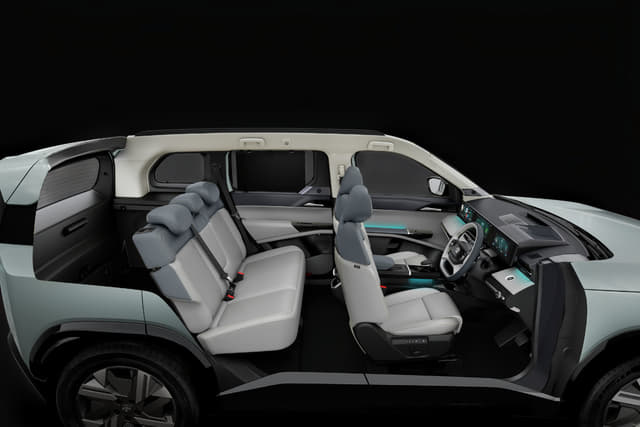
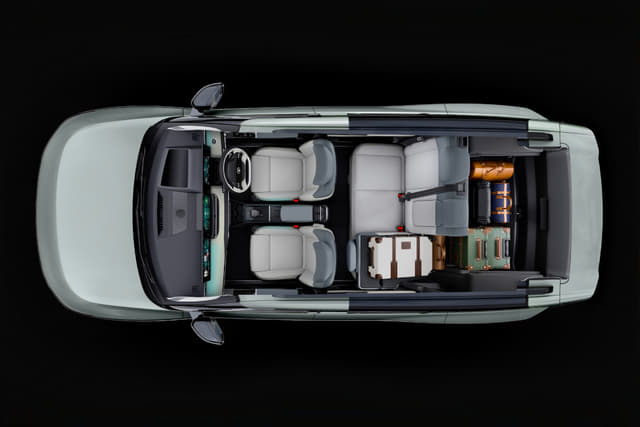
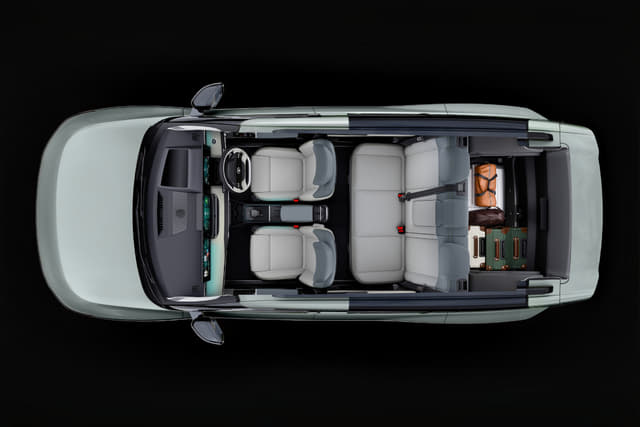
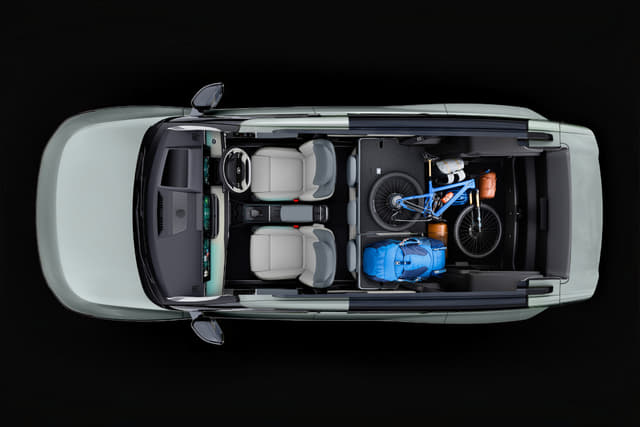
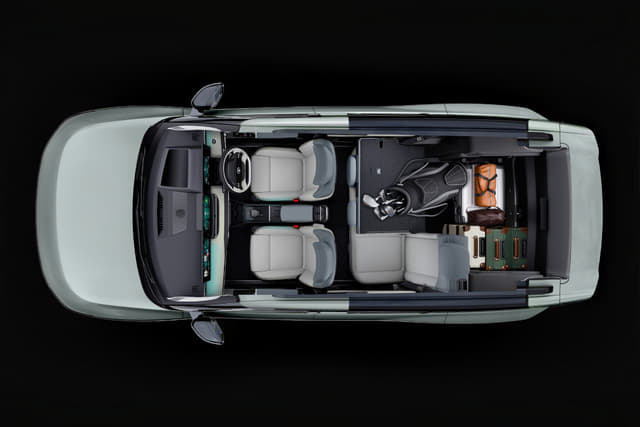
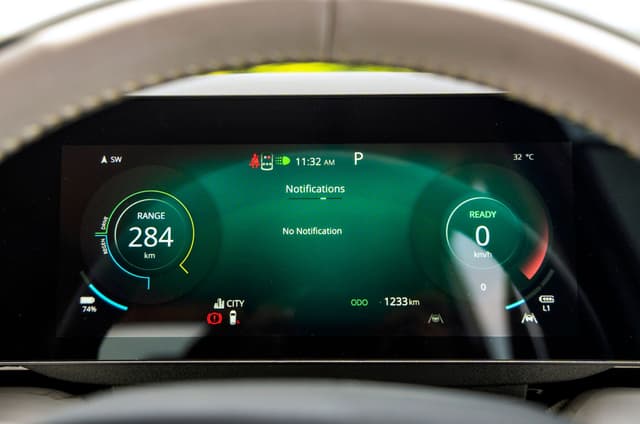
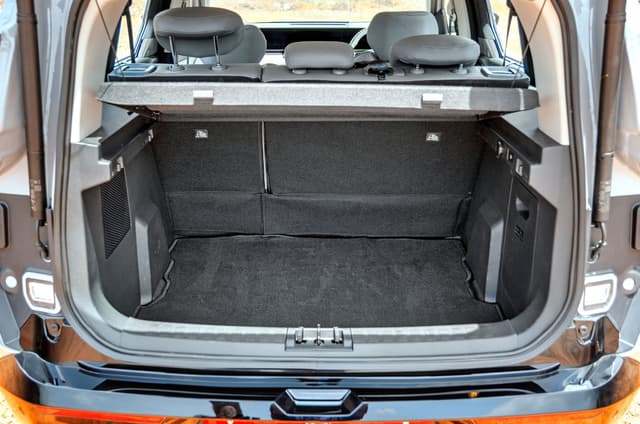
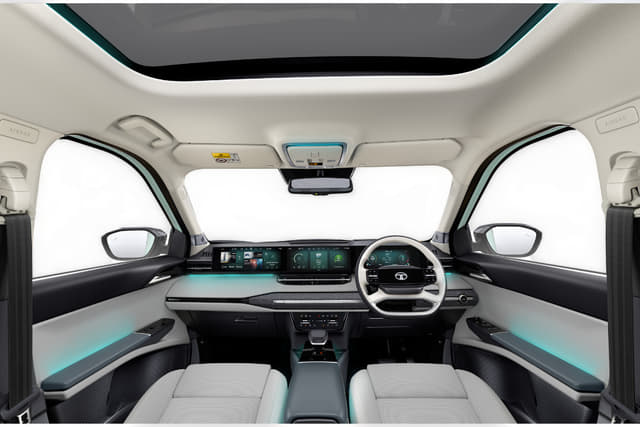
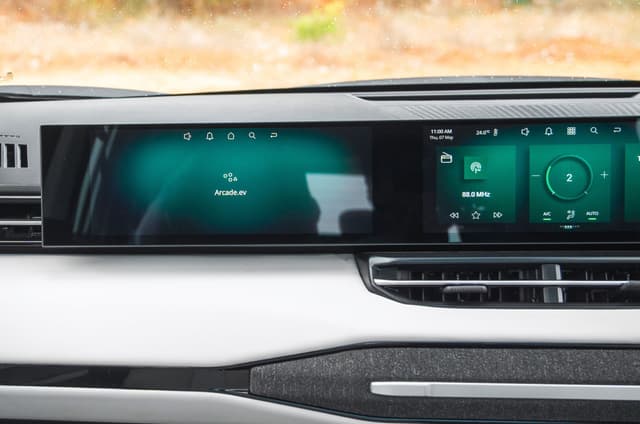
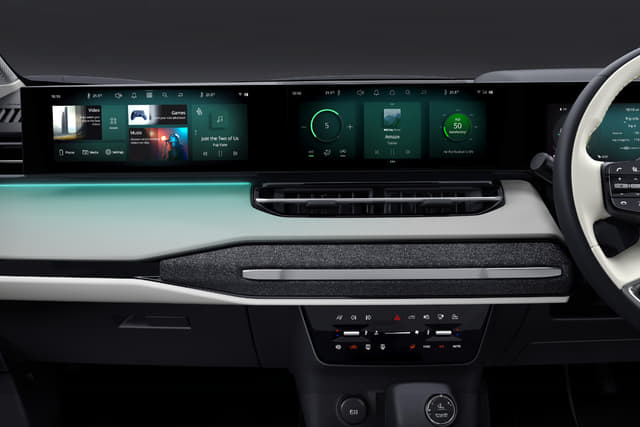
The Sierra EV features a triple-screen dashboard, Level 2 ADAS, a 12-speaker JBL audio system with Dolby Atmos, powered and ventilated front seats, a panoramic sunroof, Auto Park Assist, Vehicle-to-Load (V2L) and Vehicle-to-Vehicle (V2V) charging. It also offers a 622-litre boot, which expands to 1,257 litres with the rear seats folded.


Tata Sierra EV key highlights 
 

  • Available with 63kWh and 75kWh battery pack options.
  • Rear-wheel drive standard; quad-wheel drive available with the 75kWh battery.
  • Claimed driving range of up to 665km (MIDC).
  • DC fast charging adds up to 263km of range in 15 minutes.
  • Boost Mode enables a claimed 0-100kph time of 5.8 seconds on the QWD variant.
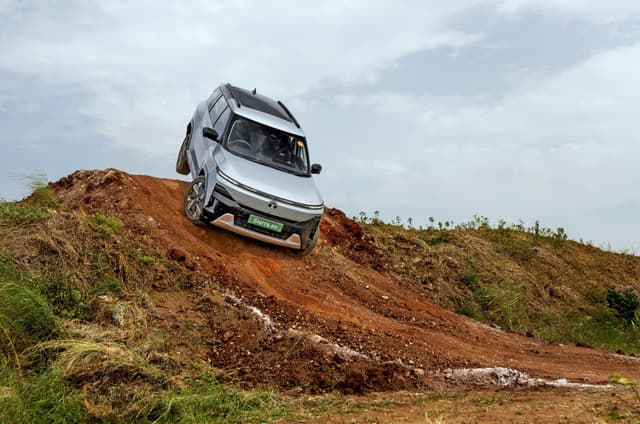
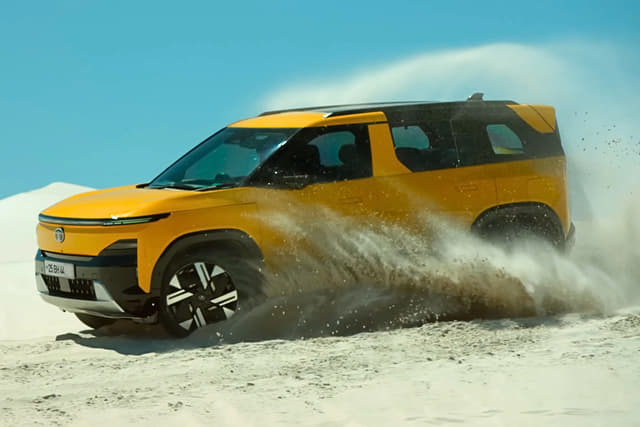
  • Six terrain modes with Off-road Assist on quad-wheel-drive variants.
  • 205mm ground clearance and a 540-degree surround-view camera with Transparent Mode.
  • Triple-screen infotainment layout comprising a 10.25-inch digital instrument cluster, a 12.3-inch infotainment touchscreen and a 12.3-inch passenger display.
  • Level 2 ADAS with 22 safety and driver assistance features.
  • 622-litre boot, expanding to 1,257 litres with the rear seats folded.
  • Vehicle-to-Load (V2L) and Vehicle-to-Vehicle (V2V) charging support.
  • Lifetime high-voltage battery warranty for eligible private owners.
Show more

Tata Sierra EV Latest Updates
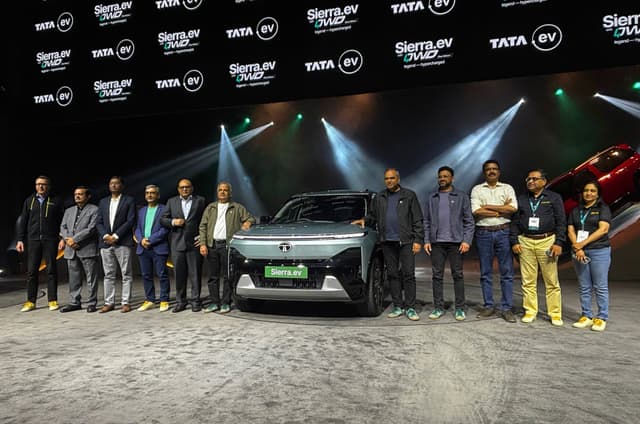
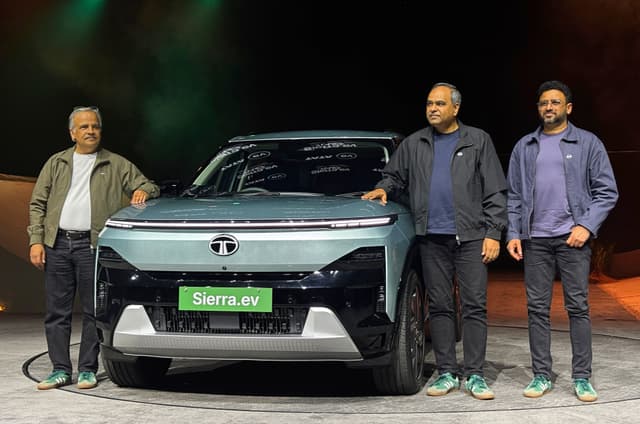
  • June 30, 2026: Tata Sierra EV launched at Rs 18.79 lakh
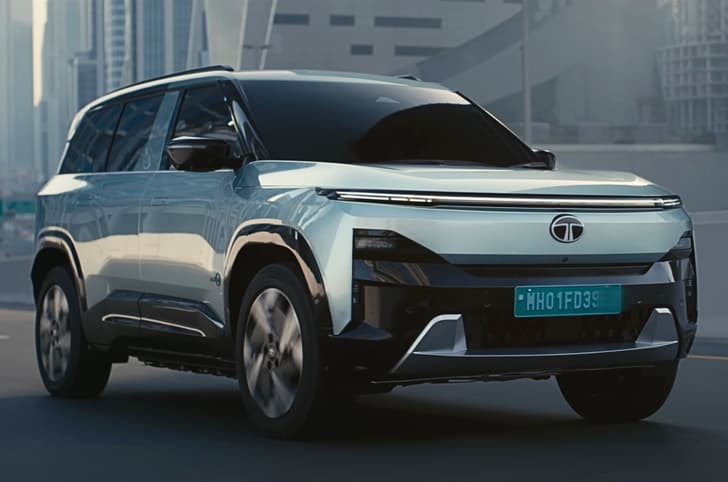
  • June 24, 2026: Tata Motors revealed the full exterior design of the Sierra EV in a promotional video. 
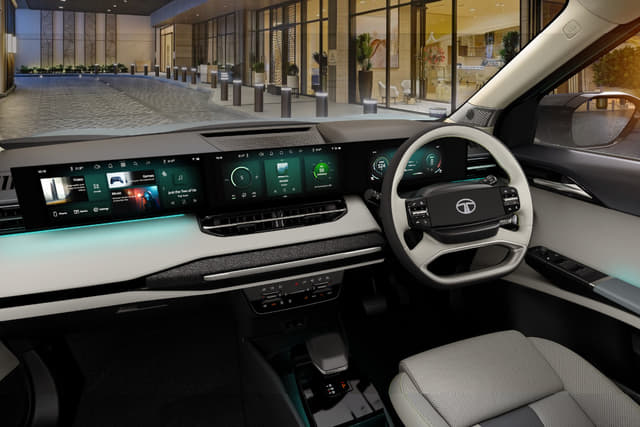
  • June 21, 2026: Tata Sierra EV teased with AWD; Harrier EV-like dual-motor setup will be on offer with the upcoming SUV.
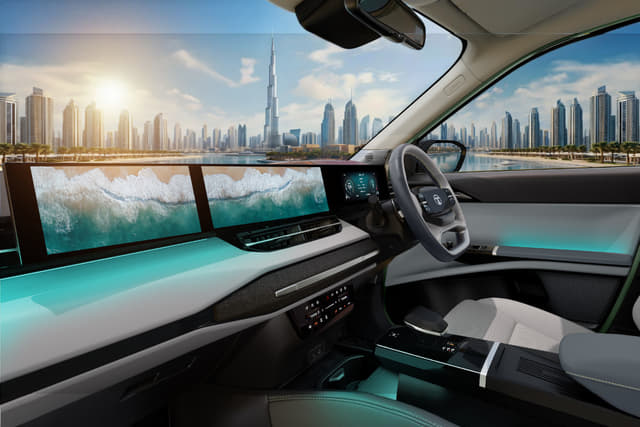
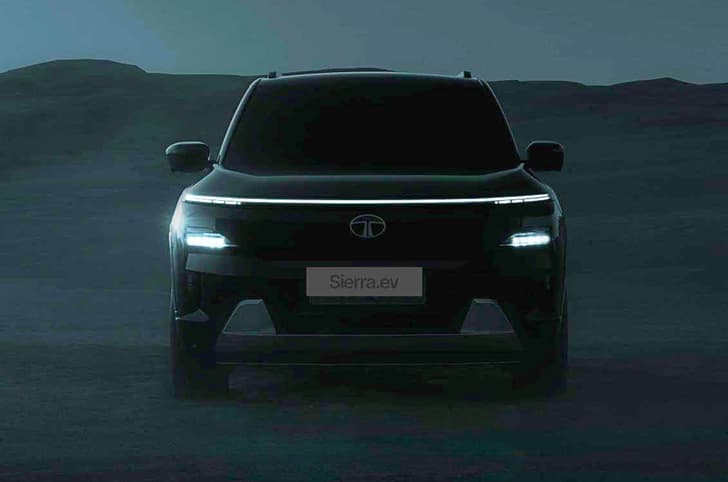
  • June 19, 2026: Tata releases the first official teaser of Sierra EV ahead of June 30 debut 
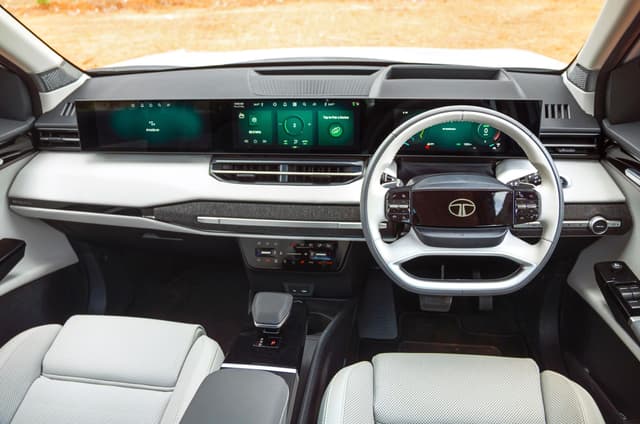
  • February 2026: Tata to launch Sierra EV by Q2 2026; the new electric SUV will be positioned below the Harrier EV and it'll roll out from the carmaker's Sanand factory.
Show more

Tata Sierra EV Key Highlights
6 Airbags

SAFETY

6 Airbags

75 kWh Electric Battery

POWERTRAIN

75 kWh Electric Battery

Rear AC Vents

COMFORT

Rear AC Vents

Wireless AA + Apple CarPlay

ENTERTAINMENT

Wireless AA + Apple CarPlay

624 km range

RANGE

624 km range

Roof Rails

EXTERIOR

Roof Rails

Front Only Ventilated Seats

INTERIOR

Front Only Ventilated Seats

View all Specs

* Highlight shown are for the top variant. Features may vary by trim.

Tata Sierra EV Features and specifications
Our Rating
8
Battery Range
535 km - 665 km
Fuel Type
Electric
Transmission
Auto
Body Style
SUV
Doors
5
Claimed Electric Motor Range
624 km
View all Tata Sierra EV Specifications
Tata Sierra EV price & variants
The Tata Sierra EV price in India starts at Rs 18.79 lakh and goes up to Rs 25.99 lakh (both ex-showroom). The electric SUV is available with 63kWh and 75kWh battery pack options. Tata claims maximum driving range of up to 665km with the Tata Sierra EV.
Show more
VariantsOn road price
Tata Sierra EV Pure 63
Electric | Auto
₹19.92 Lakh
Electronic Stability Control
1-zone Climate Control
Phone-based Satellite Navigation
Over the air (OTA) updates
Adjustable Front Headrests
Tata Sierra EV Pure S 63
Electric | Auto
₹21.20 Lakh
Panoramic Sunroof
SOS Button
Front Fog Lamps
Voice Assisted Sunroof
Roof Rails
Tata Sierra EV Adventure 63
Electric | Auto
₹22.36 Lakh
360 degree Parking Camera
Ambient Lighting
JBL Branded Music System
Leather-wrapped Steering Wheel
Panoramic Sunroof
Tata Sierra EV Adventure 75
Electric | Auto
₹23.64 Lakh
360 degree Parking Camera
Ambient Lighting
JBL Branded Music System
Leather-wrapped Steering Wheel
Panoramic Sunroof
Tata Sierra EV Empowered 63
Electric | Auto
₹24.28 Lakh
Powered Tailgate with Gesture Control
Digital Key
Front Only Ventilated Seats
Puddle Lamps
Panoramic Sunroof
Tata Sierra EV Empowered 75
Electric | Auto
₹25.34 Lakh
Powered Tailgate with Gesture Control
Digital Key
Front Only Ventilated Seats
Puddle Lamps
Panoramic Sunroof
Tata Sierra EV Empowered A 75
Electric | Auto
₹26.41 Lakh
Adaptive Cruise Control
Auto Parking
Panoramic Sunroof
Blind Spot Monitor
Digital Key
Tata Sierra EV Empowered A 75 AWD
Electric | Auto
₹27.69 Lakh
Adaptive Cruise Control
Auto Parking
Panoramic Sunroof
Blind Spot Monitor
Digital Key

Tata Sierra EV expert review

Autocar score
8

We like

  • Bold look with immense road presence

  • Same space and practicality as ICE version

  • Optional AWD gives it a go-anywhere ability

We don't like

  • Inconsistent interior quality, fit and finish

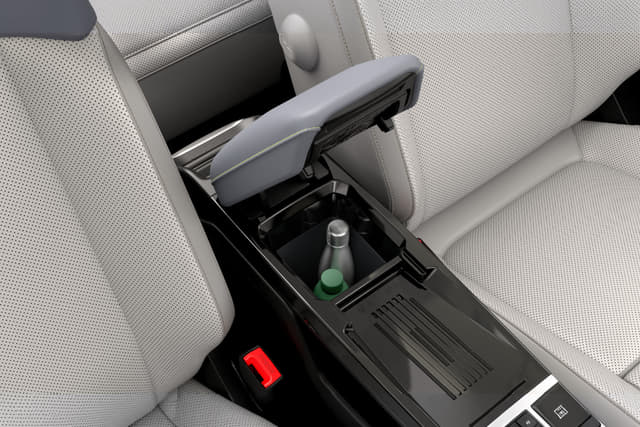
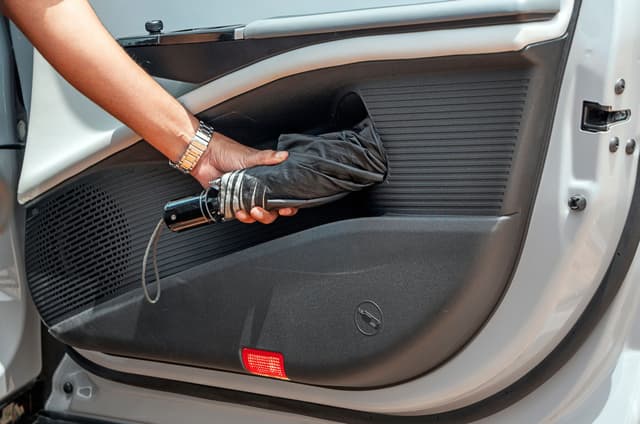
  • Poorly designed interior storage spaces

  • No spare tyre; only a puncture repair kit

Exterior Design And Engineering

9

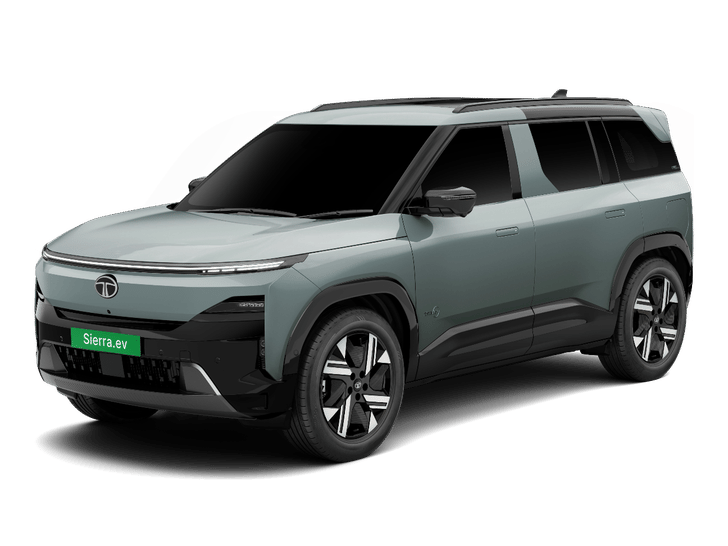
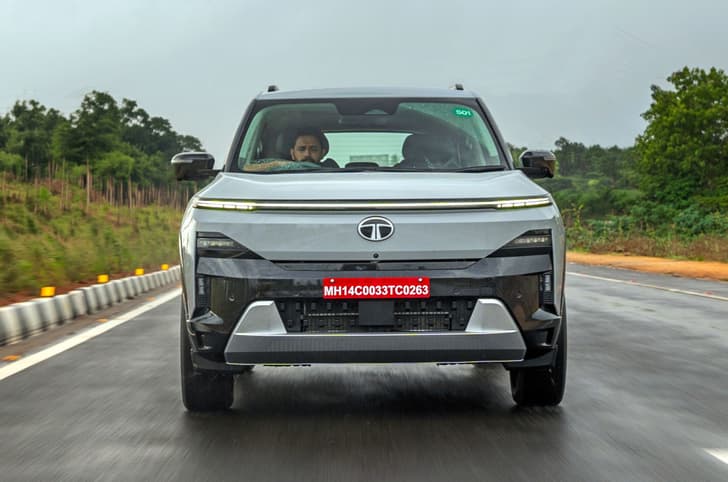
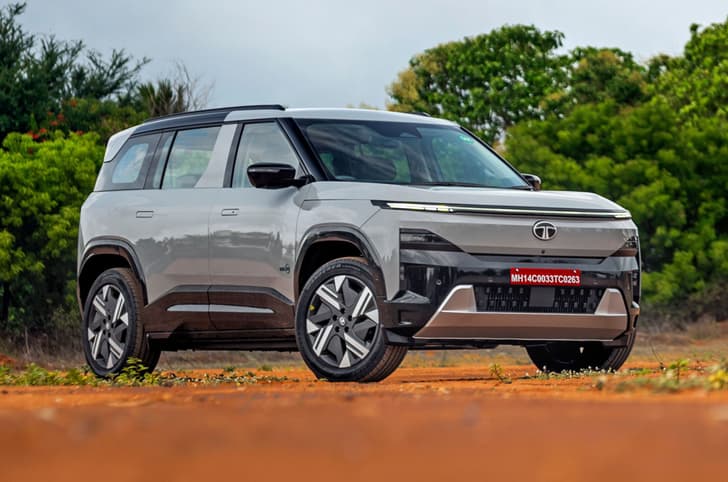
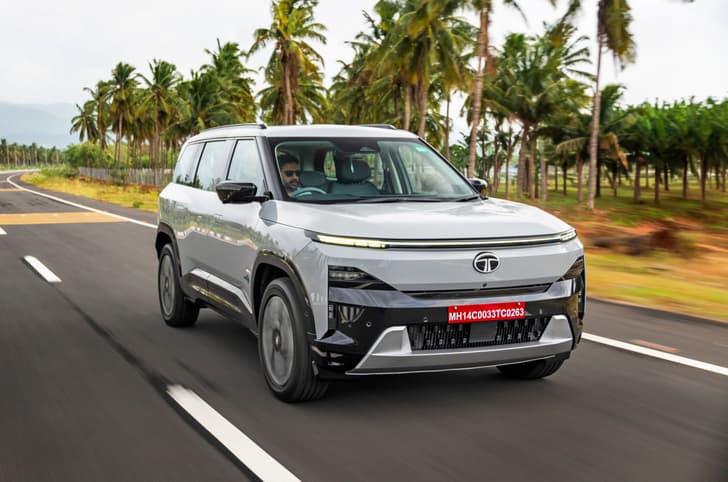
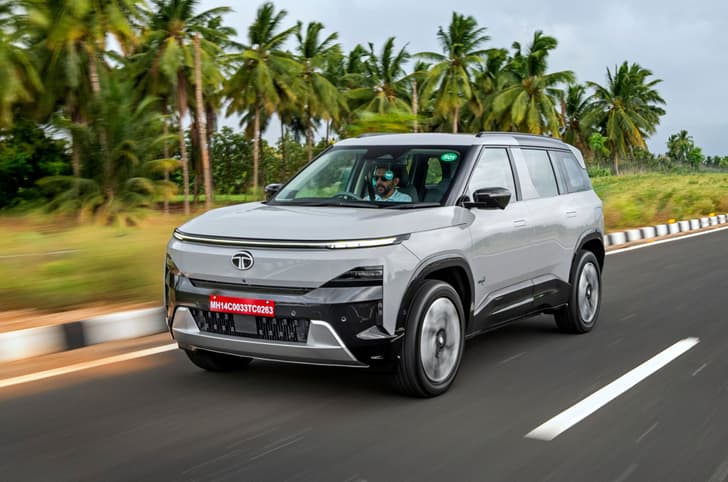
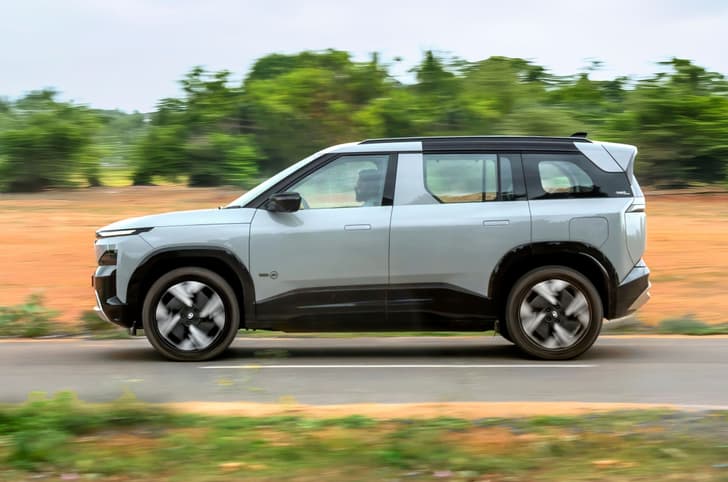
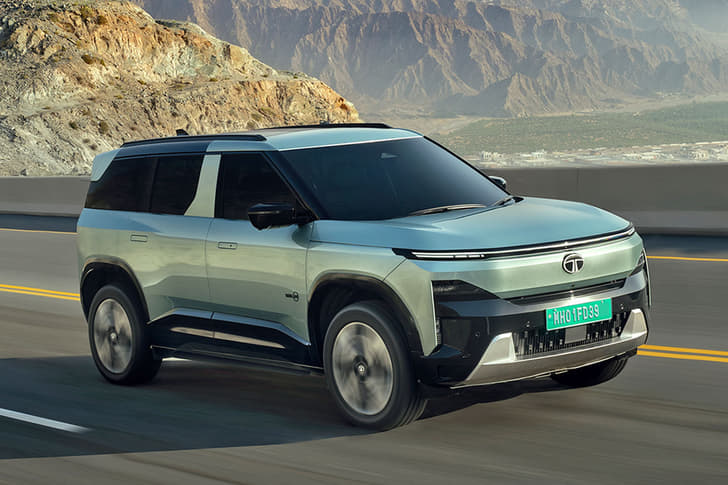
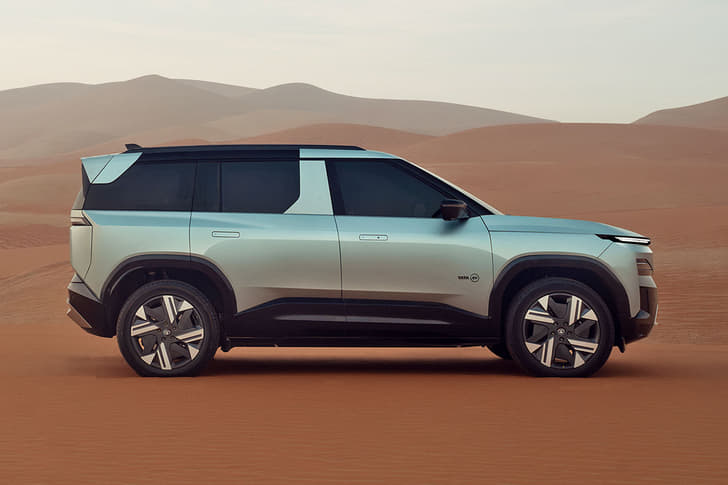
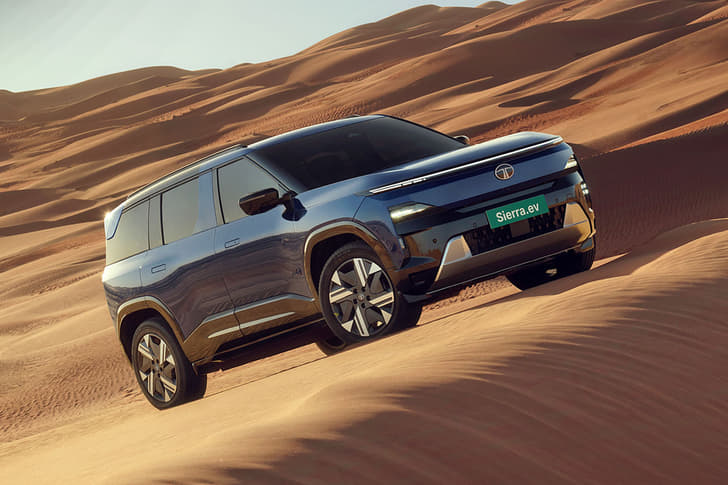
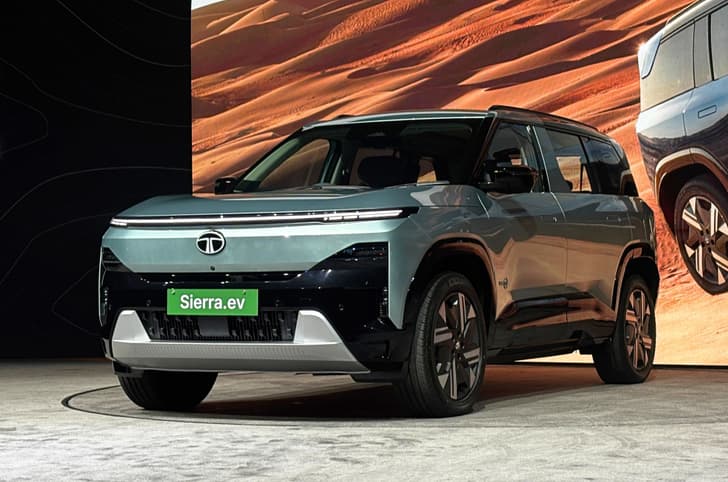
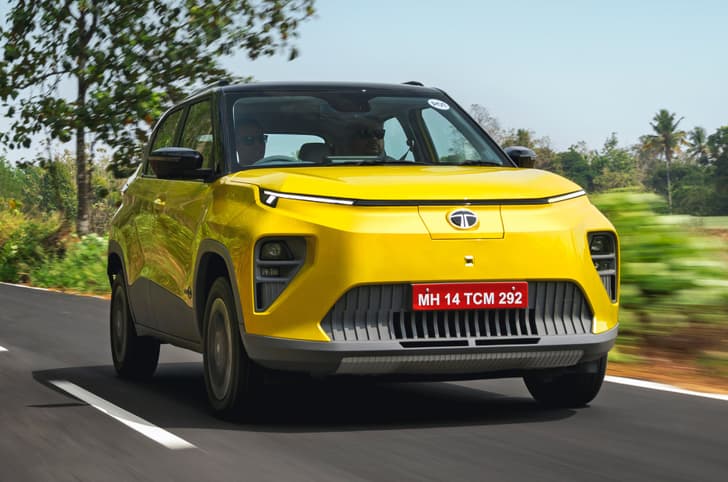
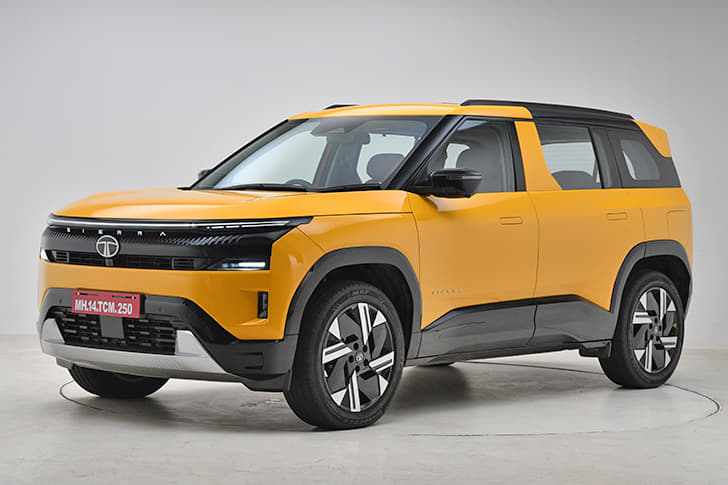
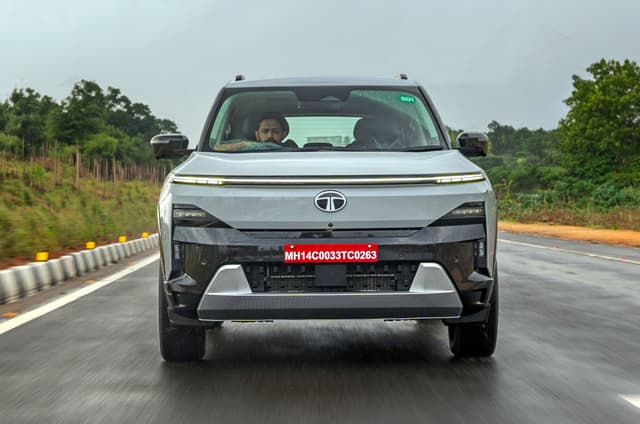
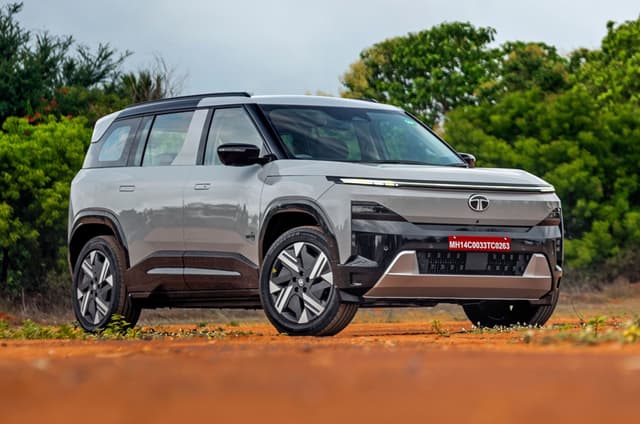
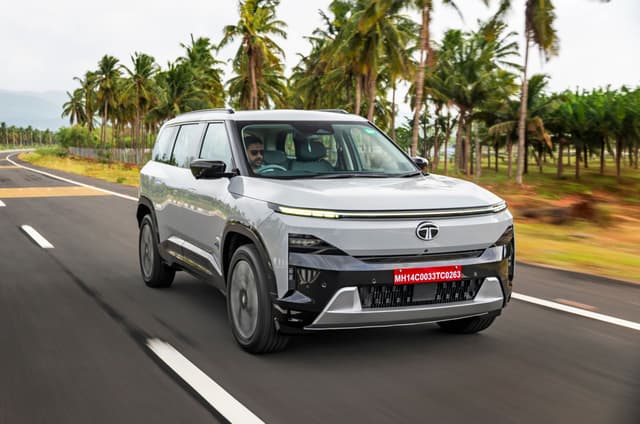
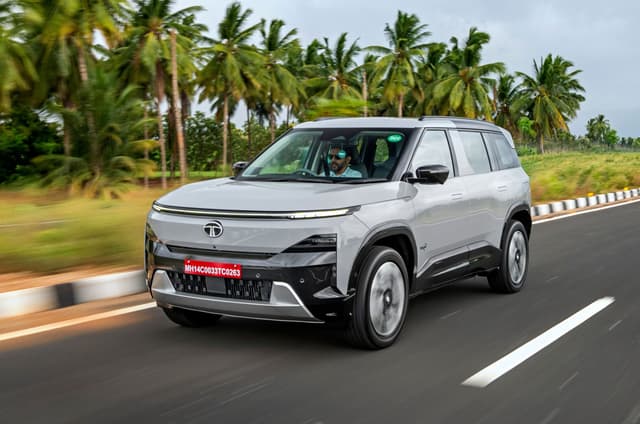
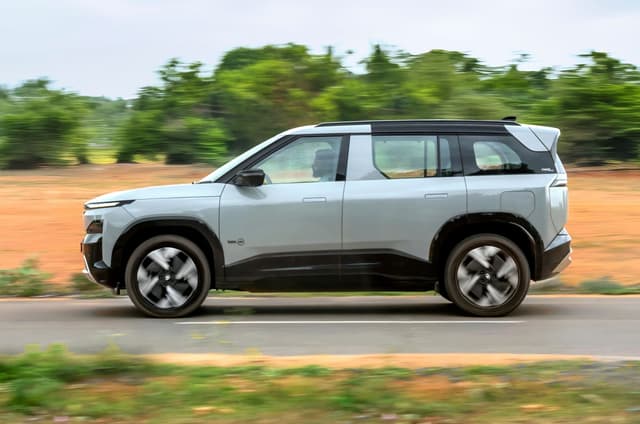
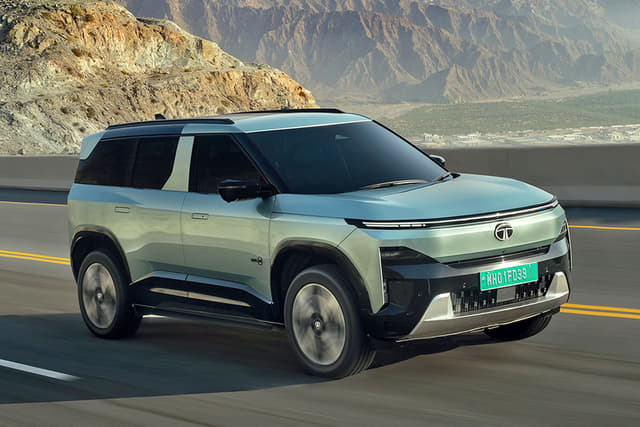
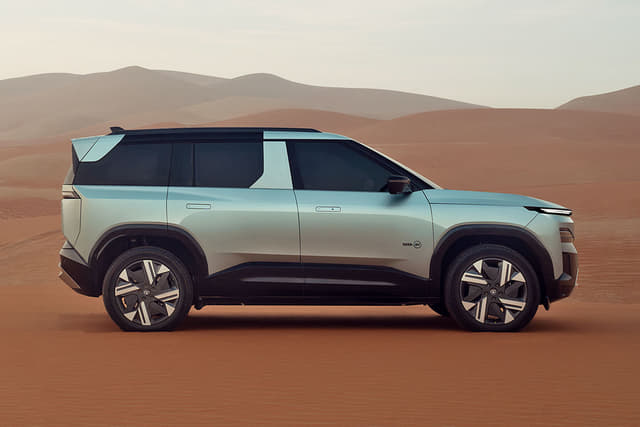
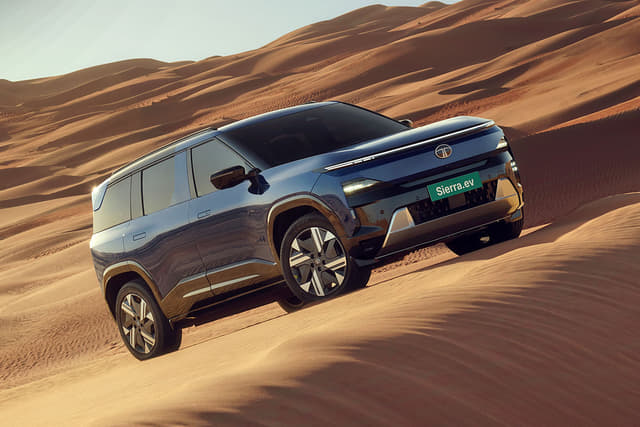
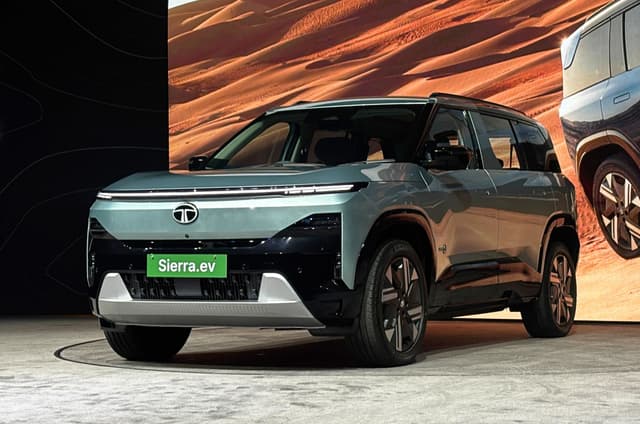
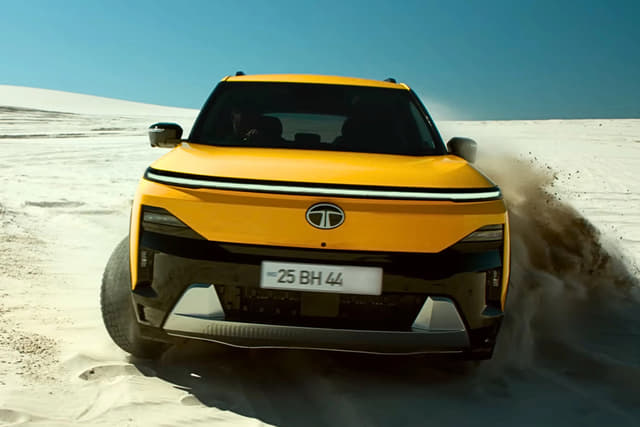
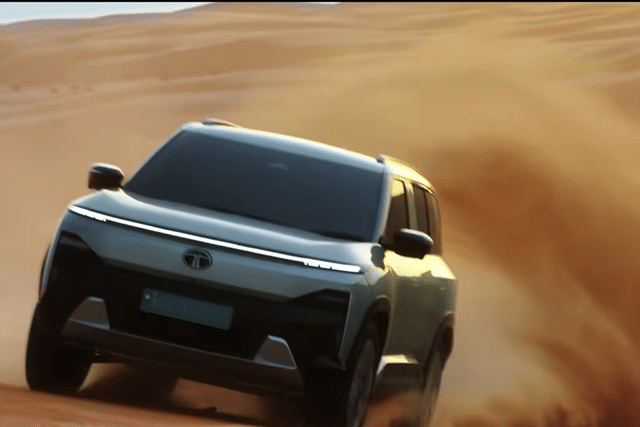
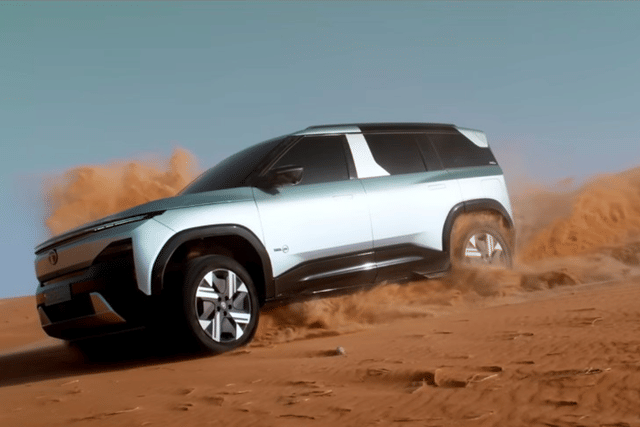
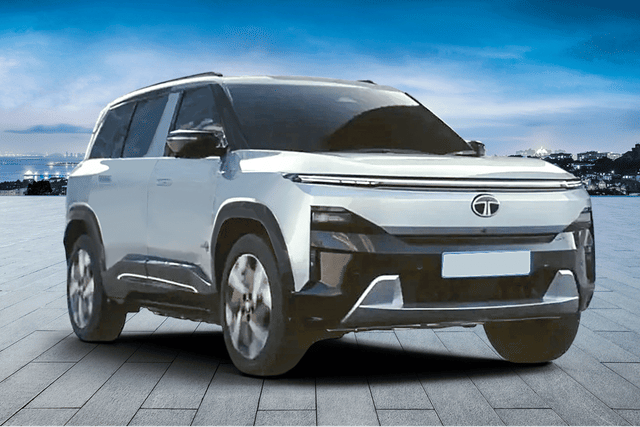
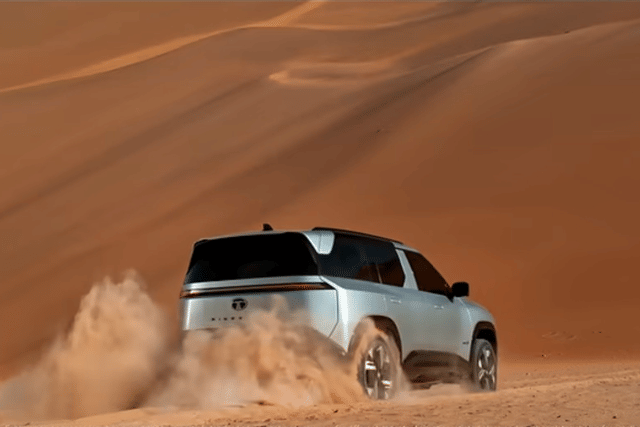
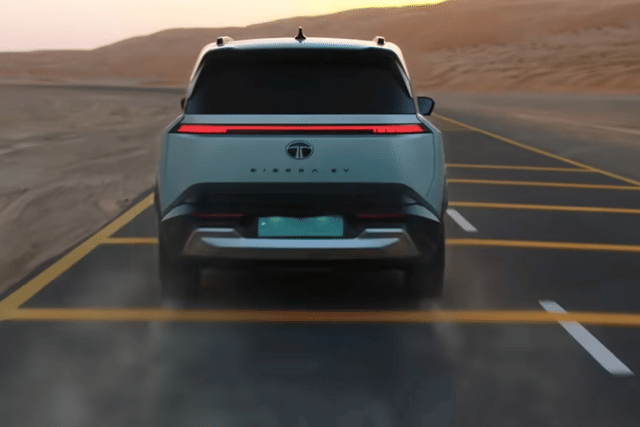
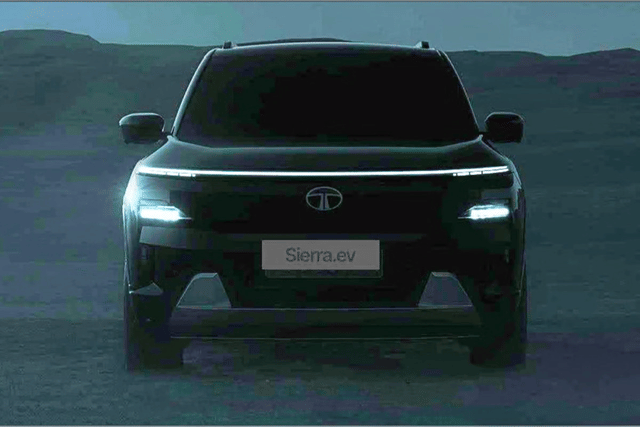
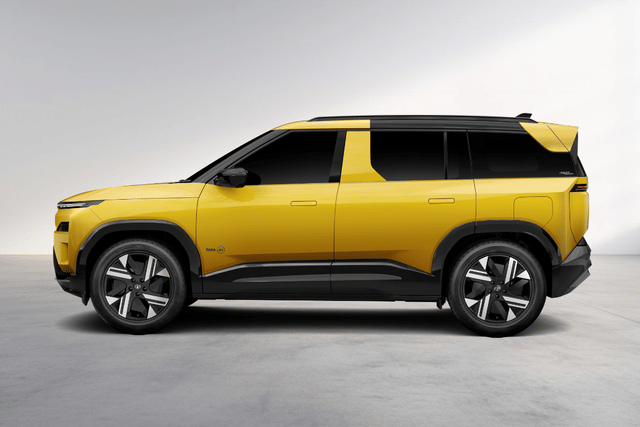
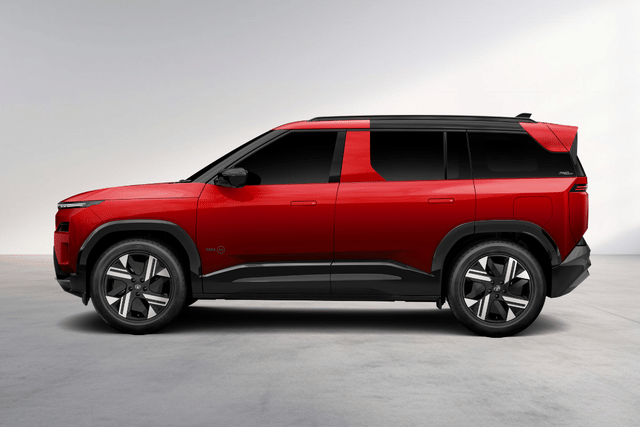
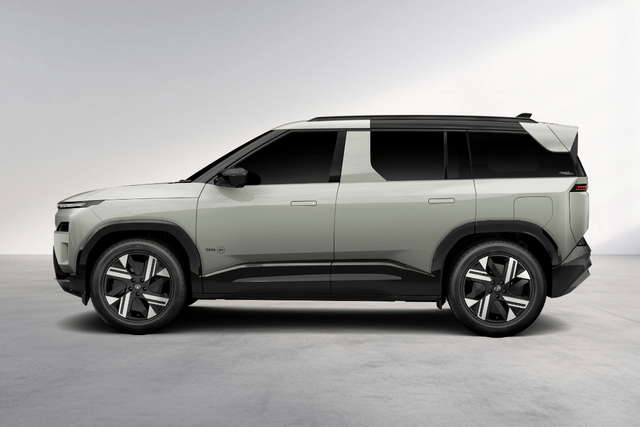
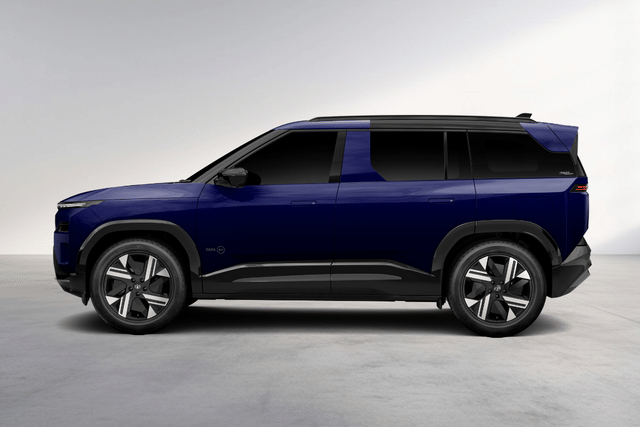
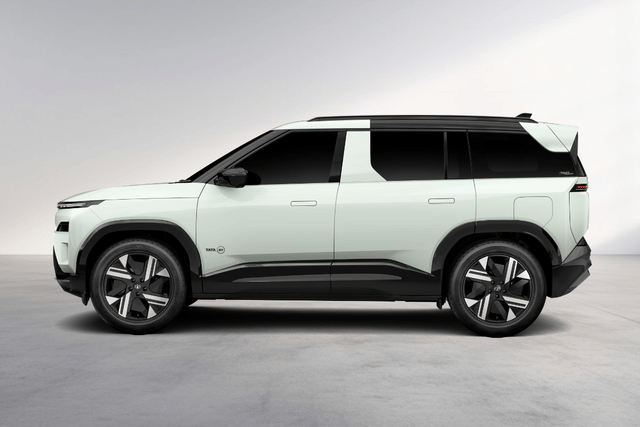
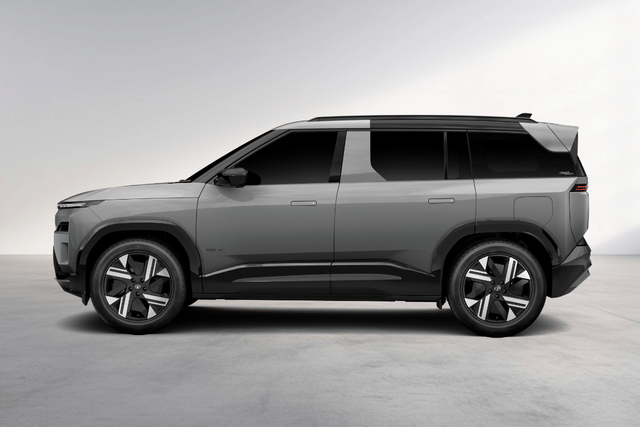
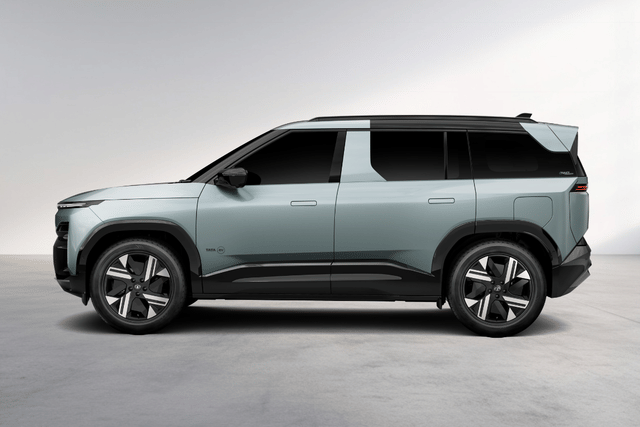
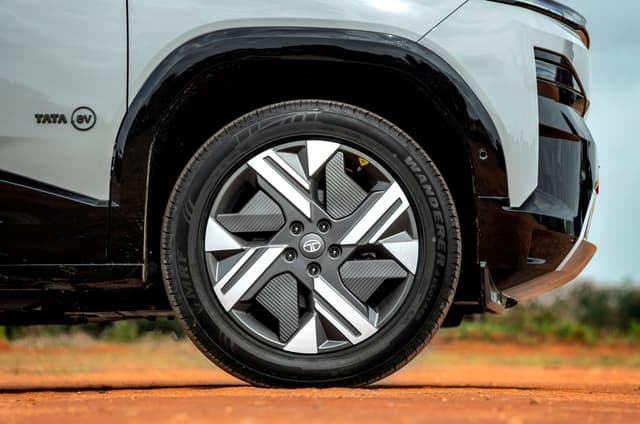
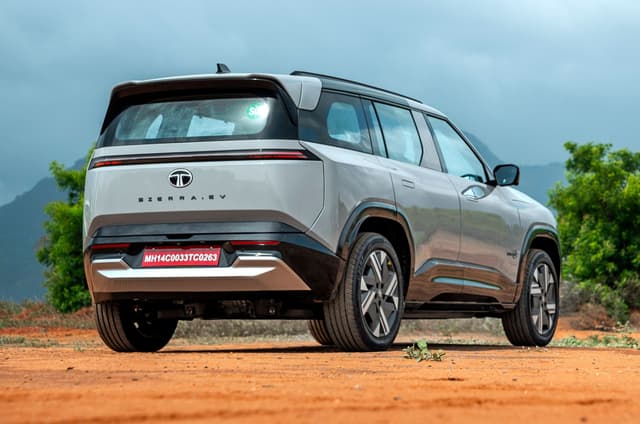
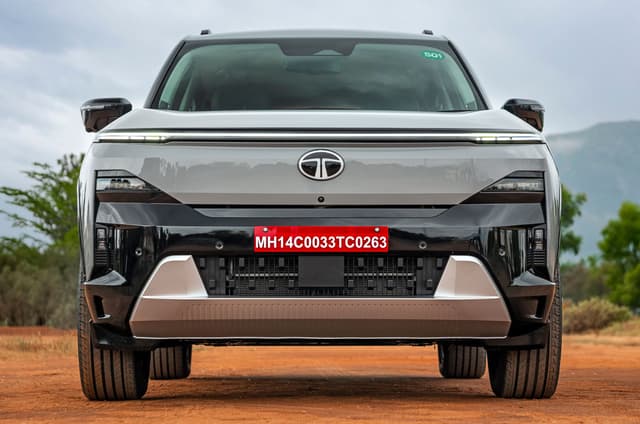
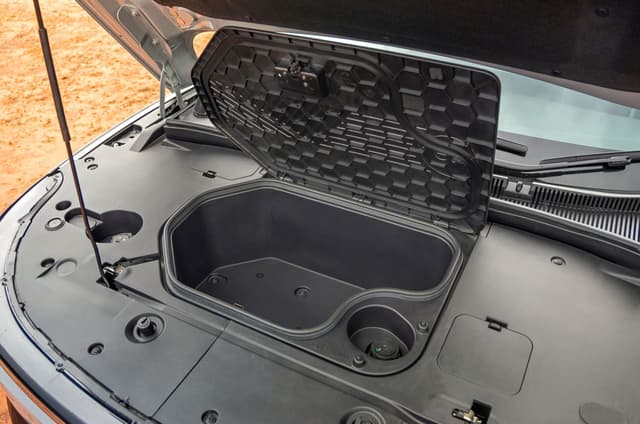
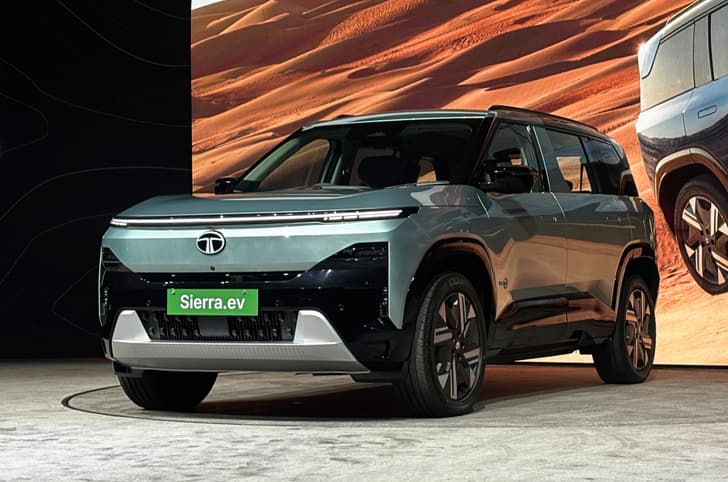
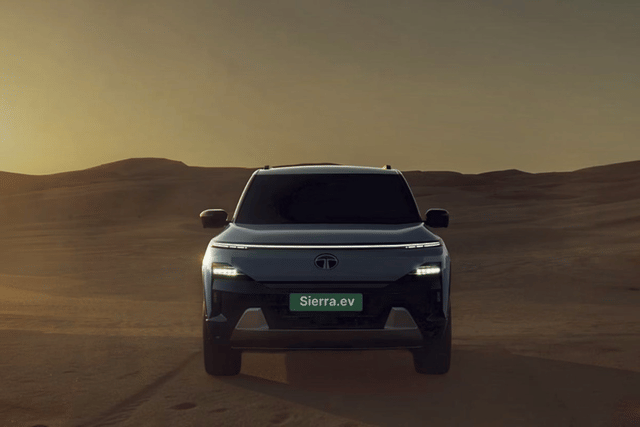
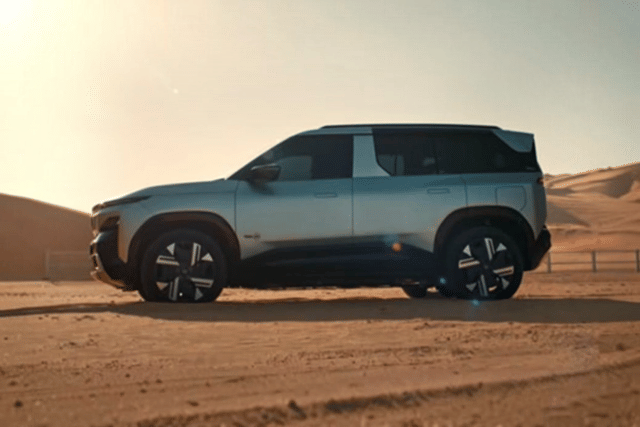
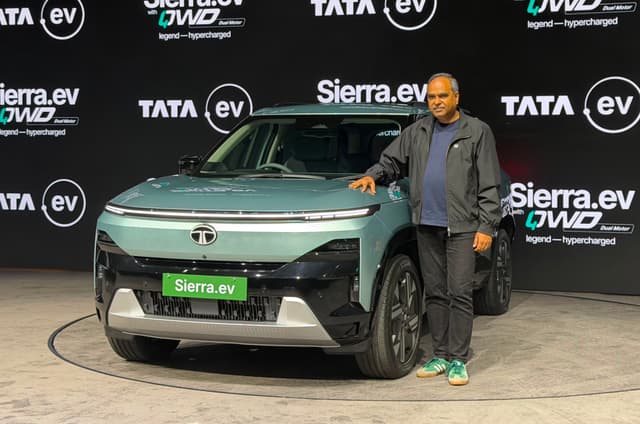
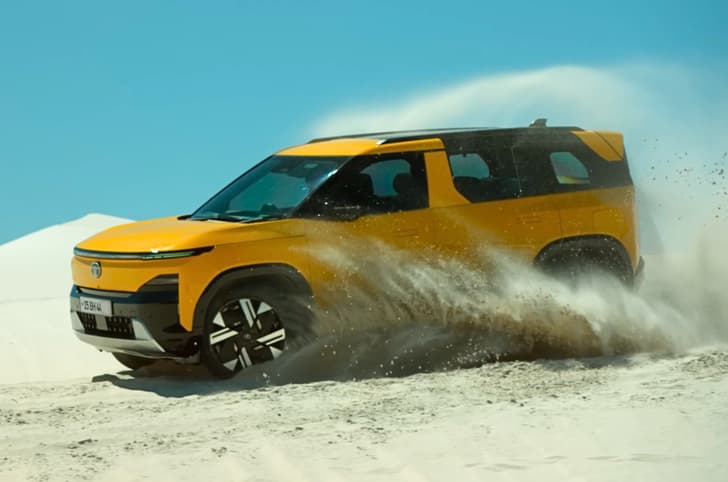
The Tata Sierra EV retains the bold, upright and boxy design of the ICE Sierra, rather than adopting the smooth, rounded appearance common among EVs. Its main visual differentiator is the body-coloured front panel that replaces the ICE model’s gloss-black headlamp surround, giving it a grille-less EV look. It also gets matte-finished versions of the same wheels and Sierra.ev badges with blue detailing. Practicality remains strong, with 205mm of ground clearance and a frunk offering 55 litres in single-motor versions and 35 litres in the dual-motor variant. The battery’s prismatic cells and cell-to-pack construction also help minimise intrusion into cabin and luggage space.

Read More
Interior Space And Comfort

7

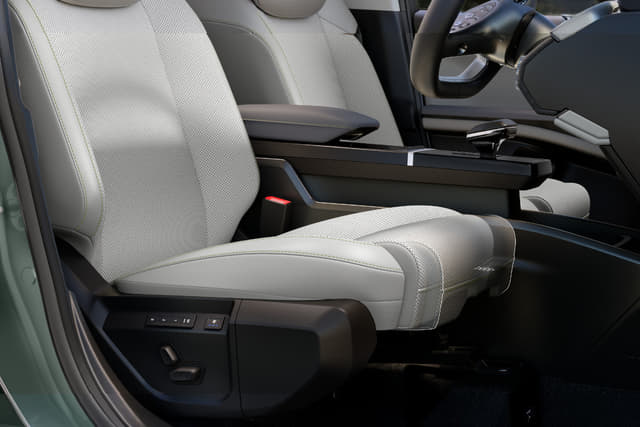
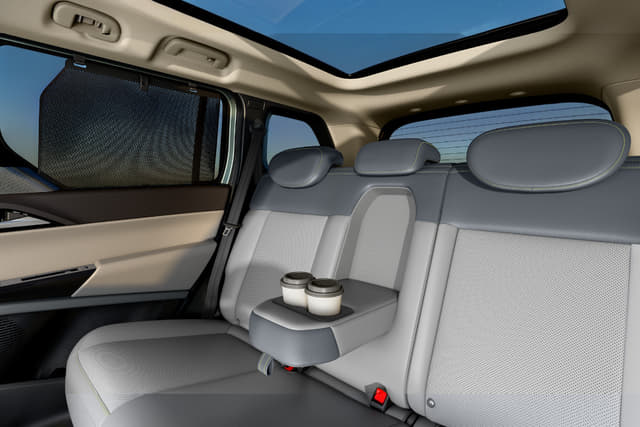
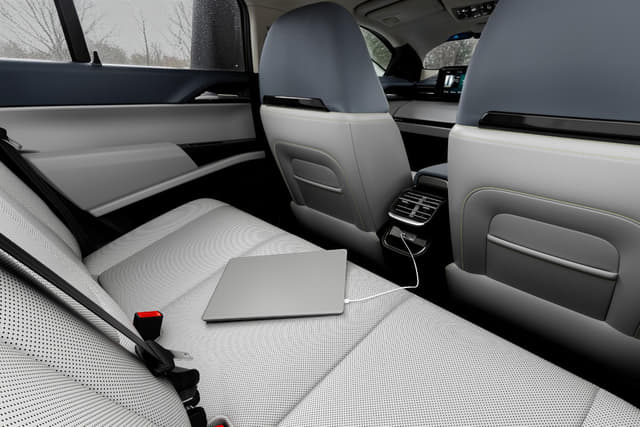
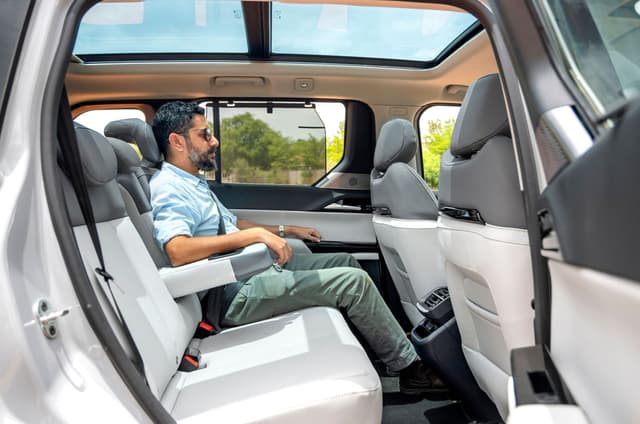
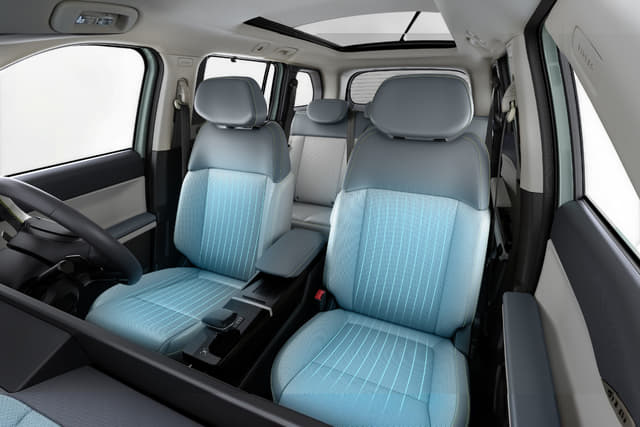
The Sierra EV remains a spacious and comfortable family SUV despite accommodating a large battery pack. The floor is less than an inch higher than the ICE Sierra’s, and rear-seat comfort is largely inconsistent; plastic quality, rough edges, crooked stitching and panel-fit issues detract from the premium feel. Some storage and ergonomic solutions are also poorly executed.

Read More
Features And Safety

9

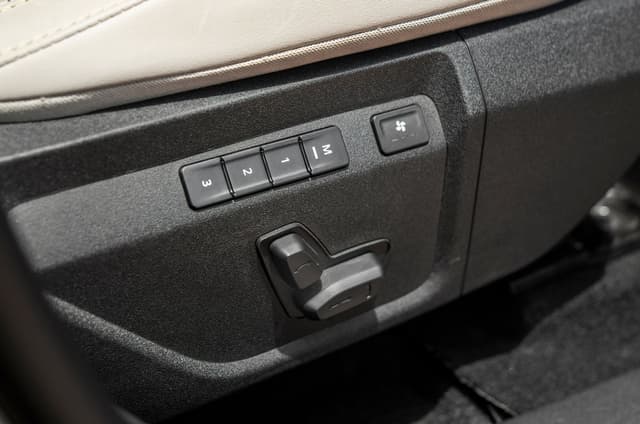
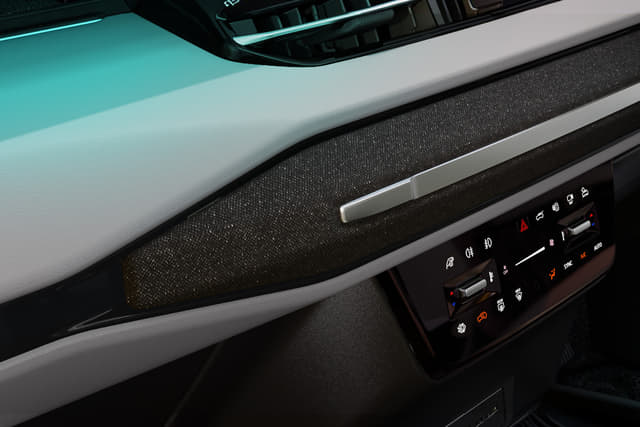
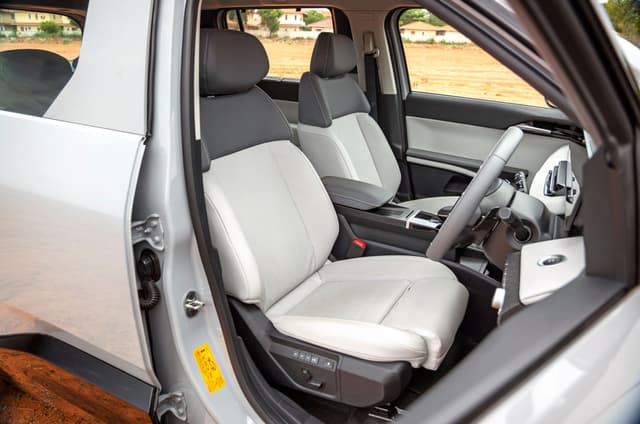
The Sierra EV is among the most feature-rich models in its segment, particularly in the top-spec Empowered A trim. Highlights include three screens, a head-up display, powered seats, generous space and some backrest recline. Boot capacity remains a substantial 622 litres, although the spare wheel has been replaced by a puncture repair kit. Up front, the cream leatherette dashboard, fabric-finished central speaker and three-screen setup create a lounge-like atmosphere, while the front seats provide good comfort and shoulder support. However,  and ventilated front seats, driver-seat memory, dual-zone climate control, a panoramic sunroof, connected-car technology, an air purifier and a 12-speaker JBL Black audio system with Dolby Atmos. It also offers drive, regeneration and terrain modes, along with a comprehensive ADAS suite. Google Maps integration can estimate the remaining battery state of charge at the destination. Six airbags are standard. While the Sierra EV itself had not been crash-tested at the time of the review, the ICE Sierra received a 5-star Bharat NCAP rating.

Read More
Performance And Refinement

8

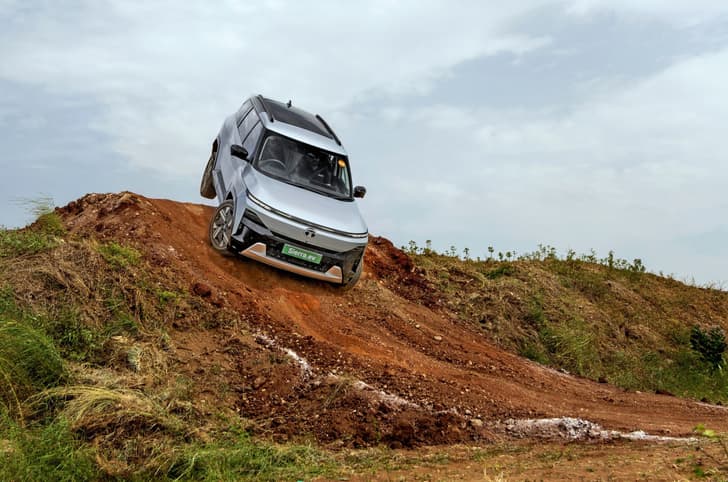
The Sierra EV is available with a 63kWh rear-wheel-drive setup, a 75kWh rear-wheel-drive version, and a 75kWh dual-motor AWD configuration. The dual-motor version produces 306hp and 504Nm and has a claimed 0-100kph time of 5.8 seconds despite weighing around 2.1 tonnes. Performance is strong but delivered in a smooth and relatively undramatic manner, which suits its family-SUV character. Refinement is also good. However, accelerator calibration leaves some room for improvement, with a small dead zone at the beginning of pedal travel followed by a relatively abrupt delivery of torque. Differences between most drive and regeneration modes are also less pronounced than expected. The AWD version proved impressively capable over a challenging off-road course, although torque distribution could occasionally hesitate over obstacles.

Read More
Mileage / Range And Efficiency

8

The 63kWh Sierra EV has a claimed MIDC range of 565km, while the 75kWh rear-wheel-drive version is rated at 665km and the 75kWh dual-motor version at 624km. With a 7.2kW AC charger, a 10-100 percent charge takes 8.9 hours for the 63kWh battery and 10.5 hours for the 75kWh pack. Both batteries can be charged from 20-80 percent in around 26 minutes using a 120kW DC fast charger. Tata also provides a 15-year battery warranty.

Read More
Ride Comfort And Handling

8

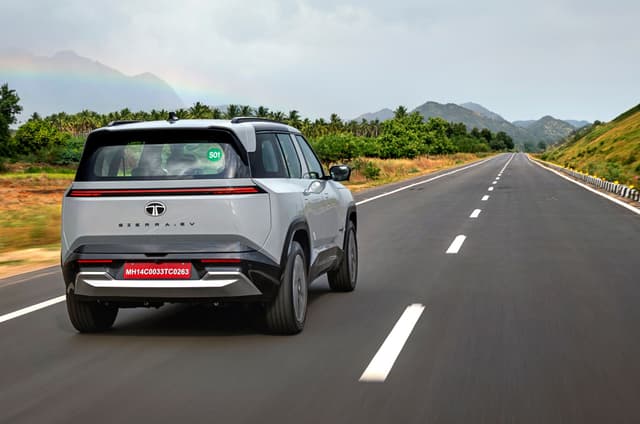
Ride quality is one of the Sierra EV’s strongest attributes. Despite its 19-inch wheels and roughly 2.1-tonne kerb weight, the SUV remains composed and comfortable over poor roads, aided by frequency-dependent dampers. It feels stable at highway speeds, while the light steering makes it easy to manoeuvre in traffic without feeling excessively loose. The low centre of gravity also gives it engaging high-speed handling, although some body roll remains due to its tall stance. Its boxy shape does generate noticeable wind noise around the A-pillars at higher speeds, which is more apparent because of the quiet electric powertrain.

Read More
Value For Money

7

Priced between Rs 18.79 lakh and Rs 25.99 lakh, the Sierra EV sits towards the upper end of its segment but offers substantial space, comfort, equipment and performance for the money. It is arguably Tata’s most accomplished current product and works well not only as an EV but also as a practical family SUV. Some areas need improvement, particularly cabin finish, ergonomics and some aspects of powertrain calibration, but these do not significantly undermine the overall package. Its positioning between the Curvv EV and Harrier EV creates some internal price overlap, though the Sierra EV makes a strong case for itself with its combination of range, features and the availability of AWD.

Read More

Reviewed by: Gavin DSouza

Tata Sierra EV Official Brochure

Download the complete brochure with specs, features, and variants.

Tata Sierra EV User Reviews

4.7/5(9)

Tell us about your experience

Tata Sierra EV reviews

Tata Sierra EV Range

The Sierra EV is available with 63kWh and 75kWh battery packs.Tata claims a maximum driving range of 665km (MIDC) for the 75kWh version and 535km (MIDC) for 63kWh version, while DC fast charging can add 263km of range in 15 minutes. The battery supports DC fast charging, with up to 263km of range added in 15 minutes, while a 20-80 percent charge takes around 26 minutes under claimed conditions.

Show more
PowertrainThe combination of engine type, fuel, and transmission that powers your vehicle and determines how it drives and what it runs on.ARAI RangeMileage certified by the government, tested under controlled lab conditions. Real-world mileage will vary.
Electric-Automatic (Auto)
63kWh
535 km
Electric-Automatic (Auto)
75kWh
665 km

Tata Sierra EV Images

The Tata Sierra EV retains the design of the ICE Sierra while incorporating EV-specific styling elements. Browse our image gallery to explore its exterior, interior, dashboard, seating, boot space and feature highlights.

Show more
Front View Image - 37479
Front View

Tata Sierra EV videos

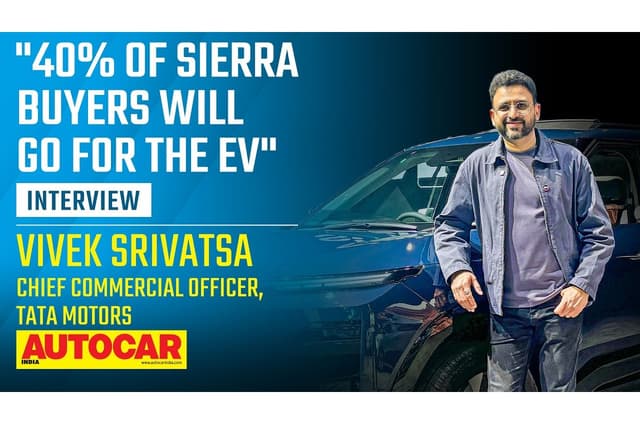
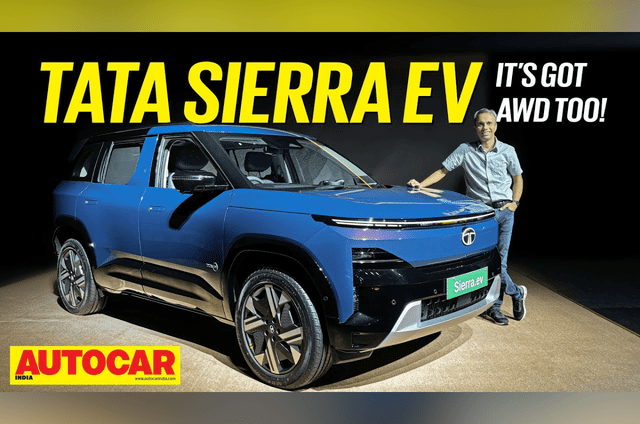
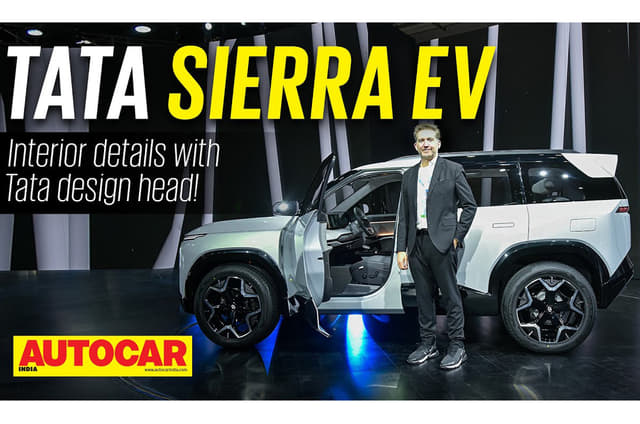
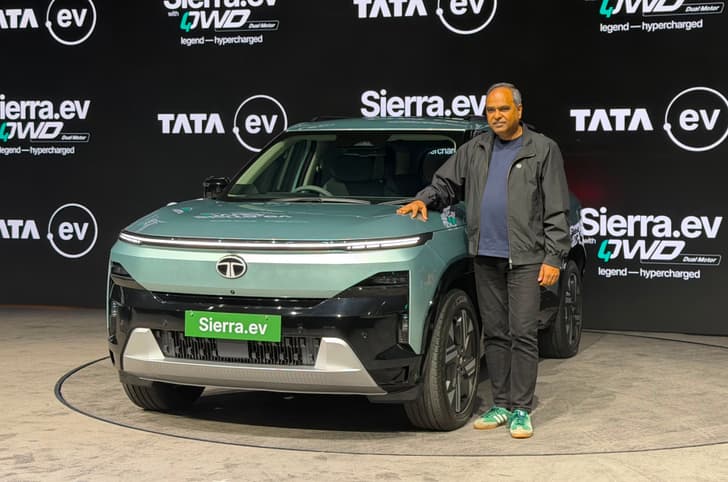
Tata Sierra EV videos consist of expected details and an interview with Tata's chief designer talking about the Sierra EV concepts design.

Tata Sierra EV Colours

The Tata Sierra EV colour options are unknown at the moment.

Tata Sierra EV FAQs

The Sierra EV shares its overall design and cabin layout with the ICE Sierra, but uses Tata's Acti.EV+ electric architecture, which offers dedicated EV features such as Vehicle-to-Load (V2L) and Vehicle-to-Vehicle (V2V) charging, and is available with a dual-motor quad-wheel-drive powertrain.

The Sierra EV places greater emphasis on space, practicality and technology, while the BE 6 adopts a more sporty, coupe-SUV design. The Sierra EV also offers a larger boot and a quad-wheel-drive option. 

The Sierra EV is aimed at buyers looking for a premium electric SUV with a claimed driving range of up to 665km, a spacious and tech-rich cabin. It also offers a quad-wheel-drive option, making it one of the few electric SUVs in its segment with dual-motor AWD capability.

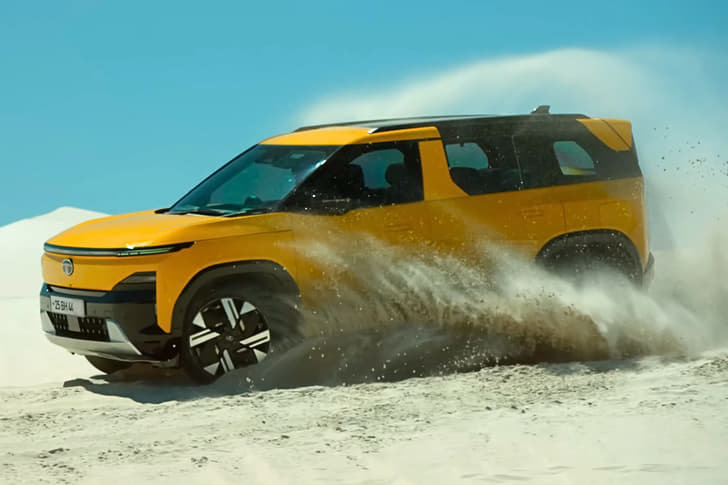
Yes. The quad-wheel-drive version gets six terrain modes, Off-road Assist, 205mm ground clearance and a 540-degree surround-view camera with Transparent Mode, making it more capable away from paved roads than a typical front- or rear-wheel-drive electric SUV.

Compared to midsize electric SUV rivals, including the Mahindra BE 6, Hyundai Creta Electric and more, the Sierra EV stands out by offering features such as a passenger screen and 540-degree camera setup. It is the only midsize electric SUV which offers AWD.

Need an expert opinion on your car related queries?

Questions you may find useful

14w

Sir, how is the rear suspension and ride quality of the Mahindra XEV 9e Pack One and Two? I tested the Pack Three and found the rear seat very boat-like with too much movement both vertically and sideways, which can get nauseating for rear-seat passengers. Is the suspension setup in Pack One and Two any better? Should I instead go for the Harrier EV 75 RWD if I want better ride quality, or should I wait for the Sierra EV? I want an EV bigger than the Nexon, but I do not like the Curvv EV and was thinking of avoiding Mahindra because of the suspension. I tried the Nexon EV and new Punch EV and found their rear suspension much better than the XEV 9e and even the eVitara. Please guide.

Verified
14w

What you felt in the Mahindra XEV 9e Pack Three is a fair observation. The XEV 9e does have a softer suspension tune, and for some rear seat passengers, that can translate into a floaty, slightly boat-like vertical movement over undulations, which can feel uncomfortable or even nauseating if you are sensitive to that kind of motion. As far as we know, there is no major suspension hardware difference between Pack One, Two and Three that fundamentally changes this character, so we would not expect the lower variants to feel significantly different in this regard.If rear seat ride quality and body control are a major priority, the Tata Harrier EV is the better option right now. It feels more tied down, composed and generally better controlled from the rear, without that excessive floatiness. If you still want to stay with Mahindra, the XEV 9e actually feels more balanced in this respect and does not have the same exaggerated bouncy character as the XEV 9S.That said, since you are clearly particular about ride quality and already like how Tata’s EVs are tuned, we would absolutely suggest waiting for the Tata Sierra EV as well, especially since its launch is right around the corner. It should sit in that sweet spot above the Nexon EV in size while potentially offering the kind of more settled suspension setup you seem to prefer.

VehicleMahindra XEV 9e
VehicleMahindra XEV 9S
VehicleTata Sierra EV
VehicleTata Nexon EV
VehicleTata Harrier EV
6d

Looking to buy a new EV in the Rs 24-25 lakh range. I have shortlisted the Tata Sierra EV and VinFast VF7. My expected running is around 1,200km per month, with about 75% city use. Which of these is more likely to offer a fuss-free experience in terms of running and service? I am not too bothered about features, but safety and reliability are important. Both options seem sorted on the former, but I am not clear on the latter.

Verified
4d

Go for the Tata Sierra EV. With your running of 1,200 km monthly and 75% city usage, an EV makes perfect sense, and the Sierra EV is the safer ownership choice. Tata has a well-established EV service network, proven battery and motor technology, and a strong track record with the Nexon EV and Punch EV. The Sierra EV also offers a spacious cabin, comfortable ride and good range for your daily needs.VinFast is still new in India, and while the VF7 is an interesting product, the long-term service and support ecosystem is still unproven. Since you are not chasing features and prioritise reliability and safety, the Tata electric car is the more sensible and fuss-free choice.

VehicleTata Sierra EV
VehicleTata Punch EV
VehicleTata Nexon EV
VehicleVinfast VF7
2w

I own a 2017 Ciaz Alpha Automatic and want to upgrade to either an electric or a hybrid car. The car will be chauffeur-driven and used only for city driving of about 40-50 km per day in Noida, with no major traffic. My budget is Rs 20-25 lakh. Please suggest good options with rear-seat comfort and safety. Thanks and regards.

Verified
5d

For your usage, a hybrid car makes more sense. With 40-50 km daily of city driving in Noida and no major traffic, an electric car would not deliver a meaningful cost advantage over a hybrid, and you would be taking on charging infrastructure and range planning for no real benefit. The Maruti Suzuki Victoris Hybrid is the best fit for your requirements. It is a full hybrid, so it offers excellent fuel efficiency in city driving and is also comfortable to be chauffeur-driven. The rear seat is spacious, the ride is comfortable, and the car is easy to live with. Headroom is a bit tight if you are on the taller side. Avoid the sunroof if that is the case for you.The Toyota Urban Cruiser Hyryder Hybrid is mechanically identical, but the Victoris gets a more premium interior and a better feature set at a similar price.If you can charge at home and still want to go electric, the Tata Sierra EV is the best option for your needs, but given your usage, the hybrid is the more sensible choice.

VehicleMaruti Suzuki Victoris
VehicleToyota Urban Cruiser Hyryder
VehicleTata Sierra EV
2w

I’m confused between the Mahindra BE 6, Tata Harrier EV, and, if not an EV, the Kia Seltos Diesel AT for my first car. I’m 27 years old, and my annual running is only around 7,000-8,000 km, with a daily commute of 15-20 km. My budget is Rs 21-22 lakh. I have access to home charging in my apartment society at Rs 10.5/kWh and workplace charging at Rs 22/kWh. If I buy the Mahindra BE 6, I plan to keep it for at least 8-10 years. If I choose the Kia Seltos Diesel AT instead, I’ll likely sell it after 4-5 years and switch to an EV once the market matures further. Considering my low annual running, long-term ownership plans, reliability, resale value, and overall ownership costs, which would you recommend: the Mahindra BE 6, Tata Harrier EV, or the Kia Seltos Diesel AT? The car will primarily be used by two people, although my parents may also start using it for regular city driving in the next 4-5 years.

Verified
1w

The Kia Seltos Diesel AT is a great car, but with an annual running of just 7,000-8,000 km, the diesel premium is difficult to justify, especially when you already plan to sell it after 4-5 years. Given your low annual running, home charging cost of Rs 10.5/kWh, and planned ownership of 8-10 years, the Mahindra BE 6 makes the most sense. Your usage pattern is ideal for an EV, and over a long ownership period, the lower running costs will more than offset the higher upfront price.Your budget also suits the BE 6 well, as the Pack One Above variant fits comfortably within it. The Tata Harrier EV and even the Mahindra XEV 9e are more premium offerings, but both would require you to stretch your budget.That said, if comfort and practicality are your priorities, the BE 6 may not be the best choice. The Tata Sierra EV is a better alternative. It comes with a slightly larger battery pack than the BE 6, fits within your budget, and offers an excellent ride along with a more spacious cabin. The Adventure 63 variant is the one to consider. It is worth test-driving both the BE 6 and the Sierra EV back-to-back, as that will give you a much clearer idea of which one better suits your needs.

VehicleKia Seltos
VehicleTata Harrier EV
VehicleTata Sierra EV
VehicleMahindra XEV 9e
1w

I am planning to buy the Tata Sierra EV Adventure 75 ACFC. My daily commute is around 60 km. Would you recommend going ahead with it, or should I consider other options in this price range?

Verified
1w

With a daily commute of 60km, the Tata Sierra EV Adventure 75 ACFC is a sensible choice. The 75kWh battery pack offers a healthy real-world range, so your daily usage will only consume a small portion of the battery, reducing range anxiety and allowing you to charge less frequently. The Sierra EV also stands out for its spacious cabin, comfortable ride and premium interior, making it a genuinely practical family car rather than just an EV novelty.

VehicleTata Sierra EV

Tata Sierra EV On Road Price in India

CitiesOn road price
Chennai
₹19.92 - ₹27.69 Lakh
Gurgaon
₹19.92 - ₹27.69 Lakh
Hyderabad
₹19.92 - ₹27.69 Lakh
Kolkata
₹19.92 - ₹27.69 Lakh
Mumbai
₹19.92 - ₹27.69 Lakh

Upcoming Cars

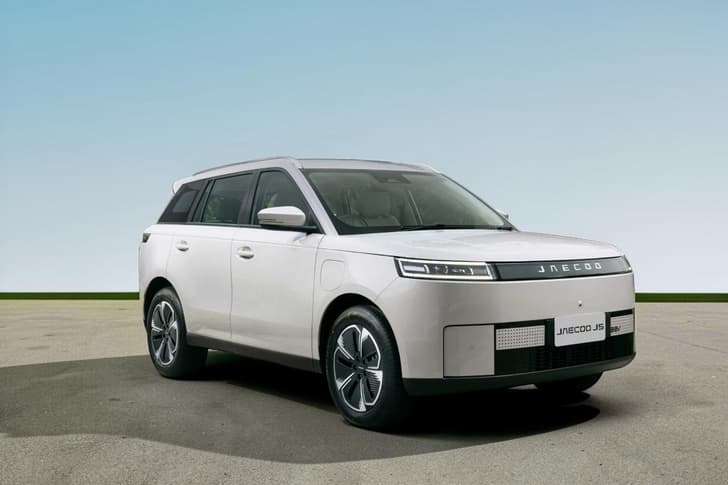
JSW Motors Jaecoo J5

₹20.00 - ₹25.00 Lakhs

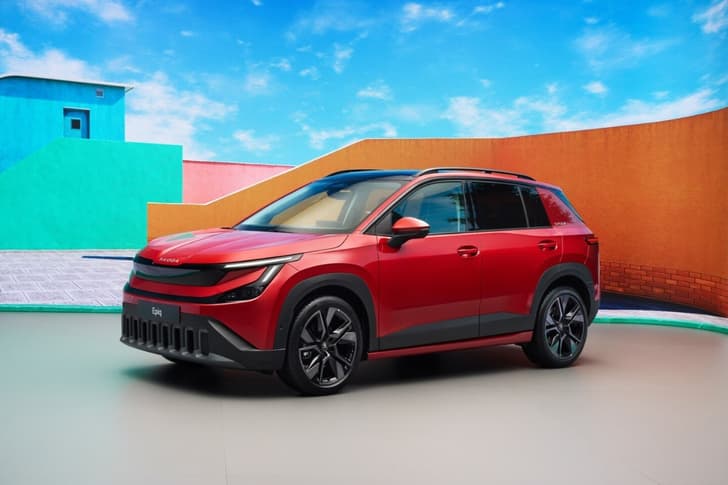
Skoda Epiq
Skoda Epiq

₹20.00 - ₹26.00 Lakhs

BYD Atto 2
BYD Atto 2

₹18.00 - ₹25.00 Lakhs

MG Hector Tomahawk
MG Hector Tomahawk

₹20.00 - ₹22.00 Lakhs

Honda 0 Alpha
Honda 0 Alpha

₹16.00 - ₹25.00 Lakhs

Tata Cars

Tata Tiago EV
Tata Tiago EV

₹7.31 - ₹10.45 Lakhs

Tata Tiago
Tata Tiago

₹5.43 - ₹9.54 Lakhs

Tata Punch EV
Tata Punch EV

₹10.13 - ₹13.56 Lakhs

Tata Punch
Tata Punch

₹6.59 - ₹12.16 Lakhs

Trending Cars

Volkswagen Tera
Volkswagen Tera

₹8.00 - ₹13.50 Lakhs

Mahindra Scorpio Lifestyler

₹18.00 - ₹22.00 Lakhs

MG Hector Tomahawk
MG Hector Tomahawk

₹20.00 - ₹22.00 Lakhs