Latest questions answered by experts
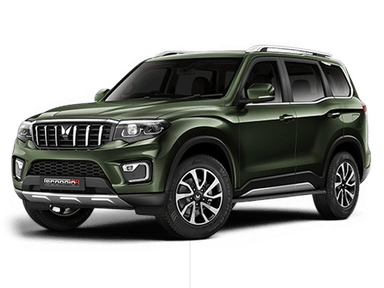
Following my previous question about replacing my Tata Hexa, which has covered 1.25 lakh km, with a new SUV or MPV within a budget of Rs. 35 lakh and for a daily commute of around 85 km, I test-drove both the Tata Safari and the Toyota Hycross. However, I found both to be lacking in power. Could you suggest some other suitable options? I am also open to considering 5-seater SUVs, although a diesel remains my preference. Additionally, would the Mahindra XUV 7XO Diesel be a good choice for my requirements? If so, which variant would you recommend?
Given your daily 85 km commute and the fact that you're coming from a Tata Hexa, a diesel car still makes the most sense. The Toyota Innova Hycross is a petrol-hybrid, so it was never going to feel as powerful as a diesel. The Tata Safari, while offering good torque, isn't the most responsive diesel SUV in its segment.The Mahindra XUV 7XO Diesel is the option we would recommend. It is one of the most powerful diesel SUVs in its segment, with strong mid-range performance and a genuinely engaging driving experience. It also strikes a good balance between comfort, space, and features, making it a well-rounded replacement for the Hexa. As for the XUV 7XO variants, the AX7 is the sweet spot, offering most of the key features without pushing the price too close to your Rs. 35 lakh budget.
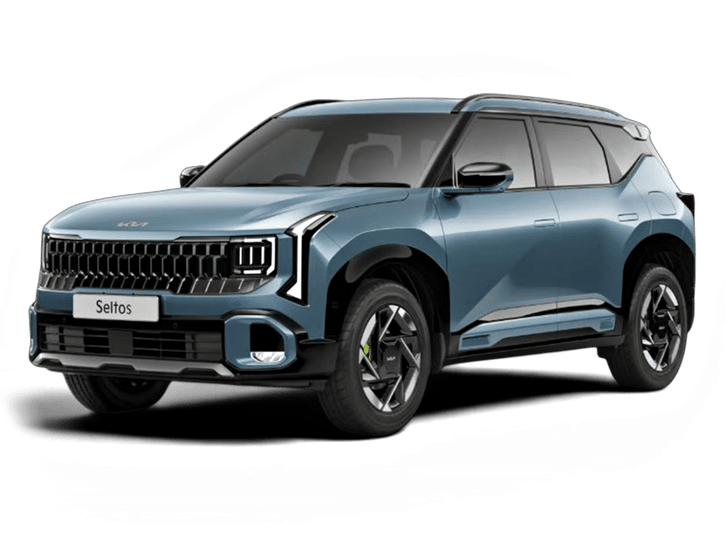
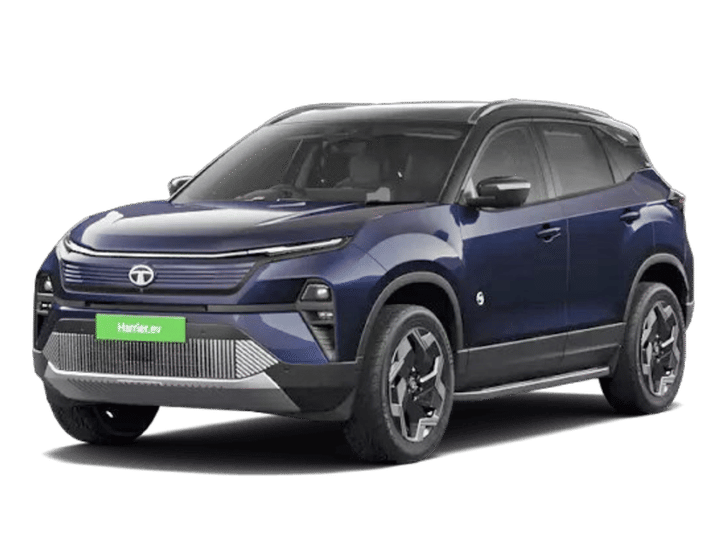
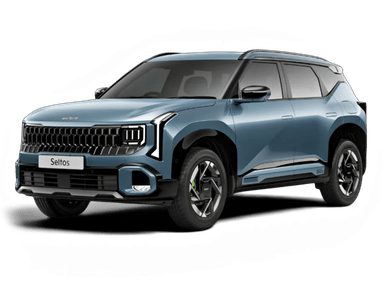
I’m confused between the Mahindra BE 6, Tata Harrier EV, and, if not an EV, the Kia Seltos Diesel AT for my first car. I’m 27 years old, and my annual running is only around 7,000-8,000 km, with a daily commute of 15-20 km. My budget is Rs 21-22 lakh. I have access to home charging in my apartment society at Rs 10.5/kWh and workplace charging at Rs 22/kWh. If I buy the Mahindra BE 6, I plan to keep it for at least 8-10 years. If I choose the Kia Seltos Diesel AT instead, I’ll likely sell it after 4-5 years and switch to an EV once the market matures further. Considering my low annual running, long-term ownership plans, reliability, resale value, and overall ownership costs, which would you recommend: the Mahindra BE 6, Tata Harrier EV, or the Kia Seltos Diesel AT? The car will primarily be used by two people, although my parents may also start using it for regular city driving in the next 4-5 years.
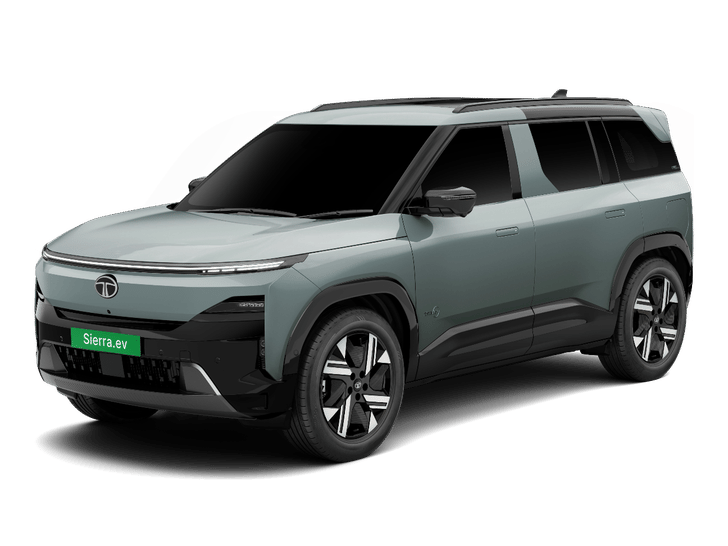
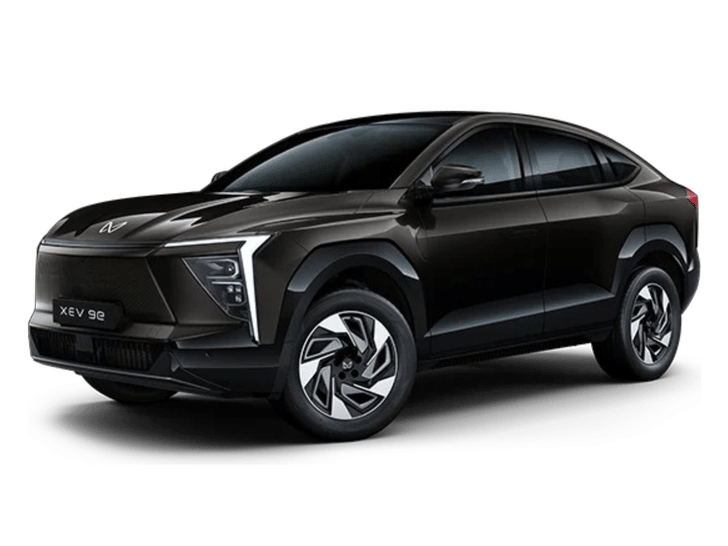
The Kia Seltos Diesel AT is a great car, but with an annual running of just 7,000-8,000 km, the diesel premium is difficult to justify, especially when you already plan to sell it after 4-5 years. Given your low annual running, home charging cost of Rs 10.5/kWh, and planned ownership of 8-10 years, the Mahindra BE 6 makes the most sense. Your usage pattern is ideal for an EV, and over a long ownership period, the lower running costs will more than offset the higher upfront price.Your budget also suits the BE 6 well, as the Pack One Above variant fits comfortably within it. The Tata Harrier EV and even the Mahindra XEV 9e are more premium offerings, but both would require you to stretch your budget.That said, if comfort and practicality are your priorities, the BE 6 may not be the best choice. The Tata Sierra EV is a better alternative. It comes with a slightly larger battery pack than the BE 6, fits within your budget, and offers an excellent ride along with a more spacious cabin. The Adventure 63 variant is the one to consider. It is worth test-driving both the BE 6 and the Sierra EV back-to-back, as that will give you a much clearer idea of which one better suits your needs.
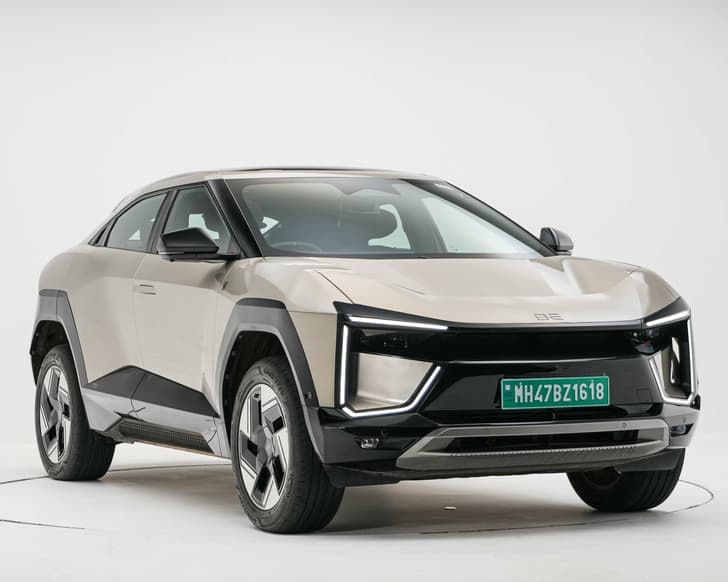
I am planning to buy my first luxury car and am considering the BMW 3 Series M Sport Pro, which is available for Rs. 70 lakh on-road. Is this a good deal? Also, is its ground clearance too low for long-distance or cross-country road trips?
The BMW 3 Series M Sport Pro at Rs. 70 lakh on-road is a reasonable deal, though not an outright bargain. It remains one of the most engaging luxury sedans to drive, thanks to its strong performance, well-balanced chassis, and genuinely premium cabin. For a first luxury car, it is a very satisfying choice.As for ground clearance, the version sold in India is capable of clearing most speed breakers and potholes without scraping. In fact, it is well-suited to cross-country trips as well. With sensible driving and a bit of care, it can handle most highways and rural roads with ease.
I want to buy a car in the Rs. 60 lakh to Rs. 70 lakh range. An SUV seems like the more practical choice, but there aren't many exciting options from BMW or Mercedes-Benz in this budget. Sedans like the BMW 3 Series are available, but I am concerned about their low ground clearance, especially since the roads in my area are not in great condition and waterlogging is a common issue. Toyota appeals because of its reliability, but I don't find the interiors very appealing. As for Skoda and Volkswagen, I am not very confident about their after-sales service. Would the BMW 3 Series still be comfortable and practical to own on bad roads and during waterlogged conditions? Above all, I want complete peace of mind after the purchase.
Within a budget of Rs. 70 lakh, the BMW 3 Series is one of the best choices. However, if ground clearance is a concern, an SUV would be the more practical option. Equivalent SUVs such as the BMW X3 and the Mercedes-Benz GLC will require stretching the budget by another Rs. 10-15 lakh. Otherwise, the alternatives will have to come from a segment below.Since comfort is a priority, it would be worth waiting for the upcoming BMW X1 Long Wheelbase, which is set to launch on 21 August. As it will be assembled in India, pricing is expected to remain competitive and within your budget.The Audi Q3 and Q3 Sportback are also worth considering. They offer a refined petrol engine, smooth performance, and a high-quality cabin. Their only drawback is that they are not the most modern in terms of features. With the new-generation Q3 expected to arrive soon, attractive discounts on the current models are also likely.
Hi, I'm planning to buy a new petrol car. I recently learned to drive and have never owned or regularly driven a car before. My budget is around Rs. 12.5 lakh. I've shortlisted the Hyundai Venue HX5 Petrol DCT, but I also checked out the Kia Seltos HTE Petrol Manual and really liked its interior. Now I'm really confused about which one to buy, especially since I've heard that DCT gearboxes can have issues in heavy traffic. At the moment, my driving will mostly be on highways, with a 70:30 highway-to-city split. However, my city usage could increase in the future. One more thing I noticed during the test drives is that the Venue's manual clutch felt extremely light. The Seltos also has a light clutch, but it isn't as effortless as the Venue's. Please help me decide which one would be the better choice.
Go for the Hyundai Venue HX5 Turbo Petrol DCT. It's the best choice among your shortlisted options. Since you're a new driver, its compact dimensions will be easier to get used to, and as you mentioned, the lighter controls are a big advantage.With 70% of your driving on highways, the manual gearbox is a straightforward and dependable choice. At the same time, the clutch is light enough to remain comfortable in city traffic. Sticking with the manual also allows you to move up to the better-equipped Hyundai Venue N Line N6 Petrol MT variant within your budget.It's not that the Venue's DCT has inherent issues in traffic. Rather, it can feel jerky at crawling speeds, and it requires slightly more careful use, such as shifting to Neutral or Park when stopped for longer at traffic lights, to minimise premature wear.The Kia Seltos HTE Petrol MT gives you a larger car and a bigger engine, but being the base-spec variant, it misses out on several features. As a first-time buyer, the size may be more of a hindrance than a benefit.
I’m planning to buy a premium SUV. Most of my driving will be in Bangalore city traffic, with occasional highway trips, around twice a month. I’m currently considering the Mahindra XUV 7XO top-end petrol automatic and the Skoda Kodiaq L&K. I understand there’s a significant price difference between the two, but my budget allows for either. I enjoy driving and won’t be hiring a chauffeur, so the driving experience is important to me. While both SUVs offer similar power on paper, does the Kodiaq provide a noticeably better sense of quality, cabin feel, driving pleasure, and after-sales service that justifies its higher price? I’m also open to suggestions from other brands that fit my requirements, such as entry-level Audi or BMW models, except Tata vehicles. Your expert advice would be a great help. Thank you.
Go for the Skoda Kodiaq Selection L&K. The Mahindra XUV 7XO is a genuinely impressive SUV with strong performance, a feature-rich cabin, and excellent value for money, but the Kodiaq is on a different level. The quality of the materials, the solidity of the build, the refinement, and the overall sense of premium engineering are immediately apparent. Its 2.0-litre TSI petrol engine is also an excellent unit, delivering strong performance and a genuinely enjoyable driving experience. The XUV 7XO is a very good SUV and offers outstanding value for money. However, the Kodiaq feels like a truly premium product, and if budget is not a concern, it is the one to choose.As for after-sales service, Skoda cars network is not as extensive as Mahindra cars, but it has improved significantly in recent years, and ownership experiences are generally positive. If you're open to other brands, the BMW X1 is also worth considering. It is smaller than the Kodiaq, but it is rewarding to drive and offers a genuinely premium experience. Overall, if you can comfortably afford the Kodiaq, it is the SUV that is most likely to keep you satisfied in the long run.
I am planning to buy the Tata Sierra EV Adventure 75 ACFC. My daily commute is around 60 km. Would you recommend going ahead with it, or should I consider other options in this price range?
With a daily commute of 60km, the Tata Sierra EV Adventure 75 ACFC is a sensible choice. The 75kWh battery pack offers a healthy real-world range, so your daily usage will only consume a small portion of the battery, reducing range anxiety and allowing you to charge less frequently. The Sierra EV also stands out for its spacious cabin, comfortable ride and premium interior, making it a genuinely practical family car rather than just an EV novelty.

Hi dear all! I want to buy a Brezza. Which variant should I go for, and which powertrain would be the best choice? Please suggest the best value-for-money option. Thanks.
Go for the Maruti Suzuki Brezza ZXi Turbo-petrol manual. It strikes a good balance between price and features. The ZXi gives you all the important features you will actually use, including the 9-inch touchscreen, rear camera, cruise control, automatic climate control and alloy wheels. The turbo-petrol engine is smooth with excellent drivability, and the 6-speed manual gearbox is light and easy to use in city traffic. This Maruti Suzuki car is not the most exciting car to drive, but it is comfortable, practical and very easy to own, with Maruti’s strong service network and low running costs. The automatic is a good option if you do a lot of city driving, but you will have to stretch your budget by a fair bit. The CNG is only worth considering if your running is very high, else stick to the turbo-petrol manual.
I am confused between the Hyundai Grand i10 Nios Sportz AMT, Maruti Suzuki Swift AMT, and Tata Tiago Pure+ AMT. My usage will be low to moderate, including city driving as well as occasional highway drives, and I am a first-time car buyer and driver. Based on my driving requirements, should I consider a CNG variant or stick to my original plan of buying a petrol car? Please help me choose the best car in this price range and also suggest any other suitable alternatives available.
For a first-time buyer with low to moderate city and highway use, stick to a petrol car. Our recommendation will be the Maruti Swift AMT over the Hyundai Grand i10 Nios AMT. Your running does not justify the added cost and compromises of a CNG car, and the Maruti Swift strikes the best balance for your needs. This Maruti Suzuki car is easy to drive, has a smooth and refined petrol engine, a comfortable ride and a well-built, practical cabin. The AMT is one of the smoother units in the segment, making it a confidence-inspiring choice for a new driver. This Hyundai car isn't as good as the Swift when it comes to ride comfort and even rear seat space. The Tata Tiago AMT is the value pick, but the cabin and overall refinement are not at the same level. That said, if you want a slightly larger and more premium feeling car, the Maruti Suzuki Baleno AMT is also worth considering, but it will stretch the budget. If you don't want to stretch the Swift is the most well-rounded and easiest car to live with in this range.
I've been driving a Maruti Ritz Diesel (190 Nm) for the last 5 years and am looking for an upgrade. My usage is 70% highway and 30% city, with a monthly running of only 500-750 km. I live in Bangalore and primarily use the car for weekend drives and highway trips. Cars tested: Honda Elevate MT/CVT: Reliable and comfortable, but the CVT felt dull, and I feel the naturally aspirated engine may not be exciting enough for highway driving. Kia Seltos Turbo DCT & Diesel AT: Feature-loaded, spacious, and family-friendly. The turbo-petrol feels quick, while the diesel AT feels effortless, but I am concerned about long-term DCT reliability and diesel DPF issues. Volkswagen Taigun/Skoda Kushaq 1.0 TSI AT: I loved the driving experience, stability, and engine performance. However, the cabin feels smaller compared to the Seltos. Volkswagen Taigun 1.5 DSG: I could not properly test its performance due to heavy city traffic. Volkswagen Virtus 1.0 TSI: This was the most confidence-inspiring car I drove, but my family is not keen on buying a sedan. Current concerns: My low annual running makes me question whether a diesel is the right choice due to DPF-related concerns. I am worried about the long-term reliability of turbo-petrol engines, DSG/DCT gearboxes, ethanol-blended fuel compatibility, and fuel economy. Naturally aspirated petrol engines seem more reliable, but I am concerned they may feel underpowered after driving a torquey diesel for years. Budget: Rs. 15-22 lakh on-road (Bangalore). The car will be purchased through my company lease program, so tax benefits will apply. Currently, my shortlist includes: Kia Seltos Turbo Petrol / Diesel AT Volkswagen Taigun 1.0 TSI AT (Highline or Topline) Considering my usage pattern and long-term ownership plans, which engine and powertrain would you recommend for the least-regret ownership experience?
Given your usage and concerns, the Kia Seltos turbo-petrol DCT is the most sensible recommendation. Your 70% highway usage and weekend trips make diesel a good fit, and thIS Seltos diesel is a proven, reliable powertrain but the relatively short distance you cover over a month does not justify the premium you would pay for the diesel variant. The turbo-petrol has good punchy performance and is smooth to drive even in the city. Unlike the NA engine that is linear and laid back, the turbo-petrol feels lively and effortless. Yes, the efficiency won't be as good as diesel, but it is the nicer car to drive in comparison to others and with the uncertainty of diesel, it is the safer bet over a long term. Moreover, the cabin is refined, this Kia car offers good space and practicality and a more premium ownership experience than some of its rivals. The HTX trim will fit in your budget and gets a good amount of kit on offer.

I have waited more than six months for the Brezza facelift/update, and now I’m a bit confused between the engine options. Initially, I was leaning towards the 1.5-litre naturally aspirated (NA) engine, but the 1.0-litre Boosterjet now seems like the better value-for-money option. I don’t want to retrofit any accessories from the aftermarket. The Brezza VXI 1.0-litre Boosterjet has all the features I need except the 60:40 split-folding rear seats. On the other hand, the Brezza ZXI 1.5-litre NA has all the features I want, but it also comes with a sunroof, which I don’t really need. In my city, the on-road price difference between the Brezza VXI Turbo and the Brezza ZXI NA is Rs. 2,29,000. My biggest concerns are: Long-term reliability, Maintenance costs, Compatibility with future ethanol fuel blends, and Carbon buildup on the intake valves. If it occurs, what would be the repair or cleaning cost? Will the 1.0-litre Boosterjet continue to perform as well as the 1.5-litre naturally aspirated engine if higher ethanol fuel blends become common in the future? Is there any reason to believe I might regret choosing the 1.0-litre Boosterjet over the 1.5-litre NA in the long run? Budget: Maximum ₹10.6 lakh (ex-showroom) Models under consideration: Brezza VXI Turbo (1.0-litre Boosterjet) and Brezza ZXI NA (1.5-litre) Primary usage: Less than 850 km per month, school commute: 25 km round trip per day (~650 km/month), weekend family drives (3–5 members): ~200 km/month, driving pattern: 50% city (Tier-3 city) and 50% village roads and highways, one or two annual hill-station trips, each approximately 800 km round trip, and First-time car buyer.
Go for the Maruti Suzuki Brezza VXI Turbo 1.0 Boosterjet. At under 850 km a month, the 1.0 turbo makes more sense than the 1.5 naturally aspirated engine. It is more fuel efficient in real-world conditions, especially on your mix of city, village roads and highways, and the Rs 2.3 lakh price difference to the ZXI NA is simply not justified for your usage. The Boosterjet is a proven engine with a good reliability record, and Maruti’s service network and low maintenance costs remain a key strength. On ethanol, both engines are E20-compliant, and there is no official roadmap beyond E20, so there is no reason to expect the 1.0 turbo to be disadvantaged versus the 1.5 NA. Carbon build-up is not a major concern on modern turbo petrol with regular maintenance, and Maruti’s service costs for such issues are generally reasonable. The only real drawback this Maruti Suzuki car has is the lack of a 60:40 split rear seat, but that is a minor compromise given the overall value. The 1.5 NA is a smooth and reliable engine, but at your running and budget, the 1.0 turbo is the smarter choice. You will not regret it in the long run.
I am considering the Hyundai Venue petrol automatic. I drove the naturally aspirated (NA) petrol version, but found it underpowered. I want a punchier engine, so I am thinking of choosing the turbo-petrol variant. Which transmission should I consider, automatic or manual? I have heard that automatic transmissions can develop issues after a few years. Is it safe to take the automatic variant to hilly areas? Also, does it face any issues while overtaking on highways? Since I have no budget constraints, which variant would be the best suited for me?
Go for the Hyundai Venue turbo petrol automatic. The naturally aspirated petrol does feel underpowered, so the turbo petrol is the right choice if you want a punchier driving experience. The automatic gearbox is a 7-speed dual-clutch unit, and while there have been some concerns about dual-clutch reliability in the past, Hyundai’s implementation is generally well sorted. This Hyundai car is a relatively light car, and the gearbox is not heavily stressed in everyday use. It is perfectly safe to take to the hills, and the gearbox has a manual mode that allows you to hold gears on descents and for overtakes. Overtaking on highways is not an issue either, as the turbo petrol has strong mid-range performance. Since budget is not a constraint, go for the top variant. It gets all the features, including the full ADAS suite, which adds an extra layer of safety on highways. The only thing to keep in mind is that dual-clutch gearboxes can feel a bit jerky at very low speeds in stop-start traffic, but overall the Venue turbo petrol automatic is a strong package and the right choice for your requirements.
I am seeking a versatile bike suitable for city commuting, highway travel, and challenging roads, including off-road conditions. My primary concern is the comfort of both me and my mother, who will be the primary passenger. I am 6 ft tall, my budget is 2 lacs, and I expect a minimum of 30 kmpl. I have considered the Triumph Scrambler 400X, but the pillion seat height is a concern. I am now considering the Speed 400 and CB350. I do not favour RE or KTM bikes. Please provide your suggestions. Regards.
A word of caution first: none of the bikes you have shortlisted will fit within your budget; you will have to extend it significantly to accommodate them. Also, for your needs, the Hero Xpulse 210 seems the better fit overall. It can easily tackle broken roads and off-road conditions while maintaining good composure when riding on tarmac. Yes, this Hero Motocorp bike will have a taller pillion seat, but with a bit of practice and after a brief acclimatization period, it should likely be a non-issue for your pillion. Take a test ride of the Xpulse and then go ahead with your purchase.
Hello, I'm planning to buy a scooter. Can you suggest the best petrol and electric scooter options with a stylish design, high mileage, and excellent suspension? Also, where should I buy it? I live in a district in Telangana. Should I buy it from Hyderabad or from my local area to get a better price?
In the petrol scooter space, the frontrunners are Honda Activa 110/125, TVS Jupiter 110/125 and Suzuki Access 125. All three are proven, comfortable, fuel-efficient and very practical, so whichever one you choose, you can't realistically go wrong. In the Electric scooter space, our top recommendations are TVS iQube, Bajaj Chetak, Vida VX2 and Ather Rizta models. Again, these are proven and reliable machines from top-tier brands with good service reach across India, so pick the variant that suits your needs best. It would be prudent to wait a couple of months for the upcoming EL platform-based family electric scooter, which will give you the slick experience Ather scooters are known for but at a more digestible price. If you have secure charging at home, then an EV will help you save on your running costs greatly compared to an ICE scooter. Depending on your preference of powertrain, we'd recommend a test ride of the options recommended before you go ahead with your purchase to see which one suits your needs best.
I am planning to upgrade from a Toyota Yaris CVT to either the Kia Seltos IVT or the Toyota Hyryder. My annual usage is around 9,000 km, with 60% driving in Bangalore city and 40% on highway trips. Please help me choose between the Kia Seltos IVT and Toyota Hyryder.
With 9,000 km a year and a 60% city/40% highway split, the Toyota Urban Cruiser Hyryder strong hybrid is the better fit. The hybrid system delivers excellent fuel efficiency in city traffic, where the car runs on electric power for the majority. This makes a noticeable difference in running costs over time. On the highway, this Toyota car is comfortable and stable, and the hybrid system still contributes to efficiency. The Kia Seltos IVT is a very good car with a smooth automatic gearbox and a more premium cabin, but at your usage level the hybrid advantage is more meaningful than the extra features. The Hyryder is also backed by Toyota’s strong reliability reputation, which is important for long-term ownership. The only drawback is that the Hyryder does not feel as quick as this Kia car on the highway and has a smaller boot. Overall, the Hyryder hybrid is the smarter choice for your usage pattern.
I own a 2021 Maruti Brezza (petrol), which is not E20 compatible, and I am getting low mileage. Now I'm looking for a new car and am confused between the following options: Kia Seltos HTE(O) IVT, Hyundai Creta EX CVT, Maruti Suzuki Grand Vitara Zeta(O), and Skoda Kushaq (TC) I have seen a few posts and videos suggesting that the new Creta and Grand Vitara will be launched in the coming months. Should I wait for the new launches to get the best car? Kindly suggest, as having multiple options is creating a lot of confusion.
While your concerns are valid, do note that all cars will see a mileage drop running on E20 petrol; it's just that E10 compliant cars like your 2021 Maruti Suzuki Brezza will see a relatively higher impact due to the engine not being calibrated for the fuel. As for which car to pick, since mileage is your maximum priority, we recommend the Maruti Suzuki Grand Vitara Zeta (O). It remains the mileage king in its segment, and even when you factor in the efficiency drop, it will do better than the others you have shortlisted. Bear in mind, however, that it uses the same 1.5-litre petrol engine as your Brezza, so in terms of powertrain, it won't feel like much of an upgrade on that front. As for the new launches, the Grand Vitara may get a minor facelift later this year, but it will not really impact the overall ownership experience (or mileage), so we recommend going ahead and buying it now. The next-gen Hyundai Creta is not due until sometime in 2027.
I am planning a 5-6 day road trip to Delhi. My car is a JK-registered Maruti S-Cross, manufactured in December 2016 and registered in April 2017. Will I be allowed to drive it in Delhi?
Yes, you can drive your JK-registered Maruti Suzuki S-Cross in Delhi for your 5-6 day road trip. The 10-year diesel and 15-year petrol car ban in Delhi applies to vehicles registered in Delhi, not to out-of-state vehicles visiting the city. As long as your car is registered, insured and has a valid PUC certificate, you are legally allowed to drive it in Delhi. However, be aware that Delhi has strict enforcement of emission norms and random PUC checks, so make sure your PUC is up to date and the car is in good running condition. Also, carry all original documents, including RC, insurance, and PUC, as police checks are common. There is no restriction on the number of days you can drive the car in Delhi as a visitor, but if you plan to stay long-term or move to Delhi, you would need to re-register the car locally. For a short road trip, you are absolutely fine.
I am considering the Toyota Hyryder Hybrid top model. I have never owned an automatic car. I drove it and found it a bit underpowered. Will it be safe to take it to the mountains? Will it climb steep roads without any issues? Is overtaking at high speeds difficult? Is it worth buying? If not, please suggest another option.
The Toyota Urban Cruiser Hyryder Hybrid is a very sensible choice for your first automatic. It is smooth, efficient and easy to drive in the city, and the hybrid system works well in stop-start traffic. However, your concern about feeling underpowered is valid. The hybrid system is tuned for efficiency rather than outright performance, and under hard acceleration, you will feel that the engine is straining a bit. Overall, performance feels adequate, and while it will climb hills and handle mountain roads without issue, performance doesn't feel particularly strong or effortless like some turbo-petrol or diesel cars.This Toyota car is a great choice if your priority is efficiency and ease of use, but if you want more performance and better overtaking ability, a 1.5 turbo-petrol automatic powered SUV like a Kia Seltos or Skoda Kushaq/VW Taigun would be a better fit.
I am a senior citizen, and I want to buy an automatic car. Please suggest an automatic car that I can purchase.
For a senior citizen looking for an automatic car, the priority should be ease of use, comfort and reliability. The Maruti Suzuki Brezza automatic is a very sensible choice. This Maruti Suzuki car is easy to drive, has a smooth torque converter automatic gearbox, light controls and a comfortable ride, which makes it ideal for city driving and longer journeys. The compact SUV is also easy to get in and out of, has good visibility and is backed by Maruti’s strong service network, which is important for hassle-free ownership.

I have an old Honda City, a 2011 model, which we use for my kids' daily school commute. The daily travel is around 45 km. I'm planning to get a Tata Punch EV for the same purpose. Should I keep the old Honda City, or exchange it? It would be useful during the service period of the Punch EV.
The Tata Punch EV makes for a sensible upgrade for your daily 45km use. It will be far more efficient and cheaper to run than your Honda City, and the compact size makes it easy to manoeuvre in city traffic. The question of whether to keep the City comes down to how you plan to use the car. If the Punch EV will be your only car, it is worth keeping the City as a backup for longer journeys. However, if the Punch EV will be dedicated to the school run and you have access to another car for longer journeys, it makes sense to exchange the City and reduce your overall ownership costs. This Tata car is a reliable and practical choice for your daily commute, but keeping the City as a backup gives you flexibility if you need it.
Need expert advice?
Ask the Autocar community and experts.