Last Updated on: 02 Sep 2026
Tata Sierra EV Expert Review
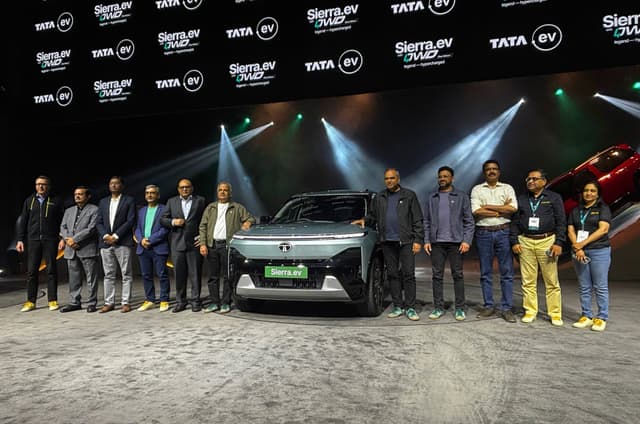
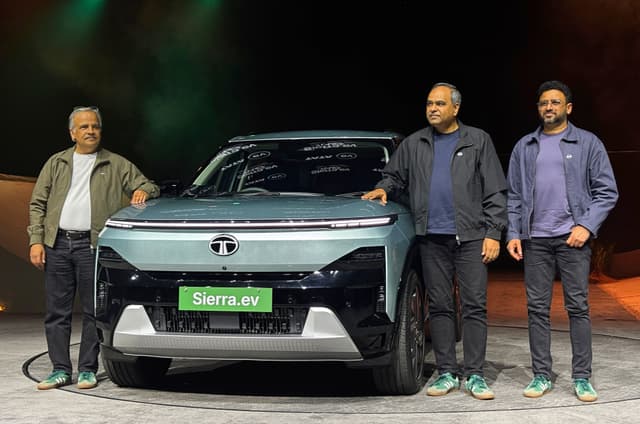
The Sierra EV is the all-electric iteration of the new Sierra, which revives a classic Tata nameplate after nearly 30 years. Based on Tata’s newer Gen2 EV platform, the Sierra EV will be the Indian carmaker’s seventh electric car when it launches later in 2025, and is expected to offer distinctive styling, feature-loaded interiors, and capable powertrains. Read our expert review of the Tata Sierra EV to learn more about its driving experience and everything the SUV offers.
Tata Sierra EV pros and cons
We like
Bold look with immense road presence
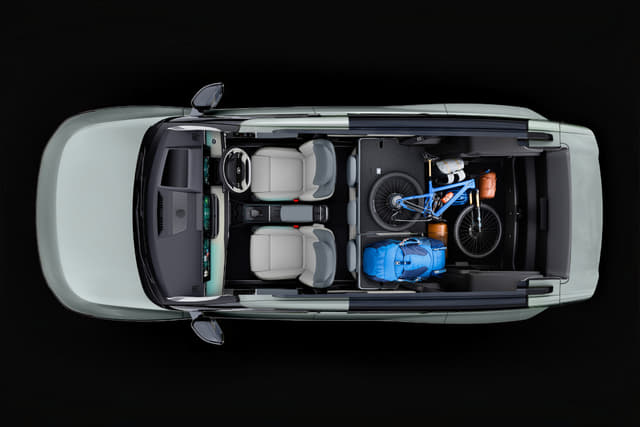
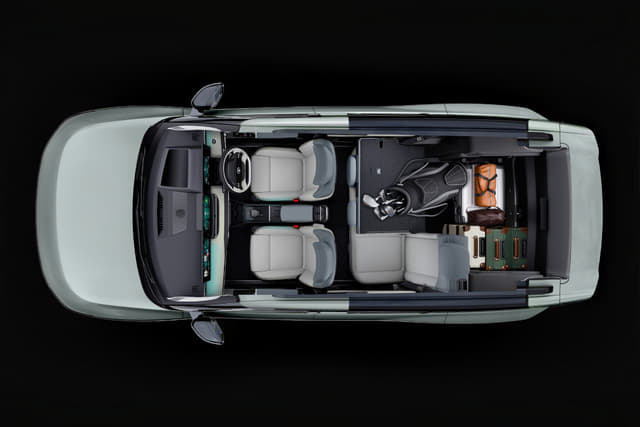
Same space and practicality as ICE version
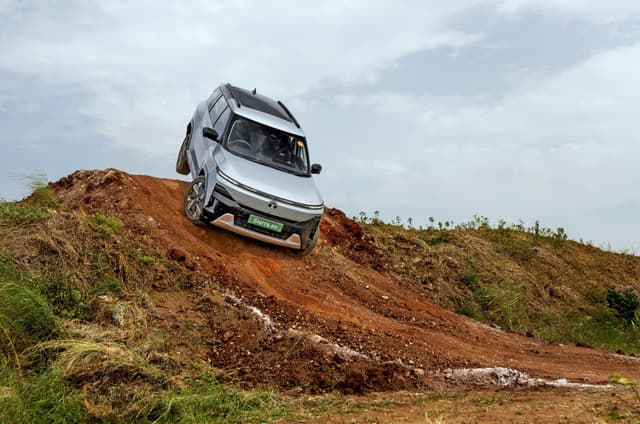
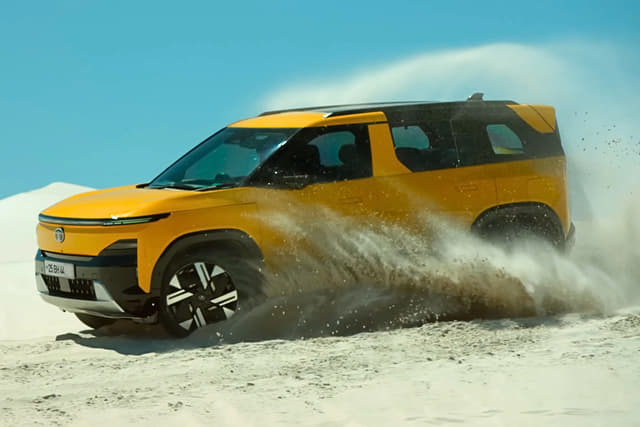
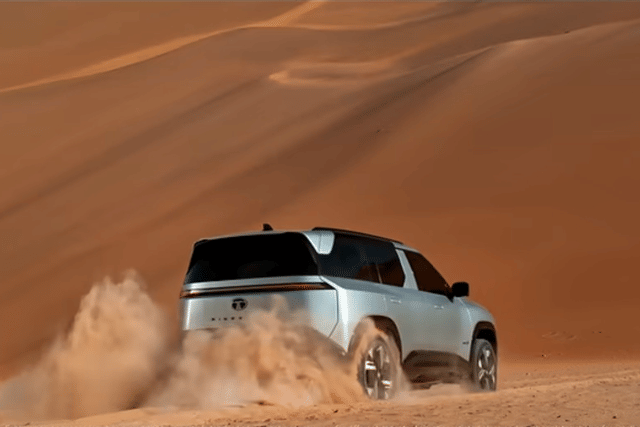
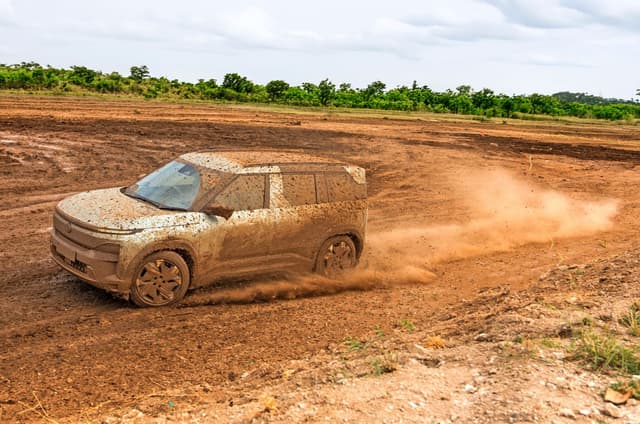
Optional AWD gives it a go-anywhere ability
We don't like
Inconsistent interior quality, fit and finish
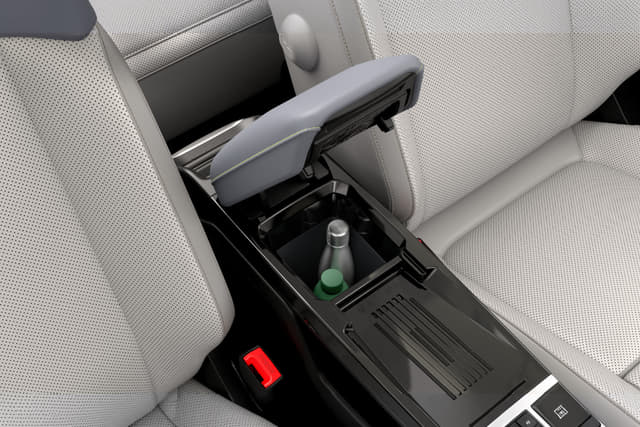
Poorly designed interior storage spaces
No spare tyre; only a puncture repair kit
Tata Sierra EV expert review
9.0
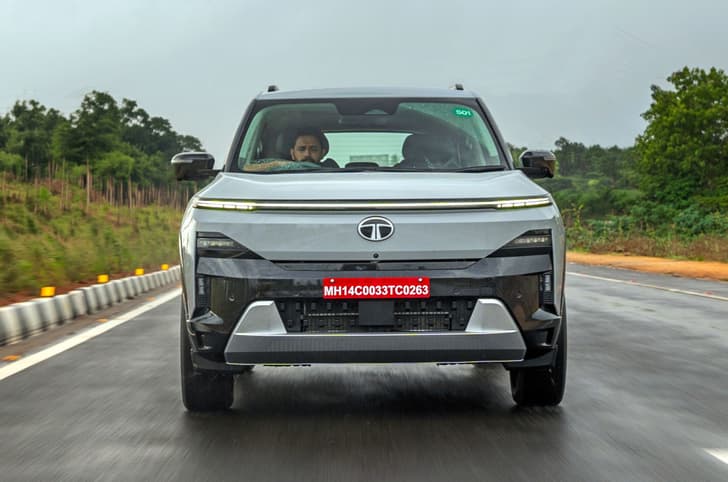
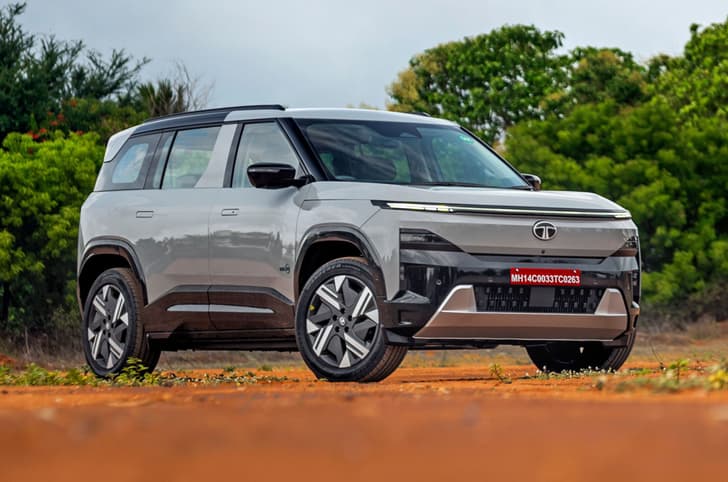
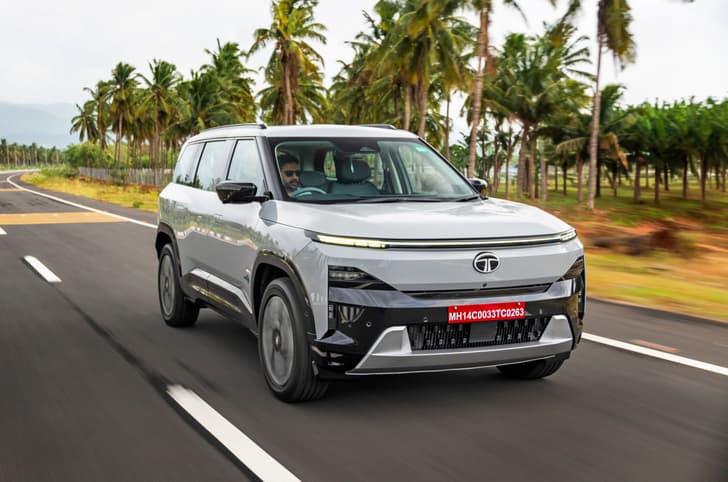
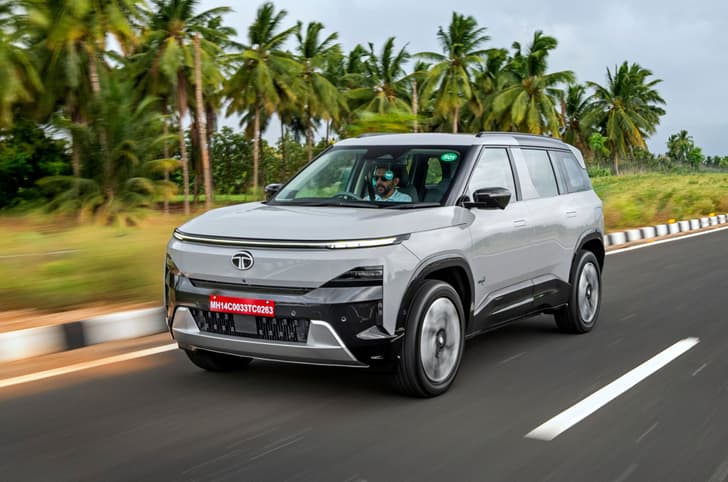
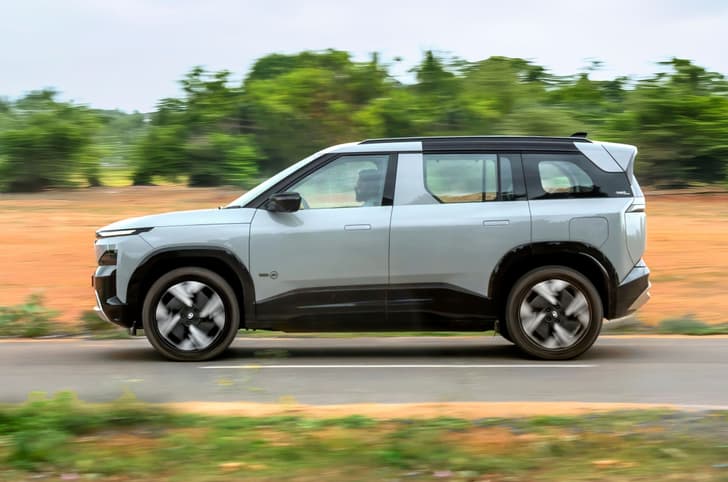
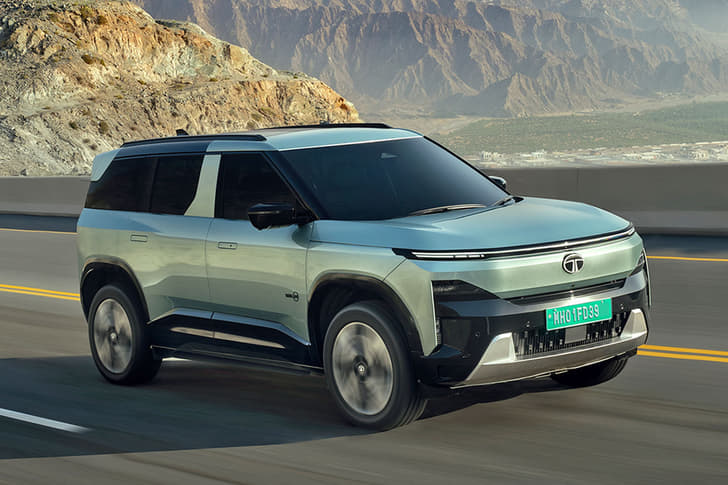
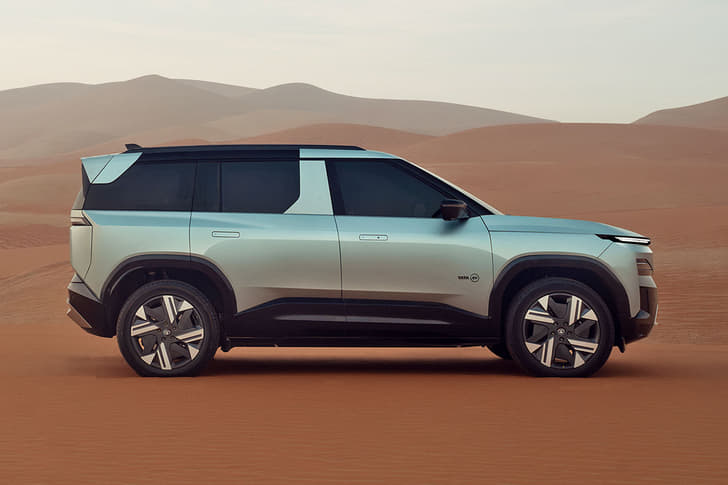
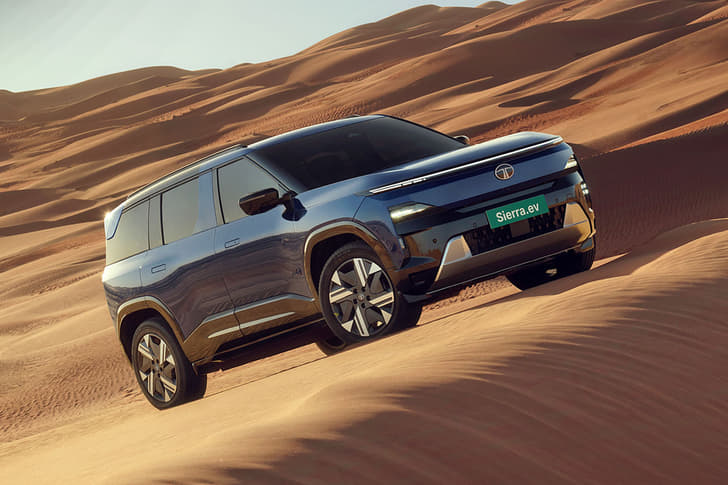
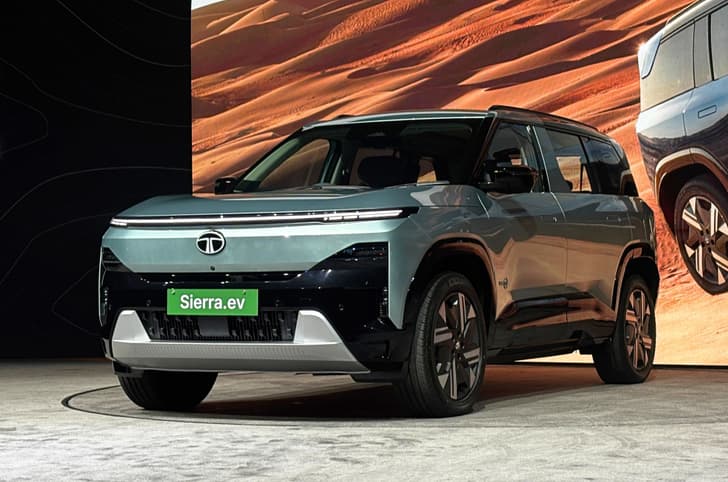
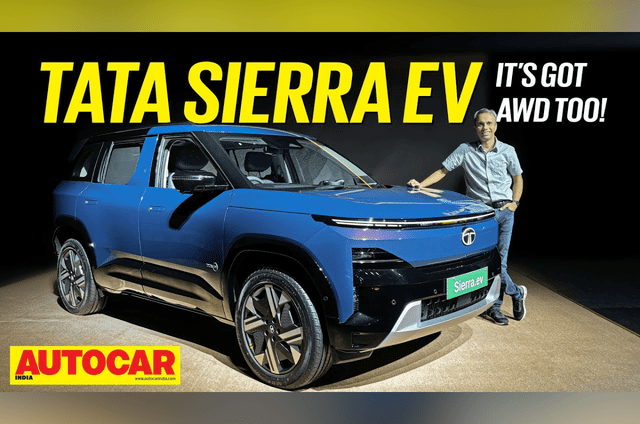
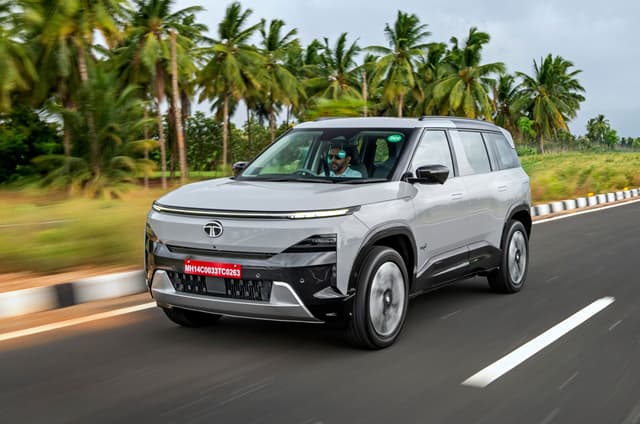
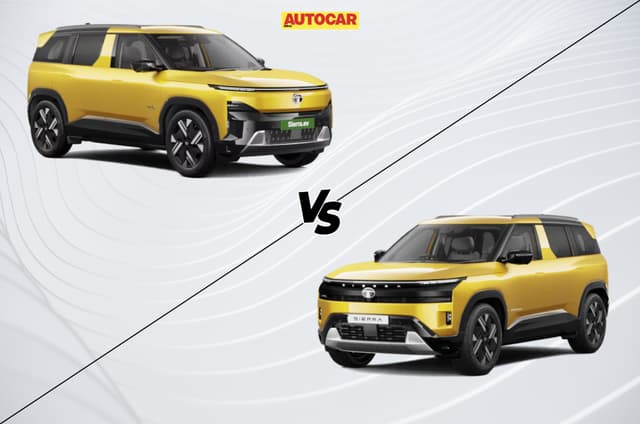
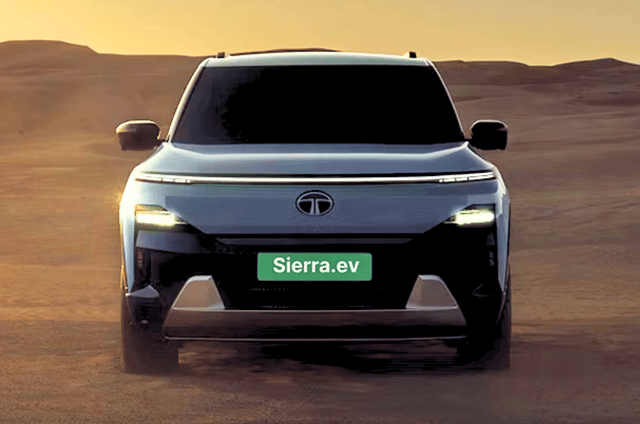
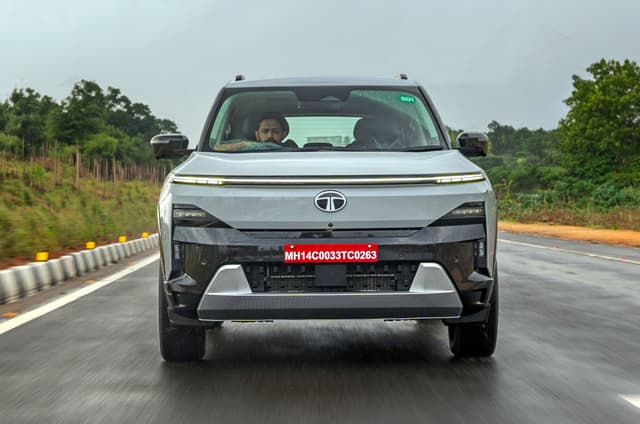
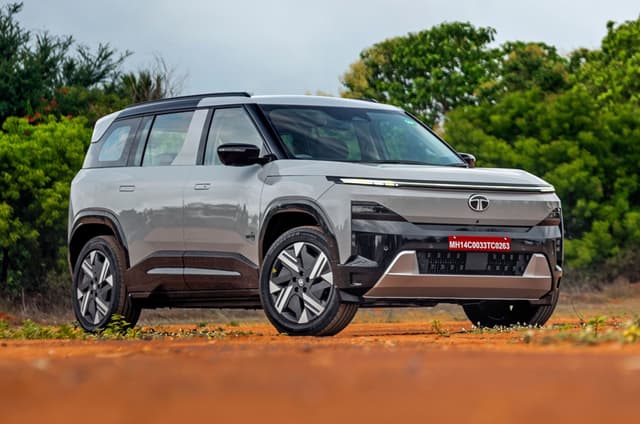
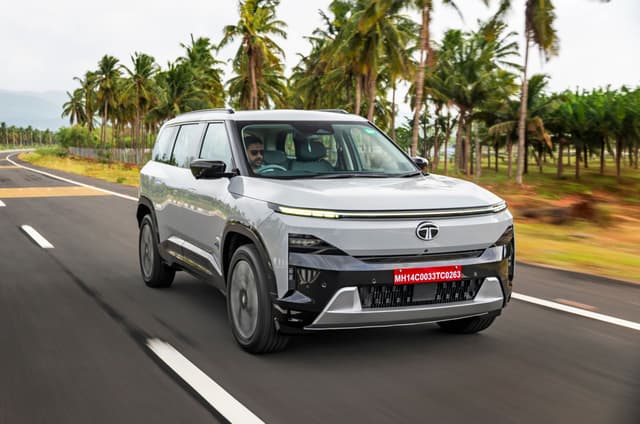
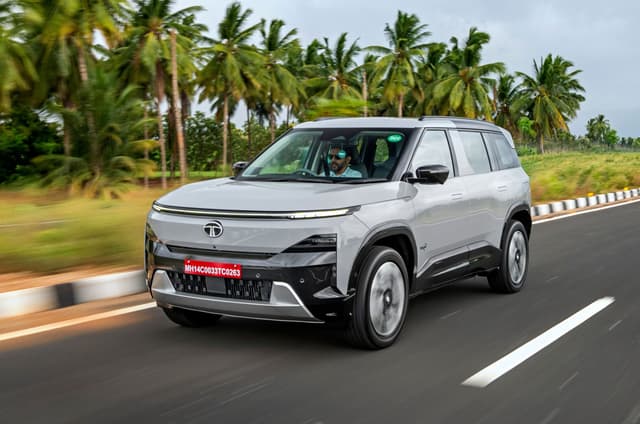
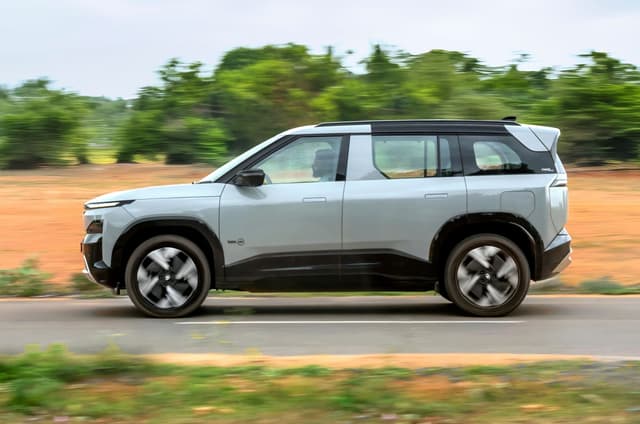
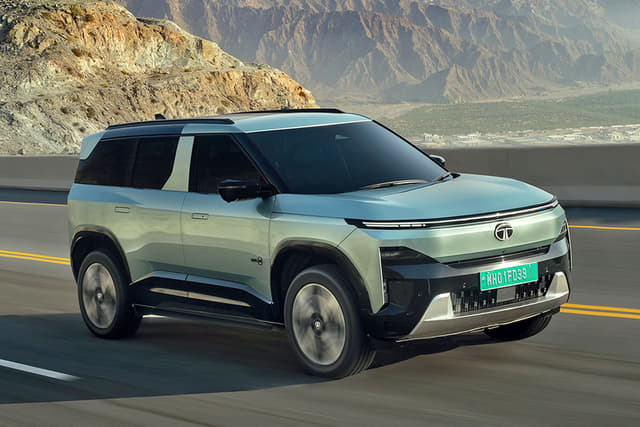
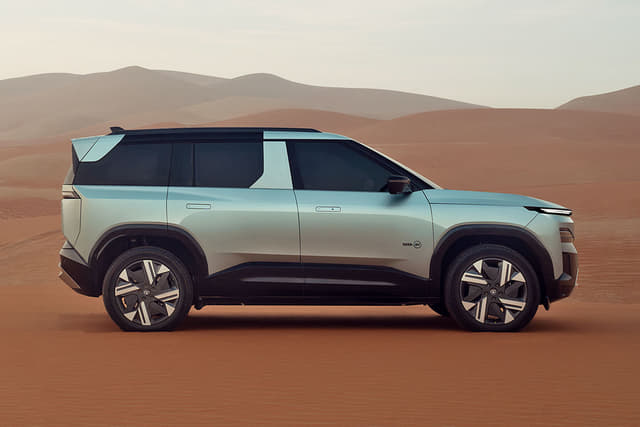
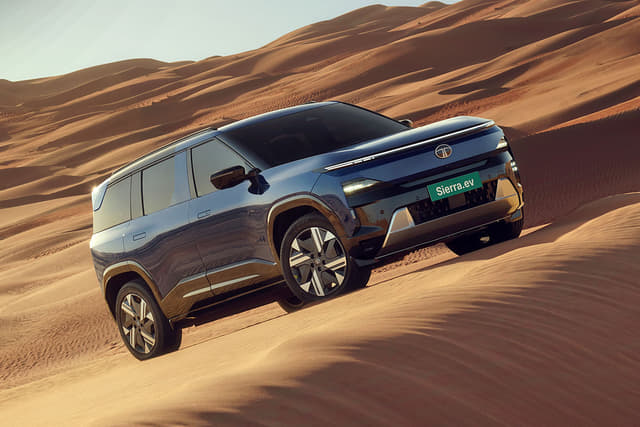
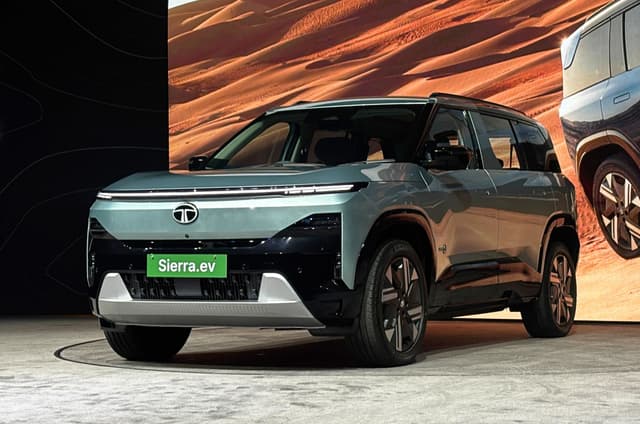
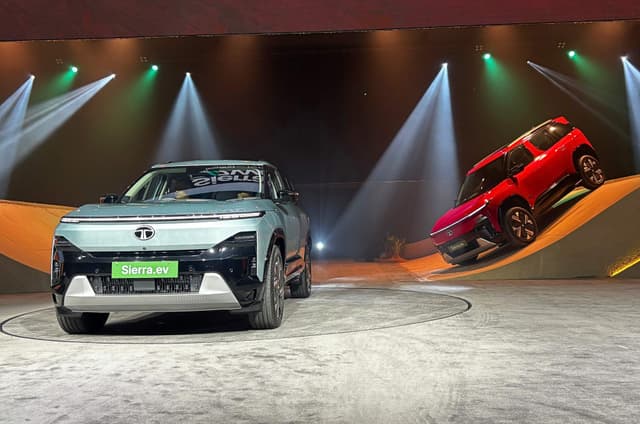
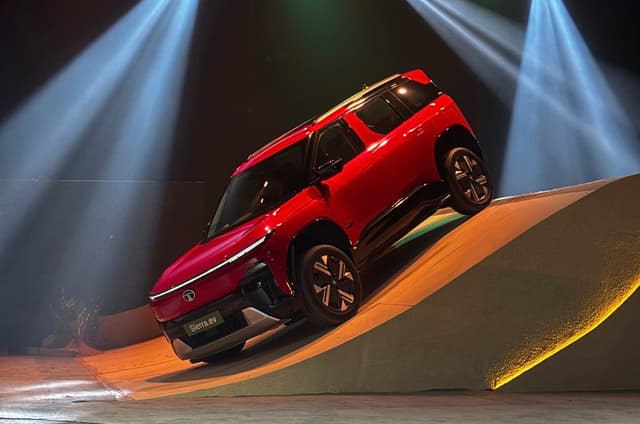
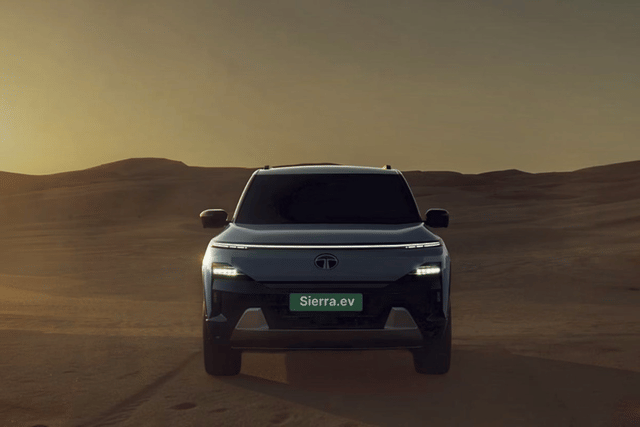
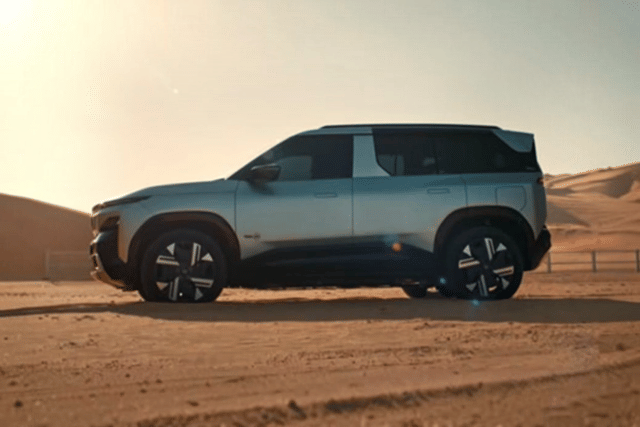
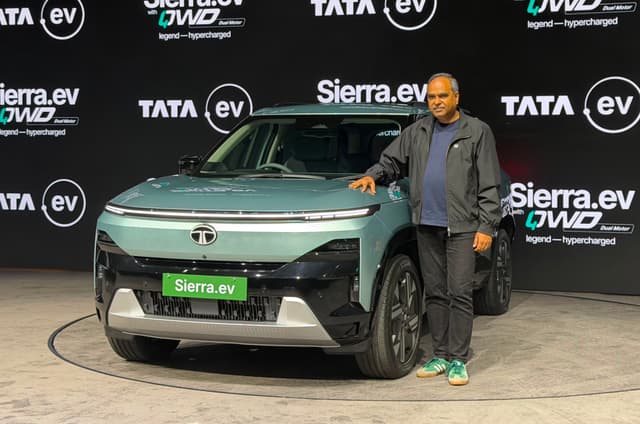
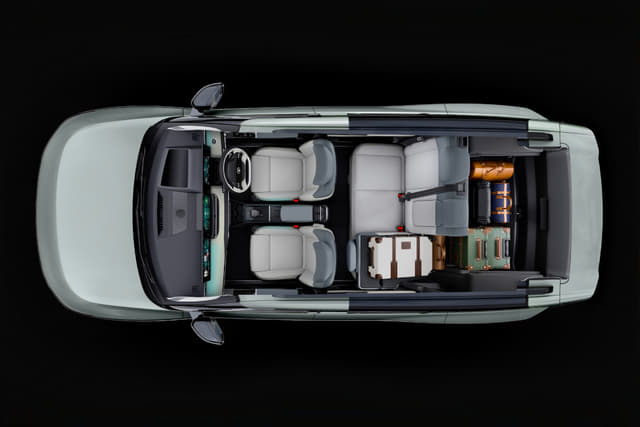
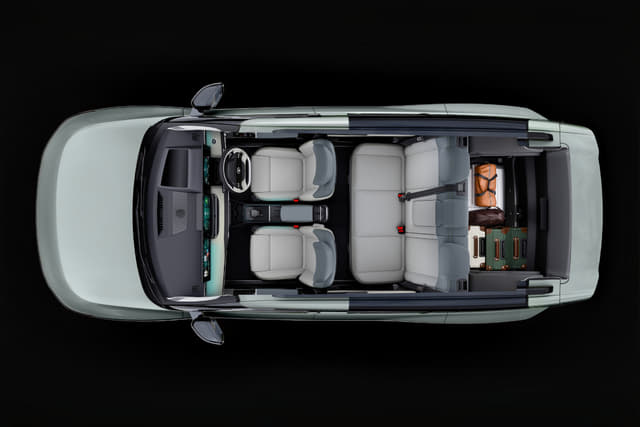
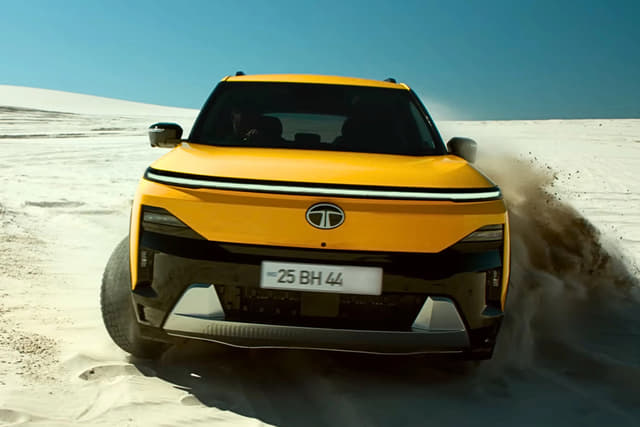
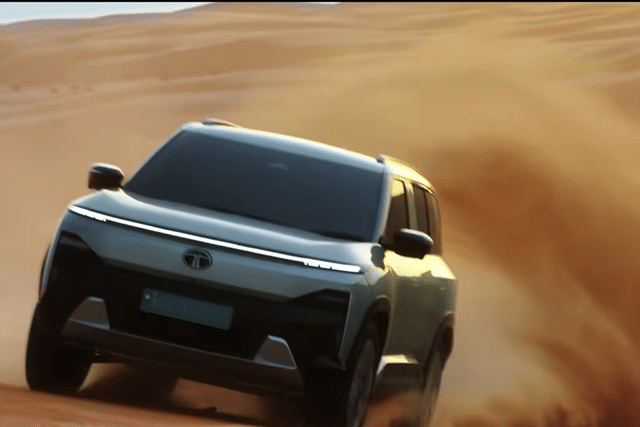
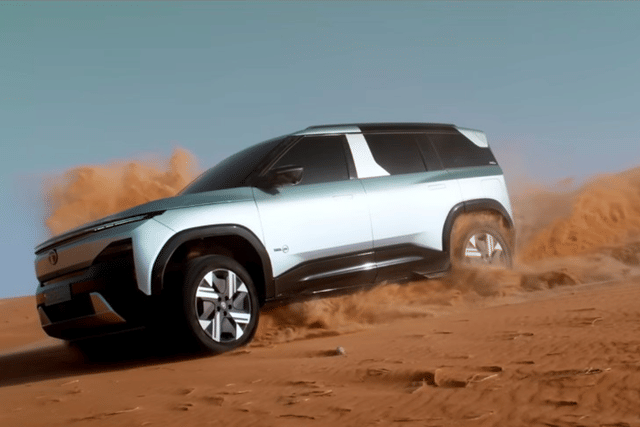
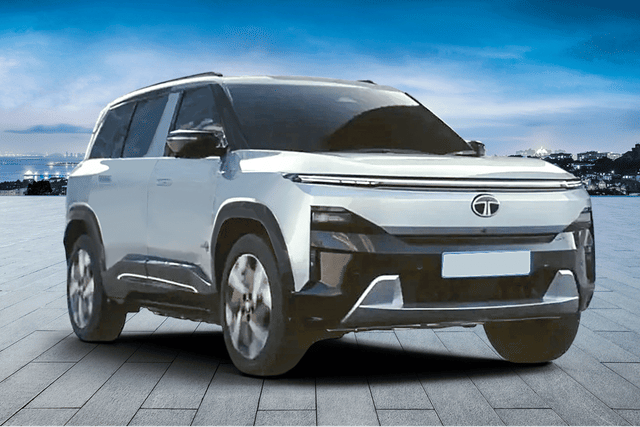
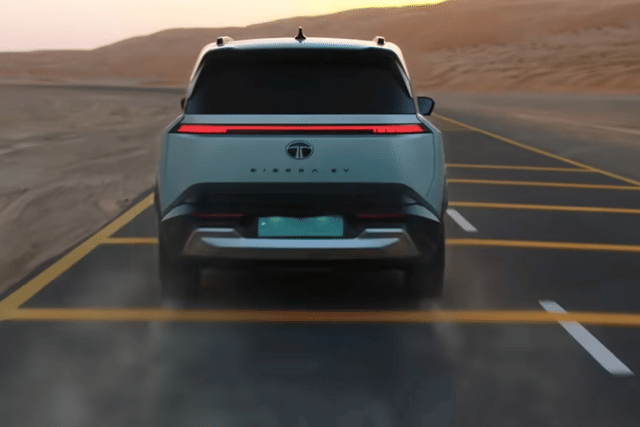
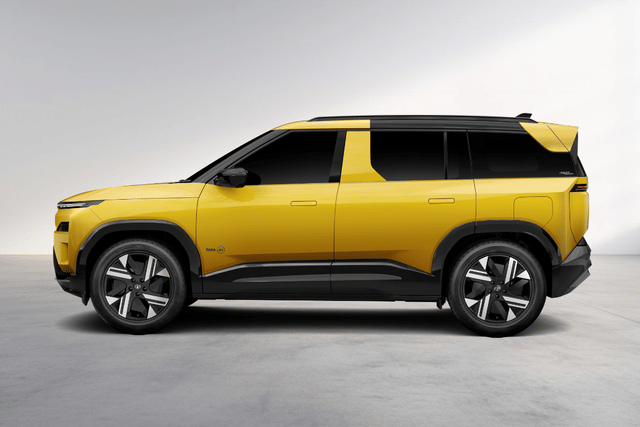
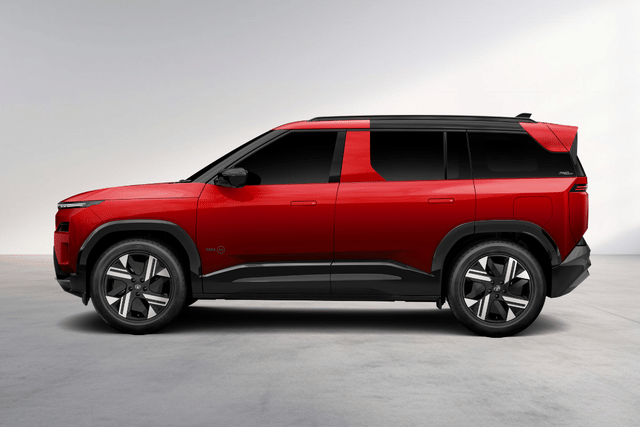
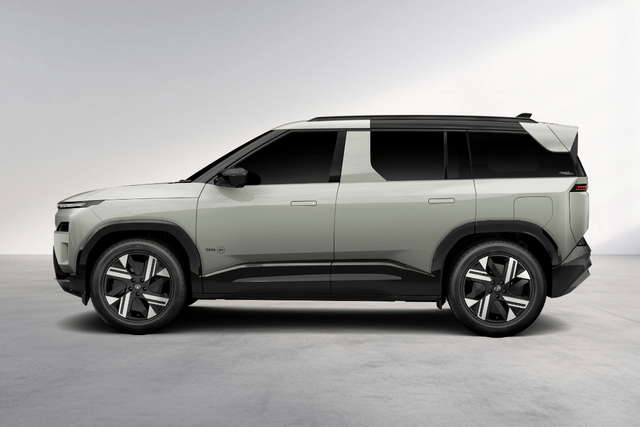
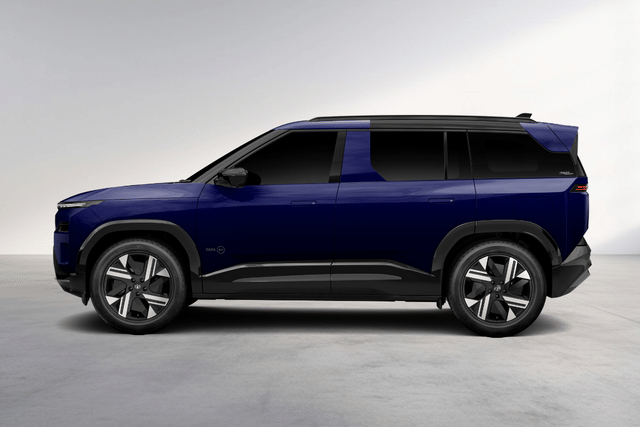
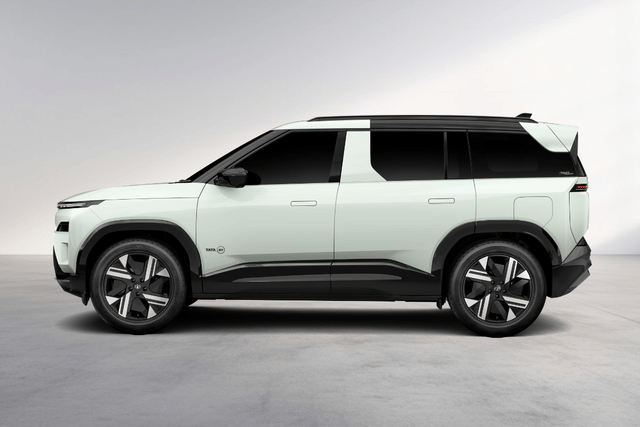
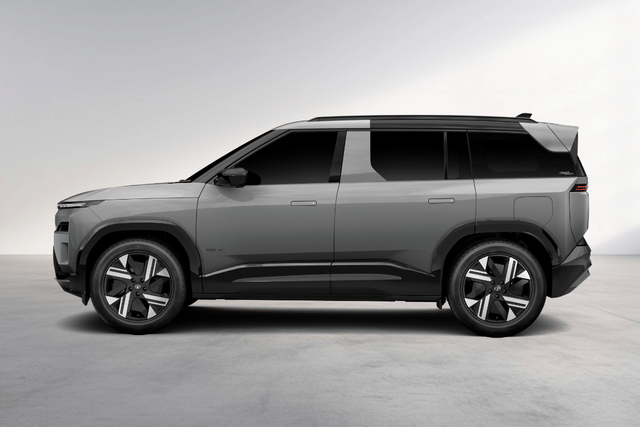
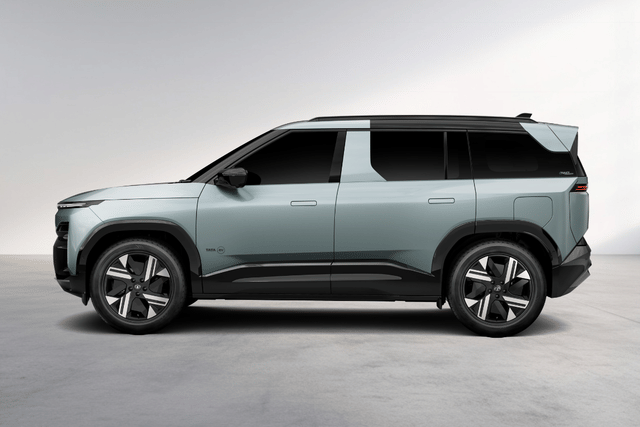
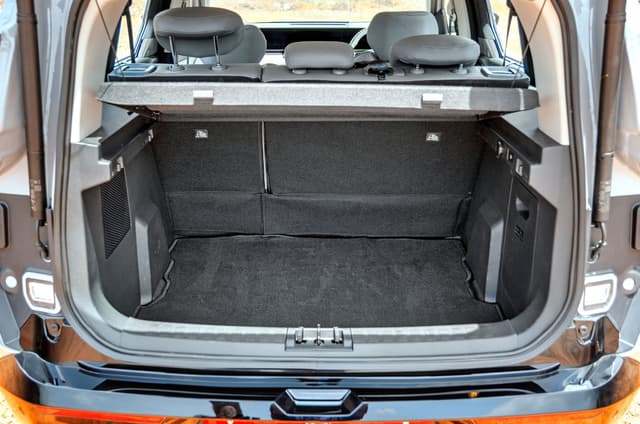
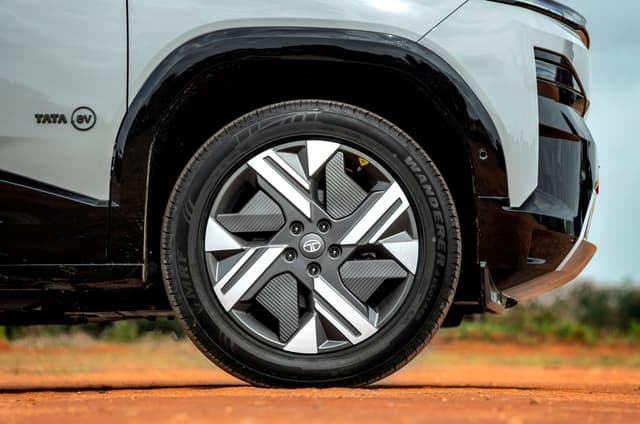
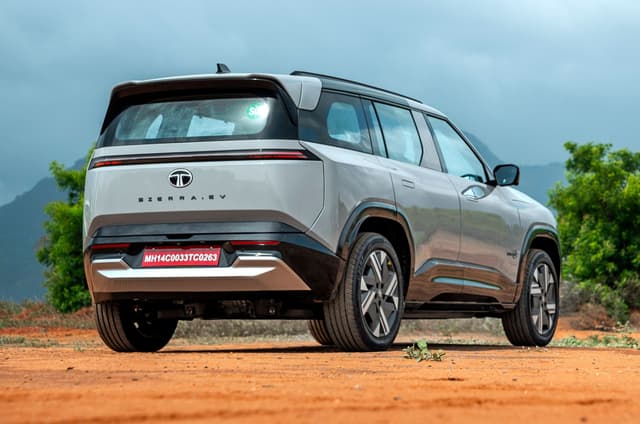
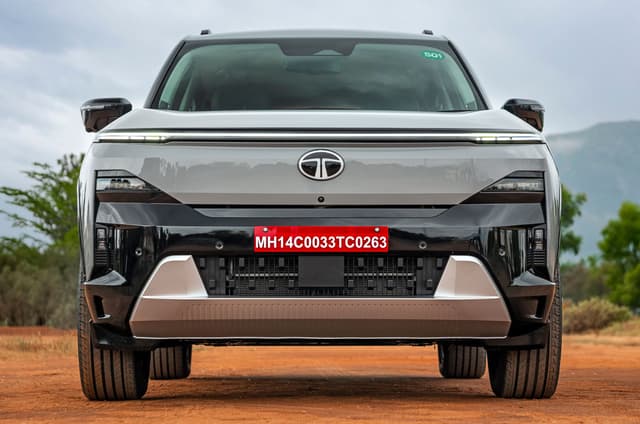
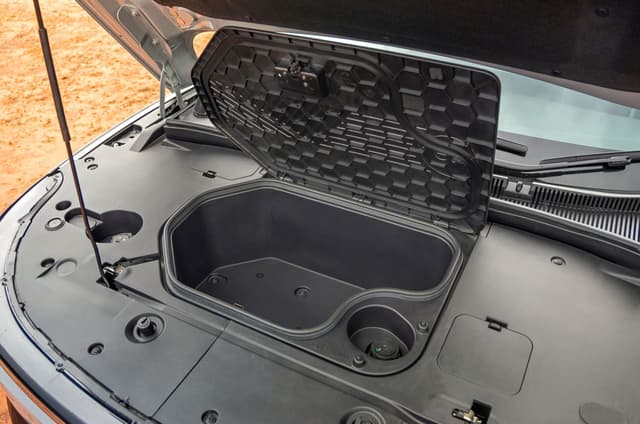
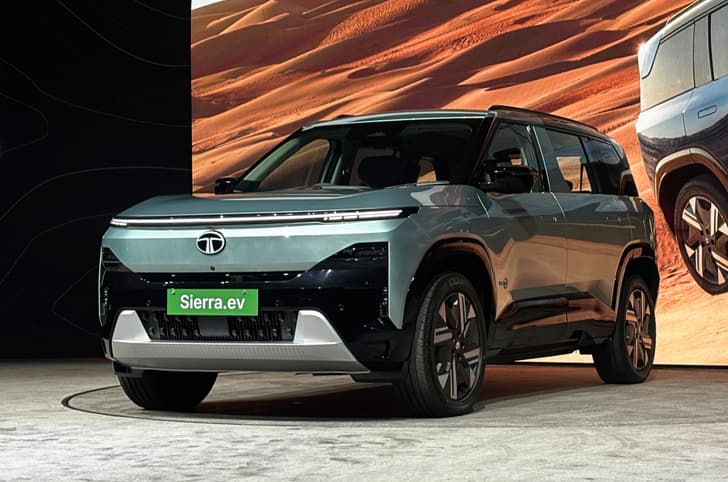
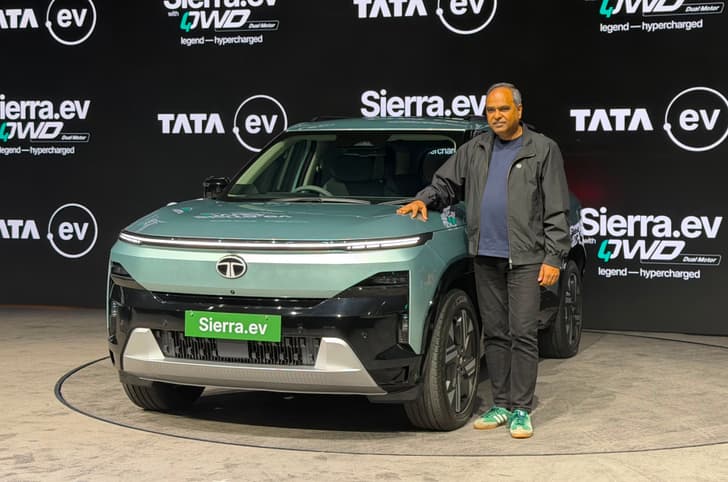
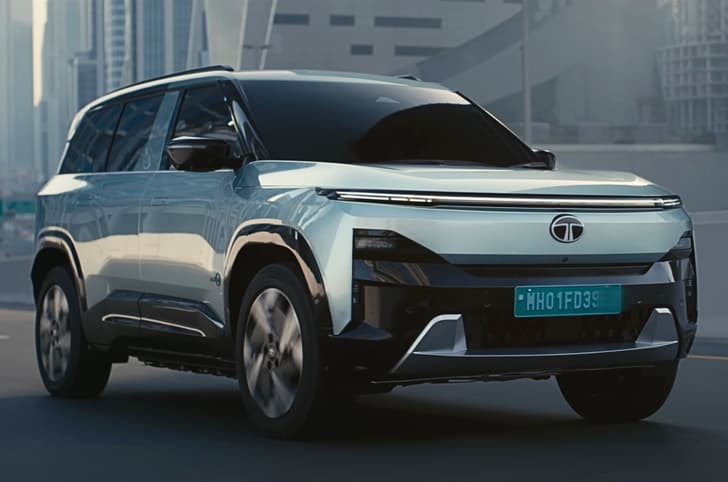
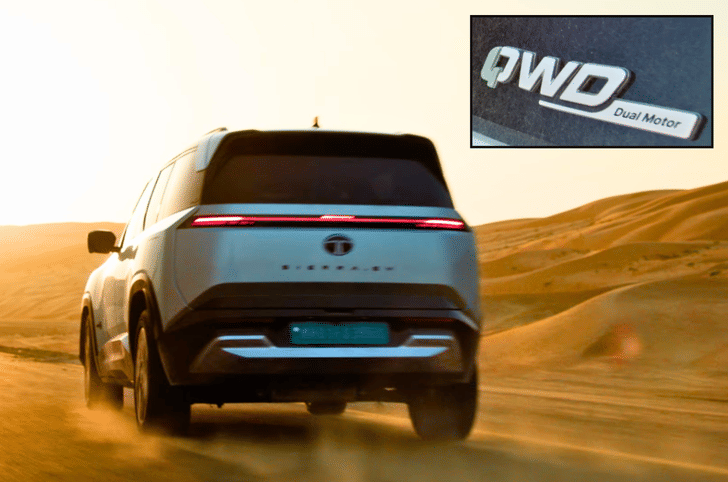
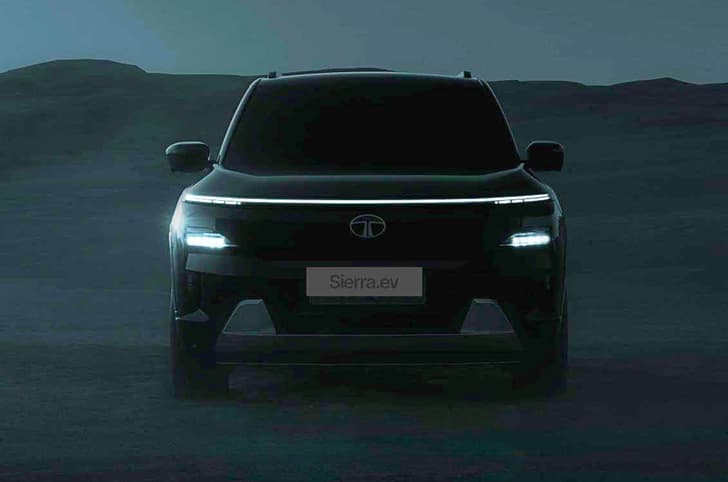
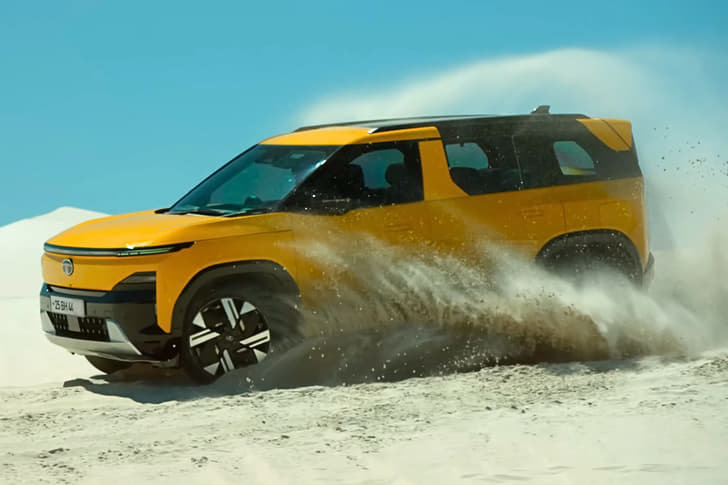
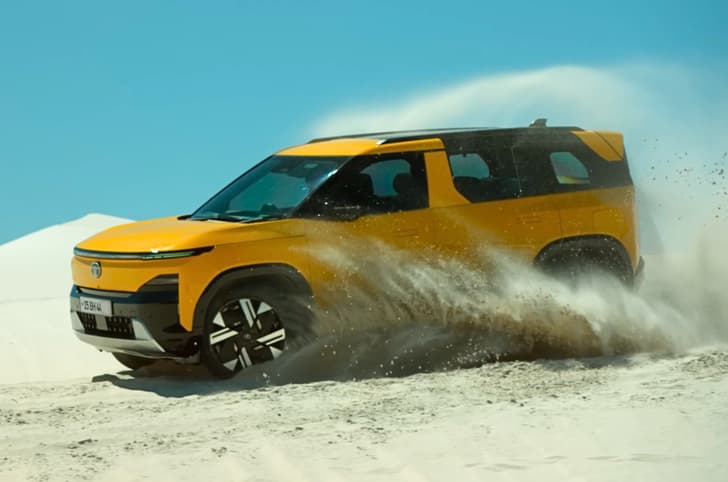
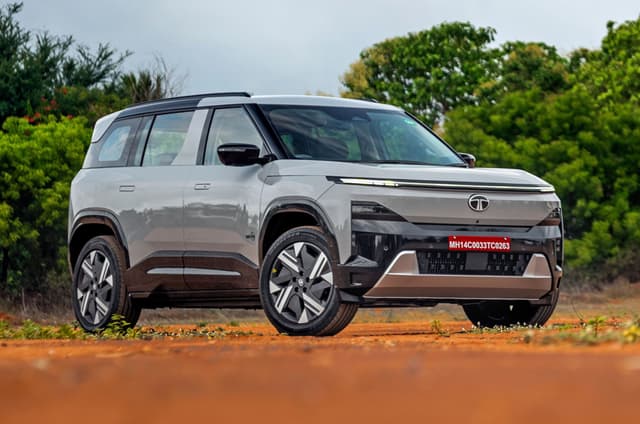
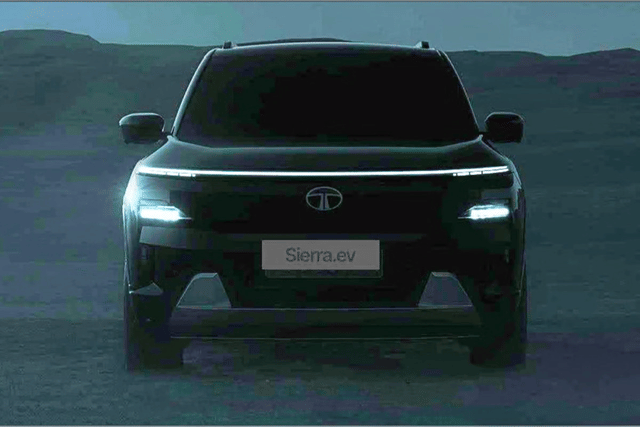
The Tata Sierra EV retains the bold, upright and boxy design of the ICE Sierra, rather than adopting the smooth, rounded appearance common among EVs. Its main visual differentiator is the body-coloured front panel that replaces the ICE model’s gloss-black headlamp surround, giving it a grille-less EV look. It also gets matte-finished versions of the same wheels and Sierra.ev badges with blue detailing. Practicality remains strong, with 205mm of ground clearance and a frunk offering 55 litres in single-motor versions and 35 litres in the dual-motor variant. The battery’s prismatic cells and cell-to-pack construction also help minimise intrusion into cabin and luggage space.
7.0
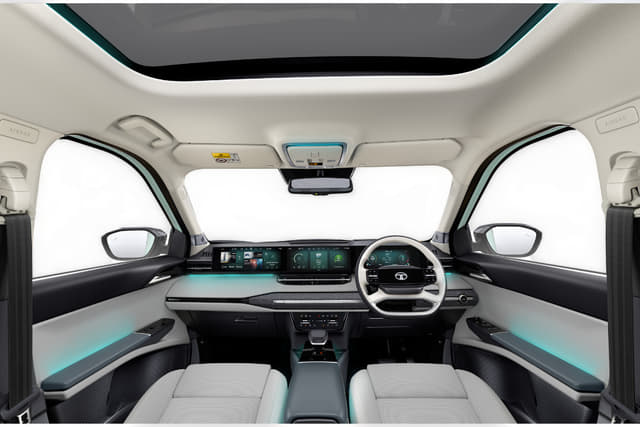
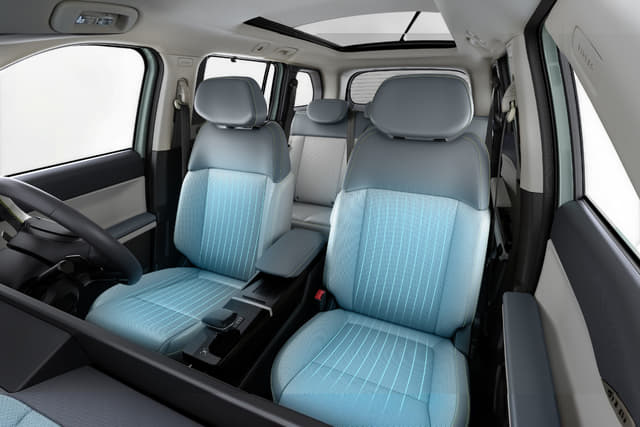
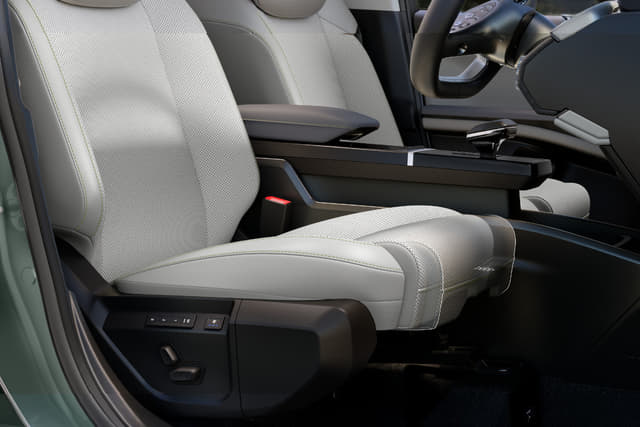
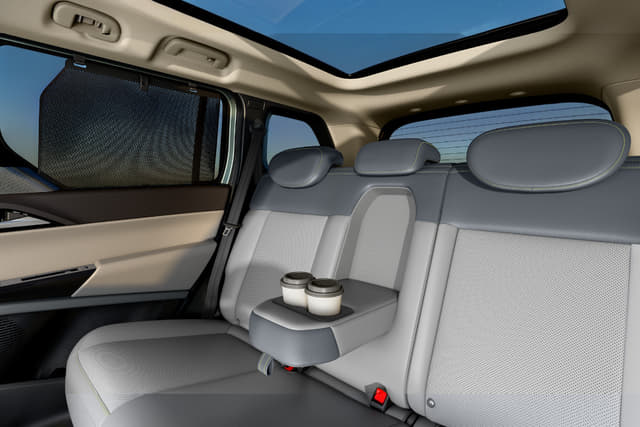
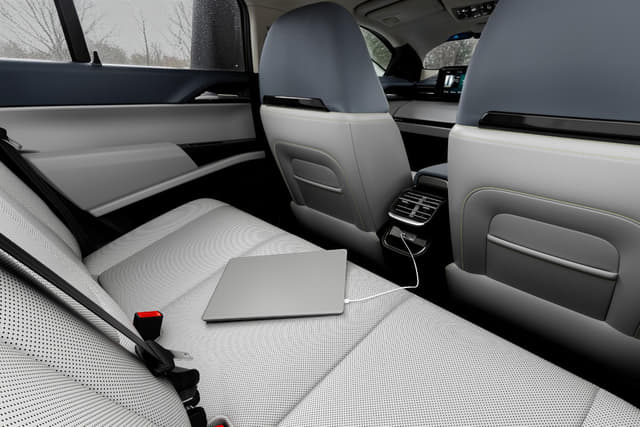
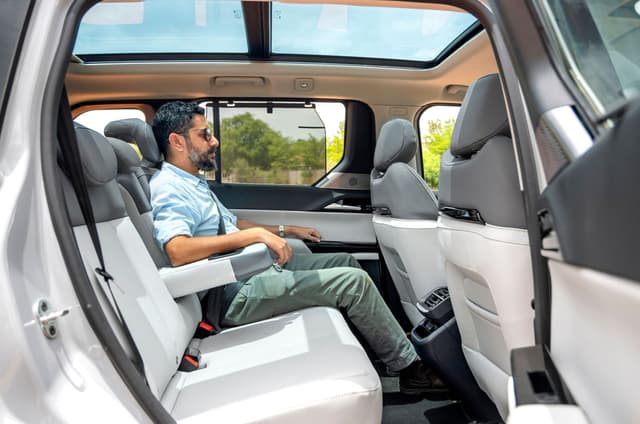
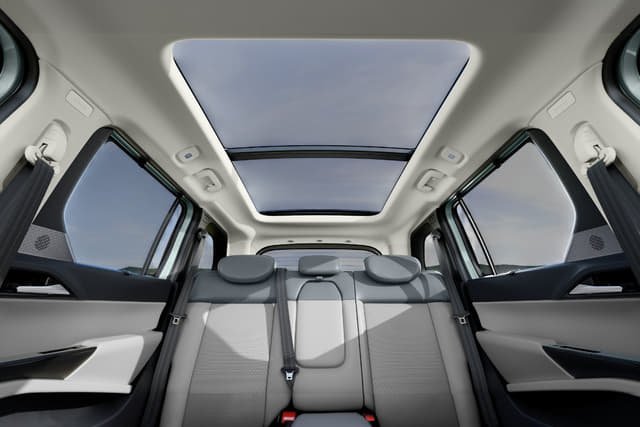
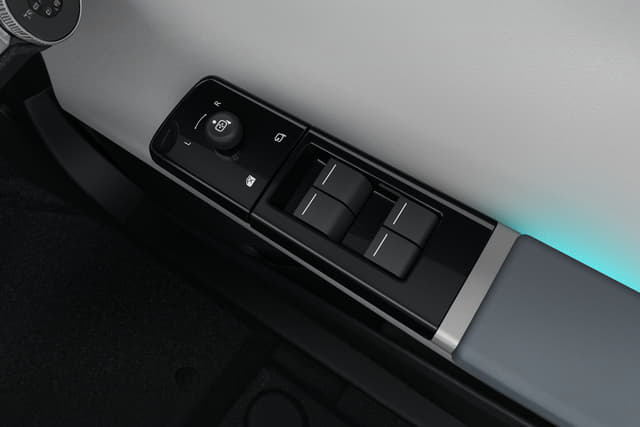
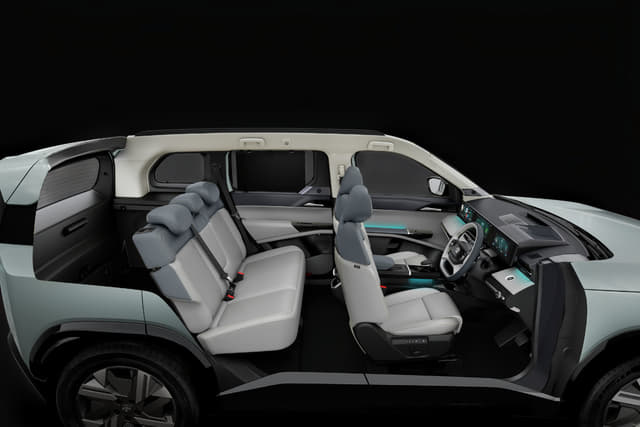
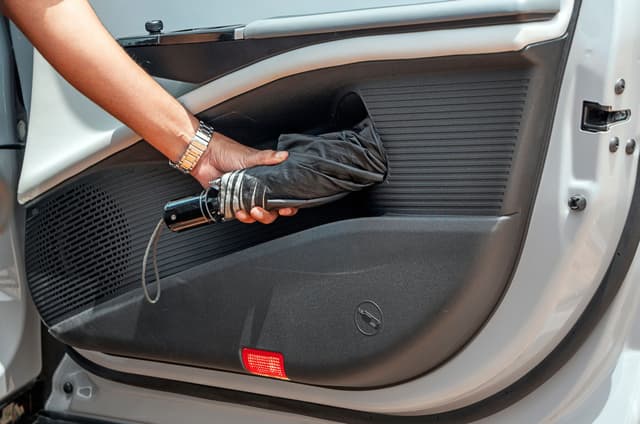
The Sierra EV remains a spacious and comfortable family SUV despite accommodating a large battery pack. The floor is less than an inch higher than the ICE Sierra’s, and rear-seat comfort is largely inconsistent; plastic quality, rough edges, crooked stitching and panel-fit issues detract from the premium feel. Some storage and ergonomic solutions are also poorly executed.
9.0
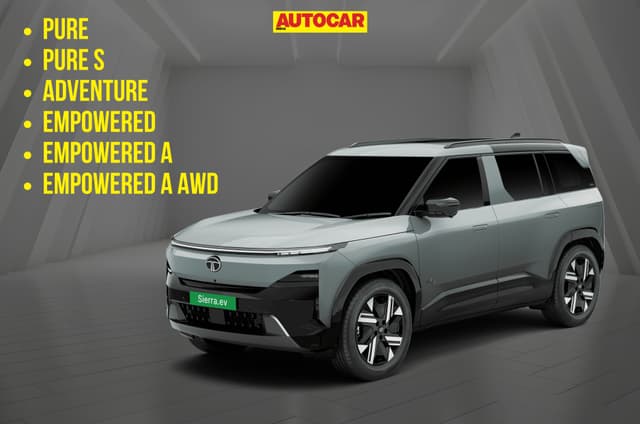
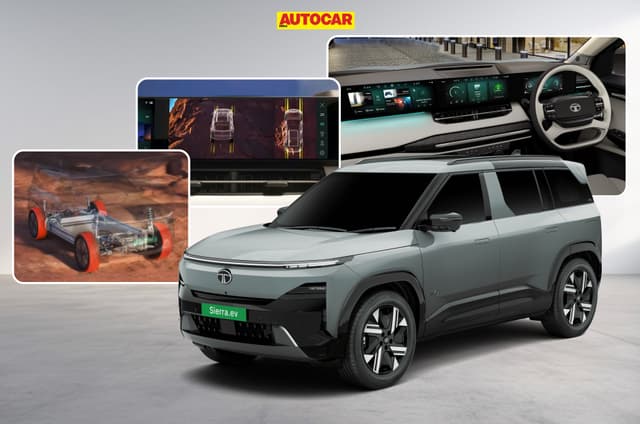
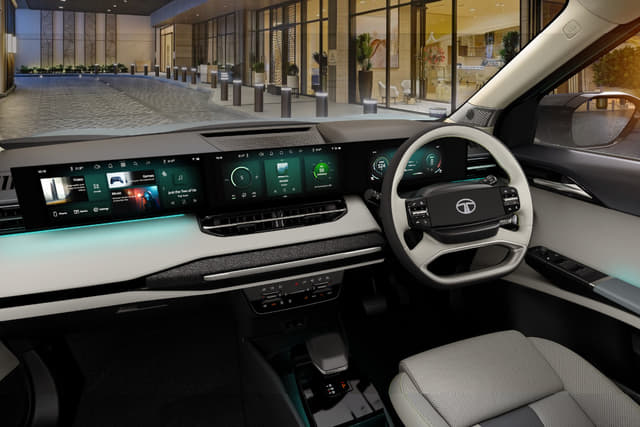
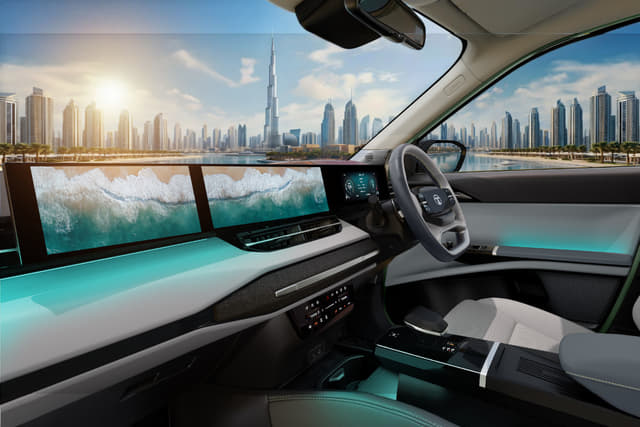
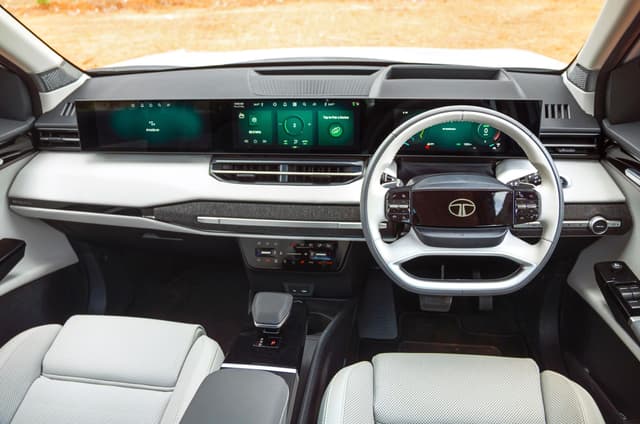
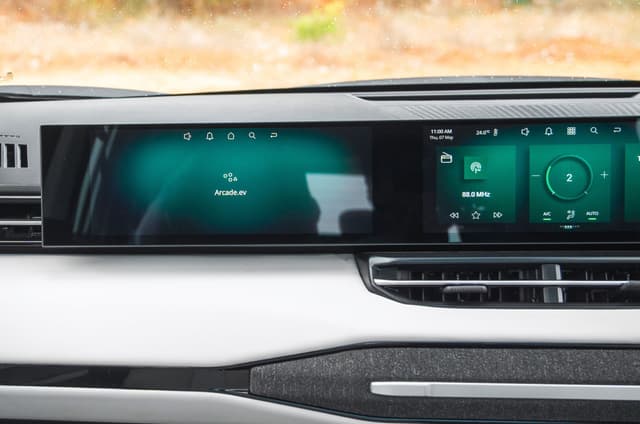
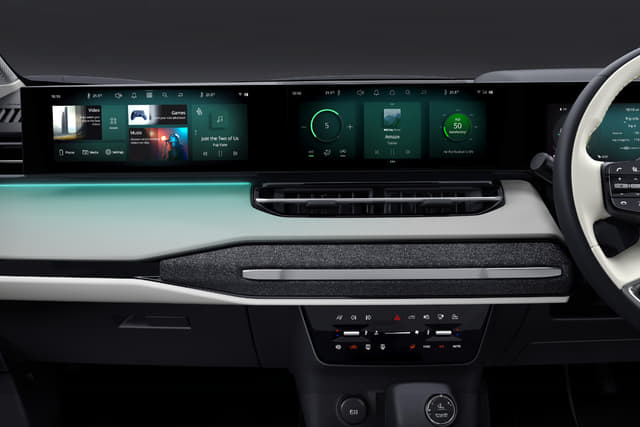
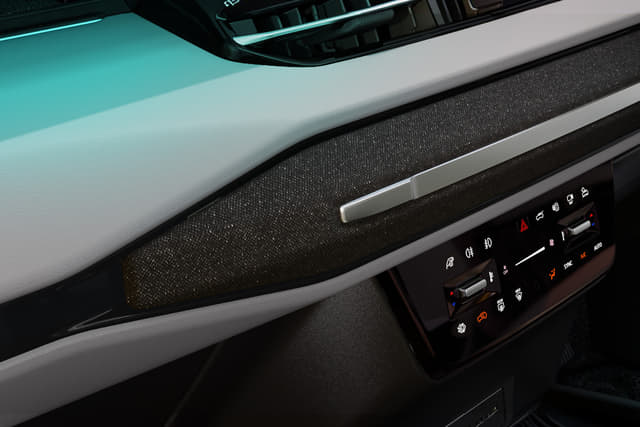
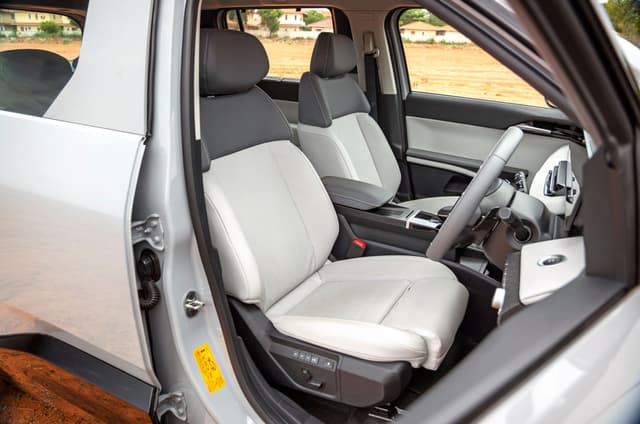
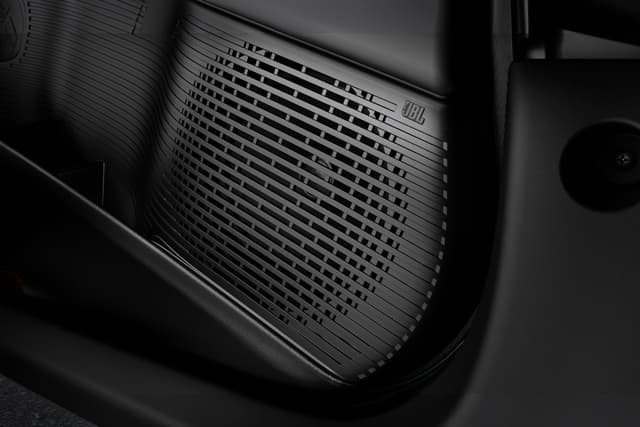
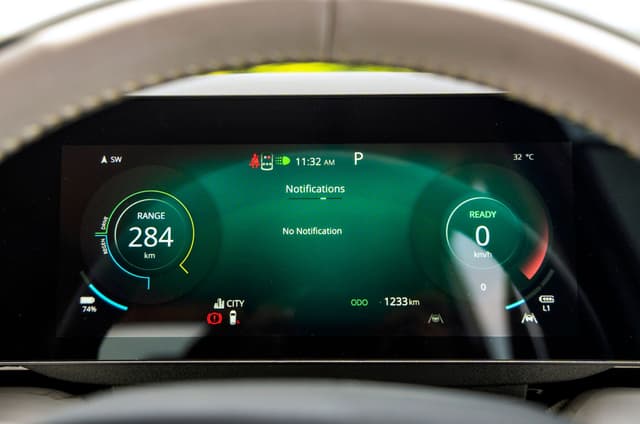
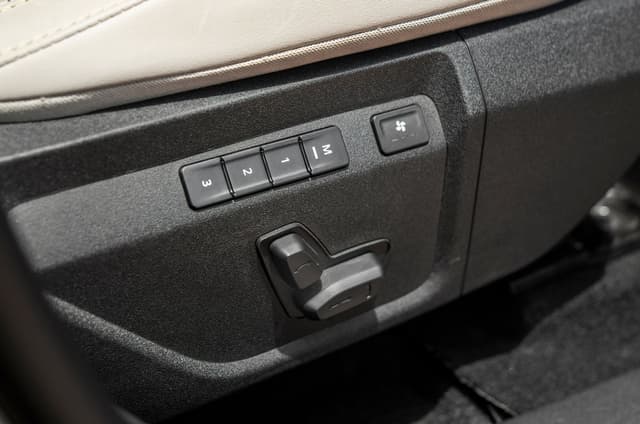
The Sierra EV is among the most feature-rich models in its segment, particularly in the top-spec Empowered A trim. Highlights include three screens, a head-up display, powered seats, generous space and some backrest recline. Boot capacity remains a substantial 622 litres, although the spare wheel has been replaced by a puncture repair kit. Up front, the cream leatherette dashboard, fabric-finished central speaker and three-screen setup create a lounge-like atmosphere, while the front seats provide good comfort and shoulder support. However, and ventilated front seats, driver-seat memory, dual-zone climate control, a panoramic sunroof, connected-car technology, an air purifier and a 12-speaker JBL Black audio system with Dolby Atmos. It also offers drive, regeneration and terrain modes, along with a comprehensive ADAS suite. Google Maps integration can estimate the remaining battery state of charge at the destination. Six airbags are standard. While the Sierra EV itself had not been crash-tested at the time of the review, the ICE Sierra received a 5-star Bharat NCAP rating.

8.0
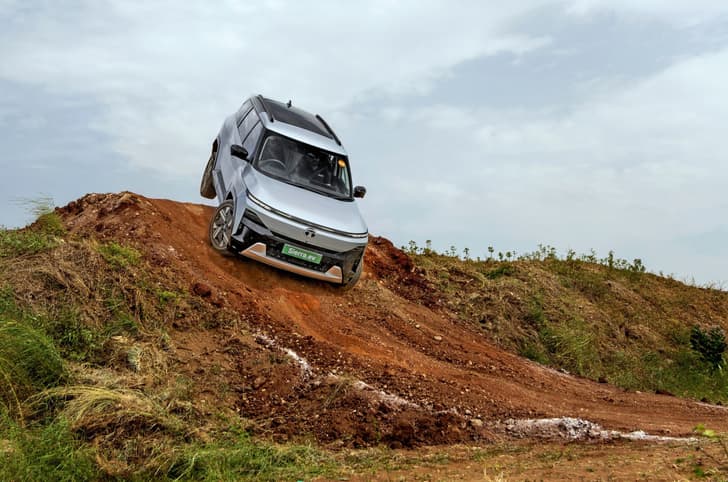
The Sierra EV is available with a 63kWh rear-wheel-drive setup, a 75kWh rear-wheel-drive version, and a 75kWh dual-motor AWD configuration. The dual-motor version produces 306hp and 504Nm and has a claimed 0-100kph time of 5.8 seconds despite weighing around 2.1 tonnes. Performance is strong but delivered in a smooth and relatively undramatic manner, which suits its family-SUV character. Refinement is also good. However, accelerator calibration leaves some room for improvement, with a small dead zone at the beginning of pedal travel followed by a relatively abrupt delivery of torque. Differences between most drive and regeneration modes are also less pronounced than expected. The AWD version proved impressively capable over a challenging off-road course, although torque distribution could occasionally hesitate over obstacles.
8.0
The 63kWh Sierra EV has a claimed MIDC range of 565km, while the 75kWh rear-wheel-drive version is rated at 665km and the 75kWh dual-motor version at 624km. With a 7.2kW AC charger, a 10-100 percent charge takes 8.9 hours for the 63kWh battery and 10.5 hours for the 75kWh pack. Both batteries can be charged from 20-80 percent in around 26 minutes using a 120kW DC fast charger. Tata also provides a 15-year battery warranty.
8.0
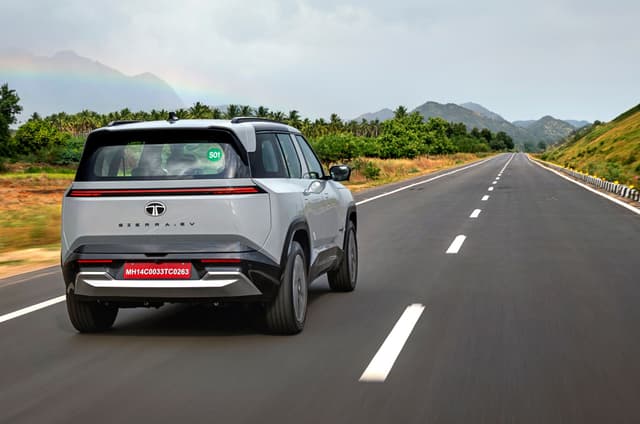
Ride quality is one of the Sierra EV’s strongest attributes. Despite its 19-inch wheels and roughly 2.1-tonne kerb weight, the SUV remains composed and comfortable over poor roads, aided by frequency-dependent dampers. It feels stable at highway speeds, while the light steering makes it easy to manoeuvre in traffic without feeling excessively loose. The low centre of gravity also gives it engaging high-speed handling, although some body roll remains due to its tall stance. Its boxy shape does generate noticeable wind noise around the A-pillars at higher speeds, which is more apparent because of the quiet electric powertrain.
7.0
Priced between Rs 18.79 lakh and Rs 25.99 lakh, the Sierra EV sits towards the upper end of its segment but offers substantial space, comfort, equipment and performance for the money. It is arguably Tata’s most accomplished current product and works well not only as an EV but also as a practical family SUV. Some areas need improvement, particularly cabin finish, ergonomics and some aspects of powertrain calibration, but these do not significantly undermine the overall package. Its positioning between the Curvv EV and Harrier EV creates some internal price overlap, though the Sierra EV makes a strong case for itself with its combination of range, features and the availability of AWD.
Reviewed by: Gavin DSouza
Tata Sierra EV reviews

Tata Sierra EV Images
Tata Sierra EV videos


Tata Sierra EV news
Upcoming Cars


Tata Cars

Trending Cars


Latest Cars