
Maruti Suzuki cars in India (21)
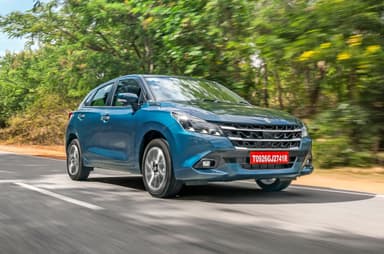
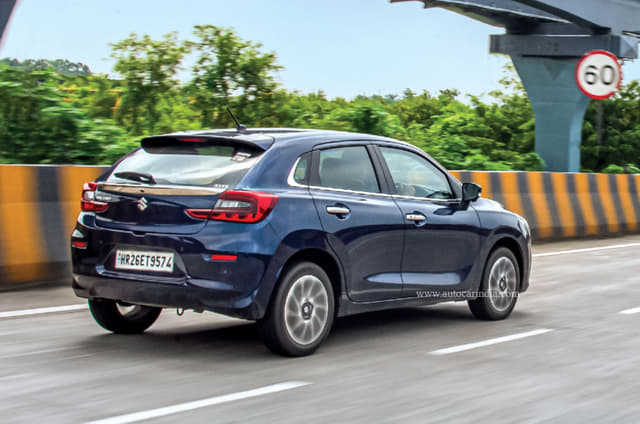
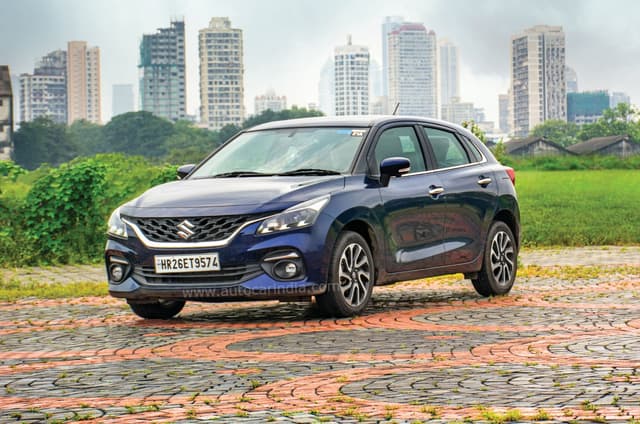
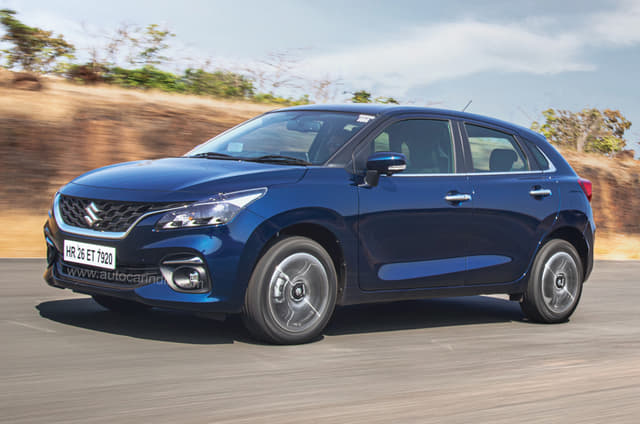
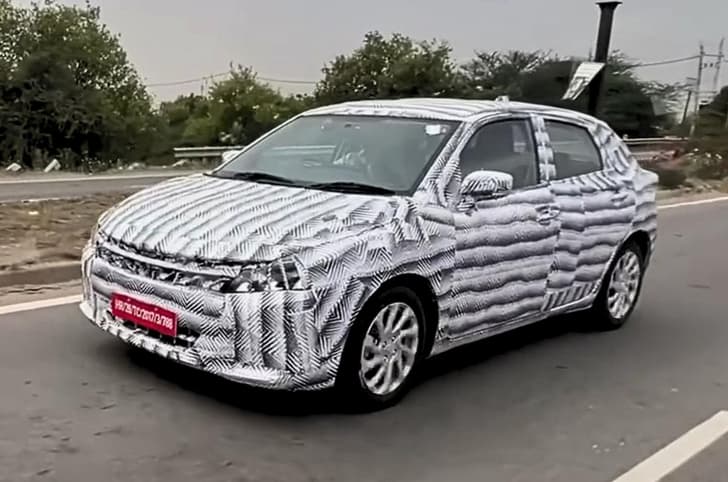
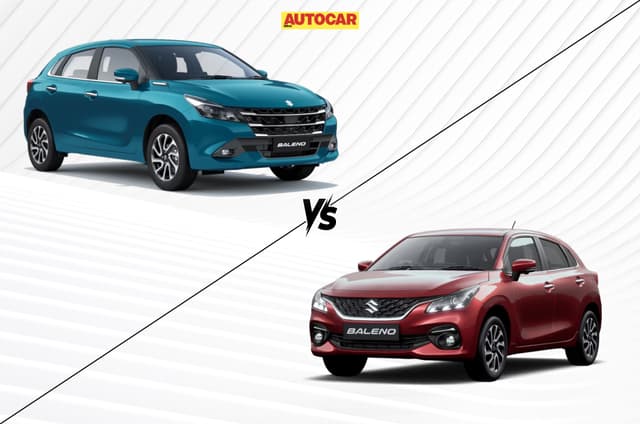
The Maruti car price starts at ₹3.50 lakh and goes up to ₹28.61 lakh in India (ex-showroom). The cheapest Maruti Suzuki car in India is the S-Presso (after GST reduction; earlier it was Alto K10), while the most expensive is the Invicto. As of June 2026, there are 18 Maruti models available for sale in India, while 2 are upcoming (facelifts of Baleno and Brezza). The current lineup consists of: 8 hatchbacks, 4 MPVs, 7 SUVs, and 1 sedan.
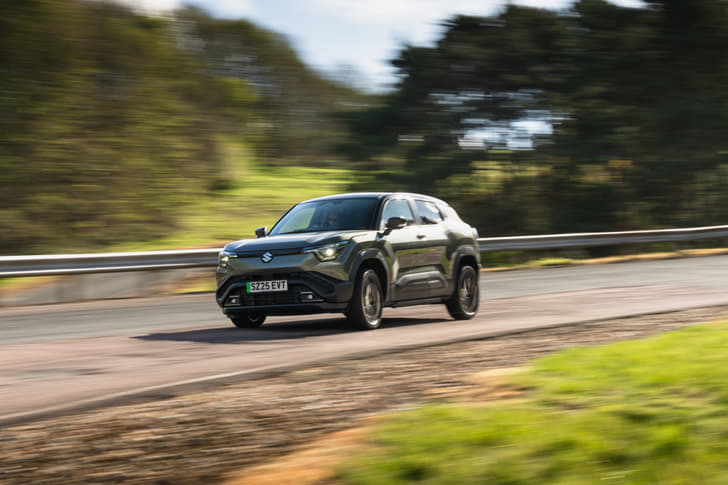
The latest Maruti Suzuki model launched in 2026 is the e Vitara. It is the first Maruti electric car and will rival models like the Hyundai Creta Electric, MG ZS EV, Mahindra BE 6, etc. The cheapest Maruti CNG model is the Alto K10 CNG, priced from ₹4.81 lakh (ex-showroom). Popular Maruti cars in India include the Alto K10, Swift, Brezza, and Ertiga. Some Maruti Suzuki models are co-developed with Toyota, like the Grand Vitara SUV and Invicto.
The brand Maruti Suzuki needs no introduction in India, thanks to its budget-friendly, dependable, and reliable cars. The brand offers something for every budget. The Maruti Suzuki cars in India in 2026 include sedans, MPVs, SUVs, etc., powered by petrol, petrol-hybrid, and petrol-CNG engines across various price points.
Maruti Cars in India (June 2026)
Maruti Suzuki currently offers various models in India across its two retail networks:
- Maruti Suzuki Arena (caters to the budget end of the market)
- Maruti Suzuki Nexa (caters to the premium end of the market)
Here is a complete list of all Maruti cars, along with their latest ex-showroom prices in India:
Maruti Car | Price (Ex-showroom) |
Maruti S-Presso | ₹3.50 lakh - ₹5.25 lakh |
Maruti Alto K 10 | ₹3.70 lakh - ₹5.45 lakh |
Maruti Celerio | ₹4.70 lakh - ₹6.73 lakh |
Maruti Eeco | ₹5.21 lakh - ₹6.36 lakh |
Maruti Wagon R | ₹4.99 lakh - ₹6.84 lakh |
Maruti Ignis | ₹5.35 lakh - ₹7.42 lakh |
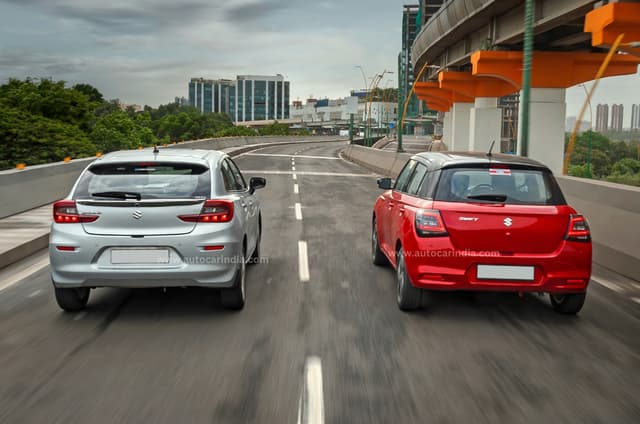
Maruti Swift | ₹5.79 lakh - ₹8.65 lakh |
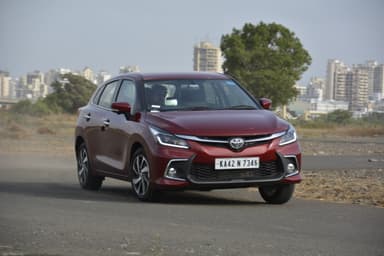
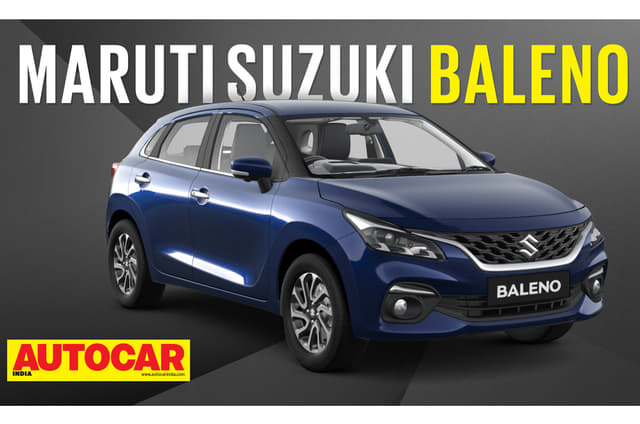
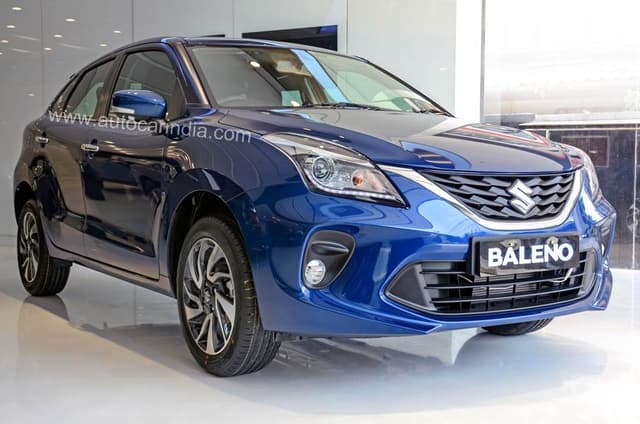
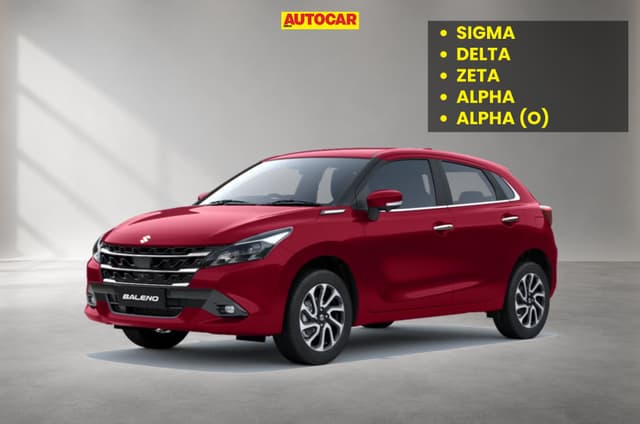
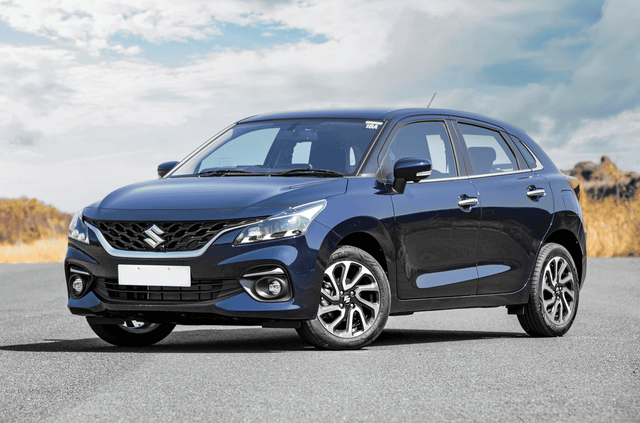
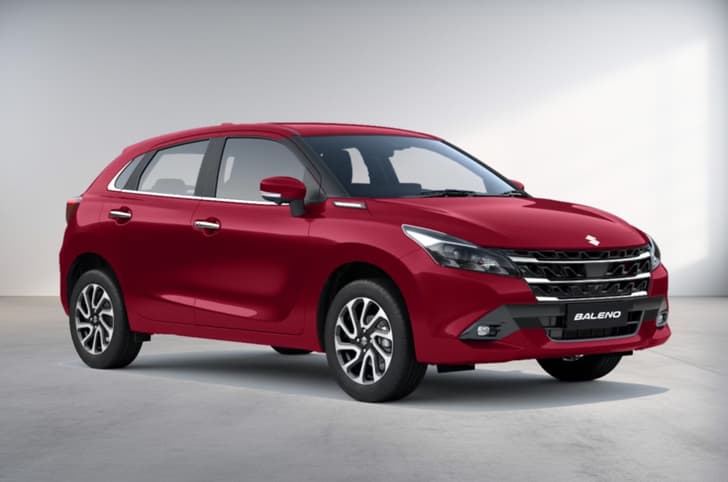
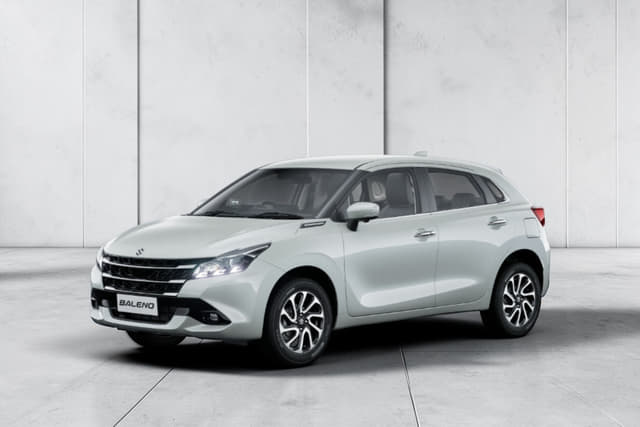
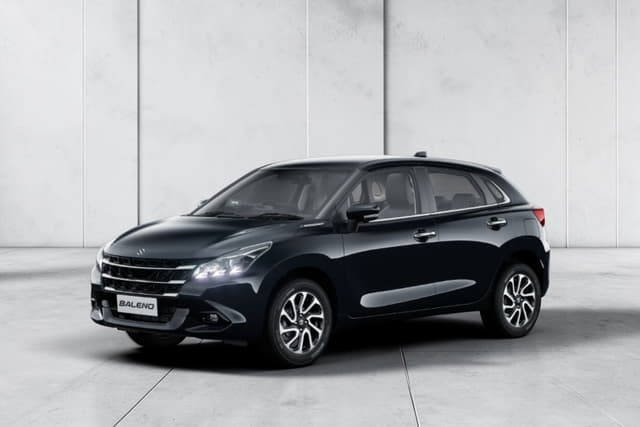
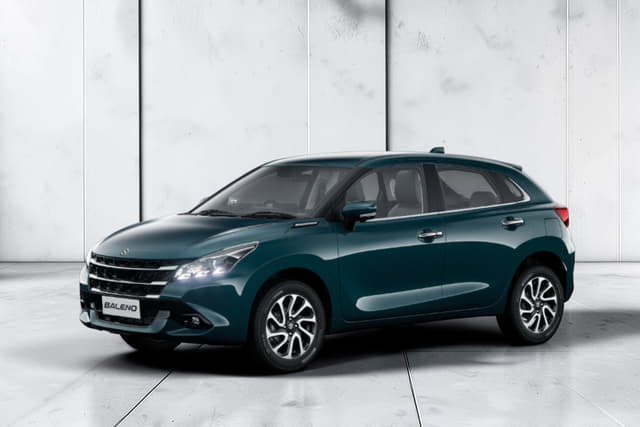
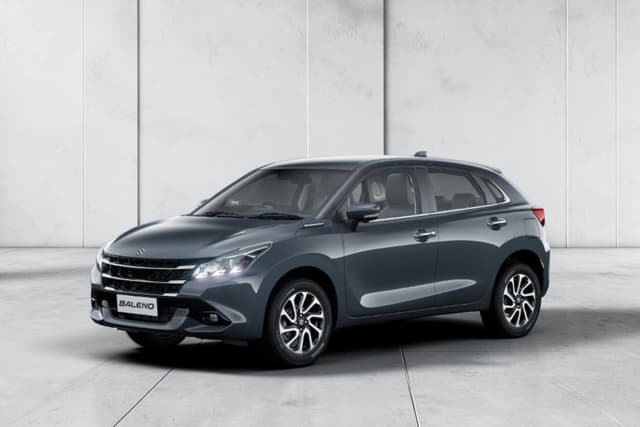
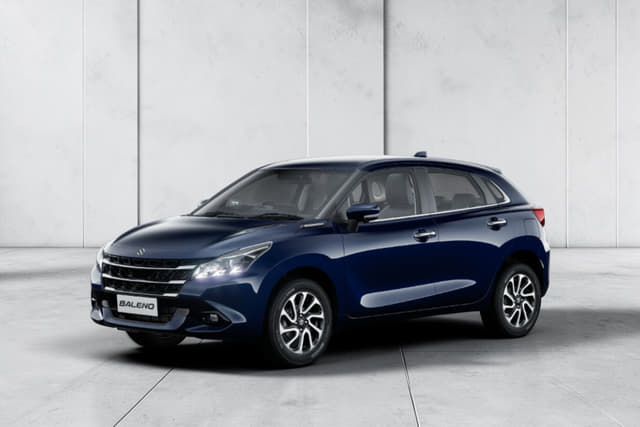
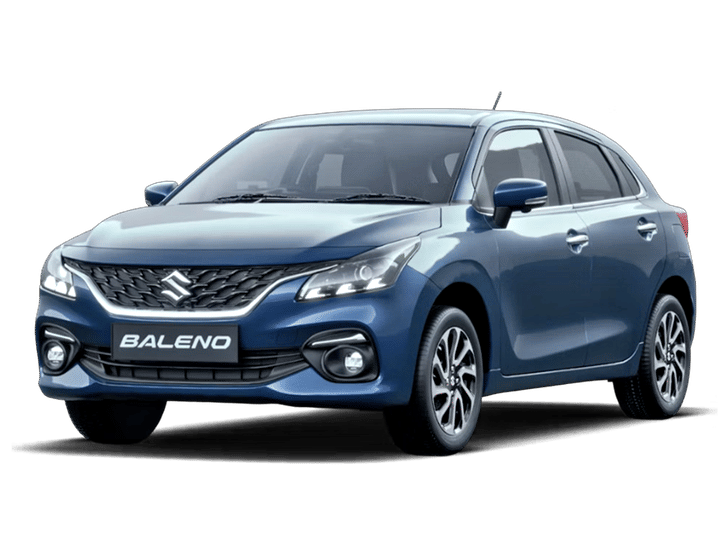
Maruti Baleno | ₹5.99 lakh - ₹9.10 lakh |
Maruti Dzire | ₹6.26 lakh - ₹9.31 lakh |
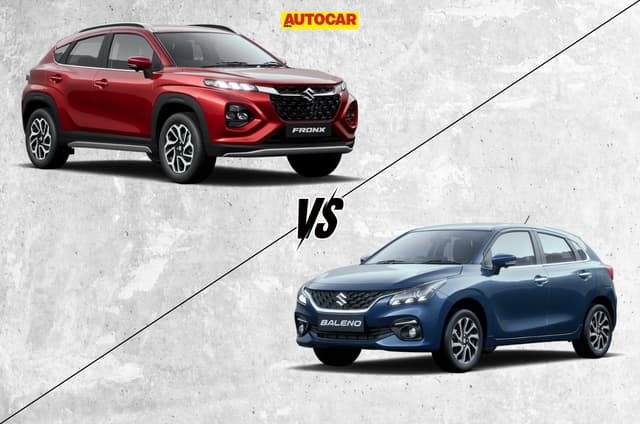
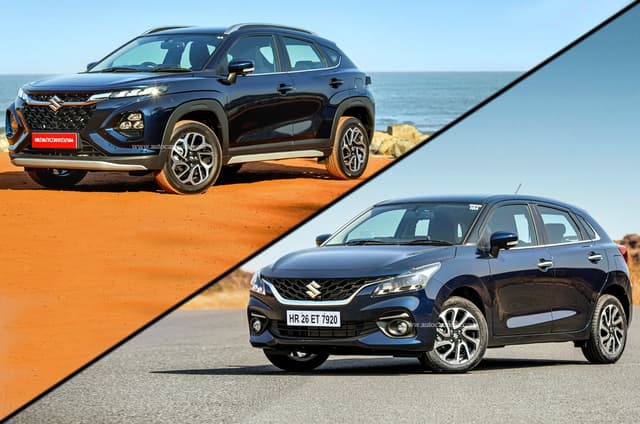
Maruti Fronx | ₹6.85 lakh - ₹11.84 lakh |
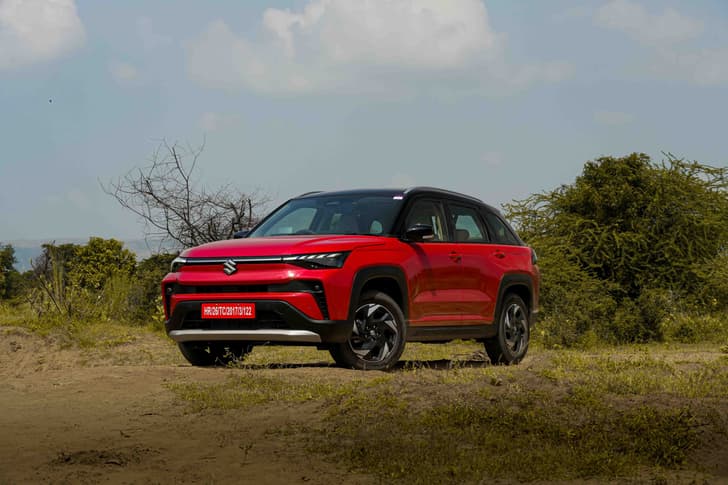
Maruti Brezza | ₹8.26 lakh - ₹12.86 lakh |
Maruti Ertiga | ₹8.80 lakh - ₹12.94 lakh |
Maruti Victoris | ₹10.50 lakh - ₹19.99 lakh |
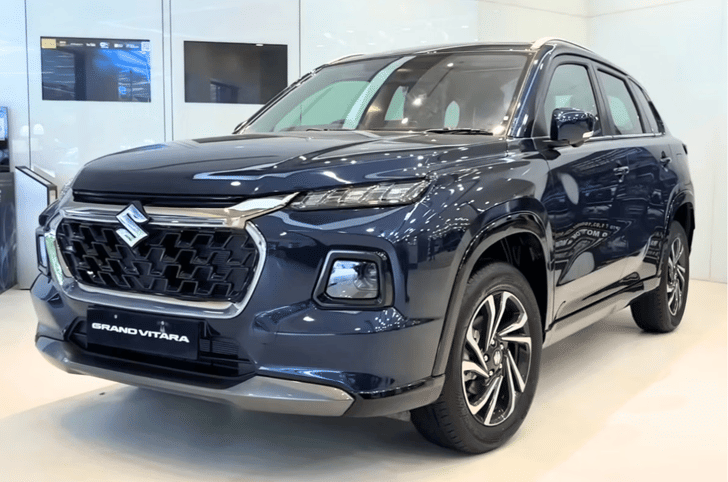
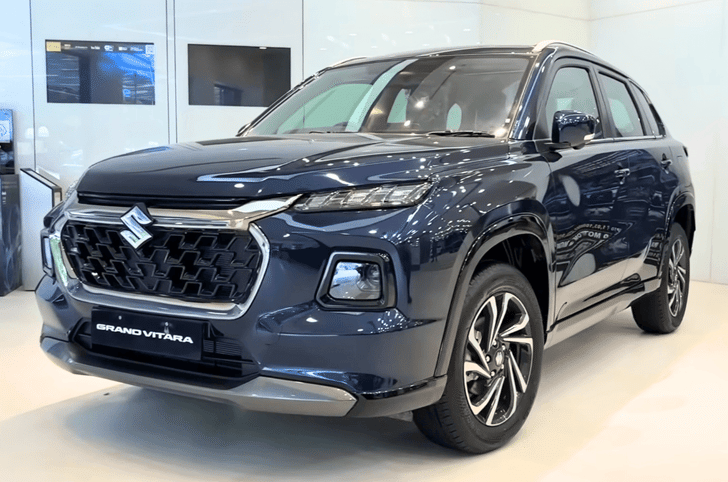
Maruti Grand Vitara | ₹10.77 lakh - ₹19.64 lakh |
Maruti E Vitara | ₹10.99 lakh |
Maruti XL6 | ₹11.52 lakh - ₹14.32 lakh |
Maruti Jimny | ₹12.31 lakh - ₹14.29 lakh |
Maruti Invicto | ₹24.97 lakh - ₹28.61 lakh |
Maruti Suzuki Arena Cars in India
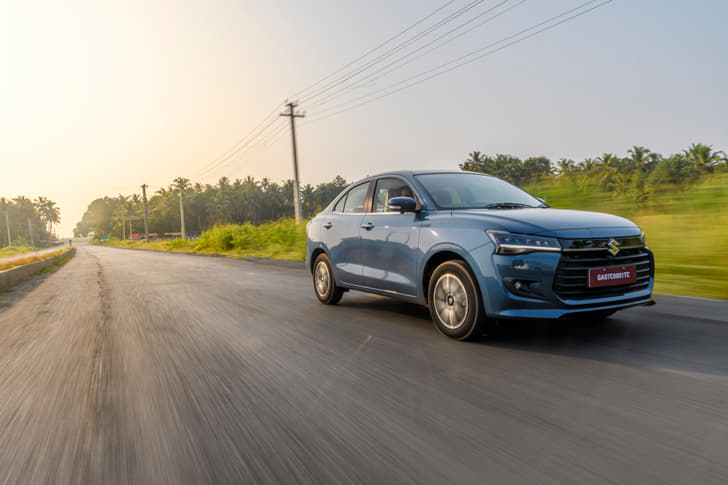
Maruti Suzuki offers 10 models via its Arena outlets (as of June 2026), catering largely to budget-conscious buyers. The Maruti Suzuki Arena line up includes Alto K10, S-Presso, Wagon R, Celerio, Swift, Dzire, Brezza, Eeco, Ertiga, and Victoris. The new Maruti Victoris SUV will take on the Hyundai Creta.
From May 12, 2025, all Maruti Suzuki Arena cars come equipped with 6 airbags as standard, enhancing safety across the range. Vehicles from Arena are commonly known for being budget-friendly and well-suited for city commutes. In India, Arena outlets are present in over 2,500 towns and cities, with more than 3,000 showrooms.
Here are all Maruti Suzuki Arena models, along with their on road prices (after GST cut) in major Indian cities:
Maruti Suzuki Arena Car | Mumbai (on-road) | Delhi (on-road) | Bangalore (on-road) | Chennai (on-road) |
Alto K10 | ₹4.43 lakh - ₹6.45 lakh | ₹4.17 lakh - ₹6.07 lakh | ₹4.50 lakh - ₹6.61 lakh | ₹4.39 lakh - ₹6.40 lakh |
S-Presso | ₹4.20 lakh - ₹6.22 lakh | ₹3.95 lakh - ₹5.85 lakh | ₹4.27 lakh - ₹6.38 lakh | ₹4.16 lakh - ₹6.17 lakh |
Wagon R | ₹5.92 lakh - ₹8.06 lakh | ₹5.57 lakh - ₹7.78 lakh | ₹6.02 lakh - ₹8.26 lakh | ₹5.87 lakh - ₹7.99 lakh |
Celerio | ₹5.58 lakh - ₹7.93 lakh | ₹5.25 lakh - ₹7.66 lakh | ₹5.68 lakh - ₹8.13 lakh | ₹5.54 lakh - ₹7.86 lakh |
Swift | ₹6.84 lakh - ₹10.15 lakh | ₹6.44 lakh - ₹9.80 lakh | ₹7.02 lakh - ₹10.41 lakh | ₹6.78 lakh - ₹10.06 lakh |
Dzire | ₹7.38 lakh - ₹10.91 lakh | ₹7.13 lakh - ₹10.54 lakh | ₹7.57 lakh - ₹11.19 lakh | ₹7.32 lakh - ₹10.82 lakh |
Breeza | ₹9.70 lakh - ₹15.27 lakh | ₹9.36 lakh - ₹15.01 lakh | ₹9.94 lakh - ₹15.91 lakh | ₹9.61 lakh - ₹15.61 lakh |
Eeco | ₹6.17 lakh - ₹7.50 lakh | ₹5.81 lakh - ₹7.25 lakh | ₹6.33 lakh - ₹7.69 lakh | ₹6.12 lakh - ₹7.44 lakh |
Ertiga | ₹10.32 lakh - ₹15.36 lakh | ₹9.97 lakh - ₹15.10 lakh | ₹10.58 lakh - ₹16.01 lakh | ₹10.23 lakh - ₹15.75 lakh |
Victoris | ₹11.23 lakh - ₹23.64 lakh | ₹11.23 lakh - ₹23.24 lakh | ₹11.23 lakh - ₹24.64 lakh | ₹11.23 lakh - ₹24.24 lakh |
Maruti Suzuki Nexa Cars in India
Maruti offers 7 models through Nexa outlets (as of June 2026) that cater to premium buyers by offering more feature-rich and stylish models. The Nexa lineup from Maruti includes Ignis, Baleno, Fronx, XL6, Jimny, Grand Vitara, and Invicto. Maruti’s first electric SUV, the eVitara, will also be launched via Nexa.
In India, Nexa outlets are currently present in around 500 cities, and are expected to grow to 650 by the end of 2025.
Here are all Maruti Suzuki Nexa models, along with their on-road prices (after GST cut) in major Indian cities:
Maruti Suzuki Nexa Cars | Mumbai (on-road) | Delhi (on-road) | Bangalore (on-road) | Chennai (on-road) |
Ignis | ₹6.34 lakh - ₹8.74 lakh | ₹5.96 lakh - ₹8.43 lakh | ₹6.50 lakh - ₹8.95 lakh | ₹6.28 lakh - ₹8.65 lakh |
Baleno | ₹7.07 lakh - ₹10.67 lakh | ₹6.65 lakh - ₹10.30 lakh | ₹7.25 lakh - ₹10.94 lakh | ₹7.01 lakh - ₹10.57 lakh |
Fronx | ₹8.07 lakh - ₹14.07 lakh | ₹7.79 lakh - ₹13.83 lakh | ₹8.27 lakh - ₹14.66 lakh | ₹8.00 lakh - ₹14.42 lakh |
XL6 | ₹13.70 lakh - ₹16.98 lakh | ₹13.47 lakh - ₹16.70 lakh | ₹14.27 lakh - ₹17.70 lakh | ₹14.04 lakh - ₹17.41 lakh |
Jimny | ₹14.63 lakh - ₹16.95 | ₹14.38 lakh - ₹16.66 lakh | ₹15.24 lakh - ₹17.66 lakh | ₹15.00 lakh - ₹17.38 lakh |
Grand Vitara | ₹12.80 lakh - ₹23.23 lakh | ₹12.59 lakh - ₹22.84 lakh | ₹13.34 lakh - ₹24.22 lakh | ₹13.13 lakh - ₹23.82 lakh |
Invicto | ₹29.75 lakh - ₹34.05 lakh | ₹29.00 lakh - ₹33.19 lakh | ₹31.00 lakh - ₹35.48 lakh | ₹30.25 lakh - ₹34.63 lakh |
Maruti Upcoming Cars
Currently, there are 2 upcoming Maruti cars that are expected to launch in India in 2026:
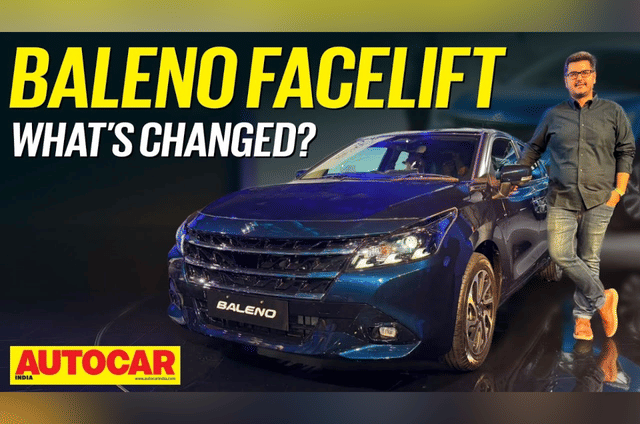
1. Maruti Suzuki Baleno facelift
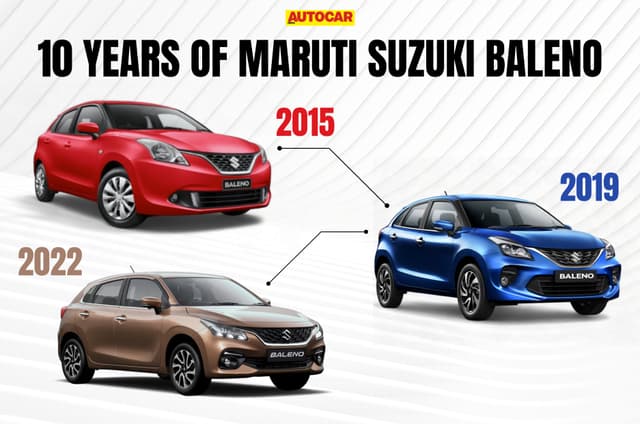
- Estimated price: ₹6.00 lakh - ₹10 lakh
- Expected launch: 2026
- Fuel type: Petrol
2. Maruti Suzuki Brezza facelift
- Estimated price: ₹8.50 lakh - ₹13.10 lakh
- Expected launch: 2026
- Fuel type: Petrol
Maruti Cars - Latest Updates (June 2026)
Here are the latest updates related to the Maruti Suzuki cars as of 2026:
- 29 April 2026: RC Bhargava says a revival of India’s small-car segment is “inevitable” in the coming years, even as buyers continue to shift towards SUVs.
- 28 April 2026: Maruti Suzuki achieves its highest-ever exports, shipping 4.48 lakh units in FY2026.
- 17 February 2026: The e Vitara, the first Maruti electric car launched at ₹10.99 lakh. The battery cost is extra.
- December 2025: The Maruti e-Vitara comes with an estimated driving range of up to 543 km on a full charge.
- November 2025: Maruti Suzuki e-Vitara scheduled to launch in early 2026, in India.
- September 2025: The Maruti Victoris price starts at ₹10.50 lakh and goes up to ₹19.99 lakh, depending on the variant.
Find cars by body type
Filter your search
Filter your search
FAQs
The most expensive Maruti car is the Invicto. It is a premium MUV and is priced between ₹24.97 lakh and ₹28.61 lakh (ex-showroom).
The Maruti Suzuki e Vitara, an all-electric SUV, is currently the only electric car from the brand. The e Vitara price starts at ₹10.99 lakh and was launched on 17 Feb, 2026.
The cheapest Maruti Suzuki car in India is the Maruti S-Presso, priced from ₹3.50 lakh after the GST reduction.
Maruti is expected to launch the facelifts of Brezza and Baleno in 2026.
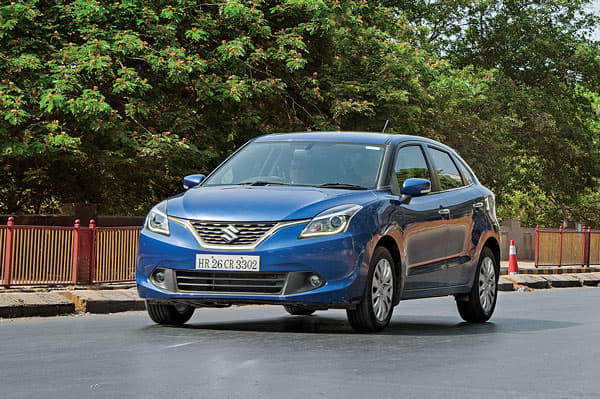
Currently, the newest Maruti Suzuki car in India is the Victoris, which debuted on September 15, 2025.
Trending Questions on Maruti Suzuki Cars - Answered by Autocar Experts
I want to purchase an SUV, and my budget is 15 lakhs maximum. My daily drive is around 10-15 kms in the city, and occasionally I go out of the city, like once in a quarter, and that too, maximum up to 300 kms. The vehicle should give decent mileage. It should be safe as well. Kindly suggest a few options.
Go for the Hyundai Venue. Given your limited usage, there's no need to spend extra for the diesel engine, and either of the petrol engines should be sufficient. The 1.2-litre engine is perfect for your largely city use, with sufficient power and a light clutch and gear shift. However, for your highway trips, it might feel underpowered, and in that case, the 1.0-litre turbo-petrol is a better bet, and even comes with a DCT automatic option. However, this engine isn't as fuel-efficient as the 1.2.Being one of the newest SUVs in the compact segment, the Venue comes with the latest tech, high-quality interiors, good space and good comfort too. With your budget of Rs 15 lakh, you can go up to the HX8 variant, which has a lot of features and tech. This includes safety features, and you'll be reassured by the fact that it has scored 5 stars in Bharat NCAP's crash tests. The only downside is that it's not particularly exciting to drive compared to some rivals.Speaking of which, alternatives include the Tata Nexon and Mahindra XUV 3XO, which have also scored 5-star NCAP ratings, but aren't as fuel-efficient as the Venue. Or conversely, the Maruti Suzuki Brezza and Fronx, which are more fuel efficient, but haven't yet been tested by Bharat NCAP or Global NCAP. Overall, we think the Venue is the best bet for you.
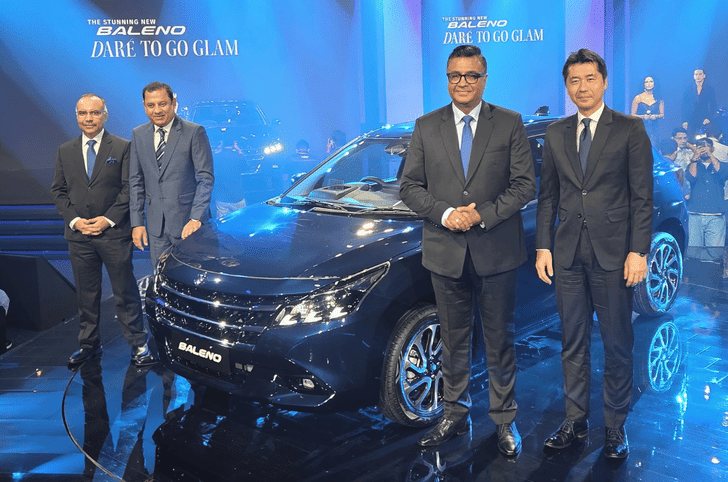
I am 47 years old and have recently learned to drive, but I am still not very confident behind the wheel. However, I now have a genuine need for a car, as my daughters have grown taller and it is no longer practical for all four of us to travel on a motorcycle. We also end up relying on Ola cabs for most of our trips. I live in Bangalore and am looking for an economical and reliable car that can comfortably accommodate a family of five. I would prefer an automatic transmission, but I am not completely sure whether that would be the best choice for me. I am also confused about whether I should buy a used small car initially and upgrade later, or purchase a new car right away, as I am concerned about maintenance costs as well. Additionally, could you please advise me on how to build confidence as a new driver?
Go for a new Maruti Suzuki Wagon R automatic. It’s the easiest, cheapest way to move a family of five in Bengaluru while you build confidence. The tall seat and big windows make it simple to judge gaps, the steering is light for traffic and parking, and upkeep is among the lowest with Maruti’s huge service network. For city runs with two growing kids plus an adult in the back, the headroom helps and the flat floor is handy. One catch: it feels basic and the shifts aren’t the smoothest in bumper‑to‑bumper. If money is tight, a 2‑3 year old Wagon R or Tata Tiago automatic from a brand‑certified outlet is fine. Don’t go older than 5 years, and insist on service records and a warranty.To build confidence, practice 20‑30 minutes at dawn for two weeks on the same quiet loop, then add one new element at a time: U‑turns, flyovers, traffic. Spend an hour only on parking in an empty lot. Use an L sticker, stay in the left lane, keep a big gap, and book 3‑4 refresher lessons locally.
I am planning to buy a new car with a budget of around Rs. 12 lakh. I am confused between the Tata Punch EV (40 kWh), Kia Sonet, Maruti Suzuki Brezza, Skoda Kylaq, and Mahindra XUV 3XO. Could you please suggest the best option for my daily usage? At present, I own a Maruti Suzuki Ertiga, and my monthly running is approximately 3,100 km. My primary concern is reducing my monthly running costs. Considering my usage pattern and priorities, which car would you recommend?
For your relatively high running and goal of reducing running costs, a diesel is probably your best pick. At 3,100 km a month, diesel will cut your per-km cost far more than petrol, and you can get a well equipped manual within Rs. 12 lakh within your shortlist. The Mahindra XUV 3XO diesel and Kia Sonet diesel are booth good options. Bear in mind, however, that you will have to take a few extra steps for diesel engine maintenance, such as occasional Adblue top-ups and high-speed runs to regenerate the DPF.The XUV 3XO has the stronger engine, more spacious cabin and comfier suspension, whereas the Kia Sonet offers better mileage, interior quality and refinement. Another good option is the Hyundai Venue diesel, which is the best all rounder, and offers a fair mix between the XUV 3XO and Sonet. However, it is more expensive, and you will have to stretch your budget slightly to get some features.The Brezza is a good option too, but there is no diesel, and while you can opt for CNG, you will experience a power deficit in the process. Downsides of CNG include long waits at the pump, and a CNG tank that compromises boot space. If you are fine with this, it's a good alternative, but bear in mind, there is a facelift of the Brezza coming out soon, so it might be worthwhile waiting for that.The Punch EV 40kWh would be the absolute cheapest to run, but will push the limits of your budget and only makes sense if you have home charging. All considered, the XUV 3XO or Sonet diesel are your best options.
I am planning to purchase a new automatic car for my daughter. She recently obtained her driving license and is currently driving an automatic Tata Nano. Now that she is comfortable and confident with it, I am considering upgrading her to a larger vehicle. I am evaluating options such as the Kylaq and the Kia Sonet. However, my wife is insisting on an electric car. I am a bit sceptical about EVs, as they are not yet fully proven to be trouble‑free, and her weekly commute is around 150 km. I am also waiting for the launch of the updated Brezza, and my preference is for a torque‑converter automatic rather than a DCT. I would appreciate your opinion on electric cars, the Kia Sonet diesel, the Brezza, and which one I should go for. This car will be mostly used for city drives since I have an Ertiga manual for long trips.
Of your shortlisted cars, go for the Skoda Kylaq automatic. For mostly city use and just 150km a week, its punchy turbo petrol engine with a smooth torque converter is a great mix of fun and ease of use. Its light yet sharp steering, upright seating and compact size feel like a natural step up from a Nano, and the interior feels fresh and upmarket too.The Kia Sonet diesel automatic is quick and efficient, but a diesel engine is overkill for your daughter's limited usage. Not only is it pound-for-pound more expensive than an equivalent petrol to buy, but it also requires extra care, such as regenerating the DPF (diesel particulate filter) every so often via a high-speed run, as well as top-ups of the ad-blue tank. The Brezza is a good option thanks to its simple, naturally aspirated engine, which should deliver better fuel economy than the Kylaq. But in its current form, it's just a bit uninteresting and unenthusiastic an offering, and it's best to wait for the facelift, which is right around the corner, before making that decision.For 150 km a week, an electric car is actually ideal if you have a private parking spot with a 15A socket or a home charger. The powertrains these days are much smoother, batteries carry long warranties, and city running is silent and cheap. Upfront cost, charging access and resale value are the only real hurdles, so if you are interested, a compact EV like the Tata Punch EV is a great option.
I have a monthly office commute of 1,500km. Currently, I travel to the office by bike, but due to safety reasons, I am planning to buy a car. My route involves 40% city traffic, 40% tarmac roads through villages, and 20% undeveloped, hilly, rocky roads. There will also be weekend city trips with a family of five and 5-7 long trips annually. Please suggest a car that will be suitable for these conditions. My budget is below Rs. 10 lakh. I prefer a manual transmission as I believe it returns better mileage.
Consider the Maruti Suzuki Fronx 1.2 petrol manual. Your 20% undeveloped hilly-rocky stretch and village roads need ground clearance and tough suspension, and the Fronx's 190mm clearance and compliant ride handle that abuse without scraping. It is still compact and light to steer in city traffic, and the rear seat plus decent boot make weekend trips with five doable, with some space for luggage. It stays under Rs. 10 lakh in useful mid-trims, and the manual will give you good mileage on your 1,500 km a month run.One thing worth noting is that with five on board and bags, the 1.2 naturally aspirated engine will want downshifts on steep climbs and quick highway passes. The turbo feels stronger but may stretch your budget.Overall, the Fronx is a solid choice in this price range.
I am planning to buy a new petrol automatic car with a budget of around Rs. 14 lakh, and my driving will be predominantly in the city. I have shortlisted the Maruti Suzuki Brezza ZXi AT and the Mahindra XUV 3XO RevX A. The XUV 3XO RevX A appeals to me because of its premium interior, features, and panoramic sunroof, while the Brezza stands out for its refinement and long-term reliability. Considering my usage and priorities, which one would you recommend?
The Maruti Suzuki Brezza ZXi AT would be the recommendation here, but with one important caveat.The Brezza's naturally aspirated petrol engine and torque-converter automatic make it one of the smoothest and most easy-going compact SUVs for city driving. It is also likely to be noticeably more fuel efficient than the Mahindra XUV 3XO RevX A in real-world conditions. Add Maruti's strong reliability record and lower ownership costs makes it a very compelling package.The 3XO RevX A, however, is the more exciting car to drive. Its turbo-petrol engine delivers stronger performance, and the overall driving experience feels more energetic and engaging. It also has the edge when it comes to cabin ambience, features and perceived premium feel, with highlights such as the panoramic sunroof and a more upmarket interior.The only thing to keep in mind is that the Brezza is expected to receive a facelift later this year. If you're leaning towards the Maruti and your purchase is not urgent, it may be worth waiting to see what updates the refreshed model brings.
I currently own a 2018 Ford EcoSport Titanium Diesel MT. Since the car is nearing its 10-year permissible period in Delhi, I am planning to sell it and buy a new one without spending too much from my own pocket. I am considering the Wagon R ZXi 1.2 and the new Tata Punch 2026 base model. Please help me decide which would be the better car. I drive mostly in the city and occasionally go on highway trips.
The Tata Punch would be the recommendation here. Coming from a Ford EcoSport, the Punch will feel like a more natural replacement. It offers a higher seating position, a more SUV-like driving experience and a reassuringly solid feel on the road. It is also better suited to occasional highway trips, where its stability and overall comfort are superior to the Wagon R.The Maruti Suzuki Wagon R 1.2 scores highly on practicality, fuel efficiency and ease of driving in the city. It is also likely to be cheaper to buy and maintain. However, it feels like a step down from an EcoSport in terms of build, road presence and overall driving experience.Since you are looking to minimise additional expenditure, the Wagon R makes sense from a purely financial perspective. But if the budget allows, the Punch is the car that will feel more like an upgrade rather than a compromise.
I'm planning to buy my first car with a budget of Rs. 8-10 lakh. My daily running is around 30 km in Bangalore traffic. I need an automatic car that is practical, easy to drive, and capable of handling bad roads, potholes, and waterlogging during the monsoon. My priorities are a decent engine and gearbox, good fuel efficiency, reasonable maintenance costs, and long-term reliability. I also do not want to compromise on rear-seat space. Which car would you recommend?
Go for the Maruti Suzuki Fronx 1.2 Automatic. It rides higher than hatchbacks, so potholes and monsoon waterlogging are less intimidating, and the generous ground clearance helps on Bengaluru's broken roads. The rear seat is genuinely spacious enough for daily family use, while the engine and gearbox combination feels relaxed and easygoing in traffic, returning good fuel efficiency at the same time. Maruti's widespread service network and affordable spare parts also make long-term ownership relatively hassle-free.If you want the SUV-like stance and higher ground clearance on a tighter budget, the Hyundai Exter Automatic is also worth a look, though its rear seat is not quite as accommodating as the Fronx.
Hi experts, I am planning to upgrade from my Maruti Suzuki Wagon R to a midsize SUV. My budget is Rs. 18 lakh. My usage will be primarily on highways, with very limited city driving. My priorities are safety, comfort, fuel efficiency and maintenance costs. Based on these requirements, could you please share your recommendations?
The Skoda Kushaq or Volkswagen Taigun 1.0 TSI Automatic would be the top recommendations here.Since your usage is predominantly on highways, the strengths of these two SUVs align very well with your requirements. Both feel stable and confidence-inspiring at higher speeds, offer comfortable ride quality and have strong safety credentials. Their turbo-petrol engines deliver a good balance of performance and fuel efficiency, while the new 8-speed automatic transmission should further improve efficiency and drivability. They also represent a substantial upgrade over the Wagon R in terms of refinement, comfort and long-distance cruising ability.Another strong option is the Honda Elevate CVT. It may not feel as sporty or engaging to drive as the Skoda and Volkswagen twins, but it excels in comfort, reliability and ease of ownership. The naturally aspirated petrol engine is smooth and proven, while maintenance costs are likely to be among the lowest in the segment.
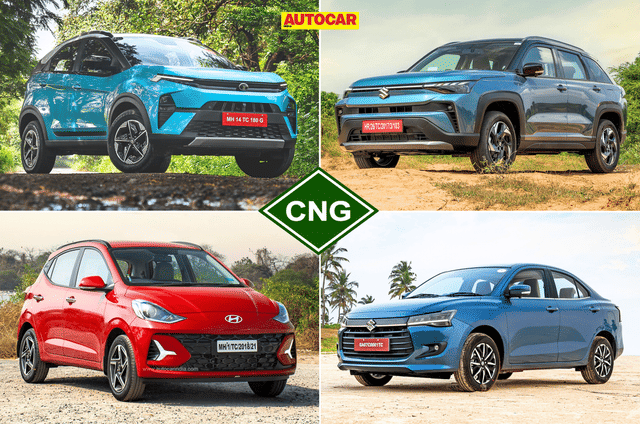
I am confused about buying a new car. Should I buy Nexon CNG or Breeza CNG? Which is the best option to buy?
While both SUVs are strong contenders, the Maruti Suzuki Brezza offers a more polished and well-rounded ownership experience. The CNG integration feels very well sorted, fuel efficiency is excellent, and Maruti's service network and long-term reliability are major advantages. It is also one of the few CNG SUVs that does not feel significantly compromised in everyday driving.The Tata Nexon iCNG counters with a stronger safety package, a more modern cabin and a larger feature list. It also benefits from Tata's twin-cylinder CNG setup, which preserves a usable boot. The Brezza CNG, meanwhile, is available only with a manual gearbox.
Last Updated on: 16 Jun 2026