ETGO Corporation LLP - Sec - 63
H 152, Sec - 63, Noida, Uttar Pradesh 201301
tanujj@hotmail.com
Last Updated on: 03 Jun 2026
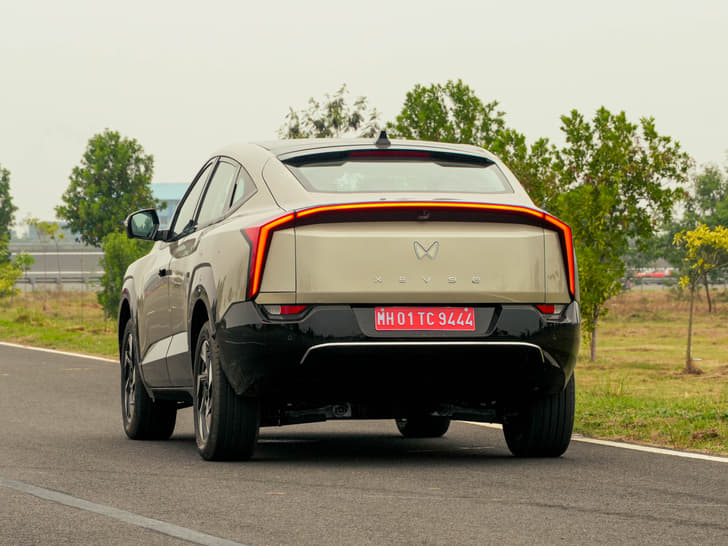
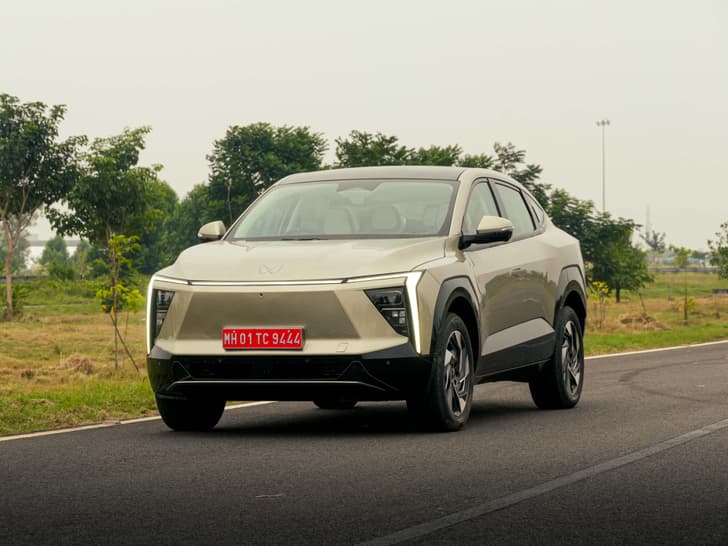
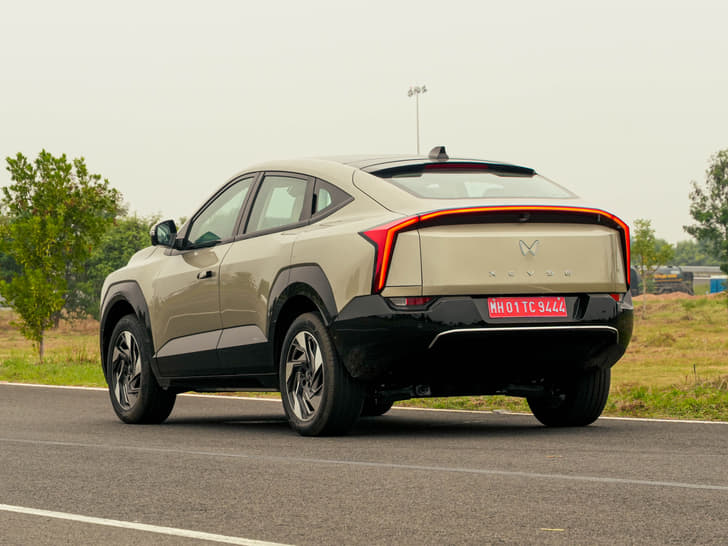
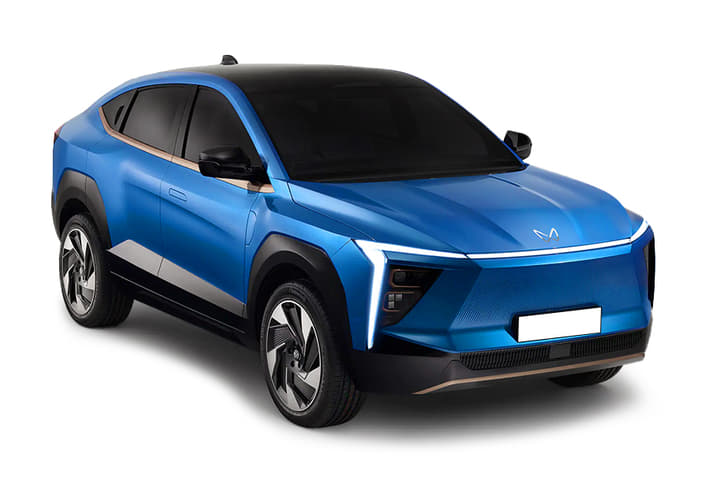
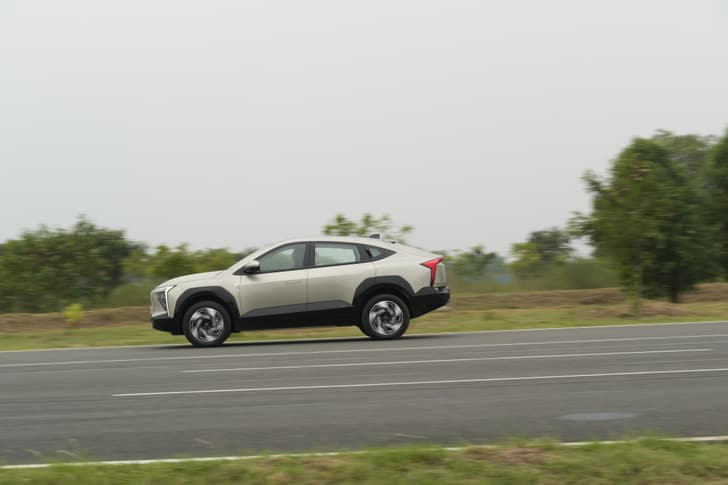
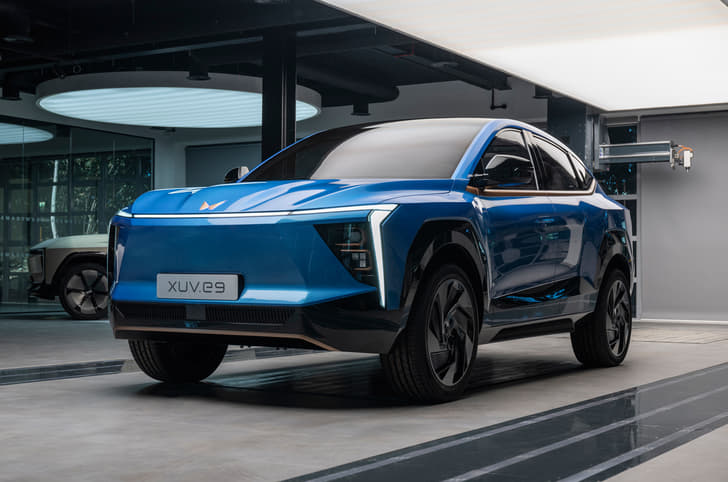
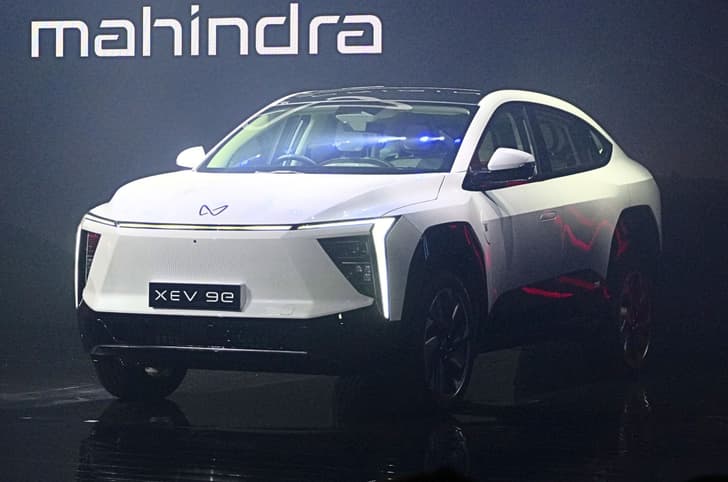
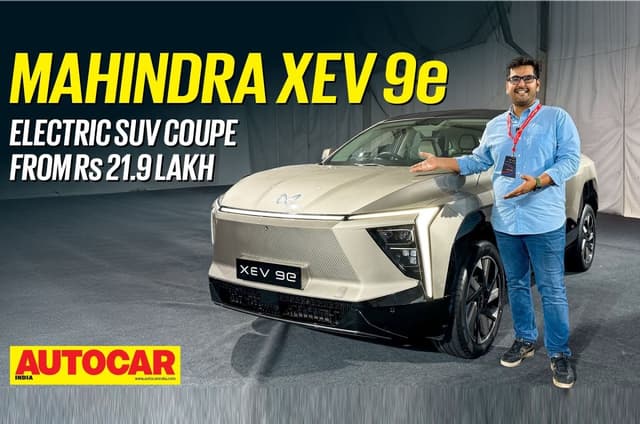
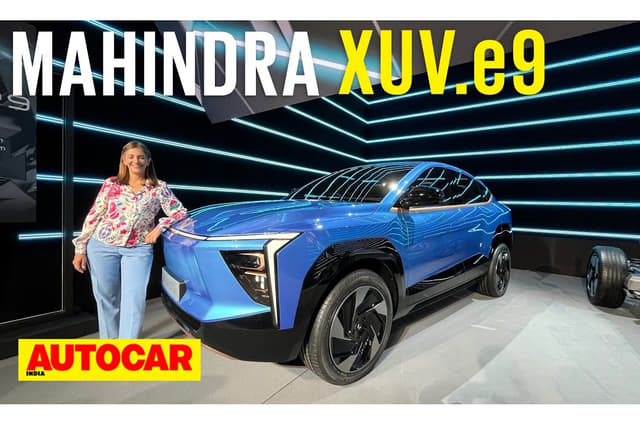
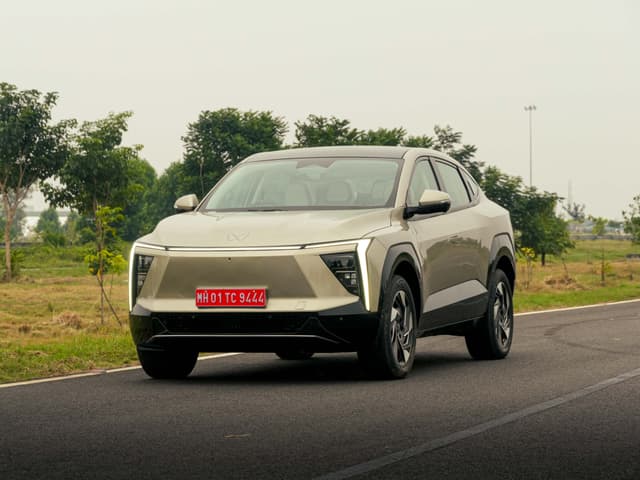
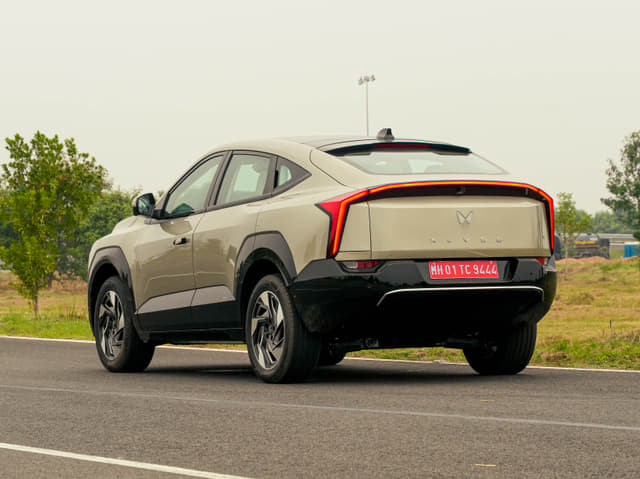
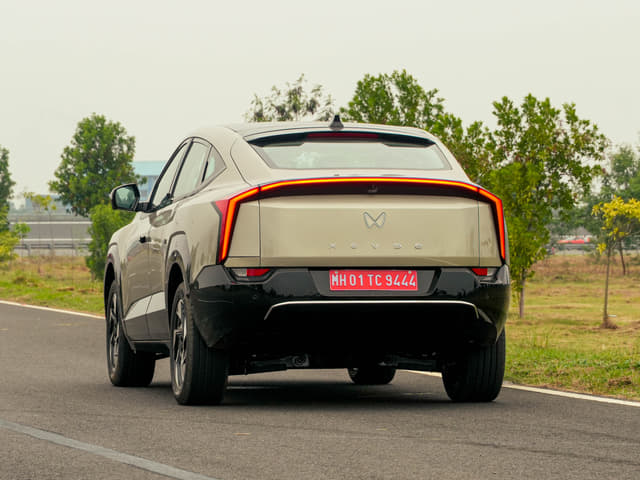
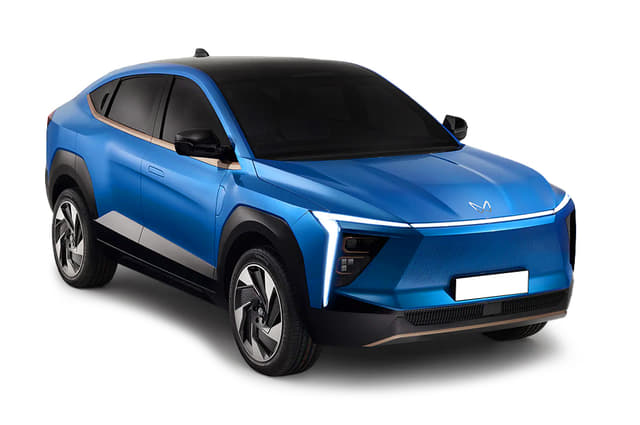
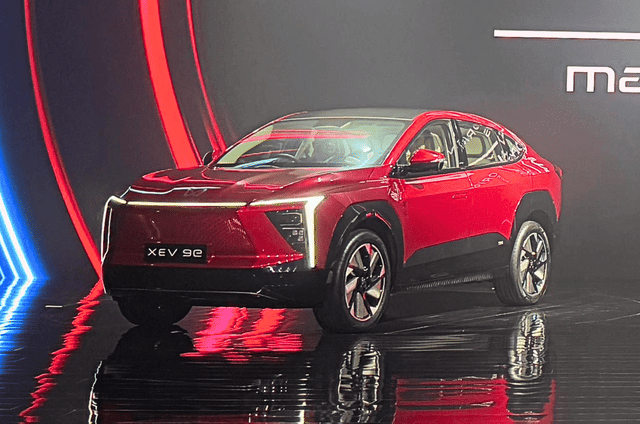
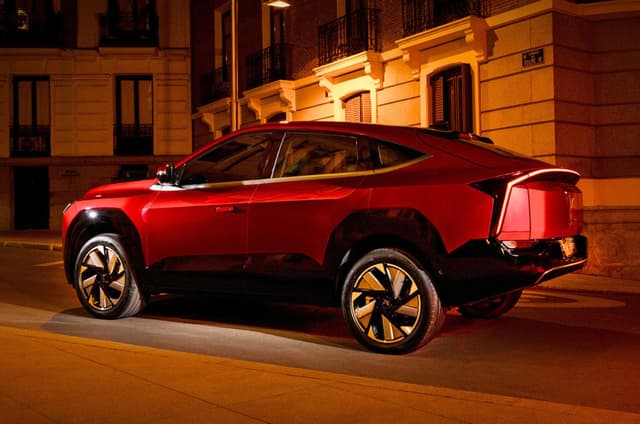
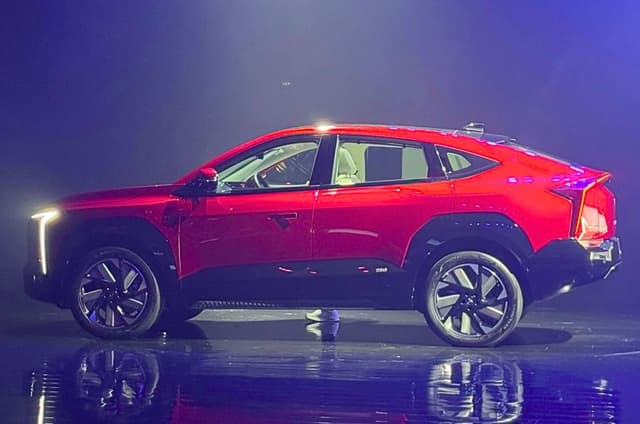
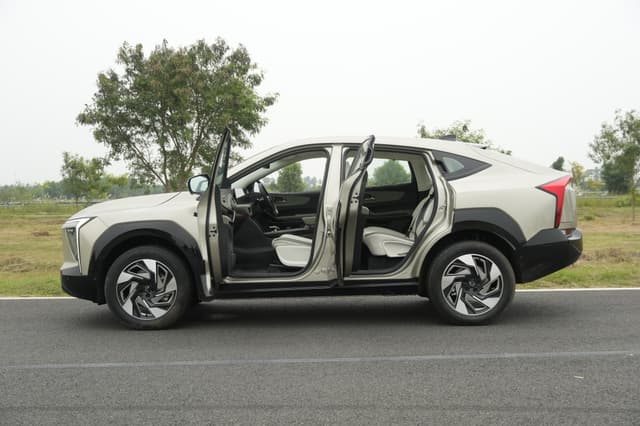
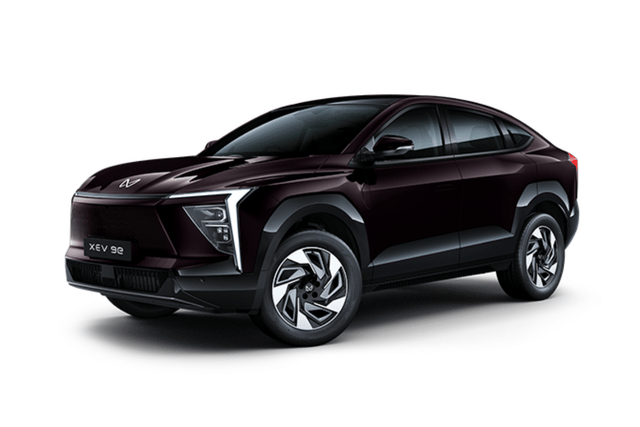
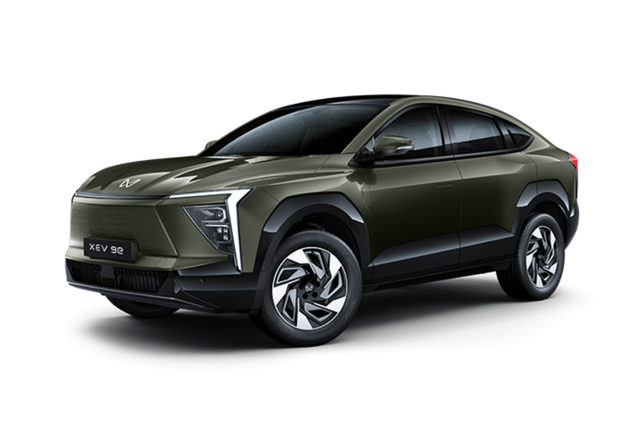
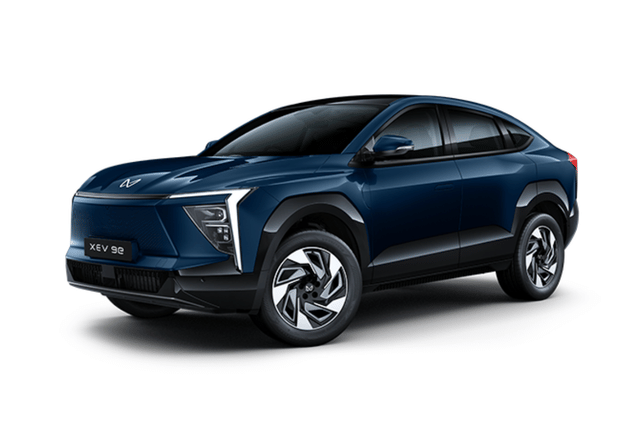
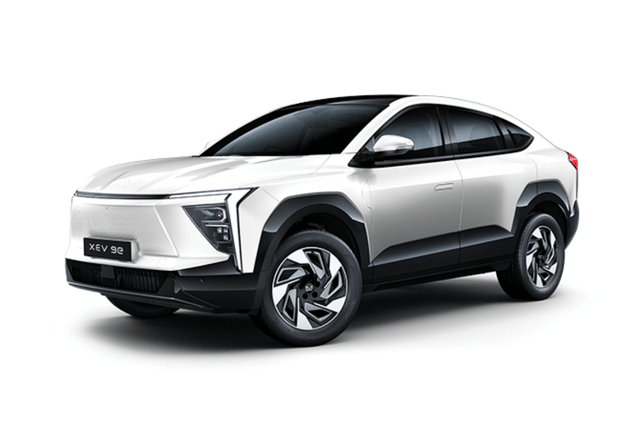
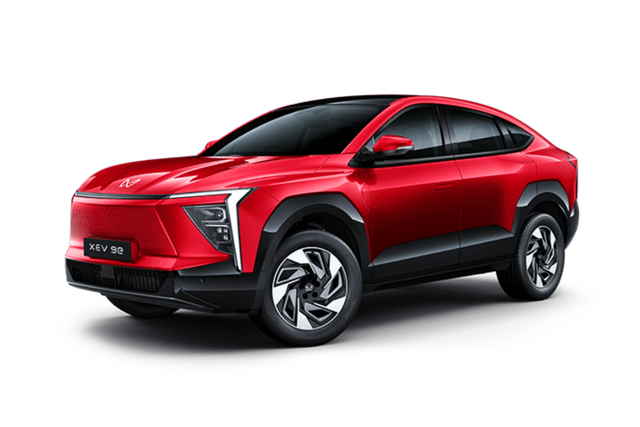
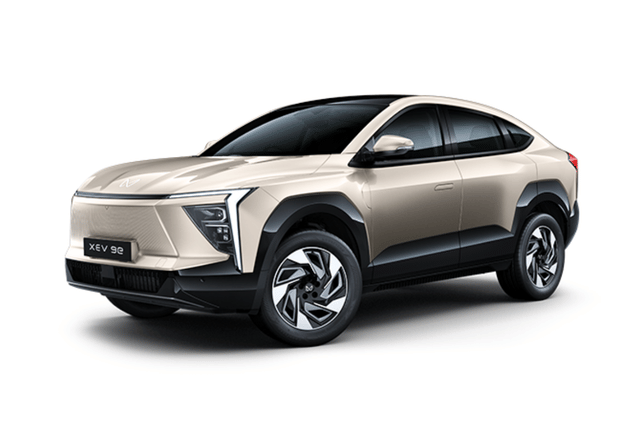
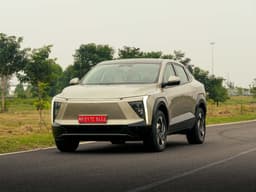
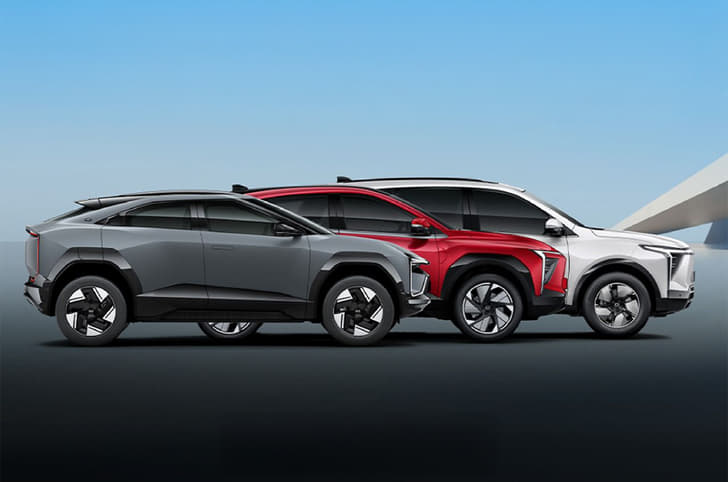
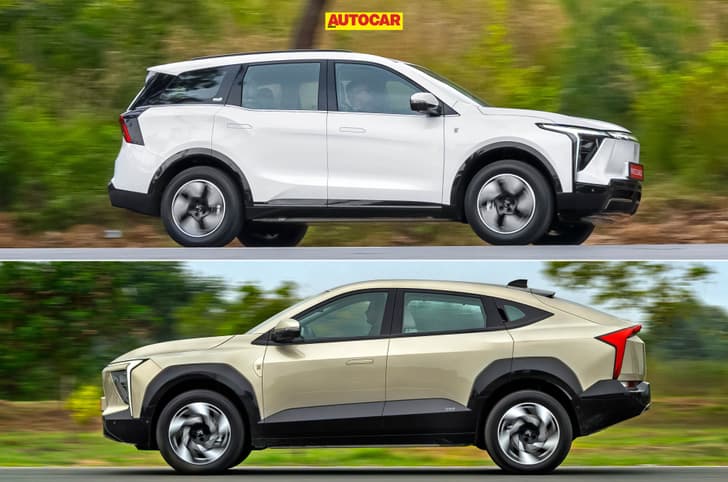
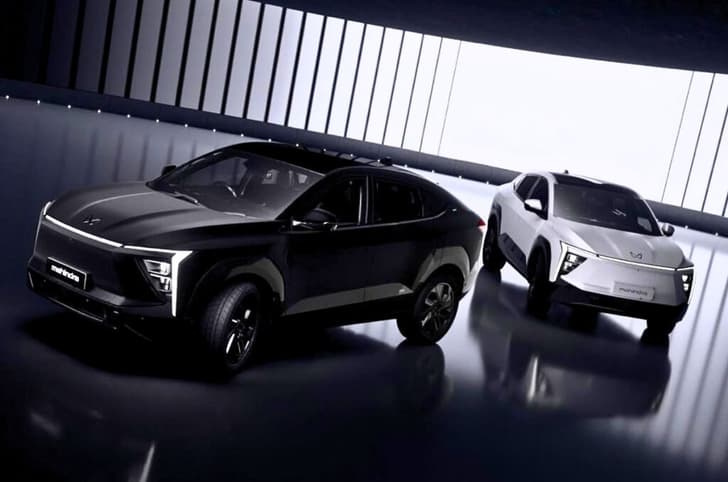
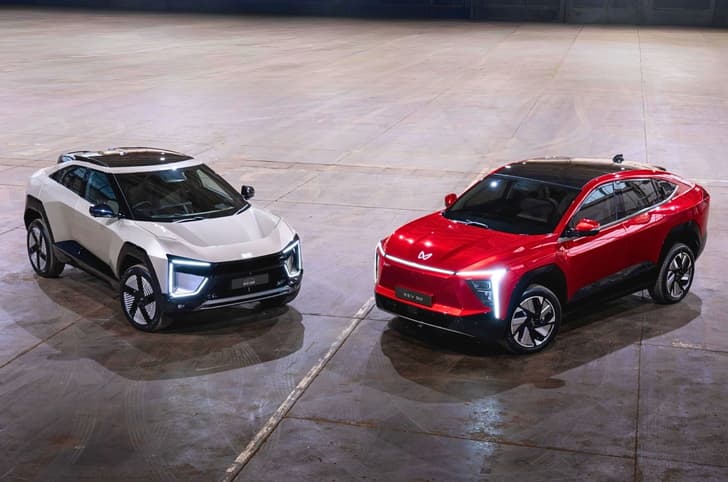
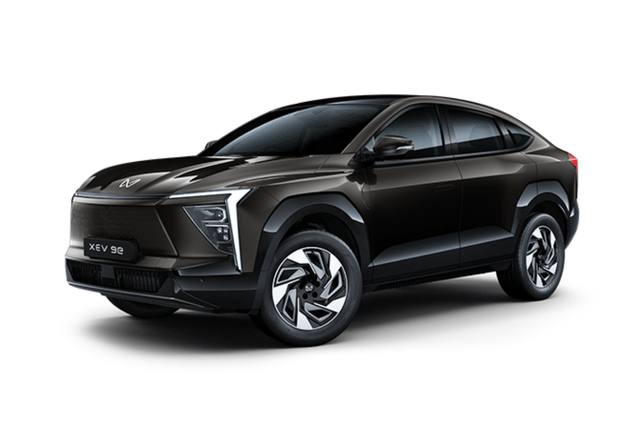
The Mahindra XEV 9e price in India starts at Rs 21.90 lakh (ex-showroom). New Mahindra XEV 9e top model price is Rs 30.50 lakh (ex-showroom). 2025 Mahindra XEV 9e on road price in Noida for the base Pack One 59kWh variant begins at Rs 23.26 lakh. Check the Mahindra XEV 9e on road price in Noida for the 5 variants to see what fits your budget and preferences.
Planning to buy XEV 9e? Here are a few dealers in Noida
H 152, Sec - 63, Noida, Uttar Pradesh 201301
tanujj@hotmail.com
D 10, Kasna, Greater Noida, Noida, Uttar Pradesh 201301
H-222, Khasra 14 Village Hazratpur, Rasoolpur, Sector 63, Noida, Uttar Pradesh 201301
Third Floor Khasra No 122, Vill - Hazratpur Wazidpur, Sec - 63, Noida, Uttar Pradesh 201301
sandeepkher@konceptmahindra.com
H 224 K, Sec 63, Near Indian Oil Pump, Noida, Uttar Pradesh 201301
Download the complete brochure with specs, features, and variants.


The Mahindra XEV 9e price in Noida ranges from Rs 23.26 lakh to Rs 32.33 lakh.
The Mahindra XEV 9e top model price in Noida is Rs 32.33 lakh.
The Mahindra XEV 9e base model price in Noida is Rs 23.26 lakh.
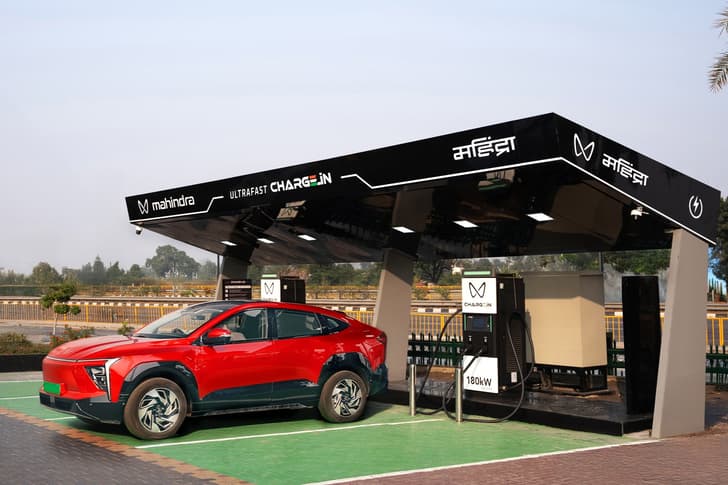
The Mahindra XEV 9e 7.2kW fast charger costs Rs 50,000 extra, whereas the 11.2kW fast charger costs Rs 75,000 extra.
The Mahindra XEV 9e 79kWh price in Noida starts at Rs 26.50 lakh (ex-showroom).
Mihir Vora
•1dI am looking to replace my Toyota Innova Crysta GX and am considering either the Toyota Innova HyCross ZX Hybrid or the Mahindra XEV 9S or 9e, but I am unsure which would be the better choice. My usage includes a daily city commute of around 60 km and a highway trip of approximately 500 km once every month. I need a 5-seater car. Based on these requirements, which option would you recommend?

Autocar India
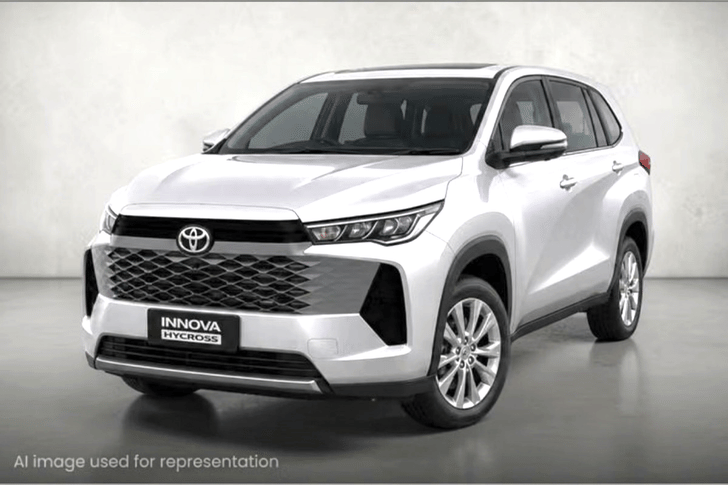
For your usage, we would suggest the Innova HyCross Hybrid rather than the XEV 9e or XEV 9s. The reason is that you are replacing a Crysta, and once you have lived with an Innova, you tend to appreciate things like space, practicality and long distance comfort more than headline technology. The HyCross feels like a natural evolution of what you already have. It is significantly more fuel efficient than the Crysta, the hybrid system is exceptionally well suited to a 60 km daily city commute, and for your monthly 500 km highway trips, it remains one of the most effortless cars you can buy.The XEV 9e and 9s are impressive EVs with strong performance, big batteries and low running costs. If your driving was almost entirely city based, they would be easier to recommend. However, for a family that regularly does longer highway trips, the HyCross still offers a level of convenience that is hard to beat.Between the two Mahindra cars, the 9e is the better choice. It has a more balanced ride and handling setup, feels more premium inside and out, and is the more complete product overall. The 9s feels noticeably softer, which can make it feel slightly bouncy over undulating roads.
Anna
•2dI am currently driving a 1.6 Polo petrol from VW. It's been a pleasure driving this car. I need to purchase a new car in the Range of 15-20 lakh. I am looking for both EV and petrol cars. Please suggest a car to me that I can drive both in Mumbai and outside.

Autocar India
Coming from a VW Polo 1.6 petrol, it is clear that driving enjoyment matters to you. In that context, our first recommendation would be the Volkswagen Taigun 1.0 TSI automatic. The turbo petrol engine is punchy, the handling is among the best in the segment, and it still retains some of that solid Volkswagen feel that Polo owners tend to appreciate. The torque converter automatic is smooth and well-suited to Mumbai traffic, while remaining relaxed and effortless on highway drives.Another excellent option is the Volkswagen Virtus. In fact, with the facelift around the corner, there are some attractive deals on the current car, and you may even be able to stretch into a 1.5 TSI variant within your budget. The 1.5 TSI is genuinely quick, feels special every time you drive it, and if driving pleasure is your top priority, the Virtus would be our pick.On the EV side, the Mahindra XEV 9e and BE 6 are worth considering if you are open to making the switch. Both are packed with technology, deliver strong performance, have very low running costs, and currently, there are some attractive discounts available as well. They offer a very different experience from the Volkswagens, but if you are looking to embrace electric mobility without compromising on performance, they are among the strongest options in the market today.
Nitin
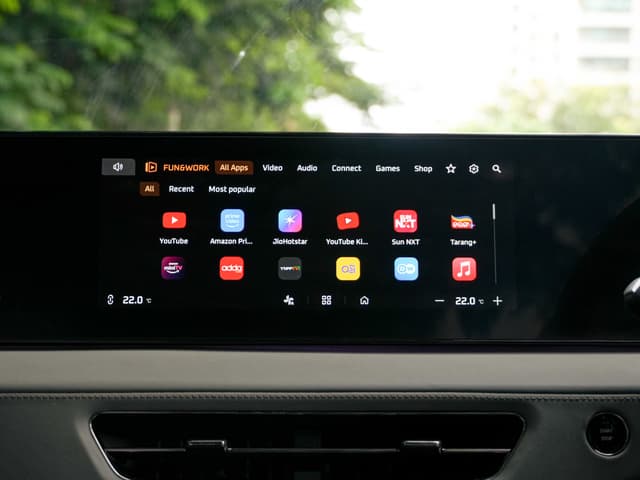
•1wHello, We are a family of four, although my elder son lives in a different city and visits us once every couple of months. Our cars are almost entirely chauffeur-driven, though I do occasionally enjoy driving on long trips myself. I had booked the Toyota Innova Hycross VX 7-seater primarily for its excellent second-row comfort and practicality. However, with the recent rise in petrol prices and growing government discussions about E25/E30 fuel blending, I am now reconsidering whether to cancel the booking and instead opt for the Mahindra XEV 9e. I personally prefer practical, no-nonsense cars over feature-heavy luxury gimmicks. For example, I specifically chose the lower Hycross variant because I do not really care for features like ottoman seats, which actually compromise legroom for me, or panoramic sunroofs. Similarly, the triple-screen layout in the XEV 9e also feels unnecessary to me. What attracts me towards the XEV 9e is the possibility of being relatively future-proof against changing fuel policies and rising fuel costs. However, I also understand that the XEV’s fixed second-row setup may not be as spacious or comfortable as the Hycross for chauffeur-driven usage. My priority is a comfortable, premium-feeling, reliable, and sensible long-term ownership experience within a budget of around ₹30–35 lakh. Between the Toyota Innova Hycross VX and the Mahindra XEV 9e, which one would you recommend, considering comfort, practicality, future readiness, ownership experience, reliability, chauffeur-driven comfort, and long-term peace of mind?

Autocar India
For your very specific use case, we would actually stick with the Innova Hycross VX rather than switch to the Mahindra XEV 9e.The reason is simple. You are almost entirely chauffeur-driven, value second row comfort, want a no-nonsense premium family car and do not care for gadgetry for its own sake. That is exactly where the Hycross plays to its strengths. The second row comfort and sheer sense of space in the Hycross is simply better, especially since you have consciously chosen the VX to avoid gimmicks while keeping the practical bits that matter. The XEV 9e is an impressive EV, but its fixed rear bench and lower knee room make it less ideal for a chauffeur-driven owner who will spend meaningful time in the back.On the fuel and ethanol concern, we would not let that drive the decision. The Hycross hybrid is already very efficient for a vehicle of its size, and while E25/E30 discussions are ongoing, any move beyond current blends will be gradual. Beyond a certain threshold, proper flex fuel solutions and lower blend availability for existing cars would need to coexist. We would not cancel a purchase decision around a hypothetical future policy shift.
Viral Shah
•1wI purchased the Mahindra XEV e9 70 days ago. I am living in Ahmedabad City. Most of the travel is inside the city. After a full charge of 79 kV, my car runs only 190 km till 15 % battery. The company claims 590 km. The dealer told me 450 km, but my car ran 190 km. What to do?

Autocar India
That is significantly lower than expected. In our real-world testing, the Mahindra XEV 9e delivered around 425 km in the city, 488 km on the highway and a combined figure of 456 km. So getting only 190 km from 100 percent down to 15 percent is nowhere near normal performance.Even allowing for heavy AC use, aggressive driving or dense city traffic, that kind of drop is excessive. This is not something that should be dismissed as normal EV behaviour. We would strongly recommend getting Mahindra to inspect the car immediately, because this could point to a battery calibration issue, software problem or another efficiency-related fault. A range figure that low on a 79 kWh battery is simply not in line with what the car is capable of delivering in the real world.
Gigi
•2wHi team, I am planning to buy an EV SUV. The budget is around 30 lakh. My priority is reliability and service support. Shortlisted Harrier QWD, VF7 AWD, and XEV 9e. Please suggest. Any chance Mahindra launching AWD variant soon? Thanks in advance.

Autocar India
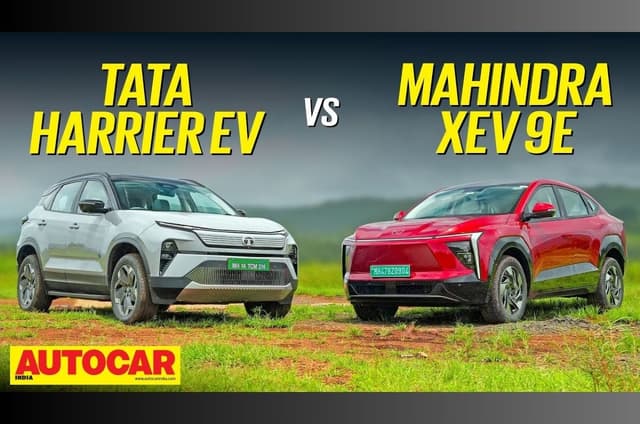
For your requirement, we would pick the Mahindra XEV 9e. It feels the most complete package here, with a large battery, strong real-world range and a cabin experience that genuinely feels special and premium. It also benefits from Mahindra’s much stronger sales and service footprint compared to a new entrant like VinFast.The Tata Harrier EV QWD is undeniably quick and impressive, but its range is meaningfully lower than the XEV 9e, which makes the Mahindra the easier long-term ownership proposition if range matters to you. Tata’s service reach is strong, but consistency can still vary depending on your city and dealership.The VF7 AWD is the wildcard. It is quick, fun and interesting, but VinFast’s sales and service network in India is still very limited compared to Mahindra and Tata, which makes it a harder recommendation when reliability and support are explicitly your top priorities.
Karthik
•2wHi, I own an Innova Crysta and am planning to buy a second car, which is electric. Now, I am confused between xev 9e and 9s. Which one to buy, as both are almost at the same price? Please suggest.

Autocar India
Between the two, we would lean toward the Mahindra XEV 9e. Since you already own a Toyota Innova Crysta, you already have practicality, family hauling and long-distance duties well covered, so your second car does not need to duplicate that role.The bigger differentiator is actually the way the two drive. The XEV 9e has a more balanced suspension setup and feels more composed. Overall, the 9S is tuned noticeably softer and can feel bouncy or a little floaty at times, especially for rear seat passengers over undulating roads. If you are using this as a personal EV, that alone makes the 9e the nicer car to live with.
Sandeep Subbaiah
•3wHi, I am currently driving a Tiguan 2.0 diesel and a Ford EcoSport Automatic. The Tiguan is almost 10 years old now, so I am looking to buy a new car in the ₹45 lakh range. My monthly running is around 500 km, along with two highway trips every year. I have shortlisted the Skoda Kodiaq and the Mahindra XEV 9e. We are a family of three. Should I stick with a petrol car or move to an electric vehicle? Kindly advise.

Autocar India
Considering your requirements and budget, the Skoda Kodiaq fits your brief better. Coming from a Tiguan, it will feel familiar and a clear step up: smooth petrol engine, strong highway stability, and a more premium, feature-rich cabin. Your running of 500 km a month is low, so a petrol car makes sense: it is simple to live with, refuels in minutes on road trips, and you do not need to plan charging. For a family of three, you get loads of space, plus a large boot for your highway trips.Pick the Mahindra XEV 9e only if you have a private parking spot where you can install a charger and most of your driving is in town. It will feel very smooth and quiet and will cost less to run, but highway trips will need planning in order to charge the EV.
Ashwanth
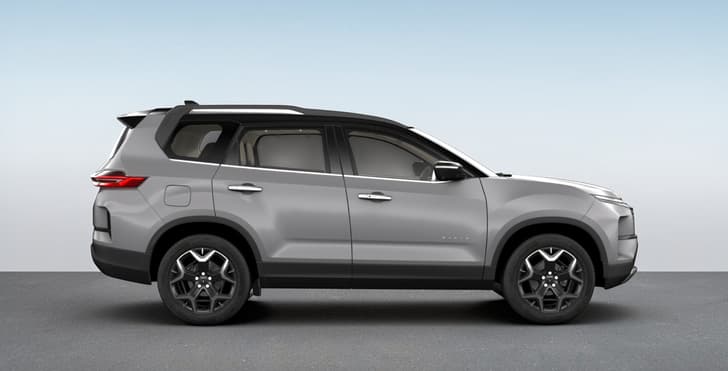
•3wHello, I booked the xuv 7XO AXL DIESEL AT on January 8 and am still waiting for the delivery. What concerns me is the current geopolitical tensions in the Gulf, along with rising crude oil prices and possible fuel shortages. In this situation, is it really sensible to buy a diesel car (or even a petrol car)? Or would it be better to shift to an electric car like the XEV 9e or XEV 9S? I am genuinely very confused. What will happen to all the diesel and petrol cars that are currently being sold and are already on the road? Also, the 10 and 15-year scrappage policies are making me worried that a ₹30 lakh investment could end up as scrap in the near future. Could you please advise?

Autocar India
If your primary worry is whether buying a Rs. 30 lakh diesel today is a bad decision because of fuel prices, geopolitics or scrappage rules, the short answer is no, do not panic. Petrol and diesel cars are not going to suddenly become unusable or worthless because of short term crude price spikes or geopolitical tensions. Fuel prices may fluctuate, yes, but that affects both petrol and diesel ownership economics rather than making the vehicles obsolete overnight. India’s scrappage framework is also not a blanket “scrap your 10 or 15 year old private car no matter what” rule nationally. Private vehicles are tied to fitness and registration rules, while Delhi NCR has its own stricter age based restrictions.Now to your actual car choice. Since you have already booked the Mahindra XUV 7XO diesel automatic, the bigger question is whether your usage genuinely suits diesel. If you do regular highway runs or meaningful monthly mileage, the diesel still makes complete sense because the 7XO’s diesel is effortless, efficient and a great fit for a large SUV. If your use is mostly city and low running, then yes, an EV like the XEV 9e becomes more compelling, especially if you can charge at home.But do not switch to an EV purely out of fear. Buy an EV because your usage suits it. The XEV 9e is a fundamentally different ownership proposition, not just a “future proof” version of the 7XO. If you need frequent long distance flexibility without charging planning, the diesel remains easier to live with. If your use is mostly urban and predictable, the EV makes stronger sense.
Kks
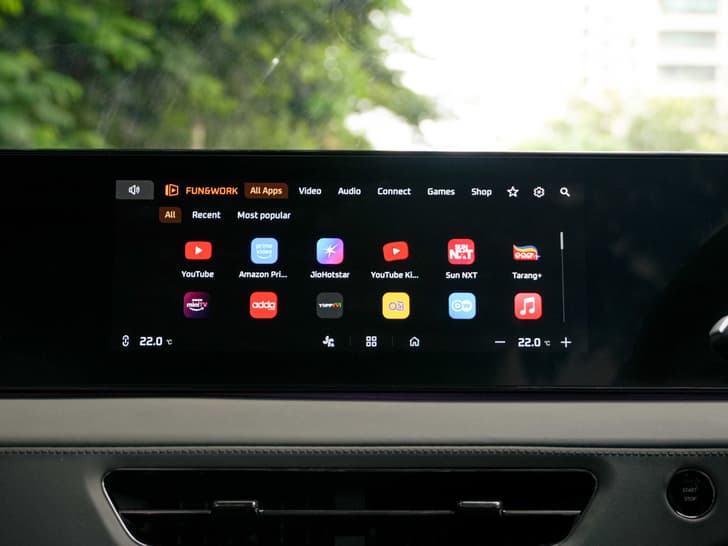
•3wWe have owned a Tata Zest for 10 years and are looking for a family car for 4 adults and 1kid 9year old. Our running for the year is 12k to 13k kms with 60% city and the rest highway for occasional trips. We intend to keep it for 10 years and zeroed in on Seltos, but worried about ethanol blending and pricey petrol. So, for our requirement, we are thinking of moving to EV and are confused whether we should wait for Sierra EV, go with Harrier EV or XEV 9s. Although we aren’t keen on a 7 seater, and 9E seems to be gimmicky. Please help.

Autocar India
For your usage, we would not switch to an EV purely because of ethanol blending worries. With 12,000 to 13,000 km a year, 60 per cent city use and a 10-year ownership plan, a petrol SUV like the Kia Seltos is still a perfectly practical choice. E20-compliant petrol cars will continue to be supported, and a move to higher ethanol blends like E85 would require dedicated flex fuel engines, so there is no realistic scenario where today’s compliant petrol cars suddenly become unusable.If you genuinely want to move to an EV, then the decision should be based on your usage pattern, charging convenience and ownership comfort, not fuel policy anxiety. Between your options, the Tata Harrier EV looks like the most complete fit today. It gives you the space you need for four adults and a child, feels like a proper family SUV and removes the uncertainty of waiting for an unlaunched product. The Mahindra XEV 9e is also a strong EV, but since you already find it a bit too gimmicky and are not looking for that kind of experience, it does not sound like the natural fit.As for the Tata Sierra EV, we would absolutely suggest waiting if you are not in a rush, because it is expected soon and could land in the sweet spot between the Harrier EV and the smaller EV SUVs in terms of practicality and positioning. The only caveat is that buying an EV without a reliable home charging setup would make far less sense than simply buying the Seltos petrol and moving on.
Tushar
•3wSir, how is the rear suspension and ride quality of the Mahindra XEV 9e Pack One and Two? I tested the Pack Three and found the rear seat very boat-like with too much movement both vertically and sideways, which can get nauseating for rear-seat passengers. Is the suspension setup in Pack One and Two any better? Should I instead go for the Harrier EV 75 RWD if I want better ride quality, or should I wait for the Sierra EV? I want an EV bigger than the Nexon, but I do not like the Curvv EV and was thinking of avoiding Mahindra because of the suspension. I tried the Nexon EV and new Punch EV and found their rear suspension much better than the XEV 9e and even the eVitara. Please guide.

Autocar India
What you felt in the Mahindra XEV 9e Pack Three is a fair observation. The XEV 9e does have a softer suspension tune, and for some rear seat passengers, that can translate into a floaty, slightly boat-like vertical movement over undulations, which can feel uncomfortable or even nauseating if you are sensitive to that kind of motion. As far as we know, there is no major suspension hardware difference between Pack One, Two and Three that fundamentally changes this character, so we would not expect the lower variants to feel significantly different in this regard.If rear seat ride quality and body control are a major priority, the Tata Harrier EV is the better option right now. It feels more tied down, composed and generally better controlled from the rear, without that excessive floatiness. If you still want to stay with Mahindra, the XEV 9e actually feels more balanced in this respect and does not have the same exaggerated bouncy character as the XEV 9S.That said, since you are clearly particular about ride quality and already like how Tata’s EVs are tuned, we would absolutely suggest waiting for the Tata Sierra EV as well, especially since its launch is right around the corner. It should sit in that sweet spot above the Nexon EV in size while potentially offering the kind of more settled suspension setup you seem to prefer.