Autocar India
1d

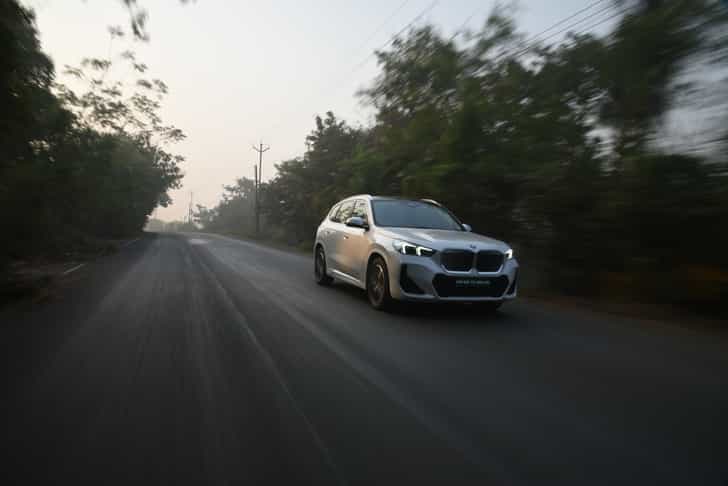
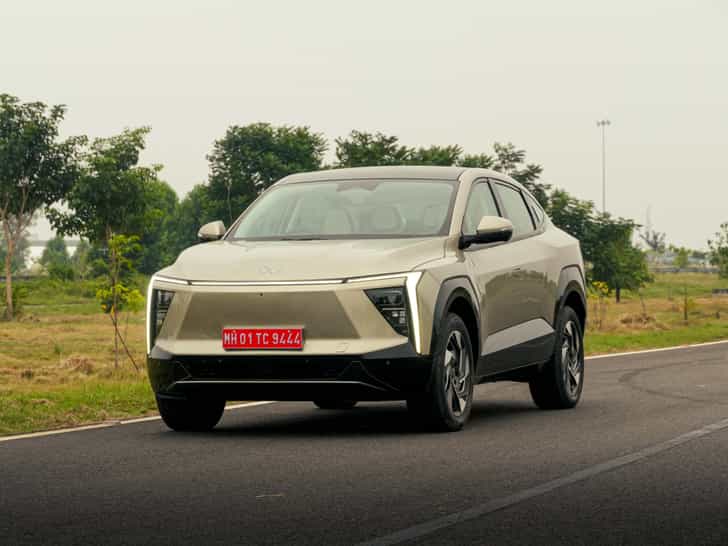
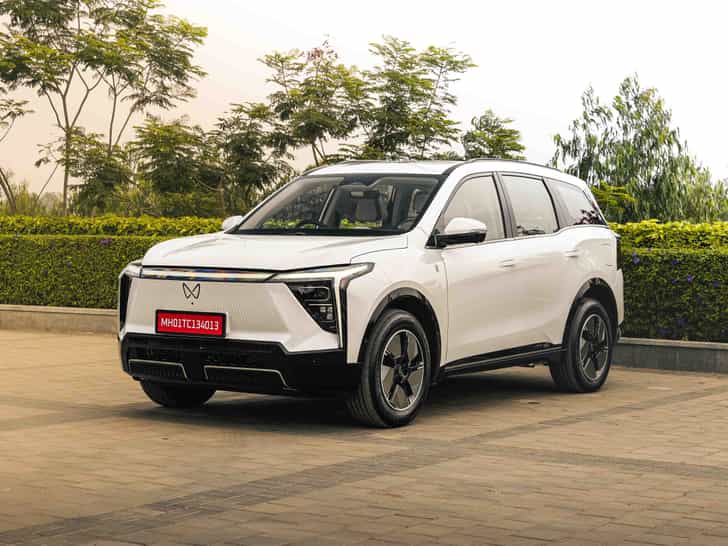
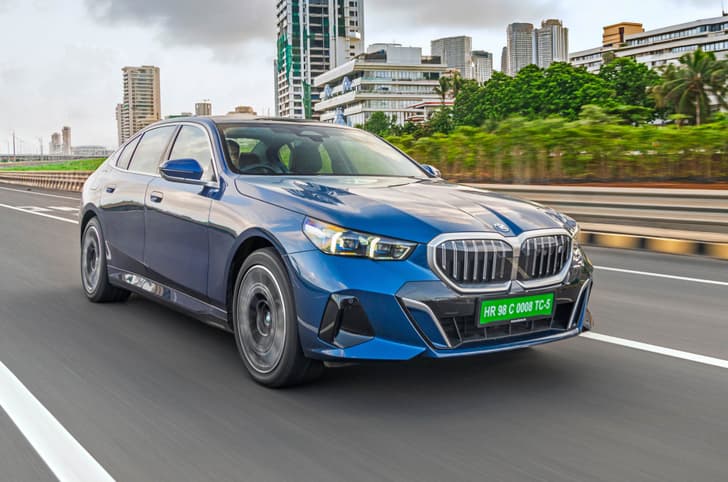
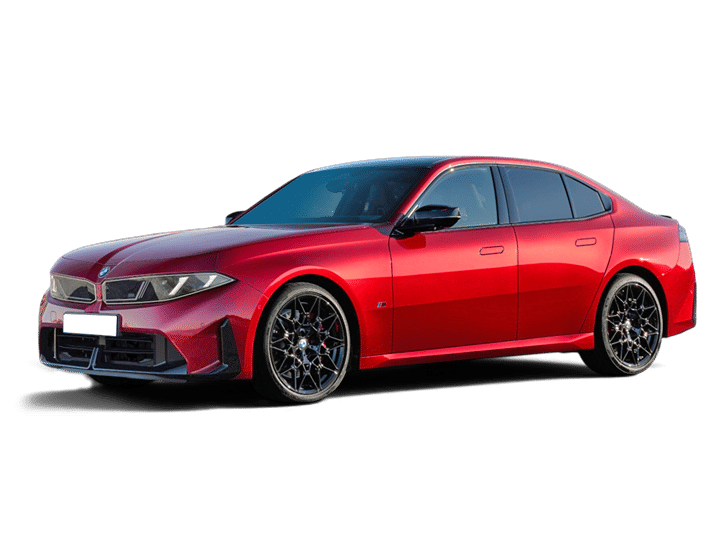
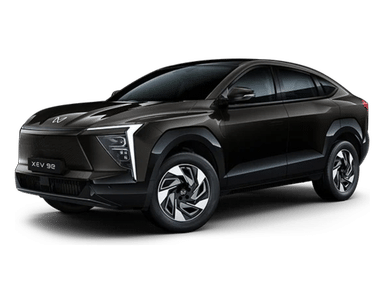
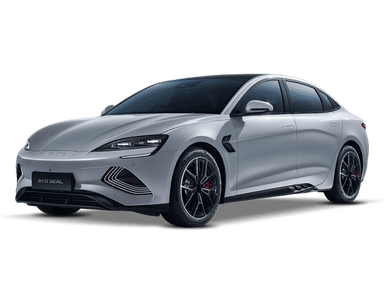
Hi Autocar India, My name is Radhika from Hyderabad. I have tested XEV 9E, XEV 9S, BYD Sealion 7, Tesla Model Y and BMW iX1. My budget is not a constraint, and I can spend up to 55-57 lakhs on a car. BMW's driving dynamics felt better than those of Mahindra or Tata. FYI, I have tried BYD Sealion 7 also, but decided not to go with it due to their network, badge value and other reasons. My family did not like Tesla as the interiors are very minimal. My question is whether spending an additional 25 lakhs for the BMW iX1 makes sense, or if it's not a great car. Can you please clarify? Thank you!

Verified
1m

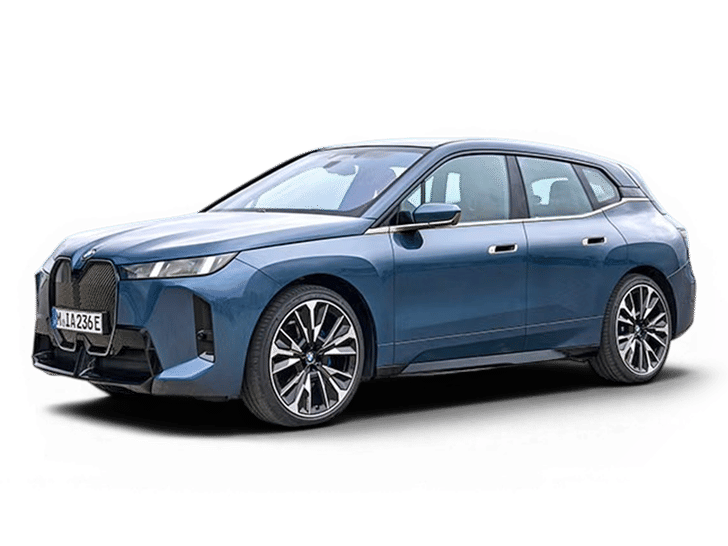
Pick the BMW iX1 LWB. The extra spend gets you what you already liked on the drive - a tighter, more confidence‑inspiring feel than the Mahindra XEV 9e/9s, and a premium, normal‑to‑use cabin your family will prefer over Tesla’s sparse setup. You also sidestep your BYD worries with stronger brand pull and a wider service network.

On our roads, the iX1’s steering and body control make everyday driving feel calmer and cleaner, whether in Hyderabad traffic or on the ORR. Fit and finish, seats, and infotainment feel a class up, so it will still feel special three years in, not just on day one.

Be aware that rear space and boot are not as generous as the XEVs or Model Y L; the ride is on the firmer side on rough patches, and range and fast‑charge speeds are not class‑leading. If you carry tall adults in the back often or do frequent very long highway runs, you will notice those.

If your deal lands close to Rs. 55‑57 lakh on road, the premium isn’t just badge tax, it’s daily satisfaction. If not, the XEV 9e/9s are a strong value, but for your priorities, the BMW is the right call.
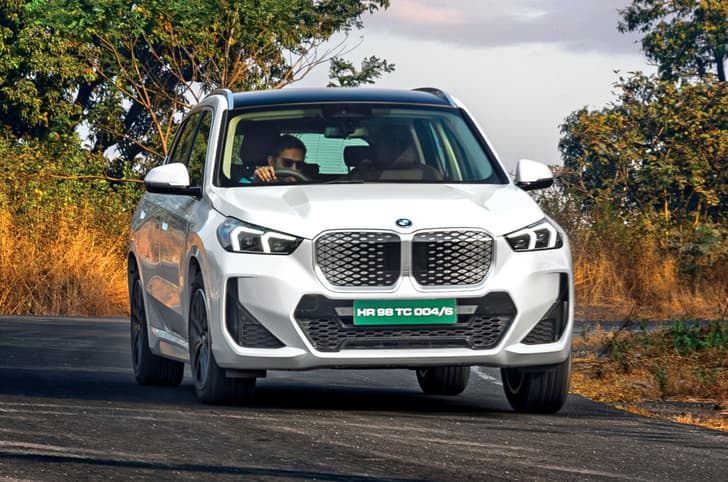
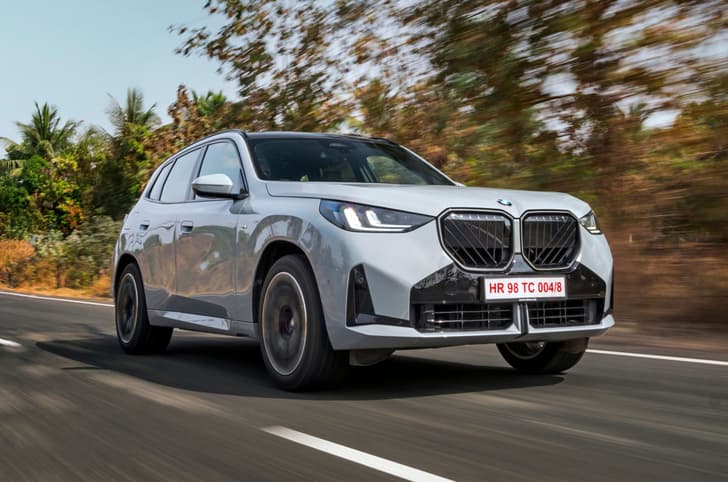
BMW iX1 LWB

BMW iX1 LWB

Want to sell your car?

Sell your car at the right price, without the stress.
More questions on similar cars

1d

I'm currently driving a Maruti Suzuki Ciaz and have been absolutely delighted with the ownership experience. However, for my next upgrade, I'd like to explore one of the entry-level SUVs. I typically buy a new car, keep it for 7-8 years, and then upgrade. Given the current transition in the automotive industry, is this the right time to buy a new car, or would it be wiser to wait until the powertrain landscape becomes clearer and the supporting infrastructure matures? I'd like to make an informed decision between ICE, Hybrid, and EV options before committing to a vehicle that I'll likely own for the next 7-8 years.

Verified
2h

If your Ciaz is running well and you’re not in a tearing hurry to upgrade, it would be wise to wait another year or so. The market is on the verge of a significant transition, especially in the compact SUV segment you’re looking at.2027 is shaping up to be a particularly important year. Carmakers like Hyundai, Mahindra, Renault, Kia, MG and JSW Auto all have new or heavily updated compact SUVs in the pipeline. Maruti Suzuki too is expected to expand its range with a Punch rival and introduce its first strong hybrid system, likely in the Fronx.More importantly, hybrids are set to become far more mainstream. With tightening CAFÉ norms and rising fuel costs, manufacturers are increasingly positioning strong hybrids as a practical middle ground between conventional ICE and full EVs, especially in India, where charging infrastructure is still developing.There is also a steady wave of new EVs due over the next 12 to 18 months. These should bring improvements in range, charging ease and pricing, giving you a much clearer picture of how viable an EV is for your usage.Given your 7 to 8 year ownership cycle, waiting allows you to choose from a more mature and diverse set of powertrain options. It also reduces the risk of buying just before a new generation of more future-ready products arrives.

VehicleTata Punch
VehicleMaruti Suzuki Fronx

Popular discussions right now

6d

I have a Grand Vitara Strong Hybrid, and I am extremely satisfied with its mileage (900-1000 km from 45 liters). However, I am losing the joy of driving. I migrated to this car after owning a Swift Dzire Diesel and an XL6. The mismatch between engine revs and acceleration is becoming unpleasant. Overtaking feels riskier, and even the brakes feel spongy. I have experienced a few unpleasant situations because of this. As a result, I have reduced my overall speed, making the safety of my family a bigger priority. But the driver in me is unhappy. Should I upgrade to the Duster Hybrid, the Hycross Hybrid, or the newly launched Sierra EV? Also, do diesel engines still make sense today?

Verified
5d

From what you've described, the Grand Vitara Strong Hybrid has impressed you with its efficiency but left you wanting more from behind the wheel. If driving enjoyment is back on your priority list, the Duster Hybrid looks like the most natural upgrade. It is expected to offer a much more engaging driving experience while retaining the fuel efficiency benefits of a strong hybrid.The Toyota Innova HyCross Hybrid will certainly improve on comfort, refinement and performance, but it won't fundamentally change the character you're looking for. It is still geared towards relaxed family motoring rather than enthusiastic driving.The Tata Sierra EV is an interesting option and has now been launched. It promises strong performance, a premium cabin and a spacious interior. However, if the "driver in you" misses the involvement and confidence of your earlier diesel cars, we'd still wait to experience how the Duster Hybrid drives before making a decision.As for diesels, we don't think they should be ruled out altogether. With the right usage, they continue to make sense. However, given your appreciation for the fuel economy of your Grand Vitara and the direction the market is heading, we'd lean towards a strong hybrid rather than going back to diesel.

VehicleMaruti Suzuki Grand Vitara
VehicleToyota Innova HyCross
VehicleTata Sierra EV
VehicleRenault Duster

Posted on: 7 Jul 2026