
Last Updated on: 09 Jun 2026
BMW iX1 LWB
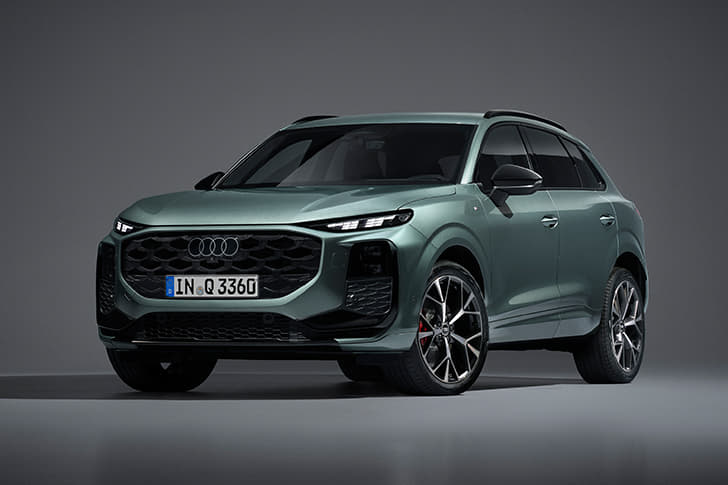
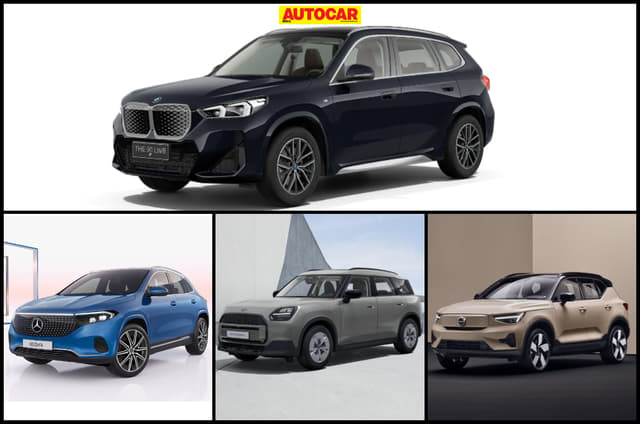
The BMW iX1 LWB price in India starts at ₹51.40 lakh (ex-showroom). The iX1 LWB competes with luxury electric SUVs such as the Mercedes-Benz EQA, Audi Q6 e-tron, and Volvo C40 Recharge in the premium compact EV segment.
The iX1 LWB is available in a single variant in India, the eDrive 20L M Sport which is powered by a single motor producing approximately 204 hp and paired with a 66.4 kWh battery pack and front-wheel-drive layout.
The electric BMW iX1 LWB SUV mileage range is around 531 km. Charging capabilities include fast DC charging at up to 130 kW, which allows a 10-80% charge in 32 minutes, and 11 kW AC charging for home use, which charges the iX1 from 0 to 100% in 6 hours and 30 minutes.
BMW iX1 LWB Key Highlights:
- The iX1 LWB offers extended rear passenger space and BMW's signature design.
- The BMW iX1 LWB is offered exclusively in a single variant in India, the eDrive 20L M Sport, priced from ₹51.40 lakh (ex-showroom).
- BMW iX1 is powered by a single electric motor producing 204 hp and 250 Nm torque, paired to a 66.4 kWh battery pack and a front-wheel-drive layout.
- The powertrain enables the iX1 to go from 0-100 km/h in 8.34 seconds.
- The iX1 LWB offers an ARAI range of around 531 km.
- The cabin features a curved digital display setup comprising a 10.25-inch digital instrument cluster alongside a 10.7-inch central touchscreen with BMW's iDrive 9 interface.
- Comfort in BMW iX1 is enhanced by a fixed panoramic glass roof, generous rear legroom enabled by the long wheelbase, and premium materials throughout.
- BMW iX1 features include wireless Apple CarPlay and Android Auto compatibility
- Safety features of the iX1 include 8 airbags, a comprehensive ADAS suite, parking assistance, and traction control.
- Dimensions of the BMW iX1 stand at 4,616 mm length, 1,845 mm width, 1,627 mm height with a 2,800 mm wheelbase, and ground clearance of 170 mm.
- Boot capacity of the BMW iX1 is 490 litres.
BMW iX1 LWB Latest Updates
- December 2025: BMW iX1 gets new exterior colour and interior upholstery option.
BMW iX1 LWB Features and specifications
Our Rating | 7 |
Battery Range | 531 km |
Fuel Type | Electric |
Transmission | Auto |
Seats | 5 |
Body Style | SUV |
Doors | 5 |
Claimed Electric Motor Range | 531 km |
Warranty Distance | Unlimited km |
Warranty Duration | 2 Years |
| Fuel Type/ Propulsion | Electric |
| Pure Electric Driving Mode | No |
| Number of Motors | 1 |
| Motor Type | Permanently excited synchronous motor |
| Battery Capacity | 66.4 kWh |
| Claimed Range | 531 km |
| Charging Time | 6:30hrs 0% to 100% (11kW AC), 32 min 10% to 80% (130 kW DC) hrs |
| Auto Start/Stop | No |
| Front Brakes | Discs |
| Rear Brakes | Discs |
| Type of Power Assist | Electric |
| Steering Adjust | Tilt and Telescopic |
| Length | 4616 mm |
| Chassis Type | Monocoque |
| Width | 1845 mm |
| Height | 1627 mm |
| Power Windows | Front and Rear |
| Power Windows with One Touch-Down | All |
| Bluetooth Connectivity | |
| Cabin Boot Access |
| Airbags | 8 |
| Door Ajar Warning | |
| Rear Seatbelt Reminder | |
| Seat Belt Warning |
| Body Coloured Bumpers | |
| LED taillights | |
| Follow Me Home Headlamps | |
| LED DRLs |
| Speedometer | Digital |
| Tachometer | |
| Trip Meter | |
| Average Fuel Consumption |
| Audio System | |
| Speakers | 12 |
| CD Player | |
| USB Input |
| Check Vehicle Status via App | |
| Emergency Call Button | |
| Car Light Flashing & Honking via App | |
| Over the air (OTA) updates |
BMW iX1 LWB price & variants
The BMW iX1 LWB price in India starts at ₹51.40 lakh (ex-showroom), with on-road pricing stars from ₹54.38 lakh depending on city and taxes.
BMW iX1 is offered only in one variant in India: eDrive 20L M Sport (electric, front-wheel drive).
BMW iX1 LWB Official Brochure
Download the complete brochure with specs, features, and variants.
BMW iX1 LWB expert review
We like
Attractive price
Rear-seat space
We don't like
Unexciting to drive
Misses key features
7.0
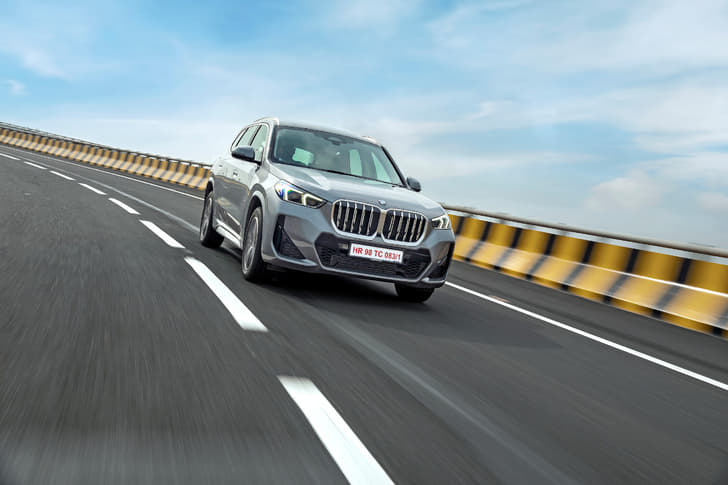
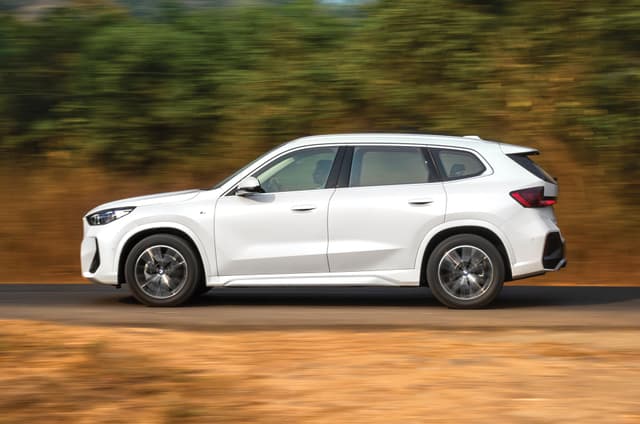
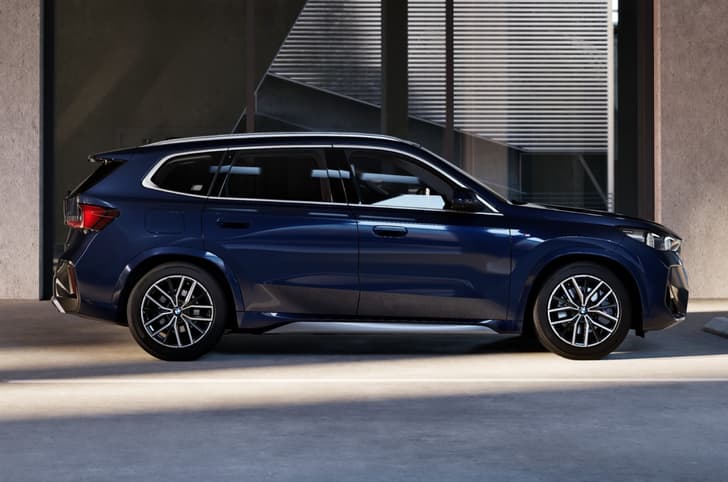
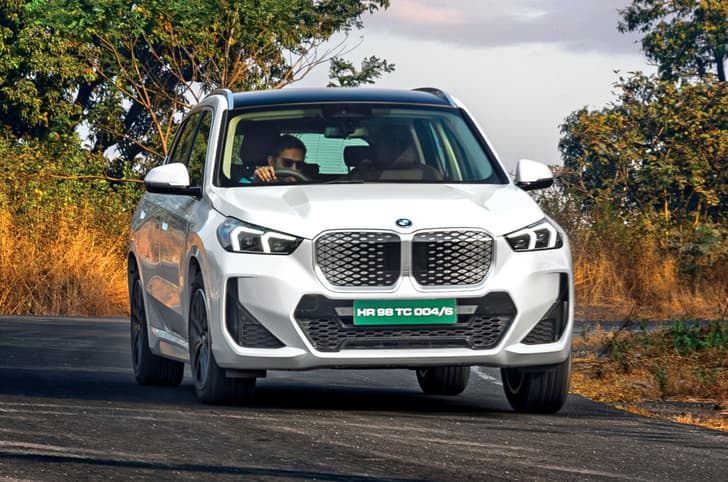
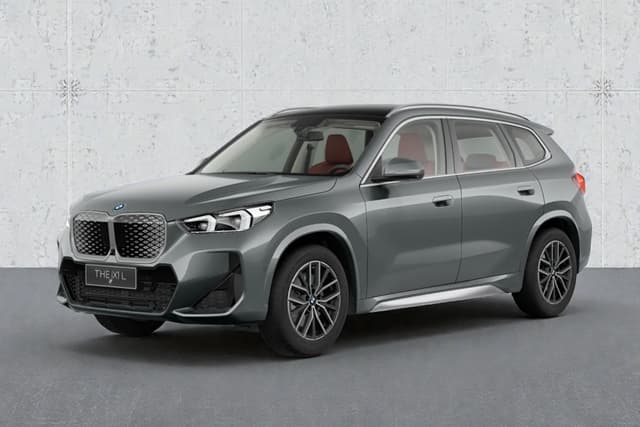
You might not notice the extra 116mm of length immediately, but those familiar with the standard iX1 will spot it. Ironically, it looks more proportionate than before - less exaggerated, more refined. Sadly, the 18-inch wheels haven’t changed and still look undersized in the larger arches. Of the added length, 108mm goes to the wheelbase, now at 2,800mm. Ground clearance is practical at 175mm laden (about 190mm unladen). It retains the M Sport kit and most styling details, including polarising elements like the grille and tail-lamps.
8.0
The front cabin remains unchanged - quirky dash, decent materials, and an over-complicated i-Drive 9 interface. But none of that matters if you’re in the back. That extra length is all in the rear cabin, where legroom is vast. Though the knees-up seating position remains, it’s far more comfortable thanks to softer cushioning, a longer seat base, and a reclining backrest. It feels tailor-made for being chauffeur-driven, aided by larger windows and a fixed panoramic glass roof.
7.0
The LWB variant switches to a single-motor, front-wheel-drive setup with 204hp and 250Nm. That’s down from the xDrive30’s 313hp AWD layout, and the 0-100kph time now stretches to 8.31sec. Performance feels noticeably sapped and not what you’d expect from a luxury EV of this size; Rivals like the BYD Sealion 7 offer far more.
8.0
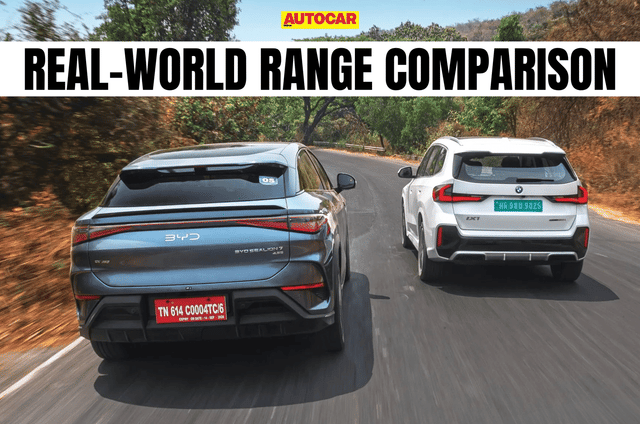
With its 66.4kWh battery and less power, BMW’s certified range figure has jumped from 440km to 531km compared to the previous version. However, in our real-world range test it delivered just 398km, with an efficiency of 6.04km/kWh.
8.0
The longer wheelbase brings calmer handling, and this isn’t the sharp and incisive driver’s machine you expect a BMW to be. Ride quality, however, remains a highlight – absorbent, yet composed at high speeds.
7.0
However, it misses out on rear sunblinds. Mocha brown is now the only upholstery option, and some features have been dropped - like the ‘boost’ paddle and front-seat massage function. Others are now optional or subscription-based, including navigation, drive modes, and even a spare wheel. For its price, the features list should have been longer.
9.0
Born from a need for more space in entry-luxury cars, the iX1 LWB is BMW’s pitch for this segment. With unbeatable rear-seat comfort and a killer price of Rs 49 lakh, ex showroom, it could well spark life into the slower-moving entry luxury EV market.
Reviewed by: Gavin DSouza
BMW iX1 LWB reviews

BMW iX1 LWB comparison

BMW iX1 LWB Range
The BMW iX1 LWB mileage is an ARAI-certified range of around 531 km. Charging capabilities include fast DC charging at up to 130 kW, which allows a 10-80% charge in 32 minutes, and 11 kW AC charging for home use, which charges the iX1 from 0 to 100% in 6 hours and 30 minutes.
| PowertrainThe combination of engine type, fuel, and transmission that powers your vehicle and determines how it drives and what it runs on. | ARAI RangeMileage certified by the government, tested under controlled lab conditions. Real-world mileage will vary. |
|---|---|
Electric-Automatic (Auto) 66.4 kWh | 531 km |
BMW iX1 LWB news
BMW iX1 LWB Images
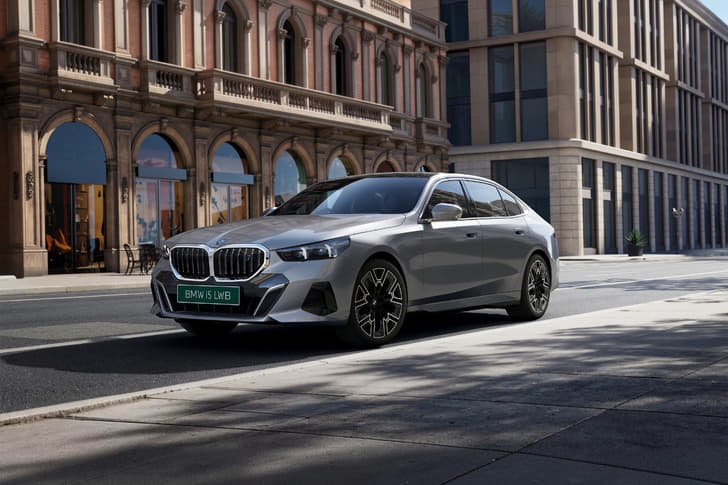
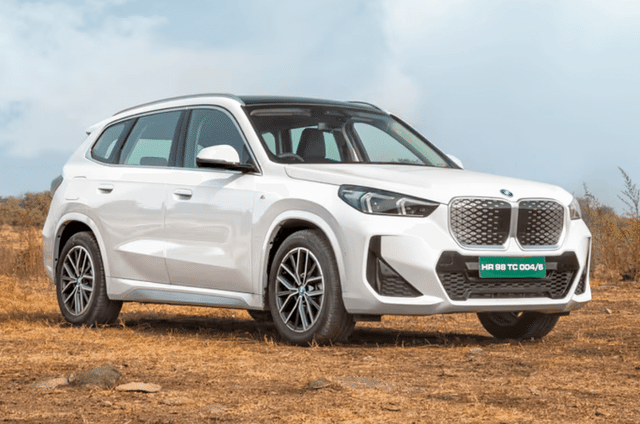
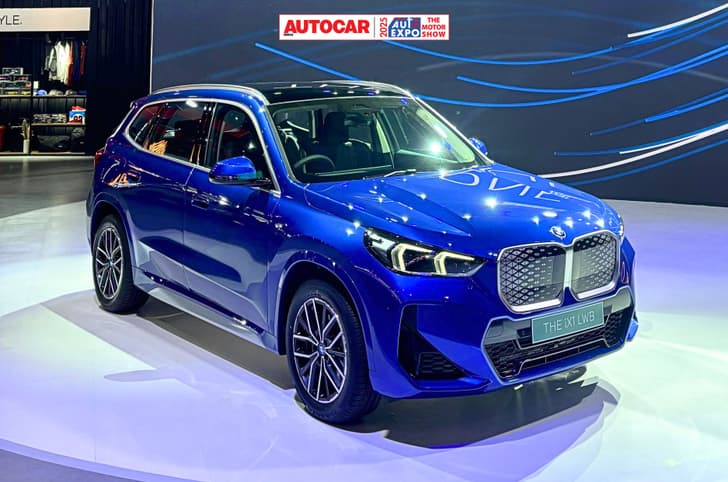
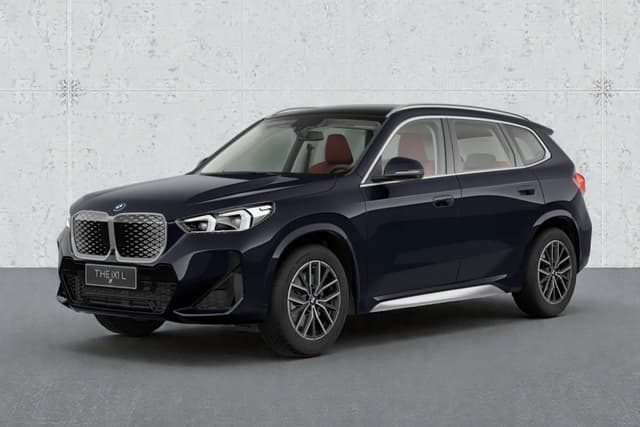
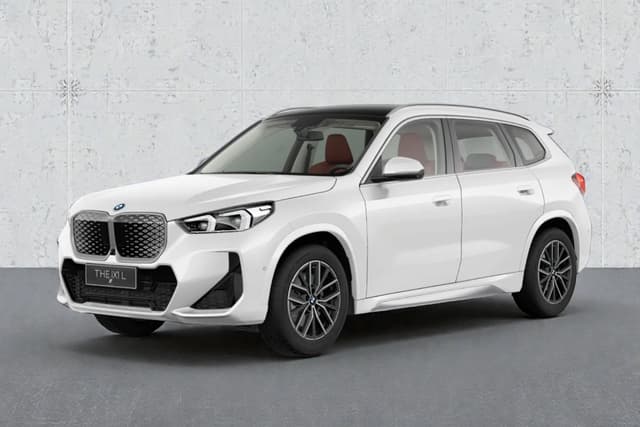
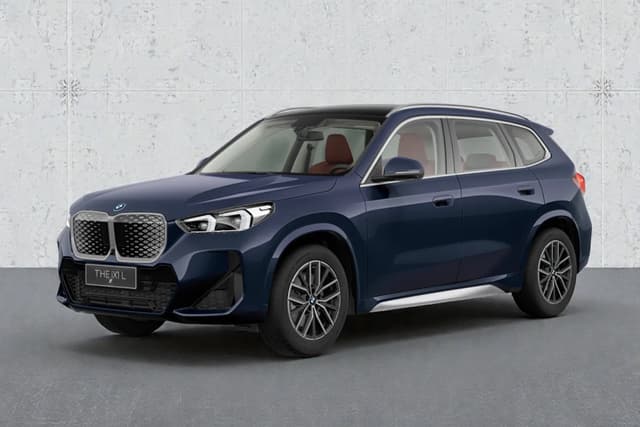
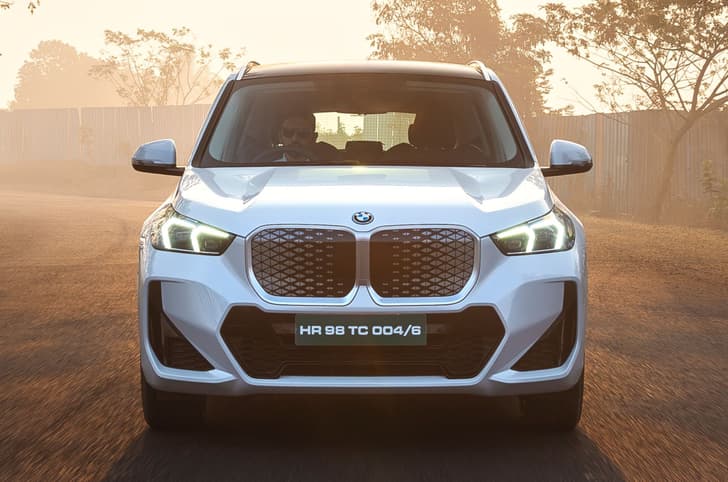
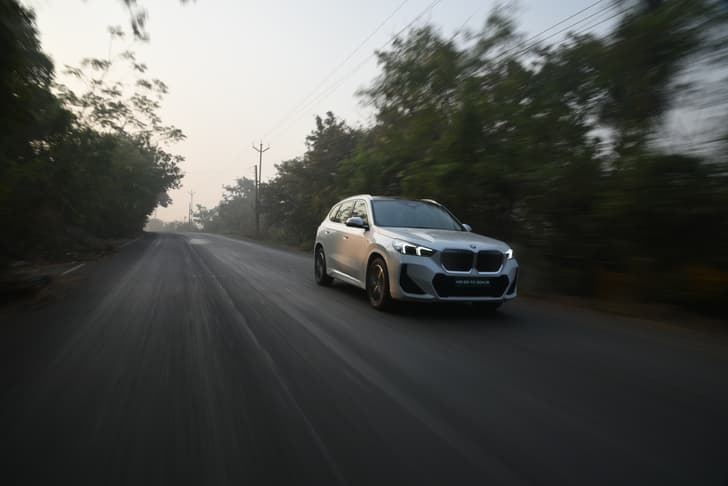
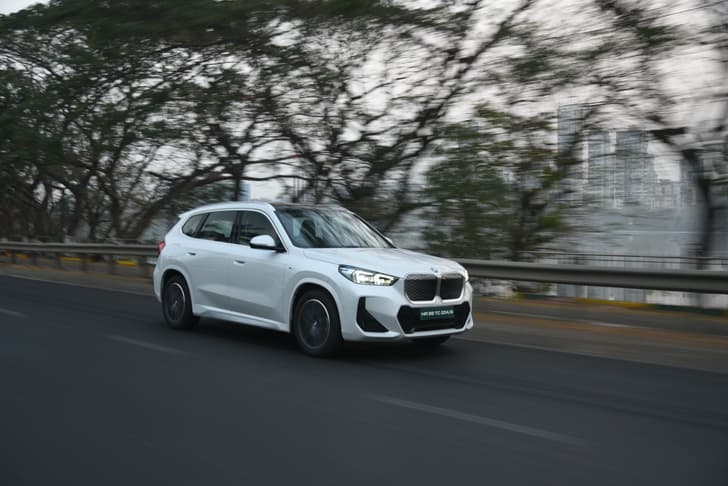
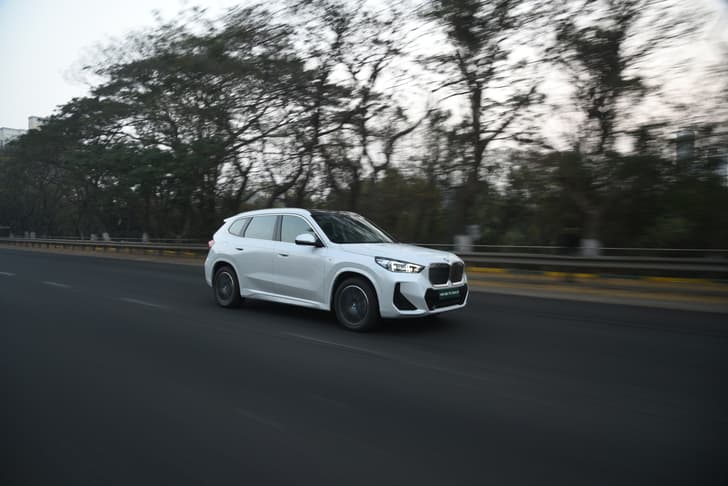
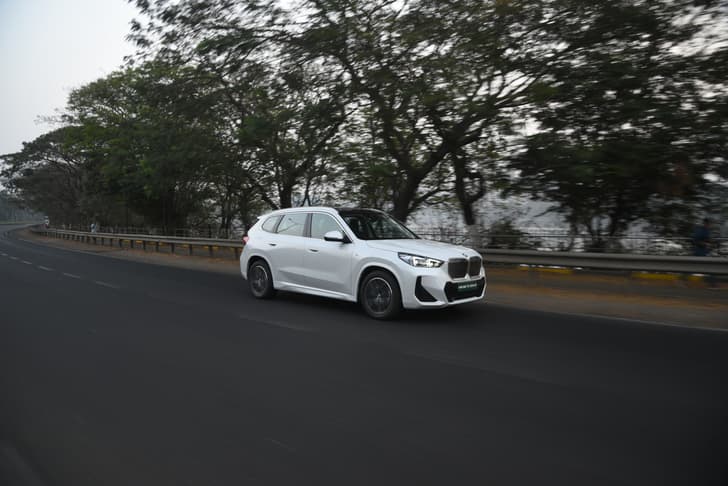
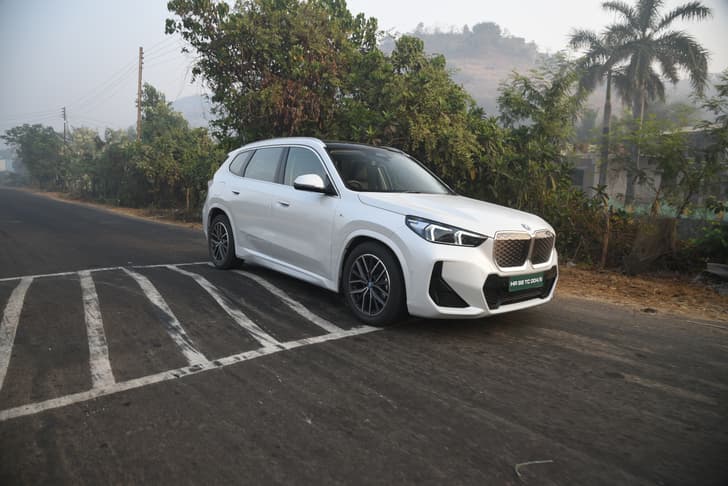
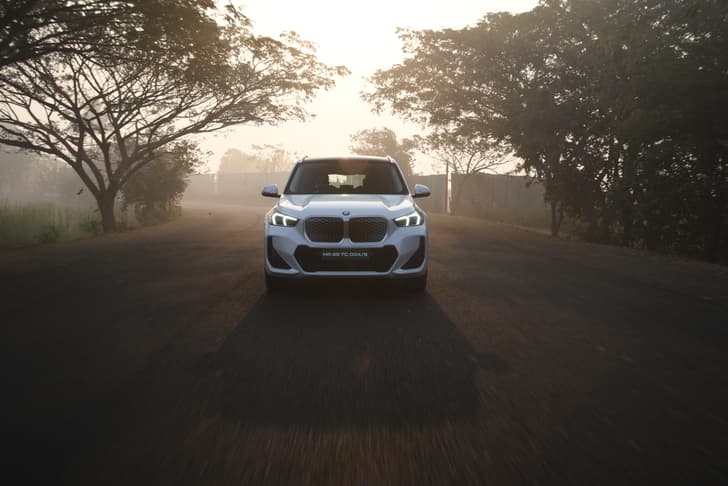
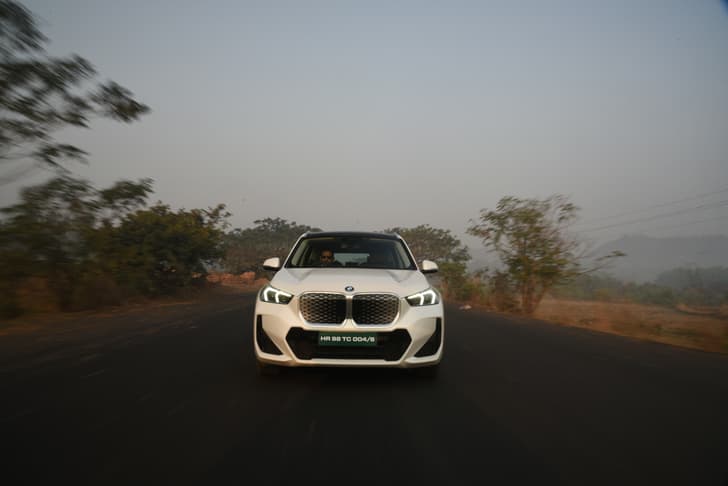
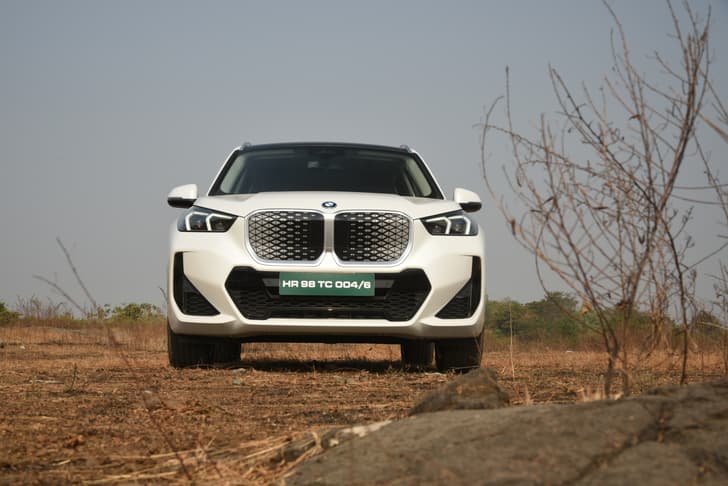
Check out BMW iX1 LWB images showcasing sporty front grille with BMW’s signature kidney design, sleek LED headlamps and tail lamps, aerodynamic alloy wheels, and a spacious, tech-forward cabin with curved display and panoramic glass roof.
BMW iX1 LWB videos
BMW iX1 LWB videos cover driving dynamics, electric performance, infotainment features, rear seating, and real-world charging and range tests.

BMW iX1 LWB Colours
BMW iX1 LWB colours include 4 options. The interiors typically feature soft touch materials with a focus on black, beige, and brown themes.
BMW iX1 LWB FAQs
The ex-showroom price for the single, fully-loaded eDrive20L variant is ₹51.40 lakh.
Yes, the iX1 LWB is a pure-electric SUV with a 66.4kWh battery and 531km range.
The LWB offers 116mm more length, and is specifically designed to offer better legroom for rear seat passengers, making it more comfortable for markets like India.
No, it features a front-wheel-drive setup only using a single motor producing 204hp.
The laden ground clearance is around 175mm.
Neither of the seats get ventilation and massage functions on the BMW iX1 LWB.
The BMW iX1 LWB offers 490 litres of boot space, expandable with the rear seats folded.
The iX1 LWB’s 66.4kWh battery pack offers both AC and DC charging support.
BMW’s 531km figure is certified; real-world figures may vary depending on usage.
No, the iX1 LWB is a front-wheel-drive (FWD) SUV.
It takes around 29 minutes (10–80 percent) using a DC fast charger and about 6.5 hours on an 11kW AC home charger.
The iX1 LWB has a 66.4kWh battery. At electricity rates of Rs 9 to 12 per unit, a full charge (0–100 percent) would cost approximately Rs 598 to Rs 797.
Questions you may find useful
krishna singhal
•3dHey everyone, I would like your advice on restructuring my three-car garage in anticipation of a significant increase in my monthly running. I am based in Bangalore, and my current line-up is as follows: Audi A6 (2020) | 35,000 km driven that is used primarily for highways and family outings. It’s a brilliant machine but honestly feels highly underutilized. Innova Crysta GX (2019) | 1.5L km driven: The ultimate workhorse. Runs 1,500 km monthly. Split between office commutes, airport runs, and big family trips. Hyundai Verna (2023) | 25k km driven: Primarily used as the daily home or city runabout. My confusion is that from next month, my personal running will jump significantly to 2,500 km per month. Doing this in Bangalore traffic (plus routine family weekend trips) means fuel costs and driving fatigue are going to skyrocket. I want to bring an EV or a solid Plug-in Hybrid (PHEV) , but I’m considering following: Option 1: Replace the Audi A6 with a Premium Luxury EV. Since the A6 is not being used much, I am planning to sell it and get a high-end luxury EV (like a BMW iX1, iX3, or BYD Seal/Sealion 7) to absorb the entire 2,500 km monthly grind and family outings. Option 2: Retire the workhorse Innova. It has done 1.5 lakh km and I could replace it and the Audi to go for a two-EV garage, or grab a premium electric 7-seater to take over its duties. Option 3: Hold onto the current garage and just add one. Keep all three and buy a new mid-to-premium electric SUV like Tata Harrier EV, Mahindra XEV 9e / XEV 9S, or wait for the upcoming BYD DM-i Plug-in Hybrids. With 2,500 km of monthly driving entirely in Bangalore and surrounding highways, what is the smartest financial and experiential move here? Sell the underutilized luxury sedan, upgrade the high-mileage workhorse, or just expand the garage? Would love to hear your thoughts, especially on real-world reliability, battery degradation at high mileage, and how the current crop of premium EVs handle Bangalore's notorious infrastructure

Autocar India
Since the Audi A6 is the most under utilised, it makes sense to sell it and get an EV instead. Among your choices, the BYD Sealion 7 2WD gets you the biggest battery, which should deliver a real-world range of around 450km. Your fuel spend and fatigue will drop sharply thanks to smooth one-pedal driving and strong regeneration in stop-go traffic. The Sealion 7’s SUV stance and ride, cope better with Bengaluru’s roads than a low-slung sedan, and fast chargers in the city are now easy to find, while a home wallbox will be your primary charger.Keep the Innova Crysta. At 1.5 lakh km, it is still the most stress-free way to haul six people and luggage. With the EV becoming your new primary, it wont rack up the kms as quickly, but its worth keeping around as an alternative for trips where you don't want to plan ahead for charging. The Verna can stay as the spare city tool.On reliability and batteries, BYD’s Blade LFP battery pack has a good record. BYD also offers a pretty long warranty and the option to extend to 8 years/250k kms. The only real trade-off with the BYD is its smaller dealer network and slightly higher road and wind noise at highway speeds. A BMW iX1 is nicer inside and carries the badge, but it's cabin is tighter, has a smaller boot, and you will pay more for less usable range. Alternatively, you can also consider the Hyundai Ioniq 5 - its 84kWh is the largest in the segment, its cabin is premium and it is very nice to drive. Hyundai's network is also larger than BYD's which helps.
Gaurav Goel
•3wI am planning to buy my first EV, but I am confused between the BMW iX1 and BYD Sealion 7. Can you suggest which car is better in terms of comfort and technology?

Autocar India
The BMW iX1 is a solid luxury EV and does exactly what you would expect from the brand. It offers a premium cabin, good rear seat space and a polished ownership experience. But as an EV package, it feels more conservative and less exciting than the BYD.The Sealion 7 feels like the more ambitious product. The cabin technology is richer, the battery pack is significantly larger, the range is stronger, and overall, it feels like a more modern and more complete EV. In terms of sheer EV sophistication, it has the edge.On comfort, it depends on what you value. The BMW has the softer, more traditional luxury car ride, especially at lower speeds. The BYD feels more spacious and more special inside, but the ride is firmer over sharper bumps.
PJ
•4wI am in a rather peculiar situation and genuinely need advice on how to move forward while keeping the right perspective. To give some background, I owned a used BMW 523i for four years and absolutely loved the experience. I eventually sold it because I moved back to Mumbai and only had access to open parking. By then, the car had also completed nearly 10 years in total. Over the last five and a half years, I have changed cars multiple times: Tata Nexon EV Prime (bought for ₹19 lakh, sold for ₹13 lakh) Upgraded to Nexon EV Max within 1.5 years (₹19.5 lakh, sold for ₹13.5 lakh) Upgraded again to MG ZS EV after 1.3 years (₹22 lakh, sold for ₹16 lakh) Finally bought a Skoda Kushaq top-end in September 2025 for ₹20.2 lakh through a good deal I do like the Kushaq, but now it feels slightly small after a new addition to the family (my baby), and my family also finds the rear seat less comfortable. At the same time, I still feel internally unsatisfied. It is not the badge value I miss, but rather the unmatched sense of satisfaction, thoughtful design, premium feel, and driving experience that I experienced with the BMW 523i and generally associate with luxury cars. I miss that feeling quite a lot. Luxury cars are beyond my ideal budget, but I could stretch financially with some sacrifices. I am seriously considering options like the BMW iX1 LWB, Mercedes-Benz CLA EV, or the Hyundai Ioniq 5 with the 84kWh battery. I feel I could manage the loan over seven years, and if I make this purchase, I would ideally want to keep the car for at least 10–15 years. At the same time, I worry about EV resale values in the long term, although luxury EVs seem to hold value slightly better than mainstream EVs. Given my situation, do you think moving into a premium EV makes practical and emotional sense, or should I hold on to the Kushaq for longer? I would really appreciate an honest perspective.

Autocar India
If you're looking to spend around Rs 53-57 lakh (on-road, Mumbai) for an EV, you have a lot of options - BYD Seal, BYD Sealion 7, Hyundai Ioniq 5, BMW iX1, Kia EV6, Mini Countryman, Mercedes CLA, Volvo C40 Recharge and Tesla Model Y.The BYD Sealion 7 is among the more affordable options here - it feels like a flagship product, with a richly appointed interior, and a solid, satisfying drive experience. The BMW iX1 gets its fundamentals right and will come closest to the BMW 523i's experience, as far as interior quality, sound insulation, and refinement go, although performance isn't its strong suit. For strong performance, a laundry list of features, and a larger and more spacious interior, consider the Kia EV6. Sure, on paper it is much more expensive; however, Kia dealers are offering mouth-watering discounts. Also, the AWD version's price is lower than the recently launched RWD Hyundai Ioniq 5.As far as resale value goes, EVs across the board don't hold strong residual values compared to their ICE counterparts, irrespective of the badge they wear or the segment they belong.
T Tejas
•5wHi, I'm planning to buy my first luxury car, preferably an SUV. We are a family of 4 adults and 1 child. My daily run is approx 30 kms, mainly within the city and then occasionally, once a month, a highway run. Total monthly running is around 1000 kms. My budget is between 50-60 lacs. I'm currently confused between BMW iX1 LWB, BYD sealion, Toyota Fortuner and newly launched Tesla model Y L (least likely due to concerns of resale value of Tesla 5 years down the line and uncertainty regarding import duties). I can also consider waiting for the upcoming BMW iX3 and Mercedes GLC EV. Will it be worth the wait of almost another 10-12 months, yes I'm aware of the fact that I'll have to stretch my budget a little bit for these two. Kindly advise. Thanks a lot

Autocar India
The BMW iX1 LWB is the strongest value-for-money package here, priced at Rs. 53-54 lakh. It gives you a solid luxury badge, a spacious and practical cabin, good tech and features, and an enjoyable driving experience at a very competitive price for what it offers.The BYD Sealion 7 also delivers a very premium experience and, if anything, feels a touch more luxurious inside than the iX1, with strong performance and range. However, it still cannot match BMW for badge pull, dealer reach and long-term service ecosystem, which matters for a first luxury purchase.We actually quite like the Tesla Model Y L: it’s very aggressively priced for a three-row imported EV, gives you all-wheel drive, excellent range and that useful third row where your child can sit comfortably and safely. Your concern about resale is valid, but most EVs take a bigger depreciation hit anyway, and because the Model Y L is priced keenly for a CBU, the percentage drop in value may not be disproportionately worse than rivals if demand holds up. Also, there is unlikely to be any import duty reduction that may impact the resale value in the near future since the Model Y is made in China. The upcoming BMW iX3 and Mercedes GLC EV will likely feel the most premium and high-tech of all, with plenty of wow factor, especially in their cabins and brand perception. They will definitely be more expensive and, realistically, you’re looking at at least another 6-10 months before they’re easily available, so you have to weigh that wait and budget stretch against how soon you want to start enjoying the car.
Ashish
•17wI want to buy a premium 5- or 7-seater, and my budget is around 50 lakhs. I am open to both EVs and ICE vehicles. Though I have thoroughly considered the BYD Sealion 7 as one of the best picks, I would love to know what other premium cars I could get at this price.

Autocar India
There are quite a few types of vehicles available within your budget, and it comes down to what you specifically want and like in your new car. SUVs like the BMW X1 and the iX1, or a three-row version like the Volkswagen Tayron.You can also look at a sedan like the Toyota Camry, which is comfortable inside and offers a strong hybrid powertrain. However, if you are liking the BYD Sealion 7, we would say go ahead with it as it offers a very differentiated appeal with a modern, tech laden interior that's high on quality. The electric powertrain calibration is also very good, and it offers a smooth, strong and progressive drive experience.
Sudarshan Baishya
•19wPlease suggest a luxury electric car within a budget of Rs 1 crore.

Autocar India
There are currently no electric options available at the Rs 1 crore on-road price point. In fact, there's a wide gap between Rs 70 lakh and Rs 1.2 crore. However, the gap will be filled over the next 18-20 months with new models such as the Audi Q6 E-tron, Mercedes GLC EV and BMW iX3. At present, the BMW iX1 LWB and Tesla Model Y are the best electric cars under Rs 70 lakh. The iX1 stands out in space and is actually a great value. The Tesla car, on the other hand, makes an impression by being very different from other EVs in terms of design, interior, and technology.Around the Rs 1.2 crore mark, the BMW iX is the best EV out there. A facelift is due in a few months, so you could push for big discounts on the outgoing model.
Ankit Jain
•25wMy daily drive is around 25-30 km in Gurgaon. I'm looking to buy a luxury car in the 40-60 lakh budget. I've shortlisted the BMW iX1 as it offers great value with Delhi registration and low maintenance, and running costs. Are there any other options I should consider, or any other downsides of iX1 that I should be aware of? I do understand that the resale value of electric cars is a bit uncertain.

Autocar India
You are on the right track in considering the BMW iX1, which we honestly think you should not think twice about and buy. The iX1 is an exceptional value offering excellent space, especially at the rear, good features and a premium feel. It is very enjoyable to drive too, and the decent range it gives means you won’t have to charge it too frequently if your usage is in the city.We assume you have the possibility of installing a home charger because that is a must to ensure a worry-free ownership experience. Yes, the resale value of EVs is bad, but we feel that is compensated for by the easy driving experience an electric car gives.
Neelabh
•29wI’m already a BMW fan and have a 520d and an X1 in my garage. I was planning to buy the BMW iX LWB, but a friend mentioned an upcoming BMW iX3 on a completely new EV platform. Since I want an EV this time, do you know when the iX3 might launch in India? Would it be worth waiting for it instead of buying the iX LWB now?

Autocar India
As your friend has rightly guided you, the BMW iX3 is an all-new electric vehicle from the brand's new Neue Klasse line. It's built on a new 800V EV architecture and also debuts a new look and interior layout for BMW. Highlights inside include a 17.9-inch touchscreen and a full-width display under the windscreen that doubles as the instrument cluster. However, the BMW iX3 will only come to India in early 2027. It is understood that the iX3 for India will be a long-wheelbase model. Also note, the iX3 is essentially larger than the iX1 LWB and will correspondingly be pricier. We expect a price in the region of Rs 80-90 lakh (estimated, ex-showroom) when the model goes on sale.