Ioniq 5 vs EV6: Which to Choose

Last Updated on: 17 Oct 2026
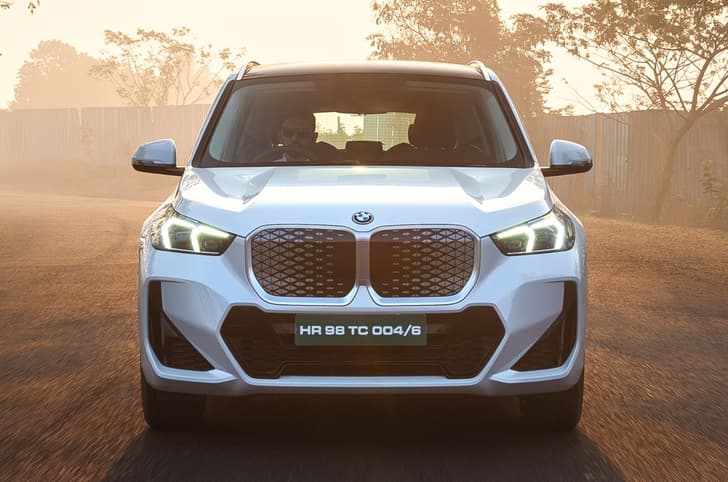
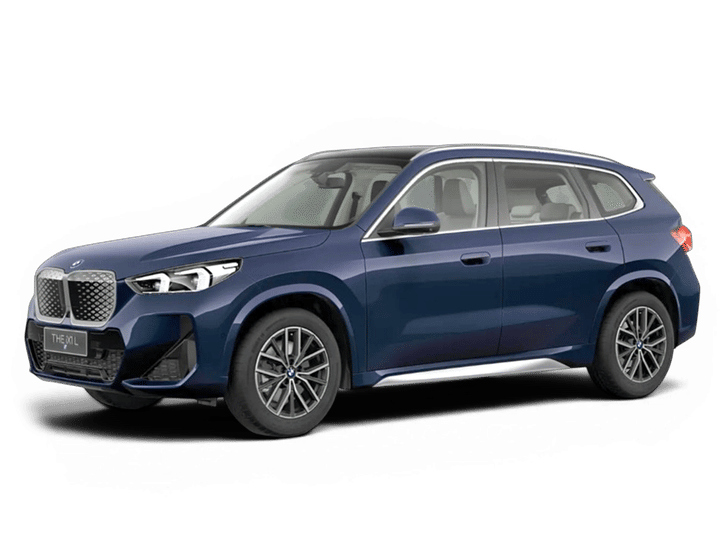
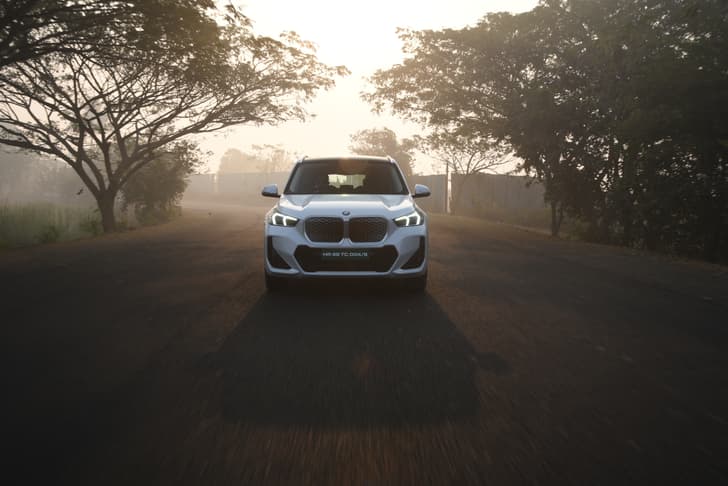
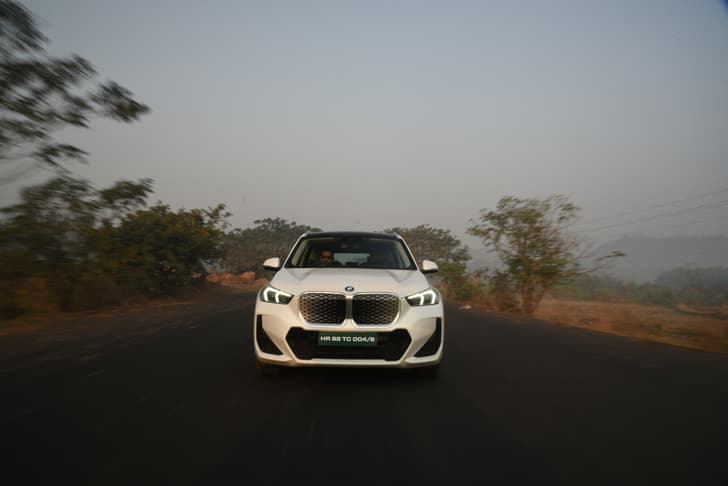
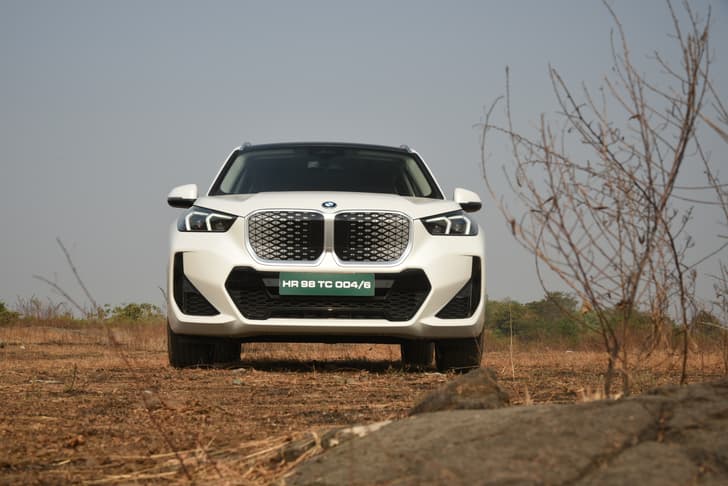
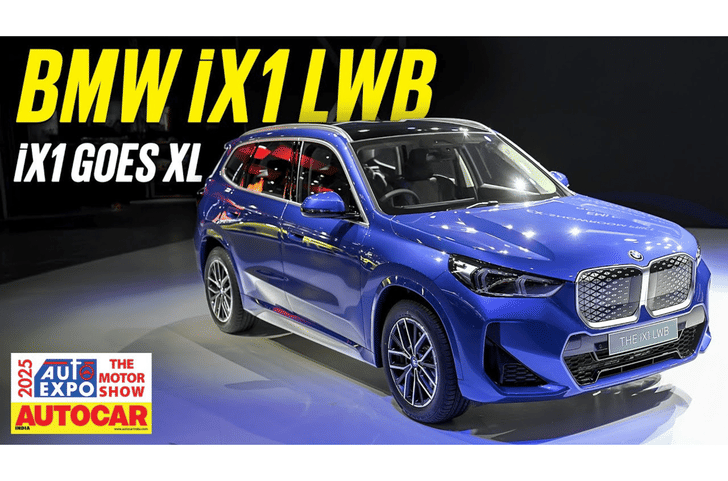
The BMW iX1 LWB in India comes in just one variant – eDrive 20L M Sport – priced at Rs 49 lakh (ex-showroom). BMW India also offers subscription-based features for its electric SUV.
BMW iX1 LWB Official Brochure
Download the complete brochure with specs, features, and variants.
Hear from the
Join the Discussions

Hey everyone, I would like your advice on restructuring my three-car garage in anticipation of a significant increase in my monthly running. I am based in Bangalore, and my current line-up is as follows: Audi A6 (2020) | 35,000 km driven that is used primarily for highways and family outings. It’s a brilliant machine but honestly feels highly underutilized. Innova Crysta GX (2019) | 1.5L km driven: The ultimate workhorse. Runs 1,500 km monthly. Split between office commutes, airport runs, and big family trips. Hyundai Verna (2023) | 25k km driven: Primarily used as the daily home or city runabout. My confusion is that from next month, my personal running will jump significantly to 2,500 km per month. Doing this in Bangalore traffic (plus routine family weekend trips) means fuel costs and driving fatigue are going to skyrocket. I want to bring an EV or a solid Plug-in Hybrid (PHEV) , but I’m considering following: Option 1: Replace the Audi A6 with a Premium Luxury EV. Since the A6 is not being used much, I am planning to sell it and get a high-end luxury EV (like a BMW iX1, iX3, or BYD Seal/Sealion 7) to absorb the entire 2,500 km monthly grind and family outings. Option 2: Retire the workhorse Innova. It has done 1.5 lakh km and I could replace it and the Audi to go for a two-EV garage, or grab a premium electric 7-seater to take over its duties. Option 3: Hold onto the current garage and just add one. Keep all three and buy a new mid-to-premium electric SUV like Tata Harrier EV, Mahindra XEV 9e / XEV 9S, or wait for the upcoming BYD DM-i Plug-in Hybrids. With 2,500 km of monthly driving entirely in Bangalore and surrounding highways, what is the smartest financial and experiential move here? Sell the underutilized luxury sedan, upgrade the high-mileage workhorse, or just expand the garage? Would love to hear your thoughts, especially on real-world reliability, battery degradation at high mileage, and how the current crop of premium EVs handle Bangalore's notorious infrastructure
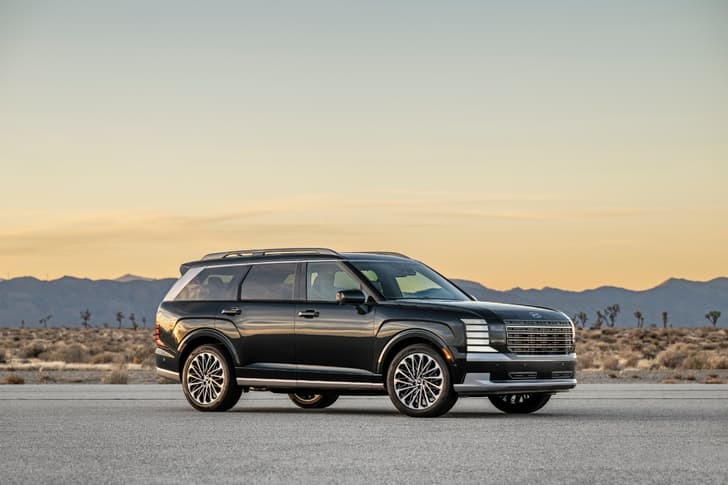
Since the Audi A6 is the most under utilised, it makes sense to sell this Audi car and get an EV instead. Among your choices, the BYD Sealion 7 2WD gets you the biggest battery, which should deliver a real-world range of around 450km. Your fuel spend and fatigue will drop sharply thanks to smooth one-pedal driving and strong regeneration in stop-go traffic. The BYD car's stance and ride cope better with Bengaluru’s roads than a low-slung sedan, and fast chargers in the city are now easy to find, while a home wallbox will be your primary charger.Keep the Innova Crysta. At 1.5 lakh km, it is still the most stress-free way to haul six people and luggage. With the EV becoming your new primary, it won't rack up the kms as quickly, but it's worth keeping around as an alternative for trips where you don't want to plan ahead for charging. The Verna can stay as the spare city tool.On reliability and batteries, BYD’s Blade LFP battery pack has a good record. BYD also offers a pretty long warranty and the option to extend to 8 years/250k kms. The only real trade-off with the BYD is its smaller dealer network and slightly higher road and wind noise at highway speeds. A BMW iX1 is nicer inside and carries the badge, but its cabin is tighter, has a smaller boot, and you will pay more for less usable range. Alternatively, you can also consider the Hyundai Ioniq 5 - its 84kWh is the largest in the segment, its cabin is premium, and it is very nice to drive. Hyundai's network is also larger than BYD's, which helps.
Hi, I'm planning to buy my first luxury car, preferably an SUV. We are a family of 4 adults and 1 child. My daily run is approx 30 kms, mainly within the city and then occasionally, once a month, a highway run. Total monthly running is around 1000 kms. My budget is between 50-60 lacs. I'm currently confused between BMW iX1 LWB, BYD sealion, Toyota Fortuner and newly launched Tesla model Y L (least likely due to concerns of resale value of Tesla 5 years down the line and uncertainty regarding import duties). I can also consider waiting for the upcoming BMW iX3 and Mercedes GLC EV. Will it be worth the wait of almost another 10-12 months, yes I'm aware of the fact that I'll have to stretch my budget a little bit for these two. Kindly advise. Thanks a lot
The BMW iX1 LWB is the strongest value-for-money package here, priced at Rs. 53-54 lakh. It gives you a solid luxury badge, a spacious and practical cabin, good tech and features, and an enjoyable driving experience at a very competitive price for what this BMW car offers.The BYD Sealion 7 also delivers a very premium experience and, if anything, feels a touch more luxurious inside than the iX1, with strong performance and range. However, the BYD car still cannot match BMW for badge pull, dealer reach and long-term service ecosystem, which matters for a first luxury purchase.We actually quite like the Tesla Model Y L: it’s very aggressively priced for a three-row imported EV, gives you all-wheel drive, excellent range and that useful third row where your child can sit comfortably and safely. Your concern about resale is valid, but most EVs take a bigger depreciation hit anyway, and because the Model Y L is priced keenly for a CBU, the percentage drop in value may not be disproportionately worse than rivals if demand holds up. Also, there is unlikely to be any import duty reduction that may impact the resale value of the Tesla car in the near future since the Model Y is made in China. The upcoming BMW iX3 and Mercedes GLC EV will likely feel the most premium and high-tech of all, with plenty of wow factor, especially in their cabins and brand perception. They will definitely be more expensive and, realistically, you’re looking at at least another 6-10 months before they’re easily available, so you have to weigh that wait and budget stretch against how soon you want to start enjoying the car.
I am in a rather peculiar situation and genuinely need advice on how to move forward while keeping the right perspective. To give some background, I owned a used BMW 523i for four years and absolutely loved the experience. I eventually sold it because I moved back to Mumbai and only had access to open parking. By then, the car had also completed nearly 10 years in total. Over the last five and a half years, I have changed cars multiple times: Tata Nexon EV Prime (bought for ₹19 lakh, sold for ₹13 lakh) Upgraded to Nexon EV Max within 1.5 years (₹19.5 lakh, sold for ₹13.5 lakh) Upgraded again to MG ZS EV after 1.3 years (₹22 lakh, sold for ₹16 lakh) Finally bought a Skoda Kushaq top-end in September 2025 for ₹20.2 lakh through a good deal I do like the Kushaq, but now it feels slightly small after a new addition to the family (my baby), and my family also finds the rear seat less comfortable. At the same time, I still feel internally unsatisfied. It is not the badge value I miss, but rather the unmatched sense of satisfaction, thoughtful design, premium feel, and driving experience that I experienced with the BMW 523i and generally associate with luxury cars. I miss that feeling quite a lot. Luxury cars are beyond my ideal budget, but I could stretch financially with some sacrifices. I am seriously considering options like the BMW iX1 LWB, Mercedes-Benz CLA EV, or the Hyundai Ioniq 5 with the 84kWh battery. I feel I could manage the loan over seven years, and if I make this purchase, I would ideally want to keep the car for at least 10–15 years. At the same time, I worry about EV resale values in the long term, although luxury EVs seem to hold value slightly better than mainstream EVs. Given my situation, do you think moving into a premium EV makes practical and emotional sense, or should I hold on to the Kushaq for longer? I would really appreciate an honest perspective.
If you're looking to spend around Rs 53-57 lakh (on-road, Mumbai) for an EV, you have a lot of options - BYD Seal, BYD Sealion 7, Hyundai Ioniq 5, BMW iX1, Kia EV6, Mini Countryman, Mercedes CLA, Volvo C40 Recharge and Tesla Model Y.The BYD Sealion 7 is among the more affordable options here - it feels like a flagship product, with a richly appointed interior, and a solid, satisfying drive experience. The BMW iX1 gets its fundamentals right and will come closest to the BMW 523i's experience, as far as interior quality, sound insulation, and refinement go, although performance isn't its strong suit. For strong performance, a laundry list of features, and a larger and more spacious interior, consider the Kia EV6. Sure, on paper it is much more expensive; however, Kia dealers are offering mouth-watering discounts. Also, the AWD version's price is lower than the recently launched RWD Hyundai Ioniq 5.As far as resale value goes, EVs across the board don't hold strong residual values compared to their ICE counterparts, irrespective of the badge they wear or the segment they belong.
Hello guys, I’m a 30 year old working professional and am looking to buy an EV mainly for city commute and occasional highway driving (20%). I appreciate build and ride quality, refinement and reliability. The EVs that I’m mainly looking at are the Ioniq 5, Kia EV6, BYD Sealion 7 and BMW iX1. Which do you think will be the right fit for my use case? I’m actually leaning towards the Korean cars and am not willing to spend for the iX1 just for its badge value. Thank you for the answer in advance. You guys are a great source of reliable and measured Automative content in this country. Really appreciate it!
The Kia EV6 is the most driver-focused option from the list with a sportier character and sharper handling, but it comes at a premium which might not make it justify the stretch. However, Kia dealers are offering significant discounts which could bring its price at par with the others, and only then is it a compelling buy.After its recent update, the new Hyundai Ioniq 5 no longer feels value for money, but it remains a comfortable, feature-loaded and practical option, now with more range and better DC fast charging capability. Hyundai’s service network and ownership experience are also strong, which matters for long-term peace of mind.The BYD Sealion 7 feels like a flagship offering, with a luxurious interior and a laundry list of features. Surprisingly, the two-wheel drive version is the most value-for-money option here, which makes it very compelling. However, it doesn't drive as well as the BMW, nor is its after-sales support as widespread as the others. The BMW iX1 is a fundamentally sorted car, and is relatively more compact for city usage. Its ride-handling balance are excellent and it also comes with the snob value of the BMW badge. As a 30-year old, the iX1 will speak of your success and achievements like no other. But it lacks several features, hence it might not seem value for money.In summary, get the Kia EV6 for the best drive experience provided you get a substantial discount that brings its price close to others. But if you're looking for the best bang for your buck, opt for the rear-wheel drive BYD Sealion 7.
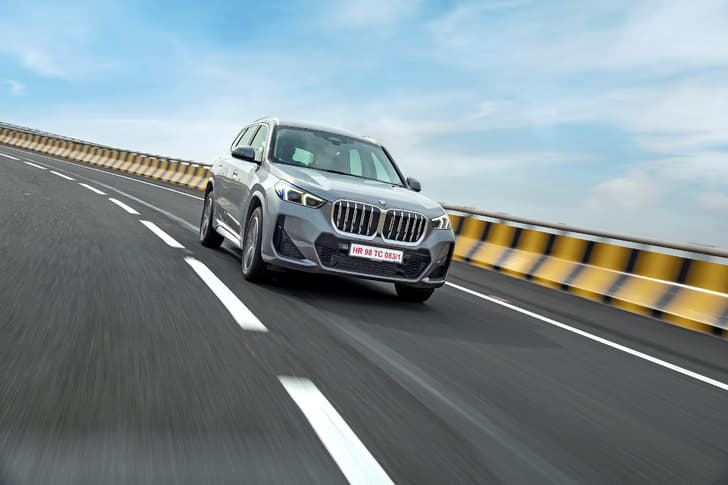
Should I go for BMW IX1 LWB or BMW X1 LWB?
Go for the BMW IX1 if you're looking for zippy yet seamless performance as well as low running costs. If you can arrange for home charging, the IX1 is certainly the better option. Pick the X1 LWB only if home charging isn't an option or if you frequently do over 500km road trips and don't want to plan for charging stops along the way.
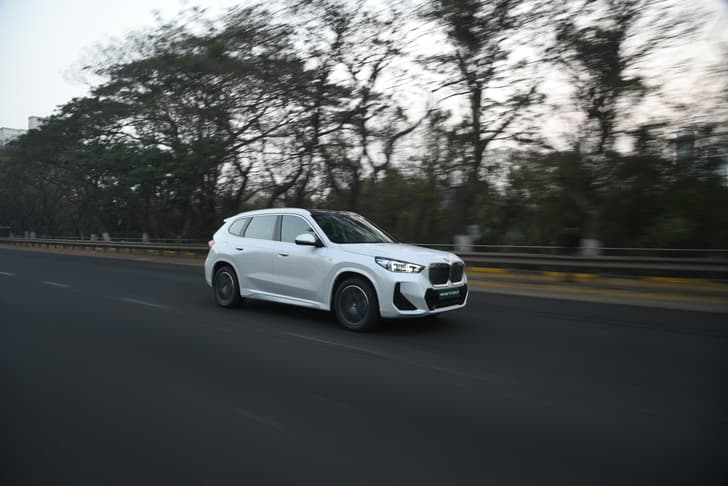
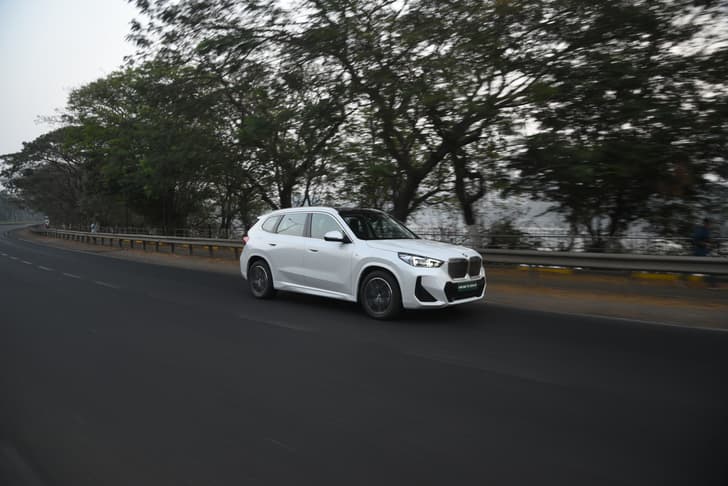
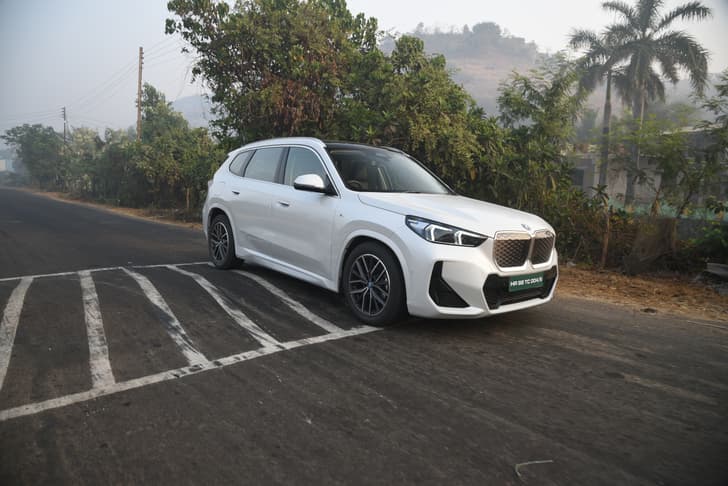
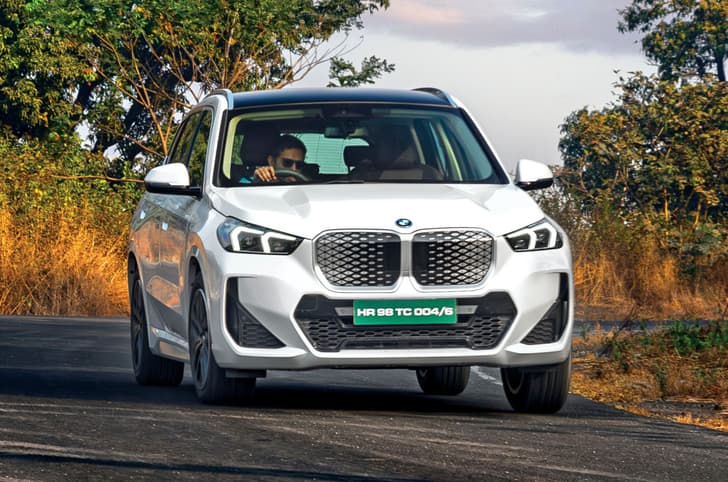
India gets the BMW iX1 LWB in a single eDrive 20L variant with M Sport styling.
Neither of the seats get ventilation and massage functions on the BMW iX1 LWB.