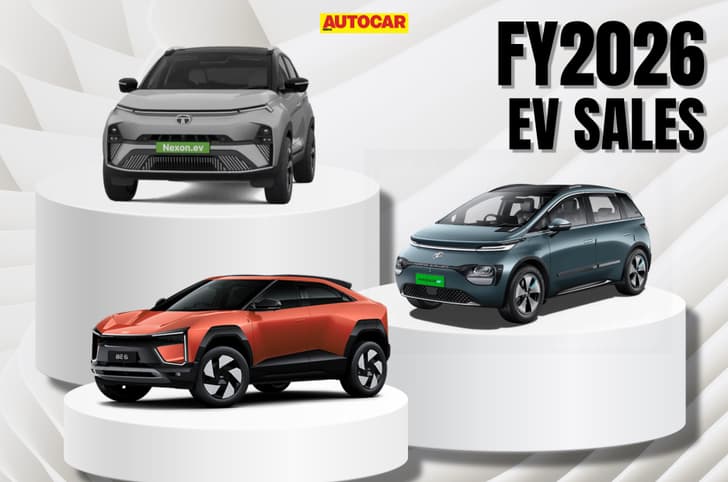
In FY2026 (April 2025-March 2026), India’s passenger EV market soared a whopping 83.63 percent year on year (YoY), with retail registrations totalling 1,99,923 units. Additionally, the overwhelming majority of mass-market EV sellers experienced a healthy increase in sales volumes, especially Mahindra and Kia, whose sales rose manifold over FY2025.
- Tata has the highest EV share in FY2026 PV sales
- Mahindra’s FY2026 EV sales rose 5 times YoY, Kia’s surged nearly 9 times
- Maruti Suzuki sold 1,416 e Vitara cars in less than two months
FY2026 mass-market EV sales chart
1. Tata Motors: 78,811 units
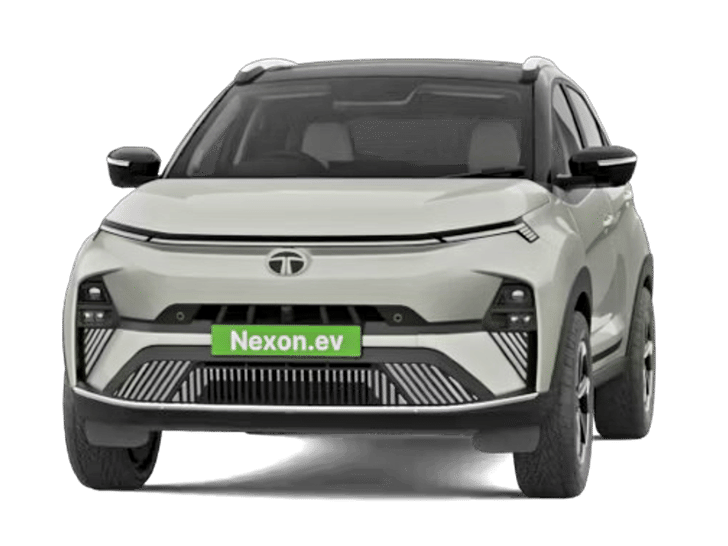
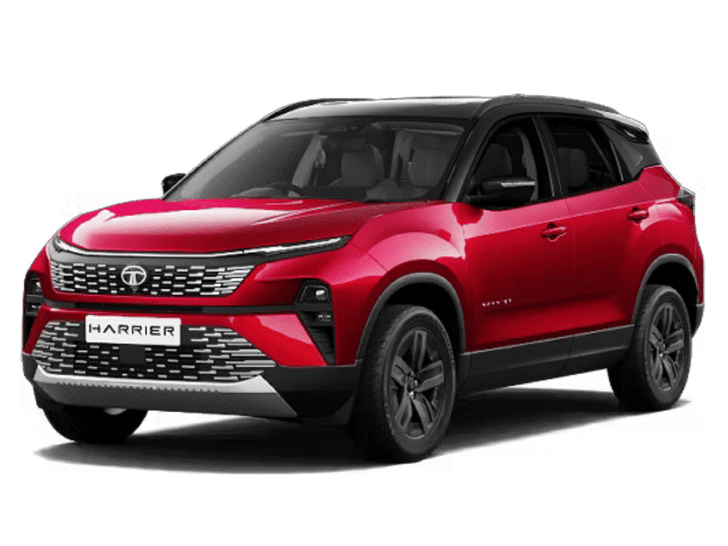
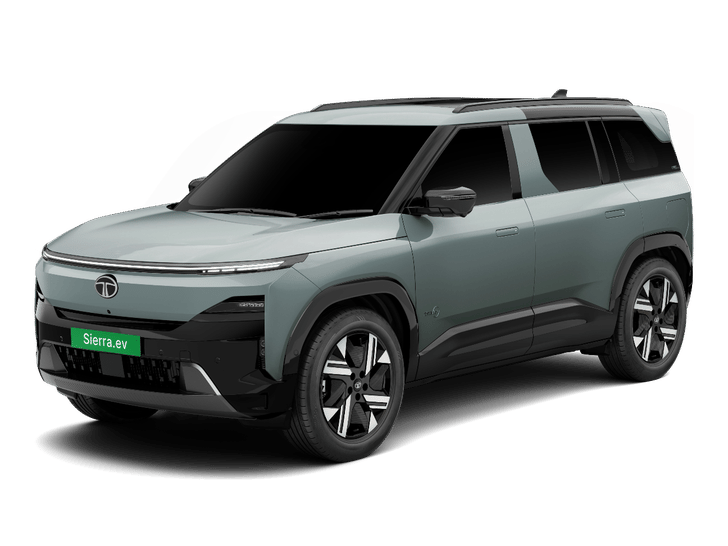
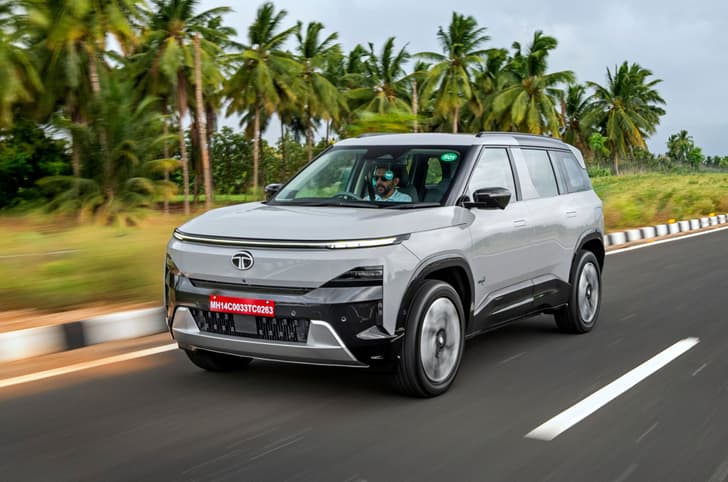
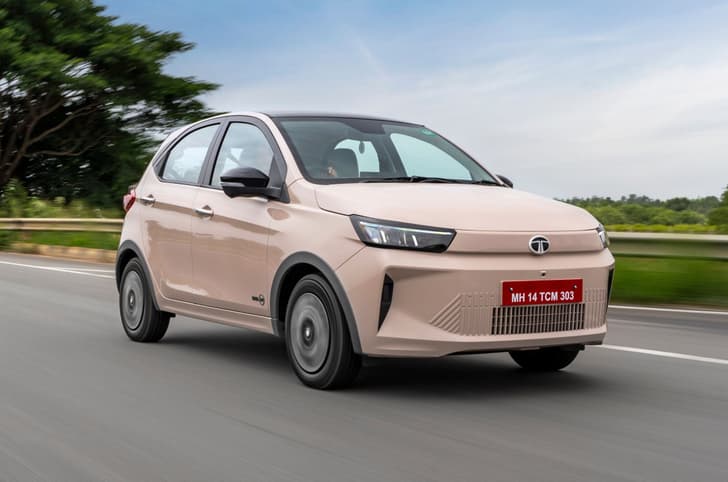
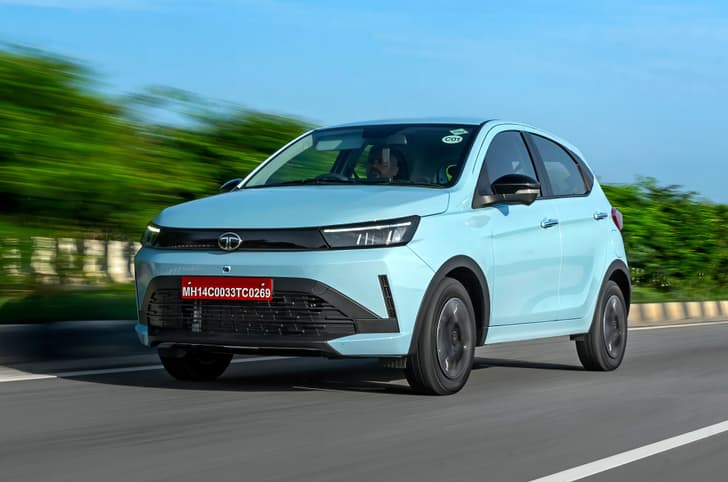
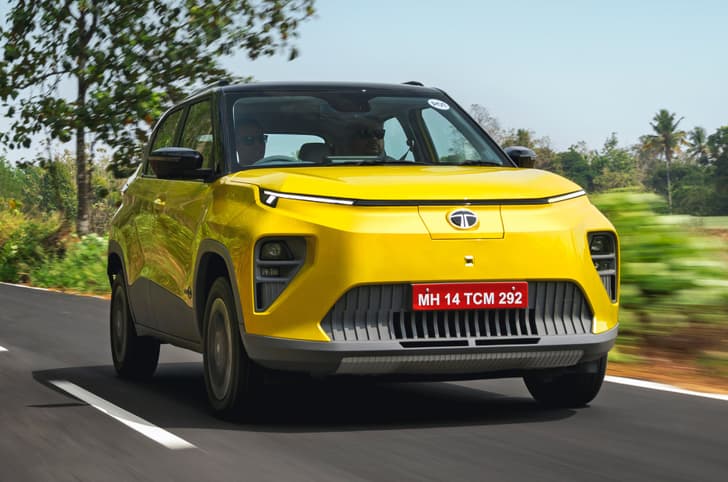
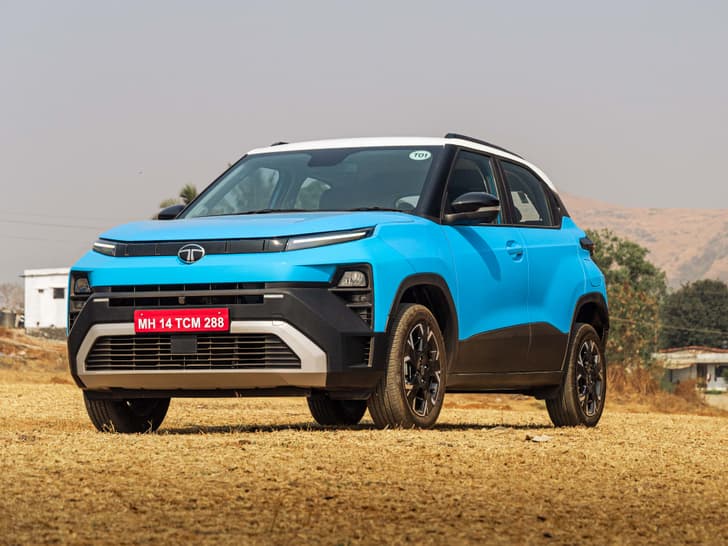
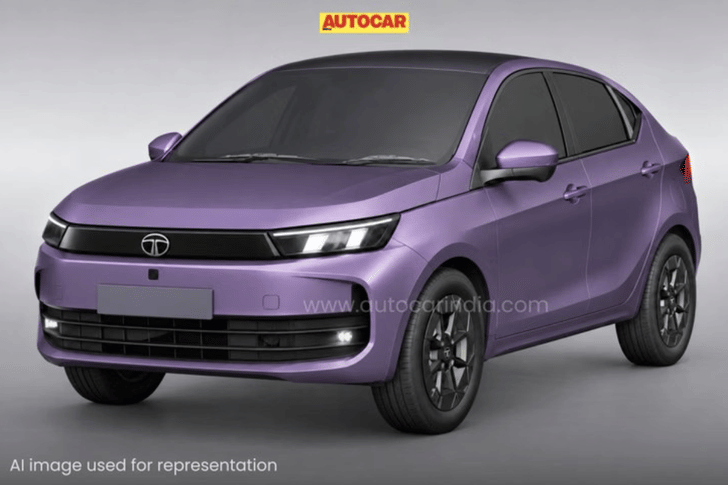
Holding on to pole position is Tata Motors, which sold 78,811 EVs in FY2026 – up nearly 36 percent YoY – buoyed by strong demand for models like the Nexon EV, Punch EV and Harrier EV. EVs comprised around 12 percent of Tata’s total FY2026 passenger vehicle sales (almost 6.42 lakh units), which is much higher than the industry average. Tata is set to add two more EVs to its line-up in 2026, namely the Sierra EV and Safari EV.
2. JSW MG Motor India: 53,089 units
Like last year, JSW MG Motor India retained second position on the sales charts, this time with 53,089 units, representing a nearly 74 percent YoY surge. The Windsor EV remains a key growth driver for MG, while the Cyberster and M9 represent the brand on the premium end of the market. This year, MG is set to expand its EV portfolio with the iM6 premium SUV.
3. Mahindra: 42,721 units
Thanks to the introduction of the BE 6, XEV 9e and XEV 9S, Mahindra recorded one of the fastest growths among all EV sellers in FY2026. Compared to FY2025, Mahindra’s FY2026 EV sales were over five times higher at 42,721 units. EVs comprised 6.4 percent of Mahindra’s total FY2026 passenger vehicle sales, which stood at 6.6 lakh units. This is likely down to Mahindra not offering any EVs in the sub-Rs 10 lakh region yet, as well as continually strong demand for the carmaker’s ICE-powered models.
4. Hyundai: 5,885 units
Hyundai more than doubled its EV sales YoY in FY2026, overtaking BYD to claim fourth place on the chart. This performance was no doubt led by the Creta Electric, which went on sale in January 2025. For 2026, Hyundai does not seem to have any new EV launches lined up so far. However, 2027 will see the arrival of a new made-in-India compact EV from Hyundai, as well as a facelift for the Creta Electric.
5. BYD: 5,361 units
BYD’s sales increased 54 percent YoY, which is rather impressive given that the Chinese EV maker operates in the Rs 25 lakh-55 lakh price band. Launched in February 2025, the Sealion 7 SUV, in particular, resonated well with customers. Last month, BYD announced that the Sealion 7 has exceeded 2,500 units sold since launch, so the SUV likely accounts for a substantial chunk of the EV maker’s volumes.
6. Kia: 3,738 units
FY2026 saw the arrival of Kia’s first mass-market electric offering, the Carens Clavis EV, as well as the facelifted EV6. The Carens Clavis EV significantly boosted Kia’s EV sales in FY2026 – almost 9 times YoY, making for the highest increase of any EV seller in the Indian market. Kia also shot up from dead last to sixth place on the FY2026 sales charts. As for new EV launches from Kia, the Syros EV is expected to go on sale in 2026.
7. Vinfast: 2,390 units
Given that Vinfast commenced sales in September 2025 – halfway through the fiscal year – the Vietnamese EV maker put up a respectable performance on the charts. Vinfast has two models on sale at the moment, namely the VF6 and VF7, and the VF MPV 7 is set to join the line-up soon.
8. Maruti Suzuki: 1,416 units
Following a prolonged delay, Maruti Suzuki finally brought its debut EV, the e Vitara, to the Indian market in February 2026. In the month and a half or so that the e Vitara has been on sale, the electric midsize SUV sold 1,416 units – netting Maruti Suzuki eighth place on the FY2026 sales chart. Looking ahead, Maruti Suzuki will launch an electric MPV codenamed the YMC in India this year.
9. Citroen: 576 units
The only mass-market EV seller to have recorded declining YoY sales in FY2026 is Citroen, which sells only one electric model: the eC3. In FY2026, Citroen sold over 71 percent fewer units of the eC3 than it did the previous fiscal year. This is likely down to the eC3’s middling equipment levels for its price and the fact that it still hasn’t been updated with more features like other Citroen models were in 2025.


 Autocar India News Desk
 Dhruv Dhaka
 Uday Singh