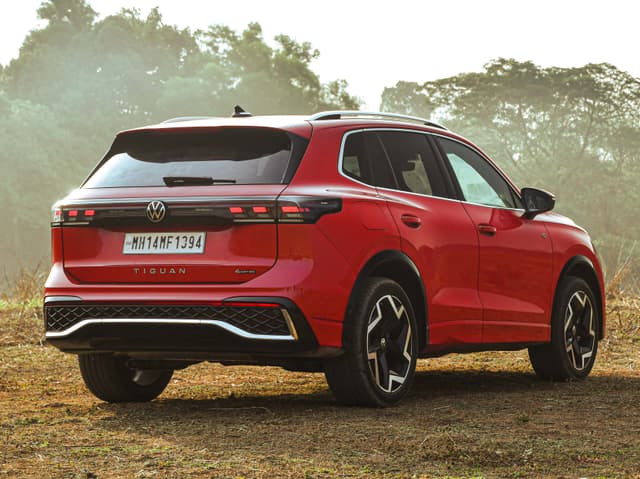
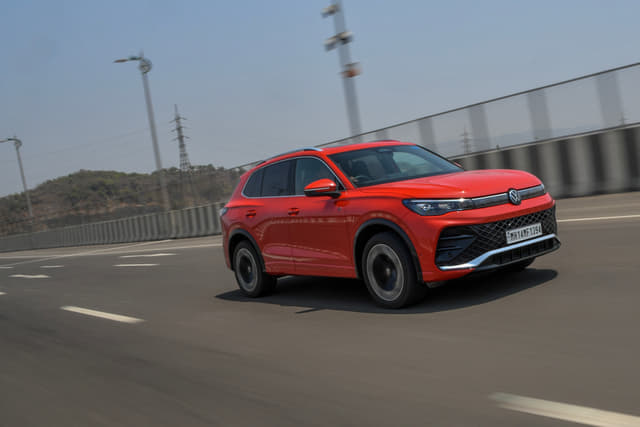
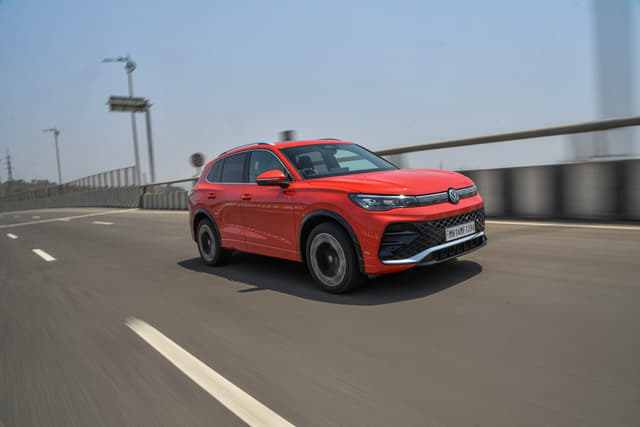
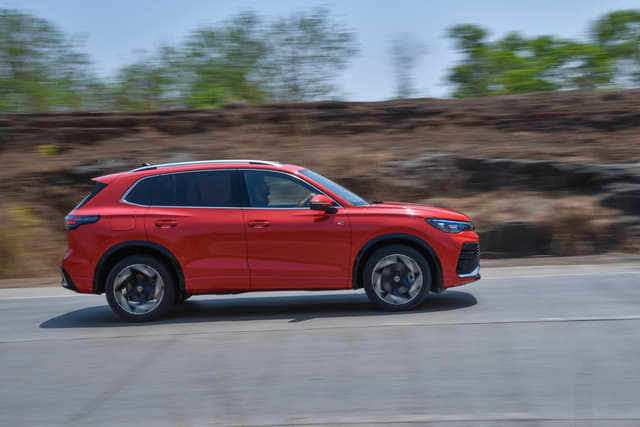
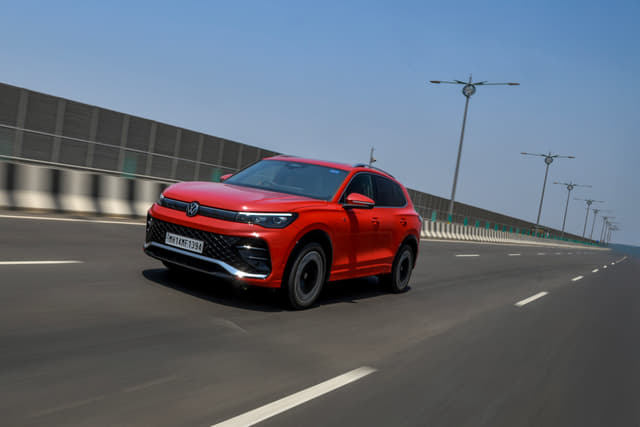
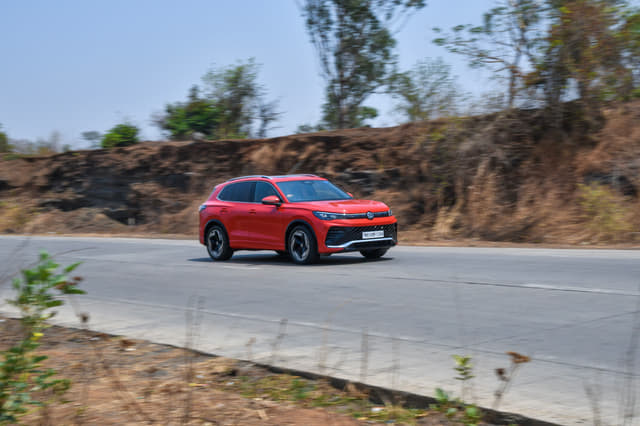
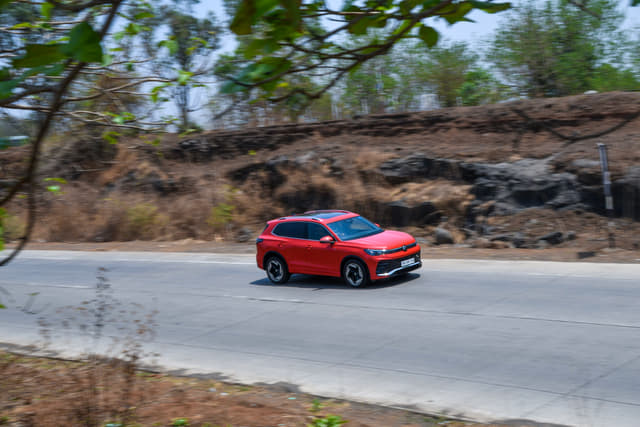
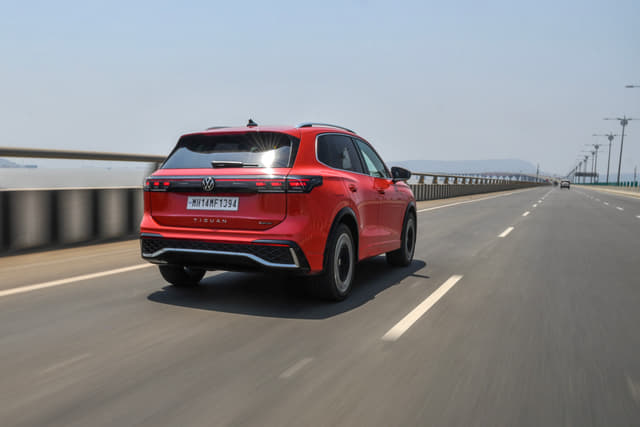
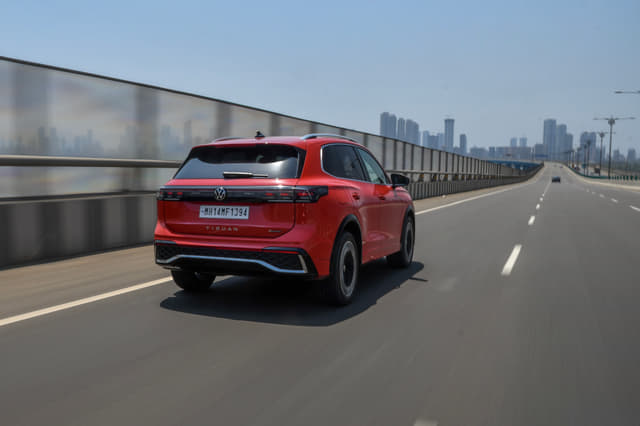



Upgrade from Ameo: Tiguan or Compas


Last Updated on: 17 Oct 2026
Tell us about your experience
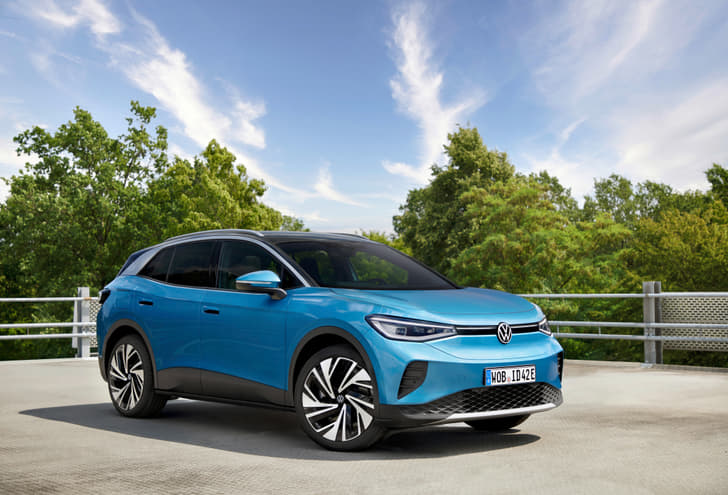
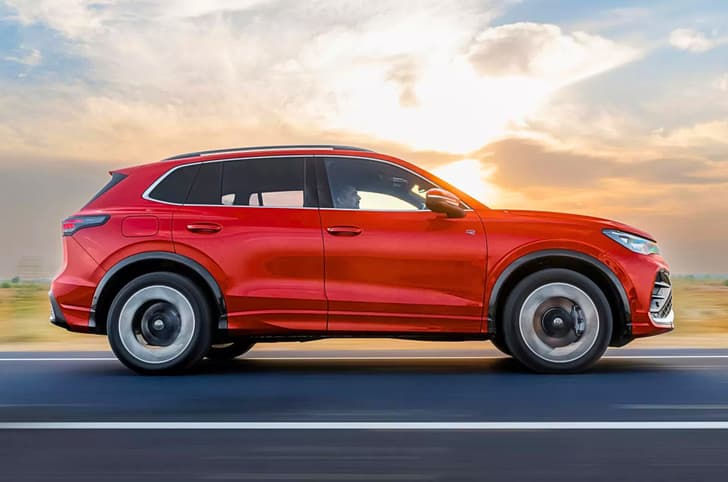
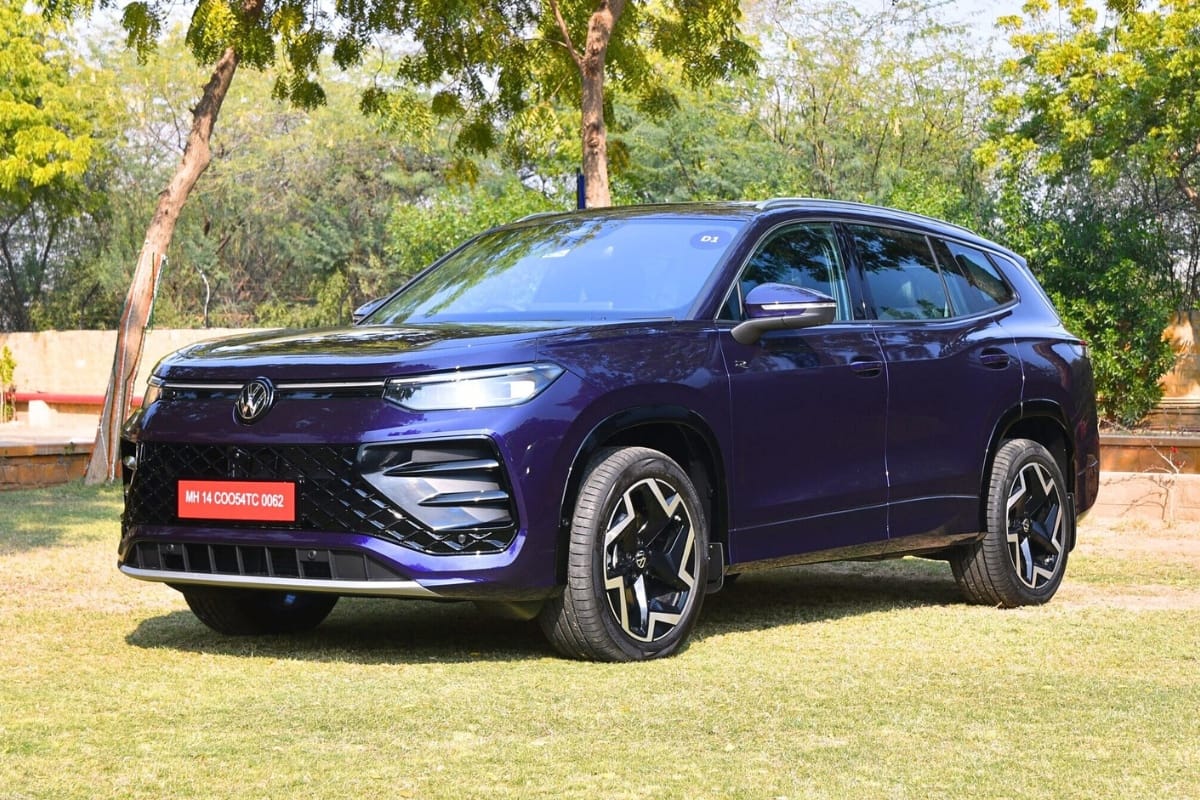
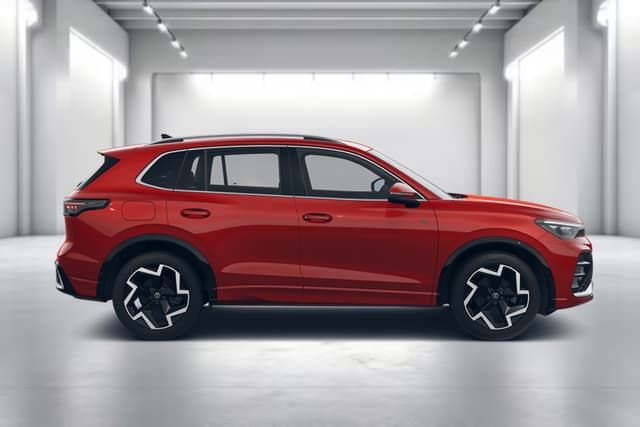
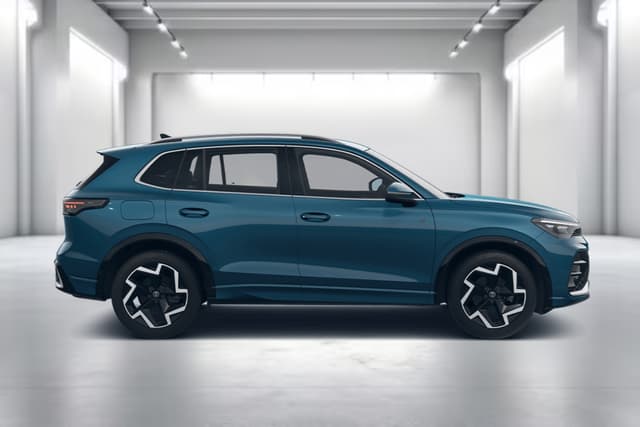
Wonderful driving experience with the Volkswagen Tiguan. The blue color looks great, and long drives are superb. Mileage is also good, making it ideal for family and friends.
The Volkswagen Tiguan is spacious, comfortable, and fun to drive. Cheaper versions look dull, and the Tiguan is pricier than its alternatives. With its turbo engine and smooth automatic transmission, every drive is enjoyable. It requires servicing every 12,000 miles, costing around 8k to 12k, except for the first few services.
Service is very poor, I've spent almost 3 lakhs in three months. They are cheaters to the core. The car might be good, but the service partners are terrible. I've had battery issues twice and coolant leaks twice. Even after changing service partners, the poor service continues.
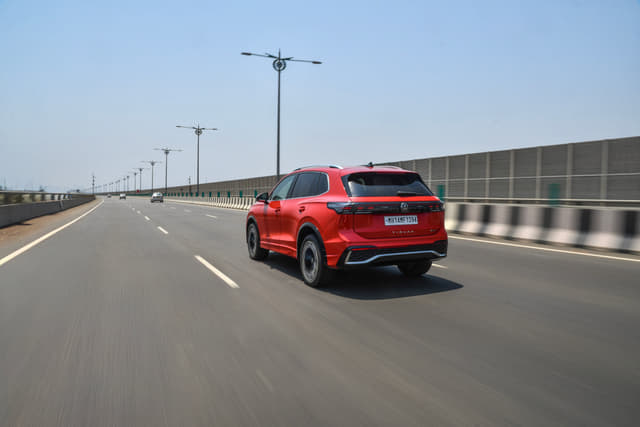
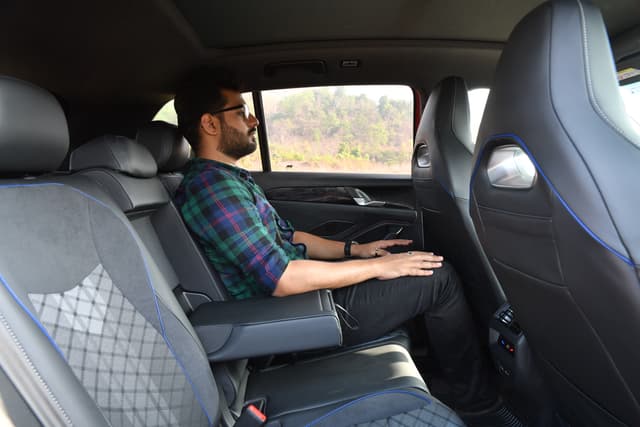
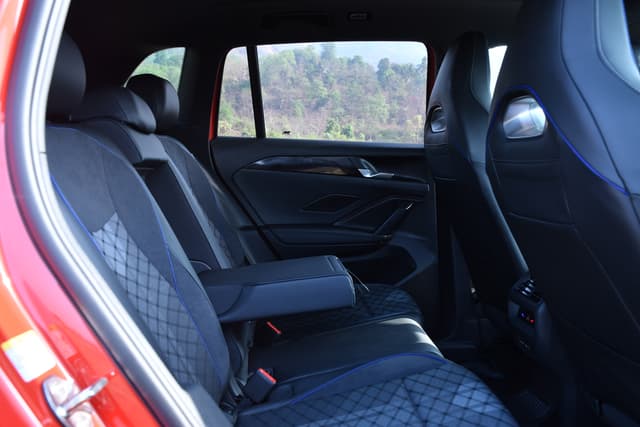
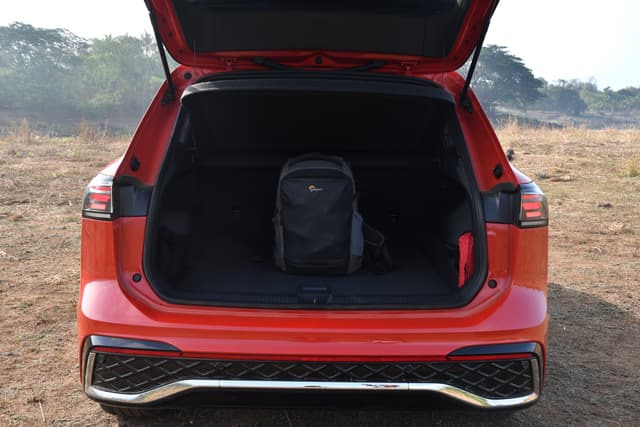
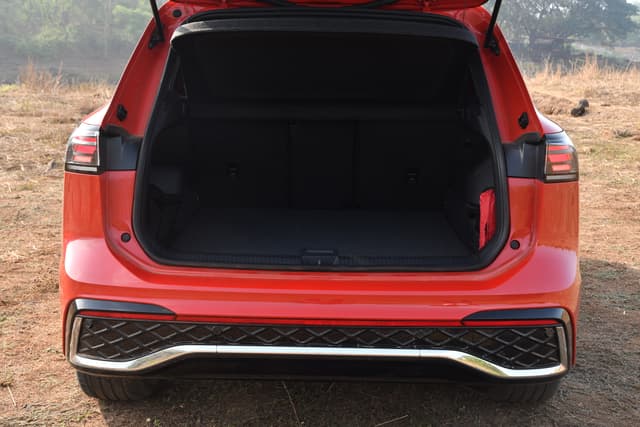
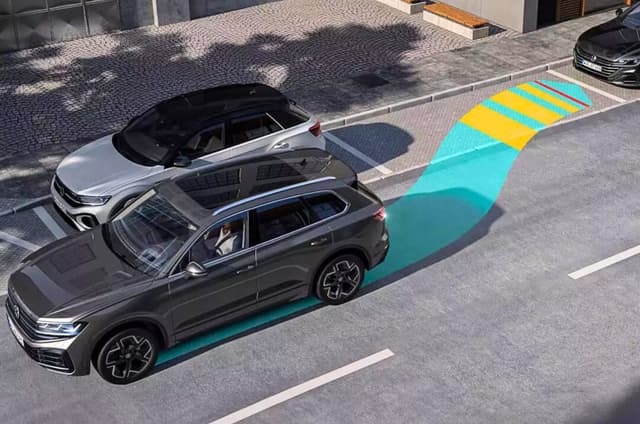
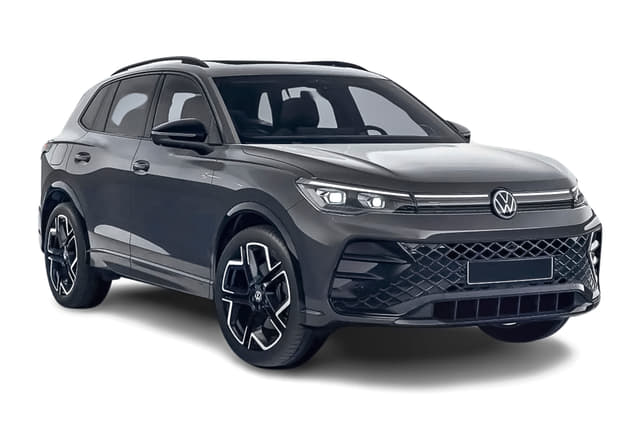
The VW Tiguan is a beautiful SUV that scores high on looks, comfort, and performance. Driving it is incredibly smooth, as expected from a premium SUV. The safety features help new drivers, especially in tight traffic. It takes a bit to pick up speed, but once it does, the acceleration is smooth. The suspension handles speed bumps well, and seating is super comfortable for five. Boot space is also great for family luggage. Overall, a fantastic car from VW.
Excellent driving experience and great value for safety. One of the best in its segment. I recommend everyone to prioritize safety first, and the Tiguan offers that along with style and comfort.
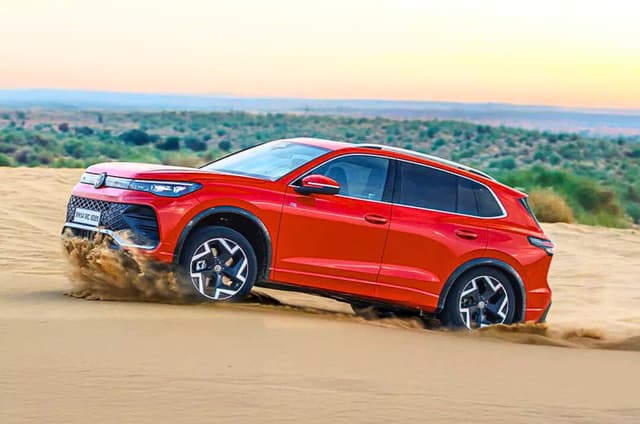
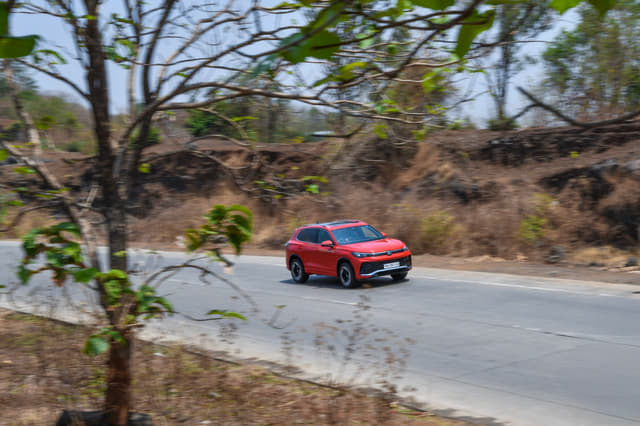
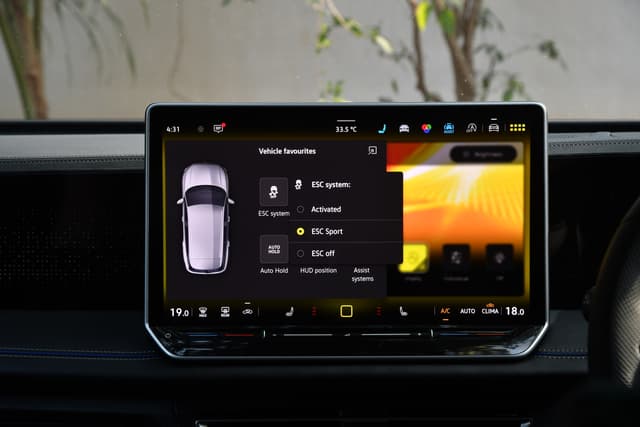
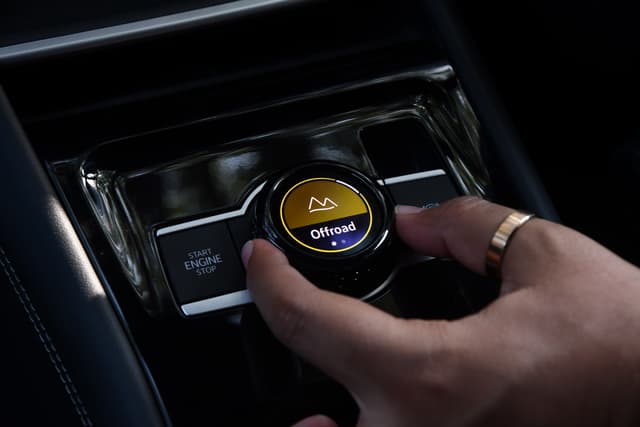
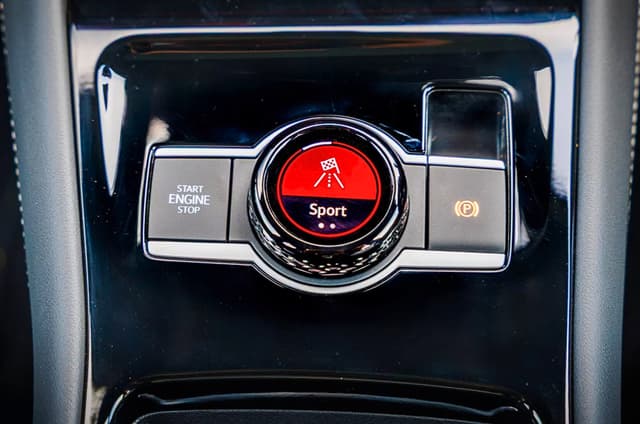
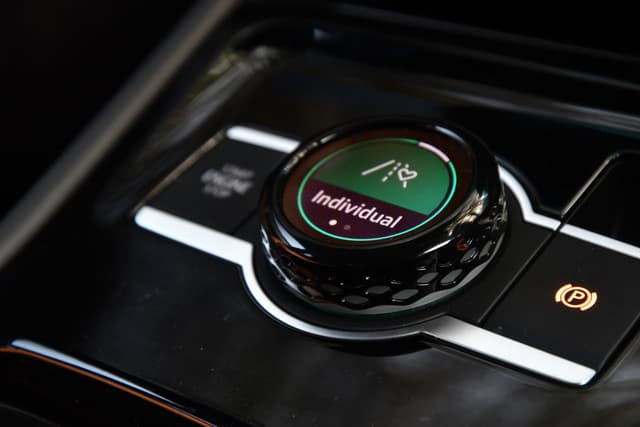
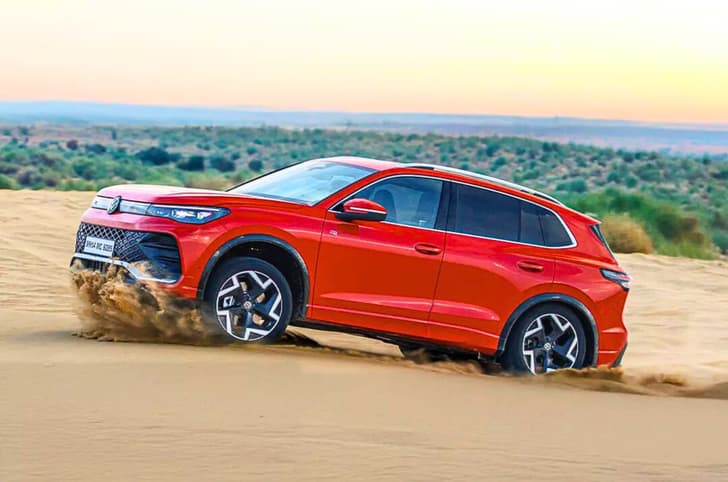
I drove the Tiguan for over 450 kilometers in the rainy season, using sports mode in muddy conditions, and it handled beautifully. I saw many cars stuck in the mud while the Tiguan just glided through. It was a thrilling experience.
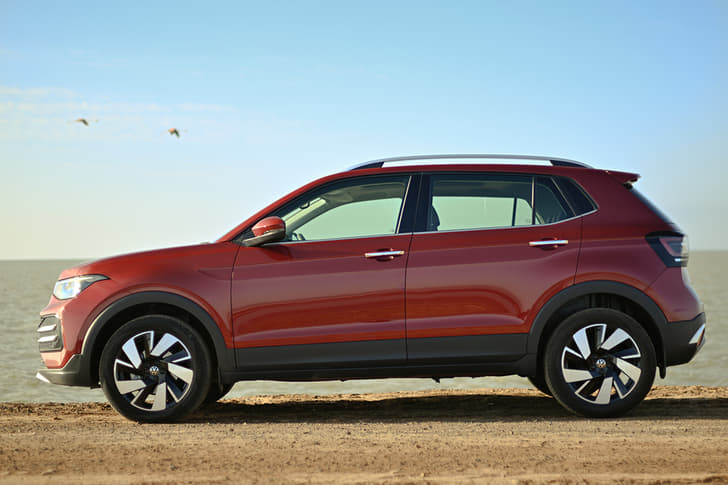
Got my VW - Taigun 8 months ago and was expecting a good experience. But to my surprise the brake pads are worn out in 5500KM. The service center says that it is because of bad driving. While I am a smooth driver. I have a hundai i20 & a maruti swift also but no such failures with either of those vehicles.. If it was bad driving, it should have been on those vehicles also + How badly can one drive in Bangalore city where you rearly go above 50-60KM speed!! dissapointing...
If you don't mind the resale value and plan to keep it for 5 to 6 years, and you're okay with a 10 kmpl average, then you should consider the Tiguan.
Tidy handling due to DCC Pro system
Ride comfort is impressive
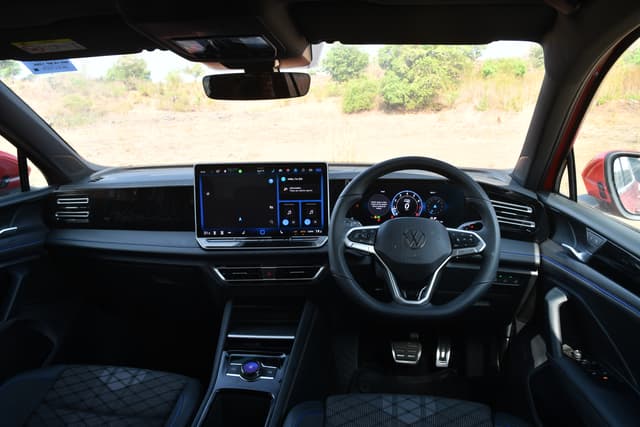
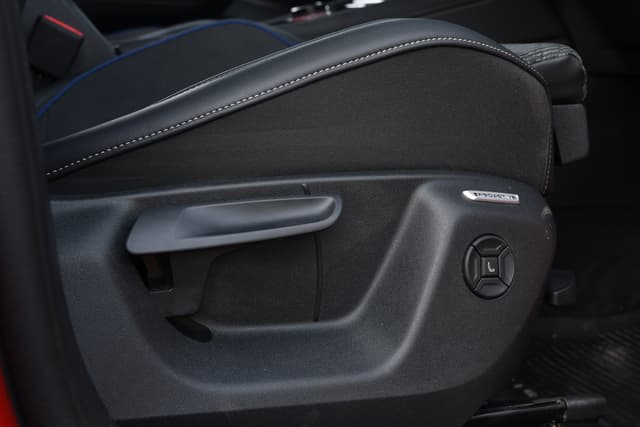
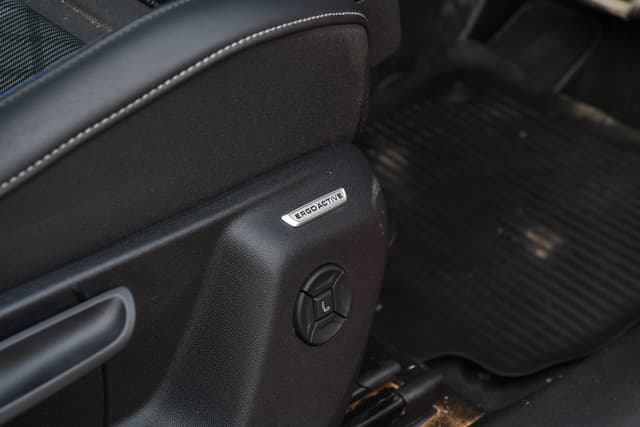
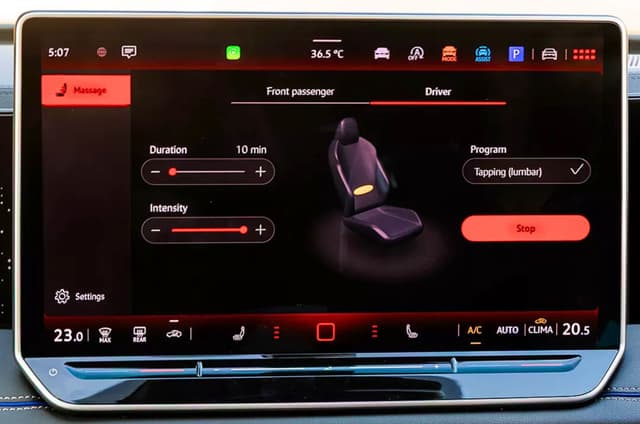
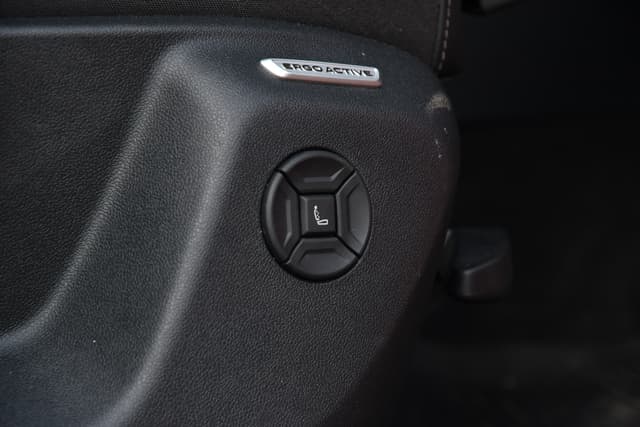
Misses key features like seat ventilation
Expensive price tag
Join the Discussions
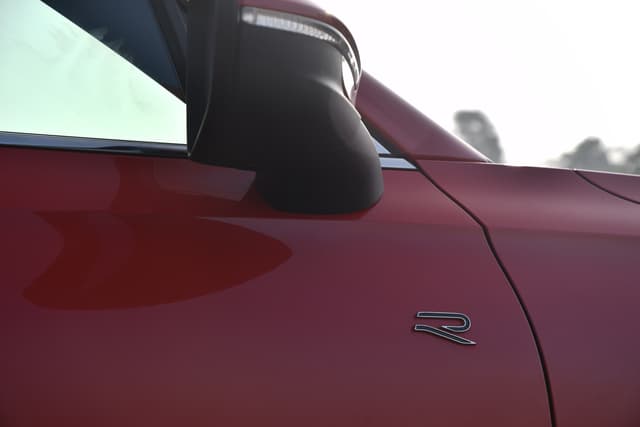
Hello Team, I am looking to upgrade my car and currently own a 2017 Volkswagen Ameo Highline. I have been a Volkswagen fan since then, and my budget is around Rs 35 lakh. The two options I am considering are the Volkswagen Tiguan R-Line and the Jeep Compass Model S. My preference is leaning towards the Volkswagen, but I would appreciate your suggestions if there are any better alternatives in this budget. Thanks in advance!

 Volkswagen TiguanJeep CompassSkoda Kodiaq
Hello I want a 5 seater suv which drives well mainly in city sometimes on the highway budget 50 lakhs I am thinking of kodiaq,Tayron r line , tiguan r line
I have been driving a Volkswagen Polo 1.2 TDI for the past 13.5 years and have clocked around 1.2 lakh km with it. It is a car I absolutely love, and despite test-driving many newer vehicles while looking for an upgrade, I am still struggling to find something that matches its combination of punchy performance, handling, steering feel, solidity, and overall driving quality. I am now looking to upgrade to an SUV with a budget of around ₹25 lakh. So far, I have test-driven the following: Renault Duster 1.3 Turbo Petrol Manual - contrary to the hype, I found it quite disappointing Tata Sierra 1.5 Petrol Automatic - comfortable, but it felt underpowered MG Hector, MG Astor, and Mahindra XUV700 - none of them really connected with me as a driver Volkswagen Taigun 1.5 TSI GT - this came closest in terms of driving feel, but the build quality and solidity still did not feel as robust as my older CBU Polo Volkswagen Tiguan - liked it, but it is unfortunately beyond my budget I am not inclined towards the Hyundai Creta or Kia Seltos because build quality and safety are very important to me. My driving usage is around 70% city and 30% occasional highway trips, although I would like to increase my long-distance driving in the future. Could you please suggest some strong options that offer solid build quality, engaging driving dynamics, good safety, and an overall premium driving experience that could genuinely feel like a worthy upgrade from my Polo?
Skoda KodiaqVolkswagen TiguanReposting the question I asked a few weeks back. Could you please give your expert opinion? I own a 2020 Tiguan TDI Highline. The practicality of the SUV, with its interior space, top-notch build quality, fuel economy, AWD capability, and driving pleasure, is second to none. VW is no longer selling the 2.0-litre TDI engine with the DQ500 gearbox, so I plan to keep this car for another five years. With the warranty period completed, I would like to remap the engine to 180+ bhp with 400 Nm torque. Will the DQ500 gearbox be able to handle this? Do I need to install a bigger turbo? What other precautions should I consider (suspension, brakes, etc.)?
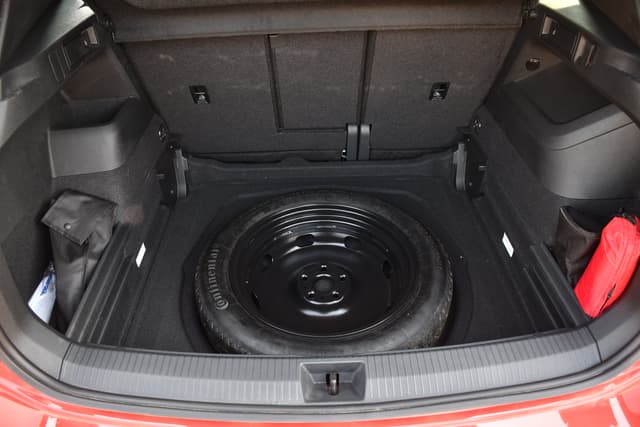
Volkswagen TiguanI am confused between the Tiguan R-Line and Tayron. I am getting a new feature version of the Tiguan R-Line (with keyless entry, automatic tailgate, and space-saver spare wheel) for ₹42L on-road (2025 import), and the Tayron I am getting at ₹52.5L on-road. While the Tiguan R-Line misses out on ventilated seats, a 360-degree camera and ADAS (although I have heard it is available in the Euro-spec), it gets DCC Pro, which is great for ride comfort. Tayron gets all the other features but misses out on DCC Pro. Should I go with the Tiguan R-Line for ₹42L or the Tayron for ₹52L? I am an existing Polo owner for the past 9 years.
Volkswagen TayronVolkswagen Tiguan