or select from slider
โน3,00,000
โน10,00,00,000
(12)
(8)
Tata
Tata cars in India (18)
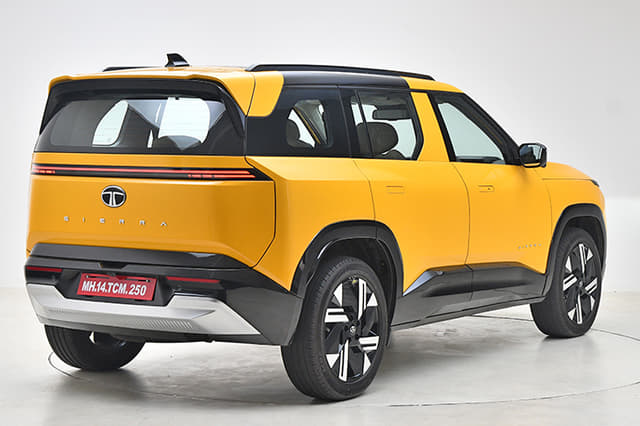
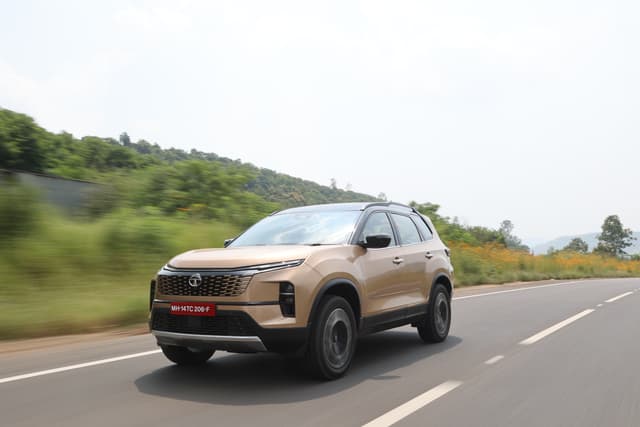
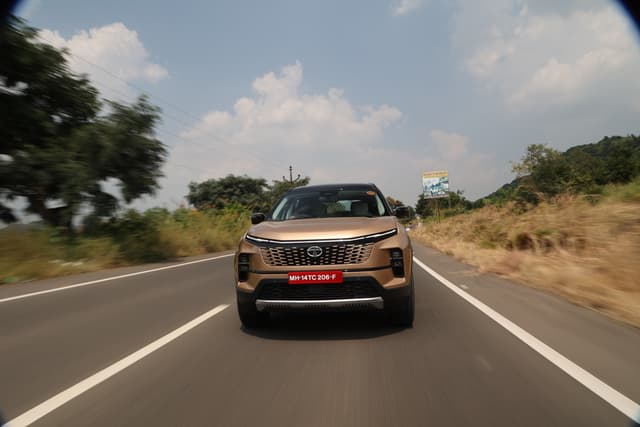
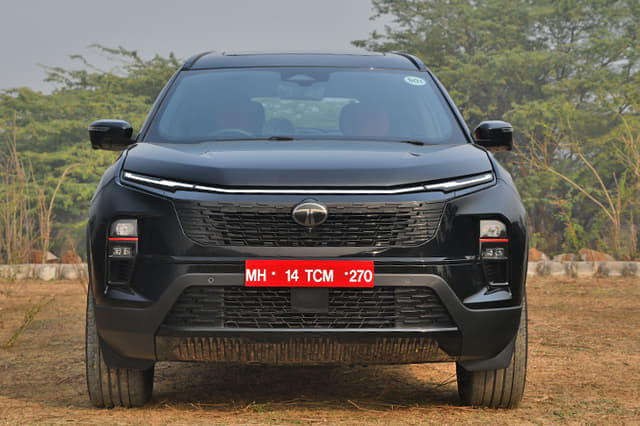
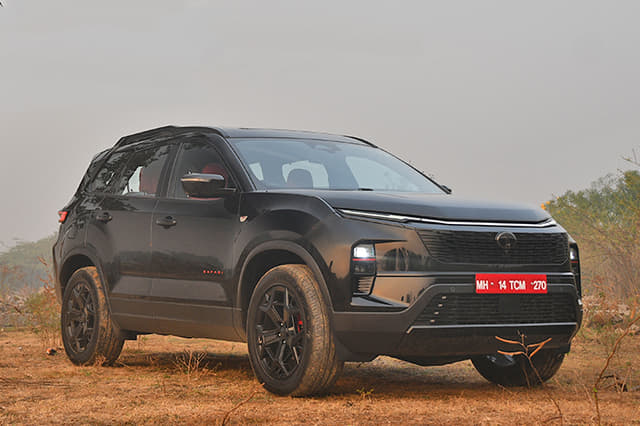
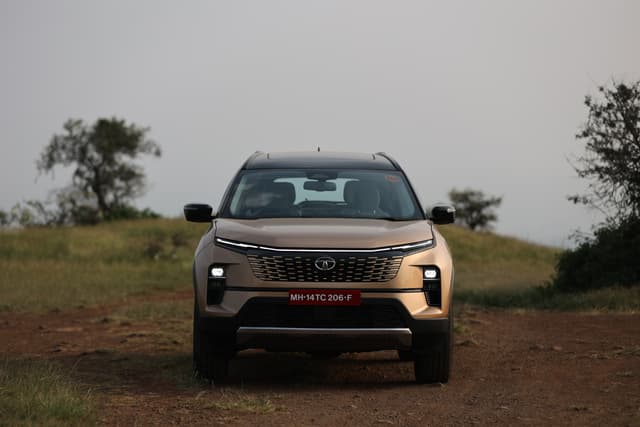
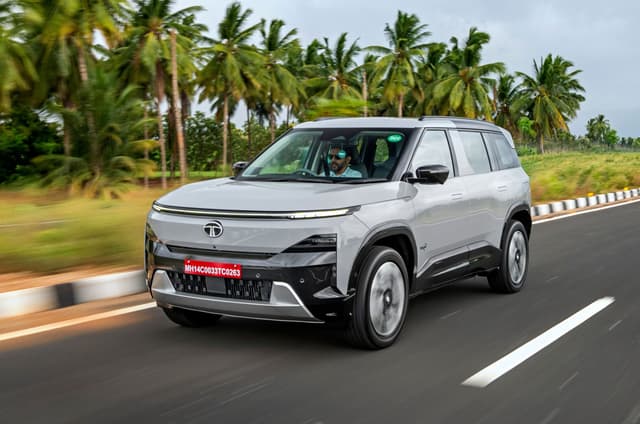
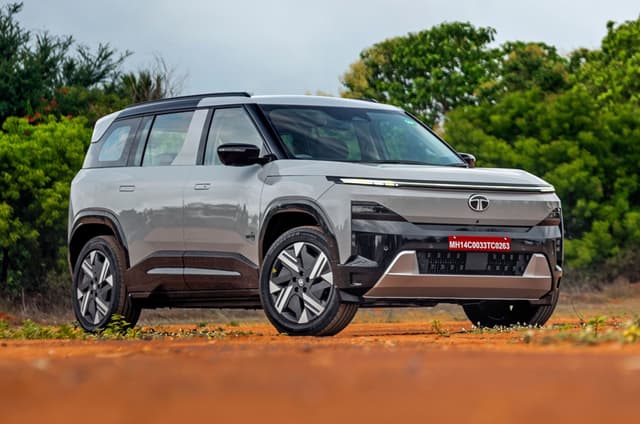
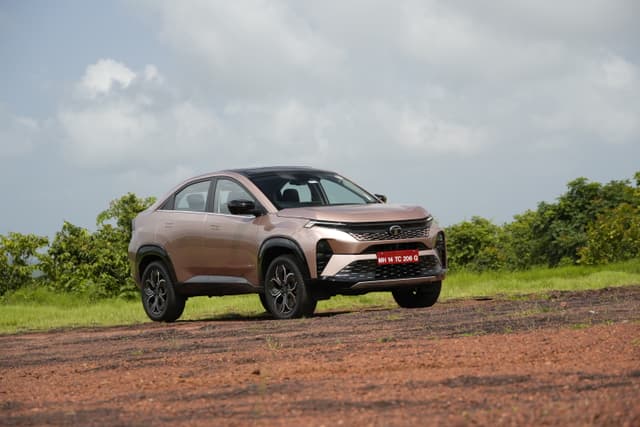
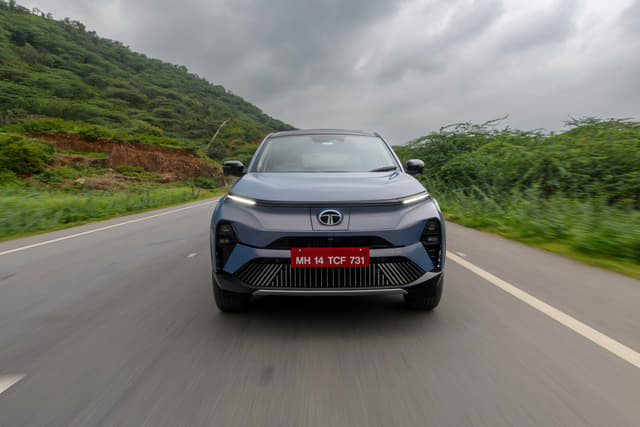
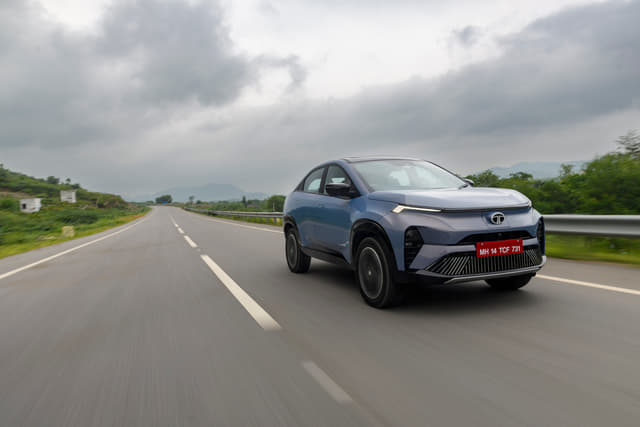
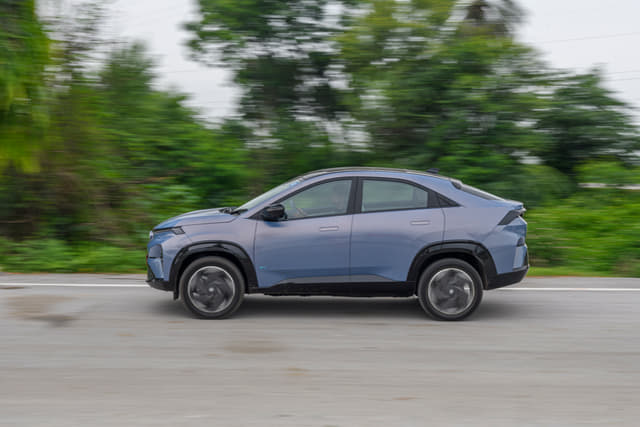
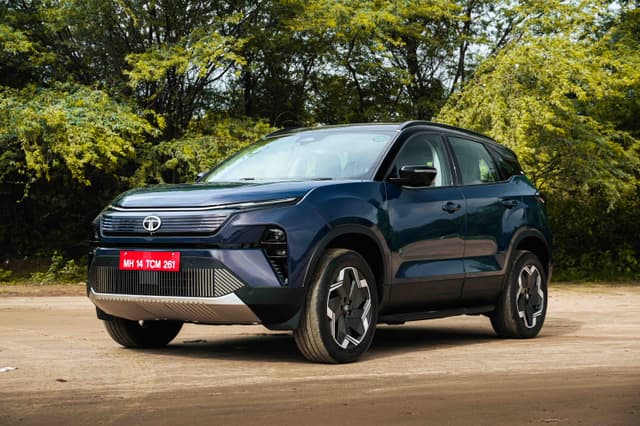
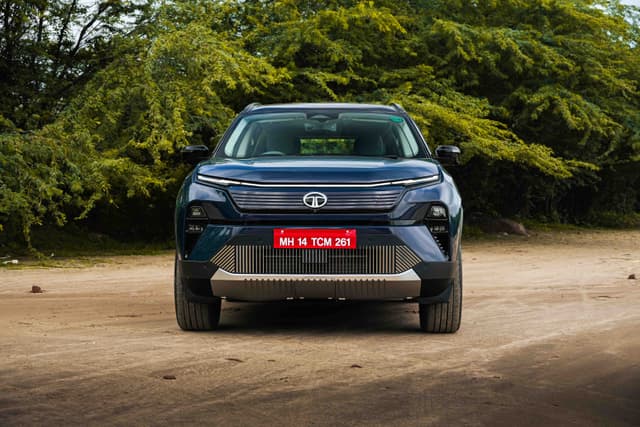
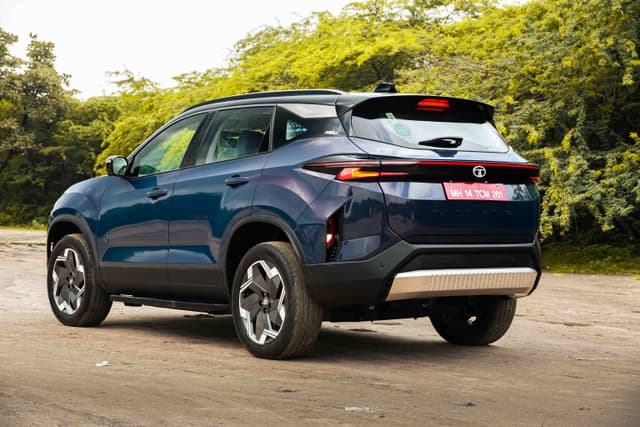
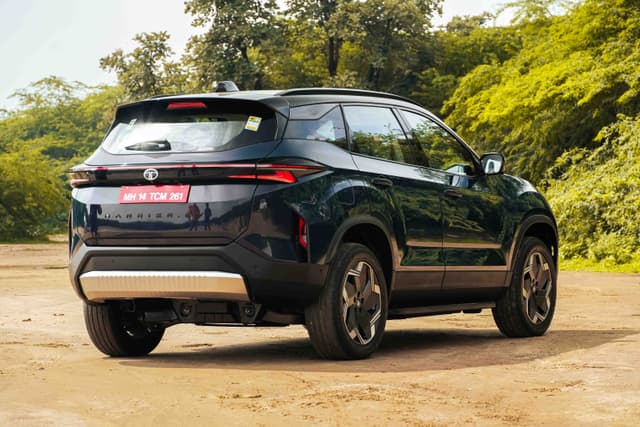
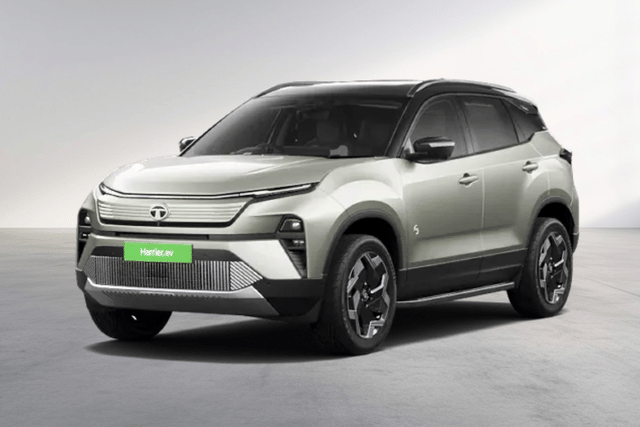
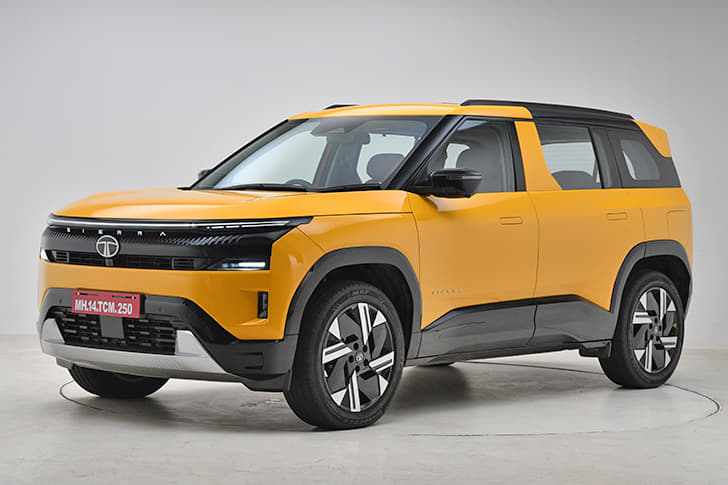
As of March 2026, there are 18 Tata cars available in India: 15 on sale and 3 upcoming. The current Tata lineup includes 3 hatchbacks, 2 sedans, and 10 SUVs. The Tata car price starts at โน4.57 lakh and goes up to โน28.99 lakh in India (ex-showroom). The cheapest Tata car is the Tiago, whereas the most expensive is the Tata Harrier EV. The popular Tata cars in India consist of names like the Tata Punch (facelift), Tata Nexon, Tata Harrier, Tata Safari, Tata Altroz, and new Tata Sierra.
Headquartered in Mumbai, Tata Motors was established in 1945 and entered the passenger vehicle market in 1991 with the Sierra. It later introduced the Indica in 1998 and the Nano in 2008, the worldโs most affordable car. Today, Tata offers models like the Altroz, Punch, Nexon, Harrier, and Safari with 5-star Global NCAP ratings, and also leads Indiaโs EV segment with the Tiago EV, Tigor EV, Nexon EV, and Punch EV.
Tata Cars Price List in India (March 2026)
Tata car price in India starts at โน4.57 lakh for the Tata Tiago and goes up to โน28.99 lakh for the Tata Harrier EV (ex-showroom). View the latest Tata car prices in the table below:
Tata Car | Price (Ex-showroom) |
Tata Tiago | โน4.57 lakh - โน8.10 lakh |
Tata Tigor | โน5.49 lakh - โน8.74 lakh |
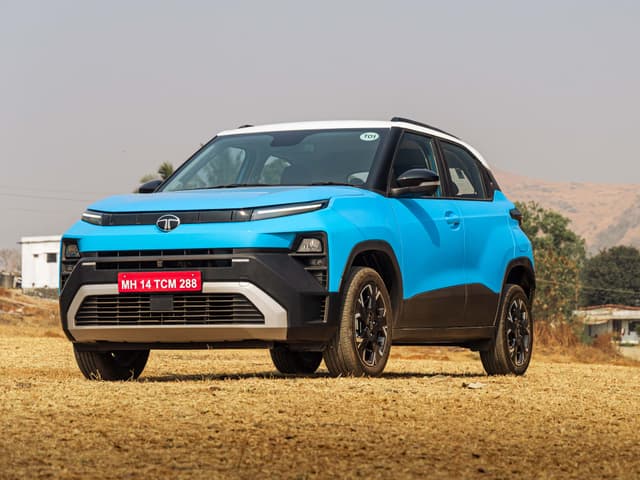
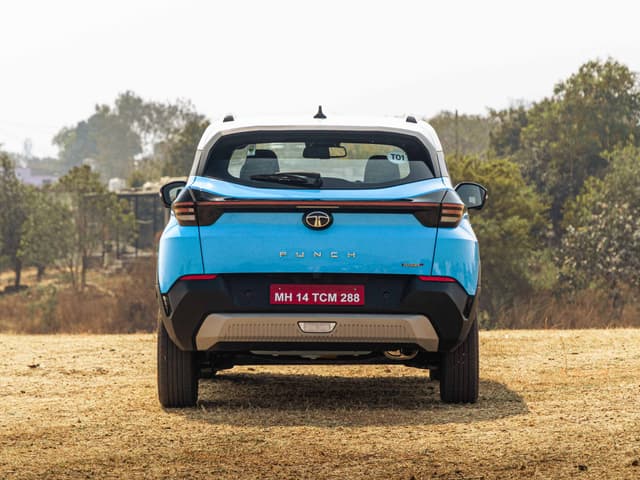
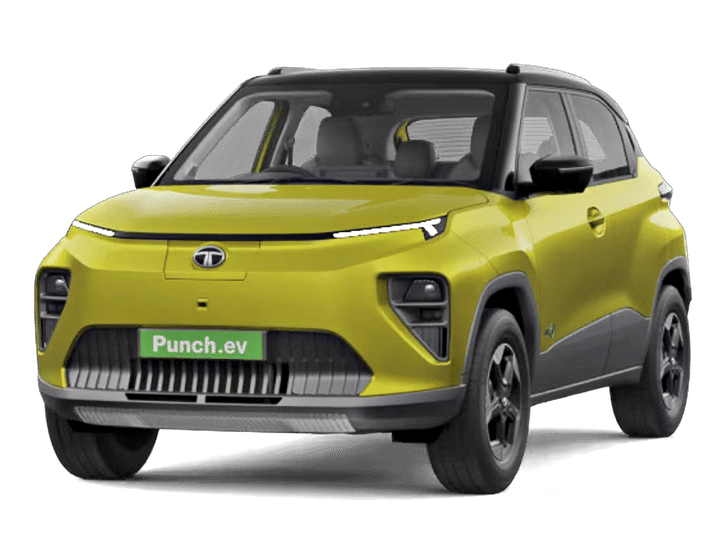
Tata Punch | โน5.59 lakh - โน10.54 lakh |
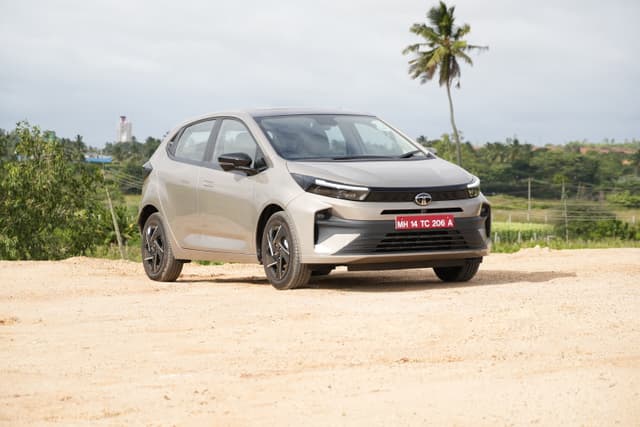
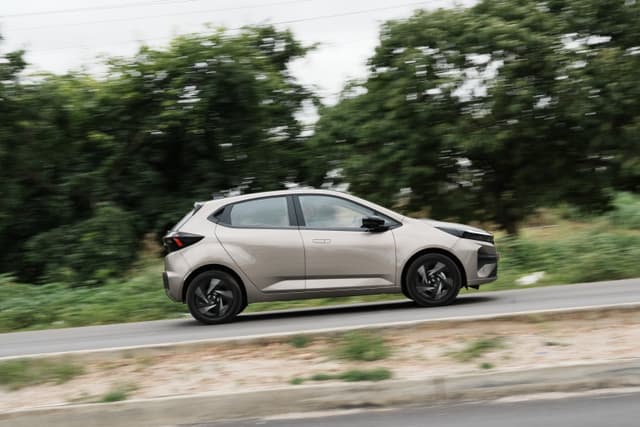
Tata Altroz | โน6.30 lakh - โน10.51 lakh |
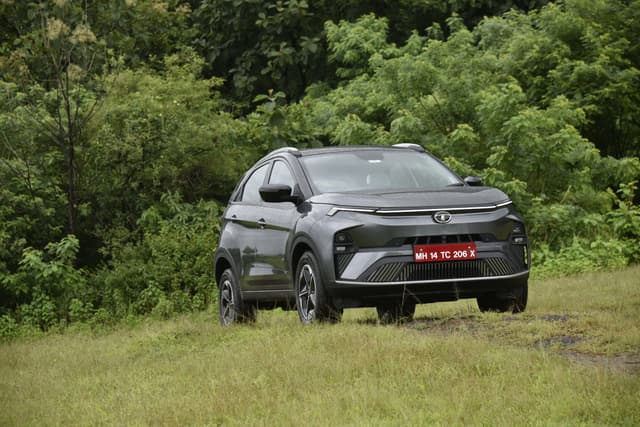
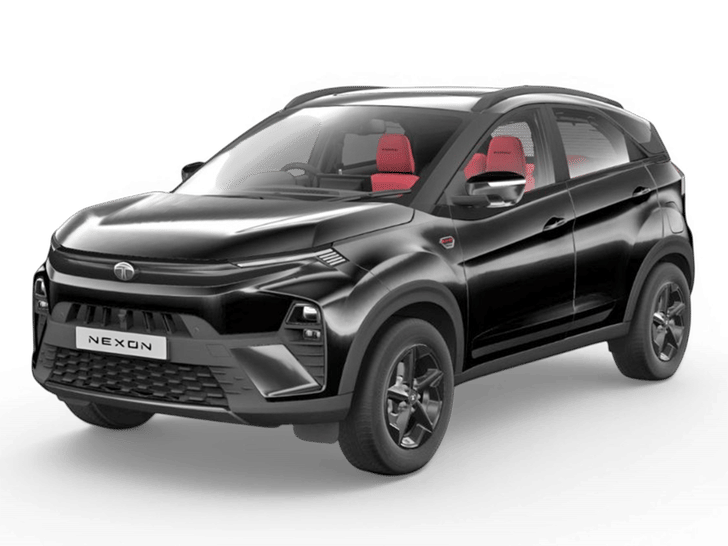
Tata Nexon | โน7.32 lakh - โน14.15 lakh |
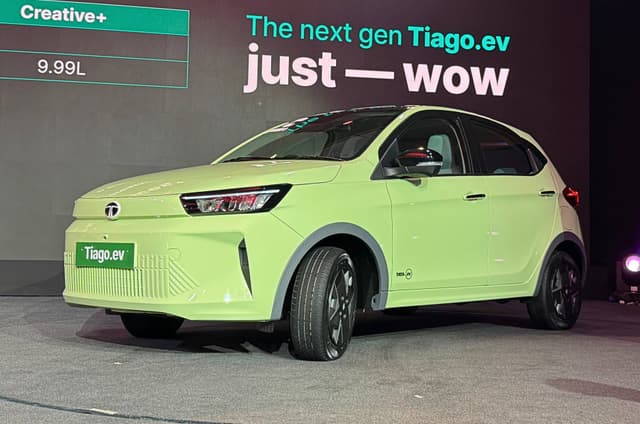
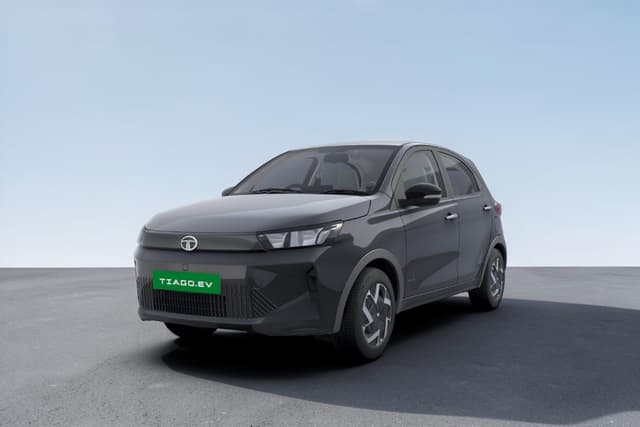
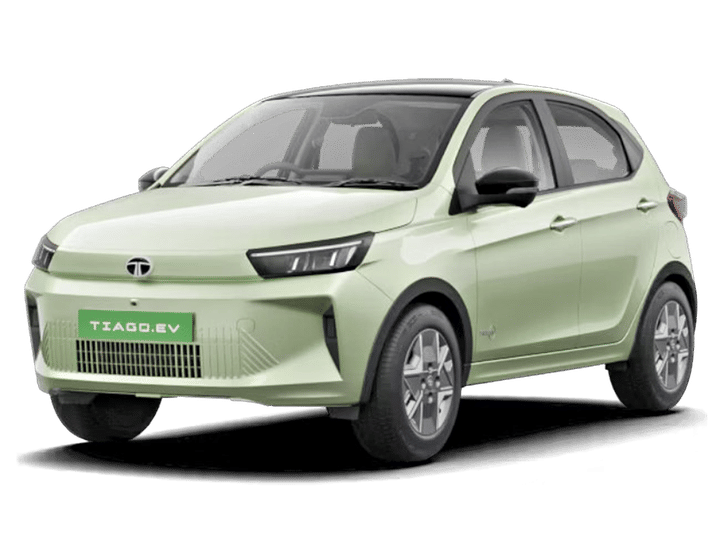
Tata Tiago EV | โน7.99 lakh - โน11.14 lakh |
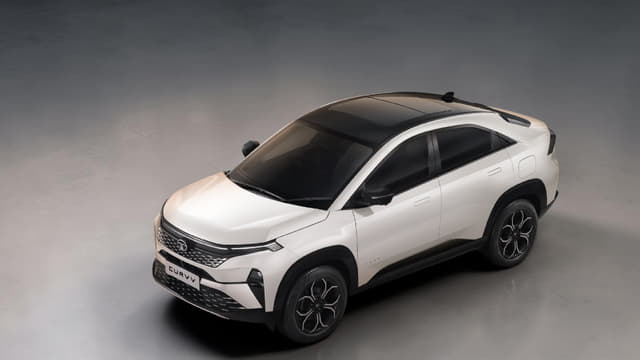
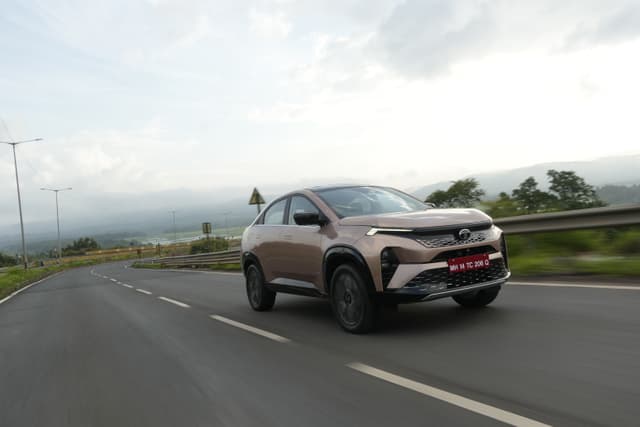
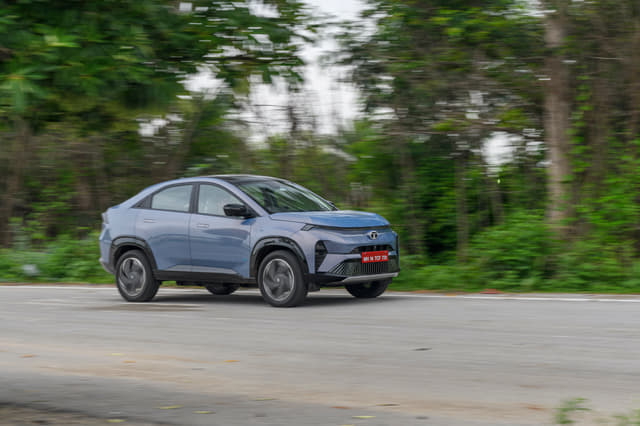
Tata Curvv | โน9.66 lakh - โน18.73 lakh |
Tata Punch EV | โน9.99 lakh - โน14.44 lakh |
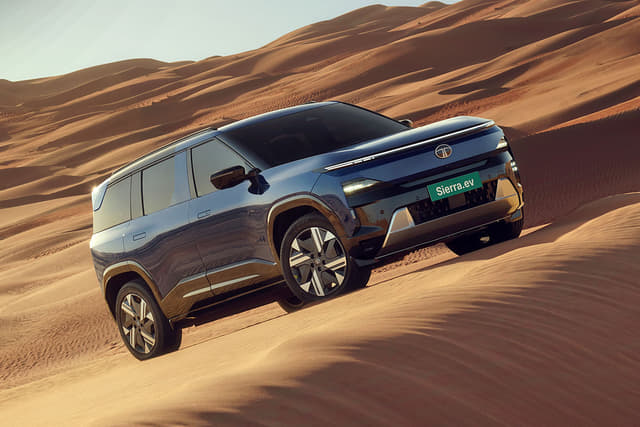
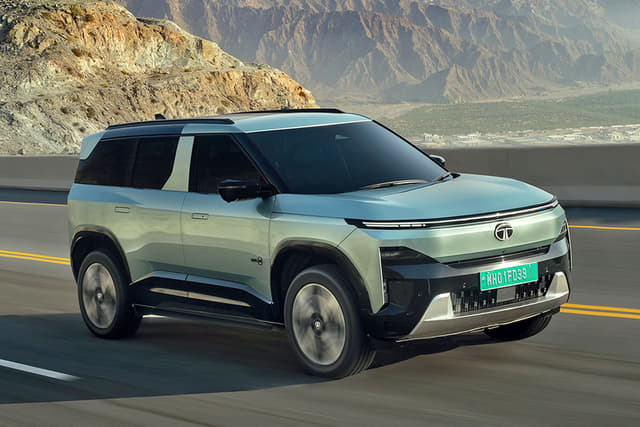
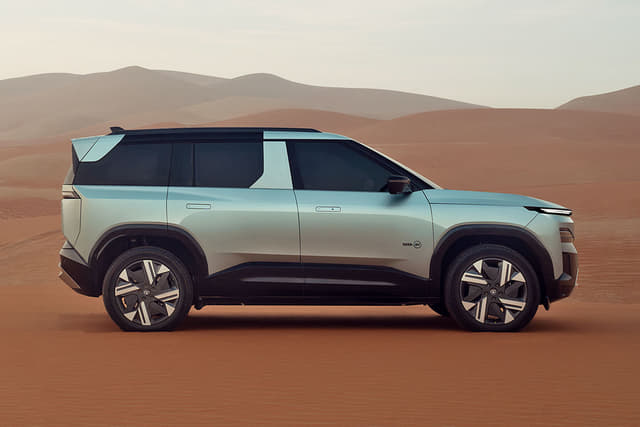
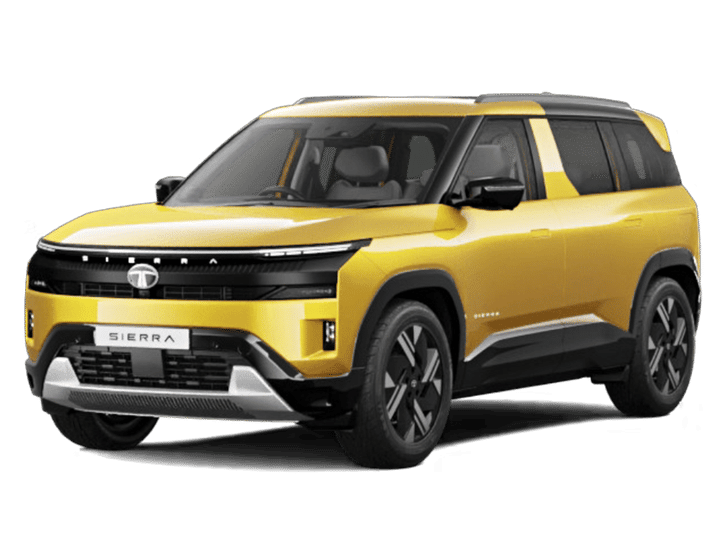
Tata Sierra | โน11.49 lakh - โน21.29 lakh |
Tata Tigor EV | โน12.49 lakh - โน13.75 lakh |
Tata Nexon EV | โน12.49 lakh - โน17.49 lakh |
Tata Harrier | โน12.89 lakh - โน25.25 lakh |
Tata Safari | โน13.29 lakh - โน25.96 lakh |
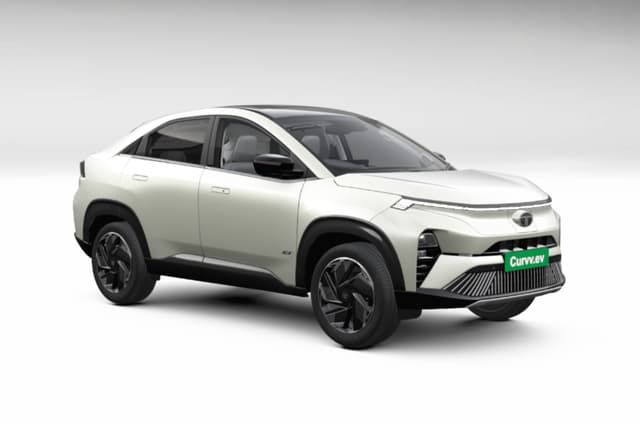
Tata Curvv EV | โน17.49 lakh - โน22.24 lakh |
Tata Harrier EV | โน21.49 lakh - โน28.99 lakh |
Upcoming Tata Cars in India
Explore the list of new Tata cars set to launch in India in 2026:
- Tata Sierra EV
- Expected price: โน20.00 lakh - โน25.00 lakh
- Expected launch: Mid 2026
- Fuel Type: Electric
- Body Type: SUV
- Tata New Nexon
- Expected price: โน8.00 lakh - โน17.00 lakh
- Expected launch: 2017
- Fuel Type: Petrol
- Body Type: SUV
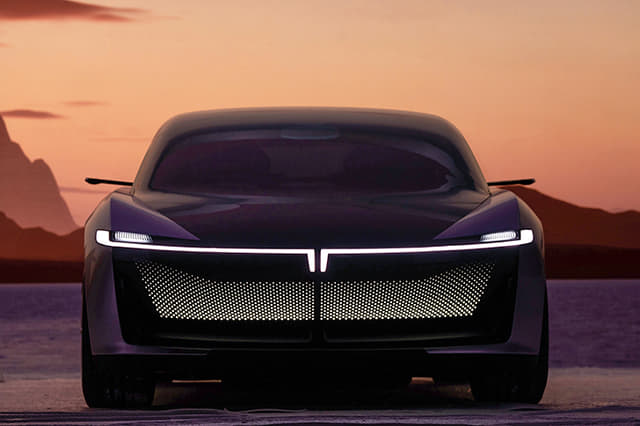
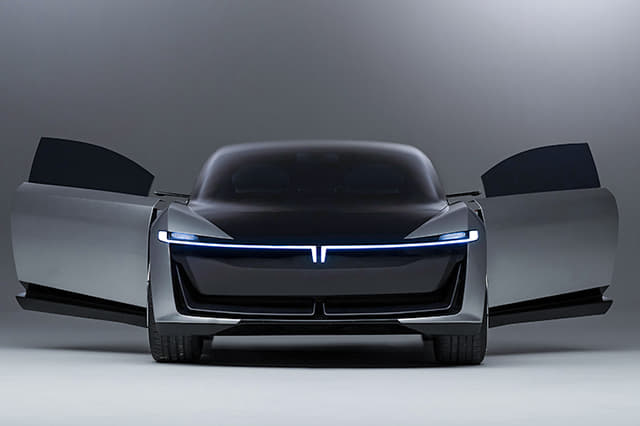
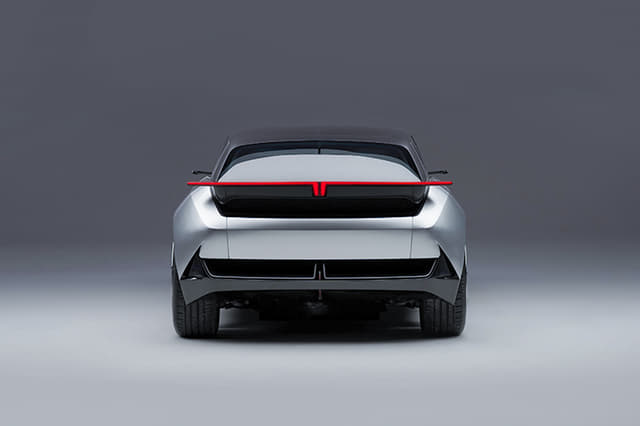
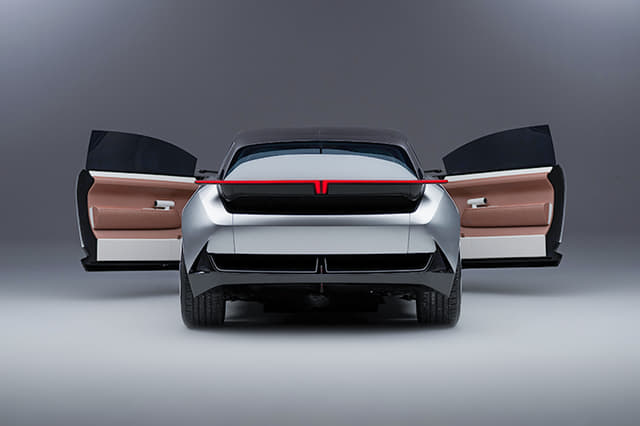
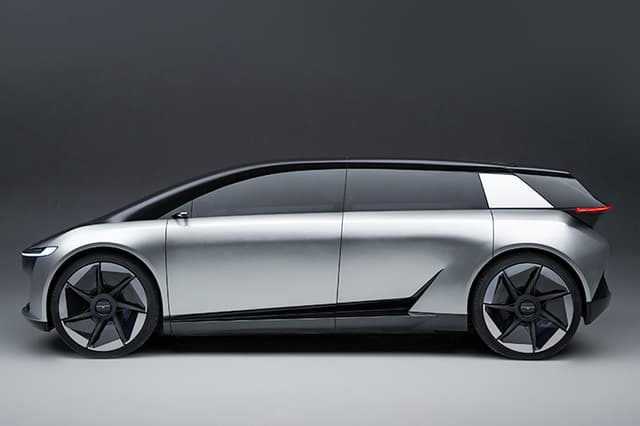
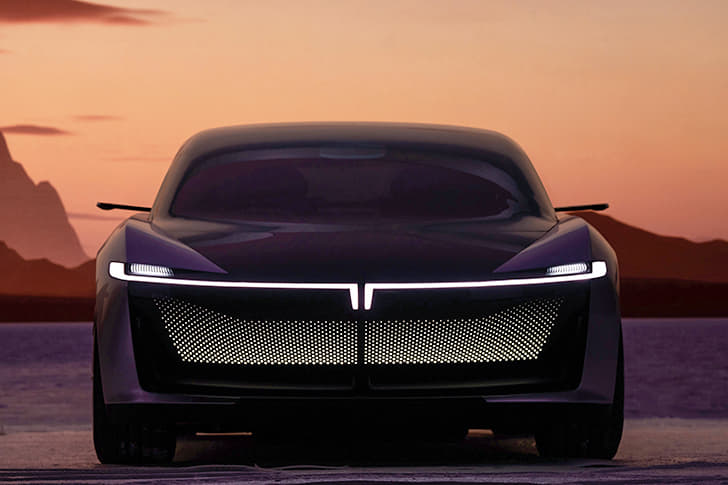
- Tata Avinya
- Expected price: โน35.00 lakh - โน40.00 lakh
- Expected launch: 2027
- Fuel Type: Electric
- Body Type: SUV
Tata Cars Latest Updates (March 2026)
January 13, 2026: Tata has launched Punch facelift at โน5.59 lakh.
- January 5, 2026: Tata has revealed the 2026 Punch ahead of its January 13 launch, and it will feature a turbo-petrol engine for the first time.
- January 3, 2026: In CY2025, Tata Motors sold 578,771 cars and SUVs, while EV sales increased 18% to 81,125 units.
- December 4, 2025: Tata Harrier EV lower variants to get AWD technology.
- November 26, 2025: Tata plans to introduce the Sierra AWD variant in 2027.
- November 25, 2025: Tata Motors Launches the New Sierra in India at Rs 11.49 Lakh.
- November 12, 2025: The Tata Harrier and Safari petrol are set to launch in India on December 9, 2025.
- September 10, 2025: TATA.ev adds ADAS to Nexon.ev 45 starting at โน17.29 lakh; unveils #DARK editions.
Tata Hatchback Cars
Tata Motors hatchback range is designed for efficiency, practicality, and affordability. Currently, Tata offers 3 hatchback models in India:
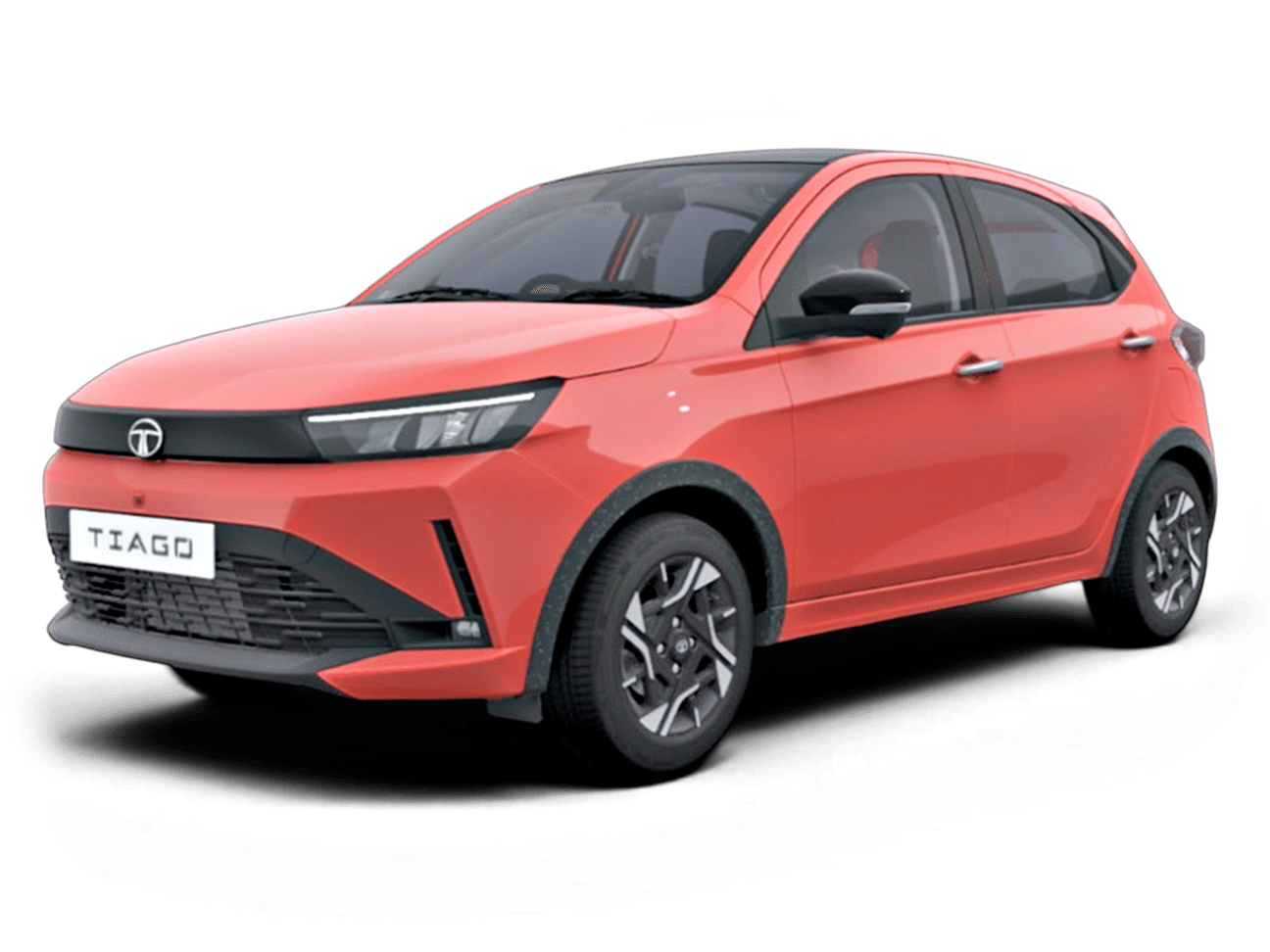
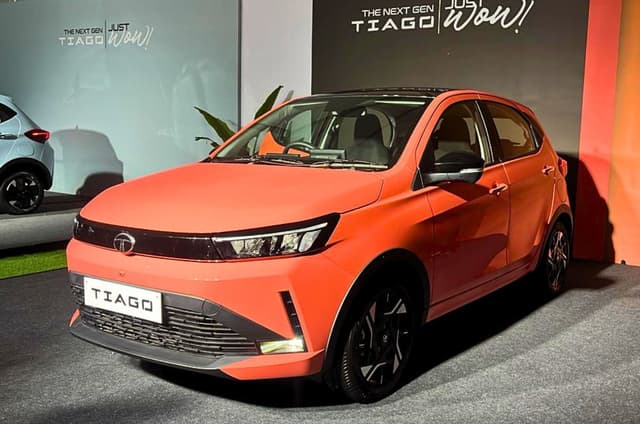
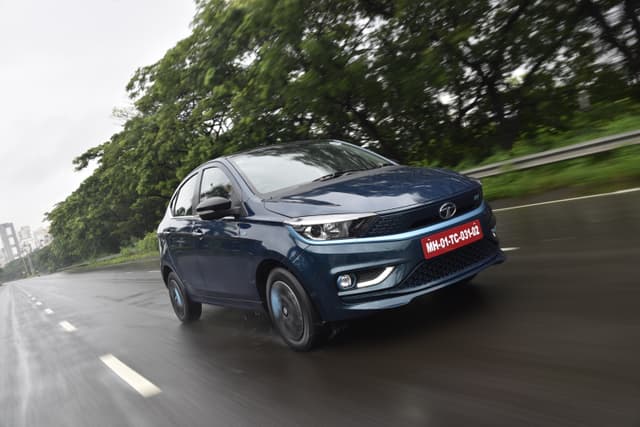
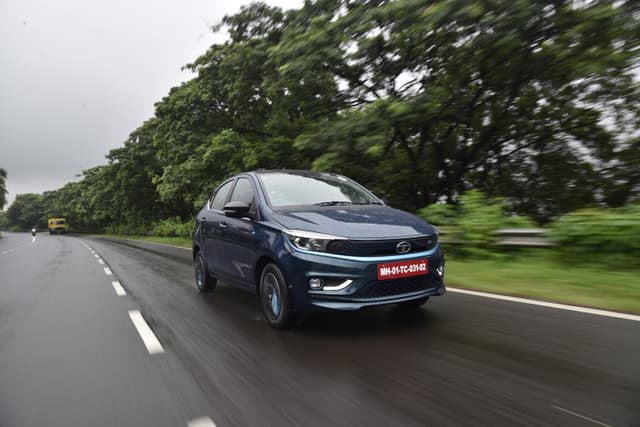
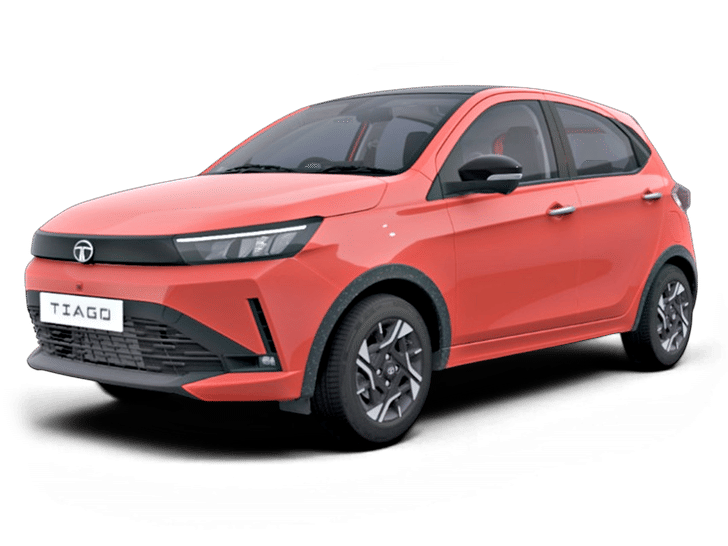
- Tata Tiago: Entry-level hatchback with petrol and CNG options.
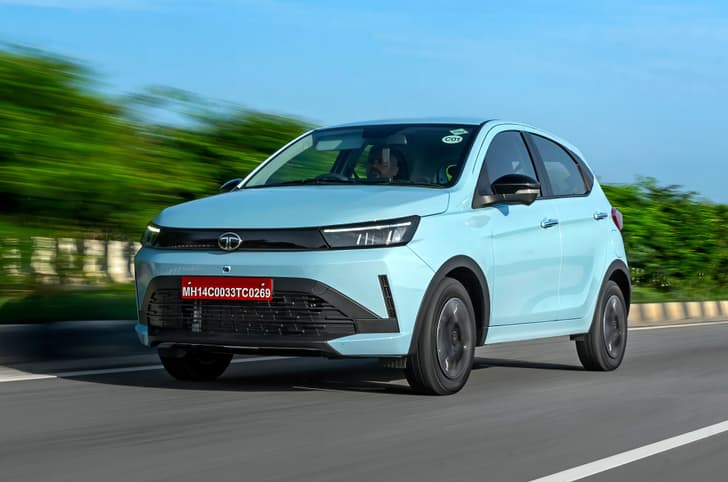
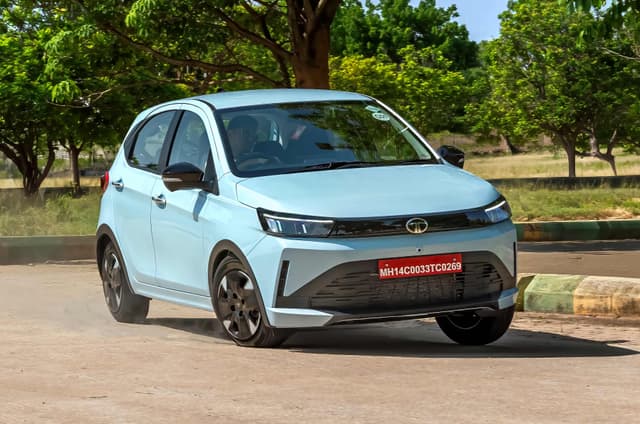
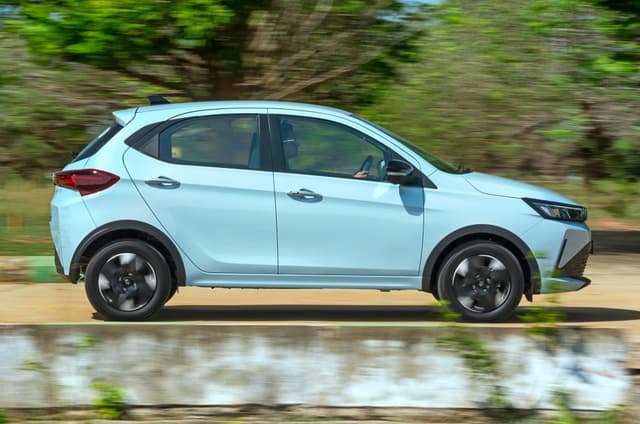
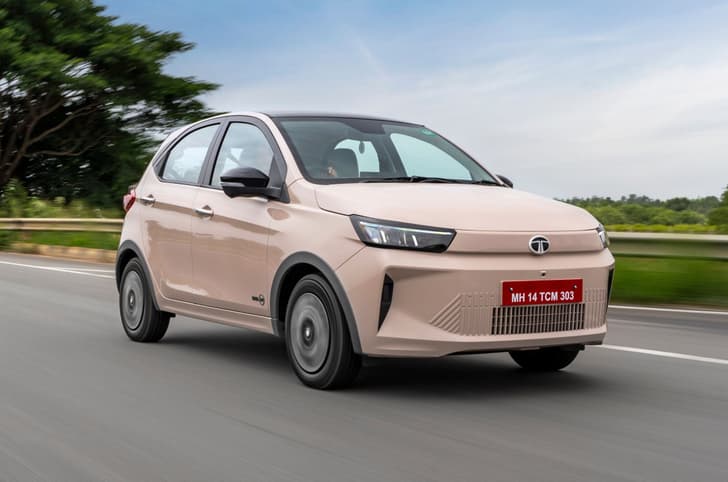
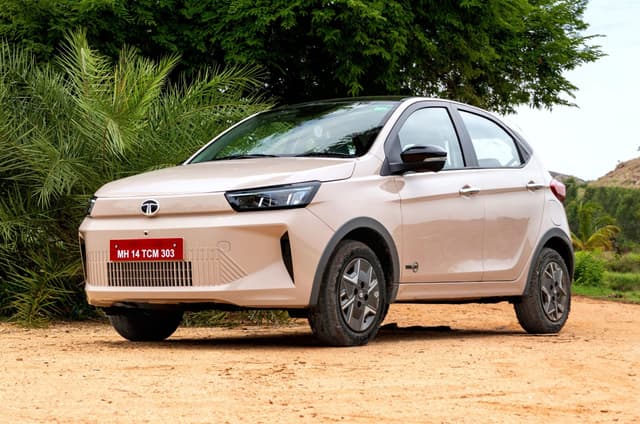
- Tata Tiago EV: Indiaโs cheapest long-range electric hatchback.
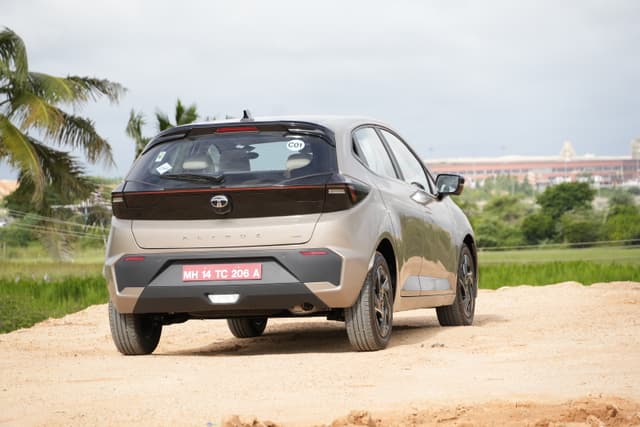
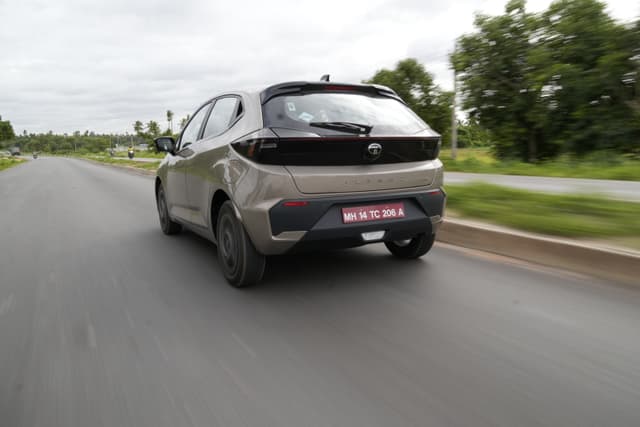
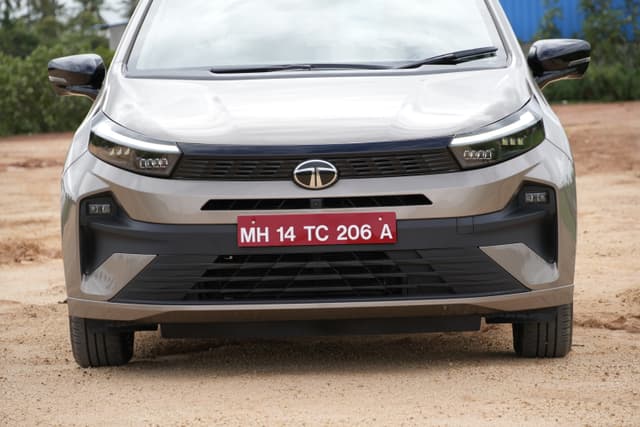
- Tata Altroz: Premium hatchback with petrol, diesel, and CNG options.
Tata hatchback car prices start from โน4.57 lakh (ex-showroom).
Tata Sedan Cars
The sedan lineup is designed for comfort, efficiency, and safety. Presently, there are 2 Tata sedan cars in India:
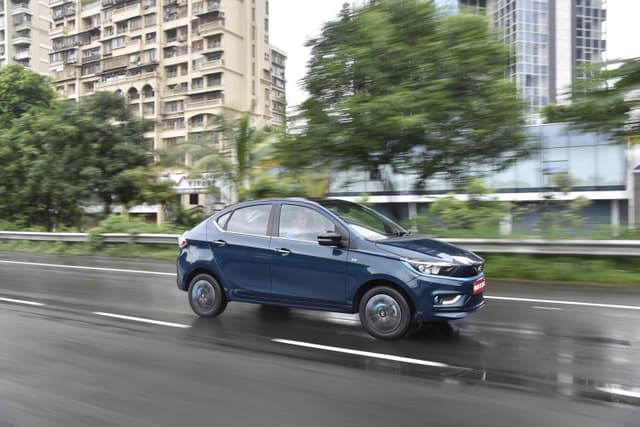
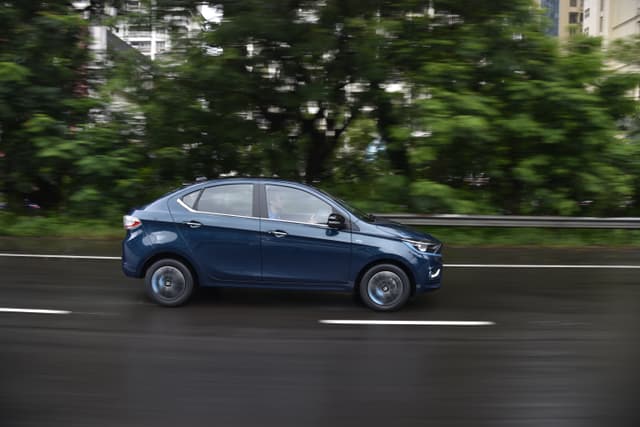
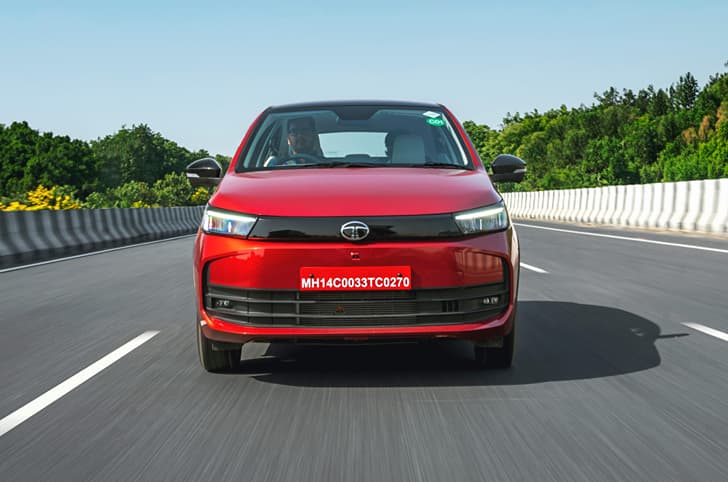
- Tata Tigor: Compact sedan available with petrol and CNG powertrains and offered with manual and AMT transmissions.
- Tata Tigor EV: Easy-to-drive city commuter with a 4-star Global NCAP crash rating.
Tata sedan car prices start from โน5.48 lakh (ex-showroom).
Tata SUV Cars
The Tata SUVs cater from sub-compact all the way to the flagship segment. Currently, there are 9 models to pick from:
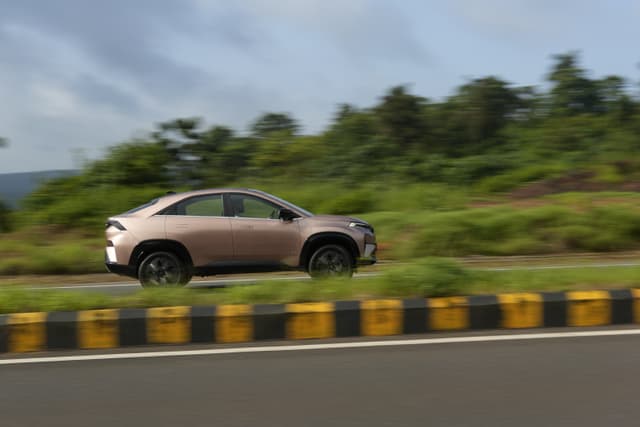
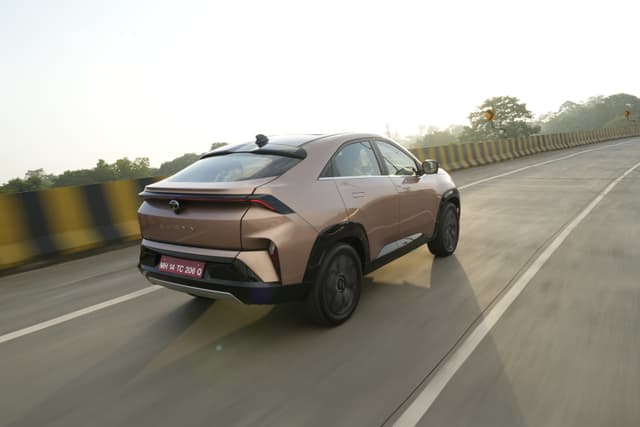
- Curvv: A midsize SUV with a new direct-injection turbo petrol and first-in-the-segment diesel-DCT powertrain.
- Curvv EV: Best EV yet from Tata, combining a stunning design with a feature-rich cabin and a claimed range of 585 km.
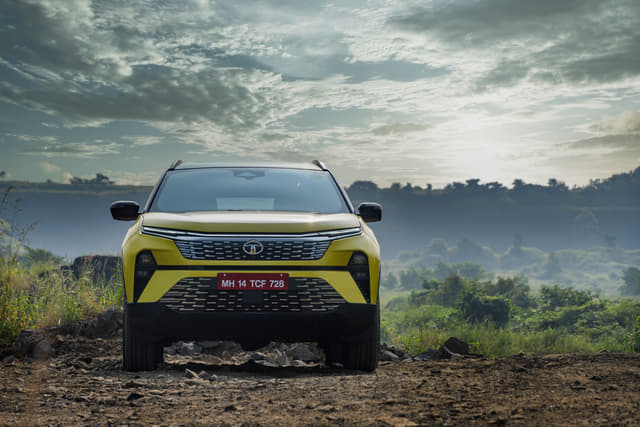
- Harrier: Bold-styled SUV, spacious cabin, and a powerful 170hp, 350Nm, 2-litre diesel engine. No CNG or petrol.
- Harrier EV: An electric SUV that offers superb ride comfort and balanced handling, paired with a real-world range of 627 km.
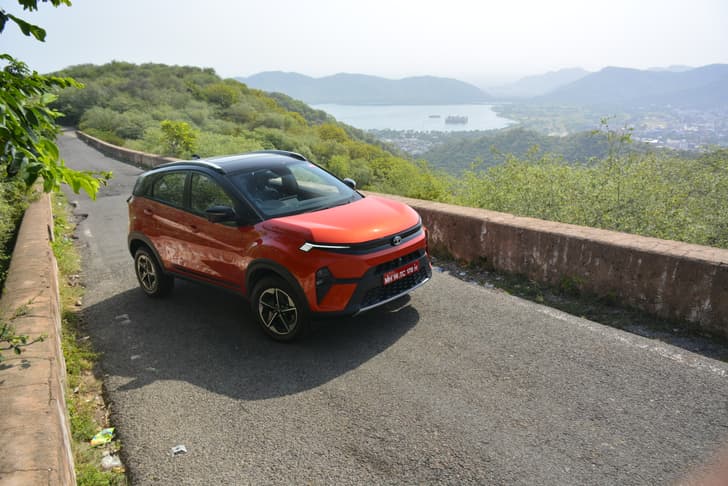
- Nexon: Most comfortable in its segment, with twin high-res 10.25-inch screens and an illuminated logo on the steering wheel.
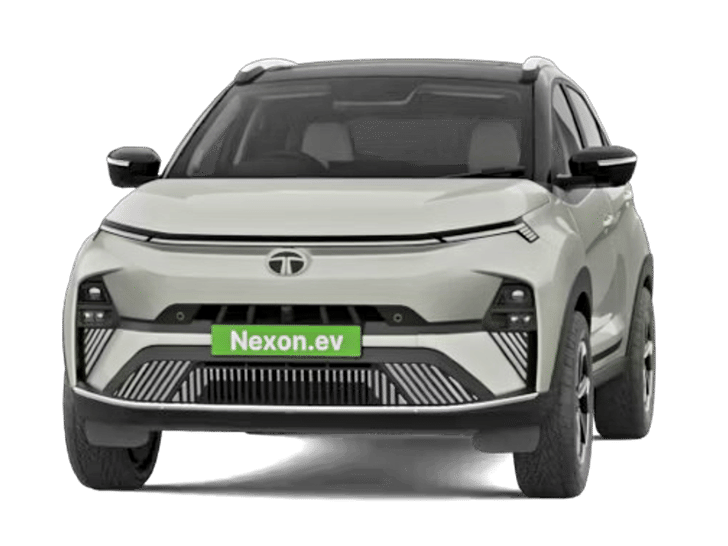
- Nexon EV: An electric SUV with a refined electric motor that offers up to 465 km of claimed range.
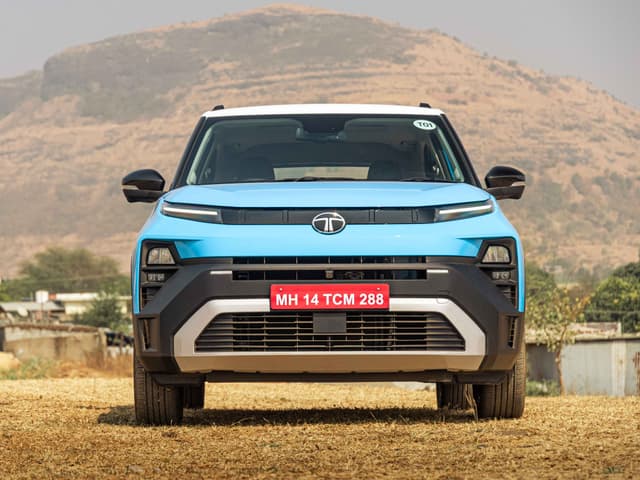
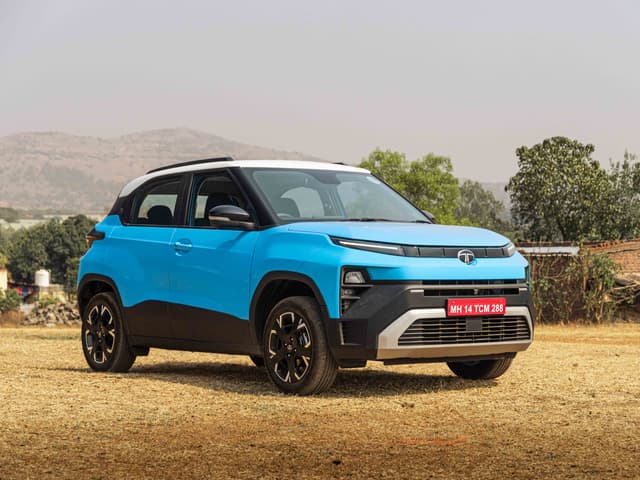
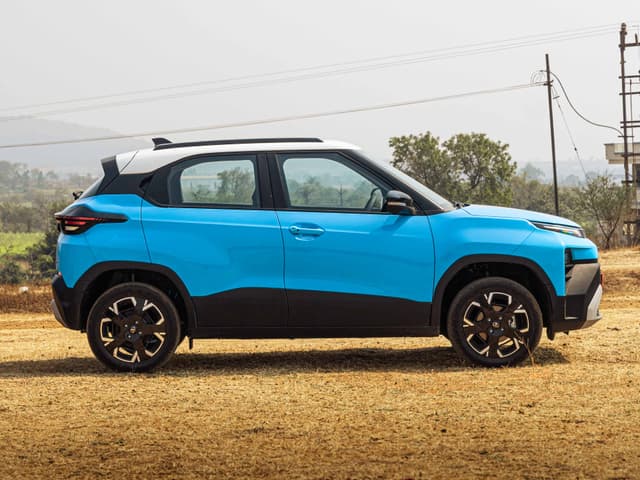
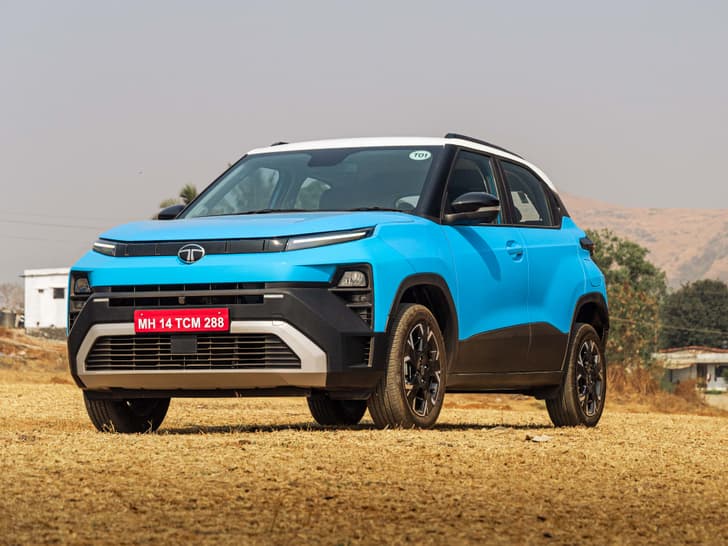
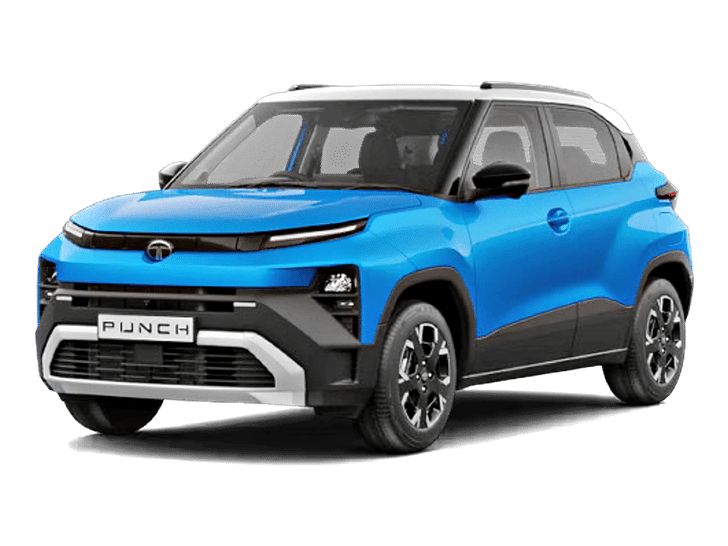
- Punch: A sub-compact SUV based on the new ALFA architecture by Tata, boasting aggressive exterior styling with a utility-forward interior.
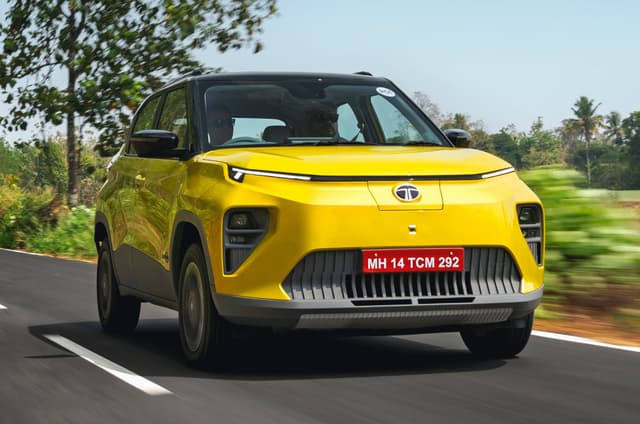
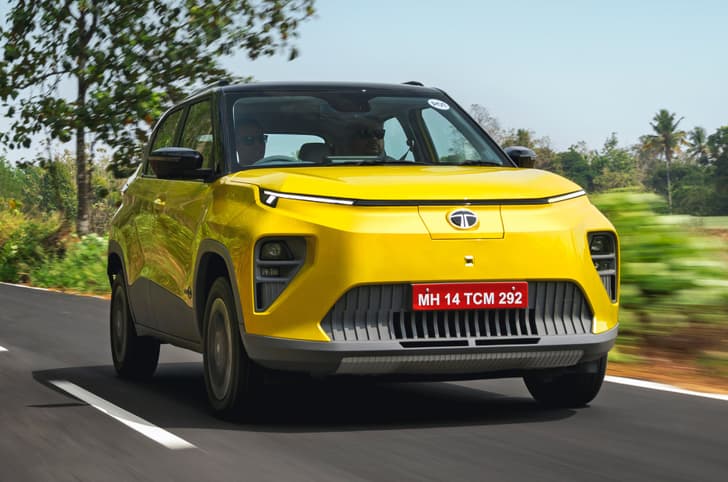
- Punch EV: A compact and nimble electric SUV with a premium, light-colored interior, impressive ride comfort, and good efficiency.
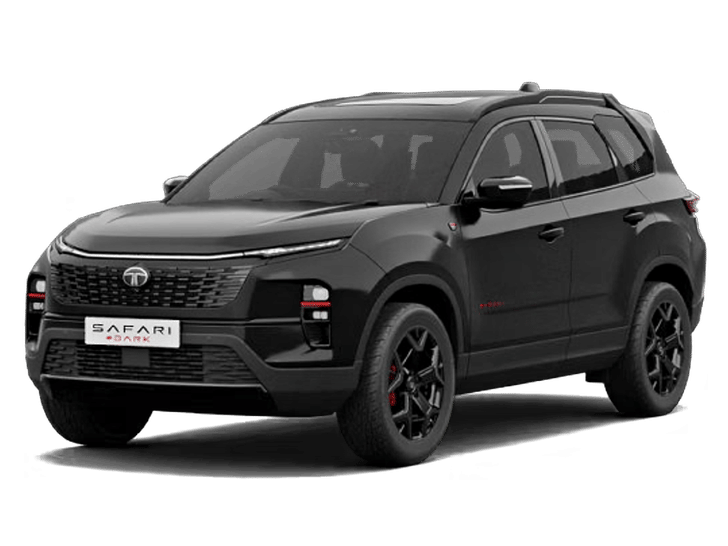
- Safari: Flagship SUV with aggressive new styling, updated tech, and the mighty 170hp, 350Nm 2.0-litre diesel engine.
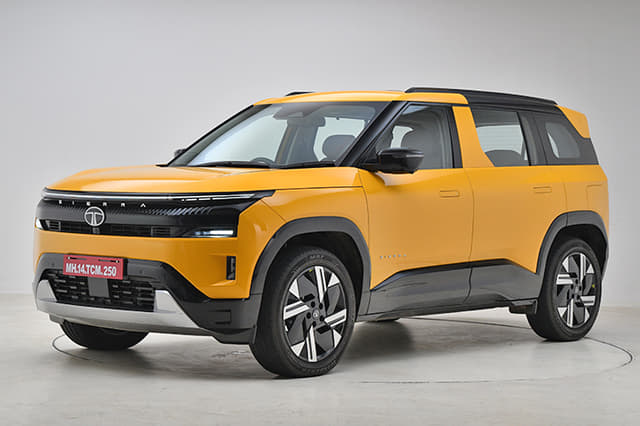
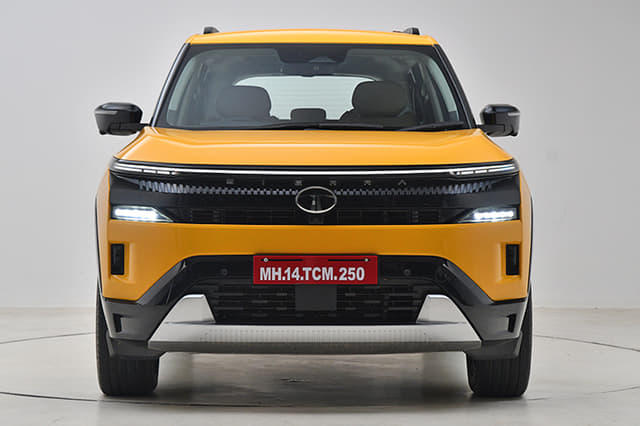
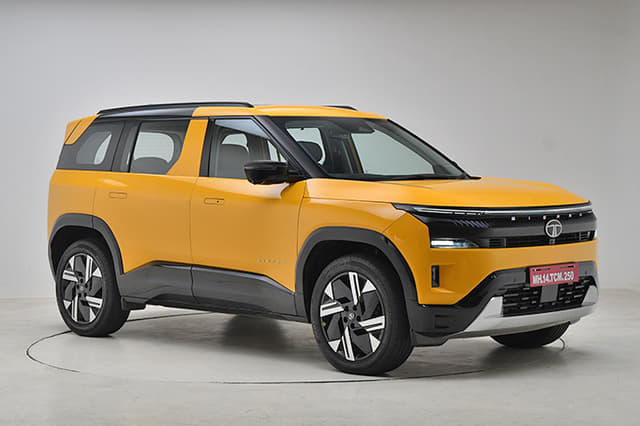
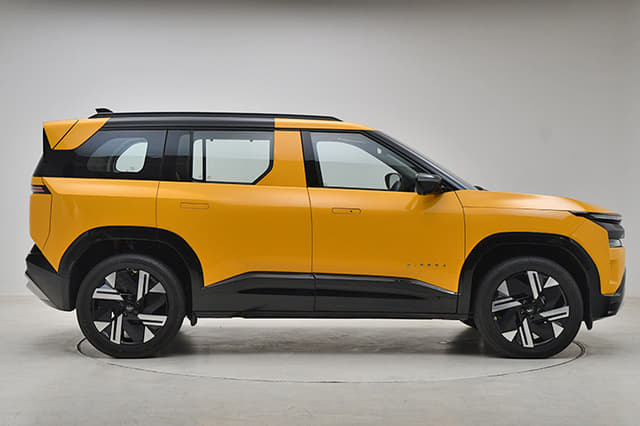
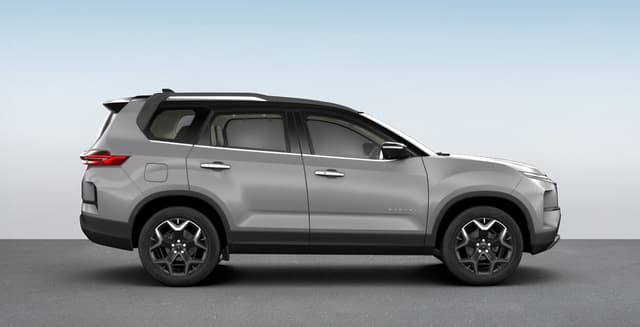
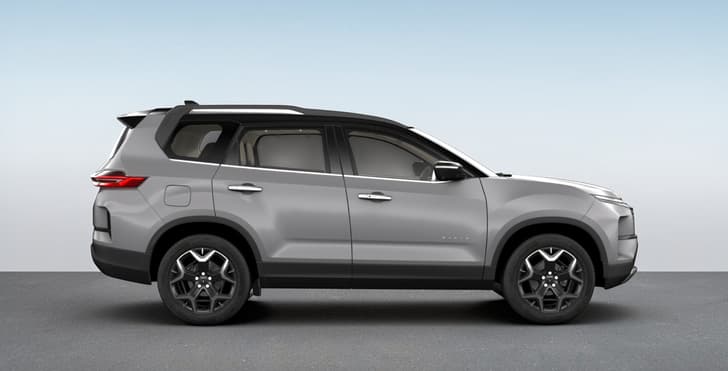
- Sierra: A recently launched SUV that ticks almost every box. It is well-priced, has the right feature set, is spacious, and offers multiple engine and gearbox options for different needs.
The Tata SUV price in India starts from โน5.59 lakh for the Punch and goes up to โน28.99 lakh for the Harrier EV (ex-showroom).
Tata
Can't decide which car to buy?
Ask our experts and get answers to all your cars related queries.
FAQs
The Tata car price in India starts at โน4.57 lakh (ex-showroom) for the Tata Tiago.
In 2026, Tata Motors has 15 cars on sale in India, with three more set to join the line-up. The current range includes 10 SUVs, two sedans and three hatchbacks. All three upcoming models are SUVs, which will take the total SUV count to 13 once they are launched.
The most popular Tata cars in India are the Punch, Nexon, Harrier, Tiago, and Altroz.
Tata sedan cars include the Tigor and Tigor EV. Both cars offer value, comfort, and safety. The price of Tigor starts at โน5.48 lakh, and Tigor EV is priced at โน12.49 lakh (ex-showroom).
Tata hatchback cars include the Tiago, Tiago EV, and Altroz.
The Tata SUV line-up includes Punch, Punch EV, Nexon, Nexon EV, Curvv, Curvv EV, Harrier, Harrier EV, Safari, and Sierra. The Tata SUV price starts at โน5.67 lakh and goes up to โน28.99 lakh (ex-showroom). Also, there are 3 upcoming Tata models, and all of them are SUVs.
The Tata electric car price in India starts at โน7.99 lakh for the Tiago EV and goes up to โน28.99 lakh for the Harrier EV.
The upcoming Tata new cars include the Sierra EV, expected by late 2026.
The Tata Safari is the flagship 7-seater SUV. Meanwhile the Nexon, Harrier, and Sierra are popular family choices for comfort and safety.
The top 3 Tata cars in India are the Punch, Nexon, and Harrier.
Tata currently offers 15 models in India, including 3 hatchbacks, 2 sedans, 10 SUVs . There are three new Tata models planned, and each one will be an SUV.
The Tiago is the cheapest Tata car, priced from โน4.57 lakh (ex-showroom).
The Tata Punch is among the best-selling Tata cars in India.
Tata cars like the Nexon, Altroz, Punch, Harrier, Safari, Punch EV, Nexon EV, Harrier EV, Curvv EV, and Curvv come with a sunroof.
The Tata Tiago, Tigor, and Nexon are popular choices for middle-class families. These Tata cars offer safety, comfort, and value.
The latest car launched by Tata is new Sierra at Rs11.49 lakh on 25 November, 2025.
Tata's top 3 popular models, based on sales and strong market presence, are the Tata Nexon (โน7.32 lakh - โน14.15 lakh), Tata Punch (โน5.50 lakh - โน9.30 lakh), Tata Harrier (โน14.00 lakh - โน25.25 lakh), and Tata Safari (โน14.66 lakh - โน25.96 lakh).
Tata offers 15 cars in India as of now. The current lineup includes 3 hatchbacks, 2 sedans, and 10 SUVs. Also, three new Tata models are planned, and all of them will be SUVs.
The only 7 seater Tata car in the Indian market is the Tata Safari. It is priced between โน14.66 lakh and โน25.96 lakh.
Yes. Tata has three new cars lined up. The most immediate is the Sierra EV, while the Avinya and new Nexon are expected to launch in 2027.
Need an expert opinion on your car related queries?

Trending Questions on Tata Cars - Answered by Autocar Experts
P
Asked by: Panuel Barikon Mar 2, 2026
I am 6 ft 2 in tall and want to buy a compact SUV. I am a bit confused between the Hyundai Creta / Kia Seltos, Tata Sierra, and Tata Elevate. Please suggest a suitable choice based on better ride quality and comfort, especially for long rides.
Given your height, the Tata Sierra would be the better option among the rest. The Sierra gets a spacious cabin with good headroom and is a comfy cruiser over long drives thanks to the option of a diesel engine. Even the turbo-petrol is punchy, has good performance and is enjoyable to drive.
The Seltos is also not too far behind, and while it isn't as roomy as the Sierra, the quality of the cabin is better, and it also gets a diesel engine that is quite nice on long trips.
Where it falls behind the Sierra is the ride comfort, and hence we would recommend the Sierra for its all-round positives given your requirements.
R
Asked by: Riteshon Mar 1, 2026
Dear Autocar, my daily commute is 38 km in the city. Should I choose the Safari diesel or the Alcazar petrol? Kindly advise in terms of maintenance, reliability, and cost efficiency. I want hassle-free ownership. Also, should I go for an automatic or manual?
An automatic transmission will be far more convenient for your daily city commutes; hence, between the two options you've listed, the Hyundai Alcazar DCT makes more sense. The Hyundai's service and ownership experience is likely to be better than Tata's.
Additionally, since you'll be purchasing the vehicle in Delhi, opting for the petrol-automatic version will give you a maximum of 15 years of ownership in the region, whereas the diesel-manual Tata Safari can only be driven for 10 years.
D
Asked by: Dhanoopon Mar 1, 2026
Hi, I am a 38-year-old surgeon with a daily travel of 100 km, split between city roads (50%) and state highways (50%). I am currently driving a 2018 Amaze and facing high fuel costs (around โน8,000 weekly). I am looking to switch to an electric automatic SUV in the โน20-35 lakh budget. I have considered the Harrier EV, XEV 9S, and Creta EV. Kindly suggest the right car (new or used) among these or any other suitable option.
The Hyundai Creta Electric is much smaller than the Tata Harrier EV and Mahindra XEV 9S, making it relatively much lighter than the other cars. It also has the smallest battery pack compared to the others, but on account of its lower kerb weight, it is a lot more efficient, and you can expect around 430km on a single charge with mixed usage.
Hyundai has also improved the battery's DC fast-charging capability recently, so charging times are also much lower. Furthermore, it is the most sorted electric SUV you can buy, with logical ergonomics and a clutter-free user interface/experience. Also, with no or minimal glitches, the Hyundai is much more reliable than the other two, and one that's very easy to recommend.
Since you have a budget of up to Rs 35 lakh, you could look for a Hyundai Ioniq 5. The Ioniq 5 is an outstanding electric car, and for all its merits, it even won our 2024 Car of the Year. It will be a bit more effort to source one, but because a facelift is expected soon, dealers will try to liquidate existing stock at mouth-watering discounts.
R
Asked by: Ramakrishnaon Mar 1, 2026
I travel 100 km daily, with about 10% city driving and 90% highway. My budget is โน15-20 lakh on-road. Please suggest a car that suits this usage pattern. Also, is buying an EV advisable for this daily distance and highway focus?
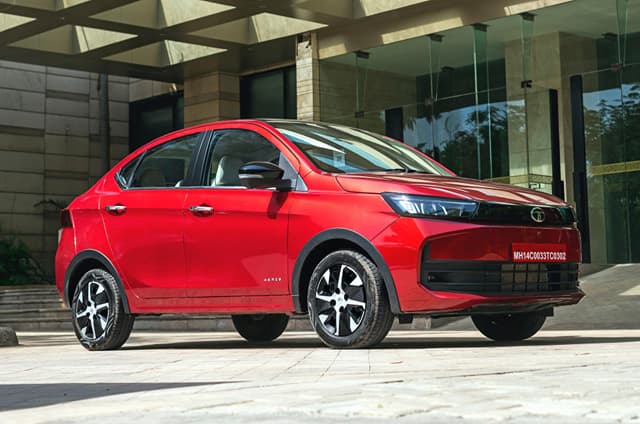
Since you have a high highway running, we would advise getting a diesel. While EVs do offer low running costs compared to diesels, the charging infrastructure, especially on highways, is still at a nascent stage.
If your commute involves a location with a fixed charger, then an EV would make sense. In that case, the Tata Nexon EV Empowered 45 would be a good option. With this version, you get a large 45kWh battery that's capable of delivering a real-world range of 345-355km on a single charge. It also gets a practical and feature-rich cabin with good ride comfort.
However, if charging is going to be an issue, a diesel SUV would be a lot less hassle. The Tata Sierra with a diesel engine and a manual gearbox would be a good option to consider. The engine is torquey and has good efficiency as well as a modern design and feature-rich cabin.
The Adventure trim also gets you a 360-degree camera, sunroof and cruise control, among other features.
S
Asked by: Sumanthon Mar 1, 2026
I am looking to buy a 5+2-seater automatic petrol. I previously owned an Ertiga ZXi+. Now I want to upgrade to something a step above the Ertiga. I have considered the XUV 7XO, Clavis, Alcazar, Safari, and HyCross. My driving is mainly in the city, with highway trips during holidays. Hence, I prefer petrol.
The ideal upgrade for you would be the Kia Carens Clavis. It has all the positives from the Maruti Ertiga but in a much more premium package. The engine is more powerful, it is extremely practical, and despite being a 5+2 seater, it is easy to drive in the city. The third row space is also usable for adults, especially in city drives. On the highways, too, it offers a comfortable ride and a decent amount of room in the third row with all three rows up. Being a Kia car, the equipment list is quite comprehensive, and you wouldn't miss many features with this MPV.
The Mahindra XUV 7XO is also good, but it is a bit too large for the city, and the third row space isn't as good or usable as the Kia's. The Hyundai Alcazar struggles with third-row room while carrying over the underpinnings of the Clavis. The Tata Safari isn't easy to use in the city, courtesy of its size and cramped third-row space, and the Toyota Innova HyCross, in its petrol-only guise, is quite inefficient and has to sacrifice a whole bunch of features too, unless you spend upwards of Rs 30 lakh and get the strong-hybrid version.
The Carens Clavis will tick all the necessary boxes and at a reasonable price point, making it the best pick for you.
V
Asked by: Vikason Feb 28, 2026
My maximum budget is โน23 lakh, and I will be driving mainly in the city for about 1800-2000 km per month. I am comparing the Tata Harrier (petrol automatic) with the Skoda Kushaq (petrol automatic with DSG). Which variant should I choose for my usage?
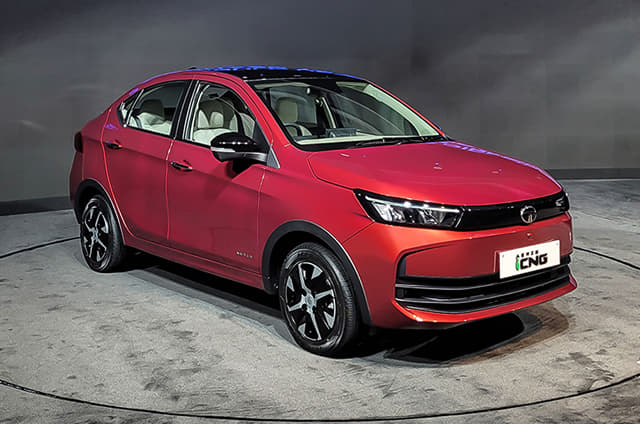
Since your running is quite high and that too in the city, a strong hybrid powertrain would be a good option to consider. The Maruti Suzuki Grand Vitara or the Toyota Urban Cruiser Hyryder are mid-size SUVs with a strong hybrid powertrain and are excellent in the city. The battery and motor provide enough power for everyday driving, and they offer good ride comfort too.
That said, if you do not prefer a strong-hybrid SUV, the new updated Skoda Kushaq will be launching soon. It gets the same engine as before, but the 1.0-litre TSI motor will not get an 8-speed automatic instead. If you are a keen driver and enjoy getting behind the wheel, the Kushaq would be a better choice.
We would recommend that you wait for the launch. The Tata Harrier just got a new petrol engine, which is refined, but it's a bit too big for the city and isn't as polished as the Kushaq.
U
Asked by: udayon Feb 27, 2026
I travel approximately 85 km daily and am considering the Tata Punch EV 2026, specifically the Adventure 40 kWh variant. Given my daily usage, would it be better to purchase the vehicle with the battery included or opt for the BAAS (Battery as a Service) model? Which option would make more financial sense in the long run?
The Tata Punch EV is a great pick and should serve you well. While BaaS does lower the cost of acquisition, the battery rental and minimum costs actually add up to a lot and only make sense for users with high usage. There's also much else hidden in the fine print.
While you do fit the use case for BaaS, purchasing the vehicle would be a wiser option.
M
Asked by: Mungara Rahulon Feb 27, 2026
I am planning to buy my first car, and I have never owned one before. I own a house with a car parking area. My car usage will be very low, maybe twice a week or even less. I am confused about what to choose: Should I buy a petrol vehicle now (BS6 Phase 2 engine car)? Or should I wait for flex-fuel engines to come to market, as E27 is in the news? Should I buy an EV? Please advise.
First, letโs clear the confusion around flex-fuel and E27. Thereโs a lot of noise on social media, but flex-fuel cars (E27 and above) are still some time away in the mass market. Also, itโs not yet clear what real-world benefit they will offer to customers. Higher ethanol blends generally reduce fuel efficiency, so unless E27 fuel is significantly cheaper than todayโs E20 petrol, the advantage may not be substantial.
Current BS6 Phase 2 petrol cars are fully compatible with E20 fuel, which is expected to remain the base fuel even if higher ethanol blends are introduced. So buying a petrol car now is absolutely safe and sensible. Thereโs no need to delay your purchase waiting for flex-fuel technology.
Now, since you have your own house with dedicated parking, installing a home charger is possible. That makes an EV a practical option. For a first-time buyer, an EV is actually very easy to drive. It has no clutch, no gear shifts, offers smooth acceleration, and has very low running costs. Something like the Tata Punch EV offers good value. Just keep in mind that long highway trips will require planning around charging stops.
If your usage is only twice a week or less, a regular petrol car may still be the simpler, more flexible choice. One of our go-to recommendations for first-time buyers is the Honda Amaze. Itโs easy to drive, reliable, comfortable and offers hassle-free ownership.
M
Asked by: Mohammed Sirajuddinon Feb 27, 2026
I am an NRI based in Dubai, looking to purchase an automatic SUV for my home in Kasaragod, Kerala. I will be using when I visit couple of times in a year and the car will be primarily used by my sister for local shopping and local commutes, but will also remain idle sometimes. Between the Skoda Kylaq Prestige Plus (1.0 TSI with 6-speed Torque Converter) and the Hyundai Venue HX8 (1.0 Turbo with 7-speed DCT), which powertrain is more mechanically durable for a 10-year ownership cycle? Is buying new punch ev also makes sense? Iโm open to other suggestions as well.
All modern cars today, if maintained well, are engineered to last 10 years or more. Over that period, you should budget for both scheduled services and some wear-and-tear replacements. Given your usage pattern with limited annual running and long idle periods, the way the powertrain behaves when used sparingly becomes more important. Since most of your trips are short and local in Kasaragod, outright performance is less critical than smooth and reliable operation.
Between the Skoda Kylaq Prestige Plus (1.0 TSI with 6-speed torque converter) and the Hyundai Venue HX8 (1.0 Turbo with 7-speed DCT), both should serve you well if maintained properly. However, purely from a mechanical durability standpoint, a conventional torque converter automatic, like the one in the Kylaq, is generally more tolerant of stop-go driving and long-term ownership than a dual-clutch transmission (DCT).
DCTs offer quicker shifts and better efficiency, but they are more complex and can be sensitive to heat and crawling traffic. This is something your sister is likely to encounter in town driving. Over a 10-year horizon, especially with intermittent usage and possible long idle periods, the simpler torque converter setup is typically the safer bet.
That said, both cars use small turbo-petrol engines. Modern turbo engines are reliable, but they are inherently more complex than naturally aspirated (NA) engines. It is due to additional components like the turbocharger and intercooler. If absolute long-term peace of mind is your priority, you could also consider the Maruti Suzuki Brezza, which comes with a 1.5-litre naturally aspirated petrol engine paired to a 6-speed torque converter. An NA engine is mechanically simpler and, in theory, better suited to low annual running and long ownership.
As for the Tata Punch EV, it is an excellent value for money as an EV. However, in your specific case, it may not make complete sense. Your annual usage appears limited, so you wonโt significantly benefit from the lower running costs of an EV.
Additionally, the Punch EV is compact with a smaller boot, which may restrict practicality during family visits. Long idle periods are also not ideal for EVs unless the battery state of charge is managed carefully.
N
Asked by: Nipenon Feb 26, 2026
I am using a petrol MT EcoSport for my daily office commute and travel about 500-600 km a month. Should I go for an EV or a petrol IVT for city usage? Please share options based on your recommendation.
If you have convenient access to EV charging or, better yet, can install an EV charger at your home, an electric car is worth considering. EVs feel their best in the city with a seamless drive experience that no ICE automatic can match. Of course, refinement is another highlight. The quiet experience really adds calm to frustrating bumper-to-bumper drives.
You haven't shared your budget, but (in order of price) models like the Tata Punch EV, Tata Nexon EV, MG Windsor, Hyundai Creta Electric, and Mahindra XEV 9S should be in your consideration set.
Last Updated on: 4 Feb 2026