
Autocar India
AK

Aasish Kadimcherla

3d

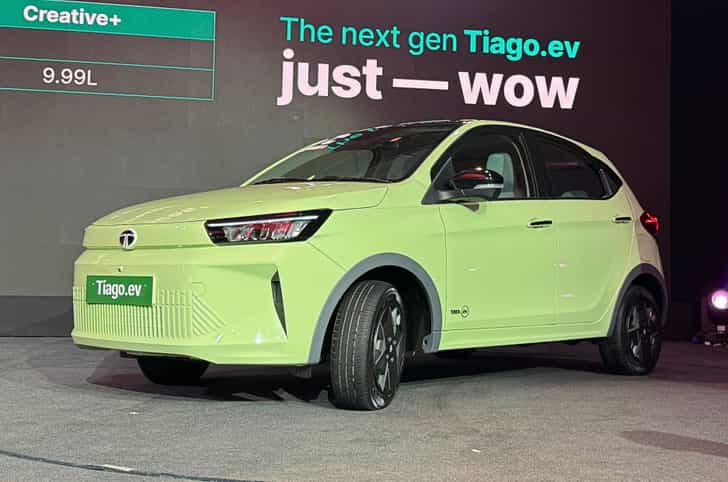
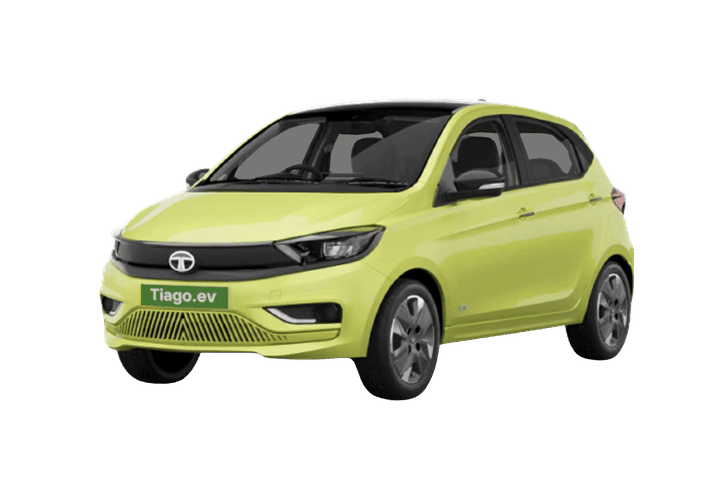
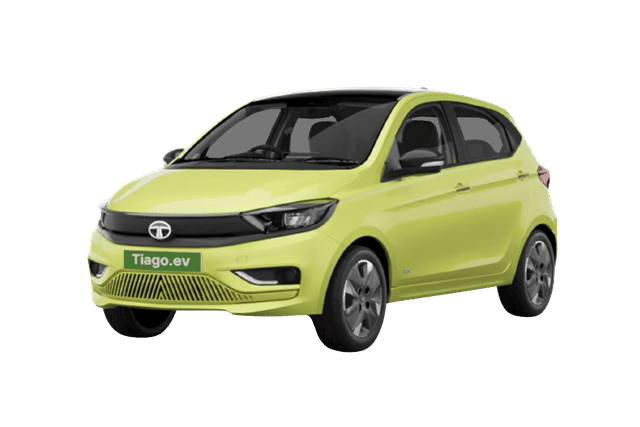
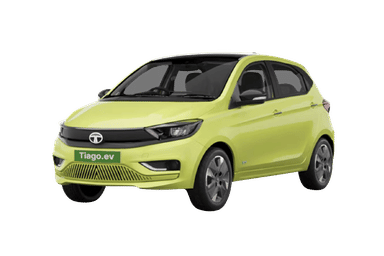
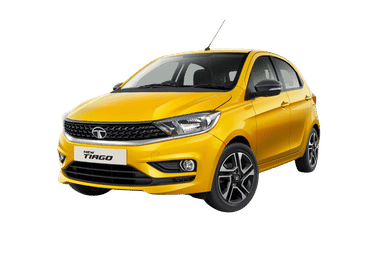
I want to buy my first car. I have narrowed my choices down to the Tata Tiago EV and Tata Punch EV. My budget is up to Rs 14 lakh, and I prefer buying an EV. The vehicle will mainly be used for my daily office commute, which is 64 km per day. Occasionally, I will drive to Vijayawada, which is around 350 km from where I currently live.

Autocar India team

Autocar India

Verified
3m
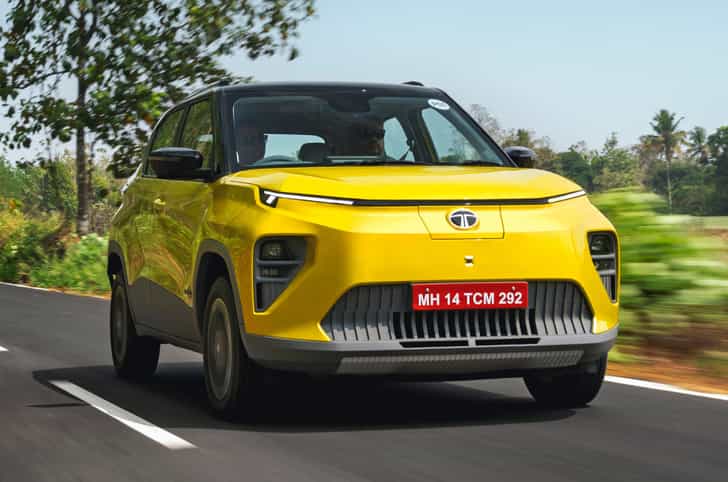
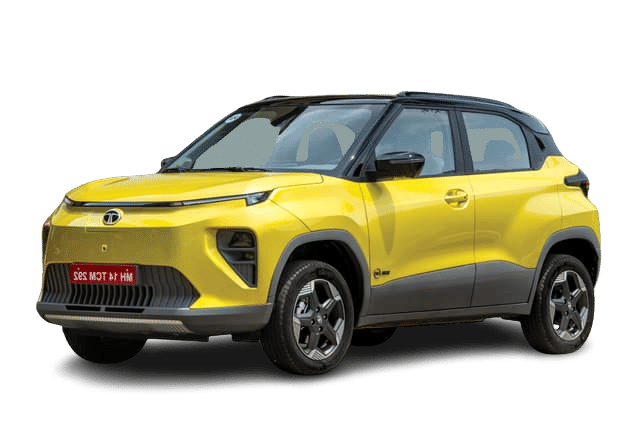
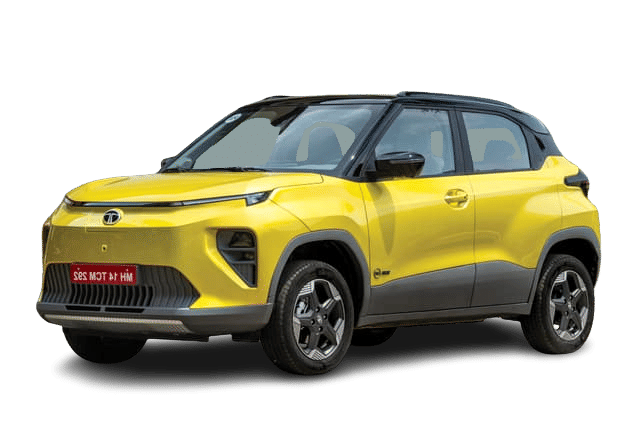
Buy the Tata Punch EV 40kWh. Your 350 km Vijayawada runs are the decider. The Punch’s bigger battery needs just one quick fast-charge on the way, while the Tiago EV would likely need two and will feel a bit more out of breath at highway speeds. For a 64 km daily commute, the Punch lets you charge less often at home and its extra ground clearance and space make life easier in traffic, rain and weekend trips.
Whichever you choose, check DC fast chargers along your path. With the Punch, one 40-60 minute top-up en route is usually enough; with the Tiago EV, plan two shorter stops. If you have home parking for overnight charging, the Punch EV is the smoother all-rounder for you.
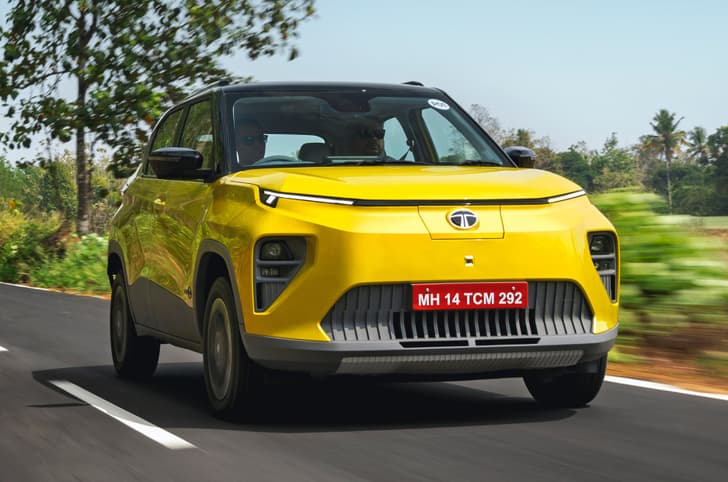
Tata Punch EV

Tata Punch EV

More questions on similar cars

AD

ADRvlogs

4d

Hello Team Autocar! I am 64+ years old and a driving enthusiast from Shillong, Meghalaya. It being a hill City, the roads are narrow, and I drive a Kushaq 1.5 MT, the biggest car that can navigate to my tight parking space! Given the recent price rise in fuels & the Global situation, I am thinking of shifting to a compact EV like Nexon / Punch EV. My query is: 1. Is EV a good option for Hill cities? 2. What are the basic infrastructure requirements for the installation of a Fast charger at home? 3. Or shall I continue with my Kushaq, which is just 2+ years old now?

Autocar India team

Autocar India

Verified
2d

Yes, an EV suits Shillong if you can charge at home, and between your two, buy the Tata Punch EV (Long Range) - it is smaller and easier to park than the Tata Nexon EV, yet has strong hill pull and about 300 km real range with the new larger 40KWH battery pack.EVs work well in hills because power is instant, and they recover energy on descents, so you use the brakes less. Do plan for a 15-25% range drop on steep, cold runs and keep a buffer, since public chargers in Meghalaya are still sparse versus Guwahati.For home, the practical “fast” option is a 7.2 kW AC wall box. You need a dedicated 32A line from your meter, good earthing, a safety breaker (RCD/MCB), and enough sanctioned load at home, usually 8-10 kW total. A sheltered spot within 5-10 m of the meter is easiest; longer cable runs just need thicker wiring. Get society/landlord NOC if applicable. True DC fast chargers at home are rarely practical and need commercial three-phase and clearances.If you do frequent Shillong-Guwahati trips or don’t have reliable home power, keep the Kushaq for now; it’s only 2 years old and selling now burns money. If most driving is in-city with home charging, the Punch EV will cut costs and stress.

VehicleTata Punch EV
VehicleTata Nexon EV
MD

Max D

4d

I am planning to buy a sedan, despite most people today preferring SUVs. I am considering the Hyundai Verna HX10 IVT and the Volkswagen Virtus 1.5 DSG. Since I would be spending around Rs 20 lakh on either of these cars, I wanted to know whether sedans still make sense given Indian road conditions. Are roads improving enough to justify buying a sedan again, or should one still stick to SUVs? I also noticed that a similarly equipped SUV as the Creta costs around Rs 3-4 lakh more. Is this premium justified, or is it better to save the money and buy a sedan instead?

Autocar India team

Autocar India

Verified
2h

Sedans absolutely make sense. Road quality in most cities has improved enough that a modern sedan’s clearance handles regular bumps and broken patches fine. You'd buy an SUV mainly for the road presence and higher seating position, and these days, very few offer AWD or specialised off-road hardware. If your daily commute has absolutely broken roads, steep speed breakers or is prone to flooding, that extra 10-20mm of ground clearance will help. Or if you have elderly passengers for whom getting into and out of a sedan is difficult. If not, you are paying Rs 3-4 lakh more for the feel-good factor rather than any tangible benefit.Pick the Hyundai Verna IVT. For your mostly urban Indian driving and on a Rs 20 lakh budget, it is smoother to drive, easier to live with, and cheaper to run. The automatic is smooth in traffic, the ride is comfortable, and there is no long-term worry around heat-and-traffic wear that the Volkswagen Virtus 1.5 with its quick but complex gearbox can throw up. The Virtus is the driver’s car here - stronger on highways and more fun in corners - but it can stretch past your budget on-road, and repairs aren’t cheap if things go wrong.

VehicleHyundai Verna
VehicleVolkswagen Virtus

Popular discussions right now

Posted on: 1 Jun 2026