Autocar India
AD

ADRvlogs

1d

Hello Team Autocar! I am 64+ years old and a driving enthusiast from Shillong, Meghalaya. It being a hill City, the roads are narrow, and I drive a Kushaq 1.5 MT, the biggest car that can navigate to my tight parking space! Given the recent price rise in fuels & the Global situation, I am thinking of shifting to a compact EV like Nexon / Punch EV. My query is: 1. Is EV a good option for Hill cities? 2. What are the basic infrastructure requirements for the installation of a Fast charger at home? 3. Or shall I continue with my Kushaq, which is just 2+ years old now?

Autocar India team

Autocar India

Verified
3m

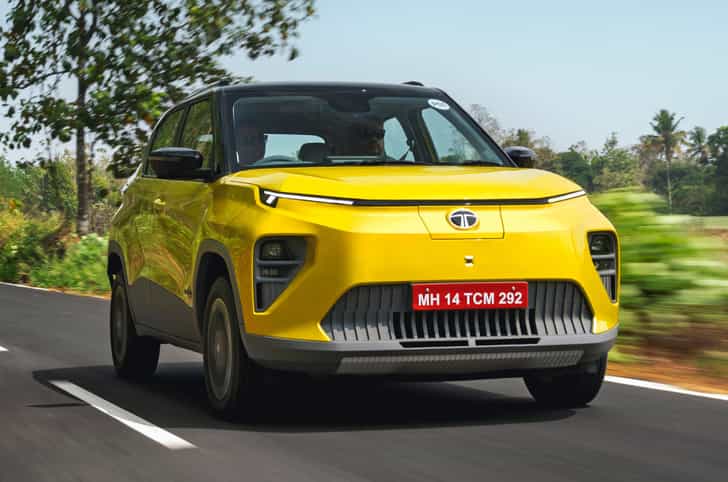
Yes, an EV suits Shillong if you can charge at home, and between your two, buy the Tata Punch EV (Long Range) - it is smaller and easier to park than the Tata Nexon EV, yet has strong hill pull and about 300 km real range with the new larger 40KWH battery pack.

EVs work well in hills because power is instant, and they recover energy on descents, so you use the brakes less. Do plan for a 15-25% range drop on steep, cold runs and keep a buffer, since public chargers in Meghalaya are still sparse versus Guwahati.

For home, the practical “fast” option is a 7.2 kW AC wall box. You need a dedicated 32A line from your meter, good earthing, a safety breaker (RCD/MCB), and enough sanctioned load at home, usually 8-10 kW total. A sheltered spot within 5-10 m of the meter is easiest; longer cable runs just need thicker wiring. Get society/landlord NOC if applicable. True DC fast chargers at home are rarely practical and need commercial three-phase and clearances.

If you do frequent Shillong-Guwahati trips or don’t have reliable home power, keep the Kushaq for now; it’s only 2 years old and selling now burns money. If most driving is in-city with home charging, the Punch EV will cut costs and stress.
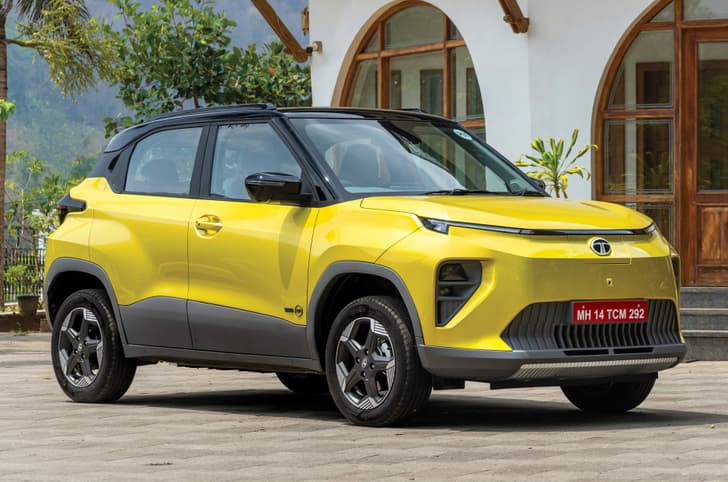
Tata Punch EV

Tata Punch EV

Want to sell your car?

Sell your car at the right price, without the stress.

More questions on similar cars

NI

Nitin

4d

Hi, I own a Renault Duster petrol CVT (9 years old). My daily running is 30 km in the city and a 500 km round trip once a month. My Duster returns 7 kmpl in the city and 10 kmpl on highways. I was thinking of replacing it with the Punch EV 40 kWh, but I am worried about highway performance. Is it better to keep the Duster for highways and buy a lower-range EV for city use, or what works best?

Autocar India team

Autocar India

Verified
3d

Your use is mostly city driving with one long trip a month, so switching to the Tata Punch EV 40kWh as your only car makes sense. In daily traffic, it feels smooth, quiet and easy to drive, while the instant response makes gaps in traffic easy to manage. On the highway, it feels stable and cruises comfortably. Expect a real-world highway range of around 220-230km, which means you will likely need just one fast-charging stop depending on your speed and load. If your route has enough fast chargers and you can charge overnight at your destination, this should not be an issue, and overall, it is a better solution than keeping your Renault Duster and buying a smaller city car.Two things to note versus your Duster: the Punch EV’s cabin and boot are smaller, and range can drop sharply if you are travelling fully loaded with luggage on longer trips.If that does not suit your usage, then keep the Duster for the monthly highway run and get a Tata Tiago EV for city use only. Do remember that even if the Duster is used only once a month, it will still need regular upkeep. Choose this option only if the running costs and parking needs of owning two cars are not a concern.

VehicleTata Punch EV
VehicleTata Tiago EV
DE

Deep

1d

Currently using an XUV500 manual. Looking for a mid-size or full-size SUV in automatic form under Rs 18-20 lakh. Need auto AC, central locking, power windows, and a reverse camera. The car should be easy to drive in Mumbai traffic and should offer strong performance like the XUV500. Please suggest.

Autocar India team

Autocar India

Verified
2h

Get the Skoda Kushaq 1.0 TSI automatic. It fits within Rs. 18-20 lakh, is compact enough to be easy in Mumbai traffic, and the turbo-petrol with the smooth automatic has the kind of mid-range shove that makes quick gaps, and flyover overtakes feel natural after an XUV500. You also get auto AC, central locking, power windows and a reverse camera in the Ambition/Style trims.What makes it work in the city is the clean, creep-friendly automatic and light steering, without the heat worries some dual-clutch setups can have in bumper-to-bumper. On the highway, it feels stable and confident, and the 1.0 turbo pulls stronger than most 1.5 NA rivals, so you won’t feel shortchanged when you need to get a move on.It isn’t as wide or roomy as your old XUV500, and fully loaded hill climbs won’t feel as effortless as a big diesel, but for daily Mumbai use with regular weekend runs, it strikes a good balance within your budget.If you want even more punch, consider the Renault Duster. Its wet-clutch DCT is smoother than the dry-clutch units found in cars such as the Kia Seltos, and it is less prone to overheating in stop-and-go traffic. On the downside, fuel efficiency is not particularly impressive, and rear seat space is more restricted than in the Skoda Kushaq.

VehicleSkoda Kushaq
VehicleRenault Duster
VehicleKia Seltos

Popular discussions right now

DJ

Deepak Jain

6d

I am planning to buy the Honda City facelift that was launched yesterday. How does it compare with the Volkswagen Virtus? I am also assuming that the government will continue supporting E20 fuel even if E85 is introduced in the future. So, is it still safe to buy a petrol vehicle in Delhi/NCR?

Autocar India team

Autocar India

Verified
5d

The new City facelift does make a stronger case now because Honda has added genuinely useful features like a larger infotainment screen and ventilated front seats, while pricing has remained fairly sensible. But fundamentally, the character of the car has not changed.Against the VW Virtus, the choice still comes down to personality. The Virtus is the more fun to drive option, especially with the turbo petrol engines, because it feels stronger, more eager and more engaging from behind the wheel. The City, on the other hand, is the more balanced sedan. The 1.5 naturally aspirated petrol is smooth, refined and easy to live with, but if outright performance is your priority, it will not feel as quick as the turbo Virtus. The City hybrid changes that equation because it is genuinely quick and can match the 1.5 TSI for straight line pace, but it is still not what you would call an enthusiast’s car.On the fuel front, yes, it is safe to buy a petrol car in Delhi NCR. Current mainstream petrol cars are already E20 compatible, and even if India eventually pushes toward higher ethanol blends, that transition will be gradual rather than an overnight switch. Beyond a certain point, if the country were to move meaningfully toward very high blends like E85, manufacturers would need proper flex fuel engines engineered for that fuel, and the government would also need to continue offering lower blend fuel options during any transition.

VehicleVolkswagen Virtus
VehicleHonda City

Posted on: 29 May 2026