
Autocar India
Maruti Suzuki

Maruti Suzuki cars in India (19)
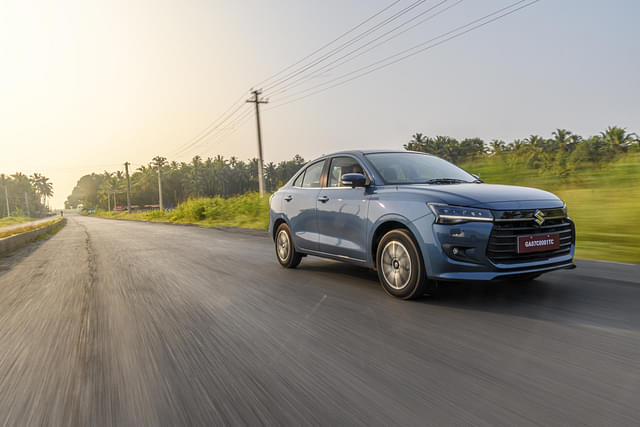
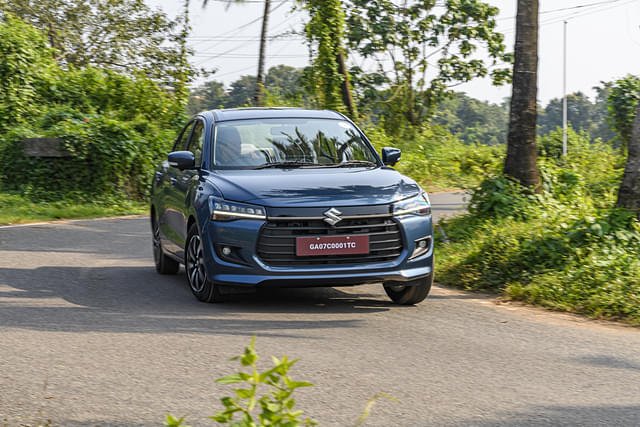
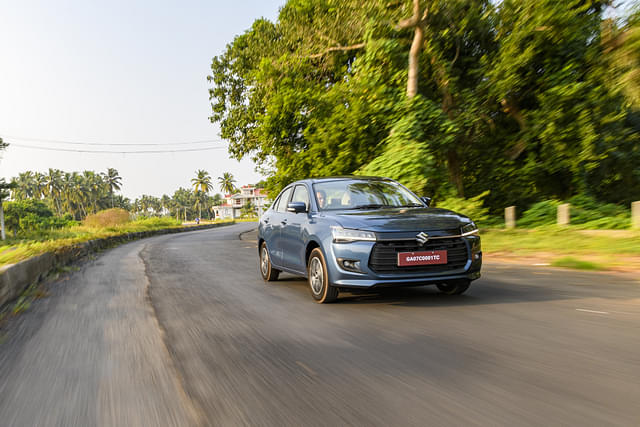
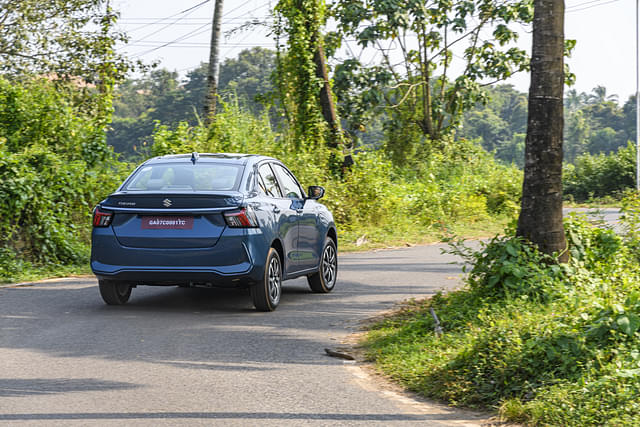
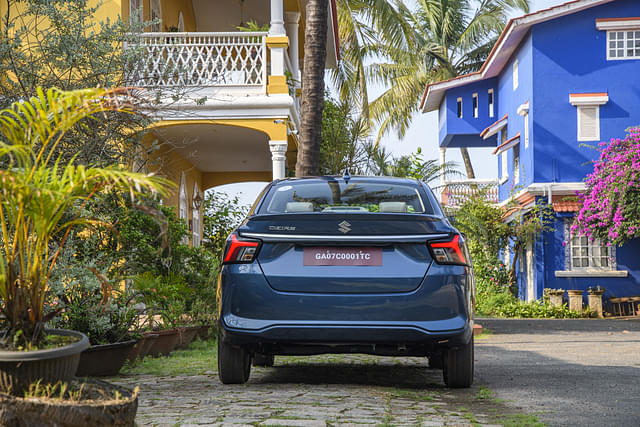
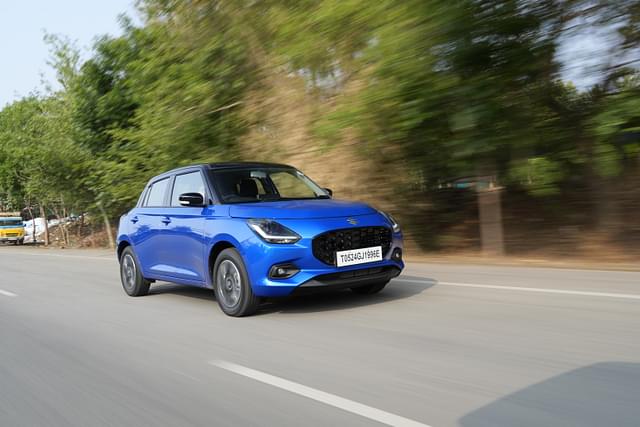
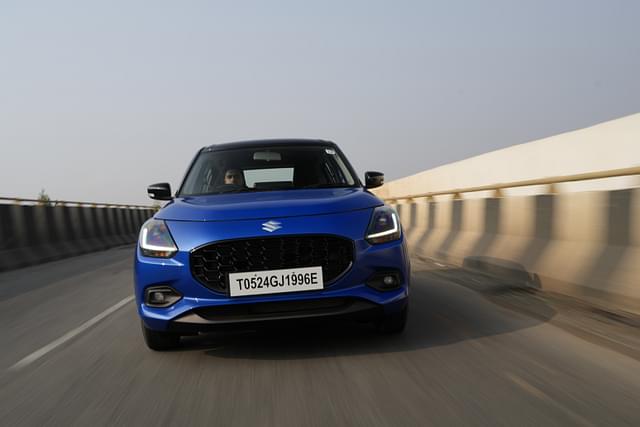
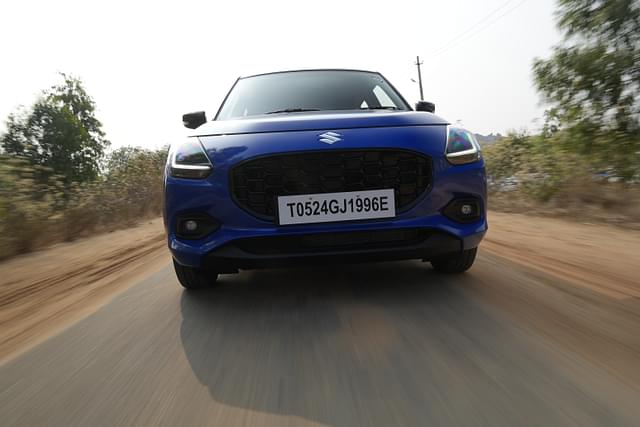
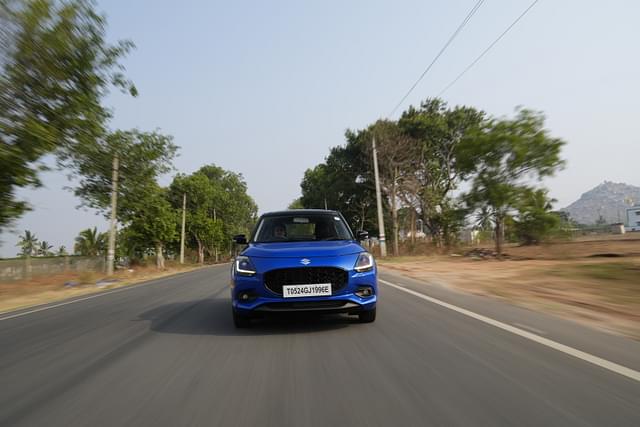
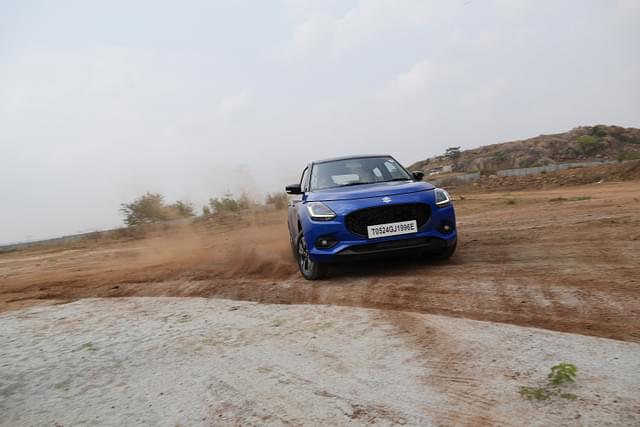
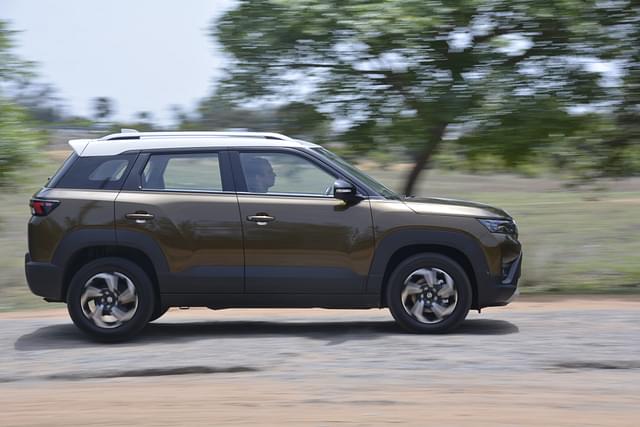
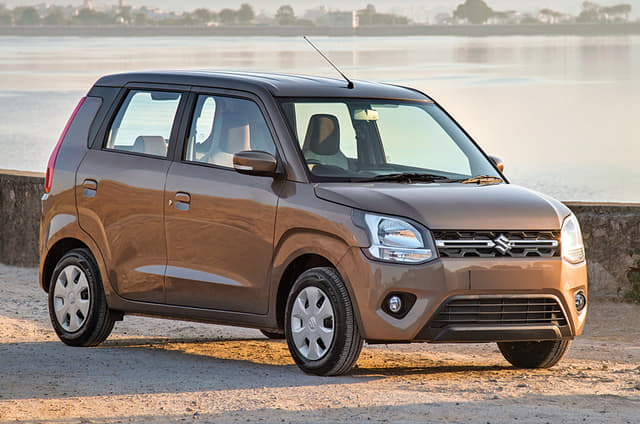
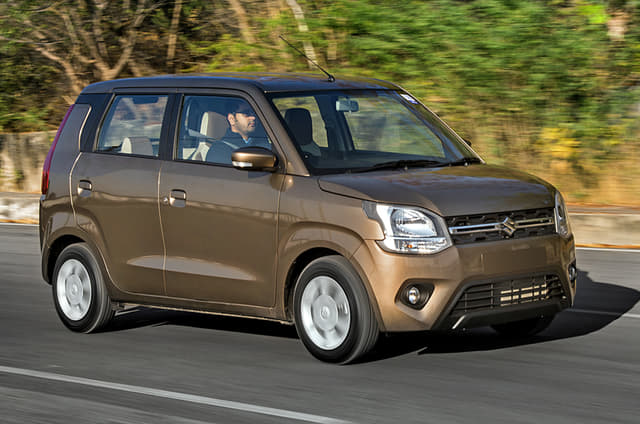
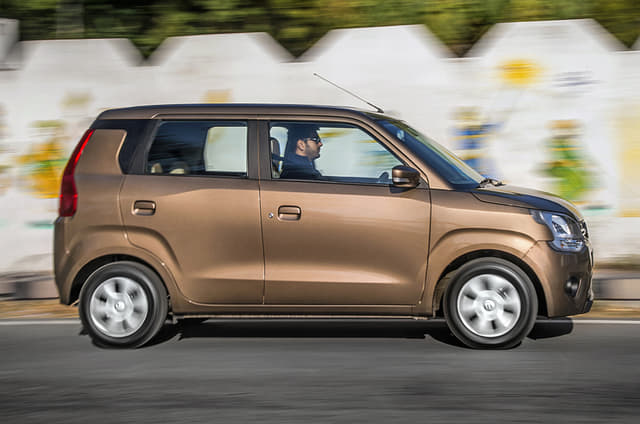
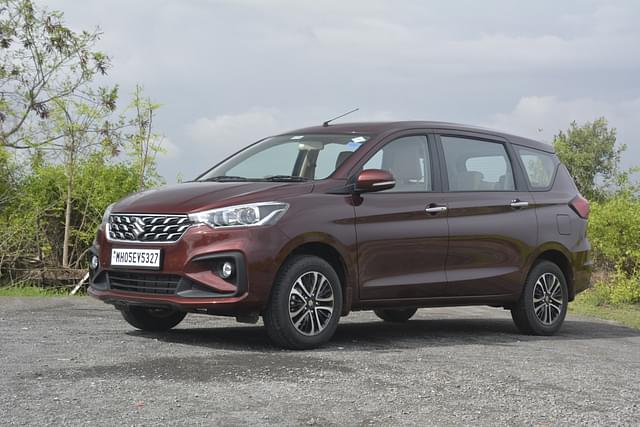
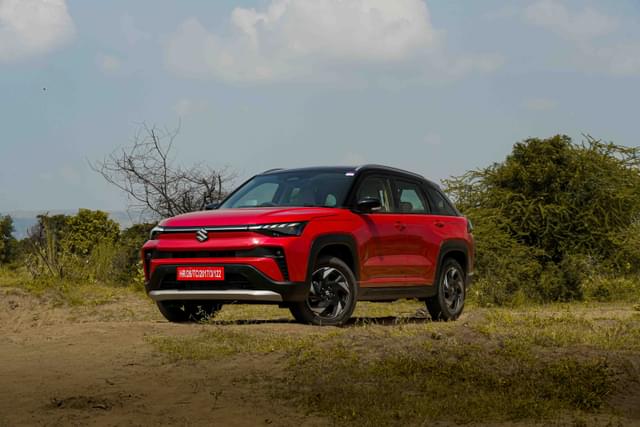
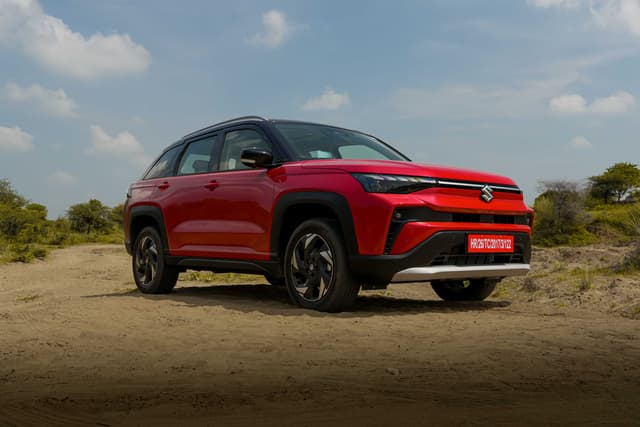
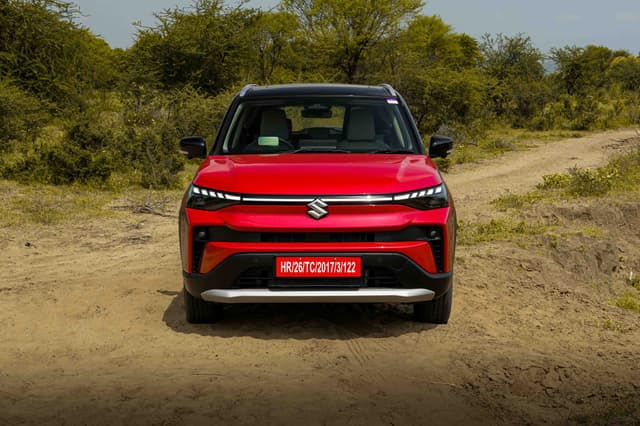
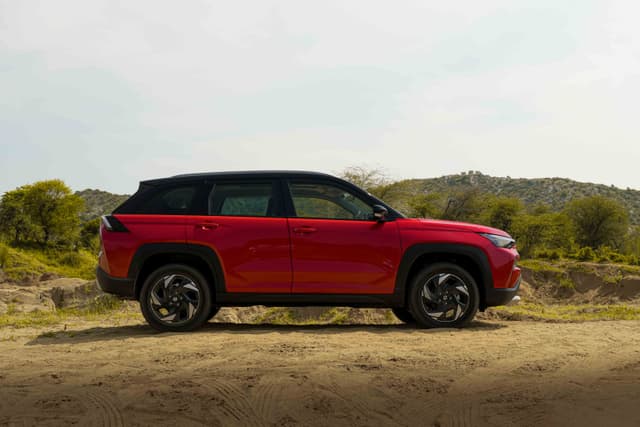
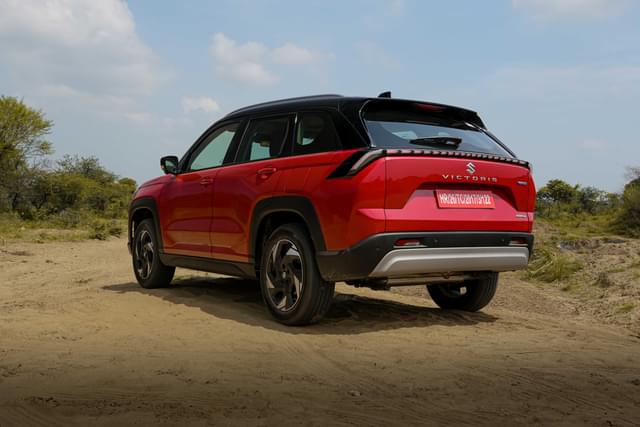
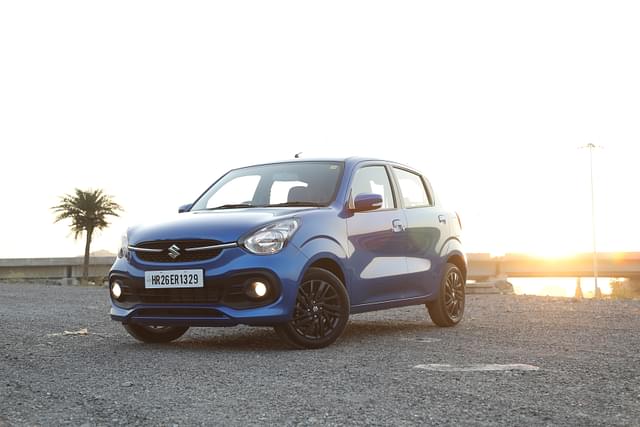
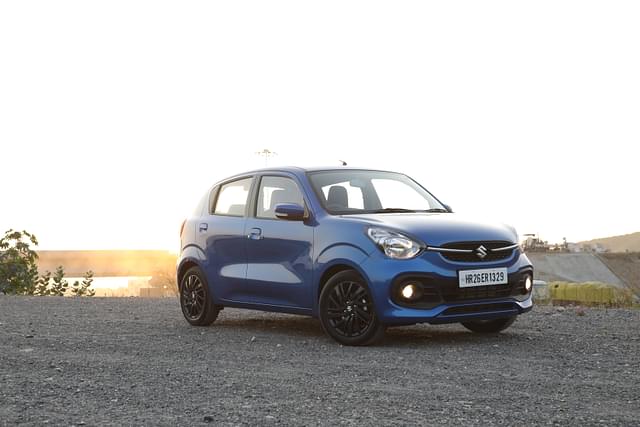
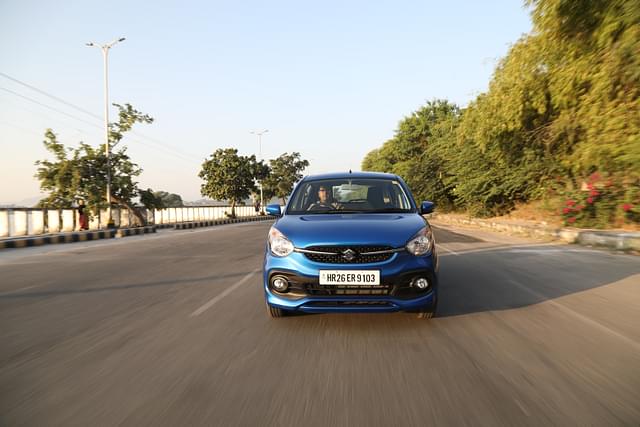
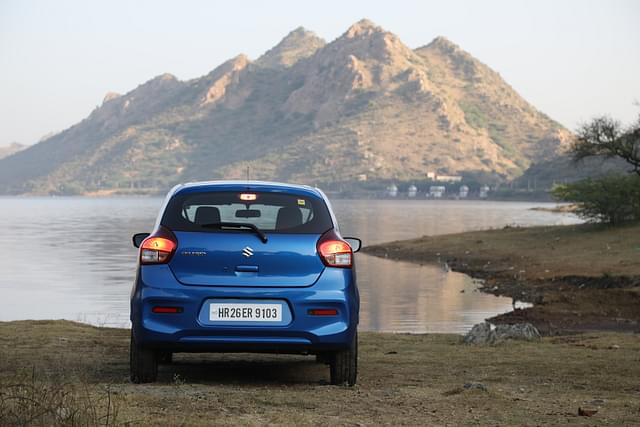
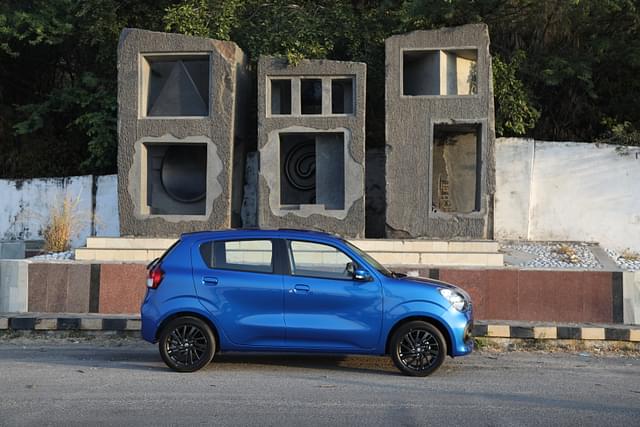
The brand Maruti Suzuki needs no introduction in India, thanks to its budget-friendly, dependable, and reliable cars. The brand offers something for every budget. The Maruti Suzuki cars in India in 2026 include sedans, hatchbacks, SUVs, and MPVs, powered by petrol, petrol-hybrid, and petrol-CNG engines across various price points. There are no diesel options available. The Maruti car price starts at Rs 3.50 lakh and goes up to Rs 28.61 lakh in India (Delhi, ex-showroom).  


Maruti Suzuki currently offers 17 models in India across its two retail networks: 

  • Maruti Suzuki Arena (caters to the budget end of the market)
  • Maruti Suzuki Nexa (caters to the premium end of the market)


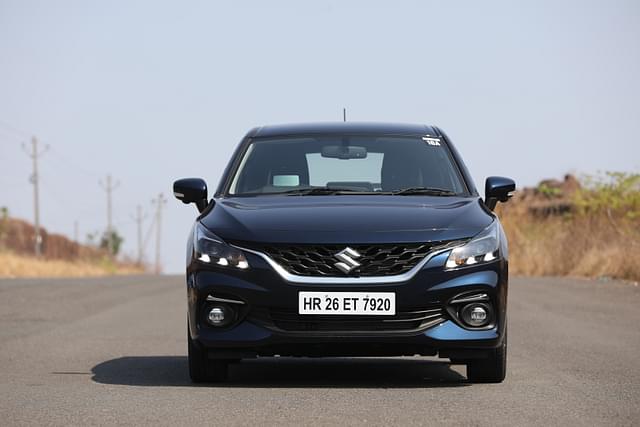
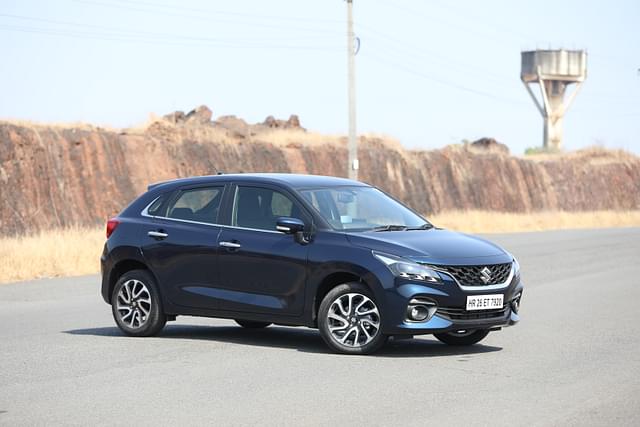
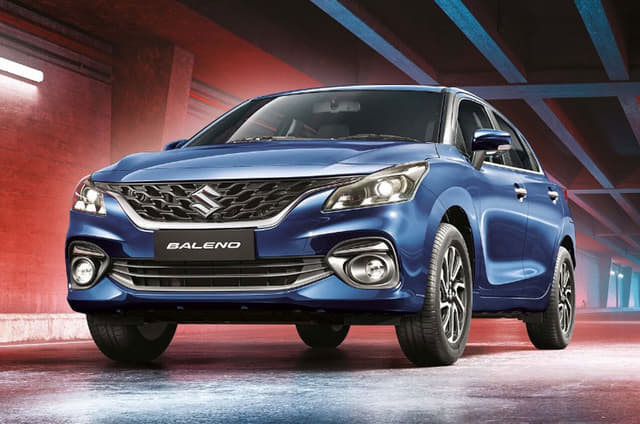
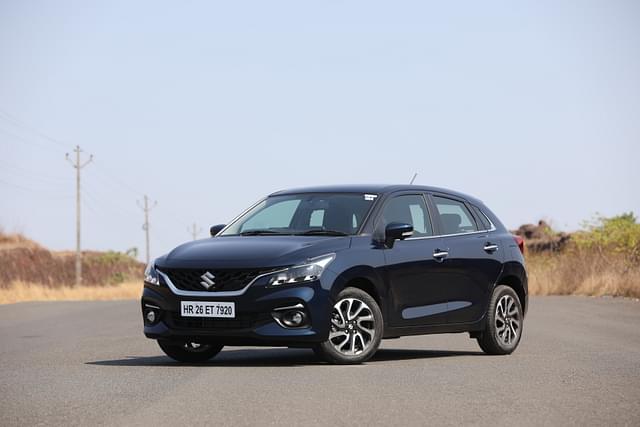
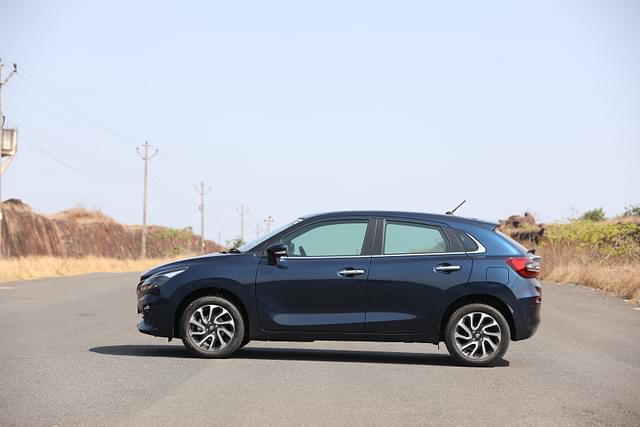
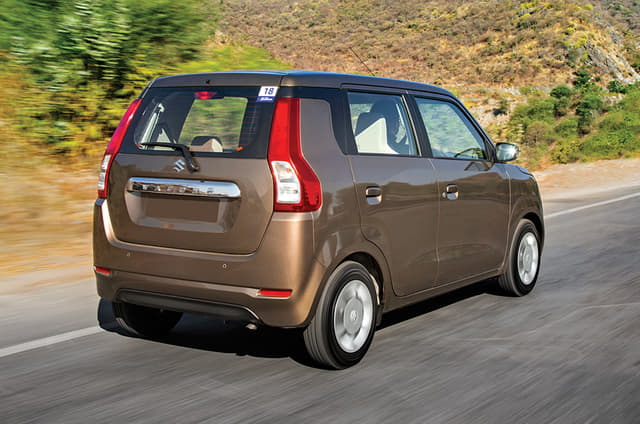
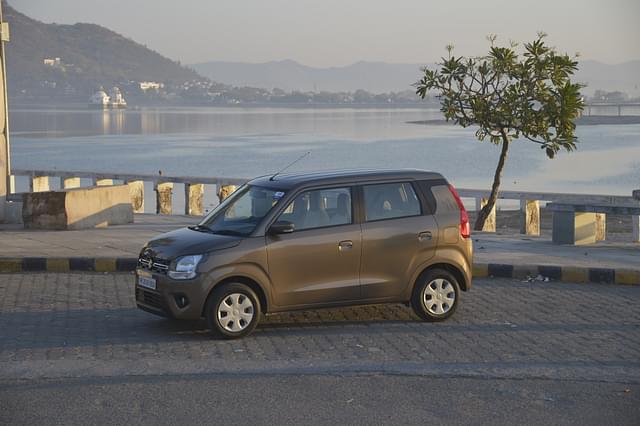
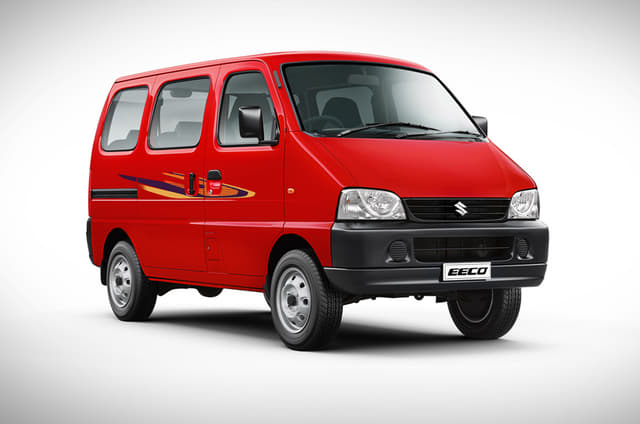
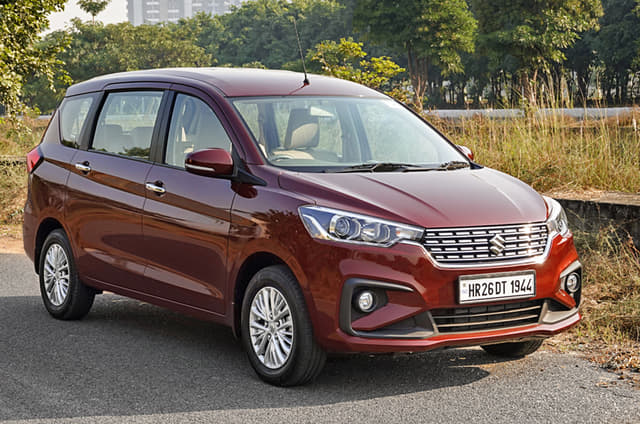
The Maruti cars sold through the Arena showrooms are: Alto K10, S-Presso, Wagon R, Celerio, Swift, Dzire, Breeza, Eeco, Ertiga, and Victoris. Meanwhile, Ignis, Baleno, Fronx, XL6, Jimny, Grand Vitara, and Invicto are sold through the Nexa showrooms. 


Maruti Cars in India - Latest Updates (June 2026)


Here are the latest updates related to the Maruti cars as of 2026:


  • 25 June 2026: Maruti sold more than 7,000 e-Vitaras in India.
  • 8 June 2026: As per sources, Maruti Suzuki is targeting to cut vehicle development timelines by 25% as it prepares to launch nine new models over the next three years.
  • 29 April 2026: RC Bhargava says a revival of India’s small-car segment is “inevitable” in the coming years, even as buyers continue to shift towards SUVs.
  • 28 April 2026: Maruti Suzuki achieves its highest-ever exports, shipping 4.48 lakh units in FY2026.
  • 17 February 2026: The e Vitara, the first Maruti electric car launched at Rs 10.99 lakh. The battery cost is extra.
Show more

Find cars by body type
Can't decide which car to buy?
Ask our experts and get answers to all your cars related queries.

FAQs

The most expensive Maruti car is the Invicto. It is a premium MUV and is priced between Rs 24.97 lakh and Rs 28.61 lakh (ex-showroom, Delhi).

The first Maruti car was the Maruti 800. It was launched in 1983.

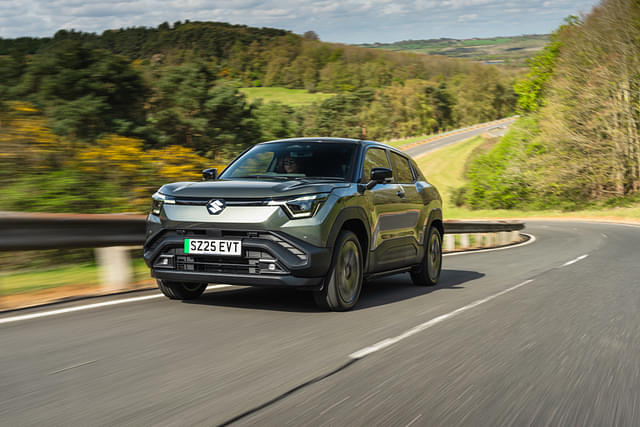
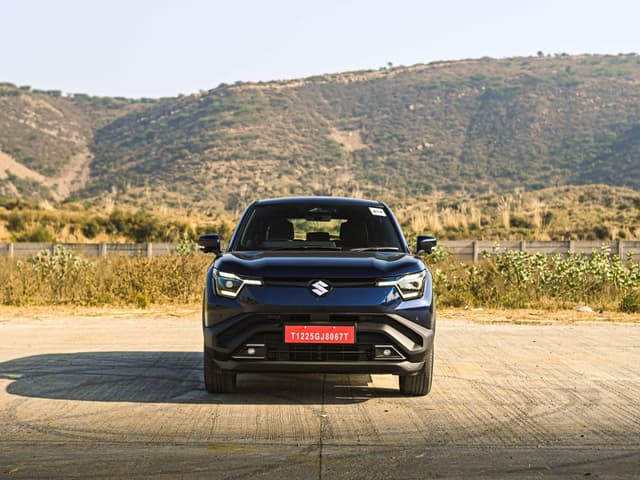
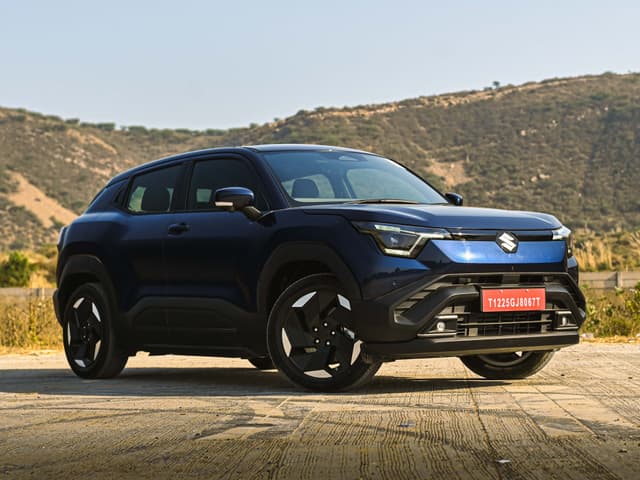
The Maruti Suzuki e Vitara, an all-electric SUV, is currently the only electric car from the brand. The e Vitara price starts at Rs 15.99 lakh and was launched on 17 Feb, 2026. 

The safest Maruti Suzuki car based on Global NCAP crash tests are the latest-gen Dzire and Victoris. Both achieved a 5-star safety rating.

The cheapest Maruti Suzuki car in India is the Maruti S-Presso, priced from ₹3.50 lakh after the GST reduction.

Maruti is expected to launch the facelifts of Brezza and Baleno in 2026.

Currently, the newest Maruti Suzuki car in India is the e Vitara, which debuted in February 2026.

Need an expert opinion on your car related queries?

Trending Questions on Maruti Suzuki Cars - Answered by Autocar Experts

1d

My annual running is below 7,000 km, and I plan to keep my next car for 12-15 years. I am confused between Grand Vitara, Hyryder, Elevate, Creta, Seltos and Victoris. My priorities are reliability, a good balance of power and fuel efficiency, family comfort, low maintenance and long-term ownership. I am also concerned about India's future ethanol-blending policy (E20 and higher blends). Which of these would be the best long-term choice and why?

Verified
5h

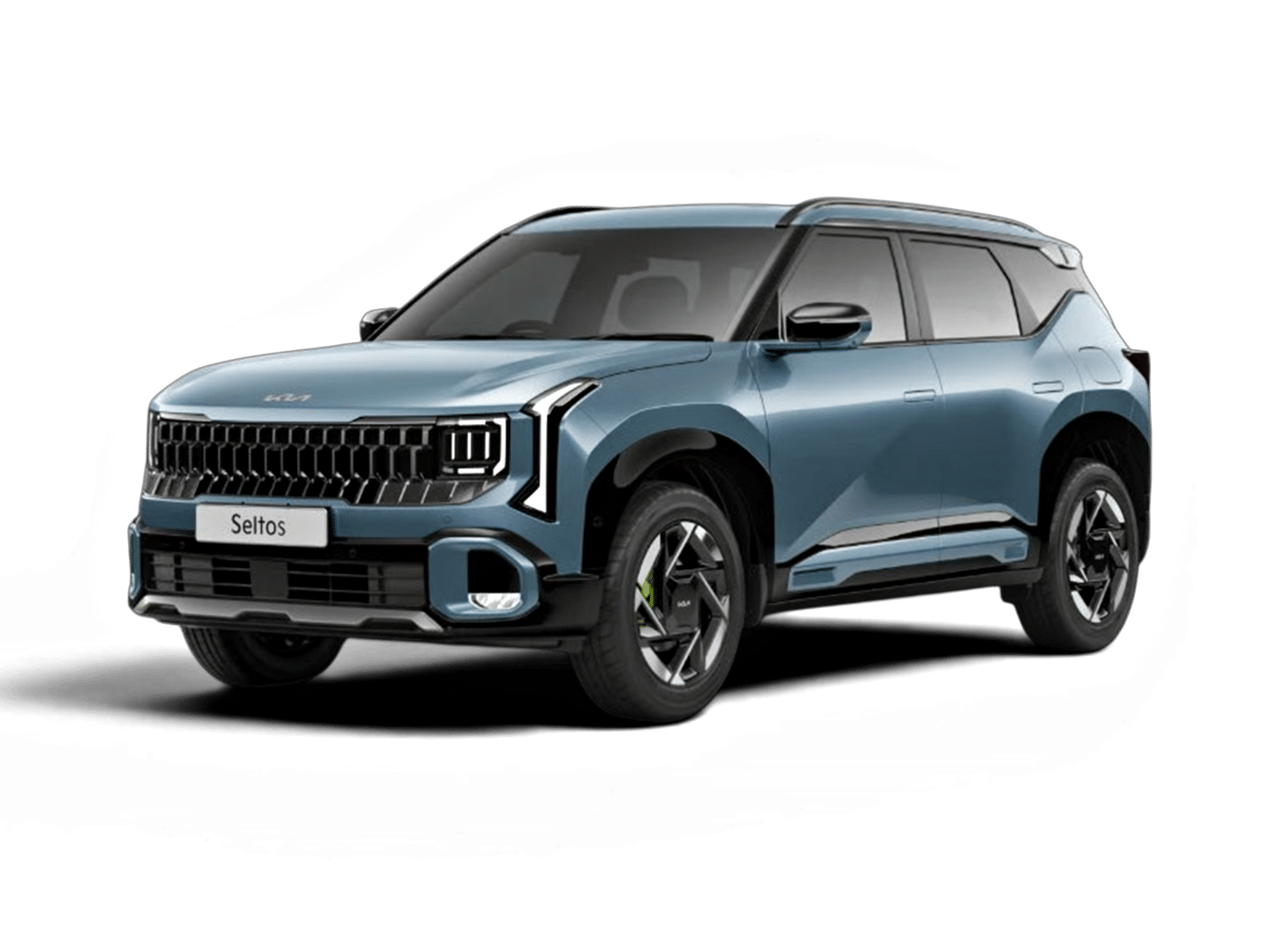
With an annual running of less than 7,000km, fuel efficiency should not be the deciding factor. Instead, you should focus on comfort, reliability, ownership experience and how well the car will age over the next 12-15 years. That's why we wouldn't prioritise the Grand Vitara, Hyryder or Victoris Hybrid. Their hybrid systems command a price premium that you'll struggle to recover with such low annual usage.Between the remaining options, the Kia Seltos strikes the best balance. It offers a refined and proven naturally aspirated petrol engine, a smooth IVT automatic, a spacious and premium cabin, excellent comfort and a strong ownership experience. It also feels newer and more upmarket than the Elevate, while the Creta is due for a generational update sooner.The Honda Elevate deserves a mention for its simplicity and reliability. If absolute mechanical simplicity is your priority, it is arguably the safest long-term bet. However, it doesn't feel as premium as the Seltos. The engine and CVT combination isn't quite as refined, and Honda's dealer network is smaller.As for ethanol blending, we wouldn't let it influence your purchase decision. While there is plenty of discussion around E25, E27 and E30 fuels, there is currently no confirmed roadmap for such a transition. More importantly, all of these cars are E20-compliant, and manufacturers have engineered a degree of tolerance beyond that. The most likely effect of higher ethanol blends would be a small reduction in fuel efficiency and slightly accelerated wear of certain fuel-system components over a very long period, not a major reliability issue.

VehicleKia Seltos
VehicleHonda Elevate
VehicleMaruti Suzuki Grand Vitara
VehicleMaruti Suzuki Victoris
VehicleToyota Urban Cruiser Hyryder
1d

Which electric car should I buy under Rs. 17 lakh for a daily commute of 50-80 km: the Tata Nexon EV Fearless 45, Maruti Suzuki e Vitara base model, MG Windsor EV, Tata Punch EV, or any other better 5-seater EV option?

Verified
14m

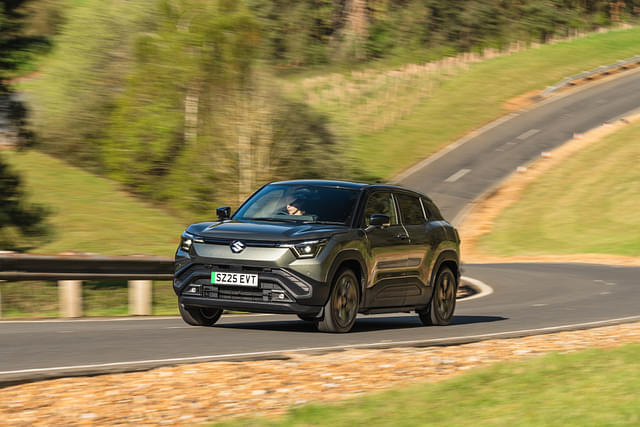
The MG Windsor EV would be our recommendation here. Coming from a Honda City diesel, you're likely looking for a comfortable, spacious and practical family car. Among the EVs you've shortlisted, the Windsor feels like the most complete package. It offers the roomiest cabin, excellent rear-seat comfort and enough space for five adults to travel comfortably. It also feels like a genuine upgrade from a sedan in terms of practicality and everyday usability.The Nexon EV 45 would be our second choice. It is a proven product, offers good performance and range, and is a sensible option if you prefer a more compact SUV. However, it cannot match the Windsor for rear-seat space and overall family-car appeal.The Maruti Suzuki e Vitara is worth considering, but it does have some notable shortcomings. The rear-seat headroom and boot space are limited, the seating position is slightly knees-up, the ride can feel busy and there is more road and tyre noise than we'd like. Given how late it is to the EV market, we expected Maruti to address some of these areas more effectively.The Punch EV continues to offer excellent value, but it is a segment smaller than the others and may not feel like a significant upgrade from your Honda City in terms of space and overall comfort.

VehicleMG Windsor
VehicleTata Nexon EV
VehicleTata Punch EV
VehicleMaruti Suzuki e Vitara
VehicleHonda City
2d

Hi Autocar team, I'm replacing my 2017 Maruti Baleno Alpha petrol and would appreciate your recommendations. Location - Currently based in Pune - BH registration planned because there is a reasonable possibility of moving to another state in the future (likely Madhya Pradesh or Bangalore or Delhi) Usage - Primarily city driving (90%+) - Occasional highway trips, sometimes very long (up to 1,000 km) - Usually 2 adults + 1 child - Must comfortably accommodate 4 adults + 1 child when required - Annual running currently under 8,000 km, but could increase significantly because there will be two drivers and an automatic car is likely to be used more Drivers - One experienced driver comfortable with any size car - Second driver is relatively new and gets intimidated by judging the front-left corner and vehicle dimensions - Features such as a rear camera have helped significantly in building confidence Budget - Initially started looking around the Rs. 10 lakh on-road mark - Comfortable spending around Rs.14-16 lakh if the improvement in safety, confidence and ownership experience is clearly noticeable - Looking for the best overall fit rather than trying to maximise budget Priorities (in order) 1. Reliability and hassle-free ownership 2. Safety 3. Easy manoeuvrability and confidence in city traffic What I dislike about my current Baleno - Feels flimsy and dents very easily - Doesn't inspire confidence on highways anymore - Braking confidence is not great Preferences - Automatic transmission is mandatory - Open to petrol, hybrid or EV - Dedicated parking is available, and home charging is possible - Mostly good roads with occasional monsoon-related road damage - I value predictable ownership, service quality and peace of mind more than outright performance Test-drive observations We have driven a few hatchbacks and compact SUVs with automatic transmissions. One thing that became clear is that a commanding seating position and a clearer view of the road ahead significantly increase confidence, especially for the newer driver. However, we are still unsure whether this benefit alone justifies moving up from a hatchback to an SUV. Long-term thinking Initially, I thought a small hatchback would be ideal because I could pass it on to my parents after 3-5 years. However, if a slightly larger vehicle provides substantially better safety, comfort and confidence, I would rather keep it for 5-10 years and buy my parents a separate car later. Question Based on the above requirements, what would be your top 5 recommendations and in what order? More importantly: - Which body style would you choose: premium hatchback, compact SUV, midsize SUV, hybrid SUV or EV? - Which popular models would you eliminate despite their popularity, and why? - How much weight should I give to reliability versus crash safety when choosing a family car that will mostly be driven in the city but occasionally undertake long highway trips? - Am I likely to regret staying with a hatchback, or is moving up a segment the more sensible long-term decision for my use case?

Verified
1d

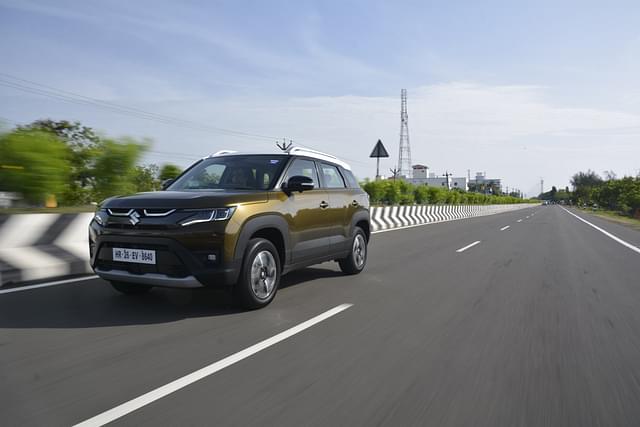
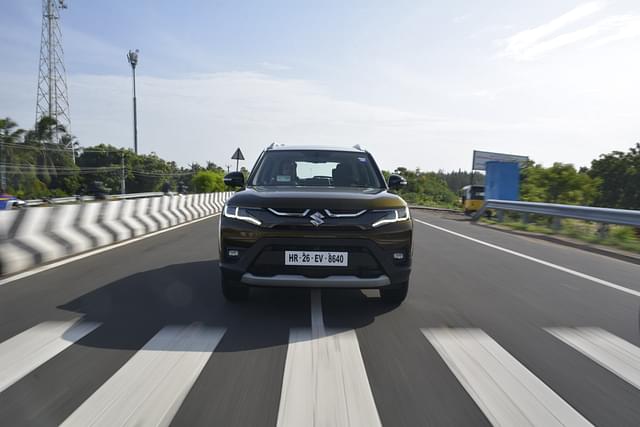
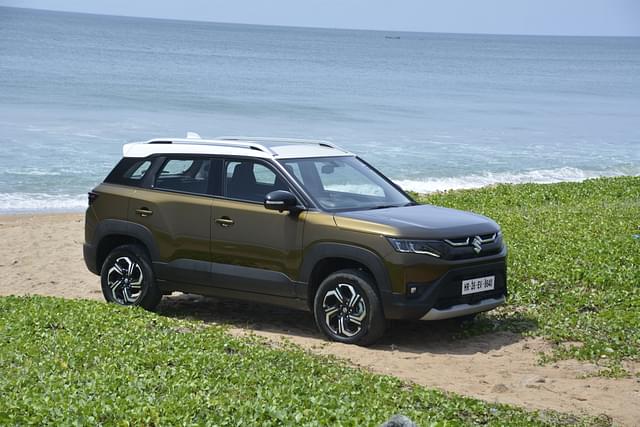
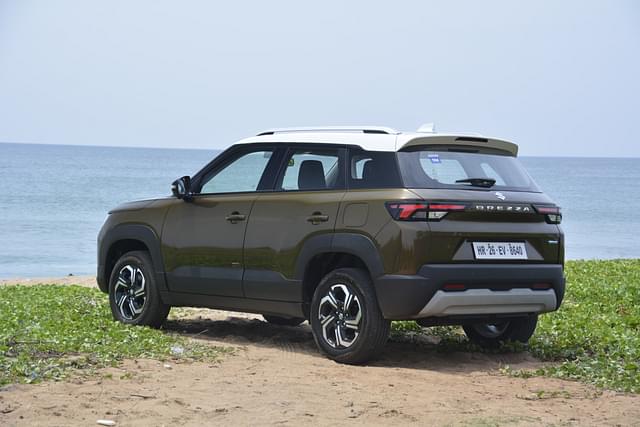
Given your requirements, a compact SUV would be a good next car for you. The higher seating will put the new driver at ease and will have a great bearing on confidence behind the wheel. Your priority for space, reliability and stress-free ownership leads us to the Maruti Suzuki Brezza AT and Hyundai Venue DCT. The Brezza is a no-nonsense compact SUV with good space, proven reliability and a practical interior. Your comfort and experience with Maruti's aftersales make it the one we'd recommend for you. You'll get a similar hassle-free experience with Hyundai as well. The new Venue ticks the important boxes for you, but it is pricey at the top end, in case the latest features are a must-have. The Venue's turbo-petrol engine does deliver punchier performance than the Brezza, but fuel economy isn't as good. If you want a larger SUV, there's the Honda Elevate CVT. However, the new driver in the family might not feel as comfortable driving it, given its size. If the hatchback form factor suits you, the Hyundai i20 CVT is a very likeable choice. Among EVs, the Punch EV is an option, but your running doesn't really justify going electric. You'd rather spend similar money on a larger or better-equipped petrol-automatic car.

VehicleMaruti Suzuki Brezza
VehicleHyundai Venue
VehicleHonda Elevate
VehicleHyundai i20
VehicleTata Punch EV
2d

Hi Autocar, I wanted to share our situation and get genuine advice before finalising our next car. Our background: we are a middle-class family from Warangal, Telangana. We had earlier booked the Hyundai Venue HX8 DCT for 16 lakh. However, we decided to cancel the booking due to concerns about fuel uncertainty and ethanol blending. With E20 already rolling out and E30 potentially coming in the next few years, we felt risking 16 lakh on a petrol car was financially unwise for a middle-class household like ours. After reconsidering, we've decided to bring our budget down to 10-11 lakh on-road so that even if fuel policies or technology shift in the coming years, our financial exposure and stress stay minimal. Our usage pattern: 70% city driving, 30% highway usage (occasional outstation trips). The overall usage will be moderate/occasional, not daily heavy commuting. Our key priorities: 5-star safety rating (Global NCAP/Bharat NCAP), non-negotiable, automatic transmission (petrol only), reliability and low maintenance for at least the next 10 years, reasonable service network availability in Tier-2 cities like Warangal, and comfortable for occasional highway trips, not just city crawling. Please suggest a few options and the best one to consider. Thank you.

Verified
1d

It’s a shame you cancelled your Hyundai Venue booking over ethanol concerns, because in our view, those fears are somewhat exaggerated. To clarify, while India could move to E27 or even E30 fuel over the next five years, there is currently no official roadmap confirming this.Even if such a transition happens, the risk to an E20-compliant car is limited. Most manufacturers have engineered a buffer into their E20 vehicles, and we understand Hyundai’s current petrol range is already compatible with higher ethanol blends (around E25-E27 levels). In practical terms, this means the car can handle higher ethanol content without any immediate issues.Over a very long period, certain components like rubber hoses or seals may see slightly accelerated wear. For instance, parts designed to last 6-8 years on E20 fuel may need replacement a bit earlier, say in 4-6 years. These are not high-cost components, and even older pre-E10 cars in India have managed well with periodic replacement of such parts.On the performance side, there won’t be any noticeable drop. However, since higher ethanol blends have lower energy density, fuel efficiency will be affected if the engine isn’t specifically calibrated for it. That said, the real-world impact on running costs is unlikely to be significant.If you still prefer to stay within a Rs 10-11 lakh budget, the Tata Punch is the only car that meets your non-negotiable 5-star safety requirement in this price range. While Tata’s reliability record isn’t quite at Maruti’s level, the latest versions of the Punch are better sorted and should serve you well over time. The AMT gearbox is not the quickest, but it suits city use, which forms the bulk of your driving. Its solid build and stable ride also make it reasonably capable on highways, though overtaking will need some planning. Tata’s wide service network is an advantage in Tier-2 cities like Warangal.If you’re open to a sedan, the Maruti Suzuki Dzire is also worth considering. It offers a 5-star Bharat NCAP rating, is spacious, easy to drive, and has a smoother, more efficient petrol-AMT combination. It may not have the SUV image, but it’s a very practical and user-friendly choice for long-term ownership thanks to Maruti-Suzuki’s unparalleled service network.

VehicleHyundai Venue
VehicleTata Punch
VehicleMaruti Suzuki Dzire
3d

I have a Honda BRV automatic that is now almost 8 years old. I installed an aftermarket CNG kit about 3.5 years ago because of my high mileage of around 2,000km per month, and it has helped immensely. The urge to upgrade is growing, although the options I am considering are all in the Rs. 25-30 lakh bracket. The XL6 is cheaper, but I am not sure if it is a suitable replacement. Please advise.

Verified
2d

When you factor in inflation and how the segments have moved, a 7-seat SUV like the BR-V would cost Rs 25 lakh today, so your estimate is spot on there. The Maruti Suzuki XL6 is an excellent MPV, but might not feel like a sufficient upgrade from your BR-V in terms of size, space, quality and creature comforts. Plus, to match the running costs of your CNG BR-V, you'd have to choose a CNG version of the XL6, which is only officially available in a low-spec Zeta spec, and only in manual-gearbox guise.Our recommendation would be the Hyundai Alcazar diesel automatic. It's smooth, efficient and spacious, while also giving you the SUV body style with arguably greater road presence than your BR-V, and will thus feel like a proper upgrade. You will get a fully loaded variant for around Rs 26 lakh, which offers plenty of creature comforts and tech.If your budget is tighter than that, also consider the Kia Carens Clavis diesel AT. It costs a little less, and doesn't get you the SUV body style, but it's actually more spacious than the Alcazar, with the same efficient powertrain, and a similarly high-quality cabin.Overall, however, we feel the Alcazar diesel AT is the best bet for you.

VehicleHyundai Alcazar
VehicleKia Carens Clavis
VehicleMaruti Suzuki XL6
3d

My average monthly running is around 1,200 km. I am looking for a car that offers good fuel efficiency and fits within a budget of Rs.14 lakh. Could you please suggest suitable options in both petrol automatic and diesel manual variants?

Verified
2d

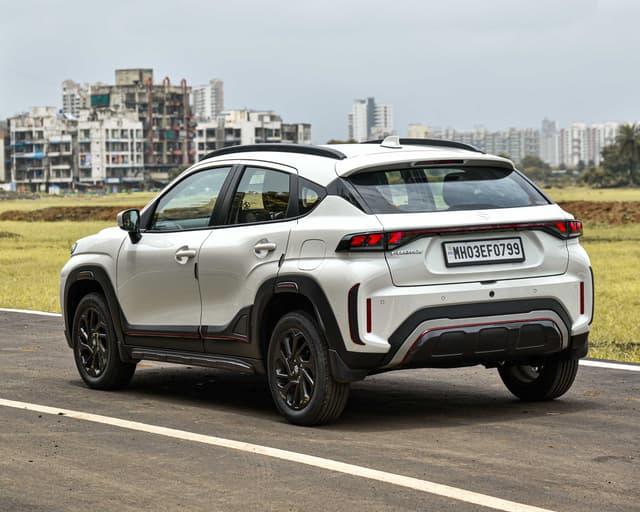
Pick the Maruti Suzuki Fronx 1.0 Turbo AT for petrol and the Kia Sonet 1.5 diesel manual for diesel, because both return excellent real-world mileage and fit your Rs. 14 lakh budget with a good amount of features. You could also consider the Fronx 1.2 petrol AMT, which while more efficient and cheaper to buy, isn't as smooth as the 1.0 Turbo's 6-speed AT. The Fronx suits daily city use. It is easy to drive, easy to park, and the 1.0 turbo petrol is efficient while also having sufficient punch when needed. Maruti's service network is massive, and maintenance costs are low. Do note, however, as this is a turbo petrol with a torque converter auto, good mileage is highly dependent on your driving style, and if you drive with a heavy foot, the number will go down.For your 1200km-a-month usage, the Sonet diesel manual makes strong sense if you do a lot of highway driving. The 1.5 diesel is smooth at low revs and still pulls cleanly, so you will easily see 20-plus-kpl on highways and high teens in town. It also feels more relaxed with a full load or on inclines. Do note, the rear seat is quite cramped for three adults and the ride is a bit firm. If you can stretch your budget a bit, the Hyundai Venue diesel MT with the same engine and gearbox is a far better-rounded product.

VehicleMaruti Suzuki Fronx
VehicleKia Sonet
VehicleHyundai Venue

Last Updated on: 25 Jun 2026