Autocar India
6w

I have a Honda BRV automatic that is now almost 8 years old. I installed an aftermarket CNG kit about 3.5 years ago because of my high mileage of around 2,000km per month, and it has helped immensely. The urge to upgrade is growing, although the options I am considering are all in the Rs. 25-30 lakh bracket. The XL6 is cheaper, but I am not sure if it is a suitable replacement. Please advise.

Verified
6w
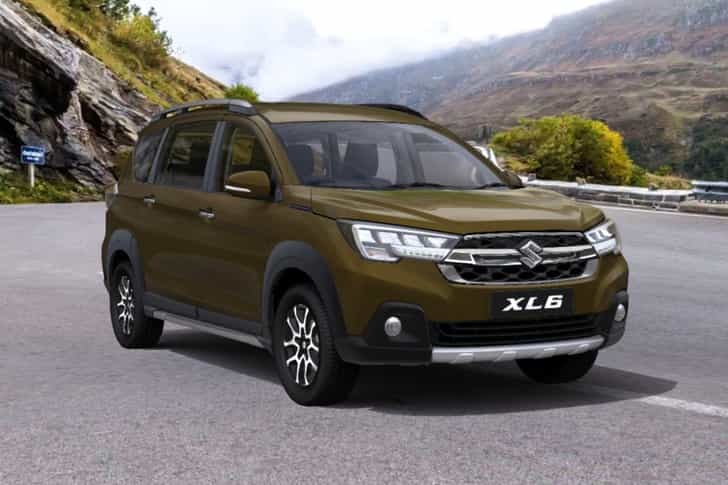
When you factor in inflation and how the segments have moved, a 7-seat SUV like the BR-V would cost Rs 25 lakh today, so your estimate is spot on there. The Maruti Suzuki XL6 is an excellent MPV, but might not feel like a sufficient upgrade from your BR-V in terms of size, space, quality and creature comforts. Plus, to match the running costs of your CNG BR-V, you'd have to choose a CNG version of the XL6, which is only officially available in a low-spec Zeta spec, and only in manual-gearbox guise.
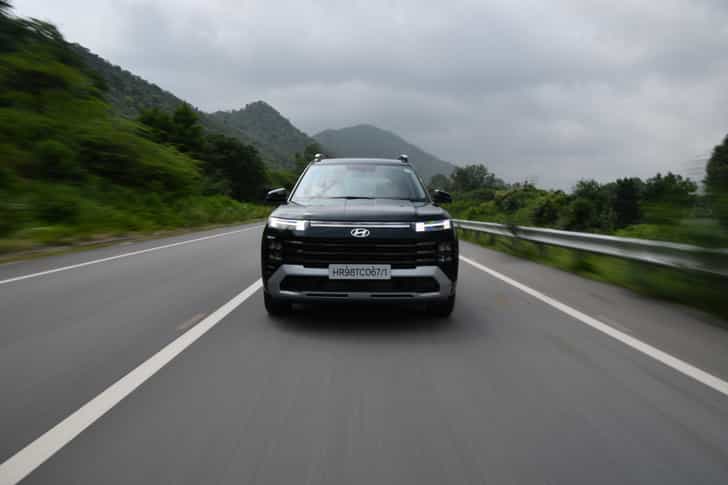
Our recommendation would be the Hyundai Alcazar diesel automatic. It's smooth, efficient and spacious, while also giving you the SUV body style with arguably greater road presence than your BR-V, and will thus feel like a proper upgrade. You will get a fully loaded variant for around Rs 26 lakh, which offers plenty of creature comforts and tech.
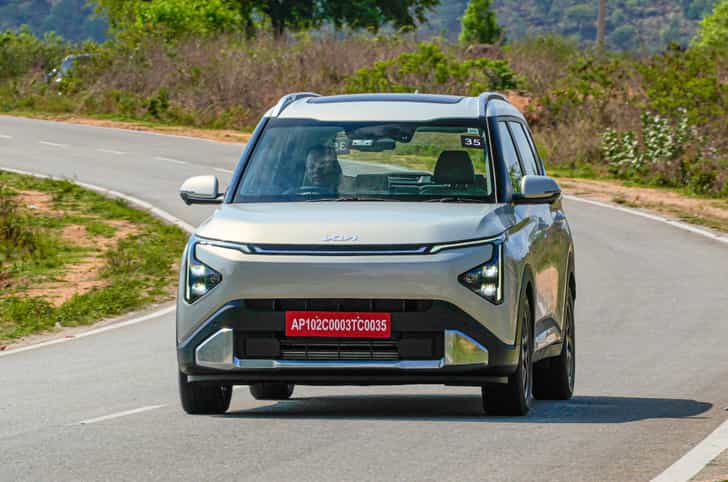
If your budget is tighter than that, also consider the Kia Carens Clavis diesel AT. It costs a little less, and doesn't get you the SUV body style, but it's actually more spacious than the Alcazar, with the same efficient powertrain, and a similarly high-quality cabin.
Overall, however, we feel the Alcazar diesel AT is the best bet for you.
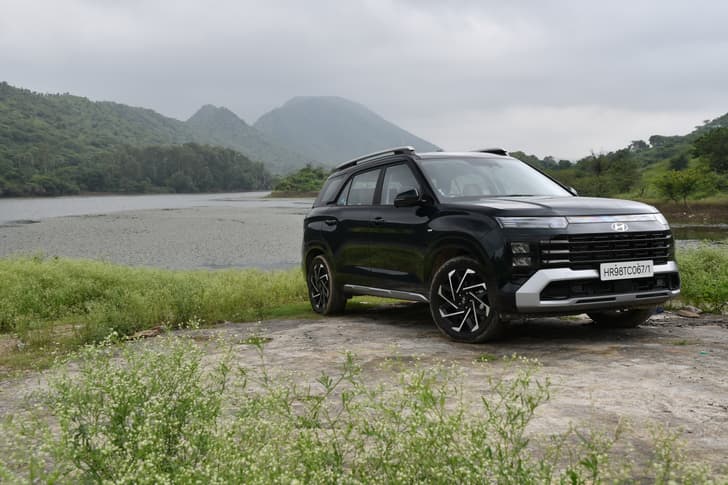
Hyundai Alcazar

Hyundai Alcazar

Want to sell your car?

Sell your car at the right price, without the stress.

More questions on similar cars

4d

Dear Autocar, I’m looking for some advice on a dilemma that I haven’t been able to resolve. I’m replacing my 2015 Audi Q3 Diesel, which has been an excellent long-distance tourer for us. I haven’t test-driven the Alcazar yet, but I plan to do so shortly. My annual running is relatively low, so this isn’t a petrol vs diesel question from a fuel-cost perspective. Our typical usage is very long road trips (Mumbai-Goa and similar), often 8-10 hours at a stretch, with two adults (my wife and me), our Beagle, and lots of luggage. We also drive through highways, ghats, villages and city traffic, so the car needs to feel effortless and confidence-inspiring in every situation, especially while climbing steep ghats with a full load. I’m considering the Hyundai Alcazar, but I’m confused between: 1. 1.5 Turbo Petrol DCT 2. 1.5 Diesel AT (Torque Converter) If the petrol had a conventional torque-converter automatic, I would probably choose it without a second thought. My dilemma exists only because the petrol comes with a DCT, whereas the diesel gets a torque-converter automatic, which is generally considered smoother and more refined at low speeds. My priorities are, in order: - Overall refinement and cabin quietness - Smoothness of the transmission in city traffic - Effortless performance while climbing ghats with a full load - Long-distance comfort and relaxed cruising - Long-term ownership experience and reliability I am not looking for maximum fuel economy or the lowest running costs. I also have another dilemma regarding the seating configuration. Should I choose the 6-seater with captain seats or the 7-seater with the bench seat? My wife almost always travels in the second row during our road trips. She normally likes sitting in the middle seat because she enjoys the forward view. However, from the videos I’ve watched, the captain seats in the 6-seater appear significantly more comfortable and supportive for long journeys. Based on my usage, which powertrain and seating configuration would you recommend, and why? Thank you.

Verified
2d

Between the 1.5 turbo petrol and 1.5 diesel Hyundai Alcazar, the diesel is the better fit for your usage. It offers strong low-end torque and a more relaxed, effortless character on long drives. Just as importantly, the 6-speed torque converter automatic is smoother and more intuitive in city traffic. In contrast, Hyundai-Kia DCTs tend to have a sharper engagement, which can feel slightly jerky at low speeds and in stop-go conditions.Do note that while the 1.5 diesel pulls well from low revs, its top-end performance is not particularly strong. With a full load, highway overtakes will require a bit more planning compared to the turbo petrol. That said, for your kind of driving, which prioritises ease, consistency and long-distance comfort, the diesel’s overall delivery and gearbox pairing work better.On seating, the 6-seater with captain seats is the more comfortable choice. The individual seats are better contoured, offer superior support, and the addition of armrests makes a noticeable difference on long journeys. Your wife will likely appreciate the enhanced comfort over extended hours on the road. The trade-off, of course, is the loss of the exact central seating position she prefers, but in the Alcazar, the front seats are not overly bulky, so forward visibility remains reasonably good.One alternative worth considering is the Mahindra XUV 7X0 diesel. It offers stronger performance, better refinement, and feels more effortless on highways, especially when fully loaded. The ride quality is also well suited to mixed road conditions. However, it is a larger vehicle than the Alcazar and can feel more cumbersome in tight urban environments.Overall, for your priorities, the Alcazar diesel with captain seats strikes the best balance of comfort, smoothness and ease of driving

VehicleHyundai Alcazar
VehicleMahindra XUV 7XO
1w

Hi Autocar India Team, I currently own a 2020 Ford EcoSport Titanium Diesel Manual, which has covered nearly 1,00,000 km. It continues to return around 16.5–18.5 km/l in mixed city and highway driving, and I plan to keep it for several more years. I'm now looking to buy a second vehicle and would appreciate your advice. My monthly driving is around 1,000–1,500 km, split between city and highway use. In addition, my family and I undertake a long road trip of approximately 1,500 km (round trip) or more once every three months. I live in Hyderabad, where EVs currently benefit from zero road tax, making them similarly priced to comparable diesel automatic vehicles. My priorities are value for money, comfortable long-distance touring, enough space for a family and luggage (preferably in a large SUV or MPV), reliability over the next 8–10 years, low running and maintenance costs, and strong safety, ride comfort, and resale value. Since I already own a dependable diesel manual that is well suited for long-distance travel, would you recommend buying an EV or another diesel automatic as my second vehicle? If you were making this purchase today, which large SUV or MPV would you consider the best value-for-money option, and why? I'd also appreciate recommendations across different budget ranges, if possible. Thank you!

Verified
3d

Given your usage pattern and priorities, we would recommend going for a diesel automatic SUV or MPV rather than an EV. Since you regularly undertake long road trips with your family, a diesel eliminates the need for range planning and charging stops that electric cars require. While the Ford EcoSport can continue to handle long-distance journeys, it is now six years old and has already covered nearly 1,00,000 km. If something were to go wrong far from home, sourcing parts or repairs could be more challenging. It would therefore make more sense to use the new vehicle for family road trips, as it will be more comfortable and reliable.The Kia Carens Clavis diesel automatic is one of the strongest options for your requirements. It offers a spacious cabin with a genuinely usable third row, a refined diesel engine, and a smooth automatic gearbox. Kia cars also have a well-established aftersales network, which adds to their appeal as a long-term ownership proposition.Another excellent option is the Mahindra XUV 7XO diesel automatic. It offers a spacious cabin, a strong diesel engine, a comfortable ride, and a good balance of features and safety. The drawback is that the third row is not as roomy as the Clavis.Overall, a diesel automatic SUV or MPV is the more practical and value-for-money choice for your usage pattern, especially considering your regular long-distance travel and plans to keep the vehicle for several years.

VehicleKia Carens Clavis
VehicleMahindra XUV 7XO

Popular discussions right now

Posted on: 23 Jun 2026