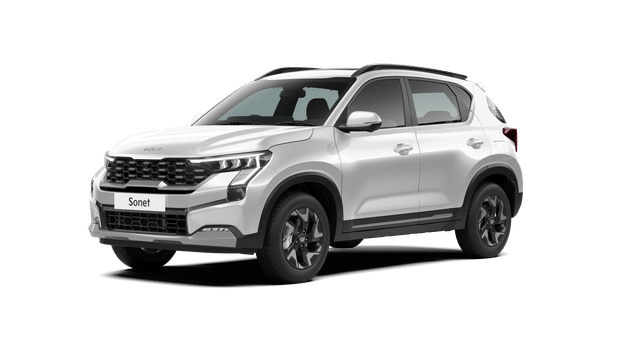

Kia Sonet
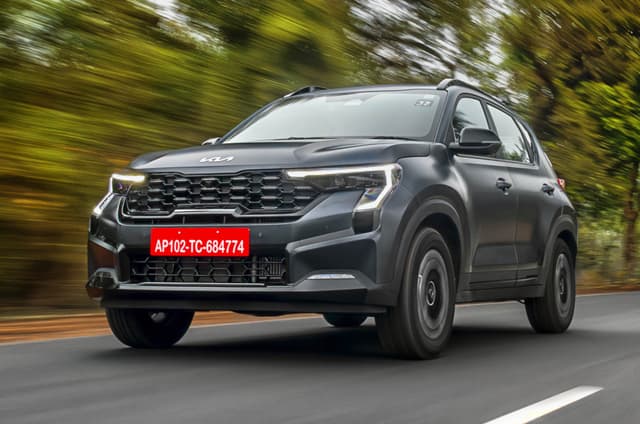
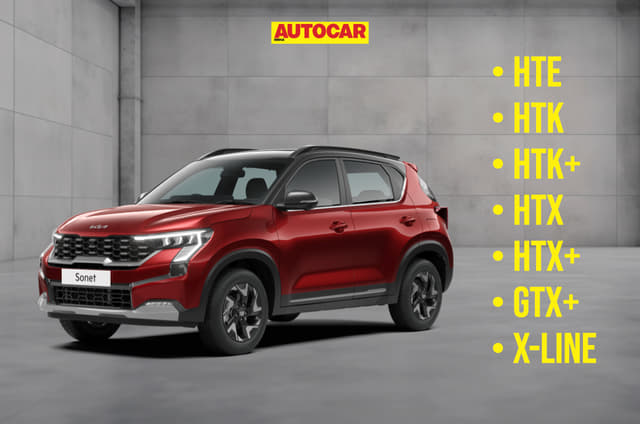
Kia Sonet is a compact SUV with a 385-litre boot, and it offers more engine and gearbox combinations than anything else in its class. Across 23 variants you can choose an 88hp 1.2-litre petrol, a 120hp 1.0-litre turbo-petrol or a 116hp 1.5-litre diesel, with four different gearboxes between them.
Sonet Key Features
Here is what you get across the range.
Category | Key Features |
Engine and gearbox |
|
Screens and audio |
|
Safety |
|
Comfort and convenience |
|
Practicality |
|
Sonet Road Test Findings
What we liked
The equipment list is the best in this class, and our review said the facelift takes back the equipment crown in the segment.
The 1.0-litre turbo has more pep than its small size suggests, so it never feels short of pace around town.
The diesel automatic is the pick of the range, with shifts that are slower but smoother and a quietness the petrols cannot match.
It is a tidy handler with well-controlled body movements, which is not a given in a car this tall.
What we did not like
Ride comfort is the weak spot, because the firm suspension and short wheelbase make the ride lumpy at best and choppy at worst.
Sharp potholes come through into the cabin particularly noticeably.
The dual-clutch automatic can be clunky and slow to respond at low revs, which shows up most in stop-start traffic.
The rear seat is still relatively cramped even after the front seatbacks were scooped out to free up a few millimetres of knee room.
Who should buy the Sonet?
Based on our review, this SUV suits five kinds of buyers.
Buyer type | Why it fits |
If you want the most equipment for your money | Two 10.25-inch screens, a 7-speaker Bose system, ventilated seats and a 360-degree camera, which our review rated the best in this class. |
If you cover long distances | The diesel manual is certified at 24.1kpl by ARAI, which is the highest figure in the range by a wide margin. |
If you want a smooth automatic | The diesel automatic is the one to pick, because the dual-clutch on the turbo is clunky at low revs. |
If you want driver aids in a small SUV | Forward collision warning with braking, lane keep assist and a driver attentiveness alert. |
If you want choice | Three engines and four gearbox types, which is more than any rival in this class offers. |
The buyer it suits least is anyone who values ride comfort or rear seat space, since our review found the ride lumpy over broken roads and the back seat is tight for adults on longer journeys.
Kia Sonet Price Details
Petrol 1.2 HTE (base model): 7.41 lakh (ex-showroom)
Diesel 1.5 HTK+ (mid variant): 10.56 lakh (ex-showroom)
Diesel 1.5 GTX+ AT (top model): 14.27 lakh (ex-showroom)
Kia Sonet Latest Updates
12 Apr 2026: Kia expected to bring the second-gen Sonet to India in 2027.
13 Mar 2026: Kia launches more affordable Sonet automatic variants priced from Rs 9.77 lakh.
Sonet Specifications
18.6 kmpl - 24.1 kmpl
998 cc - 1493 cc
Diesel, Petrol
AT, Manual, IMT, DCT
5
115.6 hp
6
250 Nm
Sonet Highlights
6 Airbags
Single Pane Sunroof
1.5L Diesel Engine
Wireless Phone Charging
LED Headlamps
Leather-wrapped Steering Wheel
+4
23
Sonet Autocar Rating
Feature-loaded
Nice to drive
Rear seat space
Top versions are expensive
Become an
Autocar Shopper
Unlock benefits up to ₹40,000 on Sonet
Unbiased buying guidance
Guaranteed lowest price
Priority car delivery
Offer valid till 31st October 2026
Kia Sonet price & variants
Kia Sonet price in India starts at 7.41 lakh for the Petrol 1.2 HTE and rises to 14.27 lakh for the Diesel 1.5 GTX+ AT, both ex-showroom, while the on-road price in Delhi runs from 8.27 lakh to 16.91 lakh. The 23 variants cover three engines and four gearbox types.
Which one to pick:
The diesel manual is certified at 24.1kpl by ARAI and is the obvious choice if you cover high distances each year.
The diesel automatic is the most relaxed version to drive, and our review rated it the pick of the whole range.
The 1.0-litre turbo is the liveliest petrol, though the dual-clutch automatic paired with it hesitates at low revs in traffic.
EMIs for the Petrol 1.2 HTE start at 11,906 a month.
Kia Sonet Expert Review
We like
Feature-loaded
Nice to drive
We don't like
Rear seat space
Top versions are expensive
8.0
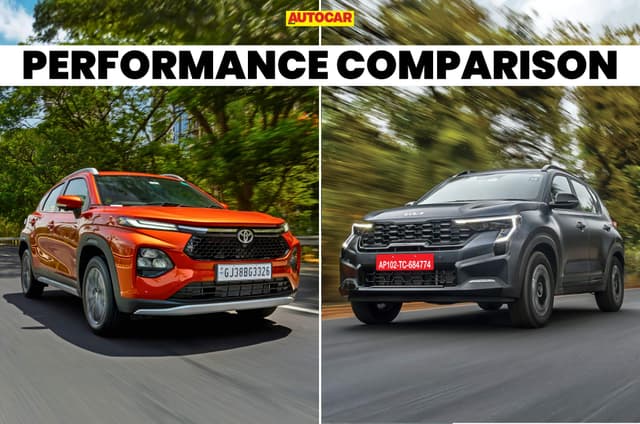
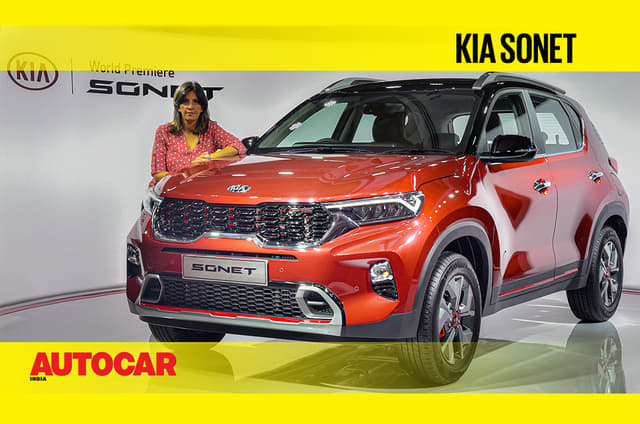
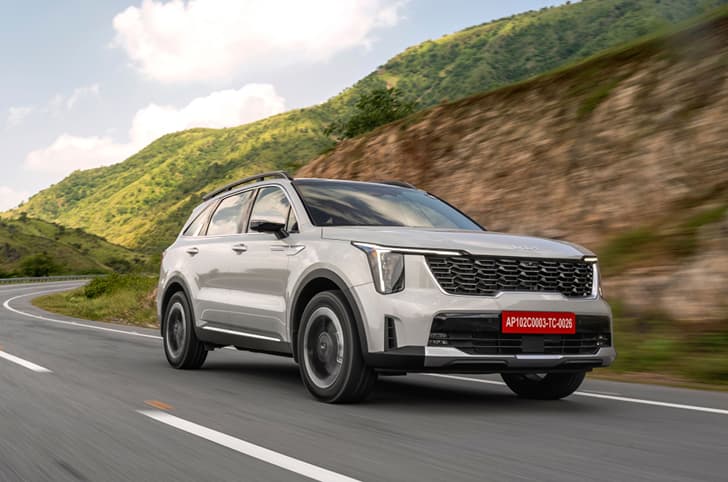
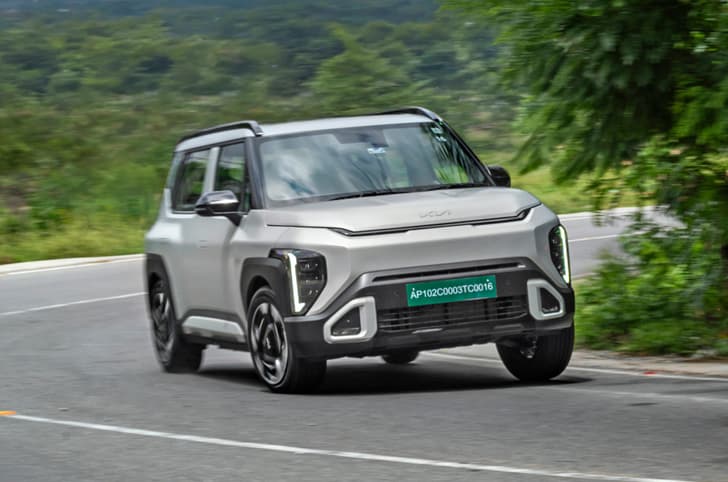
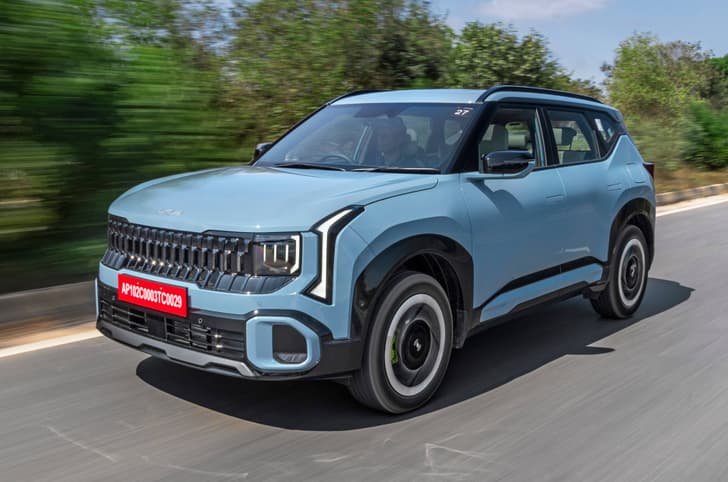
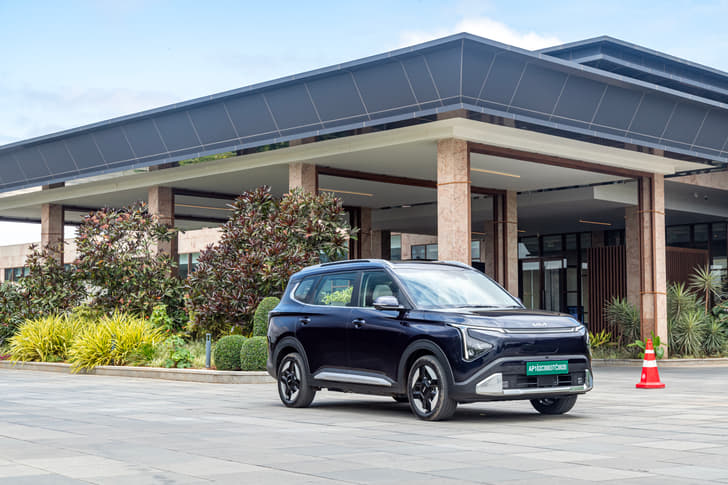
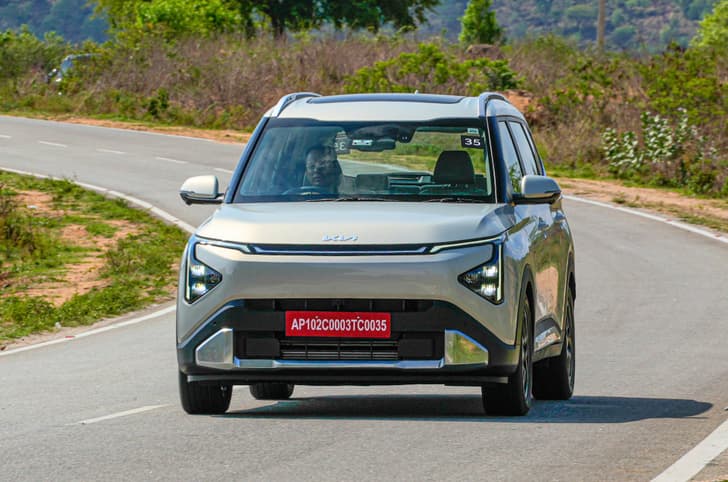
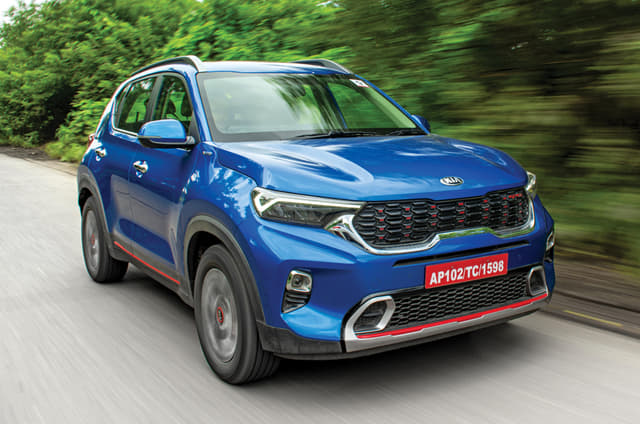
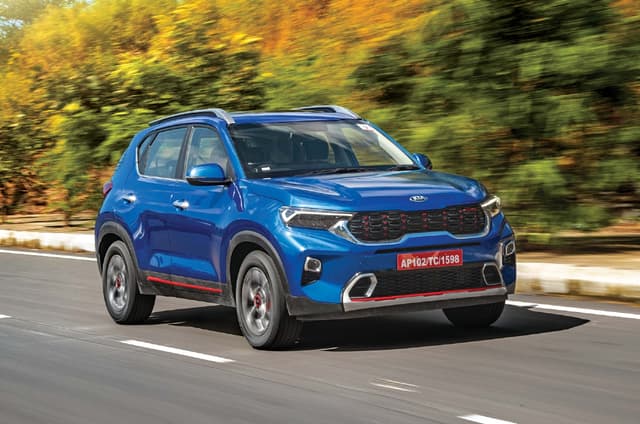
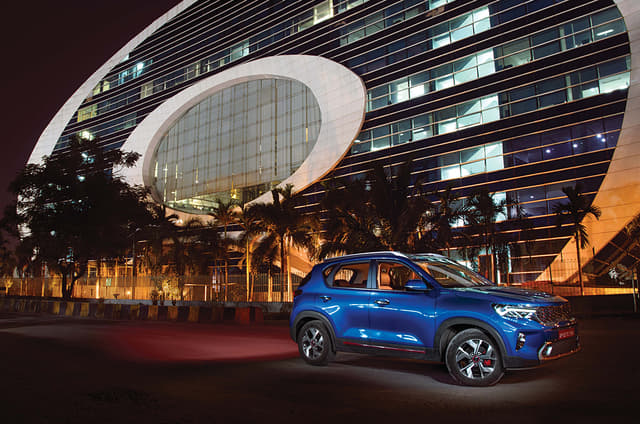
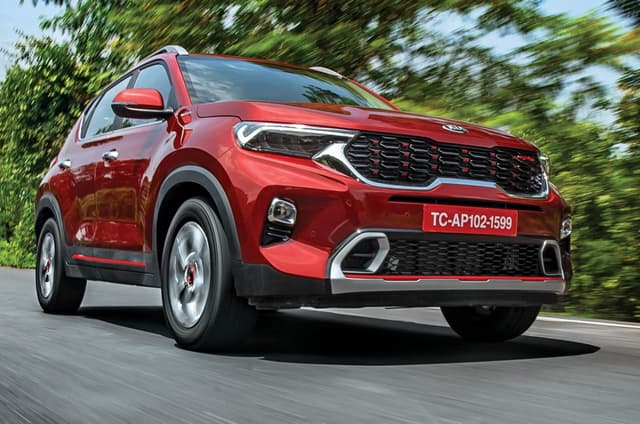
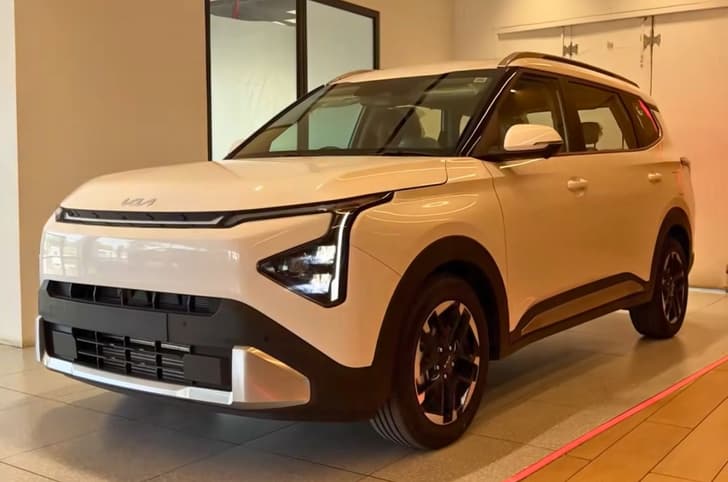
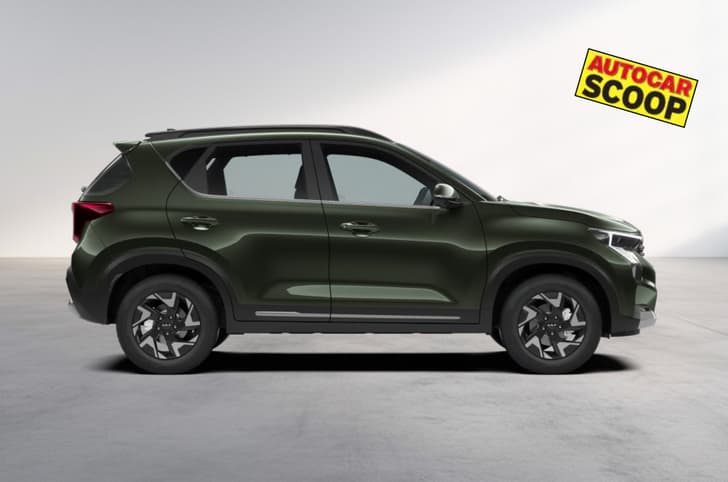
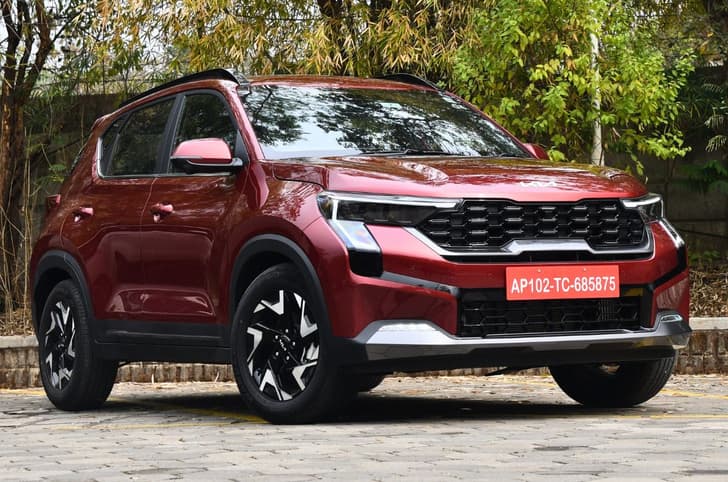
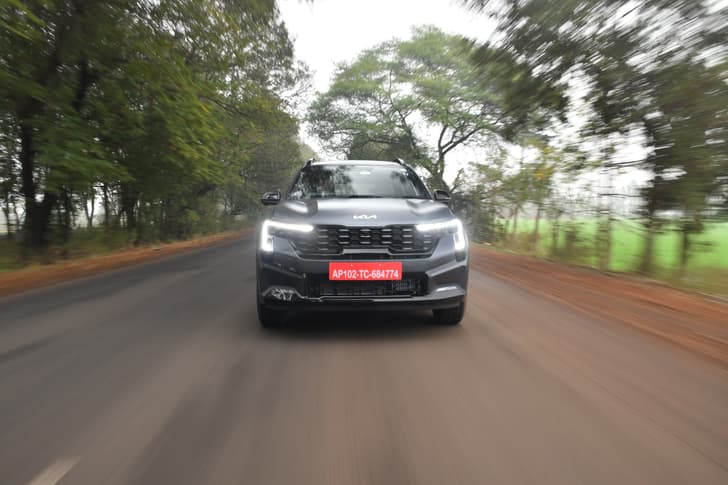
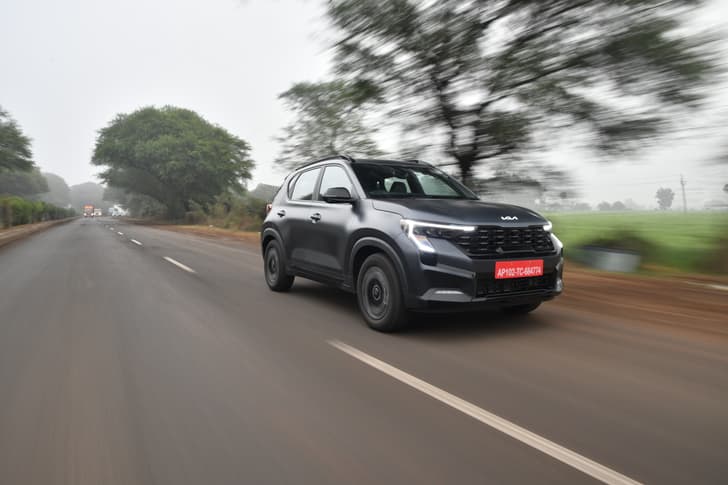
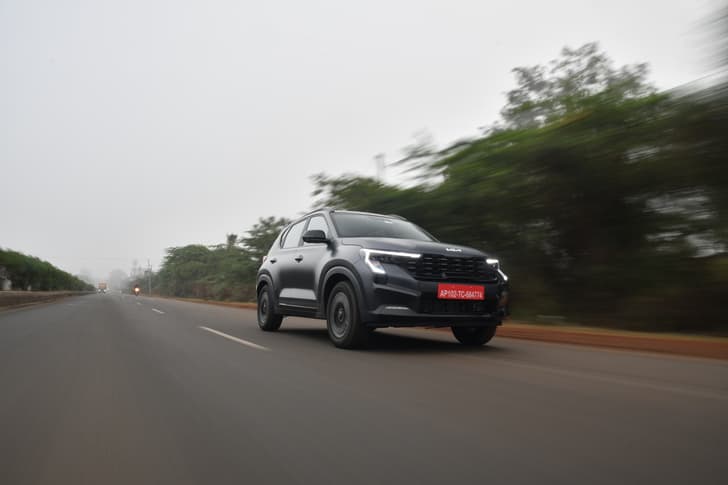
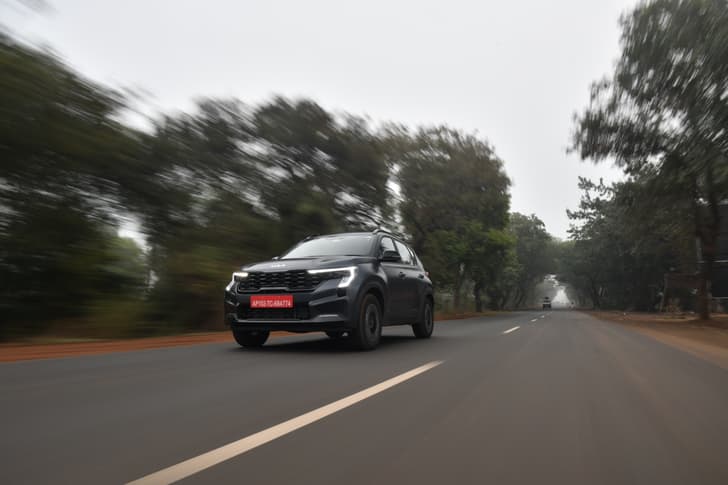
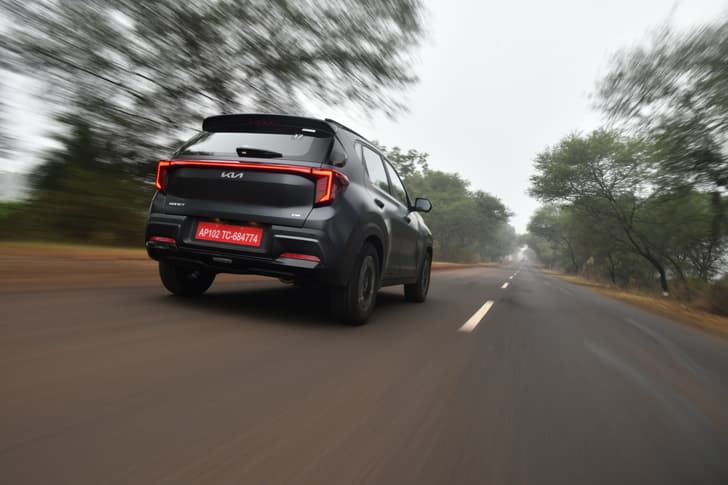
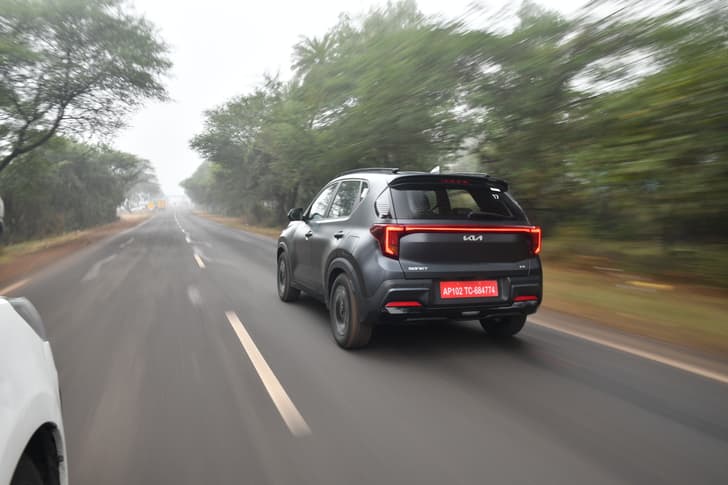
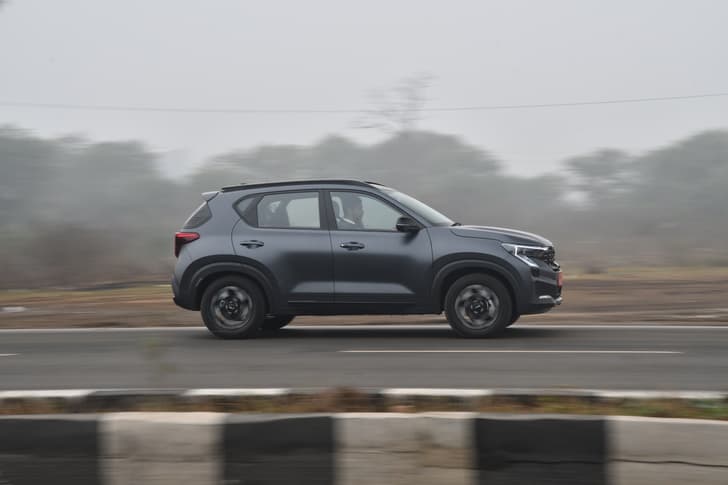
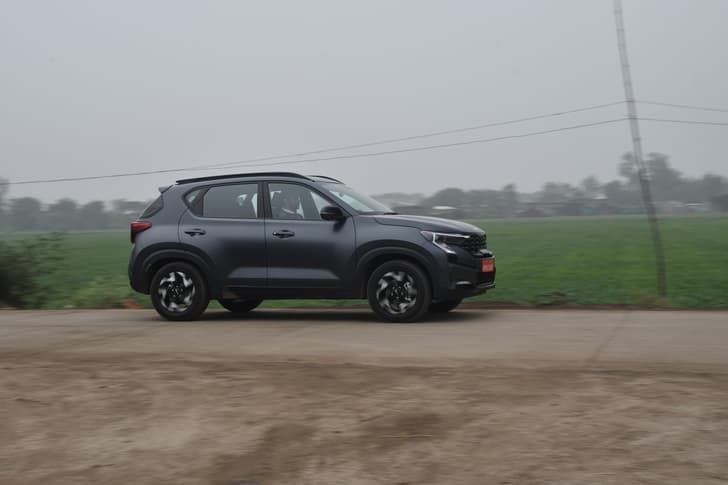
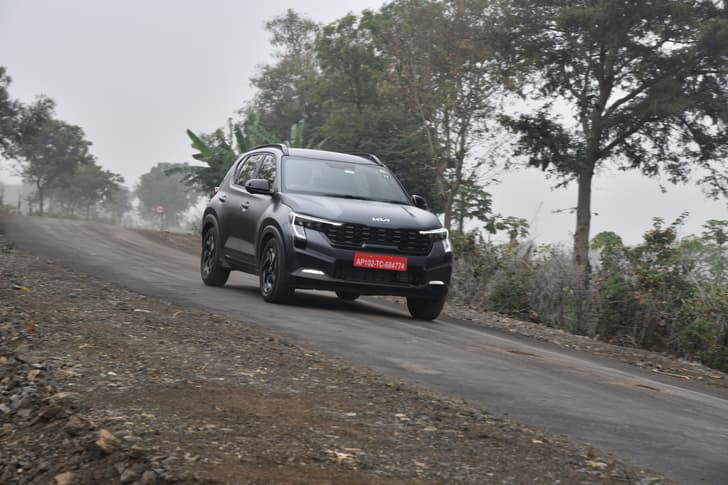
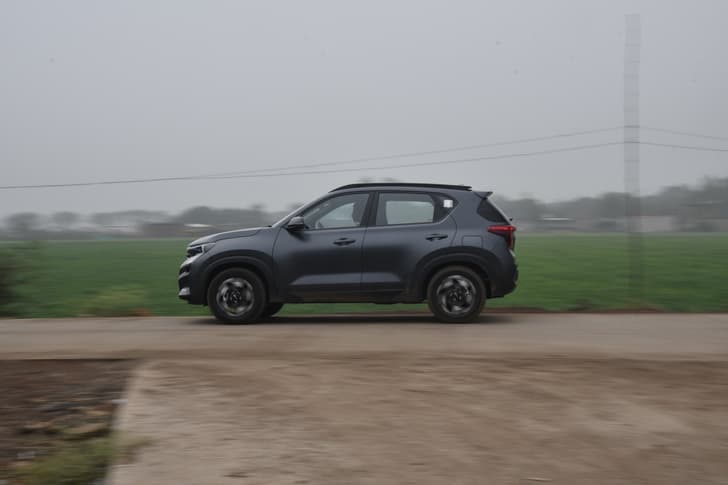
The Kia Sonet facelift refreshes the compact SUV’s look without changing its bones. The front gains a larger grille, new L-shaped LED headlamps and DRLs and redesigned bumpers that lend a bolder, more premium presence than before. At the rear, vertically oriented LED tail-lamps connected by a light bar align the Sonet with Kia’s latest family design language. X Line variants carry exclusive matte grey and black accents and distinct bumpers.
Underneath, the Sonet retains its existing chassis and powertrain options. There are no major mechanical revisions, though Kia has reintroduced the 6-speed manual with the diesel engine — a nod to enthusiasts and traditionalists in the compact SUV class.
7.0
Inside, the cabin remains familiar but gains a few important updates. A new 10.25-inch digital driver’s display sits alongside the central touchscreen, giving the Sonet a more contemporary and upscale dash. The layout and materials are well built for the segment, and switchgear feels neatly arranged.
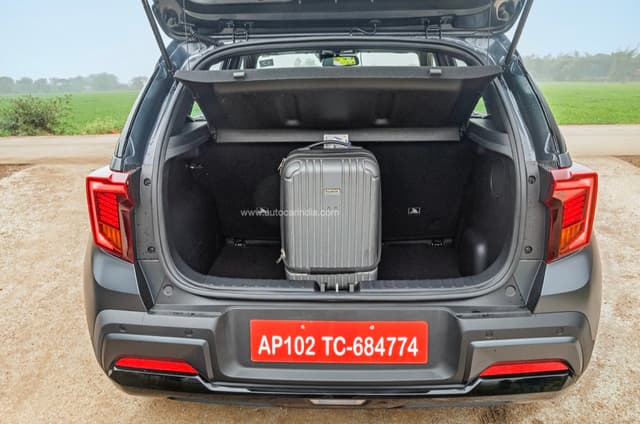
Rear seat space has been marginally improved with scooped-out front seatbacks and a slightly longer, lower squab, but it remains relatively tight compared with some rivals. That said, the 385-litre boot is commendable for this class.
8.0
Powertrain options are carried over. The Sonet is offered with a 1.2-litre NA petrol, a 1.0-litre turbo petrol and a 1.5-litre diesel, each paired with various manuals or automatics. Kia’s 1.0-litre turbo still delivers lively performance for its size, though the 7-speed DCT can be erratic at low revs, especially in city traffic. The diesel automatic remains the sweet spot for the Sonet, blending smooth shifts with strong mid-range torque and quiet refinement.
Both powertrains refine well at cruising speeds, with noise kept in check unless the engine is pushed hard. The diesel in particular is among the quieter units in the class.
8.0
While no instrumented fuel economy figures were published, mixed driving suggested the turbo petrol can achieve over 10 kmpl regularly in varied conditions, and the diesel creeps up to around 15 kmpl in similar use. These figures reflect typical real-world returns for a modern compact SUV with petrol and diesel engines.
6.0
Ride comfort remains a weak spot. Combined with a relatively short wheelbase and firm suspension tuning, the Sonet’s ride can feel lumpy over uneven surfaces and sharper potholes. At the same time, body motions are controlled and the SUV feels tidy in corners for its size, though the steering isn’t especially communicative.
The firm ride quality comes from the suspension tuning that prioritises stability, but it emphasises road imperfections — especially at low speeds or on broken surfaces.
9.0
Features are the Sonet’s standout trait and the facelift only strengthens this advantage. Top trims offer twin 10.25-inch screens, a 360-degree camera, ventilated seats, a 4-way powered driver’s seat, wireless phone charger with ventilation, ambient lighting and connected car tech with extensive connectivity. Kia’s camera-based ADAS adds Level-1 safety functions including forward collision warning and braking, lane departure warning, lane keep assist, driver attention alert and more.
Safety kit also includes six airbags, ABS with EBD, ESC, hill assist and all-around disc brakes. Standard USB-C ports and segment-unique rear window blinds add to everyday convenience.
8.0
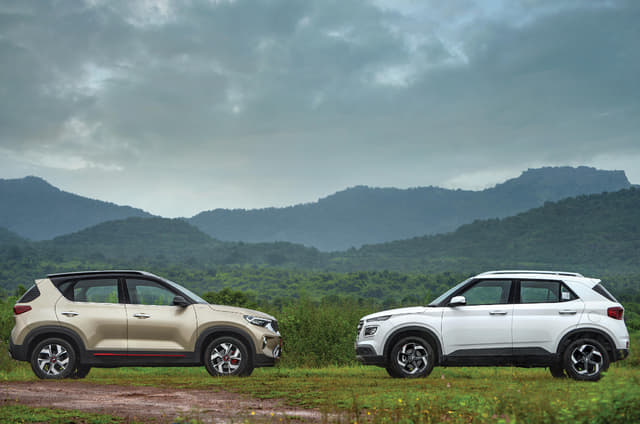
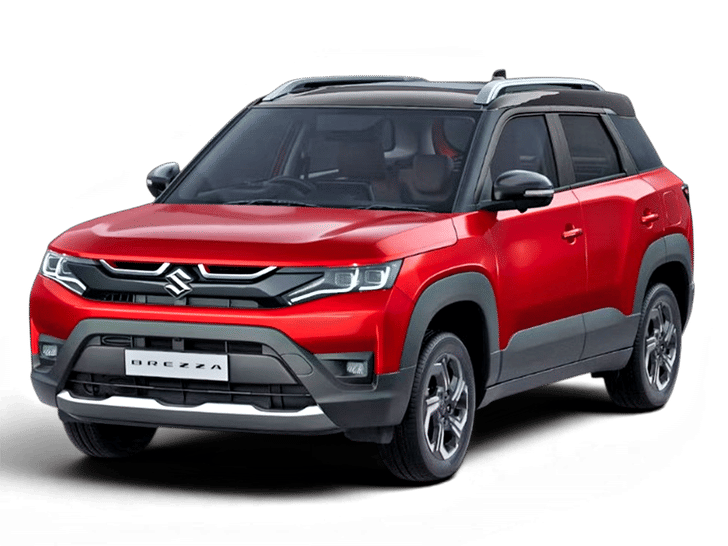
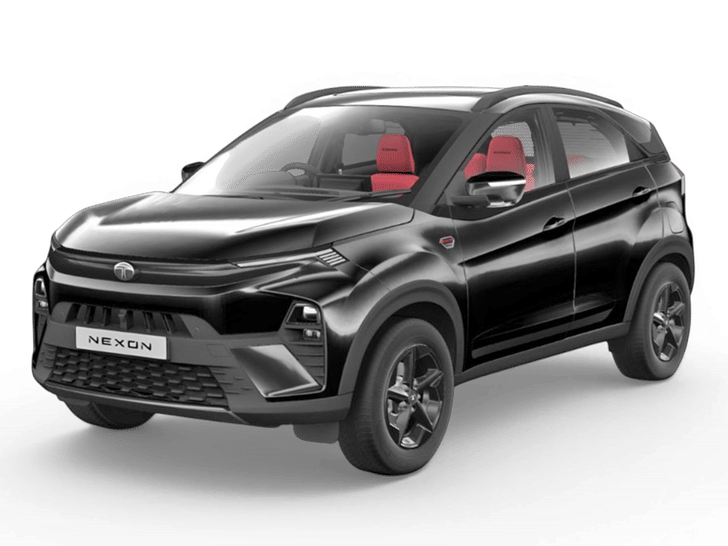
Priced from around ₹7.99 lakh to ₹15.69 lakh (ex-showroom), the Sonet facelift still spans a wide range of options and remains competitive against rivals such as the Tata Nexon, Maruti Suzuki Brezza and Hyundai Venue. Its features list and powertrain breadth are compelling, especially in top trims where ADAS, digital screens and connected tech outshine many competitors.
While rear seat space and ride comfort lag some rivals, the Sonet’s modern tech, strong refinement and comprehensive safety suite make it an appealing all-round compact SUV for buyers who prioritise equipment and versatility.
Reviewed by: Gavin DSouza
Kia Sonet Official Brochure
Download the complete brochure with specs, features, and variants.

Kia Sonet reviews

Kia Sonet comparison

Kia Sonet EMI Calculator
Kia Sonet Mileage
Kia Sonet diesel mileage is certified by ARAI at 24.1kpl with the manual gearbox, which is far ahead of anything else in the range, while the diesel automatic is rated at 18.6kpl. On the petrol side the 1.2-litre manual is certified at 18.8kpl and the turbo with the dual-clutch at 18.7kpl.
In our own mixed city and highway driving we regularly saw above 10kpl from the turbo-petrol and around 15kpl from the diesel. That gap is wide enough to matter if your annual running is high, and it is the main reason to choose the diesel in the first place. Do note that picking the diesel automatic gives away a large part of that advantage on the certified figures.
| PowertrainThe combination of engine type, fuel, and transmission that powers your vehicle and determines how it drives and what it runs on. | ARAI MileageMileage certified by the government, tested under controlled lab conditions. Real-world mileage will vary. | Autocar Tested MileageAutocar's experts test each vehicle on fixed city and highway routes under standardised conditions - single occupant, AC running, manufacturer-recommended tyre pressures. Tanks are filled to the brim before and after each run to calculate efficiency. Results reflect realistic real-world usage. | User Reported MileageMileage figures are reported by vehicle owners and represent the approximate real-world efficiency you may experience. Actual mileage will vary based on driving conditions, habits, and vehicle condition. |
|---|---|---|---|
Petrol-Manual 1197 cc | 18.8 kmpl | NA | 16.18 kmpl |
Diesel-Manual 1493 cc | 24.1 kmpl | NA | NA |
Petrol-Automatic (IMT) 998 cc | NA | 13.5 kmpl | NA |
Petrol-Automatic (DCT) 998 cc | 18.7 kmpl | 14.05 kmpl | NA |
Diesel-Automatic (AT) 1493 cc | 18.6 kmpl | 16.3 kmpl | NA |
Hear from the
Autocar Community
Join the Discussions
Kia Sonet news
Kia Sonet Images
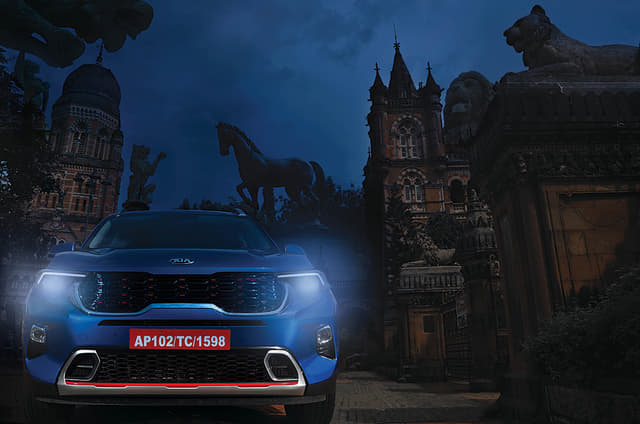
Sonet images show 77 photos of the car, and these are the details worth studying closely:
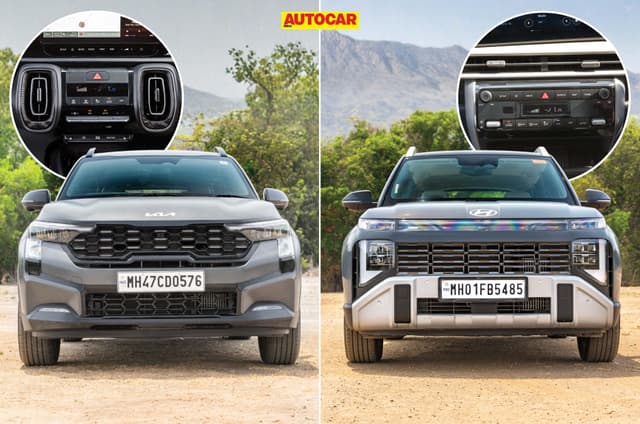
The larger grille and the L-shaped LED headlamps and daytime running lights
The two 10.25-inch screens set side by side across the dashboard
The rear seat, where the front seatbacks are scooped out to free up knee room
The 385-litre boot, which is a good size for this class
Kia Sonet videos
Sonet videos cover 9 reviews and walkarounds, and they show you the things a specification list never can:
How the dual-clutch automatic behaves pulling away in traffic, where our review found it clunky
How firm the ride actually is once you are over broken roads
How much room an adult really has in the back seat
How the driver assistance features behave out on the road


.jpeg?w=640&q=75&fm=auto)


Kia Sonet Colours
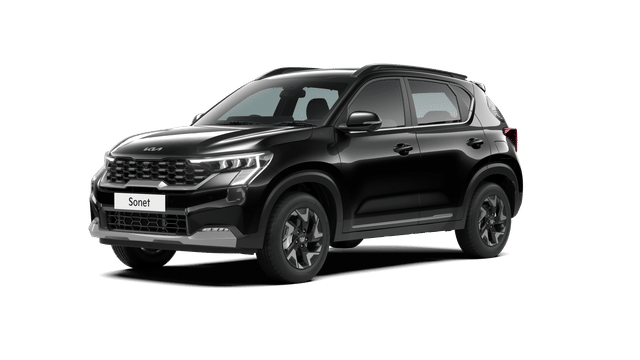
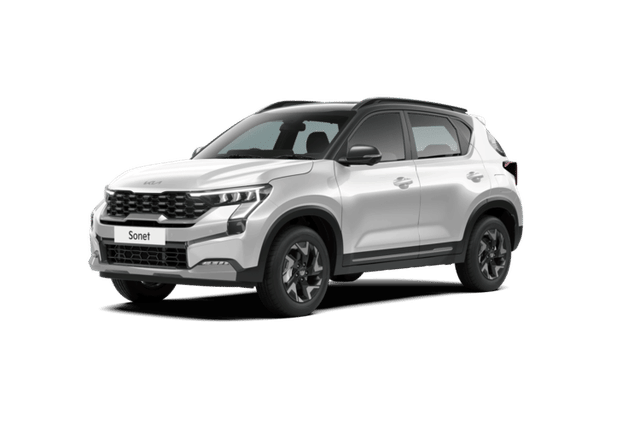
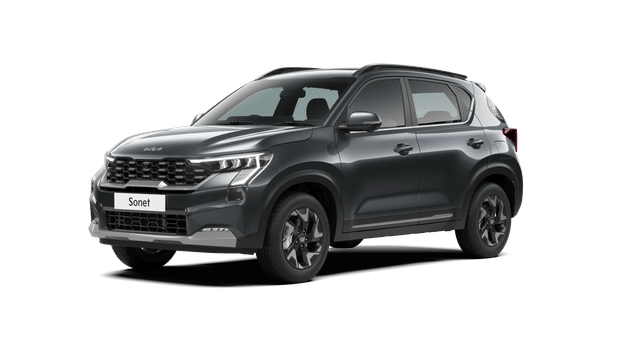
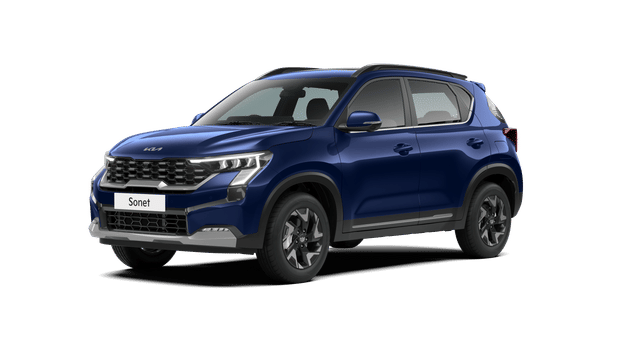
Kia Sonet colours run to 7 options. Named shades include Pewter Olive, Pearl White, Gravity Grey, Aurora Black Pearl, Imperial Blue, Clear White, Matte Graphite and Magma Red, with availability varying from one variant to the next.
Colour | Notes |
Clear White, Pearl White | Light shades, widely available |
Gravity Grey, Aurora Black Pearl | Grey and black options |
Imperial Blue, Magma Red | Brighter shades |
Pewter Olive, Matte Graphite | Specialist finishes, usually higher variants |
Kia Sonet Similar Cars to Explore
Kia Sonet FAQs
If you need a compact SUV right away, the current Kia Sonet remains a strong choice thanks to its feature-rich cabin, multiple powertrain options, and excellent value for money. However, if your purchase can wait, the next-generation Sonet, expected to launch in 2027, could be worth considering. It is expected to move to Kia's newer K1 platform and could be offered with larger 12.3-inch displays, Level 2 ADAS, while also improving rear-seat space and overall practicality.
The answer depends on your driving needs. The Kia Sonet's 1.0-litre turbo-petrol engine offers strong performance and an engaging driving experience, making it well-suited to highway journeys and enthusiastic drivers. If most of your driving is in urban conditions, the diesel automatic provides a more relaxed, smoother, and fuel-efficient experience, making it the better choice for daily commuting
The Kia Sonet offers an acceptable ride quality for daily use, though it is not the most comfortable in its segment. The short wheelbase and firm suspension tuning can make it feel slightly unsettled over broken city roads, with sharper bumps and potholes filtering into the cabin. However, on smoother roads and highways, the Sonet feels more composed and stable, delivering a confident driving experience.
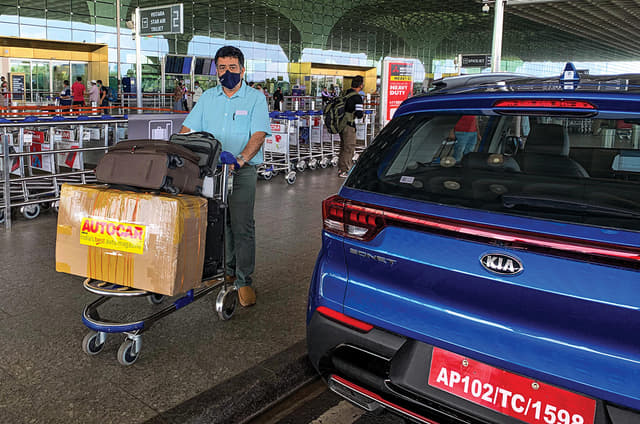
The Kia Sonet offers a pleasantly practical boot for its size, with a capacity of 385 litres, which is impressive for a sub-4-metre SUV. While it may not be the largest in the segment, it is more than adequate for everyday needs such as grocery shopping, daily errands, and weekend luggage for short trips. In fact, many rivals in this class fall slightly short of this usable luggage capacity, making the Sonet a strong contender for buyers who value practicality in a compact footprint.
The Kia Sonet offers a mixed experience in terms of rear-seat comfort. While headroom is generous, knee room and leg room are limited compared to segment standards, and the relatively short seat squab results in modest thigh support. Two adults can sit comfortably on most journeys, but fitting three passengers in the rear seat for longer drives may feel a bit cramped.
Questions you may find useful
Hi team, I am planning to buy the Tata Altroz diesel, but I am confused between the Altroz and the Kia Sonet. Given that both options fall into different segments, I am unsure whether I should go for the Altroz or consider a sub-4-metre SUV like the Sonet. Could you please help me understand which would be the better choice? Thanks in advance.
Go for the Tata Altroz diesel. Your daily running of 30km and a mix of city and highway driving make diesel a sensible choice, and the Altroz is a genuinely strong package. The diesel engine is efficient, punchy and well suited to both city commutes and highway runs, while the Altroz itself is spacious, comfortable and has a proven safety record. It is also significantly more affordable than the Sonet, allowing you to opt for a higher variant with more features within the same budget.The Altroz diesel offers a better balance of efficiency, performance and ownership cost. The only caveat is that the Altroz diesel is available only with a manual gearbox, so if you specifically want an automatic, the Kia Sonet diesel automatic would be the better choice. Otherwise, the Altroz diesel is the smarter buy.
I am looking for a diesel car priced around Rs 15-16 lakh with good fuel efficiency. I already own a Kia Sonet and a Hyundai Venue. What else should I consider?
Since you're already using the Sonet and Venue, you could consider the Mahindra XUV 3XO diesel this time around. It offers a strong diesel engine, respectable fuel efficiency, excellent ride comfort, and a more spacious cabin than the Sonet and Venue, making it a good family car.If you don't mind its looks, then the Kia Syros is an excellent car, and it's certainly worth considering. It has the same efficient, refined powertrain as the Venue and Sonet that you're using. Furthermore, cabin space is huge, and overall quality feels top-notch.
I am planning to buy a car and am confused between the Tata Nexon CNG and Kia Sonet. My running is irregular and does not exceed around 500km a month. Which would be the better choice?
With a monthly running of around 500km, a CNG car like the Tata Nexon CNG does not make financial sense. The fuel savings from CNG are only meaningful when running is significantly higher, and at your usage level, the additional cost and inconvenience of CNG ownership are not justified. The Kia Sonet is the better choice here. It is a more refined and well-rounded product, with a smoother petrol engine, better overall ownership experience and no compromises on boot space or convenience. The Nexon is a good product in its own right, but CNG only makes sense when running is high enough to offset the additional cost and inconvenience. At 500km a month, petrol is the sensible choice.
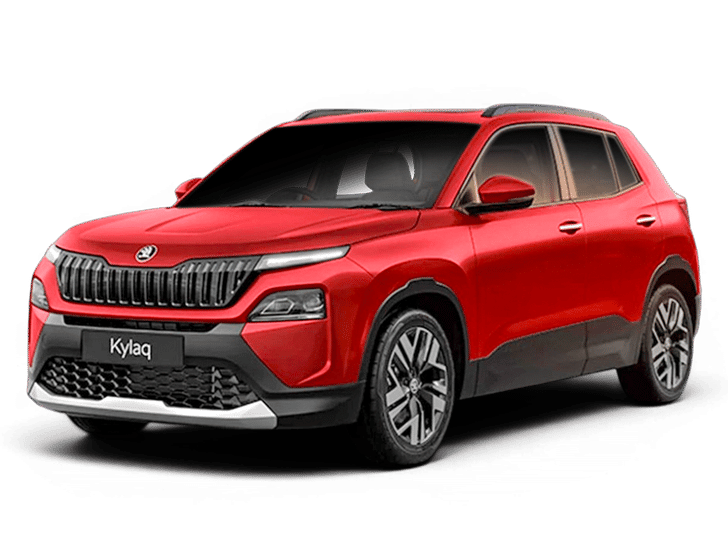
Hi, I recently asked you guys between Kia Sonet HTK Plus (O) Turbo DCT & Hyundai Venue HX 5 Turbo DCT for a 2-member family with 70% city and 30% highway running. You suggested Sonet HTK Plus (O) since it is cheaper and has more good to have features. I am also considering Skoda Kylaq Signature AT with their DHC infotainment upgrade. Do you still suggest the Sonet or will you prefer Kylaq over this? I am a new driver and will be driving in Bangalore traffic occasionally.
For your usage, the Skoda Kylaq Signature AT is actually the better recommendation. The 6-speed torque converter automatic is smoother and more predictable in stop-start Bangalore traffic than the DCTs in the Sonet and Venue, which can feel a bit hesitant at low speeds. The Kylaq also has a more engaging driving experience and a well-sorted chassis, which you will appreciate as you gain confidence behind the wheel. The only real drawback is that the boot is on the smaller side, but for a two-member family that should not be a deal-breaker. The Sonet HTK Plus (O) is still a good value package, but the Kylaq is the more enjoyable car to live with in your driving conditions.
I am planning to buy my second car, a sub-4m petrol automatic SUV, with a budget of around Rs 15 lakh. I currently own a WagonR, and my usage is primarily city driving, with occasional long trips. I am confused between the Kia Sonet, Kia Syros and Hyundai Venue. I particularly like the Syros, but I am concerned about its low sales figures and the positioning of its headlamps. I am also unsure whether a 360-degree camera is worth having, as it is available only in the top variant of the Sonet, while the Syros does not offer one. I would appreciate your guidance on which of these SUVs would be better suited to my requirements.
For a second car that will primarily see city use with occasional long trips, the Kia Syros is the most interesting choice of the three. The Syros gives you a more substantial upgrade, with a spacious cabin, excellent rear seat comfort, a 465-litre boot and a premium interior while remaining under four metres. Its 2,550mm wheelbase is also longer than both the Kia Sonet and Hyundai Venue, which is why it feels particularly roomy inside.The low sales numbers would not be a major concern. The Syros uses familiar Kia powertrains and components, and Kia's service network is already well established. The headlamp position is unconventional and does expose the units to a greater risk of damage in a minor bumper corner impact, but it should not be a deal breaker if you like the car otherwise.The 360 degree camera is useful but not essential. It is particularly helpful in tight parking spaces and narrow city lanes, but a good rear camera and sensors do most of the job. It would not be worth choosing the Sonet's top variant solely to get a 360 degree camera. The Venue is the safer conventional choice if you prefer a newer, more established package, while the Sonet makes sense if you want a smaller, sportier-feeling cabin and more familiar product. But for your requirements, the Syros offers the most meaningful upgrade from a WagonR.
Upcoming Cars


Kia Cars


Trending Cars


Latest Cars


Last Updated on: 19 Oct 2026