Autocar India
•7w

I am looking for a car that I can keep for the long term, around 8–10 years, with a budget of under Rs 15 lakh on-road in Bangalore. I would prefer an automatic with an SUV stance. My usage will mainly be a 15 km daily office commute, along with occasional highway trips. I am looking for something that looks modern, has enough space, and offers good after-sales service. A few options I have shortlisted are the Hyundai Venue/Sonet with DCT and the Renault Kiger with CVT. My main concern is whether DCTs are reliable for long-term ownership if they are regularly serviced, especially with bumper-to-bumper traffic 2–3 times a week.

Verified
•6w

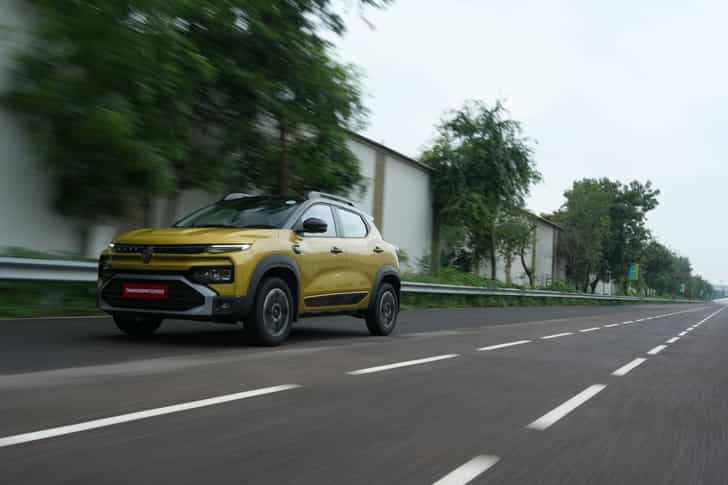
Given the budget, usage and long-term ownership focus, we would recommend the Renault Kiger CVT over the Hyundai Venue or Kia Sonet DCT. A daily 15 km office commute with frequent bumper-to-bumper traffic, along with occasional highway trips, is better suited to a CVT than a DCT. CVTs are smoother at low speeds and work well in stop-start traffic. They can also be less demanding in such conditions over the long term.

DCTs can be reliable when maintained properly, but they are not the ideal choice for regular stop-start traffic. Repeated low-speed crawling can generate heat and accelerate clutch-pack wear, potentially leading to expensive repairs over time.

The Kiger also offers a modern design, a spacious cabin and a good feature set for its price. Renault's after-sales service has improved in recent years, while the Kiger offers strong value for money in this segment. The budget also stretches further with the Kiger CVT, allowing a higher-spec variant with some money left over. In comparison, the Sonet and Venue are positioned slightly higher, so the same budget would typically mean settling for a mid-spec variant.
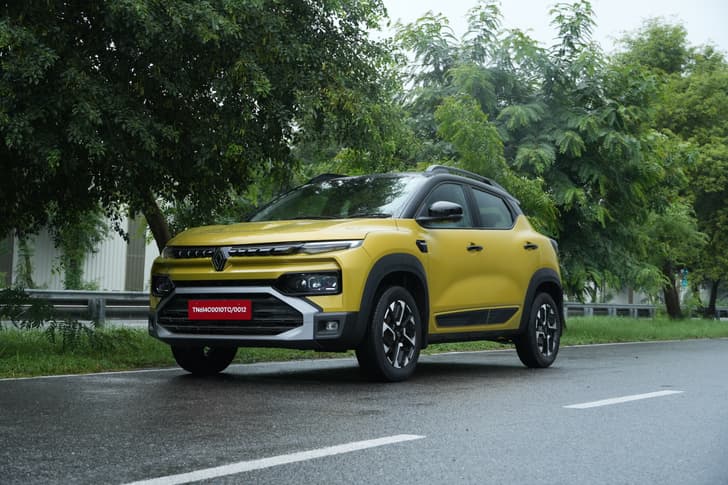
Renault Kiger

Renault Kiger

•6w•

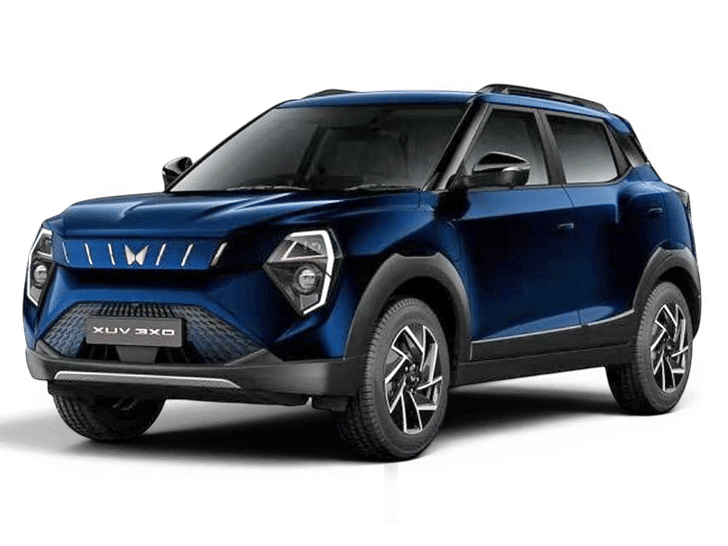
@autocar.india thanks for the inputs. Between Kiger CVT top spec and 3xo AX5, which one would you suggest keeping everything else same?

More posts on similar cars

•1d

I am looking for a car with a budget below Rs 10 lakh. My usage will be mostly on highways, with a 500-600 km trip to my native place and back from Bangalore approximately once every two months. I don’t need the car much for daily city commuting, as my office is nearby. I have shortlisted the Maruti Swift, Maruti Baleno, Toyota Glanza, and Hyundai i20. Considering my usage, I would like to know which car would be the best overall, especially in terms of: Highway comfort and stability Low body roll Low driver/passenger fatigue on long journeys Comfortable suspension and seats Highway performance and overtaking ability Safety and build quality Fuel efficiency Ease of driving for a beginner If there are any other cars under Rs 10 lakh that you think would suit my requirements better, please suggest those as well. I would like to keep them in consideration.

Verified
•1d

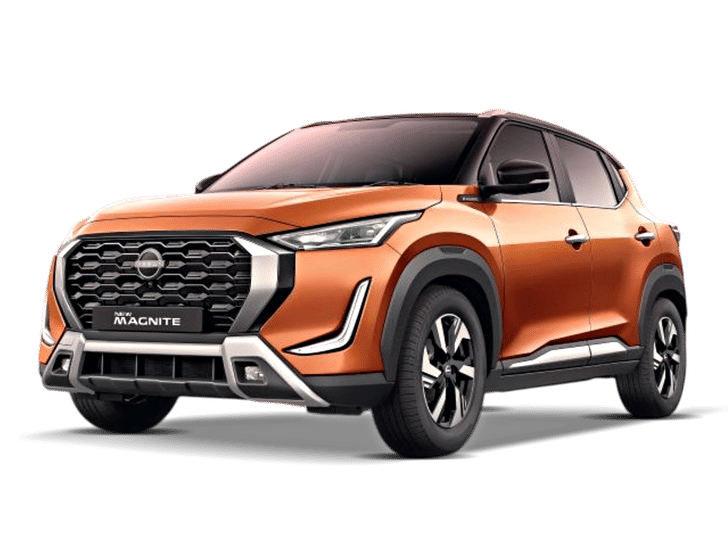
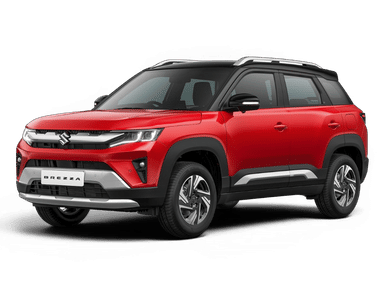
For your usage pattern, the Maruti Baleno or Toyota Glanza would be the most sensible choices. Both cars are essentially the same underneath, so the decision comes down to dealership experience and after-sales support in your area. The Baleno/Glanza offer a more spacious cabin than the Maruti Suzuki Swift, making them better suited to long-distance highway runs, and now get the same 3-cylinder engine too - the Toyota Glanza facelift is soon to launch. The suspension is well-tuned for Indian roads, and the seats are comfortable enough for extended journeys, which will help reduce fatigue on your 500-600 km trips.The Hyundai i20 is also a strong contender, with a more premium interior and a slightly more planted feel at higher speeds. However, the Baleno/Glanza has a more spacious rear seat and better fuel efficiency, which makes it a more practical choice for your requirements. In terms of safety, all three cars offer similar levels of equipment, but this Hyundai Car feels slightly more solidly built.If you are open to considering other options, the Tata Altroz is worth a look. It has a 5-star Global NCAP safety rating, a solid build, and good highway stability. And if you stretch your budget slightly, you can get the diesel engine, which will be hugely beneficial on the highway in terms of performance and mileage, and is also better than the Altroz's own petrol engine.It's worth noting that all the hatchbacks you've shortlisted use naturally aspirated 1.2-litre petrol engines, which, though adequate, might feel lacking out on the highway, where you will do most of your driving. Thus, we would also recommend checking out some turbo-petrol options that fall in your price range, such as the Nissan Magnite, Renault Kiger, Renault Triber, Hyundai i20 N-Line and Tata Punch, which all meet your needs well.

VehicleMaruti Suzuki Baleno
VehicleToyota Glanza
VehicleMaruti Suzuki Swift
VehicleHyundai i20
VehicleTata Altroz
VehicleNissan Magnite
VehicleRenault Kiger
VehicleRenault Triber
VehicleTata Punch
•1d

I am confused between the Kia Sonet HTK Plus (O) DCT and the Hyundai Venue HX5 DCT. Both are priced close to Rs 13.5 lakh on-road. I am expecting a good discount on the Kia Sonet, given that an update is on the way. Which of the two would be better for long-term ownership in Bangalore? We are a family of two and expect to drive around 70 percent in the city and 30 percent on the highway, with short and long trips every two months. Also, is the DCT reliable enough to handle occasional crawling traffic for 20 to 30 minutes?

Verified
•1d

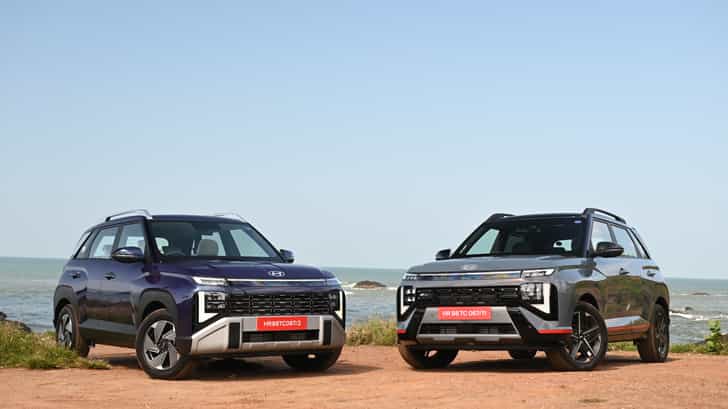
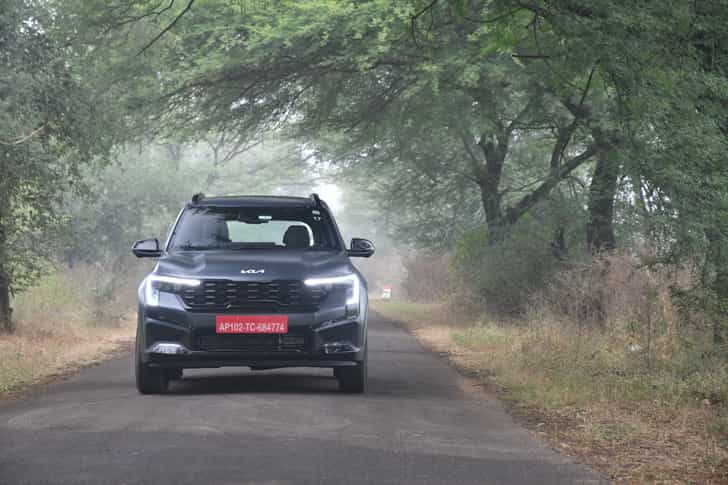
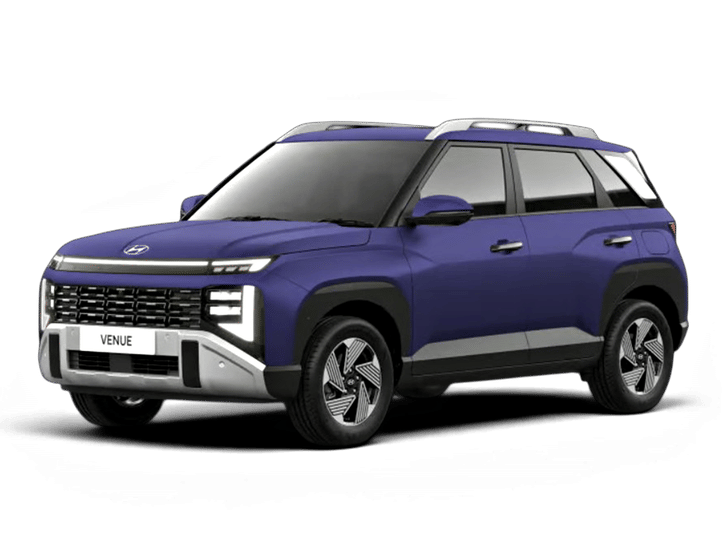
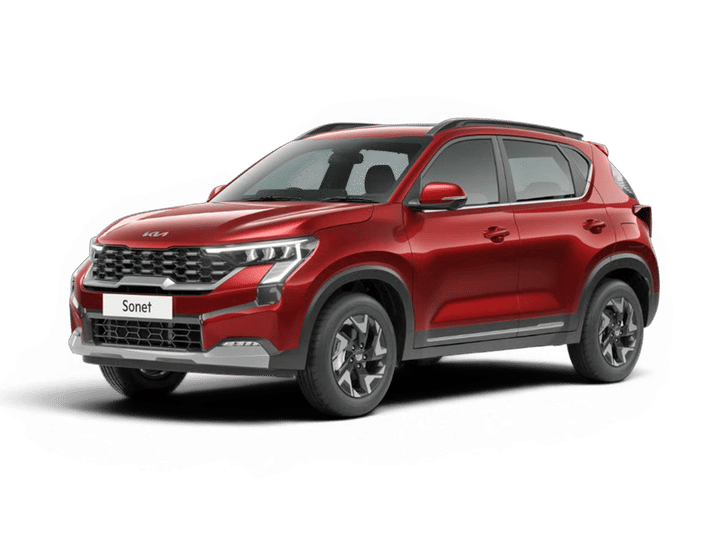
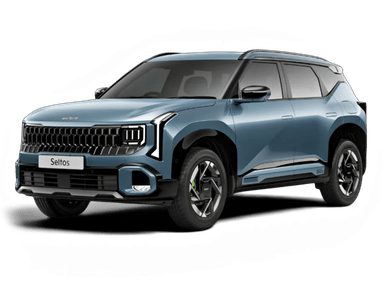
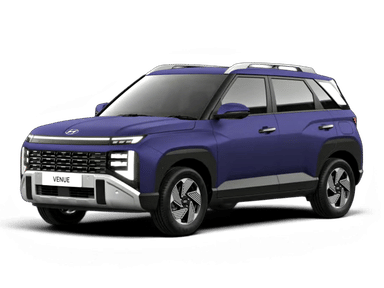
For a family of two, 70 percent city use and 30 percent highway driving, the Kia Sonet HTK+ (O) DCT makes more sense, particularly if the Kia can be bought with a meaningful discount. The Sonet and Hyundai Venue HX5 DCT use essentially the same 1.0-litre turbo petrol and seven-speed DCT, so performance and gearbox behaviour are very similar. The Sonet is also slightly more compact, has a 385-litre boot and offers good equipment at this price.The new Venue is the more spacious and newer product, with a longer wheelbase and a slightly more comfortable rear seat, along with a five-star Bharat NCAP rating. However, with only two occupants most of the time, that additional rear-seat space is unlikely to be a deciding factor.As for the DCT, occasional 20 to 30-minute crawling traffic is not a reason to avoid it. These Hyundai-Kia DCTs have been developed over several years and are considerably more mature than the early units. However, they are dry-clutch systems, so prolonged creeping does generate heat and clutch wear. In very slow traffic, avoid continuously inching forward and use the brake to hold the car on inclines. Shifting to neutral when stationary for longer periods can also reduce unnecessary clutch engagement.

VehicleKia Sonet
VehicleHyundai Venue

Popular discussions right now

•6d

Hi, I want to buy my last car as I am 66 years old. I have been driving a Honda City for the last 12 years without any major hiccup. The Honda City engine and its reliability is excellent although its ground clearance is an issue. I have looked at Elevate and given its ground clearance as an SUV, I am impressed although the issues on E20 and abrupt blending issues are surely technical issues. Windsor EV was a great test drive but all controls on screen could be a bottleneck for me at my age and am planning to move to an automatic. Please recommend as experts. My monthly running will not be more than 500 km. Should I also look at Seltos. I will appreciate a feedback from experts. I want a reliable, easy to drive car with low maintenance cost and good family value with. There won't be any great pick ups or many highway drives will not be there.

Verified
•5d

Given your 12 years of trouble free City ownership, the Elevate is the most natural replacement. It retains Honda’s simple 1.5-litre naturally aspirated petrol engine, adds substantially better ground clearance and gives you the easier ingress and SUV driving position you liked. The CVT is also very well suited to your low speed, low running usage and should make the transition to an automatic easy.On your E20 concern, we would not treat it as a reason to avoid the Elevate. Honda says all its cars manufactured in India since January 2009 are E20 material compatible, and the current Elevate is officially certified for E20. Honda also says E20 should not cause durability concerns or require any component changes. There can be a marginal reduction in fuel economy because ethanol contains less energy than petrol, but with your 500km monthly running, that is unlikely to be significant.The Seltos is worth a look, particularly if you want a more feature rich and premium cabin, but given your priorities of reliability, easy driving, low maintenance and long term ownership, the Elevate fits your requirements more naturally. The Windsor EV is also an interesting option, but at just 500km a month, there is little financial reason to move to an EV, especially when you have concerns about its touchscreen heavy interface.

VehicleHonda City
VehicleHonda Elevate
VehicleMG Windsor
VehicleKia Seltos

Upcoming launch buzz

Community discussions on upcoming launches
Posted on: 16 Aug 2026