Diesel Cars Under 16 Lakh

Last Updated on: 15 Oct 2026
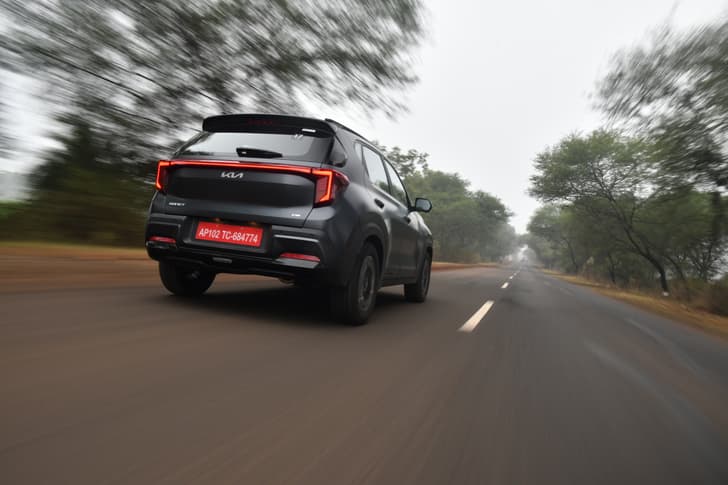
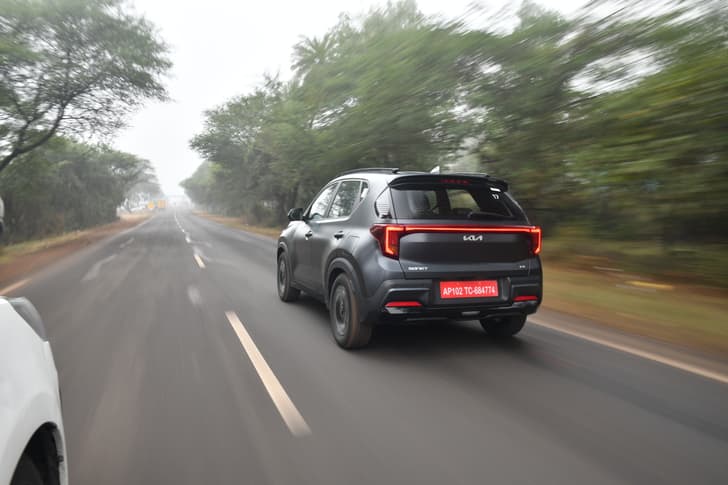
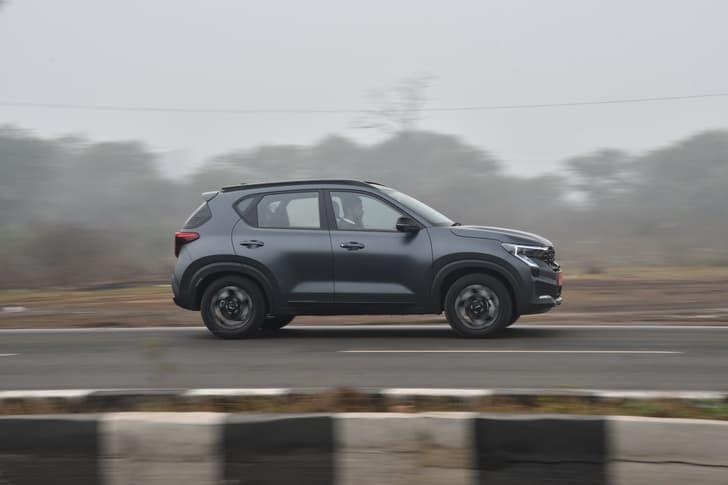
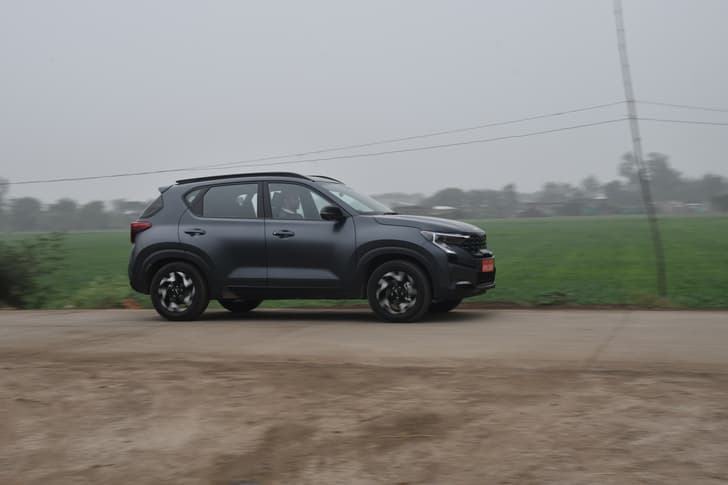
Engine Displacement | 1197 cc |
Number of Cylinders | 4 |
Engine Installation | Front |
Fuel Type/ Propulsion | Petrol |
Gearbox Type | Manual |
Number of Gears | 5 |
Drive Layout | Front Wheel Drive |
Lockable Differential/s | No |
Max Engine Power | 83 hp at 6000 rpm |
Max Engine Torque | 115 Nm at 4200 rpm |
Fuel Supply System | MPFI |
E20 Compatibility | Yes |
Emission Standard | Bharat Stage VI |
Terrain Modes | No |
Auto Start/Stop | Yes |
Official Fuel Economy | 18.8 kmpl |
Fuel Tank Capacity | 45 litres |
User Reported Mileage | 16.18 kmpl |
Front Suspension Type | McPherson Strut |
Front Springs | Coil Springs |
Rear Suspension Type | Coupled Torsion Beam Axle |
Rear Springs | Coil Springs |
Damper Control | No |
Ride Height Adjust | No |
Type of Power Assist | Electric |
Steering Adjust type | Manual |
Steering Adjust | Tilt |
4 Wheel Steer | No |
Front Brakes | Disc |
Rear Brakes | Drum |
Wheel Size | 15 inches |
Front Tyre Size | 195/65 R15 |
Rear Tyre Size | 195/65 R15 |
Wheels | Steel rims with wheel covers |
Spare Wheel | Full Size |
Length | 3995 mm |
Width | 1790 mm |
Height | 1642 mm |
Wheelbase | 2500 mm |
Chassis Type | Monocoque |
Boot Capacity | 385 litres |
Doors | 5 |
| Power Windows | Front |
| Interior Lamps | |
| Rear Parcel Tray | |
| Bluetooth Connectivity | |
| Powered Tailgate | |
| Bottle Holder in Doors |
| Airbags | 6 |
| Boot Open Warning | |
| Driver Airbag | |
| Road Departure Mitigation System | |
| Speed Sensing Door Lock | |
| Blind Spot Collision Avoidance Assist |
| Body Coloured Bumpers | |
| Outside rear view mirror (ORVM) | |
| Headlight Height Adjuster | |
| Projector Headlamps | |
| ORVM turn indicators | |
| Wheel Arch Cladding |
| Speedometer | Analogue |
| Tachometer | Analogue |
| Trip Meter | |
| Average Fuel Consumption | |
| Average Speed | |
| Distance to Empty |
| Audio System | |
| Front USB port | Type C |
| Second Row USB port | 2 Type C |
| Branded Music System | |
| Speakers | 6 |
| Front Passenger Screen |
| Tow Away Alert | |
| Home to Car Connectivity | |
| Emergency Call Button | |
| Remote AC On / Off via App | |
| Remote Car Lock/Unlock via App | |
| Remote Engine Start/Stop |
 Electronic Stability ControlPart Digital / Part Analogue Digital Instrument Cluster6 SpeakersPart-leatherette Seat MaterialHalogen Headlight TypeSingle Pane SunroofLED DRLsLED Daytime Running LightsFront and Rear Power WindowsRear Window Sun ShadesRear Parking Camera1-zone Climate ControlPhone-based Satellite NavigationDigital KeyDriver's Seat Height AdjustPush Button StartWireless Phone ChargingSoft Touch Door TrimDigital KeyPhone-based Satellite NavigationDashcamSingle Pane SunroofLeatherette Seat MaterialLED headlampsDigital KeyDashcamSingle Pane SunroofLeatherette Seat MaterialLED headlampsDigital KeyDriving ModesSingle Pane SunroofLED headlampsDigital KeyPhone-based Satellite NavigationBlind Spot MonitorFully Digital Digital Instrument ClusterBose Branded Music SystemHome to Car ConnectivityFront Only Ventilated SeatsBlind Spot MonitorFully Digital Digital Instrument ClusterBose Branded Music SystemHome to Car ConnectivityFront Only Ventilated Seats

Join the Discussions
Hi team, I am planning to buy the Tata Altroz diesel, but I am confused between the Altroz and the Kia Sonet. Given that both options fall into different segments, I am unsure whether I should go for the Altroz or consider a sub-4-metre SUV like the Sonet. Could you please help me understand which would be the better choice? Thanks in advance.

I am looking for a diesel car priced around Rs 15-16 lakh with good fuel efficiency. I already own a Kia Sonet and a Hyundai Venue. What else should I consider?
I am planning to buy a car and am confused between the Tata Nexon CNG and Kia Sonet. My running is irregular and does not exceed around 500km a month. Which would be the better choice?
Hi, I recently asked you guys between Kia Sonet HTK Plus (O) Turbo DCT & Hyundai Venue HX 5 Turbo DCT for a 2-member family with 70% city and 30% highway running. You suggested Sonet HTK Plus (O) since it is cheaper and has more good to have features. I am also considering Skoda Kylaq Signature AT with their DHC infotainment upgrade. Do you still suggest the Sonet or will you prefer Kylaq over this? I am a new driver and will be driving in Bangalore traffic occasionally.
I am planning to buy my second car, a sub-4m petrol automatic SUV, with a budget of around Rs 15 lakh. I currently own a WagonR, and my usage is primarily city driving, with occasional long trips. I am confused between the Kia Sonet, Kia Syros and Hyundai Venue. I particularly like the Syros, but I am concerned about its low sales figures and the positioning of its headlamps. I am also unsure whether a 360-degree camera is worth having, as it is available only in the top variant of the Sonet, while the Syros does not offer one. I would appreciate your guidance on which of these SUVs would be better suited to my requirements.