Bayon, Venue, or Sonet: Buy?


Last Updated on: 30 Oct 2026
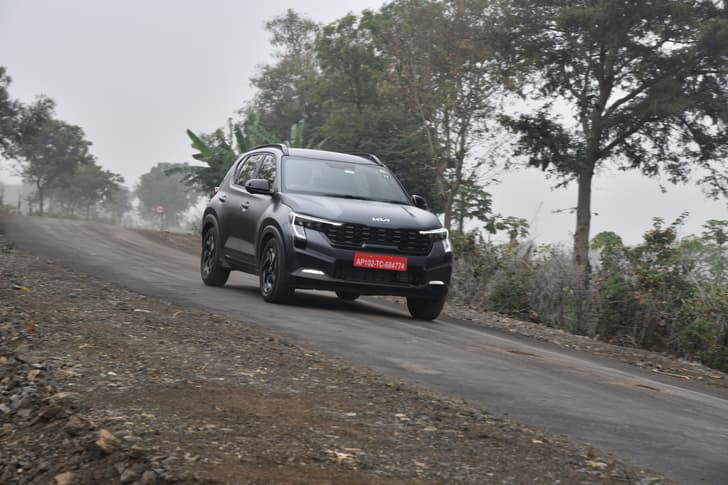
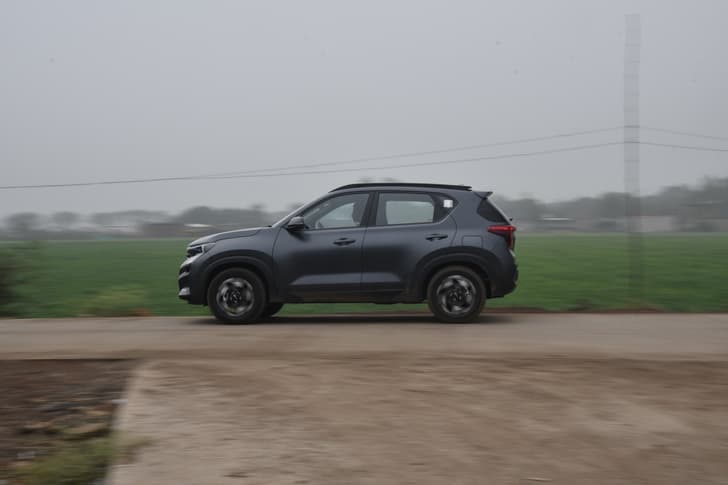
Engine Type | Turbocharged |
Engine Displacement | 998 cc |
Number of Cylinders | 3 |
Engine Installation | Front |
Fuel Type/ Propulsion | Petrol |
Gearbox Type | DCT |
Number of Gears | 7 |
Manual Shifts via Gear Lever on Automatic Gearbox | Yes |
Paddle Shifters for Automatic Gearbox | Yes |
Sport Mode for Automatic Gearbox | Yes |
Drive Layout | Front Wheel Drive |
Lockable Differential/s | No |
Max Engine Power | 119.6 hp at 6000 rpm |
Max Engine Torque | 172 Nm at 1500 - 4000 rpm |
Fuel Supply System | Direct Injection |
E20 Compatibility | Yes |
Emission Standard | Bharat Stage VI |
Drive Mode Types | Multiple |
Terrain Modes | Yes |
Auto Start/Stop | Yes |
Official Fuel Economy | 18.7 kmpl |
Autocar Tested City Mileage | 11.6 kmpl |
Autocar Tested Highway Mileage | 16.5 kmpl |
Fuel Tank Capacity | 45 litres |
Autocar Tested Mileage | 14.05 kmpl |
0-100kph | 12.25 s |
20-80kph (in third gear/ kickdown) | 7.43 s |
40-100kph (in fourth gear/ kickdown) | 9.2 s |
Front Suspension Type | McPherson Strut |
Front Springs | Coil Springs |
Rear Suspension Type | Coupled Torsion Beam Axle |
Rear Springs | Coil Springs |
Damper Control | No |
Ride Height Adjust | No |
Type of Power Assist | Electric |
Steering Adjust type | Manual |
Steering Adjust | Tilt |
4 Wheel Steer | No |
Front Brakes | Disc |
Rear Brakes | Disc |
Wheel Size | 16 inches |
Front Tyre Size | 215/60 R16 |
Rear Tyre Size | 215/60 R16 |
Wheels | Alloys |
Spare Wheel | Space Saver |
Length | 3995 mm |
Width | 1790 mm |
Height | 1642 mm |
Wheelbase | 2500 mm |
Chassis Type | Monocoque |
Boot Capacity | 385 litres |
Doors | 5 |
| Power Windows | Front and Rear |
| Door Pockets | |
| Steering Mounted Controls | Audio and Phone |
| Bottle Holder in Doors | |
| Cabin Boot Access | |
| Comfort Headrest |
| Airbags | 6 |
| Door Ajar Warning | |
| Blind Spot Collision Avoidance Assist | |
| Speed Assist System | |
| Traffic Sign Recognition | |
| Curtain Airbag |
| Body Coloured Bumpers | |
| Integrated Washer Jets with Wiper | |
| LED DRLs | |
| LED taillights | |
| LED fog lamps | |
| Headlight Height Adjuster |
| Speedometer | Digital |
| Tachometer | Digital |
| Trip Meter | |
| Average Fuel Consumption | |
| Average Speed | |
| Distance to Empty |
| Audio System | |
| Second Row USB port | 2 Type C |
| Front USB port | Type A and Type C |
| Front Passenger Screen | |
| Inbuilt Music App | |
| Branded Music System | Bose |
| Location Based Services | |
| Emergency Call Button | |
| Google/Alexa connectivity | |
| Find My Car | |
| Vehicle Tracking Via App | |
| Driving Analytics |
 Electronic Stability ControlPart Digital / Part Analogue Digital Instrument Cluster6 SpeakersPart-leatherette Seat MaterialHalogen Headlight TypeSingle Pane SunroofLED DRLsLED Daytime Running LightsFront and Rear Power WindowsRear Window Sun ShadesRear Parking Camera1-zone Climate ControlPhone-based Satellite NavigationDigital KeyDriver's Seat Height AdjustPush Button StartWireless Phone ChargingSoft Touch Door TrimDigital KeyPhone-based Satellite NavigationDashcamSingle Pane SunroofLeatherette Seat MaterialLED headlampsDigital KeyDashcamSingle Pane SunroofLeatherette Seat MaterialLED headlampsDigital KeyDriving ModesSingle Pane SunroofLED headlampsDigital KeyPhone-based Satellite NavigationBlind Spot MonitorFully Digital Digital Instrument ClusterBose Branded Music SystemHome to Car ConnectivityFront Only Ventilated SeatsBlind Spot MonitorFully Digital Digital Instrument ClusterBose Branded Music SystemHome to Car ConnectivityFront Only Ventilated Seats
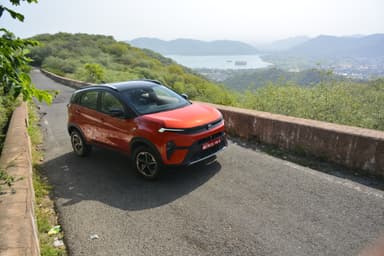
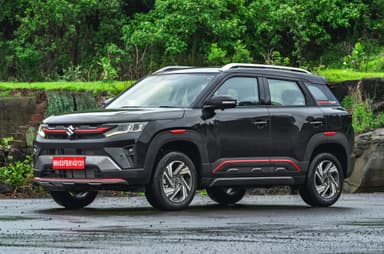
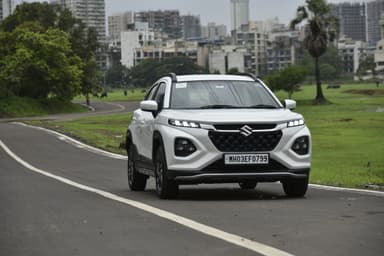

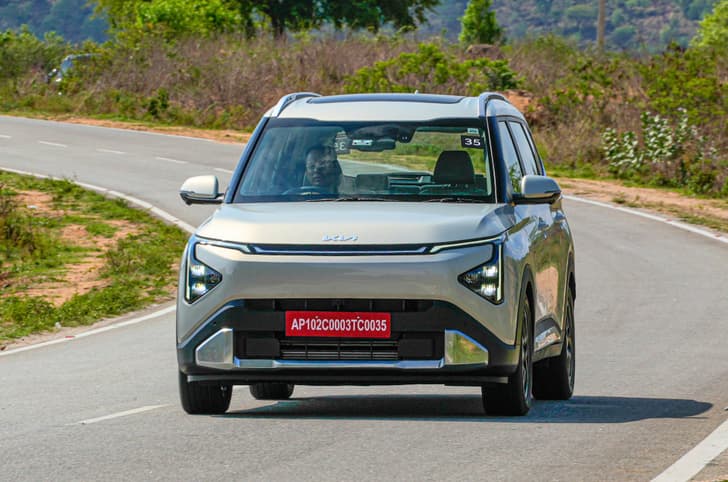
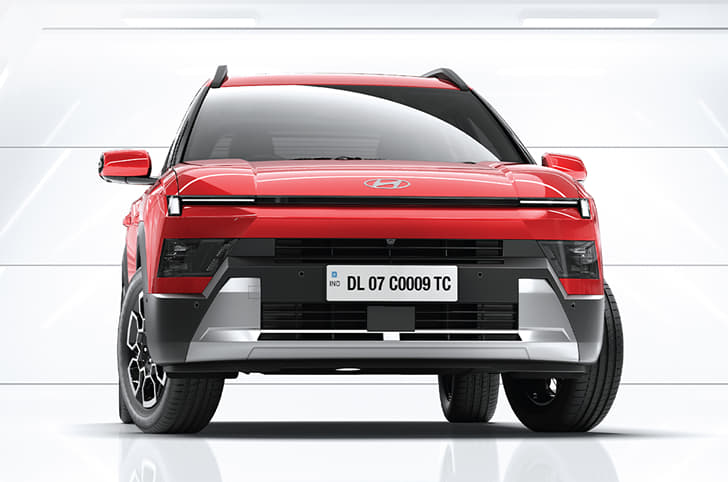
Hi team, I am planning to buy my first car and I want to know which one to choose between the Kia Sonet HTK+(O) and the Hyundai Venue HX5+, both of which come with a 1.2L petrol MT. I am seriously confused about choosing between the two, so please help me out.

 Kia SonetHyundai Venue
I am based in Dabolim, Goa, and have been using an MG Comet for the last 2 years. I am looking for an additional car for myself. Recently, I had a look at the Bayon, but I am yet to take a test drive. I found its bonnet to be at a high level from the driver's seat. So, I thought of going for the Venue, which I am also yet to test drive. My annual running is less than 10,000 km, primarily within the city. Kindly suggest what would be best for me. Is buying a Kia Sonet worth it compared to the Bayon and the Venue, keeping in mind that I prefer a somewhat compact car?
Hyundai VenueMG CometHyundai BayonKia SonetI am planning to buy the Kia Sonet HTK (O) with the DCT automatic transmission, which costs around Rs 11.5 lakh on-road. Should I wait for the next-generation model, which is expected to arrive in January 2027? Will the new generation be priced in a similar range, as we have seen some manufacturers maintain similar prices across generations, as with the recent Honda Elevate?
Kia SonetKia New SonetHyundai VenueHi Autocar team, I am looking to buy a new petrol automatic car for my family of three. Most of my driving will be in Bengaluru city, with occasional highway trips of 100-500 km. I prefer a torque-converter automatic or a CVT. We have test-driven the Skoda Slavia 1.0 TSI, Kylaq and Kushaq, Volkswagen Virtus 1.0 TSI, 2026 Honda Elevate facelift, Kia Sonet, Tata Punch AMT, Tata Sierra DCT and the Tata Punch EV with its automatic transmission. I personally liked the Slavia for its performance, handling, ride quality and safety, but I am concerned about EPC warnings and reliability. My wife is a beginner driver who currently drives a manual turbo sedan and a hatchback. She prefers relaxed driving and liked the Honda Elevate CVT more than the Sonet. I enjoy strong performance and effortless overtaking on highways, although neither of us is an outright driving enthusiast. With so many options, which automatic would you recommend?
Honda ElevateSkoda SlaviaKia SonetI am planning to buy a petrol automatic subcompact SUV primarily for city driving, with a monthly running of hardly 300km. My main priorities are reliability and rear seat comfort. Which would be a better choice between the Skoda Kylaq and Kia Sonet, considering my requirements?
Skoda KylaqMaruti Suzuki BrezzaKia Sonet