Automatic Car 1000 km Monthly



Last Updated on: 16 Sep 2026
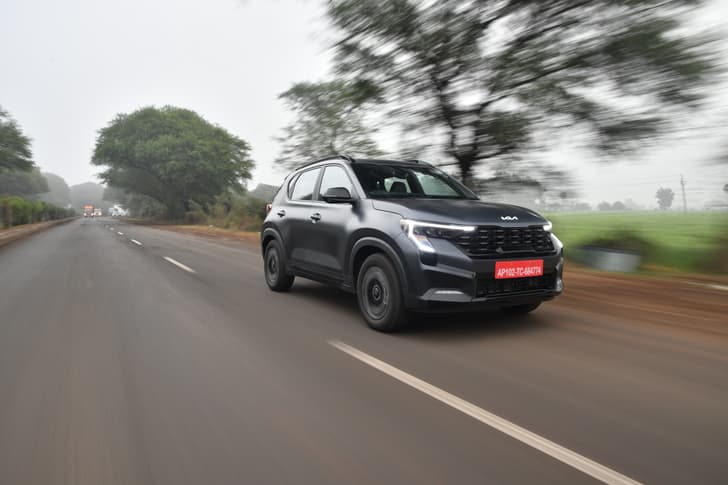
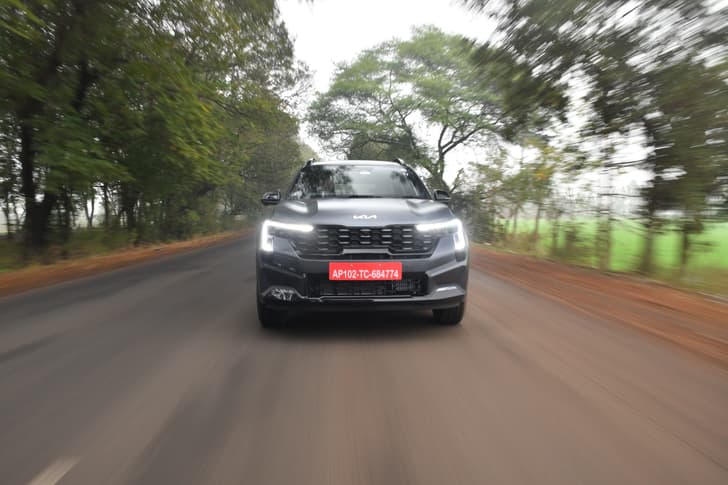
Engine Type | Turbocharged |
Engine Displacement | 998 cc |
Number of Cylinders | 3 |
Engine Installation | Front |
Fuel Type/ Propulsion | Petrol |
Gearbox Type | IMT |
Number of Gears | 6 |
Manual Shifts via Gear Lever on Automatic Gearbox | Yes |
Drive Layout | Front Wheel Drive |
Lockable Differential/s | No |
Max Engine Power | 119.6 hp at 6000 rpm |
Max Engine Torque | 172 Nm at 1500 - 4000 rpm |
Fuel Supply System | Direct Injection |
E20 Compatibility | Yes |
Emission Standard | Bharat Stage VI |
Terrain Modes | No |
Auto Start/Stop | Yes |
Autocar Tested City Mileage | 11.2 kmpl |
Autocar Tested Highway Mileage | 15.8 kmpl |
Fuel Tank Capacity | 45 litres |
Autocar Tested Mileage | 13.5 kmpl |
0-100kph | 13.47 s |
20-80kph (in third gear/ kickdown) | 10.52 s |
40-100kph (in fourth gear/ kickdown) | 14.54 s |
Front Suspension Type | McPherson Strut |
Front Springs | Coil Springs |
Rear Suspension Type | Coupled Torsion Beam Axle |
Rear Springs | Coil Springs |
Damper Control | No |
Ride Height Adjust | No |
Type of Power Assist | Electric |
Steering Adjust type | Manual |
Steering Adjust | Tilt |
4 Wheel Steer | No |
Front Brakes | Disc |
Rear Brakes | Drum |
Wheel Size | 16 inches |
Front Tyre Size | 215/60 R16 |
Rear Tyre Size | 215/60 R16 |
Wheels | Steel rims with wheel covers |
Spare Wheel | Space Saver |
Length | 3995 mm |
Width | 1790 mm |
Height | 1642 mm |
Wheelbase | 2500 mm |
Chassis Type | Monocoque |
Boot Capacity | 385 litres |
Doors | 5 |
| Power Windows | Front and Rear |
| Electric Tailgate Release | |
| Steering Mounted Controls | Audio and Phone |
| Bottle Holder in Doors | |
| Cabin Boot Access | |
| Comfort Headrest |
| Airbags | 6 |
| Lane Departure Avoidance | |
| Rear Seatbelt Reminder | With Load Sensor |
| Auto emergency braking (AEB) | |
| Dual Tone Horn | |
| Impact Sensing Auto Door Unlock |
| Body Coloured Bumpers | |
| Follow Me Home Headlamps | |
| ORVM turn indicators | |
| Stop Lamp | |
| Connected LED | |
| Outside rear view mirror (ORVM) |
| Speedometer | Analogue |
| Tachometer | Analogue |
| Trip Meter | |
| Average Fuel Consumption | |
| Average Speed | |
| Distance to Empty |
| Audio System | |
| Speakers | 6 |
| Second Row USB port | 2 Type C |
| CD Player | |
| Inbuilt Music App | |
| Branded Music System |
| Emergency Call Button | |
| Location Based Services | |
| Auto Crash Alert | |
| Breakdown Assistance Call Button | |
| Anti Theft Immobilisation | |
| Car Light Flashing & Honking via App |
 Electronic Stability ControlPart Digital / Part Analogue Digital Instrument Cluster6 SpeakersPart-leatherette Seat MaterialHalogen Headlight TypeSingle Pane SunroofLED DRLsLED Daytime Running LightsFront and Rear Power WindowsRear Window Sun ShadesRear Parking Camera1-zone Climate ControlPhone-based Satellite NavigationDigital KeyDriver's Seat Height AdjustPush Button StartWireless Phone ChargingSoft Touch Door TrimDigital KeyPhone-based Satellite NavigationDashcamSingle Pane SunroofLeatherette Seat MaterialLED headlampsDigital KeyDashcamSingle Pane SunroofLeatherette Seat MaterialLED headlampsDigital KeyDriving ModesSingle Pane SunroofLED headlampsDigital KeyPhone-based Satellite NavigationBlind Spot MonitorFully Digital Digital Instrument ClusterBose Branded Music SystemHome to Car ConnectivityFront Only Ventilated SeatsBlind Spot MonitorFully Digital Digital Instrument ClusterBose Branded Music SystemHome to Car ConnectivityFront Only Ventilated Seats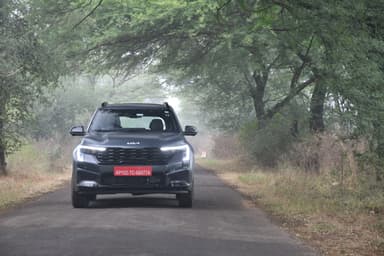

Join the Discussions
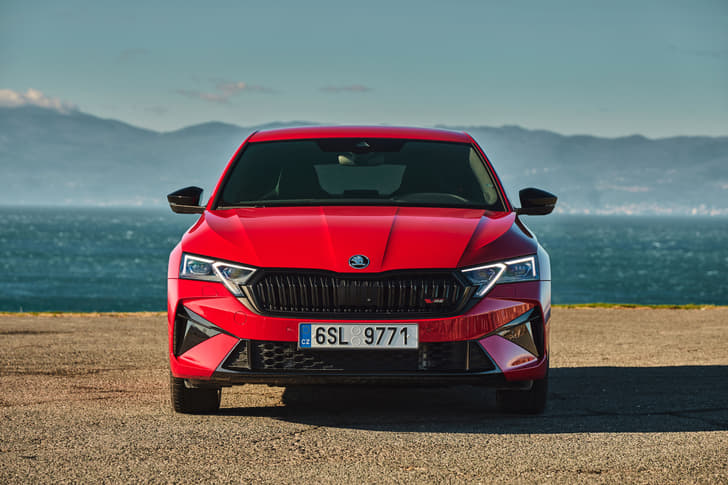
Hi, I recently asked you guys between Kia Sonet HTK Plus (O) Turbo DCT & Hyundai Venue HX 5 Turbo DCT for a 2-member family with 70% city and 30% highway running. You suggested Sonet HTK Plus (O) since it is cheaper and has more good to have features. I am also considering Skoda Kylaq Signature AT with their DHC infotainment upgrade. Do you still suggest the Sonet or will you prefer Kylaq over this? I am a new driver and will be driving in Bangalore traffic occasionally.

 Skoda KylaqKia Sonet
I am planning to buy my second car, a sub-4m petrol automatic SUV, with a budget of around Rs 15 lakh. I currently own a WagonR, and my usage is primarily city driving, with occasional long trips. I am confused between the Kia Sonet, Kia Syros and Hyundai Venue. I particularly like the Syros, but I am concerned about its low sales figures and the positioning of its headlamps. I am also unsure whether a 360-degree camera is worth having, as it is available only in the top variant of the Sonet, while the Syros does not offer one. I would appreciate your guidance on which of these SUVs would be better suited to my requirements.
Kia SyrosKia SonetHyundai VenueI’m planning to buy a compact SUV for my dad, who is 64 years old. He currently owns a 2015 Hyundai Creta diesel automatic (torque converter), but he now finds it a little difficult to drive because of its size. He prefers a smaller, easy-to-manoeuvre automatic SUV. The expected usage would be around 70% in town and 30% on highways. The options I’m currently considering are: Kia Sonet 1.5 Diesel Automatic Toyota Taisor Petrol Automatic Mahindra XUV 3XO Petrol Automatic What other options would you recommend considering his age, ease of driving, comfort, size, and our usage pattern? My budget is a maximum of Rs 14 lakh. I’d really appreciate your suggestions and a comparison of the best options.
Toyota Urban Cruiser TaisorMahindra XUV 3XOKia SonetMaruti Suzuki BrezzaI am confused between the Kia Sonet HTK Plus (O) DCT and the Hyundai Venue HX5 DCT. Both are priced close to Rs 13.5 lakh on-road. I am expecting a good discount on the Kia Sonet, given that an update is on the way. Which of the two would be better for long-term ownership in Bangalore? We are a family of two and expect to drive around 70 percent in the city and 30 percent on the highway, with short and long trips every two months. Also, is the DCT reliable enough to handle occasional crawling traffic for 20 to 30 minutes?
Kia SonetHyundai VenueHi, I am planning to buy sub-4 meter SUV for very low monthly usage of around 500 km in Mumbai and trips of around 500 km twice in a year on highway. We have shortlisted Kia Sonet HTK (O) and Skoda Skylaq Signature+. It should have very low breakdown, need less repairs and overall should be a headache free experience as I am a senior citizen. Please suggest which car should I have.
Kia SonetSkoda KylaqMaruti Suzuki Brezza