

Last Updated on: 04 Aug 2026
Kia Sonet
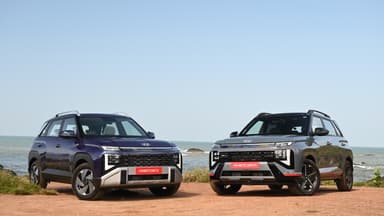
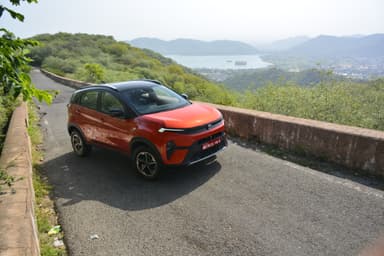
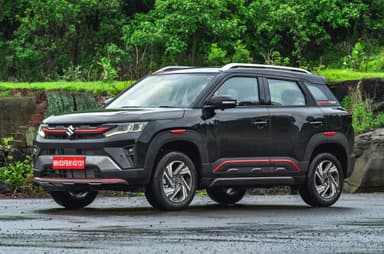
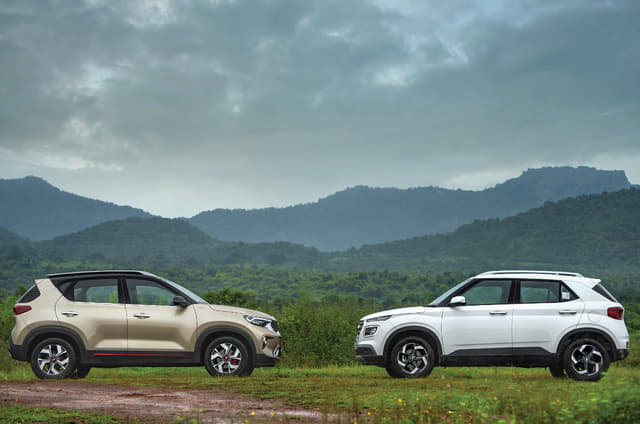
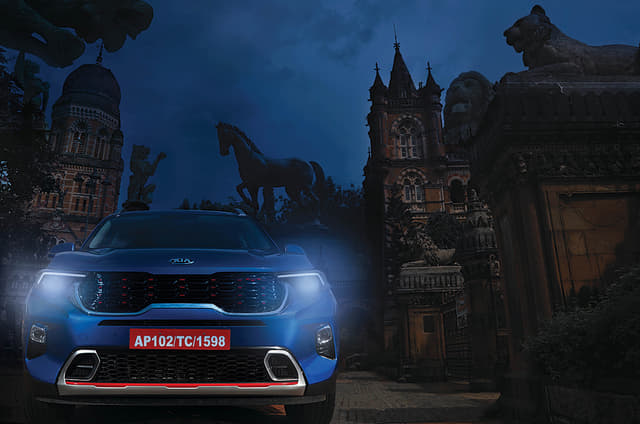
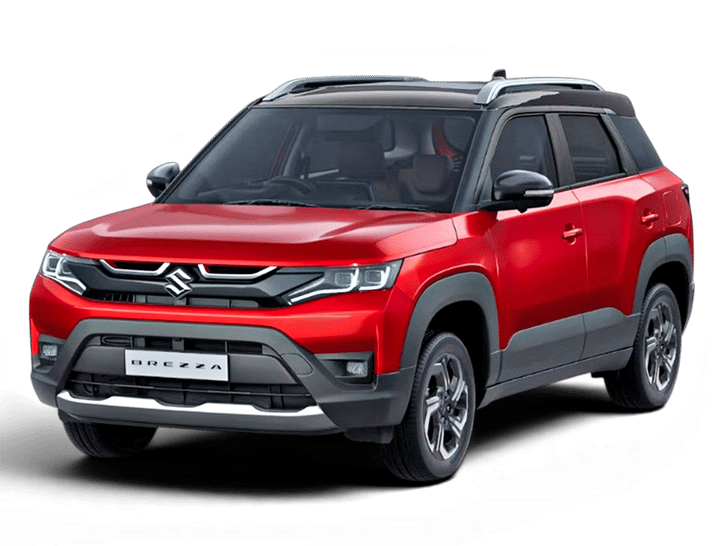
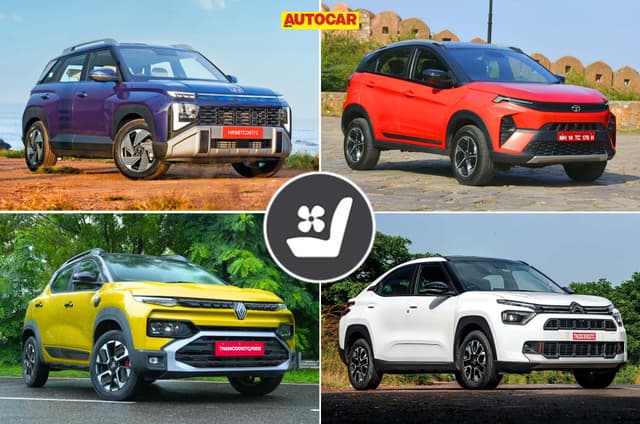
Kia brought the Sonet to India for the first time in September 2020. The Sonet is based on the Hyundai Motor Group’s K2 platform, with the brand’s compact SUV receiving its first facelift in early 2024. The price of the Kia Sonet is between Rs 7.41 lakh and Rs 14.27 lakh. Some of the main rivals of the Kia Sonet are the Hyundai Venue, Maruti Suzuki Brezza, Tata Nexon and Mahindra XUV 3XO.
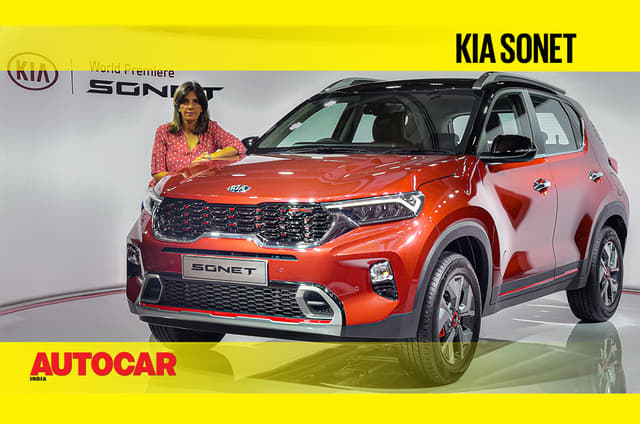
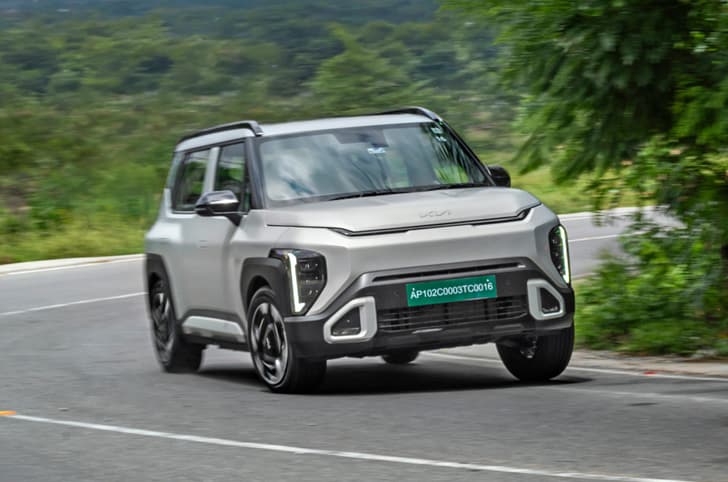
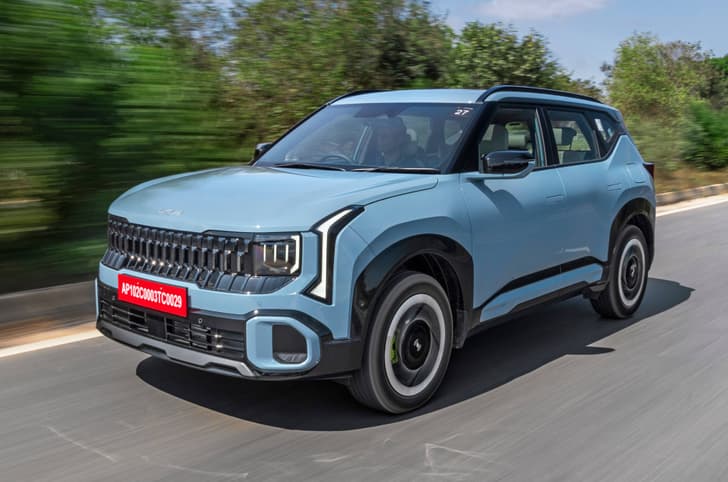
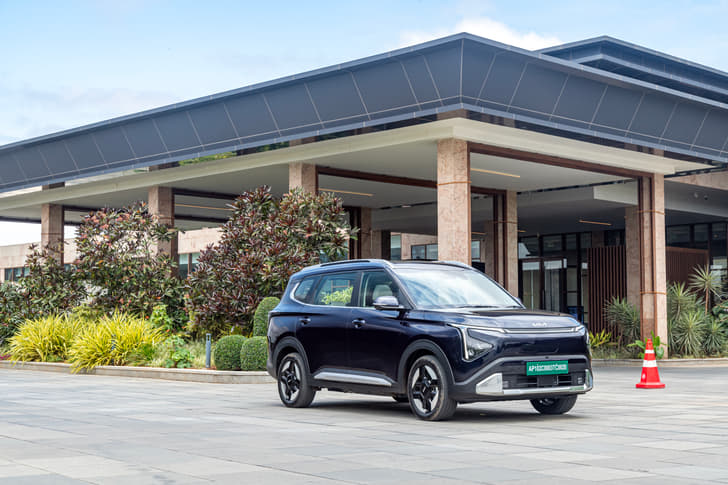
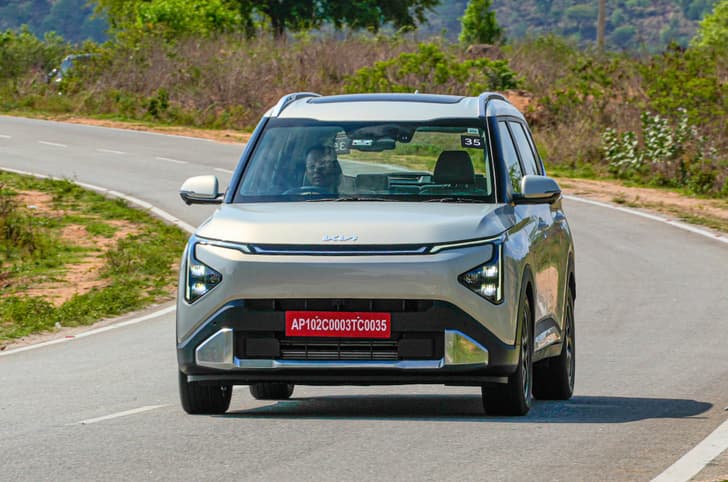
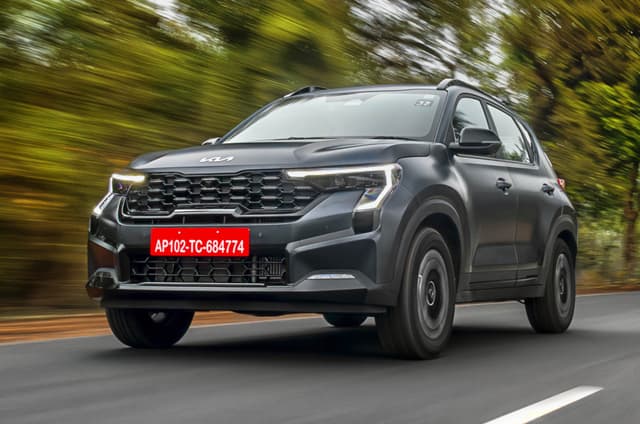
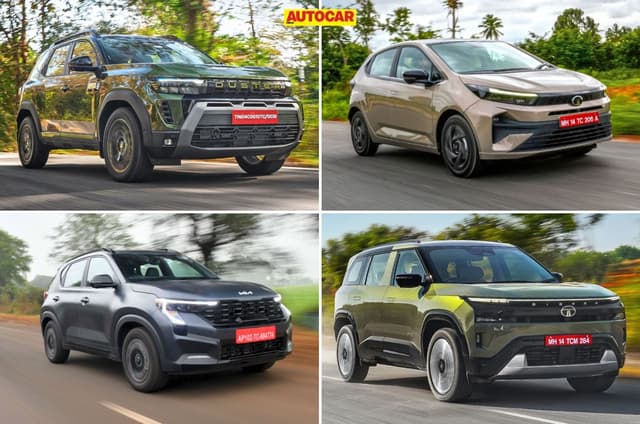
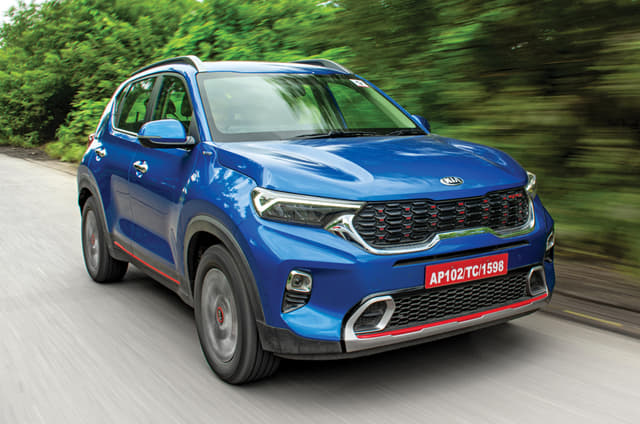
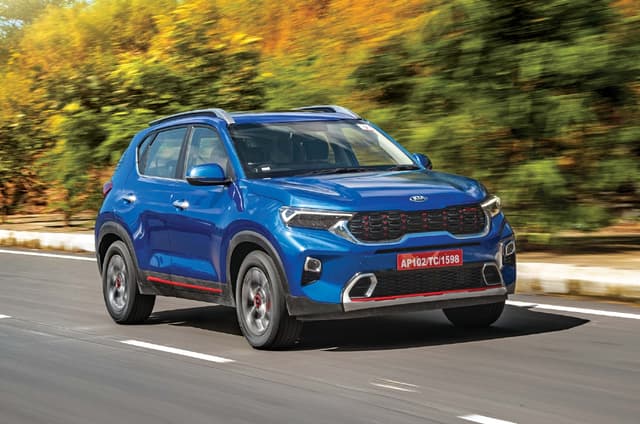
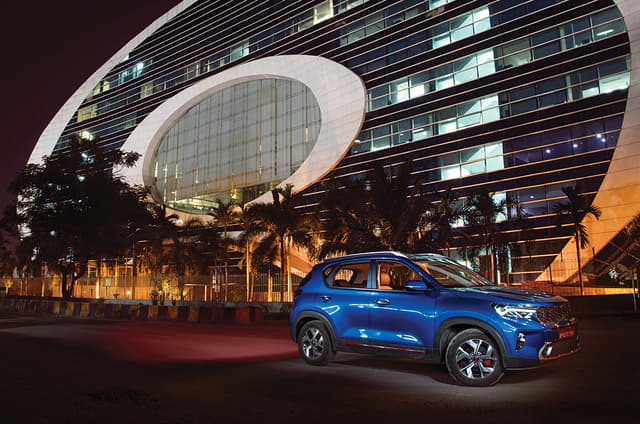
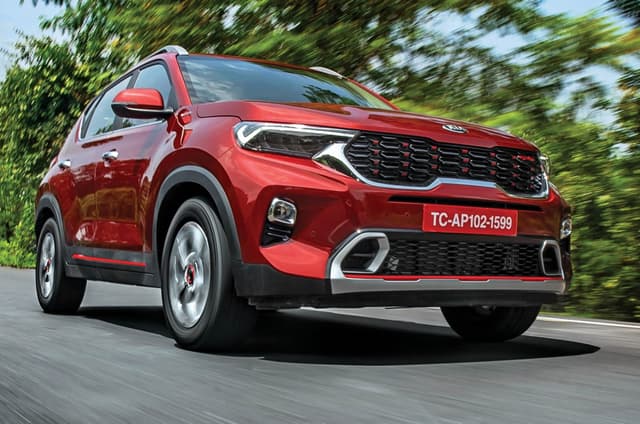
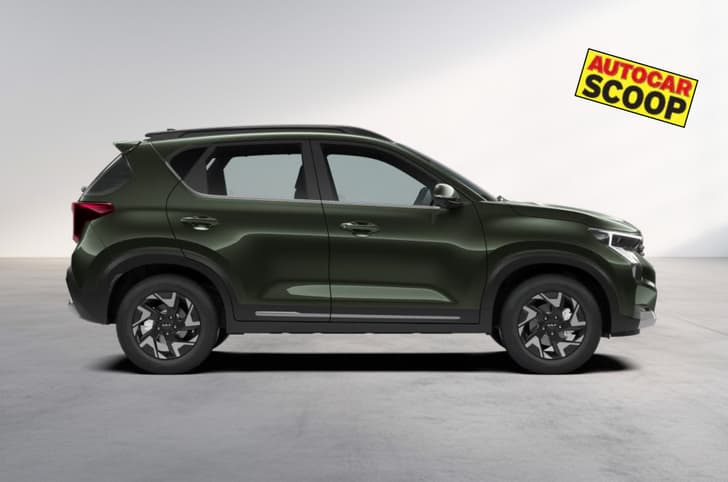
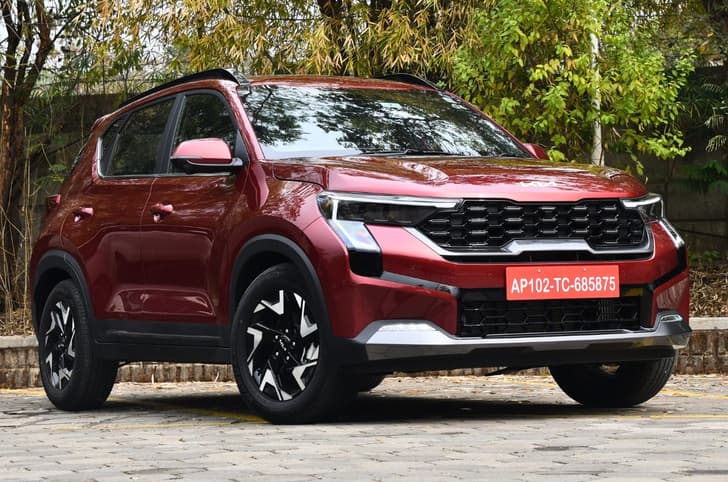
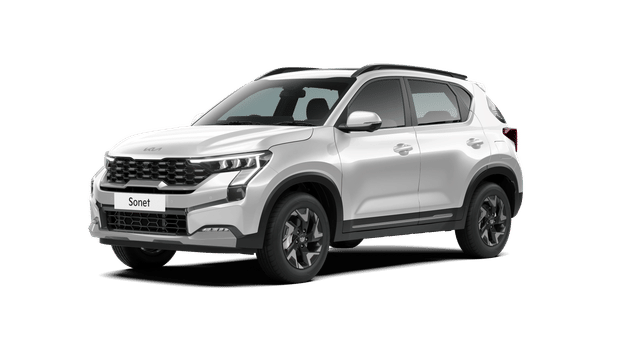
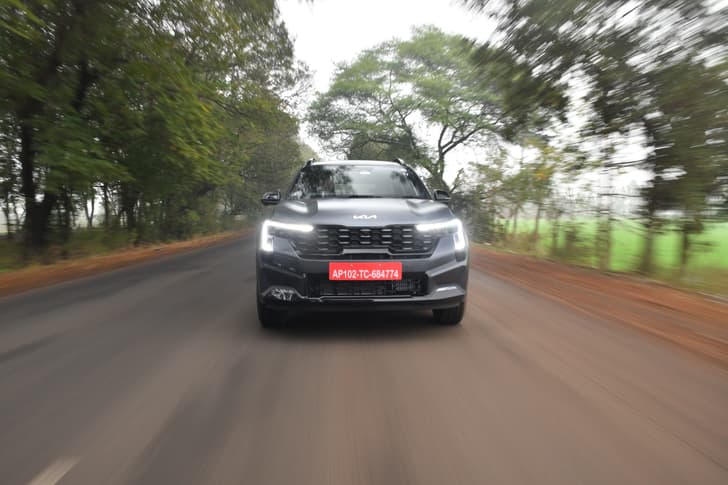
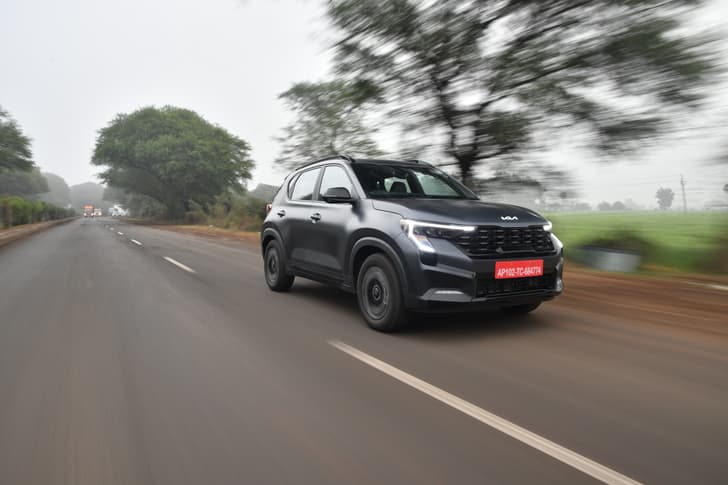
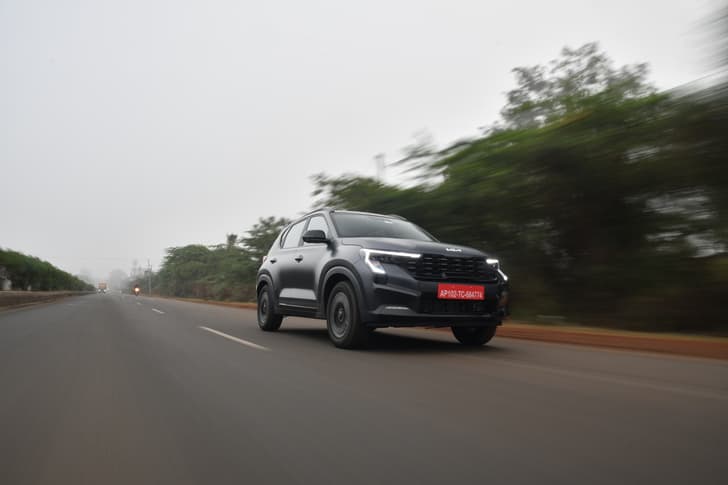
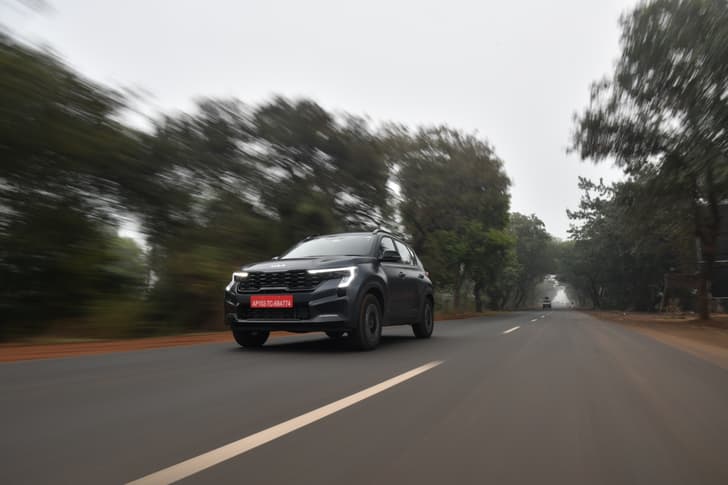
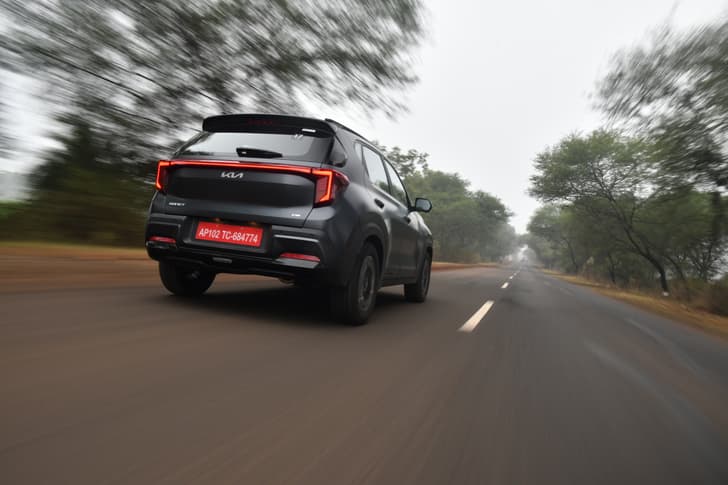
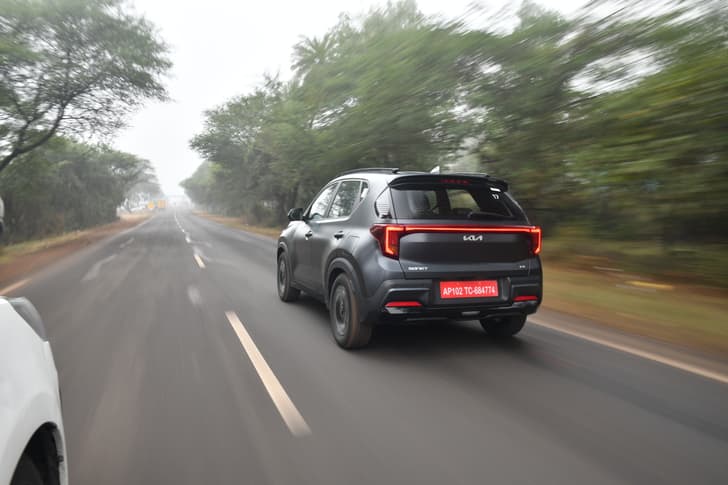
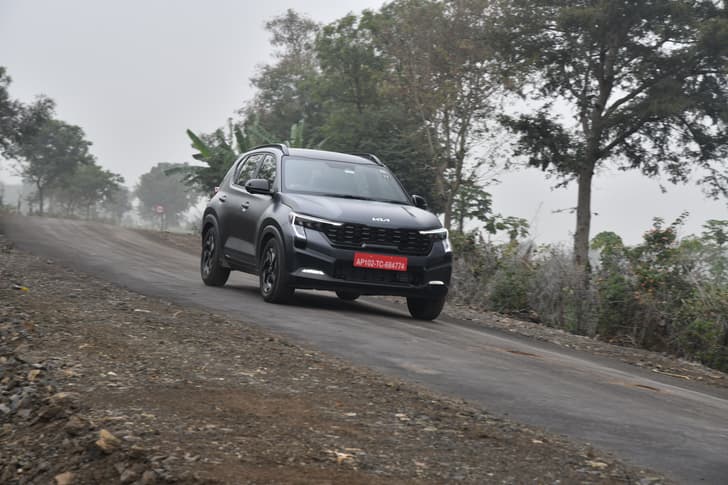
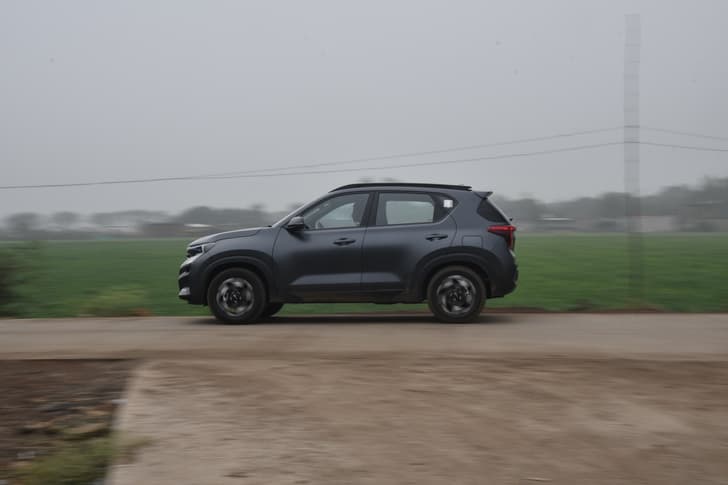
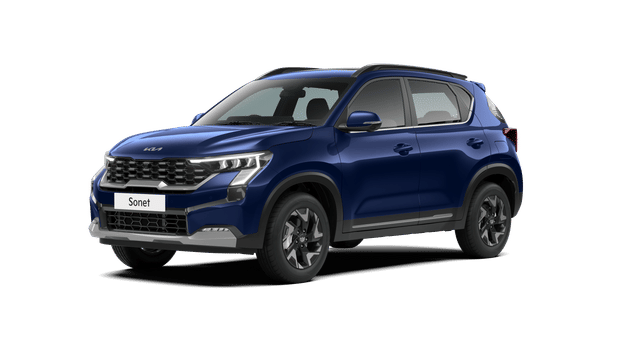
Since its debut, the Kia Sonet has been available with a choice of internal combustion powertrain options. These include petrol and diesel engines along with manual and a range of automatic gearbox options. On the design front, the Sonet gets L-Shaped LED DRLs, a wide front grille, sculpted bumpers and full-width LED tail-lamps.
Inside, the Kia Sonet looks contemporary and sporty. There are enough physical buttons to go around and there’s also no shortage of modern convenience equipment. The mostly black cabin theme and overall compact dimensions of this interior means that taller occupants might find the rear seats a tad tight. On the other hand, build and material quality are good.
Key Highlights of Kia Sonet
- Sonet ex-showroom price starts at Rs 7.41 lakh.
- Kia Sonet rides atop the K2 platform.
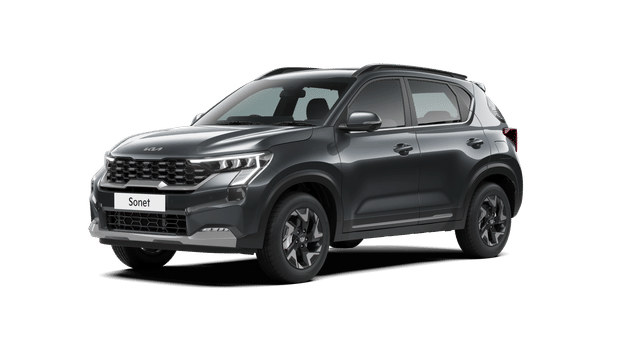
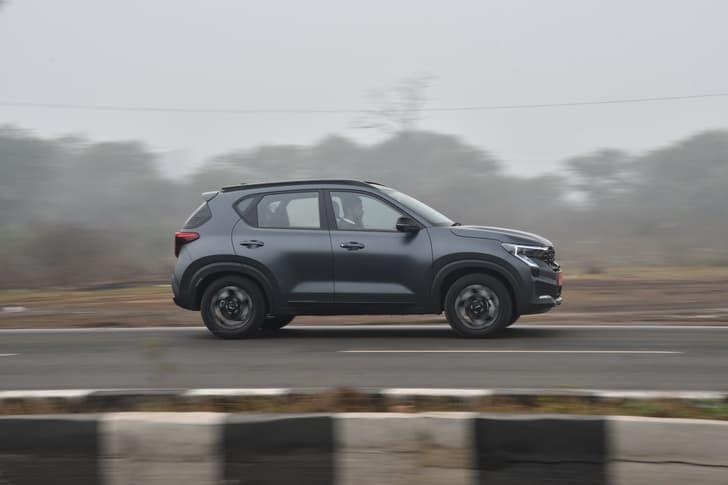
- Sonet gets a wide ‘Tiger Nose’ grille, L-shaped LED DRLs, 16-inch two-tone alloy rims, and full-width LED tail-lamps.
- Available in about a dozen exterior colours, including mono-tone and dual-tone options.
- Six different cabin themes available depending on the trim level.
- Kia Sonet engine options are: 1.2-litre petrol, 1.0-litre turbo-petrol and 1.5-litre turbo-diesel.
- Transmissions include two manuals, one clutchless manual, a torque converter and a dual-clutch automatic.
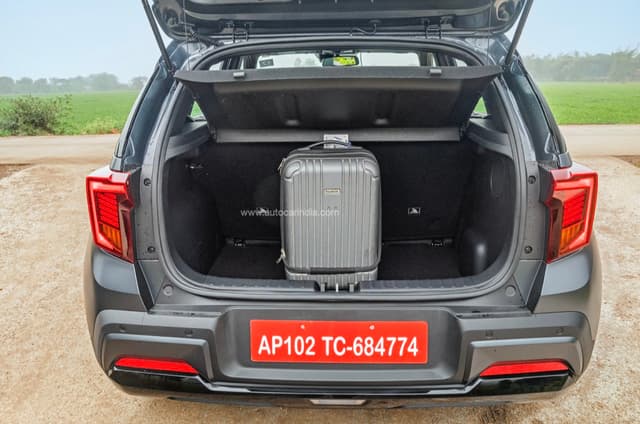
- Sonet measures 3,995mm in length, 1,790mm in width and 1,642mm in height; wheelbase is 2,500mm and boot space is 385 litres.
- Sonet safety kit include 6 airbags, electronic stability control, hill-start assist, blind-view monitor, 360-degree camera, front & rear parking sensors, plus front & rear disc brakes.
- ADAS suite includes forward collision warning with avoidance assist, lane-departure warning with lane-keeping assist, high-beam assist, driver-assistance warning, etc.
- Convenience kit include connected-car tech, ventilated front seats, automatic AC with air purifier, LED mood lighting, and a powered driver’s seat.
- Info-media features are a 7-speaker Bose audio system, a 10.25-inch touchscreen and a 10.25-inch digital instrument cluster.
Kia Sonet Latest Updates
12 Apr 2026: Kia expected to bring the second-gen Sonet to India in 2027.
13 Mar 2026: Kia launches more affordable Sonet automatic variants priced from Rs 9.77 lakh.
Kia Sonet Features and specifications
Our Rating | 8 |
Mileage | 18.6 kmpl - 24.1 kmpl |
Engine | 998 cc - 1493 cc |
Fuel Type | Diesel, Petrol |
Transmission | AT, Manual, IMT, DCT |
Seats | 5 |
Body Style | SUV |
Doors | 5 |
Max Power | 115.6 hp at 4000 rpm |
Max Torque | 250 Nm at 1500 - 2750 rpm |
| Engine Type | |
| Engine Displacement | 1493 cc |
| Number of Cylinders | 4 |
| Engine Installation | Front |
| Fuel Supply System | Common Rail |
| E20 Compatibility | Yes |
| Emission Standard | Bharat Stage VI |
| Drive Mode Types | Multiple |
| Front Suspension Type | McPherson Strut |
| Front Springs | Coil Springs |
| Rear Suspension Type | Coupled Torsion Beam Axle |
| Rear Springs | Coil Springs |
| Length | 3995 mm |
| Width | 1790 mm |
| Height | 1642 mm |
| Wheelbase | 2500 mm |
| warranty Distance | Unlimited |
| warranty Duration | 3 |
| Power Windows | Front and Rear |
| 12 Volt Port | |
| Accessory Power Outlet | |
| Bluetooth Connectivity |
| Airbags | 6 |
| Anti Theft Alarm | |
| Anti-Lock Brakes (ABS) | |
| Anti-Pinch Power Windows | All |
| Body Coloured Bumpers | |
| Antenna | Shark Fin |
| Connected LED | |
| Cornering Foglamps |
| Speedometer | Digital |
| Tachometer | Digital |
| Trip Meter | |
| Average Fuel Consumption |
| Audio System | |
| Branded Music System | Bose |
| CD Player | |
| Front Passenger Screen |
| Alexa Compatibility | |
| Anti Theft Immobilisation | |
| App Details | |
| Auto Crash Alert |
Kia Sonet price & variants
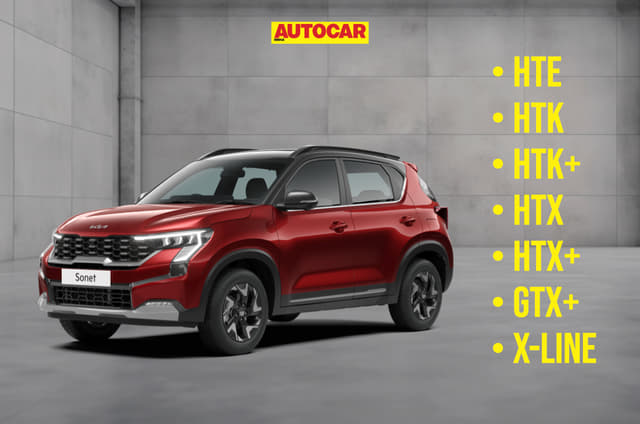
The Kia Sonet variants are spread across nine trims, namely HTE, HTE (O), HTK (O), HTK+, HTK+ (O), HTX, GTX+, and X Line. The compact SUV is offered with an 88hp 1.2-litre petrol engine, 120hp 1.0-litre turbo-petrol engine and an 116hp 1.5-litre diesel engine. The 1.2 petrol is offered with a 5-speed manual, while the 1.0 turbo-petrol is offered with a 7-speed DCT and a 6-speed iMT, and the 1.5 diesel is offered with a 6-speed manual and 6-speed automatic gearboxes.
- Kia Sonet on-road price is roughly between Rs 8.56 lakh and Rs 17.13 lakh.
- Naturally aspirated petrol uses multi-point fuel injection; max torque is 115Nm.
- Turbo-petrol features direct injection and produces 172Nm of torque.
- Diesel gets a variable-geometry turbocharger and common rail injection; makes 250Nm.
- Automatic variants get paddle shifters, plus drive and traction modes.
Kia Sonet expert review
We like
Feature-loaded
Nice to drive
We don't like
Rear seat space
Top versions are expensive
8
The Kia Sonet facelift refreshes the compact SUV’s look without changing its bones. The front gains a larger grille, new L-shaped LED headlamps and DRLs and redesigned bumpers that lend a bolder, more premium presence than before. At the rear, vertically oriented LED tail-lamps connected by a light bar align the Sonet with Kia’s latest family design language. X Line variants carry exclusive matte grey and black accents and distinct bumpers.
Underneath, the Sonet retains its existing chassis and powertrain options. There are no major mechanical revisions, though Kia has reintroduced the 6-speed manual with the diesel engine — a nod to enthusiasts and traditionalists in the compact SUV class.
7
Inside, the cabin remains familiar but gains a few important updates. A new 10.25-inch digital driver’s display sits alongside the central touchscreen, giving the Sonet a more contemporary and upscale dash. The layout and materials are well built for the segment, and switchgear feels neatly arranged.
Rear seat space has been marginally improved with scooped-out front seatbacks and a slightly longer, lower squab, but it remains relatively tight compared with some rivals. That said, the 385-litre boot is commendable for this class.
8
Powertrain options are carried over. The Sonet is offered with a 1.2-litre NA petrol, a 1.0-litre turbo petrol and a 1.5-litre diesel, each paired with various manuals or automatics. Kia’s 1.0-litre turbo still delivers lively performance for its size, though the 7-speed DCT can be erratic at low revs, especially in city traffic. The diesel automatic remains the sweet spot for the Sonet, blending smooth shifts with strong mid-range torque and quiet refinement.
Both powertrains refine well at cruising speeds, with noise kept in check unless the engine is pushed hard. The diesel in particular is among the quieter units in the class.
8
While no instrumented fuel economy figures were published, mixed driving suggested the turbo petrol can achieve over 10 kmpl regularly in varied conditions, and the diesel creeps up to around 15 kmpl in similar use. These figures reflect typical real-world returns for a modern compact SUV with petrol and diesel engines.
6
Ride comfort remains a weak spot. Combined with a relatively short wheelbase and firm suspension tuning, the Sonet’s ride can feel lumpy over uneven surfaces and sharper potholes. At the same time, body motions are controlled and the SUV feels tidy in corners for its size, though the steering isn’t especially communicative.
The firm ride quality comes from the suspension tuning that prioritises stability, but it emphasises road imperfections — especially at low speeds or on broken surfaces.
9
Features are the Sonet’s standout trait and the facelift only strengthens this advantage. Top trims offer twin 10.25-inch screens, a 360-degree camera, ventilated seats, a 4-way powered driver’s seat, wireless phone charger with ventilation, ambient lighting and connected car tech with extensive connectivity. Kia’s camera-based ADAS adds Level-1 safety functions including forward collision warning and braking, lane departure warning, lane keep assist, driver attention alert and more.
Safety kit also includes six airbags, ABS with EBD, ESC, hill assist and all-around disc brakes. Standard USB-C ports and segment-unique rear window blinds add to everyday convenience.
8
Priced from around ₹7.99 lakh to ₹15.69 lakh (ex-showroom), the Sonet facelift still spans a wide range of options and remains competitive against rivals such as the Tata Nexon, Maruti Suzuki Brezza and Hyundai Venue. Its features list and powertrain breadth are compelling, especially in top trims where ADAS, digital screens and connected tech outshine many competitors.
While rear seat space and ride comfort lag some rivals, the Sonet’s modern tech, strong refinement and comprehensive safety suite make it an appealing all-round compact SUV for buyers who prioritise equipment and versatility.
Reviewed by: Gavin DSouza
Kia Sonet Official Brochure
Download the complete brochure with specs, features, and variants.
Kia Sonet reviews

Kia Sonet comparison
Kia Sonet Mileage
The Kia Sonet mileage varies based on its powertrain configurations, since there are multiple petrol and diesel variants on offer. Among these, the most frugal is the diesel manual with its claimed mileage of 24.1kpl. This is followed by the turbo-petrol DCT, which has a claimed mileage of 19.2kpl. The lowest claimed mileage is that of the diesel automatic, which returns 18.6kpl.
| PowertrainThe combination of engine type, fuel, and transmission that powers your vehicle and determines how it drives and what it runs on. | ARAI MileageMileage certified by the government, tested under controlled lab conditions. Real-world mileage will vary. | Autocar Tested MileageAutocar's experts test each vehicle on fixed city and highway routes under standardised conditions - single occupant, AC running, manufacturer-recommended tyre pressures. Tanks are filled to the brim before and after each run to calculate efficiency. Results reflect realistic real-world usage. | User Reported MileageMileage figures are reported by vehicle owners and represent the approximate real-world efficiency you may experience. Actual mileage will vary based on driving conditions, habits, and vehicle condition. |
|---|---|---|---|
Petrol-Manual 1197 cc | 18.8 kmpl | - | 16.18 kmpl |
Diesel-Manual 1493 cc | 24.1 kmpl | - | - |
Petrol-Automatic (DCT) 998 cc | 18.7 kmpl | 14.05 kmpl | - |
Diesel-Automatic (AT) 1493 cc | 18.6 kmpl | 16.3 kmpl | - |
Kia Sonet news
Kia Sonet Images
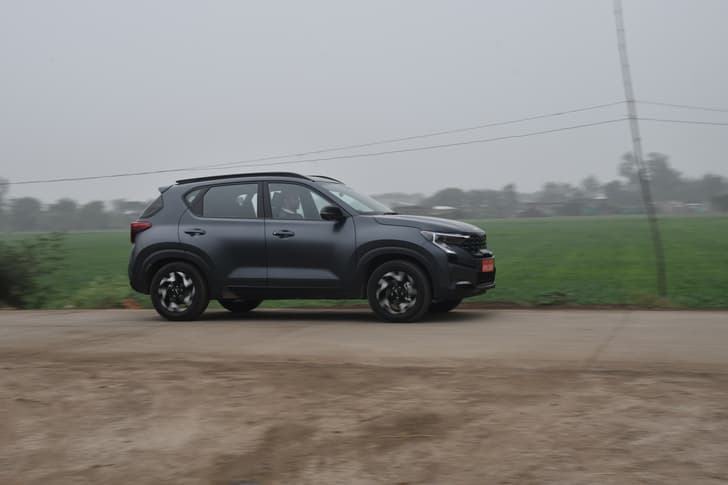
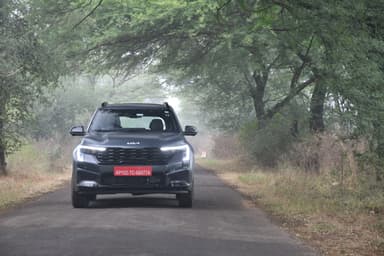
Our Kia Sonet image gallery contains a range of detailed static shots and dynamic tracking images of this compact SUV. Viewing these will give you a good idea of the Sonet’s exterior and interior styling, plus a glimpse of its performance via high-quality pictures. Moreover, you’ll also be able to judge details such as the Sonet’s interior features, cabin space, and some of its equipment highlights.
Kia Sonet videos
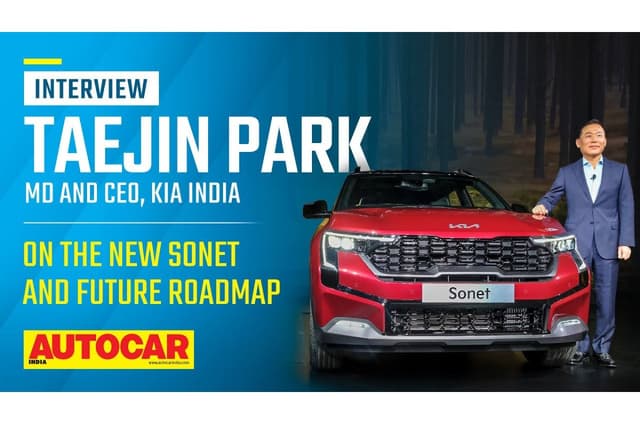
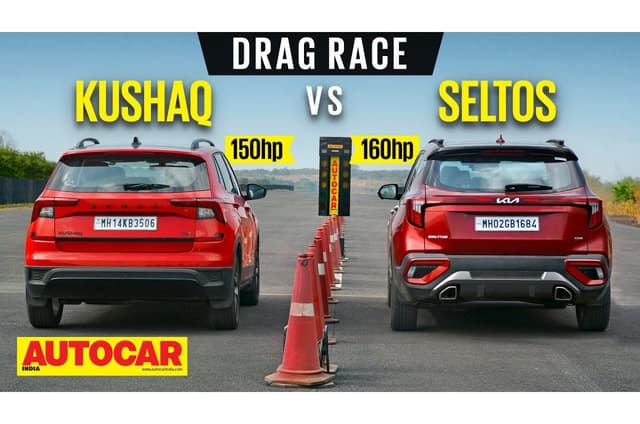
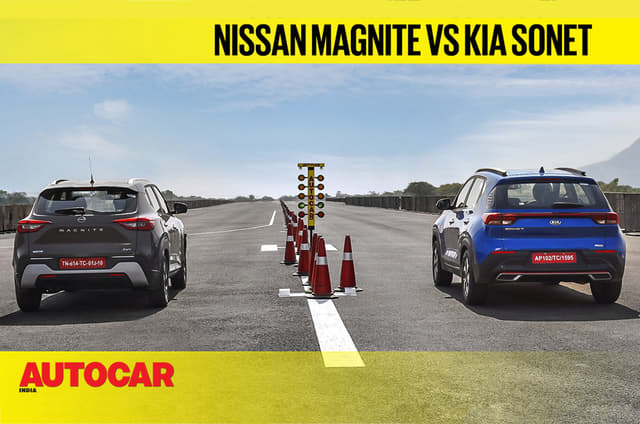
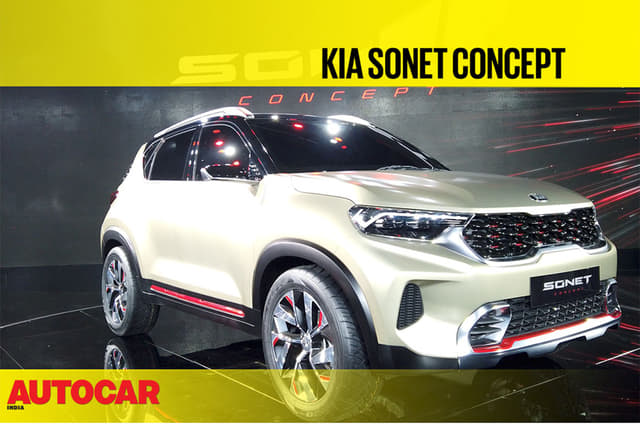
The Kia Sonet video gallery contains a variety of clips, which includes our first look of the very first Sonet concept in February 2020, plus comparison and drag-racing videos of the Sonet against its rivals.


.jpeg?w=640&q=75&fm=auto)


Kia Sonet Colours
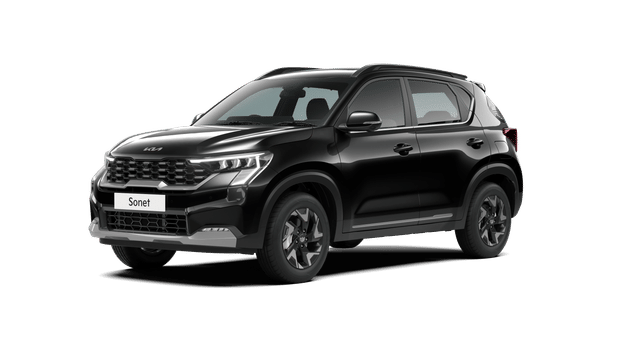
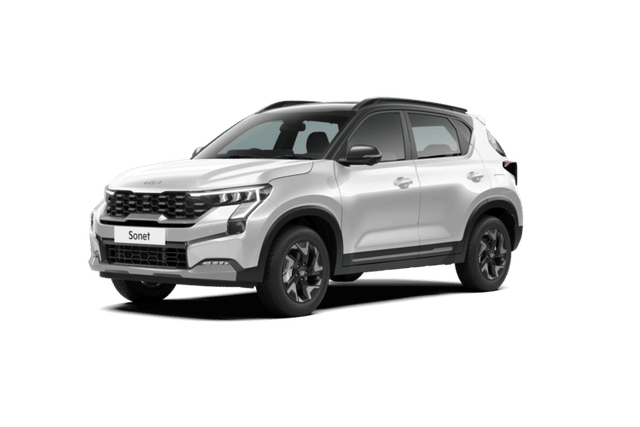
The Sonet colour options include multiple mono-tone choices such as Pewter Olive, Pearl White, Gravity Grey, Aurora Black Pearl, Imperial Blue, Clear White, Matte Graphite and Magma Red. There are also dual-tone colour options like Pearl White and Magma Red colours.
Kia Sonet FAQs
If you need a compact SUV right away, the current Kia Sonet remains a strong choice thanks to its feature-rich cabin, multiple powertrain options, and excellent value for money. However, if your purchase can wait, the next-generation Sonet, expected to launch in 2027, could be worth considering. It is expected to move to Kia's newer K1 platform and could be offered with larger 12.3-inch displays, Level 2 ADAS, while also improving rear-seat space and overall practicality.
The answer depends on your driving needs. The Kia Sonet's 1.0-litre turbo-petrol engine offers strong performance and an engaging driving experience, making it well-suited to highway journeys and enthusiastic drivers. If most of your driving is in urban conditions, the diesel automatic provides a more relaxed, smoother, and fuel-efficient experience, making it the better choice for daily commuting
The Kia Sonet offers an acceptable ride quality for daily use, though it is not the most comfortable in its segment. The short wheelbase and firm suspension tuning can make it feel slightly unsettled over broken city roads, with sharper bumps and potholes filtering into the cabin. However, on smoother roads and highways, the Sonet feels more composed and stable, delivering a confident driving experience.
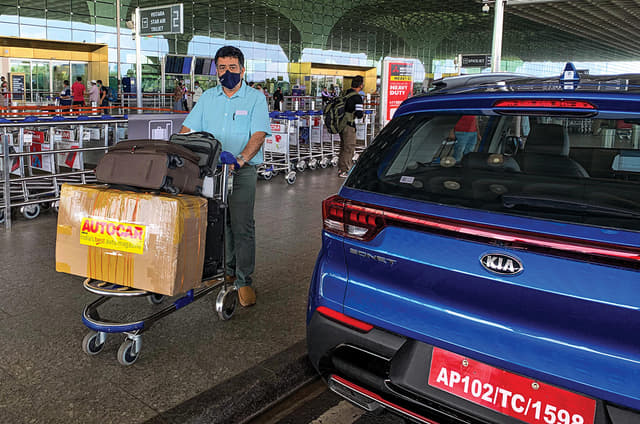
The Kia Sonet offers a pleasantly practical boot for its size, with a capacity of 385 litres, which is impressive for a sub-4-metre SUV. While it may not be the largest in the segment, it is more than adequate for everyday needs such as grocery shopping, daily errands, and weekend luggage for short trips. In fact, many rivals in this class fall slightly short of this usable luggage capacity, making the Sonet a strong contender for buyers who value practicality in a compact footprint.
The Kia Sonet offers a mixed experience in terms of rear-seat comfort. While headroom is generous, knee room and leg room are limited compared to segment standards, and the relatively short seat squab results in modest thigh support. Two adults can sit comfortably on most journeys, but fitting three passengers in the rear seat for longer drives may feel a bit cramped.
Questions you may find useful
I have a strict budget of Rs. 12 lakh, and I'm looking for an automatic car, preferably with a DCT transmission in Kochi, Kerala. This will be my first car, and I don't have a lot of driving experience, so ease of driving is an important factor. My monthly running is around 500 km, with about 60% of it being in bumper-to-bumper city traffic. I'm primarily considering sub-4-meter SUVs. A reverse camera is a must-have feature for me, and after-sales service is also important. I recently test drove the Kia Sonet Petrol DCT and really liked it. However, I'd love to hear recommendations for other sub-4-meter SUVs in this budget. I'm also curious about the long-term reliability of DCTs. I've come across reports of jerking and drivability issues in heavy traffic after around 70,000 km. How common are these problems, and should they be a concern given my driving pattern, especially considering this will be my first car?
Given your budget and requirements, the Kia Sonet petrol DCT is actually a very sensible choice. This Kia car is one of the most polished sub-4-metre SUVs on the market, with a refined turbo-petrol engine, a well-appointed cabin and a strong aftersales network. The DCT gearbox is quick and smooth in normal driving, and the car is compact enough to be easy to manoeuvre in city traffic. The reverse camera is available on mid-spec variants, so you do not have to stretch your budget to the top-end model. The Kia Sonet price starts at Rs 7.40 lakh (ex-showroom). On the DCT reliability question, it is important to be realistic rather than alarmist. DCTs are fundamentally different from torque converter automatics. They use two clutches and can feel slightly jerky at crawling speeds, especially in stop-start traffic. Over very high mileages, clutch wear can become a factor, but this is not a widespread issue at 70,000 km if the car is driven sensibly and serviced on schedule. The Sonet's DCT is one of the better-tuned units in the segment, and for your monthly running of 500 km, it should not be a major concern. The key is to avoid excessive creeping on the brake and to shift to Neutral when possible.If you are open to alternatives, the Mahindra XUV 3XO petrol automatic is worth considering. This Mahindra car uses a torque converter automatic, which is smoother at low speeds and better suited to heavy traffic. The 3XO is also one of the most spacious sub-4-metre SUVs, with a wide rear bench and a strong safety rating. However, the boot is smaller than the Sonet's, and the overall cabin does not feel as premium.Given your requirements, the Sonet petrol DCT remains the best fit.
Hello Autocar, I am using a 4-year-old Tata Nexon AMT, and I suffered a gear oil leakage issue during the third year and an engine oil leakage issue in the fourth year. Due to the engine oil leakage, the engine had to be opened for repairs, and the car remained in the workshop for two months. Since the engine has been opened, I am wondering whether I should replace the car because of these issues. However, the car is running fine now, although I do feel there is a loss of power and mileage. I would like to know whether I should change the car now or wait a few months to understand the roadmap for ethanol blending. Also, my annual running is only around 5,000 km. Would a naturally aspirated engine be a better choice than a turbocharged engine, considering the car would remain idle for long periods? I am thinking of switching to the Maruti Suzuki Brezza TC. However, I like the Kia Sonet's interiors, but I am concerned about its turbo engine and DCT. That said, the Sonet seems like a fun-to-drive car on the highways. My usage will be around 70% city and 30% highway. Please advise.
Given your low annual running of 5,000km and the fact that the car will be idle for long periods, a naturally aspirated petrol engine paired with a torque converter automatic is the most sensible choice. The Maruti Suzuki Brezza fits this brief perfectly. It is a simple, reliable and low-maintenance package with a proven engine and gearbox combination that will serve you well over a long ownership period. The Sonet turbo petrol DCT is the more fun-to-drive option on the highway, but the DCT gearbox of this Kia car is not the ideal choice for predominantly city driving and long periods of idling. As for your current Nexon, if the car is running fine now, there is no immediate need to change it. However, given the engine has already been opened and you are experiencing a perceived loss of power and mileage, it is understandable to want to move on. On the ethanol front, there is no official roadmap beyond E20 at this stage, and modern engines are engineered to handle E20 without issue. There is no need to wait for further clarity. The Brezza is the safer and more sensible long-term choice for your usage pattern.
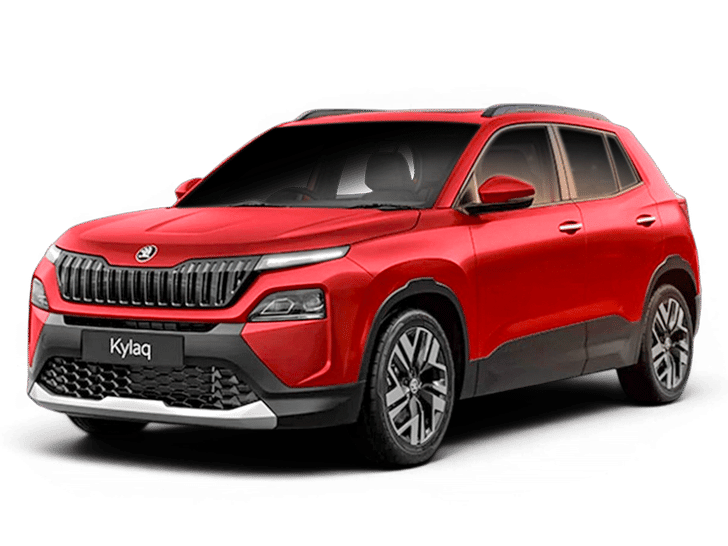
Hi Team, Please help me choose the right car. I am planning to buy a car with a budget of around Rs. 11-12.5 lakh (on-road price in Delhi NCR). I need an automatic car, and my monthly running will be approximately 600 km, mainly in city traffic, especially on the Delhi-Gurgaon peak traffic stretch. I prefer to keep my cars for a longer period and will be upgrading from a Hyundai i20 manual. Based on my requirements, please suggest the best option among the following: Maruti Suzuki Brezza VXi AT - Rs. 11.9 lakh on-road Kia Sonet DCT HTK(O) - Rs. 11.2 lakh Maruti Suzuki Fronx Delta Plus AMT - Rs. 9.6 lakh Skoda Kylaq Signature Automatic - Rs. 11.2 lakh I am unable to decide which one would be the most suitable choice for my needs. Kindly suggest the best option.
Go for the Skoda Kylaq Signature Automatic. It is the best fit for your usage and available under Rs. 12 lakh, which fits your budget. Your running is low, so petrol is the right choice, and the Kylaq’s 1.0 TSI engine paired with the 6-speed torque converter automatic is a proven and reliable combination that works well in Delhi-Gurgaon traffic. This Skoda car is also one of the most fun-to-drive cars in this price range, with strong performance and good highway manners, which makes it a meaningful upgrade from your Hyundai i20. The Maruti Suzuki Brezza VXI AT is a solid alternative if you want a more relaxed ownership experience and Maruti’s service reach, but the Kylaq is the more engaging car to drive. The Kia Sonet DCT is not the right choice for your usage because the DCT gearbox is not ideal for heavy stop-and-go traffic. The Maruti Suzuki Fronx Delta Plus AMT is the most affordable option, but the AMT gearbox is not as smooth as the Kylaq’s torque converter, and the car itself does not feel like a meaningful upgrade from your Hyundai car.The Kylaq strikes the best balance between driving experience, reliability and value for money.
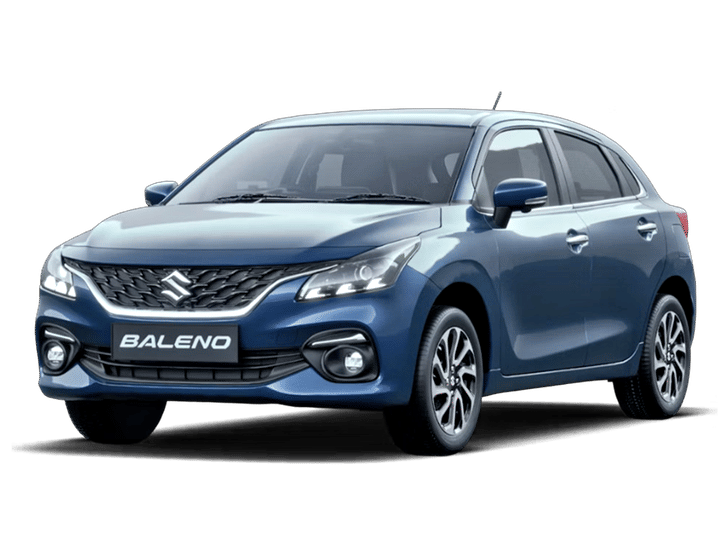
Hello Autocar Team, I am from Pune, and my father owns a 2021 Kia Sonet HTX 1.0 iMT. Our annual running is between 5,500 and 6,000 km, and most of our usage is in the city. Due to concerns about E20 compatibility and a significant drop in fuel efficiency, he is considering selling the Sonet and buying a Maruti Suzuki Baleno AGS (Zeta or Alpha). He also wants the convenience of an automatic transmission. His budget is Rs. 10 lakh on-road. Considering our usage pattern and fuel efficiency concerns, would buying the Baleno be a practical decision, or should he continue with the Sonet?
If your 2021 Kia Sonet 1.0 iMT is serving you well without any issues, we'd suggest you retain it. On the E20 issue, ethanol blends can reduce fuel economy slightly, but the drop is not likely to be significant enough to justify selling a good car. Keep in mind that you will lose a fair chunk of money as far as residual value goes, which won't justify the additional outlay your next new car will command.The bigger question is whether the Baleno AGS is the right upgrade. At under Rs 10 lakh on-road, you are looking at the Zeta AGS, which is a well-equipped car. This Maruti Suzuki car is comfortable, reliable and very easy to drive in the city. The AGS gearbox is an automated manual, which will be more convenient than the iMT. And the Baleno's 1.2 NA petrol will certainly be more efficient than the Sonet's 1.0 Turbo. That said, as far as quality and performance go, the Baleno will feel like a step backwards compared to your outgoing Sonet.If your father is looking for a smoother city driving experience and better fuel efficiency, the Baleno AGS is a good choice. If the Sonet is otherwise running well, there is no urgent need to sell it purely because of E20 concerns.
I'm considering buying a second family car. My priorities are a comfortable 5-seater, high ground clearance and a smooth driving experience, with a budget of under 10 lakh. Which is the better choice among the Kia Sonet, Tata Nexon, Maruti Suzuki Brezza and Skoda Kushaq?
Go for the Maruti Suzuki Brezza. It is the most sensible choice for a second family car under Rs 10 lakh. It offers a comfortable 5-seat layout, good ground clearance and a smooth, fuss-free driving experience. The naturally aspirated petrol engine of this Maruti Suzuki car is refined and easy to live with. Plus, Maruti’s service network and low running costs make it a very easy car to own long-term. The rear seat is comfortable for family use, and the ride quality is well-suited to bad Indian city roads.The Kia Sonet and Tata Nexon are both good cars, but the Sonet’s rear seat is spacious, and the Nexon’s would also feel tight for a family of five. The Skoda Kushaq is spacious but is a more driver-focused car, and would go well above the Rs 10 lakh mark for even the base version.The Brezza is not the most exciting car in the segment, and there is an updated one arriving in just a few weeks.
Upcoming Cars


Kia Cars


Trending Cars

Latest Cars