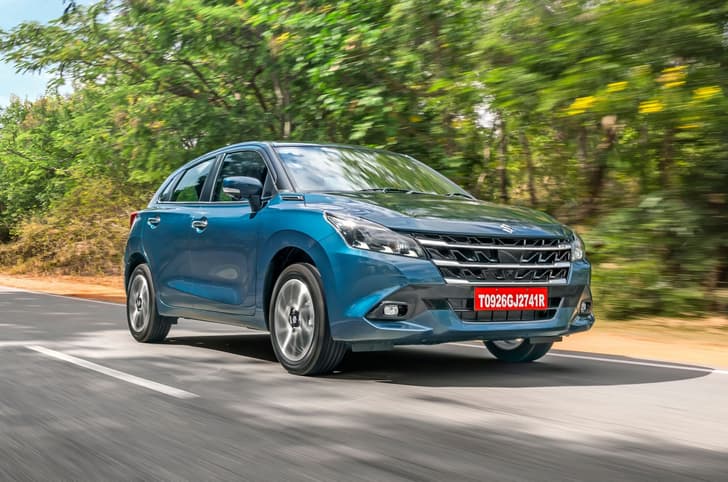



In India, where summer temperatures regularly cross the 40deg C mark, using AC while driving is non-negotiable. Although all cars in India have had climate control for a long time, AC performance varies across models. In the compact SUV segment – alongside the Tata Nexon and Maruti Brezza, whose AC performances we have compared before – the Hyundai Venue and Kia Sonet are also the top choices for the same set of buyers. So, we tested both Korean compact SUVs at an ambient temperature of 41.2deg C to find out which one’s AC unit performs better under the scorching sun.
Explore full specs, features and a price breakdown in our Venue vs Sonet comparison.
Autocar India’s testing methodology
In preparation for the test, each car is parked under direct sunlight for two hours with the engine switched off and windows rolled up. The sunroof shade is kept closed, but rear window shades are rolled away. Once a car is ‘soaked’, a two-member team enters the vehicle quickly to minimise loss of heat – our job is to simulate a worst-case scenario. Each car is rigged with sophisticated test gear provided by Zen Microsystems. Five thermocouple sensors read ambient temperature, cabin temperature, vent temperature (capturing how cold the air is), front-seat temperature (measured near the driver’s ear) and rear-seat temperature (measured at the rear centre armrest).
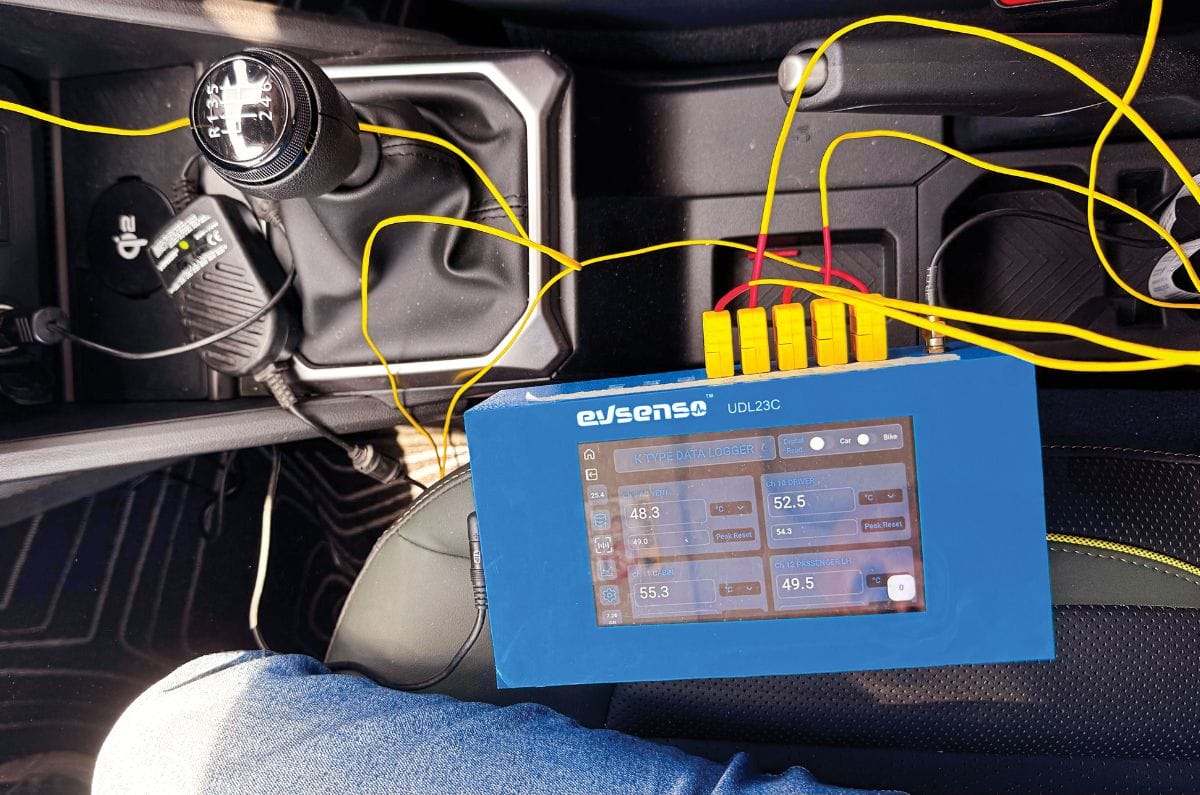
Front vents are directed at the driver's face, while rear vents are aimed at the rear-seat centre occupant. As the car is switched on, climate control is set to recirculation mode, maximum blower speed and the lowest possible temperature. Temperature readings are recorded after one minute of idling, and then after an interval of every five minutes (up to 15 minutes) of driving over a fixed route at 50-60kph. A final reading is taken after another minute of idling.
A key disclaimer: Ambient temperatures and humidity have a big bearing on cooling performance. Hence, our results are from vehicles tested on the same day, and these may vary for you based on your location and ambient conditions.
Hyundai Venue vs Kia Sonet: AC test
Hyundai Venue front and rear AC performance
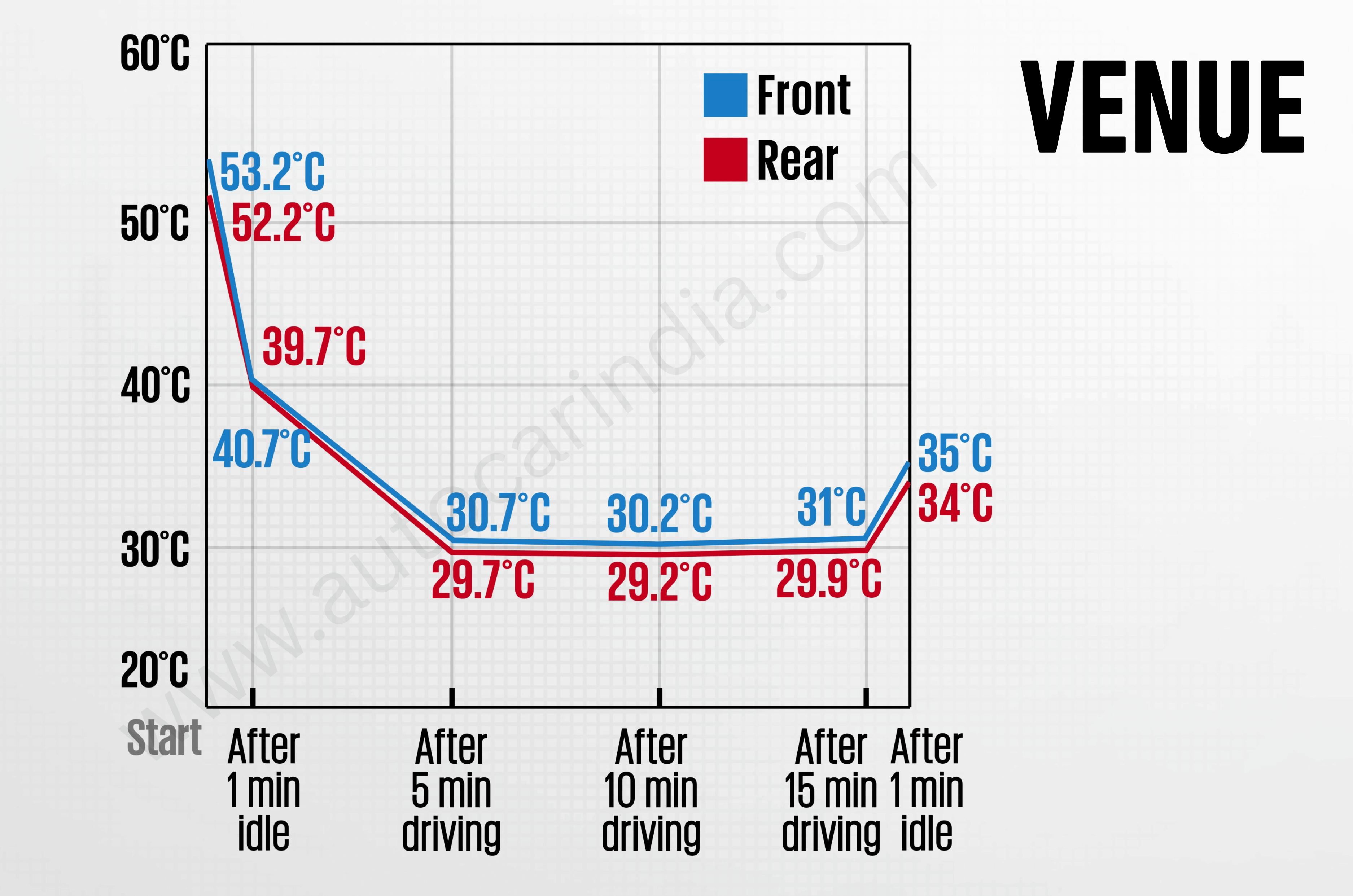
The Venue’s cabin temperature was more than 50 degrees at the start of the test, and the average temperatures around the front seats were a degree less than those around the rear seats. At the end of the first minute-long idle, it fell by over 12 degrees. While driving, the Venue maintained about 30 degrees around the front seats and about 29 degrees of temperature around the rear seats. However, when idling again, the temperature soared to 35deg C.
During our time with the Venue, we noticed that the air vents have a wide spread and good cabin coverage, resulting in strong cooling performance throughout the drive.
Kia Sonet front and rear AC performance
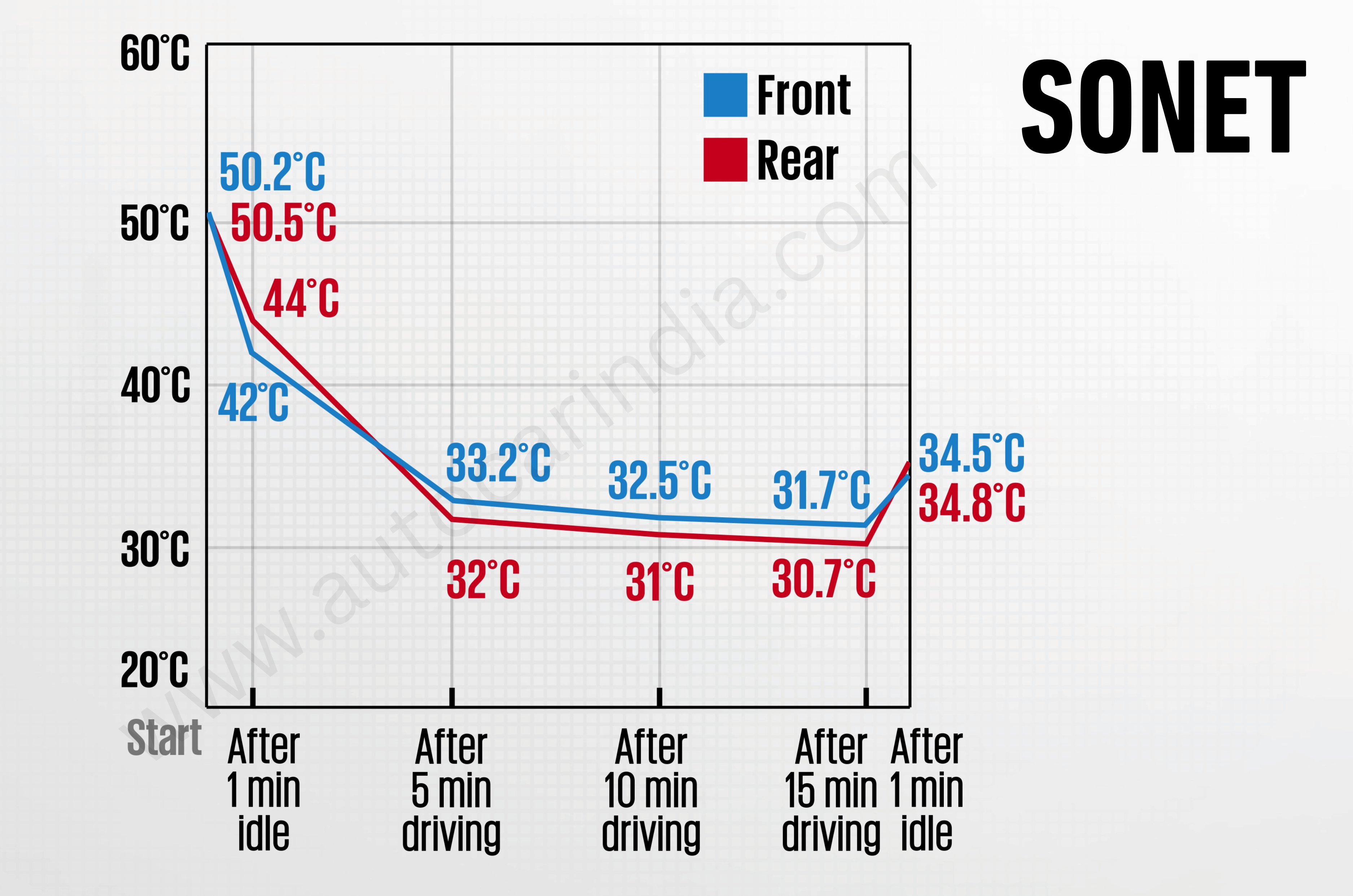
At 50 degrees, the Kia Sonet’s temperature was almost identical around the front and rear seats at the start of the test. However, after one minute of idling, the average temperature around the front seats was 2 degrees lower than that around the rear seats. Interestingly, while driving, however, the temperatures around the rear seats were about a degree lower than around the front seats. That said, temperatures rose again during the minute-long idle after the 15-min drive, but the temperature around the rear seats was marginally higher.
For the tests, we used the X-Line trim of the Sonet, which comes with a matte-black exterior shade and an all-black cabin. However, these on-paper caveats are countered by the SUV’s vertical AC vents, which have a wide air-dissipation channel that cools the cabin effectively. Although the Sonet’s AC performance is decent, it does not cool the cabin as aggressively as the Venue.
Hyundai Venue vs Kia Sonet front and rear AC performance
*Front seat temperature is measured near the driver’s ear; rear seat temperature is measured at the centre armrest



 Uday Singh

 Glenn Noronha