
Last Updated on: 10 Sep 2026
Skoda Kushaq
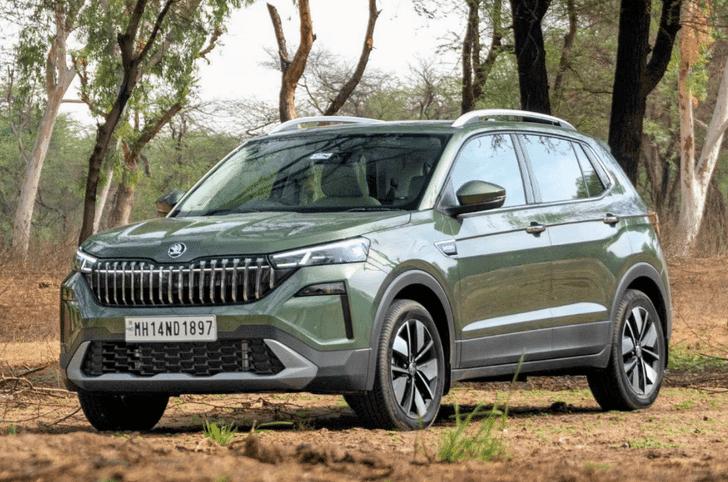
Skoda Kushaq is a five-seat SUV sold in 12 variants, running from the Classic+ 1.0 TSI manual up to the Monte Carlo 1.5 TSI dual-clutch. Both engines are turbocharged petrols, a 115hp 1.0-litre and a 150hp 1.5-litre making 250Nm of pulling power, and the gearbox choices are a manual, an 8-speed automatic and a 7-speed dual-clutch.
Kushaq Key Features
Here is what you get across the range.
Category | Key Features |
Engine and gearbox |
|
Screens and audio |
|
Safety |
|
Comfort and convenience |
|
Practicality |
|
Kushaq Road Test Findings
What we liked
Handling is the reason to buy this car, because cornering is stable and secure with good grip levels through a bend.
The new 8-speed automatic cut our 0 to 100kph time from 13.16 seconds to 11.57 seconds with the 1.0-litre engine, which is a large gain.
The ride is firm at low speed but improves as you go faster, and it settles down properly once you are on the highway.
The 1.5-litre gains rear disc brakes, and the braking that results is strong and confident.
What we did not like
All the gear ratios in the new automatic feel very short, and with third gear running out at 102kph the engine sits at higher revs when cruising, which makes the cabin noisier.
The 1.0-litre three-cylinder sounds rough and turns coarse beyond 2,500rpm, while the 1.5-litre booms when you drive it hard.
Low-speed ride over potholes is the weak point, as it tends to be with cars set up this way.
There is no 360-degree camera and the rear camera feed is grainy, while the rear seat massage function only amounts to a light back rub.
The cabin does not feel as spacious as newer rivals, and there is no branded audio system or driver assistance suite.
Who should buy the Kushaq?
Based on our review, this SUV suits five kinds of buyers.
Buyer type | Why it fits |
If you enjoy driving | Stable and secure cornering with good grip, and our review said this car will easily please anyone who enjoys driving. |
If you cover highway distances | The ride settles as speed rises, and high-speed stability is one of the car's real strengths. |
If you want a strong engine | The 150hp 1.5-litre makes 250Nm, and that version also gains rear disc brakes to match. |
If front seat comfort matters | Powered and ventilated front seats with two fan speeds, which is more than most rivals in this class offer. |
If you want something different in the back | A rear seat massage function that no other car in this class has, although it is gentle rather than firm. |
The buyer it suits least is anyone who mainly drives slowly on broken roads, because low-speed ride is the weakest area and the three-cylinder engine turns noticeably rough once you pass 2,500rpm.
Skoda Kushaq Price Details
Classic+ 1.0 TSI MT (base model): 10.69 lakh (ex-showroom)
Prestige 1.0 TSI MT (mid variant): 16.79 lakh (ex-showroom)
Monte Carlo 1.5 TSI DCT (top model): 18.99 lakh (ex-showroom)
Skoda Kushaq Latest Updates
22 Jun 2026: Skoda Kushaq crosses 1 lakh sales milestone; the midsize SUV took nearly five years from its launch to achieve the feat.
18 Apr 2026: Outgoing Skoda Kushaq is being offered with benefits of up to Rs 3 lakh in April.
Skoda Kushaq Features and specifications
Our Rating | 7 |
Mileage | 18.72 kmpl - 19.66 kmpl |
Engine | 999 cc - 1498 cc |
Fuel Type | Petrol |
Transmission | Torque Converter, Manual, DCT |
Seats | 5 |
Body Style | SUV |
Doors | 5 |
Max Power | 149.55 hp at 5000 - 6000 rpm |
Max Torque | 250 Nm at 1600 - 3500 rpm |
| Engine Type | Turbocharged |
| Engine Displacement | 1498 cc |
| Number of Cylinders | 4 |
| Engine Installation | Front |
| Fuel Supply System | Direct Injection |
| E20 Compatibility | Yes |
| Emission Standard | Bharat Stage VI |
| Terrain Modes | No |
| Front Suspension Type | McPherson suspension |
| Front Springs | Coil Springs |
| Rear Suspension Type | Non-independent, Torsion Beam |
| Rear Springs | Coil Springs |
| Length | 4229 mm |
| Width | 1760 mm |
| Height | 1612 mm |
| Wheelbase | 2651 mm |
| warranty Distance | 100000 kilometre |
| warranty Duration | 4 Year |
| Power Windows | Front and Rear |
| Bluetooth Connectivity | |
| Bottle Holder in Doors | |
| Cooled Glovebox |
| Crash Test Rating | |
| Airbags | 6 |
| GNCAP Rating | 5 |
| Anti-Lock Brakes (ABS) |
| Body Coloured Bumpers | |
| Projector Headlamps | |
| Roof Rails | Functional |
| Headlight Type | LED |
| Speedometer | |
| Tachometer | |
| Trip Meter | |
| Average Fuel Consumption |
| Audio System | |
| CD Player | |
| Speakers | 6 |
| USB Input |
Skoda Kushaq price & variants
Skoda Kushaq price in India starts at 10.69 lakh for the Classic+ 1.0 TSI MT and rises to 18.99 lakh for the Monte Carlo 1.5 TSI DCT, both ex-showroom, while the on-road price in Jamui runs from 12.41 lakh to 22.41 lakh. The 12 variants run from Classic+ to Monte Carlo across the two turbo-petrol engines.
Which one to pick:
The 1.0-litre is the volume choice and is certified at 19.66kpl by ARAI with the manual, the best figure in the range.
The 1.5-litre is the one to have for outright performance, and it is also the only version fitted with rear disc brakes.
The 8-speed automatic is much quicker than the gearbox it replaced, though its short ratios mean higher revs when you are cruising.
EMIs for the Classic+ 1.0 TSI MT start at 18,020 a month.
Skoda Kushaq expert review
We like
Smooth 8-speed AT, that’s also quick to shift
Drivetrains feel quick and energetic
Good body control and high-speed manners
We don't like
Ride has a firm edge at lower city speeds
Overall NVH needs improvement
8
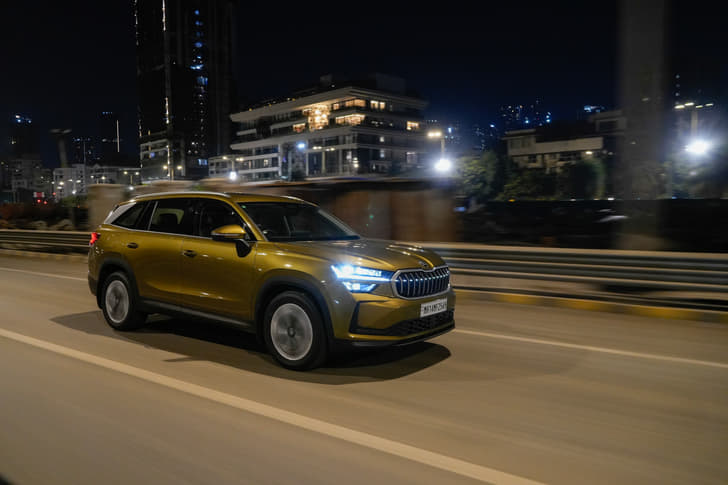
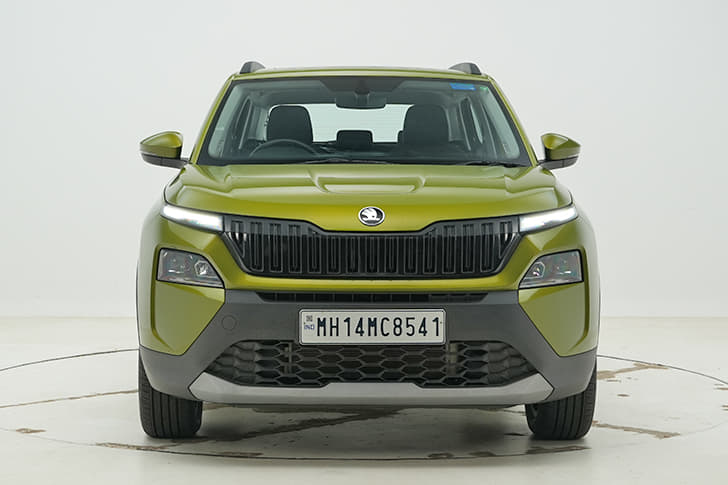
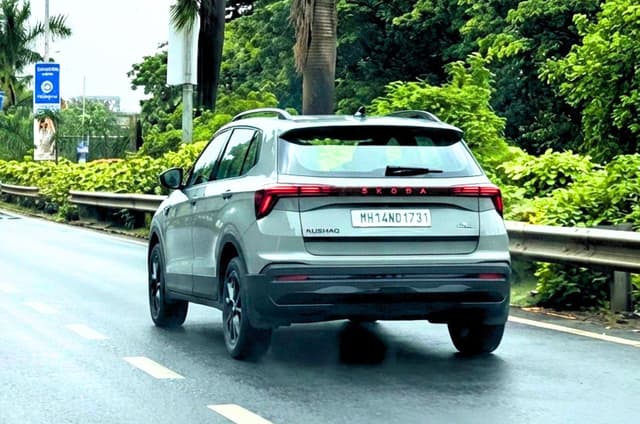
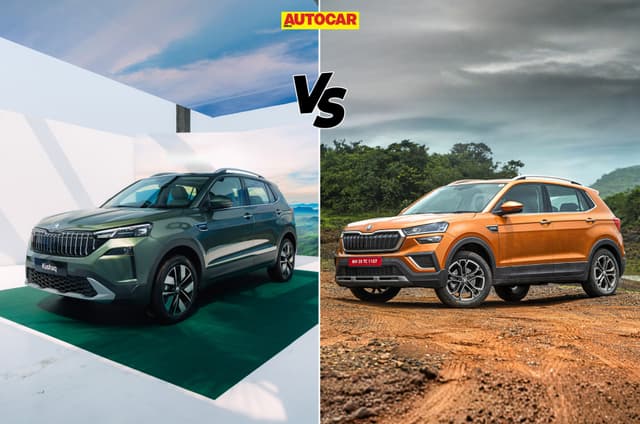
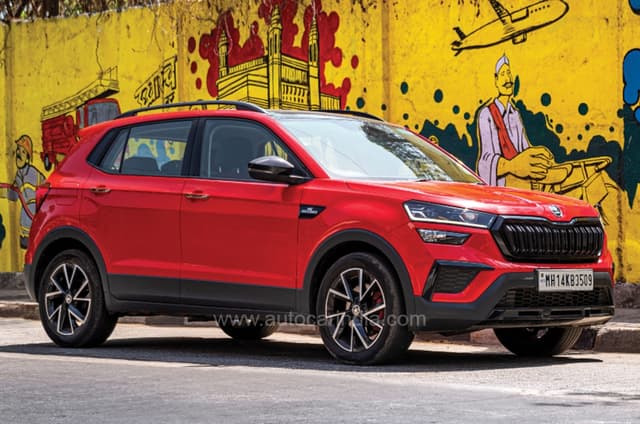
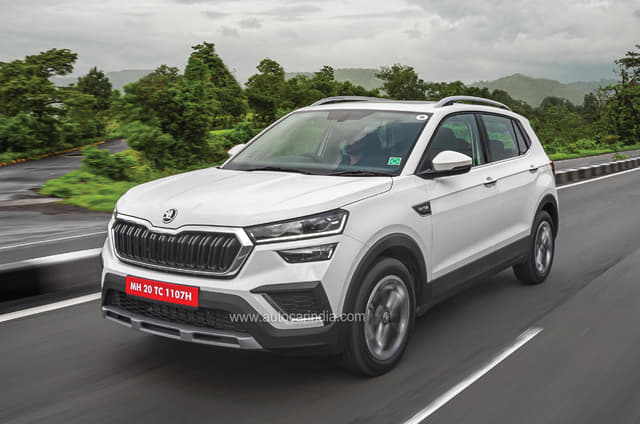
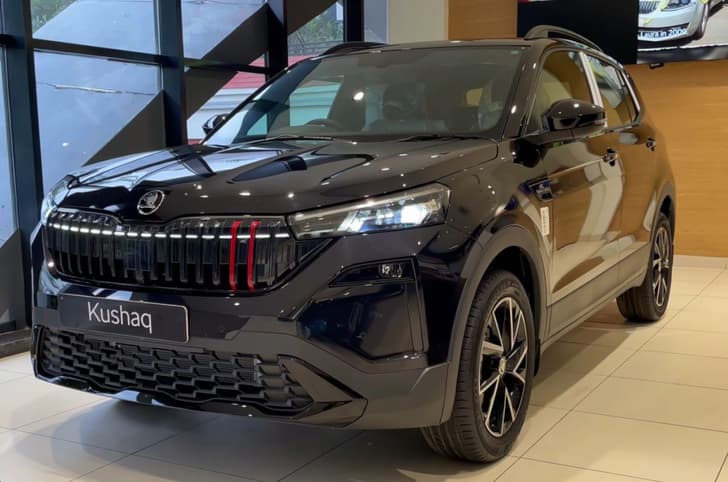
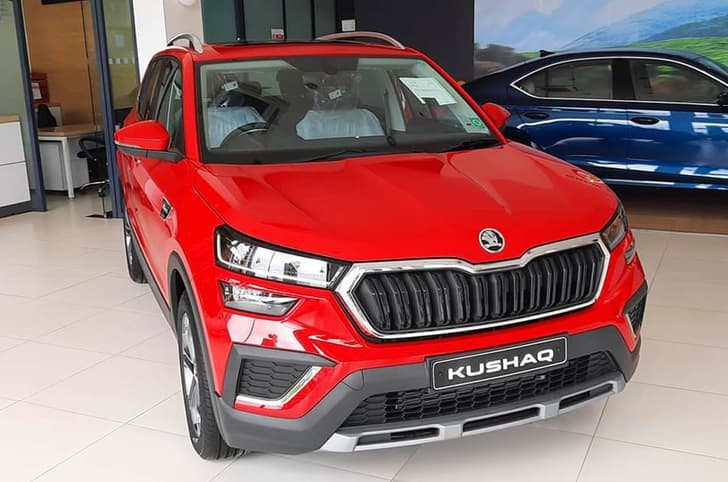
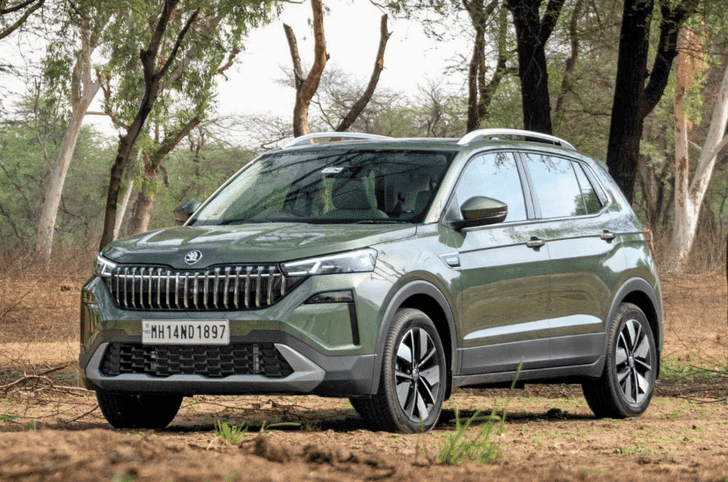
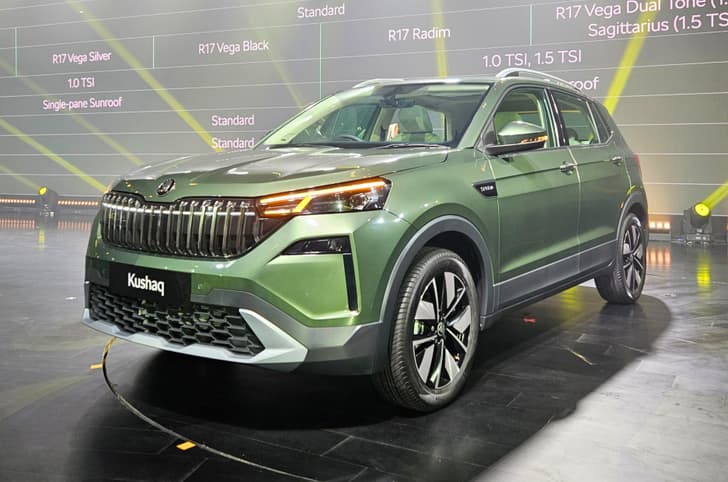
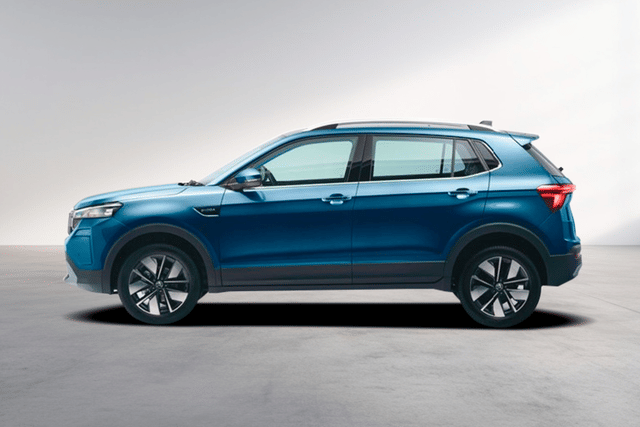
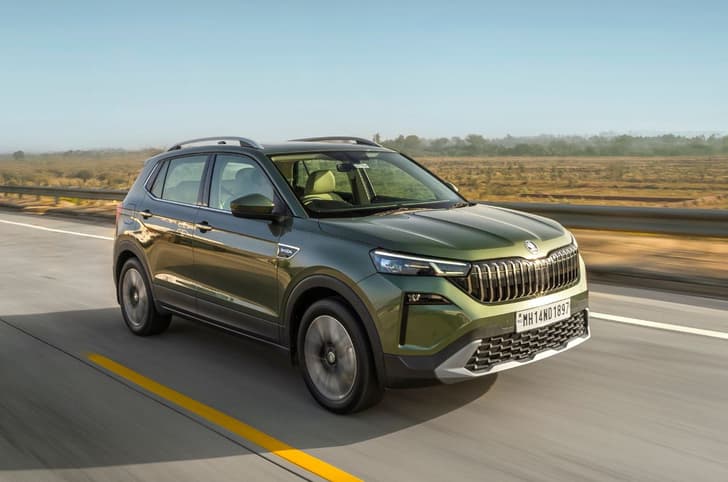
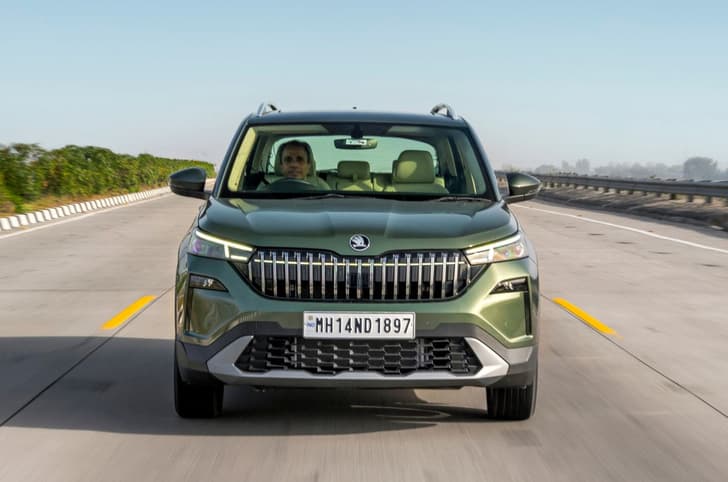
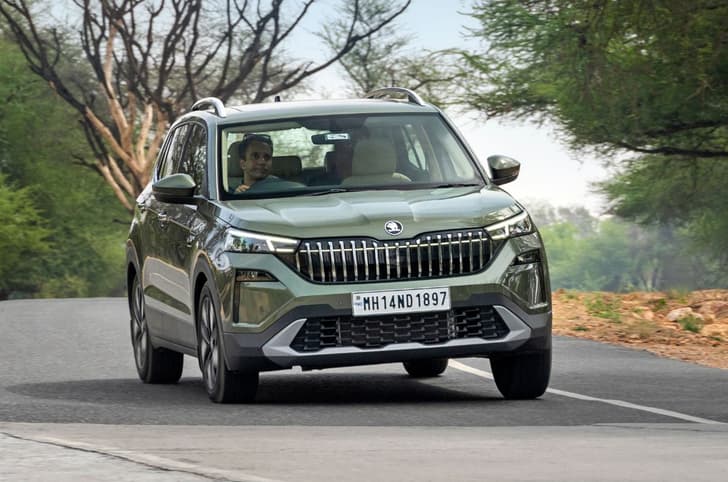
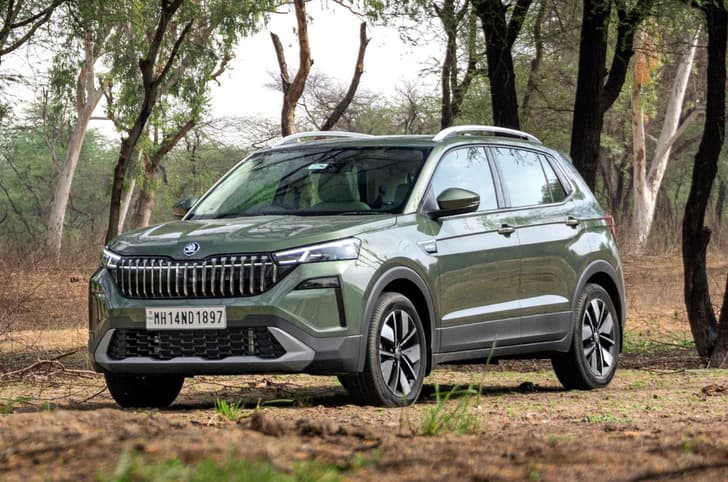
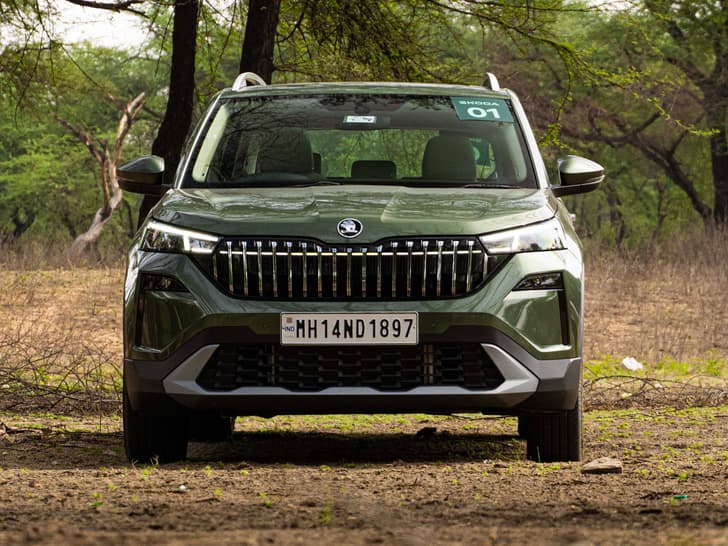
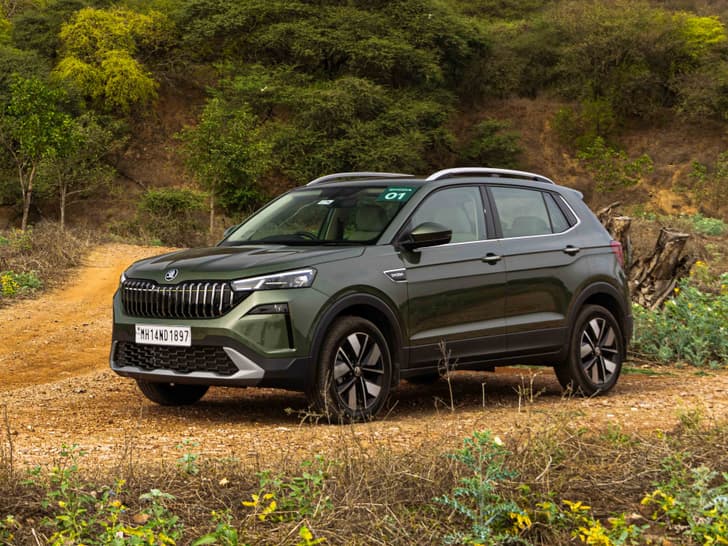
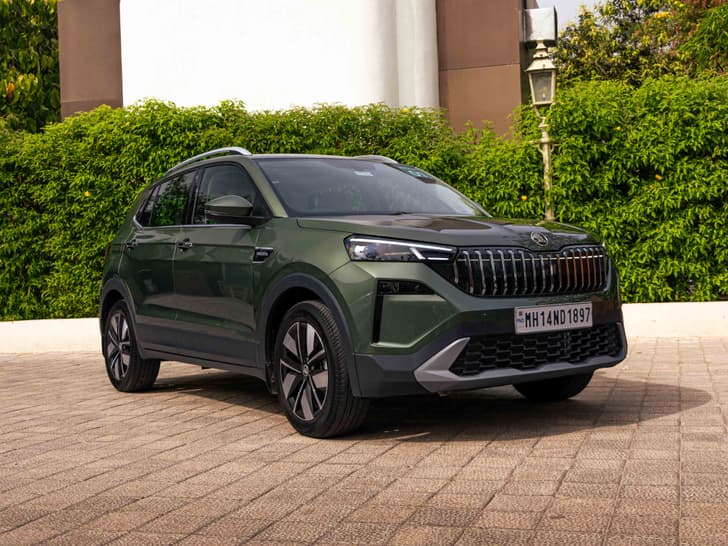
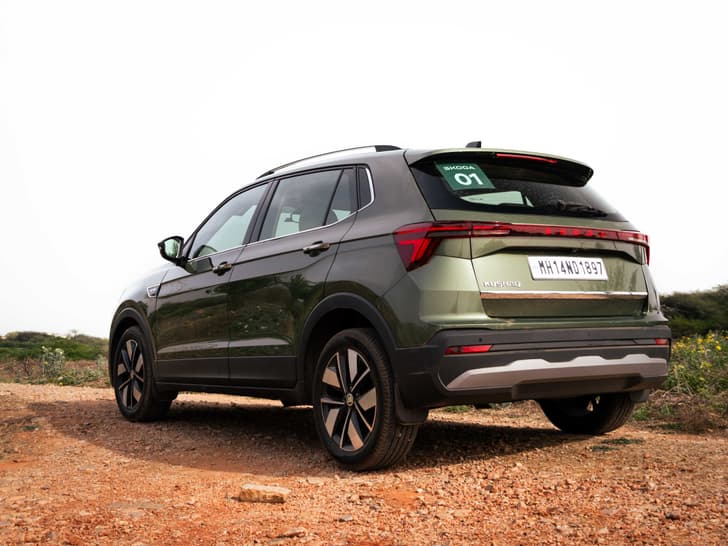
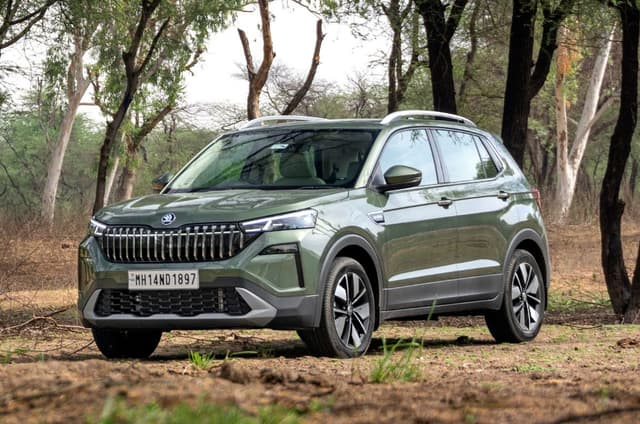
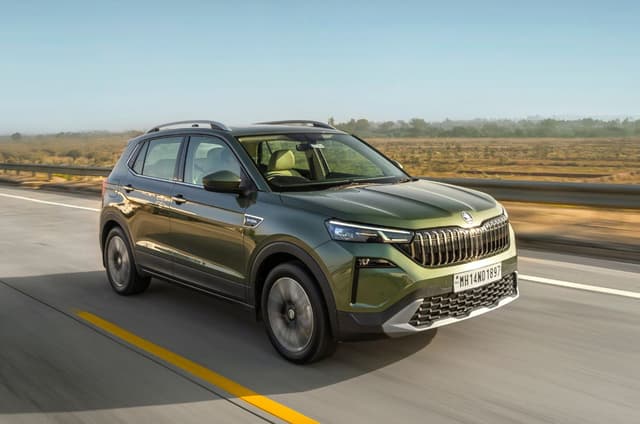
The Kushaq continues on the MQB-AO-IN platform, with major sheet metal unchanged. However, the facelift looks dramatic. Up front, there’s a new bumper, slimmer fog lamps and a wider grille with a segmented DRL running through it. The headlights get a new eyebrow-style DRL.
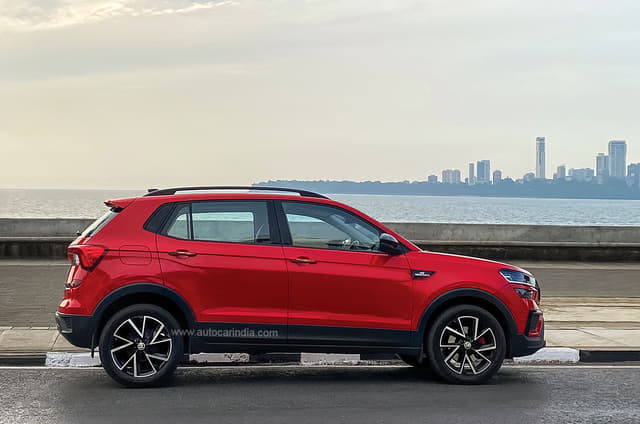
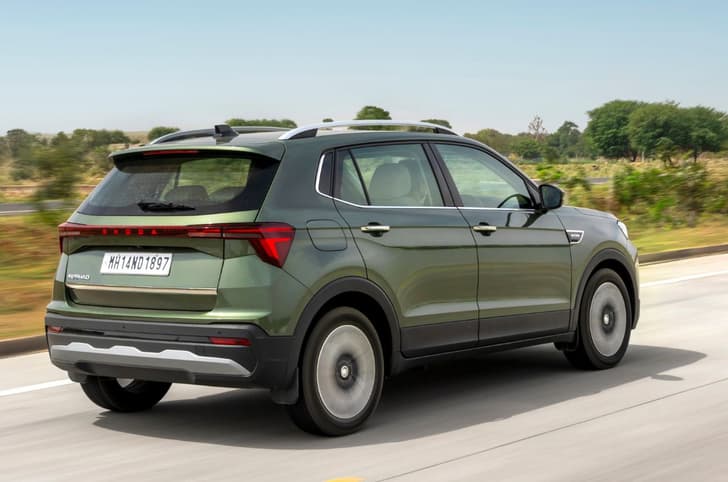
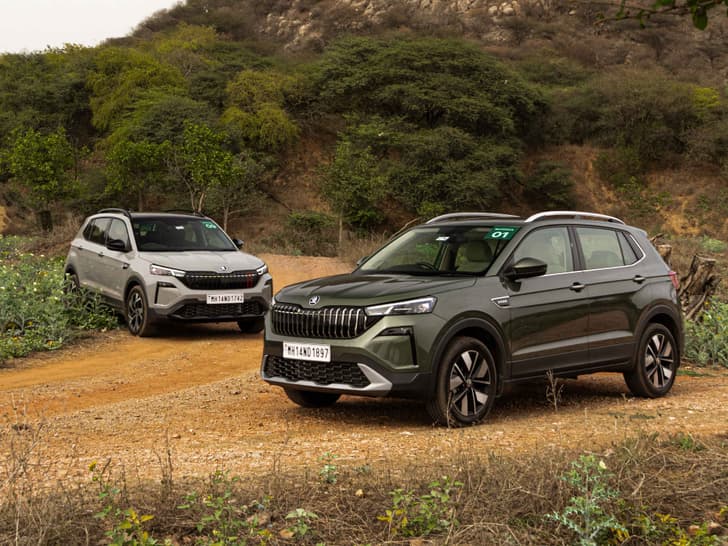
The side profile is largely unchanged apart from new alloy wheel designs. At the rear, a new bumper and connected taillights with segmented lighting and illuminated Skoda lettering give it a distinctive look. It’s striking without being over the top.
8
The update addresses several equipment gaps. A panoramic sunroof is offered on top variants, others get a single pane unit. Alloy wheels, auto HVAC, rain-sensing wipers, rear wash-wipe and auto-dimming IRVM are standard. A new 10.24-inch digital cluster adds freshness.
Rear seat massagers are unique to the segment, though offering them only at the rear feels odd. The Google-powered assistant requires phone data and disables Android Auto. Missing features include a 360-degree camera and ADAS.
Safety includes six airbags and ESP as standard, and Skoda says it is engineered for a 5-star rating.
7
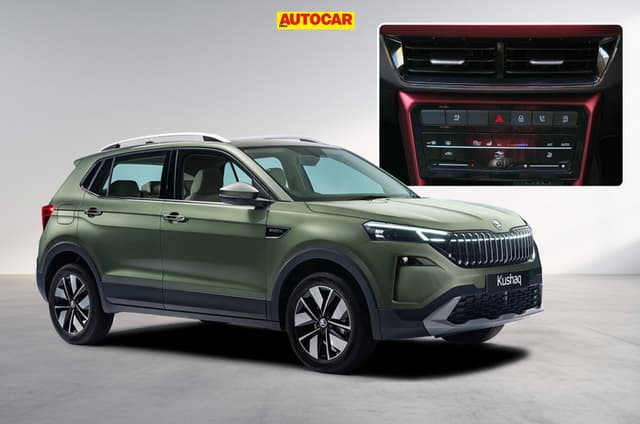
AC performance is noticeably improved thanks to a new variable displacement compressor. Front seat ventilation works well.
Space remains unchanged — rear room is sufficient but doesn’t feel as generous as some newer rivals. The panoramic sunroof adds airiness. Seats are comfortable with the right firmness, even over a full day’s drive.
Rear massagers cover the lower and mid-back but offer only an on/off function and feel gentle. Storage is practical with a large glovebox and good door pockets. Boot space remains 385 litres and is well shaped.
7
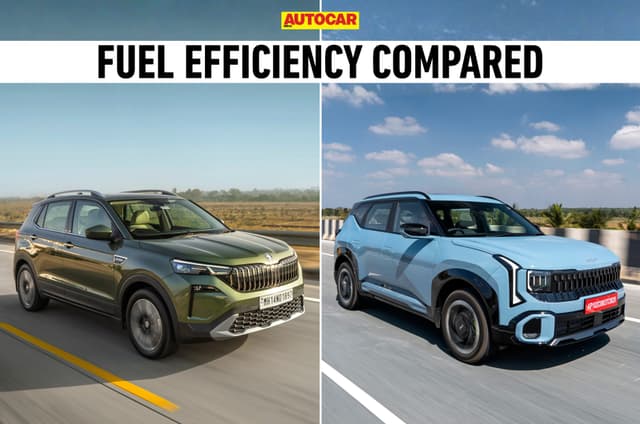
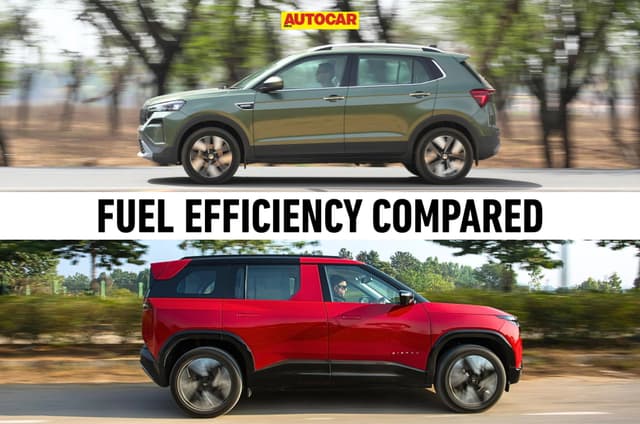
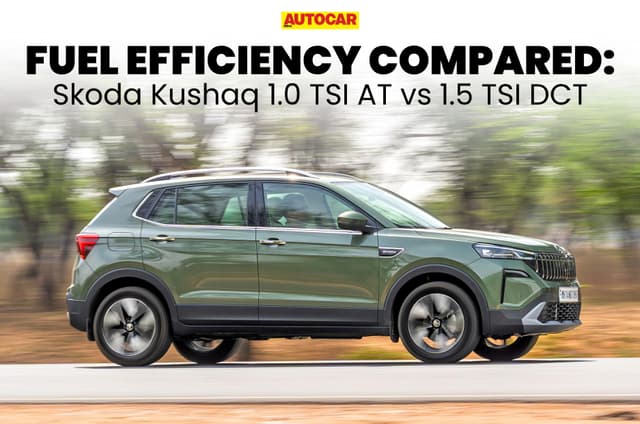
Efficiency has improved across the range. The 1.0 litre 8-speed automatic now claims 19.09kpl versus 15.78kpl earlier. The 1.5 DSG improves to 18.72kpl from 17.71kpl, and the 1.0 manual rises to 19.66kpl. Interestingly, the 1.0 AT is now more efficient than the 1.5 DSG.
On our drive, the 1.0 automatic showed an MID-indicated 11.7kpl over a mixed cycle. For reference, the previous 6-speed AT returned 10.45kpl in our standard test.
7
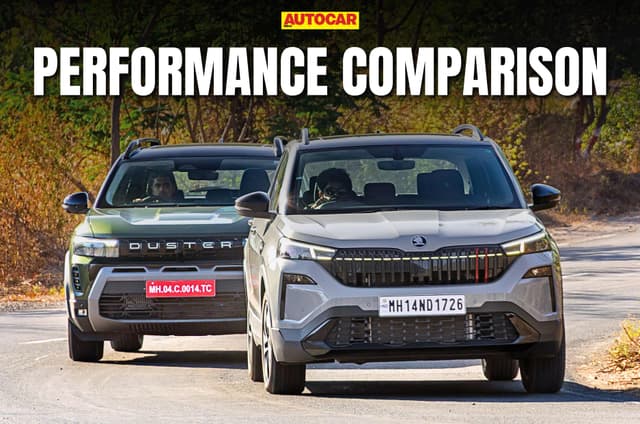
The Kushaq continues with the 115hp 1.0 TSI and 150hp 1.5 TSI petrol engines. The big change is the new 8-speed torque converter on the 1.0, replacing the earlier 6-speed. It remains smooth and seamless in its shifts and reduces the old car’s tendency to lurch forward. Manual inputs feel impressively quick, almost DSG-like, and it holds revs high, making it engaging. Our 0-100kph run of 11.57s is much quicker than before. Ratios feel short and cruising revs are higher than ideal. Refinement remains average, especially past 2500rpm. The 1.5 litre remains stronger, smoother and more effortless, though insulation could be
better here too.
7
Ride remains typically European — firm at low speeds with a sharp edge over broken roads. You also hear the suspension at work, adding to the firm impression. As speeds rise, pliancy improves and it becomes more comfortable, with the 1.5 feeling slightly better.
Body control is good, roll is well contained and grip levels are strong. The steering is light and could use more weight at speed. The 1.5 now gets rear disc brakes and braking feels strong and confident.
Overall, it remains stable and enjoyable, even if low-speed comfort isn’t its strongest suit.
7
The Skoda Kushaq range starts at Rs 10.69 lakh for the manual 1.0 litre car and tops out at Rs 18.99 lakh for the top end version of the 1.5 litre engine. What’s also nice is that Skoda has not limited the 1.0 litre engine to lower trims and even offers the top end Monte Carlo trim with the 1.0 powerplant, and for most this will be all the car they need. So pricing is right in there with the rest of the segment and Skoda has also put a lot of effort into this update, addressing aesthetics, features and technical updates too. Shortcomings remain like its compact size, high NVH, and missing features like a 360-degree camera, branded audio and ADAS but it offers all the essentials, some nice to have features and those unique rear-seat massagers. The 1.5 is strong and effortless; the 1.0 with 8-speed torque converter is smooth yet adequately responsive. Stable handling keeps it engaging. All in all it delivers enough to keep you interested and with the update, Skoda has managed to keep it fighting fit.
Reviewed by: Sergius Barretto
Skoda Kushaq Official Brochure
Download the complete brochure with specs, features, and variants.
Skoda Kushaq reviews

Skoda Kushaq comparison

Skoda Kushaq Mileage
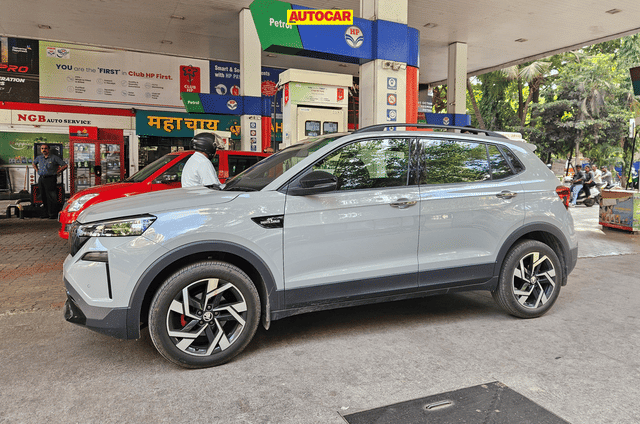
Skoda Kushaq petrol mileage is certified by ARAI at 19.66kpl for the 1.0-litre manual and 19.09kpl for the 1.0-litre automatic, while the 1.5-litre with the dual-clutch is rated at 18.72kpl. The three figures sit within a kilometre per litre of one another, so mileage alone is not a strong reason to pick one version over another.
One thing our review found is worth knowing before you choose the automatic. Its gear ratios are short and third gear runs out at 102kph, so the engine sits at higher revs when you cruise, and that will push real-world consumption up on long highway runs compared with what the certified figure suggests.
| PowertrainThe combination of engine type, fuel, and transmission that powers your vehicle and determines how it drives and what it runs on. | ARAI MileageMileage certified by the government, tested under controlled lab conditions. Real-world mileage will vary. | Autocar Tested MileageAutocar's experts test each vehicle on fixed city and highway routes under standardised conditions - single occupant, AC running, manufacturer-recommended tyre pressures. Tanks are filled to the brim before and after each run to calculate efficiency. Results reflect realistic real-world usage. |
|---|---|---|
Petrol-Manual 999 cc | 19.66 kmpl | 14.0 kmpl |
Petrol-Automatic (Torque Converter) 999 cc | 19.09 kmpl | 10.45 kmpl |
Petrol-Automatic (DCT) 1498 cc | 18.72 kmpl | 12.42 kmpl |

Skoda Kushaq news
Skoda Kushaq Images
Kushaq images show 54 photos of the car, and these are the details worth studying closely:
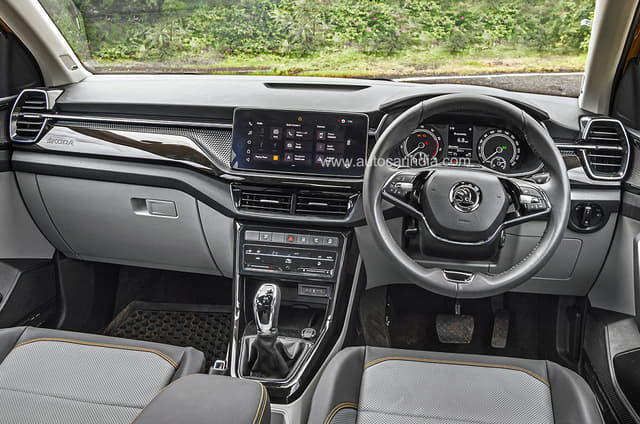
The 10.1-inch touchscreen alongside the 10.25-inch driver's display
The panoramic sunroof fitted to the top variants
The powered and ventilated front seats and the controls that operate them
The 385-litre boot, which is a useful shape despite the modest figure

Skoda Kushaq videos
Kushaq videos cover 13 reviews and walkarounds, and they show you the things a specification list never can:
How rough the three-cylinder engine sounds once you pass 2,500rpm
How firm the low-speed ride is over potholes
How the rear seat massage function actually feels in use
How grainy the rear camera feed looks while you are parking


Skoda Kushaq Colours
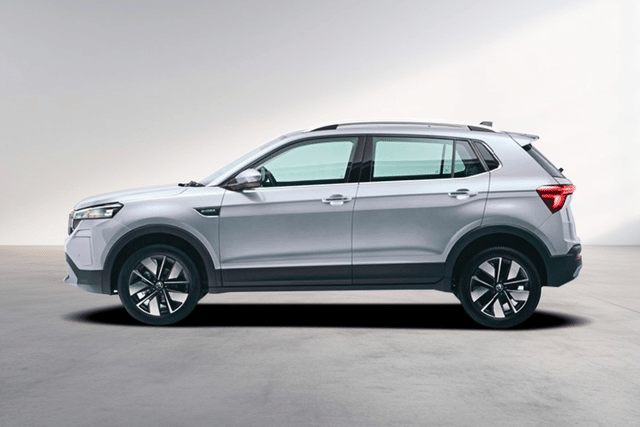
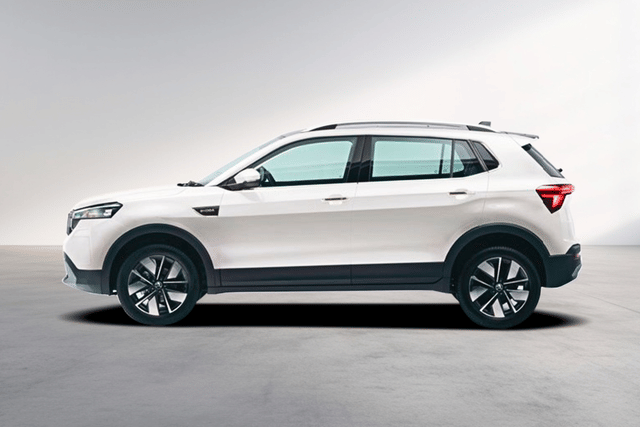
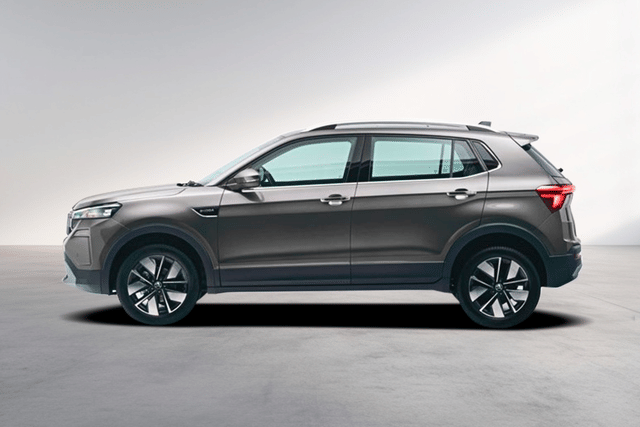
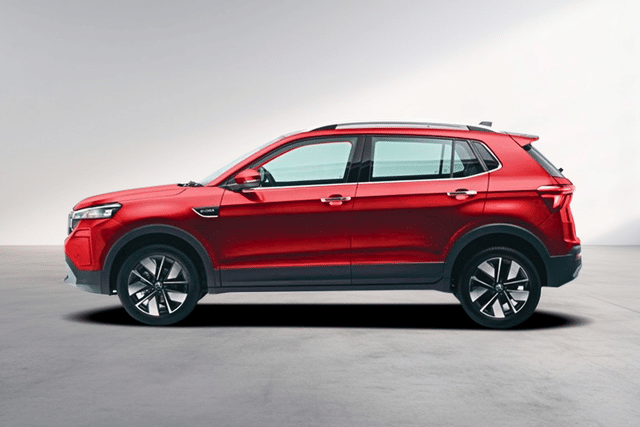
Skoda Kushaq colours run to 7 options, all of them single-tone, since there are no dual-tone finishes anywhere in the range. The choice is therefore between solid and metallic shades, with availability changing from one variant to the next.
Colour type | Notes |
White and silver shades | Available across most of the range |
Greys and darker shades | Available on most variants |
Brighter shades | Usually limited to higher variants, including Monte Carlo |
Similar Cars to Explore
Skoda Kushaq FAQs
The Skoda Kushaq is certainly among the segment's strongest contenders. Unlike many mid-size SUVs that prioritise comfort, the Skoda Kushaq delivers sharp handling, precise steering and confident road manners, making it an excellent choice for driving enthusiasts.
If your budget allows, the Skoda Kushaq 1.5 TSI is the engine to choose. It offers stronger performance, better refinement and a more effortless driving experience than the 1.0 TSI. That said, the Skoda Kushaq 1.0 TSI, paired with the new 8-speed automatic, is smooth, responsive and capable enough for most buyers, making it excellent value in the mid-size SUV segment.
The Skoda Kushaq's ride quality is tuned with driving dynamics in mind, so it feels firmer than most mid-size SUVs at low speeds. Sharp potholes and broken roads are more noticeable, but the suspension remains composed over rough surfaces and dirt trails. On highways, the Skoda Kushaq delivers excellent stability, controlled body roll and reassuring grip, making it one of the best long-distance SUVs in its segment.
The Skoda Kushaq offers adequate cabin space for a family of four, with sufficient rear-seat legroom and headroom for everyday use and long journeys. However, some newer mid-size SUVs feel roomier inside. A standout feature is the rear-seat ventilation and massage function, which adds a unique layer of comfort and helps the Skoda Kushaq stand out as a practical family SUV.
Yes, the Skoda Kushaq misses out on a few features offered by newer mid-size SUVs. It lacks amenities such as a 360-degree camera, a branded sound system and ADAS, while cabin insulation could also be better. However, the Skoda Kushaq makes up for these omissions with strong performance, engaging handling, solid safety credentials and a rewarding driving experience that few rivals can match.
Questions you may find useful
Took my Kushaq 1.5 TSI to a track day event for the first time, and the chassis held up better through the corners than I expected from a compact SUV.
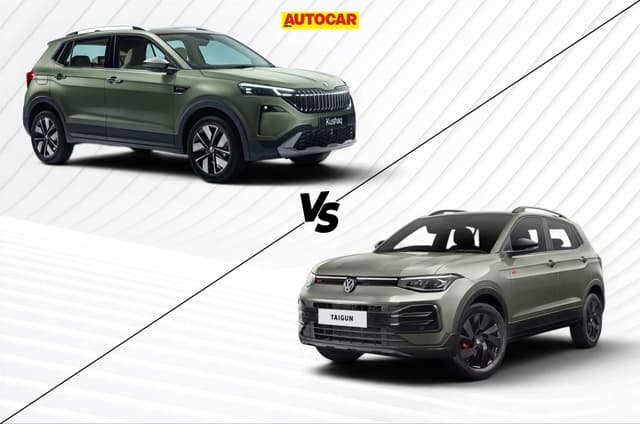
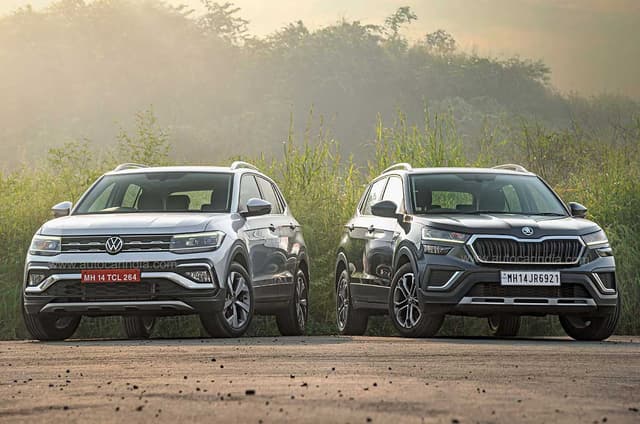
Kushaq vs Taigun, same platform and drivetrain options, but they somehow feel like completely different cars to drive. Curious which one people think actually justifies its badge here?
My wife is 5'0", and we are looking to buy an automatic car primarily for city commutes, with occasional highway trips. We are considering the Kia Seltos. Is it a good choice, particularly in terms of seating ergonomics and visibility for a 5-foot-tall driver? Another option I am considering is the Skoda Kushaq. Which one would be better for our requirements?
The Kia Seltos is a very good all-rounder, but for a 5-foot-tall driver, the Skoda Kushaq is actually the better choice. The Kushaq has a more upright seating position, a lower dashboard and a more compact bonnet, which makes it much easier to judge the car's extremities and improves overall visibility. The Seltos has a higher dashboard and a longer bonnet, which can make it harder for shorter drivers to judge the front of the car, even with the seat height adjusted.The Kushaq is also slightly narrower and easier to manoeuvre in city traffic, which is important for your primary usage. The Seltos does feel more premium inside and offers a slightly more spacious rear seat, but from a driver's perspective, the Kushaq is the more confidence-inspiring car.Go for the Kushaq 1.0 TSI automatic. It uses an 8-speed torque converter automatic, which is smooth and well-suited to city driving. The Seltos IVT is also a good gearbox, but the overall ergonomics of the Kushaq give it the edge for your specific requirement.

I am looking for a car in the range of mid-size SUVs. I have shortlisted two cars: Kia Seltos and Skoda Kushaq, latest versions of both. Which one should I buy and Why? My daily commute for work to home would be around 30-35km in Delhi.

Go for the Kia Seltos. With a 30-35 km daily commute in Delhi, you need a car that is comfortable, refined and easy to live with in traffic, and the Seltos delivers exactly that. It has a more premium and spacious cabin, a smoother ride over broken city roads and a wider service network, which is important for hassle-free ownership in Delhi. The Skoda Kushaq is the better driver's car with sharper handling, but for your usage, the Seltos is the more complete package. It is also worth mentioning that the Seltos feels more premium inside and offers slightly better rear seat space, which makes a difference on longer commutes. And the Seltos offers a very smooth 1.5-litre petrol engine with a CVT gearbox, which is friendlier to drive in stop-and-go traffic than the Kushaq's 1.0 TSI engine with an 8-speed auto, and is likely to be more efficient too. Overall, the Seltos is the better fit for your daily routine and long-term ownership.
I'm confused between the Skoda Kushaq, Kia Seltos and Honda Elevate. I have a budget of Rs 21 lakh ex-showroom. I am hesitant about the Kushaq because the general opinion online is that German cars are expensive to maintain and lose resale value rapidly. It also does not have a factory-fitted 360-degree camera and lacks ADAS features. The Seltos has pretty much everything, but I have observed poor build quality in Kia cars in the past. The Elevate seems like a very attractive car from all angles, but the lack of a 360-degree camera and poor reviews of its ADAS have left me undecided. I am not sure if I need to worry about these features while buying a car, given that my wife and I are both new drivers. She has just learnt, while I have been driving since 2012 but have not driven much and lack experience. Our commute is primarily in the city in Bengaluru, mostly on weekends, with a 70:30 city-highway split. I am planning to keep the car for 10-15 years for a family of four. I have previously driven an 800 (manual), Brio (manual) and Kwid (AMT), and I love the Brio's driving quality.
Go for the Honda Elevate CVT, as it is the most sensible choice. The naturally aspirated petrol engine paired with the CVT is smooth, reliable and easy to drive, which is exactly what you need as relatively new drivers. Honda’s reputation for long-term reliability and low maintenance costs also aligns perfectly with your needs, and you liked the Brio that you drove, so this feels like a logical upgrade.The Skoda Kushaq is a great driver’s car, but your concerns about higher maintenance costs and resale value are not entirely unfounded. Its turbocharged engines do require a bit of a learning curve to drive smoothly and efficiently compared to the naturally aspirated petrol engines of the others. The Kia Seltos is feature-rich, and while build quality issues aren't really an issue, what might be is its size, which could be a bit too large for urban Bengaluru use, considering you are both new drivers.The Honda car mentioned above may not have a 360-degree camera, but that is not a deal-breaker. The most important thing is that the Elevate offers a stress-free ownership experience, which is far more valuable over 10-15 years than a few extra features. The Elevate is also a comfortable family car with a spacious cabin and good ride quality, which makes it well-suited for a family of four and will be easy to drive for relative novices.
Upcoming Cars


Skoda Cars

Trending Cars


Latest Cars