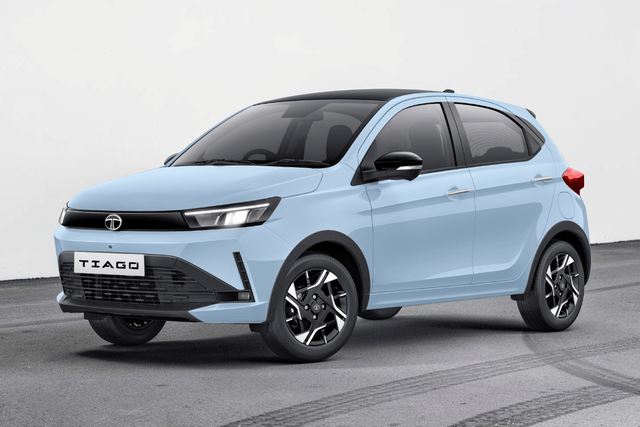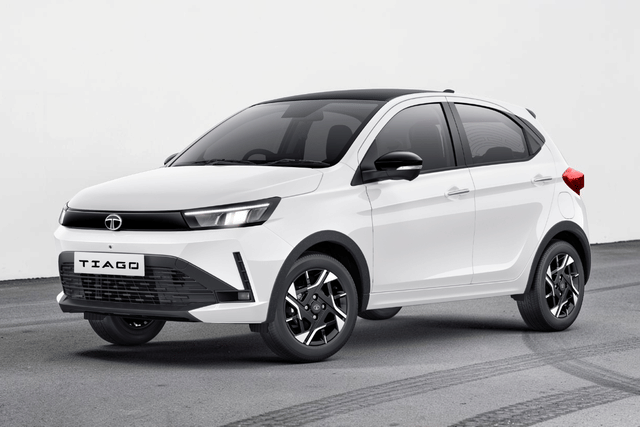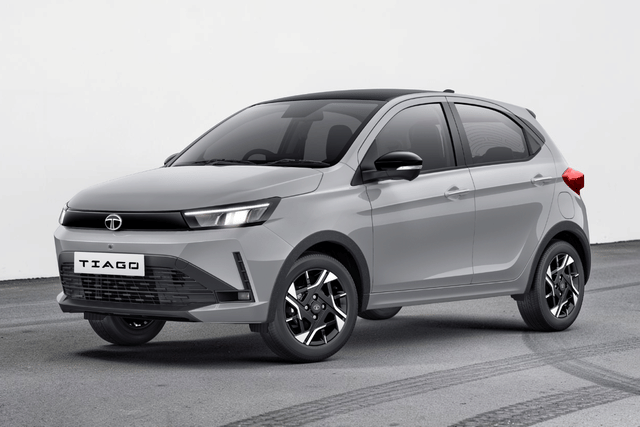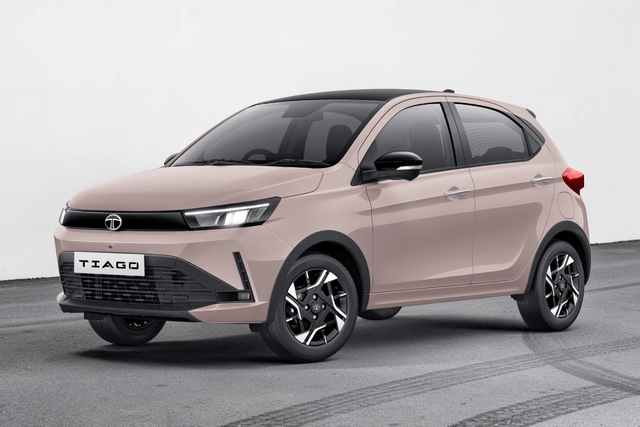

or select from slider
₹3,00,000
₹10,00,00,000
(11)
(8)
Tata
Tata cars in India (19)
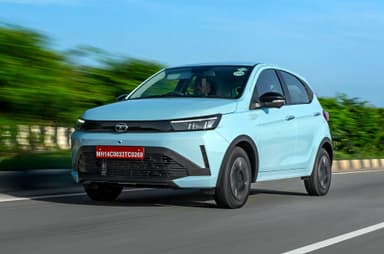
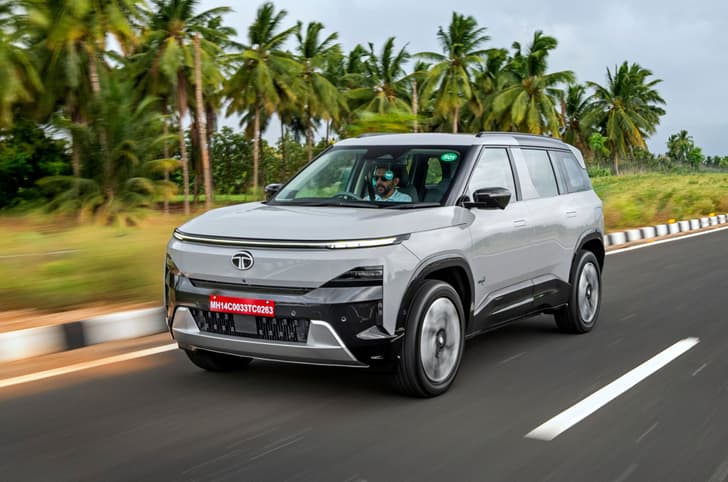
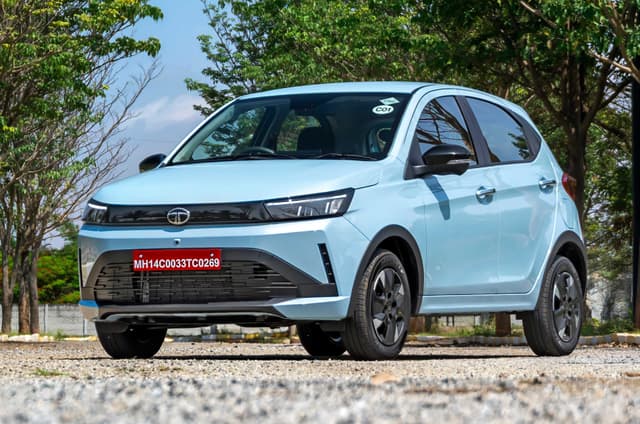
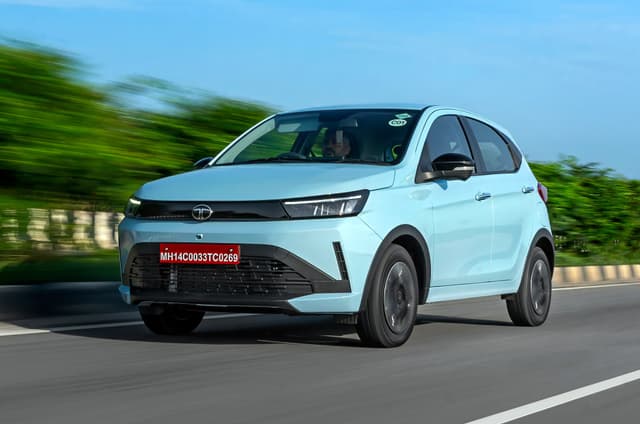
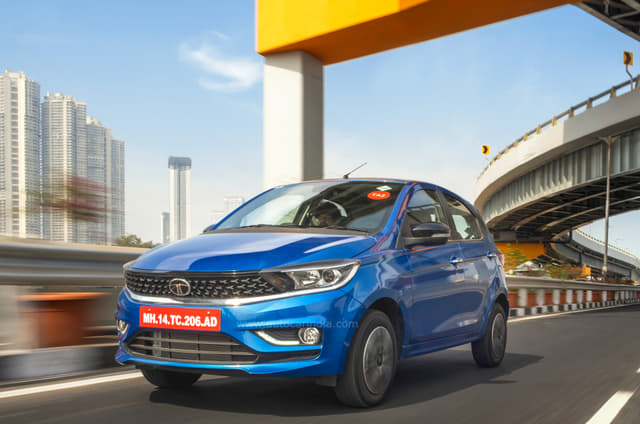
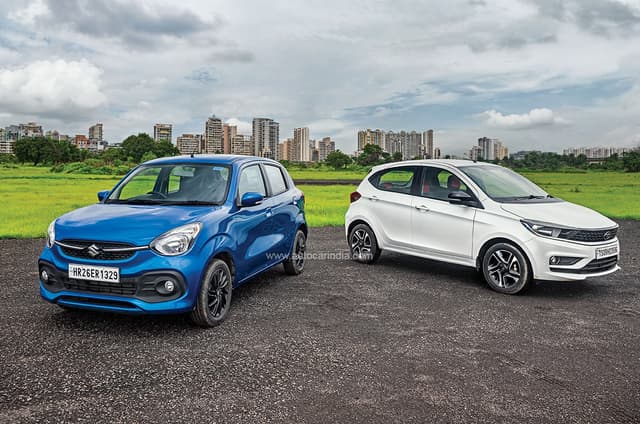
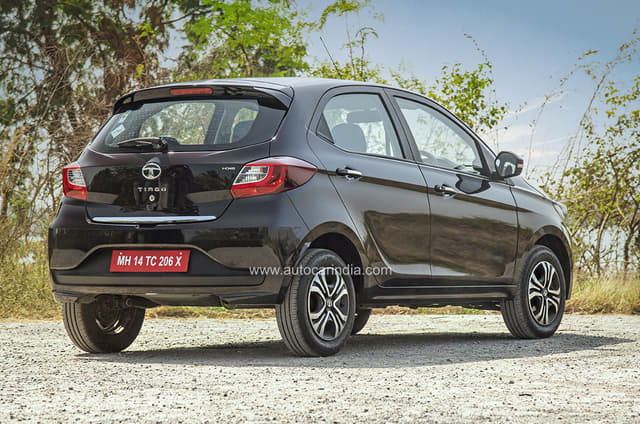
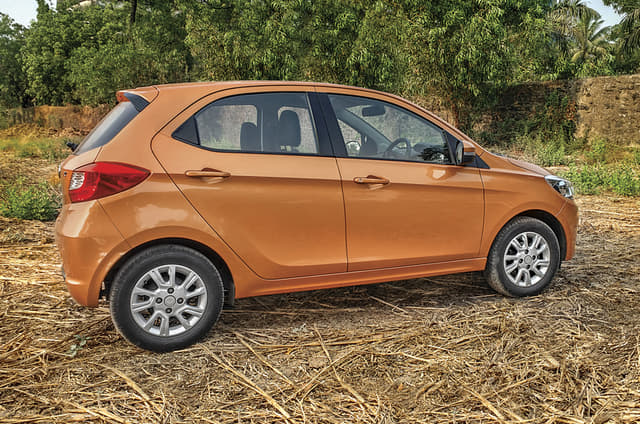
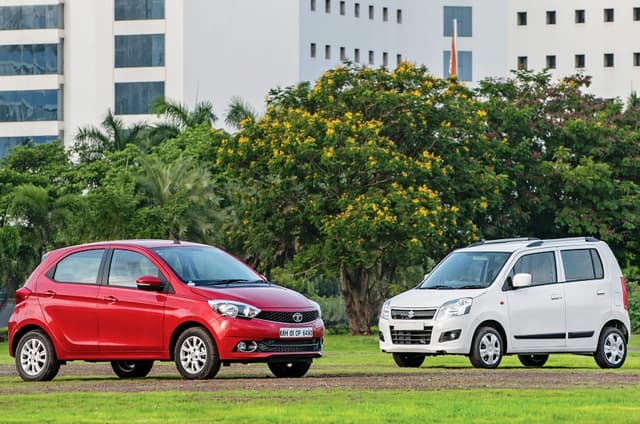
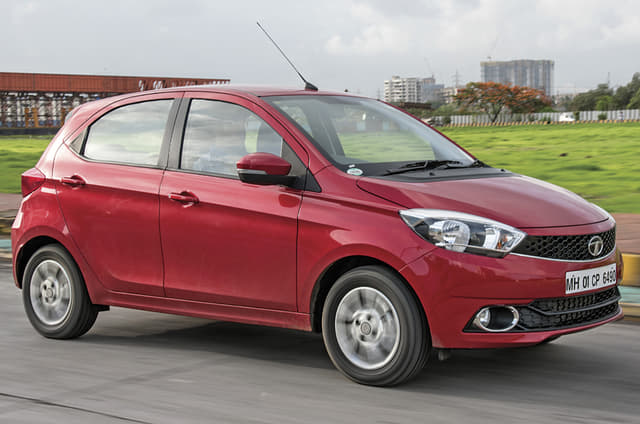
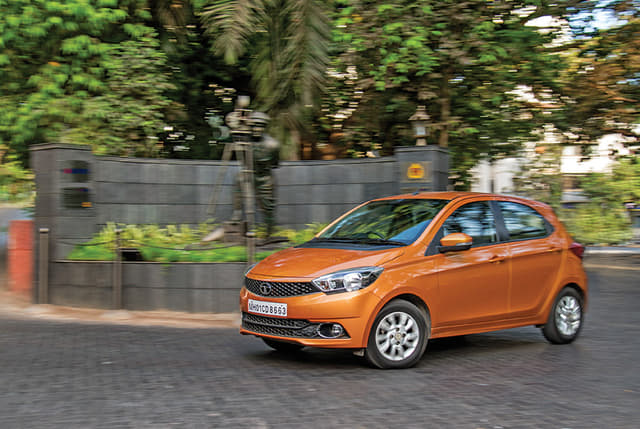
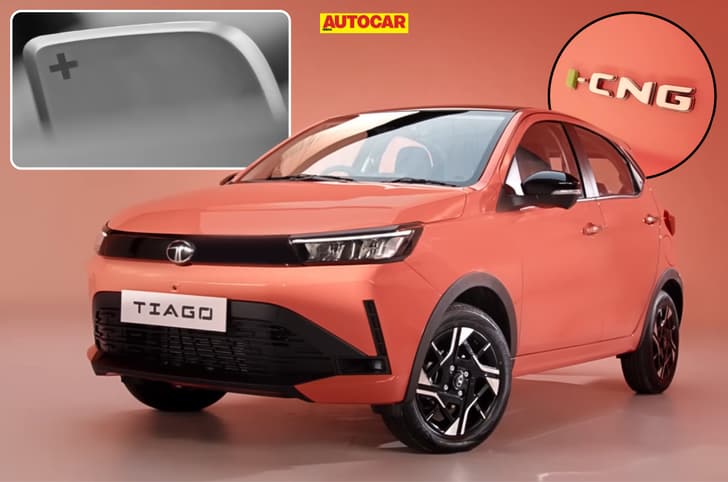
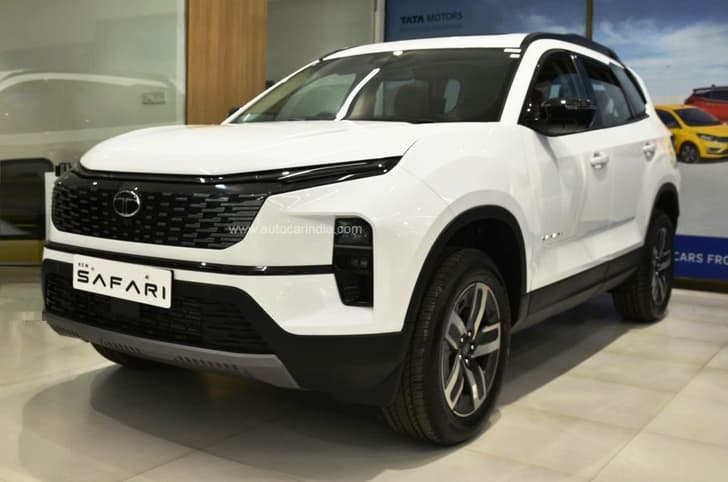
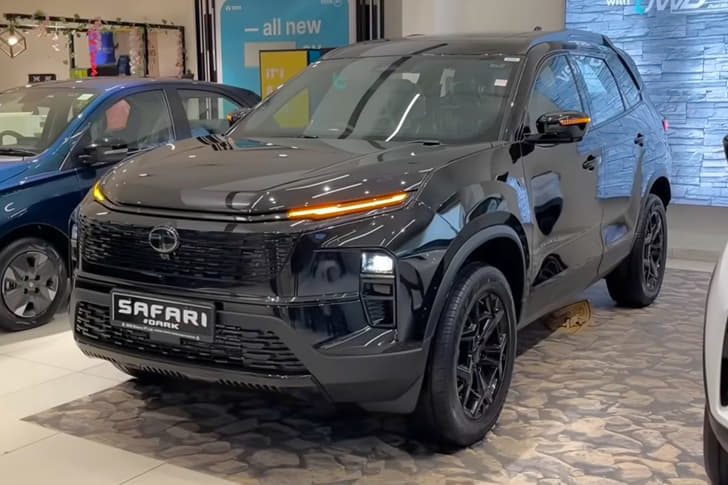
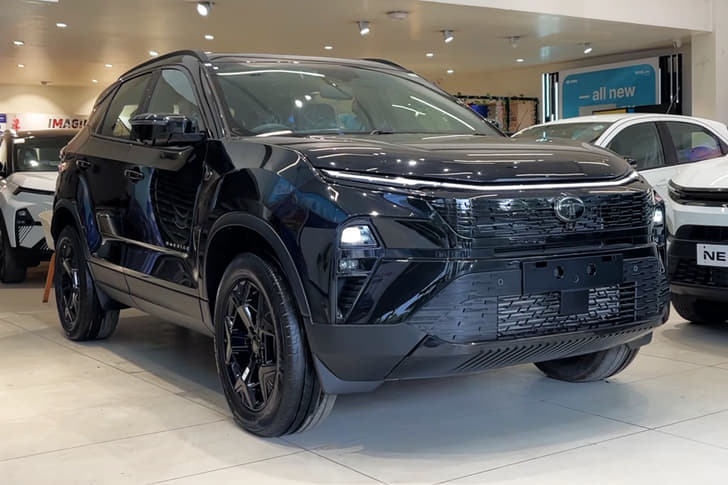
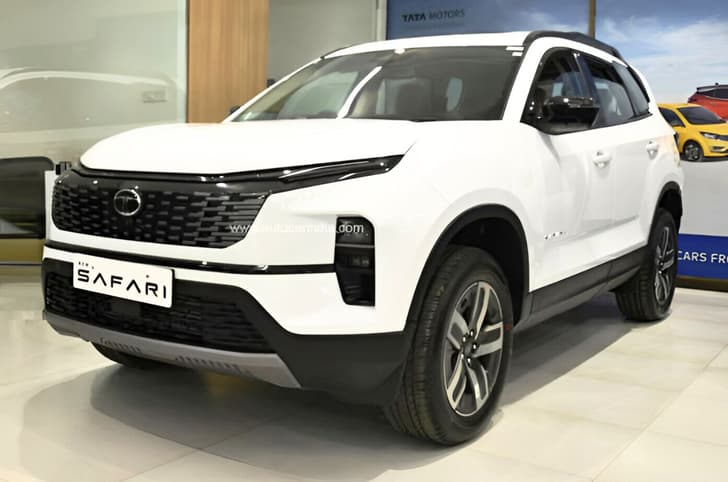
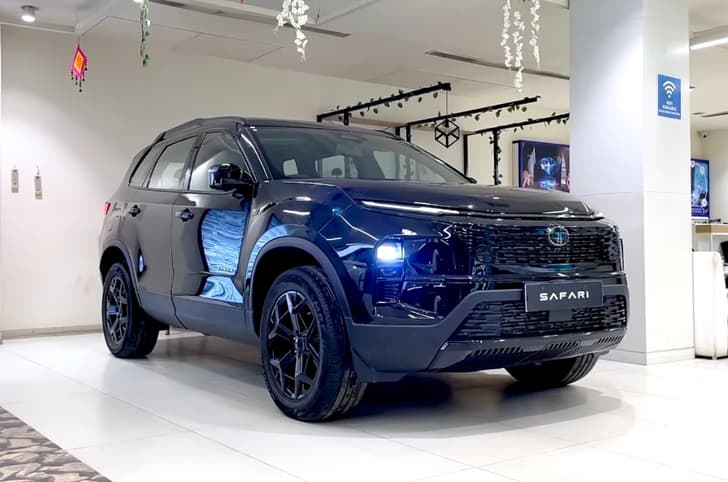
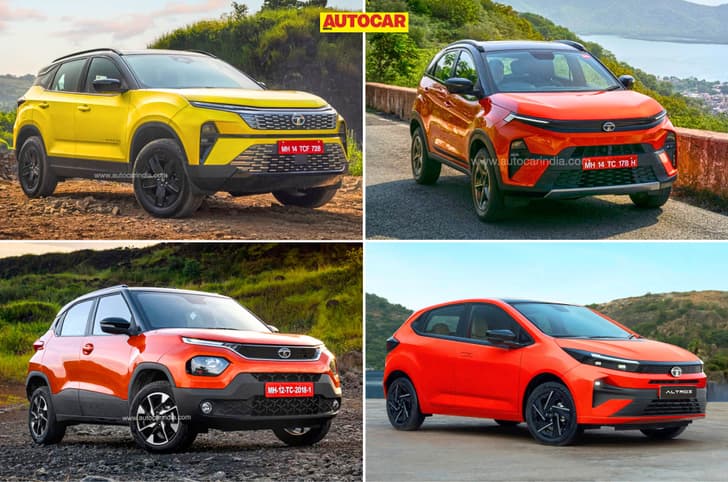
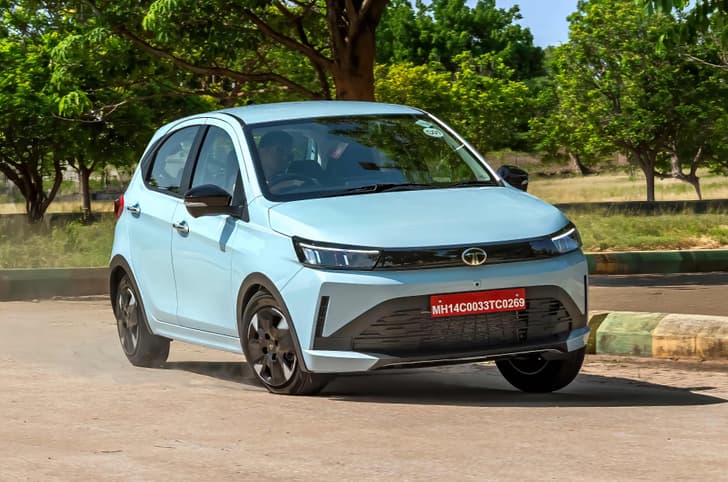
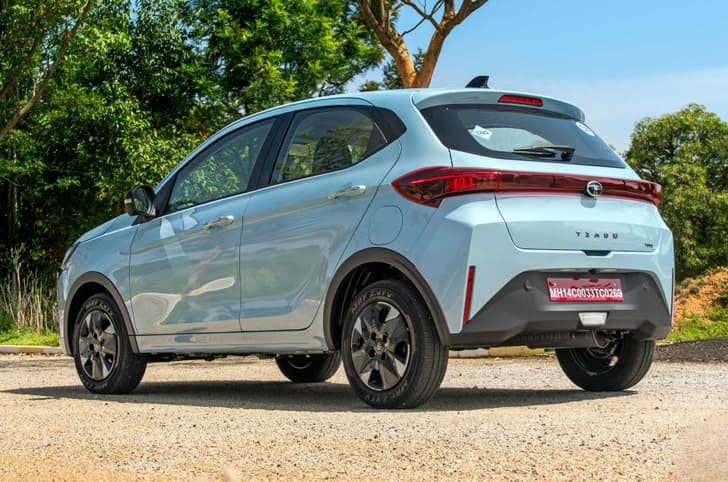
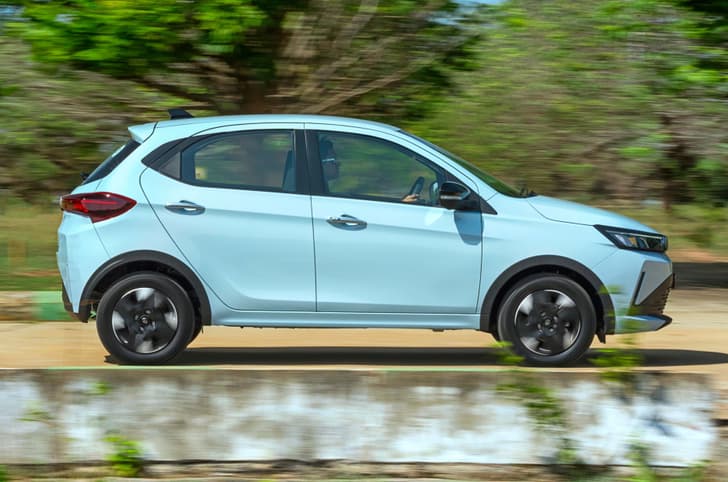
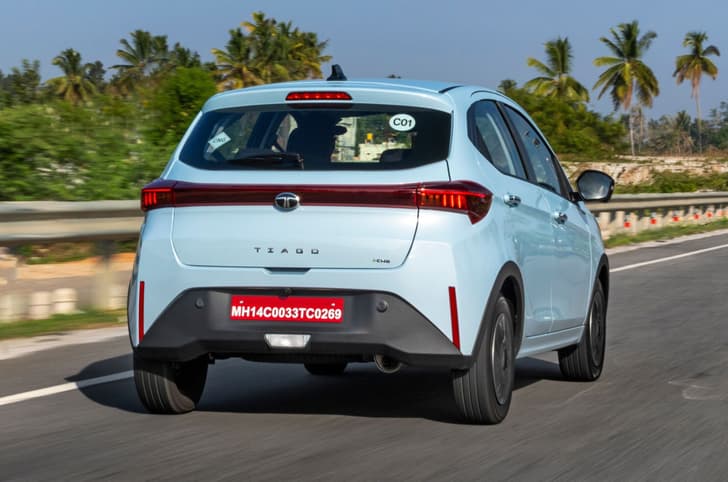
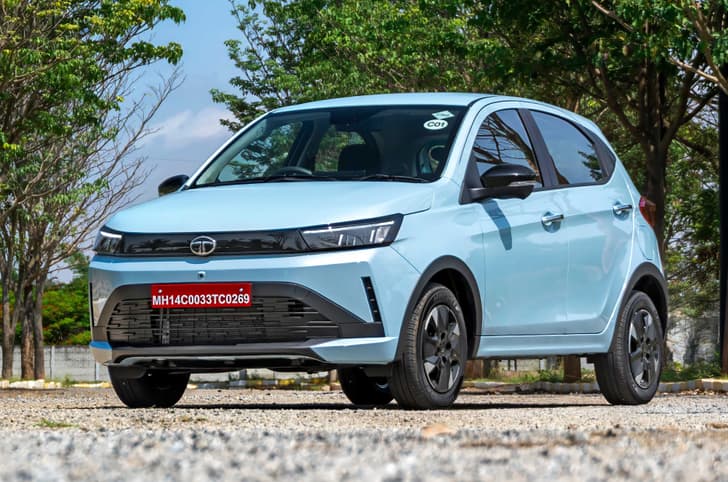
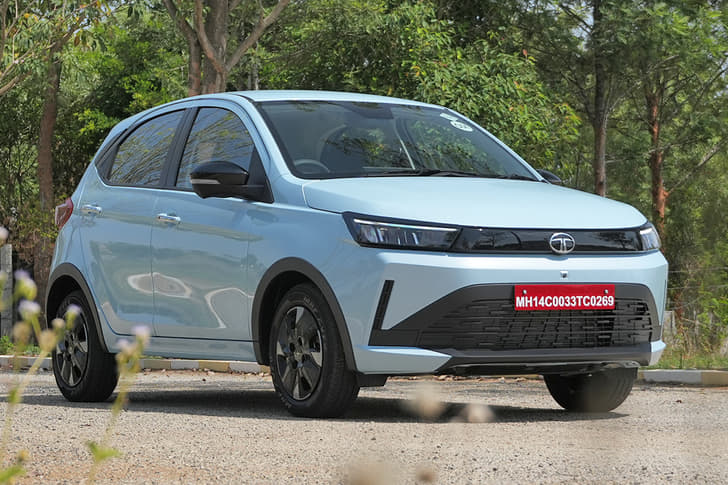
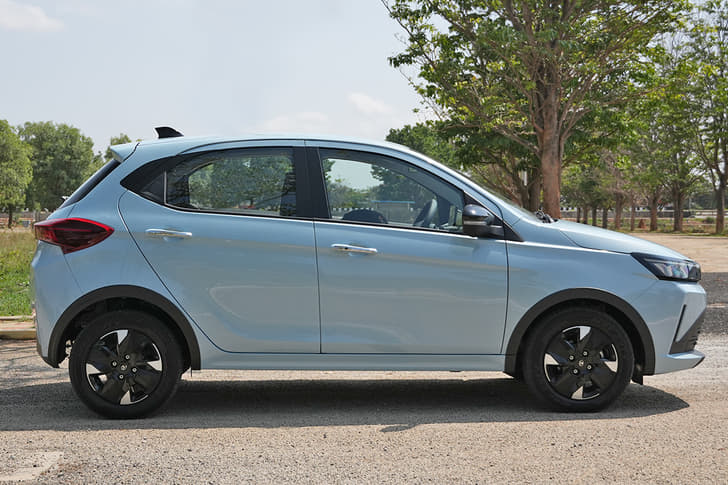
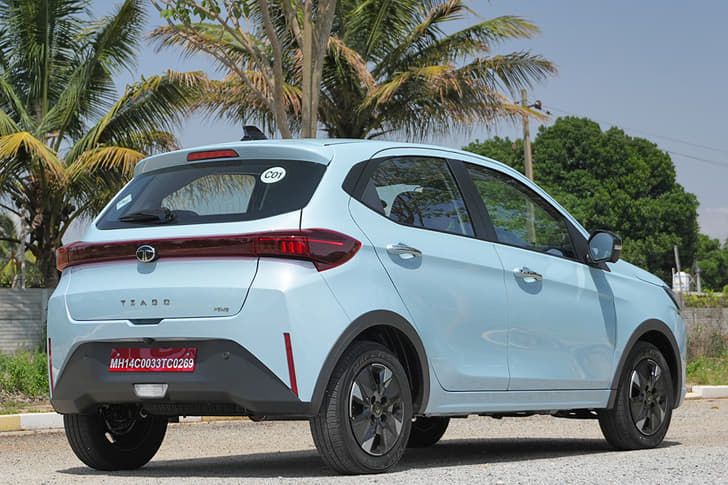
As of June 2026, there are 20 Tata cars available in India: 15 on sale and 5 upcoming. The current Tata lineup includes 4 hatchbacks, 2 sedans, and 14 SUVs. The Tata car price starts at ₹4.60 lakh and goes up to ₹28.99 lakh in India (ex-showroom). The cheapest Tata car is the Tiago, whereas the most expensive is the Tata Harrier EV. The popular Tata cars in India consist of names like the Punch (facelift), Nexon, Harrier, Safari, Tata Altroz, and new Sierra.
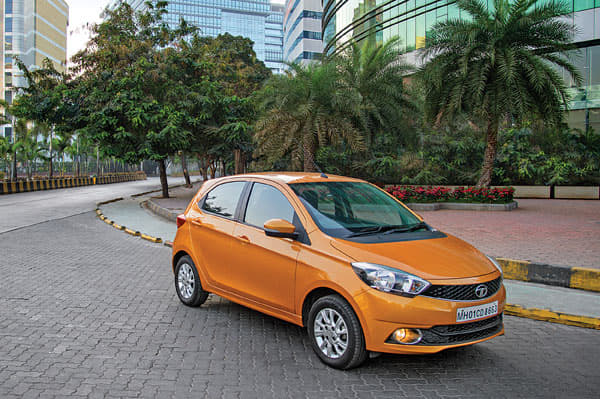
Headquartered in Mumbai, Tata Motors was established in 1945 and entered the passenger vehicle market in 1991 with the Sierra. It later introduced the Indica in 1998 and the Nano in 2008, the world’s most affordable car. Today, Tata offers models like the Altroz, Punch, Nexon, Harrier, and Safari with 5-star Global NCAP ratings, and also leads India’s EV segment with the Tiago EV, Tigor EV, Nexon EV, and Punch EV.
Tata Cars Price List in India (June 2026)
Tata car price in India starts at ₹4.60 lakh for the Tata Tiago and goes up to ₹28.99 lakh for the Tata Harrier EV (ex-showroom). View the latest Tata car prices in the table below:
Tata Car | Price (Ex-showroom) |
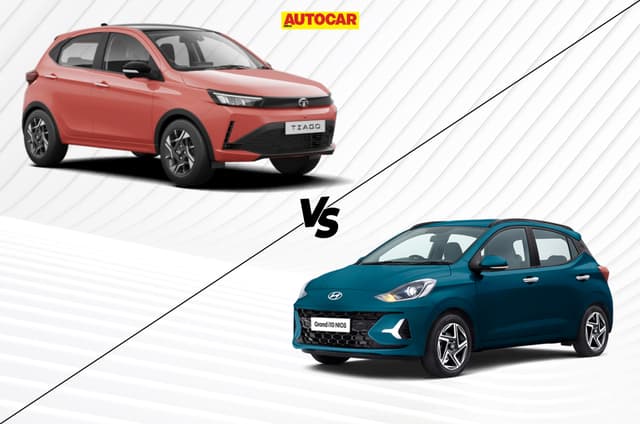
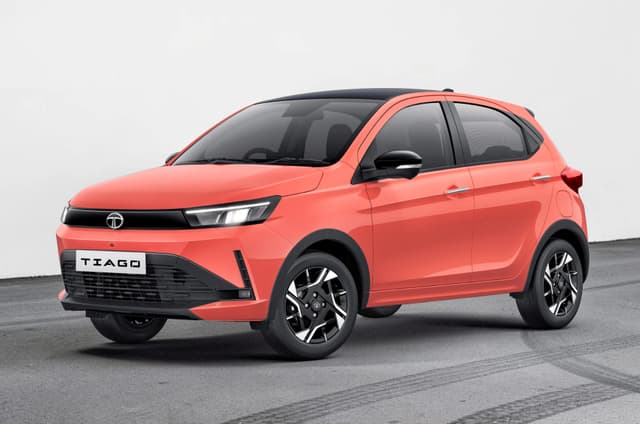
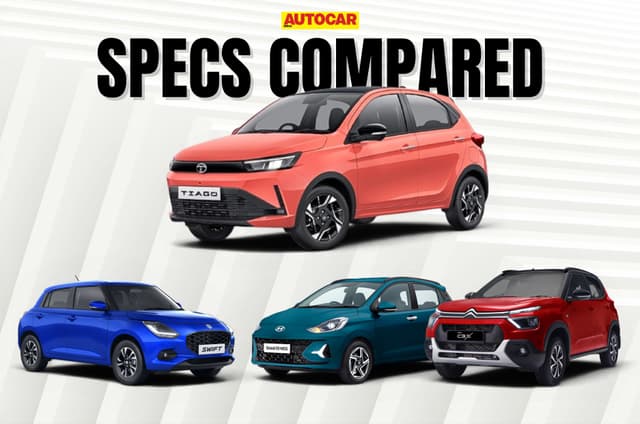
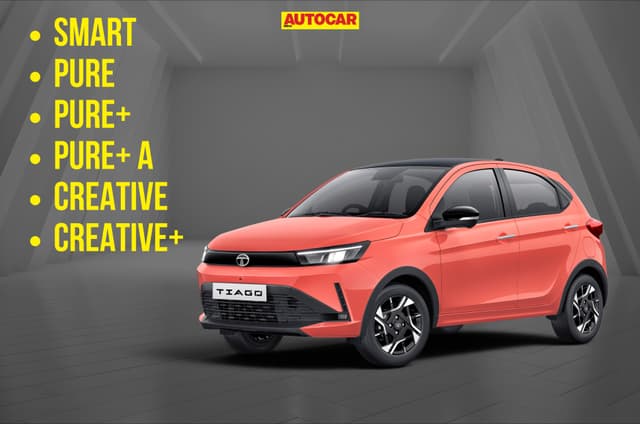
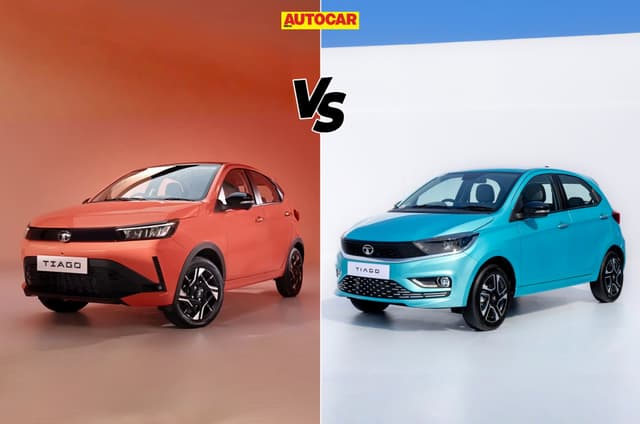
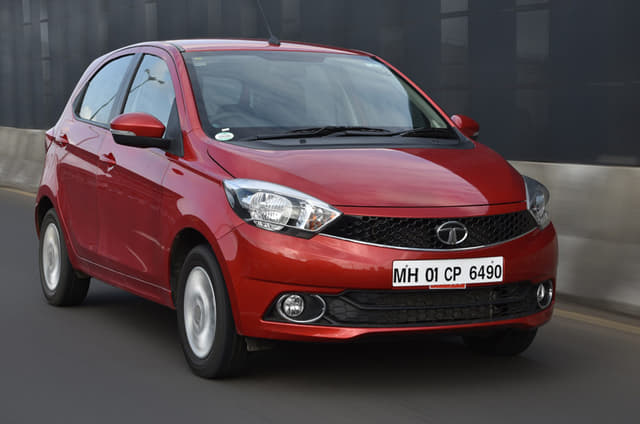
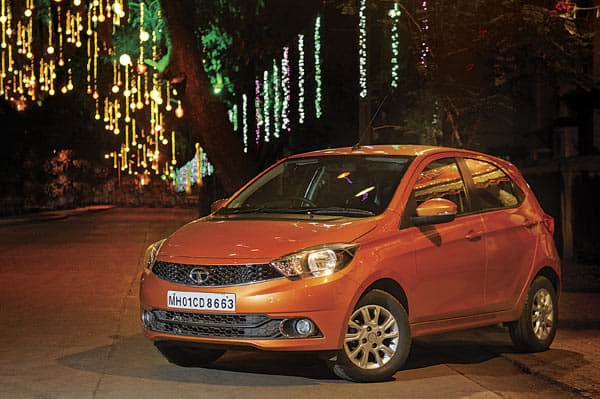
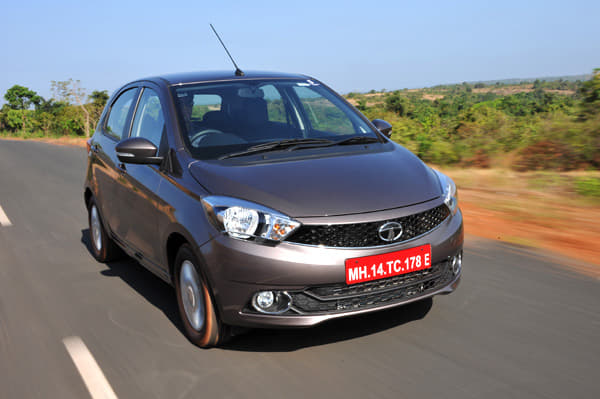
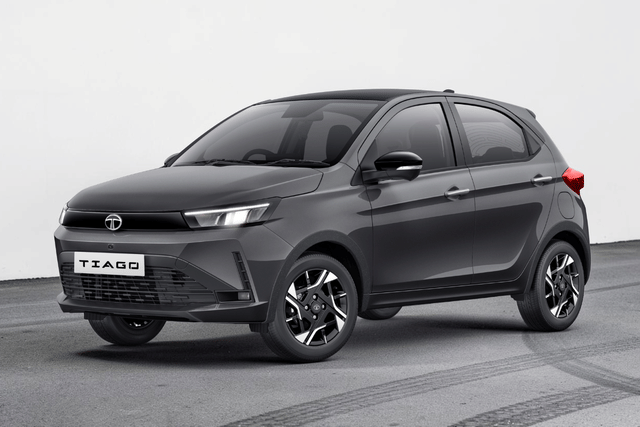
Tata Tiago | ₹4.60 lakh - ₹8.20 lakh |
Tata Tigor | ₹5.55 lakh - ₹8.84 lakh |
Tata Punch | ₹5.65 lakh - ₹10.60 lakh |
Tata Altroz | ₹6.30 lakh - ₹10.62 lakh |
Tata Nexon | ₹7.37 lakh - ₹14.32 lakh |
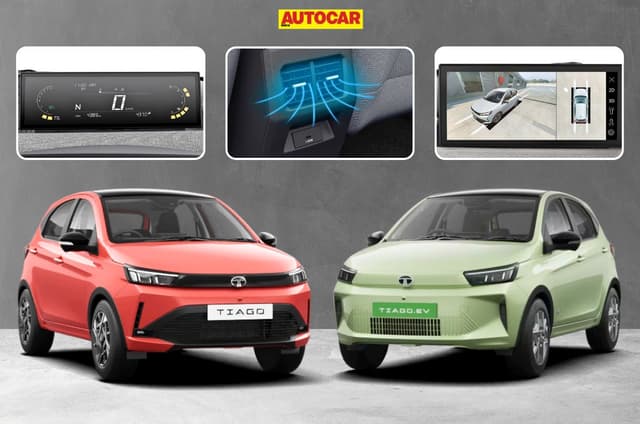
Tata Tiago EV | ₹7.99 lakh - ₹11.14 lakh |
Tata Curvv | ₹9.70 lakh - ₹18.90 lakh |
Tata Punch EV | ₹9.69 lakh - ₹12.59 lakh |
Tata Sierra | ₹11.49 lakh - ₹21.29 lakh |
Tata Tigor EV | ₹12.49 lakh - ₹13.75 lakh |
Tata Nexon EV | ₹12.49 lakh - ₹17.49 lakh |
Tata Harrier | ₹12.89 lakh - ₹25.85 lakh |
Tata Safari | ₹13.29 lakh - ₹26.15 lakh |
Tata Curvv EV | ₹17.49 lakh - ₹22.24 lakh |
Tata Harrier EV | ₹21.49 lakh - ₹28.99 lakh |
Upcoming Tata Cars in India
Explore the list of new Tata cars set to launch in India:
- Tata Sierra EV
- Expected price: ₹20.00 lakh - ₹25.00 lakh
- Expected launch: Mid 2026
- Fuel Type: Electric
- Body Type: SUV
- Tata Safari EV
- Expected price: ₹22.50 lakh - ₹30.00 lakh
- Expected launch: 2026
- Fuel type: Electric
- Body type: SUV
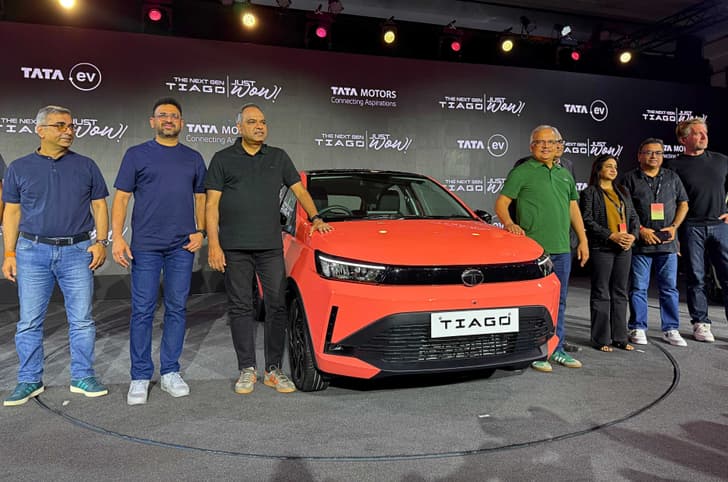
- Tata Tiago EV Facelift
- Expected price: ₹8.10 lakh - ₹11.34 lakh
- Expected launch: Late 2026
- Fuel type: Electric
- Body type: Hatchback
- Tata New Nexon
- Expected price: ₹8.00 lakh - ₹17.00 lakh
- Expected launch: 2027
- Fuel type: Petrol
- Body type: SUV
- Tata Avinya (Concept)
- Expected price: ₹35.00 lakh - ₹40.00 lakh
- Expected launch: Late 2027
- Fuel type: Electric
- Body type: SUV
Tata Cars Latest Updates (June 2026
- May 8, 2026: Tata launches Nexon Pure+ PS variant with sunroof at Rs 9.59 lakh
- April 29, 2026: Tata Motors files 144 commercial vehicle patents in FY26
- April 12, 2026: Tata is offering benefits of up to ₹3.45 lakh on Curvv EV in April 2026
- January 13, 2026: Tata has launched Punch facelift at ₹5.59 lakh.
- January 5, 2026: Tata has revealed the 2026 Punch ahead of its January 13 launch, and it will feature a turbo-petrol engine for the first time.
Tata
Find cars by body type
Filter your search
Filter your search
Can't decide which car to buy?
Ask our experts and get answers to all your cars related queries.
FAQs
The Tata car price in India starts at ₹4.60 lakh (ex-showroom) for the Tata Tiago.
In 2026, Tata Motors has 15 cars on sale in India, with five more set to join the line-up. The current range includes 14 SUVs, two sedans and four hatchbacks. Four upcoming models are SUVs and 1 will be hatchback which will take the total SUV count to 14 once they are launched.
The most popular Tata cars in India are the Punch, Nexon, Harrier, Tiago, and Altroz.
Tata sedan cars include the Tigor and Tigor EV. Both cars offer value, comfort, and safety. The price of Tigor starts at ₹5.55 lakh, and Tigor EV is priced at ₹12.49 lakh (ex-showroom).
Tata hatchback cars include the Tiago, Tiago EV, and Altroz.
The Tata SUV line-up includes Punch, Punch EV, Nexon, Nexon EV, Curvv, Curvv EV, Harrier, Harrier EV, Safari, and Sierra. The Tata SUV price starts at ₹5.65 lakh and goes up to ₹28.99 lakh (ex-showroom). Also, there are 3 upcoming Tata models, and all of them are SUVs.
The Tata electric car price in India starts at ₹7.99 lakh for the Tiago EV and goes up to ₹28.99 lakh for the Harrier EV.
The upcoming Tata new cars include the Sierra EV, Tiago EV facelift and Safari EV are expected by 2026.
The Tata Safari is the flagship 7-seater SUV. Meanwhile the Nexon, Harrier, and Sierra are popular family choices for comfort and safety.
The top 3 Tata cars in India are the Punch, Nexon, and Harrier.
Tata currently offers 15 models in India, including 3 hatchbacks, 2 sedans, 10 SUVs. There are four new Tata models planned amongst which 4 are SUVs and one is Hatchback.
The Tiago is the cheapest Tata car, priced from ₹4.57 lakh (ex-showroom).
The Tata Punch is among the best-selling Tata cars in India.
Tata cars like the Nexon, Altroz, Punch, Harrier, Safari, Punch EV, Nexon EV, Harrier EV, Curvv EV, and Curvv come with a sunroof.
The Tata Tiago, Tigor, and Nexon are popular choices for middle-class families. These Tata cars offer safety, comfort, and value.
The latest car launched by Tata is new Sierra at Rs11.49 lakh on 25 November, 2025.
Tata's top 3 popular models, based on sales and strong market presence, are the Tata Nexon (₹7.32 lakh - ₹14.15 lakh), Tata Punch (₹5.50 lakh - ₹9.30 lakh), Tata Harrier (₹14.00 lakh - ₹25.25 lakh), and Tata Safari (₹14.66 lakh - ₹25.96 lakh).
Tata offers 15 cars in India as of now. The current lineup includes 3 hatchbacks, 2 sedans, and 10 SUVs. Also, three new Tata models are planned, and all of them will be SUVs.
The only 7 seater Tata car in the Indian market is the Tata Safari. It is priced between ₹13.29 lakh and ₹26.15 lakh.
The upcoming Tata new cars include the Sierra EV, Tiago EV facelift, New Nexon and Safari EV.
Need an expert opinion on your car related queries?
Trending Questions on Tata Cars - Answered by Autocar Experts
SS
Shyam S
•17hI drive a Polo GT TSI. Now, I am looking to buy an EV, mostly for city use as an add-on car for my wife and me. Looking at the XUV 3XO EV, seems cheaper than its ICE option. Need your opinion. My budget is 20L.

Autocar India
For your usage as a second car that will spend most of its life in the city, the Tata Punch EV Long Range would actually be the first choice. It is compact, easy to manoeuvre, offers more than enough range for daily duties and is based on a dedicated EV architecture rather than an ICE conversion. It also gets a modern feature set and feels purpose-built as an electric vehicle.If you want something larger and more spacious, the MG Windsor EV is the alternative to consider. It offers exceptional cabin space and comfort, and feels like a segment-above product for the money.As for the Mahindra XUV 3XO EV, it carries over the 39.4kWh battery pack and electric motor from the XUV400, rather than using the newer INGLO-based technology seen on the BE 6 and XEV 9e. So while it benefits from the new 3XO interior and feature set, the underlying EV hardware is not all-new.
AA
Anuj Agarwal
•2dI bought a pre-owned Hyundai Elantra 2018 SX (o) vtvt petrol variant in March 2025 with an odometer reading of 64k km for 8.5Lakh. I've clocked it to 84k km currently, and the car is in very good condition. However, the mileage is very low (around 6-7 city and 14-15 highway) because of which I'm thinking of upgrading to an EV. Should I upgrade now, or should I wait for some time to get the most use out of the car, and what would be the optimum selling price of the car?

Autocar India
Considering you bought the car for Rs. 8.5 lakh and have added another 20,000km to the odometer, a realistic selling price today would be slightly below what you paid for it, assuming the car remains in excellent condition.One reason for this is that resale values of older used cars have softened in recent years, partly because lower GST rates and aggressive discounts on new cars have narrowed the price gap between new and used vehicles. As a result, buyers today are less willing to pay a premium for older used cars than they were a few years ago.Unless the fuel bills are becoming a major concern, it would make sense to continue using the Elantra for a while longer. It is already through its steepest depreciation phase, remains a comfortable long-distance car and appears to be in good mechanical condition.If you're considering a move to a midsize EV, it may be worth waiting for the Tata Sierra EV, which is expected to be unveiled on June 30. It has the potential to be one of the most compelling options in the segment and could be worth evaluating before making a final decision.
JA
Jatin
•2dI currently own a 2018 Ford EcoSport Titanium Diesel MT. Since the car is nearing its 10-year permissible period in Delhi, I am planning to sell it and buy a new one without spending too much from my own pocket. I am considering the Wagon R ZXi 1.2 and the new Tata Punch 2026 base model. Please help me decide which would be the better car. I drive mostly in the city and occasionally go on highway trips.

Autocar India
The Tata Punch would be the recommendation here. Coming from a Ford EcoSport, the Punch will feel like a more natural replacement. It offers a higher seating position, a more SUV-like driving experience and a reassuringly solid feel on the road. It is also better suited to occasional highway trips, where its stability and overall comfort are superior to the Wagon R.The Maruti Suzuki Wagon R 1.2 scores highly on practicality, fuel efficiency and ease of driving in the city. It is also likely to be cheaper to buy and maintain. However, it feels like a step down from an EcoSport in terms of build, road presence and overall driving experience.Since you are looking to minimise additional expenditure, the Wagon R makes sense from a purely financial perspective. But if the budget allows, the Punch is the car that will feel more like an upgrade rather than a compromise.
BP
Bharggav Paranjape
•2dI was planning to buy the Honda Amaze CVT earlier, but due to uncertainty around a higher percentage of ethanol blending, I have decided to go with the Tata Altroz diesel. But now I read that the government is also planning to blend isobutanol in diesel. Should I buy a diesel vehicle or not? Will isobutanol adversely affect diesel engines and affect fuel economy?

Autocar India
There is no reason to avoid either a petrol or a diesel car purely because of future fuel-blending plans.Just as modern petrol cars are being engineered to handle higher ethanol blends, any future diesel blend regulations will be accompanied by corresponding changes from vehicle manufacturers. If isobutanol blending is introduced, it will be done in a controlled manner, and vehicles sold in the market will be calibrated accordingly. There is currently no evidence to suggest that such blends would cause adverse effects on modern diesel engines when used within the prescribed limits.The more important question is whether a diesel suits your usage pattern. If your running is high and includes regular highway trips, the Altroz Diesel remains a compelling option. However, if your usage is predominantly urban, the Honda Amaze CVT is still the more sensible choice. It offers a smoother driving experience, lower complexity and none of the DPF-related concerns associated with modern diesel engines.
RM
Rajendra Madhwani
•2dI want to buy a new car and have shortlisted the Tata Tiago CNG AMT and the Hyundai Exter CNG Manual. My primary requirements are fuel efficiency and driving comfort. I also considered the Tata Tiago EV, but I am somewhat apprehensive about buying an EV due to range anxiety and the relatively limited driving range. I do not have the budget for higher-range EVs. My usage will be predominantly in the city, with an expected daily running of around 30-40 km. I would appreciate your suggestions on which option would be the better choice for my needs.

Autocar India
If you can arrange for home charging, the Tiago EV is an excellent pick. It is very user-friendly, and its driving dynamics are very sorted. Expect around 200km on a single charge with the 24kWh battery version, and around 150-160km with the smaller battery version, so with 30-40km daily usage, you will barely need to charge the vehicle twice or thrice a week. However, in the absence of home charging, we'd recommend you to opt for the Exter instead, simply for its smoother and refined engine, lighter controls, and higher seating. Sure, the Tiago CNG is likely to be more efficient, but the Exter CNG doesn't fall behind. Expect the Exter CNG to return around 22km/kg in the city and 30km/kg on the highway.
VB
VB
•2dI am a senior citizen with orthopaedic problems. I would like to buy a sub-4-meter car or SUV with a good suspension, for slow traffic on bad roads in a city. Prone to flooding during the rains. Wide doors and convenience in getting in and getting out. Price 10-12 lakhs.

Autocar India
For your requirements, the Punch offers the right combination of comfort, ease of use and practicality. The higher seating position makes getting in and out easier than in a hatchback, while the 90-degree opening doors are particularly helpful for those with knee or hip issues. Its suspension is well-suited to broken city roads, and the generous ground clearance provides added confidence during the monsoon and on waterlogged streets.The automatic gearbox removes the need to operate a clutch in slow-moving traffic, which can make daily driving considerably less tiring. It is also compact enough to be easy to manoeuvre and park in the city.The Hyundai Exter AMT is another option worth considering, but the Punch feels more substantial and offers better ride comfort on poor road surfaces.
DR
Dipti Ranjan
•3dI want to upgrade to a new automatic car from my existing Tata Tiago. My preferences are a compact SUV, good build quality and decent mileage. I am considering either the Tata Nexon DCA Petrol or the Skoda Kylaq AT. My running is 90% city and 10% highway or long journeys. My monthly running is around 1,000km. Please advise which car and variant I should go for. My budget is below Rs 14 lakh, and I plan to buy the car by October 2026.

Autocar India
The Skoda Kylaq AT would be the pick here. For predominantly city driving, its turbo-petrol engine and torque-converter automatic gearbox offer a smoother and more natural driving experience than the Nexon's DCA. It is also likely to be more fuel efficient in real-world conditions and comes with a larger boot, making it the more practical choice for weekend trips.The Tata Nexon DCA remains a solid option with its strong build quality, comfortable ride and feature-rich cabin. However, the Kylaq feels more polished to drive and is better suited to your usage pattern.
SR
Sridhar
•3dI am confused about buying a new car. Should I buy Nexon CNG or Breeza CNG? Which is the best option to buy?

Autocar India
While both SUVs are strong contenders, the Maruti Suzuki Brezza offers a more polished and well-rounded ownership experience. The CNG integration feels very well sorted, fuel efficiency is excellent, and Maruti's service network and long-term reliability are major advantages. It is also one of the few CNG SUVs that does not feel significantly compromised in everyday driving.The Tata Nexon iCNG counters with a stronger safety package, a more modern cabin and a larger feature list. It also benefits from Tata's twin-cylinder CNG setup, which preserves a usable boot. The Brezza CNG, meanwhile, is available only with a manual gearbox.
NG
Neha Gupta
•3dI want to buy a car for my office commute and occasional short road trips around Bangalore. I am considering an EV and am confused between waiting for the Kia Syros EV or going ahead with the Tata Punch EV Facelift. Which option would you recommend?

Autocar India
If you're referring to the Kia Syros EV, it may be worth waiting if you're not in a hurry. Given what we've already seen with the Syros ICE, the Syros EV is expected to offer significantly more cabin space and practicality than the Punch EV. In fact, the Syros is closer to the Nexon in terms of overall size and interior room, so the EV version is likely to appeal to buyers looking for a more spacious family car.The trade-off is that the Syros EV will almost certainly be more expensive than the Punch EV and is expected to be positioned closer to the Nexon EV in terms of battery size, range and pricing.For your usage of office commutes and occasional road trips around Bangalore, the Punch EV facelift is already a very well-rounded product. It is well priced, easy to drive in the city and offers enough range for most use cases.
AT
Avishek Tripathy
•3dI have a strict budget of Rs 10 lakh. I live in Bangalore and, considering the traffic, I want an automatic car. Under Rs 10 lakh, should I go for the Tata Punch, Altroz, Nexon Smart or something else? My priorities are safety, an automatic gearbox and decent mileage. Also, please advise considering the ethanol-blending scenario, as that is something I am really concerned about.

Autocar India
The Honda Amaze V CVT would actually be the strongest recommendation here, even if it stretches your budget slightly. For Bangalore's traffic, the CVT automatic is significantly smoother and more pleasant to use than the AMTs offered on cars like the Punch and Altroz. The Amaze is also comfortable, easy to drive, fuel efficient and backed by Honda's reputation for reliability. Safety is solid, and there are no concerns regarding ethanol-blended fuel as the car is designed to run on the fuels currently available and planned for India.If the budget is absolutely non-negotiable, then the Tata Punch facelift AMT would be the alternative to consider. It offers a strong safety package, a commanding driving position and good practicality for city use. Just keep in mind that an AMT will never feel as smooth as the Honda's CVT in stop-start traffic.
Last Updated on: 14 Jun 2026