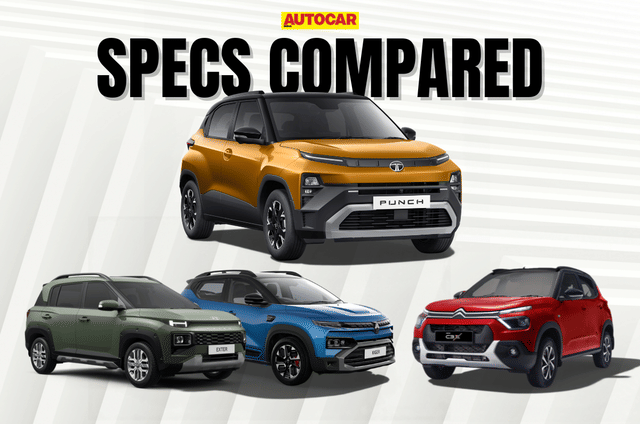

Tata Punch
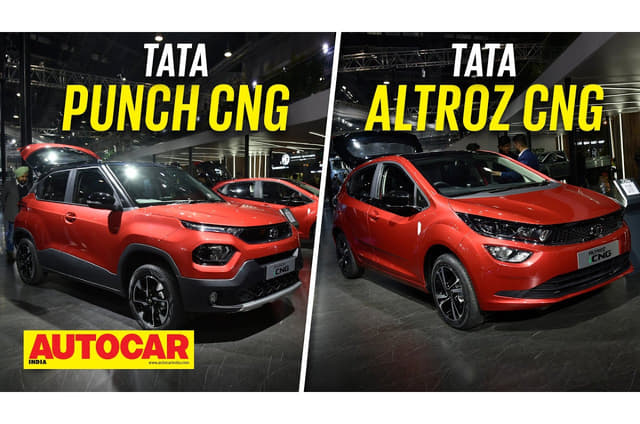
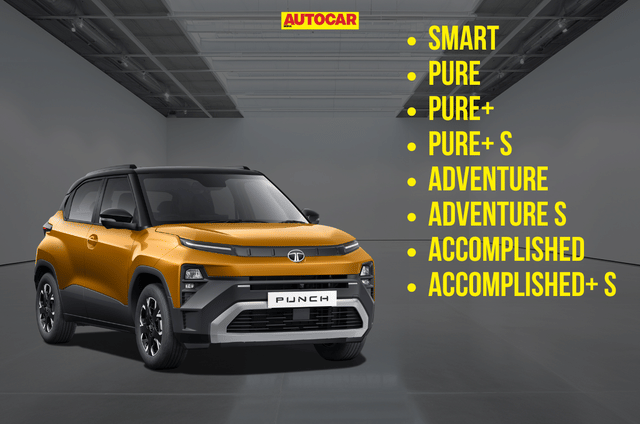
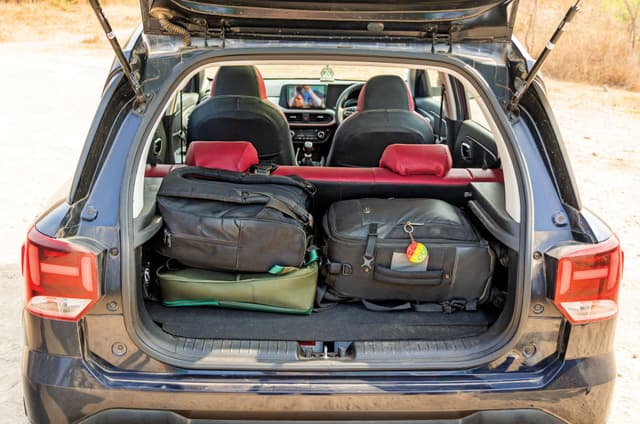
Tata Punch is the smallest SUV in the brand's range and it sits high, with 193mm of ground clearance and a 366-litre boot. It comes in 26 variants with three engines, an 88hp 1.2-litre petrol, a 120hp 1.2-litre turbo-petrol and a 73hp CNG version that uses two gas cylinders so the boot stays usable.
Punch Key Features
Here is what you get across the range.
Category | Key Features |
Engine and gearbox |
|
Screens and audio |
|
Safety |
|
Comfort and convenience |
|
Practicality |
|
Punch Road Test Findings
What we liked
The ride and handling balance is the best part of this car, because the suspension deals with broken roads far more calmly than the size of the car suggests it should.
The doors open to a full 90 degrees and the seats sit high, which makes getting in and out easy, and our comparison test picked it as the better choice for older passengers.
We recorded 11.56 seconds from 0 to 100kph in the 120hp turbo-petrol during a preliminary test.
What we did not like
The 88hp petrol feels flat next to the turbo and needs working hard to keep up with traffic.
The automated manual gearbox shifts lazily if you are heavy with the throttle, so it rewards a gentle right foot.
Our long-term car had weak headlamp throw on unlit roads, which is worth knowing if you drive outside the city at night.
The touch-based climate panel is fiddly to use while you are driving.
Who should buy the Punch?
Based on our road tests, this SUV suits five kinds of buyers.
Buyer type | Why it fits |
If you drive on bad roads | 193mm of ground clearance and suspension that absorbs broken surfaces well, which together make up this car's best quality. |
If this is your first car | High seating, light controls and doors that open to 90 degrees, and the automated manual removes clutch work entirely, though it does shift slowly if you push it. |
If safety leads your decision | A 5-star Bharat NCAP rating with six airbags standard on every variant rather than only the expensive ones. |
If you want the lowest running cost | ARAI certifies the CNG at up to 26.99km/kg, and the two-cylinder layout keeps 210 litres of boot space usable. |
If you park in tight spaces | The car is under 3.9m long, and a 360-degree camera comes on the higher variants. |
The buyer it suits least is anyone wanting a quick automatic, because the 120hp turbo comes only with a manual gearbox and the automated manual on the other engines is slow to shift.
Tata Punch Price Details
Smart Petrol MT (base model): 5.75 lakh (ex-showroom)
Accomplished Petrol MT (mid variant): 8.47 lakh (ex-showroom)
Accomplished + S CNG AMT (top model): 10.77 lakh (ex-showroom)
Tata Punch Latest Updates
- 30 October 2026: Tata Punch launched in South Africa
- 20 July 2026: Tata Punch crosses 8 lakh sales milestone in under five years
- 06 July 2026: Tata Punch was India's bestselling car in June 2026
- 07 June 2026: Tata Punch ranked 4th on the bestselling cars list for May 2026
Punch Specifications
1199 cc
CNG, Petrol
AMT, Manual
5
87.8 hp
6
115 Nm
Punch Highlights
6 Airbags
Single Pane Sunroof
1.2L CNG Engine
Wireless AA + Apple CarPlay
LED Headlamps
Leather-wrapped Steering Wheel
+3
26
Become an
Autocar Shopper
Unlock benefits up to ₹30,000 on Punch
Unbiased buying guidance
Guaranteed lowest price
Priority car delivery
Offer valid till 15th November 2026
Tata Punch price & variants
Tata Punch price in India starts at 5.75 lakh for the Smart Petrol MT and rises to 10.77 lakh for the Accomplished + S CNG AMT, both ex-showroom, while the on-road price in Delhi runs from 6.24 lakh to 12.52 lakh. Across 26 variants you can choose petrol, turbo-petrol or CNG.
Which one to pick:
The 120hp turbo-petrol is the one to have if you want performance, but remember it is manual only.
The CNG suits high monthly running, and unlike most CNG cars this one keeps 210 litres of boot space because it uses two smaller cylinders instead of one large tank.
Six airbags are standard from the Smart Petrol MT upwards, so the safety kit does not depend on how much you spend.
EMIs for the Smart Petrol MT start at 9,010 a month.
Tata Punch Expert Review
We like
Well-sorted ride and handling balance
Punchy turbo-petrol engine
User-friendliness
We don't like
NA petrol engine feels lackluster
Top variants are pricey
8.0
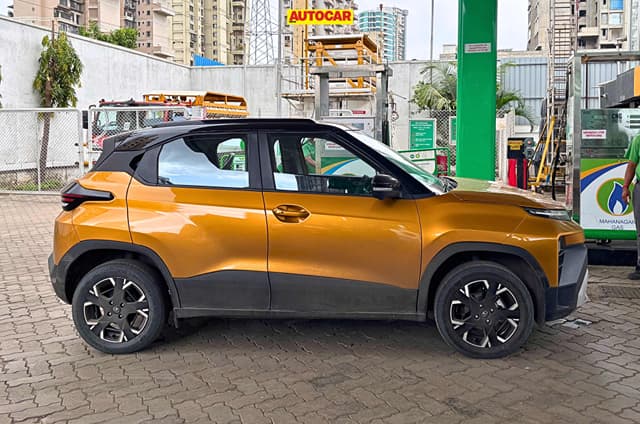
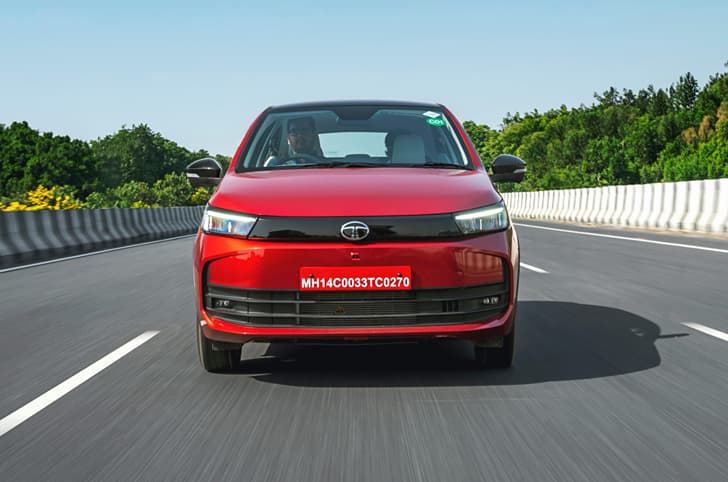
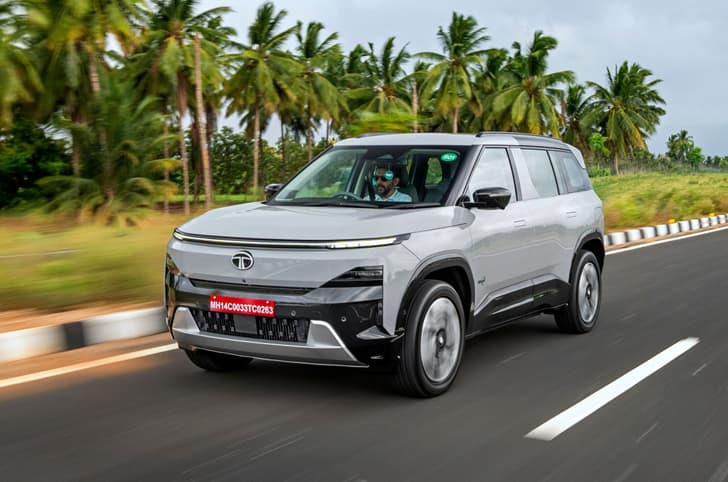
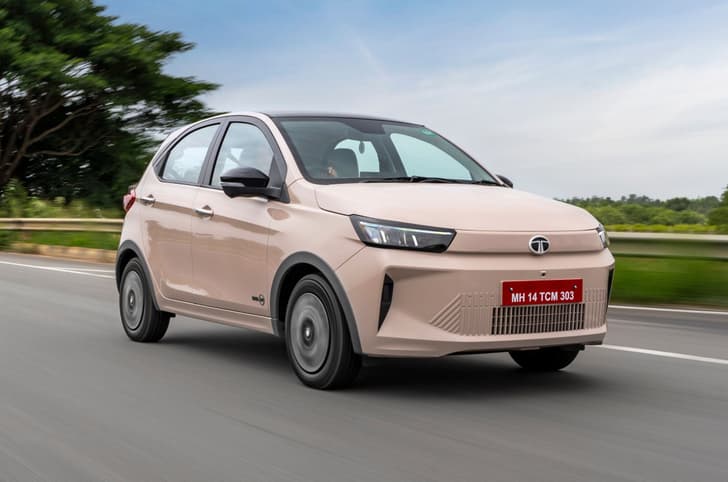
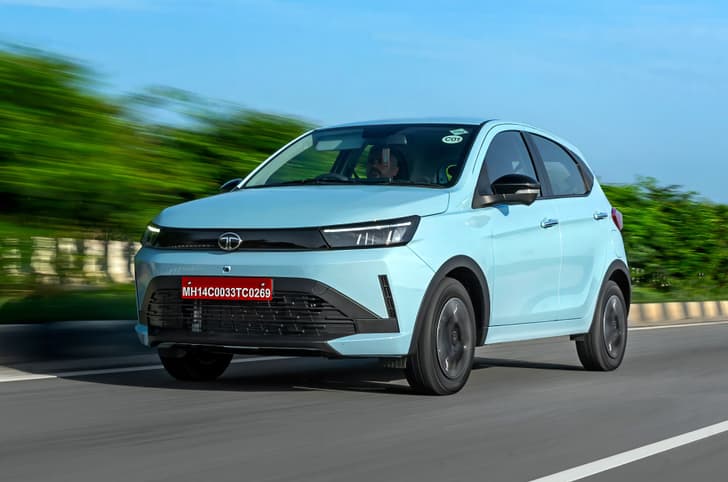
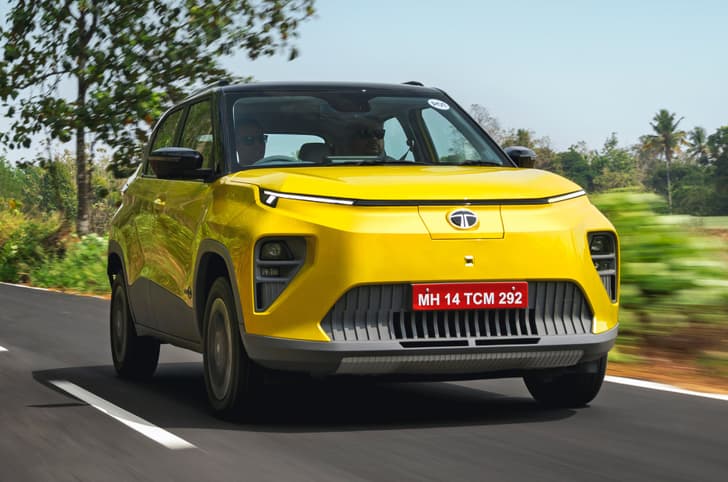
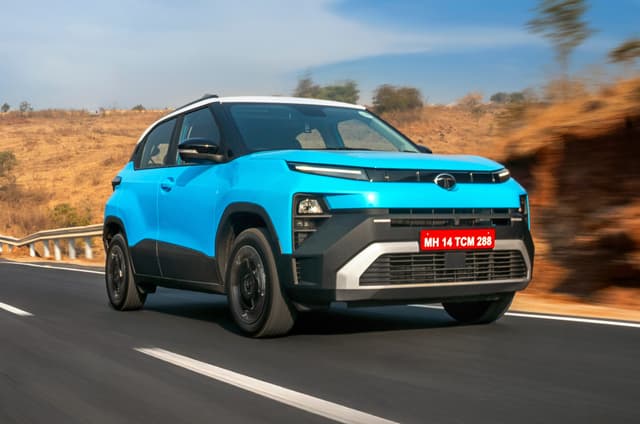
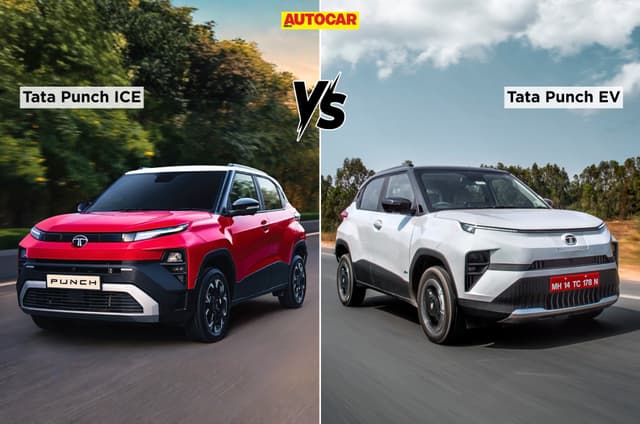
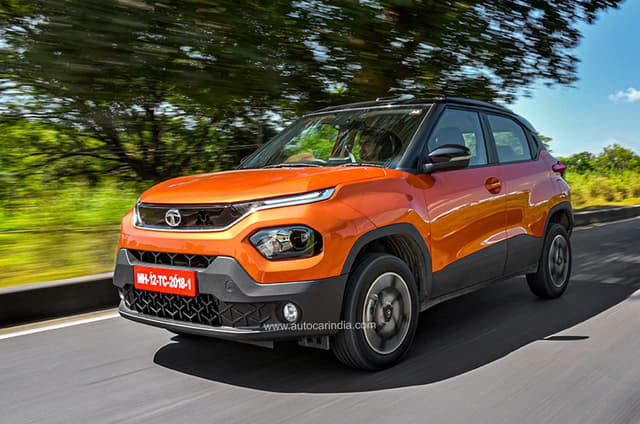
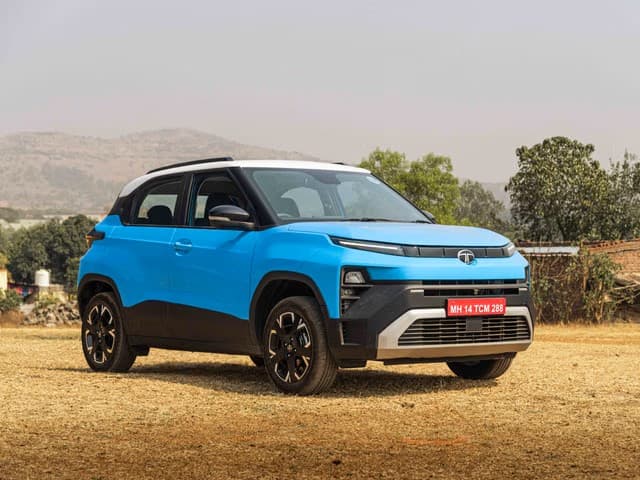
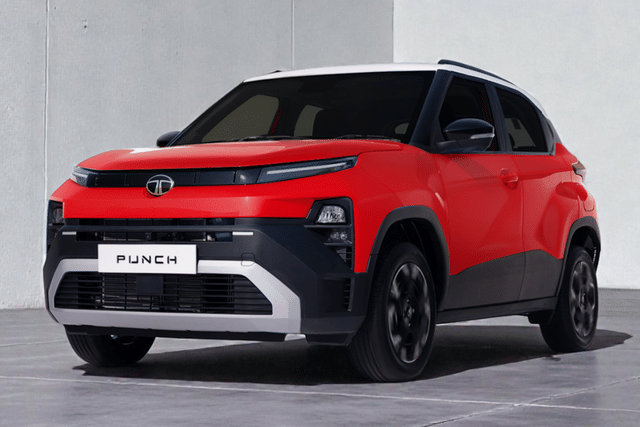
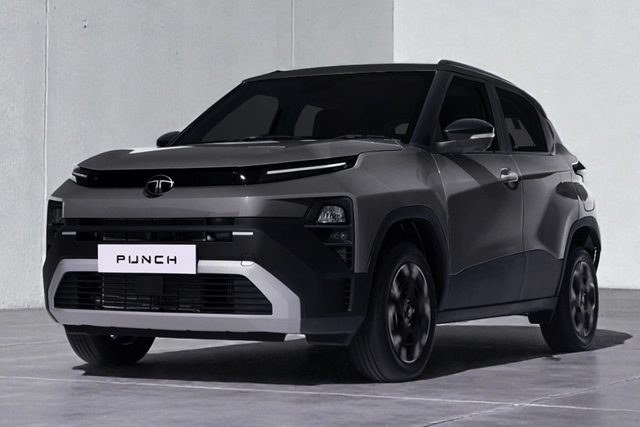
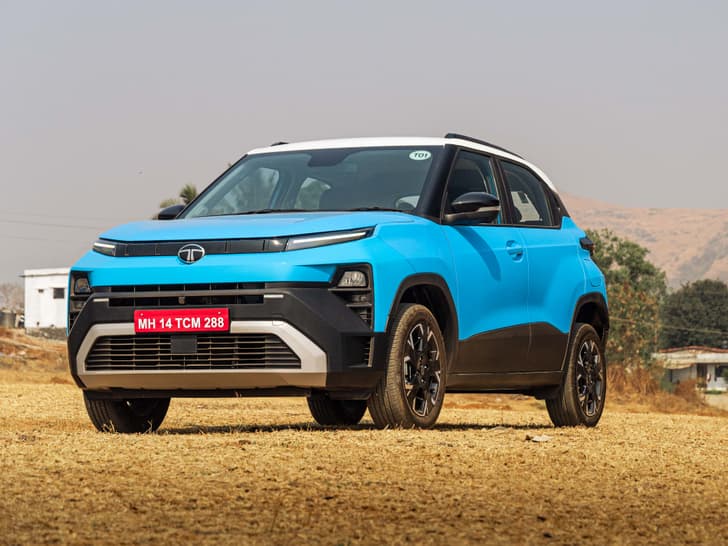
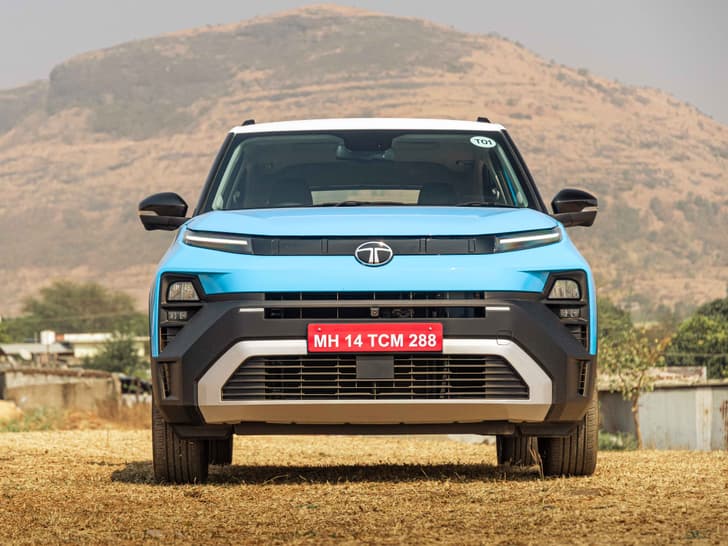
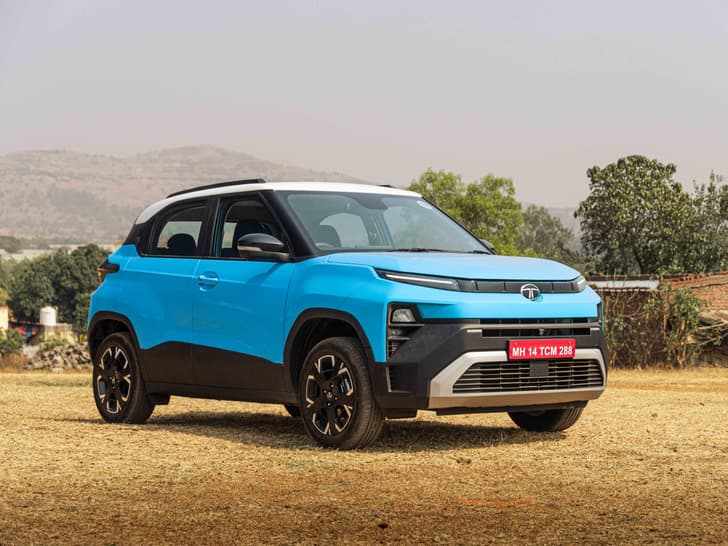
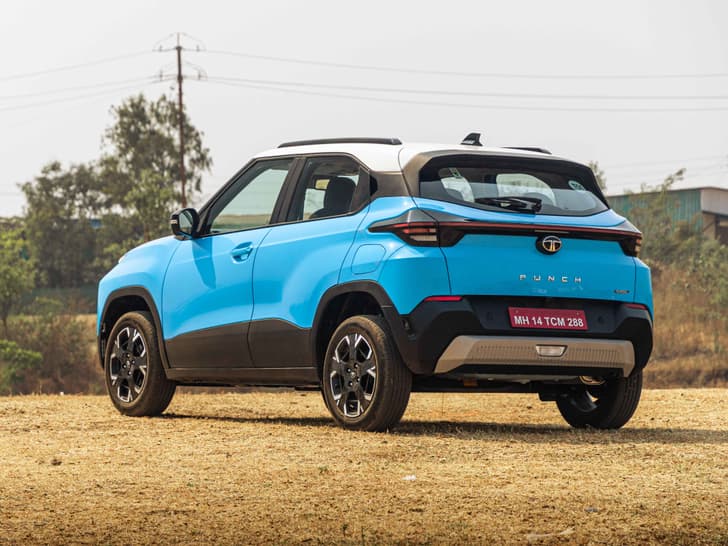
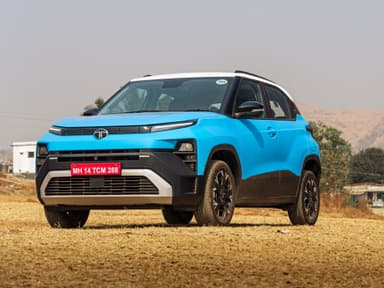
With the facelift, the Punch’s design has been aligned with the Punch EV that debuted in 2024, giving it a more contemporary face. Up front, you get vertically stacked LED headlamps positioned in the bumper, with LED DRLs placed higher up within gloss-black trim. Unlike the EV, there’s no lightbar here, but the execution still looks clean. The reworked bumper features thick black body cladding and a silver surround for the air intake, lending the Punch a slightly more muscular and rugged stance.
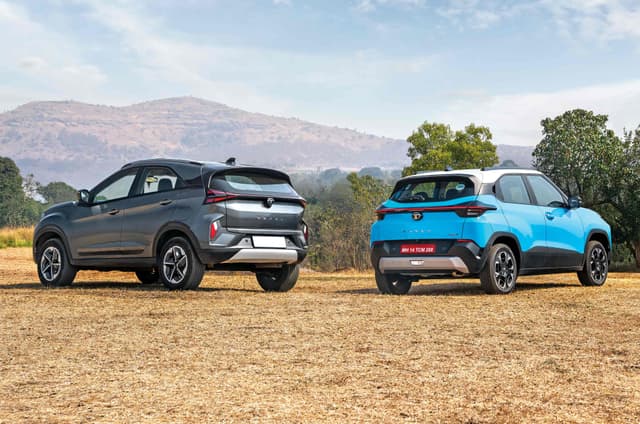
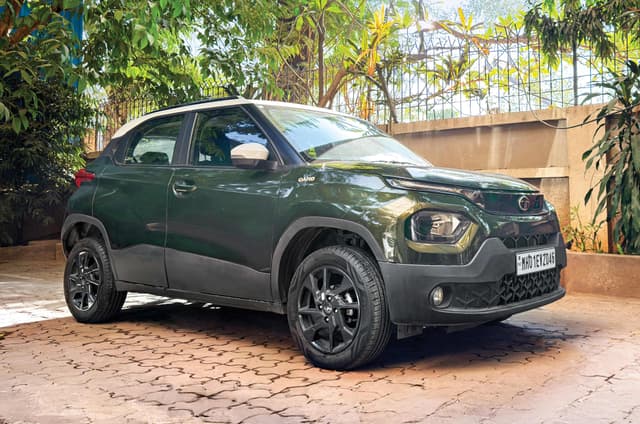
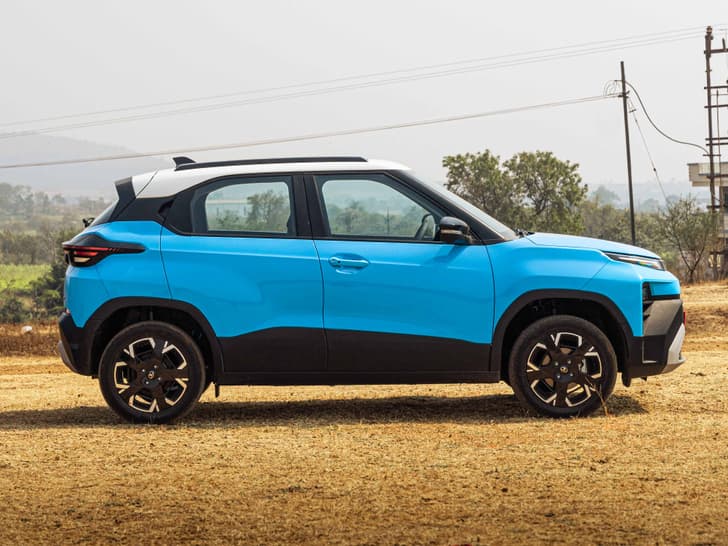
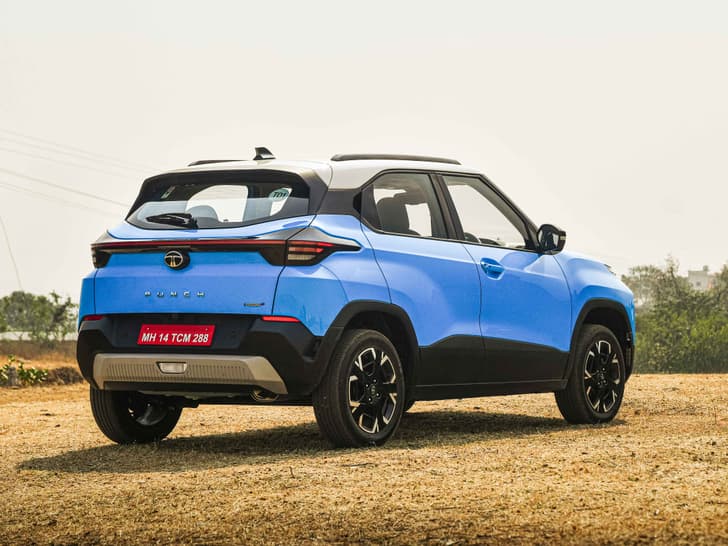
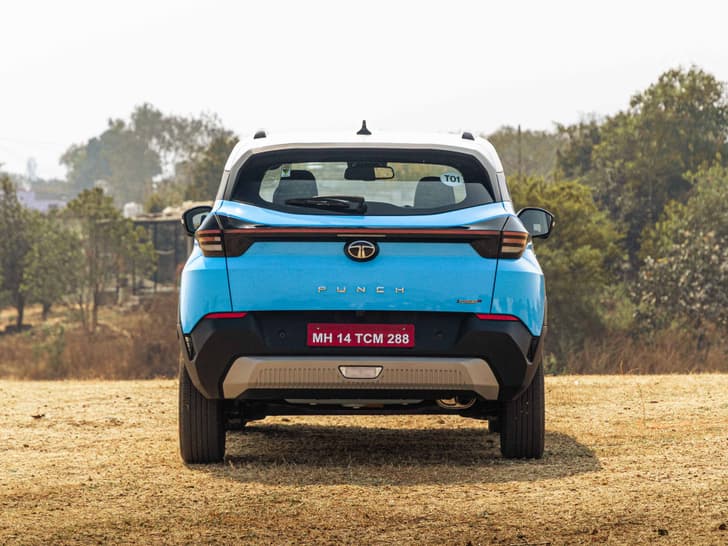
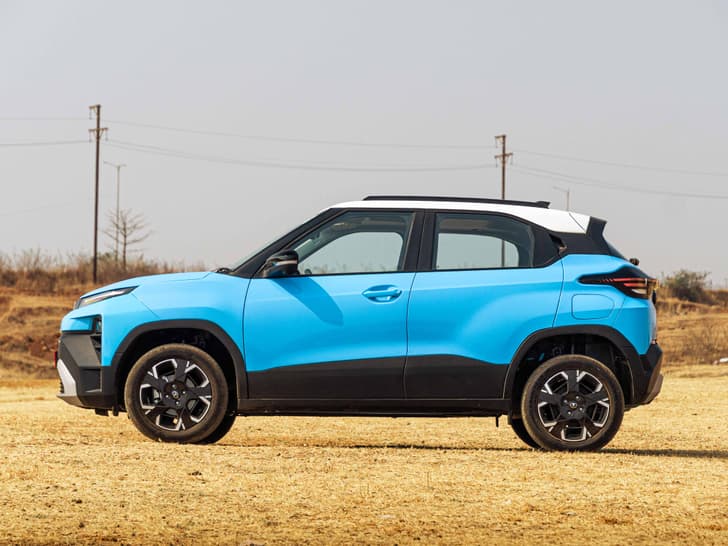
In profile, changes are minimal, with the silhouette remaining the same. The most noticeable update is the new 16-inch dual-tone alloy wheels. At the rear, the facelift brings new LED tail-lamps connected by a light bar, which visually widens the car and aligns it with Tata’s newer models. A revised rear bumper with a faux silver skid plate rounds off the SUV-inspired look.
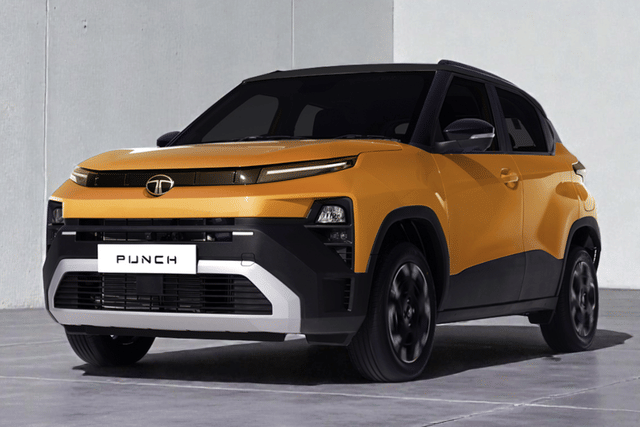
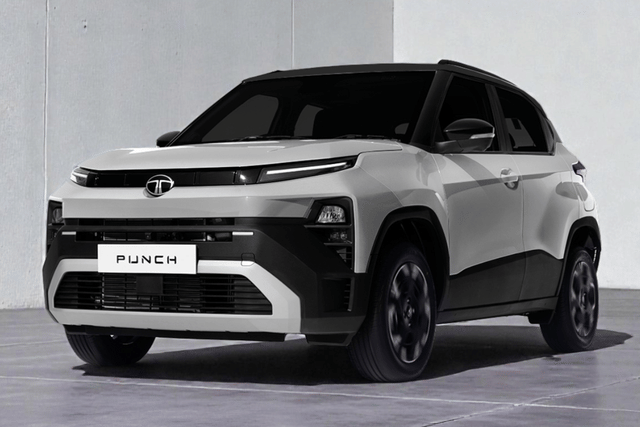
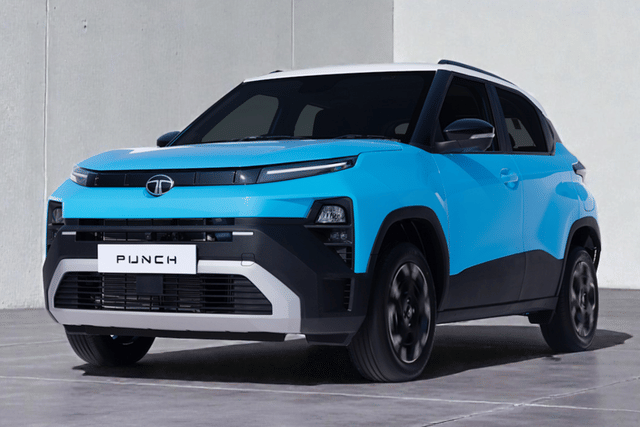
The Punch facelift is offered in six colours: Bengal Rouge, Caramel, Coorg Clouds, Cyantafic, Daytona Grey and Pristine White, with the first four being all-new additions. It continues to sit on Tata’s ALFA platform and retains 90-degree opening doors for easy access. Ground clearance is 193mm, while water-wading capacity is rated at 400mm.
8.0
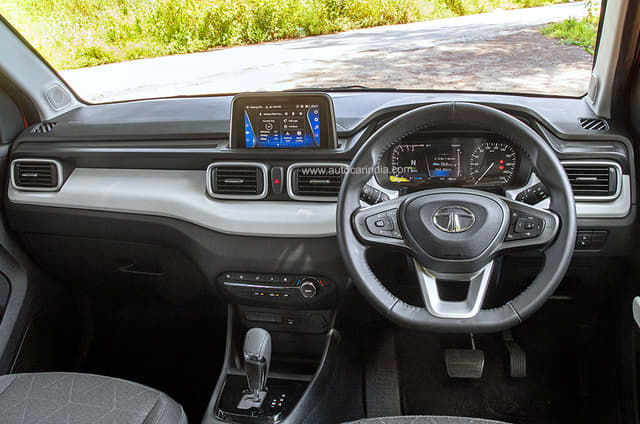
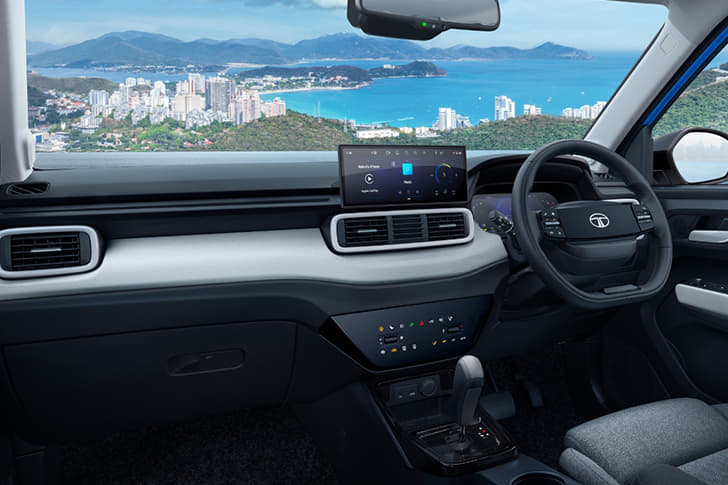
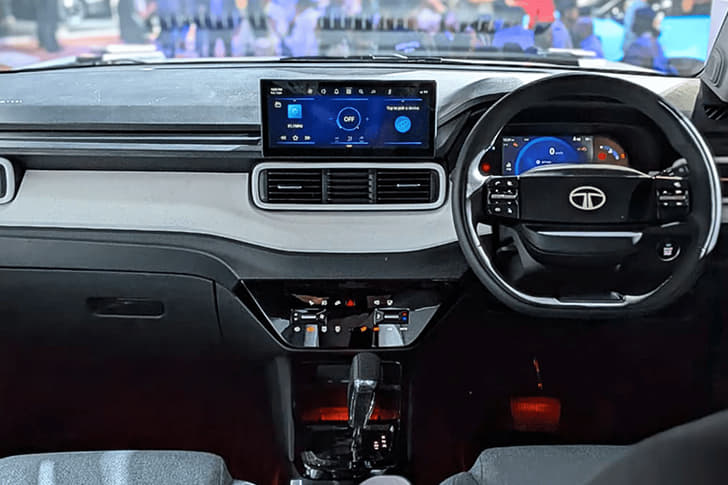
Inside, the layout is largely familiar, though there are some notable updates. The new two-spoke steering wheel with an illuminated Tata logo adds a more premium touch, while the revised touch-based climate control panel looks modern but isn’t very intuitive to use on the move. Top-spec variants now get a 7-inch digital instrument cluster with customisable displays, though some information appears a bit small. In the CNG version, it also shows petrol versus CNG usage.
The seats retain fabric upholstery but now feature a refreshed design inspired by the Punch EV, finished in a black-and-grey theme. They’re well-cushioned, and the high seating position offers good visibility. A significant upgrade is the addition of extended thigh support for both front and rear seats, which improves long-distance comfort.
Rear-seat space remains generous for the segment, with good kneeroom and a flat floor that aids comfort for a third passenger. That said, the backrest feels slightly upright, headroom will be tight for taller occupants, and only the outer rear passengers get adjustable headrests. On the plus side, rear AC vents, a type-C charging port and a fold-down centre armrest have been added.
Boot space stands at 366 litres for petrol versions and 210 litres for CNGs, with both getting a spare wheel mounted under the car.
9.0
The Punch remains well equipped, especially in the range-topping Accomplished+ S trim. Highlights include a 10.25-inch touchscreen with wireless smartphone connectivity, a single-pane sunroof, auto climate control, connected tech, ambient lighting, blind-spot monitoring, cruise control and 16-inch alloys.
New additions include the 7-inch digital instrument cluster, a sharp 360-degree camera, wireless phone charging, an auto-dimming IRVM and an 8-speaker sound system. Safety is comprehensive, with six airbags as standard, ESP, TPMS, hill hold and descent control, ISOFIX mounts and three-point seat belts for all passengers. The Punch facelift has also earned a 5-star Bharat NCAP rating.
8.0
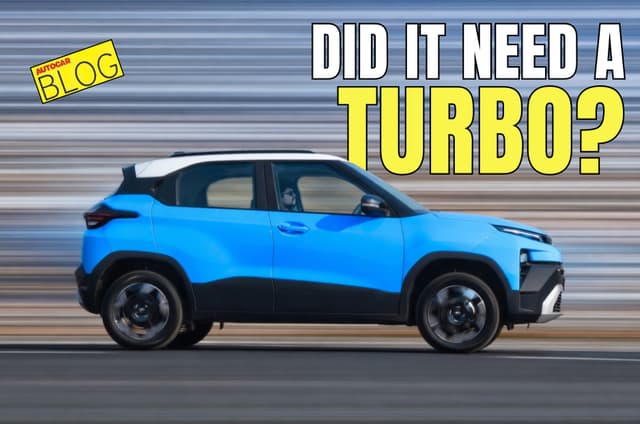
Unusually for a facelift, Tata has introduced two new powertrains: a turbo-petrol manual and a CNG-AMT. The 1.2-litre turbo-petrol, borrowed from the Nexon, produces 120hp and 170Nm and is paired with a 6-speed manual. It transforms the Punch, delivering strong performance and eager responses, with Tata claiming a 0-100kph time of 11.1sec. The gearbox, however, has a heavy clutch and slightly notchy shifts when driven hard.
The CNG-AMT uses the familiar 1.2-litre naturally aspirated engine with 73hp and 103Nm. Performance is modest, but it’s adequate for city use and relaxed highway driving. The AMT behaves well when driven gently, and the transition between petrol and CNG modes is smooth. Dual CNG cylinders under the floor help preserve boot space, and Tata has added CNG-specific safety features.
7.0
We couldn’t conduct real-world mileage tests, and official figures are yet to be revealed. One downside is that the turbo-petrol’s MID doesn’t display efficiency below 8kpl, which can be misleading.
9.0
Ride and handling remain standout strengths. The suspension feels robust, soaking up rough roads with composure, while stability at higher speeds is excellent. The light steering is city-friendly yet consistent on the highway, and body control through corners is impressive. Even on an off-road course, the Punch performed admirably, backed by strong, progressive brakes.
7.0
Prices start at Rs 5.59 lakh, but top variants stretch up to Rs 10.54 lakh, overlapping with the Nexon. While the naturally aspirated petrol remains a weak point, the turbo-petrol finally adds the punch the SUV needed, and the CNG-AMT broadens its appeal. Overall, the updated Punch builds on its strengths and looks set to continue its strong sales run.
Reviewed by: Soham Thakur
Tata Punch Official Brochure
Download the complete brochure with specs, features, and variants.
Tata Punch reviews

Tata Punch comparison


Tata Punch EMI Calculator
Tata Punch Loan Breakup
The Tata Punch Smart Petrol MT costs ₹6,24,464 on-road in Delhi. At 9.00% interest for 7 years, your estimated EMI is ₹9,050 per month.
Tata Punch Mileage
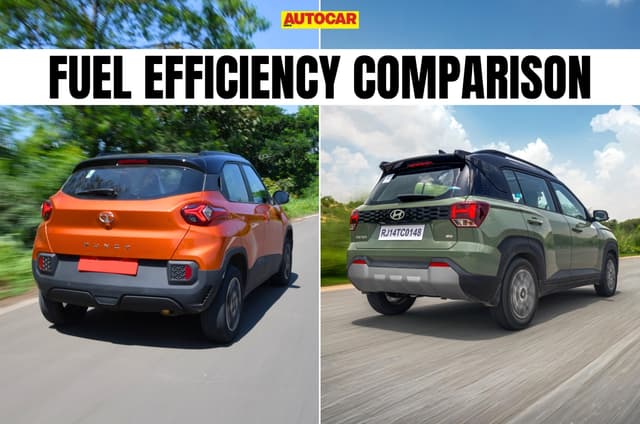
Tata Punch petrol mileage is certified by ARAI at between 18.8 and 20.09kpl depending on the variant, and the CNG version is rated at up to 26.99km/kg. In our own instrumented testing the automated manual returned 10.7kpl in the city and 16.9kpl on the highway.
Our long-term petrol car averaged 12kpl over two months of heavy city running, which is a fair guide to what you should expect day to day. A gap of that size between tested and certified figures is normal rather than a cause for concern. If your running is high enough for the difference to matter, the CNG version will cost you less per kilometre by a wide margin.
| PowertrainThe combination of engine type, fuel, and transmission that powers your vehicle and determines how it drives and what it runs on. | Autocar Tested MileageAutocar's experts test each vehicle on fixed city and highway routes under standardised conditions - single occupant, AC running, manufacturer-recommended tyre pressures. Tanks are filled to the brim before and after each run to calculate efficiency. Results reflect realistic real-world usage. | User Reported MileageMileage figures are reported by vehicle owners and represent the approximate real-world efficiency you may experience. Actual mileage will vary based on driving conditions, habits, and vehicle condition. |
|---|---|---|
Petrol-Manual 1199 cc | 13.2 kmpl | 18.93 kmpl |
CNG-Manual 1199 cc | 25.85 km/kg | NA |
Petrol-Automatic (AMT) 1199 cc | 13.8 kmpl | NA |
Hear from the
Autocar Community
Join the Discussions
Tata Punch news
Tata Punch Images
Punch images show 95 photos of the car, and these are the details worth studying closely:
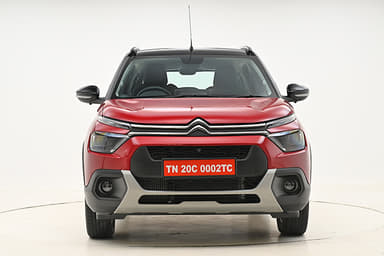
The stacked headlamp design with the daytime running lamps set above them
How far the doors swing open, which is a full 90 degrees
The 10.25-inch touchscreen alongside the 7-inch driver's display
The 366-litre boot, and the smaller 210-litre space in the CNG version

Tata Punch videos
Punch videos cover 11 reviews and walkarounds, and they show you the things a specification list never can:
How easily people get in and out through the 90-degree doors
How high the seating position actually feels from behind the wheel
How the suspension copes with broken tarmac, which we rate as this car's biggest strength
How tight rear headroom becomes for taller passengers


Tata Punch Colours
Tata Punch colours run to 6 options, namely Bengal Rouge, Caramel, Coorg Clouds, Cyantafic, Daytona Grey and Pristine White, with dual-tone roof options offered on the higher variants.
Colour | Notes |
Pristine White, Daytona Grey | Available across most of the range |
Coorg Clouds, Bengal Rouge | Mid and higher variants |
Caramel, Cyantafic | Newer shades, higher variants |
Dual-tone roof | Top variants only |
Tata Punch Similar Cars to Explore
Tata Punch FAQs
Yes. The Punch has received a five-star Bharat NCAP safety rating. It comes with six airbags as standard, electronic stability control (ESP) and ISOFIX child-seat mounts. Higher variants also add features such as a 360-degree camera and blind-spot monitor.
The naturally aspirated petrol engine is well suited to city commuting and isn't quite peppy, while the CNG version offers lower running costs.
Buyers looking for stronger performance can opt for the turbo-petrol version.
The Punch's biggest strengths are its comfortable ride, composed handling, five-star Bharat NCAP safety rating and SUV-like driving position. It also offers petrol, turbo-petrol and CNG powertrains, making it suitable for a wide range of buyers.
The standard naturally aspirated petrol engine feels underpowered, especially with a full load, and the top variants are priced close to larger SUVs like the Tata Nexon. Rear headroom can also feel tight for taller passengers.
Yes. The Punch offers supportive seats, a comfortable ride and good high-speed stability. It also has extended thigh support for the front seats, improving long-distance comfort.
Rear-seat space is among the better offerings in its segment, although taller passengers may find headroom slightly limited.
Yes. Its compact dimensions, light steering and good all-round visibility make it easy to manoeuvre in traffic. Higher variants also offer a 360-degree camera, while the high seating position gives drivers a clear view of the road.
That depends on your needs. The Punch is better suited to buyers who want a compact SUV that's easy to drive in the city. However, if you need more cabin space, stronger performance or frequently travel on highways, the Nexon is the better choice.
Yes, especially if your running is high. The CNG version offers significantly lower running costs than the petrol model while retaining much of the Punch's practicality. The availability of an AMT gearbox also makes it more convenient for city driving.
The lower and mid-spec variants offer strong value, thanks to the Punch's safety, ride quality and practicality. However, the fully loaded versions are priced close to larger compact SUVs, so buyers should compare them carefully before deciding.
Questions you may find useful
My budget is Rs. 10 lakh that I can extend upto Rs. 12 lakh. I have Punch and Nexon in mind but I am unable to decide between these two. We are a family of 4. I believe that Punch would be suitable and within my budget, but I also feel that we may regret later if we choose Punch due to its lag and space issues that most people have reported. I am new to driving, so I want to choose an AMT car. Please advise.
Between the Tata Punch and Nexon, go for the Nexon as it is a larger car with more cabin space and a larger boot which will be ideal for your family. The Nexon also comes with a more powerful, turbocharged 1.2-litre petrol engine than the Punch and you also get the option of a 6-speed AMT. Within your budget of Rs. 12 lakh, you'll get the Nexon Pure+ S AMT which is decently equipped and has all the basics covered.
I am planning to buy an automatic car in Bangalore. I have shortlisted the Skoda Kylaq AT (torque-converter automatic) and Tata Punch AMT. My usage involves 80% running on highway and 20% within the city. I take one long distance trip of around 800 km (up and down) every quarter. I prefer petrol cars with automatic transmission. Please compare both cars in terms of real-world highway and city mileage, highway comfort, ride quality and driver fatigue during long trips. It should have good safety ratings and safety features. I am also concerned about engine performance and highway overtaking capability. Please guide me about a car and its on-road price in Bangalore. It should be a value for money car which has affordable service costs, maintenance and long-term reliability. Expected monthly and annual fuel expenses are based on my driving pattern. Finally, recommend the single best car for my needs, explaining which model and variant offer the best balance of mileage, safety, comfort and ownership costs.
Go for the Skoda Kylaq 1.0 TSI automatic. Your usage is 80% highway with regular 800 km round trips, so you need a car that is comfortable at speed, stable on the highway and easy to live with over long distances. The Kylaq’s 1.0 TSI turbo petrol engine is punchy and overtaking is effortless, while the new 8-speed torque converter automatic is smooth and reliable. The Punch, with its compact dimensions, is a good city car, but won't feel as stable and planted on the highway. Moreover, the AMT gearbox is not as smooth and the naturally aspirated engine lacks the punch you need for quick overtakes.Service costs for Skoda have improved in recent years and are broadly comparable to Tata, but neither brand is up to the high water mark set by the likes of Maruti or Toyota when it comes to overall service experience. As for fuel efficiency, the less powerful and naturally aspirated Tata has the advantage overall, and the TSI engine of the Skoda is highly sensitive to your driving style. However, given your use is largely on the highway, the gap in numbers shortens considerably, and you'll appreciate the added punch of the Skoda.Overall, the Punch, which sits in a lower segment compared to the Kylaq, also feels that way, and if you're prepared to stretch for a Kylaq AT, we recommend doing so, as it is the superior vehicle overall.
I’m about to buy my first car, and my budget is around Rs 7.5-8 lakh. I’m considering only manual petrol models and am confused between the Hyundai Exter and the Tata Punch. I’ve driven the Exter and really liked how smooth it is to drive and shift, as well as how quiet it is. I haven’t driven the Punch yet, but sitting in it felt better than the Exter because of the visibility and commanding driving position. I also like the Punch’s looks, but I’m worried about the after-sales experience. My daily city driving will be limited to 20-25 km, plus a 500 km highway round trip every three months. Please help me decide.
Between your two picks, the Hyundai Exter has the more refined powertrain. Its four-cylinder engine feels very smooth, and the clutch and shift action are light, making it very easy to drive in traffic. Performance is also stronger, and space and practicality are marginally better. Hyundai also has a strong reputation for reliability and after-sales service, so it offers peace of mind, which is important for your first car.The Tata Punch doesn't have the same level of refinement, but its ride quality is superior to the Exter's. It also has a higher driving position, which will be useful since you are a new driver. Tata's service can be inconsistent, so check your local dealer's reputation before you commit. Overall, the Exter is the more sensible choice; however, if ride quality and a high seating position are non-negotiable for you, then the Punch is a fine alternative.
I need a car under Rs 10 lakh. We’re a family of three, and my child is eight years old. We’ll use it mainly in the city, with occasional highway trips. I’m confused between the Tata Punch, the Maruti Suzuki Baleno and the Maruti Suzuki Fronx.
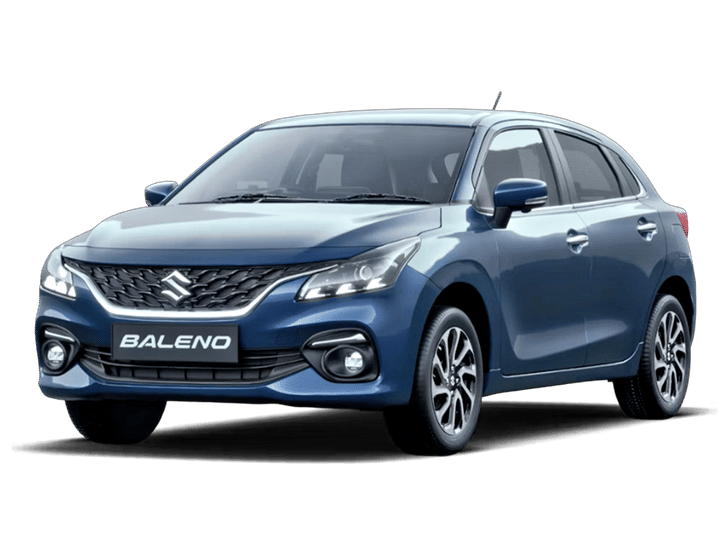
Between your picks, the Baleno is the most sensible recommendation. It's a practical, comfortable, and reliable family car backed by Maruti's large service network. With the recent facelift, it now comes with a 1.2-litre 3-cylinder engine that gives better fuel efficiency and low-speed drivability. It also has a more spacious cabin than the Punch. The Punch's advantage is having a more SUV-like, commanding driving position; however, its powertrain is not as refined as the Maruti. The Fronx is very similar to the Baleno but has a slightly higher ride height and better ground clearance. With the Baleno moving to a 3-cylinder engine, the Fronx still offers a 4-cylinder engine, which is slightly more refined and powerful. However, the Fronx does command a significant premium, and that money is better spent on a higher variant of the Baleno.Overall, the Baleno is the best fit for your needs, but if higher ground clearance and a 4-cylinder engine are important to you, then the Fronx is a good alternative.
I am confused between Tata Punch EV 40 kWh and Tata Punch CNG. My daily running is around 70km mostly on highways. I have a free charger in my office and take 3-4 trips annually. Please suggest.
With 70km a day, mostly on the highway, and free charging at your office, the Punch EV 40kWh is the clear choice. At roughly 1,800km a month, the Punch CNG would cost you around Rs 6,000-7,000 a month in fuel, while your daily running in the EV costs next to nothing. That saving more than makes up for the EV's higher price over a few years. The EV is also the better car to drive. It's quicker, much quieter and far more relaxed at highway speeds than the CNG, which feels strained when fully loaded.
Upcoming Cars


Tata Cars

Trending Cars


Latest Cars


Last Updated on: 09 Nov 2026