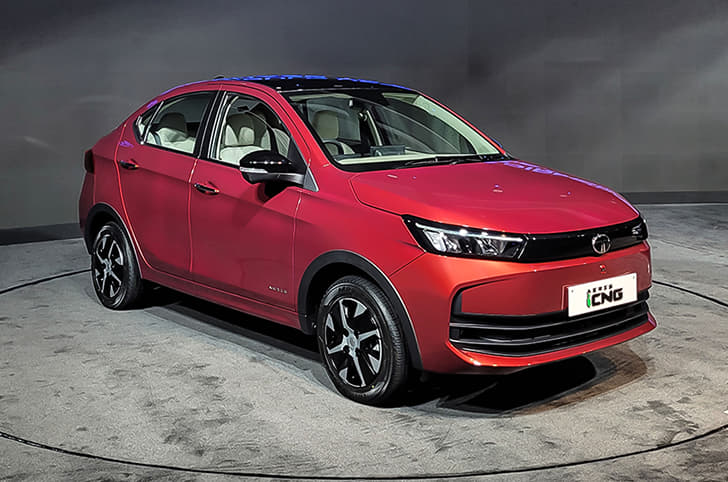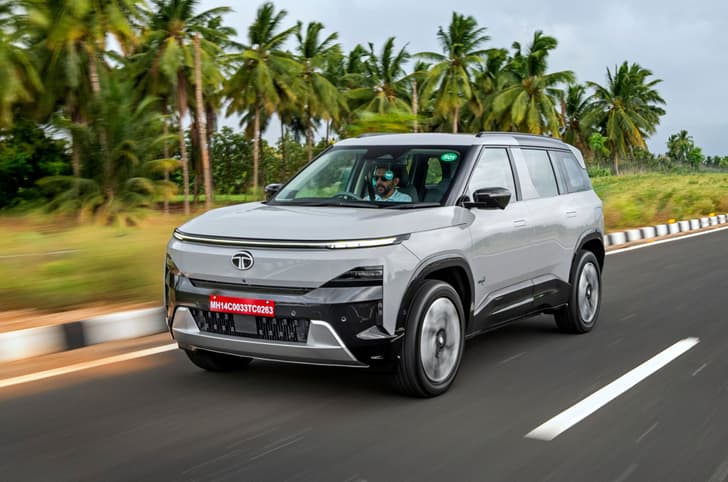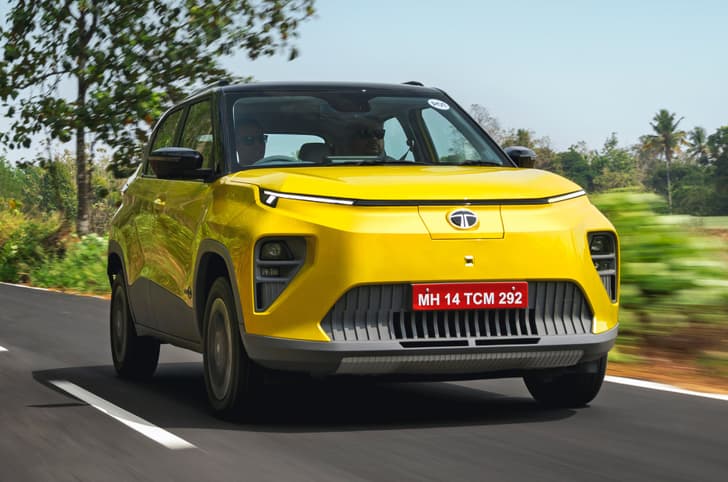

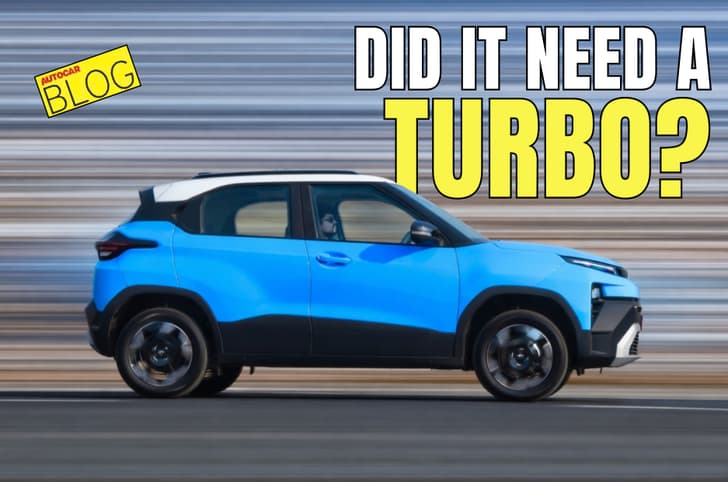
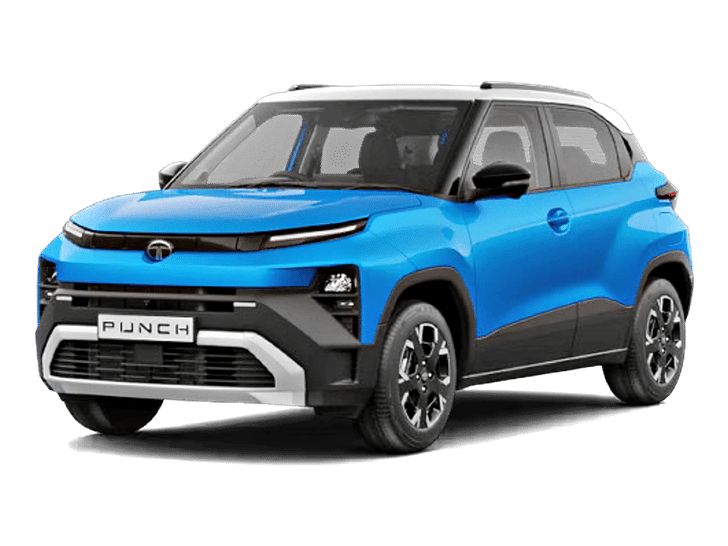
“The Tata Punch finally packs a punch.” It’s the kind of headline that writes itself. After all, Tata has introduced a racier iTurbo variant of the Punch, now powered by a 120hp turbo-petrol engine. On paper, this should address the one complaint enthusiasts have had with the Punch since day one – performance.
The Turbo variant has grabbed headlines and given enthusiasts something to talk about. This turbo-petrol engine genuinely transforms the driving experience, with the added torque giving the Punch the effortlessness that the 1.2 naturally aspirated (NA) petrol engine always lacked. But from a market perspective, I struggle to see it driving sales. And here’s why.
The naturally aspirated petrol MT Punch spans a wide price range (Rs 5.60 lakh-8.99 lakh), with the entry and lower variants accounting for the lion’s share of sales. Its mid and higher trims already overlap with the Tata Nexon, which starts at Rs 7.32 lakh. Now, with the Punch Turbo priced between Rs 8.29 lakh and Rs 9.79 lakh, roughly Rs 70,000-80,000 more than the NA version, it treads deeper into Nexon territory. At a similar price, the Nexon is larger, more powerful and more versatile. For most showroom visitors, that makes it the obvious upgrade. However, the real issue remains…

What community is saying on the Punch?
The Punch’s fundamental weakness was never the lack of a turbo variant, even if Tata believes there’s an audience for it. In the interest of the majority of buyers, the Punch simply needed a better naturally aspirated petrol engine. The NA Punch required more spit and polish to improve performance, refinement and smoothness, enough to meet the high standards set by Maruti and Hyundai petrol units in this segment.
But whether the turbo sells or not, I suspect Punch buyers will continue to forgive the NA petrol’s lack of performance, simply because its strengths outweigh this one shortcoming.
The Punch has carved out a sweet spot in India’s market. It’s practical, easy to drive and feels SUV-like without the bulk, and its lower variants offer excellent value. That’s exactly why it consistently features among the country’s bestselling cars. For buyers, it remains the perfect alternative to a midsize or premium hatchback. And this facelift only builds further on those strengths.



 Uday Singh
 Glenn Noronha
 Dipan Sur