Last Updated on: 08 Jul 2026
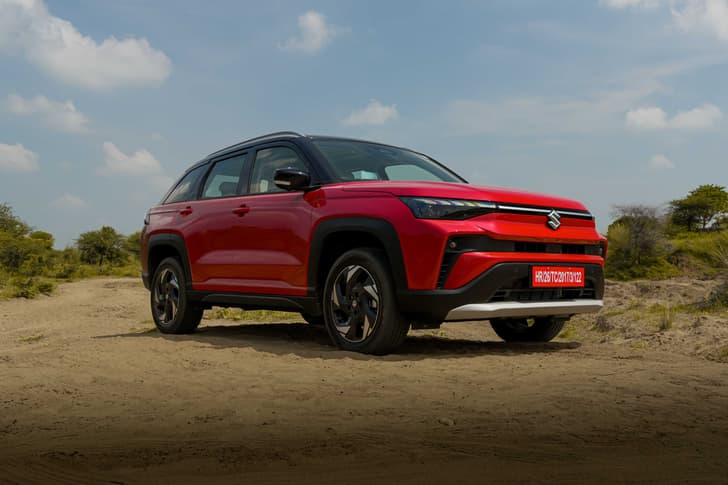
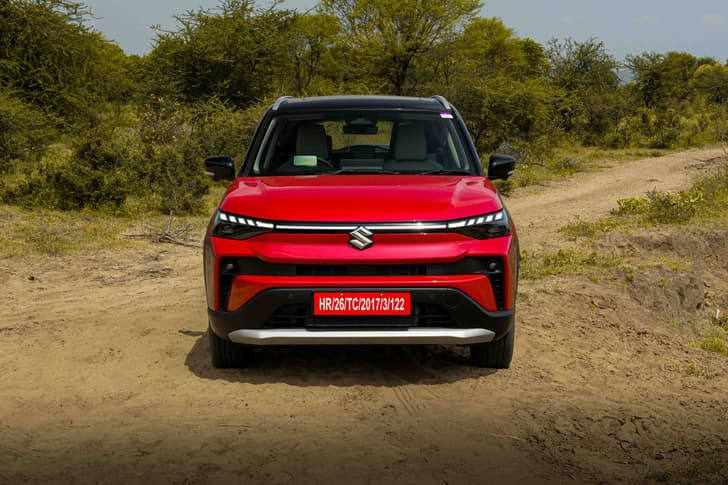
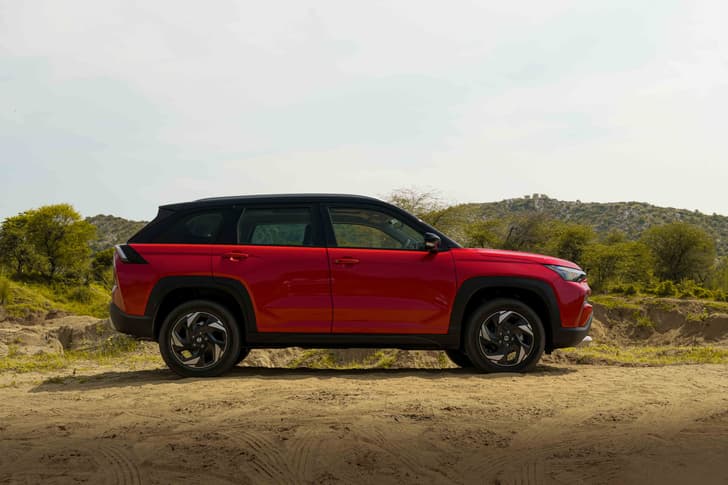
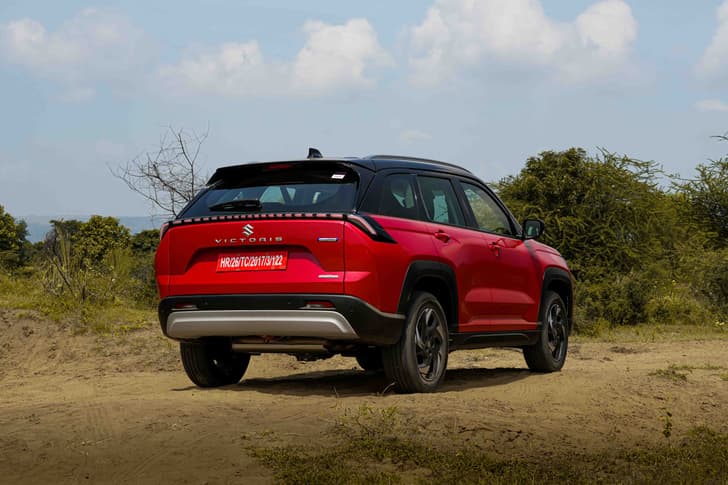
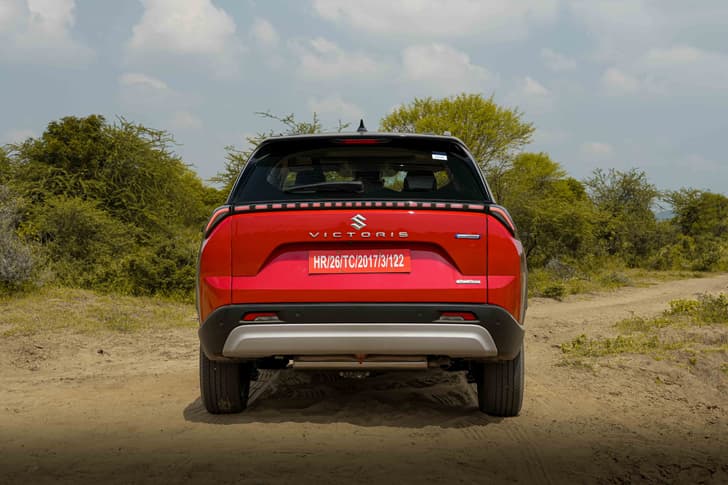
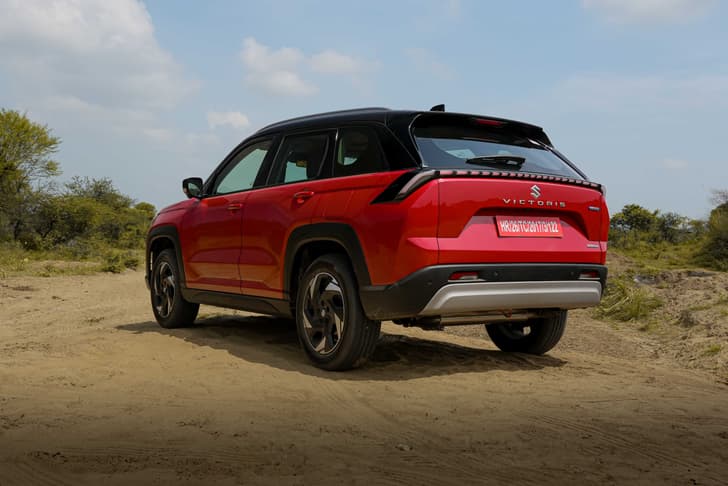
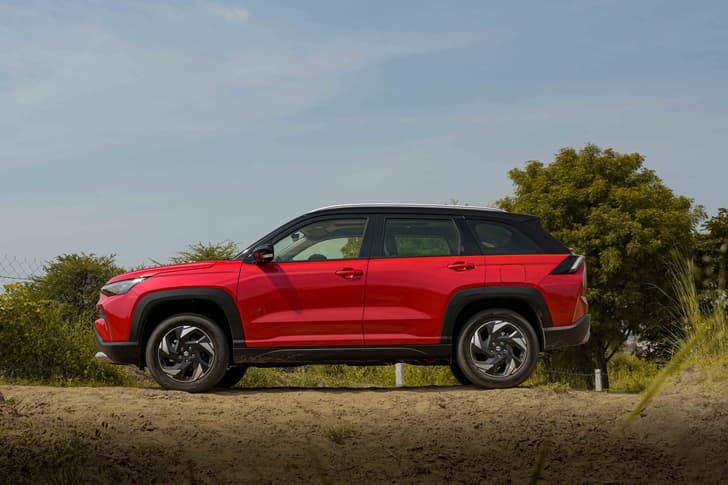
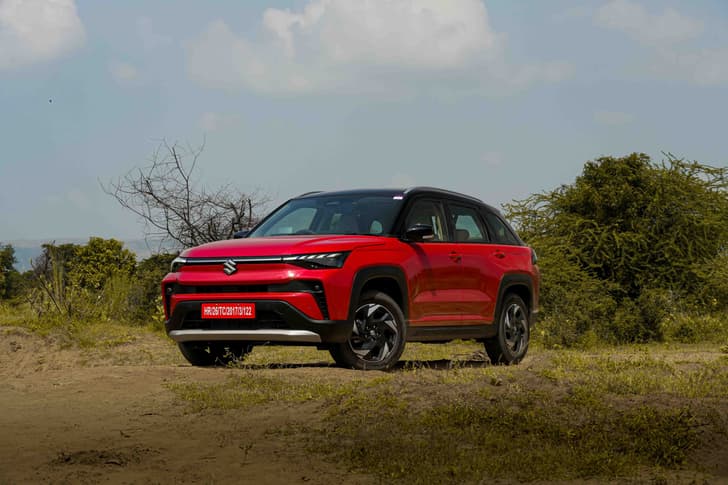
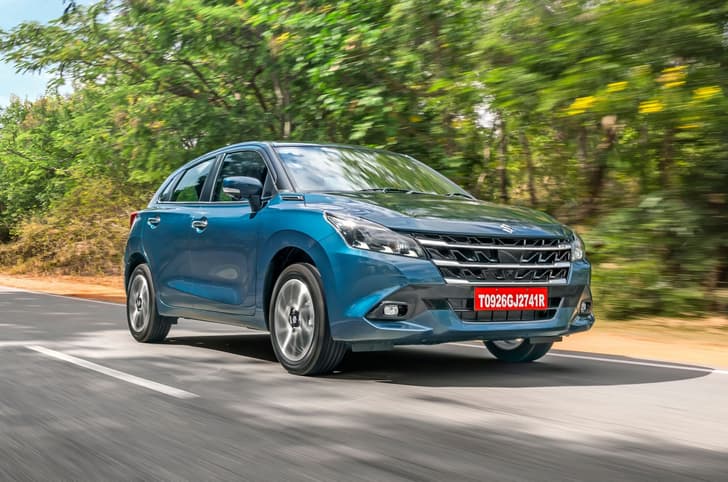
Maruti Suzuki Victoris ZXI MT
The Maruti Suzuki Victoris ZXI MT variant is priced at ₹13.57 lakh. The ZXI MT variant offers key features like Cruise control, Keyless start, Airbags, Wireless phone charging, Integrated (in-dash) music system. Explore complete specifications, and features below.
Maruti Suzuki Victoris ZXI MT Key Features
- Driver's Window Only Anti-Pinch Power Windows
- Automatic Day Night Interior Mirror
- Automatic Headlamps
- Powered Tailgate with Gesture Control
- Hands-free Boot Opening
Maruti Suzuki Victoris ZXI MT specifications
Engine & Transmission
Fuel Type/ Propulsion | Petrol |
Pure Electric Driving Mode | No |
Number of Cylinders | 4 |
Engine Installation | Front |
Engine Displacement | 1462 cc |
Max Engine Power | 103hp at 6000 |
Max Engine Torque | 139Nm at 4300 |
Drive Layout | Front Wheel Drive |
Gearbox Type | Manual |
Number of Gears | 5 |
Lockable Differential/s | No |
Sport Mode for Automatic Gearbox | No |
Manual Shifts via Gear Lever on Automatic Gearbox | No |
Paddle Shifters for Automatic Gearbox | No |
Fuel & Performance
Fuel Tank Capacity | 45 litres |
Official Fuel Economy | 21.18 kmpl |
Emission Standard | Bharat Stage VI |
E20 Compatibility | Yes |
City Fuel Economy as Tested | 21.18kpl |
Terrain Modes | No |
CNG/LPG Tank Capacity | 55 Kg |
Auto Start/Stop | Yes |
0-100kph | 13.43 s |
40-100kph (in fourth gear/ kickdown) | 18.92 s |
20-80kph (in third gear/ kickdown) | 15.98 s |
Suspension & Steering
Front Brakes | Disc |
Rear Brakes | Disc |
Type of Power Assist | Electric |
Steering Adjust | Tilt and Telescopic |
4 Wheel Steer | No |
Steering Adjust type | Manual |
Turning Radius | 5.4 m |
Front Suspension Type | Independent, MacPherson Strut |
Front Springs | Coil Springs |
Rear Suspension Type | Non-independent, Torsion Beam |
Rear Springs | Coil Springs |
Damper Control | No |
Ride Height Adjust | No |
Wheels | Alloys |
Wheel Size | 17 inches |
Front Tyre Size | 215/60 R17 |
Rear Tyre Size | 215/60 R17 |
Spare Wheel | No |
Dimensions
Length | 4360 mm |
Chassis Type | Monocoque |
Width | 1795 mm |
Height | 1655 mm |
Wheelbase | 2600 mm |
Doors | 5 |
Kerb Weight | 1145-1195 kg |
Maruti Suzuki Victoris ZXI MT features
Comfort
| Power Windows | Front and Rear |
| Interior Lamps | |
| Acoustic Windshield | |
| Trunk Light | |
| Bottle Holder in Doors | |
| Bluetooth Connectivity |
Safety
| BNCAP Rating | 5 |
| Emergency Brake Light Flashing | |
| Heads Up Display | |
| Blind Spot Collision Avoidance Assist | |
| Door Ajar Warning | |
| Driver Airbag |
Exterior
| Body Coloured Bumpers | |
| ORVM turn indicators | |
| Illuminated Logo | |
| Outside rear view mirror (ORVM) | |
| Projector Headlamps | |
| Puddle Lamps |
Interior
| Speedometer | Digital |
| Tachometer | Digital |
| Trip Meter | |
| Average Fuel Consumption | |
| Average Speed | |
| Distance to Empty |
Entertainment
| Audio System | |
| CD Player | |
| Branded Music System | |
| Front USB port | Type A |
| Speakers | 2 |
| USB Input |
Connected Car Features
| Remote AC On / Off via App | |
| Tow Away Alert | |
| Find My Car | |
| Live Traffic Updates On App | |
| Alexa Compatibility | |
| Service Reminder Via App |
Maruti Suzuki Victoris variants
Maruti Suzuki Victoris comparison


Have questions about this car?
Ask owners & Autocar experts.
Questions you may find useful
raghuleswaran
I am confused between the Kia Seltos and the Maruti Suzuki Victoris. I am also unsure whether I should buy the base variant and customise it or choose a mid variant with the necessary features. I live in Chennai and drive around 1,000 km a month, with a 50:50 split between highway and city use. I like the Seltos for its design, interior and premium feel, but the Victoris seems to offer better fuel efficiency. Please suggest.

autocar.india
Pick the Kia Seltos mid variant. With half your running on highways, the Seltos feels calmer at speed, gives you more confidence, packs in more performance, and, as you mentioned, the cabin is more premium. At 1,000 km a month, the Victoris' better mileage likely saves only around Rs. 1,000-2,000 monthly, so the nicer drive and cabin may be worth more.Go mid variant rather than base-plus-accessories. Safety and basic features like a proper touchscreen with Android Auto, rear camera, cruise control and more come integrated, work reliably, and stay within the standard warranty. Aftermarket bits rarely work as well, and you cannot add some safety features later.If your main priority is fuel efficiency, the Maruti Suzuki Victoris will help keep costs low. Just know it is not as quick for highway overtakes and does not feel as rich inside. For your city-highway split, the Seltos mid variant is the sweeter long-term pick.
ranjith_sanjay
I have shortlisted the Victoris CNG by swapping my current Swift. Is it a good decision? Preferences include SUV, low maintenance and mileage.

autocar.india
Yes, the Victoris CNG is a sensible swap from your Swift if your daily running is high and you have easy CNG access. You get the SUV stance and higher seating, which makes city bumps and bad roads easier than in the Swift, and running costs will drop sharply with CNG. Maintenance should stay low too, since it is a simple Maruti setup and the service network is everywhere.Two checks before you sign. Make sure you are getting the factory CNG and not a dealer kit, and that there are enough CNG pumps on your routes. CNG brings a few compromises. Performance is softer than petrol, so with the AC on and four people, quick overtakes need planning, and climbs will feel slow. With the Victoris, however, this is quite minimal and driven in an everyday fashion; it will feel just fine.
dheeraj44
Hi, I am planning to purchase an automatic car in the range of 20-25 lakh. My driving is split equally between traffic and normal roads, and occasionally to hill areas. Please suggest the best options for me.

autocar.india
Without knowing your annual running, it's difficult to recommend the ideal fuel type. However, for a mix of 50% city driving, 50% open roads and occasional trips to the hills, we'd lean towards a strong hybrid or a refined petrol automatic.Our top recommendation would be the Maruti Suzuki Victoris Hybrid. It fits within your ₹20-25 lakh budget, offers excellent fuel efficiency in city traffic, is smooth and refined to drive, and remains comfortable on long highway journeys. It also has a 5-star Bharat NCAP safety rating, making it a very well-rounded family SUV.If you'd rather have a conventional petrol SUV, we'd recommend the Kia Seltos Petrol IVT. It offers a refined naturally aspirated petrol engine, a smooth IVT automatic, a premium cabin and a comfortable ride. It is equally at ease in city traffic, on the highway and during occasional hill drives.If you enjoy driving and don't mind slightly higher running costs, the Skoda Kushaq 1.0 TSI Automatic is another excellent option. Its new 8-speed torque-converter automatic is smooth in traffic, while the turbo-petrol engine performs well on highways and in the hills.
nikita.1
My annual running is about 5,000 km, and I plan to keep my next car for 10 years. I am confused between Elevate, Creta, Seltos Victoris and 3XO. My priorities are reliability, a good balance of power and fuel efficiency, family comfort, low maintenance and long-term ownership. I am also concerned about India's future ethanol-blending policy (E20 and higher blends). Which of these would be the best long-term choice and why?

autocar.india
With an annual running of just 5,000km, fuel efficiency shouldn't be the deciding factor. Instead, you should prioritise comfort, reliability, ease of ownership and how well the car will age over the next 10 years. That's why we wouldn't prioritise the Victoris Hybrid. While it is an excellent strong hybrid, the price premium will be difficult to justify with such low annual running.Between the remaining options, the Seltos strikes the best balance. It offers a refined and proven naturally aspirated petrol engine, a smooth IVT automatic, a spacious and premium cabin, excellent comfort and a strong ownership experience. It also feels newer and more upmarket than the Elevate and 3XO, while the current Creta is due for a generational update sooner.The Honda Elevate deserves a mention for its simplicity and reliability. If absolute mechanical simplicity is your priority, it is arguably the safest long-term bet. However, it doesn't feel as premium as the Seltos, and the engine and CVT combination isn't quite as refined.As for ethanol blending, we wouldn't let it influence your purchase decision. While there is plenty of discussion around E25, E27 and E30 fuels, there is currently no confirmed roadmap for such a transition. More importantly, all of these cars are E20 compliant, and manufacturers have engineered a degree of tolerance beyond that. The most likely effect of higher ethanol blends would be a small reduction in fuel efficiency and slightly accelerated wear of certain fuel-system components over a very long period, not a major reliability issue.
dr_lalit_choudhary
Which car should I choose for a family of five, considering ride comfort and safety: the Tata Nexon or the Maruti Suzuki Victoris?

autocar.india
The Victoris is a better fit for your needs. It is a segment above the Tata Nexon and is therefore larger inside and out. It also has a 5-star Bharat NCAP rating and comes with plenty of standard safety equipment, so you will feel secure on both city drives and highway trips. The ride is good over broken roads, which helps keep the family comfortable on long journeys.The Maruti Suzuki Victoris is easier to drive in traffic and will use less fuel, but the Nexon, with its turbo-petrol engine, offers stronger highway performance. You are also likely comparing one of the top-spec Nexon variants with the lower trims of the Victoris, which means you will be giving up some features. The other trade-off with the Nexon is that Tata’s after-sales service can be hit or miss, whereas Maruti generally has a strong reputation.Overall, if space is your priority, then the Victoris is the better bet. However, if features and highway performance matter more, then the Nexon is worth considering.
abishake
I'm planning to buy a car. It's my first car. My usage is mainly city usage and occasionally highway use. My priority is comfort, mileage, low maintenance and good resale value. My budget is about 15 to 18L. Need your expertise on what to choose?

autocar.india
Pick the Maruti Victoris, for its smooth, silent and efficient engine. Maruti’s service is simple and nationwide, and resale is likely to be strong, so your long-term costs and stress stay low. It rides comfortably over bad roads, the controls (steering, clutch and gearbox) are light, and it feels steady on the odd highway run.Alternatively, you could look at the Maruti Grand Vitara, which is essentially the same car, but is sold through the Nexa sales network.
i_aditya
I want to buy a hybrid car. I am an engineer residing in Gurgaon. Would use the vehicle for the daily commute to the office. I need an automatic transmission. With occasional travel to hilly areas like Shimla or Manali, and sometimes to Jhansi in UP. Consider long ev run km range and safety parameters. And value for money features.

autocar.india
Unfortunately, there are presently no hybrid cars in your price range of Rs 10-15 lakh, and you'll have to stretch to at least Rs 20 lakh to get one. If you can, go for the Maruti Suzuki Victoris Strong Hybrid. In Gurgaon’s stop-go traffic, it will run on electric power a lot of the time, so it is quiet and very light on fuel, and you can expect a realistic 20-25kpl in normal driving. It also has a 5-star safety rating under Bharat NCAP and Global NCAP, with six airbags and ESP, which suits your highway runs to Jhansi.For Shimla or Manali, the electric motor helps you pull cleanly at low speeds on climbs, ground clearance is fine, and the hybrid system keeps the engine from constantly hunting gears. Some downsides to keep in mind: strong hybrids do not give a long EV-only range like plug-in hybrids, which are far more expensive. They glide on EV often in the city, but will introduce the engine under heavy loads or high speeds. Also, the hybrid’s battery eats into boot space, and on steep hills with a full load, the engine can sound busy if you push. If you truly want a long electric-only range, you are looking at very pricey plug-in hybrids.
Kunal
My running is around 2,500 km per month, currently between Faridabad and Dwarka. My route is likely to change next year, but the monthly distance should remain similar, with more highway driving than at present. Budget is max Rs. 21 lakh on-road. Looking for a safe, reliable, long-term car that is comfortable for the driver. I generally prefer sedans. For context, I drove an 8th-gen Civic AT for 2.5 lakh km and am currently driving a Ciaz AT. I've shortlisted a few options, but each seems to have a drawback: Punch EV 40 - Seats felt too hard, cabin didn't feel very premium. Sonet Diesel AT GTX - Safety concerns. Venue Diesel AT SX(O) - City fuel efficiency doesn't seem great. Curvv Diesel AT - Concerned about long-term prospects as it doesn't seem to be selling well. Verna 1.5 Turbo DCT - Worried about city fuel efficiency. City Hybrid - Stretching beyond my budget. Creta Petrol AT - Safety rating not very reassuring. Am I missing any good options? Would appreciate suggestions, especially from people with high annual running and long-term ownership experience.

autocar.india
Given your 2,500km monthly running, we'd actually recommend looking at a strong hybrid rather than a diesel. Our pick would be the Maruti Suzuki Victoris Hybrid. It fits within your budget, has a 5-star Bharat NCAP safety rating, offers excellent fuel efficiency in both city and highway driving and is backed by Maruti Suzuki's extensive service network. It also provides the kind of smooth, refined driving experience that should feel like a natural progression from your Civic and Ciaz. While it isn't a sedan, it offers generous interior space and excellent long-distance comfort.Another advantage is that, being a petrol hybrid, it is a more future-proof choice for Delhi NCR. With increasing scrutiny on diesel vehicles and evolving regulations in the region, a petrol hybrid offers greater long-term peace of mind while still delivering running costs that are comparable to many diesel SUVs.The City Hybrid would have been another obvious recommendation given your preference for sedans, but as you've mentioned, it stretches your budget.Among your shortlisted cars, we'd still lean towards the Verna Turbo DCT if you want to stay with a sedan. However, with your annual running, fuel costs will be significantly higher than with a strong hybrid.We would also be cautious about choosing the Seltos, Sonet or Venue diesel purely for efficiency. While all three use the same proven 1.5-litre diesel engine paired with a torque-converter automatic, it isn't the most fuel-efficient diesel automatic in real-world conditions.
senthil4305
My annual running is below 7,000 km, and I plan to keep my next car for 12-15 years. I am confused between Grand Vitara, Hyryder, Elevate, Creta, Seltos and Victoris. My priorities are reliability, a good balance of power and fuel efficiency, family comfort, low maintenance and long-term ownership. I am also concerned about India's future ethanol-blending policy (E20 and higher blends). Which of these would be the best long-term choice and why?

autocar.india
With an annual running of less than 7,000km, fuel efficiency should not be the deciding factor. Instead, you should focus on comfort, reliability, ownership experience and how well the car will age over the next 12-15 years. That's why we wouldn't prioritise the Grand Vitara, Hyryder or Victoris Hybrid. Their hybrid systems command a price premium that you'll struggle to recover with such low annual usage.Between the remaining options, the Kia Seltos strikes the best balance. It offers a refined and proven naturally aspirated petrol engine, a smooth IVT automatic, a spacious and premium cabin, excellent comfort and a strong ownership experience. It also feels newer and more upmarket than the Elevate, while the Creta is due for a generational update sooner.The Honda Elevate deserves a mention for its simplicity and reliability. If absolute mechanical simplicity is your priority, it is arguably the safest long-term bet. However, it doesn't feel as premium as the Seltos. The engine and CVT combination isn't quite as refined, and Honda's dealer network is smaller.As for ethanol blending, we wouldn't let it influence your purchase decision. While there is plenty of discussion around E25, E27 and E30 fuels, there is currently no confirmed roadmap for such a transition. More importantly, all of these cars are E20-compliant, and manufacturers have engineered a degree of tolerance beyond that. The most likely effect of higher ethanol blends would be a small reduction in fuel efficiency and slightly accelerated wear of certain fuel-system components over a very long period, not a major reliability issue.
sathwik.7
I'm a first-time car buyer planning to purchase an automatic petrol car in Q3 2026, mainly for city use and occasional long trips. I want modern features such as a 360° camera, wireless Android Auto/Apple CarPlay, etc. My budget is around Rs. 10-12 lakh, but I can extend it to Rs. 14 lakh if the car is feature-rich and offers good safety, ADAS, etc. Initially, I shortlisted the Hyundai i20 Asta variant, but I have heard that it will receive a facelift soon. I have also heard that Hyundai will be launching the Bayon soon. So, I am a little confused about whether it is a good decision to buy a car that is due for a facelift, wait for the Hyundai Bayon launch, or consider other alternatives such as the Hyundai Venue, Kia Sonet, or Mahindra XUV 3XO. I am avoiding Maruti Suzuki because I have read that the features and safety offered in this price range are not as good as those of the competition. Please advise me. Thanks.

autocar.india
The Mahindra XUV 3XO petrol automatic is a strong fit for your usage. Its smooth 6 speed automatic, light steering and compact footprint make it very easy to live with in the city, especially in traffic and tight parking conditions. Importantly, it already ticks your feature requirements, including a 360° camera, wireless Android Auto and CarPlay, and even ADAS, within your stretched budget of around Rs 14 lakh. It also feels reassuringly solid. The XUV range has built a good safety reputation, and the turbo petrol engine offers strong low end performance, making it well suited to both city driving and occasional highway runs.On the i20, while it remains a well rounded premium hatchback, the current version does miss out on features like a 360° camera and ADAS. There is talk of a facelift, but timelines are not confirmed, and it is unclear whether Hyundai will add these features, so waiting specifically for that may not guarantee what you are looking for.As for the upcoming Bayon, Hyundai is expected to bring it around September, but it will likely be a larger, around 4.3 metre crossover as a Maruti Suzuki Victoris rival and positioned below the Creta. That means it may not be as feature rich in the variants that fall within your budget. It could also end up competing more with mid size SUVs rather than sub 4 metre options.The Venue and Sonet are polished and easy to recommend, but the variants that offer both ADAS and a 360 degree camera tend to stretch well beyond Rs.14 lakh on road.
Maruti Suzuki Cars