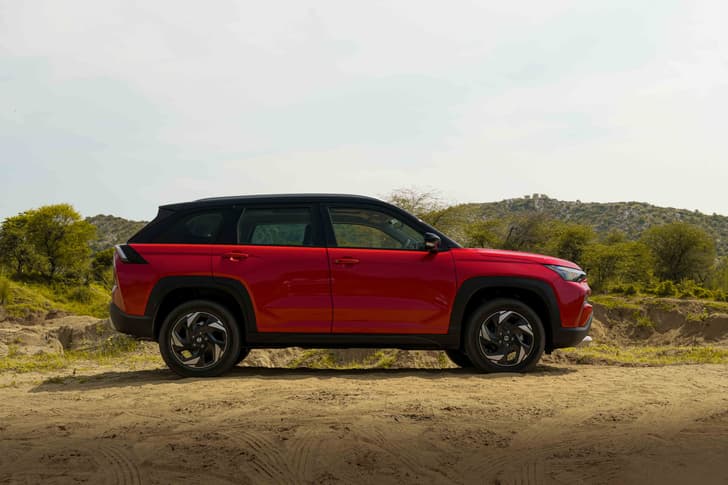
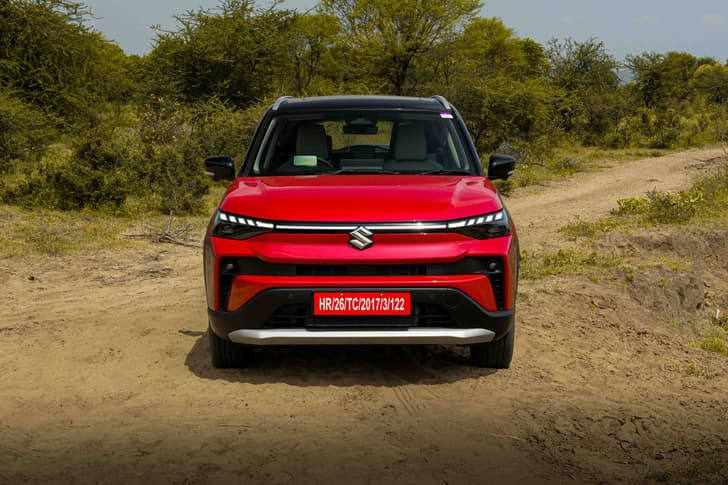
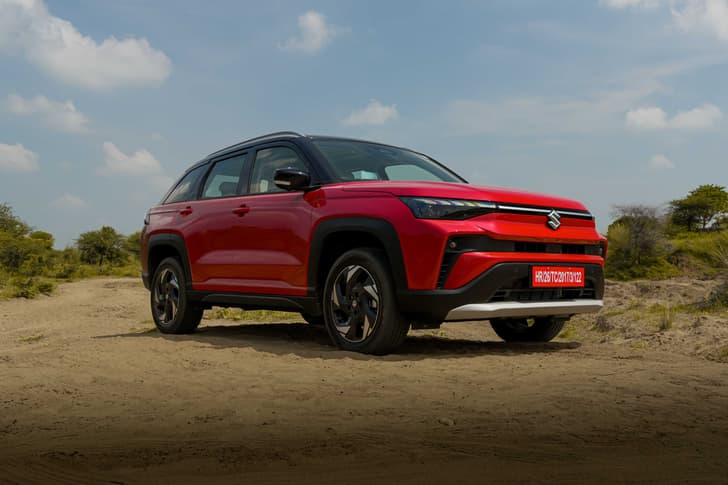
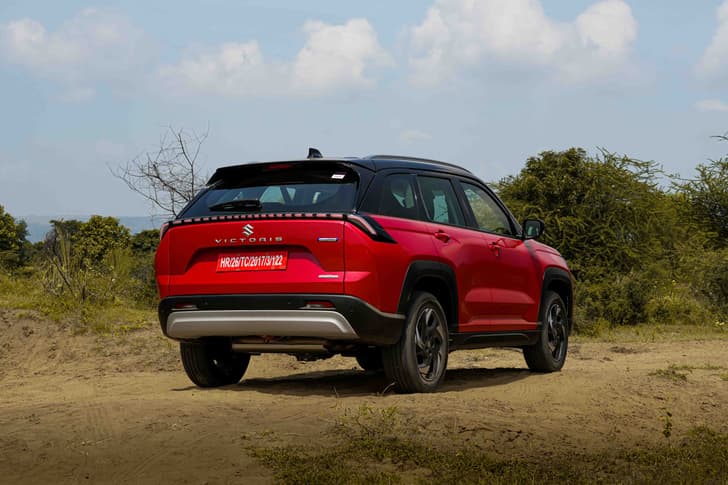
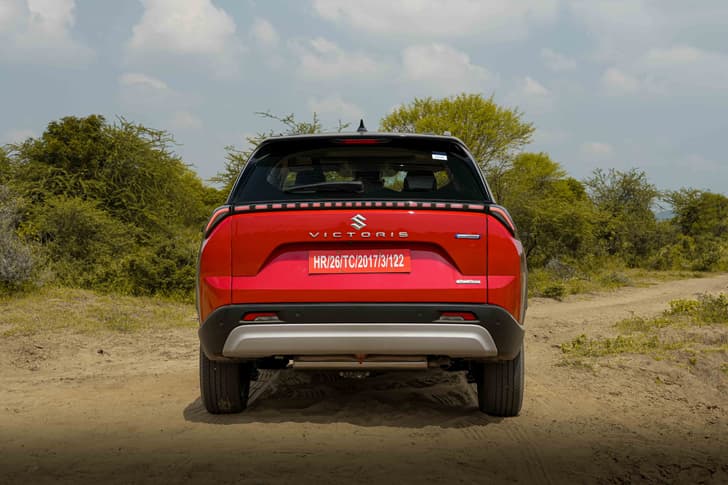
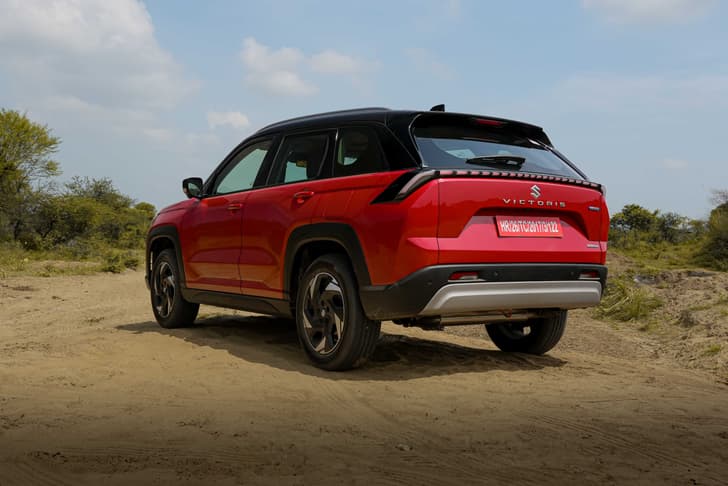
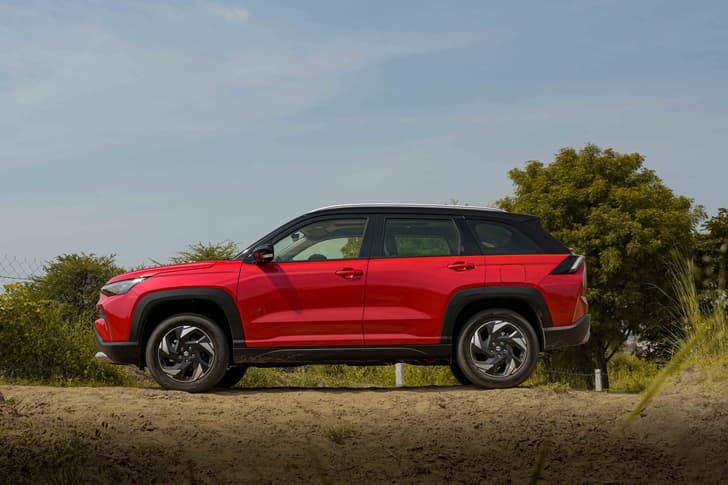
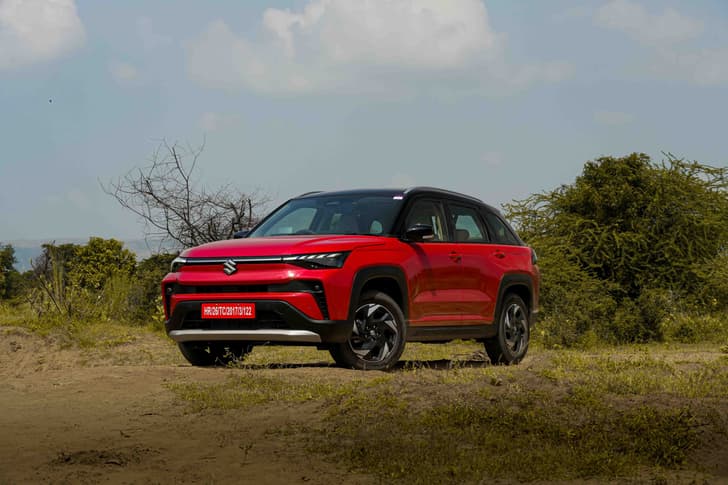
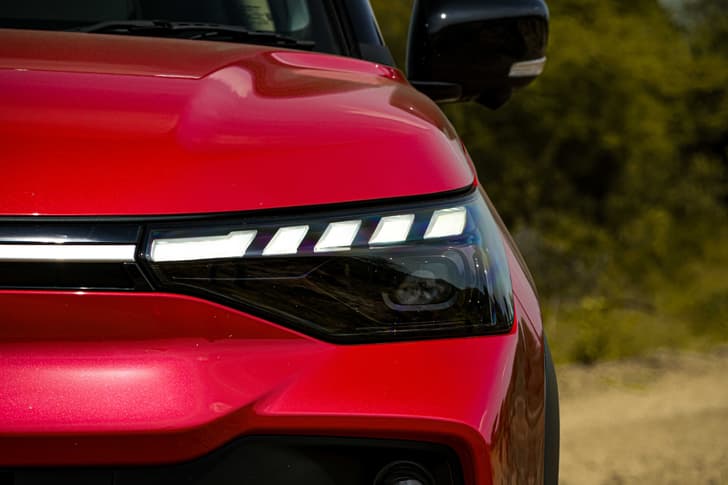
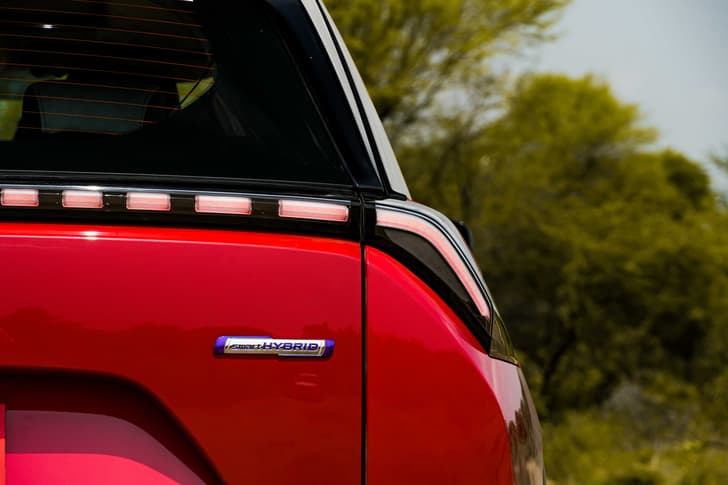
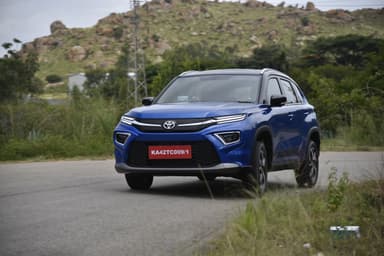
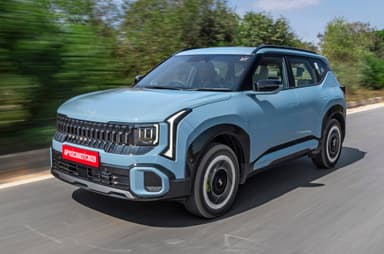
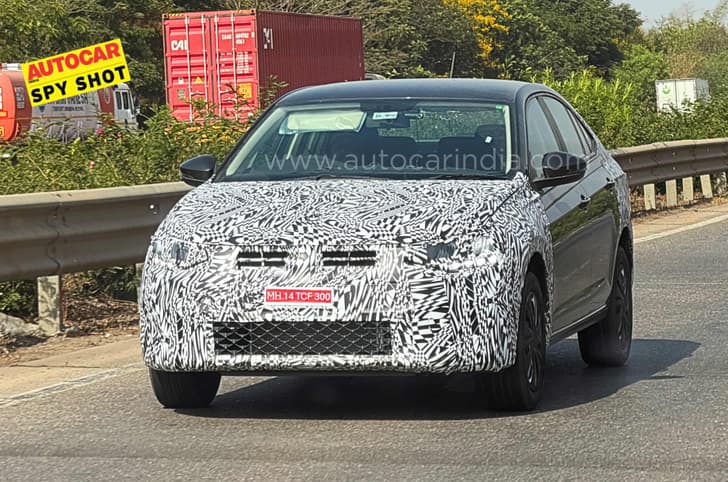
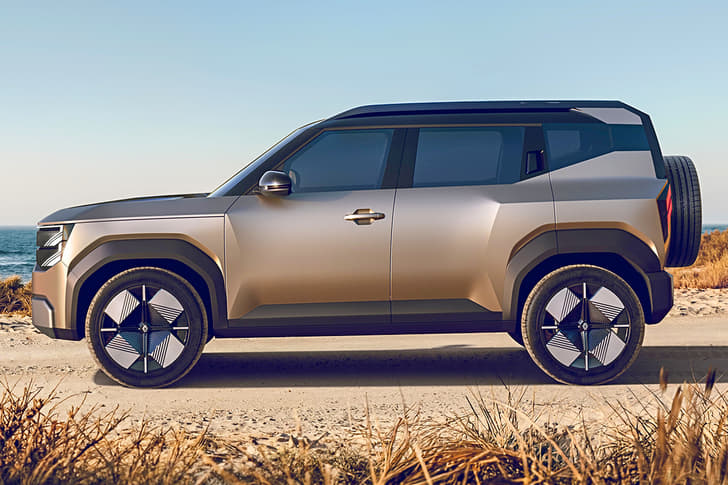
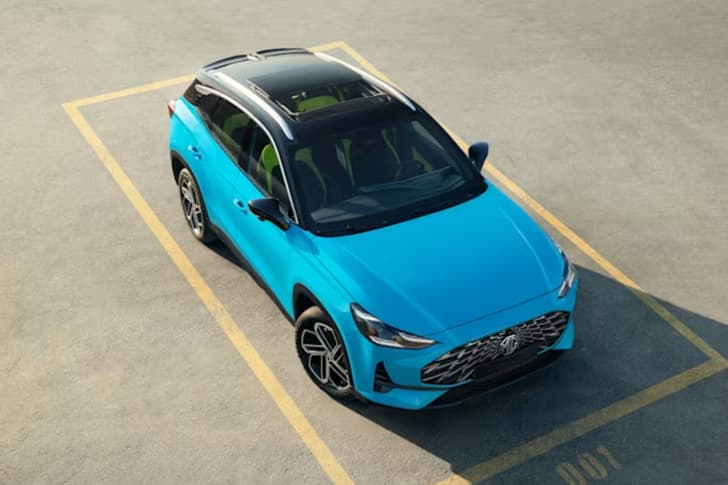
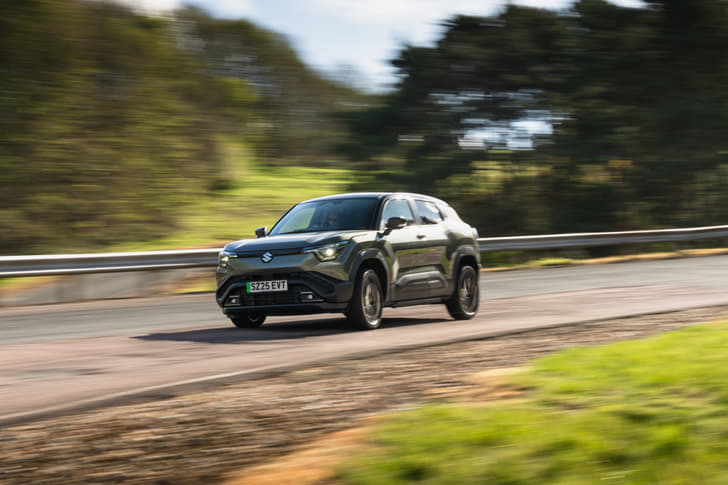
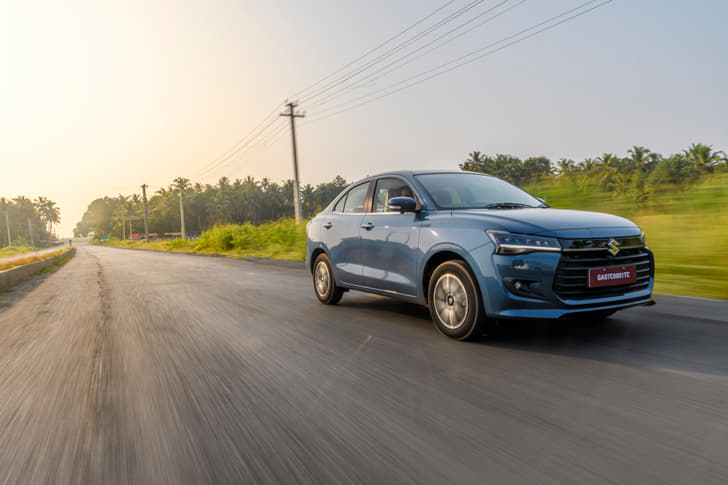
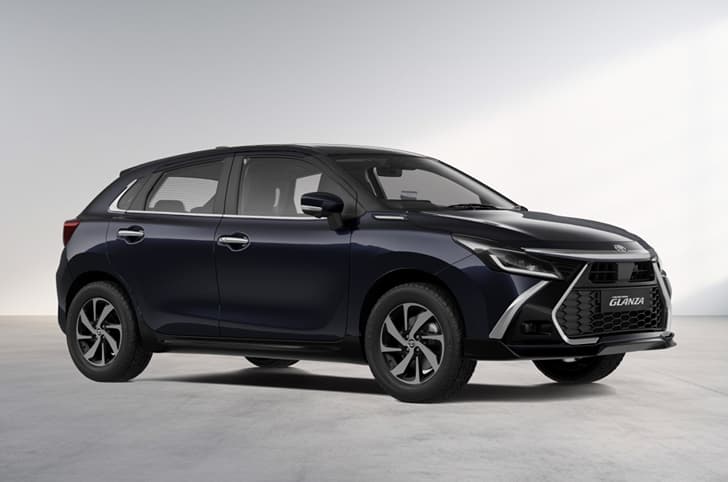
Maruti Suzuki Victoris VXI CNG MT
Maruti Suzuki Victoris VXI CNG MT specifications
Engine & Transmission
Fuel Type/ Propulsion | CNG |
Engine Installation | Front |
Engine Displacement | 1462 cc |
Engine Type | 4 cyls |
Max Engine Power | 100.6hp at 6000 |
Max Engine Torque | 137.1 Nm at 4300 |
Drive Layout | Front Wheel Drive |
Gearbox Type | Manual |
Number of Gears | 5 |
Lockable Differential/s | No |
Sport Mode for Automatic Gearbox | No |
Manual Shifts via Gear Lever on Automatic Gearbox | No |
Paddle Shifters for Automatic Gearbox | No |
Fuel & Performance
Fuel Tank Capacity | 45 litres |
City Fuel Economy as Tested | 21.18kpl |
CNG/LPG Tank Capacity | 55 Kg |
Official Fuel Economy | 27.02 kmpl |
Auto Start/Stop | Yes |
Suspension & Steering
Front Brakes | Disc |
Rear Brakes | Disc |
Type of Power Assist | Electric |
Steering Adjust | Tilt and Telescopic |
Steering Adjust type | Manual |
Turning Radius | 5.4 m |
Front Suspension Type | Independent, MacPherson Strut |
Front Springs | Coil Springs |
Rear Suspension Type | Torsion Beam |
Rear Springs | Coil Springs |
Damper Control | No |
Ride Height Adjust | No |
Wheels | Steel Rims with Wheel Covers |
Wheel Size | 17-inches |
Front Tyre Size | 215/60 R17 |
Rear Tyre Size | 215/60 R17 |
Spare Wheel | No |
Dimensions
Length | 4360 mm |
Width | 1795 mm |
Height | 1655 mm |
Wheelbase | 2600 mm |
Doors | 5 |
Kerb Weight | 1230-1245 kg |
Maruti Suzuki Victoris VXI CNG MT features
Comfort
| Power Windows | |
| Power Windows with One Touch-Down | |
| Power Windows with One Touch-Up | |
| Exterior Mirrors Electric Adjust | |
| Exterior Mirrors Electric Fold | |
| Remote Locking |
Safety
| Crash Test Rating | |
| Airbags | 6 |
| Anti-Lock Brakes (ABS) | |
| Electronic Brakeforce Distribution (EBD) | |
| Brake Assist (BA) | |
| Electronic Parking Brake |
Exterior
| Body Coloured Bumpers | |
| Projector Headlamps | |
| Headlight Type | Halogen |
| Daytime Running Lights | |
| Front Fog Lamps |
Interior
| Speedometer | Analogue |
| Tachometer | Analogue |
| Trip Meter | |
| Average Fuel Consumption | |
| Average Speed | |
| Distance to Empty |
Entertainment
| Audio System | |
| CD Player | |
| USB Input | |
| AUX Input | |
| Bluetooth Audio Streaming | |
| Bluetooth Telephone Function |
Maruti Suzuki Victoris variants
Maruti Suzuki Victoris comparison


Trending Questions on Maruti Suzuki Victoris - Answered by Autocar Experts
I own a 2018 Maruti Swift petrol manual. I am now looking for a bigger car with good ground clearance and better fuel efficiency. My daily commute is about 25 km. I liked the Tata Sierra. Should I wait for the Sierra EV or consider hybrids like the Grand Vitara? Hybrids come at a higher premium. Are they worth it, or should I go for an EV?
I am confused between the Maruti Victoris and the new Kia Seltos. Which one should I buy? I am looking for a petrol automatic option under a budget of ₹16-18 lakh. Both cars have some limitations, like rear space is bad in the Victoris, while the Seltos does not offer as good mileage as the Victoris. There are a few more differences as well. Need advice on which one serves better overall.
Hi, I am planning to buy a car for our family, which will be primarily used by my dad and occasionally by me as well. Currently, he drives a Maruti Ciaz diesel. The plan was to go for an SUV with a budget of ₹18-21 lakh. We were thinking of the Hyundai Creta Diesel Automatic or the Maruti Suzuki Grand Vitara Strong Hybrid. Alternatively, we also had the new Kia Seltos and new XUV700 in mind, given their price range. His main priorities are: Smooth driving experience (including smooth suspension) Very good rear seat space (including legroom - as the Ciaz offers very good space) Good luggage space Decent mileage (13-15 km/l in city and 18-20 km/l on highways) Low maintenance and minimal headaches for 5-6 years Considering these, can you guide us on which could be the best option and the specific model we should go for? The expected driving range would be more than 500 km per month.
If you want very good legroom that matches the Honda Ciaz and a smooth driving experience, the Mahindra XUV 7XO 2.2 diesel AT is a good choice. Mahindra has upgraded the rear suspension, and the ride quality and handling have improved significantly.
Rear seat space is excellent, and luggage space is very good, especially with the third row folded down. The trade-off is that the 7XO is a big, heavy SUV. It doesn’t feel as nimble in city traffic and tight parking, and it isn’t very efficient compared to the other options.
If fuel efficiency is a higher priority for you, then the Maruti Suzuki Grand Vitara strong hybrid (or its mechanically similar cousin, the Victoris hybrid) will give you much better economy. It delivers smooth performance, easy city driving and the efficiency figures you’re aiming for.
The Hyundai Creta diesel AT is also a solid, more efficient choice than the 7XO, with a comfortable ride and easy usability in town traffic.
After the Ciaz, you’ll likely feel most at home in the 7XO because of the space and comfort it offers. But if you prefer better efficiency and a slightly smaller, easier-to-live-with package, the Grand Vitara hybrid or the Creta diesel automatic are both good alternatives within your budget.
I am thinking of buying a new Kia Seltos and have decided on the HTK-O model. I am confused between the petrol and diesel variants because the diesel costs around ₹2.30 lakh more, and my driving is around 1,500-1,600 km a month. Which one should I choose?
With a monthly running of around 1,500 to 1,600 km, the petrol version of the Kia Seltos HTK(O) makes more sense than the diesel. Earlier, the big fuel efficiency gap between petrol and diesel helped recover the higher diesel purchase cost fairly quickly.
Today, with tighter emission norms, diesel engines are no longer as efficient as they once were, especially in city conditions. As a result, recovering the roughly ₹2.3 lakh premium you pay for the diesel is likely to take well over five years. This makes it a less logical choice purely from a cost point of view.
If most of your driving is in the city, the petrol engine will also be quieter, smoother and easier to live with daily. The diesel still makes sense only if you have very high highway usage and plan to keep the car for a long time. Otherwise, the petrol Seltos fits your usage better and keeps the initial investment lower.
If fuel efficiency is a key concern and you are open to other powertrains, you could also consider a strong hybrid like the Maruti Suzuki Victoris, which will be significantly more efficient in city driving. It is also worth noting that the next-generation Hyundai Creta and even the current Seltos are expected to get strong hybrid options by early next year.
I’m a new driver looking for a comfortable and reliable five-seater car. I’m considering the Maruti Suzuki Victoris VXI (₹11.80 L ex-showroom) and the Tata Sierra Smart Plus (₹11.49 L ex-showroom). Could you help me compare these two options in terms of comfort, driving ease for beginners, safety features, running costs, and long-term reliability? Which one would you recommend for a first-time owner?
Between the two, based on your requirements, the Maruti Suzuki Victoris VXI is the more sensible choice. Unlike the Tata Sierra Smart Plus, the VXI sits one variant above the base and is noticeably better equipped. In fact, the Smart Plus variant of the Tata Sierra feels quite bare for a midsize SUV, missing features that are now considered standard in the segment. It includes a proper infotainment system, which matters for day-to-day convenience and ease of ownership.
From a driving perspective, the Victoris is easier to live with, especially for a beginner. Its 1.5 litre naturally aspirated petrol engine is smooth. It offers better performance than the Sierra’s petrol motor and, paired with a light clutch and slick gearbox, makes city driving far less tiring. Maruti Suzuki’s engines also have a long-standing reputation for reliability, low running costs and fuss-free ownership, which is reassuring for a first-time buyer. The Sierra’s 1.5-litre naturally aspirated petrol engine is refined. But in a car of this size, it feels underpowered and requires more effort to drive, particularly with passengers on board.
Where the Sierra does score is space and comfort. Its cabin feels roomier, and rear seat comfort is a notch or two better than the Victoris, making it the more comfortable option if rear seat usage is frequent.
I am willing to buy a CNG SUV with practical boot space. I currently own a Creta 1.4 diesel (2015) and a Tiago XT CNG (2022), and I am planning to sell both. Kindly suggest which CNG SUV I should consider.
Since you’re looking for a CNG-equipped SUV with practical boot space, the Maruti Suzuki Victoris is the most sensible choice in the current lineup. Thanks to clever packaging, the CNG tank is placed under the boot floor rather than eating into luggage space, so you still get a very usable boot that will work well on long family trips with luggage.
The Victoris CNG is also well priced and well equipped for what it offers, making it a strong value pick in the segment if your priority is practicality and low running costs with CNG.
However, since you currently have the first-generation Hyundai Creta, it’s worth noting that the Victoris won’t feel as big or as spacious as the Creta in terms of overall interior size and presence; it isn’t a big step up.
In a hill climb with a full load and bumper-to-bumper traffic, such as on the Mumbai–Pune Expressway during days preceding holidays, will a petrol automatic perform well, or is a manual transmission better suited for such conditions? I am currently driving a 2017 diesel manual Maruti S-Cross and am planning to buy a petrol automatic (Victoris AT). Please advise.
In a hill climb with a full load and bumper-to-bumper traffic, managing a manual transmission can be tricky, and if not done correctly, you can end up wearing out the clutch and overheating your entire drivetrain.
You should go with a manual only if you are confident of driving it correctly and not having to resort to slipping the clutch. However, you need not worry about an automatic car, something like the e-CVT or the torque convertor that the Maruti Suzuki Victoris automatic comes with. Unlike an AMT or DCT, these gearboxes are better at handling start-stop conditions and so would perform better and more reliably in your driving conditions.
Hi Team, I am looking for a mid-size SUV under Rs 20 lakhs with a diesel option. My usage will be 80% highway and 20% city. I was looking at the Seltos diesel version. Kindly suggest how to proceed further.
I already have a 2019 Seltos petrol manual. Recently, I got a job, and my workplace is 45km away from my home, so it is a 90km daily drive. This long commute is taking a toll on my pocket, as I hardly get decent mileage. Moreover, pressing the clutch and brake in traffic during my return journey is frustrating and tiresome. Should I install CNG in my car, or should I sell it and buy a new one? If so, which one?
My monthly running is between 2500 and 3500 km. I am currently using a diesel car and prefer to keep it till the warranty. After that, should I buy a diesel or a hybrid for 1000km highway, rest city?
Maruti Suzuki Cars