
Maruti Suzuki cars in India (19)
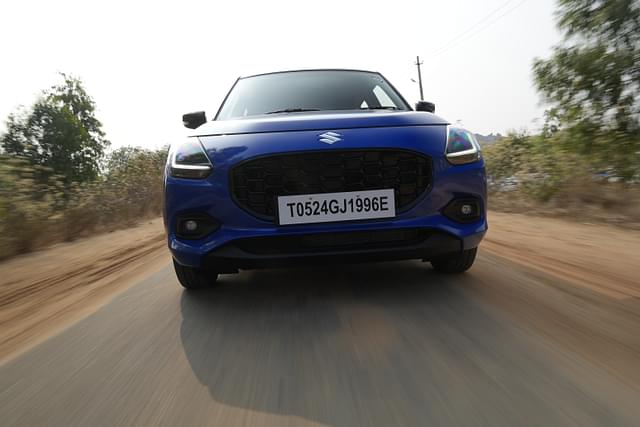
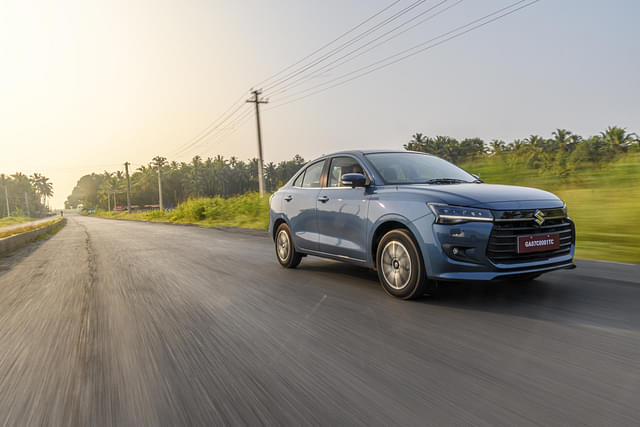
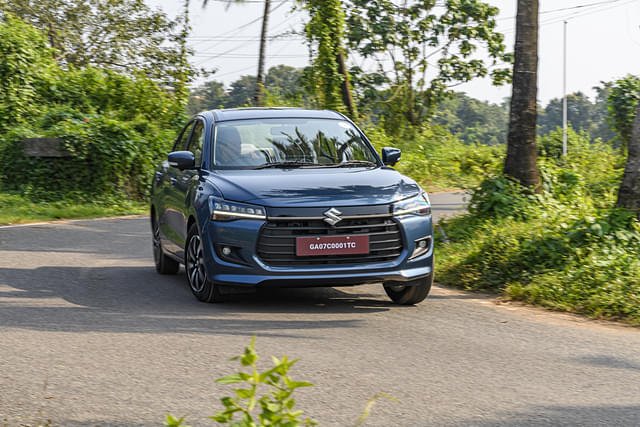
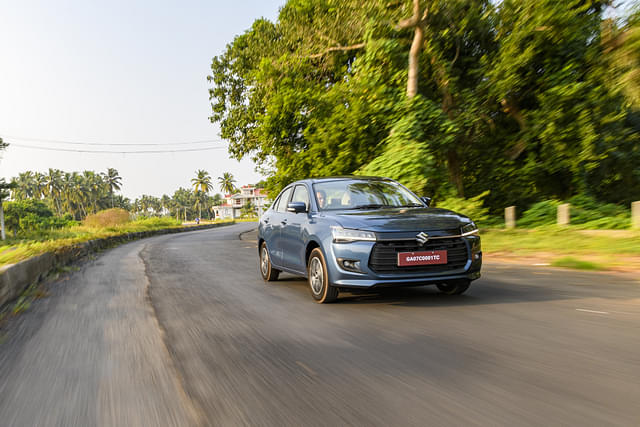
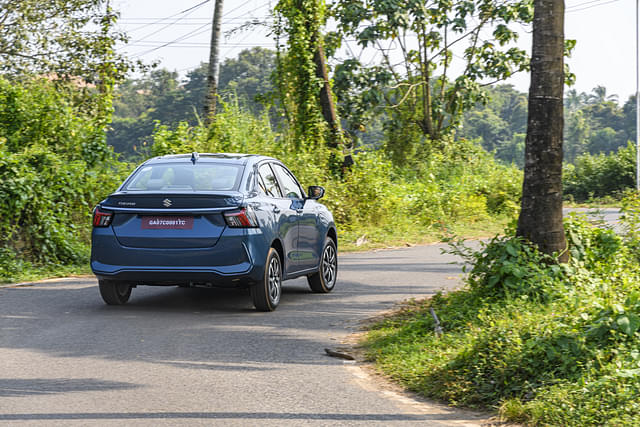
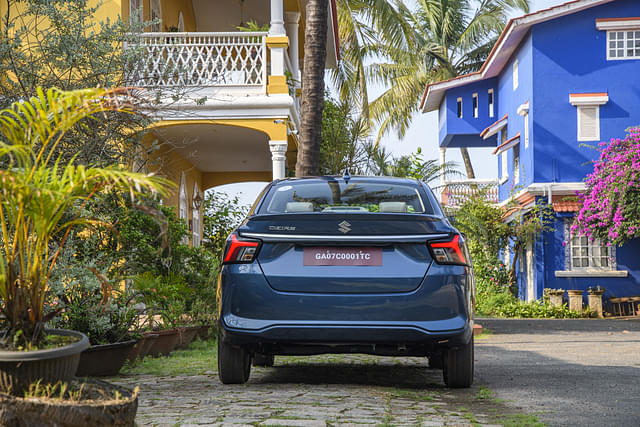
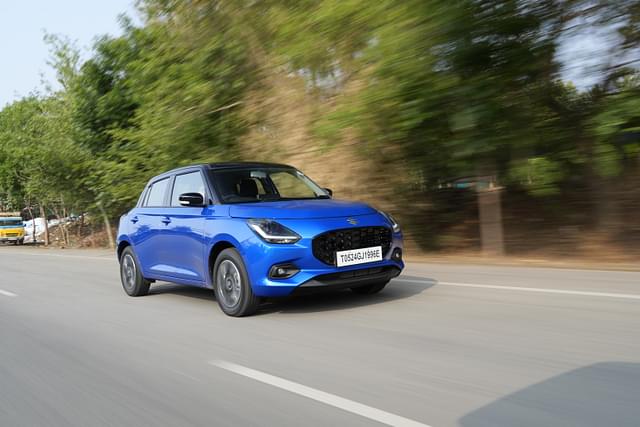
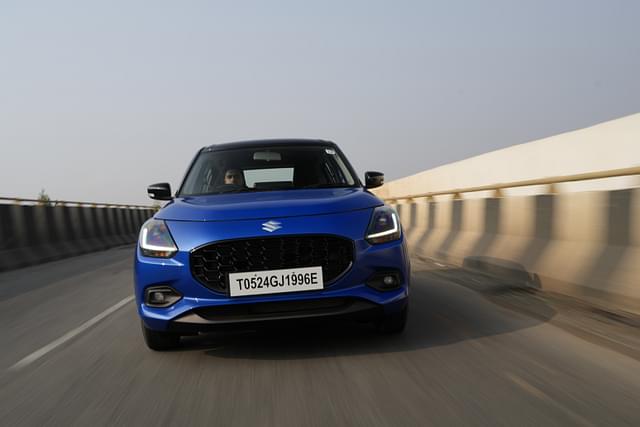
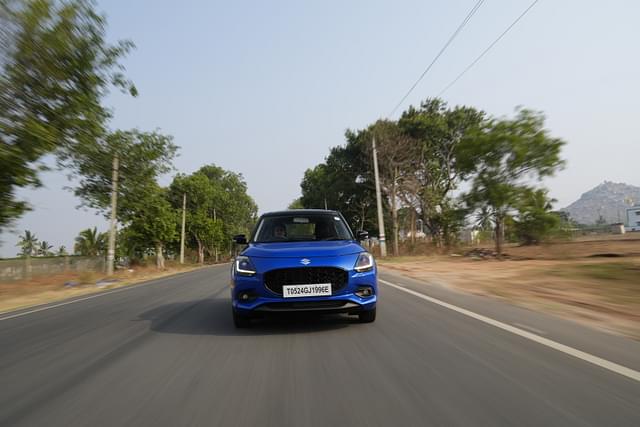
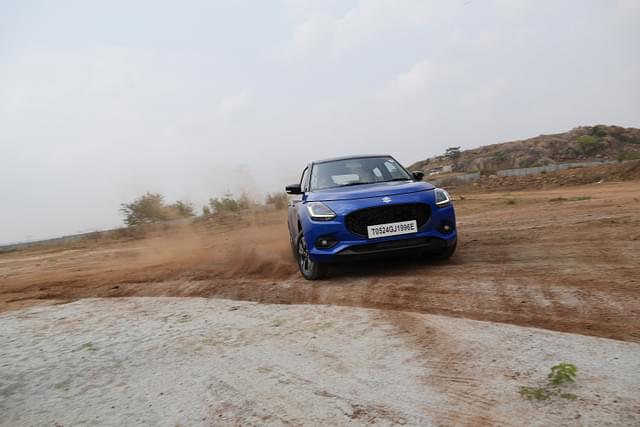
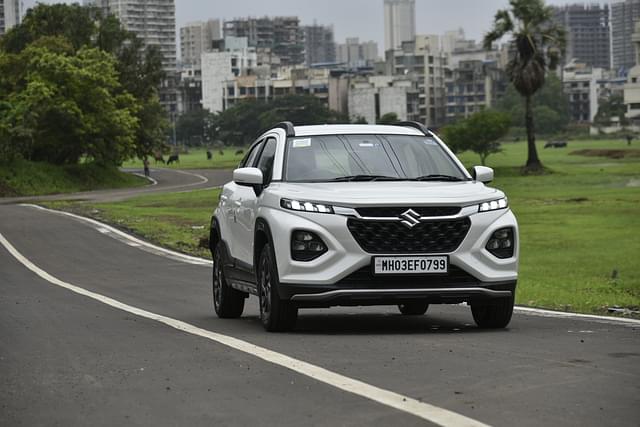
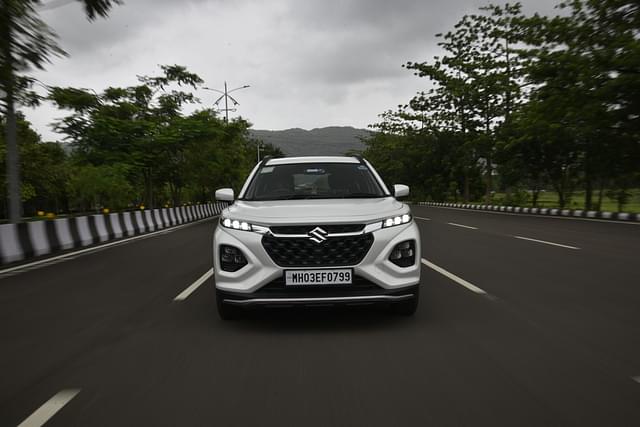
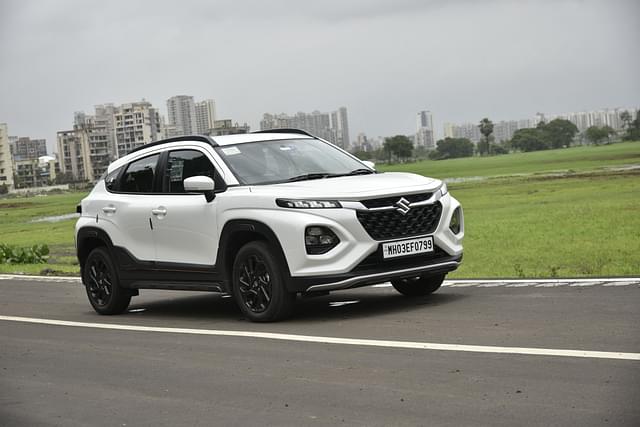
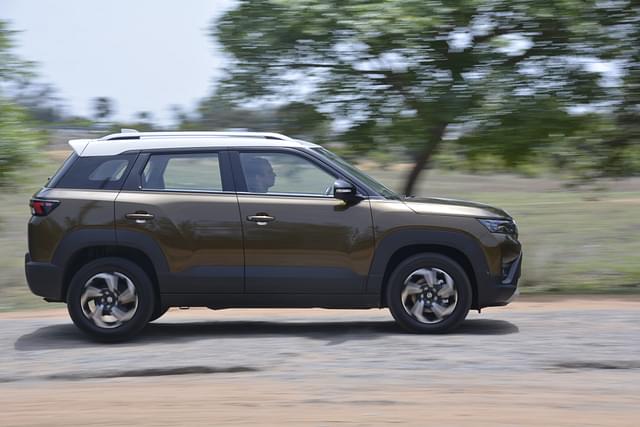
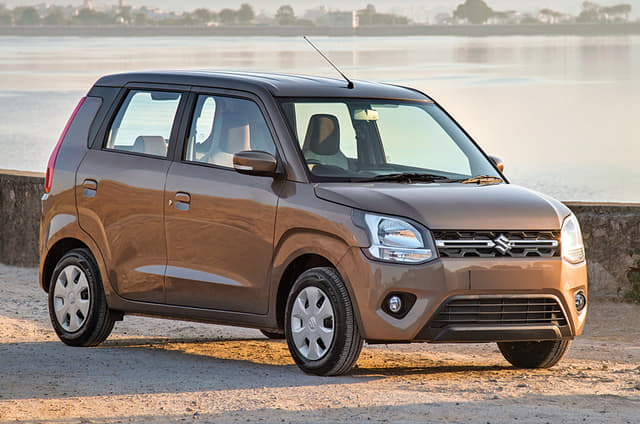
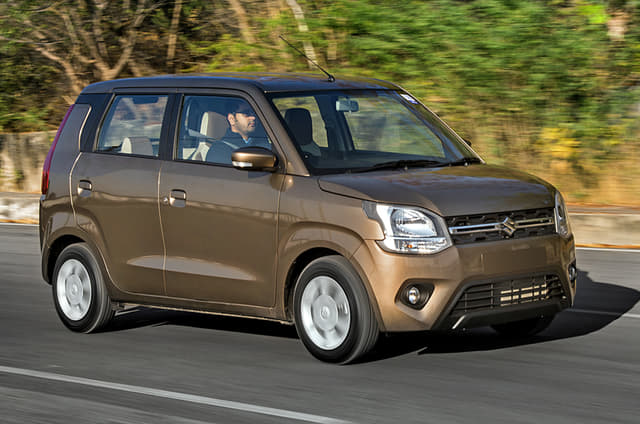
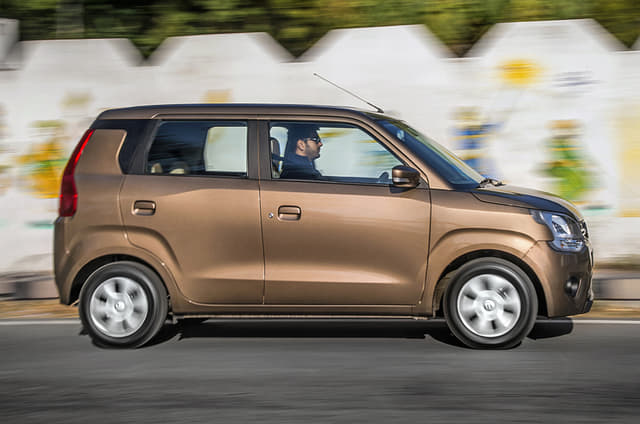
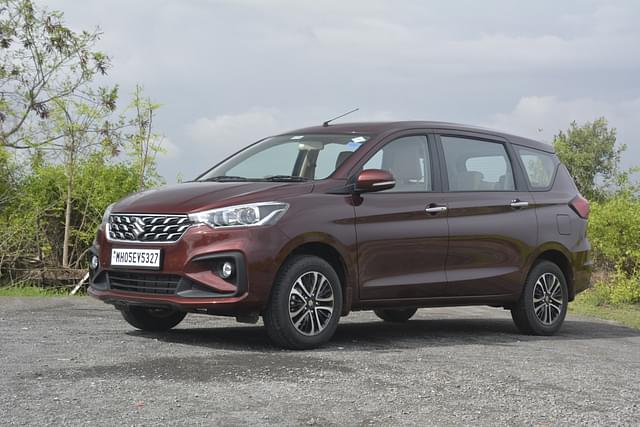
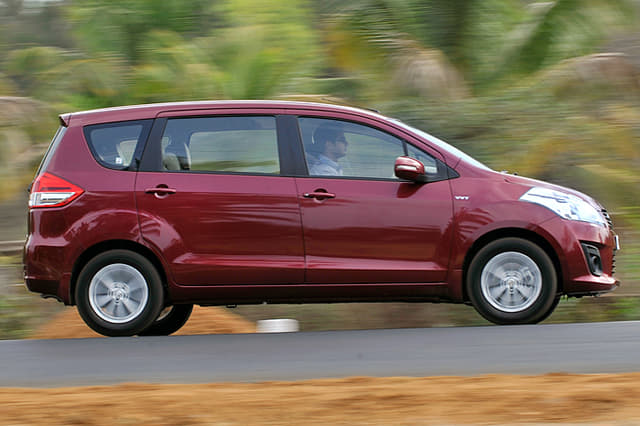
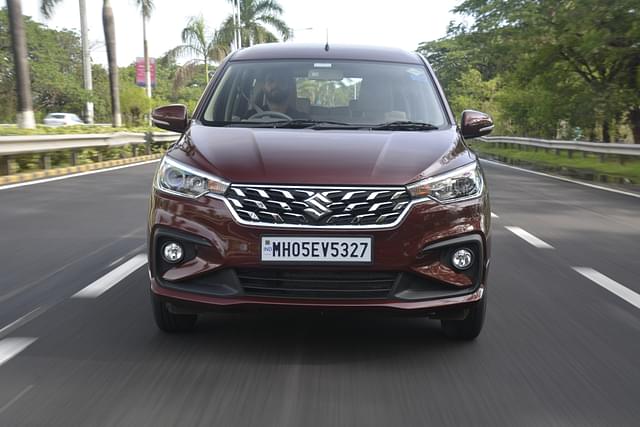
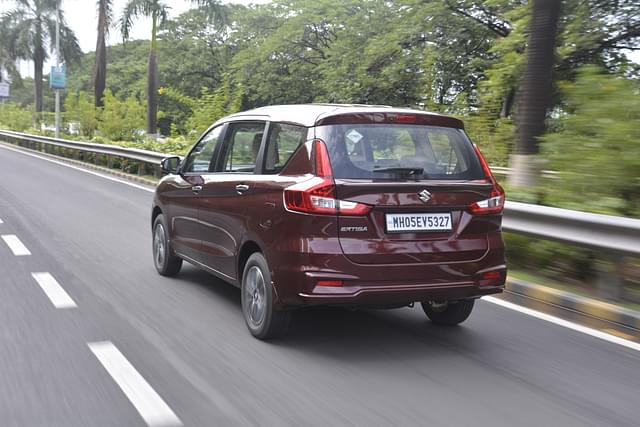
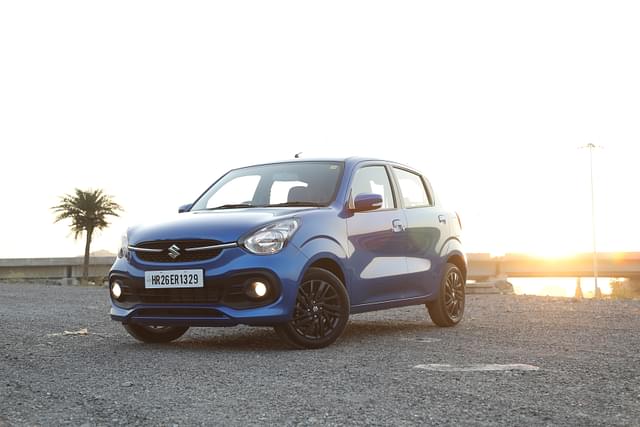
The brand Maruti Suzuki needs no introduction in India, thanks to its budget-friendly, dependable, and reliable cars. The brand offers something for every budget. The Maruti Suzuki cars in India in 2026 include sedans, hatchbacks, SUVs, and MPVs, powered by petrol, petrol-hybrid, and petrol-CNG engines across various price points. There are no diesel options available. The Maruti car price starts at Rs 3.50 lakh and goes up to Rs 28.61 lakh in India (Delhi, ex-showroom).
Maruti Suzuki currently offers 17 models in India across its two retail networks:
- Maruti Suzuki Arena (caters to the budget end of the market)
- Maruti Suzuki Nexa (caters to the premium end of the market)
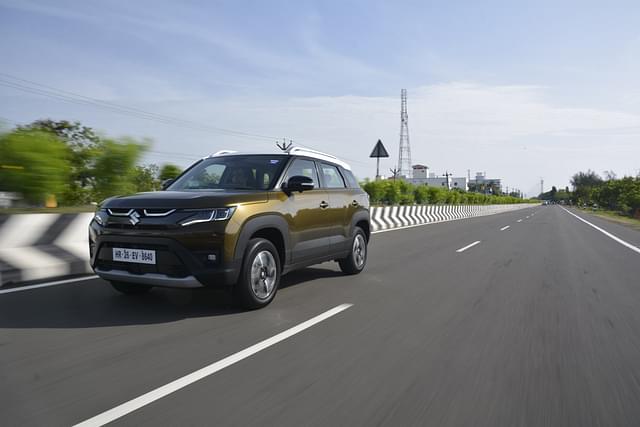
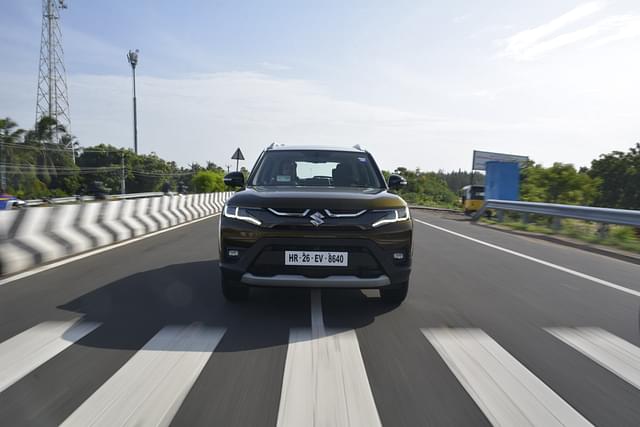
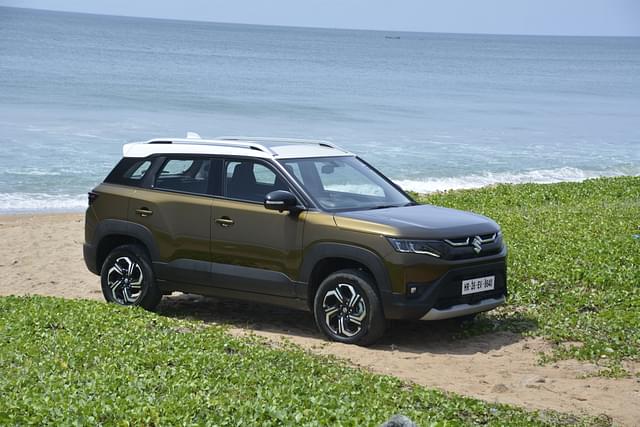
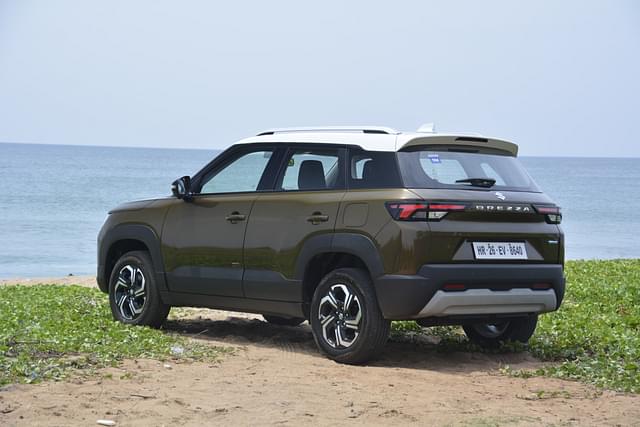
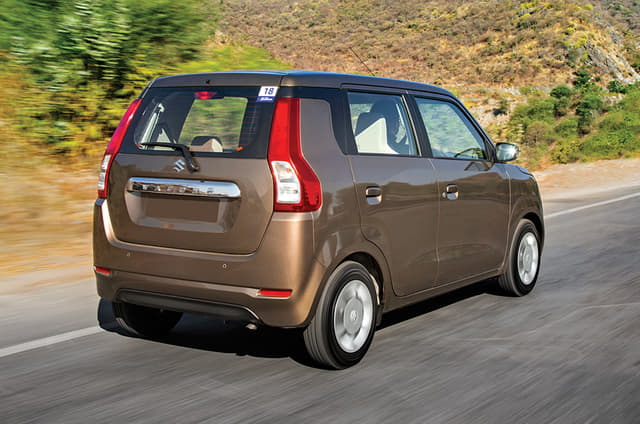
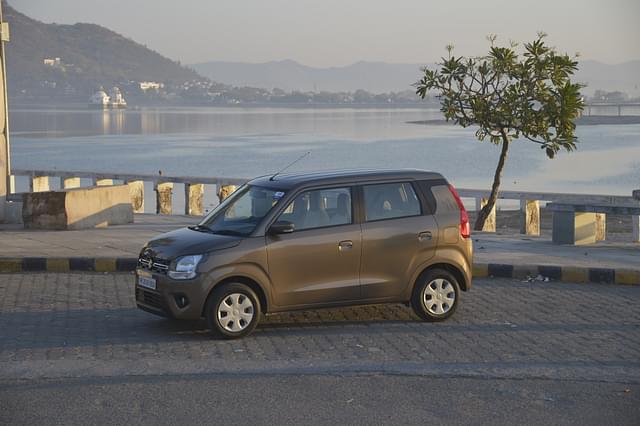
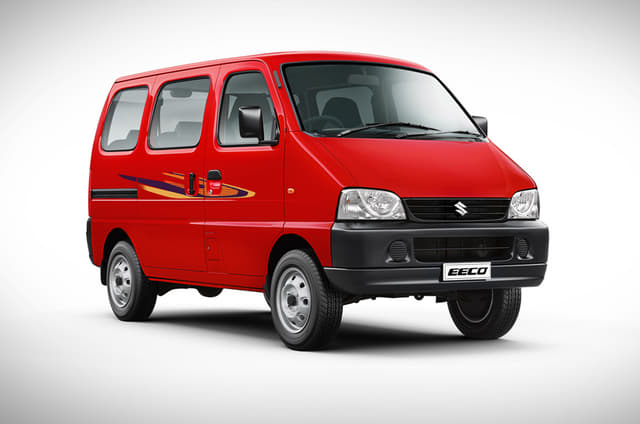
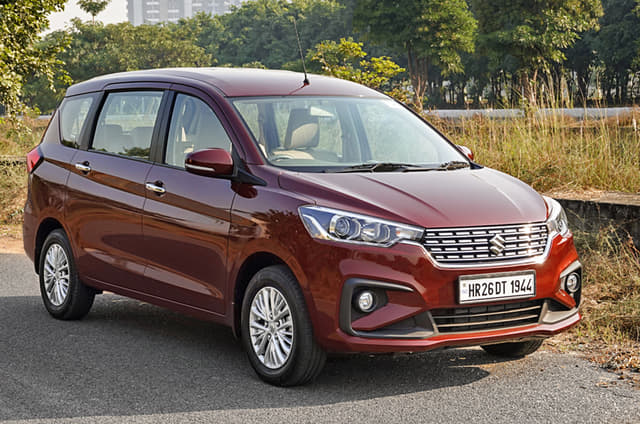
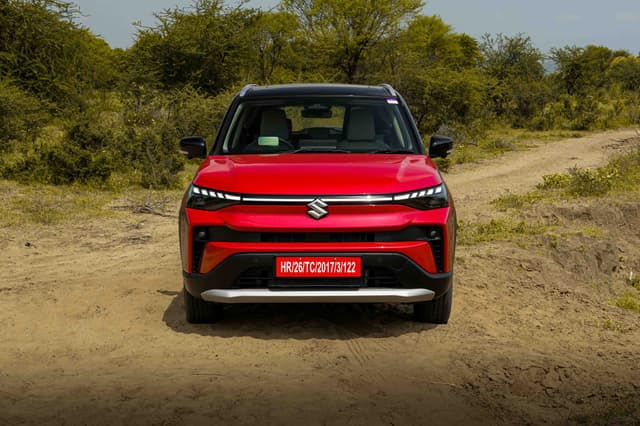
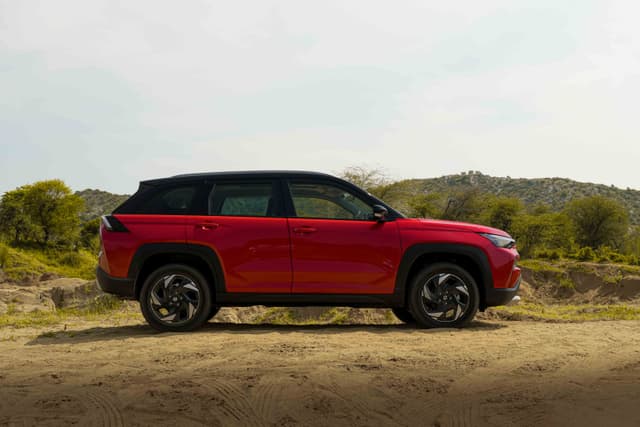
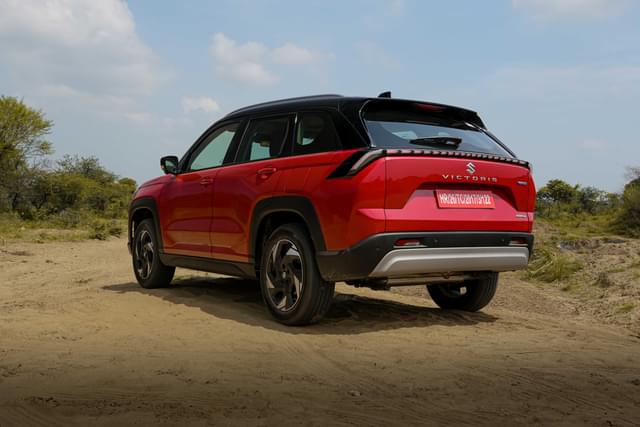
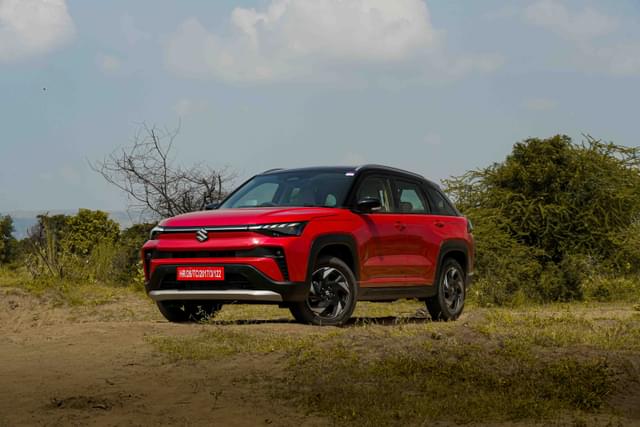
The Maruti cars sold through the Arena showrooms are: Alto K10, S-Presso, Wagon R, Celerio, Swift, Dzire, Breeza, Eeco, Ertiga, and Victoris. Meanwhile, Baleno, Fronx, XL6, Jimny, Grand Vitara, and Invicto are sold through the Nexa showrooms.
Maruti Cars in India - Latest Updates (June 2026)
Here are the latest updates related to the Maruti cars as of 2026:
- 25 June 2026: Maruti sold more than 7,000 e-Vitaras in India.
- 8 June 2026: As per sources, Maruti Suzuki is targeting to cut vehicle development timelines by 25% as it prepares to launch nine new models over the next three years.
- 29 April 2026: RC Bhargava says a revival of India’s small-car segment is “inevitable” in the coming years, even as buyers continue to shift towards SUVs.
- 28 April 2026: Maruti Suzuki achieves its highest-ever exports, shipping 4.48 lakh units in FY2026.
- 17 February 2026: The e Vitara, the first Maruti electric car launched at Rs 10.99 lakh. The battery cost is extra.
Find cars by body type
Filter your search
Filter your search
FAQs
The most expensive Maruti car is the Invicto. It is a premium MUV and is priced between Rs 24.97 lakh and Rs 28.61 lakh (ex-showroom, Delhi).
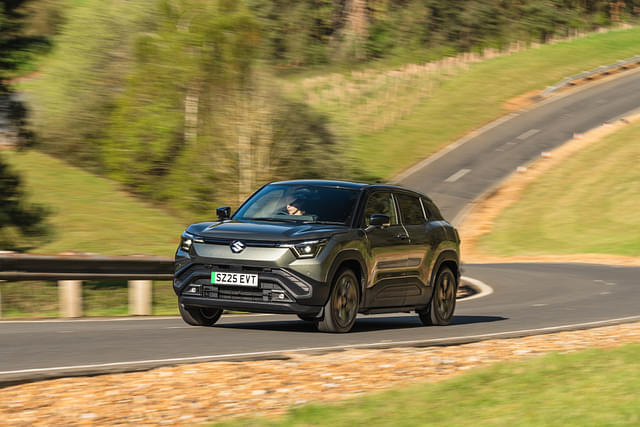
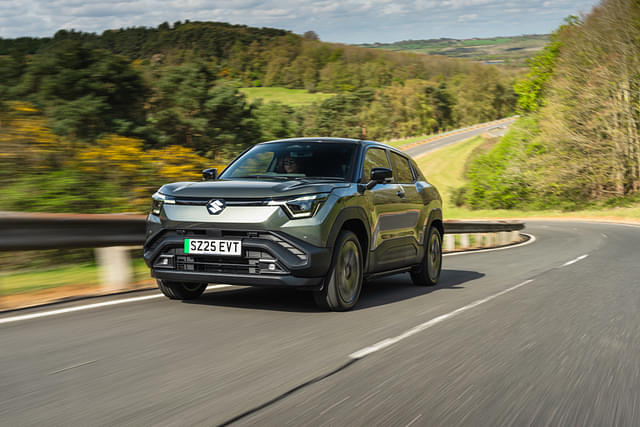
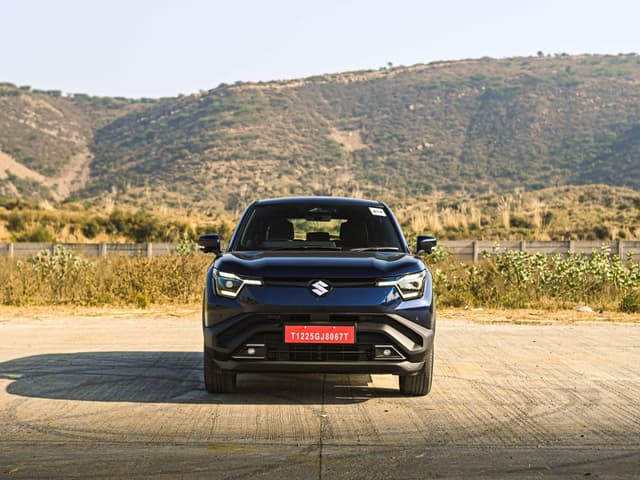
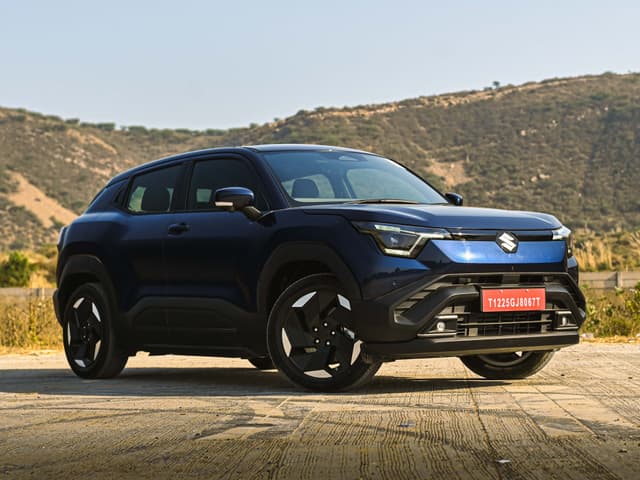
The Maruti Suzuki e Vitara, an all-electric SUV, is currently the only electric car from the brand. The e Vitara price starts at Rs 15.99 lakh and was launched on 17 Feb, 2026.
The safest Maruti Suzuki car based on Global NCAP crash tests are the latest-gen Dzire and Victoris. Both achieved a 5-star safety rating.
The cheapest Maruti Suzuki car in India is the Maruti S-Presso, priced from ₹3.50 lakh after the GST reduction.
Maruti is expected to launch the facelifts of Brezza and Baleno in 2026.
Currently, the newest Maruti Suzuki car in India is the e Vitara, which debuted in February 2026.
Trending Questions on Maruti Suzuki Cars - Answered by Autocar Experts
I'm considering buying an EV with a budget of around Rs. 25-27 lakh. I want to know which brand or car offers the best long-term customer satisfaction and vehicle performance. The cars I am considering are the Mahindra XEV 9S, Tata Harrier EV, Hyundai Creta EV, and the Tata Sierra EV, which is expected to launch soon. Please help soon, as I am planning to make the purchase in the next 2-3 months.
Pick the Creta Electric. For your Rs 25-27 lakh budget, it is the safest bet, and Hyundai’s huge service network will make long-term ownership hassle free. As an EV, it is smooth, quiet and quick enough, and Hyundai’s software and battery management have been trouble-free for most owners, which matters more than a flash spec sheet five years down the line. It is also known to reliably deliver the closest real-world range to its official rating amongst its peers, thanks to a highly efficient powertrain. The Harrier EV and XEV 9S are tempting for space and power, but are likely to sit higher than your budget and have been known to have some niggles especially in the software and electronics departments. The Sierra EV has now been launched and is certainly worth considering. It offers a larger battery, a spacious cabin and a premium overall package. However, being a brand-new product, we'd prefer to wait and see how it settles in before recommending it over the more established Creta Electric. You should also expect a waiting period on popular variants.Another EV you could consider is the Maruti Suzuki e-Vitara. Though not as spacious as the others, nor as efficient, being from the house of Maruti Suzuki, it is expected to offer hassle-free reliability and a smooth ownership experience.
I am looking to buy a new AMT car to replace my 9-year-old Hyundai Grand i10. My budget is Rs, 8 lakh (on-road price). I am confused between Maruti Suzuki WagonR ZXi Plus 1.2 Petrol AMT and Hyundai Exter HX3 AMT. The car will also be driven by my father, who is 70 years old. Both cars have a good seating position and offer easy ingress and egress. The WagonR offers better fuel efficiency, even with E20 petrol, along with electrically adjustable and foldable ORVMs, rear power windows, and a rear wiper. The Exter, on the other hand, has a more modern design, higher ground clearance, a reverse camera, and driver seat height adjustment. The car will be driven mostly in the city. Which one should I choose?
Pick the Hyundai Exter HX3 AMT. For mostly city use and a 70-year-old driver, it sits a bit higher and the height-adjust driver seat and reverse camera make daily driving and parking easier. It also packs more safety kit as standard, which is reassuring when both of you will share it.Your Wagon R case is strong on running costs and convenience. It will sip less fuel and that ZXi+ adds power-fold mirrors, rear power windows and a rear wiper the Exter HX3 misses. It may also fit your Rs. 8 lakh on-road target more easily. If the Exter HX3 AMT slips within your budget, it is the better everyday companion for, ease of use and safety in the city. If it stretches the budget too much, the Wagon R ZXi+ AMT remains a sensible, cheap-to-run fallback.
I need a car for my wife with a yearly driving of less than 12000-14000 kms, confused between EV, petrol, and diesel. She doesn’t like Windsor EV. Please help
With 12-14k km a year, skip diesel and go for a petrol automatic or a strong-hybrid, and consider an EV only if you have home charging. At this running, the extra cost of diesel won't pay back if you keep the car for a couple of years only, and short city trips can be annoying for modern diesel filters. A good petrol will be simpler and smoother to live with, while a strong hybrid gives big savings in traffic without charging hassles.If she wants easy city use with very low running costs, and you can install a charger, look at the Tata Punch EV for compact convenience or the Tata Nexon EV for more space. If charging is a headache, the Toyota Urban Cruiser Hyryder Hybrid or the Maruti Grand Vitara Hybrid are the sweet spot for city-heavy driving, with quiet starts and excellent mileage. If you just want simple and affordable, a petrol automatic, the Maruti Fronx works well for mixed city-highway use.
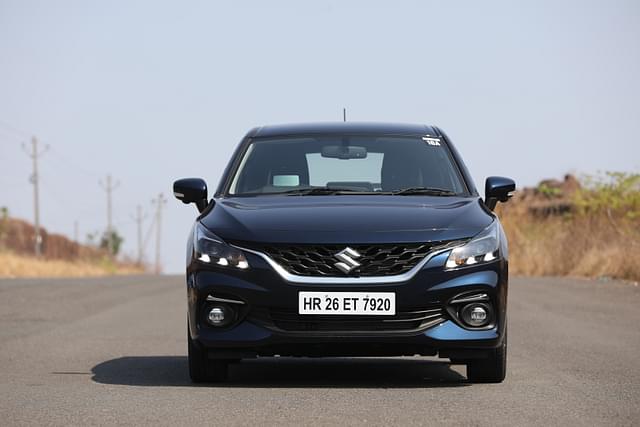
I am getting the Maruti Suzuki Baleno Zeta Petrol for Rs. 8.5 lakh on-road in Kolkata. Considering that my usage will be mostly city driving, with occasional long trips of 500-700 km one way, would it be a good option? Also, I am getting 15 years of road tax and 3 years of comprehensive insurance included in the same price.
Yes, at Rs. 8.5 lakh on-road with 15-year tax and 3-year cover, the Baleno Zeta petrol is a good buy for mostly city use with the odd 500-700 km trip. In traffic it is easy to drive, light to steer and very efficient, so your running costs stay low. On highways, it will sit at 90-110 kph calmly, the cabin is roomy, and the ride is comfortable enough to keep you fresh after long stints.For those long one-side runs, plan overtakes rather than rush them; with a full load and AC, the 1.2 petrol needs a downshift to get going. If the car you’re getting is older stock, that’s not a deal-breaker, but check the VIN for month-year, and make sure the tyres and battery are fresh.At this price with the tax and insurance bundled, it’s strong value.
My monthly driving is around 1,300-1,400 km. Should I choose a strong hybrid or a naturally aspirated (NA) engine? Which one should I buy among Honda Elevate, Toyota Hyryder, Maruti Suzuki Grand Vitara, or any other similar SUV?
Go for the Maruti Suzuki Grand Vitara/Toyota Hyryder strong-hybrid. At 1,300-1,400 km a month, the fuel saving is big enough to recover the higher price in around 2-3 years, especially if most of your running is in city traffic where the car often runs on electric. It is also the easiest to live with day to day - smooth, quiet and always an automatic, so no fatigue in jams.The Elevate’s 1.5 petrol is simple and cheaper upfront, but in real traffic it will use noticeably more fuel. Over your kind of monthly distance, that adds up. One honest catch with the strong-hybrid: the boot is smaller and at expressway speeds it feels relaxed rather than quick if you’re heavy on the throttle. If most of your kilometres are on the highway, the difference in fuel efficiency will be smaller, though the hybrid will still be the more economical option. If you are on a tight budget and your driving is largely highway-based, the Honda Elevate 1.5 or the naturally aspirated Hyryder makes more sense. For mixed use or city-heavy running, the Grand Vitara strong-hybrid is the smarter buy.
Being 6 feet tall person with a budget within Rs. 10 lakh, I mostly commute in the city but also ride around 200 km on the highway every week. My priorities are reliability, after-sales service, fuel efficiency, and riding comfort. Which one should I choose between the Maruti Suzuki Fronx NA Petrol and the Tata Punch NA Petrol?
Go for the Fronx NA petrol, mainly for its smoother 4-cylinder engine and better efficiency, which will save you money in city traffic and feel calmer on your 200 km weekly highway run. Maruti’s reliability and service reach are still the easiest to live with, especially if you plan to keep the car long. For a 6ft driver the seat travel is good, cabin is wider than the Punch, and the Fronx feels more relaxed at 90-100 km/h with less engine noise.The Punch fights back with a higher driving position and a tougher, more absorbent ride on bad roads. But its 3-cylinder motor is noisier, needs more effort for highway overtakes, and real-world fuel use is usually higher. Tata’s service is improving but still inconsistent in many cities.If reliability, low running costs and everyday comfort matter most, the Fronx fits your brief better.
I own a Maruti Zen VX Deluxe 2002 model. I want to purchase an SUV. My budget is around 15 lakhs. My daily running is very less around 10-15 kms. My expectations are good mileage, safety and features. I want a good mixture of all of these. Kindly suggest some good options.
Go for the Hyundai Venue. It gives you a good mix of mileage, safety and modern features at this price. It secured a 5-star BNCAP crash rating and has a good safety feature list with kits like six airbags, ESC at ADAS at higher trims. Its size for the city is also good, with its length coming in under 4 meters, and it should feel easy after a Zen. Opt for the 1.2 litre petrol engine as it would offer you a better real-world efficiency than the 1.0 litre turbo while also coming in at a more affordable price point. As an alternative, you can consider the upcoming Maruti Brezza, which is due to arrive in about two months and would also give you this same mix.
I want to buy 6/ 7 Seater car, budget-friendly. Also, more comfortable in all three rows. I chose Kia Clavis and Xl6. I did test drive both vehicles. I'm comfortable with XL6. More leg room in all three rows. But experts in many forum they praised Clavis. Most of my family members are above 5.9. So I feel XL 6 would be a better option. Suggest to me what's best?
The Kia Carens has a roomier third row, as well as a middle-row bench seat option, while the XL6 is only available with captain chairs. But if you and your family members found the Maruti XL6 more comfortable, and you're fine with the six-seater layout, then that is the one you should get. It is a fuss-free, no-nonsense offering, and with Maruti's widespread, as well as proven, reputation for reliability, it is an option you can't go wrong with.
I'm planning to buy a car. It's my first car. My usage is mainly city usage and occasionally highway use. My priority is comfort, mileage, low maintenance and good resale value. My budget is about 15 to 18L. Need your expertise on what to choose?
Pick the Maruti Victoris, for its smooth, silent and efficient engine. Maruti’s service is simple and nationwide, and resale is likely to be strong, so your long-term costs and stress stay low. It rides comfortably over bad roads, the controls (steering, clutch and gearbox) are light, and it feels steady on the odd highway run.Alternatively, you could look at the Maruti Grand Vitara, which is essentially the same car, but is sold through the Nexa sales network.
My Budget is 10 to 12 lakh, and my current car is a Kwid Petrol since 2016. And the total running is 74000 km. Now I want to shift to the upper segment to a compact SUV. But I am confused between pure petrol, CNG or Diesel option. Kindly suggest the right option.
Go petrol, and within your budget, the Renault Kiger is the sweet spot, especially since you are already in the Renault sales and service ecosystem. Your 74,000km since 2016 works out to about 7,500km a year, so diesel won’t pay back its extra cost and needs additional upkeep. Petrol will keep things simpler and the drive smoother.The Kiger's 1.0 turbo petrol engine feels smooth in traffic and still has enough for highway bursts, it rides over bad roads with ease, and the cabin feels like a genuine step up from your Kwid. Even the mid trims get the useful stuff you’ll actually use every day, but in your budget, you'll get a top-spec automatic too. The only real compromise is a boot that isn’t the biggest, and mileage will dip if you push it hard.If your top goal is the lowest running cost and you mostly drive in the city, the Maruti Brezza is another compact SUV that makes sense. However, in your budget, you'll only get a low to medium variant of this SUV.
Last Updated on: 30 Jun 2026