Mahindra cars in India (18)
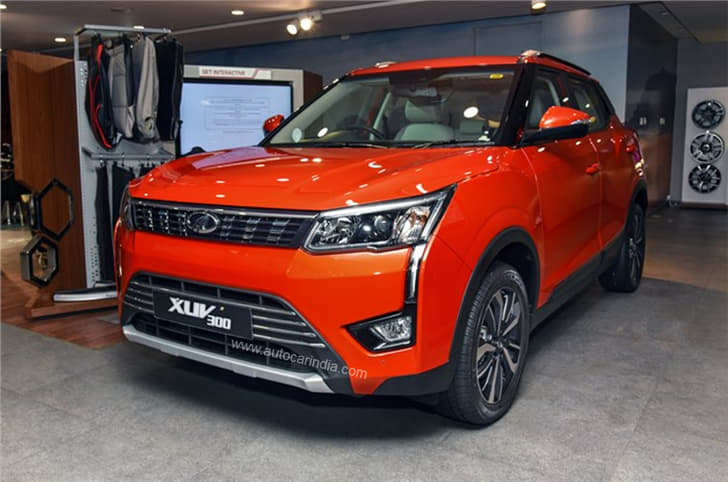
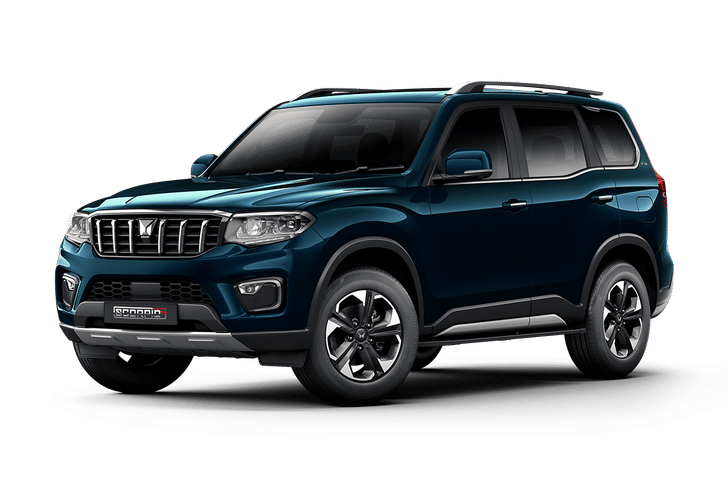
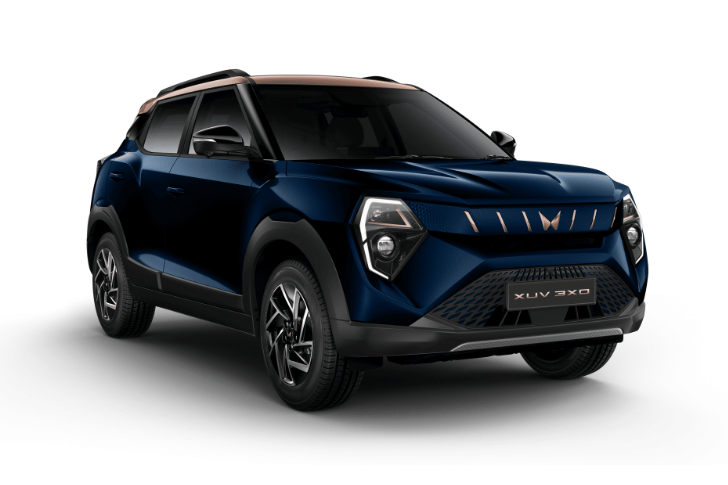
Currently, there are 17 Mahindra cars in India, with 14 on sale and 3 upcoming models. The Mahindra lineup includes 17 SUVs, with no sedans, hatchbacks, MPVs, or convertibles. The Mahindra car price starts at โน7.37 lakh and goes up to โน30.50 lakh (ex-showroom). The Mahindra cheapest car is the XUV 3XO, while the most expensive is the XEV 9e.
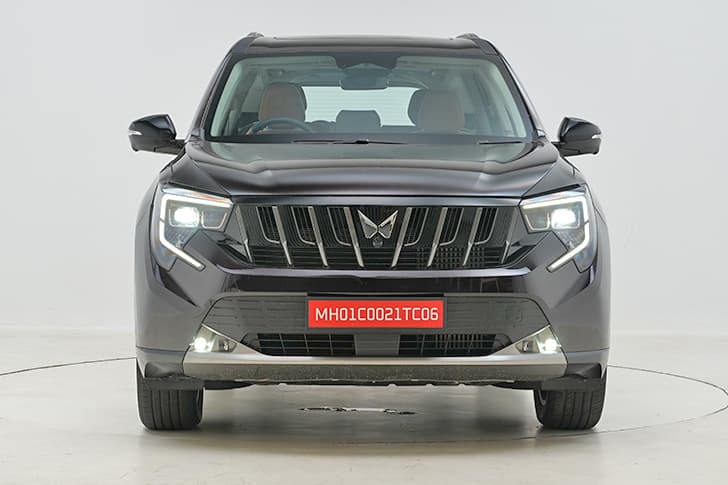
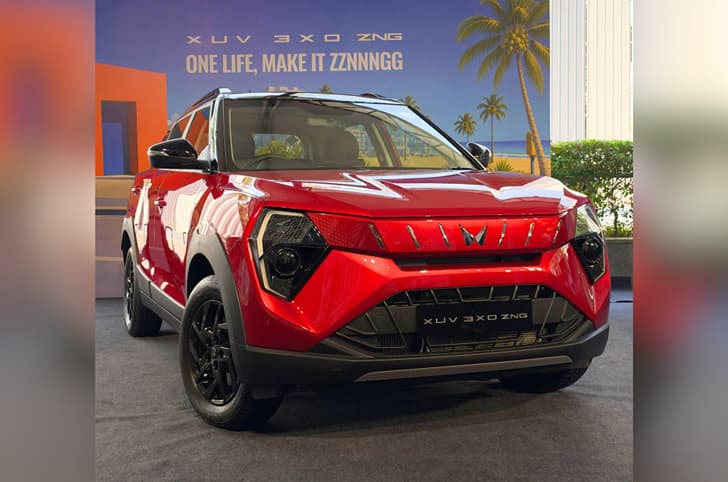
The most popular Mahindra car models in India are the Thar, Thar Roxx, Scorpio Classic, Scorpio N (the highest-selling Mahindra car), XUV 7XO (recently updated from XUV700), and XUV 3XO. Mahindra cars are available with petrol, diesel, and electric options. The newest Mahindra car is the XUV 3XO EV. It was launched on 6 January 2026 and is priced between โน13.89 lakh and โน14.96 lakh (ex-showroom).
Mahindra Cars Price List (April 2026)
The Mahindra car price in India ranges from โน7.37 lakh for the XUV 3XO to โน30.50 lakh for the XEV 9e. The top 5 popular Mahindra cars and their prices are: Thar Roxx (โน12.39 - โน22.25 lakh), Scorpio Classic (โน12.98 - โน16.70 lakh), Scorpio N (โน13.49 - โน24.34 lakh), XUV 7XO (โน13.66 - โน24.92 lakh), and XUV 3XO (โน7.37 - โน14.55 lakh). View the latest Mahindra car prices of all models in the table below:
Mahindra Car | Price (Ex-showroom) |
Mahindra XUV 3XO | โน7.37 lakh - โน14.55 lakh |
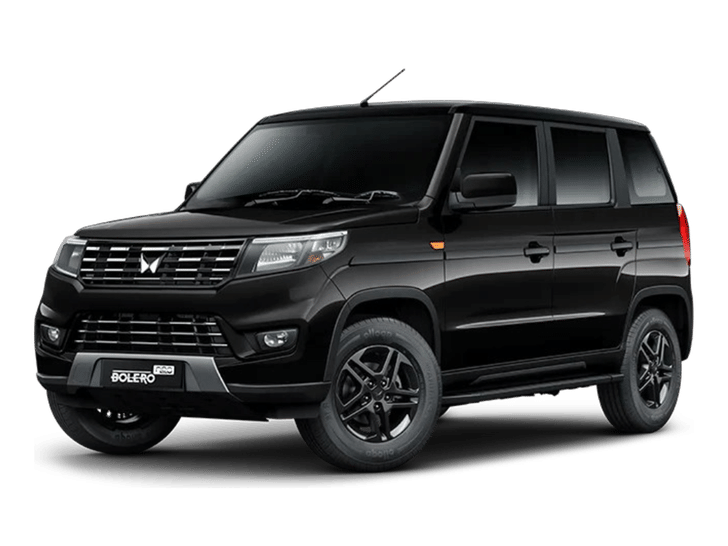
Mahindra Bolero | โน7.99 lakh - โน9.69 lakh |
Mahindra Bolero Neo | โน8.69 lakh - โน10.49 lakh |
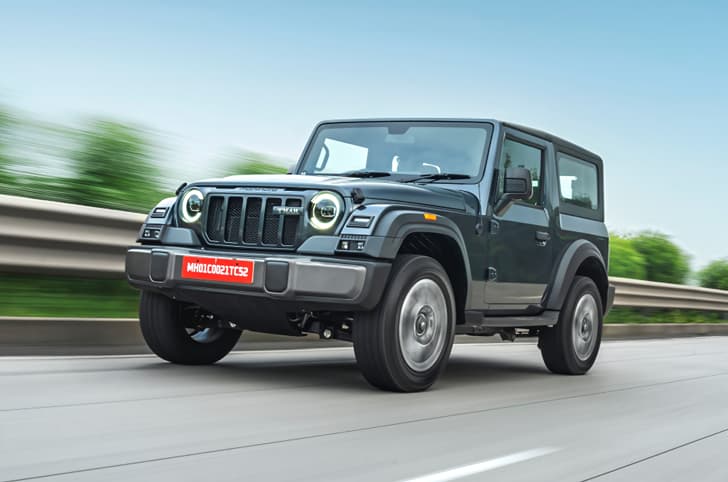
Mahindra Thar | โน9.99 lakh - โน17.19 lakh |
Mahindra Bolero Neo+ | โน10.90 lakh - โน11.95 lakh |
Mahindra Thar Roxx | โน12.39 lakh - โน22.25 lakh |
Mahindra Scorpio Classic | โน12.98 lakh - โน16.70 lakh |
Mahindra Scorpio N | โน13.49 lakh - โน24.34 lakh |
Mahindra XUV 7XO | โน13.66 lakh - โน24.92 lakh |
Mahindra XUV 3XO EV | โน13.89 lakh - โน14.96 lakh |
Mahindra XUV400 | โน15.49 lakh - โน17.49 lakh |
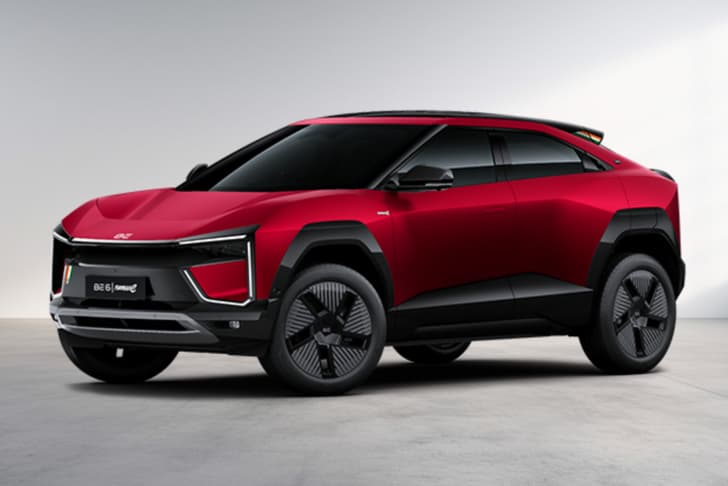
Mahindra BE 6 | โน18.90 lakh - โน26.90 lakh |
Mahindra XEV 9S | โน19.95 lakh - โน29.45 lakh |
Mahindra XEV 9e | โน21.90 lakh - โน30.50 lakh |
Mahindra New Car
There are 3 new Mahindra cars set to launch in India:
- Mahindra Scorpio N facelift
- Expected price: โน14.00 lakh - โน26.00 lakh
- Expected launch: Early 2026
- Engine: 2184 cc
- Fuel Type: Diesel
- Transmission: Manual
- Mahindra Vision S
- Expected price: โน7.50 lakh - โน13.00 lakh
- Expected launch: 2027
- Engine: To be revealed
- Fuel Type: Petrol
- Transmission: Automatic
- Mahindra Vision X
- Expected price: โน25.00 lakh - โน30.00 lakh
- Expected launch: 2027
- Engine: To be revealed
- Fuel Type: Petrol
- Transmission: Automatic
Mahindra Electric Car
The Mahindra electric car price ranges between โน13.89 lakh and โน30.50 lakh. Presently, there are 5 Mahindra EV cars for sale in India: XUV400, BE 6, XEV 9S, XEV 9e, and recently launched XUV 3XO EV. The cheapest Mahindra electric car is the XUV 3XO EV, while the most expensive is the XEV 9e.
Mahindra Cars - Latest Updates
- 6 January 2026: Mahindra launched XUV 3XO EV at โน13.89 lakh.
- 6 January 2026: The new Mahindra XUV 7XO, a facelifted XUV700, starts at โน13.66 lakh (ex-showroom). Pre-bookings have closed, with fresh bookings reopening on 14 January 2026.
- 8 December, 2025: Mahindra XUV700 facelift, a.k.a., XUV7XO, will debut on Jan 5, 2026.
- 2 December, 2025: November 2025 car sales sees Mahindra reclaim second spot as Tata slips to third.
- 27 November, 2025: Mahindra has introduced the XEV 9S at a starting price of โน19.95 lakh.
- 26 November, 2025: Mahindra has launched the BE 6 Formula E Edition at โน23.69 lakh.
FAQs
The Mahindra car price starts at โน7.37 lakh for the XUV 3XO and goes up to โน30.50 lakh for the XEV 9e (ex-showroom).
The Mahindra electric car range includes 5 models: XUV400, BE 6, XEV 9S, XEV 9e, and XUV 3XO EV.
There are seven Mahindra 7 seater cars available for sale in India: Scorpio N, XEV 9S, XUV 7XO, Scorpio Classic, Bolero Neo, Bolero, and XUV700.
The Mahindra SUV car price in India starts at โน7.28 lakh for the XUV 3XO and goes up to โน30.50 lakh for the XEV 9e (ex-showroom).
Currently, there is no Mahindra CNG car on sale in India.
Yes. Mahindra offers 5 models with variants priced under โน10 lakh: Thar, Bolero Neo+, Bolero, XUV 3XO, and the upcoming Mahindra Vision S. Vision S is expected to start at โน7.50 lakh (ex-showroom).
The Mahindra top model car in terms of pricing is the XEV 9e, with prices going up to โน30.50 lakh (ex-showroom).
Mahindra 5 seater car choices include the XEV 9e, BE 6, Thar Roxx, XUV 3XO, XUV400, and XUV 3XO EV.
Yes, 9 out of 16 Mahindra cars that are available for sale come with an automatic transmission option. These cars are - XEV 9e, BE 6, XEV 9S, Scorpio N, Thar, Thar Roxx, XUV700, XUV 3XO, and XUV400.
The Mahindra car on road price varies by city, starting at around โน8.28 lakh in Delhi for the XUV 3XO and going up to about โน32.33 lakh for the XEV 9e in major metros.
No. Currently, there is no Mahindra car under 5 lakh in India.
No, Mahindra does not sell a car under 8 lakh. The entry point starts at โน7.28 lakh for the XUV 3XO, but the on-road cost is higher.
The Mahindra diesel car lineup includes the Scorpio N, Thar, Bolero Neo+, Thar Roxx, Bolero Neo, Bolero, Scorpio Classic, XUV 7XO, XUV700, and XUV 3XO.
Buyers looking for Mahindra cars with a sunroof can consider models such as the XEV 9e, BE 6, Scorpio N, Thar Roxx, XUV700, XUV 3XO, and XUV400. Availability of the sunroof depends on the variant chosen.
Trending Questions on Mahindra Cars - Answered by Autocar Experts
Nitesh
โข1dIโm planning to buy a new car, and Iโm currently confused between the Mahindra XUV 3XO AX5 (Petrol Manual), Hyundai Venue HX5 Turbo Petrol, and Kia Seltos 2026 base petrol variant. My usage: 60% city, 25% highway, 15% mountains (3 trips every year). Other requirements: annual running: ~8,000โ10,000 km, primary use: family car, but I do enjoy driving occasionally, good ground clearance is important (roads in my hometown in the mountains are quite bad). I am planning to keep the car for 10+ years. Budget: โน12 lakh (can stretch to โน13 lakh if itโs truly worth it). My question is: Which of these would be the best fit for my usage? Is it worth stretching for the Seltos base model over the other two? Are there better alternatives in this budget that I should consider? Would really appreciate your suggestions. Thanks in advance!

Autocar India
With mostly city use, a few highway runs, and some mountain trips on broken roads, the Mahindra XUV 3XO AX5 petrol manual fits your brief best. It rides tough over bad patches, has good ground clearance, and its turbo petrol pulls well at low speeds, which helps on steep hill sections and in slow city traffic. It is also one of the nicer cars to drive in this price range, so when you want to enjoy a winding road, it will put a smile on your face, and the AX5 gives you a good mix of safety and comfort features without blowing the budget.Two trade-offs to note. If you often carry a full load of luggage, the boot is not very large, and at low speeds, the steering is not as light as most other SUVs in the class. Is it worth stretching to the base Seltos? Only if you really need the extra space. The base Kia Seltos skimps on features, and its non-turbo petrol will feel weaker on mountain climbs with a full family. Also check on-road pricing in your city, as it may push past Rs 13 lakh.The Hyundai Venue HX5 Turbo Petrol is also a good option and a great all-rounder, with a bigger boot, but given your needs, the better-riding, more enjoyable to drive XUV will suit you better. If you want another option to check out, look at the Maruti Suzuki Brezza, which is unexciting but offers hassle-free long-term ownership.
Saka
โข2dI live in Hyderabad and am planning to purchase a new car with a budget of โน12 lakh, extendable up to โน15 lakh on-road. My monthly usage is 800 km in the city, and once every quarter, more than 1,800 km on highways. I am 30 years old, 6'1", and heavily built. While travelling on highways, I need strong performance, as I am used to driving my friendโs Innova Crysta on highways. My priorities are safety, features and interiors, mileage, performance, comfort, and ease of driving. My 2021 Kia Sonet delivered 13โ15 kmpl in Hyderabad city traffic and 18โ20 kmpl on highways. I would prefer similar mileage in my new car without worrying about fuel efficiency. Can diesel be considered in 2026? I plan to test drive the exact suggested configurations, so specific recommendations would really help.

Autocar India
Since you already own the Sonet, a natural replacement for you would be the Kia Syros, which has broad and comfy seats, huge cabin space, and with high quality interiors and a lengthy equipment list, it certainly feels like you've spent your money well. The HTK+ Diesel MT variant should easily fall within your budget, and because it uses the same engine and gearbox as the Sonet, you could expect similar (or slightly lower) efficiency and performance too.Alternatively, you could consider a Mahindra XUV 3XO Diesel MT, which is like a tough, confident compact SUV with excellent driving dynamics and strong performance.Yes, you can consider diesel in 2026 as Hyderabad does not have the 10-year diesel cap that applies in NCR. Also, your periodic highway drives will also help keep the DPF healthy.
Mahesh
โข2dCould you please help me choose the most suitable car within a โน14 lakh on-road budget? I am currently confused between the Skoda Kushaq facelift, Tata Nexon Creative Plus, and Mahindra XUV 3XO AX5, considering my usage of around 1,000 km per month and the need for a safe, comfortable, and reliable family car for use with two young children?

Autocar India
With around 1,000 km a month, two young kids and a cap of โน14 lakh on-road, the Mahindra XUV 3XO AX5 is the one that fits your brief best. It rides comfortably over broken city roads and speed breakers, and the rear seat is more than spacious enough for your kids. Safety is a strong point too, with a solid feel, good driver aids for this price, and mounts to fix child seats in the back. It also fits your budget in a well-equipped trim, so you are not forced into a bare-bones version. A trade-off to note: The boot is not the biggest in this price range, so if you often carry a full-size stroller plus luggage, do a quick fit check. If you prefer a more contemporary looking cabin, the Tata Nexon Creative Plus is your alternative from your list. It offers a slightly roomier boot and a very nice interior, and is easy to drive in the city, but the petrol engine feels a bit less smooth at low speeds and Tata service quality can vary by city. The Skoda Kushaq facelift would be a good pick, but only if you can stretch your budget, as within โน14 lakh youโll only get the base manual model, and Skodaโs service reach is smaller. Overall, for your family use and budget, the XUV 3XO AX5 lines up best.
Naman
โข2dI am confused between the Tata Harrier Fearless 75, Mahindra BE 6 Pack 2, and Mahindra XEV 9e. My driving is mainly on highways. Which is the better option in terms of range and comfort?

Autocar India
The Mahindra XEV 9e is the better pick, both in terms of range and comfort. On the highway, you can easily expect around 480km of real-world range with the 79kWh battery version. Performance is plenty, its steering is light, suspension setup is good, and seats are comfortable, which makes it ideal for long-distance travel. Also, it is worth noting that the XEV 9e's fast charging speeds are much higher than the Harrier EV's, translating to shorter charging times when connected to a 120kW or faster DC charger.
David
โข2dI am planning to buy a new car by the end of the year, and my current top choice is the Mahindra XUV7X0 (AX7 petrol automatic variant). Earlier, I was considering the Kia Seltos and Hyundai Creta, but I no longer like their current exterior designs, so I have shifted my focus. For context, I currently own a Maruti Suzuki Ertiga (petrol + CNG), which is almost 10 years old and has been driven only around 50,000 km. My usage is quite low. The office is about 13 km away (around 30 km round trip), but I often use public transport. I mainly use the car on weekends, roughly 2-3 times a week, and my monthly running is around 400-450km. My priorities for the new car are: strong road presence and mass appeal, comfortable and premium interior, good reliability, reasonable service and maintenance costs (I am used to Maruti-level affordability), suitable for family trips. Given my low usage and requirements, would the XUV7X0 petrol automatic be a good choice, or should I consider other options?

Autocar India
Low monthly use, mostly weekend family trips, and you want strong road presence with a premium feel, in that brief, the Mahindra XUV 7XO petrol automatic is the right fit, and itโs the one we would pick for you. It lines up with your goals for three clear reasons. First, presence and space: it looks big, sits high, and feels like a big step up from your Maruti Ertiga. Five adults ride in real comfort, and with the third row folded, you get a huge boot for family trips. Second, the petrol motor feels smooth and strong at low speeds and on the highway, so city gaps and quick passes are easy without effort. Third, the cabin feels premium for the price, with a clean screen layout and a quiet ride that your family will like.A few trade-offs to note, given your context: service will not be Maruti-affordable, and the car will use more fuel than your Ertiga CNG. Itโs also a large car, so tight parking will need care, and Mahindraโs software still throws the odd small glitch.If the budget allows, the Toyota Innova HyCross hybrid brings top comfort and very low city fuel use, but it is pricier. Overall, for your low running and desire for presence and a premium feel, the XUV 7XO petrol automatic fits best.
satya narayana
โข3dI am confused between the XEV 9S and Harrier EV base models. Which one will be better for both city and highway driving?

Autocar India
The base Mahindra XEV 9S gets a 59kWh battery, with a 231hp/380Nm rear motor, and its claimed range is 521km. The entry-level Harrier EV on the other hand gets a 65kWh battery, with a 238hp/315Nm rear motor, and its claimed range is 538km. Even though their specifications are similar, the Mahindra car is Rs 1.5 lakh more affordable. For the money, the XEV 9S also gets you a premium kit like a dedicated passenger (third) touchscreen and panoramic sunroof, among others. Additionally, the XEV 9S has a lighter steering and a tighter turning radius, which makes manoeuvring the car much easier in the city. Additionally, the extra row of seats can come handy occasionally. Overall, the Mahindra XEV 9S comes across as the better pick of the two.
Anil Gupta
โข3dHi Autocar team, I own a 2015 Hyundai i20 Elite petrol manual. My average running is around 500 km per month. I am looking for a practical SUV that can accommodate a family of 5โ7 members occasionally. This will be my last car, as I am 58 years old, and it will mostly be driven alone or with a co-passenger. I have looked at the Tata Sierra and Mahindra XUV 7XO. I am confused between electric and petrol, and also between manual and automatic. Please suggest.

Autocar India
With 500 km a month with at most you and one passenger (but sometimes 5-7 members), the Mahindra XUV 7XO petrol automatic in the 7-seat version is the better fit for you. It gives you a proper third row for those rare family trips, yet the rest of the time it works well as a calm, easy daily car.For your low running, petrol makes more sense than electric. Try to avoid the higher upfront price of an EV as you will not drive enough each month to recover that extra cost. The XUVโs petrol with the automatic gearbox that changes gears on its own will feel far easier than your i20 manual in stop-go traffic.A couple of trade-offs to note. The Mahindra car that you are considering, is big, so parking in tight spots needs some care. Also, the third row is best for kids or short adults on short trips but not during long highway stretches.Overall, for your usage and this being your last car, the XUV 7XO petrol automatic 7-seater lines up best.
Shyam
โข3dHi Team Autocar, Iโm looking to buy a compact SUV car with an automatic transmission for my family, under 17 lakh. It should comfortably seat 5 people (4 adults and 1 child), plus luggage. My usage will be mostly city driving in Pune for office commutes, with occasional highway trips to Mumbai and other outstation routes that include ghat sections. Iโm considering the Skoda Kushaq, Volkswagen Taigun, Hyundai Creta N Line, Kia Sonet, Maruti Suzuki Victoris, and MG Astor. Could you please help me decide which automatic option would be most reliable for me? Iโd like to compare them on safety, mileage, comfort, and service/maintenance. If thereโs another car youโd recommend that fits my needs better, please suggest.

Autocar India
You should opt for the Hyundai Creta IVT, not the N Line. It is the best fit for your needs and budget. If you want a more affordable but still spacious option, consider the Mahindra XUV 3XO automatic. Your usage is mostly city with occasional highway and ghat runs, plus a family of five with luggage. The Hyundai Creta works best here because it balances comfort, space and ease of driving better than anything else in this segment. The IVT automatic is smooth and predictable in traffic, which matters daily, and it is more efficient and stress-free than dual-clutch options. The ride quality is soft and forgiving, which helps on bad roads and long drives, and the cabin is spacious enough to seat five comfortably with decent boot space for trips.Now, about your shortlist. The Creta N Line you are considering is actually over your โน17 lakh budget, and while it is more engaging to drive, it has a firmer suspension, which is not ideal for family comfort. The standard Creta is the smarter choice for your usage.If you want something well within budget and still very usable as a five-seater, the Mahindra XUV 3XO is worth a look. Its wide body makes it one of the better cars in this segment for rear-seat comfort, and it feels more spacious than most compact SUVs. It is also good to drive and well-equipped, though not as polished overall as the Creta.
Manish Kulkarni
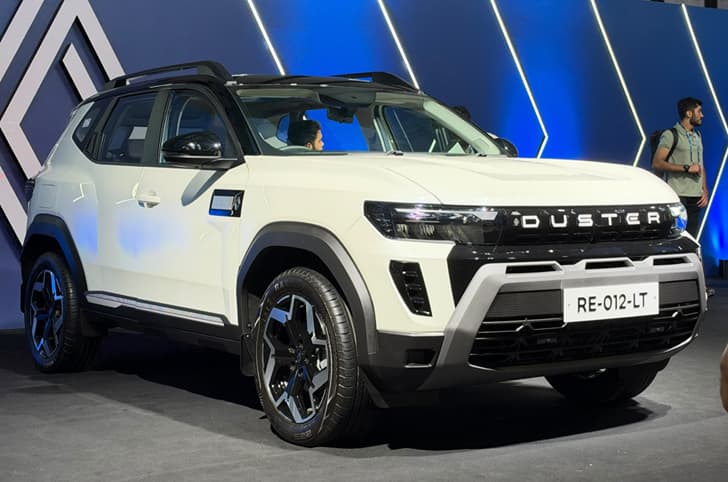
โข3dWhich car should I buy if I plan to do road trips across India, including Ladakh, the Spiti circuit, followed by the 7 sisters & South India, with my family? I am looking for a five-seater, preferably diesel or hybrid. I can wait up to six months, until around Diwali. My yearly running will be around 10,000-12,000 km, which consists of 65% highway, 15% ghat roads, and 30% city driving. I live in the Thane suburbs (Dombivli). Good service, support and reliability are very important to me. The options I am considering are: XUV 7XO, Scorpio, Vision S, Thar Roxx, Duster (Hybrid), and Honda Elevate (Hybrid). Should I consider an AWD or 4x4 model, or are there any other options you would recommend?

Autocar India
From your list, the Mahindra Scorpio N 4x4 diesel is the safest fit for this use. As a five-seater with the last row folded, it offers a large boot, a tough body and proper 4x4 with low range for slush, snow or rocky terrain. It also has strong pulling power on steep hill roads when fully loaded. Mahindraโs wide service network on these routes is an added advantage when you are far from cities.Be aware that the Scorpio N is not as quiet or as comfortable on long highways as softer monocoque SUVs, and in the city, the ride can feel a bit bouncy. The Mahindra XUV 7XO is the better road car. It is more comfortable and refined, but for your intended usage, it is not as robust or as versatile as the Scorpio N, especially for tougher terrain in the Himalayas where the Scorpio Nโs higher ground clearance and proper 4x4 make a real difference. The same limitation applies to options like the Renault Duster Hybrid and Honda Elevate.As for the Mahindra Thar Roxx, it is less comfortable than the Scorpio N, especially in terms of seating and long-distance usability.
Partha
โข4dHi, I want to buy a large SUV (XUV, Scorpio, Safari) under โน20 lakh, but I am concerned about petrol mileage. My driving is 40โ50 km per day (city + highway), and every 3โ4 months I take a 500 km trip. Should I buy a diesel car, and if yes, will it have any impact on the DPF?

Autocar India
Your 40โ50 km daily running, plus periodic 500 km trips, is ideal for a diesel. These engines need consistent use and occasional highway driving to stay healthy, and you are already doing both. Issues with BS6 diesels usually arise only when the car is used for very short city runs or constant crawling traffic without ever getting a proper stretch.The DPF needs heat to clean itself, which happens during steady driving at moderate speeds or higher RPM. Short trips and low speed driving lead to soot build-up, but your usage naturally allows the system to regenerate. It also makes sense to choose diesel in cars like the Mahindra Scorpio N, XUV700 or Tata Safari, as the petrol versions are not very fuel-efficient.
Last Updated on: 26 Apr 2026