Autocar India
6w

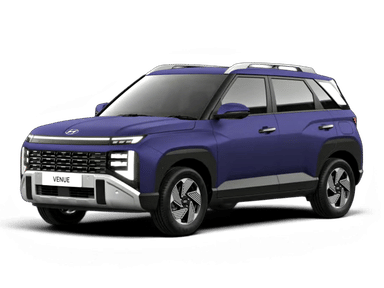
I am planning to buy a car primarily for city use. I was considering the Hyundai Venue DCT and the Mahindra XUV 3XO AT, both petrol. However, I have now seen the XUV 3XO EV and am seriously considering it. Please suggest.

Verified
6w
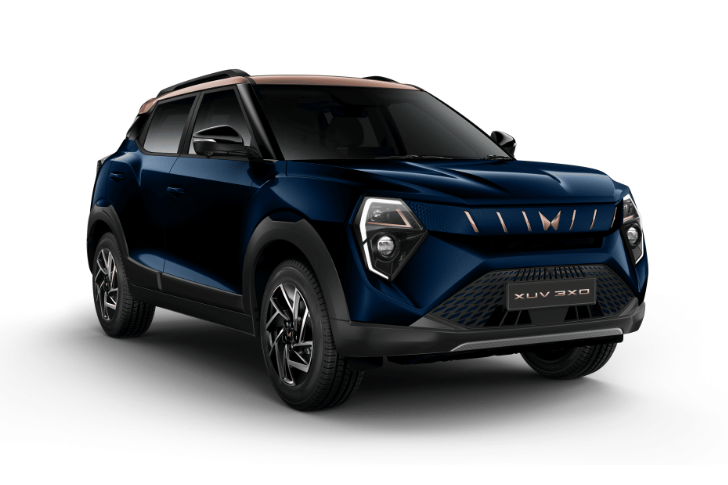
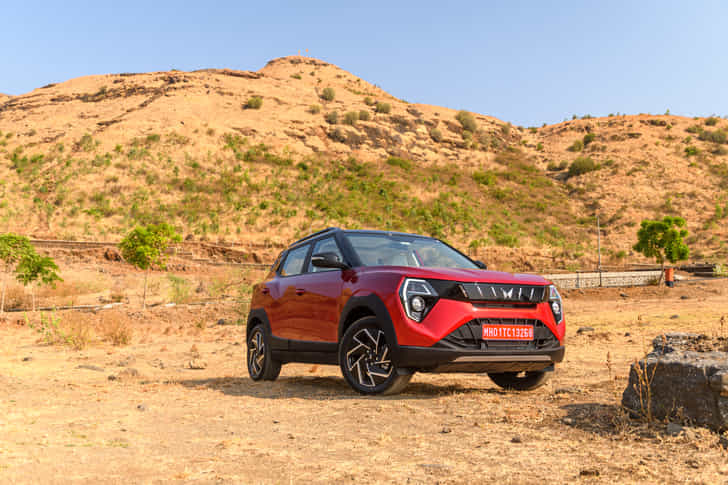
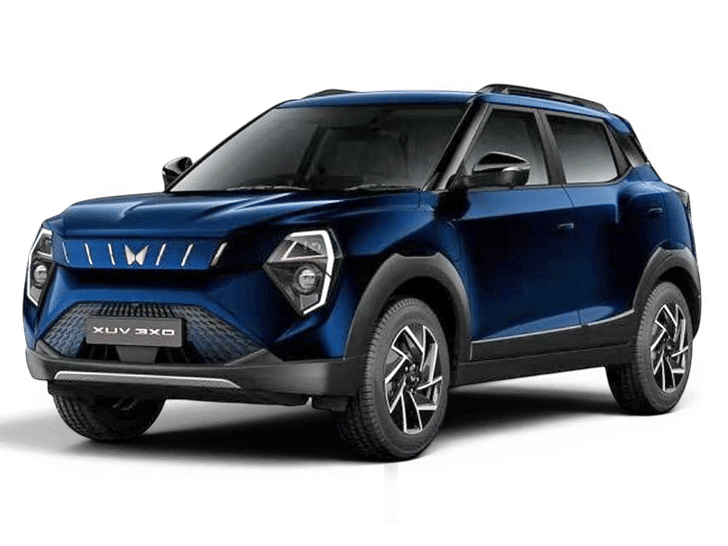
Pick the Mahindra XUV 3XO EV for city use, as long as you have a fixed parking spot where you can install a home charger. In traffic, it is smoother and quieter than the petrol alternatives, costs far less per kilometre to run, and the range is easily enough for daily commutes with the AC on. One-pedal driving also makes stop-and-go traffic less tiring.
The catch is charging. If you can’t install a home charger, then public charging will cost a lot more, and the savings will take much longer to add up. Also, if you often do long highway trips, an EV requires more planning, with stops revolving around charging stations. For pure city use, though, an electric car is much smoother and less tiring to drive than a petrol automatic.
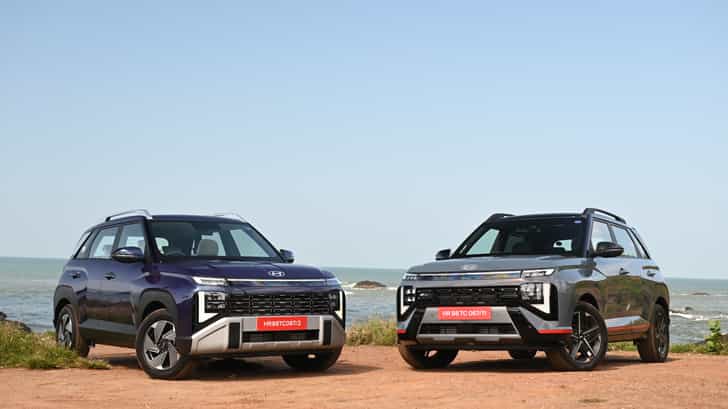
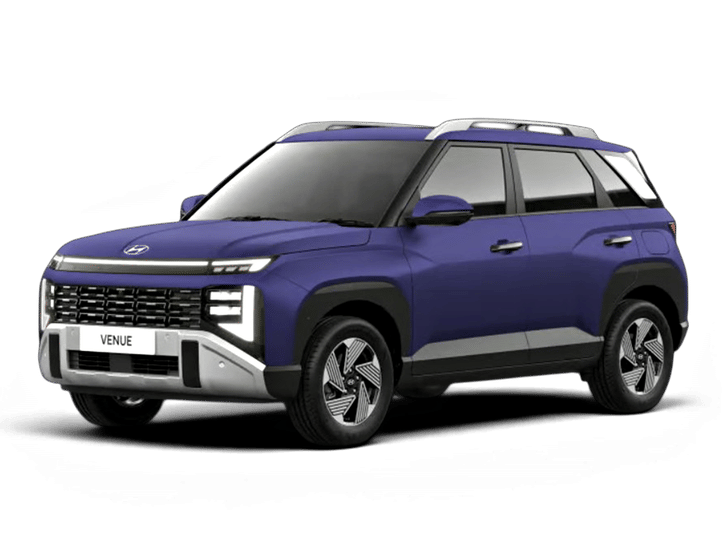
If charging feels like a hassle, then go for the Mahindra XUV 3XO AT over the Hyundai Venue DCT. The Mahindra’s automatic feels calmer at low speeds, and the car rides rough patches better, which matters in our cities. The Venue DCT is still nice to drive and compact to park, but in heavy traffic, the DCT can feel a bit hesitant.
So, if home charging is sorted and your usage is mostly in the city, pick the XUV 3XO EV. If not, pick the XUV 3XO AT.
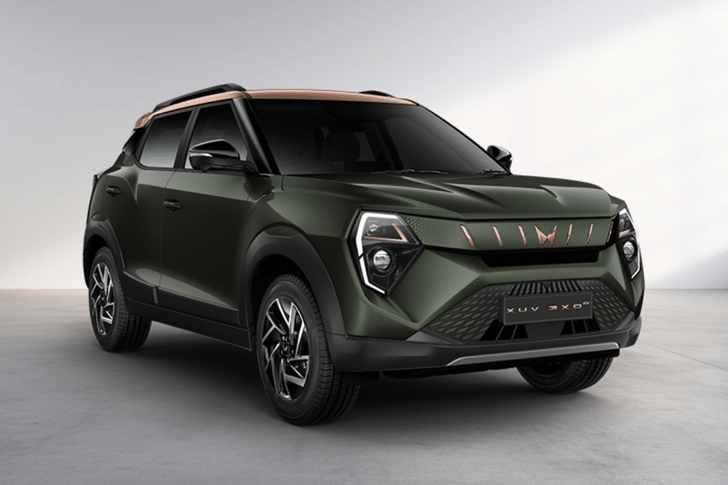
Mahindra XUV 3XO EV

Mahindra XUV 3XO EV

Was this helpful? Ask a follow-up

6w

What is better between tata nexon ev and 3xo ev

More questions on similar cars

3d

Hi, I am planning to buy an electric vehicle and am considering the Mahindra XUV 3XO EV. Since it offers more cabin space and a taller seating position than the Tata Nexon EV, it seems like a better fit for my needs. What are your thoughts on the XUV 3XO EV? Would you recommend it over the Tata Nexon EV?

Verified
2d

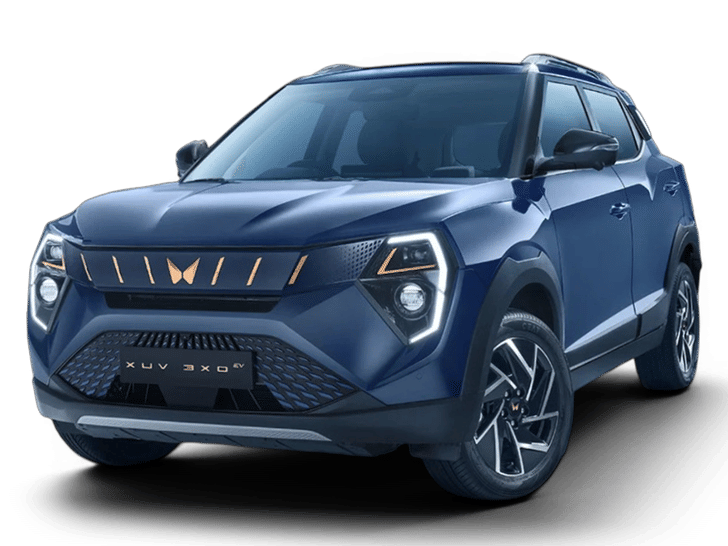
The Mahindra XUV 3XO EV does have a roomier cabin and benefits from the latest 3XO interior, improved ergonomics and a long features list. However, underneath, it is essentially a facelifted XUV400. It carries over the same 39.4kWh battery pack, 150hp motor and front-wheel-drive powertrain, rather than using Mahindra's newer INGLO architecture seen on the BE 6 and XEV 9e. Mahindra itself positions it as the replacement for the XUV400.That means you're buying a car with a much-improved body and cabin, but not an all-new EV platform. The battery size and real-world range also lag behind some newer rivals, so while performance remains strong, the underlying technology doesn't move the segment forward.If your choice is strictly between the XUV 3XO EV and the Tata Nexon EV, we'd still lean towards the Nexon EV. This Tata car benefits from a more modern dedicated EV architecture, offers larger battery options, longer range and has matured into a well-rounded package over successive updates. The XUV 3XO EV's biggest advantage is its more spacious cabin, but that alone isn't enough to outweigh the Nexon's more contemporary electric underpinnings.If you're open to looking beyond these two, the MG Windsor EV remains our top recommendation in this price bracket. It feels like a segment above in terms of cabin space, comfort and overall value, making it the most compelling family electric car unless your requirement is for a more compact SUV.

VehicleMahindra XUV 3XO EV
VehicleMahindra XEV 9e
VehicleTata Nexon EV
VehicleMG Windsor
2d

Hi, I am a regular reader of Autocar articles, and this time I thought of asking for some clarification. I have been using a 2022 Nissan Magnite CVT for the last 4 years, mostly for highway driving. I have noticed a significant drop in mileage after the introduction of E20 fuel, and I am doubtful about my vehicle's E20 compatibility. I checked with the dealer, but they simply said it is compatible with E20. However, the mileage drop I am experiencing, especially on highways, is quite significant. I am now planning to buy a new automatic SUV with good mileage. My budget is Rs. 17 lakh (on-road). Please advise.

Verified
1d

Thank you for reading Autocar India and for your question. Your Magnite CVT is E20 compatible, so there is no need to worry about the engine. The drop in mileage you are seeing is normal. E20 petrol has a lower energy content than E10, so fuel efficiency drops by around 5-10%. This is expected and not a sign of a problem with the car.For your new car, your usage is mostly highway and you want good mileage with an automatic within Rs. 17 lakh on-road budget. The best fit is the Maruti Suzuki Victoris mild hybrid automatic. It is a petrol mild hybrid, so it delivers better highway efficiency than a standard petrol, and the automatic is a smooth torque converter unit that is reliable and well suited to long-term ownership. The Victoris is also a comfortable and spacious SUV with a proven ownership record.If you want a more premium feel and a slightly more engaging driving experience, the Skoda Kushaq 1.0 TSI automatic is a good alternative. It has a new 8-speed gearbox and the car feels more solid and planted on the highway. However, the Victoris will be the more efficient and easier car to own long term.If you are open to diesel, the Mahindra XUV 3XO diesel automatic is worth considering. It will deliver the best highway efficiency and strong performance, but diesel makes sense only if your annual running is high enough to justify the higher fuel and maintenance costs.Overall, the Victoris mild hybrid automatic is the best fit for your requirements. It delivers good mileage, a smooth automatic and a hassle-free ownership experience.

VehicleNissan Magnite
VehicleMaruti Suzuki Victoris
VehicleMahindra XUV 3XO
VehicleSkoda Kushaq

Popular discussions right now

3d

Hi, I am a teacher and a first-time female driver with a budget of Rs. 11.5 lakh. I am looking for an automatic car that I plan to keep for the next 15 years, but I am confused about whether to buy a petrol AMT, CNG AMT, or an EV due to the uncertainty surrounding ethanol blending. My daily commute is 46 km, of which 22 km is on the highway, 18 km is on normal roads, and 6 km is on bumpy village roads in poor condition. Please recommend the most suitable fuel type that will keep my overall cost of ownership low.

Verified
2d

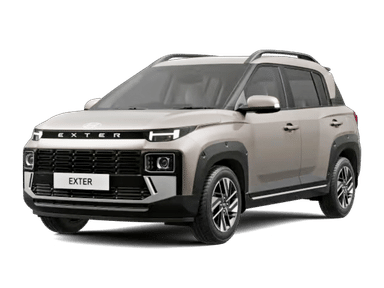
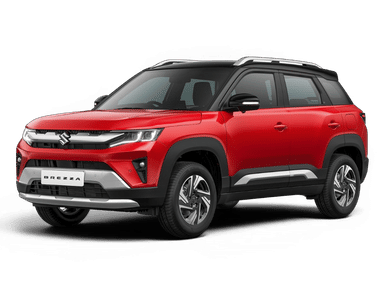
We'd recommend a petrol automatic. With a daily running of around 46km and an ownership period of 15 years, it offers the best balance of low ownership costs, reliability and ease of use for a first-time driver.We wouldn't let E20 fuel influence your decision. Modern E20-compliant petrol cars are designed to run on it, and there is no official roadmap beyond E20. It isn't a reason to avoid buying a petrol car today. A CNG automatic will certainly reduce your fuel bills, but the higher purchase price, reduced boot space and limited automatic options make CNG car less attractive unless fuel savings are your overriding priority. An electric car will have the lowest running costs, but at your budget, you'll have to compromise on size or features, and recovering the higher upfront cost will take time.Given your budget and usage, we'd look at the Maruti Suzuki Brezza facelift automatic which will launch soon if you can stretch slightly, or the Maruti Suzuki Fronx Delta+ AGS if you want to stay within budget. Both are easy to drive, have good ground clearance for the 6km of rough village roads and come backed by Maruti Suzuki's extensive service network. If you prefer a smoother automatic, the Hyundai Exter SX AMT is also worth considering.

VehicleMaruti Suzuki Fronx
VehicleHyundai Exter
VehicleMaruti Suzuki Brezza

Posted on: 9 Jun 2026