
Every helpful action can earn a badge.
Hi, I am planning to buy an electric vehicle and am considering the Mahindra XUV 3XO EV. Since it offers more cabin space and a taller seating position than the Tata Nexon EV, it seems like a better fit for my needs. What are your thoughts on the XUV 3XO EV? Would you recommend it over the Tata Nexon EV?

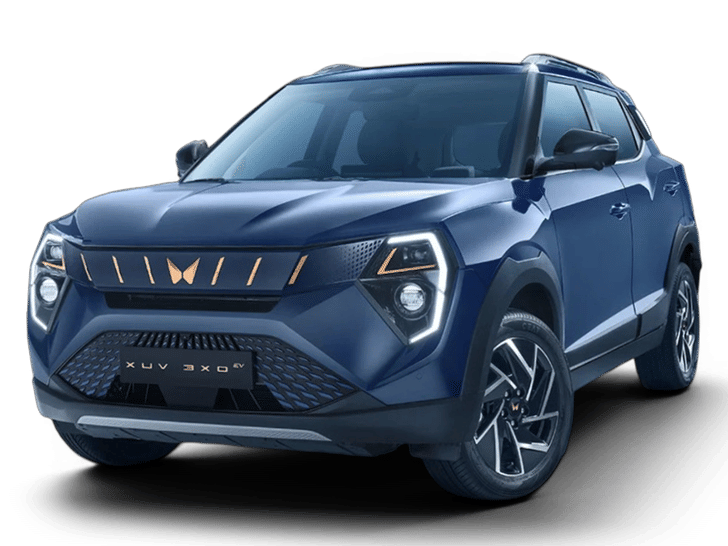
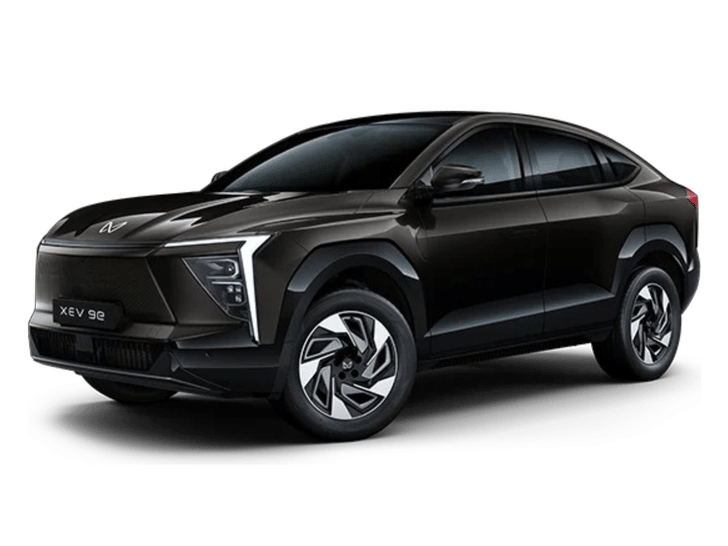
The Mahindra XUV 3XO EV does have a roomier cabin and benefits from the latest 3XO interior, improved ergonomics and a long features list. However, underneath, it is essentially a facelifted XUV400. It carries over the same 39.4kWh battery pack, 150hp motor and front-wheel-drive powertrain, rather than using Mahindra's newer INGLO architecture seen on the BE 6 and XEV 9e. Mahindra itself positions it as the replacement for the XUV400.
That means you're buying a car with a much-improved body and cabin, but not an all-new EV platform. The battery size and real-world range also lag behind some newer rivals, so while performance remains strong, the underlying technology doesn't move the segment forward.
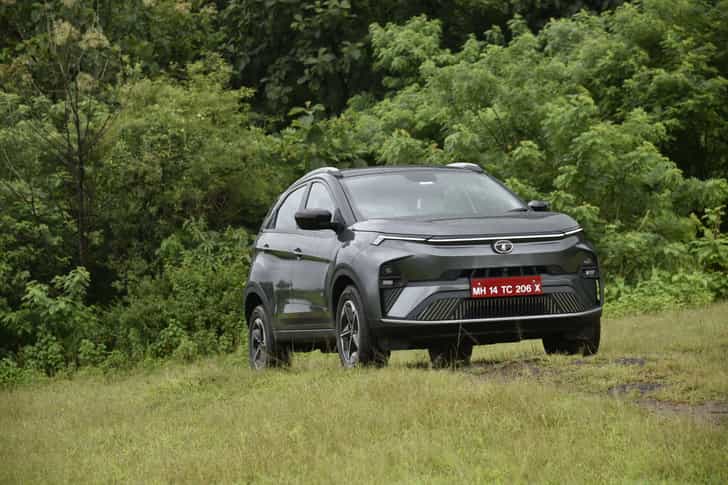
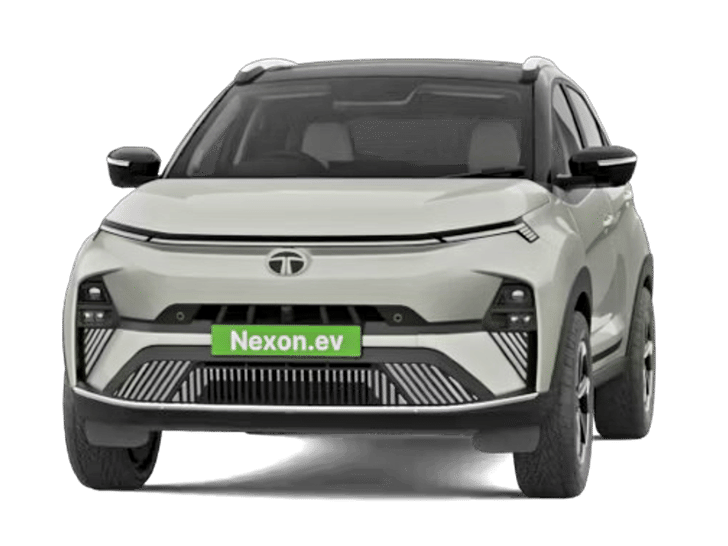
If your choice is strictly between the XUV 3XO EV and the Tata Nexon EV, we'd still lean towards the Nexon EV. This Tata car benefits from a more modern dedicated EV architecture, offers larger battery options, longer range and has matured into a well-rounded package over successive updates. The XUV 3XO EV's biggest advantage is its more spacious cabin, but that alone isn't enough to outweigh the Nexon's more contemporary electric underpinnings.
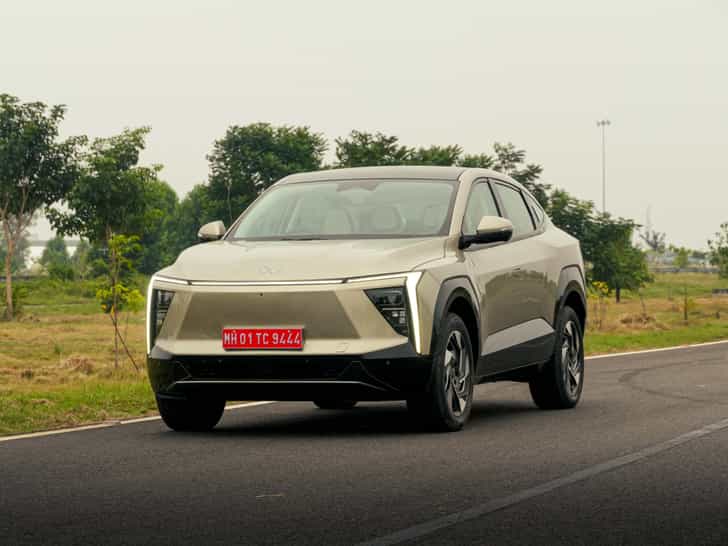
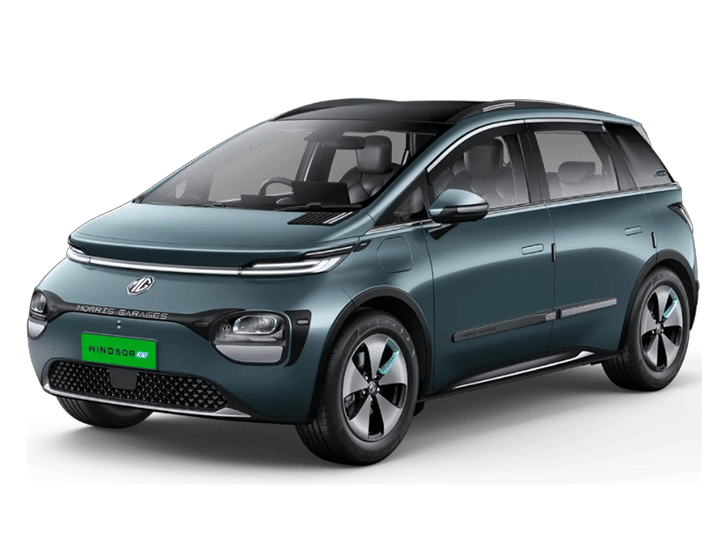
If you're open to looking beyond these two, the MG Windsor EV remains our top recommendation in this price bracket. It feels like a segment above in terms of cabin space, comfort and overall value, making it the most compelling family electric car unless your requirement is for a more compact SUV.
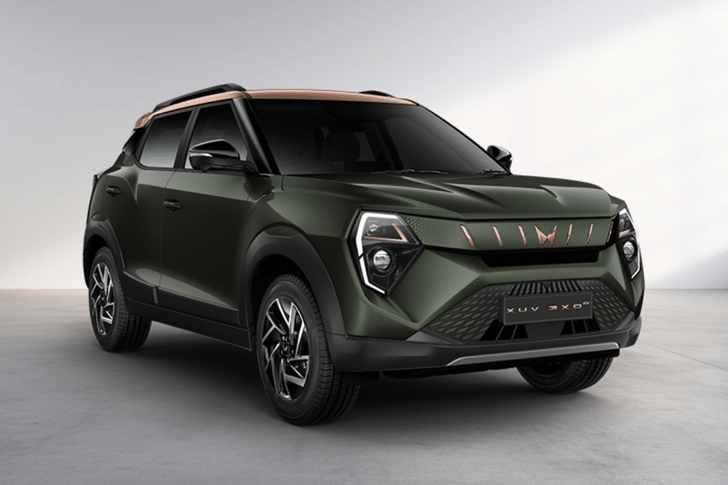
Mahindra XUV 3XO EV
Explore cars mentioned
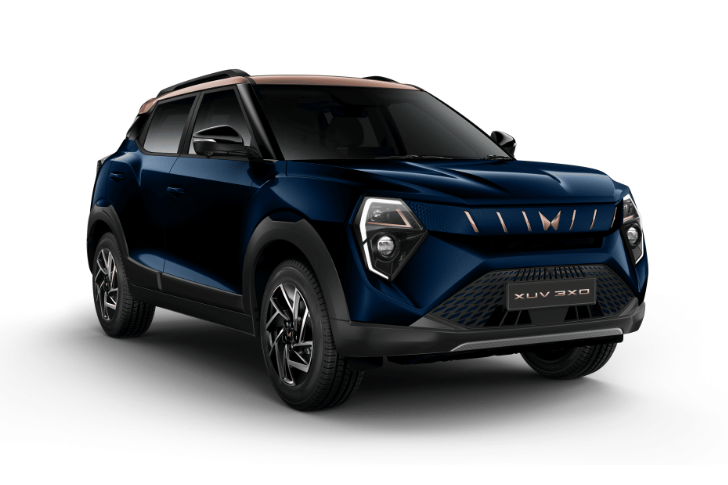
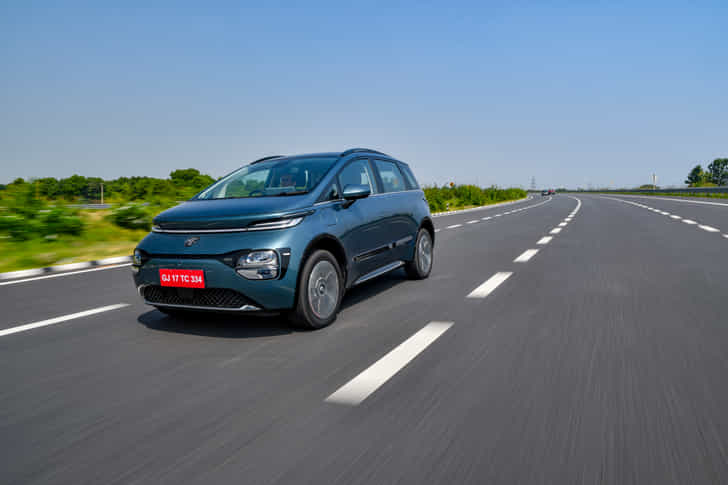
I was one of the first adapters of the Tata Nexon EV LR and I have also recently purchased the Mahindra XUV 3XO EV AX7L. Let me be completely honest, the Mahindra is a far superior car compared to the Tata, in each and every aspect, that I as a consumer focus on:- 1) Material Quality 2) Salient Features (Driver Focussed) 3) Driving Experience 4) Battery Efficiency I averaged a battery efficiency of around 5-6 Km/Wh on a average in the Nexon, but the 3XO average has been:- 1) Same speed city cruising (Under 80kmph) 8-10 km/Wh 2) Highway (Under 110Kmph) 6.5-8km/Wh 3) Normal - Heavy City Traffic Summer - 5-6Km/Wh Colder Weather 6.0-7.5km/Wh 4) Extremely Heavy City Traffic Summer - 4-6Km/Wh Colder Weather 5.5-7.5km/Wh So it would be safe to say that under mixed driving conditions you get 7-7.5 Km/Wh that usually gives me a range of 280-300km I have not faced a single software glitch, motor issue or any sort of malfunction in the 3XO till date. I would call it the best 16L I have ever spent. Altough getting a Sun Film or heat rejection PPF for the car is a must for the sunroof. The ADAS works like a charm. The car has some amazing salient features like the small animations on the drivers display and gear lever, or the full screen mode layout functions on the drivers display. Although the most irritating thing in the AX7L is the chrome lining around the interior rear view mirror, it blinds you from certain angles. The biggest con is probably, Mahindra's service centres.Tata was not great either, but was definitely better than Mahindra.
More posts on similar cars

Has E20 fuel affected your mileage?

Is ADAS worth paying extra for in a car?
Popular discussions right now
Upcoming launch buzz
Community discussions on upcoming launches
BMW
iX facelift
Audi
New Q5
Audi
A6 e-tron

Audi
Q6 e-tron

Audi
e-tron GT facelift

Volkswagen
Virtus facelift

Audi
A5

Vinfast
VF5

Audi
New Q3
Hyundai
Bayon
Compare suggested cars


Curated collections

Posted on: 23 Jul 2026