
Hyundai cars in India (10)





FAQs
Trending Questions on Hyundai Cars - Answered by Autocar Experts
Hello, I have a Honda Amaze since 2015 with 80,000 km on it. Now, I want to buy a new car mainly for city use. Please suggest a car with good safety features within my budget of ₹8-10 lakh.
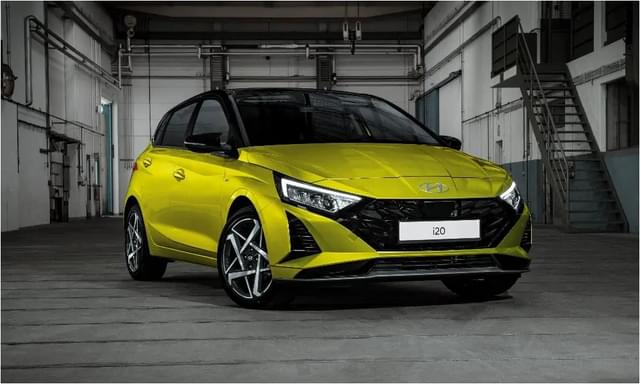
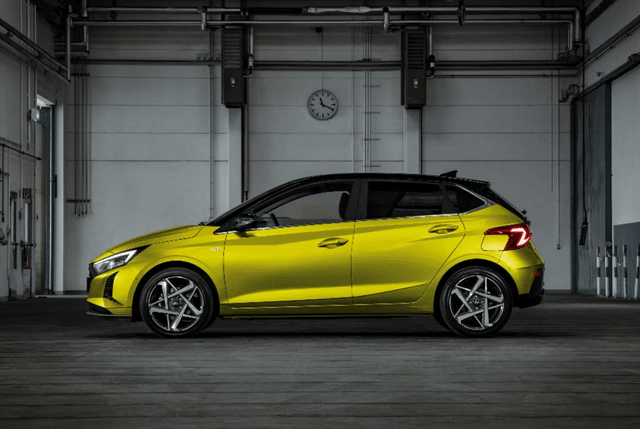
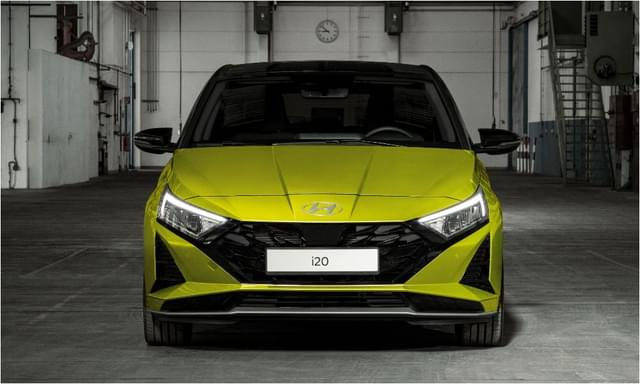
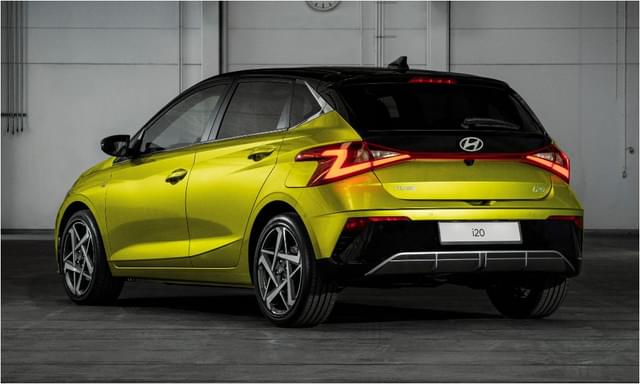
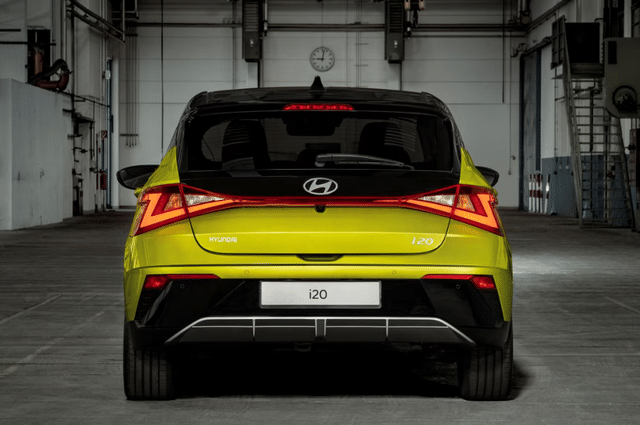
In case you'd like to replace the Honda Amaze with a sedan, you could consider the new Maruti Dzire. It feels much larger and more spacious than its size suggests. It has a smooth and efficient petrol engine, and ride comfort is one of its highlights. If you're open to the hatchback body style, you could consider the Hyundai i20, which feels upmarket and sophisticated.
Both these cars are equipped with safety kits like 6 airbags, ESP, ABS with EBD, among others, and the Dzire has also received a 5-star rating in Bharat NCAP crash tests.
Dear Autocar team, I’m planning to buy a new SUV with a budget of ₹20-₹25 lakh. Please suggest which would be a good one when comparing Sierra, New Seltos, etc. Also, please let me know if there’s a good 7-seater available in this range. Thank you.
The new Tata Sierra and new Kia Seltos are both excellent 5-seat SUVs packed with the latest features and tech. The Tata scores high on space and ride comfort, while the Seltos is big on quality and driving dynamics.
However, at this price, you could get a 7-seater too. If you don't mind the MPV body style, the Kia Carens Clavis offers the most spacious and practical cabin and is available with several different engines and gearboxes.
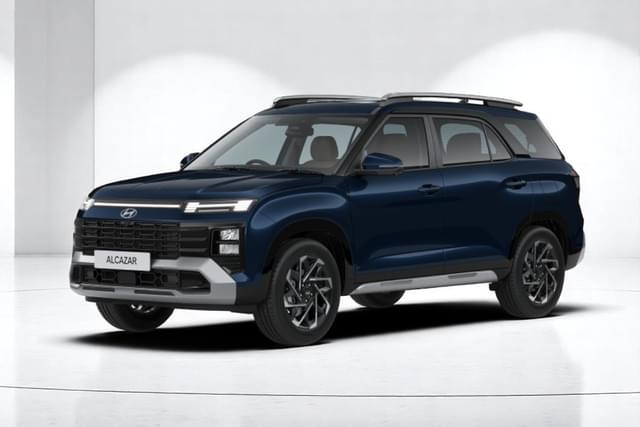
If you would like an SUV body style, consider the Hyundai Alcazar, though its third row and boot aren't quite as good as the Kia's.
My budget is 15 lac. My yearly runing is 13000km.my first preference is comfort car with good mileage. Which is best car for me I like personally creta diesel or petrol, kaylaq signature variant. 90% bumper to bumper city drive,10 % highway runing.Please advise accordingly
Unfortunately, the Hyundai Creta will only be available in a base variant in your budget of Rs 15 lakh. The Skoda Kylaq Signature is an excellent option, offering superb ride comfort and a punchy engine.
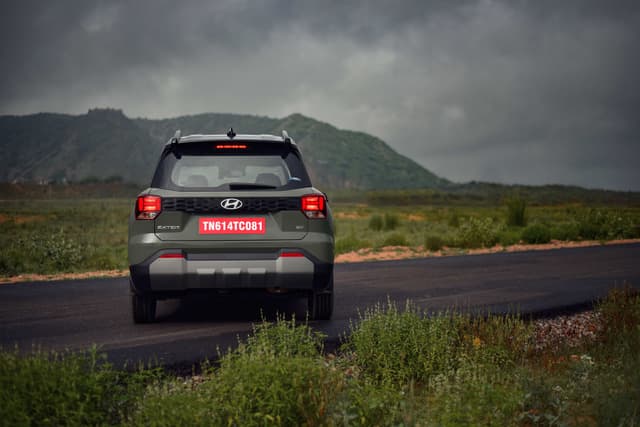
While it can be fuel efficient, however, you have to drive very carefully to get the most mileage out of the 1.0 TSI engine. If fuel efficiency is a top priority, consider checking out the Hyundai Venue diesel. It's not quite as comfortable as the Kylaq but it will certainly deliver better mileage.
I like the car I’m currently driving except for its hard clutch. I want a similar driving experience and build quality with either an automatic or a smoother clutch, within a budget of under ₹17 lakh. What are my options?
If you like a manual, you can look at the Hyundai Venue HX5 1.0 MT, which is a peppy car like the Ecosport you are driving, but with a lighter clutch. However, our advice is to go for an automatic, as Bengaluru traffic can be taxing to drive in.
You can get an automatic version (DCT) of the Venue with the same engine which will have strong performance too, but will be easier to drive.
Hi Autocar Team, I am planning to buy a new car with an on-road budget of ₹11-14 lakh in Bangalore. I prefer a 5-seater with an AMT and a smooth, silent engine. I am interested in the Hyundai Venue or similar options. Please suggest suitable cars.
If you like the Hyundai Venue 1.0 Turbo DCT, go for it. It is a thoroughly modern, spacious and feature-rich compact SUV. The powertrain has ample performance, and it drives nicely, too. The dual-clutch automatic can feel a bit jerky in bumper-to-bumper traffic, hence we'd recommend you opt for an SUV with a torque converter automatic instead.
The Mahindra XUV 3XO 1.2 MPFI Turbo petrol AT is an option you must seriously consider. It has a stronger engine and a smoother transmission, which feels more suited for stop-and-go conditions.
I want to purchase an EV car under ₹15 lakh. My concern is what will happen after 15 years of an EV-can we sell it after so much battery degradation, and is battery replacement worth it after 15 years?
Battery degradation in an EV is a gradual process, and the battery capacity will not drop significantly for the first few years. However, battery performance by the 15th year could be as low as 50%.
Replacing an EV battery after the 15th year is an option. But it will not make financial sense, given that the cost of a new battery could be more than the resale value of the entire car.
This potential high cost of battery replacement is part of the reason why EVs don't hold their value well as compared to a petrol or diesel vehicle. Further, rapid advancements in EV and battery tech make existing solutions outdated more quickly, driving prices down faster.
As things stand, it is advisable not to buy an EV with such a long-term usage horizon.
I have a budget of around ₹30 lakh and am more inclined towards a sedan rather than an SUV, but currently there are no good options. Are there any expected this year?
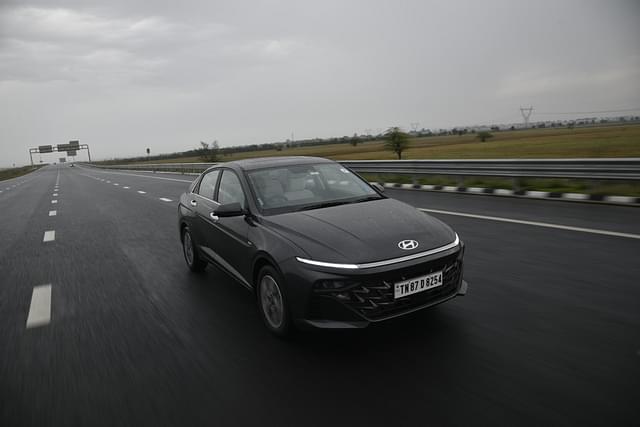
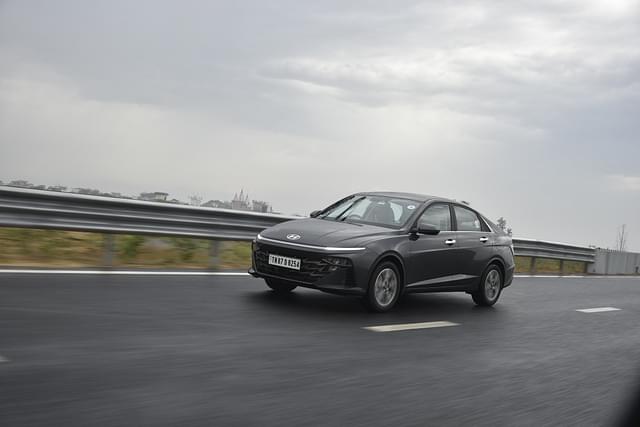
Sadly, there are no all-new Rs 25-30 lakh sedans lined up for launch this year. However, slightly lower down the price ladder, we will see the launch of updated versions of the Hyundai Verna, Honda City, Skoda Slavia and Volkswagen Virtus over the year.
There's way more choice for the same budget in SUVs with options spanning petrol, diesel, hybrid and EV powertrains as well as with two and three rows of seating, and 4x2 and 4x4.
I’m replacing my old hatchback after 12+ years. I don’t want an SUV longer than 4 meters since it’s mostly solo drives to the office or short city trips with up to four adults, and I have parking constraints. I’m considering the new Hyundai Venue HX10 Turbo DCT petrol, but many say it’s overpriced for a sub-4 m SUV. I also liked the Kia Syros, but people discourage it due to poor sales last year. Should I consider the XUV 3XO, or the VW Taigun or Skoda Kushaq since they aren’t as long as 4300 mm, potentially easing parking issues?
If you have parking constraints, it's better to stick to sub-4m models. Of the compact SUVs on your shortlist, the Hyundai Venue HX10 DCT makes a strong case for itself. If you can digest the price, which is at par with larger mid-sized SUVs.
It's got fantastic tech, there's an upmarket feel to the interior, and the engine-gearbox is also good, some jerkiness from the DCT at low speeds notwithstanding. There's also ample space for four adults to sit in comfort. Ride comfort is also pleasant.
The Kia Syros is unfortunately a victim of its high price, which has been lowered since launch. Many are not fans of the way it looks either. However, if the price and design are not deal breakers, the Syros is worth a serious look. It's the most spacious compact SUV with an airy feel to its cabin.
The Syros also comes loaded with features and is very well finished inside. It shares its 1-litre turbo-petrol engine and DCT auto with the Venue and performance is good, but ride comfort is on the firm side.
I am planning to buy the new Hyundai Venue HX6 DCT petrol. Most of my driving will be within Bangalore city in bumper-to-bumper traffic, with occasional highway trips. I am looking for a modern car with decent features, and this variant fits my budget of Rs 12-14 lakh. I am 27 years old, 6 feet tall, and this will be my first car. Usage will mostly be with two occupants (driver + 1), though occasionally there could be 4. Is this a good choice, and are there any obvious drawbacks I should be aware of?
- Maruti Suzuki Brezza ZXI AT: Down on wow features to the Venue, but has a smoother gearbox, plusher ride, and more comfortable seats.
- Skoda Kylaq Signature+ AT: Again, not as well-equipped as the Venue, but it has a smoother gearbox and punchier engine. Space at the back is less, but it shouldn't be a deal breaker for you.
- Kia Sonet HTX Petrol DCT: It is due for replacement within a year, but it is very competent. Packs in plenty of tech and shares its engine and gearbox with the Venue, and is actually a better value for money. Space is less at the back, but it shouldn't be a deal breaker for you.
- Mahindra XUV 3XO REVX A: Stronger engine, lots of features, and feels tougher in its build. Boot space is less than the Hyundai car.
I have a family of six, including kids aged 11 and 6 and elderly parents. I’m looking for a petrol automatic car focused on comfort rather than performance, mainly for city use and one annual road trip. Annual usage is under 5,000 km, and my budget is preferably within ₹22 lakh. Which car should I choose?
The Kia Carens Clavis is the ideal pick for your requirements. It's a well-packaged MPV that offers comfortable seating across all three rows. A one-touch operation for the middle row seat fold makes access to the last row easy. Also, there is ample movement built into the middle row to balance space for all passengers.
The Clavis is also easy to drive and doesn't intimidate as some three-row SUVs can. From the Clavis line-up, the Turbo DCT HTX(O) is the one to buy.
Of the other three-row petrol-auto options, there's the Hyundai Alcazar, MG Hector Plus, Mahindra XUV 7XO and Tata Safari.
Last Updated on: 6 Jan 2026