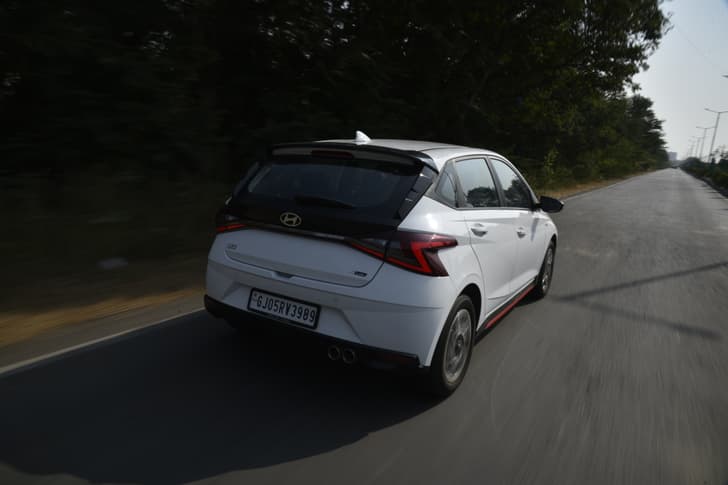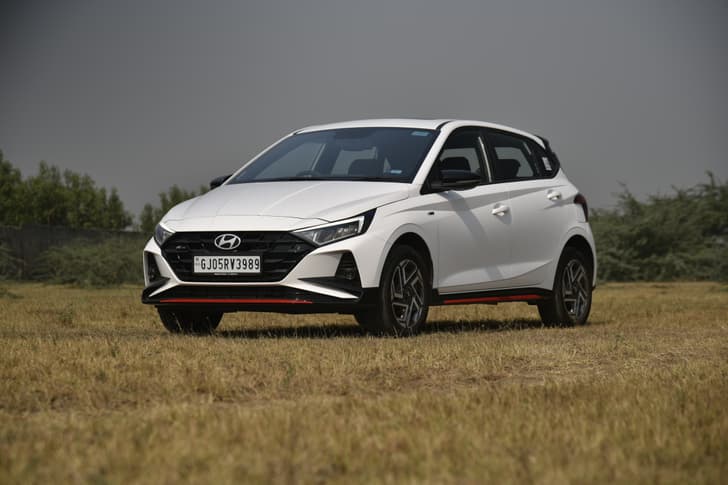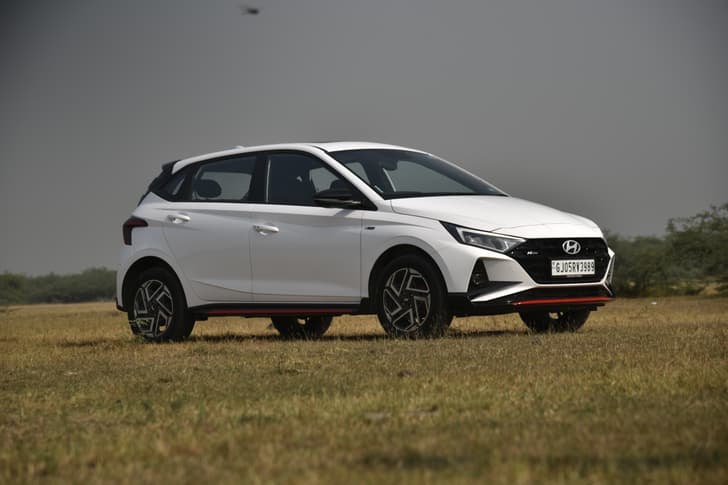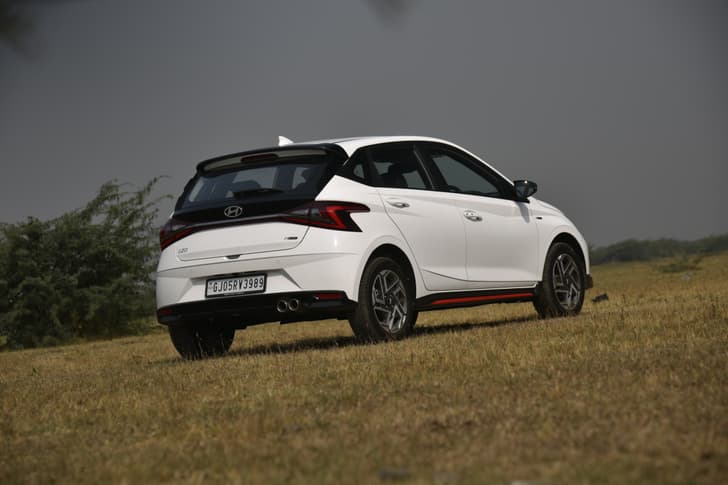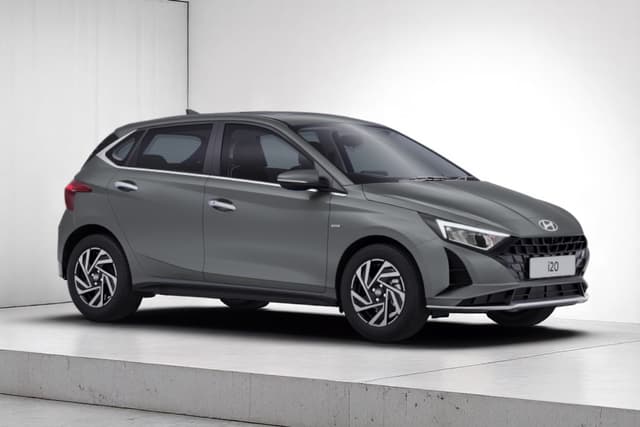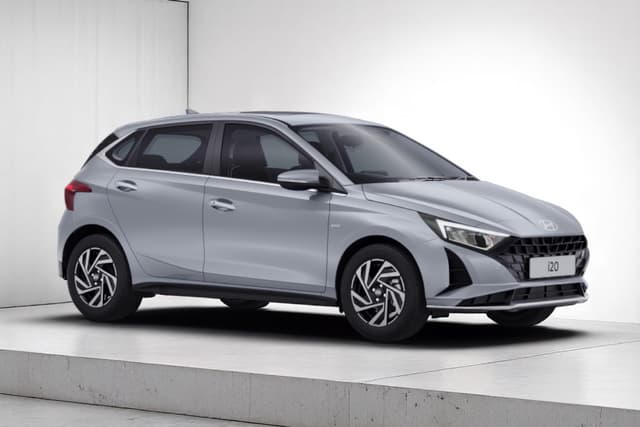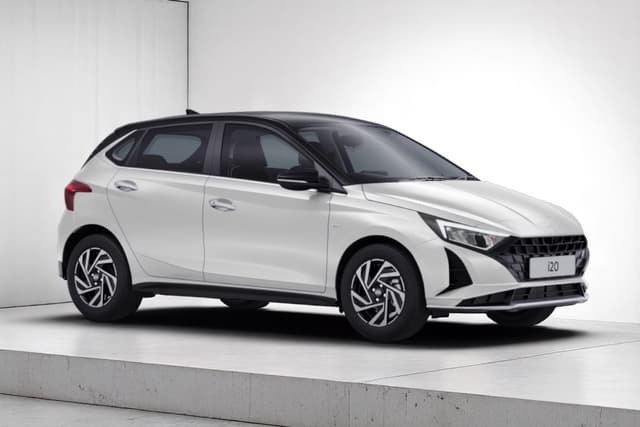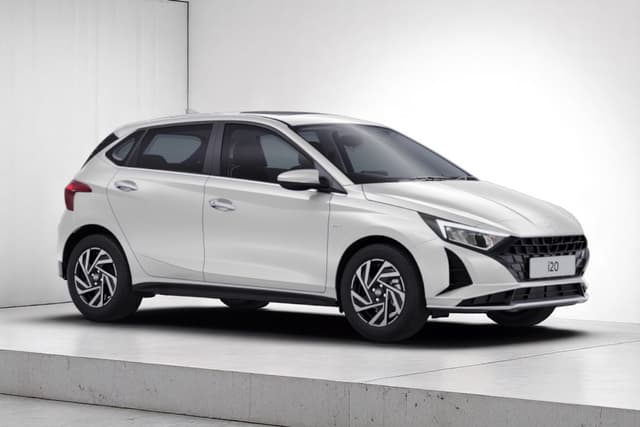
Drishti Hyundai-Kaimal Garh
Kila No-87-18, 3/2 91-2, Kaimal Garh, Opposite Govt. Polytechnic College, Jhajjar, Haryana 124103

Last Updated on: 06 Sep 2026
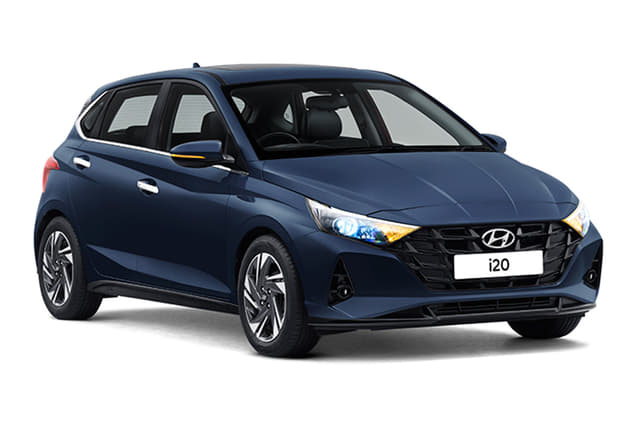
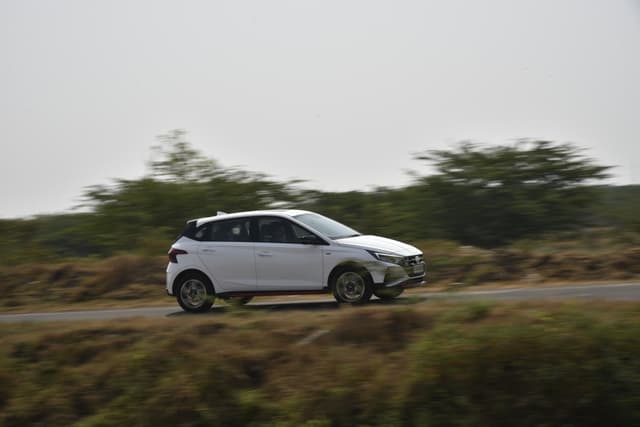
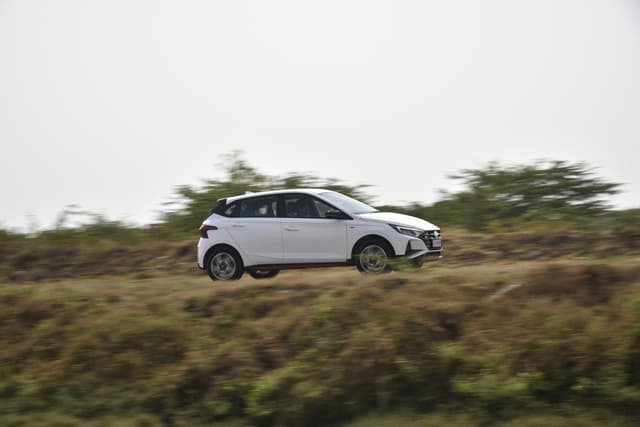
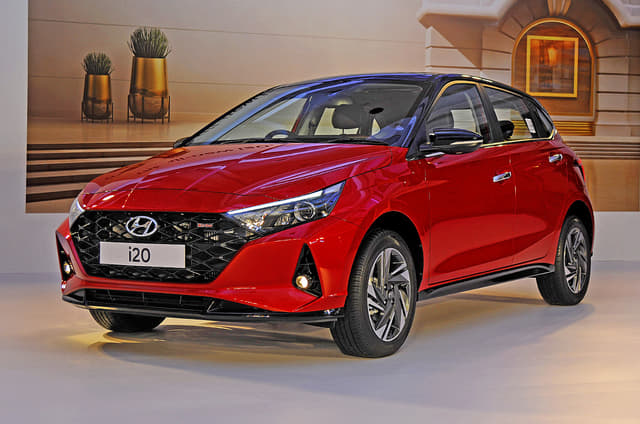
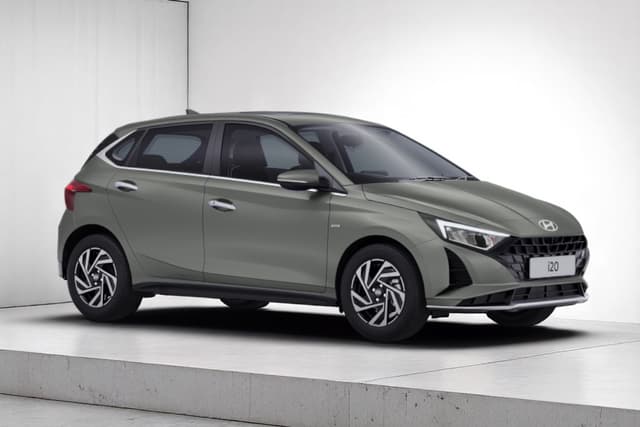
Hyundai i20 price in Jhajjar
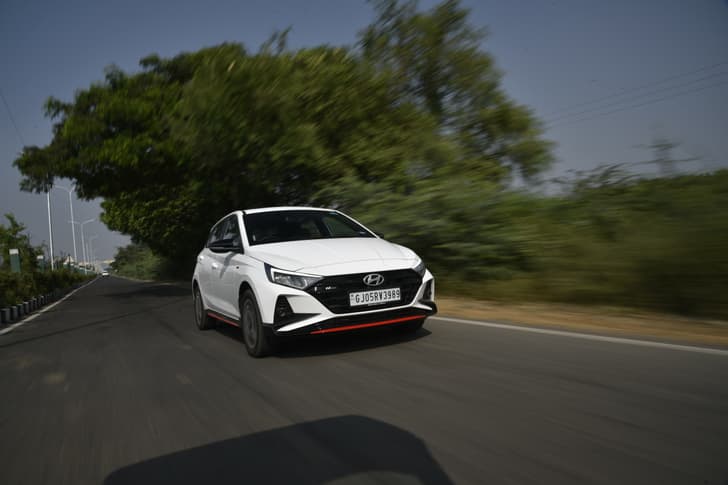
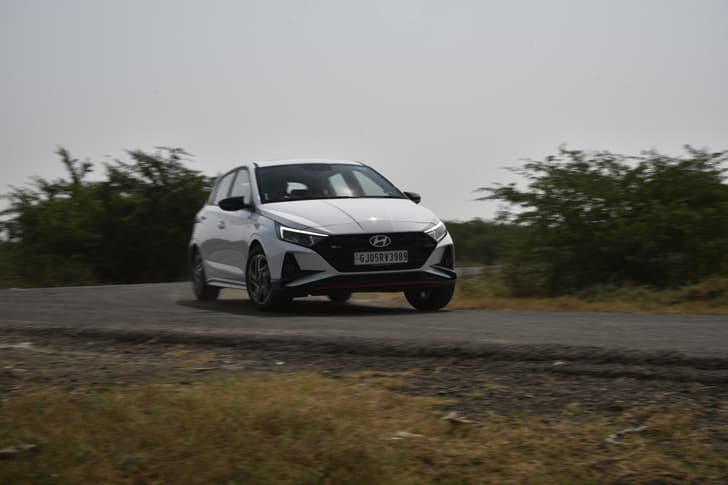
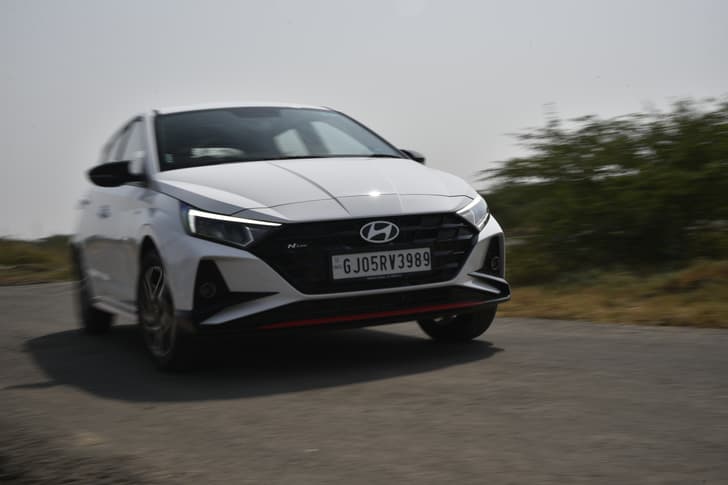
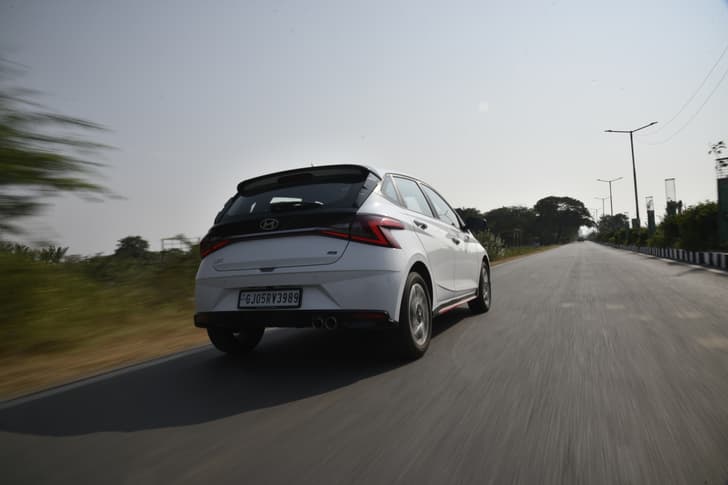
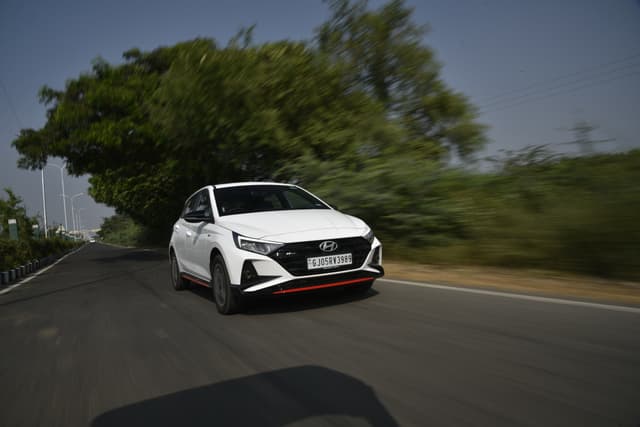
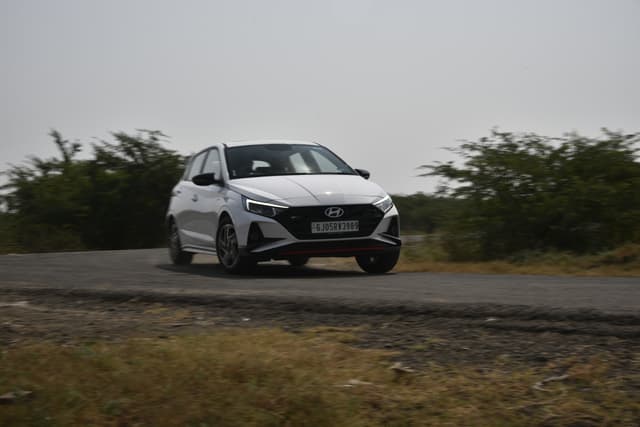
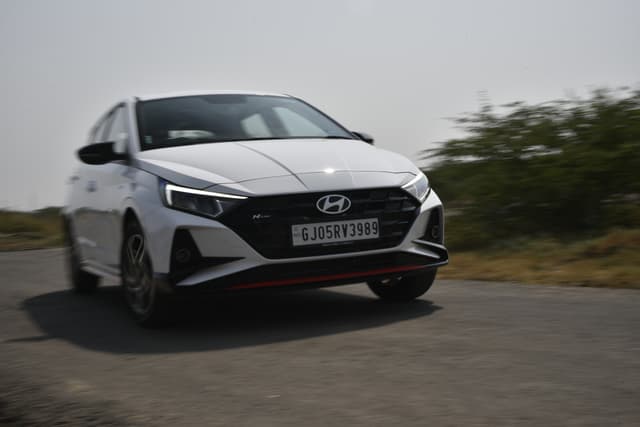
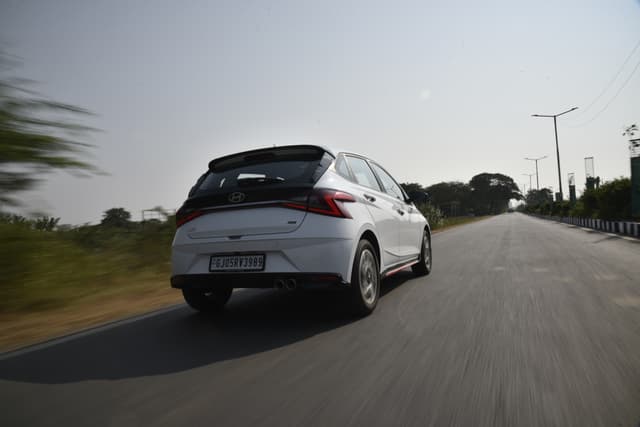
On-road in Jhajjar, the base model 1.2 Petrol Era MT starts at 6.57 lakh and the top model 1.0 Turbo Petrol N-Line N8 DCT reaches 13.22 lakh. The 1.2 Petrol Sportz IVT sits between the two at 9.92 lakh.
If you are financing the car, a loan of 5,90,000 on the base model 1.2 Petrol Era MT means an EMI of 9,493 a month. Stepping up to the top model 1.0 Turbo Petrol N-Line N8 DCT raises that to 19,146 on a loan of 11,90,000.
Why prices change from the base model to the top model:
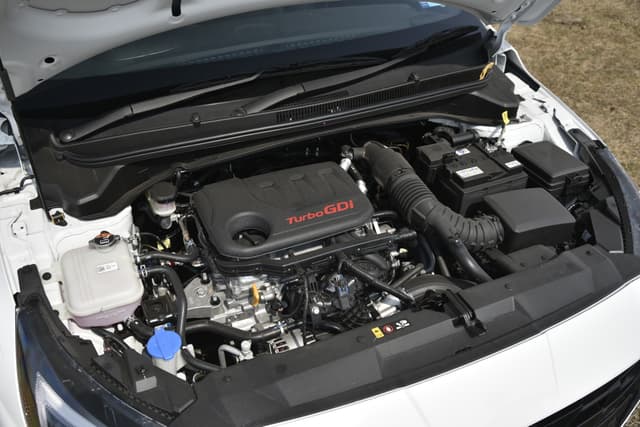
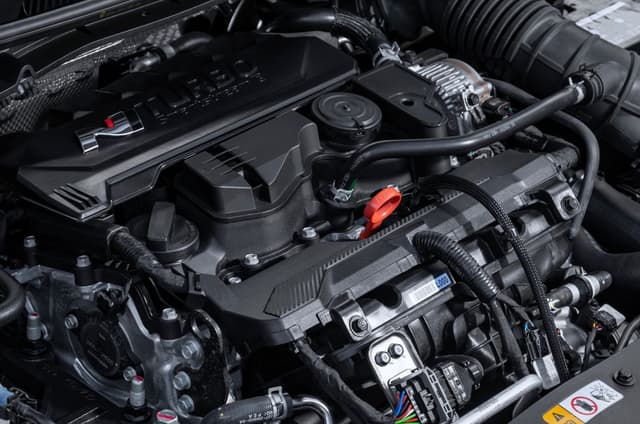
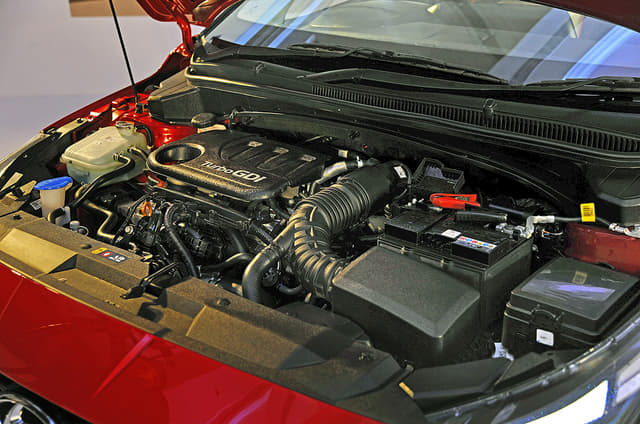
The base model 1.2 Petrol Era MT uses the 1197cc petrol with a manual gearbox, while the top model 1.0 Turbo Petrol N-Line N8 DCT pairs the 998cc turbo with the dual-clutch automatic.
Moving to the turbo engine costs more than moving up a variant level does.
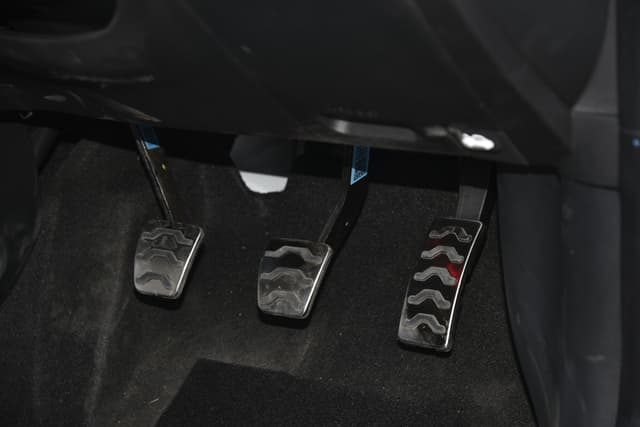
Three gearboxes are offered across the range, and both automatics cost more than the manual.
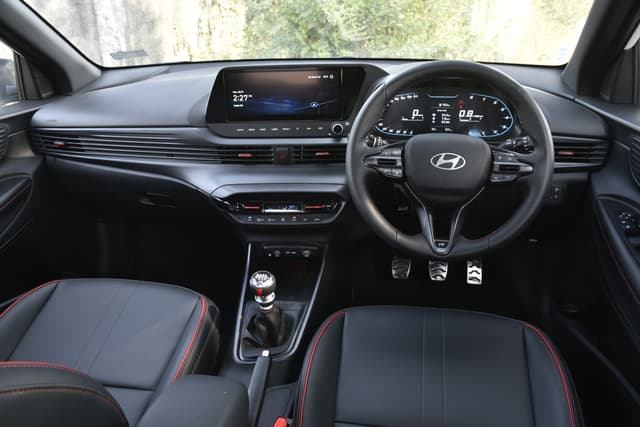
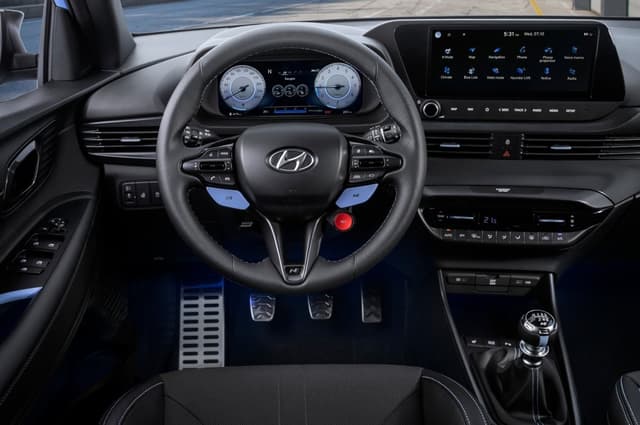
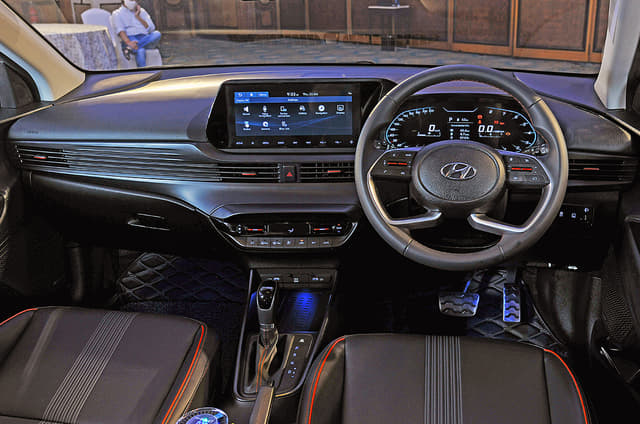
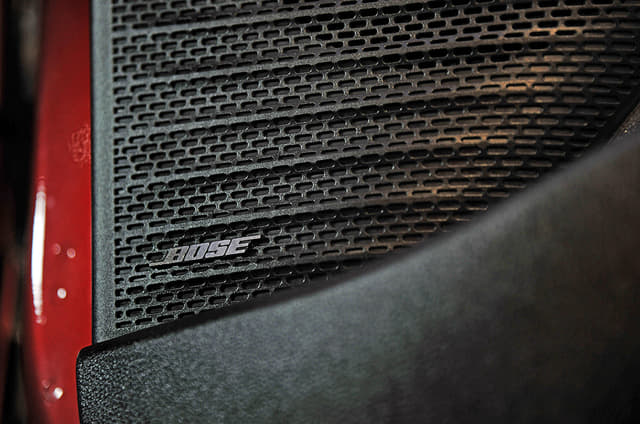
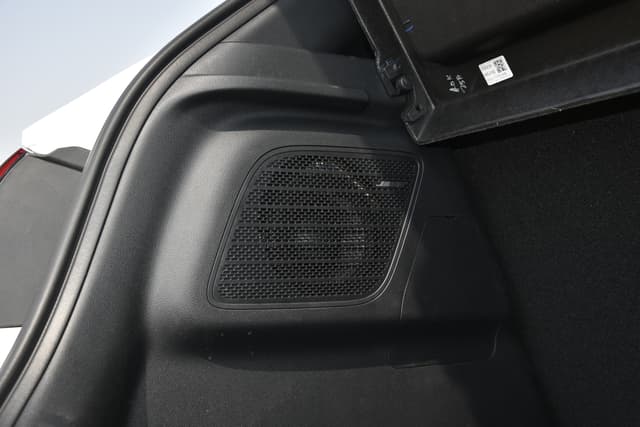
The 10.25-inch touchscreen, the Bose sound system and the built-in dashcam sit near the top of the range.
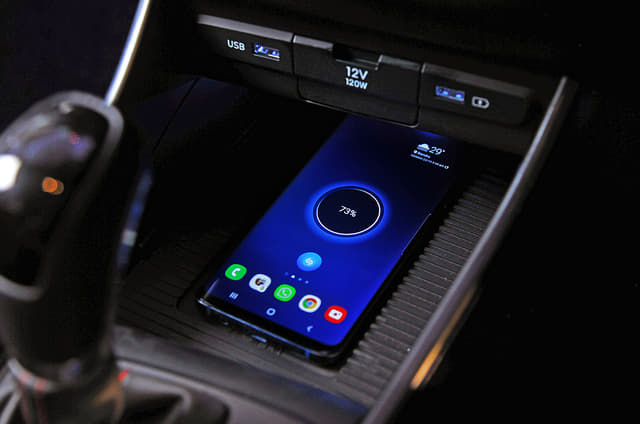
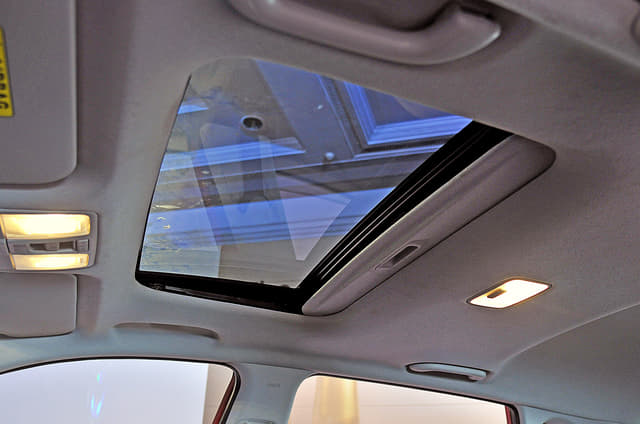
The electric sunroof and wireless charging appear part way up rather than at the bottom.
Registration, road tax and insurance are added to the ex-showroom figure, and how much they add depends on the state you buy in. That is why the same variant costs more in one city than another.
On-road in Jhajjar, the base model 1.2 Petrol Era MT starts at 6.57 lakh and the top model 1.0 Turbo Petrol N-Line N8 DCT reaches 13.22 lakh. The 1.2 Petrol Sportz IVT sits between the two at 9.92 lakh.
If you are financing the car, a loan of 5,90,000 on the base model 1.2 Petrol Era MT means an EMI of 9,493 a month. Stepping up to the top model 1.0 Turbo Petrol N-Line N8 DCT raises that to 19,146 on a loan of 11,90,000.
Why prices change from the base model to the top model:
The base model 1.2 Petrol Era MT uses the 1197cc petrol with a manual gearbox, while the top model 1.0 Turbo Petrol N-Line N8 DCT pairs the 998cc turbo with the dual-clutch automatic.
Moving to the turbo engine costs more than moving up a variant level does.
Three gearboxes are offered across the range, and both automatics cost more than the manual.
The 10.25-inch touchscreen, the Bose sound system and the built-in dashcam sit near the top of the range.
The electric sunroof and wireless charging appear part way up rather than at the bottom.
Registration, road tax and insurance are added to the ex-showroom figure, and how much they add depends on the state you buy in. That is why the same variant costs more in one city than another.
* Estimated on-road price. Final amount may vary.
Tell us about your experience
Hyundai i20 Official Brochure
Download the complete brochure with specs, features, and variants.
Planning to buy i20? Here are a few dealers in Jhajjar
Kila No-87-18, 3/2 91-2, Kaimal Garh, Opposite Govt. Polytechnic College, Jhajjar, Haryana 124103



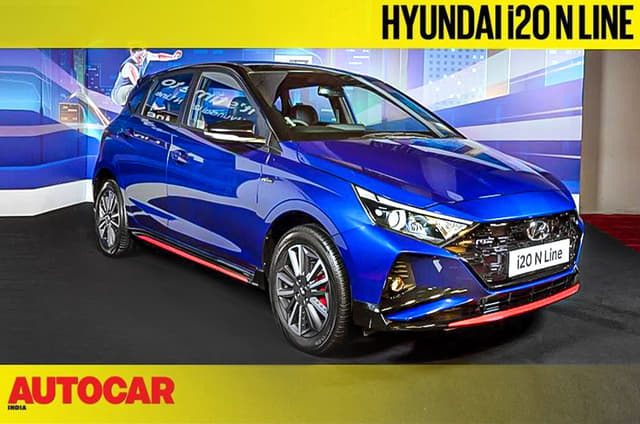
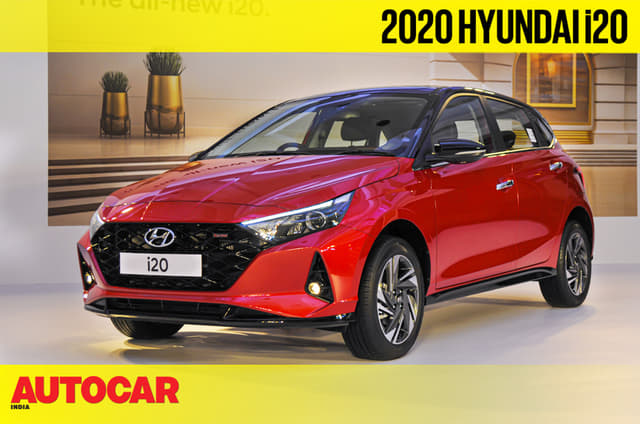
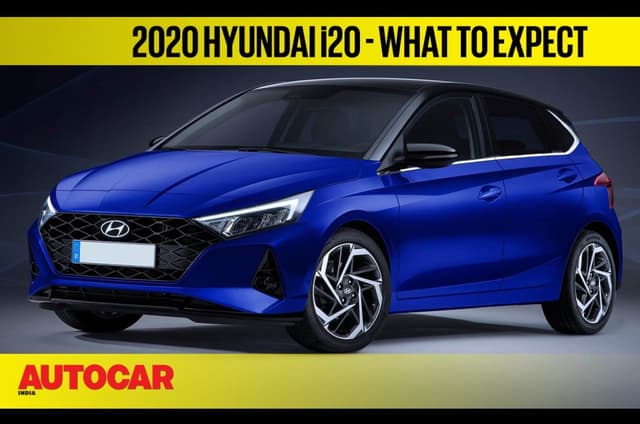
Considering a 10 percent down payment and 7-year loan tenure, the i20 EMI starts at Rs 9,493 in Delhi.
The i20 Sportz trim offers good value for money and pack a good mix of features, including 8-inch touchscreen with wireless Apple CarPlay and Android Auto, sunroof, and more. The i20 Sportz offers the choice between manual and CVT options with the 1.2-litre petrol engine
I have been using an i20 for almost 14 years now, and I’m quite satisfied with its ownership experience and service quality. I’m now planning to upgrade to an EV, with a strict on-road budget of Rs 25 lakh. My monthly running would be around 850- 1,000 km, mostly within the city. Since my parents would accompany me on almost 40% of my trips, easy ingress and egress, along with a comfortable ride quality, are important to me. I’m looking for a reliable EV with good efficiency and a real-world range of 400+km. I have been considering the Creta Electric Executive LR and Smart LR, while some of my friends have suggested that I also look at the Mahindra BE 6. What would you recommend based on my requirements? I’d appreciate an expert opinion on which EV would be the better choice for me.
Given your requirements, the Hyundai Creta Electric Long Range is the most sensible recommendation. Your mostly city running is ideal for an electric car, and the Creta Electric offers a real-world range of over 400km, which gives you the flexibility to use it as your primary car without range anxiety. Coming from a Hyundai i20, the Creta Electric will feel familiar but also like a significant upgrade in terms of space, comfort, and overall refinement. The ride quality is excellent, and the rear seat is comfortable enough for your parents on regular trips. Hyundai's service network and ownership experience are also strong, which is important given your positive experience with the brand so far.Another strong contender is the Kia Syros EV, which uses the same powertrain as the Creta, but comes in at a lower price. This Kia car is a bit more compact but just as good on space, and the better news is that, thanks to its tall design, ingress and egress for your parents should be easier. The Mahindra BE6, meanwhile, is powerful and fun to drive, but very poor on space, practicality, and especially ingress and egress in the rear seats. Overall, the Creta and Syros are better bets.
I have an i20 Sport, new 2023 model. How can I increase mileage with ethanol-mixed petrol?
E20 is the standardised petrol blend across the country now, and your i20, being a 2023 model, is compliant with the fuel. E20-compliant engines are designed to run on ethanol-blended fuel without any modifications or additives, so there is no need to use premium petrol or make any modifications. Fuel efficiency has been known to drop slightly with E20 fuel compared to E10, and the best way to improve fuel efficiency in your Hyundai i20 is to fine-tune driving and maintenance habits.The most effective ways to improve mileage are to drive smoothly, avoid sudden acceleration and heavy braking, keep tyre pressures at the recommended level, and ensure regular servicing. Using cruise control on highways, reducing unnecessary idling and keeping the car free of excess weight will also help.
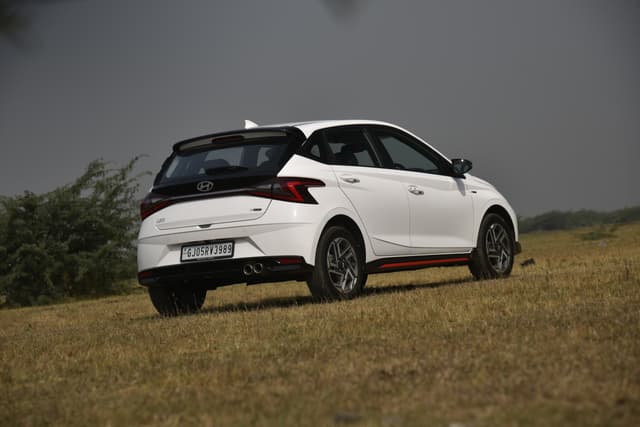
I have a family of four and am planning to buy an automatic car next year with a budget of around Rs. 8-8.5 lakh. I have shortlisted the Grand i10 Nios AMT, Baleno AMT, i20 Sportz IVT, and Punch Adventure AMT. My monthly running will be around 300-500 km, with about two long trips per year. I am looking for a reliable car, and mileage is not a major concern. Which car should I go for? Any other recommendations are also welcome.
The Hyundai i20 Sportz IVT is the best automatic in this group. The CVT (or IVT in Hyundai's words) is much smoother than any AMT listed. The car is spacious; its interior fit-and-finish is excellent; and the Sportz variant packs all the essentials that you'll want at this price. Overall, the i20 is a premium, sophisticated hatchback.
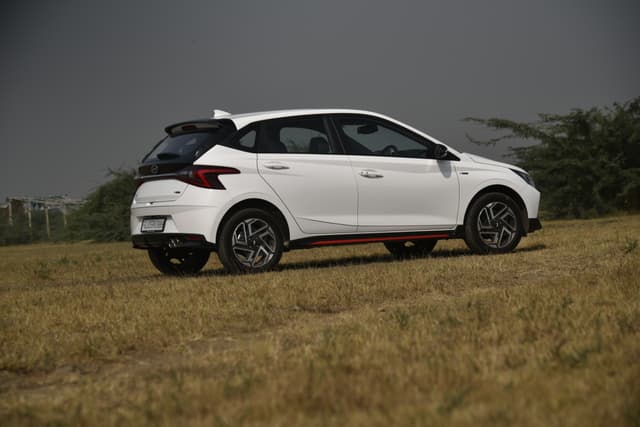
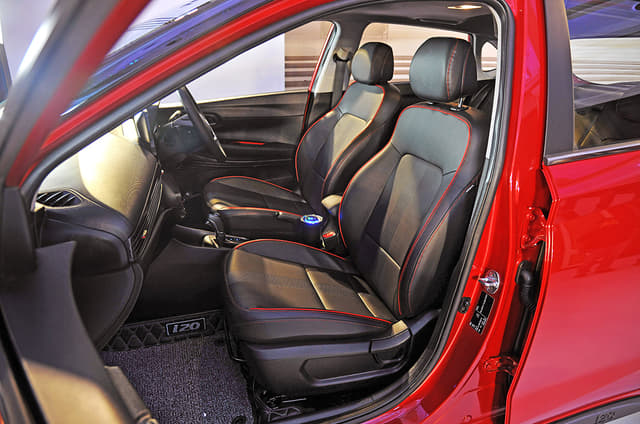
I have a 50 km daily city commute, and once a month, I travel to the next city, which is around 150 km away. I want to buy a low-maintenance car. Should I opt for a petrol or an EV? I previously owned a Hyundai i20.
With a 50km daily city commute and a monthly 150km intercity trip, the decision between petrol and EV comes down to charging convenience and ownership priorities. If you have reliable home charging, an EV is the better fit. Your daily usage is predictable and well within the range of mainstream EVs, and the monthly 150km trip is easily manageable with a full charge and a top-up at the destination if needed. EVs also offer significantly lower running costs and fewer moving parts, which translates to lower maintenance over time.If home charging is not available, stick with petrol. The convenience of a petrol car becomes clear when you factor in the monthly intercity trip, as relying on public charging infrastructure can add unnecessary complexity to your journey. Given your previous ownership of a Hyundai i20, a petrol Hyundai Venue or Kia Sonet would be a natural upgrade, offering a similar ownership experience with the added benefits of a higher driving position and better ground clearance for city use. If you want to go EV, the Kia Syros EV is a solid pick in your budget.In summary, go for an electric car if you can charge at home; otherwise, a petrol Venue or Sonet is the more practical and hassle-free choice.
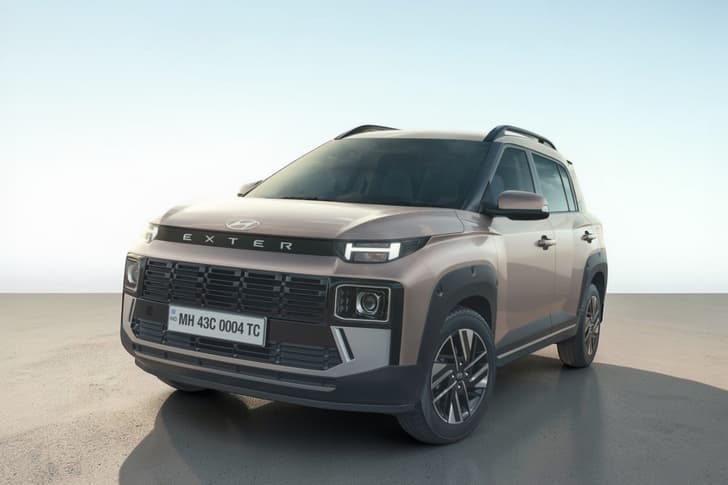
I am confused between the Hyundai Exter HX3, Hyundai i20, Nissan Magnite and Tata Punch. My main requirement is a superior cabin, and my budget is around Rs 9.5 lakh. Which one would be the better choice?
Go for the Hyundai Exter. Your priority is a superior cabin, and the Exter delivers the most premium and well-finished interior of your shortlist. It also offers a higher seating position, better visibility and a more modern feature set than the Hyundai i20, while still being easy to drive in the city. The i20 is a good car, but at Rs 9.5 lakh you will be limited to lower variants, and the Exter feels like a more complete package at this price point. The Nissan Magnite and Tata Punch are both strong value propositions, but the Exter's cabin quality and overall refinement are a step above. The Punch's naturally aspirated petrol engine is also not as refined or as punchy as the Exter's unit. Overall, the Exter strikes the best balance between cabin quality, comfort and value within your budget.