

CVT cars in India (16)










Find cars by budget
Find cars by budget
Find cars by budget
CVT Cars - FAQs
The full form of CVT is Continuously Variable Transmission, a gearbox designed for smoother and more efficient acceleration.
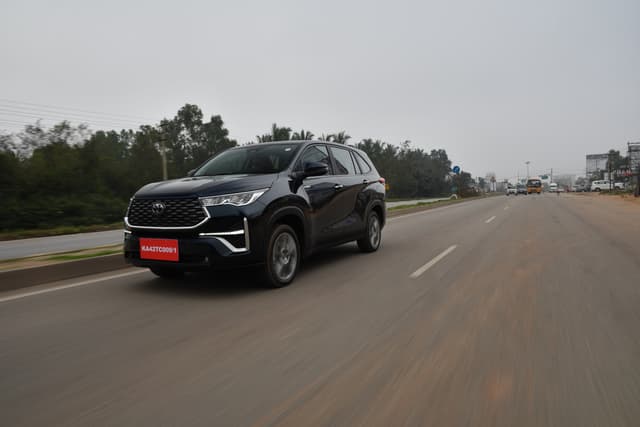
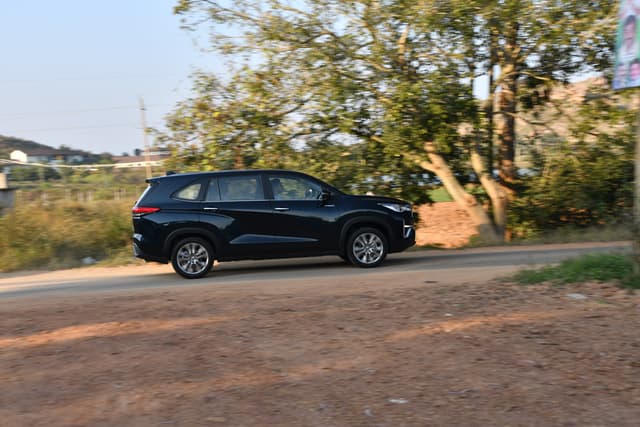
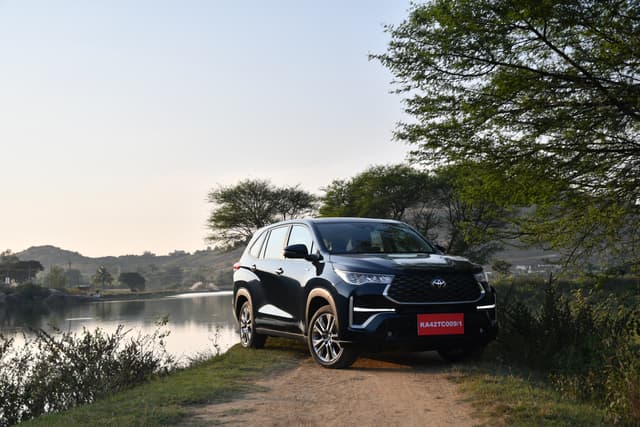
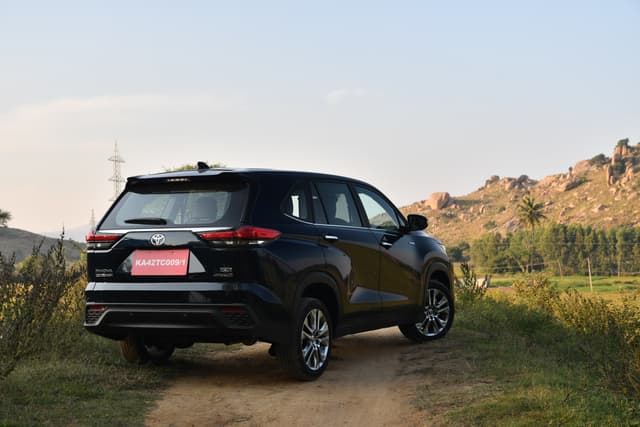
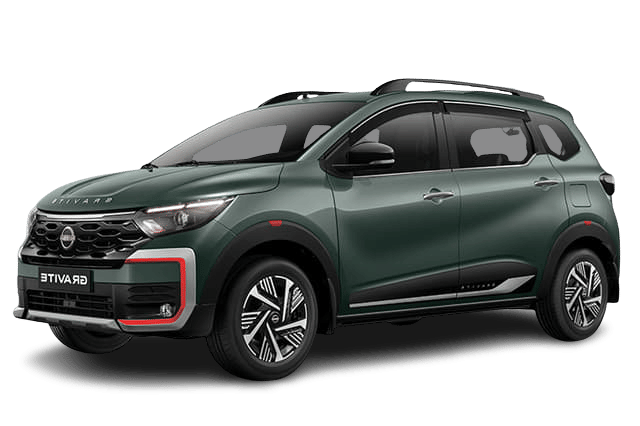
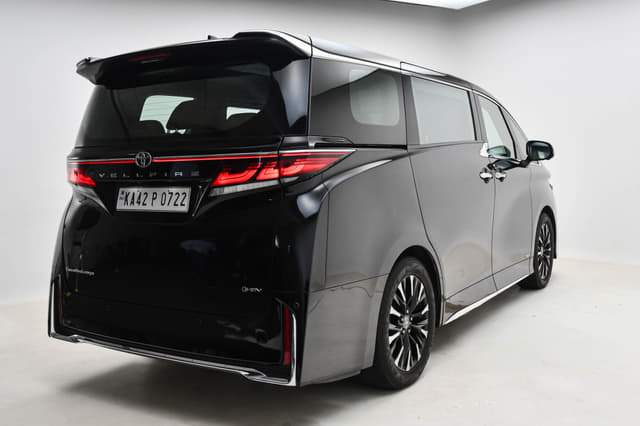
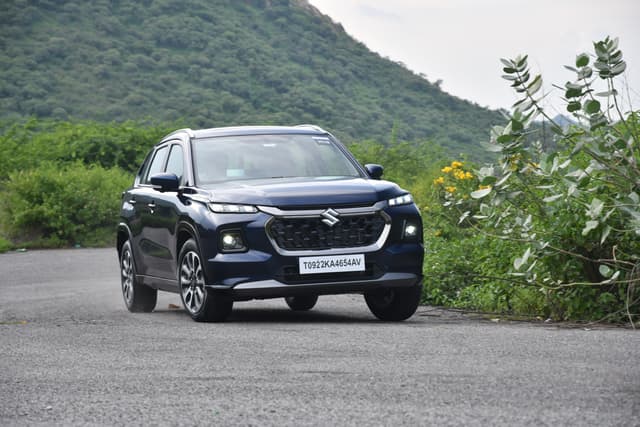
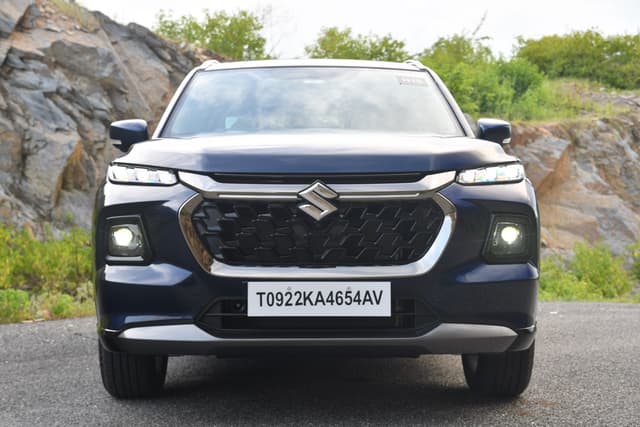
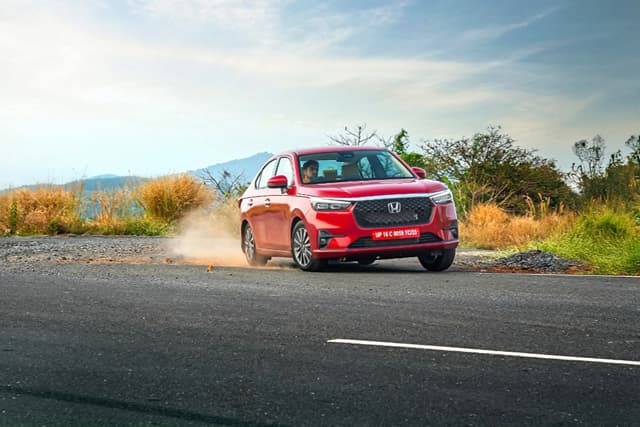
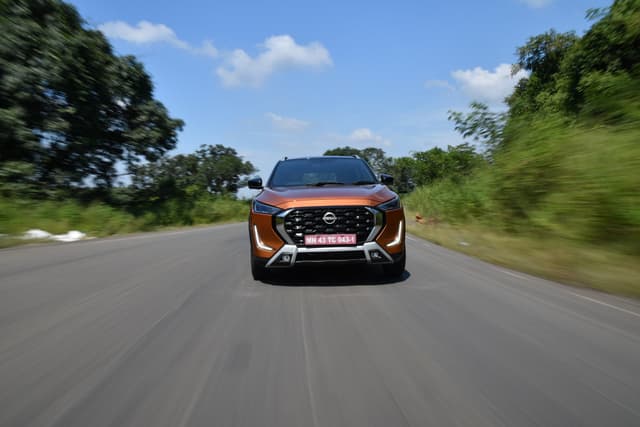
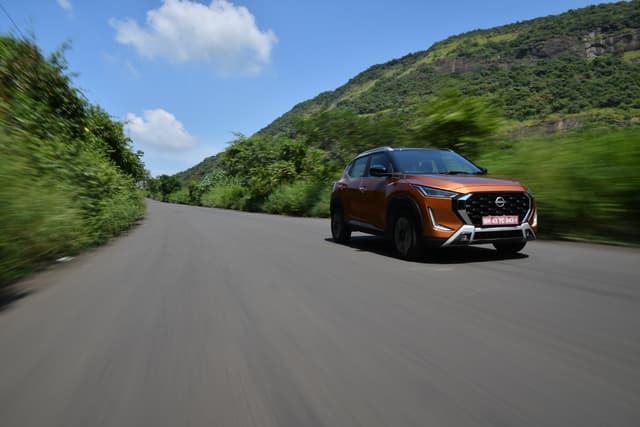
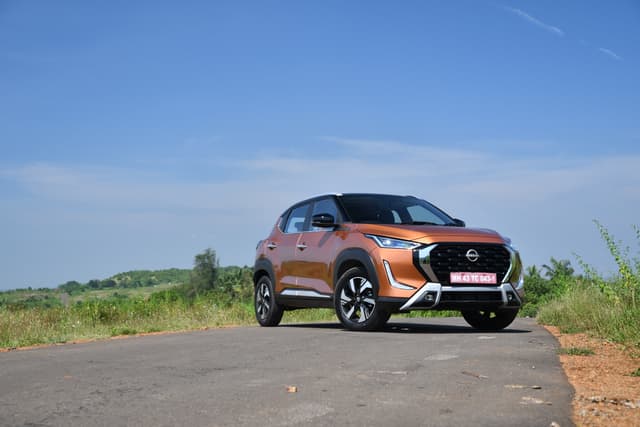
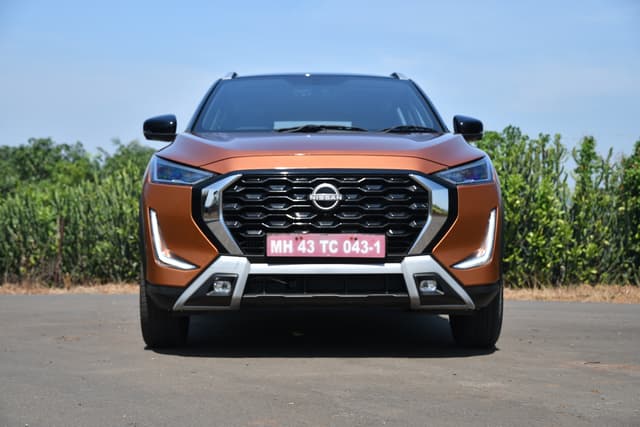
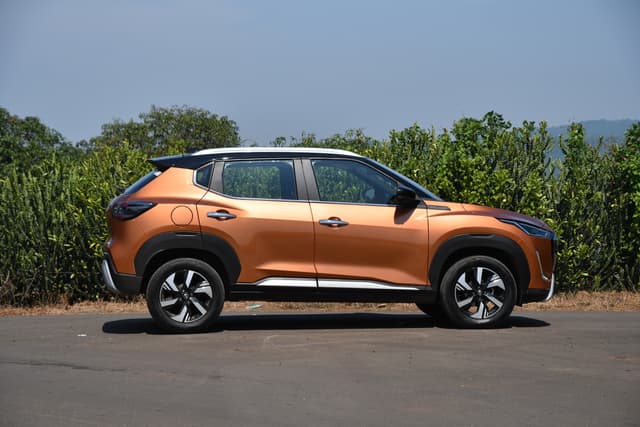
Some CVT cars in India include the Maruti Suzuki Victoris, Hyundai Creta, Honda Amaze, Toyota Innova HyCross, and Nissan Magnite.
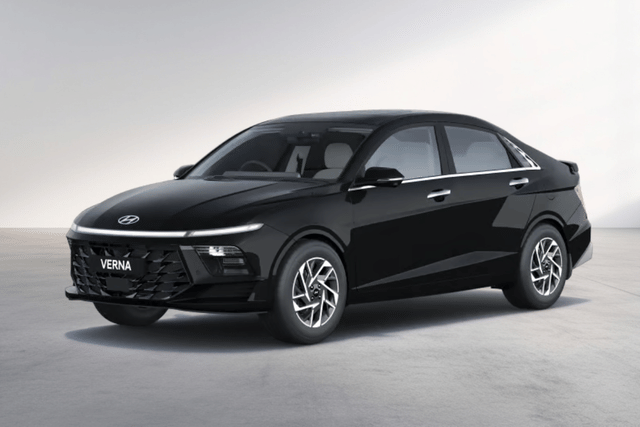
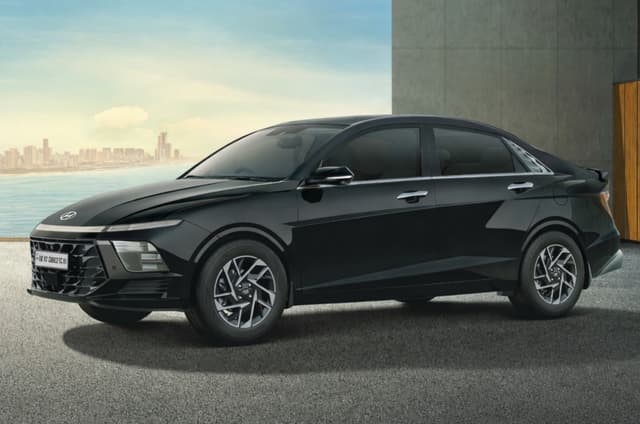
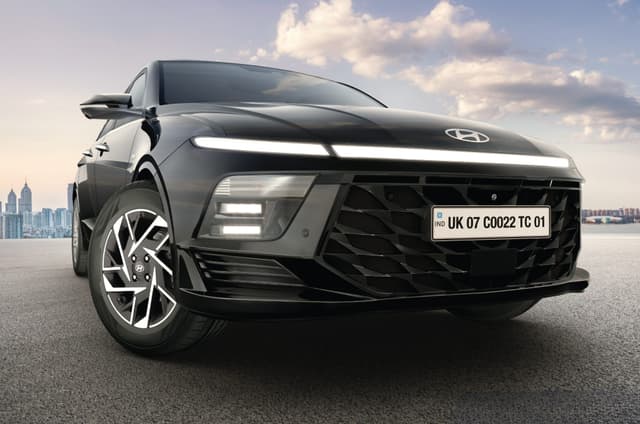
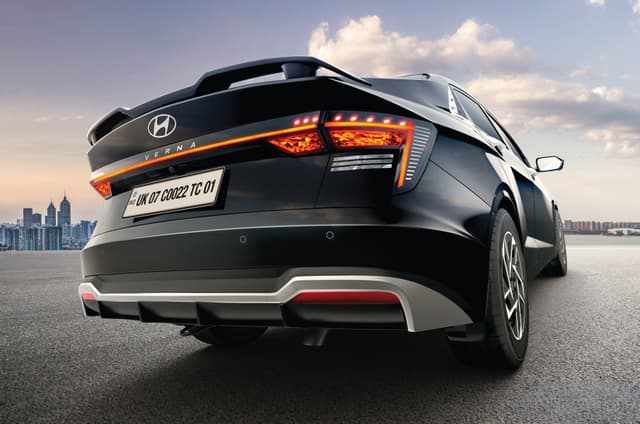
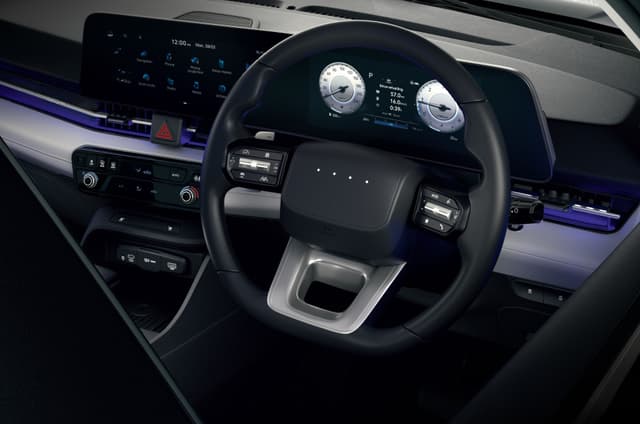
The meaning of CVT refers to a transmission system that provides seamless gear shifting, used in cars such as the Toyota Urban Cruiser Hyryder and Hyundai Verna.
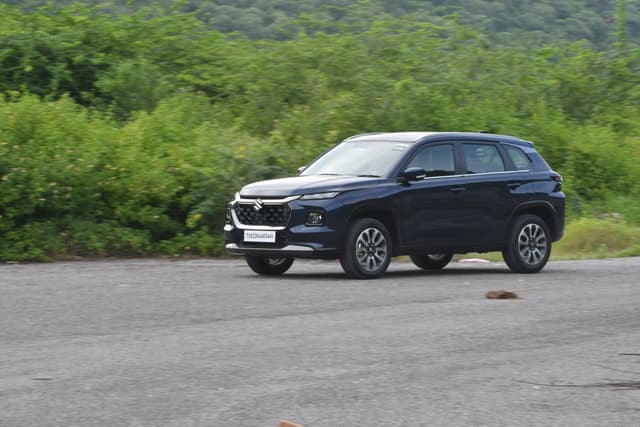
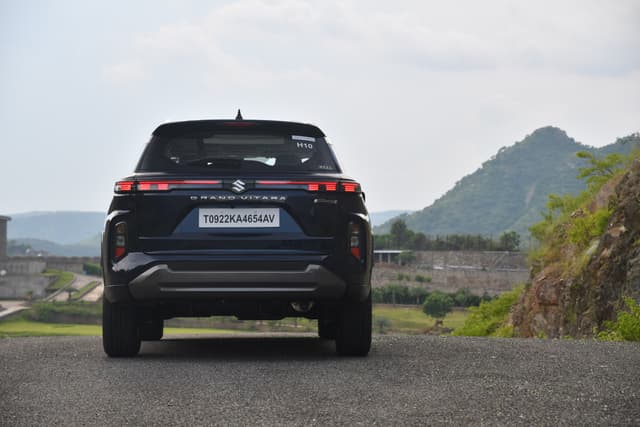
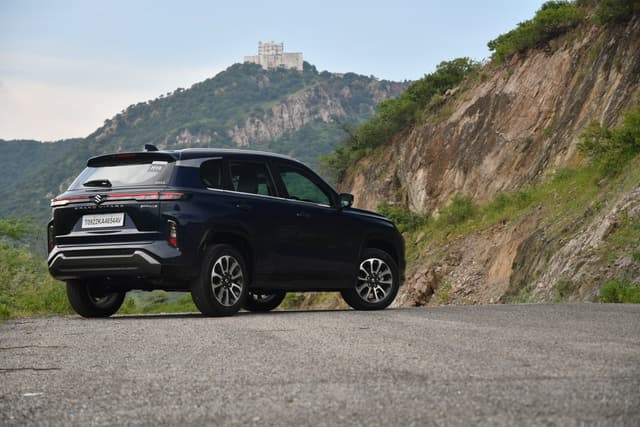
Among the best CVT cars in India are popular options such as the Toyota Innova HyCross, Hyundai Creta, and Maruti Suzuki Grand Vitara.
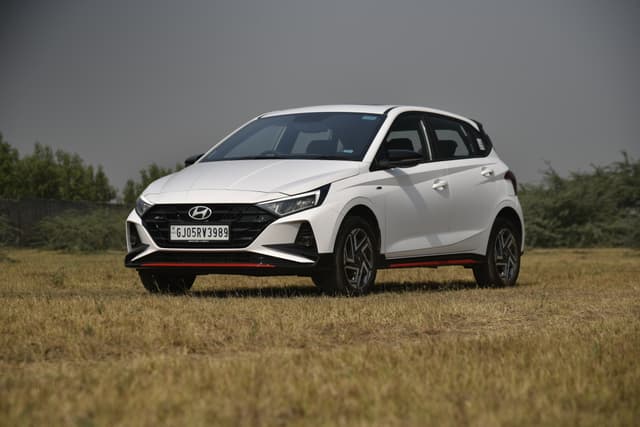
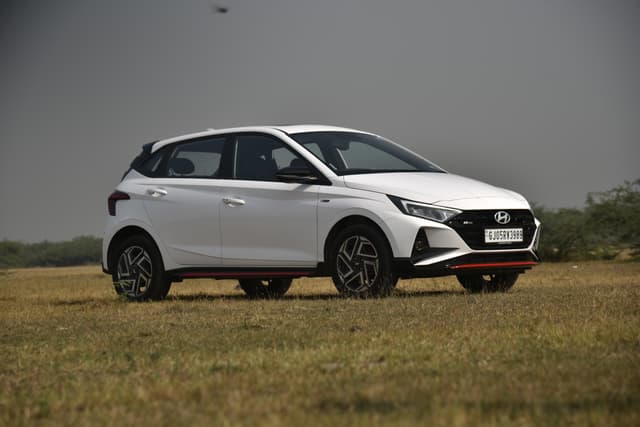
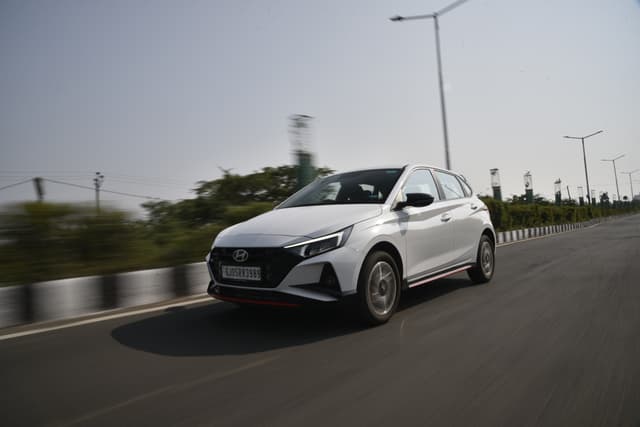
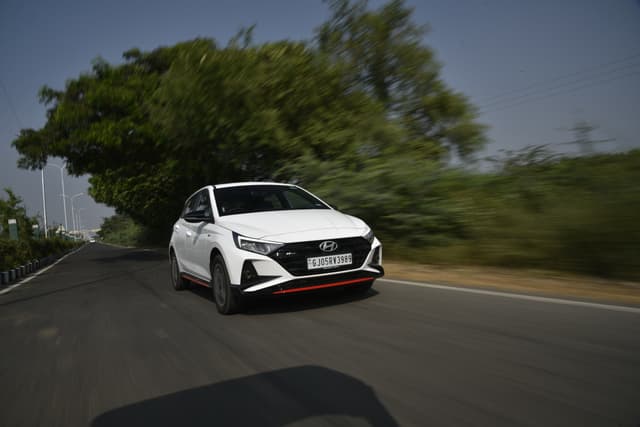
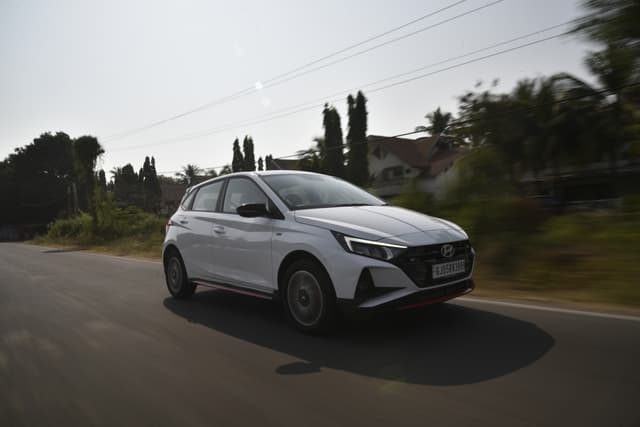
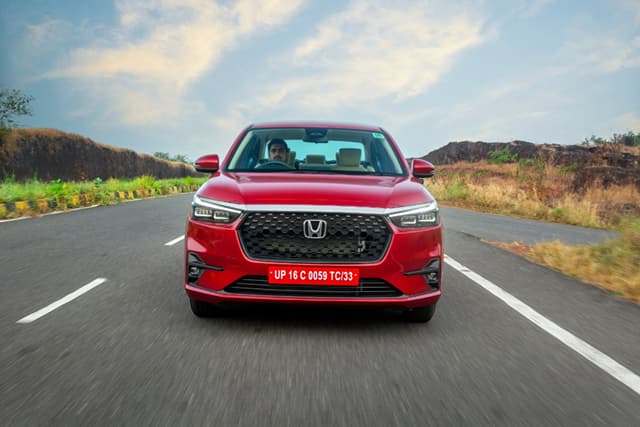
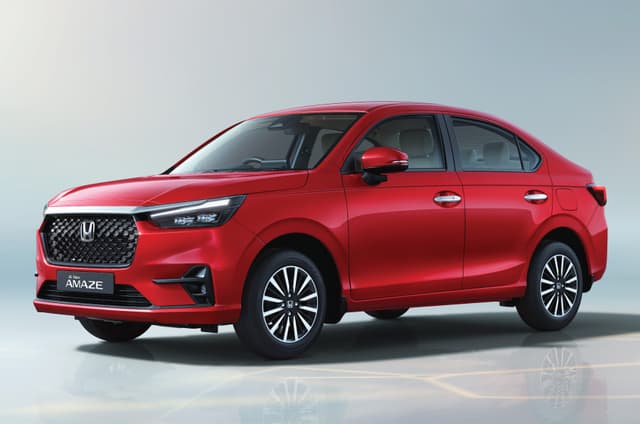
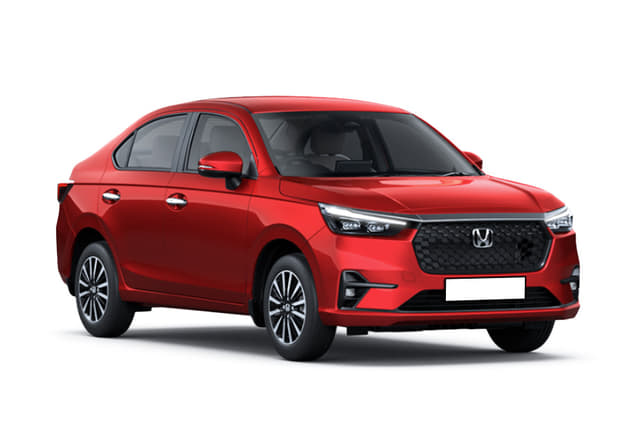
Yes, CVT cars under ₹ 10 lakh include options such as the Nissan Magnite, Hyundai i20, and Honda Amaze.
The cheapest CVT car in India is the Nissan Magnite, priced between ₹5.62 - ₹10.76 Lakh.
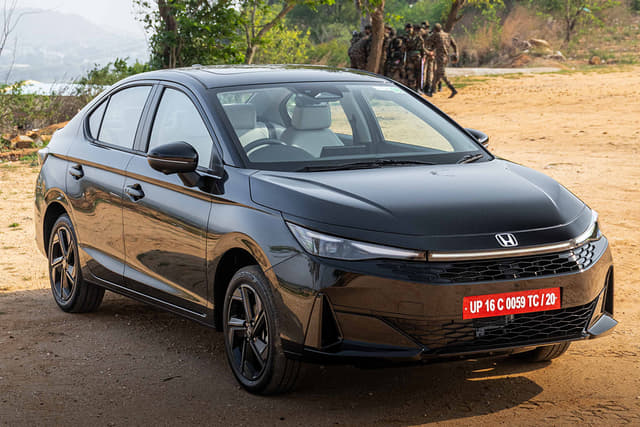
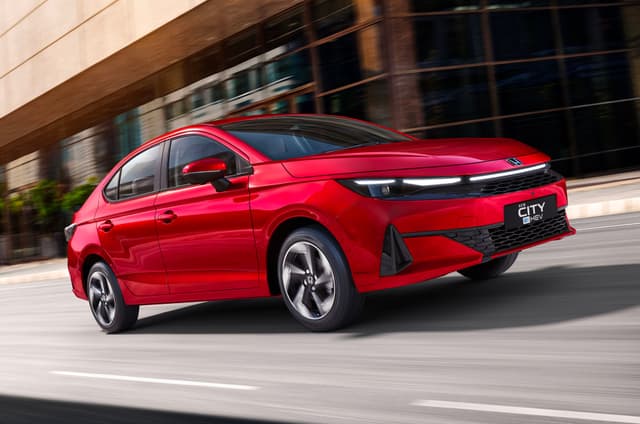
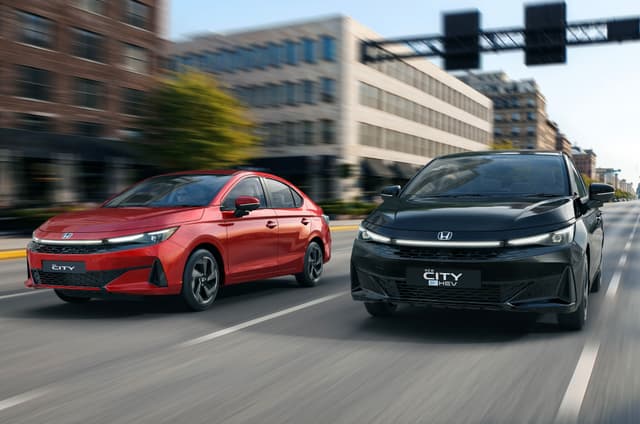
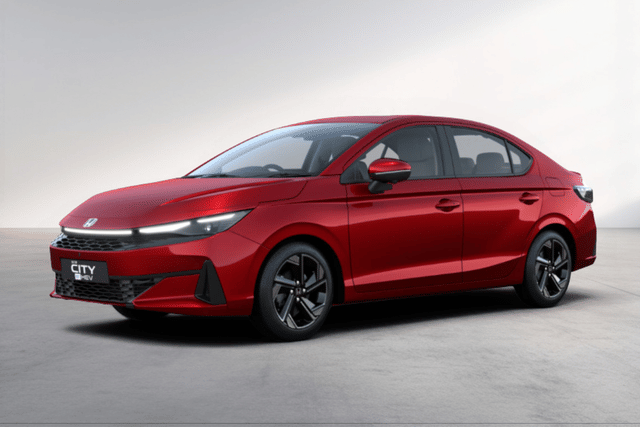
Honda City, Kia Seltos and Maruti Suzuki Victoris are among the best CVT cars under 15 lakh.
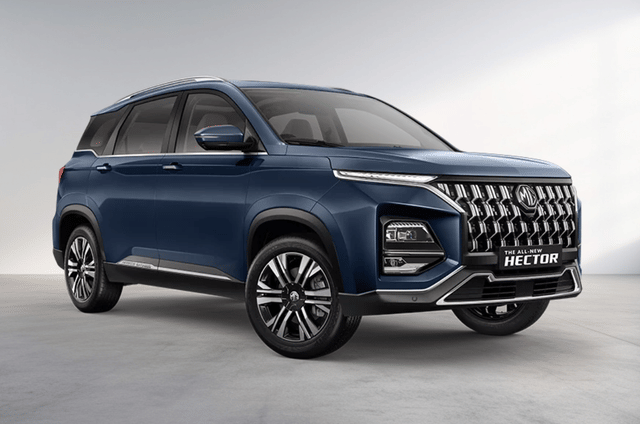
7 seater cars with CVT include models such as MG Hector, Toyota Innova HyCross, and Nissan X-Trail.
Trending Questions on Cars - Answered by Autocar Experts
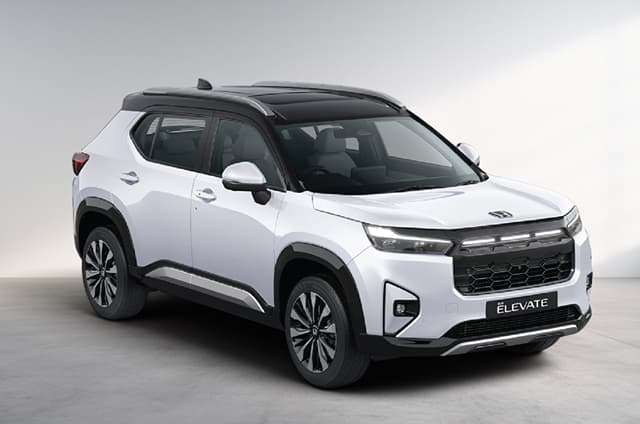
Hi Autocar, I am looking to book a car this week. I have narrowed it down to one of 3 cars, all petrol automatic IVTs. My running is mostly 95% in the city (office commute in Mumbai traffic). My daily commute is around 15 km, so I don't want a turbo engine for bumper-to-bumper traffic. That comes out to roughly 5,000 km in annual running. I am 6 feet tall, so I wouldn't want something that feels cramped. New Seltos HTK+(O) New Elevate VX Bayon HX8 All of these are close to the Rs. 16 lakh ex-showroom price mark. I've driven the Seltos and the Elevate, and I really liked both of them. The Seltos feels more premium on the inside, which I feel is a feature worth having in a daily driver. The Elevate is brilliant, but it feels a bit cheap on the inside. It also lacks a panoramic sunroof; although I might use it only one day a year, given that it's priced the same as the Seltos, it feels like a miss. I know Honda engines are top-notch, but given my limited running and lack of driving enthusiast priorities, I'm not sure if that does justice to my needs. Now comes the Bayon. I haven't done a test drive yet as it is not available, but the Bayon pricing at the HX6 and HX8 trims seems very close to the Creta. I am tempted to go for the HX8 as it offers a 360-degree camera (which I think might be useful for parking since I am upgrading from a hatchback), but I wonder if I am getting a 'lesser car' compared to the Seltos. Which one would you recommend? I am keen on booking before Diwali and will see if there are any discounts on the Seltos (unlikely, though).

 Kia SeltosHonda ElevateHyundai Bayon
Hello Autocar team! I recently booked a Honda City ZX+ CVT. After test-driving both the Honda City and the Volkswagen Virtus, I found the City more comfortable and premium, but I noticed engine noise under hard acceleration and tyre and road noise at highway speeds. Based on your long-term testing experience, which car is better for 8-10 years of ownership in terms of suspension durability, highway comfort, cabin insulation and reliability? Is the City genuinely better, or is the Virtus technically superior in some areas? Please give us an unbiased opinion.
Honda CityVolkswagen VirtusSkoda SlaviaI’m looking for a car mainly for my parents. It will be driven by both me and a driver. I’m deciding between the Honda Elevate V CVT (Rs 16.5 lakh) and the Renault Duster 1.3 Turbo DCT Evolution (Rs 17.5 lakh). I’ve ruled out the VW-Skoda twins (Taigun and Kushaq) because their rear seat backrest angle isn’t comfortable at all. I enjoy driving enthusiastically, but I’m also giving some importance to rear-seat comfort (if the difference is marginal, it can be ignored). Please help me choose, or suggest any other car that suits this category. My maximum on-road budget is Rs 18 lakh.
Honda ElevateRenault DusterI’m confused between the Maruti Suzuki Dzire ZXI+ AMT and Honda Amaze VX CVT for my first family car. Both have an on-road price of around Rs. 11 lakh. But, the Dzire offers more features, including a 360° camera, sunroof, and TPMS, while the Amaze has a CVT transmission and a good reputation for reliability. Which one would you recommend for a first family car?
Honda AmazeMaruti Suzuki DzireHello, I've been looking to buy a new automatic petrol car with either a TC or a CVT transmission for a family of three. Our usage will mainly involve daily city driving in Bengaluru, with occasional highway trips of 100-500 km. So far, we have tested the Skoda Slavia 1.0 TC, Kylaq and Kushaq, Volkswagen Virtus 1.0 TC, Honda Elevate facelift (2026), Kia Sonet, Tata Punch AMT, Tata Sierra DCT and TC automatic options, and Punch EV. My wife is a beginner driver who currently drives a manual turbo sedan and a hatchback, so the car should also be suitable for her daily driving needs. Personally, I loved the Slavia for its punchy performance, handling, ride quality, softer suspension in the city and safety. However, I'm concerned about EPC errors and reliability issues. Since I already drive a turbo car, I enjoy the strong performance on highways, particularly the quick overtakes and punch. My wife, on the other hand, prefers sedate driving, although neither of us is particularly enthusiastic about driving. She preferred the Honda Elevate CVT over the Sonet. We're quite confused about which automatic to choose from these options. Please help us decide.
Honda ElevateSkoda SlaviaLast Updated on: 3 Nov 2026