Lankeswari Motors-Gopalpali Chowk
Remed NH 6, Near Gopalpali Chowk, Sambalpur, Odisha 768006
Last Updated on: 12 Jul 2026

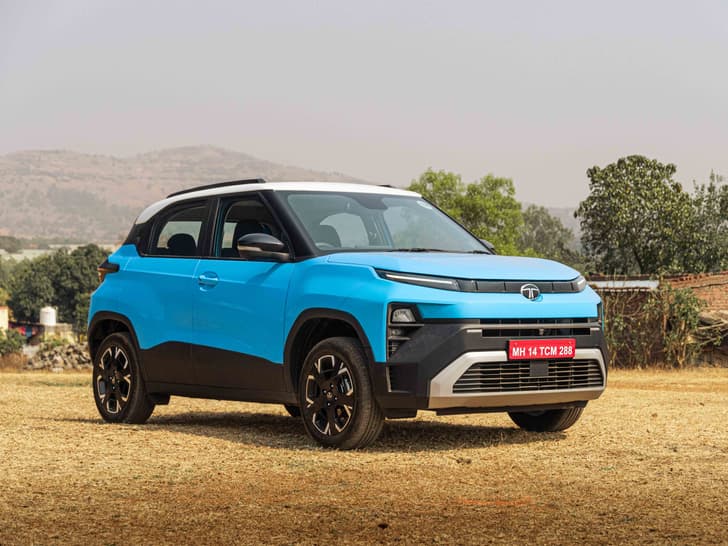
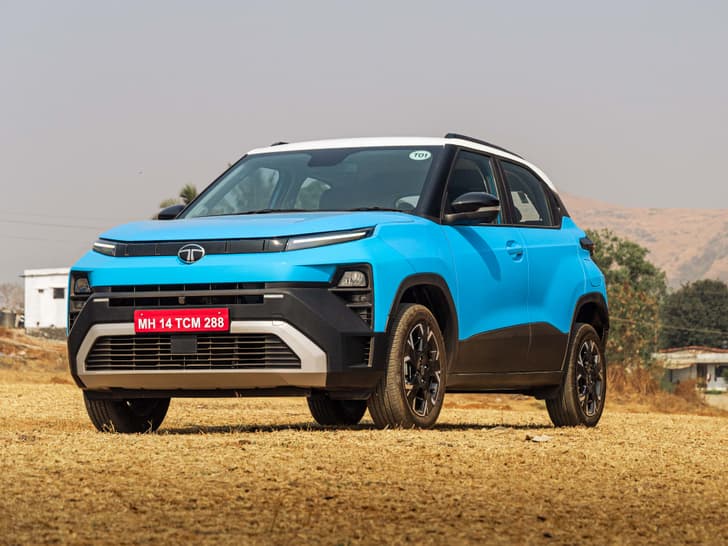
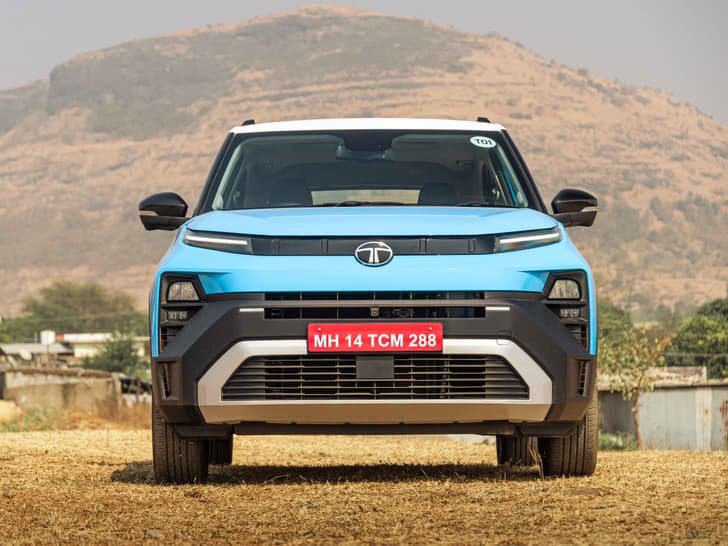
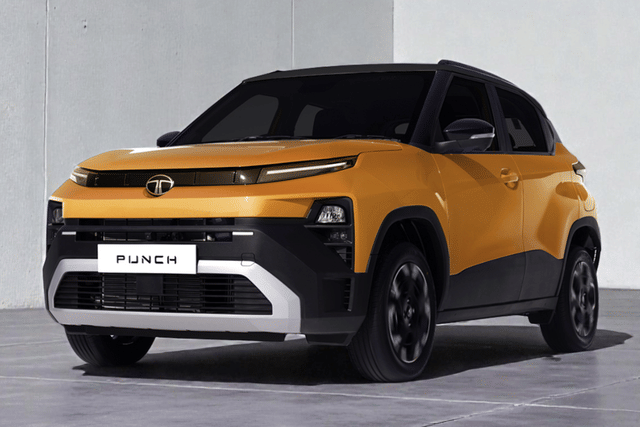
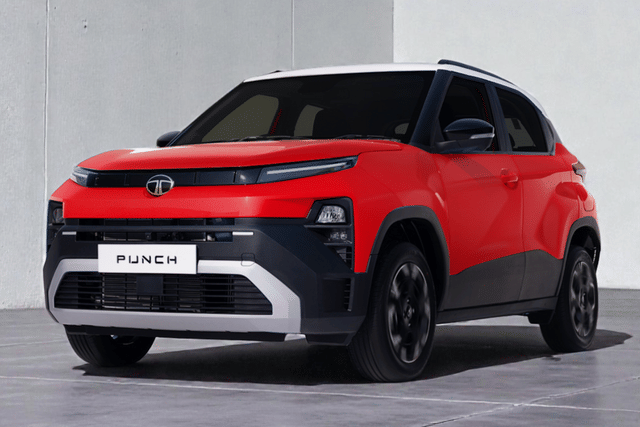
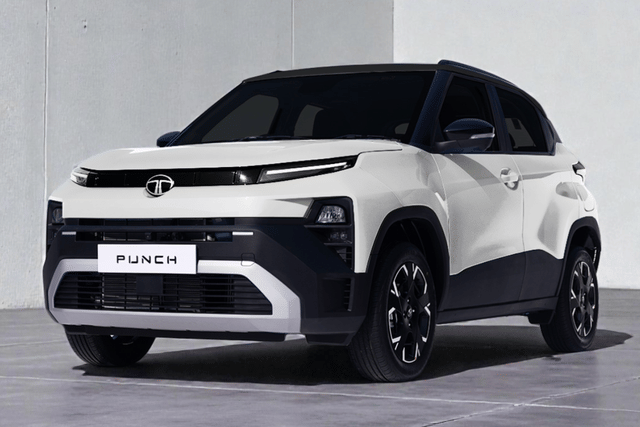
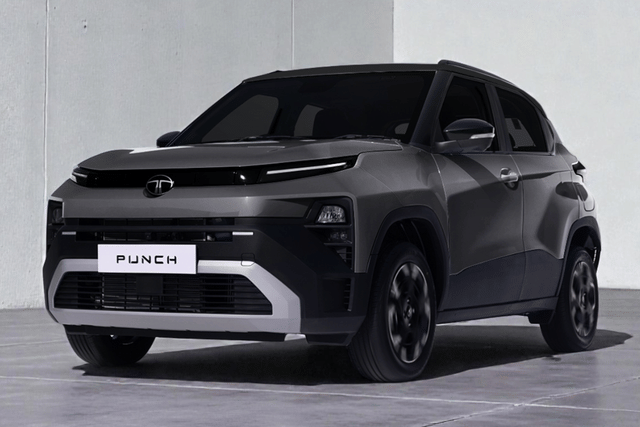
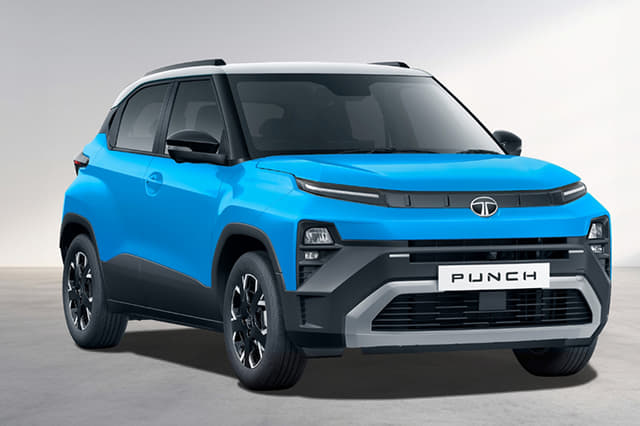
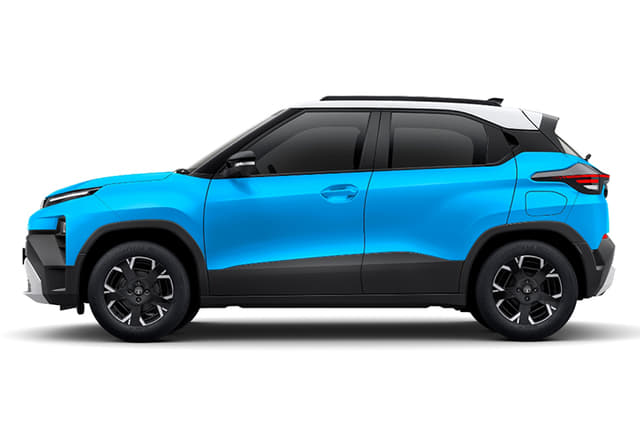
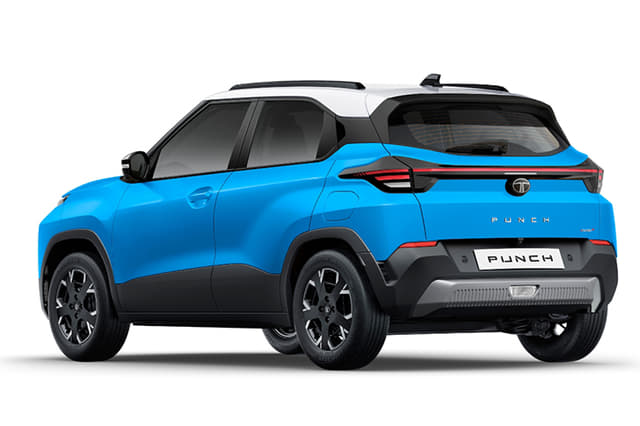
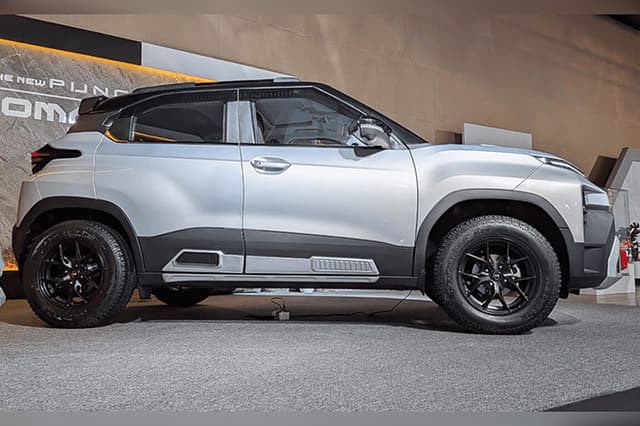
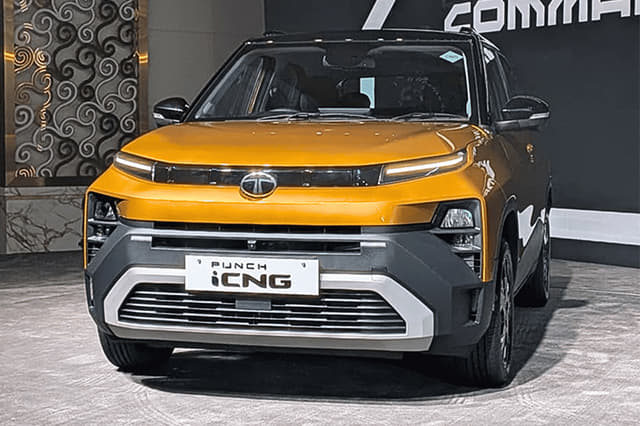
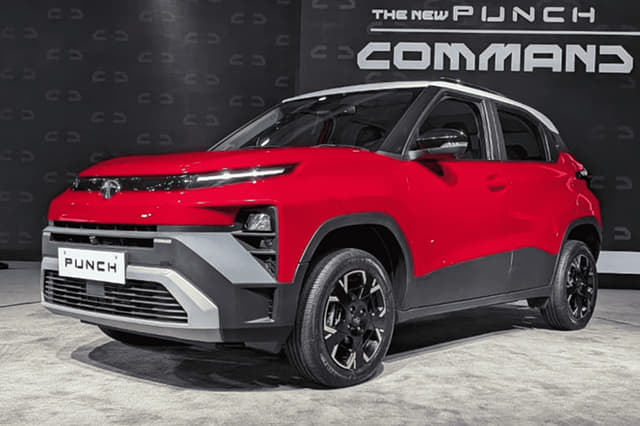
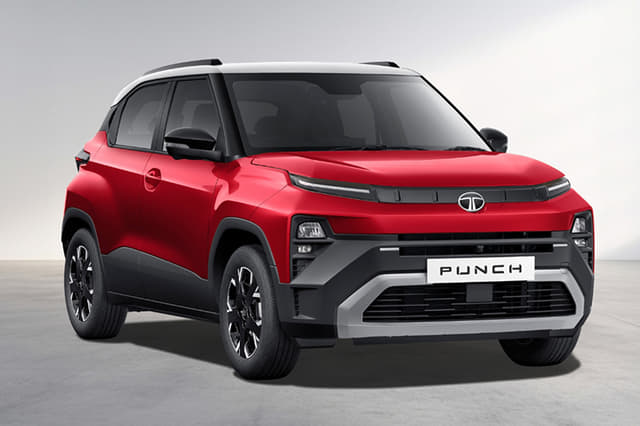
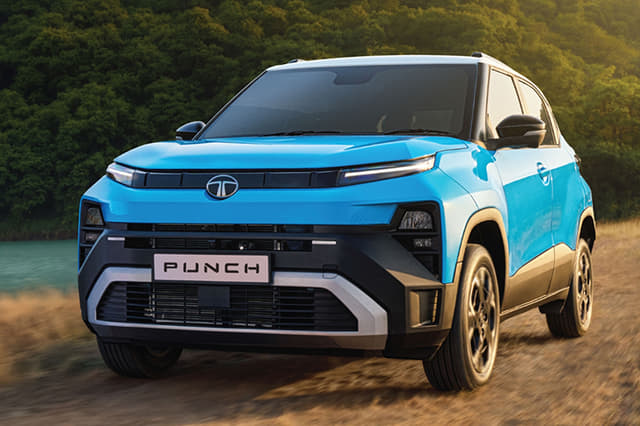
Tata Punch price in Sambalpur
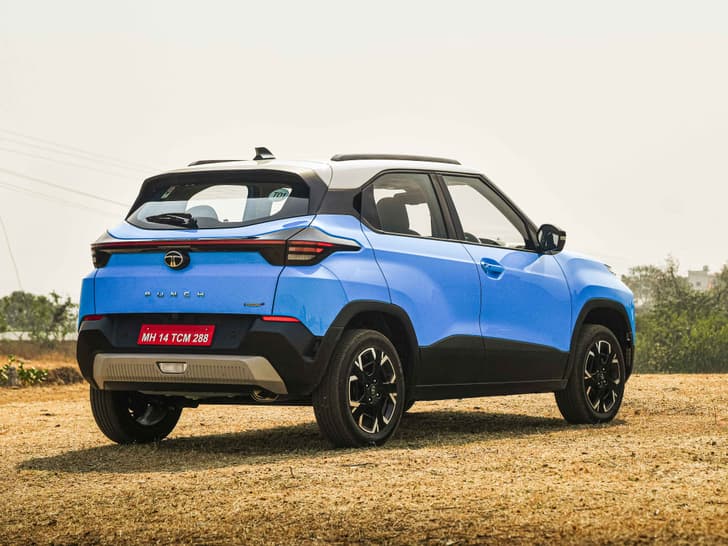
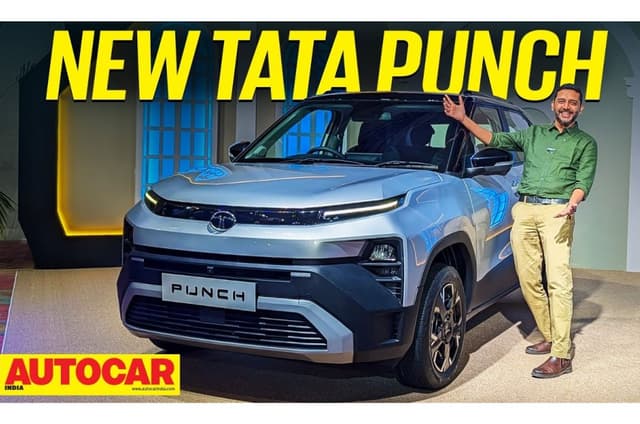
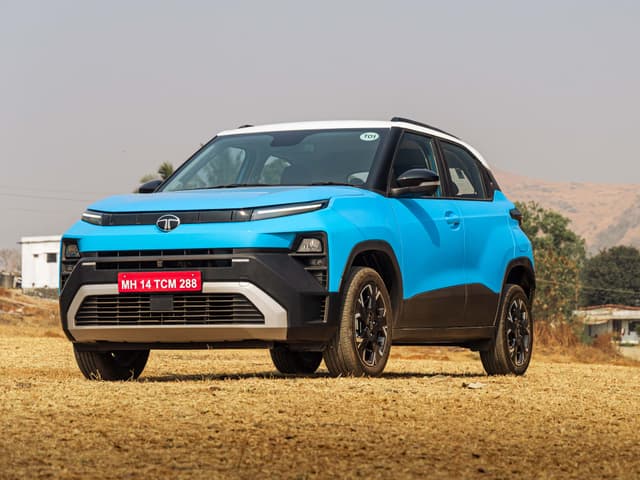
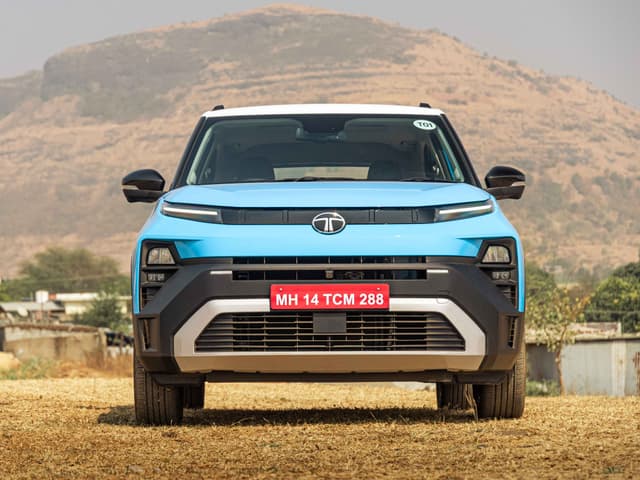
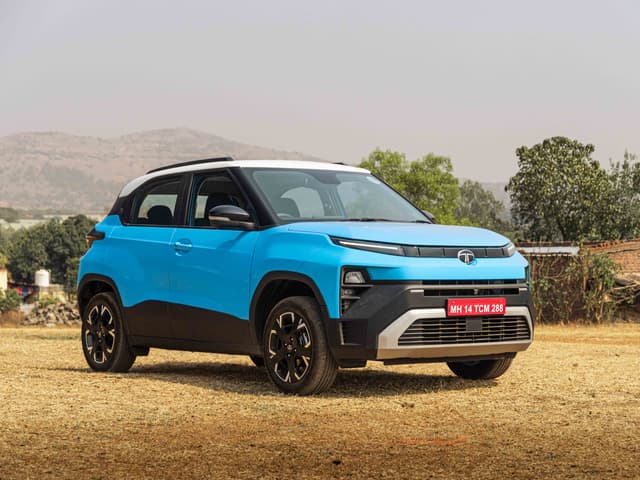
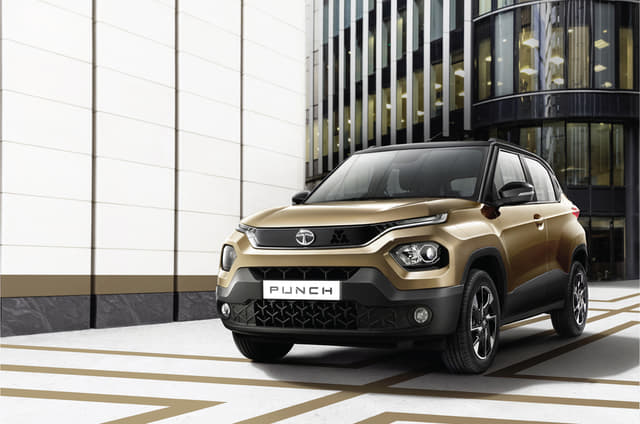
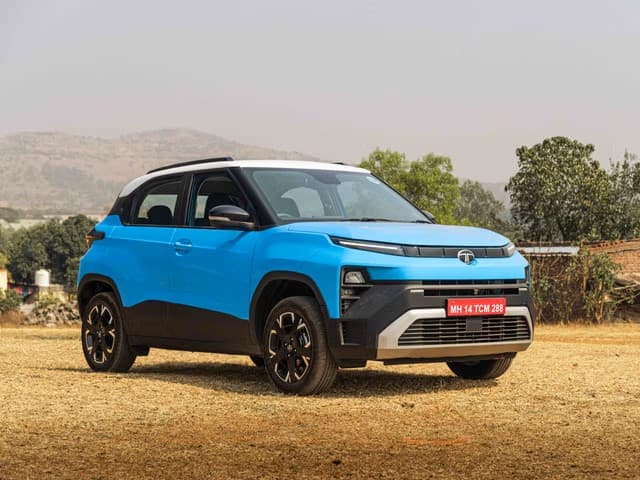
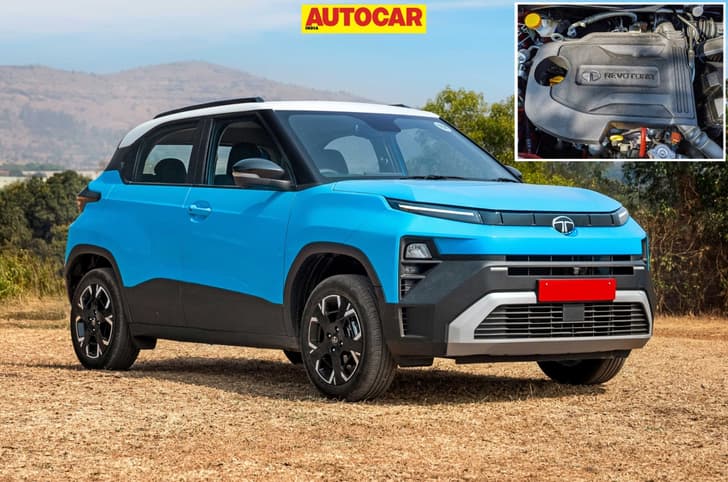
The Tata Punch price in Sambalpur starts at ₹5.70 lakh to ₹10.67 lakh (ex-showroom). Whereas, Tata Punch on road price in Sambalpur starts from ₹6.42 lakh. In comparison, the Tata Punch top model on road price is ₹12.40 lakh (on-road price including all taxes, RTO fees, and insurance).
* Estimated on-road price. Final amount may vary.
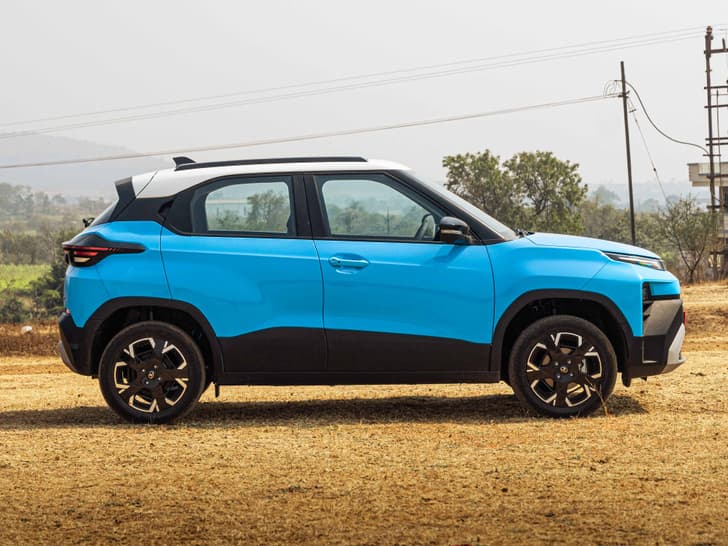
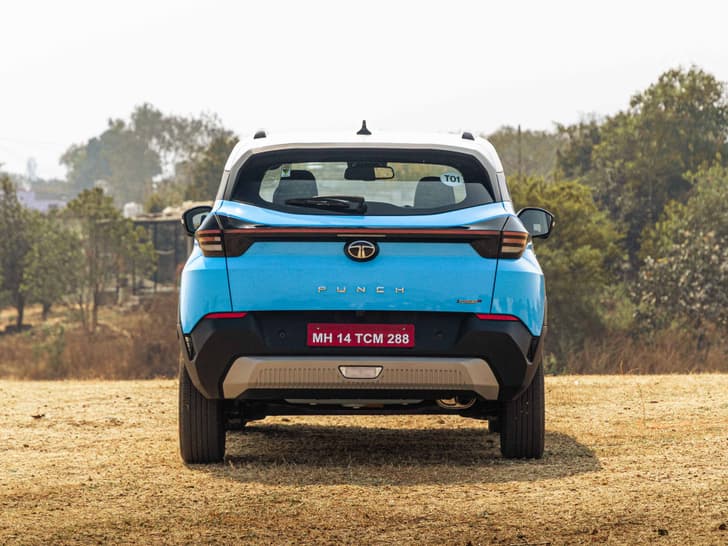
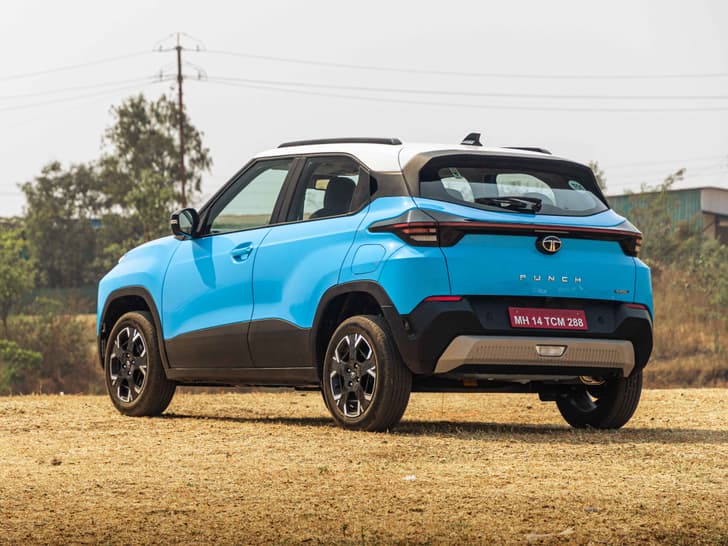
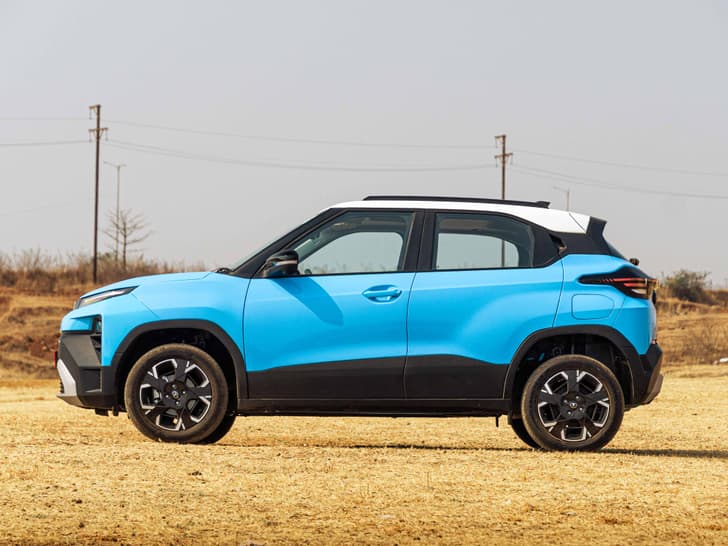
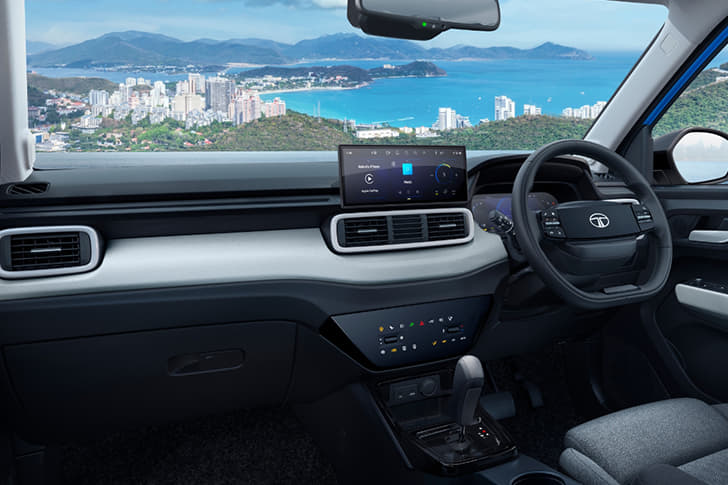
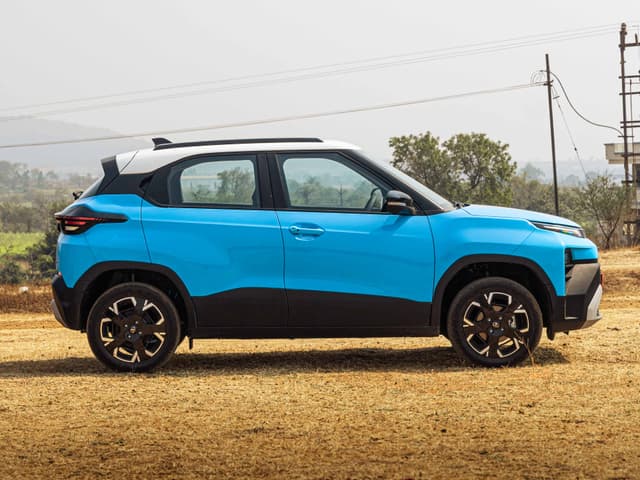
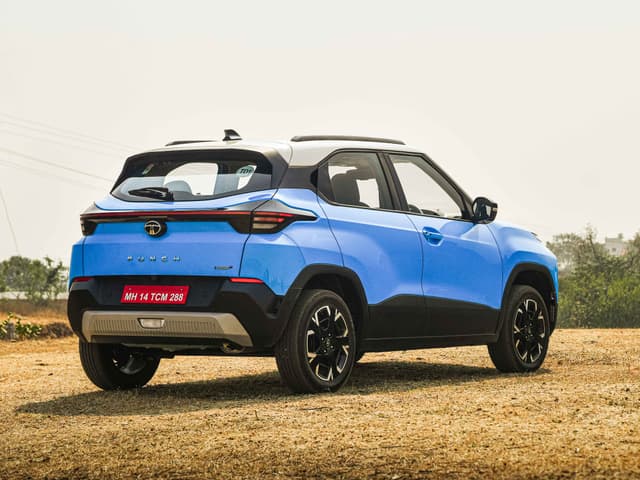
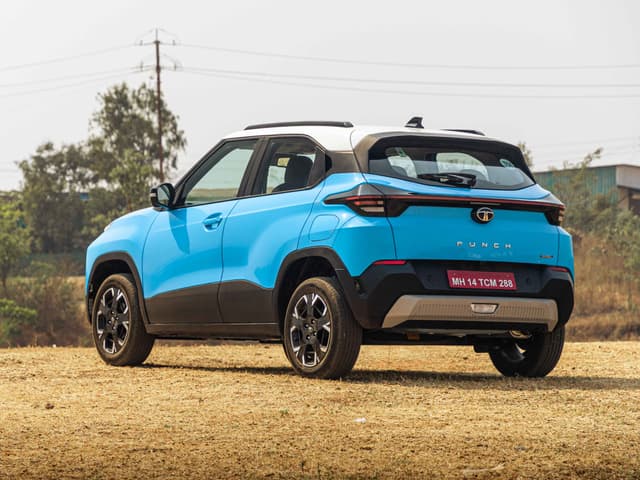
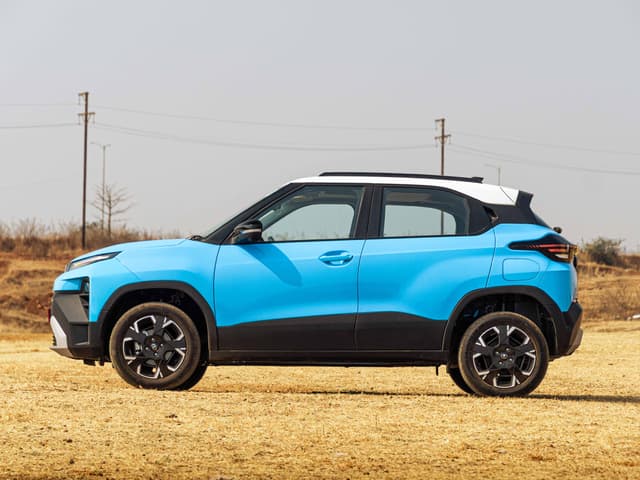
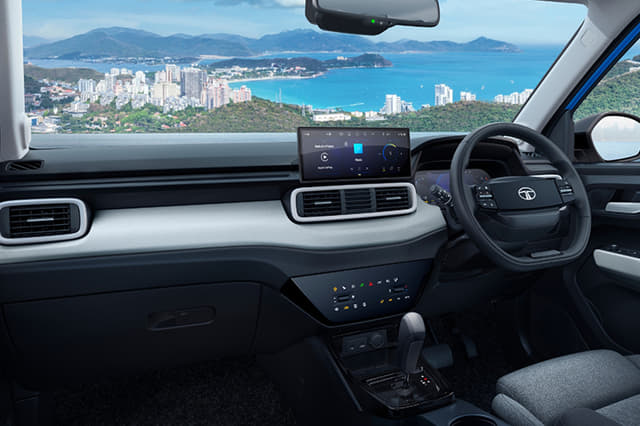
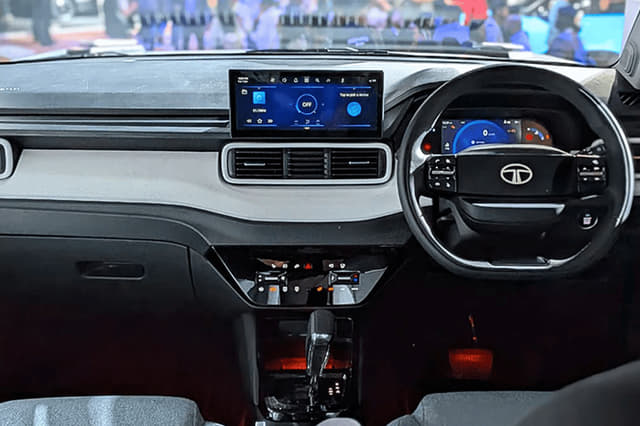
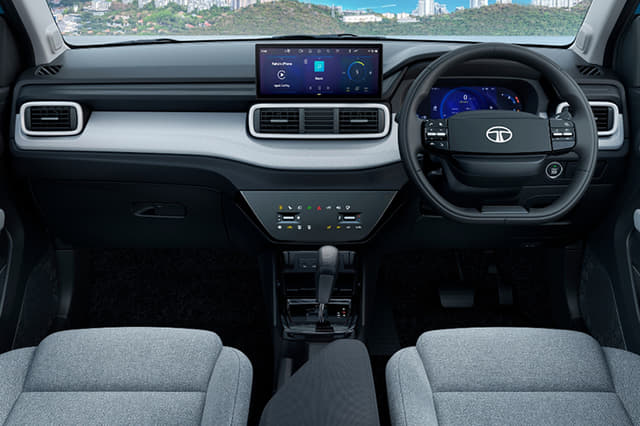
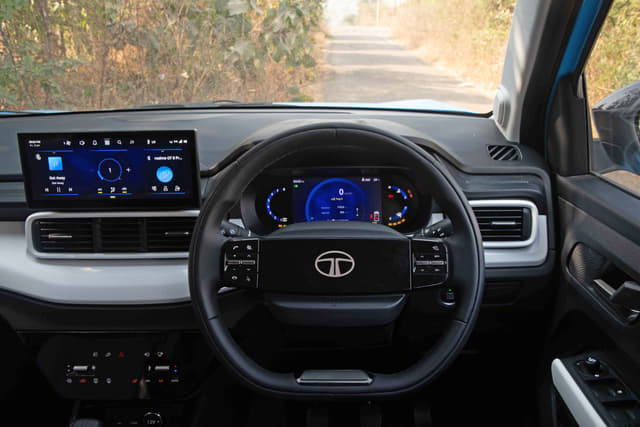
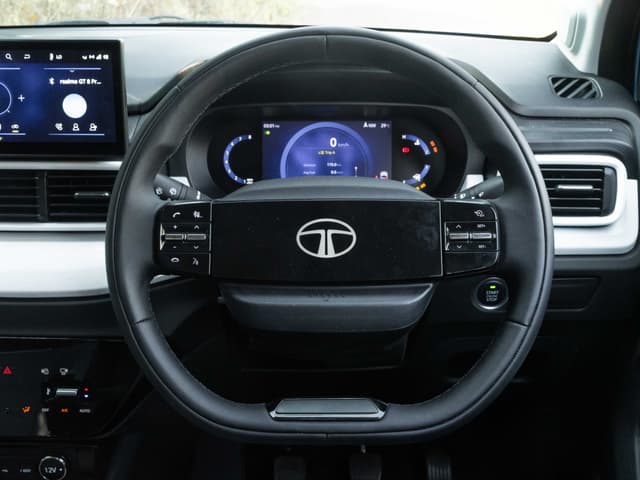
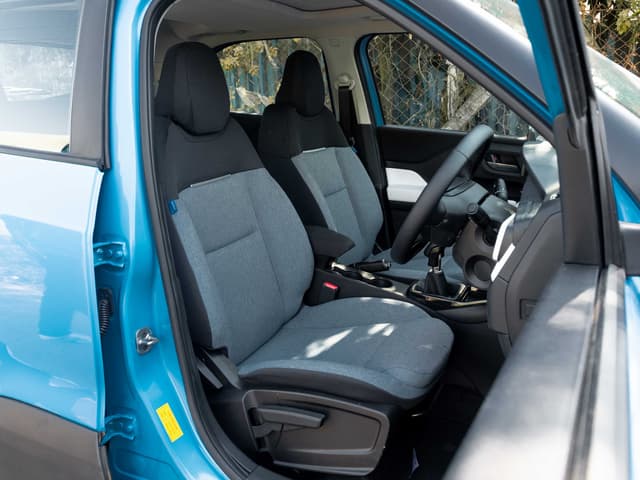
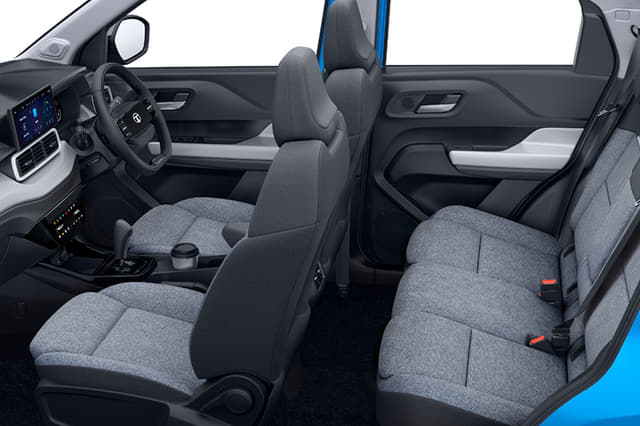
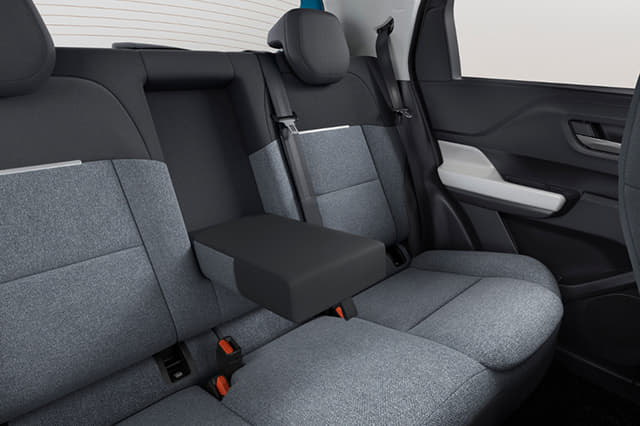
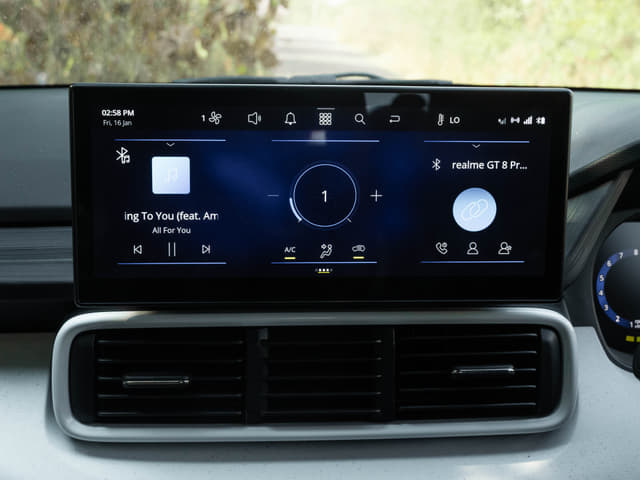
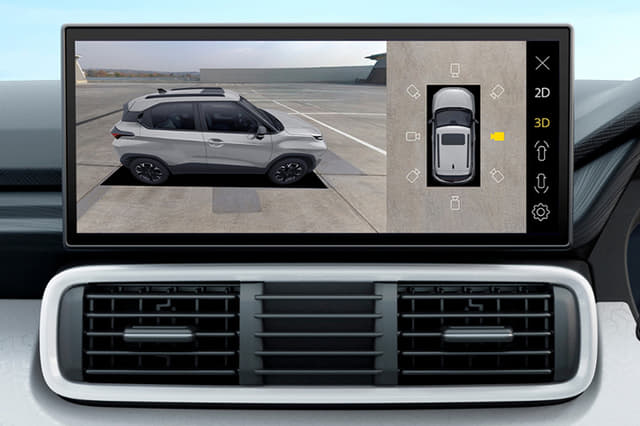
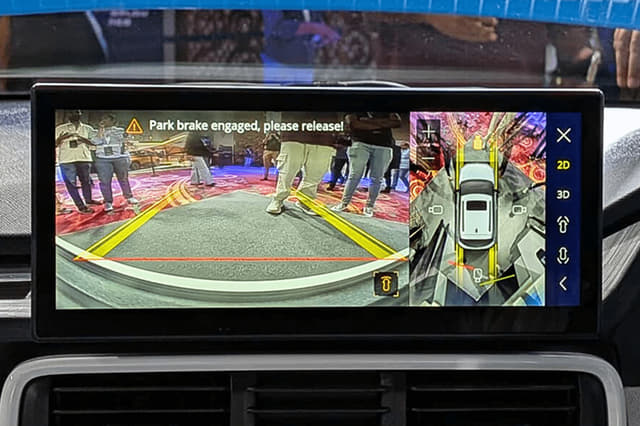
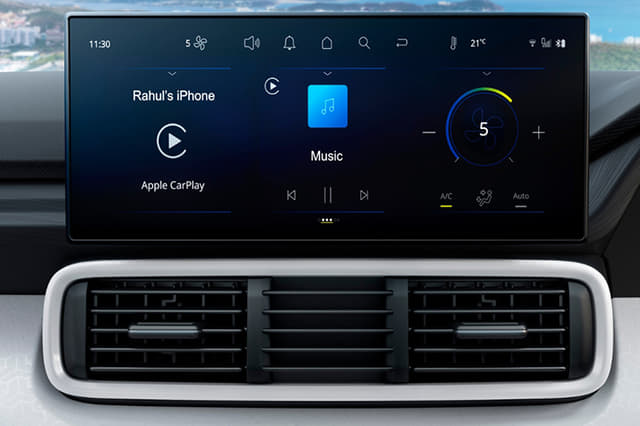
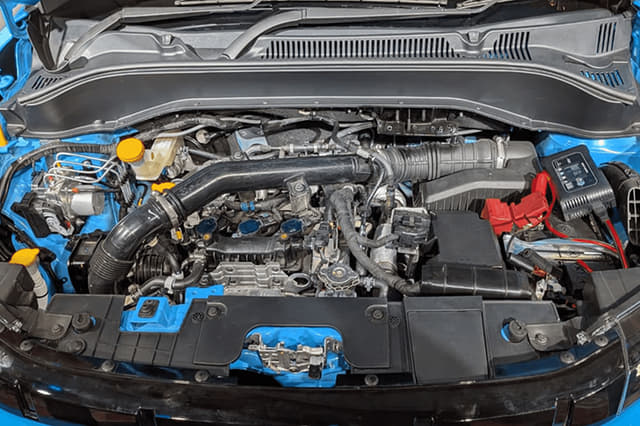
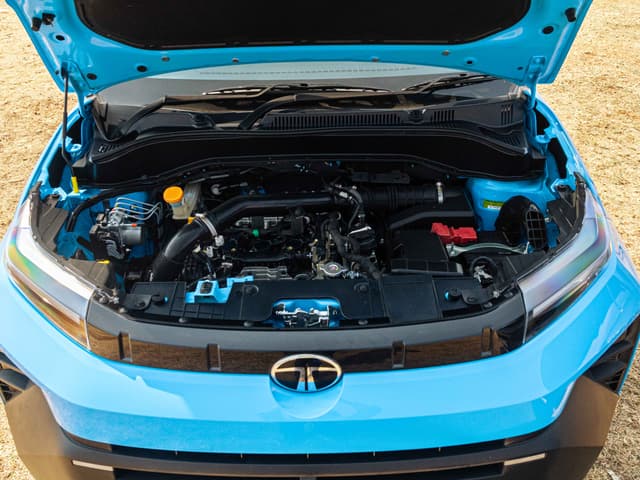
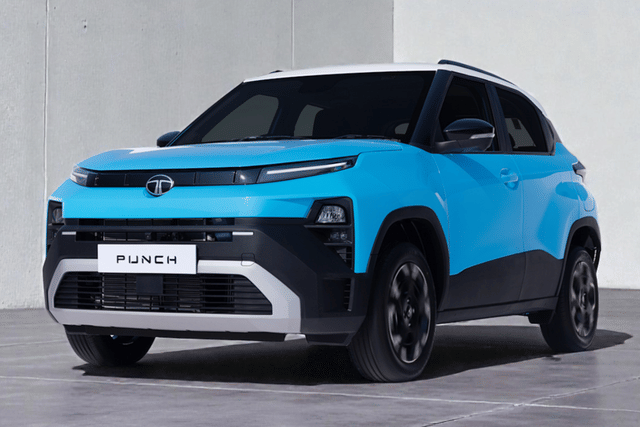
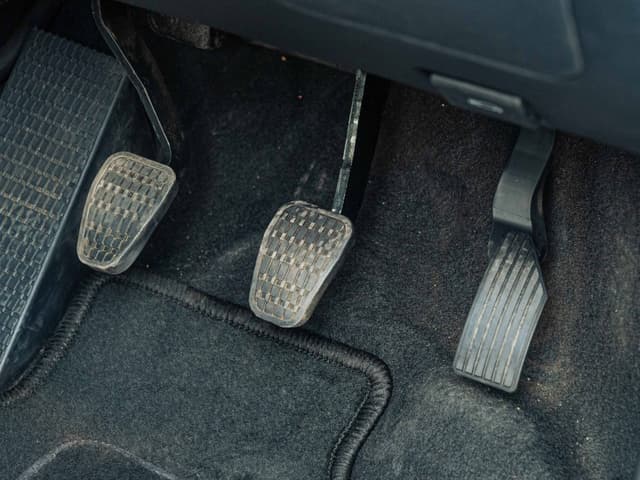
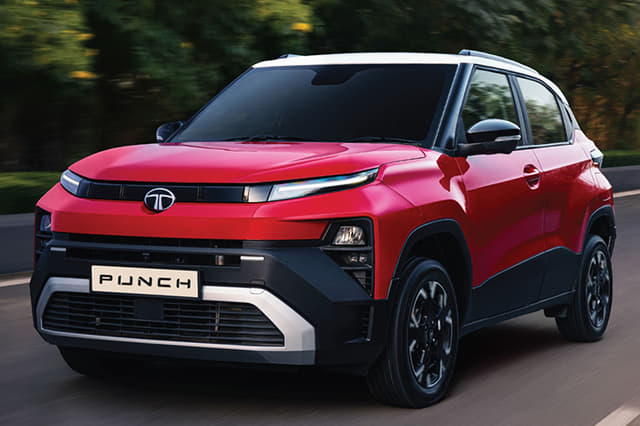
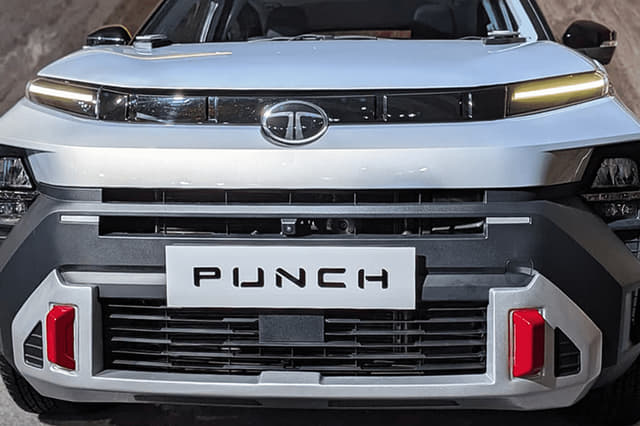
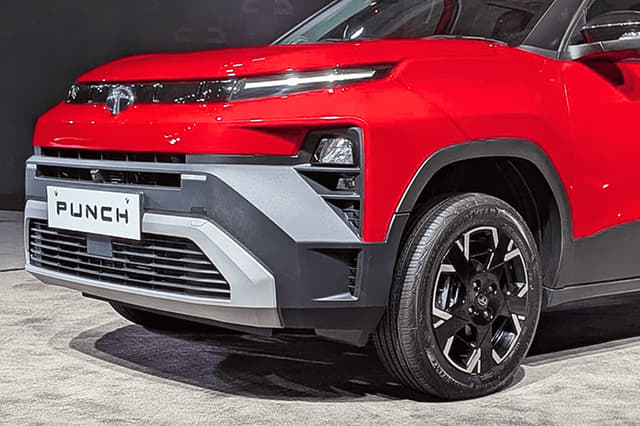
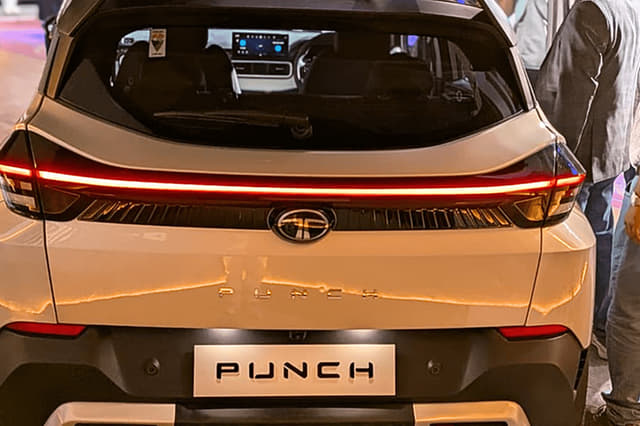
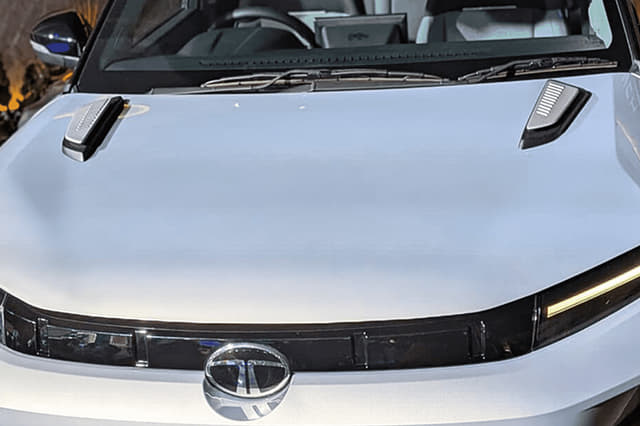
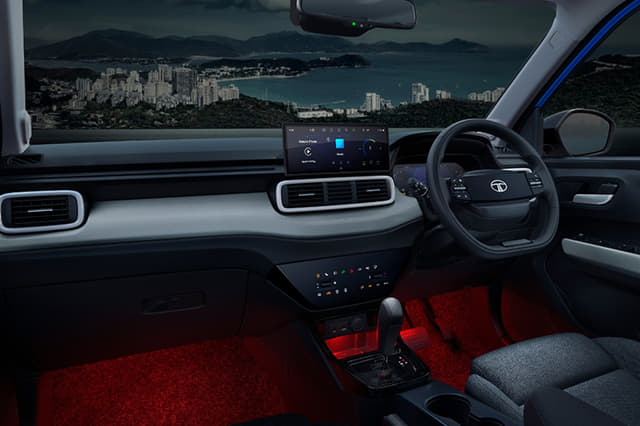
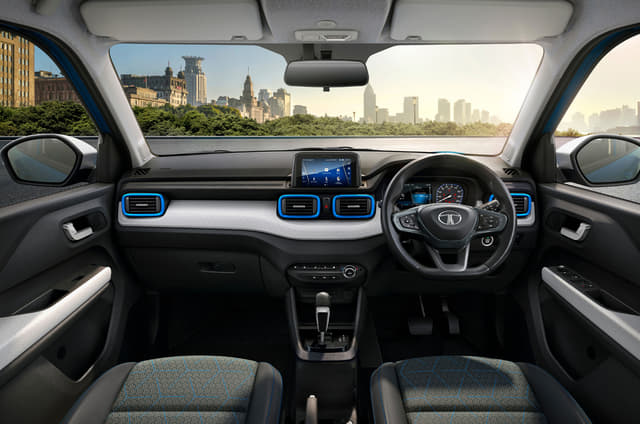
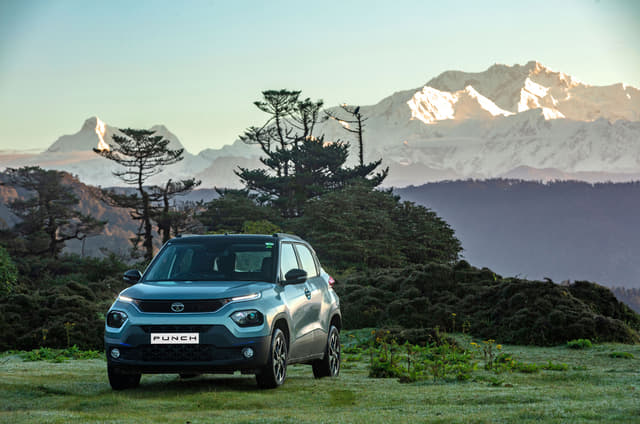
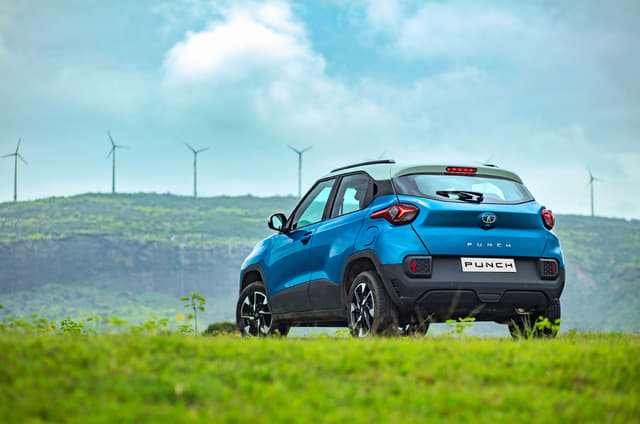
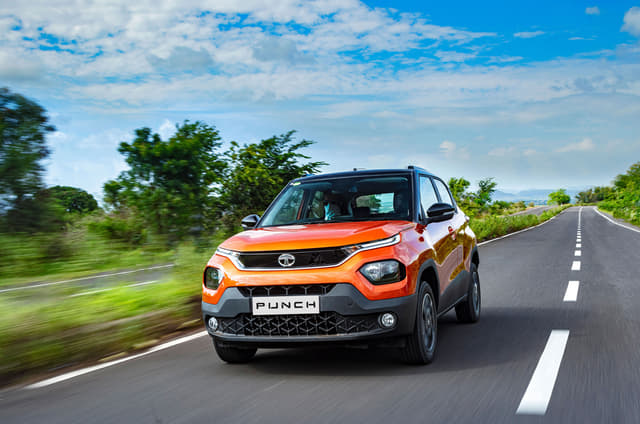
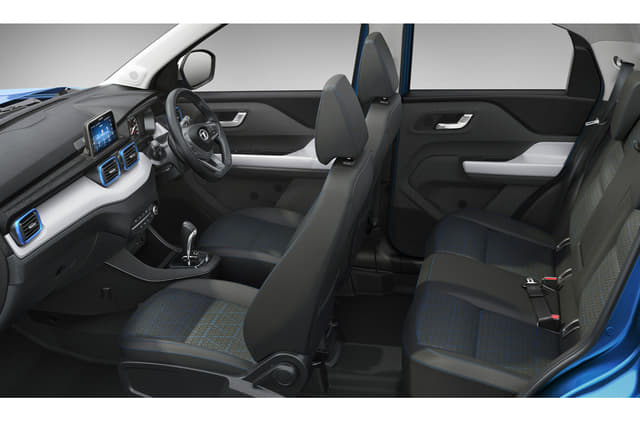
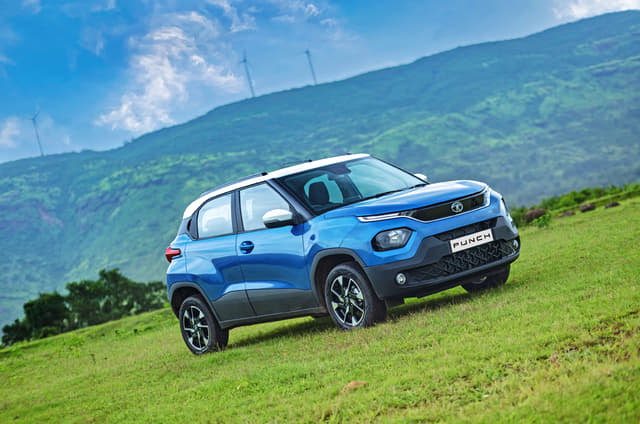
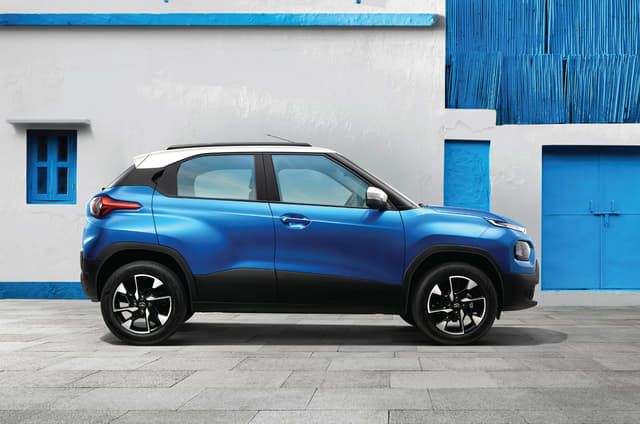
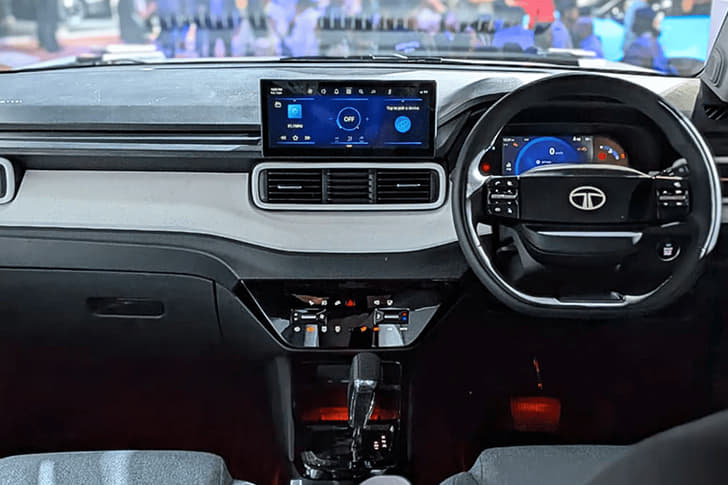
The first thing you notice is how “solid” it feels. The doors shut with a reassuring thud, and unlike many cars in this price range, it doesn’t feel flimsy. Driving it daily in city traffic, especially in places with rough patches or speed breakers everywhere, the high ground clearance becomes a blessing. You don’t have to slow down too much or worry about scraping the bottom, which is something hatchback owners often struggle with. From a user perspective, the seating position is a big win. You sit higher than usual, which gives you confidence, especially in traffic. Visibility is good, and maneuvering through tight streets is easy because the car isn’t too wide. Parking is also stress-free, even without advanced sensors or cameras in lower variants. Now, coming to the engine—this is where expectations need to be realistic. The 1.2L petrol engine is smooth and refined for city use, but it’s not exciting. If you’re someone who enjoys quick acceleration or highway overtakes, you might find it a bit underpowered. However, for daily commuting, office runs, and occasional weekend drives, it does the job without complaints. The AMT version, while convenient in traffic, can feel slightly laggy during gear shifts, something most users notice in stop-and-go conditions. Comfort-wise, the suspension is honestly one of the highlights. It absorbs potholes really well, and even on bad roads, the cabin remains composed. This makes a huge difference in Indian driving conditions. Long drives are comfortable for front passengers, though rear seat space is best suited for two adults rather than three. One thing users often appreciate is the sense of safety. Knowing that the Punch has a strong build quality (and a good safety rating) gives peace of mind, especially for family buyers. It feels like a car built to protect, not just to look good. On the downside, there are a few small annoyances. The infotainment system can feel a bit slow at times, and the engine noise becomes noticeable when you push it hard. Also, if you’re used to feature-loaded cars, you might find some modern features missing in lower variants. Overall, the Tata Punch isn’t about performance or luxury—it’s about practicality, toughness, and peace of mind. It’s perfect for someone buying their first car or upgrading from a hatchback who wants a bit more road presence and confidence without spending too much.
Read moreTell us about your experience
Download the complete brochure with specs, features, and variants.
Planning to buy Punch? Here are a few dealers in Sambalpur
Remed NH 6, Near Gopalpali Chowk, Sambalpur, Odisha 768006


Ask owners & Autocar experts.
Yes, especially if your running is high. The CNG version offers significantly lower running costs than the petrol model while retaining much of the Punch's practicality. The availability of an AMT gearbox also makes it more convenient for city driving.
The lower and mid-spec variants offer strong value, thanks to the Punch's safety, ride quality and practicality. However, the fully loaded versions are priced close to larger compact SUVs, so buyers should compare them carefully before deciding.
kamalljitsingh
I want to buy either the Tata Nexon Diesel or the Tata Punch. Which one is better for driving in the hills? Please suggest.

autocar.india
We would recommend the Tata Nexon Diesel over the Punch if you regularly drive in the hills. The diesel engine's strong low end torque makes climbing steep inclines much easier, especially with a full load of passengers or luggage. It also requires fewer gear changes on winding roads and feels much more relaxed than the Punch's naturally aspirated petrol engine.The Nexon is also the better all round vehicle. It has a more planted feel at highway speeds, a larger cabin, a bigger boot and better long distance comfort. If your hill trips are frequent or you live in a hilly area, the diesel suits this usage very well. Just ensure you also undertake regular longer drives, as modern diesels are happiest when they get enough running to keep the emissions system healthy.The Punch is a good choice if your driving is almost entirely in the city and you want a smaller, easier to park SUV. However, for hill driving, especially with family or luggage, it can feel underpowered compared to the Nexon diesel.
ghkumar
I am planning to buy a new car for the first time in my life. My budget is a maximum of 12L. I prefer an SUV with wide-opening doors, being 60 years of age. My average journey per day would be 15-20 kms. Please advise which car would be better suited for me.

autocar.india
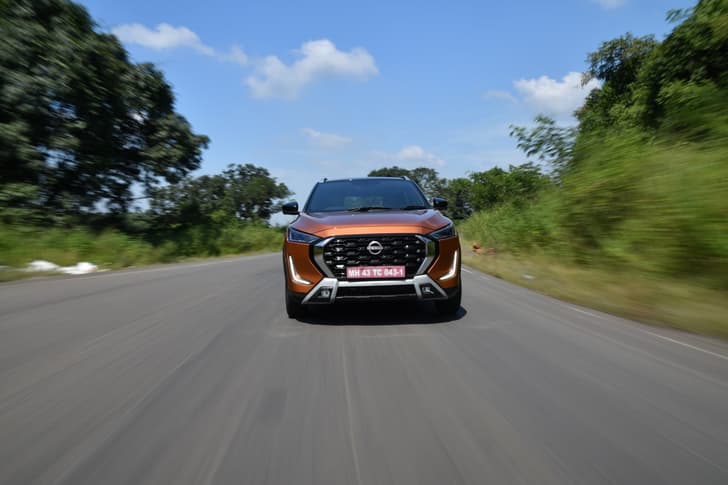
Go for the Tata Punch automatic. Its doors open almost 90 degrees, and the seat is at a friendly height, so getting in and out at 60 is genuinely easy. For your 15-20 km city runs, it is compact, has light controls, and rides over bad patches without fuss, so you will feel less tired. It also sits higher than most small cars, which helps with visibility and confidence.It fits your Rs. 12 lakh cap in mid trims, and you do not have to stretch for basics like rear sensors and a camera. Running costs are sensible too since it is a simple petrol.One thing to know: the automatic is not the smoothest when crawling in traffic, and the engine feels just okay on fast highways. If you value a silkier automatic more than the super-wide doors, the Nissan Magnite with the CVT also sits within budget, but its doors are not as wide as the Punch's.
shubham.korde
We are planning to buy a CNG vehicle for our family. Our monthly driving is usually around 200–300 km, although in some months it may increase to 500–600 km. We currently own a Maruti Suzuki Wagon R CNG and are now looking to upgrade to a compact SUV or SUV that offers better comfort, safety, and features for family use. Which model would be the best choice?

autocar.india
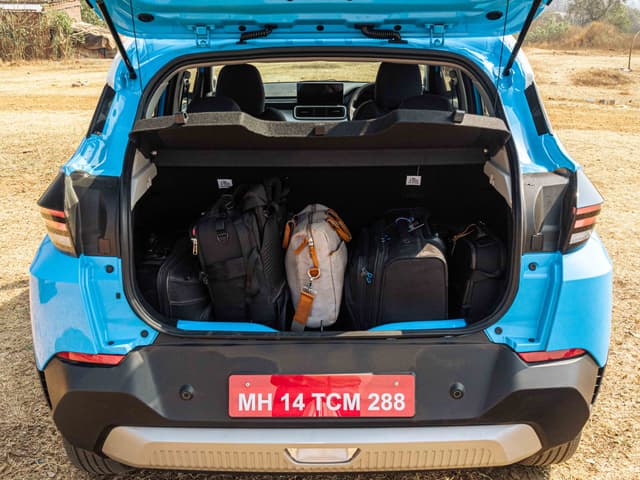
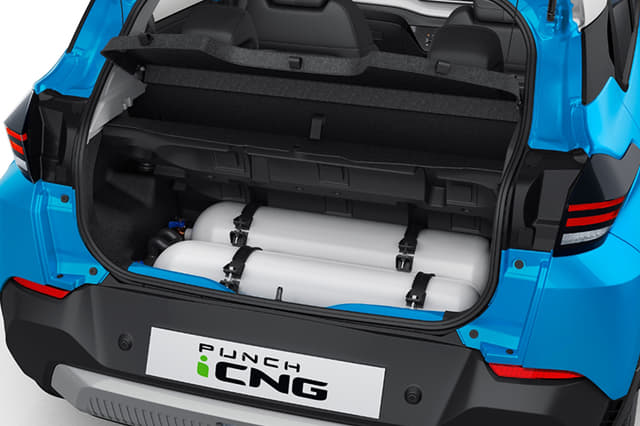
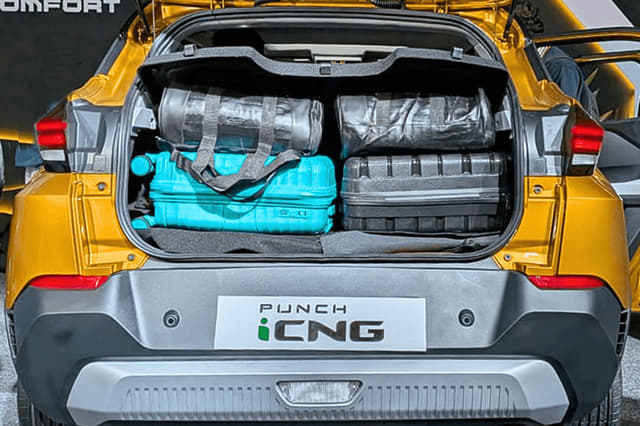
If your budget permits, the Maruti Suzuki Victoris S-CNG is a sensible choice. It is a practical mid-size SUV that offers better comfort and features for family use. Its CNG tank is positioned beneath the boot floor, so luggage space is not significantly compromised. Additionally, being a Maruti Suzuki car, it offers a hassle-free ownership experience with an extensive service network, making the transition from the Maruti Suzuki Wagon R CNG seamless. If the budget is tighter, the Tata Punch iCNG is a strong option. Its tall stance makes ingress-egress easy, while the overall driving experience feels like a significant step up from the Wagon R CNG in terms of safety and everyday comfort. Tata's twin-cylinder CNG layout keeps most of the boot usable, making it practical for family use. It also feels tough over broken roads, which adds to its everyday usability.
faizan.khan
I am looking to purchase my first vehicle for a family of five. My expected monthly running is approximately 500-700 km, and my budget is Rs. 8 lakh. Could you recommend options that align with these requirements?

autocar.india
Go for the Renault Triber or its sister car the Nissan Gravite. For a family of five on a tight Rs. 8 lakh budget, nothing gives you this much space and flexibility. You get real rear-seat room, easy access, and with the third row folded you have a huge boot for bags, strollers, or a weekly shop. The third row is quite useable too should you have extra passengers. Your running is modest, so the petrol suits fine, and it is easy to drive in the city. Lower and mid trims usually fit your budget in many cities, and there is an automatic option if you want it.The issue is performance. With five on board and luggage, it feels slow on highways or during overtaking. Cabin quality is simple too, but it is practical and tough enough for daily use.If you prefer a 5-seat hatchback and want something more polished, look at the Maruti Suzuki Baleno. It is roomy for five, very efficient, and cheap to run, though the boot is smaller than the Triber with seats folded. If you want a higher driving position, the Tata Punch is worth a look, but shoulder room for three at the back is tighter.
rakesh.49
I have a budget of around Rs. 10 lakh and want to buy a good-looking SUV with a CNG option, good features and strong fuel efficiency. Which one would you recommend?

autocar.india
Get the Tata Punch iCNG. It fits your Rs. 10 lakh budget, looks like a proper small SUV, and the factory CNG keeps running costs very low. Tata’s twin-cylinder CNG tanks free up more boot space than other CNG SUVs, so your luggage will still fit. It rides well over bad roads, and the higher seat makes city driving easy. Pick a mid variant, and you still get the basics you want, like touchscreen with Android Auto, steering controls, rear camera, and decent safety kit.Do note that the CNG version feels slow, especially with a full load or on highways. But for your use case, the Punch iCNG is the most balanced choice.
hrishikeshnare
I'm currently driving a Maruti Suzuki Ciaz and have been absolutely delighted with the ownership experience. However, for my next upgrade, I'd like to explore one of the entry-level SUVs. I typically buy a new car, keep it for 7-8 years, and then upgrade. Given the current transition in the automotive industry, is this the right time to buy a new car, or would it be wiser to wait until the powertrain landscape becomes clearer and the supporting infrastructure matures? I'd like to make an informed decision between ICE, Hybrid, and EV options before committing to a vehicle that I'll likely own for the next 7-8 years.

autocar.india
If your Ciaz is running well and you’re not in a tearing hurry to upgrade, it would be wise to wait another year or so. The market is on the verge of a significant transition, especially in the compact SUV segment you’re looking at.2027 is shaping up to be a particularly important year. Carmakers like Hyundai, Mahindra, Renault, Kia, MG and JSW Auto all have new or heavily updated compact SUVs in the pipeline. Maruti Suzuki too is expected to expand its range with a Punch rival and introduce its first strong hybrid system, likely in the Fronx.More importantly, hybrids are set to become far more mainstream. With tightening CAFÉ norms and rising fuel costs, manufacturers are increasingly positioning strong hybrids as a practical middle ground between conventional ICE and full EVs, especially in India, where charging infrastructure is still developing.There is also a steady wave of new EVs due over the next 12 to 18 months. These should bring improvements in range, charging ease and pricing, giving you a much clearer picture of how viable an EV is for your usage.Given your 7 to 8 year ownership cycle, waiting allows you to choose from a more mature and diverse set of powertrain options. It also reduces the risk of buying just before a new generation of more future-ready products arrives.
saurabh.20
I want to buy a new car for my parents. My father used to drive, but he no longer does so due to age and health-related issues. I live in a Tier-2 city and previously owned a 2010 Wagon R 1.0. Although it had covered only 40,000 km, it is now showing signs of ageing, such as rusting and high maintenance costs. I am looking for a hassle-free new car, and since it will mostly remain parked in the garage, it won't see much usage. Budget is under 8 lakh.

autocar.india
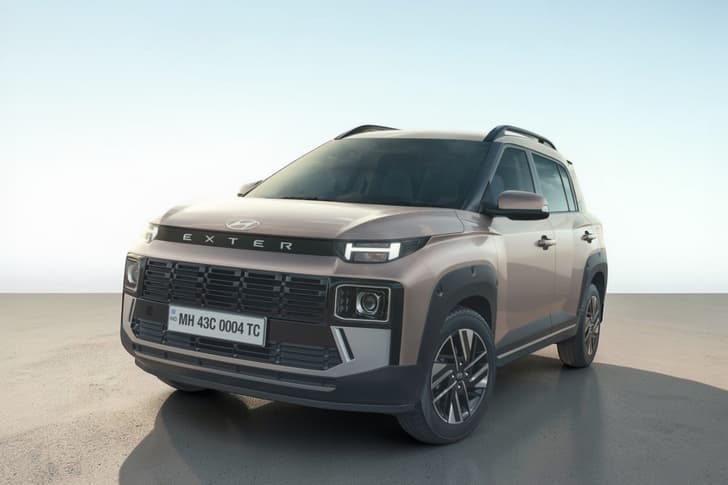
Buy the Maruti Wagon R. It fits under Rs. 8 lakh, is easy for elderly parents to get in and out of, and keeps running costs and headaches very low. The high-set seats, big doors and great visibility will feel familiar coming from your old Wagon R, and for a car that will mostly sit at home, Maruti’s wide Tier-2 service reach and affordable parts matter more than anything fancy.If you want a change, the other models of interest are the Hyundai Exter and Tata Punch. Both are relatively easy to get into and out of, which we'd give high priority in a car for your parents.
user_858uyo0d
My monthly running is around 2,500 km. My budget is Rs. 10 lakh. Around 70% of my driving is in the city, and 30% is on highways. Kindly suggest a car with a good safety profile.

autocar.india
Go for the Tata Altroz. With 2,500km a month, you will want to keep fuel costs in check, and with this car you get a choice of petrol, CNG and diesel with this car. It is one of the few cars in the Rs. 10 lakh range that has a 5-star crash rating, and it feels solid and surefooted on long runs.The diesel engine has a strong mid‑range pull for overtakes, you can expect around 20-22kpl on highways if you aren't too heavy with your right foot, but you will only get an entry variant in your budget and it requires additional maintenance. Thus, a more economical choice might be petrol or CNG; try all three and decide which works best. The Altroz rides comfortably over rough patches so long trips are less tiring. Space is good for a small family and the boot is usable for weekend bags.If you want more bang for your buck, there is the Tata Punch. You won't get a diesel, and it is smaller in the cabin and boot, but you will get more features in your budget. Alternatively, there is also the Nissan Magnite, which has also got a 5-star NCAP rating, and comes with an efficient 1.0-litre petrol engine.
krishav
Is the Tata Punch Automatic CNG a good option to buy, or should I consider the Tata Punch Automatic Petrol instead? My usage will be mostly limited to city driving, with only occasional long-distance trips. My budget is Rs. 10 lakh.

autocar.india
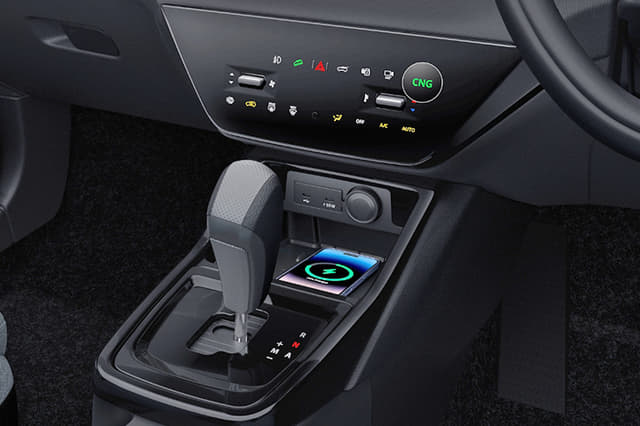
Pick the Tata Punch automatic petrol. It matches light, mostly city use and the odd highway run much better. The price difference between the petrol AMT and CNG AMT is around Rs. 90,000 to Rs. 1 lakh, depending on the variant. With your limited running, it will take a while to recover the extra upfront cost, which is why the petrol AMT is the smarter choice. The CNG version also brings fuel station queues, a smaller boot and lower performance. If you drive a lot or plan to keep the car for a very long time, then the CNG makes more sense.For city driving, the petrol automatic is simply easier to live with. It creeps smoothly in stop-go traffic and responds more quickly when you need to take a gap. On occasional long drives, the petrol’s mid-range performance is stronger, and CNG stations can still be patchy outside larger cities.One honest catch: the AMT can feel a bit hesitant if you floor the accelerator.
andy10
Being 6 feet tall person with a budget within Rs. 10 lakh, I mostly commute in the city but also ride around 200 km on the highway every week. My priorities are reliability, after-sales service, fuel efficiency, and riding comfort. Which one should I choose between the Maruti Suzuki Fronx NA Petrol and the Tata Punch NA Petrol?

autocar.india
Go for the Fronx NA petrol, mainly for its smoother 4-cylinder engine and better efficiency, which will save you money in city traffic and feel calmer on your 200 km weekly highway run. Maruti’s reliability and service reach are still the easiest to live with, especially if you plan to keep the car long. For a 6ft driver the seat travel is good, cabin is wider than the Punch, and the Fronx feels more relaxed at 90-100 km/h with less engine noise.The Punch fights back with a higher driving position and a tougher, more absorbent ride on bad roads. But its 3-cylinder motor is noisier, needs more effort for highway overtakes, and real-world fuel use is usually higher. Tata’s service is improving but still inconsistent in many cities.If reliability, low running costs and everyday comfort matter most, the Fronx fits your brief better.