
Autocar India
2d

My monthly running is around 2,500 km. My budget is Rs. 10 lakh. Around 70% of my driving is in the city, and 30% is on highways. Kindly suggest a car with a good safety profile.

Verified
13m

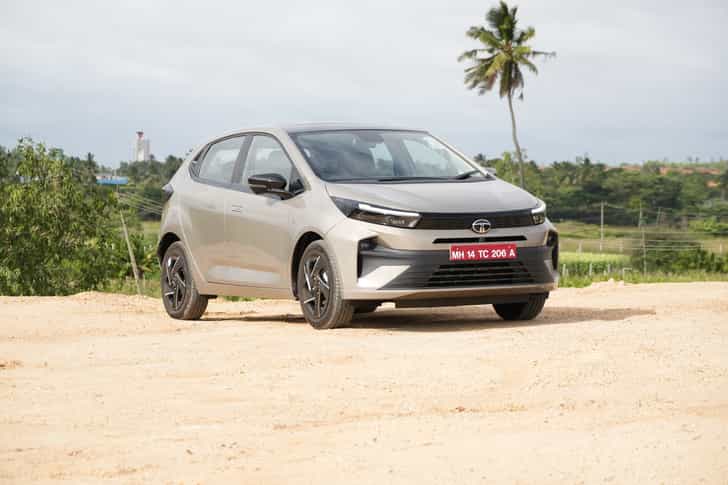
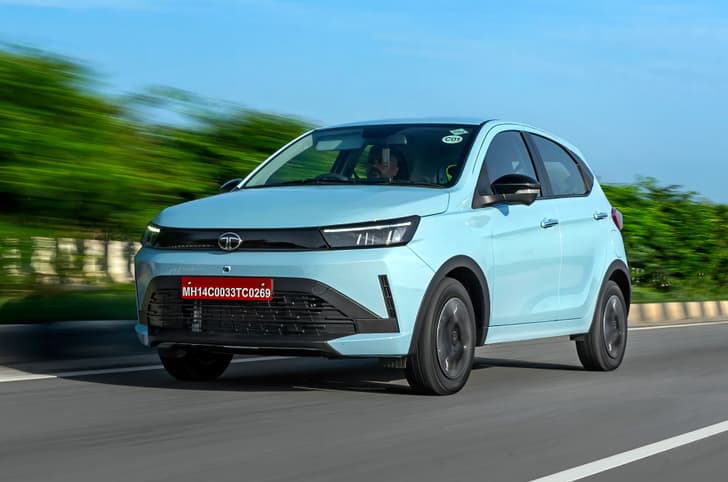
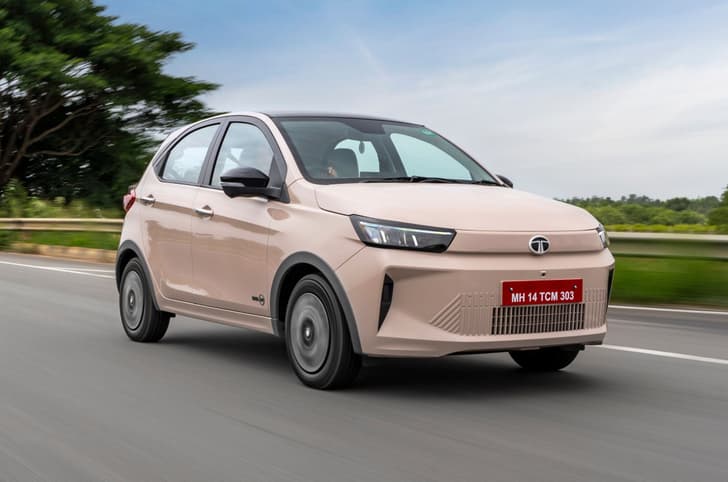
Go for the Tata Altroz. With 2,500km a month, you will want to keep fuel costs in check, and with this car you get a choice of petrol, CNG and diesel with this car. It is one of the few cars in the Rs. 10 lakh range that has a 5-star crash rating, and it feels solid and surefooted on long runs.

The diesel engine has a strong mid‑range pull for overtakes, you can expect around 20-22kpl on highways if you aren't too heavy with your right foot, but you will only get an entry variant in your budget and it requires additional maintenance. Thus, a more economical choice might be petrol or CNG; try all three and decide which works best. The Altroz rides comfortably over rough patches so long trips are less tiring. Space is good for a small family and the boot is usable for weekend bags.

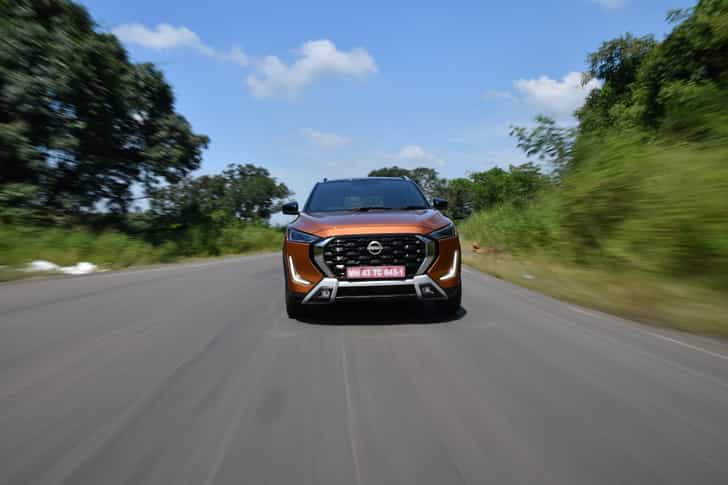
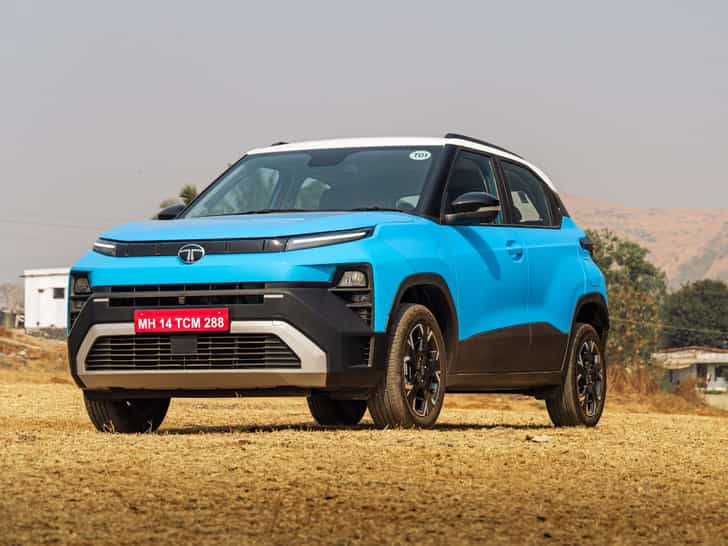
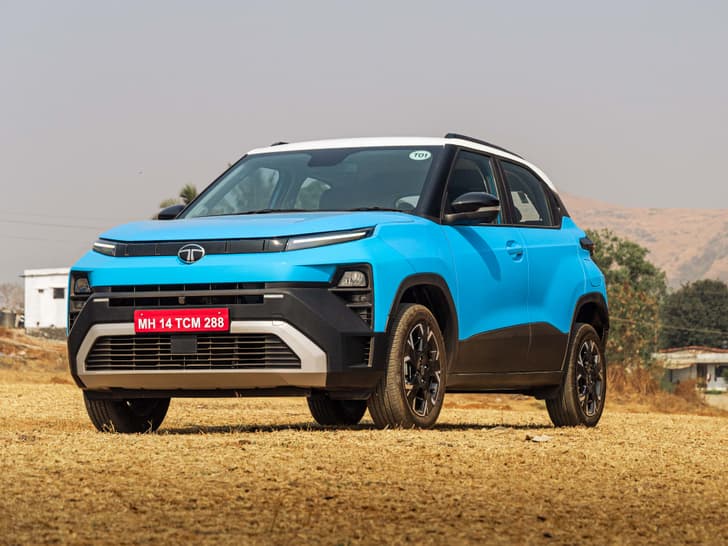
If you want more bang for your buck, there is the Tata Punch. You won't get a diesel, and it is smaller in the cabin and boot, but you will get more features in your budget. Alternatively, there is also the Nissan Magnite, which has also got a 5-star NCAP rating, and comes with an efficient 1.0-litre petrol engine.
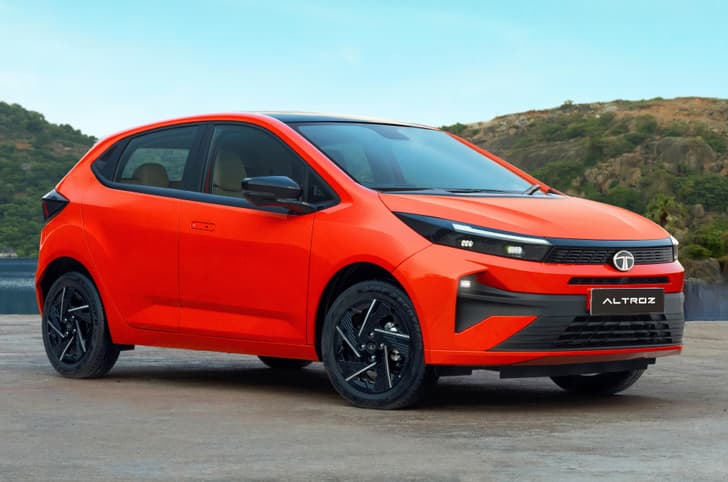
Tata Altroz

Tata Altroz

Was this helpful? Ask a follow-up

More questions on similar cars

6d

Does high body roll in a car influence motion sickness? I am planning to buy a new car and have shortlisted Punch, Altroz and i20. As Punch has higher body roll, should I cancel it? Two of my family members have motion sickness. We have around 5-6 trips annually through winding Konkan roads. I would want my car to be comfortable for all throughout the journey.

Verified
2d

Pick the Tata Altroz for your trips. It stays flatter through ghats than the Punch and feels steadier than the i20, which helps people who get sick. On winding Konkan roads, side-to-side roll and float at the back are what trigger nausea; the Altroz sits lower and has a firmer, more tied-down tune, so there’s less sway in bends and less bobbing over crests. It is calm at highway speeds, too, so your family won’t be tossed about.A few tips for travel sickness: seat the most sensitive person in front and tell them to keep looking out and at the road and horizon. Motion sickness is caused mainly due to your body receiving differing signals, so if your are reading you eyes and looking down and at something steady, but your body is sensing motion. Thus, for people who feel sick its best to look out of the windows and not at a phone, for example. Also, if required, keep the windows cracked a bit for fresh air, which helps, and take short breaks more often rather than one break after a long drive. Eat a light meal and lime and ginger if you can, as it helps reduce nausea.

VehicleTata Altroz
VehicleTata Punch
VehicleHyundai i20
3d

I'm looking for an automatic car. I've been using a Ford EcoSport diesel manual, but I think it's time to replace it. My driving pattern involves driving 2-3km and stopping the car, and these short trips happen four times a day. I also make occasional trips around Delhi NCR and one or two mountain trips each year, with an annual running of around 10,000-12,000km, split 60% city and 40% highway. I've always preferred diesel cars, but I'm not sure whether the DPF will survive this kind of usage. My priority is a stress-free ownership experience over a few extra kilometres per litre. I like diesel torque, but don't want to deal with DPF or AdBlue injector issues. Please suggest suitable options in both the sub-4m segment under 12 lakh and the 4.3m segment under 16 lakh.

Verified
8h

Skip diesel for your short hops and get a turbo petrol automatic. Your 2-3 km stop-start runs are exactly what clog DPFs. A turbo-petrol will get you the torque you like while avoiding DPF issues.Under Rs 12 lakh, the Maruti Suzuki Fronx and Nissan Magnite are good picks. Both turbo-petrols have good low- and mid-range, and smooth automatics (torque converter in the Fronx and CVT in the Magnite). They are light to drive in the city, stable enough on Delhi-NCR runs, and will handle an annual hill trip without fuss.Under Rs 16 lakh, consider the Skoda Kushaq 1.0 and the Honda Elevate. The Kushaq 1.0 with the 6-speed automatic feels torquey, cruises all day, and climbs hills confidently. It’s compact outside but feels tight and secure at speed, which makes highway stints less tiring. One caveat: service reach and costs are higher than the mass brands.If you want an absolute zero-hassle over punch in the bigger bracket, the Honda Elevate automatic is calmer and super easy to live with, just not as eager as the Kushaq.

VehicleMaruti Suzuki Fronx
VehicleNissan Magnite
VehicleSkoda Kushaq
VehicleHonda Elevate

Curated collections

Popular discussions right now
1w

My annual running is below 7,000 km, and I plan to keep my next car for 12-15 years. I am confused between Grand Vitara, Hyryder, Elevate, Creta, Seltos and Victoris. My priorities are reliability, a good balance of power and fuel efficiency, family comfort, low maintenance and long-term ownership. I am also concerned about India's future ethanol-blending policy (E20 and higher blends). Which of these would be the best long-term choice and why?

Verified
6d

With an annual running of less than 7,000km, fuel efficiency should not be the deciding factor. Instead, you should focus on comfort, reliability, ownership experience and how well the car will age over the next 12-15 years. That's why we wouldn't prioritise the Grand Vitara, Hyryder or Victoris Hybrid. Their hybrid systems command a price premium that you'll struggle to recover with such low annual usage.Between the remaining options, the Kia Seltos strikes the best balance. It offers a refined and proven naturally aspirated petrol engine, a smooth IVT automatic, a spacious and premium cabin, excellent comfort and a strong ownership experience. It also feels newer and more upmarket than the Elevate, while the Creta is due for a generational update sooner.The Honda Elevate deserves a mention for its simplicity and reliability. If absolute mechanical simplicity is your priority, it is arguably the safest long-term bet. However, it doesn't feel as premium as the Seltos. The engine and CVT combination isn't quite as refined, and Honda's dealer network is smaller.As for ethanol blending, we wouldn't let it influence your purchase decision. While there is plenty of discussion around E25, E27 and E30 fuels, there is currently no confirmed roadmap for such a transition. More importantly, all of these cars are E20-compliant, and manufacturers have engineered a degree of tolerance beyond that. The most likely effect of higher ethanol blends would be a small reduction in fuel efficiency and slightly accelerated wear of certain fuel-system components over a very long period, not a major reliability issue.

VehicleKia Seltos
VehicleHonda Elevate
VehicleMaruti Suzuki Grand Vitara
VehicleMaruti Suzuki Victoris
VehicleToyota Urban Cruiser Hyryder

Posted on: 1 Jul 2026