Hi, I have a budget of Rs. 40 lakh and am confused between the Skoda Kodiaq Lounge, the Toyota Innova Hycross ZX(O), and the Toyota Fortuner Petrol. I am 28 years old and want a car that is fun to drive but also comfortable for my family. My driving will be split 80:20 between on-road and off-road use.

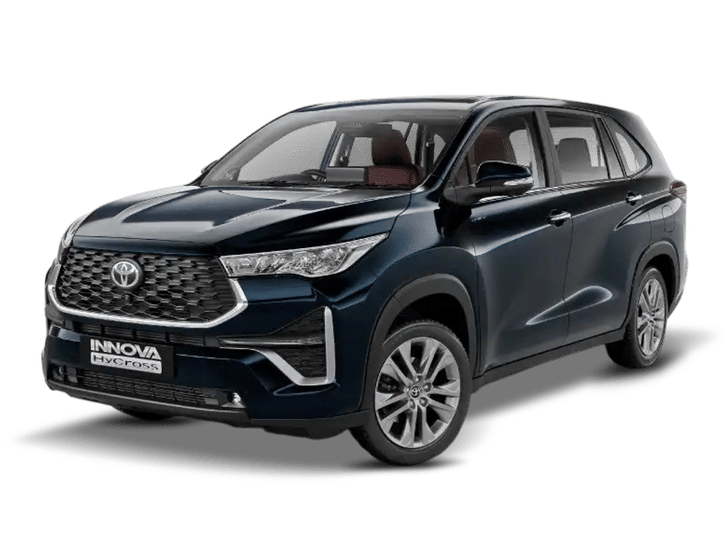
Pick the Innova HyCross ZX(O). For a hard Rs. 40 lakh cap it fits cleanly, it is the most comfortable and spacious for family, and it is far easier to live with daily. The smooth hybrid makes city drives effortless and quiet, and on broken roads, it just takes the abuse without rattling everyone. Your 20 percent off-road sounds like rough trails rather than rock crawling, and the HyCross will handle that sort of bad-road stuff better than you expect. But, the Innova isn't particularly fun to drive.
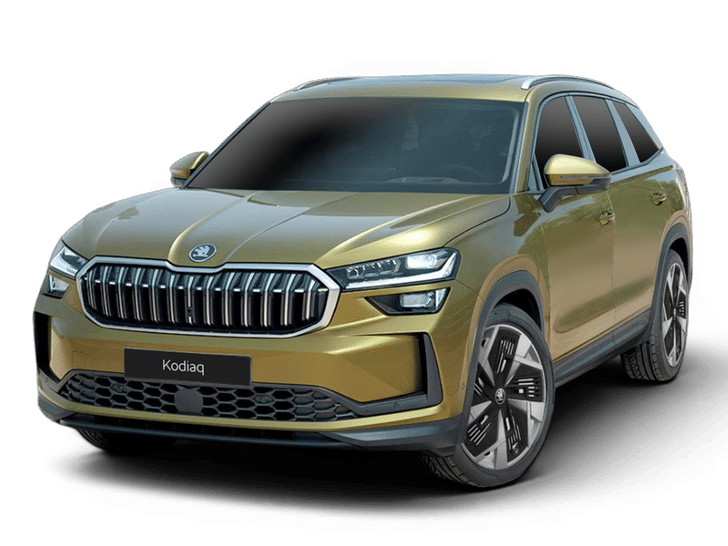
If you really crave driver fun, the Kodiaq is the one that puts a smile on your face. This Skoda car has a 2-litre turbo petrol and AWD make it genuinely enjoyable on highways and hills, and the cabin feels richer. Two catches, though. It likely stretches past Rs. 40 lakh on-road in most cities, and its third row is tighter, and you have to be a bit careful off the beaten path.
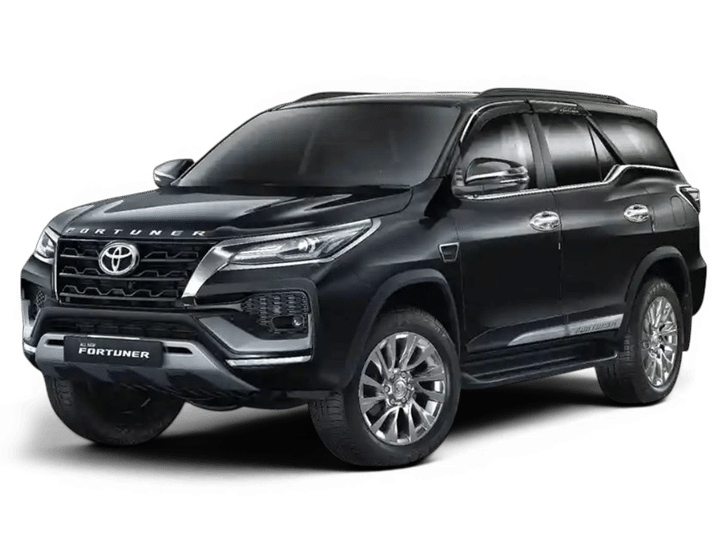
The Fortuner petrol is the most capable off-road, but for 80 per cent on-road use, it feels heavy and bouncy, the steering is not friendly in town, and it guzzles fuel.
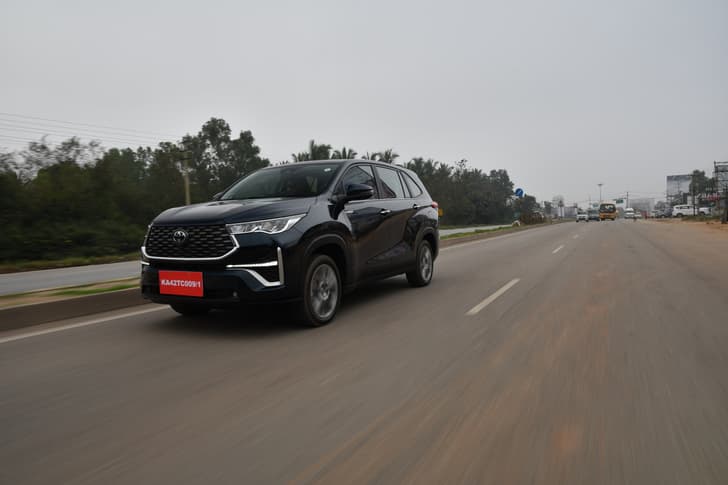
Toyota Innova HyCross
Explore cars mentioned
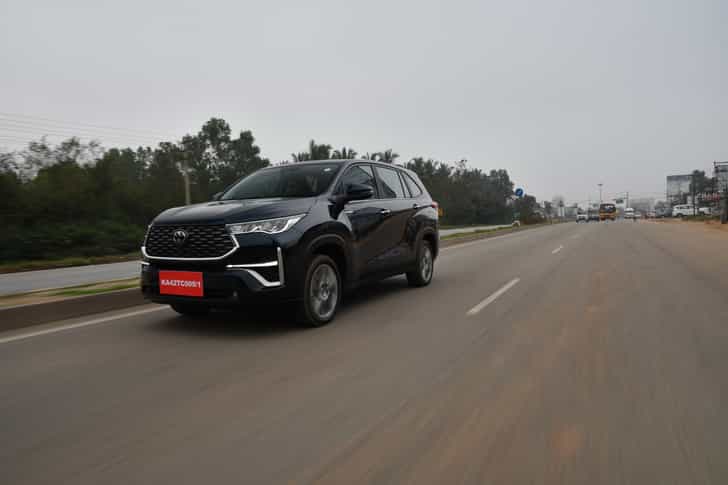
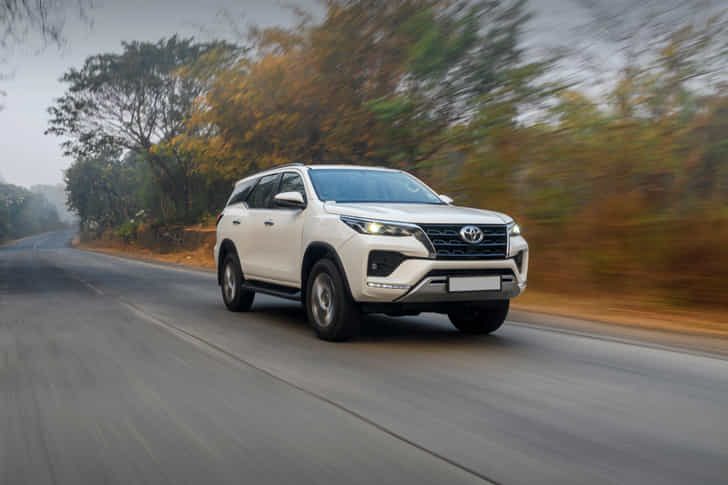
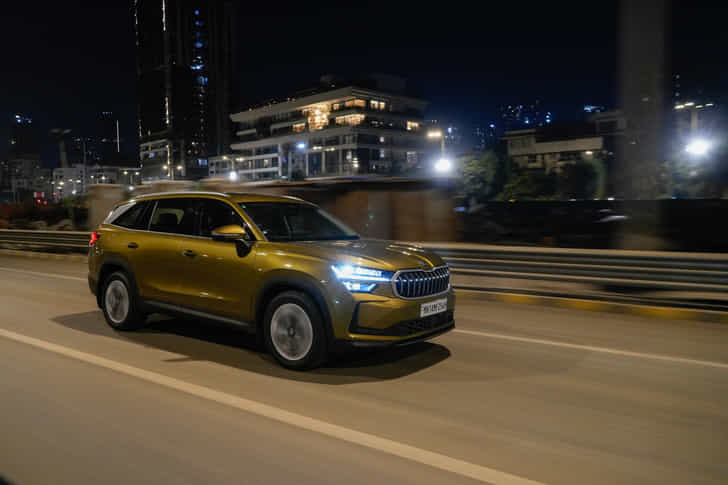
I have hycross will share my experience with you . Before buying i was also confused with these 3 cars . Then I went for hycross reson for me was I wanted a comfortable 7 seater and that was hycross... Forruner is good but it has bounce ride road presence is to good . Kodiaq is totally different is not at all 7 seater and it dosent have after resale value car is good to drive and comfortable for 4 to may be 5 people .... For hycross what i feel iam sharing if that can help you . My Driving Experience with the Toyota Hycross Hybrid (zxo 2025 Model) I have completed around 22,000 km in my Toyota Hycross Hybrid within a span of one year. During this period, I have driven the vehicle across almost every type of terrain possible, including city traffic, highways, and long-distance road trips. On good roads, the Hycross is exceptionally smooth and comfortable. The cabin cooling is excellent. Even when the outside temperature was close to 49°C with extremely hot winds, the air conditioning kept the cabin comfortable. The only issue I have experienced is on badly damaged roads or rough patches. When the vehicle hits a pothole or a broken section of road, the suspension can feel harsh, and the impact noise sometimes gives the impression that something might fall apart, even though the vehicle remains structurally sound. As far as the engine is concerned, on paper it may seem modest — a 1987 cc naturally aspirated hybrid producing around 185 hp without a turbocharger. Initially, I was not very confident about how it would perform in the hills, but it has done its job remarkably well. The power delivery is smooth and adequate for most situations. That said, I would have loved a bit more punch, especially at highway speeds and on steep inclines. A turbocharged setup could have provided that extra surge of power, similar to what one experiences with the Innova Crysta’s diesel engine. Another area that could be improved is the front seats. While they are supportive, I found the cushioning slightly firm for long journeys and would have preferred softer seats for added comfort. I also experienced an occasional issue with the infotainment system. At times, the screen would go blank while using Apple CarPlay. It was not a frequent problem, but Toyota should work on improving the software stability and overall responsiveness of the system. The cruise control system performed flawlessly throughout my journeys. I especially appreciated the Adaptive Cruise Control, which made long highway drives far more relaxed and comfortable. Overall, the Toyota Hycross Hybrid has been an excellent companion for both city driving and long-distance travel. It offers impressive fuel efficiency, outstanding cabin comfort, modern safety features, and a refined driving experience. Despite a few shortcomings in suspension tuning, seat comfort, and infotainment software, it remains a highly practical and enjoyable family vehicle. Pros ● Excellent fuel efficiency for both city and highway driving ● Comfortable cabin with highly effective air conditioning ● Smooth and refined driving experience on good roads ● Reliable Adaptive Cruise Control and modern safety features ● Suitable for long-distance travel and family use Cons ● Suspension can feel harsh on rough or damaged roads ● Engine could use more power for highway overtakes and steep climbs ● Front seats may feel slightly firm on long journeys ● Occasional infotainment glitches with Apple CarPlay ● Impact noise over potholes can feel unsettling despite solid build quality
Is that even confusion? Kodiaq is a clear winner
I suggest you must check Jeep Meridian or Higher variants of XUV 7XO too
Hello.. I am confused between Skoda Signature + petrol automatic and Mahindra 3XO AX5 petrol automatic variant. Both have same exshowroom price. In On Road price 3XO is costly by 20K
I own Kodiaq, driven 15K in 3 months if you're looking for a fun to drive vehicle and are okay to spend some time & money maintaining it nothing like this car. I've driven my Skoda Rapid 2L+ in 6 years, maintain them well and nothing like these cars
My usual running is approx 500 km in a month . I am a family of 3 plus 1 pet . We currently have a Kia Seltos 1.4 Petrol DCT and want to upgrade to a bigger vehicle Which would be suitable for my use between the Innova Hycross and The Skoda Kodiaq ?
Kodiaq. Toyotas are notorious when in it comes to safety (if u r considering travelling with family). They are overpriced for the stuff u get and literally 50% less comfy compared with Skoda. Kodiaq does both off roading and soft roads quite well. Toyota is a normal brand, Skoda is Sub-Premium. Kodiaq is your vehicle.
If you don't mind EV..You should think about XEV 9S
If you care about driving more than anything else and a bit of polish, pick the kodiaq. Comfort will be less than the innova but more than the fortuner. If you want something that does everything well but don't mind the mpv image then go for the innova. If you care first and foremost about the image and need some oomph in your political circles and business or you live rural and your 20% off road use is tougher than it sounds then go for the fortuner.
I am driving kodiaq since Nov 2017 . Enjoyed my long drives thoroughly. A soft but strong, most reliable family car. This is best car under 70lakh in india. My next change is again going to be kodiaq. Just waiting for review of rs
Beware of the implications of E20 petrol.
Buy used car from auction - they're good. Invest the rest of the money
How about Invicto, a brilliant car I think
More posts on similar cars

Expert reviews worth reading
Popular discussions right now
Compare suggested cars




Posted on: 30 Jun 2026